As modern tourism pushes deeper into the well-trodden corridors of the Annapurna and Everest regions, true wilderness seekers find themselves asking: Where is the next frontier?
At Best Heritage Tour, we have spent decades mapping the rawest, most authentic corners of the Himalayas. For 2027, our definitive compass points resolutely to the untamed, pristine Northwest.
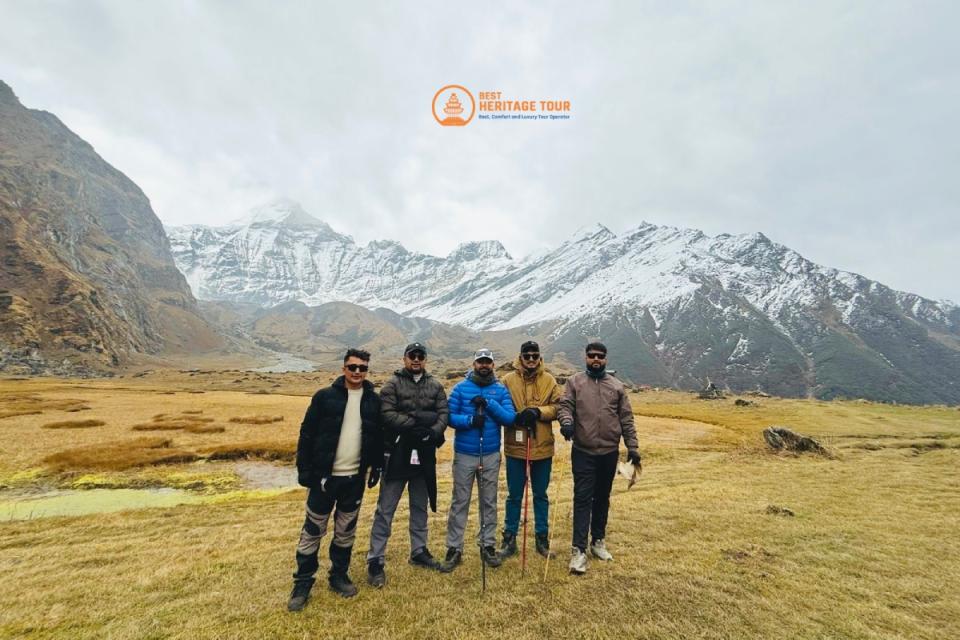
The Api Himal Base Camp Trek Guide 2027 serves as our comprehensive blueprint for exploring one of the final, untouched strongholds of alpine adventure. Sheltered inside the protected sanctuary of the Api Nampa Conservation Area, this legendary route brings you face-to-face with Mount Api (7,132 m), the highest, most majestic peak in Far-Western Nepal.
Why Trek to Api Himal Base Camp?
The reasons Why Trek to Api Himal Base Camp resonates so deeply with purists lie in its total seclusion. This is not a commercialized trekking highway; it is a profound journey backward through time.
Mt. Api: 7,132m → Highest Peak in Far-West Nepal
↓
Subtropical Forests → Home to Red Pandas & Snow Leopards
Alpine High Meadows → Land of the Sacred Byansi Culture
-
Crowd-Free Serenity: While thousands flock to standard commercial loops daily, the paths snaking toward the foot of Mt. Api remain profoundly isolated. You will experience days of hiking where your only trail companions are the whistling wind, local yak herders, and soaring birds of prey.
-
Rich Ecological Diversity: Spanning over 1,903 square kilometers, the Api Nampa Conservation Area protects a biological treasure trove. The ecosystem shifts rapidly from subtropical river gorges to dense rhododendron zones, eventually giving way to raw alpine moraines. It provides sanctuary to rare wildlife, including the elusive snow leopard, Himalayan black bear, musk deer, and the endangered red panda.
-
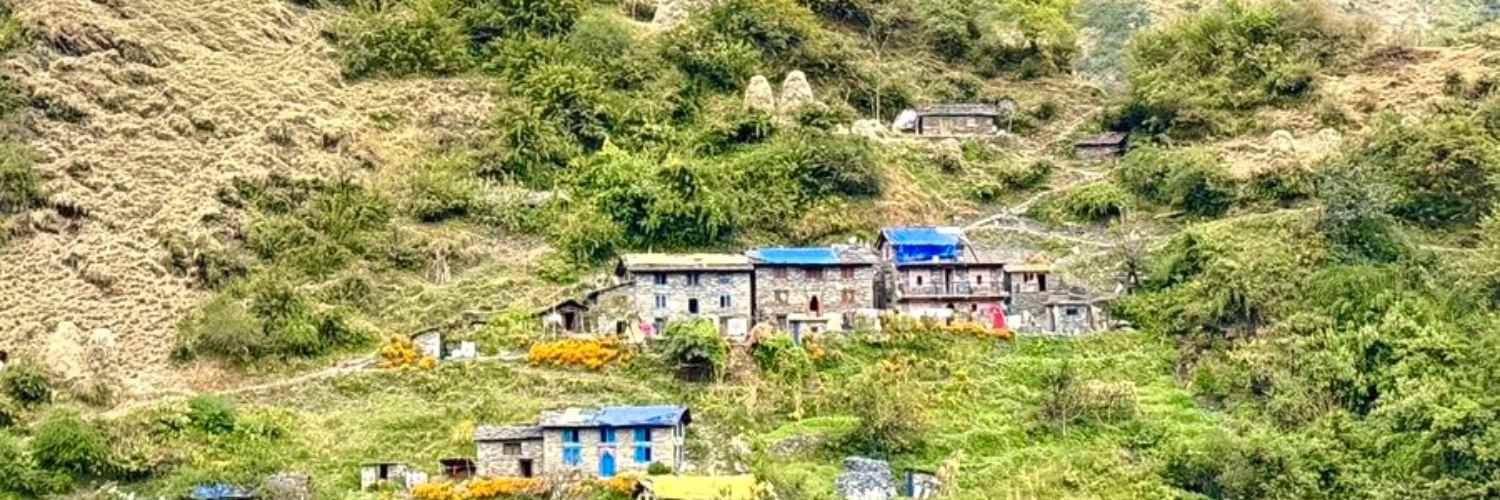
Unspoiled Cultural Horizons: The far-western mid-hills host a vibrant cultural tapestry of Chhetri, Thakuri, and indigenous Byansi (Sauka) communities. Their lifestyle remains entirely undisturbed by Western influences. Traveling here lets you witness ancient Shamanistic rituals, historical stone architecture, and an authentic way of life centered around high-altitude agriculture and seasonal migration.
-
Sacred Glacial Jewels: The high country harbors pristine alpine lakes like Kalidhunga Lake (4,200 m). This shimmering turquoise jewel rests directly beneath towering massifs and serves as a vital pilgrimage site for local shamans and devotees.
How Difficulty is the Api Himal Base Camp Trek?
Before stepping onto this wild frontier, a clear assessment of the Api Himal Base Camp Trek Difficulty is essential.
We officially grade this trek as Moderate to Challenging. While it does not require technical mountaineering skills, specialized rope work, or ice-axe maneuvers, it demands excellent physical cardiovascular stamina, a resilient mindset, and a genuine love for roughing it.
|
Difficulty Factor |
Trail Reality & Challenge Profile |
|
Daily Trekking Duration |
5 to 8 hours of active movement per day |
|
Average Daily Distance |
12 to 15 kilometers over varying gradients |
|
Peak Elevation |
4,100m to 4,200m (Kalidhunga Lake) |
|
Primary Terrain Type |
Steep stone stairs, narrow ridges, moraines |
|
Infrastructure Level |
Remote; basic homestays and camping setups |
Key Terrain and Elevation Factors
The true physical challenge stems from the relentless elevation changes of the Far-West terrain. You will traverse steep, stone-paved staircases, balance across narrow suspension bridges suspended over the churning Chameliya River, and navigate exposed, rocky moraine paths at higher elevations.
The altitude presents its own distinct challenge. Starting from near sea level in the lowland plains of Dhangadhi (109 m), the route climbs steadily up to Api Base Camp (4,100 m) and nearby viewpoints near 4,200 m. Because the ascent climbs gradually through the river valley, your body gets ample opportunity to acclimatize naturally, minimizing the severe risks of acute mountain sickness (AMS).
However, the complete lack of luxury mountain lodges means that flexibility is your greatest asset. Accommodations alternate between basic village homestays and wilderness tent camping.
Api Himal Base Camp Trek Cost: Exceptional Value for 2027
Navigating logistics independently in Far-Western Nepal is immensely difficult. The region requires specialized environmental permits, complex multi-modal logistics, and mandatory licensed guiding support.
To make this remote frontier highly accessible, Best Heritage Tour offers at just USD 1770 + Taxes per person an all-inclusive, expert-led expedition package for the 2027 season.
Our pricing framework delivers premium logistical support at a very competitive rate:
Exclusive 2027 Package: USD 1770 + Taxes per person
-
Included Accommodations: Standard hotels in Kathmandu, basic lodges/homestays along the mid-hills, and high-quality, weather-insulated four-season tents for alpine camps.
-
All Domestic Transport: Round-trip domestic flights from Kathmandu to Dhangadhi, followed by rugged 4x4 private jeep transfers directly to the remote trailheads.
-
Full Board Meals: Freshly prepared breakfasts, lunches, and dinners everyday on the trail, complemented by clean, purified drinking water.
-
Permits & Fees: Comprehensive coverage of Api Nampa Conservation Area Project (ANCAP) entry permits and government TIMS registration cards.
-
Our Field Crew: Highly experienced, wilderness-first-aid certified local guides, professional camp chefs, and strong, reliable local porters.
The Definitive 11-Day Api Himal Base Camp Trek Itinerary
Our masterfully optimized Api Himal Base Camp Trek Itinerary balances swift travel times with a safe, natural acclimatization path. We utilize domestic flights to bypass over 14 hours of grueling bus travel across the lower highways, maximizing your precious time on the actual mountain trail.
-
Day 1: Arrival in Kathmandu (1,400m / 4,593ft)
-
Day 2: Flight to Dhangadhi and drive Attariya to Makarigadh (1,300m / 4,265ft)
-
Day 3: Trek from Makarigadh (1,300m / 4,265ft) to Naupata (1,800m / 5,906ft)
-
Day 4: Trek from Naupata (1,800m / 5,906ft) to Siti Gaun (2,400m / 7,874ft)
-
Day 5: Trek from Siti Gaun (2,400m / 7,874ft) to Dhauliodhar (3,200m / 10,499ft)
-
Day 6: Trek from Dhauliodhar (3,200m / 10,499ft) to API Base Camp (4,100m / 13,451ft)
-
Day 7: Trek from API Base Camp (4,100m / 13,451ft) to Kalidhunga Lake (4,200m / 13,780ft) & Return to Dhauliodhar (3,200m / 10,499ft)
-
Day 8: Trek from Dhauliodhar (3,200m / 10,499ft) to Ghusa Gaun (2,000m / 6,562ft)
-
Day 9: Trek from Ghusa Gaun (2,000m / 6,562ft) to Naupata (1,800m / 5,906ft)
-
Day 10: Drive from Naupata (1,800m / 5,906ft) to Attariya (150m / 492ft)
-
Day 11: Drive from Attariya to Dhangadhi (150m / 492ft) and fly to Kathmandu (1,400m / 4,593ft)
-
Day 12: Departure or Trip Extension
For a detailed itinerary breakdown, check out our: API Himal Base Camp Trek Itinerary Guide
Essential Packing List & Preparation Tips for Api Himal Trek
A successful venture into a restricted, remote sanctuary like the Api region requires meticulous preparation.
1. Training & Physical Conditioning
Commit to a dedicated cardiovascular fitness regimen at least 6 to 8 weeks prior to departure. Focus on:
-
High-intensity incline treadmill walking or stair climbing for 45-60 minutes daily.
-
Strength training targeting your core and legs (squats, lunges, step-ups, and planks) to ease the long mountain ascents and steep descents.
-
Flexibility and balance exercises, like dedicated stretching and yoga, to protect joints on rugged, uneven moraine tracks.
2. What to Pack for Api Himal Base Camp Trek?
Because there are zero commercial gear shops past Kathmandu or Dhangadhi, your gear packing must be absolute:
-
Layering System: Synthetic, moisture-wicking base layers, insulating mid-layers (fleece or lightweight down), and a heavy-duty, high-loft down jacket rated for -15℃.
-
Footwear: High-cut, waterproof, well-broken-in leather hiking boots offering substantial ankle support, paired with thick merino wool trekking socks.
-
Shell Layers: Windproof and completely waterproof Gore-Tex outer shell pants and jacket.
-
Sleeping: A certified four-season sleeping bag rated down to -15℃ accompanied by an insulated thermal sleeping pad.
-
Electronics: Multiple high-capacity power banks (20,000 mAh minimum) and spare camera batteries, as electricity for charging devices is non-existent throughout the middle and upper trail sections.
Conclusion
The era of untouched, raw wilderness trekking is rapidly shrinking, but the Far-Western frontier of Nepal remains a glorious exception. Choosing the Api Himal Base Camp Trek means stepping off the commercial map and entering a world where nature remains absolute and cultural heritage is completely untainted. It is an investment in an authentic adventure that very few travelers can claim on their global map.
At Best Heritage Tour, we pride ourselves on delivering seamless, safety-first logistics in the most remote corners of the Himalayas. Our expertly crafted 2027 itinerary, local guiding network, and comprehensive camp setups ensure that your journey into the Api Nampa Conservation Area is not only deeply moving but also remarkably secure. Do not just dream of the untamed peaks - walk among them before the rest of the world catches on.
Begin Your Journey with Best Heritage Tour
Phone / WhatsApp / Viber: +977-9851149197 / +977-9810043046
Email: info@bestheritagetour.com / bestheritagetour@gmail.com
Website: www.bestheritagetour.com
Office: Thamel Marg, Kathmandu, Nepal
Author: Best Heritage Tour
Date: 14th June, 2026