
Indigenous People Trail Trek - 6 Days
Insight on the Indigenous People Trekking Trail
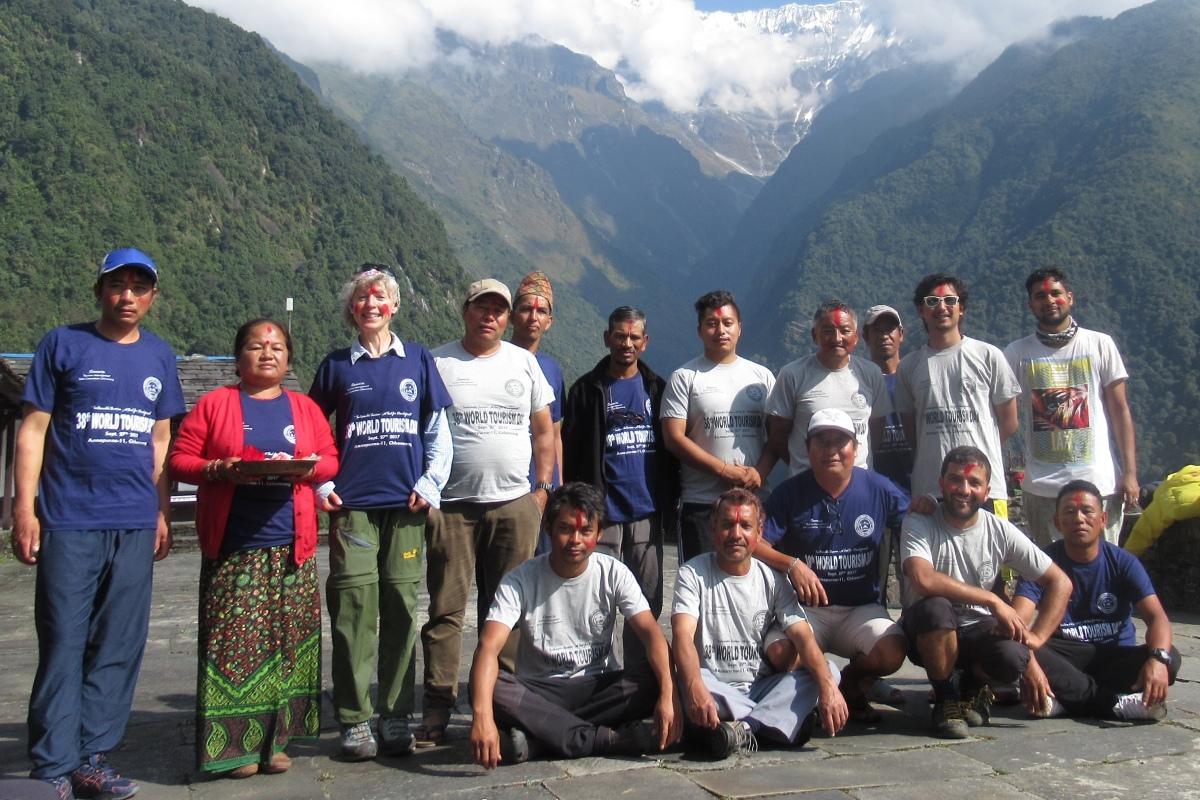
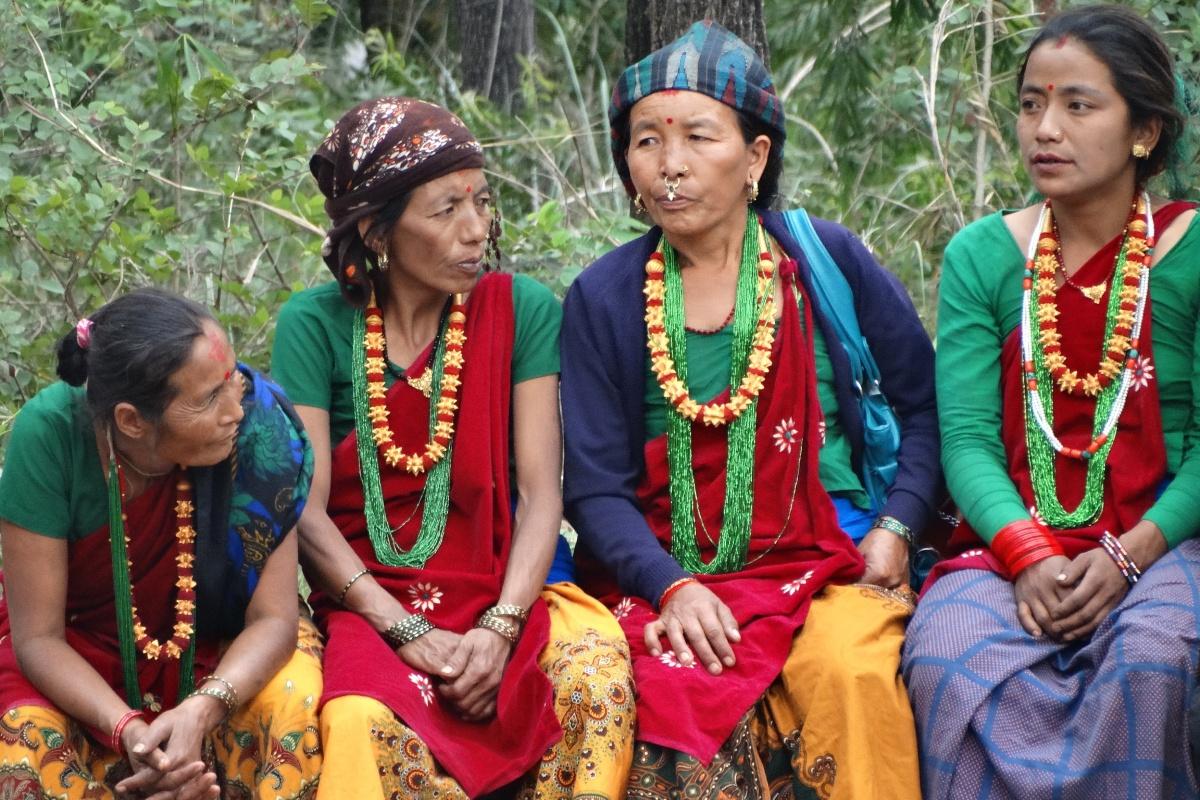
The Indigenous People Trekking Trail is a rare, low-altitude gem in Nepal’s Ramechhap district, perfect for those seeking deep cultural intimacy without the high-altitude strain. This trek offers a vibrant living museum of Nepal’s ethnic diversity; as you traverse the rolling mid-hills, you will encounter the unique traditions and warm hospitality of the Tamang, Sherpa, Newar, Thami, Majhi, and Yolmo communities. Walk along terraced hills, dense forests, and scenic trails while gaining authentic insights into indigenous craftsmanship, cuisine, and folklore. Perfect for cultural explorers and adventure seekers alike, this trek combines Himalayan vistas with meaningful human connections, creating memories that go beyond the typical trekking experience in Nepal.
Trip at a Glance
-

Country: Nepal
-

Trip grade: Easy
-

Destination: Nepal
-

Activities: Cultural Tour
-

Accommodation: Homestay
-

Meals: Breakfast, Lunch & Dinner
-
.png)
Transportation: Private Vehicle
-

Maximum altitude: 3,146m / 10,321ft
-

Group size: 1-12
-
Trip Start / End: Kathmandu - Kathmandu
-
.png)
Best Season: All Year
Key Highlights
- Reach the summit of Thulo Sailung (3,146m) to witness an unobstructed view of the Everest, Langtang, Ganesh Himal, and Annapurna ranges
- Engage with six distinct ethnic groups - Tamang, Sherpa, Newar, Thami, Majhi, and Yolmo - each with their own unique language, dress, and spiritual traditions
- Explore the 600-year-old Khandadevi Temple, a rare site where Hindu and Buddhist devotees worship side-by-side
- Skip the commercial tea houses for genuine community-run homestays, sleep in traditional homes, eat organic "farm-to-table" meals
- Travel through diverse landscapes ranging from sub-tropical valleys and pine forests to the high-altitude rhododendron blooms of the Sailung ridge.
- Explore the traditional stone-carved houses of Doramba and the historic fortifications of the Ramechhap district that date back centuries.
- Enjoy a "Himalayan" experience while staying below 3,200 meters, making this the perfect choice for families, seniors, or those wary of altitude sickness.
Trip Overview
The Indigenous People Trekking Trail (IP Trail) is a rare, low-altitude gem that redefines the trekking experience in Nepal. Located just 130 kilometers east of Kathmandu in the Ramechhap district, this journey is far removed from the bustling crowds of the Everest and Annapurna circuits. Instead, it offers a "living museum" of Nepal’s immense ethnic diversity. Over six days, you will traverse the rolling mid-hills of the Mahabharat Range, crossing ancestral lands where the traditions of the Tamang, Sherpa, Newar, Thami, Majhi, and Yolmo people have remained unchanged for centuries.
Starting with a scenic drive to Dhunge, the trail ascends to the mystical Thulo Sailung (3,146m), the highest point of the trek. From here, you are treated to a staggering 360-degree panorama of the Himalayas, including the Langtang, Rolwaling, and Everest ranges. Unlike high-alpine expeditions, this trek focuses on human connection. By staying in authentic community-run homestays, you don’t just observe the culture; you live it. You will share meals with your hosts, witness sacred rituals at the ancient Khandadevi Temple, and see the intricate craftsmanship of the Tamang people in Doramba.
Whether you are a beginner looking for a moderate challenge or a seasoned traveler seeking the "real Nepal," this trek offers a perfect balance of natural beauty and cultural immersion. Managed by Best Heritage Tour, this eco-friendly itinerary ensures your journey supports local livelihoods while providing you with an unforgettable, soulful Himalayan odyssey.
What to Expect on the Indigenous People Trekking Trail?
1. Authentic Cultural Immersion
Expect to be treated like a guest, not just a tourist. As you pass through the ancestral lands of the Tamang, Sherpa, Newar, Thami, Majhi, and Yolmo, you’ll witness daily life in its purest form. From traditional farming techniques to ancient folk songs, the deep-rooted heritage of these six distinct communities provides a constant, vibrant backdrop to your trek.
2. Breathtaking Low-Altitude Vistas
While this is a "mid-hill" trek, the views rival those of the high Himalayas. From the summit of Thulo Sailung, you can expect a staggering 360-degree panorama. On a clear day, the horizon is dominated by the Langtang, Rolwaling, and Everest ranges, offering world-class mountain photography opportunities without the physical toll of high-altitude thin air.
3. Homestay Hospitality
Instead of commercial teahouses, expect to stay in community-run homestays. This means sleeping in cozy, traditional homes and sharing stories around a central hearth. It’s an intimate way to travel that ensures your trekking dollars go directly into the pockets of the families who host you, fostering a truly sustainable and ethical travel experience.
4. Organic Farm-to-Table Cuisine
Prepare your palate for the authentic taste of the hills. You can expect to eat what the locals eat: organic, sun-ripened vegetables, fresh buckwheat bread, and the famous Ramechhap Sukuti. Most meals are sourced directly from the gardens you walk past, offering a nutritious and flavorful fuel that is a world away from processed trekking snacks.
5. Spiritual Discovery and Ancient Sites
Expect a journey that touches the soul. You will encounter the 600-year-old Khandadevi Temple, where the air is thick with the scent of incense and the sound of bells. Whether you are observing a Buddhist prayer ceremony in Doramba or a Hindu ritual on a hilltop, the spiritual harmony of the region is both peaceful and profound.
6. Tranquil, Crowd-Free Trails
If you are looking for solitude, this is your trek. You can expect to walk for hours without seeing another group of foreign trekkers. The IP Trail is a "path less traveled," allowing you to connect deeply with nature, listen to the birds in the rhododendron forests, and enjoy the silence that has become rare on more popular routes.
7. Moderate Terrain with Scenic Diversity
Expect a physical challenge that is accessible yet rewarding. The trail takes you through a diverse tapestry of landscapes - from lush sub-tropical river valleys and terraced rice fields to high-altitude pastures and pine forests. While there are some steep sections, the manageable elevations make it an ideal choice for hikers of all fitness levels and ages.
Are You Ready for the Indigenous People Trekking Trail?
The Indigenous People Trekking Trail is more than just a hike - it’s a journey into Nepal’s heart, culture, and nature. To truly embrace the Indigenous People Trekking Trail, you need to pack more than just a sturdy pair of boots; you need to arrive with a spirit of curiosity. A sense of curiosity, openness to cultural experiences, and respect for local traditions will make your journey truly memorable. This trek is for those traveler who finds joy in learning about different culture and enjoy the stay in community homestay.
Being mentally prepared for moderate trekking and flexible with daily routines allows you to immerse yourself in village life, savor traditional cuisine, and interact authentically with the Newar, Tamang, Rai, Sherpa, Thami, and Majhi communities. Physically, you should be comfortable walking 5 to 6 hours a day over undulating terrain. If you are prepared to trade the commercial "trekking bubble" for a genuine invitation into the homes of the Sherpa, people, then you are more than ready for the Indigenous People Trail.
About Indigenous communities along the Trail
1. The Tamang: Guardians of the Mid-Hills
The Tamang are the primary inhabitants of the Ramechhap region and are renowned for their ancient "Lamaism" and vibrant "Bombo" (shamanic) traditions. Originally horse traders and warriors, they are the architects of the beautiful stone-carved houses you see in Doramba. During your stay, you’ll experience their deep-rooted hospitality and perhaps witness the rhythmic beat of the Damphu (traditional drum) as they share stories of their ancestral migration from Tibet.
2. The Sherpa: Wisdom of the High Ridges
While famous for their mountaineering feats in the Everest region, the Sherpas of Ramechhap have a distinct, peaceful identity centered around high-altitude farming and livestock. Living primarily near the Thulo Sailung area, they maintain a profound connection to the land and the "Beyul" (sacred hidden valleys). You will find their villages adorned with fluttering prayer flags and mani walls, reflecting a lifestyle guided by the compassionate teachings of Nyingma Buddhism.
3. The Newar: Master Craftsmen and Traders
Centuries ago, Newar traders from Kathmandu established outposts along the trade routes to Tibet, bringing with them a sophisticated urban culture and exquisite craftsmanship. In villages like Galba, you’ll encounter their unique blend of Hindu and Buddhist practices and their legendary culinary heritage. They are the keepers of the region’s historical architecture, known for the intricate wood and stone carvings that decorate local temples and shrines.
4. The Thami: People of the Borderlands
The Thami are one of Nepal’s most marginalized and fascinating indigenous groups, with a culture that feels untouched by time. Primarily found in the rugged terrain between the Tamakoshi and Sunkoshi rivers, they follow a unique spiritual path that blends nature worship with ancestor veneration. Meeting a Thami family offers a rare glimpse into a subsistence lifestyle where oral traditions and a deep knowledge of forest herbs have been passed down for generations.
5. The Majhi: The Soul of the River
As we descend toward the banks of the Sunkoshi River, we enter the domain of the Majhi - the traditional river people and boatmen of Nepal. Historically, they were the "guardians of the ferries," helping travelers cross the mighty rivers long before bridges existed. Their lives are inextricably linked to the water; they are expert fishermen and boat builders, often worshiping the river itself as a life-giving deity through vibrant songs and dances.
6. The Yolmo (Hyolmo): Heirs of the Sacred Valley
The Yolmo people (often called "Kagate" in this region due to their historical expertise in handmade paper-making) bring a refined spiritual energy to the trail. Originating from the Helambu region, they settled in Ramechhap over a century ago, bringing with them a rich dialect and a semi-nomadic heritage. They are known for their gentle nature and their skill in high-altitude agriculture, particularly the cultivation of the famous Himalayan potatoes and radishes.
Itinerary
Your journey begin with a drive from the Kathmandu Valley, tracing the winding ribbons of the Sun Koshi River. As we leave the city behind, the landscape shifts into terraced emerald hills and peaceful roadside settlements. Upon reaching Dhunge, the air become noticeably crisper, scented with pine and woodsmoke. This initial stretch of the trek introduces you to the Tamang community. You will notice their distinctive stone-walled houses and the colorful prayer flags (Lhata) fluttering from bamboo poles, marking the entrance to their sacred domestic spaces.
From Dhunge, the hike to Kalapani is a gentle ascent through lush rhododendron and oak forests, offering a serene introduction to the biodiversity of the Mahabharat Range. Kalapani itself is a tranquil settlement that perfectly captures the "middle-hills" vibe. As the sun sets, you’ll enjoy your first authentic meal prepared by our local hosts, featuring organic mountain grains and seasonal greens.
You begin with a pre-dawn climb to the sacred summit of Thulo Sailung, the highest point of our odyssey. This "Hundred Hillocks" plateau is a profound spiritual crossroads where Sherpa and Tamang cultures converge. To the Sherpas, this is a "Beyul" - a sacred hidden valley protected by deities. You will see the massive Chhortens and Mani walls where Buddhist pilgrims leave offerings. The 360-degree sunrise view is legendary, revealing a staggering ivory wall of peaks including Everest, Lhotse, and the Rolwaling range, stretching across the northern horizon.
Descending from the heights, the trail winds through ancient moss-covered forests toward the village of Daduwa. This area is a fascinating cultural transition zone where you will meet Thami families. The Thami are one of Nepal’s most ancient indigenous groups, maintaining a lifestyle deeply rooted in nature worship and shamanism. Their houses are simple and rustic, often built into the hillside. As we settle into Daduwa, the evening provides a chance to hear local folklore about the spirits of Sailung, shared over a glass of warm, locally brewed Chhyang.
Today’s trail takes us deeper into the heart of the Ramechhap wilderness, descending through a tapestry of changing ecosystems. You leave the high pastures behind and enter a region dominated by the Newar and Tamang communities. You’ll walk past terraced fields of millet and maize, witnessing the intricate irrigation systems that have supported these families for generations in this rugged terrain.
The journey to Surkey is a sensory delight, filled with the sounds of cascading waterfalls and the calls of Himalayan birds. As we approach the village, the climate becomes noticeably warmer and more sub-tropical. Surkey is a beautiful example of a multi-ethnic settlement where different groups live in quiet harmony. You will see the unique blend of traditional crafts, from hand-loomed textiles to bamboo weaving. The hospitality here is legendary, and you will spend the night in a community-run lodge that directly supports the local school and health post.
The trek to Doramba is a journey through history and high-altitude craftsmanship. As we climb steadily through pine-scented ridges, we enter one of the largest Tamang settlements in eastern Nepal. Doramba is famous for its "Lama" heritage; you will encounter many monks and spiritual practitioners here. The village architecture is a highlight, featuring slate-roofed houses and intricate woodwork that tells the story of the Tamang’s storied past as warriors and woodworkers. The community here is very active in preserving their "Tamang Selo" music and dance traditions.
Nature accompanies us with sweeping views of the valley below as we navigate the ridgeline. The forests here are home to various orchids and medicinal herbs, which the locals have used for centuries. In Doramba, we participate in a traditional welcome ceremony. You’ll have the chance to visit a local Gompa (monastery) and see the hand-painted Thankas that depict the Buddhist cosmos. Spending the evening in Doramba feels like stepping back in time, as the village elders share oral histories of the mid-hills under the vast, unpolluted night sky.
Your second to last trekking day leads you toward the sacred heights of Khandadevi. This section of the trail is a mixture of Newar and Majhi influences as we move closer to the river drainage systems. While the Majhi usually reside closer to the water's edge, their cultural presence is felt in the stories of the valley. We pass through Galba, a bustling village where Newar artisans still practice traditional pottery and metalwork, maintaining the artistic soul of the region.
The climax of the day is reaching the Khandadevi Temple, a 15th-century masterpiece of stone architecture. This site is a powerful symbol of religious syncretism, where Hindus and Buddhists worship the same deity. The temple's hilltop location provides a vantage point that is almost spiritual in its beauty, especially during the "golden hour." Surrounded by ancient bells and stone carvings, you can feel the layers of history that define the Indigenous People Trail. We spend our final night in the hills here, celebrating our journey with a traditional "Dal Bhat" feast.
On your final day morning, you descend from the Khandadevi ridge to meet your vehicle for the return journey. The drive takes us through the historic town of Dhulikhel, a quintessential Newari settlement famous for its mountain views and ancient town square. Here, we stop to enjoy a celebratory lunch, reflecting on the miles walked and the cultures encountered. You arrive back in the capital by late afternoon.
What is included?
- PRIVATE AIRPORT PICK-UP & DROP : Airport - Hotel transfer - Airport (Pick Up and Drop).
- MEMBER TRANSPORTATION : Transportation in standard bus from Kathmandu to Dhunge and while returning from Khandadevi to Kathmandu.
- LODGING : Best available accommodation in Homestay during the trek.
- FOOD : 3 meals a day (breakfast, lunch, and dinner; including tea/coffee) during the trek, with Ef-Chlor purification tablets provided for safe drinking water.
- GUIDE : One experienced government licensed trekking guide (English speaking) during the trek.
- STAFF SALARY AND ALLOWANCE : All trekking staff wages, salary, equipment, food & clothing.
- PERMITS : All necessary paper works : TIMS Card & other entry fee.
- STAFF INSURANCE : Insurance for all involved trekking staff during the trek.
- GEAR (IF NEEDED) : Sleeping bag, down jacket, and duffle bag (to be returned after the trek).
- MEDICAL KIT : A well equipped first aid kit, including an oximeter and emergency oxygen, carried by the guide for your safety.
- IN CASE OF EMERGENCY : Assistance in rescue operations in case of emergency covered by travel insurance.
- SOUVENIR : Best Heritage Tour’s Appreciation Certificate after the successful trek & Purse, an authentic Nepali product made from hemp.
- FAREWELL DINNER : A farewell dinner with an authentic cultural program after completion of the trek.
What is not included?
- INTERNATIONAL AIRFARE : International flight airfare (from and to Kathmandu).
- NEPAL VISA FEES : You may issue the visa upon your arrival at Tribhuvan International Airport - Kathmandu or apply manually in your home country.
- TRASNPORTATION IN PRIVATE CAR : Private Jeep transportation will be arranged on request from Kathmandu to Dhunge (trek starting point) and for the return journey from Khandadevi to Kathmandu.
- ACCOMMODATION & MEALS : Accommodation and meals in Kathmandu before and after the trek.
- INSURANCE POLICY : Travel insurance covering medical expenses and high-altitude evacuation is mandatory. If you do not have suitable coverage, we can also assist in arranging travel insurance for you upon your arrival in Nepal. Check Over Here
- PERSONAL EXPENSES : Clothing & gears, telephone, internet, toiletries, hot shower, laundry, soft drinks and any Alcoholic beverages.
- OPTIONAL PORTER SERVICE : USD 22 per day, including all taxes (each porter can carry up to 25 kg of luggage).
- TIPS : Tips for guide and porters.
- EXTRA : Any additional costs due to factors beyond our control, or for services not specifically mentioned in the Itinerary & Included section.
- TAXES & SERVICE CHARGE : All government taxes (13%) and service charge (10%).
Route Map
Equipment
Clothing
-
Lightweight trekking pants and long-sleeve shirts
-
Warm layers (fleece or down jacket)
-
Waterproof jacket and pants
-
Comfortable trekking boots
-
Moisture-wicking socks
-
Hat, gloves, and scarf
Trekking Essentials
-
Daypack (20-30L) for water, snacks, and personal items
-
Trekking poles
-
Sunglasses and sunscreen
-
Reusable water bottle or hydration system
-
Headlamp or flashlight with extra batteries
Personal Items
-
Basic first aid kit, including blister care
-
Personal toiletries and quick-dry towel
-
Snacks or energy bars for trekking days
-
Camera or smartphone
Trip Info
Best Time for the Indigenous People Trekking Trail
To truly experience the magic of the Indigenous People Trekking Trail, timing is everything. While this trek is accessible throughout most of the year due to its moderate altitude, the shifting seasons of the Himalayas bring vastly different flavors to the journey. At Best Heritage Tour, we recommend the following windows to ensure you get the best views and the most authentic cultural experience:
1. Autumn (September to November) - The Golden Window
This is widely considered the absolute best time for the IP Trail. After the monsoon rains have washed away the dust, the atmosphere becomes crystal clear.
-
The View: This season offers the sharpest, most "high-definition" views of the 400km Himalayan panorama from Thulo Sailung.
-
The Culture: Autumn is the season of Nepal's greatest festivals, Dashain and Tihar. Trekking during this time allows you to witness these vibrant celebrations firsthand in the villages of the Tamang and Newar people.
-
The Weather: Expect mild daytime temperatures (15°C to 20°C) and cool, crisp nights.
2. Spring (March to May) - The Blooming Odyssey
If you are a nature lover, spring is your season. The trail transforms into a vibrant canvas of colors as the weather warms up.
-
The View: While afternoon clouds can sometimes roll in, the mornings are usually clear, offering stunning sunrise views.
-
The Nature: This is the time when the rhododendrons (Nepal’s national flower) and wildflowers are in full bloom, painting the forests in shades of red and pink.
-
The Weather: Temperatures are comfortably warm, making it ideal for those who prefer not to hike in the cold.
3. Winter (December to February) - The Quiet Solitude
Since this trek stays below 3,200 meters, it remains a fantastic "winter trek" option for those who want to avoid the crowds entirely.
-
The Experience: You will have the trail almost entirely to yourself. The air is very dry and the skies are often a deep, cloudless blue.
-
The Challenge: Nights can be quite cold (dropping below freezing), but the sunny days are perfect for walking. It’s a soulful time to sit around a homestay fire.
4. Monsoon (June to August) - The Lush Greenery
We generally advise caution during the monsoon. While the hills turn a brilliant, emerald green and the waterfalls are at their most powerful, the trails can be slippery and leeches are common in the lower sections. However, for the adventurous photographer, the dramatic cloud formations and lush landscapes offer a unique perspective of rural Nepal.
Accommodation & Meals
On the Indigenous People Trekking Trail, "accommodation" means an invitation into a local family's life. We utilize a network of Community-Run Homestays and Eco-Lodges specifically designed to provide comfort while preserving the local architectural soul.
-
The Experience: You will stay in traditional homes made of stone and wood. While the rooms are basic - typically twin-sharing with clean mattresses and warm blankets - the atmosphere is rich with hospitality.
-
Living Local: You will likely spend your evenings in the kitchen area, the center of every Nepali home, watching your hosts prepare dinner over a traditional wood-fired stove (Chulo).
-
Facilities: Toilets are usually located just outside the main house and are of the traditional squat variety. While "attached bathrooms" are rare, the warmth of the welcome more than makes up for the lack of luxury.
Food on this trek is 100% organic and sourced directly from the terraced fields you walk past. Each indigenous community we visit adds its own unique flavor to the table.
-
The Staple (Dal Bhat): The legendary "Power 24 Hour" meal. Expect steaming mounds of rice, lentil soup, and seasonal vegetable curries seasoned with mountain herbs like Jimbu.
-
Ethnic Specialties:
-
Tamang & Sherpa: Try Dhido (a nutritious buckwheat/millet porridge) or Phapar ko Roti (buckwheat bread) served with fresh yak butter or spicy tomato chutney.
-
Newar: In villages like Galba, you might taste Aloo Tama (bamboo shoot and potato curry) or the famous Newari Khaja Set.
-
Thami & Majhi: Sample Sukuti (spiced dried meat) or river-fresh snacks if we are near the Sunkoshi banks.
-
-
Traditional Drinks: Warm up your evenings with a cup of Masala Tea or, for the adventurous, a taste of Raksi (local millet spirit) or Tongba (fermented millet beer served in a wooden mug with hot water).
Trek Difficulty & Fitness Requirement
Trip Grade: Easy to Moderate
This trek is classified as Easy to Moderate. Unlike the high-altitude grinds of Everest or Annapurna, this trail stays primarily below 3,000 meters, with the exception of the summit at Thulo Sailung (3,146m). This makes it an ideal choice for:
-
First-time trekkers looking for an authentic Himalayan experience.
-
Families with children or senior travelers who want to avoid extreme altitudes.
-
Cultural enthusiasts who prefer village immersion over technical climbing.
Physical Requirements: Building Your "Trekking Legs"
While you don't need to be an elite athlete, you should be comfortable walking for 4 to 6 hours a day over undulating terrain. The trails consist of stone steps, forest paths, and dirt tracks that can be steep in sections, particularly during the ascent to Sailung and the descent toward the river valleys.
To fully enjoy this trip, we recommend:
-
Cardiovascular Stamina: Start a routine of brisk walking, jogging, or cycling 3-4 times a week, at least a month before your arrival.
-
Leg Strength: Exercises like squats, lunges, and step-ups will help your knees handle the descents.
-
Stair Practice: If you live in a flat area, find a tall building or a stadium and practice walking up and down the stairs with a light daypack.
Mental Preparation and Resilience
Trekking in the mid-hills of Ramechhap is as much a mental journey as a physical one. Because you will be staying in authentic homestays, you should be prepared for a simpler way of life.
-
Flexibility: Mountain weather and local "village time" can be unpredictable. A positive, go-with-the-flow attitude is your best piece of gear.
-
Cultural Openness: You will be a guest in the homes of the Tamang, Sherpa, and Thami people. Being ready to step out of your comfort zone - whether it's trying new food or sleeping in a rustic room - will make your experience far more rewarding.
Altitude and Health
Because the max altitude is 3,146m (10,321ft), the risk of serious altitude sickness is very low. However, we still follow a "Slow and Steady" philosophy. Our Best Heritage Tour guides are trained to monitor your well-being and ensure you stay hydrated and well-nourished throughout the journey.
Travel Insurance
For this trek, standard travel insurance is simply enough. At Best Heritage Tour, we require proof of a comprehensive insurance policy before you can begin the trek. Your policy must include the following specific coverages:
-
Medical Emergency & Hospitalization.
-
Emergency Helicopter Evacuation
-
Search and Rescue (SAR)
-
Trip Cancellation & Interruption
-
Cashless Claims & Direct Payment
Pro Tip: Always carry a physical print-out of your insurance policy and the 24-hour emergency contact number in your chest pocket. In an emergency, every second counts, and having your policy number ready allows Best Heritage Tour to launch a rescue immediately.
Visa for Nepal
All international travelers (except Indian) need a tourist visa to visit Nepal, which can be obtained on arrival at Kathmandu airport or online.
Key Details:
-
Duration: 15, 30, or 90 days (15 days recommended for this trek)
-
Fees: 15 days - USD 30 | 30 days - USD 50 | 90 days - USD 125
-
Requirements: Valid passport (6+ months), visa form, passport photo, and payment in cash (USD/EUR/GBP/NPR)
Tip: Keep a copy of your visa and passport during the trek and consider applying visa online (through Nepal Immigration Website) for a smoother arrival. Also register to Foreign Nationals Management Information System (FNMIS) as this is now mandatory for any Tourists entering Nepal from 2026.
Booking & Payment
Booking your Indigenous People Trail Trek with Best Heritage Tour is simple and secure. To confirm your trip, a 10% deposit of the total trip cost is required at the time of booking, while the remaining balance must be cleared at least one day before departure. Payments can be made via cash, bank transfer, or card; bank transfer and card fees are the responsibility of the trekker, and incur a 4% transaction fee. All booking and cancellation terms are clearly explained by Best Heritage Tour staff during the booking process and can also be reviewed on our website.
Bank transfer:
-
Account Name: Best Heritage Tour And Treks Pvt. Ltd.
-
Account Number: 13201040254106
-
Bank Name: Nepal Investment Mega Bank Ltd.
-
Address: Thamel, Kathmandu, Nepal
-
SWIFT Code: NIBLNPKT
-
Bank Transfer Link: www.bestheritagetour.com/payment
Once we receive the deposit, we will issue the official invoice and booking conformation right away. If you need any clarification, we are happy to answer your questions or provide additional details you may require.
FAQ's
The Indigenous People Trekking Trail is a unique, low-altitude cultural journey located in the Ramechhap district. Managed by Best Heritage Tour, it offers a "living museum" experience where travelers engage with six different ethnic groups while walking through the scenic mid-hills of the Mahabharat Range.
This trail is situated approximately 130 kilometers east of Kathmandu within the Ramechhap district. Best Heritage Tour organizes this trek through the rolling mid-hills, providing a serene alternative to the more crowded trekking circuits like Everest or Annapurna, focusing instead on deep cultural intimacy.
The standard itinerary for the Indigenous People Trekking Trail spans six days. Best Heritage Tour has designed this duration to perfectly balance daily hiking with immersive cultural experiences, allowing trekkers to visit ancient temples, stay in various community homestays, and summit the scenic Thulo Sailung.
The highest point reached on the Indigenous People Trekking Trail is the summit of Thulo Sailung, which stands at 3,146 meters (10,321 feet). Best Heritage Tour ensures a "slow and steady" approach to this peak, offering trekkers a staggering 360-degree panorama of the Himalayan ranges.
Yes, the Indigenous People Trekking Trail is classified as an easy-to-moderate trek, making it ideal for first-time hikers. Best Heritage Tour recommends this route because it stays primarily below 3,000 meters, reducing altitude risks while still providing a genuine and rewarding Himalayan trekking experience.
Unlike high-alpine expeditions, the Indigenous People Trekking Trail focuses on human connection and ethnic diversity. Best Heritage Tour emphasizes staying in community-run homestays rather than commercial teahouses, allowing guests to live alongside six distinct indigenous groups and experience their unchanged, centuries-old traditions.
During the Indigenous People Trekking Trail, you will interact with the Tamang, Sherpa, Newar, Thami, Majhi, and Yolmo communities. Best Heritage Tour facilitates these encounters, providing insights into their unique languages, traditional dress, spiritual rituals, and ancestral craftsmanship found throughout the Ramechhap region.
Key highlights of the Indigenous People Trekking Trail include the 360-degree sunrise from Thulo Sailung and visiting the 600-year-old Khandadevi Temple. Best Heritage Tour also highlights the authentic "farm-to-table" organic meals and the opportunity to explore traditional stone-carved houses in the village of Doramba.
No, the Indigenous People Trekking Trail is a "path less traveled" that offers significant solitude. Best Heritage Tour notes that you can walk for hours without seeing other foreign trekking groups, allowing for a deep connection with nature and a quiet, peaceful Himalayan atmosphere.
The "Golden Window" for the Indigenous People Trekking Trail is autumn, from September to November. Best Heritage Tour recommends this period for its crystal-clear atmosphere, sharpest mountain views, and the chance to witness major Nepali festivals like Dashain and Tihar in local villages.
On the Indigenous People Trekking Trail, accommodation consists of community-run homestays and eco-lodges. Best Heritage Tour utilizes these traditional stone and wood homes to provide a basic yet rich experience where guests sleep in cozy rooms and share the central hearth with hosts.
Yes, the Indigenous People Trekking Trail package includes three organic meals per day: breakfast, lunch, and dinner. Best Heritage Tour ensures that food is sourced directly from local terraced gardens, offering authentic mountain grains, seasonal vegetables, and ethnic specialties unique to each community.
Trekkers on the Indigenous People Trekking Trail enjoy organic "farm-to-table" cuisine like Dal Bhat, buckwheat bread, and Ramechhap Sukuti. Best Heritage Tour guests can also sample ethnic delicacies such as Newari Khaja sets or Tamang Dhido, often prepared over traditional wood-fired stoves.
Trekkers on the Indigenous People Trekking Trail enjoy organic "farm-to-table" cuisine like Dal Bhat, buckwheat bread, and Ramechhap Sukuti. Best Heritage Tour guests can also sample ethnic delicacies such as Newari Khaja sets or Tamang Dhido, often prepared over traditional wood-fired stoves.
Yes, the Indigenous People Trekking Trail package includes an experienced, English-speaking, government-licensed trekking guide. Best Heritage Tour provides these guides to monitor your well-being, navigate the remote trails, and facilitate meaningful cultural interactions with the various indigenous families you will meet.
Porter service is available as an optional add-on for the Indigenous People Trekking Trail. Best Heritage Tour can arrange a porter for approximately USD 18 per day, with each porter capable of carrying up to 25 kg of luggage, allowing you to hike with just a daypack.
All necessary permit fees are included in the Indigenous People Trekking Trail itinerary managed by Best Heritage Tour. The company handles the administrative details, ensuring that you have the correct documentation to traverse the Ramechhap district and visit protected cultural or religious sites along the route.
Yes, Best Heritage Tour requires proof of comprehensive travel insurance before starting the Indigenous People Trekking Trail. The policy must cover medical emergencies, hospitalization, and helicopter evacuation. Carrying a physical print-out of your policy during the trek is highly recommended for emergencies.
The Indigenous People Trekking Trail is rated as easy to moderate. While there are some steep sections and stone steps, the manageable elevations make it accessible. Best Heritage Tour notes that most days involve walking five to six hours over undulating, diverse mid-hill terrain.
Trekkers on the Indigenous People Trekking Trail should be prepared to walk between four and seven hours per day. Best Heritage Tour has designed the stages to include plenty of time for cultural stops, photography, and interacting with locals in the various villages along the way.
While elite athleticism isn't required, Best Heritage Tour recommends building cardiovascular stamina through brisk walking or jogging before the Indigenous People Trekking Trail. Exercises like squats and lunges are also helpful for managing the descents on stone steps and forest paths.
The risk of serious altitude sickness on the Indigenous People Trekking Trail is very low because the maximum height is 3,146 meters. Best Heritage Tour guides follow a "slow and steady" philosophy to ensure everyone remains well-hydrated and nourished, further minimizing any altitude-related discomfort.
Yes, the Indigenous People Trekking Trail is an ideal choice for families with children or senior travelers. Best Heritage Tour highlights that the moderate terrain and relatively low elevation provide a rewarding "Himalayan" experience without the extreme physical toll of high-altitude mountain expeditions.
The Indigenous People Trekking Trail features diverse landscapes, including sub-tropical river valleys, terraced rice fields, and high-altitude rhododendron forests. Best Heritage Tour takes you across stone steps, dirt tracks, and pine-scented ridges, offering a rich tapestry of Nepal’s natural beauty in the mid-hills.
The summit of Thulo Sailung, reaching 3,146 meters, is the highest point of the Indigenous People Trekking Trail. From this "Hundred Hillocks" plateau, guests can enjoy a 360-degree panorama of the Everest, Langtang, Ganesh Himal, and Annapurna mountain ranges during sunrise.
Daily distances on the Indigenous People Trekking Trail range from approximately 6 to 13 kilometers. Best Heritage Tour itineraries vary daily; for instance, Day 4 involves a longer 13 km hike to Doramba, while the final day requires only a short 2 km descent.
It offers a moderate challenge that is rewarding but accessible. Best Heritage Tour suggests being comfortable walking up to six hours daily. While not as grueling as high-altitude treks, the undulating terrain and steep sections require a basic level of fitness and mental resilience.
Trekkers should arrive for the Indigenous People Trekking Trail with a spirit of curiosity and flexibility. Best Heritage Tour encourages cultural openness, as you will be staying in rustic homestays and following "village time," which requires a positive, go-with-the-flow attitude for the best experience.
Thulo Sailung is a sacred "Beyul" or hidden valley where Sherpa and Tamang cultures converge. Best Heritage Tour guides explain its spiritual importance as a crossroads for Buddhist pilgrims, featuring massive Chhortens and Mani walls, all set against a backdrop of legendary 360-degree Himalayan views.
Yes, the Indigenous People Trekking Trail includes a visit to the 600-year-old Khandadevi Temple. Best Heritage Tour highlights this site as a rare example of religious syncretism, where Hindu and Buddhist devotees worship the same deity side-by-side amidst ancient stone carvings and bells.
Doramba is one of the largest Tamang settlements on the Indigenous People Trekking Trail, famous for its stone-carved houses. Best Heritage Tour guests can witness a traditional welcome ceremony, visit a local Gompa to see hand-painted Thankas, and learn about the community’s "Lama" heritage.
The Tamang are the primary inhabitants of the Ramechhap region and guardians of the mid-hills. Best Heritage Tour introduces you to their "Lamaism" and "Bombo" shamanic traditions, their stone-walled houses, and the rhythmic beat of the traditional Damphu drum used during storytelling and celebrations.
Unlike the famous Everest mountaineers, the Sherpas on the Indigenous People Trekking Trail focus on high-altitude farming and livestock. Best Heritage Tour takes you to their villages near Thulo Sailung, which are adorned with prayer flags and reflect a lifestyle guided by Nyingma Buddhism.
Newar communities along the Indigenous People Trekking Trail are master craftsmen and traders who established outposts centuries ago. Best Heritage Tour guests can explore villages like Galba, encountering their unique blend of Hindu and Buddhist practices and their legendary culinary heritage including Newari Khaja.
The Thami are a fascinating indigenous group found in the rugged terrain between the Tamakoshi and Sunkoshi rivers. Best Heritage Tour offers a rare glimpse into their subsistence lifestyle, nature worship, and ancestral knowledge of forest herbs, which have remained largely untouched by modern times.
The Majhi are the traditional "river people" and boatmen of Nepal, found near the Sunkoshi River. Best Heritage Tour explains their history as "guardians of the ferries," their expertise in fishing, and their spiritual connection to the river, often expressed through vibrant songs and dances.
Also known as Hyolmo, these people brought a refined spiritual energy to the Indigenous People Trekking Trail over a century ago. Best Heritage Tour highlights their skills in high-altitude agriculture and their historical expertise in handmade paper-making, known locally for their gentle nature and unique dialect.
Yes, the Indigenous People Trekking Trail passes through several villages with local Gompas or monasteries. Best Heritage Tour provides opportunities to visit these sacred spaces, particularly in Doramba, where you can observe Buddhist prayer ceremonies and view intricate, hand-painted Thankas depicting the Buddhist cosmos.
Yes, the Indigenous People Trekking Trail is a fantastic winter option because it stays below 3,200 meters. Best Heritage Tour notes that while nights can drop below freezing, the days are typically sunny and the skies are a deep, cloudless blue, offering tranquil, crowd-free trails.
Spring (March to May) on the Indigenous People Trekking Trail is a "blooming odyssey". Best Heritage Tour highlights the vibrant forests filled with Nepal’s national flower, the rhododendron, in shades of red and pink, along with comfortably warm temperatures ideal for nature lovers.
While possible, Best Heritage Tour generally advises caution during the monsoon (June to August). The hills are brilliantly green, but trails can be slippery and leeches are common; however, adventurous photographers may enjoy the dramatic cloud formations and lush, powerful waterfalls.
During the peak autumn season, Best Heritage Tour expects mild daytime temperatures ranging from 15°C to 20°C. The nights on the Indigenous People Trekking Trail become cool and crisp, providing perfect sleeping weather after a day of hiking under crystal-clear Himalayan skies.
October and November typically offer the sharpest, "high-definition" views on the Indigenous People Trekking Trail. Best Heritage Tour recommends these months because the monsoon has washed away the dust, revealing a staggering 400km panorama of peaks from the summit of Thulo Sailung.
For a spring journey on the Indigenous People Trekking Trail, Best Heritage Tour recommends lightweight trekking pants and moisture-wicking shirts for warm days. However, you should also pack warm layers and a fleece jacket for the cooler mornings and evenings spent in the mid-hill villages.
Snow is possible at the highest point, Thulo Sailung, during the winter months of December to February. Best Heritage Tour advises that while the lower sections usually remain clear, the peak at 3,146m can experience dusting, adding a beautiful layer to the already stunning Himalayan views.
Leeches are primarily a concern during the monsoon months of June through August. Best Heritage Tour notes that they are more common in the lower, lush sub-tropical sections of the Indigenous People Trekking Trail, but they are generally not an issue during the peak autumn and spring seasons.
The main weather challenges on the Indigenous People Trekking Trail include unpredictable mountain clouds in spring afternoons or freezing night temperatures in winter. Best Heritage Tour encourages a "go-with-the-flow" attitude, as weather can shift quickly even at these moderate, mid-hill altitudes.
Comfortable, broken-in trekking boots are essential for the Indigenous People Trekking Trail. Best Heritage Tour recommends boots with good ankle support to navigate the varied terrain, which includes stone steps, dirt tracks, and potentially slippery forest paths during the six-day journey.
Yes, Best Heritage Tour recommends bringing trekking poles for the Indigenous People Trekking Trail. They are particularly helpful for stability on steep sections and for reducing the impact on your knees during the long descent from the higher ridges down toward the river valleys.
A daypack of 20-30 liters is ideal for the Indigenous People Trekking Trail. This allows you to carry essentials such as water, snacks, sunscreen, a waterproof jacket, and personal items while Best Heritage Tour porters or vehicle transfers handle your heavier luggage.
While homestays on the Indigenous People Trekking Trail provide clean mattresses and warm blankets, some travelers prefer to bring a lightweight sleeping bag or liner for extra warmth and personal comfort. Best Heritage Tour ensures the provided bedding is sufficient for the moderate altitudes encountered.
Best Heritage Tour suggests a layering system for the Indigenous People Trekking Trail: moisture-wicking base layers, a fleece or down jacket for warmth, and a waterproof outer shell. This allows you to adjust easily as temperatures fluctuate between sunny hiking hours and cool village nights.
Yes, a headlamp or flashlight with extra batteries is a trekking essential for the Indigenous People Trekking Trail. Best Heritage Tour notes it is especially useful for the pre-dawn climb to Thulo Sailung and for navigating homestays where facilities might be located outside the main house.
Yes, a waterproof jacket and pants are highly recommended for the Indigenous People Trekking Trail regardless of the season. Best Heritage Tour points out that mountain weather can be unpredictable, and being prepared for rain ensures you stay dry and comfortable while traversing the mid-hill forests.
While Best Heritage Tour guides carry basic medical supplies, it is wise to bring a personal first aid kit for the Indigenous People Trekking Trail. This should include blister care, basic painkillers, and any personal medications you require for a six-day outdoor adventure in Nepal.
Yes, bringing snacks or energy bars is a good idea for the Indigenous People Trekking Trail. While Best Heritage Tour provides three full meals daily, having extra energy sources is helpful during the 4 to 6 hours of hiking between villages, especially on steeper ascent days.
Yes, the Indigenous People Trekking Trail is considered very safe for solo female travelers. Best Heritage Tour provides licensed guides who act as companions and cultural liaisons, ensuring you are treated as a guest and feel comfortable in the community-run homestays throughout the trip.
Trekkers on the Indigenous People Trekking Trail should drink only treated, boiled, or bottled water. Best Heritage Tour recommends using water purification tablets or a hydration system with a filter to ensure that any water sourced from homestays or local taps is safe for consumption.
The Indigenous People Trekking Trail passes through remote areas where medical facilities are limited to local health posts. Best Heritage Tour guides are prepared for basic first aid, but for serious issues, they will coordinate an emergency evacuation to Kathmandu for professional hospital treatment.
The Indigenous People Trekking Trail passes through forests that are home to various birds and small wildlife. Best Heritage Tour notes that while you might see Himalayan birds or hear calls in the rhododendron forests, dangerous encounters with large wild animals are extremely unlikely on these routes.
Living local on the Indigenous People Trekking Trail means spending evenings in the kitchen, the heart of the Nepali home. Best Heritage Tour guests watch hosts prepare food over wood-fired stoves, sharing stories and gaining a deep, authentic understanding of daily life in the Ramechhap mid-hills.
Toilets on the Indigenous People Trekking Trail are typically located outside the main house and are of the traditional squat variety. Best Heritage Tour explains that while luxury bathrooms are rare, these community-run facilities are clean and reflect the authentic living conditions of the local people.
Most homestays on the Indigenous People Trekking Trail have access to electricity for lighting, though it can sometimes be unpredictable. Best Heritage Tour recommends bringing a power bank or extra batteries for your camera and smartphone to ensure you can charge your devices throughout the trek.
Simple shower facilities are available at many homestays on the Indigenous People Trekking Trail, often for a small additional fee. Best Heritage Tour notes that you may be provided with a bucket of warm water, which is the traditional way to bathe in these remote mountain villages.
The Indigenous People Trekking Trail is designed to ensure trekking dollars go directly to host families. Best Heritage Tour uses community-run homestays and lodges that support local livelihoods, schools, and health posts, fostering a sustainable and ethical travel experience that benefits the indigenous people directly.
Yes, guests on the Indigenous People Trekking Trail may witness sacred rituals at Khandadevi Temple or Buddhist prayer ceremonies in Doramba. Best Heritage Tour facilitates these opportunities, allowing trekkers to observe or participate in the spiritual harmony that defines these vibrant, multi-ethnic mid-hill communities.
Yes, respect for local traditions and a spirit of curiosity are essential on the Indigenous People Trekking Trail. Best Heritage Tour guides advise on proper behavior, such as removing shoes before entering homes or temples and being mindful of local customs regarding food and spiritual practices.
Adventurous trekkers on the Indigenous People Trekking Trail can try traditional drinks like Raksi or Tongba. Best Heritage Tour notes that these local millet-based beverages are often shared around the hearth in the evening, offering a warm and social way to experience authentic mountain culture.
The Indigenous People Trekking Trail passes through several key settlements, including Dhunge, Kalapani, Daduwa, Surkey, Doramba, and Galba. Best Heritage Tour has selected these villages to showcase a diverse range of ethnic groups, from the river-dwelling Majhi to the ridge-top Sherpa.
The total driving time is roughly 11 to 13 hours over two days. On Day 1, the drive from Kathmandu to Dhunge takes 5-6 hours, and the return drive from Khandadevi on Day 6 takes 6-7 hours, as managed by Best Heritage Tour.
The total hiking distance for the Indigenous People Trekking Trail is approximately 44 kilometers (27.4 miles). Best Heritage Tour distributes this over six days, with daily stretches varying from short 2 km descents to longer 13 km ridge walks through diverse landscapes.
The standard six-day Indigenous People Trekking Trail does not include a full stationary rest day. However, Best Heritage Tour has designed the daily hiking durations to be moderate, allowing for plenty of rest, cultural immersion, and "village time" throughout each day of the journey.
Yes, Best Heritage Tour can often customize the Indigenous People Trekking Trail to suit specific needs. Whether you want to add extra days for photography or request a private jeep instead of a bus, the itinerary can be adapted to provide the most comfortable and rewarding experience.
Yes, tipping is recommended for guides and porters on the Indigenous People Trekking Trail. While the base wages are covered by Best Heritage Tour, tips are a traditional way to show appreciation for the hard work and personalized service provided throughout the six-day cultural journey.
Yes, the forests along the Indigenous People Trekking Trail are home to various orchids and medicinal herbs. Best Heritage Tour guides can point out these natural treasures, particularly on Day 4 while navigating the pine-scented ridges toward Doramba, where biodiversity is a key part of the experience.
During the Ama Yangri Trek, you will immerse yourself in the unique Hyolmo culture of the Helambu Region. You’ll encounter ancient monasteries, prayer flags, and traditional stone mani walls. Best Heritage Tour facilitates authentic interactions with local villagers to learn about their spiritual beliefs.