Langtang Gosaikunda Trek - 13 Days
Insight on the Langtang Gosaikunda Trek
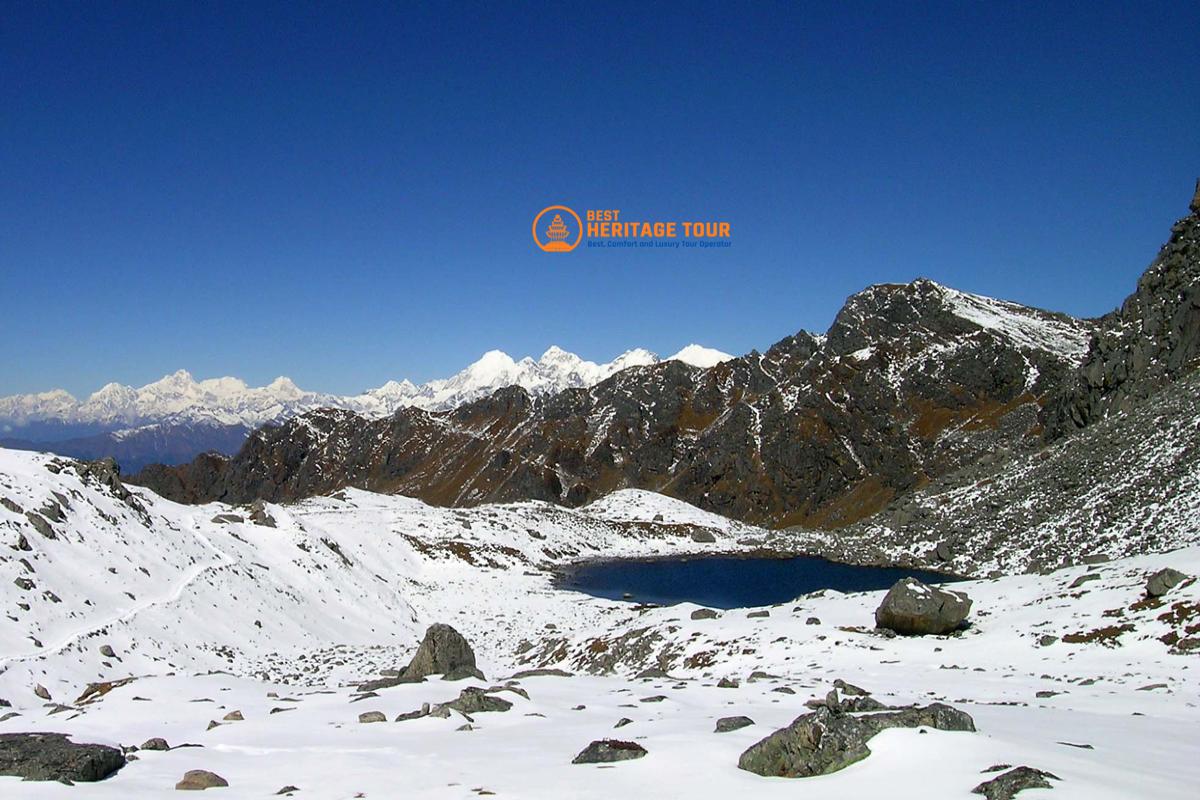
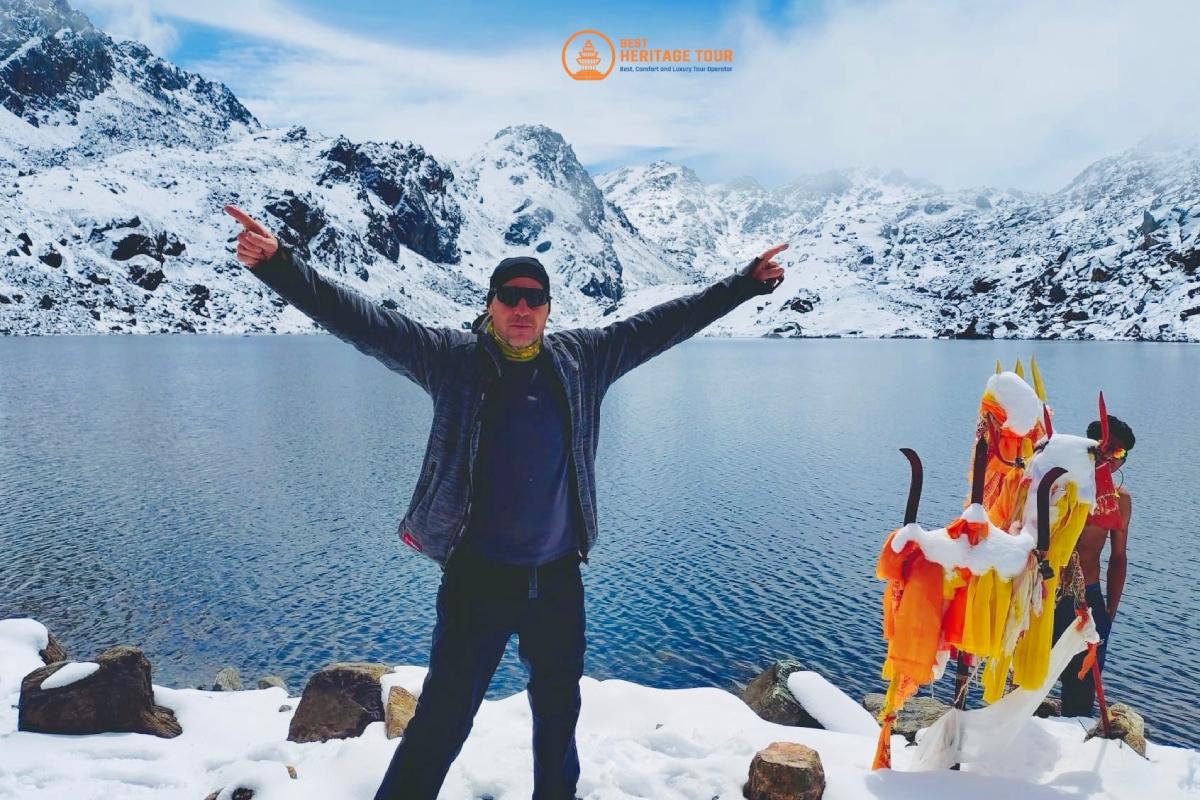
The Langtang Gosaikunda Trek is a spectacular Himalayan adventure that combines the scenic beauty of Langtang Valley, the rich culture of the Tamang people, the spiritual significance of the sacred Gosaikunda Lake, and the peaceful Helambu region. From lush forests and traditional mountain villages to glaciers, alpine meadows, and the breathtaking Laurebina Pass (4,610 m), this trek offers the perfect blend of nature, culture, spirituality, and adventure in one unforgettable journey.
Trip at a Glance
-

Country: Nepal
-

Trip grade: Medium
-

Destination: Langtang & Gosaikunda
-

Activities: Trekking
-

Accommodation: Hotels/Lodges/Teahouses
-

Meals: Breakfast, Lunch & Dinner
-
.png)
Transportation: Public Vehicle
-

Maximum altitude: 4,773 m (Kyanjingri)
-

Group size: 2-29 pax
-
Trip Start / End: Kathmandu - Kathmandu
-
.png)
Best Season: Feb-Jun & Sep-Dec
Key Highlights of the Langtang Gosaikunda Trek
- Trek through the breathtaking Langtang Valley, surrounded by towering Himalayan peaks.
- Cross the spectacular Laurebina Pass (4,610 m) with unforgettable mountain panoramas.
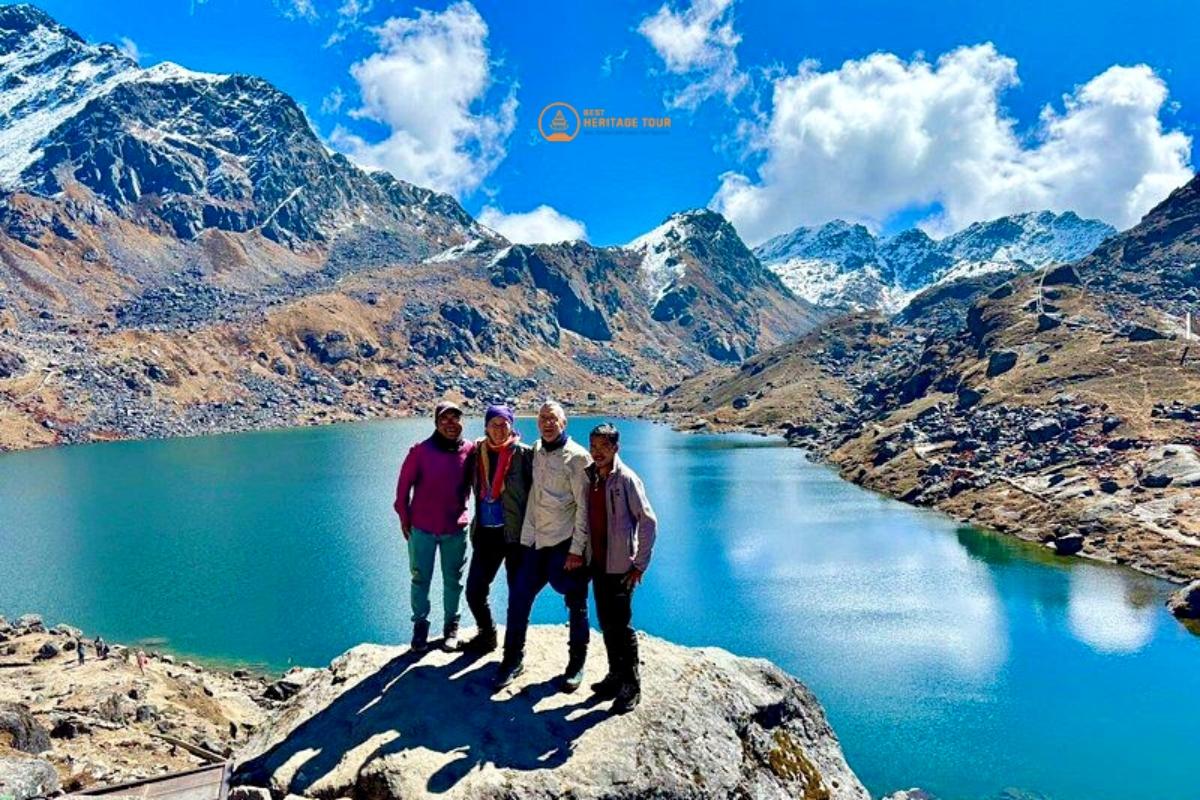
- Visit the sacred Gosaikunda Lake (4,380 m), one of Nepal's holiest alpine lakes.
- Explore the historic Kyanjin Gompa and its beautiful Himalayan surroundings.
- Trek through Langtang National Park, home to diverse wildlife, including the elusive red panda.
- Experience the rich culture and warm hospitality of the Tamang and Sherpa communities.
- Walk through lush forests, alpine meadows, glaciers, and picturesque mountain villages.
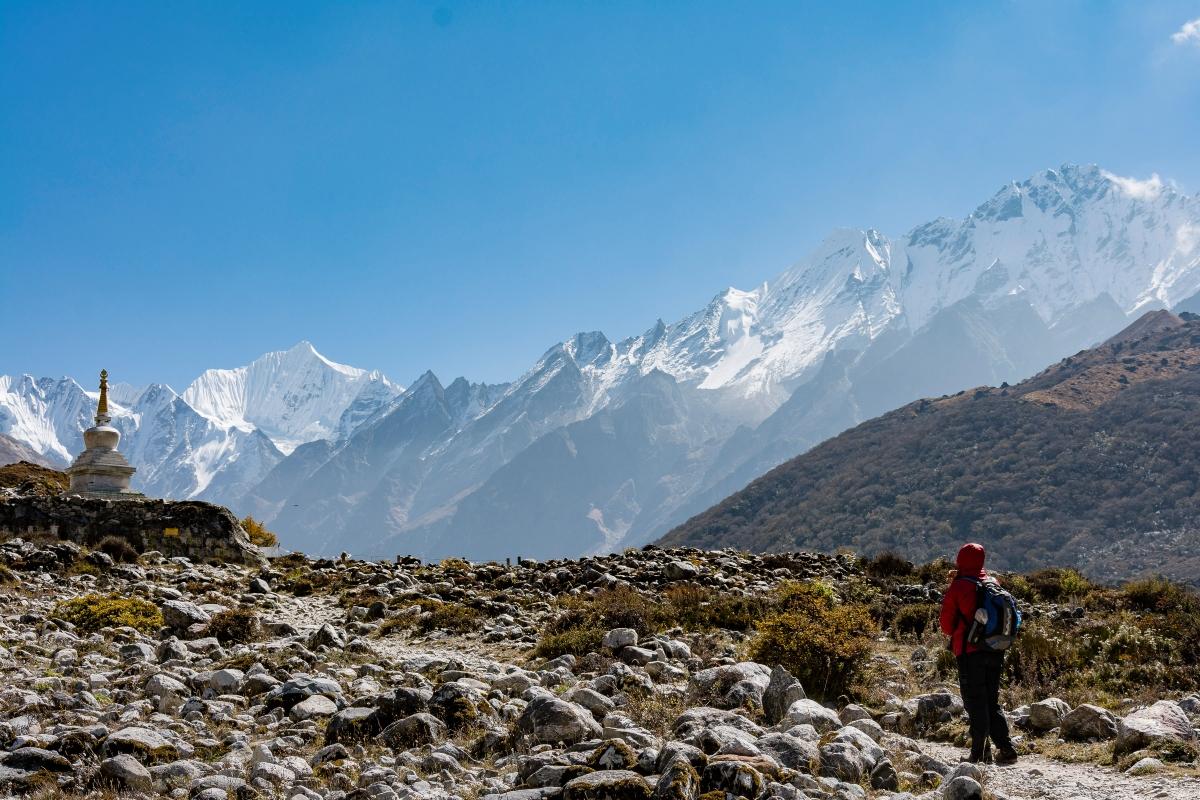
- Enjoy panoramic views of Langtang Lirung, Dorje Lakpa, Ganesh Himal, and surrounding peaks.
- Visit the renowned Kyanjin Yak Cheese Factory and taste authentic Himalayan cheese.
- Trek through the peaceful Helambu region, known for its monasteries and natural beauty.
- Experience the perfect blend of nature, culture, spirituality, and adventure in one unforgettable trek.
Why Choose Best Heritage Tour for the Langtang Gosaikunda Trek?
- Free airport pick-up and drop-off service
- Online pre-trip briefing and booking confirmation for better preparation
- Multiple communication channels (Phone, Email, WhatsApp, Viber) for easy support
- 24/7 customer support available at +977-9851149197 / +977-9810043046
- Simple and secure payment options including Cash, Card, Bank Transfer & PayPal
- Provide essential medical kit and oximeter to monitor oxygen levels at high altitude
- Complimentary duffle bag and sleeping bag (used one & to be returned after the trek)
- Free luggage storage facility at Best Heritage Tour store during the trek
- We plant a tree in the name of travelers (upon request), as a part of our commitment to sustainable tourism
Langtang Gosaikunda Trek Route Overview
The Langtang Gosaikunda Trek is one of Nepal's most diverse and rewarding Himalayan adventures, combining the breathtaking Langtang Valley, the sacred Gosaikunda Lake, and the peaceful Helambu region in a single journey. Located within Langtang National Park, just north of Kathmandu, this trek offers the perfect blend of spectacular mountain scenery, rich Tamang culture, ancient Buddhist heritage, and high-altitude adventure.
Your journey begins with a scenic drive from Kathmandu to Syabrubesi, following the Trishuli River through picturesque hills and traditional villages. From Syabrubesi, the trail gradually ascends through dense forests of rhododendron, bamboo, oak, and pine, passing waterfalls, yak pastures, glacial rivers, and charming Tamang settlements before reaching Langtang Village and Kyanjin Gompa (3,865 m). A dedicated acclimatization day allows you to explore the area, visit the famous Kyanjin Yak Cheese Factory, hike to Tserko Ri, and enjoy breathtaking views of Langtang Lirung, Dorje Lakpa, Ganesh Himal, and surrounding Himalayan peaks.
The adventure continues towards the sacred Gosaikunda Lake (4,380 m), a revered pilgrimage site for both Hindus and Buddhists, believed to possess spiritual and healing significance. Crossing the spectacular Laurebina Pass (4,610 m) rewards trekkers with magnificent Himalayan panoramas before the trail descends into the serene Helambu region, known for its forests, monasteries, and traditional mountain villages.
Throughout the trek, you'll stay in authentic Himalayan teahouses, enjoy freshly prepared local cuisine, and experience the warm hospitality of the Tamang and Sherpa communities. At Best Heritage Tour, our experienced government-licensed guides, carefully planned itinerary, and commitment to safety ensure an unforgettable trekking experience through one of Nepal's most scenic and culturally rich Himalayan regions.
What Can You Expect on the Langtang Gosaikunda Trek?
1. Spectacular Himalayan Landscapes
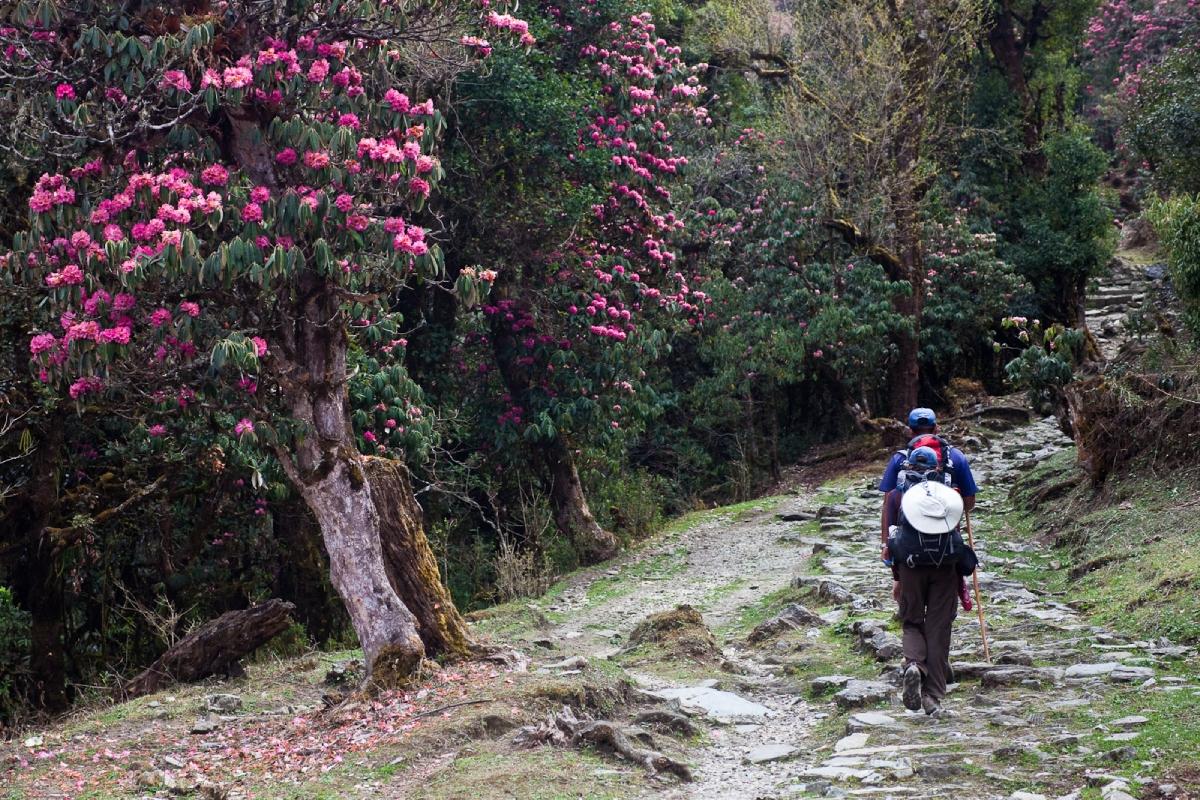
The Langtang Gosaikunda Trek takes you through an incredible variety of landscapes, from lush rhododendron and bamboo forests to alpine meadows, glaciers, glacial rivers, and rugged mountain terrain. Throughout the journey, you'll enjoy breathtaking views of Langtang Lirung, Dorje Lakpa, Ganesh Himal, and several other snow-capped Himalayan peaks.
2. Authentic Tamang and Sherpa Culture
This trek offers a wonderful opportunity to experience the unique traditions, hospitality, and lifestyle of the Tamang and Sherpa communities. As you pass through traditional villages, you'll discover ancient monasteries, colorful prayer flags, mani walls, chortens, and centuries-old Buddhist customs that continue to shape everyday life in the Himalayas.
3. Sacred Gosaikunda Lake
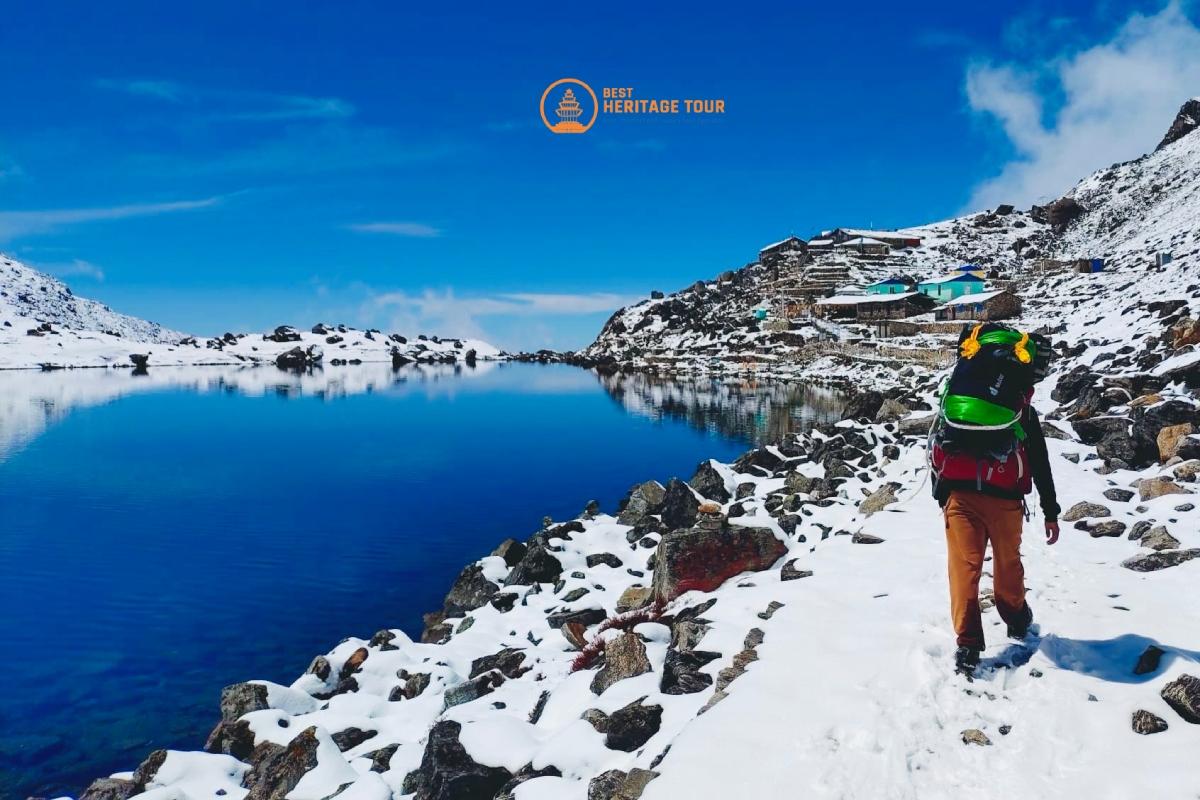
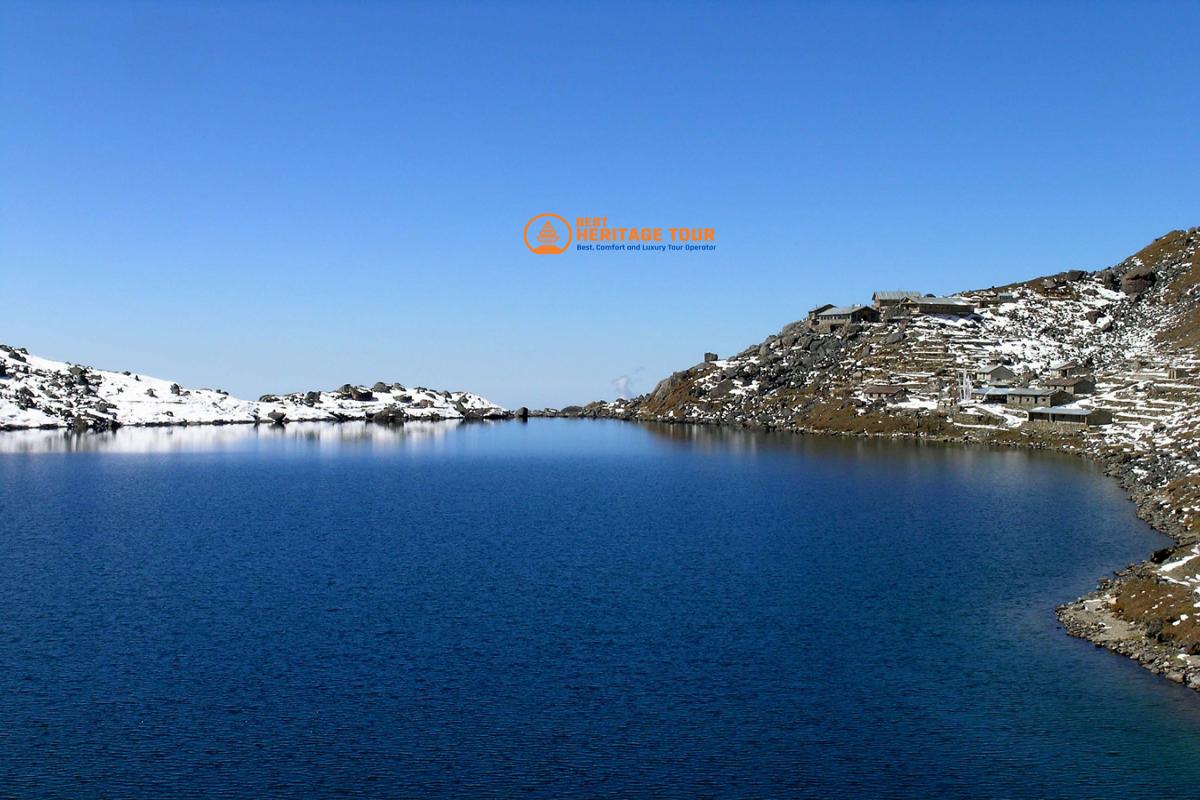
One of the trek's greatest highlights is visiting the sacred Gosaikunda Lake (4,380 m), an important pilgrimage site for both Hindus and Buddhists. Surrounded by dramatic mountain scenery, the crystal-clear alpine lake is believed to possess spiritual significance and attracts thousands of pilgrims and trekkers every year.
4. High-Altitude Adventure
The trek provides an exciting Himalayan adventure without requiring technical climbing skills. You'll gradually ascend to Kyanjin Gompa, explore the beautiful Langtang Valley, and eventually cross the spectacular Laurebina Pass (4,610 m), where panoramic mountain views reward your efforts before descending into the peaceful Helambu region.
5. Comfortable Teahouse Experience
Accommodation throughout the trek is provided in traditional Himalayan teahouses, where you'll enjoy warm hospitality and freshly prepared local meals. While facilities become simpler at higher elevations, the teahouses provide a comfortable place to rest, meet fellow trekkers, and experience authentic mountain life.
6. Diverse Flora and Wildlife
The trail passes through Langtang National Park, one of Nepal's most biodiverse protected areas. Depending on the season and your luck, you may encounter wildlife such as the red panda, Himalayan black bear, musk deer, langur monkeys, and a variety of colorful Himalayan birds among forests and alpine landscapes.
7. Perfect Blend of Nature, Culture, and Spirituality
Unlike many Himalayan treks that focus mainly on mountain scenery, the Langtang Gosaikunda Trek combines spectacular landscapes, vibrant local culture, sacred pilgrimage sites, and the tranquil beauty of the Helambu region. This unique combination creates one of Nepal's most diverse, rewarding, and unforgettable trekking experiences.
Are You Ready for the Langtang Gosaikunda Trek?
The Langtang Gosaikunda Trek is more than just reaching a destination - it's about embracing the journey. To truly enjoy this adventure, all you need is a spirit of exploration, a positive mindset, and a willingness to step outside your comfort zone.
As you walk through peaceful forests, traditional Tamang villages, sacred alpine lakes, and breathtaking Himalayan landscapes, you'll discover that this trek is as much an inner journey as it is a physical one. Every step brings new perspectives, meaningful encounters, and unforgettable moments. If you're ready to challenge yourself, appreciate the simple beauty of mountain life, and create memories that will stay with you forever, then you are more than ready for the Langtang Gosaikunda Trek.
Itinerary
After an early breakfast, start the scenic drive by local bus from Kathmandu Valley to Syabrubesi, northwest of Kathmandu. Along the way you will see beautiful scenery including fast-flowing rivers, terraced fields, typical Nepalese villages and snow-capped mountains. The road is flat until Trishuli Bazaar. Afterwards the road gets a bit bumpy as you drive to Dhunche and back to Syabrubesi, a bazaar town with a lot to explore, including relaxing riverside hot springs.
The first day of the hike starts from Syabrubesi. Cross the Bhote Kosi River to the Langtang River and follow it through fertile jungle and terraced fields. From here, you will pass a landslide area, climb up to Bamboo and gradually climb up to Limche on the bank of the Langtang River. Along the way, you will pass several rural settlements, bamboo and birch forests and you can spot rare native wildlife such as red pandas.
You continue hiking along the Langtang River, climbing through dense forests. Along the way, glimpses of snow-capped mountains beckon us forward. Finally, the narrow river valley widens at Goda Tabela, where a Tibetan relocation project was carried out in the past. You stop at the Goda Tabela military checkpoint to register your documents. You then cross the eastern side of the river and approach the Langtang Valley. You pass by watching prayer wheels and prayer flags powered by running water and make your way to the beautiful Langtang village, inhabited by the Tamang people.
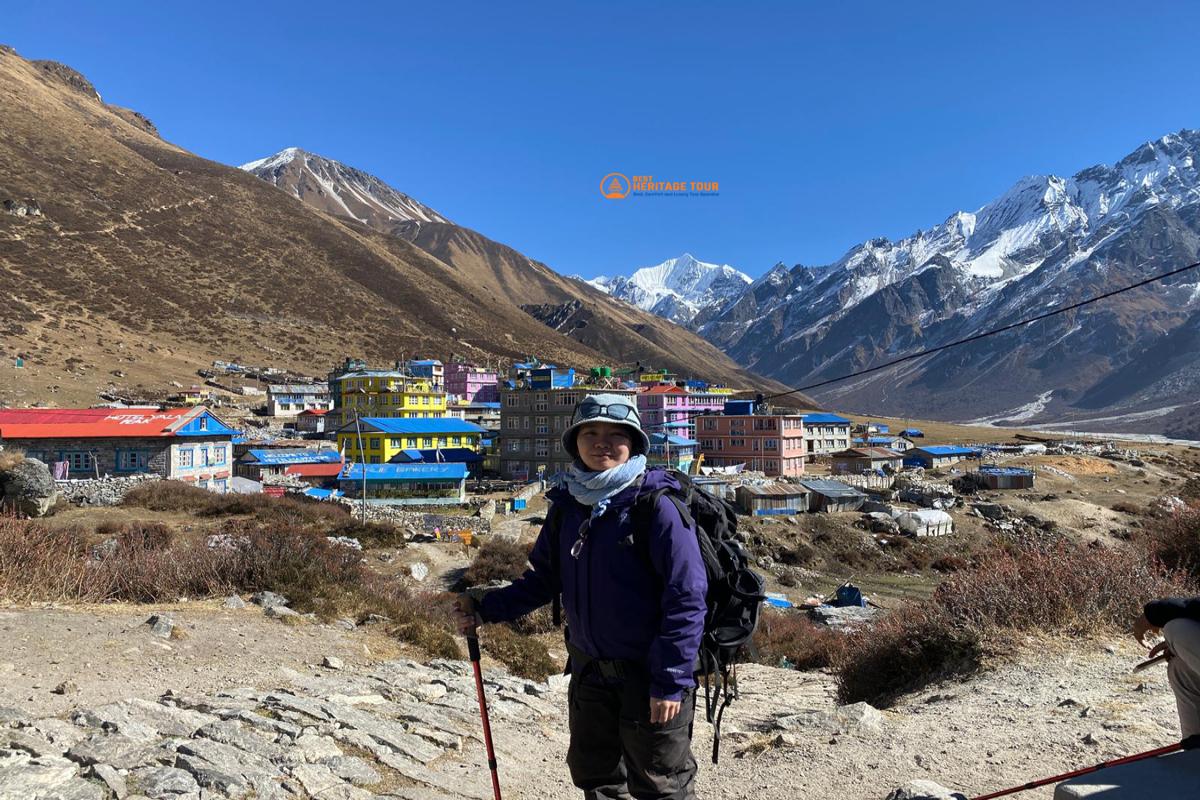
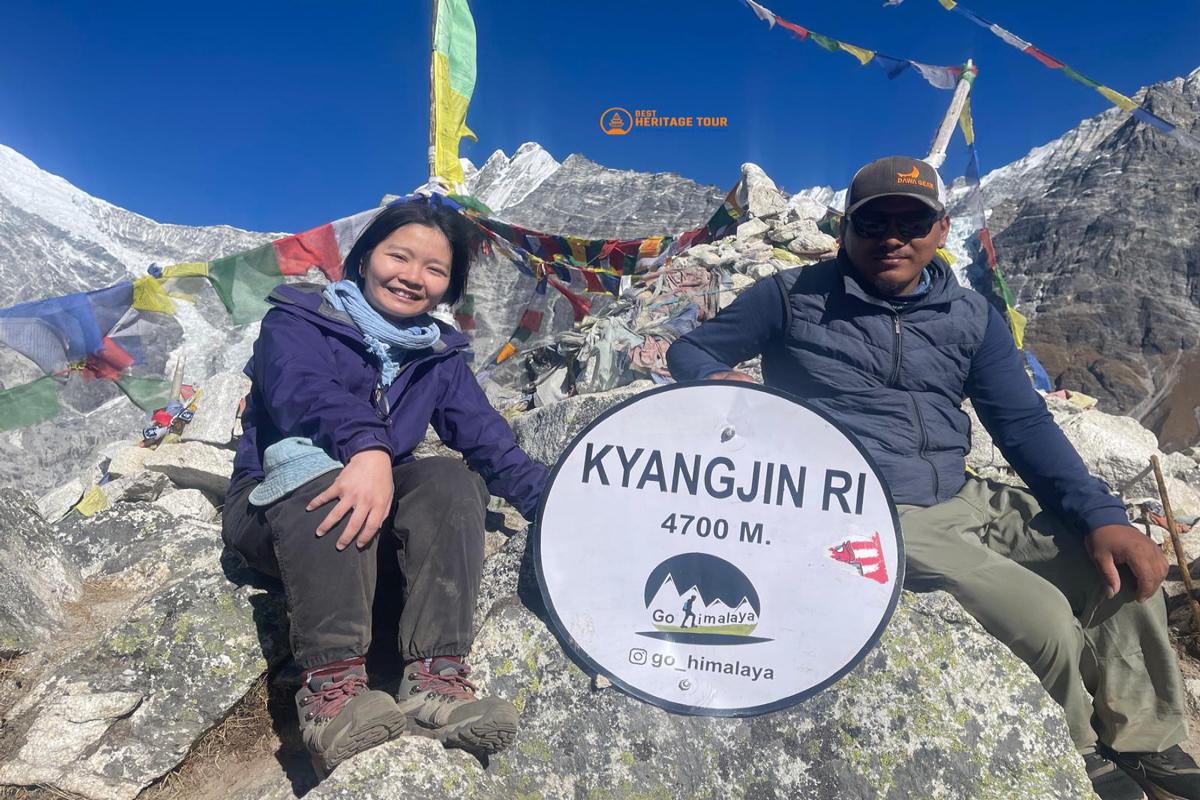
You continue to climb, passing small abandoned villages and grasslands. The vast Langtang Valley offers panoramic views of the majestic Himalayan ranges. Your route passes through several tributaries and glacial deposits. Finally, you reach what was once the largest settlement on your journey, a place called Kyanjin Gompa. The place is named after the ancient monastery Kyanjin Gompa nearby, which was heavily damaged in the 2015 earthquake and is mostly abandoned. After lunch, you climb to Kyajo Ri Viewpoint at an altitude of 5,150 meters and have great views of several mountain ranges and the Langtang Valley. However, this is an optional hike.
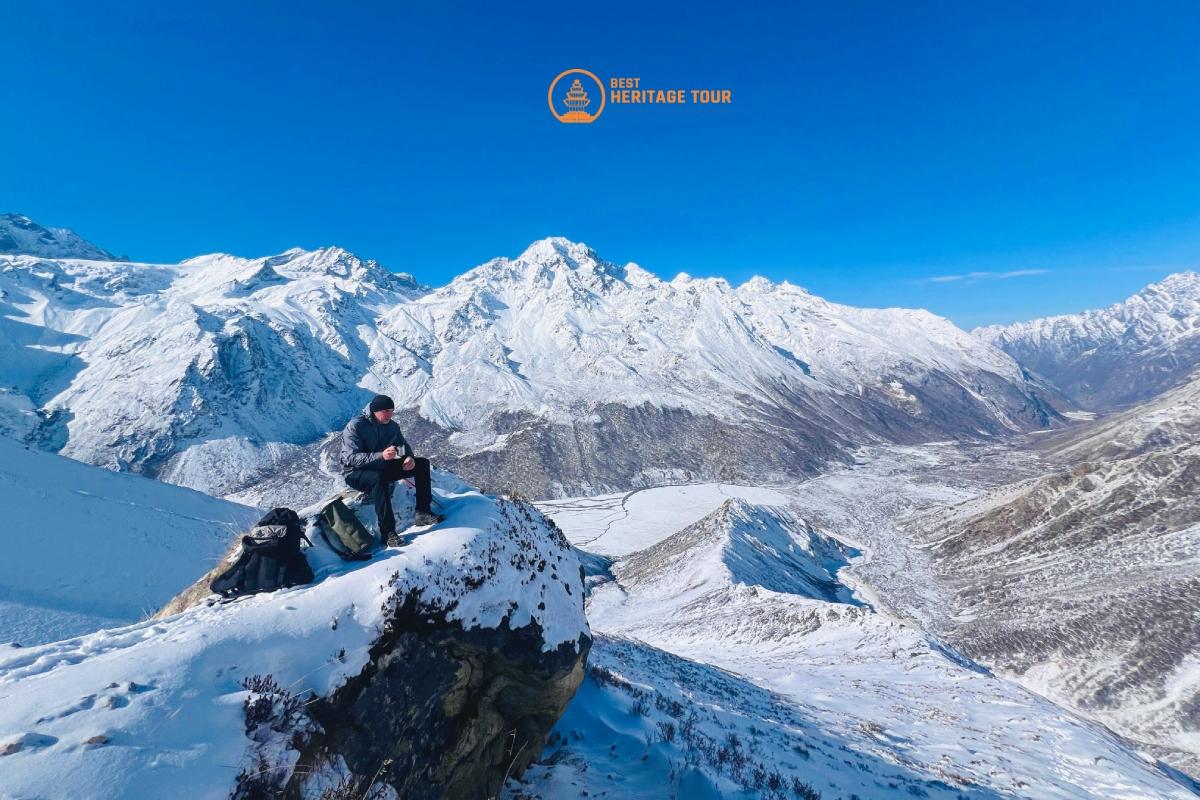
On this day, you will spend the night in Kyanjin Gompa for acclimatization. The upper Langtang Valley has stunning sights of tall mountains and glaciers. You will visit several attractions such as the Yak Cheese Factory and Kyanjin Gompa Monastery. If you wish, you can trek to Langshisha Khalka and Tserkoli Viewpoints (5,450m). From there, you can see Langtang Lirung (7,227m), Langtang II (6,596m) and Yala Peak (5,500m). In the evening, you will return to Kyanjin Gompa.
From Kyanjin Gomba you say goodbye to the highlands and start your descent on a route out of the valley. You follow the same path that led us to Kyanjin Gomba. As you travel, you go through Langtang village, stop for lunch at Gora Tabera, and check in for your departure at the military checkpoint. After a leisurely lunch you continue your descent through the dense forest of the river valley to Lama Hotel.
Today, you will descend to the banks of Langtang Khola and cross a small waterfall. The route takes you through rhododendron and bamboo forests and is full of wildlife, including wild boars and monkeys. The route offers stunning views of Ganesh Himal. At the end of today's hike, you will cross a suspension bridge and reach the base of the village of Turo Shabr.
From Thulo Syabru, the hike gradually climbs uphill and passes the army checkpoint at Langtang National Park. After a 30-minute climb, you reach Daragang. From here, the trail is not as steep as you pass through hemlock and oak forests. In the forest, if you are lucky, you can even spot rare red pandas. You continue trekking through Dhimsa and Sing gompa to Cholangpati, where you stay for the night.
As you reach the peak, you will be greeted by the beautiful Langtang Himal (7,234 m), the most famous peak in the entire Langtang range. You start your hike on a deserted and barren mountain path. The higher you climb, the more mountains you will see on the horizon: the majestic Langtang Himal, Ganesh Himal and even Annapurna on the western horizon. After a few hours, you reach Laure Binayak and start your climb to Gosainkunda. After a steep 2 hour climb you will reach the chorten and after a 1 hour hike you will be treated to beautiful views of waterfalls and lakes including Saraswati Kunda and Bhairab Kunda. Both lakes are formed by the water flowing from Gosainkunda. Hindus consider this place sacred as they believe it is the favourite place of Lord Shiva. Gosainkunda attracts thousands of pilgrims every year for the sacred Hindu festival in autumn.
Today you will cross the Laurebina La High Pass and enter the picturesque Helambu region. The trail from Gosainkunda Lake will first descend from a hut to the lake. The hike then gets steeper along the north bank as you approach Laurebina La Pass, passing no less than three small lakes before reaching the pass. Laurebina La pass is marked by a stone stupa and many prayer flags. This pass marks the highest point of the Langtang trek. You then descend through a wide valley to High Camp (4,240 m) before continuing the hike up a steep, rocky path to Phedi. Shortly after Phedi, you descend to a footbridge over the river. The trek from Phedi to Ghopte is challenging and requires a significant ascent.
You start your trek through juniper, rhododendron and pine forests in a remote and uninhabited area, and reach the tranquil plateau landscape of Talepati. From Talepati, you make a gentle descent through the forests of the western mountain slope. After a while, you pass through a wide grassland with the remains of shepherds' huts. The peaks of Gangchenpo and Dorje Lakpa are visible from the route. After that the descent becomes steeper and you pass through the forest to reach Magin Goth (3265m). After a short walk you pass Kuala Banjang (3335m) and descend to Kutumsang village (2470m).
From Kutumsang you climb for a while and descend to Guru Banjang village (2140m). Then you climb and reach the dusty wide road of Thorong Danda (2500m) and continue on the rough rocky path to chipping village. Then it becomes more and more downhill and you reach Pati Banjang (1760m), a village between Chipping and Chisopani. After a 30-minute hike, you will reach Chisopani, known for its amazing panoramic views of several mountains.
After a few minutes’ walk to Chisopani, you will reach the checkpoint of Shivapuri National Park. From here, you will descend the hill via a wide path and then ascend the hill via a paved path. Finally, you will reach Sundarijal (1460 m), passing several reservoirs and a large water pipe. There, you will bid farewell to the hiking trail and drive to Kathmandu by local transport.
What is included?
- PRIVATE AIRPORT PICK-UP & DROP : Airport - Hotel transfer - Airport (Pick Up and Drop).
- MEMBER TRANSPORTATION : Transportation in standard tourist bus from Kathmandu to Syabrubesi and while returning from Sundarijal to Kathmandu.
- LODGING : Best available accommodation in mountain lodges and tea houses during the trek.
- FOOD : 3 meals a day (breakfast, lunch, and dinner; including tea/coffee) during the trek, with Ef-Chlor purification tablets provided for safe drinking water.
- GUIDE : One experienced government licensed trekking guide (English speaking) during the trek.
- STAFF SALARY AND ALLOWANCE : All trekking staff wages, salary, equipment, food & clothing.
- PERMITS : All necessary paper works : Langtang National Park permit, Shivapuei National Park permit, TIMS Card & other entry fee.
- STAFF INSURANCE : Insurance for all involved trekking staff during the trek.
- GEAR (IF NEEDED) : Sleeping bag, down jacket, and duffle bag (to be returned after the trek).
- MEDICAL KIT : A well equipped first aid kit, including an oximeter and emergency oxygen, carried by the guide for your safety.
- IN CASE OF EMERGENCY : Assistance in rescue operations in case of emergency covered by travel insurance.
- SOUVENIR : Best Heritage Tour’s Appreciation Certificate after the successful trek & Purse, an authentic Nepali product made from hemp.
- FAREWELL DINNER : A farewell dinner with an authentic cultural program after completion of the trek.
What is not included?
- INTERNATIONAL AIRFARE : International flight airfare (from and to Kathmandu).
- NEPAL VISA FEES : You may issue the visa upon your arrival at Tribhuvan International Airport - Kathmandu or apply manually in your home country.
- TRASNPORTATION IN PRIVATE JEEP : Private Jeep transportation will be arranged on request from Kathmandu to Syabrubesi (trek starting point) and for the return journey from Sundarijal to Kathmandu.
- ACCOMMODATION & MEALS : Accommodation and meals in Kathmandu before and after the trek.
- INSURANCE POLICY : Travel insurance covering medical expenses and high-altitude evacuation is mandatory. If you do not have suitable coverage, Best Heritage Tour can help you in arranging Recommended Travel Insurance for the Langtang Gosaikunda Trek.
- PERSONAL EXPENSES : Recommended Clothing & Gears for the Langtang Gosaikunda Trek, telephone, internet, toiletries, hot shower, laundry, soft drinks and any Alcoholic beverages.
- OPTIONAL PORTER SERVICE : USD 22 per day, including all taxes (each porter can carry up to 25 kg of luggage).
- TIPS : Tips for guide and porters.
- EXTRA : Any additional costs due to factors beyond our control, or for services not specifically mentioned in the Itinerary & Included section.
- TAXES & SERVICE CHARGE : All government taxes (13%) and service charge (10%).
Route Map
Equipment
Head
-
Sun hat or scarf
-
Winter hat or insulated hat or wide-brimmed hat
-
Headlamp with extra battery
Face
-
Sunscreen
-
Sunglasses with UV protection
-
Face/body wipes
Hands
-
Lightweight gloves
-
Thick winter gloves
Body
-
Hiking shirt
-
Long-sleeved shirt
-
Rain jacket with hood
-
Fleece jacket
-
Light cotton pants
-
T-shirt (bring your own light wool)
-
Polypropylene underwear
-
Down jacket (rent in Kathmandu)
-
Sweater
-
Waterproof jacket and trousers
Footwear
-
Hiking shoes
-
Thick wool socks (bring an extra pair of thick, light socks)
Essential equipment
-
Backpack or daypack (size depends on whether you use a luggage rack or not). Thermos
-
Water treatment
-
Walking stick
-
Sleeping bag (-15 bag is best for high altitude trekking)
Bathroom amenities
-
Medium sized dry towel
-
Toothbrush
-
Toothpaste
-
Deodorant dental floss
-
Biodegradable soap
-
Nail clippers
-
Small mirror
Personal accessories
-
Money
-
Clock
-
Mobile phone
-
Camera
Extra items
-
First aid kit
-
Extra passport photo and passport copy
-
Notebook and pen
-
Binoculars
Trip Info
Useful Information About the Langtang Gosaikunda Trek
The Langtang Gosaikunda Trek is one of Nepal's most rewarding Himalayan adventures, combining the breathtaking Langtang Valley, the spiritual beauty of Gosaikunda Lake, and the scenic trails of the Helambu region. This Trip Information section covers everything you need to know before your journey, including transportation, accommodation, meals, altitude, trekking difficulty, permits, and other essential details to help you prepare with confidence.
Airport Pick-Up and Trip Briefing for the Langtang Gosaikunda Trek
Upon your arrival at Tribhuvan International Airport in Kathmandu, a representative from Best Heritage Tour will welcome you in the arrival hall holding a placard with your name. As a warm Nepali greeting, you will be presented with a traditional Khada (ceremonial scarf) before being transferred to your hotel by private vehicle.
Please note that hotel accommodation in Kathmandu is not included in our standard package. However, we are happy to arrange accommodation that matches your budget and preferences upon request.
Trip Briefing Session
Before your trek begins, we conduct a comprehensive trip briefing at our office in Thamel, led by Mr. Bimal, Managing Director of Best Heritage Tour. During the briefing, we will:
-
Explain the complete itinerary, including daily walking hours, elevations, and major highlights.
-
Discuss trail conditions, weather forecasts, and high-altitude safety precautions.
-
Review the recommended trekking gear and packing checklist.
-
Introduce you to your government-licensed trekking guide and porter (if included in your package).
-
Answer your questions and confirm all trekking arrangements before departure.
This briefing ensures that every trekker begins the Langtang Gosaikunda Trek well-prepared, informed, and ready for a safe and memorable Himalayan adventure.
What Type of Transportation is Used for the Langtang Gosaikunda Trek?
The Langtang Gosaikunda Trek combines scenic overland travel with an unforgettable Himalayan trekking experience. Unlike many trekking routes in Nepal that require domestic flights, this trek is completed entirely by road and on foot, making it a more reliable and cost-effective option.
As part of our standard package, we provide comfortable tourist bus transportation between Kathmandu and Syabrubesi at the beginning of the trek and from Sundarijal back to Kathmandu after completing the adventure.
For travelers seeking greater comfort, flexibility, or privacy, Best Heritage Tour can also arrange a private jeep or private vehicle for an additional cost upon request.
Member Transportation
-
Kathmandu → Syabrubesi: Standard Tourist Bus
-
Sundarijal → Kathmandu: Standard Tourist Bus
-
Private transportation: Available on request at an additional cost.
Transportation Details for the Langtang Gosaikunda Trek
|
Route |
Mode of Transport |
Distance |
Travel Time |
|---|---|---|---|
|
Kathmandu → Syabrubesi (Day 1) |
Tourist Bus |
~122 km / 76 miles |
7-8 Hours |
|
Sundarijal → Kathmandu (Day 13) |
Tourist Bus |
~16 km / 10 miles |
45-60 Minutes |
Note: Travel distances and driving times are approximate and may vary depending on road conditions, traffic, and weather.
What is the Maximum Altitude Reached on the Langtang Gosaikunda Trek?
The maximum altitude reached during the Langtang Gosaikunda Trek is Laurebina Pass at 4,610 meters (15,125 feet) above sea level. Crossing this high mountain pass is one of the trek's most rewarding experiences, offering breathtaking views of the Langtang Himalayas, Ganesh Himal, Manaslu, Dorje Lakpa, and the sacred Gosainkunda Lake below.
What is the Altitude of Kyanjin Gompa?
Kyanjin Gompa is located at an altitude of 3,865 meters (12,680 feet) and is one of the major highlights of the Langtang Valley. Surrounded by towering Himalayan peaks, this peaceful village is home to an ancient Buddhist monastery, traditional yak cheese factory, and several teahouses. Our itinerary includes an extra day here for acclimatization, giving trekkers time to rest or enjoy optional hikes while adapting to the higher elevation.
What is the Altitude of Tserko Ri?
Tserko Ri stands at 4,984 meters (16,352 feet) above sea level. It is one of the most popular optional viewpoints near Kyanjin Gompa and offers spectacular panoramic views of Langtang Lirung, Yala Peak, Dorje Lakpa, Gangchempo, and the surrounding snow-covered mountains.
What is the Altitude of Laurebina Pass and Where is It?
Laurebina Pass is situated at 4,610 meters (15,125 feet) and is the highest point of the Langtang Gosaikunda Trek. The pass lies between the sacred Gosainkunda Lake and the remote village of Ghopte, connecting the Langtang and Helambu trekking regions.
What is the Altitude of Gosainkunda Lake?
Gosainkunda Lake sits at an elevation of 4,380 meters (14,370 feet) within Langtang National Park. It is one of Nepal's most sacred alpine lakes and an important pilgrimage destination for both Hindus and Buddhists. Surrounded by rugged Himalayan peaks, the crystal-clear lake is believed to have been created by Lord Shiva.
Day-by-Day Elevation Breakdown During the Langtang Gosaikunda Trek
The table below shows the highest elevation reached each day during our 13-day Langtang Gosaikunda Trek itinerary.
|
Day |
Trail Section |
Maximum Altitude Reached |
|---|---|---|
|
Day 1 |
Kathmandu → Syabrubesi |
1,503 m / 4,931 ft (Syabrubesi) |
|
Day 2 |
Syabrubesi → Lama Hotel |
2,470 m / 8,103 ft (Lama Hotel) |
|
Day 3 |
Lama Hotel → Langtang Village |
3,430 m / 11,255 ft (Langtang Village) |
|
Day 4 |
Langtang Village → Kyanjin Gompa |
3,865 m / 12,680 ft (Kyanjin Gompa) |
|
Day 5 |
Acclimatization & Exploration at Kyanjin Gompa |
3,865 m / 12,680 ft |
|
Day 6 |
Kyanjin Gompa → Lama Hotel |
3,865 m / 12,680 ft (Start from Kyanjin Gompa) |
|
Day 7 |
Lama Hotel → Thulo Syabru |
2,210 m / 7,251 ft (Thulo Syabru) |
|
Day 8 |
Thulo Syabru → Cholangpati |
3,654 m / 11,988 ft (Cholangpati) |
|
Day 9 |
Cholangpati → Gosainkunda Lake |
4,380 m / 14,370 ft (Gosainkunda Lake) |
|
Day 10 |
Gosainkunda → Laurebina Pass → Ghopte |
4,610 m / 15,125 ft (Laurebina Pass) |
|
Day 11 |
Ghopte → Kutumsang |
3,530 m / 11,581 ft (Start from Ghopte) |
|
Day 12 |
Kutumsang → Chisopani |
2,470 m / 8,104 ft (Kutumsang) |
|
Day 13 |
Chisopani → Sundarijal → Kathmandu |
2,295 m / 7,530 ft (Chisopani) |
What Is the Total Distance Covered on the Langtang Gosaikunda Trek?
The Langtang Gosaikunda Trek is one of Nepal's most rewarding Himalayan adventures, combining a scenic overland journey with an unforgettable trek through Langtang National Park, the beautiful Langtang Valley, the sacred Gosainkunda Lake, and the picturesque Helambu region. Following our 13-day Langtang Gosaikunda Trek itinerary, the total distance covered is approximately 265 km (165 miles), including both road transportation and trekking.
What Is the Total Driving Distance on the Langtang Gosaikunda Trek?
This itinerary includes two road journeys using a standard tourist bus.
The approximate driving distances are:
-
Kathmandu → Syabrubesi (Tourist Bus): ~122 km (76 miles) | 7-8 hours
-
Sundarijal → Kathmandu (Tourist Bus): ~16 km (10 miles) | 45-60 minutes
Total driving distance: Approximately 138 km (86 miles)
What Is the Total Trekking Distance Covered on the Langtang Gosaikunda Trek?
The total trekking distance is approximately 125-130 km (78-81 miles), depending on the exact trail conditions and optional side hikes.
Beginning at Syabrubesi, the trail follows the Langtang Khola through lush bamboo and rhododendron forests before reaching Langtang Village and Kyanjin Gompa. After an acclimatization day, the route retraces to Thulo Syabru, ascends to the sacred Gosainkunda Lake, crosses the scenic Laurebina Pass, and continues through the forests and traditional settlements of the Helambu region before finishing at Sundarijal.
Day-by-Day Distance & Walking Time on the Langtang Gosaikunda Trek
|
Day |
Specific Route Segment |
Distance Covered |
Duration |
|---|---|---|---|
|
Day 1 |
Kathmandu → Syabrubesi (Drive) |
~122 km / 76 miles (Drive) |
7-8 Hours |
|
Day 2 |
Syabrubesi → Lama Hotel |
~11 km / 6.8 miles (Trek) |
6-7 Hours |
|
Day 3 |
Lama Hotel → Langtang Village |
~15 km / 9.3 miles (Trek) |
6-7 Hours |
|
Day 4 |
Langtang Village → Kyanjin Gompa |
~7 km / 4.3 miles (Trek) |
3-4 Hours |
|
Day 5 |
Explore Kyanjin Gompa |
Optional: ~10-12 km / 6-7.5 miles |
5-7 Hours (Optional) |
|
Day 6 |
Kyanjin Gompa → Lama Hotel |
~22 km / 13.7 miles (Trek) |
7-8 Hours |
|
Day 7 |
Lama Hotel → Thulo Syabru |
~11 km / 6.8 miles (Trek) |
5-6 Hours |
|
Day 8 |
Thulo Syabru → Cholangpati |
~12 km / 7.5 miles (Trek) |
6-7 Hours |
|
Day 9 |
Cholangpati → Gosainkunda Lake |
~9 km / 5.6 miles (Trek) |
5-6 Hours |
|
Day 10 |
Gosainkunda → Laurebina Pass → Ghopte |
~13 km / 8 miles (Trek) |
7-8 Hours |
|
Day 11 |
Ghopte → Kutumsang |
~13 km / 8 miles (Trek) |
6-7 Hours |
|
Day 12 |
Kutumsang → Chisopani |
~16 km / 10 miles (Trek) |
6-7 Hours |
|
Day 13 |
Chisopani → Sundarijal (Trek) → Kathmandu (Drive) |
~10 km / 6.2 miles (Trek) |
3-4 Hours Trek |
Note: Trekking distances are approximate and may vary slightly depending on trail conditions, GPS devices, teahouse locations, and optional side trips.
What Type of Accommodation Is Provided During the Langtang Gosaikunda Trek?
During the Langtang Gosaikunda Trek, trekkers stay in traditional teahouses and mountain lodges that provide a comfortable and authentic Himalayan experience. The route passes through the beautiful Langtang Valley, the sacred Gosainkunda region, and the Helambu area, where accommodation is operated mainly by local families. Staying in these teahouses allows you to experience the warm hospitality of the Tamang and Sherpa communities while supporting the local economy.
At Best Heritage Tour, we carefully select the best available teahouses and lodges along the trekking route to ensure a safe, comfortable, and enjoyable experience for our guests.
Accommodation in Kathmandu
Hotel accommodation in Kathmandu is not included in our standard Langtang Gosaikunda Trek package. However, we can arrange hotel accommodation before or after your trek according to your preferred budget, comfort level, and travel requirements.
Accommodation During the Langtang Gosaikunda Trek
Below is the typical accommodation arrangement during the trek. Private room availability depends on the trekking season and teahouse occupancy.
-
1 Night in Syabrubesi: Private room with attached bathroom facilities
-
2 Night in Lama Hotel: Private room with shared bathroom facilities
-
1 Night in Langtang Village: Private room with attached bathroom facilities
-
2 Nights in Kyanjin Gompa: Private room with attached bathroom facilities
-
1 Night in Thulo Syabru: Private room with attached bathroom facilities
-
1 Night in Cholangpati: Private room with shared bathroom facilities
-
1 Night at Gosainkunda Lake: Private room with shared bathroom facilities
-
1 Night in Ghopte: Private room with shared bathroom facilities
-
1 Night in Kutumsang: Private room with attached bathroom facilities
-
1 Night in Chisopani: Private room with attached bathroom facilities
Note: During the peak trekking seasons (March-May and September-November), teahouses along the Langtang Valley and Gosainkunda trekking route can become fully booked. We recommend booking your trek in advance to secure the best available accommodation.
Facilities Available During the Trek
1. Toilet Facilities
Toilet facilities vary depending on the village and elevation.
-
Syabrubesi, Langtang Village, Kyanjin Gompa, Thulo Syabru, Kutumsang, and Chisopani: Many lodges offer attached bathrooms with western-style toilets.
-
Lama Hotel, Cholangpati, Gosainkunda, and Ghopte: Shared bathroom facilities are common, with squat toilets depending on the lodge.
2. Hot Showers
Hot showers are available in most villages for an additional charge.
-
Typical cost: NPR 300-600 per shower.
-
Prices generally increase at higher elevations due to transportation and fuel costs.
-
Around Gosainkunda and Ghopte, hot water availability may be limited during colder months.
3. Electricity and Device Charging
Electricity is available throughout most of the trekking route.
-
Charging mobile phones, cameras, and power banks is available in nearly all teahouses.
-
Charging is often free in lower villages but may cost NPR 200-400 per device at higher elevations such as Gosainkunda, and Ghopte.
4. Wi-Fi and Internet Access
Wi-Fi is available in many teahouses, although speed and reliability vary with altitude and weather conditions.
-
Most lodges in Syabrubesi, Langtang Village, Kyanjin Gompa, Thulo Syabru, Kutumsang, and Chisopani provide Wi-Fi for an additional fee of approximately NPR 200-400.
-
Internet access in Lama Hotel, Cholangpati, Gosainkunda, and Ghopte is more limited and may be slower or unavailable during poor weather.
5. Mobile Network Coverage
Both Nepal Telecom (NTC) and Ncell provide mobile network coverage along parts of the trekking route.
-
Nepal Telecom (NTC) generally offers better and more reliable coverage throughout the Langtang and Gosainkunda regions.
-
Mobile signals are available in Syabrubesi, Langtang Village, Kyanjin Gompa, Thulo Syabru, Kutumsang, and Chisopani.
-
Coverage becomes weak or intermittent around Lama Hotel, Cholangpati, Gosainkunda Lake, Laurebina Pass, and Ghopte, where network availability depends on weather and terrain.
Note: Facilities and service charges may vary slightly between teahouses and can change from season to season. Our guides will help you find the best available accommodation and assist with any additional services needed during the trek.
Food and Drinks on the Langtang Gosaikunda Trek
During the Langtang Gosaikunda Trek, trekkers enjoy freshly prepared meals at traditional teahouses while experiencing the authentic flavors of the Langtang and Helambu regions. Our package includes daily breakfast, lunch, and dinner throughout the trekking period, along with 2-3 cups of tea or coffee per day. Since this package begins and ends in Kathmandu without overnight hotel stays, meals in Kathmandu are not included, allowing you the flexibility to dine at restaurants of your choice before or after the trek.
Meals during the trek are arranged as follows:
-
Breakfast: Served at the teahouse where you stay overnight.
-
Lunch: Enjoyed at a local teahouse along the trekking trail.
-
Dinner: Served at the teahouse where you spend the night.
Ordering and Meal Policy
Trekkers may choose one main dish per meal from the teahouse menu included in the package. Any additional food items, desserts, snacks, bottled beverages, soft drinks, alcoholic drinks, or extra tea and coffee beyond the package inclusions should be paid for directly by the trekkers.
Available Menu Options on the Langtang Gosaikunda Trek
|
Meal |
Common Teahouse Menu |
|---|---|
|
Breakfast |
Porridge, oatmeal, muesli, Tibetan bread, chapati, toast with jam or honey, pancakes, eggs (boiled, fried, scrambled, or omelet) |
|
Lunch |
Dal Bhat (rice, lentil soup, vegetables), fried rice, chowmein, thukpa, momo, noodles, pasta, macaroni, potato dishes, and vegetable curry |
|
Dinner |
Dal Bhat set, vegetable curry with rice, garlic soup, vegetable soup, noodle soup, fried noodles, pasta, chapati, and other freshly prepared local meals |
Dal Bhat: The Best Meal for Himalayan Trekking
Dal Bhat is the most popular and highly recommended meal during the Langtang Gosaikunda Trek. Rich in carbohydrates, protein, vitamins, and minerals, it provides the sustained energy needed for long trekking days at high altitude.
A major advantage of Dal Bhat is that many teahouses offer free refills of rice, lentil soup, and vegetables, making it a filling and nutritious choice. At Best Heritage Tour, we highly recommend enjoying Dal Bhat, especially for lunch, to maintain energy and stamina throughout the trek.
Drinks and Hydration Along the Langtang Gosaikunda Trek
Staying hydrated is essential, particularly as you gain elevation. Most teahouses offer a variety of hot and cold beverages, including:
-
Milk tea, black tea, ginger tea, lemon tea, and herbal tea
-
Coffee (instant or brewed, depending on the teahouse)
-
Hot lemon with honey
-
Garlic soup and other nourishing soups
-
Soft drinks and packaged fruit juices
-
Bottled mineral water
-
Boiled drinking water
To help reduce plastic waste in the Himalayas, Best Heritage Tour recommends carrying a reusable water bottle along with water purification tablets or a portable water filter. Boiled drinking water is widely available at teahouses and is a safer, more environmentally friendly option than purchasing bottled water.
Are Vegan and Vegetarian Meals Available on the Langtang Gosaikunda Trek?
Yes. Vegetarian and vegan meals are widely available throughout the Langtang and Gosainkunda trekking route. Most teahouses serve a variety of plant-based options, including Dal Bhat, vegetable fried rice, noodles, soups, potatoes, chapati, pancakes, porridge, and Tibetan bread.
If you have food allergies, dietary restrictions, or special meal requirements, please let Best Heritage Tour know before your trek. Our team will coordinate with the teahouses whenever possible to accommodate your dietary preferences and ensure you enjoy safe and satisfying meals throughout your Himalayan adventure.
How Is the Drinking Water Facility on the Langtang Gosaikunda Trek?
Safe drinking water is available throughout the Langtang Gosaikunda Trek, although the availability and cost vary depending on the village and altitude. At Best Heritage Tour, we strongly recommend drinking boiled or properly purified water instead of untreated water from taps, streams, or natural springs. Carrying a reusable water bottle or hydration bladder is the best way to stay hydrated while helping reduce plastic waste in Langtang National Park.
For additional safety, we also recommend carrying water purification tablets, a portable water filter, or a UV water purifier, especially if you plan to refill your bottle from natural water sources during the trek.
How Much Does Boiled Drinking Water Cost on the Langtang Gosaikunda Trek?
Boiled drinking water is available at nearly every teahouse along the trekking route and is the safest and most recommended option for trekkers. As you gain elevation, the price gradually increases because fuel and supplies must be transported to remote mountain villages by porters or pack animals.
|
Place |
Approx. Cost of Boiled Water (250 ml Cup) |
|---|---|
|
Syabrubesi |
NPR 50 |
|
Lama Hotel |
NPR 100-150 |
|
Langtang Village |
NPR 150-200 |
|
Kyanjin Gompa |
NPR 150-200 |
|
Thulo Syabru |
NPR 80-100 |
|
Cholangpati |
NPR 100-150 |
|
Gosainkunda Lake |
NPR 200-250 |
|
Ghopte |
NPR 150-200 |
|
Kutumsang |
NPR 80-100 |
|
Chisopani |
NPR 50-80 |
Boiled water is usually served hot and remains the most reliable and environmentally friendly choice for staying hydrated, particularly in the higher sections of the Langtang Valley and Gosainkunda region.
How Much Does Bottled Mineral Water Cost on the Langtang Gosaikunda Trek?
Bottled mineral water is available in most villages, teahouses, and small shops along the trekking route. However, prices increase significantly with altitude because supplies are transported from lower elevations by road, porters, or pack animals.
|
Place |
Approx. Cost of Bottled Mineral Water (1 Liter) |
|---|---|
|
Syabrubesi |
NPR 80-100 |
|
Lama Hotel |
NPR 150-200 |
|
Langtang Village |
NPR 200-250 |
|
Kyanjin Gompa |
NPR 250-300 |
|
Thulo Syabru |
NPR 100-150 |
|
Cholangpati |
NPR 200-250 |
|
Gosainkunda Lake |
NPR 300-350 |
|
Ghopte |
NPR 200-250 |
|
Kutumsang |
NPR 100-150 |
|
Chisopani |
NPR 50-100 |
When Is the Best Time for the Langtang Gosaikunda Trek?
The best time for the Langtang Gosaikunda Trek is during the spring (March to May) and autumn (September to November) seasons. These months offer the most stable weather, clear mountain views, comfortable trekking temperatures, and the best trail conditions for exploring Langtang Valley, Kyanjin Gompa, Gosainkunda Lake, and Laurebina Pass.
Spring (March to May)
Spring is one of the most popular seasons for the Langtang Gosaikunda Trek. The weather is generally stable, daytime temperatures are pleasant, and the forests come alive with blooming rhododendrons, magnolias, and other wildflowers. Snow begins to melt at higher elevations, making trails more accessible while offering excellent views of Langtang Lirung, Dorje Lakpa, Ganesh Himal, and surrounding peaks.
Pros
-
Stable and pleasant weather
-
Clear mountain views
-
Blooming rhododendron and alpine flowers
-
Comfortable temperatures for trekking
-
Excellent wildlife and birdwatching opportunities
Cons
-
Popular season with more trekkers
-
Teahouses may fill up quickly during peak periods
-
Slightly warmer temperatures at lower elevations
Summer/Monsoon (June to August)
Summer coincides with Nepal's monsoon season, bringing lush green landscapes and fewer trekkers along the trail. While the Langtang region receives less rainfall than some other trekking areas, heavy rain can still make trails muddy and slippery, particularly in lower sections. Cloud cover may also reduce mountain visibility.
Pros
-
Quiet trails with fewer crowds
-
Beautiful green forests and waterfalls
-
Fresh mountain landscapes
-
Ideal for nature lovers and photographers
Cons
-
Frequent rain and slippery trails
-
Leeches in lower forested areas
-
Limited mountain views due to clouds
-
Possibility of landslides affecting road travel
Autumn (September to November)
Autumn is widely considered the best season for the Langtang Gosaikunda Trek. Following the monsoon, the air becomes exceptionally clear, offering breathtaking mountain views and ideal trekking conditions. The weather is dry, temperatures are comfortable, and the trails remain in excellent condition.
This season also coincides with Nepal's major festivals, including Dashain, Tihar, and the sacred Janai Purnima pilgrimage (depending on the lunar calendar), when thousands of pilgrims visit Gosainkunda Lake, adding a unique cultural dimension to the trek.
Pros
-
Crystal-clear Himalayan views
-
Dry and well-maintained trekking trails
-
Pleasant daytime temperatures
-
Best conditions for photography
-
Vibrant local festivals and cultural experiences
Cons
-
Peak trekking season with busy trails
-
Accommodation may book out early
-
Advance reservations are highly recommended
Winter (December to February)
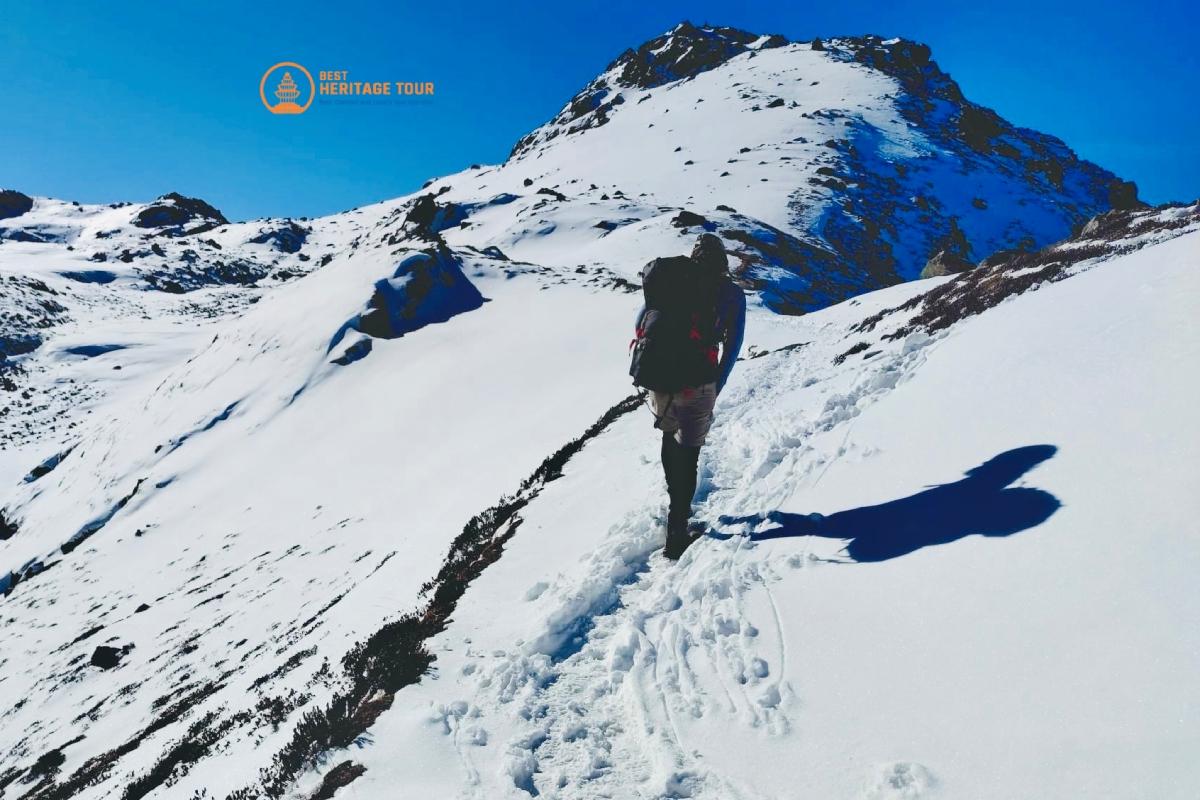
Winter offers a peaceful trekking experience with fewer visitors and spectacular snow-covered mountain scenery. The Langtang Valley remains accessible throughout most of the season, but higher sections, especially Laurebina Pass (4,610 m), may receive heavy snowfall. During periods of significant snow accumulation, crossing the pass can become difficult or unsafe.
Trekkers planning a winter departure should remain flexible, as itineraries may need to be adjusted depending on weather and trail conditions.
Pros
-
Peaceful trails with very few trekkers
-
Stunning snow-covered mountain landscapes
-
Crisp, clear skies on many days
-
Great opportunities for winter photography
Cons
-
Very cold mornings and nights
-
Snow may block or delay crossing of Laurebina Pass
-
Shorter daylight hours for trekking
-
Some teahouses at higher elevations may operate with limited services
Which is the Recommended Season for Langtang Gosaikunda Trek?
At Best Heritage Tour, we highly recommend trekking during spring (March to May) or autumn (September to November) for the safest and most enjoyable experience. These seasons provide the ideal combination of stable weather, excellent visibility, comfortable temperatures, and breathtaking Himalayan scenery.
If you prefer quieter trails, winter can also be a rewarding option with proper preparation. Summer treks are suitable for experienced trekkers who don't mind occasional rain and changing weather conditions. Regardless of the season, our experienced local guides monitor trail and weather conditions closely to ensure a safe, enjoyable, and memorable Langtang Gosaikunda Trek.
Documents Required for the Langtang Gosaikunda Trek
To ensure a smooth and hassle-free trekking experience in the Langtang region, trekkers must carry a few essential travel documents. These documents are mandatory for entry, safety, and permit regulations in Nepal’s protected trekking areas.
Nepal Visa for the Langtang Gosaikunda Trek
All international travelers (except Indian) need a tourist visa to visit Nepal, which can be obtained on arrival at Kathmandu airport or online.
Key Details:
-
Duration: 15, 30, or 90 days (30 days recommended for this trek)
-
Fees: 15 days - USD 30 | 30 days - USD 50 | 90 days - USD 125
-
Requirements: Valid passport (6+ months), visa form, passport photo, and payment in cash (USD/EUR/GBP/NPR)
Citizens of certain countries do not get Nepal Visa on arrival. They must have to apply for the Nepal Visa on advance through the Nepalese Embassy.
Travel Insurance for the Langtang Gosaikunda Trek
Travel insurance is highly recommended and often mandatory for trekking in Nepal, especially for high-altitude regions like Langtang Valley.
Your insurance policy should cover:
-
High-altitude trekking (up to at least 4,800m+)
-
Emergency helicopter evacuation
-
Medical treatment and hospitalization
-
Trip cancellation or interruption (recommended)
Proper insurance ensures your safety and peace of mind throughout the journey.
What are the permits required for the Langtang Gosaikunda Trek?
To enter and trek in the Langtang region, two official permits are required:
1. Langtang National Park Entry Permit: Required to enter the Langtang National Park.
2. TIMS Card (Trekkers’ Information Management System): Used for trekker registration and safety tracking in Nepal.
A valid visa and travel insurance is mandatory to obtain the permits for Langtang Region Trek. One does not need to worry about the permits arrangement as we will do all the arrangements on behalf of our valued guest.
How Difficult Is the Langtang Gosaikunda Trek?
The Langtang Gosaikunda Trek is considered a moderately difficult to challenging trek, making it suitable for trekkers with a good level of physical fitness and a positive attitude toward multi-day hiking. While the trail does not require any technical climbing or mountaineering skills, it involves long walking days, continuous ascents and descents, and trekking at high altitudes.
Over the course of 13 days, trekkers pass through diverse landscapes, including dense forests, alpine meadows, glacial valleys, high mountain passes, and remote Himalayan villages. The trek reaches its highest point at Laurebina Pass (4,610 m / 15,125 ft), where the thinner air makes trekking more physically demanding.
At Best Heritage Tour, we have carefully designed the itinerary to allow for gradual altitude gain and proper acclimatization.
What Makes the Langtang Gosaikunda Trek Difficult?
Several factors contribute to the difficulty of this trek. Understanding these challenges and preparing accordingly will help you enjoy the adventure more comfortably.
-
High Altitude: The trek reaches Laurebina Pass (4,610 m), where thinner air can make trekking more challenging.
-
Long Walking Hours: You'll trek 5-8 hours daily on varied mountain terrain.
-
Steep Trails: Several sections involve continuous uphill climbs and downhill descents.
-
Laurebina Pass Crossing: Crossing the trek's highest point is physically demanding, especially in poor weather.
-
Basic Facilities: Teahouses become simpler at higher elevations, with limited services.
-
Changing Weather: Mountain weather can change quickly, bringing cold, wind, rain, or snow.
Is Previous Trekking Experience Required for the Langtang Gosaikunda Trek?
Previous trekking experience is helpful but not essential. Beginners with good physical fitness, proper preparation, and determination can successfully complete the Langtang Gosaikunda Trek. Regular cardio exercises, hiking practice, and leg-strengthening workouts before your trip will significantly improve your trekking experience.
Is the Langtang Gosaikunda Trek Suitable for Beginners?
Yes, the Langtang Gosaikunda Trek is suitable for beginners with good physical fitness and proper preparation. While the trek includes high-altitude sections and several long walking days, it does not require any technical climbing or previous mountaineering experience.
Our itinerary is designed with a gradual ascent and an acclimatization day at Kyanjin Gompa, allowing trekkers to adjust to the altitude safely. With proper training, the right gear, and the support of our experienced guides, first-time trekkers can successfully complete this adventure.
What Makes the Langtang Gosaikunda Trek Beginner-Friendly?
-
No technical climbing or mountaineering skills are required.
-
Gradual altitude gain with an acclimatization day at Kyanjin Gompa.
-
Well-established trekking trails that are easy to follow.
-
Comfortable teahouse accommodation is available throughout the route.
-
Experienced local guides from Best Heritage Tour provide support and ensure your safety.
-
Well-paced itinerary that balances trekking with adequate rest and acclimatization.
Note: Although beginners can complete this trek, regular walking, hiking, or cardio exercise for a few weeks before the trip is highly recommended to make the journey more enjoyable.
What Are the Essential Gears to Pack for the Langtang Gosaikunda Trek?
Packing the right gear is essential for a safe and comfortable Langtang Gosaikunda Trek, especially as the trail reaches Gosainkunda Lake (4,380 m) and Laurebina Pass (4,610 m), where temperatures can drop quickly and mountain weather is unpredictable.
We recommend packing layered clothing, a warm down jacket, a waterproof jacket, sturdy trekking boots, gloves, a warm hat, sunglasses, trekking poles, a reusable water bottle, a headlamp, sunscreen, personal toiletries, and any essential medications.
At Best Heritage Tour, we recommend packing light while carrying all the necessary trekking essentials for a comfortable and enjoyable Himalayan adventure.
For a complete packing checklist, please refer to our detailed Langtang Gosaikunda Trek Packing List guide.
Physical Fitness Required for the Langtang Gosaikunda Trek
The Langtang Gosaikunda Trek requires a moderate to good level of physical fitness. Trekkers should be prepared to walk 5-8 hours a day on varied terrain, including steep ascents, descents, and high-altitude trails.
You do not need any technical climbing experience, but good endurance, leg strength, and stamina will make the trek more enjoyable. With proper preparation and the support of our experienced guides, both beginners and experienced trekkers can successfully complete this adventure.
How Hard Is It to Cross Laurebina Pass?
Crossing Laurebina Pass (4,610 m / 15,125 ft) is the most challenging part of the Langtang Gosaikunda Trek. The trail involves a steady climb to the pass, followed by a long descent to Ghopte. At this altitude, the thinner air can make trekking more physically demanding.
However, with proper acclimatization, a steady pace, and good physical fitness, most trekkers can cross the pass safely. During winter or after heavy snowfall, the crossing may become more difficult due to snow, ice, and strong winds, so following your guide's instructions is essential.
How to Prepare Physically for the Langtang Gosaikunda Trek?
-
Walk or hike regularly for 1-2 months before the trek.
-
Do cardio exercises like jogging, cycling, or swimming to improve stamina.
-
Strengthen your legs with squats, lunges, and stair climbing.
-
Practice hiking with a daypack to get used to carrying weight.
-
Increase your walking distance gradually to build endurance.
-
Stay hydrated and maintain a healthy, balanced diet.
-
Get adequate rest before your trekking adventure.
Tip: If possible, complete a few full-day hikes before your trip to prepare your body for consecutive days of trekking in the Himalayas.
Health & Safety on the Langtang Gosaikunda Trek
At Best Heritage Tour, your health and safety are our top priorities. Throughout the Langtang Gosaikunda Trek, you'll be accompanied by an experienced, government-licensed trekking guide trained in basic first aid and high-altitude safety. Our guides carry a first-aid kit and a pulse oximeter to regularly monitor your oxygen saturation, especially at higher elevations.
Our itinerary also includes a dedicated acclimatization day at Kyanjin Gompa, allowing your body to adjust gradually before continuing toward Gosainkunda Lake and Laurebina Pass (4,610 m).
How Safe Is the Langtang Gosaikunda Trek?
The Langtang Gosaikunda Trek is considered a safe trek for anyone with good physical fitness and proper preparation. The route is well-established, with teahouses, local communities, and experienced guides available throughout the journey.
At Best Heritage Tour, our guides closely monitor your health, pace, and overall well-being to ensure a safe and enjoyable trekking experience.
Is There Any Chance of Altitude Sickness on the Langtang Gosaikunda Trek?
Yes. Since the trek reaches Laurebina Pass (4,610 m) and includes overnight stays above 3,500 meters, there is a possibility of Acute Mountain Sickness (AMS). However, the risk can be greatly reduced with proper acclimatization and responsible trekking practices.
Our guides are trained to recognize early symptoms such as headache, dizziness, nausea, fatigue, and shortness of breath, and will take immediate action if necessary.
How to Prevent Altitude Sickness on the Langtang Gosaikunda Trek?
-
Follow the itinerary and ascend gradually.
-
Make the most of the acclimatization day at Kyanjin Gompa.
-
Drink 3-4 liters of water each day.
-
Walk at a slow and steady pace.
-
Eat nutritious meals and get enough rest.
-
Avoid alcohol and smoking at higher elevations.
-
Inform your guide immediately if you notice any AMS symptoms.
-
Follow your guide's advice regarding acclimatization or descent if required.
Porter and Luggage Management on the Langtang Gosaikunda Trek
Proper luggage management is essential for a comfortable and enjoyable Langtang Gosaikunda Trek. Since the trek involves 13 days of trekking, high-altitude sections, and crossing Laurebina Pass (4,610 m), we recommend carrying only your daily essentials in a daypack while leaving your heavier gear to a porter.
At Best Heritage Tour, we provide reliable porter services and secure luggage management, allowing you to trek comfortably and fully enjoy the stunning landscapes of the Langtang Valley, Gosainkunda, and Helambu regions.
Porter Service (Optional Add-On)
Hiring a porter is optional but highly recommended, especially for trekkers who want to conserve energy during the trek.
-
Porter service: USD 22 per day
-
Maximum carrying capacity: Up to 25 kg per porter
-
Sharing option: One porter can be shared between two trekkers
-
Duffel bag: Provided by Best Heritage Tour for your trekking gear
Note: We recommend limiting your trekking gear to 10-12 kg per person when sharing a porter for greater comfort and safety.
Extra Luggage Storage
If you have belongings that you won't need during the trek, you can leave them safely in Kathmandu before departure. We provide free luggage storage throughout your trek. Most hotels in Kathmandu also offer complimentary luggage storage, and we recommend confirming this service with your hotel before your trek begins.
Langtang Gosaikunda Trek Cost for 2026 & 2027
The cost of the Langtang Gosaikunda Trek for 2026 and 2027 varies depending on the group size and the services included in the package. Best Heritage Tour offer the Langtang Gosaikunda Trek package at just USD 890 (+ taxes) per person, which includes experienced trekking guides, transportation, accommodation, meals, permits, and all the essential logistics.
We also offer attractive group discounts, making the trek more affordable for families, friends, and organized groups. As the group size increases, the cost per person decreases while maintaining the same high-quality service and trekking experience.
Group Size-Based Price - Langtang Gosaikunda Trek (2026 & 2027)
|
Group Size |
Price Per Person (USD) |
|---|---|
|
1 Pax (Solo Trekker) |
USD 890 |
|
2-4 Pax |
USD 690 |
|
5-6 Pax |
USD 650 |
|
7-10 Pax |
USD 590 |
|
11-16 Pax |
USD 570 |
|
17-29 Pax |
USD 550 |
Note:
-
Extra 13% Government Tax and 10% Service Charge are not included in the above prices
-
Porter cost is not included in the package price
If you want, we can provide you a detailed cost breakdown for better understanding.
How Much Extra Money Should You Carry for Personal Expenses on the Langtang Gosaikunda Trek?
While your Langtang Gosaikunda Trek package covers the major trekking expenses, it is advisable to carry some extra cash for personal purchases such as drinks, snacks, hot showers, Wi-Fi, device charging, bottled or boiled water, souvenirs, and other incidental expenses along the trail.
We recommend budgeting approximately USD 15-25 per day, depending on your spending habits and comfort preferences. For the 13-day itinerary, carrying around USD 200-300 per person is generally sufficient for personal expenses.
Since ATMs are not available along the trekking route beyond Syabrubesi, and card payments are rarely accepted in mountain teahouses and villages, we strongly recommend exchanging enough Nepali Rupees (NPR) in Kathmandu before beginning the trek.
How Much Should You Tip Your Guide and Porter During the Langtang Gosaikunda Trek?
Tipping is a common practice in Nepal's trekking industry and is a wonderful way to appreciate the hard work and dedication of your trekking crew. While tipping is not mandatory, it is always appreciated by the guides and porters who help make your Langtang Gosaikunda Trek safe, enjoyable, and memorable.
As a general guideline, many trekkers choose to tip 10-15% of the total trek cost, depending on the quality of service and their overall satisfaction.
How Much Should You Tip Your Trekking Guide for the Langtang Gosaikunda Trek?
Your trekking guide is responsible for your safety, navigation, daily itinerary, and sharing valuable insights into the local culture, traditions, and Himalayan landscapes throughout the journey.
Suggested Guide Tip:
-
USD 10-15 per day (from the group)
For this 13-day trek, this typically totals USD 130-195 per group, depending on the group size and the level of service provided.
How Much Should You Tip Your Porter for the Langtang Gosaikunda Trek?
Porters carry your trekking luggage, allowing you to hike comfortably with only a light daypack. Their assistance is especially valuable during the longer trekking days and while crossing Laurebina Pass (4,610 m).
Suggested Porter Tip:
-
USD 5-10 per day per porter (from the group)
For this 13-day trek, this typically totals USD 65-130 per porter, depending on the workload and your level of satisfaction.
Group Tipping Practice
If you are trekking in a group, it is common for everyone to contribute toward a shared tip for the guide and porter(s). The tip is usually presented at the end of the trek as a gesture of appreciation for their professionalism, dedication, and support throughout your Langtang Gosaikunda Trek.
Booking & Payment for the Langtang Gosaikunda Trek
Booking your Langtang Gosaikunda Trek with Best Heritage Tour is simple and secure. To confirm your trip, a 20% deposit of the total trip cost is required at the time of booking, while the remaining balance must be cleared at least one day before departure. Payments can be made via cash, bank transfer, or card; bank transfer and card fees are the responsibility of the trekker, and incur a 4% transaction fee. All booking and cancellation terms are clearly explained by Best Heritage Tour staff during the booking process and can also be reviewed on our website.
Bank transfer:
-
Account Name: Best Heritage Tour And Treks Pvt. Ltd.
-
Account Number: 13201040254106
-
Bank Name: Nepal Investment Mega Bank Ltd.
-
Address: Thamel, Kathmandu, Nepal
-
SWIFT Code: NIBLNPKT
-
Bank Transfer Link: www.bestheritagetour.com/payment
Once we receive the deposit, we will issue the official invoice and booking conformation right away. If you need any clarification, we are happy to answer your questions or provide additional details you may require.
Last-Minute Booking for the Langtang Gosaikunda Trek
For travelers planning on short notice, Best Heritage Tour accepts last-minute bookings up to 24 hours before departure. In such cases, full payment (100% of the trip cost) is required at the time of booking. Trekkers should be aware that accommodation, logistics, and services may be limited, and the company cannot be held responsible for any compromises arising from late arrangements.
Flexible Trip Extension
If you wish to extend your adventure beyond the Langtang Gosaikunda Trek, Best Heritage Tour can help arrange additional activities. Options include exploring nearby trekking routes, visiting remote villages, enjoying cultural tours in Kathmandu Valley, or relaxing in Pokhara by Phewa Lake.
Our team will create a customized itinerary based on your interests, schedule, and fitness level, ensuring a seamless and unforgettable extension to your Himalayan journey.
Sustainable and Responsible Tourism in the Langtang Region
The Langtang Gosaikunda Trek takes you through the pristine landscapes of Langtang National Park, traditional Tamang villages, the sacred Gosaikunda Lake, and the beautiful Helambu region. These areas are home to fragile Himalayan ecosystems, unique wildlife, and rich cultural heritage that deserve to be protected for future generations.
At Best Heritage Tour, sustainable tourism is one of our core values. We strictly follow the "Leave No Trace" principles on every trek and promote environmentally responsible travel. As part of our commitment to giving back to nature, we also plant a tree in the name of our travelers (upon request), contributing to a greener and more sustainable future for Nepal's Himalayas.
Review
H
Amazing trek and beautiful lake
I just got back from the langtang gosaikunda trek and it was such an amazing journey. From the driving to the trekking, each part did not back out to surprise me. The beautiful...
View DetailA
Wonderful time with family in Langtang valley
Recently our family went in on a Langtang Gosaikunda trek and it turned out to be one of the best trek of ours. We were a family of 5 people including me, my husband and our 3...
View DetailA
Great trekking experience
I had an unforgettable experience on the Langtang Gosikeunda trek with the Best Heritage Tour. The trek was well organized with beautiful views of snow-capped peaks, lush green...
View DetailFAQ's
The Gosaikunda Lake trek is a 13-day journey through the Langtang region of Nepal. It combines cultural exploration with trekking through diverse landscapes including forests, rural villages, and high-altitude passes. Gosaikunda is a sacred lake, especially for Hindus, and is situated at an altitude of 4,380 meters.
The total distance covered in the trek is approximately 70-90 kilometers depending on the exact route and side treks
The Lauribina Pass represents the highest elevation point, standing at 4,610 meters.
The trek is considered moderately difficult. While it does not require technical climbing skills, the high altitude and long trekking days make it challenging for beginners. Adequate preparation, fitness, and acclimatization are key.
Best Heritage Tours stands out with its experienced guides who know the hiking trails well and provide insight into the local culture, flora, and fauna. Their dedication to sustainable tourism guarantees that trekking activities support local communities and safeguard the environment. Plus, a customizable itinerary lets you tailor the hike to suit your interests and pace, making it perfect for beginners and experienced hikers alike.
Yes, solo travelers can undertake this trek. However, it is recommended to hire a guide or join a trekking group for safety, especially in remote areas with less traffic.
The best seasons are during the spring (March to May) and autumn (September to November). These intervals provide consistent weather conditions, unobstructed skies, and moderate temperatures
At higher altitudes, particularly near Gosaikunda Lake, temperatures can drop to -10°C (14°F) during the night, especially in the winter months (December to February). Daytime temperatures during the trekking seasons range from 10°C to 20°C.
Monsoon season (June to August) brings heavy rain, making trails slippery and challenging. The region experiences frequent rain showers, with cloudy skies and leeches in lower-altitude areas. This period is not optimal for trekking due to limited visibility and muddy paths.
Yes, especially near Gosaikunda Lake and Lauribina Pass, you may experience strong winds and fog. In the late afternoon, clouds often form, which can affect visibility.
In addition to the trek package cost, you should budget for:
- Meals and drinks in Kathmandu
- Personal expenses such as snacks, drinks, and charging electronic devices during the trek
- Tipping guides and porters
- Optional activities or sightseeing in Kathmandu
- Travel insurance
ATMs are only available in Kathmandu. It is advisable to carry sufficient Nepalese Rupees in cash for the trek, as ATMs are not accessible in the Langtang region.
While there is no formal age restriction, it is essential for trekkers to maintain good health and physical fitness. Children above the age of 12 and adults up to the age of 70 can generally complete the trek, provided they have good fitness levels.
While it is possible for first-time trekkers, it is advised that they prepare by engaging in regular physical activity and trekking practice on lower-altitude routes before attempting the Gosaikunda Lake trek.
Accommodation is typically in local teahouses, which are simple lodges offering basic facilities. Rooms usually have twin beds, and common areas are heated. Some teahouses may offer private bathrooms, but most have shared bathroom facilities.
Regular cardiovascular exercises like running, cycling, or swimming are great for building endurance. Include hiking or walking on uneven terrain with a loaded backpack to simulate trekking conditions. It’s also important to strengthen your legs, core, and balance through weight training or yoga.
Yes, altitude sickness can be a risk on this trek. The trek is designed to allow for gradual acclimatization, but it’s important to stay hydrated, walk slowly, and be aware of symptoms such as headache, dizziness, and fatigue. In case of severe symptoms, immediate descent is necessary.
Yes, comprehensive travel insurance is mandatory. Your insurance should cover high-altitude trekking up to 4,600 meters, medical treatment, and helicopter evacuation.
Electricity is accessible in the majority of teahouses; however, there may be an extra charge for charging electronic devices. It's advisable to carry a portable power bank.
Some teahouses offer Wi-Fi services, but connections can be slow and may come with additional fees. It's best not to rely on constant connectivity during the trek.
The trek starts with a drive from Kathmandu to Dhunche or Syabrubesi, which are the main gateway towns for the Langtang and Gosaikunda treks. The drive takes approximately 6-8 hours depending on road conditions.
There are no direct flights available to the starting point. The only means of transportation is by road, either via private jeep or local bus from Kathmandu
After completing the trek, you will return to Kathmandu by road, with similar transportation options as the journey to the start of the trek.
The drive from Kathmandu to Syabrubesi or Dhunche takes about 6-8 hours. It’s wise to allocate an extra buffer day at the start and end of your trek to account for any delays caused by road conditions or traffic.