Seven UNESCO World Heritage Sightseeing Tour in Kathmandu -5 Days
Start
1
Country
Nepal
Difficulty
Easy
Destination
Nepal
Activity
Educational Trips
Accommodation
Hotel Stay
Transportation
Private Car
Group Size
2-30
Trip Starts
Kathmandu
Trip Ends
Kathmandu
Best Season
All Seasons
Overview
Key Highlights of the 7 UNESCO World Heritage Sightseeing Tour
- Explore all 7 UNESCO World Heritage Sites in Kathmandu Valley
- Discover ancient royal palaces and historic Durbar Squares
- Visit Kumari Ghar, home of Nepal’s Living Goddess
- Visit the sacred Pashupatinath Temple
- Explore the magnificent Boudhanath and Swayambhunath stupas
- Explore the traditional Newari heritage of Patan and Bhaktapur
- Visit the historic Changunarayan Temple
- Enjoy a breathtaking sunrise from Nagarkot
- Taste Bhaktapur’s famous Juju Dhau (King of Yogurt)
- Discover Nepal’s rich Hindu and Buddhist traditions
Why Choose Best Heritage Tour for Your 7 UNESCO World Heritage Tour?
- Free airport pick-up and drop-off service
- Online pre-trip briefing and booking confirmation for better preparation
- Multiple communication channels (Phone, Email, WhatsApp, Viber) for easy support
- 24/7 customer support available at +977-9851149197 / +977-9810043046
- Simple and secure payment options including Cash, Card & Bank Transfer
- We plant a tree in the name of travelers (upon request), as a part of our commitment to sustainable tourism
Seven UNESCO World Heritage Tour Route Overview
The Seven UNESCO World Heritage Sightseeing Tour in Kathmandu is a 5-day cultural journey through the historic cities, sacred temples, ancient stupas, and architectural treasures of the Kathmandu Valley. Designed for travelers who want to discover Nepal’s rich history and living traditions, this tour combines heritage exploration, spiritual experiences, local culture, and scenic Himalayan views in one memorable package.
Your journey begins with your arrival in Kathmandu, where a Best Heritage Tour representative welcomes you at Tribhuvan International Airport and transfers you to your hotel. The following days take you to all seven UNESCO World Heritage Sites: Kathmandu Durbar Square, Swayambhunath Stupa, Boudhanath Stupa, Pashupatinath Temple, Patan Durbar Square, Bhaktapur Durbar Square, and Changunarayan Temple.
Explore centuries-old royal palaces, admire intricate Newari wood carvings, experience Nepal’s Hindu and Buddhist traditions, and discover the fascinating story of Kumari, the Living Goddess. The tour also includes an overnight stay in Nagarkot, where you can wake early to enjoy a beautiful sunrise over the surrounding Himalayan landscape, weather permitting.
In Bhaktapur, experience traditional Newari culture and sample the famous Juju Dhau, also known as the King of Yogurt. With private transportation, comfortable 3-star accommodation, and daily breakfast, this tour offers a convenient way to explore Kathmandu Valley’s cultural highlights.
Whether you are a first-time visitor, a history enthusiast, or a cultural traveler, this journey provides an enriching introduction to Nepal’s heritage and traditions.
What Can You Expect on the 7 UNESCO World Heritage Tour?
1. Ancient Royal Palaces and Durbar Squares
Step into Nepal’s royal past as you explore Kathmandu Durbar Square, Patan Durbar Square, and Bhaktapur Durbar Square. These historic palace complexes showcase centuries of royal history, traditional Newari architecture, intricately carved wooden windows, stone sculptures, courtyards, and pagoda-style temples. Each square offers a distinctive glimpse into the artistic achievements and cultural legacy of the former Kathmandu Valley kingdoms.
2. Nepal’s Living Religious Traditions
Experience the spiritual diversity of the Kathmandu Valley through visits to Pashupatinath Temple, Boudhanath Stupa, and Swayambhunath Stupa. Observe Hindu rituals, Buddhist prayers, spinning prayer wheels, and the devotion of local pilgrims. These sacred landmarks reveal how Hinduism and Buddhism have shaped Nepal’s identity, influencing its architecture, festivals, daily customs, and centuries-old religious practices.
3. Learn About Kumari, Nepal’s Living Goddess
Discover the fascinating tradition of Kumari at Kumari Ghar in Kathmandu Durbar Square. Revered as the living manifestation of the goddess Taleju, the Kumari holds a unique place in Nepal’s religious and cultural heritage. Learn about the traditional selection process, ceremonial role, and historical significance of this living tradition, which continues to connect Nepal’s ancient beliefs with contemporary cultural life.
4. Traditional Newari Art and Architecture
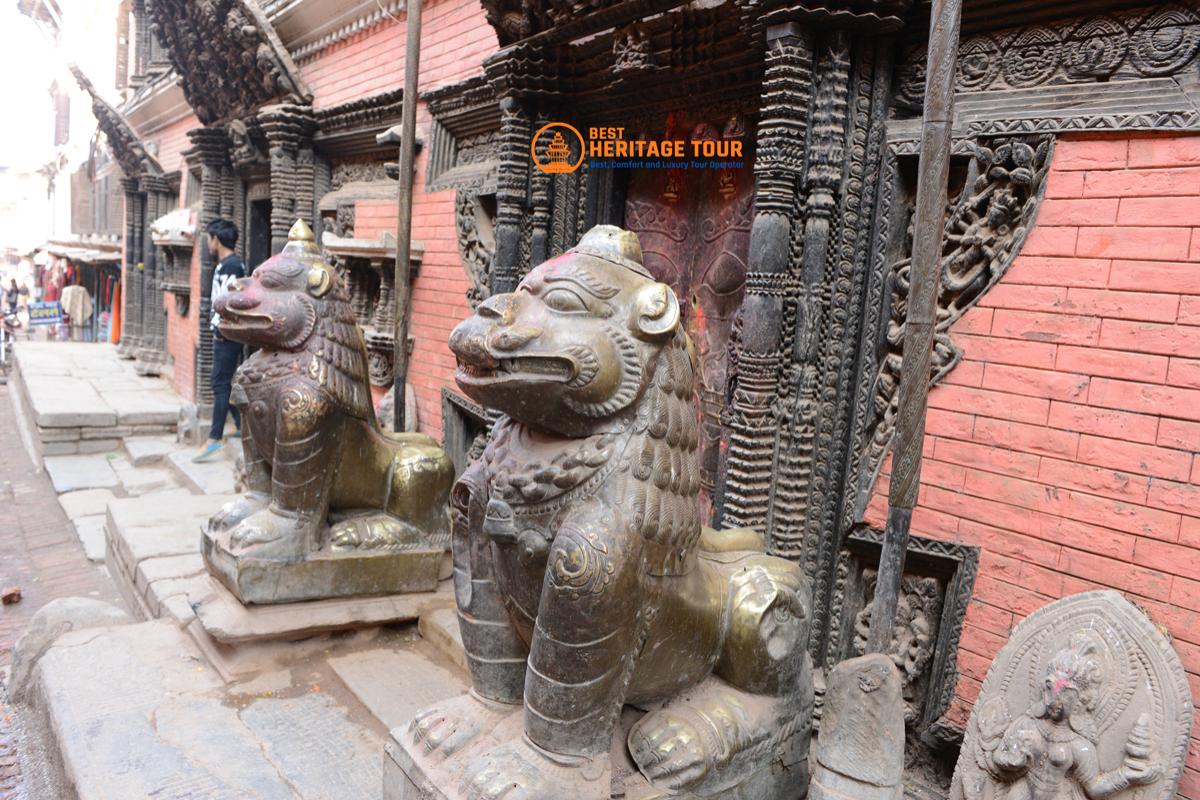
Discover the exceptional craftsmanship of the Newar community, whose artistic heritage is visible throughout the Kathmandu Valley. From intricately carved timber windows and ornate doorways to metalwork, stone sculptures, and elaborate temple roofs, every detail reflects generations of skilled craftsmanship. The historic squares of Kathmandu, Patan, and Bhaktapur provide outstanding opportunities to appreciate Nepal’s distinctive architectural styles and artistic traditions.
5. Historic Changunarayan Temple
Explore Changunarayan Temple, one of Nepal’s most historically significant Hindu temples, dedicated to Lord Vishnu. Located in a traditional settlement near Bhaktapur, the temple is renowned for its ancient stone inscriptions, intricate wood carvings, and sculptures depicting Hindu deities. Its remarkable artistic details and historical importance offer insight into the development of religious architecture and craftsmanship in the Kathmandu Valley.
6. Bhaktapur’s Culture and Cuisine
Discover Bhaktapur’s well-preserved traditional atmosphere through its historic streets, brick-paved courtyards, temples, and artisan workshops. The city remains closely connected to Newari customs, pottery, woodcarving, and traditional festivals. During your visit, you can also taste Juju Dhau, the famous King of Yogurt, a beloved local specialty that reflects Bhaktapur’s distinctive culinary heritage and longstanding food traditions.
7. Nepal’s Rich Hindu and Buddhist Heritage
Throughout the tour, gain a deeper understanding of the beliefs, artistic expressions, and cultural practices that have shaped Nepal over centuries. The combination of royal palace squares, Hindu temples, and Buddhist stupas illustrates the longstanding coexistence and shared cultural influences of different religious traditions. Together, these landmarks reveal why the Kathmandu Valley remains one of South Asia’s most remarkable centers of living heritage.
Are You Ready for the 7 UNESCO World Heritage Tour?
All you need for this journey is curiosity, a love for history, and a desire to discover Nepal’s rich cultural heritage. From ancient royal palaces and intricate Newari architecture to sacred Hindu temples and magnificent Buddhist stupas, every destination reveals a fascinating story.
Bring an open mind and respect for local customs as you explore centuries-old traditions, religious practices, and remarkable monuments. Whether you’re passionate about history, fascinated by ancient architecture, or eager to experience authentic Nepali culture, this five-day journey offers an unforgettable introduction to the Kathmandu Valley’s living heritage.
Itinerary
1Day 1: Arrival in Kathmandu
Upon your arrival at Tribhuvan International Airport in Kathmandu, a representative from Best Heritage Tour will warmly welcome you and assist with your transfer to the hotel in a private vehicle. After check-in, you can relax and recover from your journey or explore the nearby streets at your own pace. The rest of the day is free for leisure.
2Day 2: Explore Kathmandu’s UNESCO World Heritage Sites
After breakfast, begin your sightseeing journey with a visit to Kathmandu Durbar Square, where ancient royal palaces, historic courtyards, traditional Newari architecture, and Kumari Ghar reveal Nepal’s fascinating cultural heritage. Continue to Pashupatinath Temple, one of Nepal’s most sacred Hindu pilgrimage sites, known for its religious rituals and spiritual significance along the Bagmati River.
Next, explore Boudhanath Stupa, one of the largest Buddhist stupas in Nepal and an important center of Tibetan Buddhist culture. Observe pilgrims walking around the stupa, spinning prayer wheels, and offering prayers in a peaceful spiritual atmosphere. After discovering these remarkable landmarks, return to your hotel, carrying a deeper appreciation of Kathmandu’s living traditions, religious diversity, and historic architecture.
3Day 3: Continue sightseeing tour of Kathmandu Valley & drive to Nagarkot (2,160 m)
After breakfast, begin sightseeing with a visit to Swayambhunath Stupa, famously known as the Monkey Temple. Perched on a hilltop, this ancient Buddhist site features colorful prayer flags, sacred shrines, and panoramic views of Kathmandu Valley. Explore its spiritual atmosphere and discover the fascinating blend of Buddhist and Hindu traditions.
Continue to Patan Durbar Square, a historic royal complex celebrated for its exquisite Newari architecture, intricately carved temples, traditional courtyards, and remarkable metalwork. Explore the ancient palace area and appreciate the artistic heritage that makes Patan a cultural treasure of Nepal. Later, drive to Nagarkot, a scenic hilltop destination, where you will spend the night ahead of the following morning’s sunrise experience.
4Day 4: Sunrise at Nagarkot & Visit Changunarayan and Bhaktapur Durbar Square
Begin your day with an early morning sunrise experience in Nagarkot, where clear weather may reveal beautiful views of the Himalayan range. After breakfast, drive toward Changunarayan Temple, one of Nepal’s oldest Hindu temples, renowned for its ancient stone inscriptions, intricate wood carvings, and religious significance. Explore the temple complex and discover its remarkable historical and artistic heritage.
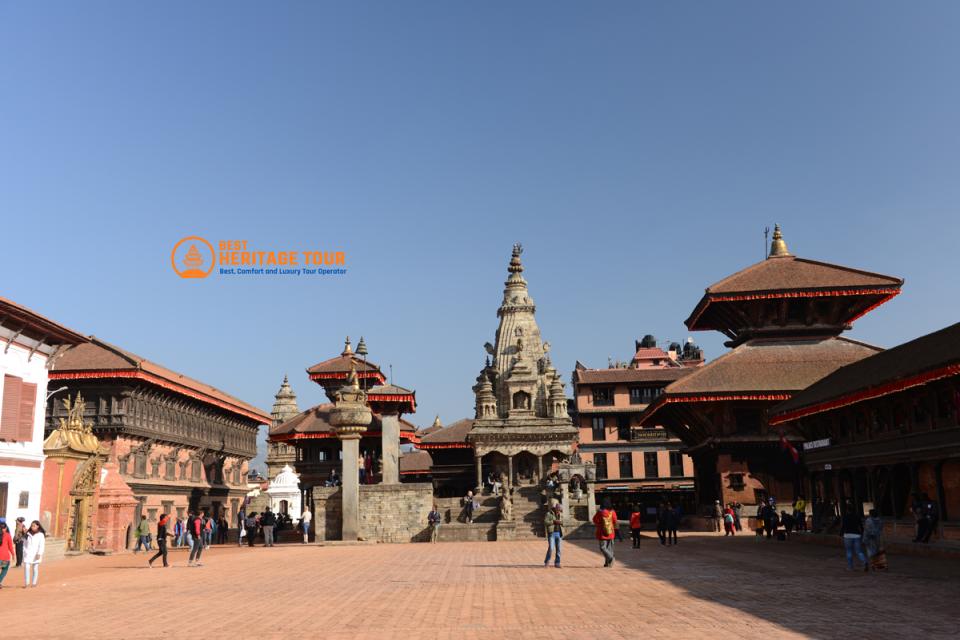
Continue to Bhaktapur Durbar Square, a medieval city center celebrated for traditional Newari architecture, pagoda-style temples, royal courtyards, and local craftsmanship. Explore its historic streets, admire the famous 55-Window Palace, and sample Juju Dhau, known as the King of Yogurt. After experiencing Bhaktapur’s distinctive culture and heritage, drive back to Kathmandu for your overnight stay, concluding your exploration of the valley’s seven UNESCO World Heritage Sites.
5Day 5: Departure from Kathmandu
After breakfast at your hotel, enjoy your final moments in Kathmandu before preparing for departure. At the scheduled time, a representative from Best Heritage Tour will transfer you to Tribhuvan International Airport in a private vehicle according to your flight schedule.
Cost Includes / Excludes
Included
- PRIVATE AIRPORT PICK-UP & DROP : Airport - Hotel transfer - Airport (Pick Up and Drop).
- MEMBER TRANSPORTATION :Transportation in a air-conditioner private car with professional driver throughout the whole tour.
- ACCOMMODATION: 3 nights in Kathmandu and 1 night in Nagarkot in a 3-star hotel on a bed & breakfast basis.
- GUIDE : One experienced government licensed city tour guide (English speaking).
- STAFF SALARY AND ALLOWANCE : All staff wages, salary, equipment, food & clothing.
- SOUVENIR : Best Heritage Tour’s Purse, an authentic Nepali product made from hemp.
- FAREWELL DINNER : A farewell dinner with an authentic cultural program after completion of the trip.
Excluded
- INTERNATIONAL AIRFARE : International flight airfare (from and to Kathmandu).
- NEPAL VISA FEES : You may issue the visa upon your arrival at Tribhuvan International Airport - Kathmandu or apply manually in your home country.
- ENTRANCE FEE : Monuments entrance fees while sightseeing in Kathmandu.
- ACCOMMODATION & MEALS : Accommodation and meals in Kathmandu before and after the tour. Lunch & Dinner during the tour.
- PERSONAL EXPENSES : Clothing & gears, telephone, laundry, soft drinks and any Alcoholic beverages.
- TIPS : Tips for guide and driver.
- EXTRA : Any additional costs due to factors beyond our control, or for services not specifically mentioned in the Itinerary & Included section.
- TAXES & SERVICE CHARGE : All government taxes (13%) and service charge (10%).
Trip Info
Useful Information About the Seven UNESCO World Heritage Sightseeing Tour in Kathmandu
To enjoy a comfortable, enriching, and memorable Seven UNESCO World Heritage Sightseeing Tour in Kathmandu, travelers should understand a few essential details before starting their journey. From respecting local religious customs and understanding temple entry rules to preparing for heritage-site walking, entrance fees, and the early morning sunrise in Nagarkot, a little preparation helps ensure a smooth and rewarding cultural experience.
What Are the 7 UNESCO Sites in Kathmandu?
The seven UNESCO World Heritage Sites in Kathmandu are:
-
3 Former Royal Palaces: Kathmandu Durbar Square, Patan Durbar Square & Bhaktapur Durbar Square
-
2 Stupas: Swayambhunath Stupa & Boudhanath Stupa
-
2 Temples: Pashupatinath Temple and Changunarayan Temple
Together, these historic monuments represent the Kathmandu Valley’s rich Hindu and Buddhist traditions, ancient Newari architecture, royal history, and living cultural heritage. Our Seven UNESCO World Heritage Sightseeing Tour in Kathmandu brings these remarkable heritage sites together in one carefully planned cultural journey.
List of All Major Sites to Explore in the Kathmandu Durbar Square Area
|
I. Major Palaces & Courtyards (Chowks) |
II. Temples & Shrines |
III. Statues, Idols, Relics & Inscriptions
IV. Halls, Monuments & Rest Houses
|
|
List of All Major Sites to Explore in the Patan Durbar Square Area
|
I. Courtyards & Palaces (Chowks)
II. Primary Temples & Shrines
|
III. Gates, Monuments & Statues
IV. Water Structures, Rest Houses & Gardens
|
List of All Major Sites to Explore in the Bhaktapur Durbar Square Area
|
I. Temples & Sacred Shrines
III. Royal Palaces, Courtyards & Ponds
|
II. Gates, Monuments, Bells, & Water Spouts
1. Taumadhi Square
2. Dattatraya Square (Taspal)
3. Pottery Square
4. Wakupati Narayan Area
|
List of All Major Sites to Explore Around Changunarayan Temple Area
|
I. Primary Temples & Shrines
III. Structures, Pillars, and Guardians
|
II. Key Sculptures, Statues & Avatars
|
List of All Major Sites to Explore in the Pashupatinath Temple Area
|
I. Major Temples & Shrines
IV. Sacred River Sites & Ghats
|
II. Courtyards, Complex Sites & Parks
III. Statues, Idols & Monuments
|
List of All Major Sites to Explore in the Boudhanath Area
|
I. Main Stupa Structures
|
II. Guardian Idols & Shrines
|
III. Other Sites
|
List of All Major Sites to Explore in the Swayambhunath Stupa Area
|
I. Main Stupa & Primary Temples
III. Access Points, Stairs & Entry Parks
|
II. Monasteries, Museums & Lakes
IV. Statues, Idols, Relics & Monuments
|
Why Go for the 7 UNESCO World Heritage Tour in Kathmandu?
The Seven UNESCO World Heritage Sightseeing Tour in Kathmandu is an ideal choice for travelers who want to experience the cultural and historical highlights of the Kathmandu Valley within a short and well-organized journey. The tour combines all seven UNESCO-listed heritage sites with comfortable private transportation, guided sightseeing, a sunrise experience in Nagarkot, and opportunities to experience Nepal’s traditional architecture, religious practices, and local culture.
What Makes the 7 UNESCO World Heritage Tour in Kathmandu So Special?
What makes this tour special is the opportunity to explore seven UNESCO World Heritage Sites in a single tour, covering ancient royal palace squares, sacred Hindu temples, and important Buddhist stupas. Beyond heritage sightseeing, the journey also includes the panoramic sunrise from Nagarkot, a visit to the historic Changunarayan area, and a chance to taste Juju Dhau (King of Yogurt) in Bhaktapur. This combination of UNESCO heritage, living culture, architecture, religion, and Himalayan scenery makes the tour a comprehensive introduction to the cultural richness of the Kathmandu Valley.
What Type of Vehicle is Used for the 7 UNESCO World Heritage Sightseeing Tour?
The Seven UNESCO World Heritage Sightseeing Tour in Kathmandu is conducted entirely by private car, ensuring a comfortable, convenient, and flexible sightseeing experience throughout the journey. The actual sightseeing program takes place over three days (Days 2-4), and Best Heritage Tour provides a private car for all sightseeing and transfers during this period.
Each morning, the private car and professional driver will arrive at your hotel at the scheduled time to pick you up and begin the day’s sightseeing. The vehicle will remain available throughout the day for transportation between the UNESCO World Heritage Sites and other planned destinations.
How Long Does the Entire 7 UNESCO World Heritage Sightseeing Tour Tour Last?
The Seven UNESCO World Heritage Sightseeing Tour in Kathmandu is a 5-day tour package, covering arrival in Kathmandu, three full days of UNESCO heritage sightseeing, and departure. While the complete package lasts five days, the main sightseeing activities are scheduled from Day 2 to Day 4, allowing travelers to explore the seven UNESCO World Heritage Sites at a comfortable pace.
How Long Does Each Day’s Tour Last?
The daily sightseeing program generally lasts around 8-9 hours, depending on the day’s itinerary, traffic conditions, time spent at each heritage site, and the pace of exploration. Each sightseeing day begins after breakfast, with the private car arriving at your hotel for pickup. The tour then continues through the planned heritage sites and destinations before returning to your hotel or Kathmandu as scheduled.
What is the Distance Between Each UNESCO Site and Each Site Distance from Thamel?
The seven UNESCO World Heritage Sites included in the Sightseeing Tour in Kathmandu are spread across different parts of the Kathmandu Valley. As the tour is conducted by private car with daily hotel pickup, knowing the approximate distance between the heritage sites can help travelers understand the sightseeing route and expected travel time.
The distances below are approximate road distances and may vary depending on your hotel location, the route taken by the driver, road conditions, and Kathmandu Valley traffic.
Approximate Distance Between the Heritage Sites
|
Route |
Approx. Distance |
Approx. Driving Time |
|
Thamel → Kathmandu Durbar Square |
2-3 km |
10-20 minutes |
|
Kathmandu Durbar Square → Pashupatinath Temple |
5-6 km |
20-35 minutes |
|
Pashupatinath Temple → Boudhanath Stupa |
2-3 km |
10-20 minutes |
|
Boudhanath Stupa → Swayambhunath Stupa |
8-10 km |
25-40 minutes |
|
Swayambhunath Stupa → Patan Durbar Square |
5-7 km |
20-35 minutes |
|
Patan Durbar Square → Nagarkot |
25-30 km |
1-1.5 hours |
|
Nagarkot → Changunarayan Temple |
15-20 km |
45-60 minutes |
|
Changunarayan Temple → Bhaktapur Durbar Square |
7-9 km |
20-30 minutes |
|
Bhaktapur Durbar Square → Kathmandu |
13-15 km |
35-60 minutes |
Driving times are approximate and can vary considerably depending on Kathmandu Valley traffic, road conditions, weather, and the exact route taken.
Approximate Distance of Each UNESCO Site from Thamel
|
UNESCO Heritage Site |
General Location from Thamel |
Approx. Road Distance |
|
Kathmandu Durbar Square |
South/Southwest |
2-3 km |
|
Swayambhunath Stupa |
West |
2.5-4 km |
|
Pashupatinath Temple |
East/Northeast |
5-7 km |
|
Boudhanath Stupa |
Northeast |
6-8 km |
|
Patan Durbar Square |
South |
5.5-7 km |
|
Bhaktapur Durbar Square |
East |
13-15 km |
|
Changunarayan Temple |
East/Northeast, beyond Bhaktapur |
20-25 km |
Among the seven UNESCO sites, Kathmandu Durbar Square and Swayambhunath Stupa are generally the closest to Thamel, while Bhaktapur Durbar Square and Changunarayan are farther toward the eastern side of the Kathmandu Valley.
What Type of Accommodation is Provided in the 7 UNESCO World Heritage Sightseeing Tour?
Best Heritage Tour provides accommodation in comfortable 3-star hotels throughout the Seven UNESCO World Heritage Sightseeing Tour in Kathmandu on a bed and breakfast (B&B) basis. The selected hotels are chosen for their convenient locations, comfortable rooms, cleanliness, and quality service, providing a pleasant place to relax after each day of sightseeing.
Are Meals Included in the 7 UNESCO World Heritage Sightseeing Tour?
The Seven UNESCO World Heritage Sightseeing Tour in Kathmandu is operated on a bed and breakfast basis. Breakfast is included throughout the tour, while lunch and dinner are not included in the package. This arrangement gives travelers the flexibility to choose their preferred restaurants, dishes, and dining experiences while exploring Kathmandu, Nagarkot, and the surrounding heritage areas.
Kathmandu offers an excellent variety of traditional Nepali, Newari, Tibetan, Indian, and international cuisine, making mealtimes an opportunity to experience the local food culture at your own preference and budget.
Must-Try Dishes and Drinks in Kathmandu
During the tour, travelers can enjoy a variety of authentic local dishes and traditional drinks, including:
-
Newari Khaja Set: A traditional Newari platter featuring a variety of flavorful local dishes and snacks.
-
Thakali Khana Set: A popular Nepali meal served with rice, lentils, vegetables, pickles, and other traditional accompaniments.
-
Momo: Nepal’s famous dumplings, available with different fillings and prepared in steamed, fried, or other styles.
-
Different Newari Cuisines: Explore Kathmandu’s rich Newari food culture through dishes such as bara, chatamari, choila, aloo tama, and other traditional specialties.
-
Juju Dhau (King of Yogurt): Bhaktapur’s famous creamy and sweet traditional yogurt, particularly worth trying during the visit to Bhaktapur Durbar Square.
-
Nepali Masala Tea (Chiya): A popular spiced milk tea enjoyed throughout Nepal and a perfect refreshment during sightseeing.
-
Other Local Drinks and Refreshments: Travelers can also explore a variety of traditional and locally popular beverages available around Kathmandu Valley.
When Is the Best Time for the 7 UNESCO World Heritage Sightseeing Tour?
The Seven UNESCO World Heritage Sightseeing Tour in Kathmandu can be enjoyed throughout the year, and there is no single best season for everyone. The ideal time depends on what you expect from the tour, such as pleasant sightseeing weather, clear mountain views, fewer crowds, or experiencing Kathmandu during its vibrant festivals. Since the tour focuses mainly on cultural and heritage sightseeing, it remains a suitable option in every season.
Spring (March to May)
Spring is a pleasant time for exploring Kathmandu’s UNESCO World Heritage Sites, with generally comfortable temperatures and good conditions for walking around historic squares, temples, and stupas. The warmer weather also makes the Nagarkot sunrise experience enjoyable, while the surrounding hills become greener and more vibrant.
Summer/Monsoon (June to August)
Summer coincides with Nepal’s monsoon season, bringing warm temperatures and occasional to frequent rainfall. While rain can affect road travel and visibility from Nagarkot, the tour can still be completed throughout this season. Travelers who do not mind occasional showers can enjoy greener landscapes, fewer tourists, and a quieter experience at many heritage sites.
Autumn (September to November)
Autumn is one of the most popular seasons for visiting Nepal and is an excellent choice for this tour. The weather is generally pleasant, skies are often clearer, and visibility from Nagarkot can be excellent. The comfortable conditions are ideal for exploring all seven UNESCO World Heritage Sites and enjoying Kathmandu’s lively cultural atmosphere.
Winter (December to February)
Winter offers cool and generally dry conditions, making it a good season for heritage sightseeing. Mornings and evenings can be cold, particularly in Nagarkot, but daytime temperatures are usually comfortable for exploring the UNESCO sites. On clear days, the sunrise and mountain views from Nagarkot can be particularly rewarding.
Traveling Nepal During Festival Seasons
Traveling during Nepal’s major festival seasons can add an extra cultural dimension to this tour. Festivals such as Dashain, Tihar, Indra Jatra, and Buddha Jayanti bring Kathmandu’s temples, stupas, courtyards, and historic squares to life with religious ceremonies, traditional rituals, decorations, and local celebrations. However, festival periods can also bring larger crowds, temporary road restrictions, and changes to the usual opening or visiting arrangements at some heritage sites. Travelers visiting during major festivals should therefore expect a more vibrant atmosphere and allow some flexibility in the daily sightseeing schedule.
Overall, the Seven UNESCO World Heritage Sightseeing Tour in Kathmandu is possible year-round. Best Heritage Tour can operate the tour in every season, allowing travelers to choose their preferred travel period based on their weather preferences, sightseeing expectations, festival interests, and overall travel plans.
How Difficult Is the 7 UNESCO World Heritage Sightseeing Tour?
The Seven UNESCO World Heritage Sightseeing Tour in Kathmandu is rated Very Easy and is suitable for travelers of different ages and fitness levels. The tour mainly involves sightseeing, walking around historic squares, temples, stupas, and heritage areas, with transportation provided by private car throughout the journey. There are no long treks, strenuous hikes, or physically demanding activities included in the itinerary.
Some heritage sites have stone-paved courtyards, steps, uneven surfaces, and areas that require a moderate amount of walking. The visit to Nagarkot also includes an early morning sunrise experience, but no demanding hiking is required. Travelers can explore the sites at a comfortable pace while taking breaks whenever needed.
Can Seniors and Family Groups Go for the 7 UNESCO World Heritage Sightseeing Tour?
Absolutely. This tour is an excellent choice for senior travelers, families, couples, and multigenerational groups who want to discover Nepal's rich culture and history without undertaking a physically demanding journey. With private transportation, daily hotel pickup, comfortable sightseeing schedules, and 3-star accommodation, the tour provides a convenient way for families and senior travelers to experience Kathmandu Valley's UNESCO heritage.
The tour is also a great introduction to Nepal's rich cultural, religious, architectural, and historical heritage, bringing together ancient royal cities, sacred Hindu temples, important Buddhist stupas, traditional Newari culture, and the scenic sunrise of Nagarkot in one memorable journey.
What is the Site Opening Time & Entrance Fee for Each UNESCO Site?
The Seven UNESCO World Heritage Sightseeing Tour in Kathmandu covers all seven UNESCO-listed heritage sites within the Kathmandu Valley. Each site has its own entrance requirements and applicable admission fees.
Entrance fees generally vary according to nationality, with separate rates for foreign visitors, SAARC nationals and Chinese visitors. The fees are paid directly at the respective heritage-site entrance.
UNESCO Heritage Site Entrance Fees for Foreign Visitors
|
UNESCO Heritage Site |
General Visiting Time |
Visitor Entrance Fee |
|
Kathmandu Durbar Square |
Generally open during daytime |
NPR 1,000 |
|
Pashupatinath Temple |
Generally open from early morning to evening |
NPR 1,000 |
|
Boudhanath Stupa |
Generally open throughout the day |
NPR 400 |
|
Swayambhunath Stupa |
Generally open throughout the day |
NPR 200 |
|
Patan Durbar Square |
Generally open during daytime |
NPR 1,000 |
|
Changunarayan Temple |
Generally open during daytime |
NPR 300 |
|
Bhaktapur Durbar Square |
Generally open during daytime |
NPR 1,800 |
Note: Entrance fees and visiting arrangements are subject to change by the respective authorities. During major festivals and special religious occasions, some sites may become particularly busy or have temporary access restrictions.
Are Entrance Fees Included in the Tour Package?
No. The entrance fees to the UNESCO World Heritage Sites are not included in the standard tour package. Travelers are responsible for paying the applicable admission fees at the respective ticket counters. The amount depends on nationality and any changes made by the concerned heritage authorities. Best Heritage Tour's team can assist travelers with the ticketing process and coordinate the sightseeing schedule according to the site's visiting conditions.
Things to Consider While Visiting the UNESCO Sites
The UNESCO sites are active religious and cultural spaces. Please follow local customs and respect the heritage of each site.
-
Dress modestly: Cover shoulders and knees at religious sites.
-
Remove shoes: Remove footwear where required.
-
Walk clockwise: Follow the traditional clockwise direction around stupas and prayer wheels.
-
Use your right hand: Use your right hand or both hands when giving or receiving offerings.
-
Respect worshippers: Do not disturb people during prayers or rituals.
-
Respect restricted areas: Do not enter areas marked for restricted access.
-
Photography: Follow site rules and ask permission before photographing people.
-
Respect local culture: Observe local traditions and religious practices respectfully.
Are Foreigners Allowed to Enter the Temples?
Foreign visitors can enter and explore many temples and heritage areas, but not every temple allows non-Hindus inside the main shrine. Most notably, Pashupatinath Temple's main temple area is reserved for Hindus. Foreign visitors can still explore the surrounding Pashupatinath complex and view the main temple from designated areas outside the shrine.
Kumari Ghar: Home of the Living Goddess Kumari
Kumari Ghar, located at Kathmandu Durbar Square, is the historic residence of Kumari, Nepal’s Living Goddess. This traditional Newari palace is renowned for its beautiful wooden carvings, intricate windows, and traditional courtyard architecture.
The Kumari is a young girl revered as the living incarnation of the Hindu goddess Taleju. Selected through specific traditional and religious customs, she holds an important place in Nepal’s cultural and spiritual heritage. Visitors may have the opportunity to see the Kumari at a designated window when she appears, although appearances are not guaranteed.
During the Seven UNESCO World Heritage Sightseeing Tour in Kathmandu, Best Heritage Tour introduces visitors to Kumari Ghar as part of the exploration of Kathmandu Durbar Square. It offers a meaningful insight into Nepal’s living traditions, Newari craftsmanship, and the enduring connection between religion, history, and everyday cultural life.
Visitor Tip: Please maintain silence and follow local rules. Photography of the Kumari is generally prohibited, so always respect the instructions provided at the site.
How Much Does the Seven UNESCO World Heritage Sightseeing Tour in Kathmandu Cost?
The cost of the Seven UNESCO World Heritage Sightseeing Tour in Kathmandu for 2026 and 2027 depends on group size, accommodation, , and other package inclusions. Best Heritage Tour offers this cultural journey for solo travelers, couples, families, friends, and larger groups.
We offer competitive group rates, with the per-person cost generally becoming more economical as the group size increases.
Group Size-Based Price - Seven UNESCO World Heritage Sightseeing Tour (2026 & 2027)
|
Group Size |
Price per Person (USD) |
|
1 Pax |
USD 450 |
|
2-4 Pax |
USD 295 |
|
5-6 Pax |
USD 275 |
|
7-10 Pax |
USD 260 |
|
11-16 Pax |
USD 250 |
|
17-29 Pax |
USD 235 |
Note:
-
13% Nepal Government Tax and 10% service charge are not included in the above prices.
-
Entrance fees to the heritage sites, lunch, and drinking water are not included.
For a detailed quotation or customized cost breakdown, our team at Best Heritage Tour can prepare a personalized proposal based on your group size, preferred travel date, and specific requirements.
Booking & Payment for the 7 UNESCO World Heritage Tour in Kathmandu
Booking your 7 UNESCO World Heritage Tour in Kathmandu with Best Heritage Tour is simple and secure. To confirm your trip, a 20% deposit of the total trip cost is required at the time of booking, while the remaining balance must be cleared at least one day before departure. Payments can be made via cash, bank transfer, or card; bank transfer and card fees are the responsibility of the travelers, and incur a 4% transaction fee. All booking and cancellation terms are clearly explained by Best Heritage Tour staff during the booking process and can also be reviewed on our website.
Bank transfer:
-
Account Name: Best Heritage Tour And Treks Pvt. Ltd.
-
Account Number: 13201040254106
-
Bank Name: Nepal Investment Mega Bank Ltd.
-
Address: Thamel, Kathmandu, Nepal
-
SWIFT Code: NIBLNPKT
-
Bank Transfer Link: www.bestheritagetour.com/payment
Once we receive the deposit, we will issue the official invoice and booking conformation right away. If you need any clarification, we are happy to answer your questions or provide additional details you may require.
Frequently Asked Questions
How long does a UNESCO World Heritage tour in Kathmandu take?
A comprehensive tour of the UNESCO sites in the Kathmandu Valley can take anywhere from one to three days, depending on how many sites you plan to visit each day.
What is the best time to visit Kathmandu for a heritage tour?
The best time to visit is during the spring (March-May) and autumn (September-November) when the weather is pleasant, skies are clear, and festivals like Dashain and Tihar enhance the cultural experience.
Are guides available for these heritage tours?
Yes, licensed local guides are available, and it's highly recommended to hire one to get in-depth historical and cultural insights into each site.
What are the entrance fees for the UNESCO sites?
The entrance fees vary:
- Kathmandu Durbar Square: Approx. $10 USD
- Patan Durbar Square: Approx. $10 USD
- Bhaktapur Durbar Square: Approx. $15 USD
- Pashupatinath, Boudhanath, and Swayambhunath have lower fees, around $2-$5 USD.
Fees may vary for foreigners and locals, and some discounts may apply for students or group bookings.
Are there any restrictions for tourists?
At certain sites like Pashupatinath, only Hindus are allowed to enter the inner sanctum, but tourists can observe from outside. Additionally, photography may be restricted in specific areas, especially inside temples.
How can I travel between the heritage sites?
You can hire a private car with a driver or use public transport like buses and taxis. Many tour operators offer organized packages that include transportation.
What languages do the guides speak?
Most guides speak English, but there are also guides available who speak languages like French, German, Chinese, Japanese, and Spanish.
What should I be aware of regarding the 2015 earthquake?
Some of the sites were damaged during the 2015 earthquake, but restoration efforts have been underway. Though most sites are accessible, you might still encounter ongoing renovations.
Can I visit all the heritage sites on my own, or do I need a tour?
You can visit the sites independently, but a guided tour provides deeper cultural context. Self-guided tours require good research or a guidebook to fully appreciate the historical significance.
Is there a ticket that covers multiple sites?
As of now, tickets are generally purchased separately for each site, but some travel agencies offer package tours that include all the entrance fees.
Are children’s tickets included in the price of the UNESCO Sightseeing Tour?
The tour price typically applies to adults. However, children may receive discounted entry fees at certain sites. Best Heritage Tour can assist with the details for children’s rates.
Does the itinerary change based on weather conditions during the UNESCO Sightseeing tour?
The itinerary may be adjusted in case of extreme weather, but generally, the tour can be conducted in most weather conditions. Best Heritage Tour monitors weather forecasts to ensure your comfort and safety.
What happens if we are running late for the UNESCO Sightseeing tour?
If you're running late, please notify Best Heritage Tour as soon as possible. The team will do their best to adjust the schedule, though delays may affect the time spent at each site.
What if I want to extend my tour or visit other sites?
If you wish to extend the tour or visit additional sites, Best Heritage Tour can accommodate your request with advance notice. Customization options are available, allowing you to make the most of your day.
Is the transportation included in the UNESCO Sightseeing tour price?
Yes, the transportation is included in the tour price. Best Heritage Tour ensures that all transportation costs, including fuel and driver services, are covered in the package, providing you with a hassle-free experience.
Is the guide fluent in English for the UNESCO Sightseeing tour?
Yes, the guide will speak English fluently. Best Heritage Tour ensures that all guides are proficient in English and can provide detailed explanations of the sites. If you require a guide who speaks another language, we can arrange that with prior notice.
Can I ask the guide for personalized recommendations during the UNESCO Sightseeing tour?
Absolutely! Best Heritage Tour encourages guests to ask their guide for personalized recommendations about local dining spots, shopping, and cultural experiences. Your guide will be happy to share their knowledge to make your day even more special.
What is the UNESCO World Heritage Sightseeing Tour in Kathmandu?
The UNESCO World Heritage Sightseeing Tour in Kathmandu is a 5-day cultural and historical journey that explores some of Nepal's most iconic heritage sites. Organized by Best Heritage Tour, this trip takes you to seven UNESCO-listed sites in Kathmandu Valley, including Kathmandu Durbar Square, Swayambhunath (Monkey Temple), Pashupatinath Temple, Boudhanath Stupa, and the ancient cities of Patan and Bhaktapur. It provides a deep dive into Nepal’s rich traditions, art, and architecture.
What can I expect from the itinerary of the UNESCO World Heritage Sightseeing Tour in Kathmandu?
The 5-day itinerary offers a well-structured exploration of Kathmandu Valley. Each day focuses on specific UNESCO World Heritage Sites, allowing plenty of time to immerse yourself in the history and culture. You'll visit ancient temples, palaces, stupas, and local markets, guided by knowledgeable professionals from Best Heritage Tour who ensure an enriching experience. The trip also includes opportunities to experience Nepalese cuisine and interact with locals.
Is the UNESCO World Heritage Sightseeing Tour in Kathmandu suitable for first-time visitors to Nepal?
Absolutely. The UNESCO World Heritage Sightseeing Tour in Kathmandu is designed for both first-time and seasoned travelers. It provides a comprehensive introduction to Nepal's history and culture while offering a manageable pace, making it ideal for those new to the country. Best Heritage Tour ensures every aspect is well-organized, from airport pickups to guided tours of the heritage sites.
How long does each day’s sightseeing last on the UNESCO World Heritage Sightseeing Tour in Kathmandu?
Each day typically involves 5–7 hours of sightseeing, including guided tours, breaks for meals, and time for photography or personal exploration. Best Heritage Tour ensures the schedule is flexible enough to accommodate individual preferences and energy levels.
What is the best time to join the UNESCO World Heritage Sightseeing Tour in Kathmandu?
The best time to join the UNESCO World Heritage Sightseeing Tour in Kathmandu is during Nepal’s spring (March to May) or autumn (September to November). These seasons offer pleasant weather, clear skies, and an enjoyable environment for exploring outdoor sites. However, Best Heritage Tour operates this tour year-round, adapting to seasonal conditions.
Is the UNESCO World Heritage Sightseeing Tour a group tour or a private tour?
The UNESCO World Heritage Sightseeing Tour in Kathmandu can be booked as a group experience or a private tour, depending on your preference. Best Heritage Tour specializes in tailoring the experience to meet the needs of families, couples, or solo travelers, ensuring a comfortable and personalized journey.
What languages are spoken during the guided tours on the UNESCO World Heritage Sightseeing Tour in Kathmandu?
The guides provided by Best Heritage Tour are fluent in English, and upon request, guides who speak other languages like French, German, or Chinese can be arranged. This ensures you fully understand and enjoy the historical and cultural significance of the sites.
What makes this UNESCO Tour in Kathmandu unique compared to others?
This tour stands out for its deep focus on UNESCO World Heritage Sites in Kathmandu Valley, offering an authentic cultural experience guided by experts. Best Heritage Tour prides itself on providing a seamless experience with a focus on customer satisfaction, attention to detail, and a rich understanding of Nepal's heritage.
How much physical activity is involved in the UNESCO World Heritage Sightseeing Tour?
The tour involves moderate walking around heritage sites and temples. Most locations are easily accessible, but some may require climbing a few stairs. Best Heritage Tour ensures the pace is manageable for travelers of varying fitness levels.
Is photography allowed at the heritage sites in Nepal?
Yes, photography is allowed at most heritage sites in Nepal, and they offer stunning backdrops for capturing memories. However, certain locations may have restrictions on flash photography or interior photography. Your guide from Best Heritage Tour will inform you about any specific rules during the UNESCO World Heritage Sightseeing Tour in Kathmandu, Nepal.
Can I extend my trip to include other destinations in Nepal?
Yes, Best Heritage Tour can help you extend your trip to include other destinations like Pokhara, Chitwan National Park, or the Annapurna region. Their team is experienced in creating customized itineraries based on your interests and schedule. For more information, visit Best Heritage Tour.
What is the weather like during the UNESCO World Heritage Sightseeing Tour in Kathmandu?
The weather in Kathmandu varies by season. Spring (March to May) and autumn (September to November) offer mild and pleasant conditions with clear skies, making these the best times for the tour. Winter (December to February) can be chilly, especially in the mornings and evenings, while summer (June to August) is warm but includes monsoon rains. Best Heritage Tour provides detailed weather updates before your trip to ensure you are well-prepared.
Is it possible to take the UNESCO Sightseeing Tour during the monsoon season?
Yes, the UNESCO World Heritage Sightseeing Tour in Kathmandu operates year-round, including during the monsoon season (June to August). However, expect occasional rain, especially in the afternoons. Best Heritage Tour provides umbrellas and raincoats if needed and adjusts the schedule to avoid heavy downpours, ensuring your experience remains enjoyable.
How cold does it get in winter, and is the UNESCO World Heritage Sightseeing Tour in Kathmandu still comfortable during that time?
In winter (December to February), temperatures in Kathmandu range from 2°C to 20°C. Mornings and evenings are cold, but daytime sightseeing is generally comfortable with proper warm clothing. Best Heritage Tour ensures accommodations are equipped with heating, and warm beverages are available during breaks.
What kind of clothing should I pack for spring or autumn tours in Nepal?
For spring and autumn tours, pack lightweight and breathable clothing for daytime and a light jacket or sweater for cooler mornings and evenings. Comfortable walking shoes are essential. Best Heritage Tour provides a packing checklist tailored to the season to help you prepare.
Are any of the sites difficult to visit during specific weather conditions on the UNESCO Sightseeing Tour in Kathmandu?
Most sites on the UNESCO World Heritage Sightseeing Tour in Kathmandu are accessible year-round. However, rainy conditions during the monsoon may make outdoor areas like Swayambhunath (Monkey Temple) slightly slippery. Best Heritage Tour prioritizes your safety and provides guidance for navigating the sites during varying weather conditions.
. Are there any seasonal festivals during the UNESCO World Heritage Sightseeing Tour in Kathmandu?
Yes, Kathmandu hosts several festivals throughout the year. Spring includes Holi (the festival of colors) and New Year celebrations, while autumn features Dashain and Tihar. Best Heritage Tour adjusts itineraries to include festival activities whenever possible, offering a richer cultural experience.
How do temperature changes affect the schedule of the UNESCO World Heritage Sightseeing Tour?
The tour schedule is flexible to accommodate weather and temperature changes. For example, during hot summer afternoons, breaks are arranged at shaded or air-conditioned locations. Best Heritage Tour’s guides are trained to ensure your comfort and adjust plans as needed.
Will air quality impact or affect the experience of the UNESCO Sightseeing Tour in Kathmandu?
Kathmandu's air quality can vary, especially during the winter months when pollution levels may be higher. Best Heritage Tour provides masks if needed and ensures most activities take place in open-air sites or less congested areas.
Are sunrise or sunset views included in the UNESCO Sightseeing Tour itinerary?
Yes, sunrise or sunset views can be arranged upon request, particularly at locations like Swayambhunath or Bhaktapur. Best Heritage Tour ensures these experiences align with weather conditions for the best possible views.
What is the temperature like during the day and night on the UNESCO World Heritage Sightseeing Tour in Kathmandu?
Daytime temperatures typically range from 20°C to 30°C in spring and autumn, 25°C to 35°C in summer, and 2°C to 20°C in winter. Nighttime temperatures can drop significantly in winter but remain moderate during other seasons. Best Heritage Tour provides detailed updates on expected temperatures during your travel dates.
Does Kathmandu experience extreme weather?
Kathmandu generally experiences moderate weather, but occasional heavy rains during the monsoon or cold spells in winter may occur. Best Heritage Tour’s team monitors weather conditions closely and keeps you informed, ensuring your safety and comfort throughout the UNESCO World Heritage Sightseeing Tour in Kathmandu.
How do I arrive in Kathmandu for the UNESCO World Heritage Sightseeing Tour?
You can arrive in Kathmandu by flying into Tribhuvan International Airport (KTM), which is the only international airport in Nepal. Direct flights are available from major cities across Asia, the Middle East, and Europe. Best Heritage Tour can arrange airport transfers to your hotel for a smooth arrival process.
What are the visa requirements for Nepal for the UNESCO World Heritage Sightseeing Tour?
Most travelers require a visa to enter Nepal. Tourists can obtain a visa on arrival at Tribhuvan International Airport or apply for one in advance at a Nepali consulate. Best Heritage Tour can provide guidance on visa requirements based on your nationality and assist with the application process if necessary.
How long is the visa valid for, and what is the cost of the visa for the UNESCO World Heritage Sightseeing Tour in Nepal?
The tourist visa for Nepal is generally issued for 15, 30, or 90 days. The cost of the visa varies depending on the length of stay. A 15-day visa costs approximately USD 30, a 30-day visa costs USD 50, and a 90-day visa costs USD 125. Best Heritage Tour can assist in providing up-to-date information on visa fees.
Can I extend my visa while in Nepal during the UNESCO World Heritage Sightseeing Tour?
Yes, you can extend your tourist visa while in Nepal, typically for an additional 15, 30, or 60 days, depending on the type of visa. Best Heritage Tour provides guidance on the extension process, ensuring you have all the necessary documents and information.
What documents do I need for the visa application for the UNESCO Tour in Nepal?
You will need a valid passport with at least six months of validity remaining, a completed visa application form, and passport-sized photos. Some travelers may also need to show proof of onward travel or accommodation details. Best Heritage Tour can offer assistance with the application process and documentation.
How early should I apply for my visa for the UNESCO Tour in Nepal?
For a visa on arrival, you can apply at Tribhuvan International Airport upon arrival. However, if you prefer to have everything in place before your departure, it’s a good idea to apply for a visa a few weeks ahead of time. Best Heritage Tour can help guide you on visa timelines and processing.
What is the process of obtaining a visa on arrival at the airport?
On arrival at Tribhuvan International Airport, you will proceed to the visa counter, fill out the required form, and pay the visa fee in cash (in USD or Nepali Rupees). After processing, your visa will be stamped in your passport. Best Heritage Tour ensures smooth airport pickup and transfer, so you can begin your tour right away.
Can I obtain a visa for Nepal from a consulate before my trip for the UNESCO Tour in Kathmandu?
Yes, you can obtain a visa for Nepal from a Nepali consulate or embassy in your home country before your trip. Best Heritage Tour can provide information about the nearest consulate or embassy to your location.
What should I do if my visa is rejected or I encounter any issues with immigration?
If your visa is rejected or if you encounter any immigration issues, Best Heritage Tour can assist in troubleshooting and providing recommendations. It’s always a good idea to carry the necessary documents and proof of travel arrangements to minimize complications.
Do I need to show any proof of funds or accommodation upon arrival?
While it is not a requirement for most tourists, having proof of funds and accommodation may be requested by immigration officials in certain cases. Best Heritage Tour ensures that all your travel details and accommodations are in order to prevent delays.
What happens if I lose my visa or passport during my stay?
In the unfortunate event that you lose your passport or visa, it’s important to report it to your embassy or consulate immediately. Best Heritage Tour can assist with the necessary procedures to report the loss and get emergency travel documents to ensure you can continue your trip without delay.
What payment methods are accepted for the UNESCO World Heritage Sightseeing Tour in Kathmandu?
Best Heritage Tour accepts a variety of payment methods, including bank transfers, credit cards (Visa, MasterCard), PayPal, and cash payments (USD or Nepali Rupees). We provide a secure online payment option to make the booking process simple and convenient.
What is included in the cost of the 5-Day the UNESCO World Heritage Sightseeing Tour?
The cost of the UNESCO World Heritage Sightseeing Tour includes transportation, an experienced guide, entrance fees to UNESCO World Heritage Sites, and lunch during the day. Accommodation and other meals are not included unless specified. Best Heritage Tour provides clear details about what’s included when booking your tour.
Are there any additional costs not included in the tour price for the UNESCO World Heritage Sightseeing Tour?
Yes, additional costs may include tips for the guide and driver, personal expenses, drinks, and meals outside of the provided ones. Souvenirs, optional activities, and additional services requested during the tour (such as private accommodations) may also incur extra charges. Best Heritage Tour will inform you of any optional services ahead of time to avoid surprises.
Are tips for the guide and driver included in the cost of the UNESCO World Heritage Sightseeing Tour?
Tips for the guide and driver are not included in the tour price, as they are discretionary. It is customary to tip your guide and driver for good service, and Best Heritage Tour recommends a tipping amount based on your satisfaction and the length of the tour.
What happens if I cancel my booking for the UNESCO Sightseeing Tour?
Cancellations must be made in writing to Best Heritage Tour. The cancellation policy varies depending on the timing of your cancellation. Typically, cancellations made 7 or more days before the tour start date may receive a full refund, while cancellations made less than 7 days in advance may be subject to a cancellation fee. Best Heritage Tour provides a clear refund policy during the booking process.
Is there a refund if I am unable to attend the UNESCO tour due to illness or personal reasons?
If you are unable to attend the tour due to illness or personal reasons, Best Heritage Tour will do its best to accommodate your situation. Depending on the timing of your cancellation, we may offer a partial refund or credit for a future tour. Refunds are subject to the company’s terms and conditions, which are provided during the booking.
How are refunds processed for the UNESCO World Heritage Sightseeing Tour in Kathmandu?
Refunds are typically processed within 7-10 business days following cancellation. The amount will be refunded using the original payment method (credit card, bank transfer, PayPal, etc.). Best Heritage Tour will notify you once the refund has been processed.
Can I change my tour dates once I’ve booked the UNESCO World Heritage Sightseeing Tour in Kathmandu?
Yes, you can change your tour dates, but changes are subject to availability and may incur additional charges depending on the requested adjustments. Best Heritage Tour recommends notifying us as soon as possible if you need to change your dates to ensure availability.
Are there any hidden fees I should be aware of for the UNESCO World Heritage Sightseeing Tour?
There are no hidden fees in the UNESCO World Heritage Sightseeing Tour. Best Heritage Tour is transparent about all costs and provides a full breakdown of inclusions and exclusions during the booking process. Any extra costs (such as meals, tips, and optional services) are clearly communicated upfront.
How do I make a payment for my booking of the UNESCO World Heritage Sightseeing Tour?
To secure your booking, you can make a payment online through our website, using credit cards, PayPal, or a bank transfer. Once your payment is processed, you will receive a confirmation email with details of your tour and itinerary. Best Heritage Tour ensures a smooth and secure booking experience.
Can I pay in Nepali Rupees or is USD required for UNESCO World Heritage Sightseeing Tour?
You can pay in Nepali Rupees or USD, depending on your preference. The exchange rate will be based on the current rate, and Best Heritage Tour will confirm the equivalent amount in Nepali Rupees at the time of booking to ensure transparency.
Is the UNESCO World Heritage Sightseeing Tour suitable for all fitness levels?
The UNESCO World Heritage Sightseeing Tour in Kathmandu is designed to be accessible to people of various fitness levels. Since the tour involves mostly sightseeing and minimal walking, it’s suitable for both beginners and those with more experience. Best Heritage Tour ensures the itinerary is manageable for all participants, with plenty of breaks during visits to temples and historical sites.
Are there any age restrictions for participating in the UNESCO World Heritage Sightseeing Tour?
There are no strict age restrictions for this tour. It is suitable for adults, seniors, and families with children. Best Heritage Tour recommends that participants be in generally good health, as some walking is involved, particularly when exploring ancient temples and monuments. If you have concerns, please consult with our team before booking.
Can children participate in the UNESCO Tour in Kathmandu?
Yes, children can participate in the UNESCO World Heritage Sightseeing Tour in Kathmandu, though the tour is most suitable for children aged 5 and older who can comfortably walk for several hours. Best Heritage Tour can arrange for child-friendly activities or shorter visits to accommodate younger participants. Please inform us in advance if traveling with children so we can tailor the experience to suit your needs.
Do I need to be physically fit for this UNESCO World Heritage Sightseeing Tour?
While the tour is not physically demanding, a basic level of fitness is helpful due to the walking involved between sites. There will be some uphill and downhill walking, and you may need to climb stairs at various temples. Best Heritage Tour ensures that the itinerary is designed to be easy to manage, but we recommend that participants be capable of walking comfortably for a few hours at a time.
Can elderly people join the UNESCO World Heritage Sightseeing Tour?
Yes, elderly people can join this tour. The UNESCO World Heritage Sightseeing Tour is accessible to seniors, but we recommend that participants with limited mobility or health concerns inform us in advance so we can make necessary accommodations. We can arrange for extra support, such as a comfortable vehicle or a slower-paced itinerary, to make the experience enjoyable for all.
Are there any special requirements for people with disabilities on the UNESCO World Heritage Sightseeing Tour?
Best Heritage Tour strives to make the UNESCO World Heritage Sightseeing Tour in Kathmandu accessible to people with disabilities. While some sites may have limited accessibility due to stairs or uneven terrain, we can arrange for alternative transportation and suggest accessible sites based on your specific needs. Please contact us before booking so we can customize your tour to ensure a comfortable experience.
Can people with mobility issues join the UNESCO Tour?
Yes, people with mobility issues can still enjoy the UNESCO World Heritage Sightseeing Tour with some adjustments. We recommend informing us of any mobility concerns beforehand so we can ensure suitable transportation and modify the tour as needed. Some of the sites, like Patan Durbar Square, may be easier to navigate, while others may require more assistance.
Is the UNESCO tour suitable for pregnant women?
The UNESCO World Heritage Sightseeing Tour is generally suitable for pregnant women, but we recommend consulting with a healthcare provider before booking, especially if you are in the later stages of pregnancy. Best Heritage Tour can adjust the itinerary to ensure comfort, such as providing longer rest breaks and ensuring easy transportation between sites.
Can solo travelers join the UNESCO World Heritage Sightseeing Tour?
Yes, solo travelers are welcome to join the UNESCO World Heritage Sightseeing Tour. You will be accompanied by an experienced guide, making the experience informative and enjoyable. Best Heritage Tour encourages solo travelers to join the group, offering a unique opportunity to connect with others and explore Kathmandu’s rich heritage.
Is there any prior knowledge required to join the UNESCO World Heritage Sightseeing Tour?
No prior knowledge of Nepalese culture or history is required to join the tour. Best Heritage Tour provides knowledgeable guides who share detailed information about the cultural, historical, and architectural significance of the sites you visit. It’s a great opportunity to learn as you explore, regardless of your background.
Can people with special dietary needs join the UNESCO World Heritage Sightseeing Tour?
Yes, individuals with special dietary needs, such as vegetarian, vegan, gluten-free, or other dietary preferences, can join the UNESCO World Heritage Sightseeing Tour. Best Heritage Tour can accommodate these needs by arranging for appropriate meals. Please inform us of any dietary restrictions in advance so we can make the necessary arrangements.
What type of accommodation is provided during the UNESCO World Heritage Sightseeing Tour in Kathmandu?
Best Heritage Tour provides comfortable accommodation at reputable hotels in Kathmandu. These hotels offer modern amenities and easy access to the UNESCO World Heritage Sites. You’ll have a choice of standard or upgraded accommodations, depending on your preferences. The hotels selected for this tour provide a cozy environment for relaxation after a day of sightseeing, ensuring a restful stay.
Are meals included in the UNESCO Tour?
The UNESCO World Heritage Sightseeing Tour includes lunch at a local restaurant on the tour days. Breakfast and dinner are generally not included in the package, giving you the flexibility to choose your preferred dining options. Best Heritage Tour can recommend local restaurants, or we can help arrange additional meals upon request for an extra cost.
Can I select my meals during the UNESCO Tour?
Yes, you can select your meals during the tour, especially for dinners and breakfasts, which are not included. Best Heritage Tour offers a range of recommendations for dining based on your preferences, including vegetarian, non-vegetarian, and other dietary choices. If you prefer specific dishes, we’ll do our best to cater to your needs at the local restaurants.
Will the food options accommodate my dietary preferences or restrictions during the UNESCO World Heritage Sightseeing Tour in Kathmandu?
Yes, Best Heritage Tour accommodates various dietary preferences and restrictions, including vegetarian, vegan, gluten-free, or other special dietary requirements. We ask that you notify us in advance, so we can arrange for appropriate meal options at the restaurants we visit. Nepalese cuisine offers a variety of choices that can cater to most dietary needs.
Are there any vegetarian or vegan meal options available during the UNESCO World Heritage Sightseeing Tour in Kathmandu?
Yes, vegetarian and vegan meal options are widely available in Kathmandu and are offered during the UNESCO World Heritage Sightseeing Tour. We ensure that the restaurants we work with provide such options, and our guides can help you find suitable dishes based on your dietary preferences. Nepalese cuisine includes a variety of delicious plant-based dishes that cater to vegan and vegetarian diets.
What type of hotels can I expect on this UNESCO tour?
The hotels we provide for the UNESCO World Heritage Sightseeing Tour are 3- to 4-star accommodations, offering modern comforts such as air conditioning, Wi-Fi, en-suite bathrooms, and comfortable bedding. Some hotels may have additional services like gyms, spas, and rooftop restaurants. Best Heritage Tour ensures that the hotels meet high standards of cleanliness and comfort
Are there options for upgrading my accommodation for the UNESCO Tour in Kathmandu?
Yes, Best Heritage Tour offers options to upgrade your accommodation to higher-class hotels or boutique accommodations for an additional cost. If you prefer a more luxurious stay or specific amenities, we can help customize your experience with upgraded accommodations. Please let us know in advance so we can arrange the best options for you.
How far are the accommodations from the UNESCO World Heritage Sites?
The accommodations provided are strategically located within close proximity to the UNESCO World Heritage Sites in Kathmandu, ensuring that travel time to each site is minimized. Most hotels are within a 10-20 minute drive, making it easy to access the key historical and cultural sites of the city. Best Heritage Tour ensures convenience and comfort during your stay.
Will I have free time to explore dining options outside the UNESCO tour schedule or itinerary?
Yes, you will have free time during the evenings to explore the local dining options outside the tour schedule. Kathmandu offers a wide range of international and local cuisine. Best Heritage Tour can provide recommendations for restaurants where you can enjoy a variety of Nepali or global flavors. Our guides will also be happy to give you tips on where to find the best food around your hotel.
Can I choose to stay in a different type of accommodation during the UNESCO Tour in Kathmandu?
If you have a particular preference for accommodation, such as a guesthouse or luxury hotel, Best Heritage Tour can help arrange this. However, this may involve additional charges, and we encourage you to inform us at the time of booking so that we can make the necessary arrangements. We strive to ensure your comfort and satisfaction throughout your tour.
How is the food quality on the UNESCO World Heritage Sightseeing Tour?
The quality of food on the UNESCO World Heritage Sightseeing Tour is carefully selected to ensure you enjoy the best of Nepalese cuisine. Best Heritage Tour collaborates with well-established and reputable restaurants known for their hygiene standards and delicious offerings. Our team ensures that meals are freshly prepared with high-quality ingredients for a satisfying dining experience.
What should I pack for the UNESCO World Heritage Sightseeing Tour in Kathmandu?
For the UNESCO World Heritage Sightseeing Tour, it is recommended that you pack comfortable clothing for walking and sightseeing. Light, breathable clothes are ideal, especially for the warmer months, as you'll be exploring outdoors. Don’t forget to bring a hat, sunglasses, sunscreen, and comfortable walking shoes. Additionally, a water bottle, camera, and a small backpack for personal items are essential for the day. If you’re visiting in the cooler months, consider packing a light jacket or sweater for the evenings.
Do I need to bring a backpack for the UNESCO World Heritage Sightseeing Tour in Kathmandu?
While it’s not mandatory, it’s a good idea to bring a small backpack for the UNESCO World Heritage Sightseeing Tour. A backpack allows you to carry essentials such as water, a camera, a hat, sunscreen, and any personal items you may need throughout the day. Best Heritage Tour recommends a comfortable and lightweight option that won't be too cumbersome while walking between sites.
Should I bring any specific gear or equipment for the UNESCO World Heritage Sightseeing Tour in Kathmandu?
The UNESCO World Heritage Sightseeing Tour is not a physically strenuous activity, so no specialized hiking gear is necessary. However, it’s recommended to bring comfortable walking shoes, sunscreen, and a hat to protect yourself from the sun. A camera is also recommended to capture the beautiful temples, monuments, and scenic views of Kathmandu. If you have any specific medical items you require, please bring them along.
Is there any special clothing I should wear when visiting religious sites in Kathmandu?
When visiting religious sites, especially temples and monasteries, it’s respectful to wear modest clothing. Best Heritage Tour recommends wearing clothes that cover your shoulders and knees. It is also customary to remove your shoes before entering temples and some religious buildings. A scarf or shawl may be helpful for covering your head when entering certain sacred spaces.
Do I need to bring a water bottle on the UNESCO World Heritage Sightseeing Tour in Kathmandu?
Yes, it’s a good idea to bring a reusable water bottle with you for the tour. Staying hydrated is important, especially while walking between sites. Best Heritage Tour recommends purchasing bottled water at your accommodation or during the tour. If you prefer, you can bring your own refillable bottle to reduce plastic waste. There are plenty of opportunities to refill your bottle at local stops.
Will I need any personal items like medications or first-aid supplies for the UNESCO Tour?
It’s advisable to bring any personal medications you may need during the UNESCO World Heritage Sightseeing Tour, especially if you have a medical condition or require regular medication. Best Heritage Tour also recommends carrying basic first-aid items, such as Band-Aids, antiseptic cream, and any specific treatments you may need. There will be opportunities to purchase additional items at local stores, but it’s always best to be prepared.
Should I bring a camera to capture the sights on the UNESCO Tour?
Yes, bringing a camera is highly recommended to capture the stunning architecture and breathtaking views of the UNESCO World Heritage Sites. Best Heritage Tour guides will take you to some of the most scenic and photogenic spots in Kathmandu, and you’ll want to have a camera ready to preserve the memories. Be mindful of local customs and ask for permission before taking photos inside temples or sacred spaces.
Can I bring electronics like a phone or tablet on the UNESCO Heritage Tour?
Yes, you can bring electronic devices such as a phone or tablet, especially if you’d like to use them for navigation, photos, or staying in touch with family. Best Heritage Tour recommends carrying a portable charger to ensure your devices stay powered throughout the day, as sightseeing often takes several hours. Be sure to protect your electronics from the sun and dust when not in use.
Do I need to bring any special documents or identification for the UNESCO World Heritage Sightseeing Tour in Kathmandu?
For the UNESCO World Heritage Sightseeing Tour, it’s advisable to bring a copy of your passport or a valid photo ID, as some sites may require identification for entry. While most sites don’t require special permits, it’s always a good idea to have a form of identification on hand. Best Heritage Tour will provide you with any necessary tickets or passes for the sites included in your tour.
Are there any additional items I should consider bringing for comfort during the UNESCO World Heritage Sightseeing Tour?
For added comfort during your UNESCO World Heritage Sightseeing Tour, consider packing a few extra items such as an umbrella or rain jacket, especially if you're visiting during the monsoon season (June to September). In addition, a small towel or facial tissues can come in handy for wiping away sweat or freshening up after a long day of sightseeing. Comfortable footwear is also a must, as you’ll be walking for several hours.
Is it necessary to bring extra cash for the UNESCO World Heritage Sightseeing Tour?
While most of the tour’s costs are included in the package, it’s a good idea to carry some extra cash for personal expenses. You may need money for souvenirs, tips, or any extra meals or beverages you purchase outside the tour itinerary. Best Heritage Tour suggests carrying Nepalese Rupees for convenience, as some places may not accept cards. There are ATMs available in Kathmandu for easy withdrawals.
What level of physical fitness is required for the UNESCO World Heritage Sightseeing Tour in Kathmandu?
The UNESCO World Heritage Sightseeing Tour in Kathmandu is not physically demanding, as it primarily involves sightseeing and walking around the city's historical and cultural sites. However, you should be able to walk for several hours each day on uneven surfaces and stairs. If you are in average physical condition and comfortable with moderate walking, you will find the tour enjoyable and manageable. Best Heritage Tour ensures that the pace is relaxed to suit participants of all fitness levels.
Do I need to be in top physical shape to join the UNESCO World Heritage Sightseeing Tour?
No, you do not need to be in top physical shape to join the UNESCO World Heritage Sightseeing Tour. The tour is designed for travelers of varying fitness levels, and the walks between sites are generally easy and moderate. There may be some uphill sections or stairs at certain temples, but the overall activity is suitable for most people, including those who may not be used to strenuous exercise. Best Heritage Tour adjusts the pace to ensure comfort for all participants.
Is the UNESCO World Heritage Sightseeing Tour suitable for seniors or people with limited mobility?
While the UNESCO World Heritage Sightseeing Tour is accessible to most seniors, there are some sites with stairs and uneven terrain. However, if you have limited mobility, Best Heritage Tour can make special arrangements, such as providing a slower pace or recommending alternate routes. Many of the major sites can still be explored with assistance, and we ensure that seniors are well taken care of throughout the tour.
What should I do if I have health concerns or medical conditions during the UNESCO Tour?
If you have health concerns or medical conditions, it is important to inform Best Heritage Tour at the time of booking. We can then make necessary adjustments to ensure your comfort during the tour. It is also advisable to carry any medications you may need and inform your guide of any specific requirements. Our guides are trained to assist with minor health issues, and there are healthcare facilities in Kathmandu should any medical concerns arise.
Can I join the UNESCO tour if I have not done much walking or hiking before?
Yes, the UNESCO World Heritage Sightseeing Tour is suitable for first-time walkers or those who do not regularly engage in hiking. The walking required during the tour is not strenuous, and the pace is leisurely, allowing for regular breaks. If you are new to walking tours, it’s a good idea to prepare by getting accustomed to walking longer distances prior to your trip, but the tour itself is designed to be easy for most participants.
Will there be rest breaks during the UNESCO Heritage Sightseeing tour?
Yes, there will be regular rest breaks throughout the UNESCO World Heritage Sightseeing Tour. Best Heritage Tour ensures that you have ample time to rest, especially after visiting major sites or walking longer distances. You will also have opportunities to sit and relax at restaurants or cafes for meals, and your guide will ensure that you stay comfortable throughout the day.
Are there any physically challenging activities during the UNESCO Heritage Sightseeing tour?
The UNESCO World Heritage Sightseeing Tour is not physically challenging, as it primarily involves sightseeing and moderate walking. The main challenges could be walking on uneven surfaces, stairs, or slight inclines at some historical sites. However, these sections are manageable for most people, and Best Heritage Tour ensures a pace that accommodates all participants, including those who may need extra assistance or breaks.
How much walking will I be doing each day on the UNESCO World Heritage Sightseeing Tour?
During the UNESCO World Heritage Sightseeing Tour, you will walk approximately 3-5 kilometers per day, depending on the itinerary and the sites visited. Most of the walking is at a relaxed pace with opportunities to rest. You will spend about 2-3 hours at each UNESCO World Heritage Site, and there will be breaks for lunch and relaxation along the way. The amount of walking is manageable for most people, even those who are not used to long walks.
Can I bring a walking aid if needed on the UNESCO World Heritage Sightseeing Tour?
Yes, if you require a walking aid such as a cane or walker, you are welcome to bring it along for the UNESCO World Heritage Sightseeing Tour. Best Heritage Tour can assist in providing a slower pace or recommending alternate routes at certain sites with stairs or uneven ground. If you need further assistance, please let us know in advance so we can ensure a comfortable and enjoyable experience.
What should I do to prepare physically for the UNESCO tour?
Preparing for the UNESCO World Heritage Sightseeing Tour is simple and does not require intense physical preparation. To ensure that you’re comfortable, we recommend doing light walking exercises or short walks in the weeks leading up to your trip. This will help you get accustomed to walking longer distances and ensure you’re in good shape for the tour. Most importantly, ensure that you wear comfortable shoes to make the walking portions of the tour more enjoyable.
Will the UNESCO tour pace be suitable for families with children?
Yes, the UNESCO World Heritage Sightseeing Tour is family-friendly and suitable for children of various ages. The tour pace is relaxed, and we ensure that the walking distances and time spent at each site are manageable for young children. Best Heritage Tour also provides breaks and opportunities to rest, ensuring that families can enjoy the sights without feeling rushed.
What health precautions should I take before the UNESCO World Heritage Sightseeing Tour in Kathmandu?
Before embarking on the UNESCO World Heritage Sightseeing Tour, it’s important to ensure you are in good health, especially if you are traveling from abroad. We recommend visiting your doctor to check for any vaccinations that may be required, such as Hepatitis A and B, Typhoid, and Tetanus. It’s also advisable to carry any necessary medications, especially for pre-existing conditions. Best Heritage Tour ensures that all participants are given the necessary guidelines to stay healthy during the tour, and we monitor the safety of each traveler throughout the journey.
Are there any specific vaccinations required for visiting Kathmandu?
While there are no mandatory vaccinations for tourists visiting Kathmandu, some recommended vaccines include Hepatitis A, Hepatitis B, Typhoid, and Tetanus. It’s also a good idea to be up-to-date on routine vaccinations like measles, mumps, rubella, and flu. Best Heritage Tour advises travelers to consult with a healthcare provider or travel clinic to ensure they meet health requirements before traveling to Nepal.
What should I do if I feel unwell during the UNESCO tour?
If you feel unwell during the UNESCO World Heritage Sightseeing Tour, please notify your guide immediately. Best Heritage Tour’s guides are trained to handle minor health issues and will assist in finding the nearest medical facility if needed. Kathmandu has several well-equipped hospitals and clinics, and our team will make arrangements for any medical attention you may require. We always prioritize the health and safety of our travelers.
Are there any health risks associated with traveling in Kathmandu?
Kathmandu has an altitude of approximately 1,400 meters (4,593 feet), which is not high enough to pose significant risks for most travelers. However, travelers may experience mild altitude sickness, including symptoms such as dizziness or headaches. To minimize the risk, Best Heritage Tour recommends staying hydrated and taking it easy during the first few days. Air quality in Kathmandu can also be poor at times, so if you have respiratory issues, it’s a good idea to bring a mask or stay indoors during times of high pollution.
Should I carry a first-aid kit for the UNESCO World Heritage Sightseeing Tour?
Best Heritage Tour provides a basic first-aid kit, including band-aids, antiseptic wipes, and basic medications for minor ailments. However, it’s always a good idea to bring your own personal medications and items you may need, such as pain relievers, allergy medications, or specific treatments. If you are on any prescription medications, ensure that you bring enough for the duration of the tour, as it may be difficult to find specific brands in Kathmandu.
What should I do in case of a medical emergency during the UNESCO World Heritage Sightseeing Tour?
In the event of a medical emergency, Best Heritage Tour will immediately assist you by contacting the nearest medical facility or hospital. Kathmandu has good healthcare facilities, and we will ensure that you receive the necessary treatment. If you require urgent medical assistance, our guides will arrange for transportation to the hospital or clinic. We advise all travelers to have travel insurance to cover any unexpected medical emergencies during the tour.
Are the sites visited on the UNESCO World Heritage Sightseeing Tour safe to explore?
Yes, the sites visited during the UNESCO World Heritage Sightseeing Tour in Kathmandu are safe to explore. Best Heritage Tour ensures that all the sites included in the tour are well-maintained and have been thoroughly inspected for safety. Some of the temples and monuments may have stairs or uneven ground, so it’s important to be cautious while walking. Our guides are experienced in navigating these sites and will provide support if needed.
What is the air quality like in Kathmandu, and how does it affect health during UNESCO Tour?
Kathmandu’s air quality can vary depending on the time of year. During the winter months (December to February), pollution levels may be higher due to vehicle emissions and industrial activity. If you have respiratory issues, it is recommended to carry a mask or stay indoors during times of high pollution. Best Heritage Tour advises travelers to check air quality levels before heading out and to take necessary precautions, such as avoiding strenuous activity during times of high pollution.
Is it safe to drink tap water in Kathmandu?
No, tap water in Kathmandu is not safe to drink. It is recommended to drink bottled water or purified water during your UNESCO World Heritage Sightseeing Tour. Best Heritage Tour ensures that you have access to bottled water during the tour, and we advise all travelers to carry a refillable water bottle for convenience. You can also purchase bottled water at most shops and hotels in Kathmandu.
What should I do if I experience any food-related issues, such as an upset stomach during the UNESCO Tour?
If you experience any food-related issues, such as an upset stomach, please inform your guide immediately. Best Heritage Tour recommends eating at reputable restaurants that provide clean, freshly prepared meals. In case of mild digestive issues, our guides can assist in finding suitable remedies or recommend a local clinic for treatment. Travelers are also advised to avoid drinking tap water or consuming raw vegetables that may not be properly washed.
Should I bring any specific health items for the UNESCO World Heritage Sightseeing Tour in Kathmandu?
If you have any medical conditions or specific health needs, it’s important to bring the necessary items such as prescription medications, an inhaler, or a personal first-aid kit. Best Heritage Tour recommends that you also carry over-the-counter medications for common ailments like headaches, diarrhea, or motion sickness. Always keep your medications in their original packaging and carry them in your daypack for easy access.
Why is travel insurance important for the UNESCO World Heritage Sightseeing Tour in Kathmandu?
Travel insurance is highly recommended for the UNESCO World Heritage Sightseeing Tour in Kathmandu as it provides coverage for unexpected events such as trip cancellations, medical emergencies, lost luggage, or travel delays. It ensures that you are financially protected in case of unforeseen circumstances that could affect your trip. Best Heritage Tour advises all travelers to purchase comprehensive travel insurance that covers medical emergencies, evacuation, and other essential aspects of travel.
What kind of travel insurance should I get for the UNESCO World Heritage Sightseeing Tour in Kathmandu?
For the UNESCO World Heritage Sightseeing Tour, we recommend purchasing a comprehensive travel insurance policy that includes coverage for medical expenses, trip cancellation, baggage loss, flight delays, and emergency evacuation. Medical coverage is especially important if you require treatment while abroad. Best Heritage Tour can help guide you on what types of insurance policies are suitable for your trip, but we strongly advise purchasing insurance from a reputable provider.
Does Best Heritage Tour provide travel insurance for participants of the UNESCO World Heritage Sightseeing Tour?
No, Best Heritage Tour does not provide travel insurance as part of the package. Travelers are responsible for securing their own insurance. However, we offer guidance and recommend reliable insurance providers. It is important to have travel insurance before your trip to ensure you are covered for any potential issues, such as medical emergencies or trip interruptions during the UNESCO World Heritage Sightseeing Tour.
What should my travel insurance policy cover for the Kathmandu sightseeing tour?
Your travel insurance policy should cover a variety of aspects, including but not limited to medical expenses, emergency evacuation, trip cancellation, loss of luggage, and travel delays. For peace of mind, it should also include coverage for theft, personal liability, and any pre-existing medical conditions. Best Heritage Tour suggests that you review your policy carefully to ensure it covers all the necessary aspects of your journey.
Is travel insurance mandatory for the UNESCO World Heritage Sightseeing Tour in Kathmandu?
While travel insurance is not mandatory for participating in the UNESCO World Heritage Sightseeing Tour, it is strongly recommended for your safety and security. Having adequate insurance can help mitigate risks such as medical emergencies, flight cancellations, or lost belongings. Best Heritage Tour encourages all travelers to prioritize their health and safety by securing travel insurance that provides comprehensive coverage during their stay in Nepal.
What if I get sick or injured during the Kathmandu sightseeing tour and don’t have insurance?
If you get sick or injured during the UNESCO World Heritage Sightseeing Tour and do not have travel insurance, you will be responsible for covering any medical expenses out of pocket. Kathmandu has several reputable hospitals and clinics, but medical costs may be higher for uninsured travelers. Best Heritage Tour can assist you in finding medical facilities and arranging transport if needed, but we highly recommend securing insurance to avoid unexpected financial burdens.
Can I purchase travel insurance after booking the UNESCO World Heritage Sightseeing Tour with Best Heritage Tour?
Yes, you can purchase travel insurance after booking the UNESCO World Heritage Sightseeing Tour with Best Heritage Tour. However, we advise securing your travel insurance as soon as possible, ideally before your trip, to ensure you are covered for all aspects of travel. If you need assistance finding insurance providers, Best Heritage Tour can offer recommendations.
Does travel insurance cover trip cancellations for the UNESCO World Heritage Sightseeing Tour?
Yes, travel insurance typically covers trip cancellations, but it’s important to verify the details with your insurance provider. If you need to cancel your trip for covered reasons (such as illness, injury, or family emergencies), travel insurance can reimburse you for non-refundable expenses, including tour costs and flights. Best Heritage Tour recommends choosing an insurance policy that includes trip cancellation coverage to protect your investment.
What happens if I need emergency evacuation during the UNESCO World Heritage Sightseeing Tour?
In the rare event of an emergency requiring evacuation, having travel insurance that covers emergency medical evacuation is essential. If you need evacuation due to serious illness or injury during the UNESCO World Heritage Sightseeing Tour, your insurance policy will cover the costs of transportation to a medical facility or to your home country. Best Heritage Tour will assist you in arranging evacuation and ensure that you are well taken care of in case of an emergency.
Does travel insurance cover loss of luggage or personal belongings during the UNESCO World Heritage Sightseeing Tour?
Yes, most travel insurance policies provide coverage for the loss, theft, or damage of luggage and personal belongings. It’s a good idea to document the contents of your luggage and keep receipts for valuable items. If you experience a loss during the UNESCO World Heritage Sightseeing Tour, you can file a claim with your insurance provider. Best Heritage Tour recommends that you keep valuables in a secure place and take extra precautions to avoid theft.
Can I claim on my travel insurance for flight delays?
Yes, many travel insurance policies cover costs incurred due to flight delays, such as accommodation, meals, and transport. If your flight is delayed, resulting in missed connections or extra expenses during your journey to or from Kathmandu, you may be able to claim these costs through your insurance. Best Heritage Tour advises reviewing your insurance policy to ensure that it includes coverage for flight delays and other travel disruptions.
How do I get to Kathmandu for the UNESCO World Heritage Sightseeing Tour?
To join the UNESCO World Heritage Sightseeing Tour in Kathmandu, you will need to fly into Tribhuvan International Airport (KTM) in Kathmandu. There are direct flights from many international destinations, and you can easily book a flight with airlines operating in the region. Once you arrive, Best Heritage Tour will arrange a private transfer from the airport to your accommodation. If you're traveling from other parts of Nepal, options like buses or domestic flights are available.
What transportation is provided during the UNESCO World Heritage Sightseeing Tour in Kathmandu?
Best Heritage Tour provides private transportation for all sightseeing activities during the UNESCO World Heritage Sightseeing Tour. This includes air-conditioned vehicles for transfers between the hotel and the UNESCO World Heritage sites. Our experienced drivers will ensure your comfort and safety throughout the tour, and the vehicles are well-maintained for the best possible travel experience.
How do I get from my hotel to the starting point of the sightseeing tour?
For the UNESCO World Heritage Sightseeing Tour, Best Heritage Tour arranges private transfers from your hotel to the starting points of each site. Our guide and driver will meet you at your hotel at the designated time, and from there, you’ll travel comfortably to each of the UNESCO World Heritage Sites on your itinerary. You do not need to worry about transportation, as we ensure it is taken care of for you.
Do I need to book my own flights to Kathmandu for the UNESCO tour?
Yes, you will need to book your own flights to Kathmandu for the UNESCO World Heritage Sightseeing Tour. Best Heritage Tour does not include flight bookings as part of the package, but we are happy to provide advice on flights or recommend reliable travel agencies. Once you arrive in Kathmandu, we will handle all your transportation needs within the city and for the sightseeing tour.
What are the best airlines to fly to Kathmandu from my location for the UNESCO World Heritage Sightseeing Tour in Kathmandu?
The best airline to fly to Kathmandu depends on your location. For travelers coming from Europe, airlines like Qatar Airways, Turkish Airlines, and Lufthansa offer convenient flights to Kathmandu with one or two stops. For those traveling from Asia, Thai Airways, Air India, and China Southern Airlines operate direct flights to Kathmandu. Best Heritage Tour recommends checking flight comparison websites to find the best deals for your travel dates.
Will I be picked up from the airport upon arrival in Kathmandu for the UNESCO World Heritage Sightseeing Tour?
Yes, upon your arrival at Tribhuvan International Airport in Kathmandu, a representative from Best Heritage Tour will be waiting to greet you and transfer you to your hotel. We ensure a smooth and hassle-free arrival experience, and our team will assist with luggage handling and provide any additional travel information you may need.
Is transportation included in the UNESCO World Heritage Sightseeing Tour package?
Yes, transportation within Kathmandu for all sightseeing activities is included in the UNESCO World Heritage Sightseeing Tour package. Best Heritage Tour will provide a comfortable, air-conditioned vehicle with a professional driver for all transfers between your hotel and the various UNESCO World Heritage Sites you will visit. Our goal is to make your travel experience as seamless as possible.
How do I travel between different UNESCO World Heritage sites in Kathmandu?
During the UNESCO World Heritage Sightseeing Tour, transportation between each site is provided by Best Heritage Tour in a private vehicle. You will be escorted by an experienced guide, and the vehicle will be at your disposal for the entire day of sightseeing. Whether you are traveling to Pashupatinath, Swayambhunath, or any other UNESCO site, we ensure that your transportation is comfortable and efficient.
What should I do if I miss my flight to Kathmandu for the UNESCO World Heritage Sightseeing Tour?
If you miss your flight to Kathmandu, please inform Best Heritage Tour as soon as possible. We will work with you to adjust your tour schedule accordingly, if necessary. You may need to reschedule the day’s activities, but rest assured that we are flexible and will accommodate your new arrival time. We recommend having travel insurance that covers flight delays to help manage any unforeseen circumstances.
How long does it take to get from the airport to the hotel in Kathmandu?
The journey from Tribhuvan International Airport to most hotels in Kathmandu takes approximately 20-40 minutes, depending on traffic. Kathmandu can experience traffic congestion, especially during peak hours, so it's a good idea to plan accordingly. Best Heritage Tour arranges for an efficient transfer so you can begin your sightseeing tour without unnecessary delays.
Is there public transportation available for tourists in Kathmandu?
While Kathmandu does have public transportation, such as buses and taxis, we recommend using private transportation arranged by Best Heritage Tour for convenience and safety. Public transport may not always be reliable, and the roads can be crowded and challenging for tourists unfamiliar with the area. Our private vehicles ensure that you travel comfortably and securely throughout the UNESCO World Heritage Sightseeing Tour.
Is the UNESCO World Heritage Sightseeing Tour in Kathmandu suitable for solo travelers?
Yes, the UNESCO World Heritage Sightseeing Tour in Kathmandu is ideal for solo travelers. Best Heritage Tour welcomes solo travelers and ensures that all logistics, including transportation, guides, and accommodations, are arranged for you. Solo travelers will enjoy the flexibility and personalized attention during the tour, and our professional guides will provide insights into the cultural and historical significance of the UNESCO sites.
Can I join the UNESCO World Heritage Sightseeing Tour in Kathmandu as part of a group?
Absolutely! You can join the UNESCO World Heritage Sightseeing Tour in Kathmandu as part of a group. Best Heritage Tour organizes group tours where you can share the experience with other travelers. This option provides a chance to meet like-minded individuals and enjoy the tour in a social setting. Group tours are a great way to explore the cultural heritage of Kathmandu with others who share your interests.
How many people are typically in a group on the UNESCO World Heritage Sightseeing Tour in Kathmandu?
Group sizes for the UNESCO World Heritage Sightseeing Tour typically range from 1 to 29 participants. Best Heritage Tour ensures that groups remain small enough to provide a more intimate and personalized experience while still offering a social and interactive atmosphere. Small groups allow our guides to offer detailed explanations and ensure that each traveler receives individual attention.
Is it better to travel in a group or solo for the UNESCO World Heritage Sightseeing Tour?
Whether to travel solo or as part of a group depends on your preferences. Solo travelers often enjoy the flexibility and independence that comes with choosing their own schedule. On the other hand, group travel offers the advantage of shared experiences, social interaction, and the opportunity to make new friends. Both options are equally enjoyable for the UNESCO World Heritage Sightseeing Tour in Kathmandu, and Best Heritage Tour can accommodate either choice with ease.
Will I be assigned to a specific group, or can I choose my own group for the UNESCO World Heritage Sightseeing Tour?
For group tours, Best Heritage Tour will assign you to a specific group based on availability and tour dates. If you are traveling with friends or family, we can arrange a private group tour for you. However, solo travelers are placed in existing groups based on their selected tour date. This helps us maintain small, manageable group sizes to ensure a high-quality experience for everyone.
What if I prefer private travel for the UNESCO World Heritage Sightseeing Tour?
If you prefer a more personalized experience, Best Heritage Tour offers private tours for the UNESCO World Heritage Sightseeing Tour in Kathmandu. You will have a private vehicle and guide, giving you the flexibility to set your own pace and explore at your leisure. This option is perfect for those seeking a more tailored experience and greater flexibility in their schedule.
How does group travel work on the UNESCO World Heritage Sightseeing Tour in Kathmandu?
Group travel on the UNESCO World Heritage Sightseeing Tour involves traveling with other participants in a shared vehicle and visiting the UNESCO World Heritage sites as a group. The guide will provide explanations, and the group will engage in discussions, making the experience more dynamic. The tour is designed to be informative and enjoyable, with opportunities for group photos, questions, and shared exploration.
Can I join the UNESCO World Heritage Sightseeing Tour in Kathmandu if I’m traveling with children?
Yes, the UNESCO World Heritage Sightseeing Tour is family-friendly, and children are welcome to join. Best Heritage Tour will ensure that the itinerary is suitable for families, and we can make any adjustments if needed. Solo or group travel with children can be an enriching experience, as the historical sites provide an engaging way for children to learn about the culture and heritage of Kathmandu.
What happens if I want to leave the group and explore on my own during the UNESCO World Heritage Sightseeing Tour?
If you are traveling as part of a group, we encourage you to stay with the group for the duration of the tour to fully experience the benefits of shared learning and the guide’s expertise. However, if you prefer to explore independently, please inform your guide in advance. Best Heritage Tour can arrange alternative options for you to explore certain sites on your own, but we recommend sticking to the group itinerary to make the most of your experience.
Can I bring a friend or family member who is not part of the UNESCO World Heritage Sightseeing Tour?
If you’re traveling as part of a group and wish to bring a friend or family member who is not part of the official group, Best Heritage Tour can accommodate this request. We will adjust transportation and other logistics accordingly. For private tours, this can be easily arranged, and you can invite anyone to join you without any issue. Please contact us in advance to ensure we can provide the best experience for you and your companions.
Will there be time for socializing with other travelers in the group during the UNESCO World Heritage Sightseeing Tour in Kathmandu?
Yes, there will be plenty of opportunities for socializing during the UNESCO World Heritage Sightseeing Tour, especially during shared meals or when traveling between the sites. Best Heritage Tour encourages interaction among travelers, and our guides often facilitate group discussions about the cultural sites visited. It's a great way to meet new people and share experiences while learning about the rich heritage of Kathmandu.
Is the UNESCO World Heritage Sightseeing Tour in Kathmandu accessible for individuals with mobility issues?
Yes, Best Heritage Tour strives to ensure that the UNESCO World Heritage Sightseeing Tour is accessible to all travelers, including those with mobility issues. While some of the UNESCO World Heritage Sites in Kathmandu may have stairs or uneven paths, we will do our best to accommodate your needs. For travelers with limited mobility, we can adjust the itinerary or provide assistance to make your experience as comfortable as possible.
Are there wheelchair-friendly options for the Kathmandu UNESCO Tour?
While some of the UNESCO World Heritage Sites in Kathmandu may have limited wheelchair access due to their historical and architectural nature, Best Heritage Tour will make every effort to accommodate travelers with wheelchairs. For sites where wheelchair access is challenging, we can suggest alternative arrangements or sites with easier access. Our team will be happy to discuss specific needs in advance to ensure a smooth experience.
Can I participate in the UNESCO World Heritage Sightseeing Tour if I have a temporary injury or condition affecting my mobility?
Yes, if you have a temporary injury or condition affecting your mobility, we recommend informing Best Heritage Tour ahead of time. Our team will provide special accommodations such as easier routes or additional assistance to ensure you can enjoy the UNESCO World Heritage Sightseeing Tour. We may suggest taking breaks or exploring specific sites that are more accessible.
Are there any specific sites that are not suitable for those with mobility issues during the UNESCO World Heritage Sightseeing Tour?
While the UNESCO World Heritage sites in Kathmandu are generally accessible, some, like the Swayambhunath Stupa (Monkey Temple) and certain areas of Bhaktapur Durbar Square, involve steep staircases and uneven ground, which may be challenging for those with mobility difficulties. Best Heritage Tour will suggest alternative sites or provide additional assistance to ensure a comfortable visit. We can make adjustments to the itinerary to suit your needs.
Is transportation accessible for individuals with disabilities during the UNESCO Sightseeing Tour?
Yes, Best Heritage Tour provides accessible transportation options for travelers with disabilities. We ensure that the vehicles used for the UNESCO World Heritage Sightseeing Tour are comfortable and equipped to accommodate passengers with mobility challenges. If you have specific needs, please inform us in advance, and we will arrange the appropriate vehicle to ensure a smooth and comfortable journey.
How can I ensure that my specific accessibility needs are met or accommodated during the Kathmandu UNESCO Tour?
To ensure your accessibility needs are met during the UNESCO World Heritage Sightseeing Tour, it is important to inform Best Heritage Tour of any specific requirements when booking your tour. Whether it's a wheelchair-accessible vehicle, assistance with mobility at certain sites, or other accommodations, we will tailor the experience to your needs. Our team will work with you to ensure a pleasant and accessible tour.
Can I visit all the UNESCO World Heritage Sites in Kathmandu if I use a cane or walker?
Travelers using a cane or walker can generally visit most of the UNESCO World Heritage Sites in Kathmandu. However, some sites with uneven paths or stairs, such as Swayambhunath and Pashupatinath Temple, may require extra assistance. Best Heritage Tour can provide a guide or make necessary adjustments to the itinerary to ensure that your visit is as comfortable and enjoyable as possible.
Are there any specific accommodations for those with special needs?
Best Heritage Tour works with hotels and accommodations in Kathmandu that are mindful of accessibility needs. When booking your UNESCO World Heritage Sightseeing Tour, you can request accommodations that provide wheelchair access or other special facilities. We will ensure that your lodging meets your requirements for a comfortable stay during the tour.
Can I still enjoy the UNESCO World Heritage Sites if I have limited physical ability?
Yes, even with limited physical ability, you can still enjoy the UNESCO World Heritage Sightseeing Tour in Kathmandu. Best Heritage Tour will make adjustments to the itinerary to ensure that your experience is enjoyable and comfortable. We will focus on sites that are easier to access, provide additional support, and ensure that your comfort and enjoyment are our top priorities.
Is there a possibility to shorten or modify the UNESCO Tour for accessibility reasons?
If needed, Best Heritage Tour can modify or shorten the UNESCO World Heritage Sightseeing Tour to accommodate accessibility requirements. Whether it's skipping a certain site, adjusting the pace, or providing additional breaks, we will ensure that you are comfortable and able to fully enjoy the experience without feeling rushed or strained.
Are there any physical challenges in visiting the UNESCO World Heritage Sites?
Visiting the UNESCO World Heritage Sites in Kathmandu can involve some physical challenges, especially for those with limited mobility. Many of the sites have stairs, uneven paths, and require walking for extended periods. However, Best Heritage Tour ensures that each guest’s needs are met, and we can adjust the itinerary accordingly to minimize physical strain and provide a more accessible experience.
Will I have a tour guide for the UNESCO World Heritage Sightseeing Tour in Kathmandu?
Yes, every participant on the UNESCO World Heritage Sightseeing Tour in Kathmandu will be accompanied by an experienced, professional guide. Our guides are knowledgeable about the history, culture, and significance of the UNESCO World Heritage Sites in Kathmandu. They will provide detailed explanations at each site and answer any questions you may have to enrich your experience.
What qualifications do the guides have for the UNESCO World Heritage Sightseeing Tour?
Best Heritage Tour ensures that all guides are well-trained and licensed, with in-depth knowledge of Nepal's cultural heritage and history. Our guides are fluent in English and other languages (upon request) and are passionate about sharing the rich history and stories of the UNESCO sites in Kathmandu. They are certified by the government of Nepal, ensuring that you receive accurate and insightful information throughout the tour.
Can I request a private guide for the UNESCO World Heritage Sightseeing Tour?
Yes, if you prefer a more personalized experience, you can request a private guide for the UNESCO World Heritage Sightseeing Tour. Best Heritage Tour offers the option of private guides to provide more focused attention and tailor the tour to your specific interests, ensuring you have a unique and private experience of the Kathmandu Valley’s cultural treasures.
How much time will I have with the guide at each UNESCO site?
The time spent with the guide at each UNESCO World Heritage Site will vary depending on the site’s significance and your interest in it. Best Heritage Tour ensures that you have enough time to explore each site thoroughly while offering opportunities to ask questions. Your guide will tailor the pace of the tour based on the group’s needs to ensure a comfortable and informative visit.
Can I ask my guide to focus on certain aspects of the UNESCO sites, such as architecture or religious significance?
Absolutely! If you have a specific area of interest, such as the architectural history or religious significance of the sites, you can inform your guide at the start of the UNESCO World Heritage Sightseeing Tour. Best Heritage Tour’s guides are flexible and will adjust their explanations to focus on the topics you find most engaging, ensuring that your tour is as enriching as possible.
Are there any cultural norms or etiquettes I should be aware of when visiting UNESCO World Heritage Sites in Kathmandu?
Yes, it is important to be respectful of local customs and traditions while visiting the UNESCO World Heritage Sites in Kathmandu. Best Heritage Tour will brief you on appropriate behavior, such as removing shoes before entering temples and shrines, dressing modestly, and maintaining a respectful tone when interacting with locals. It is also advised to avoid taking photos in certain sacred areas unless permission is given.
Can I purchase souvenirs at the UNESCO World Heritage Sites?
Yes, many of the UNESCO World Heritage Sites in Kathmandu have local markets where you can purchase souvenirs. From handcrafted items to religious artifacts, there are many opportunities to buy unique items that reflect the culture of Nepal. Best Heritage Tour can guide you on where to shop and help you navigate the best places for souvenirs during your tour.
Will I get a chance to interact with locals during the UNESCO World Heritage Sightseeing Tour?
During your UNESCO World Heritage Sightseeing Tour, there will be ample opportunities to interact with locals, especially in sites like Bhaktapur and Pashupatinath. While the focus will be on the heritage sites, you can engage with local vendors, residents, and temple priests to learn more about the cultural practices and daily life in Kathmandu. Our guides are well-versed in local customs and can facilitate these interactions in a respectful and meaningful way.
Are there any dress codes when visiting sacred sites during the UNESCO World Heritage Tour?
When visiting sacred sites during the UNESCO World Heritage Sightseeing Tour, it is important to dress modestly as a sign of respect. Best Heritage Tour recommends wearing attire that covers the shoulders and knees, especially when entering temples and holy sites. You may also be asked to remove your shoes before entering certain areas, so it’s a good idea to wear socks or comfortable footwear that is easy to remove.
Is photography allowed at all the UNESCO World Heritage Sites in Kathmandu?
Photography is generally allowed at most UNESCO World Heritage Sites in Kathmandu, though there are a few areas, particularly inside temples or during ceremonies, where photography may be restricted. Best Heritage Tour will inform you in advance about which areas permit photography and where it may be prohibited. It’s always advisable to ask for permission before taking photos of people or sacred rituals.
Can I take photos inside temples and other religious sites in Kathmandu during the UNESCO Tour?
Inside certain temples and religious sites, photography may not be allowed, as it is considered disrespectful. Best Heritage Tour will guide you on the specific sites where photography is restricted. If you’re unsure, feel free to ask your guide for clarification. It’s always important to follow the local rules and respect the religious sentiments of the community.
Do I need any special permits for photography at the UNESCO World Heritage Sites?
For most of the UNESCO World Heritage Sites in Kathmandu, you do not need special photography permits. However, in some cases, a fee may be charged for photography at certain locations, especially at temples or museums. Best Heritage Tour will ensure that you are informed about any additional fees or permits needed for photography, ensuring you are prepared.
Can I take videos during the UNESCO World Heritage Sites tour?
While photography is typically allowed, video recording may be restricted at some sites, particularly during religious ceremonies or in sacred areas. Best Heritage Tour will inform you about where video recording is allowed and guide you on how to respectfully capture the experience without disturbing others. It’s always advisable to check with the guide before filming.
How does Best Heritage Tour promote sustainable tourism during the UNESCO World Heritage Sightseeing Tour?
Best Heritage Tour is committed to promoting sustainable tourism practices by ensuring that our tours minimize environmental impact. We focus on promoting responsible travel by educating our guests about respecting cultural heritage and natural environments. We aim to reduce waste, encourage eco-friendly transportation options, and support local businesses that follow sustainable practices.
Is it necessary to bring plastic bottles during the UNESCO tour?
No, Best Heritage Tour encourages all guests to avoid using plastic bottles during the tour. We promote responsible tourism by advising our travelers to carry reusable water bottles. This helps to reduce plastic waste and preserve the environment. You will find many opportunities to refill your water bottle throughout the day at local shops or hotels.
Are the UNESCO World Heritage Sites in Kathmandu maintained in an environmentally friendly way?
The UNESCO World Heritage Sites in Kathmandu are maintained by various local organizations and government bodies. While efforts are made to preserve these cultural treasures, challenges such as overcrowding and environmental degradation still exist. Best Heritage Tour encourages travelers to be mindful of their impact by following responsible tourism guidelines and helping to preserve the beauty and integrity of these sites for future generations.