Kanchenjunga Circuit Trek - 18 Days
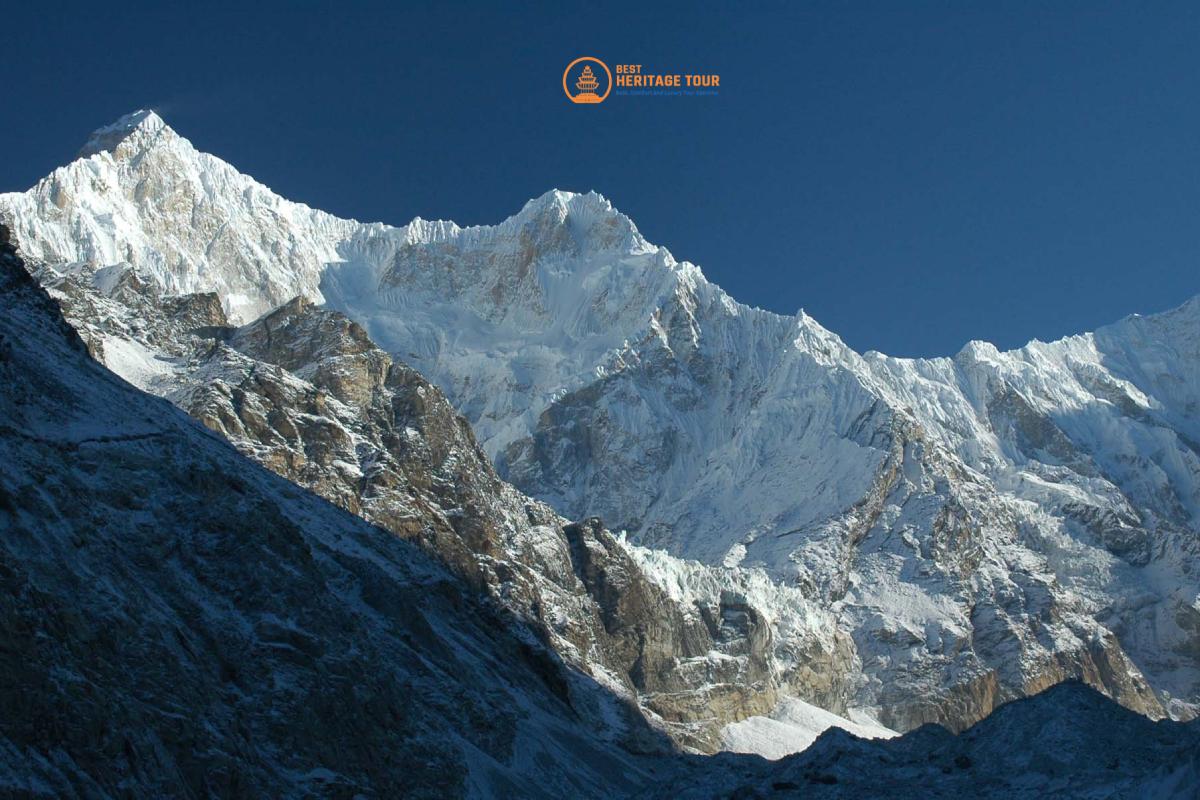
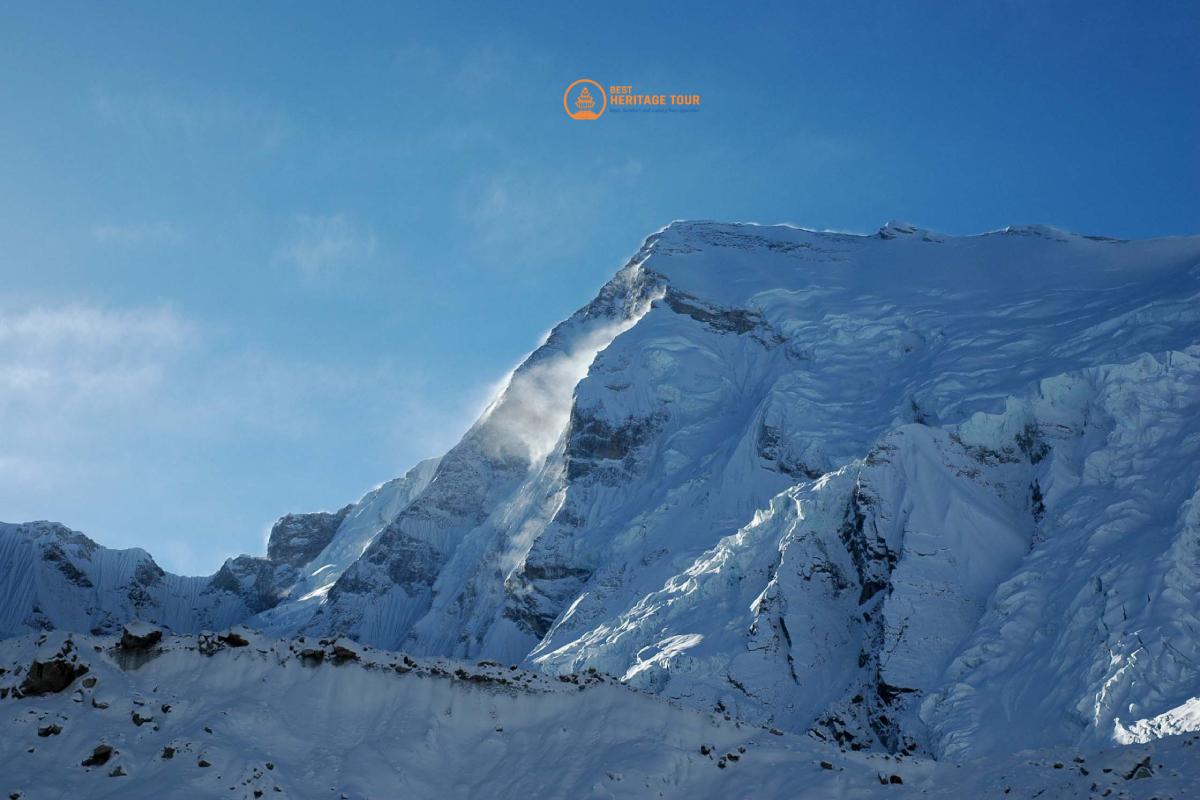
Insight on Kanchenjunga Circuit Trek
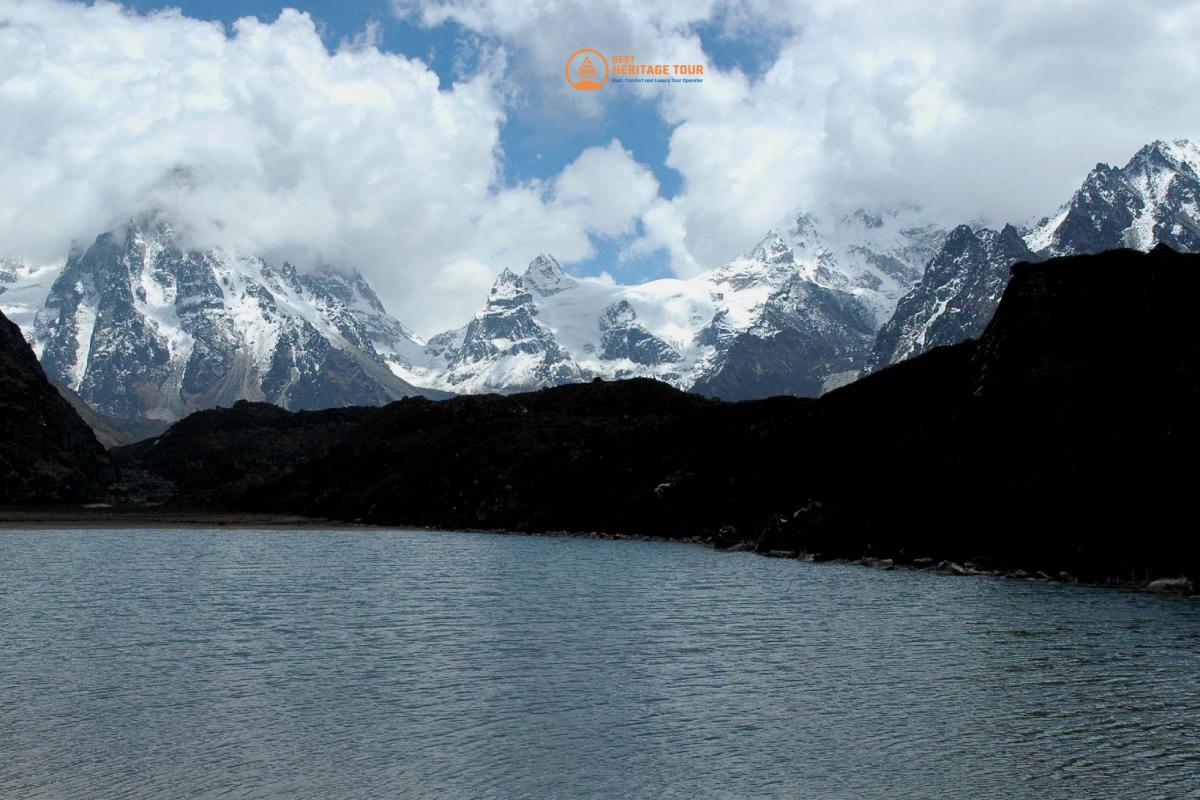
Embark on the Kanchenjunga Circuit Trek - a rare Himalayan journey into Nepal’s most untouched mountain wilderness. Circling the world’s third-highest peak, this trek rewards adventurers with dramatic glaciers, remote Rai, Limbu & Tibetan-influenced villages, and powerful views from both the north and south base camps. Far from busy trails, it offers a true sense of isolation, cultural depth, and raw alpine beauty - perfect for trekkers seeking an authentic, challenging, and deeply rewarding experience in the eastern Himalayas.
Trip at a Glance
-

Country: Nepal
-

Trip grade: Hard
-

Destination: Kanchenjunga
-

Activities: Trekking
-

Accommodation: Teahouse & Guesthouse
-

Meals: Breakfast, Lunch & Dinner
-
.png)
Transportation: Bus/Jeep
-

Maximum altitude: 5,143m
-

Group size: 1-29
-
Trip Start / End: Kathmandu - Kathmandu
-
.png)
Best Season: Mar-May & Sep-Nov
Key Highlights
- Full circuit trek around Mount Kanchenjunga (8,586m), the world’s third-highest peak
- Visit both Kanchenjunga North Base Camp and South Base Camp (Oktang Viewpoint)
- Trek through one of Nepal’s most remote and least crowded regions
- Experience authentic Tibetan, Limbu, and Rai cultures in traditional villages
- Walk inside the pristine Kanchenjunga Conservation Area, rich in wildlife and flora
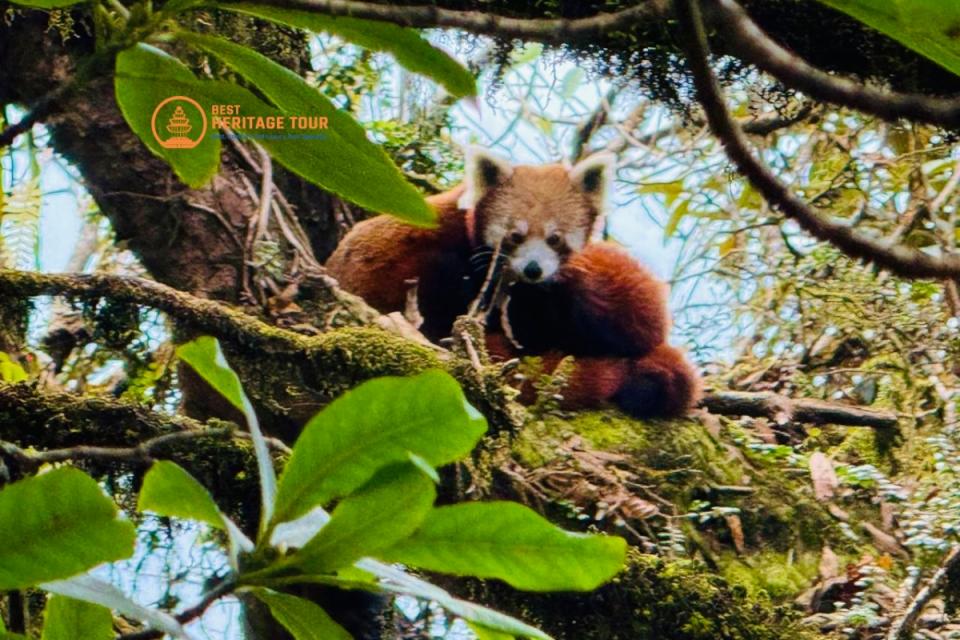
- A chance to witness the endanger animals like Snow Leopard & Red Panda in their natural habitat
- Spectacular views of Kanchenjunga, Jannu (Kumbhakarna), Yalung Kang, and Makalu
- Cross high mountain passes including Sele La with dramatic Himalayan panoramas
- Diverse landscapes from subtropical forests to high alpine glaciers
- Peaceful trekking trails ideal for serious adventurers and wilderness lovers
Benefits of Booking Kanchenjunga Circuit with Best Heritage Tour
- Airport pick up and drop off services in a private vehicle
- Convenient booking and reservation process
- Simple payment system
- Multiple communication channels (Email, WhatsApp, Facebook, WeChat, Viber, Skype, Zoom)
- 24/7 phone support at: +977-9851149197/+9779810043046
- Provision of first aid kit along with oximeter for monitoring blood oxygen levels at high altitudes
- Provision of sleeping bags and trekking poles if needed
- Duffle bags provided for porters
- Free storage for excess luggage at Best Heritage Tour store during the trek
Trip Overview
The Kanchenjunga Circuit Trek is a true expedition-style journey into the far eastern Himalayas of Nepal, designed for trekkers who crave raw nature, solitude, and authentic mountain culture. Circling Mount Kanchenjunga (8,586m) - the third highest mountain on Earth - this trek takes you deep into one of Nepal’s most remote and least explored regions, far away from commercial trekking routes.
Beginning with a scenic flight from Kathmandu to Bhadrapur, the adventure slowly unfolds through lush lowland hills, river valleys, and traditional villages before rising into dramatic high-altitude terrain. As the trail ascends, landscapes shift from dense forests and terraced farmland to barren alpine valleys carved by glaciers. The trek reaches its highest point at Kanchenjunga North Base Camp (5,143m), offering a powerful close-up encounter with towering icefalls and massive Himalayan walls. On the southern side, the trek rewards you with equally stunning views from Oktang Viewpoint, overlooking the vast Yalung Glacier.
Beyond the scenery, the trek offers a rich cultural experience. You’ll pass through remote settlements such as Ghunsa, Kambachen, and Cheram, where Tibetan-influenced traditions, monasteries, prayer flags, and stone houses reflect a way of life that has remained unchanged for generations. The carefully planned acclimatization days and gradual altitude gain make this demanding trek safer and more enjoyable.
The Kanchenjunga Circuit Trek is ideal for experienced trekkers seeking a serious Himalayan challenge combined with deep cultural immersion. With fewer trekkers on the trail, every step feels personal and rewarding. Guided by local experts from Best Heritage Tour, this journey promises not just a trek, but a powerful connection to Nepal’s wild and untamed eastern Himalayas.
What can you Expect from kanchengunja Circuit Trek?
1. Two Iconic Kanchenjunga Base Camps
One of the most special aspects of the Kanchenjunga Circuit Trek is the rare opportunity to visit both the North and South Base Camps of Mount Kanchenjunga in a single journey. The North Base Camp (Pang Pema) offers a dramatic close-up view of massive icefalls and towering Himalayan walls, creating a powerful high-altitude experience. On the southern side, the trek to Oktang Viewpoint reveals breathtaking panoramas of the Yalung Glacier and Kanchenjunga’s majestic south face. Experiencing both base camps provides a complete and unforgettable perspective of this mighty Himalayan giant.
2. Remote & Untouched Mountain Trails
The Kanchenjunga Circuit Trek leads you through one of Nepal’s most isolated trekking regions, where trails remain largely untouched and free from crowds. Expect quiet paths winding through deep forests, river gorges, alpine valleys, and glacial landscapes. The sense of remoteness is constant, offering a peaceful trekking experience that feels raw, authentic, and far removed from modern civilization.
3. Dramatic Himalayan Scenery
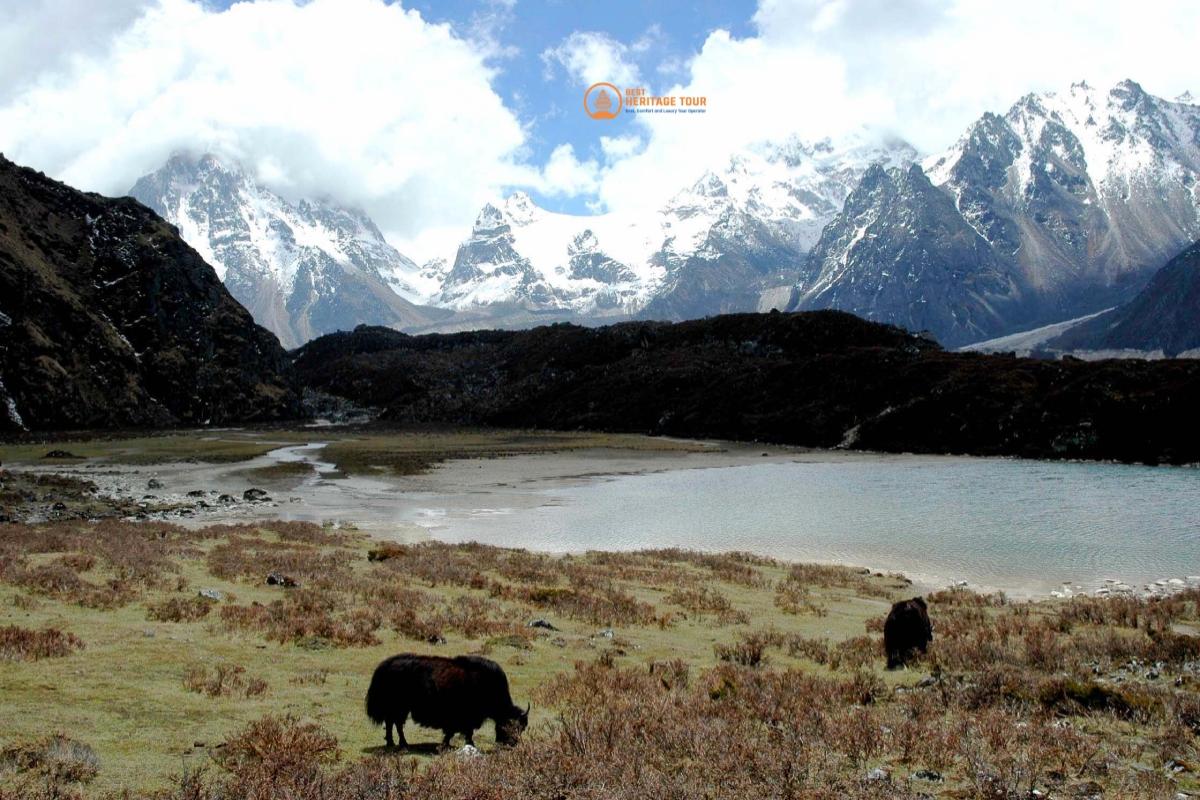
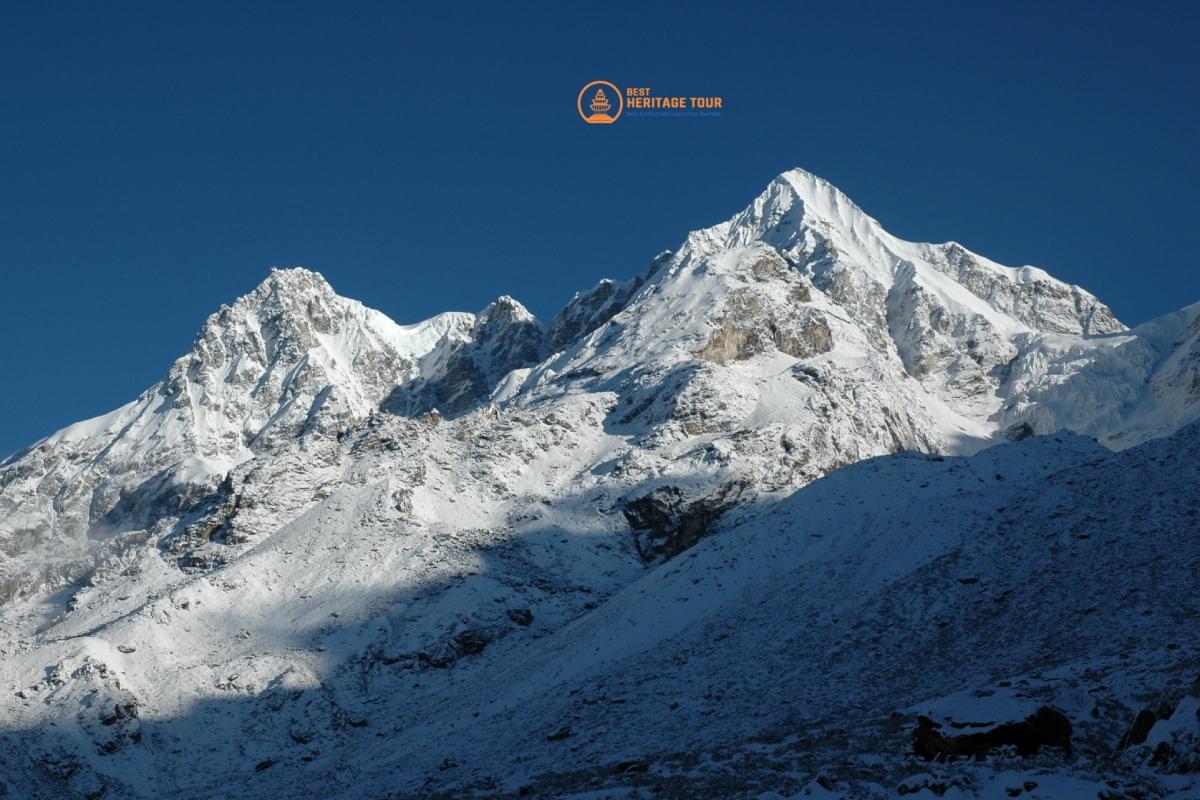
Throughout the trek, you’ll witness breathtaking mountain views that change daily. From lush green hills to towering ice-covered peaks, the scenery becomes more dramatic with altitude. Highlights include close-up views of Mount Kanchenjunga, Jannu (Kumbhakarna), Yalung Glacier, and vast Himalayan icefalls that dominate the high valleys.
4. Rich Local Culture & Village Life
The trek passes through traditional Limbu, Rai, and Tibetan-influenced villages where ancient customs are still part of daily life. Stone houses, prayer flags, monasteries, and warm local hospitality define these settlements. Staying in local teahouses allows trekkers to experience authentic mountain culture, simple living, and meaningful interactions with local communities.
5. Challenging High-Altitude Adventure
This trek is physically demanding and best suited for experienced trekkers. Long walking days, steep ascents, high passes like Sele La, and altitudes above 5,000 meters require good fitness and mental preparation. Proper acclimatization is essential, but the challenge is deeply rewarding for those seeking a serious Himalayan adventure.
6. Diverse Landscapes & Wildlife
From subtropical forests to icy alpine terrain, the trek offers remarkable ecological diversity. Walking through the Kanchenjunga Conservation Area, trekkers may encounter rare wildlife such as red pandas, Himalayan thar, and exotic bird species. Seasonal flowers, especially rhododendrons in spring, add vibrant color to the rugged mountain environment.
7. Simple Lodging & Authentic Trekking Experience
Accommodation along the route is basic but comfortable, mainly in local teahouses and lodges. Facilities are simple, reflecting the remote nature of the region, yet they provide warmth, nourishing meals, and genuine hospitality. This simplicity enhances the adventure, allowing trekkers to disconnect from modern comforts and fully embrace mountain life.
Are You Ready for the Kanchenjunga Circuit Trek?
To undertake the Kanchenjunga Circuit Trek, one must carry more than gear - one must carry the right spirit within. A sense of curiosity fuels discovery through remote villages and untouched landscapes. Patience and humility help you adapt to rugged trails, unpredictable weather, and the simplicity of mountain life. Courage and perseverance are essential to face high altitudes and long, challenging days.
Above all, a love for nature and wonder allows you to embrace breathtaking vistas, serene glaciers, and the sacred presence of the Himalayas. Respect for local culture, openness to new experiences, and a willingness to step outside comfort zones transform this trek from a physical journey into a deeply personal and transformative adventure. Only those who bring resilience, gratitude, and an adventurous heart will fully experience the magic of Kanchenjunga.
Itinerary
Your adventure begins with a short scenic flight from Kathmandu to Bhadrapur, crossing the Terai plains and catching your first glimpses of the eastern Himalayan foothills. From Bhadrapur, you will drive through lush tea gardens, rolling hills, and quiet villages along winding mountain roads. The journey is long but offers beautiful glimpses of rural eastern Nepal, finally reaching Taplejung, a charming gateway town to the Kanchenjunga region. Take this evening to relax, organize your gear, and prepare for the trek ahead.
After breakfast, you travel from Taplejung to Sekathum, a small village nestled along the Tamor River and also the entry point to the Kanchenjunga Conservation Area (KCA). Along the way, enjoy lush forests, terraced fields, and views of the Tamor River valley. Upon arrival, you complete your permit formalities and with your trekking guide. Sekathum is a quiet village that serves as the gateway to the wilderness ahead, making it the perfect place to rest and prepare for the trek.
Today marks the beginning of your trek through the Kanchenjunga Conservation Area. Leaving Sekathum, the trail follows gentle river valleys and dense forests, passing small hamlets and terraced fields. You’ll gradually gain altitude as you ascend through bamboo and rhododendron forests, experiencing the serene wilderness and spotting occasional wildlife. Amjilasa is a quiet village perched on a hill, offering a warm teahouse stay and your first real taste of high-altitude trekking life.
Leaving Amjilasa, the trail gradually ascends through lush forests of rhododendron, oak, and bamboo, offering glimpses of distant peaks on clear days. You pass traditional settlements and cross small streams via wooden bridges, feeling increasingly immersed in the remote Himalayan environment. Gyabla is a small village surrounded by terraced fields and forests, providing a quiet and scenic stop for the night. The trek today allows you to adjust to higher altitudes while enjoying the beauty of eastern Nepal’s mountain landscapes.
Today’s trek takes you deeper into the Kanchenjunga Conservation Area, with steadily rising trails that wind through dense forests and alpine meadows. The path passes small streams and remote settlements, showcasing traditional Himalayan village life. Approaching Ghunsa, you begin to see houses built in the classic Tibetan style, prayer flags fluttering in the wind, and the first close glimpses of towering snow-capped peaks. Ghunsa is the largest village in this region, offering comfortable teahouses and stunning surroundings, making it an ideal spot to rest and acclimatize.
Today is a rest and acclimatization day in Ghunsa, allowing your body to adjust to the higher altitude. To aid acclimatization, you can take a short hike to Ghunsa Ri, a nearby ridge offering panoramic views of Kanchenjunga, Jannu (Kumbhakarna), and other surrounding peaks. Another possibility is ascending towards Chherpuk Kharka near Selele La Pass. For those seeking higher vantage points, a climb near Lobsang La Pass provides breathtaking vistas of Phale, Ghunsa, Selele La, Ghunsa Peak, and other majestic Himalayan summits. The gentle walk helps your body adapt to thinner air while rewarding you with breathtaking mountain vistas. In the evening, return to Ghunsa for a relaxed night in the teahouse.
Leaving Ghunsa, the trail gradually climbs along glacial streams and alpine meadows, moving deeper into the high Himalayan terrain. You’ll pass small yak grazing areas and rugged ridges, surrounded by towering snow-capped peaks. Kambachen is a small settlement offering basic teahouses, but it is strategically located for trekkers to rest before tackling higher altitudes. The day’s hike provides dramatic views of Kanchenjunga’s north face, icy valleys, and surrounding Himalayan giants, making it a memorable and rewarding segment of the trek.
Today’s trek takes you higher into the alpine zone, with trails crossing barren landscapes, moraine ridges, and glacial streams. The path is challenging but rewarding, offering uninterrupted views of Kanchenjunga, Jannu, and other Himalayan peaks. Along the way, you may spot yaks and mountain birds while passing through isolated yak pastures. Lonak is a small, high-altitude settlement that provides teahouse accommodation and a quiet atmosphere, giving trekkers a peaceful night amid stunning mountain scenery.
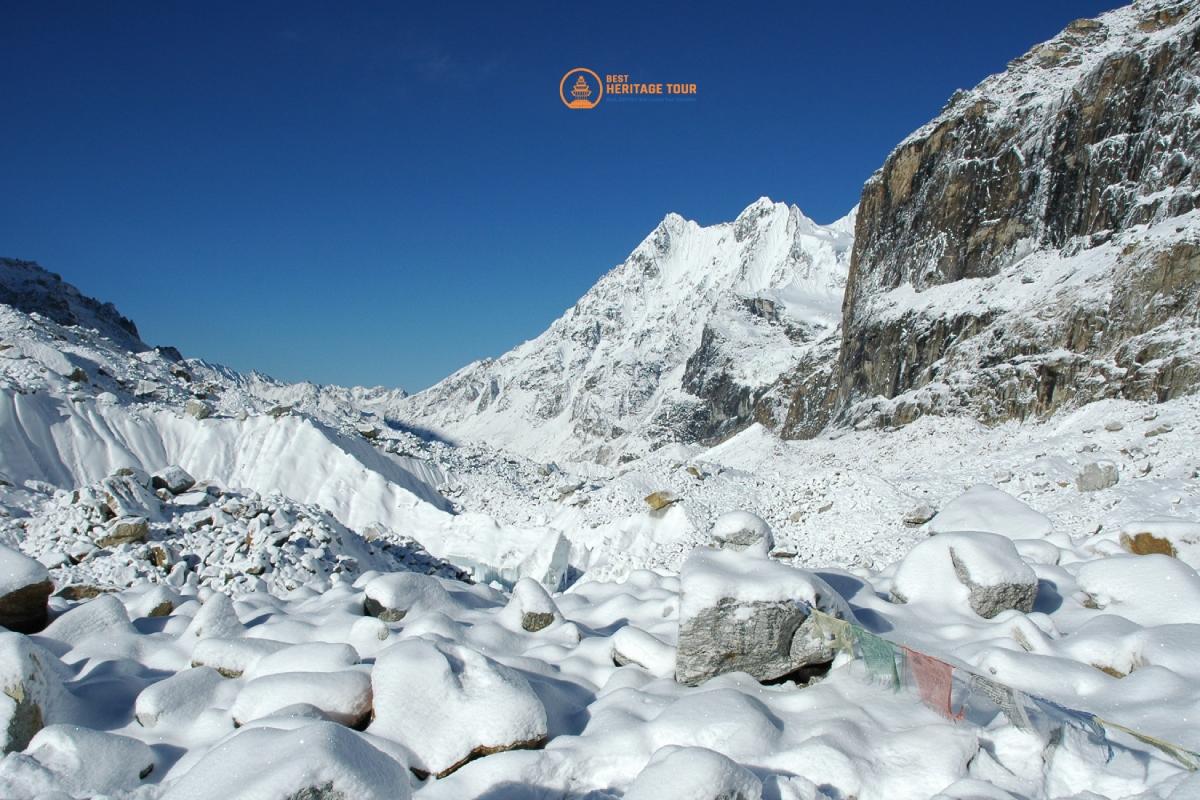
This is one of the most memorable and rewarding days of the trek. The trail gradually ascends through barren, high-altitude terrain, glacial streams, and rocky ridges, bringing you closer to the mighty Kanchenjunga North Base Camp (Pang Pema). The sense of isolation is striking, with few trekkers on this remote route. From the base camp, you are treated to breathtaking views of Kanchenjunga’s massive icefalls, glaciers, and surrounding peaks, making it a highlight of the entire circuit. After soaking in the scenery, you return to Lonak for an overnight stay.
Today, you begin the descent back towards Ghunsa, retracing part of the route through alpine terrain and glacial streams. The trail gradually moves through open valleys, rocky ridges, and yak pastures, offering striking views of surrounding peaks as you descend. After several hours of steady trekking, you return to Ghunsa, enjoying familiar sights of the village, Tibetan-style houses, and fluttering prayer flags. This descent provides a chance to rest and reflect on the high-altitude adventure while preparing for the next segment of the trek.
Today’s trek climbs steadily from Ghunsa toward Sele La Camp, entering higher alpine terrain with rugged ridges and glacial valleys. The trail passes isolated yak pastures and offers dramatic views of Kanchenjunga, Yalung Glacier, and surrounding peaks. Sele La Camp sits near the base of the high passes, providing a quiet and scenic resting point for trekkers. This day is physically demanding but highly rewarding, as the landscape becomes more remote and wild, offering a true sense of Himalayan adventure.
Today is a challenging but spectacular day, as you cross three high passes before reaching Cheram. After breakfast, you leave Sele La and begin an uphill hike, enjoying southern views of Mt. Jannu and Mt. Makalu. The trail first ascends to Mirgin La Pass, then descends briefly before climbing steeply to Sinion La Pass, and finally tackles the Sinelapche La Pass. Each pass rewards trekkers with incredible panoramic views of the surrounding Himalayan peaks. After the passes, the trail descends through yak pastures and tiny lakes, finally arriving at Cheram, a peaceful village above the Simbua River, offering teahouse accommodation and a chance to rest after this long day.
Today, you continue ascending deeper into the high Himalayas. The trail climbs steadily alongside glaciers and rocky ridges, offering breathtaking views of Kanchenjunga, Jannu, and surrounding peaks. You may pass through yak pastures and small alpine settlements, witnessing the rugged, remote beauty of eastern Nepal. Ramche is perched at a high altitude, providing basic teahouse accommodation. The day is demanding but rewarding, giving trekkers an immersive experience of the pristine Himalayan environment while preparing for tomorrow’s summit viewpoints.
Today’s trek takes you to the Oktang Viewpoint, offering one of the most spectacular perspectives of Kanchenjunga South Base Camp and the surrounding glaciers. The trail climbs steadily from Ramche, crossing alpine ridges and glacial moraines. From the viewpoint, you can soak in breathtaking panoramic views of towering peaks, icy valleys, and distant mountain ranges. After spending time at Oktang, you descend back to Ramche for the night, reflecting on the unforgettable scenery and the sense of achievement from reaching this iconic viewpoint.
Today, you begin the descent from high alpine terrain, leaving Ramche behind and following trails that wind through valleys, rocky ridges, and patches of forest. The trek passes yak pastures, small streams, and scattered teahouses, offering glimpses of daily life in remote villages. Tortang is a quiet settlement located at a lower altitude, providing a welcome opportunity to rest and recover. The descent allows trekkers to enjoy sweeping views of the mountains while feeling the relief of gradually moving to lower elevations.
Today’s trek continues the gradual descent toward lower elevations, retracing parts of the trail through forests, riverside paths, and rural villages. The route passes terraced fields, small settlements, and flowing streams, offering glimpses of everyday life in the eastern Himalayan region. Reaching Sekathum marks the end of the high-altitude trekking portion of the journey. The evening provides a chance to relax, reflect on the adventure, and prepare for the onward journey by road to Illam.
Today, you leave Sekathum and travel to Illam, a scenic hill town famous for its lush tea gardens and rolling hills. The drive passes small villages, rivers, and forested valleys, offering a relaxed and picturesque journey. Illam’s mild climate and green landscapes provide a refreshing change after the high-altitude trek. Take time to explore the tea estates, enjoy local delicacies, and rest for the final leg of the journey back to Bhadrapur tomorrow.
On the final day of your adventure, you drive from Illam to Bhadrapur by public transportation, passing lush tea gardens, rolling hills, and rivers along the way. Upon arrival in Bhadrapur, you catch a domestic flight back to Kathmandu, bringing your Kanchenjunga Circuit Trek to a memorable close. This day offers time to reflect on the incredible journey through remote Himalayan villages, high passes, and pristine wilderness, while returning to the comforts of the capital city.
What is included?
- PRIVATE AIRPORT PICK-UP & DROP : Airport - Hotel transfer - Airport (Pick Up and Drop).
- MEMBER TRANSPORTATION :
- Domestic Flight : Flight from Kathmandu to Bhadrapur & while returning from Bhadrapur to Kathmandu.
- Vehicle Transport : Transportation in a Bus/Jeep from Bhadrapur to Taplejung to Sekathum and while returning from Sekathum to Illam.
- LODGING : Best available accommodation in mountain lodges and tea houses during the trek.
- FOOD : 3 meals a day (breakfast, lunch, and dinner; including tea/coffee) during the trek, with Ef-Chlor purification tablets provided for safe drinking water.
- GUIDE : One experienced government licensed trekking guide (English speaking) during the trek.
- STAFF SALARY AND ALLOWANCE : All trekking staff wages, salary, equipment, food & clothing.
- PERMITS : All necessary paper works : Kanchenjunga Restricted Area Permit & Kanchenjunga Conservation Area Permit & other entry fee.
- STAFF INSURANCE : Insurance for all involved trekking staff during the trek.
- GEAR (IF NEEDED) : Sleeping bag, down jacket, and duffle bag (to be returned after the trek).
- MEDICAL KIT : A well equipped first aid kit, including an oximeter and emergency oxygen, carried by the guide for your safety.
- IN CASE OF EMERGENCY : Assistance in rescue operations in case of emergency covered by travel insurance.
- SOUVENIR : Best Heritage Tour’s Appreciation Certificate after the successful trek & Purse, an authentic Nepali product made from hemp.
- FAREWELL DINNER : A farewell dinner with an authentic cultural program after completion of the trek.
What is not included?
- INTERNATIONAL AIRFARE : International flight airfare (from and to Kathmandu).
- NEPAL VISA FEES : You may issue the visa upon your arrival at Tribhuvan International Airport - Kathmandu or apply manually in your home country.
- TRASNPORTATION IN PRIVATE JEEP : Private Jeep transportation will be arranged on request.
- ACCOMMODATION & MEALS : Accommodation and meals in Kathmandu before and after the trek.
- INSURANCE POLICY : Travel insurance covering medical expenses and high-altitude evacuation is mandatory. If you do not have suitable coverage, we can also assist in arranging travel insurance for you upon your arrival in Nepal. Check Over Here
- PERSONAL EXPENSES : Clothing & gears, telephone, internet, toiletries, hot shower, laundry, soft drinks and any Alcoholic beverages.
- OPTIONAL PORTER SERVICE : USD 28 per day, including all taxes (each porter can carry up to 25 kg of luggage).
- TIPS : Tips for guide and porters.
- EXTRA : Any additional costs due to factors beyond our control, or for services not specifically mentioned in the Itinerary & Included section.
- TAXES & SERVICE CHARGE : All government taxes (13%) and service charge (10%).
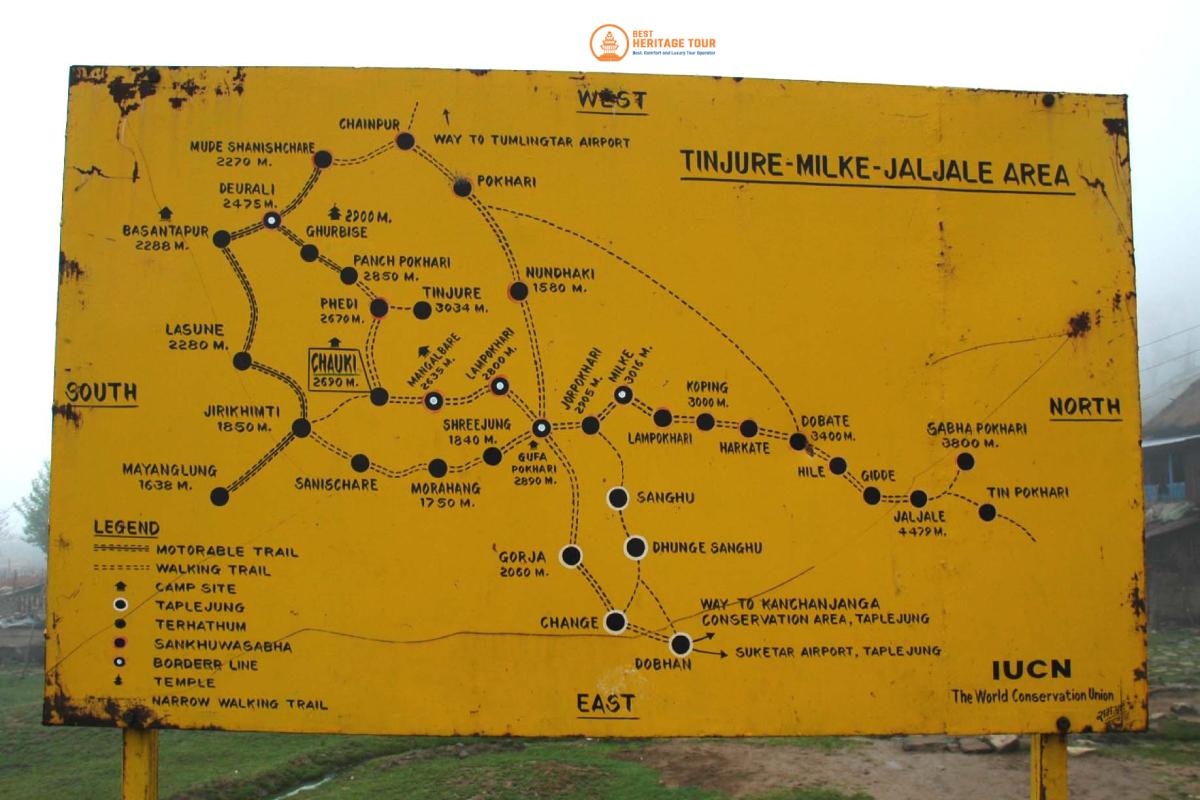
Route Map
Equipment
Clothing
-
Base Layers: Moisture-wicking T-shirts, thermal tops, and leggings
-
Mid Layers: Fleece jackets, insulated sweater
-
Outer Layer: Waterproof and windproof jacket and pants
-
Down or insulated jacket
-
Trekking Pants
-
Shorts/Trekking T-shirts
-
Gloves: Liner and insulated waterproof gloves
-
Hat/Beanie
-
Sun Hat/Cap
Footwear
-
Socks: Wool or synthetic, 3-4 pairs
-
Trekking Boots
-
Sandals
-
Gaiters (optional)
Trekking Gear
-
Backpack: 40-50 L
-
Daypack
-
Trekking Poles
-
Sleeping Bag: -15°C (-5°F) rated
-
Water Bottles / Hydration Bladder
-
Headlamp/Flashlight
-
Sunglasses
-
Trekking Map / Guidebook (optional)
Personal Items
-
Toiletries
-
Sunscreen & Lip Balm
-
Towel
-
Personal Medications
-
Hand Sanitizer / Tissue Paper
-
Camera / Smartphone / Power Bank
-
Water Purification Tablets / Filters
-
Personal First Aid Kit
Extra Items
-
Binoculars
-
Notebook / Journal
-
Travel Permits
-
Passport Photocopies
-
Snacks / Energy Bars
Trip Info
Best Time for the Kanchenjunga Circuit Trek
The Kanchenjunga Circuit Trek is best undertaken during spring (March-May) and autumn (September-November), when the weather is most stable and visibility of the towering Himalayan peaks is at its best.
-
Spring (March-May):
Spring brings mild temperatures and blooming rhododendrons, painting forests with vibrant reds, pinks, and whites. Wildlife is more active, rivers flow gently, and trails are easier to navigate. The moderate weather makes it ideal for both high-altitude trekking and cultural exploration in remote villages along the route. -
Autumn (September-November):
Autumn is considered the peak trekking season. Clear skies, crisp air, and dry trails offer uninterrupted views of Kanchenjunga, Jannu, and surrounding peaks. Post-monsoon freshness ensures rivers are safer to cross, and alpine meadows and valleys look their most vibrant. -
Winter & Monsoon (December-February & June-August):
Winter brings freezing temperatures and heavy snowfall, while the monsoon brings muddy trails, swollen rivers, and frequent landslides. Both seasons make trekking challenging and risky, with reduced visibility of the peaks. Only highly experienced and well-prepared trekkers should consider these periods.
Choosing the right season ensures comfortable weather, clear mountain vistas, and the full experience of Nepal’s eastern Himalayan beauty, making your Kanchenjunga adventure truly unforgettable.
Permits Required for the Kanchenjunga Circuit Trek
Trekking in the Kanchenjunga region requires official permits, as most of the route lies within the Kanchenjunga Conservation Area (KCA) and restricted zones. Obtaining these permits ensures both the safety of trekkers and the protection of the fragile Himalayan ecosystem.
-
Kanchenjunga Conservation Area Permit (KCAP):
This is mandatory for all trekkers entering the KCA. It is issued by the Department of National Parks and Wildlife Conservation (DNPWC) and allows access to the protected area. -
Restricted Area Permit (RAP):
Some high-altitude regions and border areas within the circuit are considered restricted, requiring additional permits. These are strictly regulated and must be arranged through a registered trekking agency. -
TIMS (Trekkers’ Information Management System) Card:
Although optional in some areas, carrying a TIMS card is recommended for safety, as it helps authorities track trekkers in remote regions.
Permits are arranged by the Best Heritage Tour and fees are included in the packages. Trekkers just need to provide a passport copy and passport size photograph for the permit processing.
Accommodation & Meals
Accommodation along the Kanchenjunga Circuit Trek is primarily in local teahouses and lodges, reflecting the remote and authentic nature of the region. While facilities are basic, they provide a warm, comfortable place to rest after long trekking days. Most teahouses offer shared rooms with simple bedding, and some have communal sitting areas with wood-burning stoves to keep you cozy in cold evenings.
-
Accommodation Types:
-
Teahouses/Lodges: Small, family-run, and often located in villages or high-altitude camps.
-
Guesthouses: Available in larger villages such as Taplejung, Sekathum, or Illam before and after the trek.
-
A full meal plan is provided during the trek, including breakfast, lunch, and dinner. Teahouses serve simple yet hearty meals suitable for trekkers, including rice, noodles, soups, lentils, and vegetables. Some also offer Tibetan dishes like momo dumplings and thukpa. Hot drinks such as tea, coffee, and hot drinks are widely available, perfect for recharging during the trek. Also Best Heritage Tour can arrange the special dietary restriction meals if notify earlier though option can be limited.
Trekking Difficulty / Fitness Level
The Kanchenjunga Circuit Trek is considered challenging to strenuous, making it suitable for experienced trekkers with good physical fitness. This trek involves long walking days, high-altitude passes, and remote terrain, requiring both endurance and mental resilience.
-
Physical Fitness:
Trekkers should have a solid cardiovascular base, leg strength, and stamina to manage 5-8 hours of walking on steep ascents and descents daily. Prior experience with high-altitude trekking is strongly recommended. -
Mental Preparedness:
Trekking in remote areas with limited facilities and unpredictable weather requires patience, adaptability, and a positive mindset. The ability to embrace simplicity and remain motivated during challenging days is essential. -
Altitude Considerations:
With maximum elevations reaching 5,143m at Kanchenjunga North Base Camp, proper acclimatization, hydration, and gradual ascent are crucial to minimize the risk of altitude sickness.
Overall, this trek is ideal for adventurers who are physically fit, mentally resilient, and prepared for remote high-altitude trekking, seeking both a challenging experience and the reward of spectacular Himalayan scenery and untouched wilderness.
Health & Safety Tips
Trekking the Kanchenjunga Circuit involves high altitudes, remote trails, and variable weather, so safety and health are essential. Acclimatization is crucial; so Best Heritage Tour Kanchenjunga Circuit Trek Itinerary already includes a Acclimatization. Stay hydrated, eat regularly, and avoid alcohol during the trek.
Weather can change quickly, so carry waterproof clothing, warm layers, and sturdy trekking boots. Trekking poles can help reduce strain on knees during long ascents and descents. Be cautious near river crossings, slippery paths, and steep sections.
Best Heritage Tour guide constantly monitors trekkers’ health throughout the journey and carries a well-stocked first-aid kit. However, it is highly recommended for trekkers to carry a small personal first-aid kit and any necessary medications. Familiarize yourself with symptoms of altitude sickness - such as headaches, dizziness, or nausea and if any one shows the symptoms, the guide will immediately descend trekker to safe altitude for further treatment.
A Typical Day on the Kanchenjunga Circuit Trek
A day on the Kanchenjunga Circuit Trek usually begins around 6:00-7:00 AM with a light breakfast at the teahouse, enjoying the crisp mountain air and breathtaking views of surrounding peaks. After breakfast, trekkers set out on the trail, navigating forests, rivers, and alpine meadows. Short breaks are taken along the way to hydrate, rest, and capture the stunning scenery.
By midday, trekkers stop for a hearty lunch, either at a teahouse on the trail or at scenic viewpoints, recharging for the afternoon’s journey. The afternoon often includes ridge walks, gentle climbs, or river crossings, providing ample opportunity to appreciate wildlife, alpine flora, and panoramic Himalayan landscapes.
Trekkers typically reach the next teahouse or lodge by late afternoon, allowing time to relax, acclimatize, and socialize with fellow adventurers. Evenings are spent enjoying a warm meal, sipping hot drinks, and reflecting on the day’s trek.
Travel Insurance
For the Kanchenjunga Circuit Trek, comprehensive travel insurance is mandatory. All trekkers are required to arrange insurance before departure. Make sure the policy covers:
-
High-altitude trekking up to 5,500-6,000 meters
-
Emergency medical evacuation, including helicopter rescue
-
Accidents or injuries during trekking
-
Trip cancellations or delays
Best Heritage Tour recommends that all trekkers secure travel insurance in advance and provide a copy for permit processing.
Visa for Nepal:
All international travelers (except Indian) need a tourist visa to visit Nepal, which can be obtained on arrival at Kathmandu airport or online.
Key Details:
-
Duration: 15, 30, or 90 days (30 days recommended for this trek)
-
Fees: 15 days - USD 30 | 30 days - USD 50 | 90 days - USD 125
-
Requirements: Valid passport (6+ months), visa form, passport photo, and payment in cash (USD/EUR/GBP/NPR)
Tip: Keep a copy of your visa and passport during the trek and consider applying visa online (through Nepal Immigration Website) for a smoother arrival.
Booking & Payment
Booking your Kanchenjunga Circuit Trek with Best Heritage Tour is simple, secure, and transparent. To confirm your trip, a 10% deposit of the total trip cost is required at the time of booking. The remaining balance must be cleared at least one day before departure. Payments can be made via cash, bank transfer, or card. Please note that any bank transfer or card transaction fees are the responsibility of the trekker, and card payments incur a 4% processing fee. All booking and cancellation terms are clearly explained by Best Heritage Tour staff during the booking process and are also available for review on our website.
Last-Minute Booking
For travelers planning on short notice, Best Heritage Tour accepts last-minute bookings up to 24 hours before departure. In such cases, full payment (100% of the trip cost) is required at the time of booking. Trekkers should note that accommodation, logistics, and services may be limited, and the company cannot be held responsible for any compromises arising from late arrangements.
Trip Extension
Trekkers who wish to extend their adventure can explore nearby destinations such as scenic village walks, and cultural visits to Taplejung, Ilam, and surrounding Himalayan villages. Trip extensions are customizable based on your schedule and interests, with additional costs for accommodation, meals, transport, and permits. Best Heritage Tour can help plan and arrange these extensions for a safe and enriching experience.
FAQ's
This trek is located in far eastern Nepal, bordering Sikkim and Tibet, within the Kanchenjunga Conservation Area. It is unique because it is remote and untouched, offering serene trails to both North and South Base Camps of the world's third-highest mountain. Best Heritage Tour specializes in organizing this challenging, off-the-beaten-path adventure.
Trekkers reach a maximum altitude of 5,143 meters (16,873 feet) at Pangpema, which is the Kanchenjunga North Base Camp viewpoint. Proper acclimatization is essential to manage this high altitude, and your Best Heritage Tour guide will monitor your health closely. The trek's terrain can be strenuous due to the thin air at this height.
The standard duration for the Kanchanjunga Circuit Trek offered by Best Heritage Tour is 18 days. This comprehensive itinerary includes necessary acclimatization days, such as a rest day in Ghunsa, ensuring a safer and more enjoyable high-altitude experience.
The full circuit route visits both the Kanchenjunga North Base Camp, known as Pangpema (5,143m), and the South Base Camp, often viewed from Oktang (4,730m). Visiting both sites provides a complete and spectacular view of the entire Kanchenjunga massif. Best Heritage Tour structures the trek to include these two iconic destinations.
The peak seasons for the Kanchanjunga Circuit Trek are Spring (March to May) and Autumn (September to November). These periods offer the most stable weather, clear visibility for mountain views, and comfortable temperatures. Best Heritage Tour highly recommends these months for optimal trekking conditions.
During the Kanchanjunga Circuit Trek, you will witness spectacular peaks including Mount Jannu (Kumbhakarna, 7,710m), Tent Peak, and Nepal Peak. On clear days, majestic views of giants like Mount Everest, Lhotse, and Makalu may also be visible from certain passes.
This trek is considered one of Nepal's most remote due to its location in the far eastern region, which is harder to access than mainstream trails. This remoteness results in fewer crowds, offering an incredibly peaceful and solitary high-altitude experience. Best Heritage Tour guides are specialists in navigating this secluded wilderness.
The Kanchanjunga Circuit Trek is generally rated as strenuous and is best suited for experienced trekkers due to its length, high altitude, and demanding terrain. While beginners can attempt it, Best Heritage Tour recommends prior high-altitude trekking experience and significant physical preparation.
Trekkers should expect to walk for an average of 6 to 8 hours per day on the Kanchanjunga Circuit Trek, with some days being longer or shorter. This physically demanding schedule requires high stamina and endurance, which Best Heritage Tour factors into the overall trek design.
Yes, the itinerary for the Kanchanjunga Circuit Trek provided by Best Heritage Tour includes a crucial acclimatization day at Ghunsa (3,415m). This rest day typically involves a short hike to aid in altitude adjustment and significantly reduces the risk of Acute Mountain Sickness.
A high level of physical fitness, endurance, and mental toughness is required for the Kanchanjunga Circuit Trek. Trekkers need to be able to hike for long hours over steep, uneven terrain at high altitudes. Best Heritage Tour suggests cardiovascular training and hiking practice before departure.
The risk of AMS is significant on the Kanchanjunga Circuit Trek due to reaching altitudes over 5,000 meters, like Pangpema. Best Heritage Tour mitigates this through a well-paced itinerary, mandatory acclimatization days, and guide monitoring using an oximeter.
Training for the Kanchanjunga Circuit Trek should focus on building leg strength and lung capacity. Activities like hill walking with a weighted backpack, cardiovascular exercises, swimming, and stair climbing are highly recommended to prepare for the strenuous terrain and high passes.
Yes, the full circuit route for the Kanchanjunga Circuit Trek involves crossing the high Sele La Pass (approx. 4,290m to 4,645m, depending on the route) to connect the North and South Base Camp areas. This section is demanding and may involve snow, depending on the season.
Crossing the Sele La Pass (around 4,480m to 4,645m) on the Kanchanjunga Circuit Trek is challenging due to the high elevation, which brings extreme cold and the possibility of snow and ice. It is a demanding section requiring good stamina, caution, and the use of appropriate gear.
Best Heritage Tour manages the difficulty of the Kanchanjunga Circuit Trek by providing expert, licensed guides, a supportive porter team, and a carefully designed itinerary with mandatory acclimatization days. They also ensure comfortable, simple lodging to maximize rest and recovery.
The trail for the Kanchanjunga Circuit Trek is off-the-beaten-path and less established than other popular routes, making it less marked. A guide is not only essential for navigation but is also legally mandatory due to the Kanchenjunga region being a restricted area.
The terrain on the Kanchanjunga Circuit Trek is highly varied, ranging from subtropical forests and terraced fields at lower elevations to rocky hills, glaciers, steep ascents, and descents at higher altitudes. Trekkers will cross suspension bridges and navigate narrow forest paths, adding to the challenge.
One of the more significant altitude days on the Kanchanjunga Circuit Trek involves the trek from Ghunsa (3,415m) to Kambachen (4,145m). This ascent is a substantial gain in elevation, which requires a slow pace and is a key day for testing altitude tolerance.
No, the Kanchanjunga Circuit Trek is a non-technical teahouse trek and does not require rock climbing skills or ropes. However, high-altitude sections, particularly around the Sele La Pass or glaciers, may involve icy patches and steep, uneven scrambling, necessitating trekking poles and caution.
Best Heritage Tour implements several safety measures on the Kanchanjunga Circuit Trek, including a carefully planned itinerary with designated acclimatization days. Guides enforce a slow pace, monitor blood oxygen levels with an oximeter, and advise on hydration.
Yes, mandatory travel insurance covering emergency high-altitude helicopter rescue and evacuation is a non-negotiable requirement for the Kanchanjunga Circuit Trek. Best Heritage Tour requires proof of policy to ensure client safety in case of severe AMS or injury.
In a medical emergency on the Kanchanjunga Circuit Trek, the licensed guide from Best Heritage Tour is trained to administer basic first aid, use the oximeter, and make the critical decision to descend. They are also responsible for arranging and coordinating emergency helicopter rescue and evacuation.
If you experience mild AMS symptoms like a headache or nausea on the Kanchanjunga Circuit Trek, you must immediately inform your Best Heritage Tour guide. The best course of action is to stop ascending, rest at the current elevation, stay hydrated, and take mild pain relief.
Medical facilities along the remote Kanchanjunga Circuit Trek are extremely basic, consisting of small health posts with limited supplies. For serious issues, evacuation is necessary. Best Heritage Tour ensures the guide carries a comprehensive first-aid kit.
The remoteness of the Kanchanjunga Circuit Trek means immediate medical access is unavailable, making self-sufficiency and quick evacuation crucial. Best Heritage Tour mitigates this by using experienced staff, satellite communication (if available), and pre-arranged emergency rescue logistics.
The risk of encountering dangerous wildlife on the Kanchanjunga Circuit Trek is very low, although the Kanchenjunga Conservation Area is home to wildlife like the Himalayan black bear and snow leopard. The rare and shy Red Panda is sometimes sighted.
While not explicitly listed, guides on the remote Kanchanjunga Circuit Trek typically carry vital communication tools, such as local mobile phones where coverage exists or a satellite phone for emergency contact. Best Heritage Tour prioritizes safe communication in all circumstances.
Best Heritage Tour ensures that guides regularly monitor the health of trekkers on the Kanchanjunga Circuit Trek, often checking blood oxygen saturation (SpO2) and pulse using an oximeter twice daily. This proactive approach helps detect early signs of altitude-related issues.
Drinking alcohol is strongly discouraged during the Kanchanjunga Circuit Trek, especially at high altitudes. Alcohol can impair judgment, accelerate dehydration, and interfere with the body's acclimatization process, significantly increasing the risk of AMS.
You must obtain two main permits for the Kanchanjunga Circuit Trek: the Restricted Area Permit (RAP) and the Kanchenjunga Conservation Area Permit (KCAP). Best Heritage Tour handles the entire permit application process for you to ensure compliance with all government regulations.
No, independent trekking is strictly prohibited in the Kanchenjunga region as it is a restricted area. For the Kanchanjunga Circuit Trek, you must be in a group of at least two trekkers and hire a licensed guide through a registered agency like Best Heritage Tour.
The cost for the Restricted Area Permit (RAP) for the Kanchanjunga Circuit Trek is typically around USD 10 per person, per week. Best Heritage Tour will provide the latest and most accurate fee structure, which will be included in your package cost for complete transparency.
A licensed guide is mandatory for the Kanchanjunga Circuit Trek because the area is a restricted zone, and the trail is remote, making navigation difficult and safety paramount. The guide from Best Heritage Tour ensures your safety, handles logistics, and facilitates cultural interaction.
The Kanchenjunga Conservation Area Permit (KCAP) can sometimes be obtained directly at a checkpoint on the trail. However, Best Heritage Tour typically organizes all necessary permits in advance in Kathmandu to save time and prevent any potential delays or complications during the trek.
Government regulations for the Kanchanjunga Circuit Trek require a minimum of two trekkers, not including the guide or porter. If you are a solo traveler, Best Heritage Tour will arrange a "ghost" partner or help you join an existing small group to fulfill this legal requirement.
To secure the mandatory Restricted Area Permit for the Kanchanjunga Circuit Trek, Best Heritage Tour requires your passport copies and photos well in advance. Providing these documents during the booking process is essential for timely submission to the Immigration Department.
Yes, the all-inclusive package offered by Best Heritage Tour for the Kanchanjunga Circuit Trek covers the cost and arrangement of all necessary government permits. This typically includes both the Restricted Area Permit and the Kanchenjunga Conservation Area Permit.
Accommodation on the Kanchanjunga Circuit Trek is primarily in basic local teahouses or lodges, which offer simple twin-sharing rooms. In highly remote areas, facilities are very rudimentary, and you should be prepared for a basic, authentic mountain experience.
Most teahouses on the Kanchanjunga Circuit Trek have electricity, often via local hydro or solar power. However, in very high and remote settlements like Lhonak, power access is limited. Charging devices usually incurs a small extra fee, which is excluded from the package.
The most common and highly recommended meal on the Kanchanjunga Circuit Trek is 'Dal Bhat' - rice, lentil soup, and mild vegetable curry. This nourishing, high-carbohydrate dish is locally sourced, provides sustained energy, and often comes with unlimited refills.
Hot showers are generally available at teahouses along the Kanchanjunga Circuit Trek, especially at lower and mid-altitudes. However, they often require an extra payment and may not be reliably available in the most remote or highest villages.
While Nepali dishes like Dal Bhat dominate, many teahouses on the Kanchanjunga Circuit Trek offer limited menus that include continental, Chinese, Indian, or Tibetan options. Expect basic choices like fried rice, chowmein, pasta, or instant noodles.
Best Heritage Tour arranges twin-sharing local private accommodation on the Kanchanjunga Circuit Trek. Rooms are simple and unheated, so a high-quality, cold-rated sleeping bag (like the recommended -15°C bag) is essential for your comfort and warmth.
Water from taps, wells, or streams along the Kanchanjunga Circuit Trek must be purified before drinking. Best Heritage Tour recommends carrying water purification tablets or a filter, as buying bottled water is not environmentally encouraged and is an additional expense.
Internet access on the Kanchanjunga Circuit Trek is generally limited and unreliable, especially at higher elevations. Some teahouses may offer Wi-Fi for an extra charge, but connectivity is sparse, offering a true digital detox experience.
Yes, you need a high-quality sleeping bag rated to at least -15°C (5°F) for the Kanchanjunga Circuit Trek. However, Best Heritage Tour can provide a down jacket and sleeping bag on loan if you do not have your own adequate gear.
Vegetarian options are widely available on the Kanchanjunga Circuit Trek, with the staple dish, Dal Bhat, being inherently vegetarian. Vegan options may require careful ordering to avoid dairy, but the simplicity of the food makes it manageable to find suitable meals.
The teahouse facilities along the Kanchanjunga Circuit Trek are generally simple and basic, often involving shared common toilets and bathrooms. In extremely remote high-altitude stops like Lhonak, facilities can be very rustic, sometimes lacking indoor plumbing.
Basic snacks, chocolates, and drinks can be purchased in the larger villages on the Kanchanjunga Circuit Trek. However, supplies become scarcer and more expensive at higher altitudes, so Best Heritage Tour recommends carrying personal favorite energy bars.
Yes, the comprehensive package for the Kanchanjunga Circuit Trek by Best Heritage Tour includes all your meals - breakfast, lunch, and dinner - during the trekking days. However, personal items like snacks, boiled water, and hot/cold drinks are an excluded personal expense.
For the Kanchanjunga Circuit Trek, you should budget extra cash (Nepali Rupees) for personal expenses like boiled water, hot drinks, Wi-Fi, and any snacks. A rough estimate is USD 300 to USD 500, not including staff tipping.
Laundry services are generally not available in the remote teahouses on the Kanchanjunga Circuit Trek due to the lack of infrastructure and cold climate. Best Heritage Tour advises packing enough moisture-wicking clothing and planning to hand-wash small items or simply wear fresh layers.
Yes, tipping the guide and porter staff is a widely accepted and recommended custom upon completion of the Kanchanjunga Circuit Trek. It is a token of appreciation for their hard work and support throughout the challenging journey.
You should carry extra cash in Nepali Rupees (NPR) for local expenses during the Kanchanjunga Circuit Trek. While US dollars are sometimes accepted, the local currency is required for small purchases, tips, and extra services like hot showers.
Flights to Bhadrapur for the Kanchanjunga Circuit Trek can be subject to delays or cancellations due to weather. Best Heritage Tour will manage itinerary adjustments, working to minimize disruption and prioritize your safety and trek completion, though resulting extra costs are excluded.
Best Heritage Tour offers a complimentary service for storing your excess, non-trekking luggage securely at their store or hotel in Kathmandu while you are on the Kanchanjunga Circuit Trek. You should only take essential items, which will be packed into the provided duffel bag.
The Kanchanjunga Circuit Trek with Best Heritage Tour typically begins with a flight from Kathmandu to Bhadrapur, followed by a drive to Taplejung. The actual trekking usually starts near Sekathum, and the full circuit concludes before the return flight from Bhadrapur.
After flying from Kathmandu to Bhadrapur, the initial journey of the Kanchanjunga Circuit Trek involves a long drive to Taplejung. This long drive passes through rural areas and sets the remote tone for the adventure.
During the rest day in Ghunsa on the Kanchanjunga Circuit Trek, the recommended acclimatization hike is often a climb to Ghunsa Ree, or a ridge above the Ghunsa Monastery. This activity is crucial for safe high-altitude progression.
The Northern section of the Kanchanjunga Circuit Trek typically involves passing through villages like Sekathum, Amjilosa, Gyabla, Ghunsa, Kambachen, and finally Lhonak before reaching Pangpema. These remote settlements offer genuine cultural immersion.
The round-trip hike from Lhonak to Kanchenjunga North Base Camp (Pangpema, 5,143m) on the Kanchanjunga Circuit Trek is a long day, taking approximately 6-8 hours. Trekkers from Best Heritage Tour complete the base camp visit and return to Lhonak on the same day.
The Oktang Viewpoint (4,730m) near Ramche is the main vantage point on the Kanchanjunga Circuit Trek to view the majestic South Face of Kanchenjunga and the massive Yalung Glacier. Best Heritage Tour ensures this crucial stop is included in the itinerary.
On the Kanchanjunga Circuit Trek, trekkers ascend from Ghunsa (3,415m) to Kambachen (4,145m), marking a significant altitude gain of 730 meters. This is a demanding day that is carefully managed by the Best Heritage Tour team for acclimatization.
Gyabla (2,725m) is a small, remote village reached after Amjilosa on the Kanchanjunga Circuit Trek and marks the transition into higher altitude trekking. It is often an overnight stop on the way to the larger hub of Ghunsa.
The Kanchanjunga Circuit Trek connects the northern valley (Lhonak/Pangpema) to the southern valley (Ramche/Oktang) by crossing high passes, most notably the Sele La Pass. This traverse is challenging and constitutes the 'circuit' element of the trek.
The highest overnight stay for the Kanchanjunga Circuit Trek on the provided itinerary is Lonak (4,792m). Due to its extreme altitude, the facilities here are minimal, and trekkers must exercise maximum caution regarding AMS.
The village of Ramche is located at 4,610m, and the Oktang viewpoint, offering views of Kanchenjunga South Base Camp, is at 4,730m on the Kanchanjunga Circuit Trek. These high points are reached after traversing the Sele La passes.
Yes, the Kanchanjunga Circuit Trek itinerary is often customizable to suit your pace and specific requirements. Best Heritage Tour can work with you to personalize the trek, perhaps adding extra acclimatization days or adjusting the starting and ending points.
The Yalung Glacier is a massive ice feature on the south side of Mount Kanchenjunga, which trekkers on the Kanchanjunga Circuit Trek will approach and view. The trek to the Oktang Viewpoint provides spectacular panoramas of this glacier system and the South Face.
The section of the Kanchanjunga Circuit Trek that traverses the high passes like Sele La and connects the two base camps is the most logistically challenging. This remote stretch has minimal teahouse support and may require the Best Heritage Tour team to utilize emergency logistics.
After visiting North Base Camp from Lonak (4,792m), the itinerary for the Kanchanjunga Circuit Trek involves a significant descent back to Ghunsa (3,415m). This rapid drop in elevation is great for acclimatization, but requires careful footing.
The Kanchanjunga Circuit Trek passes through areas inhabited primarily by Limbu, Rai, and Tibetan-influenced Sherpa and Tamang communities. Their unique stone houses, monasteries, and deep spiritual traditions offer a rich cultural experience for trekkers.
Pangpema on the Kanchanjunga Circuit Trek is a high-altitude viewpoint that offers dramatic, close-up views of towering Himalayan walls, massive icefalls, and the sheer northern face of Kanchenjunga. It is one of the most powerful and memorable sights of the entire journey.
Kambachen (4,145m) is a key overnight stop on the Kanchanjunga Circuit Trek, serving as an important rest point after the acclimatization day in Ghunsa and before the push to Lhonak. Its location at a higher altitude makes it an essential stepping stone for safe ascent.
Best Heritage Tour arranges internal flights from Kathmandu to Bhadrapur, followed by a local drive to Taplejung and then on to Sekathum to begin the Kanchanjunga Circuit Trek. This combination ensures efficient, if challenging, access to the remote trailhead.
Best Heritage Tour recommends a sleeping bag rated to at least -15°C (5°F) for the Kanchanjunga Circuit Trek. Given the extreme cold at night in the higher camps like Lonak, a high-quality down or synthetic bag is essential for safety and comfort.
Yes, Best Heritage Tour provides a durable duffel bag for your main luggage on the Kanchanjunga Circuit Trek, which will be carried by the porters. We also offer free storage for any excess luggage you do not need during the trek.
Your personal first aid kit for the Kanchanjunga Circuit Trek should include prescription medications, blister treatment, pain relievers, and water purification tablets. Best Heritage Tour also carries a comprehensive group medical kit.
Yes, trekking poles are a highly recommended piece of gear for the Kanchanjunga Circuit Trek. They provide essential stability on the steep, rocky, and uneven terrain, especially when crossing high passes or descending through slippery paths.
Best Heritage Tour recommends sturdy, high-quality, waterproof trekking boots with good ankle support for the Kanchanjunga Circuit Trek. The rocky and often icy terrain at high altitude demands durable and well 'worn-in' footwear.
Yes, a separate daypack is essential for the Kanchanjunga Circuit Trek to carry daily necessities like water, a camera, snacks, a headlamp, and an outer jacket. Your main 40-50L backpack will be carried by the porter.
For the high-altitude sections of the Kanchanjunga Circuit Trek, you will need a waterproof and windproof outer layer, including both a shell jacket and pants. This layer protects you from sudden changes in weather and harsh mountain winds.
Sun protection is critically important on the Kanchanjunga Circuit Trek. The high altitude means stronger UV radiation and reflection off the snow and ice, necessitating high-quality sunglasses, sun hat, sun cream (SPF 40+), and lip balm.
While the exact limit may vary, typical guidelines suggest porters on the Kanchanjunga Circuit Trek carry luggage weights up to around 20-25 kg for two trekkers. Best Heritage Tour will clearly communicate and strictly enforce safe weight limits to ensure porter welfare.
Yes, bringing a comfortable pair of sports shoes or sandals is highly recommended for the Kanchanjunga Circuit Trek. These are great for use in the evenings around the teahouse, allowing your trekking boots to air out and your feet to rest.
The recommended capacity for your main backpack on the Kanchanjunga Circuit Trek is 40-50 liters. This size ensures you have enough capacity for all essential gear while remaining manageable for the porter team to transport efficiently.
Yes, it is highly recommended to carry water purification tablets or a filter system for the Kanchanjunga Circuit Trek. This ensures a safe, continuous supply of drinking water and is more eco-friendly than relying solely on bottled water.
The packing list for the Kanchanjunga Circuit Trek suggests bringing 3-4 pairs of wool or synthetic trekking socks, plus thin inner socks. This allows for rotation and ensures you always have a dry pair, which is crucial for preventing blisters and frostbite.
Gaiters are listed as an optional item for the Kanchanjunga Circuit Trek, becoming particularly useful during winter or shoulder seasons when snow and ice are common at higher elevations and on passes. They prevent snow from entering your trekking boots.
A down or insulated jacket is a mandatory item for the Kanchanjunga Circuit Trek. Temperatures drop drastically at night in high camps like Lonak, and this jacket is essential for staying warm, especially when resting or acclimatizing.
Yes, thermal base layers, including moisture-wicking tops and leggings, are absolutely necessary for the Kanchanjunga Circuit Trek. They form the core of the layering system, keeping you warm and dry by wicking sweat away from your skin, crucial at all high altitudes.
Cotton clothing is generally discouraged on the Kanchanjunga Circuit Trek. Cotton absorbs moisture, takes a long time to dry, and will make you cold at high altitudes, increasing the risk of hypothermia. Stick to wool or synthetic moisture-wicking fabrics.
Best Heritage Tour recommends two types of gloves for the Kanchanjunga Circuit Trek: a thin liner glove and an insulated, waterproof outer glove. This layering system provides maximum warmth and dexterity, crucial for high-altitude trekking and protecting against frostbite.
While no gear can guarantee safety from rock slides on the Kanchanjunga Circuit Trek, the most important tools are your trekking poles and a headlamp. Trekking poles provide balance on slippery terrain, and the headlamp is crucial for visibility during early starts or late finishes.
The spring season on the Kanchanjunga Circuit Trek is renowned for vibrant flora. Trekkers are treated to lush forests and valleys bursting with rhododendrons and various alpine wildflowers, adding spectacular color to the lower and mid-altitude trails.
The Red Panda, a key species in the Kanchenjunga Conservation Area, typically inhabits forest zones between 2,200m and 4,800m. Trekkers on the Kanchanjunga Circuit Trek may have a chance sighting in the dense bamboo and temperate forests at mid-altitudes like around Sekathum or Amjilosa.
A portion of the trekking permit fees, arranged by Best Heritage Tour, directly supports the Kanchenjunga Conservation Area Project. These funds are vital for wildlife protection, ecological studies, and supporting the local communities' efforts to preserve the region's fragile ecosystem.
To minimize your impact on the Kanchanjunga Circuit Trek, follow the "Leave No Trace" principles: carry out all trash, use purified local water instead of plastic bottles, and avoid purchasing wood-fired hot showers. Best Heritage Tour will provide reusable water bottles or guidance.
Drone usage on the Kanchanjunga Circuit Trek, especially within the restricted Kanchenjunga Conservation Area, is highly regulated. Best Heritage Tour will advise you to obtain specific government permission for any commercial or professional photography, respecting both regulations and local culture.