Tamang Heritage Trail Trek - 12 Days
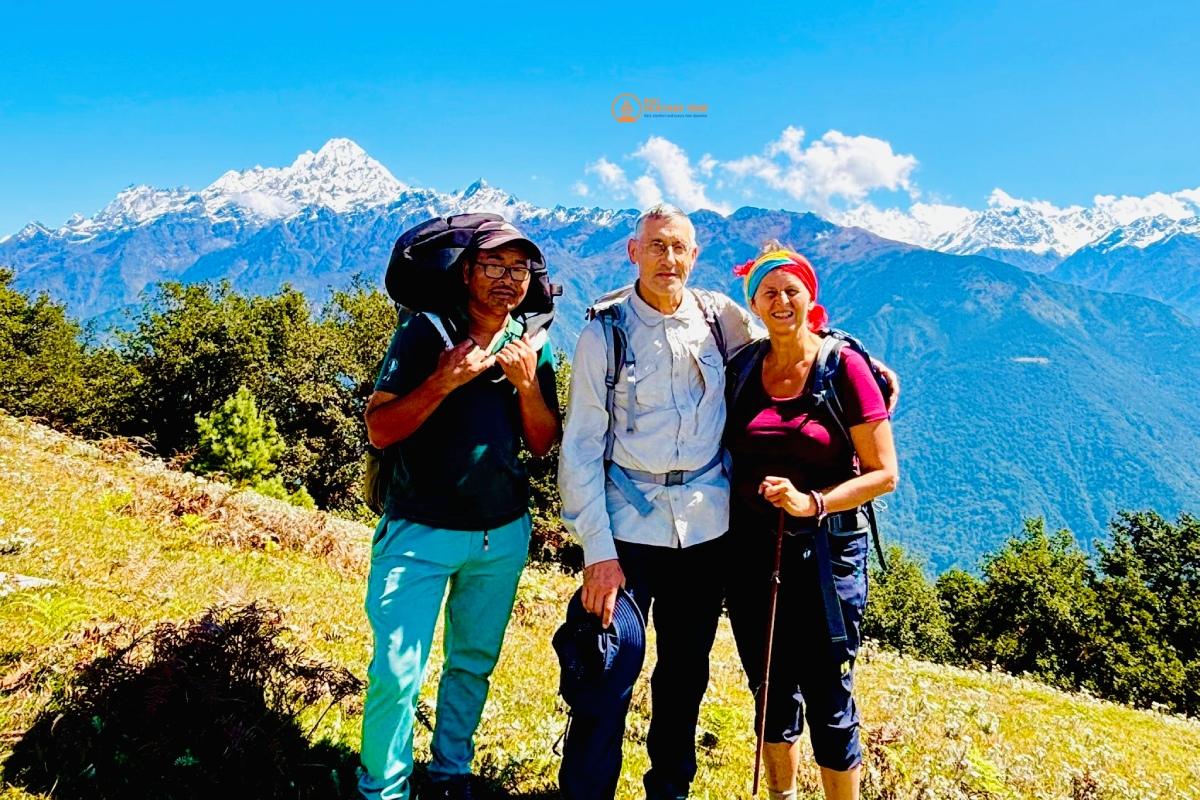
Insight on Tamanag Heritage Trail Trek
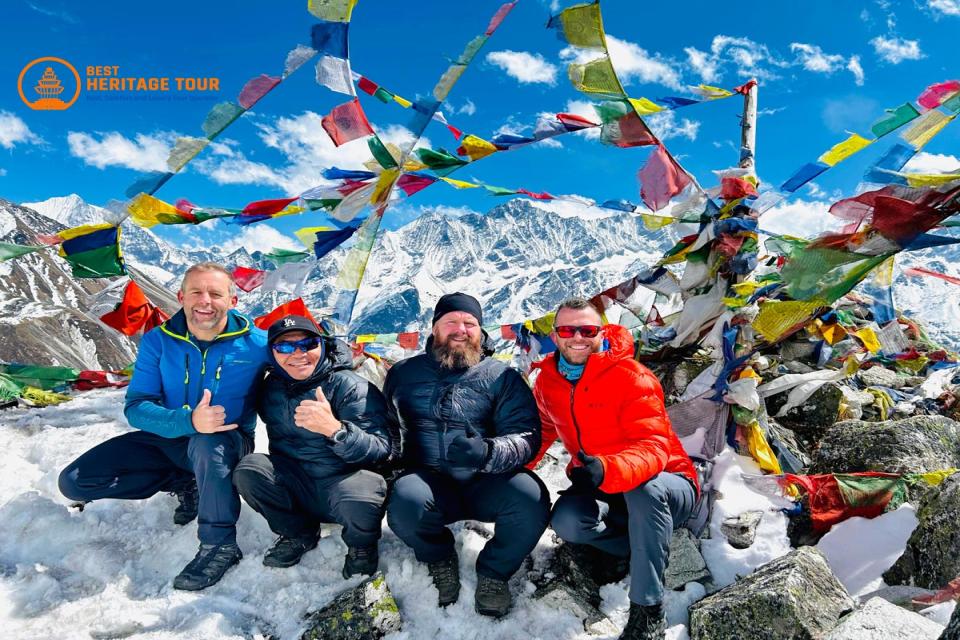
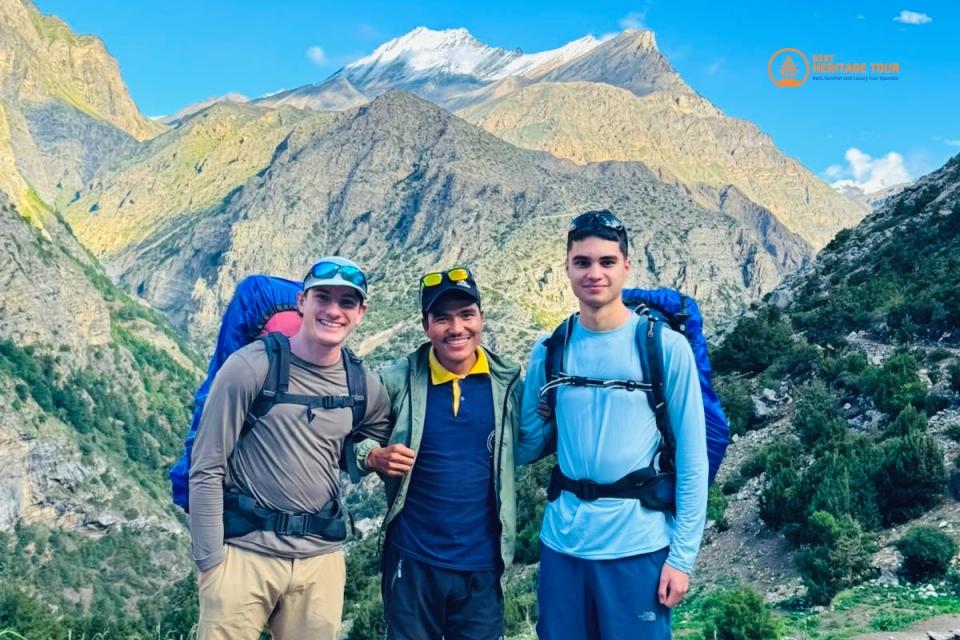
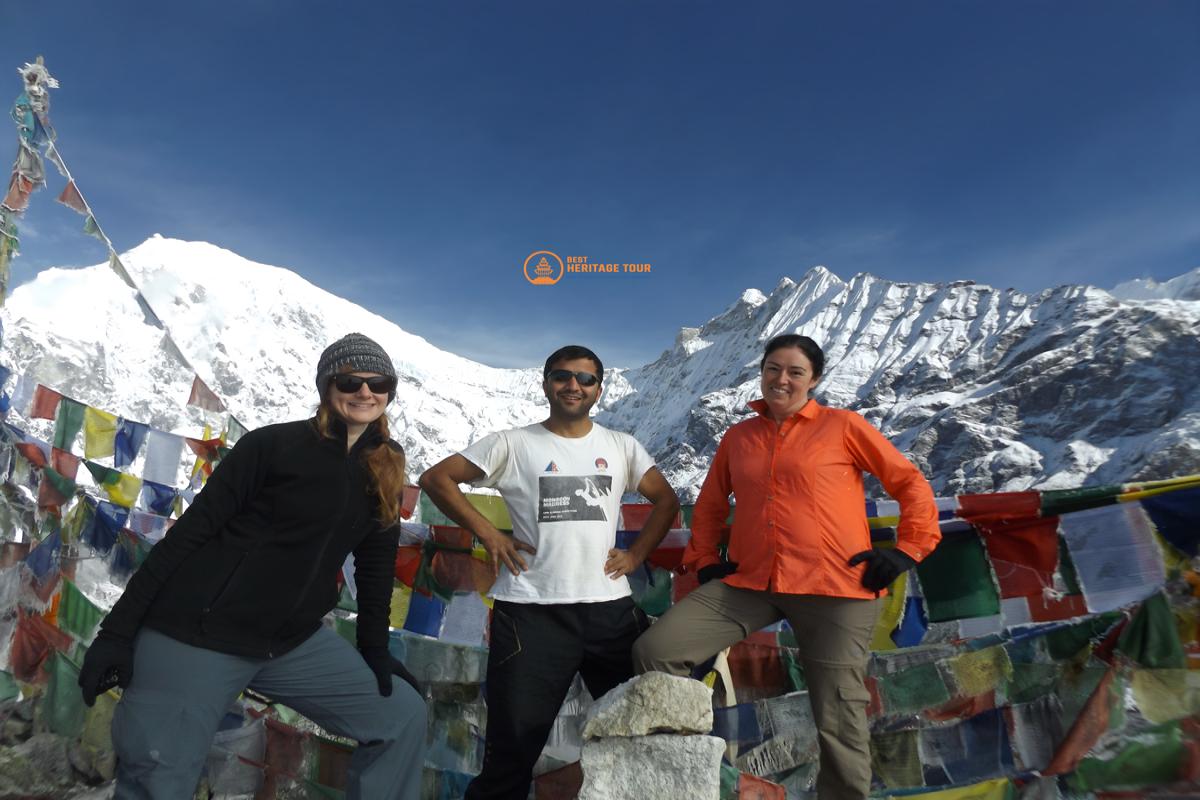
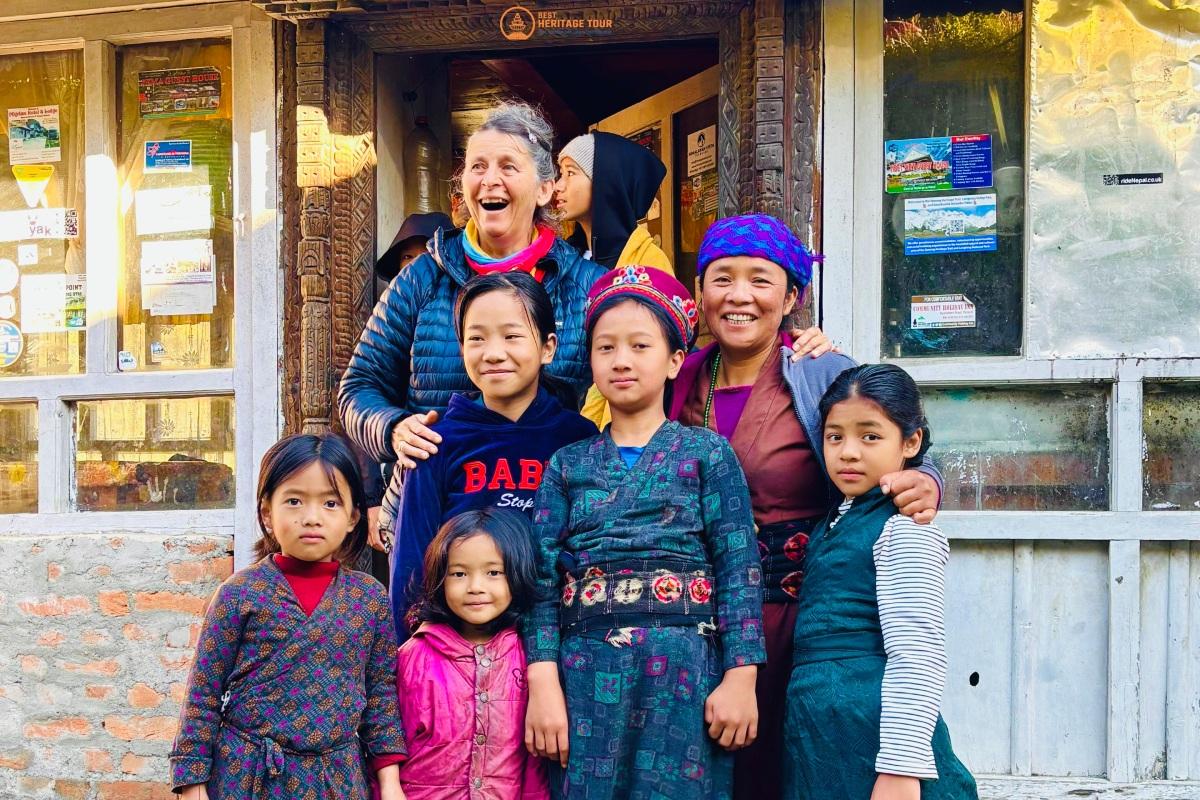
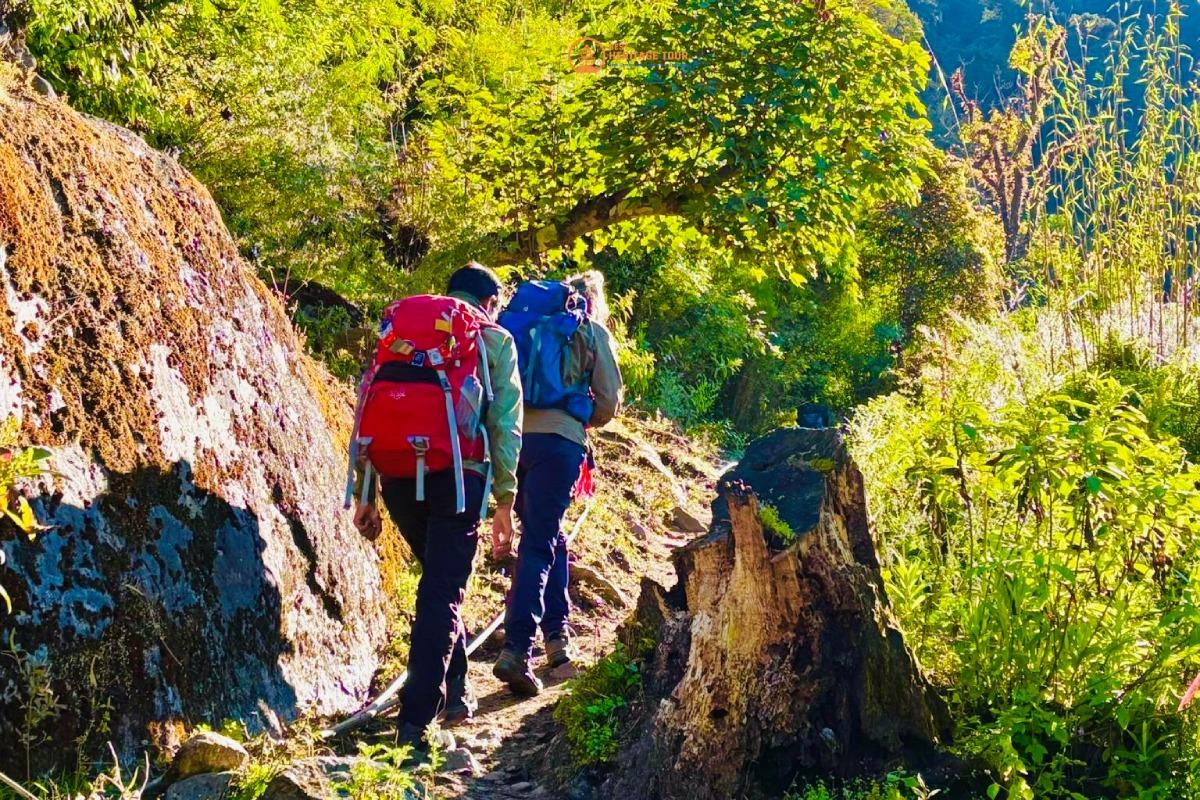
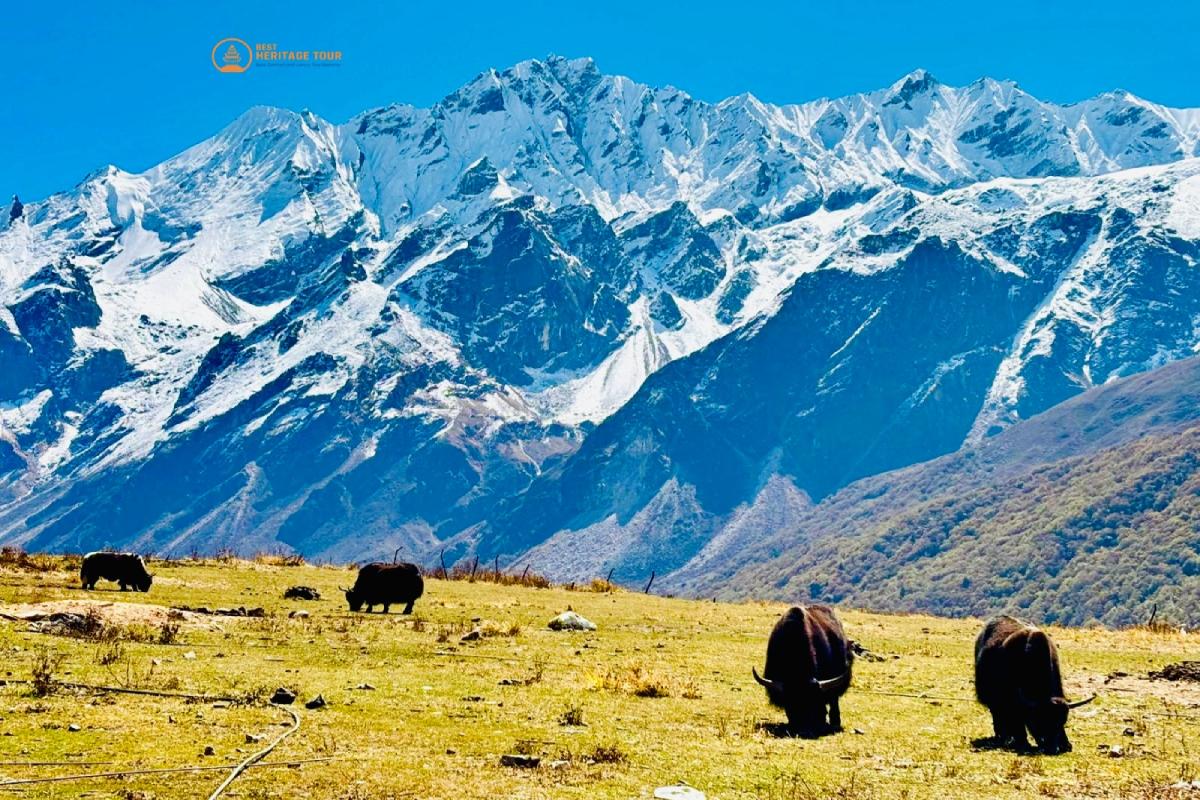
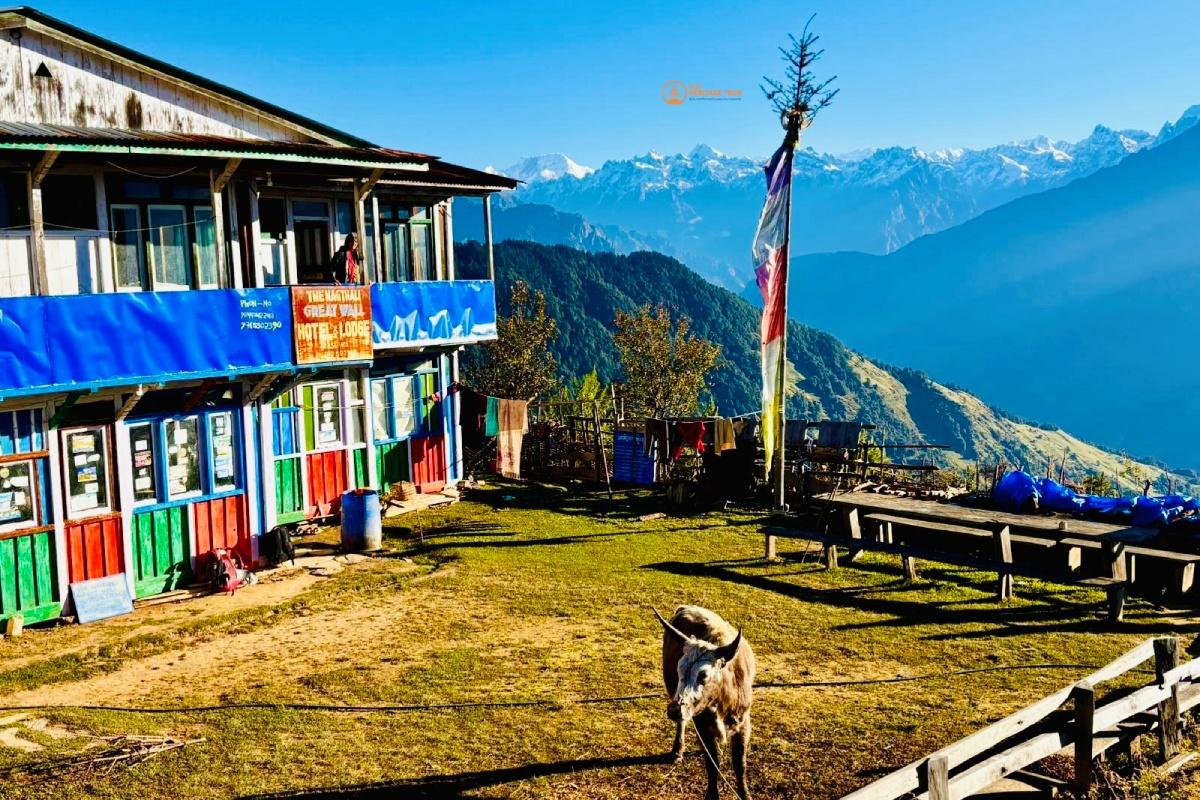
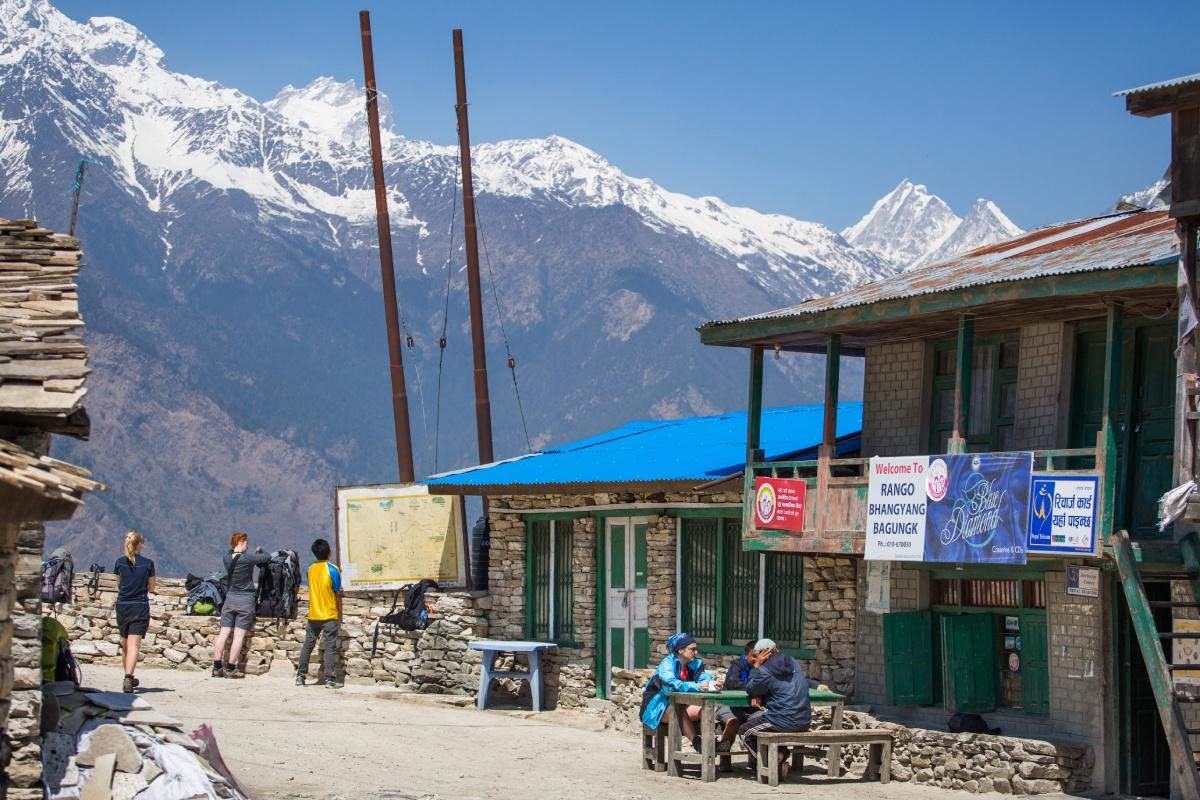
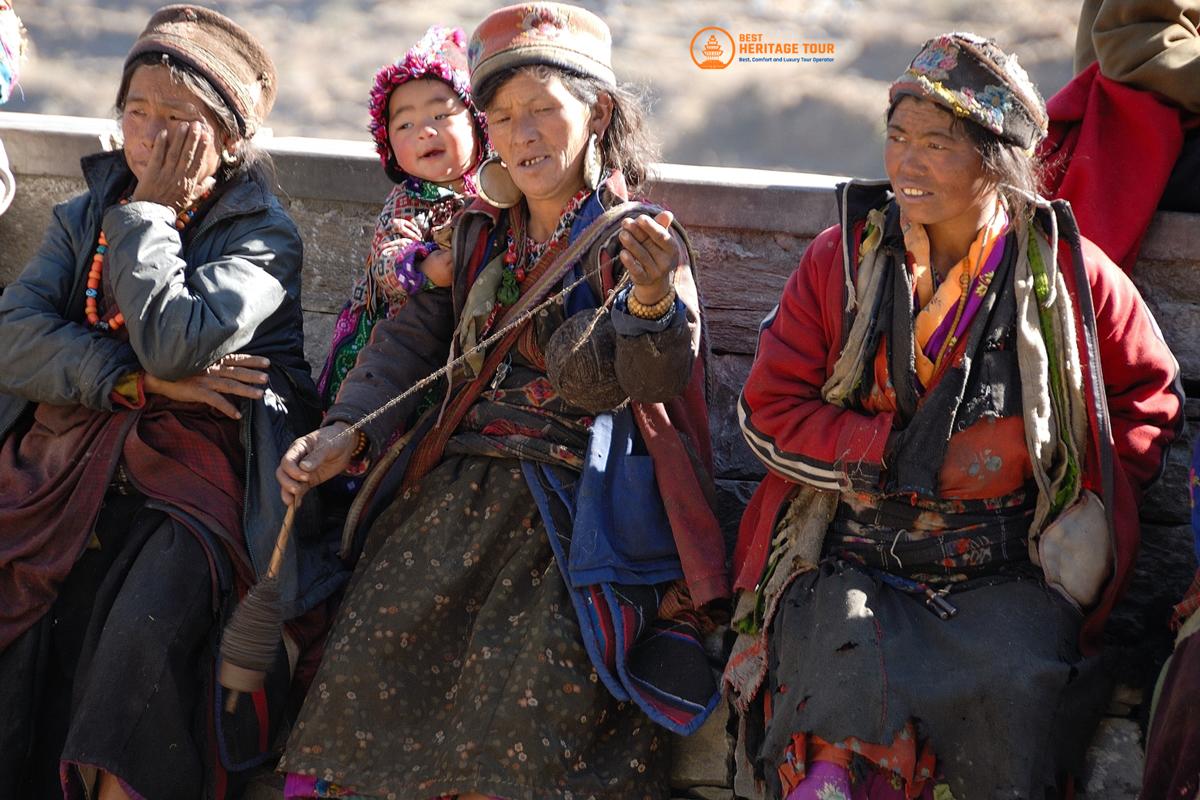
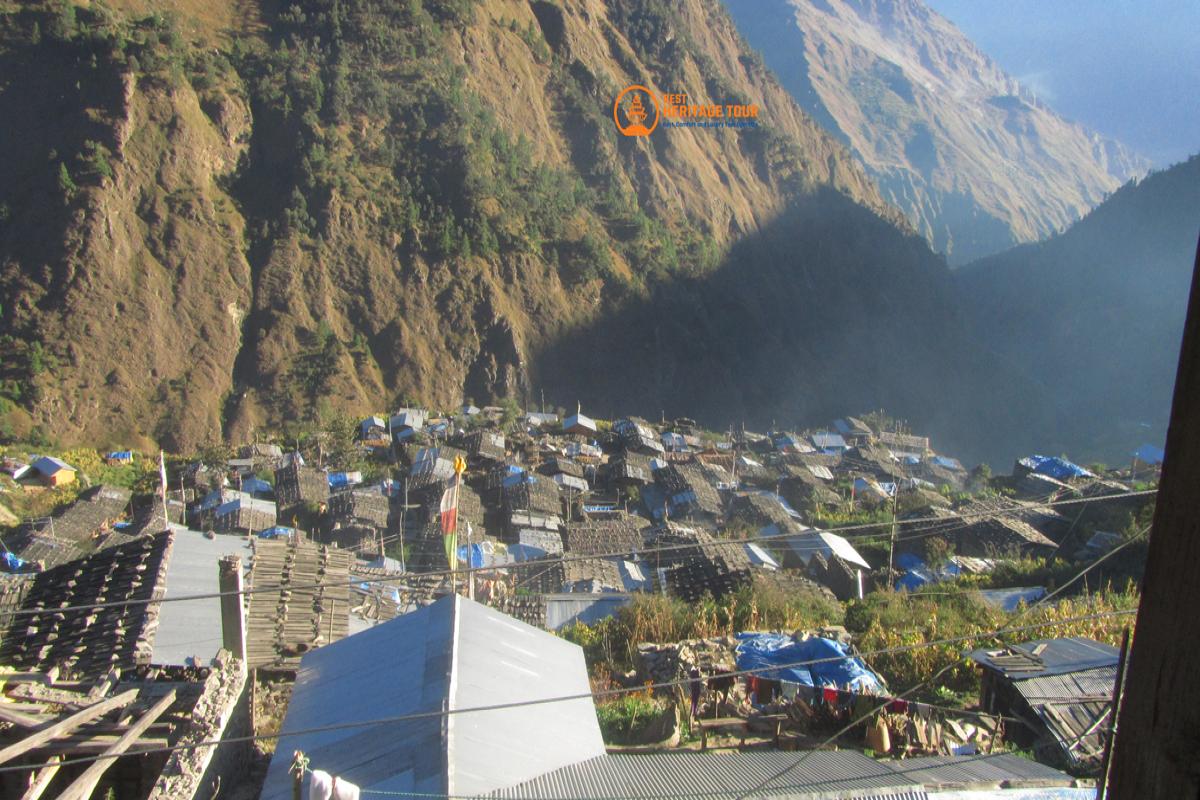
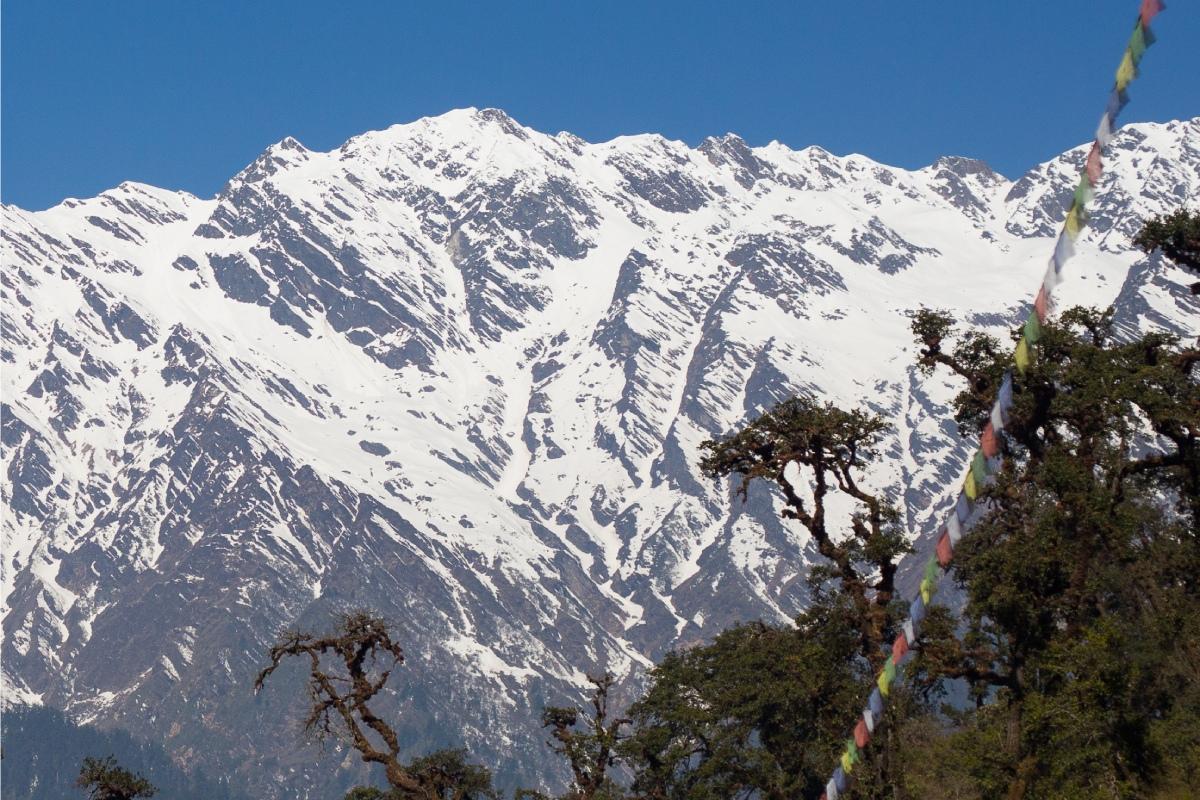
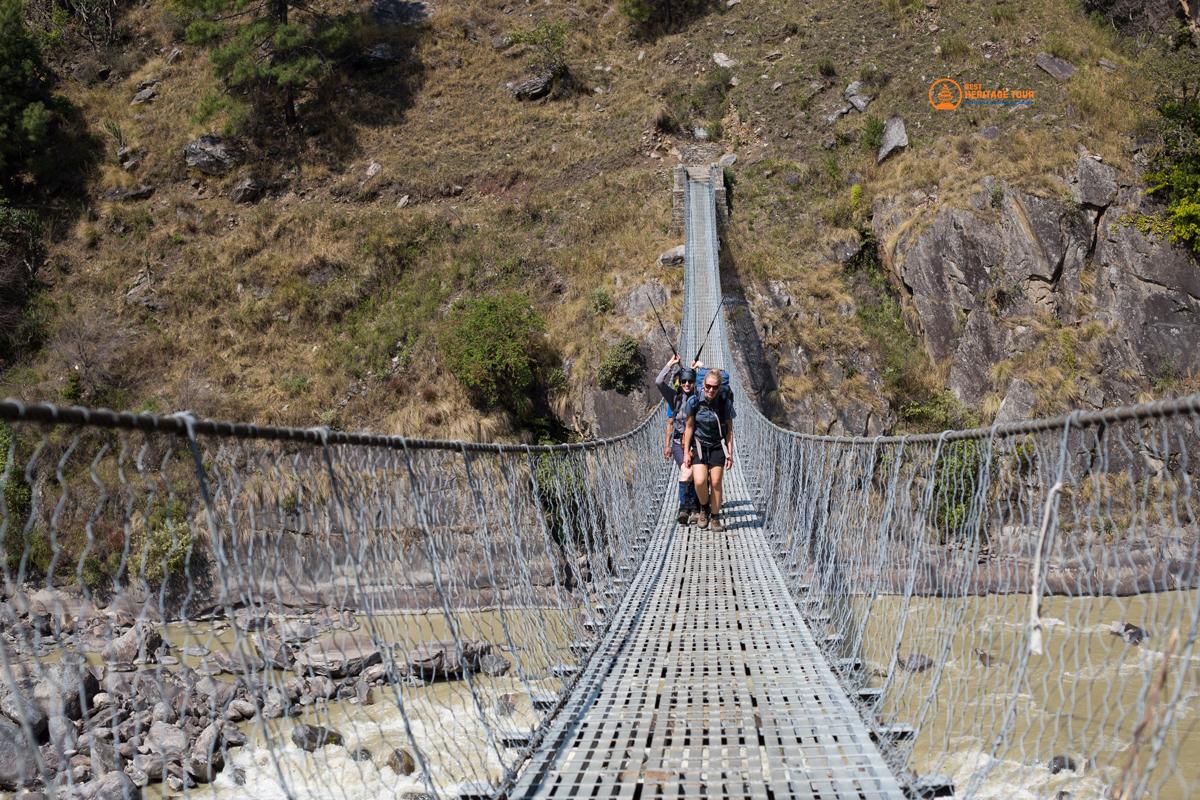
The Tamang Heritage Trail Trek offers an immersive journey through traditional Tamang villages, terraced fields, and lush forests, providing a deep insight into the community’s rich culture and centuries-old customs. Walk along peaceful trails, visit monasteries, and interact with locals to experience their festivals, daily life, and heritage firsthand. Along the way, enjoy breathtaking Himalayan scenery that perfectly complements the cultural journey, creating a unique blend of heritage, nature, and authentic village life.
Trip at a Glance
-

Country: Nepal
-

Trip grade: Medium
-

Destination: Langtang Region
-

Activities: Trekking
-

Accommodation: Hotel/Lodge/Teahouse
-

Meals: Breakfast, Lunch & Dinner
-
.png)
Transportation: Public Transport
-

Maximum altitude: 4,773 m (Kyangjin Ri)
-

Group size: 2-30 people
-
Trip Start / End: Kathmandu - Kathmandu
-
.png)
Best Season: Feb-June & Sep-Dec
Key Highlights of the Tamang Heritage Trail Trek
- Explore the less-crowded Tamang Heritage Trail, one of the most culturally rich trekking routes in Nepal.
- Experience the warm hospitality, rich traditions, and unique culture of the Tamang people.
- Trek through the traditional Tamang villages of Gatlang, Tatopani, Thuman, and Briddim.
- Explore the sacred Parvati Kunda, a beautiful alpine lake near Gatlang.
- Relax in the natural Tatopani Hot Springs after a rewarding day of trekking.
- Enjoy breathtaking Himalayan panoramas from Nagthali Viewpoint (3,170 m).
- Trek through Langtang National Park, home to the elusive red panda, rhododendron forests, and stunning alpine landscapes.
- Discover the beautiful Langtang Valley, surrounded by glaciers and snow-capped peaks.
- Visit Kyanjin Gompa and the famous Yak Cheese Factory.
- Take an optional hike to Tserko Ri (4,984 m) for spectacular sunrise and mountain views.
- Enjoy the stunning views of Langtang Lirung, Ganesh Himal, Dorje Lakpa, Gosainkunda Himal, and surrounding peaks.
- Walk through peaceful mountain trails, terraced fields, and pristine forests away from the crowds.
Why Choose Best Heritage Tour for Your Tamang Heritage Trail Trek?
- Free airport pick-up and drop-off service
- Online pre-trip briefing and booking confirmation for better preparation
- Multiple communication channels (Phone, Email, WhatsApp, Viber) for easy support
- 24/7 customer support available at +977-9851149197 / +977-9810043046
- Simple and secure payment options including Cash, Card & Bank Transfer
- Provide essential medical kit and oximeter to monitor oxygen levels at high altitude
- Complimentary duffle bag and sleeping bag (used one & to be returned after the trek)
- Free luggage storage facility at Best Heritage Tour store during the trek
- We plant a tree in the name of travelers (upon request), as a part of our commitment to sustainable tourism
Tamang Heritage Trail Trek Route Overview
The Tamang Heritage Trail Trek is a unique 12-day Himalayan adventure that combines authentic Tamang culture with the breathtaking landscapes of the Langtang Region. As one of Nepal's finest community-based trekking routes, this off-the-beaten-path journey offers a rare opportunity to experience the traditional lifestyle, warm hospitality, and centuries-old heritage of the Tamang people while exploring the pristine beauty of Langtang National Park.
Your adventure begins with a scenic drive from Kathmandu to Syabrubesi before entering the heart of the Tamang Heritage Trail. The trek takes you through the traditional villages of Gatlang, Tatopani, Thuman, and Briddim, where beautifully preserved stone houses, ancient monasteries, colorful prayer flags, and friendly locals showcase the rich cultural heritage of the region. Along the way, you'll visit the sacred Parvati Kunda, relax in the natural hot springs of Tatopani, and enjoy spectacular Himalayan views from the peaceful Nagthali Viewpoint (3,170 m).
Beyond its cultural treasures, the trail passes through lush forests, terraced fields, waterfalls, alpine meadows, and the diverse landscapes of Langtang National Park, home to rich biodiversity, including the elusive red panda. After exploring the Tamang Heritage Trail, the journey continues along the classic Langtang Valley route through Lama Hotel and Langtang Village, eventually reaching the beautiful Kyanjin Gompa (3,865 m). Here, you can visit the historic monastery and the famous yak cheese factory or take an optional hike to Tserko Ri (4,984 m) for unforgettable panoramic views of Langtang Lirung, Dorje Lakpa, Ganesh Himal, and surrounding snow-capped peaks.
Throughout the trek, you'll stay in welcoming local teahouses, enjoy traditional Tamang, Nepali, and Tibetan cuisine, and experience the genuine hospitality that makes this region so special. Carefully designed by Best Heritage Tour, this itinerary perfectly balances cultural immersion, natural beauty, and moderate adventure, making it an ideal choice for both first-time trekkers and experienced hikers seeking a meaningful Himalayan experience.
What to Expect on the Tamang Heritage Trail Trek
1. Cultural Immersion in Tamang Villages
Experience life in traditional Tamang villages, where centuries-old customs, rituals, and festivals are still very much alive. Interact with locals, observe their daily routines, and gain a deeper understanding of their unique way of life, from traditional crafts to community gatherings.
2. Moderate and Accessible Trekking
The trek follows well-marked, moderate trails suitable for beginners and moderately fit travelers. The daily distances are manageable, with plenty of breaks to enjoy the surroundings, take photographs, and acclimatize comfortably, making the journey both rewarding and enjoyable.
3. Scenic Himalayan Landscapes
Trek through dense forests, terraced fields, and peaceful valleys, all while being surrounded by breathtaking Himalayan vistas. Majestic peaks such as Ganesh Himal, Langtang, and Gosainkunda ranges provide a stunning backdrop for the entire journey, creating endless photo opportunities.
4. Kyanjin Gompa and Local Experiences
At Kyanjin Gompa, admire the panoramic mountain views and explore the local cheese factory, where traditional methods are still used. This stop offers insight into the region’s unique culture, daily life, and the craftsmanship of the Tamang people.
5. Wildlife and Natural Beauty
Parts of the trek pass through Langtang National Park, a haven for rare birds, wildlife, and diverse alpine flora. With some luck, you may even spot the elusive red panda, one of the park’s most prized inhabitants. Enjoy the peace and solitude of the trails, where nature remains largely untouched, offering a true Himalayan wilderness experience.
6. Blend of Culture and Nature
The Tamang Heritage Trail Trek beautifully combines authentic cultural experiences with pristine natural landscapes. From interacting with villagers to trekking through serene valleys, the journey provides a meaningful and immersive Himalayan adventure that highlights both the heritage and environment of the region.
Why Is the Tamang Heritage Trail One of the Most Culturally Rich Treks in Nepal?
The Tamang Heritage Trail is widely regarded as one of Nepal's most culturally immersive trekking experiences because it takes you through traditional Tamang villages where centuries-old customs, Tibetan Buddhist traditions, and mountain lifestyles are still preserved. From the welcoming communities of Gatlang, Tatopani, Thuman, and Briddim to ancient monasteries, sacred sites like Parvati Kunda, and vibrant local festivals, every step offers a genuine connection with the people and their heritage. Rather than simply passing through the mountains, this trek allows you to experience the rich culture, warm hospitality, and timeless traditions that make the Langtang Region truly unique.
Are You Ready for the Tamang Heritage Trail Trek?
The Tamang Heritage Trail Trek is more than just a walk through the Himalayas - it's a journey into the heart of the Tamang culture, traditions, and mountain life. If you enjoy exploring off-the-beaten-path destinations, meeting local people, learning about different cultures, and immersing yourself in nature, this trek will be an unforgettable experience.
You don't need to be an experienced trekker to complete this adventure. All you need is a reasonable level of fitness, a positive mindset, and a willingness to embrace the simplicity of mountain life. If you're someone looking for an uncrowded trail, authentic cultural experiences, and breathtaking Himalayan scenery, you're more than ready for the Tamang Heritage Trail Trek.
Itinerary
The journey starts with a drive to Syabrubesi. The drive takes around 7-8 hours. The highway heads north and offers beautiful views of rushing rivers, terraced fields, small villages, and snow-capped mountains. The journey feels really good when the sky is clear. As you travel down the Trishuli River, you can see Ganesh Himal and the wide green hills around it. The trail will take you to a bustling town called Dhunche and then to Syabrubesi, where you can explore a few places and enjoy a dip in the hot springs along the river.
The first day of hiking starts early after breakfast. You will climb a steep ascent and reach Ronga Bhanjyang in about 3 hours. Along the route, you will stop at a lookout point offering amazing views of Ganesh Himal, Gosaikunda range, and Goljang Valley. You will subsequently make your way down to Goljang Valley. The hike will take about 1 hour. You stop at Goljang Valley for lunch and a short rest afterward. Then hike for another 3 hours to Gatlang, a beautiful traditional Tamang village. You can visit Parvati Kund and the ancient monastery in Gatlang.
Start hiking at a leisurely pace, passing many chortens, mani walls, and dense forests to reach Chilime. The hike will take about 2.5 hours. Subsequently, you will cross the suspension bridge and ascend through terraced fields to reach Gonggang village. The hike will take about 1.5 hours. Have lunch at Gonggang and follow the gentle climb to reach Tatopani in about 2 hours. During your trek, you will encounter natural hot springs. You can enjoy a bath in the natural hot springs if you'd like. People believe that bathing in these natural hot springs will cure any pain.
Early in the morning, after breakfast, continue hiking through forests and dense jungles, slowly gaining altitude and overcoming several ascents and descents. After about 2 hours of hiking, you will reach Brimdang. Then, another 2 hours to reach Nagthali Danda. Enjoy the views of Langtang Lirung (7,227 m), Shishapangma (8,013 m), Ganesh Himal (7,422 m), Tibet Himal and other snow-capped mountains. Have lunch at Nagthali. There is a quaint monastery available for visitation. Following this, you will proceed to the Tibetan-style Tamang village of Thuman.
Today's destination is on the other side of the valley across the Bhote Kosi River. The trail starts on a flat section and descends along an old trade route to Tibet to Timure, where you will have lunch. Rasuwagadhi, an ancient fortress on the Nepal-Tibet border, is only a 3-hour walk from Timure. After lunch, the path ascends sharply towards Briddim, another Tamang village influenced by Tibetan culture, where you will spend the night in a local residence, partaking in a distinctive traditional experience.
Your trek continues through the Bhote Kosi valley, where you will traverse several lush jungles featuring bamboo and birch groves, terraced fields, and rural communities. From the trail, you may be able to spot rare wildlife, such as red pandas. The trail climbs gently to Rimche (2,400m) and passes through bamboo villages on the banks of the Langtang River. You continued walking and eventually reached your overnight stay i.e. Lama Hotel.
The day starts with an early breakfast. After breakfast, you hike through the lush landscape along the river valley and slowly climb up, enjoying the views of the snow-capped peaks. At Ghoda Tabela (3,030 m), the river valley suddenly widens. The area was once home to a Tibetan resettlement project, but now there is a military checkpoint where you will register your permit at Ghoda Tabela. However, further inside Chymki village (3,230 m), you continue hiking along a path decorated with prayer flags. From the trail, you can see prayer wheels, mani walls, waterwheels, and chortens, these monuments indicate that Langtang, a large Tamang village, is nearby.
After having a delicious tea and breakfast, you start hiking. Today's hike will be a short, easy, and exciting hike where you will discover small plateaus, large mani walls, yak pastures, small villages, and pastures. When the trail climbs, hike slowly to give your body enough time to acclimatize. Soon you will see a sacred rock cairn with a waterwheel, prayer wheel, and inscriptions, signifying your arrival at the ancient monastery Kyanjin Gompa. Kyanjin Gompa is a beautiful village in the Langtang region, surrounded by the breathtaking Himalayan ranges.
Today you will get acquainted with your surroundings as you explore this beautiful village. This part of the valley has a lot to offer hikers. The high altitude offers breathtaking views of the Himalayan ranges and glaciers. There is a lot to see at Kyanjin Gompa. You can visit the Kyanjin Gompa monastery itself and watch the monks pray. Be sure to also visit the local cheese dairy. Plus, you can take part in optional hikes to Langshisa Kharka and Tserko Ri viewpoint (5,450m). Mt Tserko Ri is the highest point of the hike, from this vantage point you can see peaks such as Langtang Lirung (7,227 m), Langtang II (6,586 m), and others. Once the sun sets, you will return to Kyanjin Gompa for the night.
From Kyanjin Gompa, you will see the last of the beautiful towering mountains before leaving the valley. You return by the same route you took to get reaching Langtang village and stopping for lunch at Ghoda Tabela where a military checkpoint marks your departure. After a leisurely lunch, you continue through the dense forests of the river valley to Lama Hotel.
Today is the last day of hiking as you trek back to Syabrubensi. You will walk along the trail next to the Langtang River. You will enjoy breathtaking views as you descend through bamboo and birch forests. After crossing the Langtang and Bhote Kosi rivers, you will reach Syabrubesi, the town where you started your trek.
After a hearty breakfast, drive from Syabrubensi to Kathmandu. The drive will take approximately 7-9 hours. During this ride, you will enjoy the beautiful views of the Trishuli River Valley. As the bus heads south, you'll see terraced fields and pastures, and finally a glimpse of snow-capped mountains. The trek ends upon arrival in Kathmandu.
What is included?
- PRIVATE AIRPORT PICK-UP & DROP : Airport - Hotel transfer - Airport (Pick Up and Drop).
- MEMBER TRANSPORTATION : Transportation in standard tourist bus from Kathmandu to Syabrubesi and while returning from Syabrubesi to Kathmandu.
- LODGING : Best available accommodation in mountain lodges and tea houses during the trek.
- FOOD : 3 meals a day (breakfast, lunch, and dinner; including tea/coffee) during the trek, with Ef-Chlor purification tablets provided for safe drinking water.
- GUIDE : One experienced government licensed trekking guide (English speaking) during the trek.
- STAFF SALARY AND ALLOWANCE : All trekking staff wages, salary, equipment, food & clothing.
- PERMITS : All necessary paper works : Langtang National Park permit, TIMS Card & other entry fee.
- STAFF INSURANCE : Insurance for all involved trekking staff during the trek.
- GEAR (IF NEEDED) : Sleeping bag, down jacket, and duffle bag (to be returned after the trek).
- MEDICAL KIT : A well equipped first aid kit, including an oximeter and emergency oxygen, carried by the guide for your safety.
- IN CASE OF EMERGENCY : Assistance in rescue operations in case of emergency covered by travel insurance.
- SOUVENIR : Best Heritage Tour’s Appreciation Certificate after the successful trek & Purse, an authentic Nepali product made from hemp.
- FAREWELL DINNER : A farewell dinner with an authentic cultural program after completion of the trek.
What is not included?
- INTERNATIONAL AIRFARE : International flight airfare (from and to Kathmandu).
- NEPAL VISA FEES : You may issue the visa upon your arrival at Tribhuvan International Airport - Kathmandu or apply manually in your home country.
- TRASNPORTATION IN PRIVATE JEEP : Private Jeep transportation will be arranged on request from Kathmandu to Syabrubesi (trek starting point) and for the return journey from Syabrubesi to Kathmandu.
- ACCOMMODATION & MEALS : Accommodation and meals in Kathmandu before and after the trek.
- INSURANCE POLICY : Travel insurance covering medical expenses and high-altitude evacuation is mandatory. If you do not have suitable coverage, we can also assist in arranging travel insurance for you upon your arrival in Nepal. Check Over Here
- PERSONAL EXPENSES : Clothing & gears, telephone, internet, toiletries, hot shower, laundry, soft drinks and any Alcoholic beverages.
- OPTIONAL PORTER SERVICE : USD 22 per day, including all taxes (each porter can carry up to 25 kg of luggage).
- TIPS : Tips for guide and porters.
- EXTRA : Any additional costs due to factors beyond our control, or for services not specifically mentioned in the Itinerary & Included section.
- TAXES & SERVICE CHARGE : All government taxes (13%) and service charge (10%).
Route Map
Equipment
Head
-
Sun hat or scarf
-
Warm hat, padded hat, or broad-brim hat.
-
Headlamp with extra battery
Face
-
Sunscreen
-
Sunglasses with UV protection
-
Face/body wipes
Hand
-
Lightweight gloves
-
Thick winter gloves
Body
-
Hiking shirt
-
Long-sleeved shirt
-
Hooded rain jacket
-
Fleece jacket
-
Lightweight cotton pants
-
T-shirt (bring a light woolen one)
-
Polypropylene underwear
-
Down jacket (rent in Kathmandu)
-
Sweater
-
Waterproof jacket and pants
Footwear
-
Hiking shoes
-
Thick woolen socks (bring an extra pair of thick, lightweight socks)
Essential Equipment
-
Backpack or daypack (size depends on whether you use a carrier or not).
-
Thermos
-
Water treatment
-
Trekking poles
-
Sleeping bag (-15°C bags is best for high-altitude trekking)
Personal Care Items
-
Medium-sized dry towel
-
Toothbrush
-
Toothpaste
-
Deodorant dental floss
-
Biodegradable soap
-
Nail clippers
-
Small mirror
Personal Accessories
-
Money
-
Watch
-
Mobile phone
-
Camera
Extra items
-
First aid kit
-
Extra passport photo and passport copy
-
Notebook and pen
-
Binoculars
Trip Info
Useful Information About the Tamang Heritage Trail Trek
A well-prepared trek is the key to a safe, comfortable, and memorable Tamang Heritage Trail Trek. Familiarizing yourself with the essential trip information above - including the itinerary, transportation, accommodation, meals, altitude, physical fitness, packing list, health and safety, and local culture - will help you prepare with confidence.
Airport Pick-Up and Trip Briefing for the Tamang Heritage Trail Trek
Your journey to the Tamang Heritage Trail Trek begins with a warm welcome in Nepal. Upon your arrival at Tribhuvan International Airport in Kathmandu, a representative from Best Heritage Tour will greet you in the arrival hall holding a placard with your name. As a traditional Nepali gesture of hospitality, you will be welcomed with a Khada (ceremonial scarf) before being transferred to your hotel in a private vehicle. The type of vehicle will depend on your group size.
Please note that hotel accommodation in Kathmandu is not included in our standard trekking package. However, Best Heritage Tour is happy to arrange hotel bookings before and after your trek according to your preferred budget and comfort level.
Trip Briefing Session for the Tamang Heritage Trail Trek
Before your trek begins, we conduct a detailed trip briefing at our office in Thamel, led by Mr. Bimal (Managing Director of Best Heritage Tour). This session ensures you are fully prepared for your trekking adventure in the Langtang Region.
During the briefing, we will cover:
-
Complete trekking itinerary with daily highlights and walking hours.
-
Trail conditions, weather, transportation, and altitude safety.
-
Essential trekking gear, clothing, and packing checklist.
-
Introduction to your trekking guide and porter (if included).
-
Final Q&A session and confirmation of all trekking arrangements.
This briefing helps ensure you begin your Tamang Heritage Trail Trek with confidence, knowing exactly what to expect throughout your Himalayan adventure.
What Type of Transportation is Used for the Tamang Heritage Trail Trek?
The Tamang Heritage Trail Trek begins and ends with a scenic overland journey between Kathmandu and Syabrubesi. We arrange comfortable standard tourist bus transportation for both the onward and return journeys, offering a safe and budget-friendly travel experience.
For travelers seeking additional comfort, flexibility, or privacy, we can also arrange a private jeep at an additional cost upon request.
Transportation Used for the Tamang Heritage Trail Trek
|
Type of Vehicle |
Route |
Approx. Distance |
Duration |
|---|---|---|---|
|
Standard Tourist Bus |
Kathmandu → Syabrubesi |
~122 km / 76 miles |
7-9 hours |
|
Standard Tourist Bus |
Syabrubesi → Kathmandu |
~122 km / 76 miles |
7-9 hours |
What is the Maximum Altitude Reached During the Tamang Heritage Trail Trek?
The Tamang Heritage Trail Trek reaches its highest overnight destination at Kyanjin Gompa (3,865 m / 12,675 ft), one of the most beautiful settlements in the Langtang Valley. Although the trek itself officially reaches Kyanjin Gompa, many trekkers choose to take an optional morning hike to Tserko Ri (4,984 m / 16,352 ft) during the exploration day.
What is the Altitude of Kyanjin Gompa?
Kyanjin Gompa stands at an elevation of 3,865 meters (12,675 feet) above sea level. It is the highest overnight stop on the Tamang Heritage Trail Trek and the cultural heart of the upper Langtang Valley. The village is home to a centuries-old Buddhist monastery, a famous yak cheese factory, and breathtaking mountain scenery, making it one of the most rewarding destinations in the Langtang Region.
What is the Altitude of Tserko Ri?
Tserko Ri rises to an elevation of 4,984 meters (16,352 feet) above sea level. It is an optional side hike from Kyanjin Gompa that is highly recommended for trekkers with sufficient time and good physical fitness. Although reaching Tserko Ri is not mandatory, those who make the ascent are rewarded with one of the most spectacular sunrise and mountain panoramas in Nepal. On clear days, the viewpoint offers uninterrupted views of Langtang Lirung (7,227 m), Langshisa Ri, Yala Peak, Dorje Lakpa, Gangchempo, and numerous snow-capped Himalayan peaks.
Day-by-Day Maximum Altitude Reached During the Tamang Heritage Trail Trek
|
Day |
Route |
Maximum Altitude Reached |
|---|---|---|
|
Day 1 |
Kathmandu → Syabrubesi |
1,503 m (4,931 ft) |
|
Day 2 |
Syabrubesi → Gatlang |
2,240 m (7,349 ft) |
|
Day 3 |
Gatlang → Tatopani |
2,610 m (8,563 ft) |
|
Day 4 |
Tatopani → Nagthali → Thuman |
3,170 m (10,400 ft) (Nagthali Viewpoint) |
|
Day 5 |
Thuman → Briddim |
2,340 m (7,677 ft) |
|
Day 6 |
Briddim → Lama Hotel |
2,470 m (8,104 ft) |
|
Day 7 |
Lama Hotel → Langtang Village |
3,430 m (11,253 ft) |
|
Day 8 |
Langtang Village → Kyanjin Gompa |
3,865 m (12,675 ft) |
|
Day 9 |
Exploration Day (Optional Hike to Tserko Ri) |
4,984 m (16,352 ft) (Tserko Ri) |
|
Day 10 |
Kyanjin Gompa → Lama Hotel |
3,865 m (12,675 ft) |
|
Day 11 |
Lama Hotel → Syabrubesi |
2,470 m (8,104 ft) |
|
Day 12 |
Syabrubesi → Kathmandu |
1,503 m (4,931 ft) |
What Is the Total Distance Covered on the Tamang Heritage Trail Trek?
The Tamang Heritage Trail Trek is a unique cultural and Himalayan adventure that combines a scenic overland journey with an unforgettable trek through the traditional Tamang villages and the breathtaking Langtang Valley. Following our 12-day Tamang Heritage Trail Trek itinerary, the total distance covered is approximately 320 km (199 miles), including both driving and trekking sections.
What Is the Total Driving Distance on the Tamang Heritage Trail Trek?
The total driving distance during the Tamang Heritage Trail Trek is approximately 244 km (152 miles), including all ground transportation arranged by Best Heritage Tour.
The driving sections include:
-
Kathmandu → Syabrubesi: ~122 km (76 miles)
-
Syabrubesi → Kathmandu: ~122 km (76 miles)
What Is the Total Trekking Distance Covered on the Tamang Heritage Trail Trek?
The total trekking distance is approximately 76 km (47 miles). The trail passes through an incredible variety of landscapes, including terraced farmlands, traditional Tamang villages, dense forests of oak, pine, bamboo, and rhododendron, mountain ridges, alpine meadows, glacial valleys, yak grazing pastures, ancient monasteries, and magnificent viewpoints overlooking the Langtang Himalayas.
Day-by-Day Distance & Walking Time on the Tamang Heritage Trail Trek
|
Day |
Specific Route Segment |
Distance Covered |
Duration |
|---|---|---|---|
|
Day 1 |
Kathmandu → Syabrubesi (Drive) |
~122 km / 76 miles (Drive) |
7-9 Hours Drive |
|
Day 2 |
Syabrubesi → Gatlang |
~12 km / 7.5 miles |
5-6 Hours Trek |
|
Day 3 |
Gatlang → Tatopani |
~13 km / 8 miles |
5-6 Hours Trek |
|
Day 4 |
Tatopani → Nagthali → Thuman |
~12 km / 7.5 miles |
6-7 Hours Trek |
|
Day 5 |
Thuman → Briddim |
~7 km / 4.3 miles |
3-4 Hours Trek |
|
Day 6 |
Briddim → Lama Hotel |
~10 km / 6.2 miles |
5-6 Hours Trek |
|
Day 7 |
Lama Hotel → Langtang Village |
~15 km / 9.3 miles |
6-7 Hours Trek |
|
Day 8 |
Langtang Village → Kyanjin Gompa |
~7 km / 4.3 miles |
3-4 Hours Trek |
|
Day 9 |
Kyanjin Gompa Exploration |
~10 km / 6.2 miles |
6-7 Hours Hike |
|
Day 10 |
Kyanjin Gompa → Lama Hotel |
~22 km / 13.7 miles |
6-7 Hours Trek |
|
Day 11 |
Lama Hotel → Syabrubesi |
~10 km / 6.2 miles |
4-5 Hours Trek |
|
Day 12 |
Syabrubesi → Kathmandu (Drive) |
~122 km / 76 miles (Drive) |
7-9 Hours Drive |
Note: All distances and trekking durations are approximate and may vary depending on the exact accommodation used, trail conditions, weather, road conditions, and individual walking pace.
What Type of Accommodation Is Provided During the Tamang Heritage Trail Trek?
During the Tamang Heritage Trail Trek, trekkers stay in traditional teahouses, mountain lodges, and family-run guesthouses that offer a warm and authentic Himalayan experience. Unlike many other trekking routes in Nepal, this trek allows visitors to experience the genuine hospitality of the Tamang people while enjoying comfortable accommodation throughout the journey. As the trek progresses into the Langtang Valley, accommodation becomes simpler due to the remote mountain environment, but every lodge provides a cozy place to relax after a rewarding day on the trail.
At Best Heritage Tour, we carefully select the best available teahouses and lodges along the route to ensure a comfortable, safe, and enjoyable trekking experience.
Accommodation in Kathmandu
Hotel accommodation in Kathmandu is not included in our standard Tamang Heritage Trail Trek package. However, Best Heritage Tour is happy to arrange hotel accommodation before or after the trek based on your preferred budget, comfort level, and travel requirements.
Accommodation During the Tamang Heritage Trail Trek
Below is the typical accommodation arrangement during the trek. Private room availability depends on the trekking season and lodge occupancy.
-
2 Night in Syabrubesi: Private room with attached bathroom facilities
-
1 Night in Gatlang: Private room with attached bathroom facilities
-
1 Night in Tatopani: Private room with attached bathroom facilities
-
1 Night in Thuman: Private room with attached bathroom facilities
-
1 Night in Briddim: Private room with attached bathroom facilities
-
2 Nights in Lama Hotel: Private with shared bathroom facilities
-
1 Night in Langtang Village: Private room with attached bathroom facilities
-
2 Nights in Kyanjin Gompa: Private room with attached bathroom facilities
Note: During the peak trekking seasons (March-May and September-November), teahouses along the Tamang Heritage Trail and Langtang Valley can fill up quickly.
Facilities Available During the Trek
1. Toilet Facilities
Toilet facilities vary depending on the village and altitude.
-
Syabrubesi, Gatlang, Tatopani, Thuman, Briddim, Langtang Village, and Kyanjin Gompa: Attached bathrooms are available in many lodges with western-style toilets.
-
Lama Hotel: Shared bathroom facilities with squat-style toilet.
2. Hot Showers
Hot showers are available in most villages for an additional charge.
-
Typical cost: NPR 300-500 per shower, depending on the location and altitude.
-
Prices generally increase in the upper Langtang Valley.
3. Electricity and Device Charging
Electricity is available throughout most of the trekking route.
-
Charging is usually free or inexpensive throughout the trekking route but sometime may cost Rs 100 depending on the teahouse.
-
In Lama Hotel, charging is available at an additional cost of around Rs. 200-300.
4. Wi-Fi and Internet Access
Wi-Fi is available in many villages, although the speed and reliability vary.
-
Syabrubesi, Gatlang, Tatopani, Thuman, Briddim, Langtang Village, and Kyanjin Gompa provide Wi-Fi in many lodges for an additional fee of Rs 200-300.
-
In Lama Hotel, trekkers may need to purchase an Everest WiFi card and recharge it for access.
5. Mobile Network Coverage
Both Nepal Telecom (NTC) and Ncell provide network coverage along parts of the Tamang Heritage Trail and Langtang Valley.
-
Nepal Telecom (NTC) generally offers better coverage throughout the region.
-
Mobile signals are available in Syabrubesi, Gatlang, Tatopani, Thuman, Briddim, Langtang Village, and Kyanjin Gompa, although coverage may be weak or intermittent in remote sections such as Lama Hotel and higher mountain areas.
Food and Drinks on the Tamang Heritage Trail Trek
Our Tamang Heritage Trail Trek package includes freshly prepared breakfasts, lunches, and dinners throughout the trek, along with 2-3 cups of tea or coffee daily. Meals are served at local teahouses and family-run lodges, offering a delicious blend of traditional Tamang, Nepali, Tibetan, and simple international cuisine to keep you energized throughout your Himalayan adventure.
At Best Heritage Tour, we carefully select clean and reliable teahouses that serve hygienic, freshly cooked meals using locally available ingredients, ensuring a satisfying dining experience throughout the trek.
Daily Meal Arrangement
-
Breakfast: Served at your overnight teahouse before beginning the day's trek.
-
Lunch: Enjoyed at a local teahouse along the trekking route.
-
Dinner: Freshly prepared and served at your overnight destination.
Guests can choose one main meal from the available teahouse menu for each meal. Any additional food, snacks, desserts, or beverages ordered beyond the package are at the trekker's own expense.
Available Menu Options on the Trail
|
Meal |
Common Teahouse Menu |
|---|---|
|
Breakfast |
Porridge, Tibetan bread, chapati, pancakes, toast, eggs, muesli, oatmeal, jam, tea, and coffee |
|
Lunch |
Dal Bhat, fried rice, chowmein, noodles, momo, Thukpa, pasta, macaroni, potatoes, vegetable curry, and soups |
|
Dinner |
Dal Bhat, vegetable curry, fried noodles, pasta, Thukpa, potatoes, soups, and seasonal local dishes |
Experience Authentic Tamang Cuisine
One of the highlights of the Tamang Heritage Trail Trek is the opportunity to experience the warm hospitality and rich culinary traditions of the Tamang community. Many villages along the trail serve homemade meals prepared with locally grown vegetables, grains, and dairy products, allowing trekkers to enjoy authentic Himalayan flavors while supporting local families and communities.
At Best Heritage Tour, we encourage our guests to try traditional local dishes whenever possible for a more immersive cultural experience.
Drinks and Staying Hydrated
Proper hydration is essential for maintaining energy levels and helping your body adjust to increasing altitude during the trek.
Most teahouses offer a variety of hot and cold beverages, including:
-
Black tea, milk tea, ginger tea, lemon tea, and herbal tea
-
Coffee
-
Hot lemon with honey
-
Hot chocolate
-
Boiled drinking water (available for purchase)
-
Bottled mineral water and soft drinks (available for purchase)
Vegetarian and Vegan Food on the Tamang Heritage Trail Trek
The Tamang Heritage Trail Trek is highly suitable for vegetarian and vegan trekkers. Most teahouses offer a variety of plant-based meals, including Dal Bhat, vegetable fried rice, noodles, soups, potatoes, chapati, Tibetan bread, and seasonal vegetable dishes.
If you have any food allergies or special dietary requirements, please inform Best Heritage Tour before your trek so our guides can coordinate with local teahouses whenever possible.
How Is the Drinking Water Facility on the Tamang Heritage Trail Trek?
Safe drinking water is available throughout the Tamang Heritage Trail Trek, although the availability and cost vary depending on the village and altitude. At Best Heritage Tour, we strongly recommend drinking boiled or properly purified water instead of untreated water from taps, streams, or natural springs. Carrying a reusable water bottle or hydration bladder is the best way to stay hydrated while helping reduce plastic waste in Langtang National Park.
For extra safety, trekkers are encouraged to carry water purification tablets, a portable water filter, or a UV purifier, especially when refilling water from natural sources.
How Much Does Boiled Drinking Water Cost on the Tamang Heritage Trail Trek?
Boiled drinking water is available at almost every teahouse along the trekking route and is the safest and most recommended option for trekkers. As you gain altitude, the price gradually increases because fuel and supplies become more difficult to transport into the remote Himalayan villages.
|
Place |
Approx. Cost of Boiled Water (250 ml Cup) |
|---|---|
|
Syabrubesi |
NPR 50 |
|
Gatlang |
NPR 50-80 |
|
Tatopani |
NPR 80-100 |
|
Thuman |
NPR 50-80 |
|
Briddim |
NPR 50-80 |
|
Lama Hotel |
NPR 100-150 |
|
Langtang Village |
NPR 150-200 |
|
Kyanjin Gompa |
NPR 150-200 |
Boiled water is typically served hot and remains the most reliable choice for staying hydrated, particularly in the higher sections of the Langtang Valley.
How Much Does Bottled Mineral Water Cost on the Tamang Heritage Trail Trek?
Bottled mineral water is available in most villages, teahouses, and small shops along the trail. However, prices increase with altitude because all supplies are transported by road, porters, or pack animals.
|
Place |
Approx. Cost of Bottled Mineral Water (1 Liter) |
|---|---|
|
Syabrubesi |
NPR 80-100 |
|
Gatlang |
NPR 80-100 |
|
Tatopani |
NPR 100-150 |
|
Thuman |
NPR 100-120 |
|
Briddim |
NPR 100-150 |
|
Lama Hotel |
NPR 150-200 |
|
Langtang Village |
NPR 200-250 |
|
Kyanjin Gompa |
NPR 250-300 |
When is the Best Time for the Tamang Heritage Trail Trek?
The Tamang Heritage Trail Trek can be enjoyed throughout the year, but the best seasons are spring (March to May) and autumn (September to November). These months offer stable weather, clear mountain views, pleasant trekking temperatures, and excellent conditions for exploring the Tamang villages and the stunning Langtang Valley.
Each season offers a unique trekking experience, from blooming rhododendron forests in spring to crystal-clear Himalayan panoramas in autumn, lush green landscapes during the monsoon, and peaceful snow-covered trails in winter. At Best Heritage Tour, we organize this trek year-round and help you choose the most suitable season based on your interests and trekking experience.
Spring (March to May)
Spring is one of the most popular seasons for the Tamang Heritage Trail Trek. The weather is generally stable, with mild temperatures and excellent visibility. Hillsides come alive with colorful rhododendron blooms, making the trail especially beautiful. It is also an ideal time for visiting traditional Tamang villages and enjoying panoramic views of Langtang Lirung, Ganesh Himal, and the surrounding peaks.
Pros
-
Clear mountain views and pleasant weather.
-
Rhododendron forests in full bloom.
-
Comfortable temperatures for trekking.
-
Excellent conditions for photography.
-
Vibrant local villages and active trekking atmosphere.
Cons
-
Popular season with more trekkers.
-
Teahouses can fill up quickly during peak weeks.
-
Slightly warmer temperatures at lower elevations.
Summer / Monsoon (June to August)
The monsoon season transforms the Langtang Region into a lush green paradise. Forests, waterfalls, and terraced fields are at their most vibrant, while the trails are quieter due to fewer visitors. However, regular rainfall can make trails muddy and reduce mountain visibility.
Pros
-
Beautiful green landscapes and blooming vegetation.
-
Fewer trekkers for a peaceful experience.
-
Fresh mountain air and flowing waterfalls.
-
Great opportunity to experience local village life.
Cons
-
Frequent rainfall and slippery trails.
-
Clouds may block mountain views.
-
Leeches may be present in lower forested areas.
-
Possibility of road delays due to landslides.
Autumn (September to November)
Autumn is widely regarded as the best time for the Tamang Heritage Trail Trek. After the monsoon, the skies become exceptionally clear, offering breathtaking views of the Langtang Himalayas. Pleasant daytime temperatures and dry trails create ideal trekking conditions. This season also coincides with Nepal's major festivals, allowing trekkers to experience the country's rich cultural traditions.
Pros
-
Crystal-clear mountain views.
-
Stable weather and dry trekking trails.
-
Comfortable daytime temperatures.
-
Ideal conditions for photography.
-
Opportunity to experience Nepalese festivals such as Dashain and Tihar.
Cons
-
Peak trekking season with more visitors.
-
Popular teahouses may become fully booked.
-
Advance booking is recommended.
Winter (December to February)
Winter offers a peaceful trekking experience with fewer crowds and spectacular snow-covered mountain scenery. The Tamang villages and Langtang Valley become incredibly serene during this season. While daytime trekking is usually comfortable, mornings and nights can be very cold, especially around Kyanjin Gompa.
Pros
-
Quiet trails with very few trekkers.
-
Stunning snow-covered Himalayan landscapes.
-
Excellent visibility on clear days.
-
Peaceful atmosphere in villages and teahouses.
Cons
-
Cold mornings and freezing nights at higher elevations.
-
Occasional snowfall may affect higher trails, including Tserko Ri.
-
Some teahouses may have limited services during severe winter weather.
What is the Recommended Season for the Tamang Heritage Trail Trek?
We highly recommend spring (March-May) and autumn (September-November) for the Tamang Heritage Trail Trek. These seasons provide the perfect combination of pleasant weather, outstanding Himalayan views, comfortable trekking conditions, and excellent opportunities to experience the rich culture and hospitality of the Tamang communities.
Documents Required for the Tamang Heritage Trail Trek
To ensure a smooth and hassle-free trekking experience in the Langtang region, trekkers must carry a few essential travel documents. These documents are mandatory for entry, safety, and permit regulations in Nepal’s protected trekking areas.
Nepal Visa for the Tamang Heritage Trail Trek
All international travelers (except Indian) need a tourist visa to visit Nepal, which can be obtained on arrival at Kathmandu airport or online.
Key Details:
-
Duration: 15, 30, or 90 days (15 days recommended for this trek)
-
Fees: 15 days - USD 30 | 30 days - USD 50 | 90 days - USD 125
-
Requirements: Valid passport (6+ months), visa form, passport photo, and payment in cash (USD/EUR/GBP/NPR)
Citizens of certain countries do not get Nepal Visa on arrival. They must have to apply for the Nepal Visa on advance through the Nepalese Embassy.
Travel Insurance for the Tamang Heritage Trail Trek
Travel insurance is highly recommended and often mandatory for trekking in Nepal, especially for high-altitude regions like Langtang Valley.
Your insurance policy should cover:
-
High-altitude trekking (up to at least 4,800m+)
-
Emergency helicopter evacuation
-
Medical treatment and hospitalization
-
Trip cancellation or interruption (recommended)
Proper insurance ensures your safety and peace of mind throughout the journey.
What are the permits required for the Tamang Heritage Trail Trek?
To enter and trek in the Langtang region, two official permits are required:
1. Langtang National Park Entry Permit: Required to enter the Langtang National Park.
2. TIMS Card (Trekkers’ Information Management System): Used for trekker registration and safety tracking in Nepal.
A valid visa and travel insurance is mandatory to obtain the permits for Langtang Region Trek. One does not need to worry about the permits arrangement as we will do all the arrangements on behalf of our valued guest.
How Difficult is the Tamang Heritage Trail Trek?
The Tamang Heritage Trail Trek is considered a moderate trek, making it suitable for beginners with good physical fitness as well as experienced trekkers seeking a rewarding cultural and Himalayan adventure. Unlike some of Nepal's more challenging high-altitude treks, this route does not cross any high mountain passes, making it less demanding while still offering spectacular mountain scenery and authentic cultural experiences.
Although no previous trekking experience is required, participants should be in good health and prepared for consecutive days of walking on mountain trails with frequent ascents and descents.
What Makes the Tamang Heritage Trail Trek Difficult?
While the Tamang Heritage Trail Trek is achievable for most physically active travelers, several factors contribute to its moderate difficulty level.
-
Consecutive Days of Trekking: Walk 3-7 hours daily for 10 consecutive trekking days.
-
Steep Ascents and Descents: Several sections involve steep uphill and downhill mountain trails.
-
High Altitude: The trek reaches 3,865 m, with an optional hike to Tserko Ri (4,984 m).
-
Mountain Terrain: Expect rocky paths, stone steps, forest trails, and suspension bridges.
-
Changing Weather: Mountain weather can change quickly, especially at higher elevations.
Is the Tamang Heritage Trail Trek Suitable for Beginners?
Yes. The Tamang Heritage Trail Trek is a beginner-friendly trek that is best suited for travelers with a good level of physical fitness. Since the trail does not involve technical climbing or crossing high mountain passes, it is an excellent choice for first-time trekkers looking to experience Nepal's Himalayan landscapes, authentic Tamang culture, and the beautiful Langtang Valley.
The itinerary follows a gradual ascent, allowing trekkers to acclimatize naturally while enjoying comfortable daily walking distances. With the support of our experienced guides at Best Heritage Tour, beginners can complete the trek safely and confidently.
Can a Beginner Complete the Tamang Heritage Trail Trek?
Absolutely. Beginners with reasonable fitness and proper preparation can successfully complete the Tamang Heritage Trail Trek. Regular walking, light cardio exercises, and following the guide's pace are usually enough to enjoy the trek comfortably. Our guides ensure a steady pace, monitor your well-being, and provide assistance throughout the journey.
Who Should Consider the Tamang Heritage Trail Trek?
The Tamang Heritage Trail Trek is ideal for:
-
Beginners looking for their first Himalayan trekking experience.
-
Experienced trekkers seeking a blend of culture and mountain scenery.
-
Nature lovers wanting to explore Langtang National Park.
-
Culture enthusiasts interested in authentic Tamang traditions and Tibetan Buddhist heritage.
-
Photographers looking to capture Himalayan landscapes, traditional villages, and wildlife.
-
Solo travelers, couples, families with older children, and small groups seeking a rewarding yet moderate trekking adventure.
What Are the Essential Gears to Pack for the Tamang Heritage Trail Trek?
Packing the right gear is important for a safe and comfortable Tamang Heritage Trail Trek. As the trek reaches Kyanjin Gompa (3,865 m), with an optional hike to Tserko Ri (4,984 m), temperatures can be cold, especially in the mornings and evenings.
Essential items include layered clothing, a warm jacket, a waterproof jacket, trekking boots, gloves, a warm hat, sunglasses, trekking poles, a reusable water bottle, a headlamp, sunscreen, and personal medications.
At Best Heritage Tour, we recommend packing light while carrying all the trekking essentials. For a complete checklist, please refer to our detailed: Tamang Heritage Trail Trek Packing List guide.
Physical Fitness Required for the Tamang Heritage Trail Trek
The Tamang Heritage Trail Trek requires a moderate level of physical fitness. Trekkers should be comfortable walking 3-7 hours a day on uneven mountain trails with regular uphill and downhill sections. While no technical climbing experience is required, good stamina and endurance will make the trek more enjoyable.
At Best Heritage Tour, we recommend preparing in advance to ensure a safe, comfortable, and rewarding trekking experience.
How to Prepare Physically for the Tamang Heritage Trail Trek?
A few weeks of preparation can greatly improve your trekking experience. We recommend:
-
Walk or hike regularly for 1-2 months before the trek.
-
Do cardio exercises such as jogging, cycling, or swimming to build endurance.
-
Strengthen your legs with squats, lunges, and stair climbing.
-
Practice hiking with a daypack to get used to carrying your gear.
-
Maintain a healthy diet and stay hydrated before and during the trek.
-
Get enough rest and avoid overexertion before your trekking adventure.
With proper preparation and the guidance of our experienced team, most healthy and active travelers can comfortably complete the Tamang Heritage Trail Trek.
Health & Safety on the Tamang Heritage Trail Trek
At Best Heritage Tour, your health and safety are our top priorities. Throughout the Tamang Heritage Trail Trek, you will be accompanied by an experienced, government-licensed trekking guide trained in basic first aid and high-altitude safety. Our guides carry a first-aid kit and pulse oximeter to monitor your oxygen saturation, especially as you ascend towards Kyanjin Gompa (3,865 m) and the optional hike to Tserko Ri (4,984 m).
How Safe is the Tamang Heritage Trail Trek?
The Tamang Heritage Trail Trek is considered a safe and moderate trekking route for anyone with reasonable fitness. The trail is well-established, with teahouses, local villages, and experienced guides available throughout the journey.
At Best Heritage Tour, our guides closely monitor your health, trekking pace, and overall well-being to ensure a safe and enjoyable adventure.
Is There Any Chance of Altitude Sickness on the Tamang Heritage Trail Trek?
Yes. Since the trek reaches Kyanjin Gompa (3,865 m) and the optional Tserko Ri (4,984 m), there is a possibility of Acute Mountain Sickness (AMS). However, the risk is relatively low when you follow the itinerary, acclimatize properly, and stay well hydrated.
Our guides are trained to recognize early symptoms such as headache, dizziness, nausea, fatigue, and shortness of breath, and will take immediate action if necessary.
How to Prevent Altitude Sickness on the Tamang Heritage Trail Trek?
The following measures help reduce the risk of AMS:
-
Follow the itinerary and ascend gradually.
-
Stay well hydrated throughout the trek.
-
Walk at a steady, comfortable pace.
-
Eat nutritious meals and get enough rest.
-
Avoid alcohol and smoking at higher elevations.
-
Inform your guide immediately if you feel any symptoms of altitude sickness.
Porter and Luggage Management on the Tamang Heritage Trail Trek
Proper luggage management makes the Tamang Heritage Trail Trek more comfortable and enjoyable. As this 12-day trek involves several days of walking through traditional Tamang villages and the scenic Langtang Valley, carrying only your daily essentials in a light daypack will help reduce fatigue. At Best Heritage Tour, we offer reliable porter services so you can enjoy the trek with greater ease.
Porter Service (Optional Add-On)
Hiring a porter is optional but highly recommended for a more comfortable trekking experience.
-
Porter service: USD 22 per day
-
Maximum carrying capacity: Up to 25 kg per porter
-
Sharing option: One porter can be shared between two trekkers
-
Duffel bag: Provided by Best Heritage Tour for your trekking gear
Extra Luggage Storage
If you have belongings that you won't need during the trek, you can safely leave them in Kathmandu before departure. We provide free luggage storage at our office throughout your trek. Most hotels in Kathmandu also offer complimentary luggage storage, and we recommend confirming this service with your hotel before your trek begins.
Tamang Heritage Trail Trek Cost for 2026 & 2027
The cost of the Tamang Heritage Trail Trek for 2026 and 2027 varies depending on the group size and the services included in the package. Our 12-day Tamang Heritage Trail Trek package starts from just USD 790 (+taxes) per person and includes an experienced guide, accommodation, meals, permits, ground transportation, and all the essential logistics for a safe and memorable adventure in the Langtang Region.
We also offer attractive group discounts, making the trek more affordable for couples, families, friends, and organized groups.
Group Size-Based Price - Tamang Heritage Trail Trek (2026 & 2027)
|
Group Size |
Price Per Person (USD) |
|---|---|
|
1 Pax (Solo Trekker) |
USD 790 |
|
2-4 Pax |
USD 725 |
|
5-6 Pax |
USD 650 |
|
7-10 Pax |
USD 630 |
|
11-16 Pax |
USD 610 |
|
17-29 Pax |
USD 590 |
Note:
-
Extra 13% Government Tax and 10% Service Charge are not included in the above prices
-
Porter cost is not included in the package price
If you want, we can provide you a detailed cost breakdown for better understanding.
How Much Extra Money Should You Carry for Personal Expenses on the Tamang Heritage Trail Trek?
While your Tamang Heritage Trail Trek package covers the major trekking expenses, it is recommended to carry some extra cash for personal purchases such as drinks, snacks, hot showers, Wi-Fi, device charging, bottled or boiled water, souvenirs, and other incidental expenses along the trail.
We recommend budgeting approximately USD 15-25 per day, depending on your spending habits and comfort preferences. For the 12-day itinerary, carrying around USD 180-250 per person is generally sufficient for personal expenses.
Since ATMs are not available along the trekking route beyond Syabrubesi, and card payments are rarely accepted in the mountain villages, Best Heritage Tour strongly recommends carrying enough Nepali Rupees (NPR) before starting the trek.
How Much Should You Tip Your Guide and Porter During the Tamang Heritage Trail Trek?
Tipping is a respected tradition in Nepal's trekking industry and a thoughtful way to appreciate the hard work and dedication of your trekking crew. While tipping is not mandatory, it is always appreciated and reflects your satisfaction with the service provided throughout the Tamang Heritage Trail Trek.
As a general guideline, many trekkers choose to tip 10-15% of the total trek cost, depending on the quality of service and their overall experience.
How Much Should You Tip Your Trekking Guide on the Tamang Heritage Trail Trek?
Your trekking guide plays a key role in ensuring your journey is safe, enjoyable, and well-organized. They lead the trail, monitor your health, manage logistics, and share valuable insights into the Tamang culture, Langtang Valley, local traditions, and Himalayan landscapes.
Suggested Guide Tip:
-
USD 10-15 per day per group
-
For this 12-day trek: approximately USD 120-180 per group
How Much Should You Tip Your Porter on the Tamang Heritage Trail Trek?
Porters carry your trekking gear, allowing you to hike comfortably with only a light daypack. Their support is especially valuable during the longer uphill and downhill sections of the trail.
Suggested Porter Tip:
-
USD 5-10 per day per porter (from the group)
-
For this 12-day trek: approximately USD 60-120 per porter
Group Tipping Practice
For group treks, it is customary for all members to contribute toward a single tip for the guide and porter(s). The tip is usually presented at the end of the trek as a token of appreciation for their professionalism, dedication, and support throughout your Tamang Heritage Trail Trek.
Booking & Payment for the Tamang Heritage Trail Trek
Booking your Tamang Heritage Trail Trek with Best Heritage Tour is simple and secure. To confirm your trip, a 20% deposit of the total trip cost is required at the time of booking, while the remaining balance must be cleared at least one day before departure. Payments can be made via cash, bank transfer, or card; bank transfer and card fees are the responsibility of the trekker, and incur a 4% transaction fee. All booking and cancellation terms are clearly explained by Best Heritage Tour staff during the booking process and can also be reviewed on our website.
Bank transfer:
-
Account Name: Best Heritage Tour And Treks Pvt. Ltd.
-
Account Number: 13201040254106
-
Bank Name: Nepal Investment Mega Bank Ltd.
-
Address: Thamel, Kathmandu, Nepal
-
SWIFT Code: NIBLNPKT
-
Bank Transfer Link: www.bestheritagetour.com/payment
Once we receive the deposit, we will issue the official invoice and booking conformation right away. If you need any clarification, we are happy to answer your questions or provide additional details you may require.
Last-Minute Booking for the Tamang Heritage Trail Trek
For travelers planning on short notice, Best Heritage Tour accepts last-minute bookings up to 24 hours before departure. In such cases, full payment (100% of the trip cost) is required at the time of booking. Trekkers should be aware that accommodation, logistics, and services may be limited, and the company cannot be held responsible for any compromises arising from late arrangements.
Flexible Trip Extension
If you'd like to extend your adventure after completing the Tamang Heritage Trail Trek, Best Heritage Tour offers a variety of exciting trip extension options across Nepal. You can continue exploring the Langtang Region with Langtang Gosaikunda Trek. Alternatively, you can discover Nepal's cultural and natural attractions with a Kathmandu Valley sightseeing tour, a Chitwan National Park wildlife safari, or a relaxing getaway in Pokhara.
Our team is happy to customize your itinerary based on your interests, available time, and fitness level, ensuring a seamless and unforgettable Nepal adventure.
Things to Look for on the Tamang Heritage Trail Trek
The Tamang Heritage Trail Trek is more than a mountain adventure - it's a unique cultural journey through some of the most authentic Tamang villages in Nepal. As you trek through Gatlang, Tatopani, Nagthali, and Thuman, you'll experience centuries-old traditions, warm local hospitality, and a way of life deeply influenced by Tibetan Buddhism and the Himalayan landscape.
Gatlang - A Traditional Tamang Village
Gatlang is one of the most picturesque Tamang settlements in the Langtang Region. Wander through its stone-paved lanes, admire traditional stone houses with wooden carvings, visit ancient monasteries, and observe the daily lives of the Tamang people. The village offers an excellent opportunity to learn about their customs, traditional attire, music, and local festivals.
Tatopani - Natural Hot Springs and Local Lifestyle
Tatopani, meaning "hot water" in Nepali, is famous for its natural hot springs. Beyond relaxing in the warm mineral waters, visitors can experience the peaceful atmosphere of the village, interact with local families, and gain insight into the simple mountain lifestyle that has been preserved for generations.
Nagthali - Spiritual Viewpoint and Himalayan Panorama
Situated at 3,170 meters, Nagthali is a sacred hilltop surrounded by prayer flags, chortens, and Buddhist monuments. Traditionally used as a meditation site by Buddhist monks, it offers breathtaking views of Langtang Lirung, Ganesh Himal, Kerung Himal, and the Tibetan mountains. The peaceful surroundings make it one of the cultural and scenic highlights of the trek.
Thuman - Rich Tamang Culture and Tibetan Influence
Located close to the Nepal-Tibet border, Thuman is renowned for its strong Tamang traditions and Tibetan cultural influence. The village is known for its vibrant hospitality, traditional dances, local songs, ancient monasteries, and beautifully crafted stone houses. Spending a night here provides an authentic opportunity to connect with the local community and experience their unique Himalayan way of life.
Experience the Tamang People Culture and Their Heritage
One of the greatest highlights of this trek is meeting the Tamang people, one of Nepal's oldest Himalayan communities. Their warm hospitality, Buddhist beliefs, colorful festivals, traditional architecture, handmade crafts, and centuries-old customs make the Tamang Heritage Trail a truly immersive cultural experience. Trekking with Best Heritage Tour allows you to discover not only the natural beauty of the Langtang Region but also the rich heritage and traditions that make this trail unlike any other in Nepal.
Sustainable and Responsible Tourism in the Langtang Region
The Tamang Heritage Trail Trek takes you through the beautiful landscapes of Langtang National Park, traditional Tamang villages, and culturally significant Buddhist monasteries. We encourage all trekkers to travel responsibly by minimizing plastic waste, carrying a reusable water bottle, respecting local customs and religious sites, staying on designated trails, and supporting locally owned teahouses and community businesses.
At Best Heritage Tour, we are committed to promoting sustainable and responsible tourism in the Langtang Region. We follow the Leave No Trace principles on every trek and encourage eco-friendly practices that help protect the region's fragile environment and rich Tamang cultural heritage. As part of our environmental commitment, we also plant a tree in the name of our travelers (upon request), contributing to a greener and more sustainable future for Nepal.
Review
G
Lovely tamang villages and people
The 12- day trek on the Tamanag heritage trail was an unforgettable experience from start to finish. The trek offers stunning views of the Himalayas with the snow covered...
View DetailH
Hidden Gem with Stunning Views and Rich Culture
Tamang heritage trail trek was best for me as I was looking for a trekking destination in Nepal that offers both breathtaking natural beauty and a chance to immerse myself in...
View DetailB
Great trekking and met amazing people
Trekking the Tamang Heritage Trail was an unforgettable experience. The warm hospitality of the Tamang people made me feel wonderful as I pass through their beautiful villages....
View Detail
Experiencing local village life and raw nature in national park combined in one trek!
It was a great tour! Super special, the first 5 days hiking from one remote village to the next remote village, experiencing the local village life. After visiting the different...
View DetailL
wonderful time in tamang village
I had great time in the tamang heritage trail trek. Best heritage tour did great job during the arrangement of the trek. I got to explore amazing tamang culture and thanks to our...
View Detail
Unforgettable, superbly organized trekking in breathtaking scenery.
Excellently organized 17 day trek. Tamang Heritage Trail, Langtang, Gosaikunda. Thanks Bimal for the unforgettable experience! The experienced guide Milan managed the food and...
View DetailFAQ's
The Tamang Heritage Trail is a unique trekking route in Nepal that not only offers breathtaking views of the Himalayas but also immerses trekkers in the rich culture and traditions of the Tamang ethnic community. The trail takes you through picturesque villages, ancient monasteries, and terraced fields, allowing for interactions with local families and a firsthand experience of their lifestyle. The trek promotes sustainable tourism by supporting local economies.
The Tamang Heritage Trail provides an authentic insight into the lifestyle, culture, and traditions of the Tamang people, an indigenous ethnic group of Nepal. Trekking along this route allows visitors to witness traditional farming practices, architectural styles, and spiritual customs, including visits to monasteries and prayer wheels. The trail promotes cultural preservation and sustainable tourism by supporting local communities and encouraging cultural exchange.
While trekking, you might encounter various wildlife, including Himalayan black bears, red pandas, musk deer, and numerous bird species. The varied plant and animal life contributes to the extensive biodiversity found within Langtang National Park.
Key villages along the Tamang Heritage Trail include:
- Syabrubesi: The primary launch point for the trek, offering essential services and facilities.
- Buddha Bhanjyang: Offers stunning views of the Langtang range and opportunities to explore local life.
- Gatlang: Known for its traditional stone houses and hot springs.
- Briddim: A picturesque village where homestays are available for an authentic experience.
- Rasuwa Gadhi: The final destination, steeped in historical and cultural importance.
The trek typically lasts for 12 days, which includes travel to and from the starting point, along with acclimatization days to adjust to the altitude.
The trek is rated as moderate in difficulty, making it accessible for both novice and experienced trekkers. However, the trail does feature steep ascents and descents, so a basic level of fitness is necessary.
Key highlights include stunning views of Langtang Lirung, visits to traditional Tamang villages like Gatlang and Briddim, cultural exchanges with locals, and exploring ancient Buddhist monasteries such as the Bhotechaur Monastery.
As of now, travelers are recommended to have valid health insurance and be vaccinated against common illnesses. Always check current health advisories before traveling, especially regarding COVID-19 or other health alerts.
To trek the Tamang Heritage Trail, you will need the following permits:
- Langtang National Park Entry Permit: This is mandatory for all trekkers entering the Langtang region.
- Trekkers’ Information Management System (TIMS) Card: This is required for safety and management purposes, helping authorities track trekkers in the area. You can obtain both permits through a registered trekking agency or directly at the relevant offices in Kathmandu.
The best time for trekking is during the spring (March to May) and autumn (September to November) seasons, when the weather is generally clear and mild.
Temperatures can vary significantly depending on the altitude and season. In the lower areas, daytime temperatures range from 15°C to 25°C (59°F to 77°F), while at higher altitudes, it can drop to 0°C (32°F) or below at night.
The weather can be unpredictable. In spring (March to May), expect mild temperatures and blooming rhododendrons, while autumn (September to November) usually brings clear skies and crisp air. Winter (December to February) can be quite cold, especially at higher elevations, while summer (June to August) can bring monsoon rains, affecting trail conditions.
Layering is crucial. It’s recommended to bring base layers that wick moisture, insulating middle layers, and waterproof outerwear. A good quality rain jacket and windbreaker are also advisable to handle unexpected weather changes.
Yes, a visa is required. You can obtain a tourist visa upon arrival at the airport or apply for one at a Nepalese consulate beforehand. Visa fees differ based on the length of your stay.
Tourist visas for Nepal can be obtained for durations of 15, 30, or 90 days. You can extend your visa in Nepal if needed, typically at the Department of Immigration in Kathmandu.
Budgeting is essential. Track your daily expenses for meals, snacks, and souvenirs. Consider carrying a mix of cash for remote areas where ATMs are not available, and keep track of your overall spending.
Tipping is customary in Nepal. It’s appreciated by guides, porters, and hospitality staff. As a general recommendation, it is customary to tip approximately 10% of your total trekking expenses or a few dollars daily for each guide and porter.
Yes, the trail is considered moderate and can be undertaken by beginners with some basic trekking experience. Proper preparation is essential.
There are no strict age restrictions, but travelers under 18 should be accompanied by an adult. Consult your trekking agency for detailed instructions.
Yes, families with children can trek the Tamang Heritage Trail, but it’s essential to consider the child’s age and fitness level. Parents should ensure that the pace of the trek is suitable for their children and be prepared for higher altitude challenges.
Solo trekking is allowed, but it’s recommended to go with a local guide for safety and cultural insights. Some areas may require a trekking permit, which a guide can help arrange.
Teahouses:
- Description: Engaging with local families offers a profound cultural immersion. Most teahouses provide hot meals, local cuisine, and communal dining areas.
- Facilities: Generally have electricity, but may not have hot showers. Some may offer limited Wi-Fi access for a fee.
Lodges:
- Description: More comfortable than standard teahouses, lodges may have better amenities and private rooms.
- Facilities: Some lodges offer en-suite bathrooms, hot showers, and options for more extensive meal menus. They may also feature common areas for relaxation and socializing.
Homestays:
- Description: Living with local families offers a deeply immersive cultural experience. This option is available in villages like Briddim and Gatlang.
- Facilities: You may share living spaces with families, experience traditional meals, and engage in local customs and practices.
In general, the teahouses and lodges along the Tamang Heritage Trail are considered safe for visitors. Nevertheless, it is advisable to remain vigilant and apply common sense. Ensure that the accommodations have proper hygiene practices and avoid staying in places that appear unclean.
It’s advisable to bring a sleeping bag for extra warmth and comfort, as bedding in teahouses may be basic. A travel pillow and earplugs can also enhance your sleeping experience, especially in communal accommodations.
Yes, most trekking agencies provide a packing list tailored to the Tamang Heritage Trail, covering clothing, gear, and other necessities.
Travel with minimal luggage while ensuring you have all necessary equipment. Prioritize multi-purpose items, such as convertible pants or jackets. Use compression bags for clothing and limit the number of personal items to essentials.
Essential gear includes a quality pair of trekking boots, a warm sleeping bag (rated for cold weather), trekking poles for stability, and a daypack for carrying personal items while trekking. Don’t forget sunscreen, sunglasses, and a headlamp for night-time visibility.
A moderate level of fitness is advisable. Regular walking, hiking, or cardio workouts before the trek can help improve stamina.
Engage in aerobic exercises, hiking with a backpack, and strength training to prepare for steep ascents and descents.
Acclimatization is key. Gradually increase your altitude, ensure proper hydration, and remain attentive to the signals your body provides. It’s essential to be aware of the signs of altitude sickness.
Mobile coverage is available in most villages along the trail. Consider purchasing a local SIM card in Kathmandu for better connectivity. Wi-Fi access is frequently provided in teahouses, although it may be restricted or operate at a slow speed.
Basic English is spoken in many tourist areas, but learning a few Nepali phrases can enhance your interactions and show respect for the local culture.
Yes, domestic flights are available to nearby regions, but they are less common for this trek. Most travelers opt for overland transport.
The journey from Kathmandu to Syabrubesi takes about 7-8 hours by road, depending on traffic and road conditions. You can opt for a private vehicle or a local bus for this journey.
Yes, many trekking agencies offer package deals that include transportation from Kathmandu to the starting point. Group shuttles can also be arranged for cost-effectiveness.
A guide or porter can be engaged through a trekking agency located in Nepal. Many agencies offer package deals that include both services, or you can arrange them separately. You can also hire guides and porters at the starting point, but booking in advance is advisable during peak seasons.
Look for guides who are registered, have first aid training, and possess a Trekking Guide License issued by the Nepal Tourism Board. Experienced guides should have in-depth knowledge of the trail, cultural insights, and language skills.
Tipping is customary in Nepal. A general guideline is to tip around 10-15% of the total trek cost, divided among the guides and porters based on their service levels. It's often appreciated if you hand out tips in cash at the end of the trek.