Annapurna Base Camp Short Trek - 5 Days
Start
1
Country
Nepal
Difficulty
Medium
Destination
Annapurna Base Camp
Activity
Trekking
Accommodation
Hotel/Guesthouses
Meals
Breakfast, Lunch & Dinner
Transportation
Private Vehicle
Max Altitude
4,130 m (ABC)
Group Size
2-29
Trip Starts
Pokhara
Trip Ends
Pokhara
Best Season
All year round
Overview
Key Highlights of the ABC Short Trek
- Reach Annapurna Base Camp (4,130 m) in just 5 days
- Witness a spectacular sunrise from the heart of the Annapurna Sanctuary
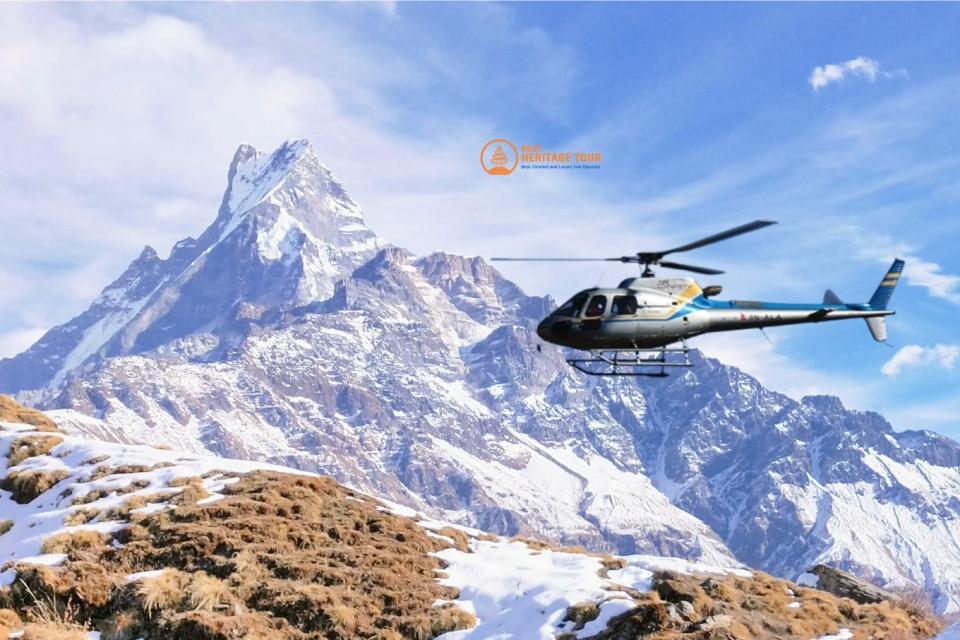
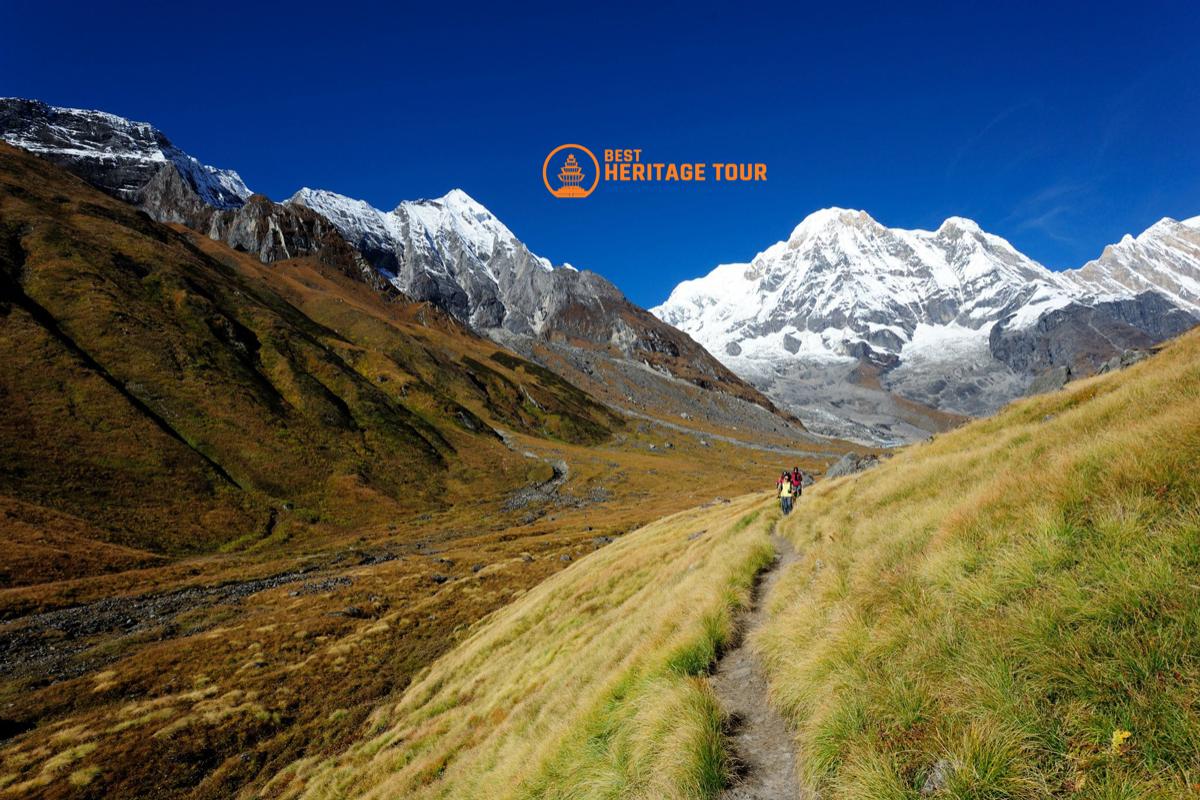
- Enjoy close-up views of Annapurna I, Machhapuchhre, Annapurna South, Hiunchuli, and Gangapurna
- Visit the iconic Machhapuchhre Base Camp (MBC), the second-best viewpoint on the trek
- Stay in comfortable mountain teahouses with authentic local hospitality
- Perfect short Himalayan adventure for travelers with limited time
- Capture some of Nepal's most breathtaking mountain photography opportunities
- Experience the unique beauty of the world-famous Annapurna Sanctuary
Why Choose Best Heritage Tour for ABC Short Trek?
- Free airport pick-up and drop-off service
- Online pre-trip briefing and booking confirmation for better preparation
- Multiple communication channels (Phone, Email, WhatsApp, Viber) for easy support
- 24/7 customer support available at +977-9851149197 / +977-9810043046
- Simple and secure payment options including Cash, Card & Bank Transfer
- Provide essential medical kit and oximeter to monitor oxygen levels at high altitude
- Complimentary duffle bag and sleeping bag (used one & to be returned after the trek)
- Free luggage storage facility at Best Heritage Tour store during the trek
- We plant a tree in the name of travelers (upon request), as a part of our commitment to sustainable tourism.
ABC Short Trek Route Overview
Annapurna Base Camp trek starts from Pokhara. If you are in Kathmandu, you should go to Pokhara as we will go from Pokhara. On the first day, you will be taken from Pokhara to Samrung. The journey takes about four hours. From Samrung you will go to Sinuwa to spend the first night at the trekking area. The next day you will go from Sinuwa to Deurali, and the altitude will increase. As you climb, the Annapurna range starts to grow in front of you, which is a sign that you are nearing the Annapurna range.
After reaching Deurali, the journey increases until you reach Annapurna Base Camp. During the journey, trekkers will also encounter the Macchapuchre Base Camp, where an overnight stay at Annapurna Base Camp will be arranged. We think you'll enjoy spending the night around the snow-capped peaks. After admiring the sunrise over the Annapurna mountains from Annapurna Base Camp (ABC), it was time to head back. You will follow the same route to ABC but this time you will not stop at Deurali as the journey is downhill. From ABC you go to Sinuwa and then to Samrung. You will return to Pokhara from Samrug by private transfer.
What Can You Expect During the ABC Short Trek?
1. Spectacular Himalayan Mountain Views
Throughout the Annapurna Base Camp Short Trek, trekkers are rewarded with breathtaking views of some of Nepal’s most iconic peaks, including Annapurna I, Annapurna South, Hiunchuli, Gangapurna, and the sacred Machhapuchhre (Fishtail). As the trek progresses deeper into the Annapurna Sanctuary, the mountain scenery becomes increasingly dramatic, culminating in a stunning 360-degree panorama at Annapurna Base Camp.
2. Journey Through Diverse Landscapes
One of the highlights of this trek is the constant change in scenery. The route passes through lush bamboo forests, rhododendron woodlands, river valleys, alpine meadows, and high-altitude glacial terrain. This diversity keeps every day exciting and provides trekkers with a unique opportunity to experience several ecological zones within a relatively short trekking duration.
3. Memorable Stay at Annapurna Base Camp
Reaching Annapurna Base Camp at 4,130 meters is the defining moment of the trek. Surrounded by towering Himalayan peaks, trekkers spend a night in the heart of the Annapurna Sanctuary, allowing ample time to enjoy the mountain atmosphere, capture incredible photographs, and witness the magical sunrise over the Annapurna range.
4. Authentic Teahouse and Local Hospitality Experience
The trek offers a chance to experience Nepal’s famous mountain hospitality through locally operated teahouses. Trekkers stay in comfortable lodges, enjoy freshly prepared meals, and interact with local communities along the trail. These cultural encounters provide valuable insight into the lifestyle and traditions of the people living in the Annapurna region.
5. Exciting Adventure with Moderate Physical Challenge
The Annapurna Base Camp Short Trek combines adventure and achievement in a compact itinerary. Daily hikes involve a mix of uphill climbs, downhill descents, and high-altitude trekking, creating a rewarding challenge for active travelers. The sense of accomplishment upon reaching Annapurna Base Camp makes the physical effort truly worthwhile.
6. Sunrise in the Heart of the Annapurna Sanctuary
One of the most unforgettable experiences of the trek is watching the sunrise from Annapurna Base Camp. As the morning light gradually illuminates the surrounding peaks, the entire sanctuary glows in shades of gold, orange, and pink. This spectacular natural display is often considered one of the most memorable moments of the entire Himalayan journey.
Are You Ready for the ABC Short Trek?
The Annapurna Base Camp Short Trek is more than a journey to a destination - it is an opportunity to challenge yourself, reconnect with nature, and experience the Himalayas from a whole new perspective. To truly enjoy this trek, you do not need mountaineering experience; you simply need a reasonable level of fitness, a positive attitude, and a willingness to embrace adventure.
If you are excited by mountain trails, spectacular Himalayan views, authentic local culture, and the satisfaction of reaching Annapurna Base Camp through your own effort, then this trek is for you. Bring your determination, curiosity, and adventurous spirit, and prepare for an experience that will stay with you long after the trek is over.
Itinerary
1Day 1 - Drive from Pokhara (850 m) to Samrung (1,613 m) & hike to Sinuwa (2,340 m/7,677 ft)
After early morning breakfast in Pokhara, drive to Samrung via the picturesque Gurung village of Ghandruk. The drive takes about 4 hours. The trek starts from Samrung and the trek to Jinu Danda is very easy, but the trek from Jinu Danda to Chomrong is very difficult. Continue further from Chomrong and after crossing the iron suspension bridge, you will reach Sinuwa. The entire hike takes about 4 hours.
2Day 2 - Trek from Sinuwa (2,340 m) to Deurali (3,174 m)
Depart Sinuwa after breakfast and head towards Deurali. You will walk through bamboo forests, starting at Dovan, then moving to the Himalayas, and finally arriving at Deurali. As you continue hiking, you will see Mount Annapurna getting closer and closer.
3Day 3 - Trek from Deurali (3,174m) to ABC (4,130m) via MBC (3,700m)
On this day you will reach Annapurna Base Camp (ABC) while trekking past Macchapuchre Base Camp (MBC). However, this day starts from Deurali and climbs steadily uphill to reach first Bagar and then Macchapuchre Base Camp (MBC). Upon departing from MBC, you will embark on a journey into the enchanting Annapurna Conservation Area. After several more hours of hiking in this stunning area, you will arrive at the impressive Annapurna Base Camp. The panoramic vistas of the Annapurna range from this location are truly awe-inspiring. You will spend the night at ABC.
4Day 4 - Hike from ABC (4,130 m/13,550 ft) to Sinuwa (2,360 m/7,742 ft)
Wake up early at ABC to observe the scarred faults of the Annapurna range. If you love photography, this is a great opportunity to capture this beautiful moment with your lens. After breakfast, we will pass through the base camp of Macchapuchre and return to Sinuwa by the same route. The path is downhill so it will be an easy walk.
5Day 5 - Hike from Sinuwa (2,360 m) to Samrung & drive to Pokhara (850 m).
Today is your last day on the trail. You will start your descent along the same path that you took to reach Annapurna Base Camp and Samrung. From Samrung you will be driven to Pokhara. The trek ends in Pokhara.
Cost Includes / Excludes
Included
- PRIVATE AIRPORT PICK-UP & DROP : Airport - Hotel transfer - Airport (Pick Up and Drop).
- MEMBER TRANSPORTATION : Private vehicle transportation from Pokhara to Samrung & while returing from Samrung to Pokhara
- LODGING : Best available accommodation in mountain lodges and tea houses during the trek.
- FOOD : 3 meals a day (breakfast, lunch, and dinner; including tea/coffee) during the trek, with Ef-Chlor purification tablets provided for safe drinking water.
- GUIDE : One experienced government licensed trekking guide (English speaking) during the trek.
- STAFF SALARY AND ALLOWANCE : All trekking staff wages, salary, equipment, food & clothing.
- PERMITS : All necessary paper works: Annapurna Conservation Area permit, TIMS Card & conservation entry fee.
- STAFF INSURANCE : Insurance for all involved trekking staff during the trek.
- GEAR (IF NEEDED) : Sleeping bag, down jacket, and duffle bag (to be returned after the trek).
- MEDICAL KIT : A well equipped first aid kit, including an oximeter and emergency oxygen, carried by the guide for your safety.
- IN CASE OF EMERGENCY : Assistance in rescue operations in case of emergency covered by travel insurance.
- SOUVENIR : Best Heritage Tour’s Appreciation Certificate after the successful trek & Purse, an authentic Nepali product made from hemp.
- FAREWELL DINNER : A farewell dinner with an authentic cultural program after completion of the trek.
Excluded
- INTERNATIONAL AIRFARE : International flight airfare (from and to Kathmandu).
- NEPAL VISA FEES : You may issue the visa upon your arrival at Tribhuvan International Airport - Kathmandu or apply manually in your home country.
- ACCOMMODATION & MEALS : Accommodation and meals in Pokhara before and after the trek.
- INSURANCE POLICY : Travel insurance covering medical expenses and high-altitude evacuation is mandatory. If you do not have suitable coverage, Best Heritage Tour can help you in arranging Recommended Travel Insurance for the Annapurna Base Camp Short Trek.
- PERSONAL EXPENSES : Recommended Clothing & Gears for the Annapurna Base Camp Short Trek, telephone, internet, toiletries, hot shower, laundry, soft drinks and any Alcoholic beverages.
- OPTIONAL PORTER SERVICE : USD 22 per day, including all taxes (each porter can carry up to 25 kg of luggage).
- TIPS : Tips for guide and porters.
- EXTRA : Any additional costs due to factors beyond our control, or for services not specifically mentioned in the Itinerary & Included section.
- TAXES & SERVICE CHARGE : All government taxes (13%) and service charge (10%).
Trip Info
Useful Information About the Annapurna Base Camp Short Trek
To ensure a safe, well-prepared, and memorable Annapurna Base Camp Short Trek experience, trekkers are advised to understand key trip details before starting the journey. Having this information in advance helps trekkers prepare physically and mentally, manage expectations, and fully enjoy a smooth and well-organized trekking experience in the Annapurna region.
Airport Pickup and Trip Briefing for the Annapurna Base Camp Short Trek
We provide airport pickup and drop-off services in Kathmandu for the convenience of our guests traveling from abroad. Upon arrival at Tribhuvan International Airport, our Best Heritage Tour representative will be waiting to warmly welcome you.
As a gesture of traditional Nepali hospitality, we offer a Khada (ceremonial scarf) to greet our guests. After meeting you at the airport, we transfer you to hotel in Kathmandu using a private vehicle suitable for your group size.
Trip Briefing Session
Before the trek begins, we conduct a detailed trip briefing session at our office in Thamel, Kathmandu (subject to your available time). During this session, we provide complete information about the Annapurna Base Camp Short Trek, including the itinerary, safety guidelines, packing advice, and preparation tips.
If you are unable to attend the Kathmandu briefing, our trekking guide will conduct a full briefing in Pokhara before the trek starts. This ensures that all essential details are clearly communicated and you are fully prepared for the journey ahead.
What Type of Transportation is Used for the ABC Short Trek?
For the Annapurna Base Camp Short Trek, we provide private transportation for all ground transfers. We arrange a comfortable private vehicle for the drive from Pokhara to Samrung, the trek's starting point, and from Samrung back to Pokhara after the trek.
Private transportation ensures a convenient, safe, and hassle-free journey, allowing trekkers to enjoy the scenic landscapes of the Annapurna region with greater comfort and flexibility.
Route & Vehicle Used for ABC Short Trek
|
Route |
Mode of Transport |
Distance |
Travel Time |
|---|---|---|---|
|
Pokhara → Samrung (Day 1) |
Private Vehicle |
~45 km / 28 miles |
2.5 to 3 Hours |
|
Samrung → Pokhara (Day 5) |
Private Vehicle |
~45 km / 28 miles |
2.5 to 3 Hours |
Note: The distance and driving time may vary slightly depending on the road conditions.
What is the Maximum Altitude Reached on this Trek?
The maximum altitude reached during the Annapurna Base Camp Short Trek is 4,130 meters (13,550 feet) above sea level at Annapurna Base Camp (ABC). Situated in the heart of the Annapurna Sanctuary, the base camp offers breathtaking panoramic views of Annapurna I, Annapurna South, Hiunchuli, Machhapuchhre, and several other Himalayan peaks.
What is the Altitude of Annapurna Base Camp?
Annapurna Base Camp (ABC) sits at an elevation of 4,130 meters (13,550 feet) above sea level. It is the highest point of this trek and one of Nepal's most iconic trekking destinations, surrounded by towering snow-capped mountains on all sides.
What is the Altitude of Machhapuchhre Base Camp?
Machhapuchhre Base Camp (MBC) is located at an elevation of 3,700 meters (12,139 feet) above sea level. Trekkers pass through MBC on the way to Annapurna Base Camp, enjoying spectacular views of the sacred Machhapuchhre (Fishtail) Mountain and the surrounding Himalayan landscape.
Day-by-Day Elevation Breakdown During Annapurna Base Camp Short Trek
To help our guests understand the altitude progression throughout the trek, here is the daily maximum elevation reached on our 5-day Annapurna Base Camp Short Trek itinerary:
|
Day |
Trail Section |
Maximum Altitude Reached |
|---|---|---|
|
Day 1 |
Pokhara → Samrung → Sinuwa |
2,340 m / 7,677 ft |
|
Day 2 |
Sinuwa → Deurali |
3,174 m / 10,413 ft |
|
Day 3 |
Deurali → MBC → Annapurna Base Camp |
4,130 m / 13,550 ft |
|
Day 4 |
Annapurna Base Camp → Sinuwa |
4,130 m / 13,550 ft (Starting Point) |
|
Day 5 |
Sinuwa → Samrung → Pokhara |
2,360 m / 7,742 ft (Starting Point) |
What Is the Total Distance Covered on the Annapurna Base Camp Short Trek?
The Annapurna Base Camp Short Trek covers a combination of scenic mountain drives and rewarding trekking trails through the Annapurna Conservation Area. Including both transportation and walking sections, the total distance covered during this 5-day adventure is approximately 95 km (59 miles).
What Is the Total Driving Distance on the Annapurna Base Camp Short Trek?
The total driving distance on this trek is approximately 90 km (56 miles), including:
-
Pokhara to Samrung: ~45 km (28 miles)
-
Samrung to Pokhara: ~45 km (28 miles)
All ground transportation is provided by private vehicle for a comfortable and hassle-free travel experience.
What Is the Total Trekking Distance Covered on the Annapurna Base Camp Short Trek?
The total trekking distance is approximately 50 km (31 miles). The trail passes through lush forests, traditional Gurung settlements, bamboo groves, alpine landscapes, and the spectacular Annapurna Sanctuary before reaching Annapurna Base Camp at 4,130 m (13,550 ft).
Day-by-Day Distance & Walking Time on Annapurna Base Camp Short Trek
|
Day |
Specific Route Segment |
Distance Covered |
Duration |
|---|---|---|---|
|
Day 1 |
Pokhara → Samrung (Drive) → Sinuwa (Trek) |
~45 km / 28 miles (Drive) |
2.5-3 Hours Drive |
|
Day 2 |
Sinuwa → Deurali |
~10 km / 6.2 miles |
5-6 Hours |
|
Day 3 |
Deurali → MBC → Annapurna Base Camp |
~7 km / 4.3 miles |
4-5 Hours |
|
Day 4 |
Annapurna Base Camp → Sinuwa |
~17 km / 10.6 miles |
7-8 Hours |
|
Day 5 |
Sinuwa → Samrung (Trek) → Pokhara (Drive) |
~8 km / 5 miles (Trek) |
3-4 Hours Trek |
Note: Distances and trekking durations are approximate and may vary depending on trail conditions, weather, and individual walking pace.
What Type of Accommodation is Available on the Annapurna Base Camp Short Trek?
Accommodation on the Annapurna Base Camp Short Trek is simple, comfortable, and well-suited to the mountain environment. Throughout the trek, we arrange accommodation in carefully selected teahouses that provide a warm atmosphere and essential facilities for trekkers.
Accommodation in Pokhara
We do not include accommodation in Pokhara before or after the trek in our standard package. However, we can assist you in booking suitable hotels in Pokhara based on your budget and preferences, ranging from budget-friendly lodges to luxury lakeside resorts.
Accommodation During the Annapurna Base Camp Short Trek
During the trek, accommodation is provided in traditional teahouses/lodges with private rooms wherever available.
-
2 Nights in Sinuwa: Teahouse accommodation with a private room and attached bathroom (Western and Squat Toilets Available)
-
1 Night in Deurali: Teahouse accommodation with a private room and shared bathroom (Western and Squat Toilets Available)
-
1 Night at Annapurna Base Camp (ABC): Teahouse accommodation with a private room and shared bathroom (Squat Toilets Only)
As you gain altitude, accommodation becomes more basic due to the remote Himalayan setting. Nevertheless, the teahouses provide a comfortable place to rest while enjoying the unique experience of trekking in the Annapurna Sanctuary.
Facilities in Teahouses Along the Annapurna Base Camp Trek Trail
Below is an overview of the common facilities available at the major overnight stops during the trek.
|
Major Stop |
Toilet |
Hot Shower |
Wi-Fi |
Charging |
Mobile Network |
|---|---|---|---|---|---|
|
Sinuwa |
Attached (Western & Squat Available) |
Available |
Available |
Available |
NTC & Ncell Available |
|
Deurali |
Shared (Western & Squat Available) |
Available |
Available |
Available |
NTC Available, Limited Ncell |
|
Annapurna Base Camp |
Shared (Squat Toilets Only) |
Available |
Available |
Available |
NTC Available |
Food and Drinks on the Annapurna Base Camp Short Trek
During the Annapurna Base Camp Short Trek, trekkers are served freshly prepared meals at local teahouses along the trail. The food is nutritious, hygienic, and designed to provide the energy needed for trekking through the Annapurna region.
Our standard package includes Breakfast, Lunch, and Dinner, along with 2-3 cups of tea or coffee per day to help keep you refreshed and energized throughout the journey.
Meals are arranged as follows:
-
Breakfast: Served at the teahouse where you stay overnight
-
Lunch: Served at a local teahouse along the trekking route
-
Dinner: Served at the teahouse where you spend the night
Ordering and Meal Policy
Trekkers can generally choose one main dish per meal from the teahouse menu. Any additional meals, snacks, desserts, soft drinks, bottled beverages, or extra tea and coffee beyond the package inclusions must be paid for directly by the trekkers.
Available Menu Options on the Annapurna Base Camp Trail
|
Meal |
Standard Teahouse Offerings |
|---|---|
|
Breakfast |
Oatmeal, porridge, Tibetan bread, pancakes, eggs (fried, boiled, scrambled, omelets), muesli, chapati, toast, and tea or coffee |
|
Lunch |
Dal Bhat, fried rice, chowmein, pasta, momo, thukpa, noodle dishes, and potato-based meals |
|
Dinner |
Dal Bhat sets, vegetable curries, soups, fried noodles, rice dishes, garlic soup, and bread items |
Dal Bhat: The Best Trekking Meal in Nepal
Dal Bhat is the most popular meal on the Annapurna Base Camp Trek and is highly recommended for trekkers. This traditional Nepali meal consists of rice, lentil soup, seasonal vegetables, and pickles, providing a balanced combination of carbohydrates, protein, and nutrients.
Many teahouses offer free refills on Dal Bhat, making it an excellent choice for maintaining energy during long trekking days. We recommend having Dal Bhat at least once daily, especially during lunch.
Drinks and Hydration Available on the Trail
A variety of hot and cold drinks are available throughout the trek, including:
-
Tea (Milk Tea, Black Tea, Ginger Tea, Lemon Tea) & Coffee
-
Hot Lemon and Honey
-
Garlic Soup and Other Soups
-
Boiled Drinking Watet, Bottled Water and Soft Drinks
We encourage all trekkers to drink plenty of fluids throughout the trek to stay healthy and reduce the risk of altitude-related issues.
Is Vegan and Vegetarian Food Available on the ABC Trail?
Yes, vegan and vegetarian food options are widely available throughout the Annapurna Base Camp trekking route. Most teahouses serve vegetable-based meals such as Dal Bhat, fried rice, noodles, soups, potatoes, and seasonal vegetable dishes that can be prepared according to dietary preferences.
If you have food allergies, vegan requirements, or other dietary restrictions, please inform us before the trek so that we can coordinate with our guides and teahouse operators to accommodate your needs as much as possible.
How is the Drinking Water Facility on the Annapurna Base Camp Short Trek?
Drinking water is readily available throughout the Annapurna Base Camp Short Trek. Trekkers can access water at teahouses and lodges along the route, including Sinuwa, Deurali, Machhapuchhre Base Camp (MBC), and Annapurna Base Camp (ABC). However, we strongly recommend using safe drinking options such as boiled water, filtered water, or purified bottled water to ensure good health during the trek.
How Much Does Hot Drinking Water Cost on the Annapurna Base Camp Trek?
Hot drinking water is available at most teahouses along the trail. The cost increases with altitude due to transportation and fuel challenges.
|
Location |
Hot Water Cost (Per 250 ml Cup) |
|---|---|
|
Sinuwa |
NPR 50-80 |
|
Deurali |
NPR 80-100 |
|
Machhapuchhre Base Camp (MBC) |
NPR 100-120 |
|
Annapurna Base Camp (ABC) |
NPR 100-120 |
How Much Does Bottled Mineral Water Cost on Annapurna Base Camp Trek?
Bottled mineral water is available in lower and mid sections of the trek, but prices rise significantly at higher elevations.
|
Location |
Bottled Water Cost (1 Liter) |
|---|---|
|
Sinuwa |
NPR 100-150 |
|
Deurali |
NPR 150-200 |
|
Machhapuchhre Base Camp (MBC) |
NPR 200-250 |
|
Annapurna Base Camp (ABC) |
NPR 200-250 |
We strongly encourage trekkers to avoid plastic bottles and instead use reusable bottles with boiled, filtered, or purification-treated water. This helps protect the fragile ecosystem of the Annapurna Conservation Area.
When is the Best Time for the Annapurna Base Camp Trek?
The best time to trek to Annapurna Base Camp is during spring (March to May) and autumn (September to November), when the weather is stable, skies are clear, and mountain views are at their best. These seasons are widely preferred by trekkers for safe and enjoyable Himalayan trekking conditions.
Spring Season (March to May)
Spring is one of the most beautiful times for the Annapurna Base Camp Trek. During this season, the region comes alive with blooming rhododendron forests, lush greenery, and pleasant trekking conditions.
Pros:
-
Clear mountain views and stable weather
-
Blooming rhododendron forests along the trail
-
Comfortable daytime temperatures
-
Ideal trekking and photography conditions
Cons:
-
Moderate to high number of trekkers on the trail
-
Teahouses may be busy during peak season
Autumn Season (September to November)
Autumn is considered the most favorable and most popular trekking season in Nepal. After the monsoon rains, the air becomes fresh and clean, offering excellent visibility of the Himalayas.
Pros:
-
Crystal-clear skies and excellent visibility
-
Stable and dry weather conditions
-
Perfect trekking temperatures
-
Best panoramic views of Annapurna and surrounding peaks
Cons:
-
Peak trekking season with busy trails and lodges
-
Slightly higher demand for accommodation and services
Summer / Monsoon Season (June to August)
The monsoon season brings heavy rainfall, lush green landscapes, and a quieter trekking experience in the Annapurna region. While conditions are more challenging, the scenery is at its most vibrant.
Pros:
-
Fewer trekkers on the trail
-
Lush green forests, rivers, and waterfalls
-
Peaceful and less crowded trekking experience
Cons:
-
Slippery and muddy trails
-
Frequent rainfall and cloudy mountain views
-
Risk of leeches in lower regions
-
Possible travel delays due to weather conditions
Is it possible to do the ABC Trek in Monsoon Season?
Yes, the Annapurna Base Camp Trek is possible during the monsoon season, which runs from June to August. However, trekkers should be prepared for rain, reduced visibility, and slippery trails. With proper gear and flexible planning, the trek can still be a rewarding and peaceful experience.
Winter Season (December to February)
Winter in the Annapurna region is cold and quiet, with snow-covered landscapes and fewer trekkers on the trail. This season is ideal for those seeking solitude and dramatic Himalayan scenery.
Pros:
-
Snow-covered mountains and stunning winter landscapes
-
Very peaceful trekking trails
-
Clear skies on many winter days
Cons:
-
Extremely cold temperatures at higher altitudes
-
Snow may block certain sections of the trail
-
Limited facilities in some teahouses
Is it possible to do the ABC Trek in Winter Season?
Yes, the trek is possible during winter, which runs from December to February. However, trekkers must be well-prepared for freezing temperatures and snow-covered trails, especially near Deurali, MBC, and Annapurna Base Camp. Proper winter clothing and trekking experience are strongly recommended.
Documents Required for the Annapurna Base Camp Short Trek
For the Annapurna Base Camp Short Trek, trekkers are required to carry a few essential documents to ensure a smooth, legal, and hassle-free trekking experience in the Annapurna region. Our team at Best Heritage Tour assists in managing most of the permit process for a stress-free journey.
Nepal Visa for Annapurna Base Camp Trek
All foreign nationals (except Indian citizens) must obtain a Nepal visa to enter the country. The visa is easily available on arrival at Tribhuvan International Airport in Kathmandu or at designated land entry points.
Key Information:
-
Duration: 15, 30, or 90 days (15 days is generally sufficient for this trek)
-
Fees: 15 days - USD 30 | 30 days - USD 50 | 90 days - USD 125
-
Requirements: Valid passport (minimum 6 months validity), completed visa form, passport-size photo, and visa fee (cash in USD/EUR/GBP/NPR)
Some nationalities may be required to obtain a visa in advance through the Nepalese Embassy or Consulate in their home country.
Travel Insurance for Annapurna Base Camp Trek
Travel insurance is strongly recommended and effectively mandatory for the Annapurna Base Camp Trek due to its high-altitude nature and remote mountain conditions.
Your insurance policy should cover:
-
High-altitude trekking (above 4,500 m)
-
Emergency helicopter evacuation
-
Medical treatment and hospitalization
-
Trip cancellation or interruption coverage
We may request a copy of your insurance policy before or during the booking process to ensure safety compliance.
What Permits Are Required for the Annapurna Base Camp Trek?
Two main permits are required for trekking in the Annapurna region:
-
ACAP Permit (Annapurna Conservation Area Permit)
-
TIMS Card (Trekkers’ Information Management System)
Both permits are mandatory as the route lies within the protected Annapurna Conservation Area. We arrange all necessary permits on behalf of our guests to ensure a smooth and worry-free trekking experience.
How Difficult is the Annapurna Base Camp Short Trek?
The Annapurna Base Camp Short Trek is considered a moderate-level trek. It does not require technical climbing skills, but it does involve daily walking for several hours, steep ascents and descents, and gradual altitude gain up to 4,130 meters. With proper preparation and a reasonable fitness level, most trekkers can successfully complete this journey.
This trek is suitable for beginners with good physical fitness as well as experienced trekkers looking for a rewarding Himalayan adventure in a short duration.
Key Factors That Affect the Difficulty Level of ABC Short Trek
-
Altitude Gain Challenge: Rapid ascent to 4,130 m increases the risk of altitude sickness if proper acclimatization is not followed.
-
Daily Walking Hours: Trekkers walk 5-8 hours per day on average, which requires good stamina and endurance.
-
Steep Uphill & Downhill Trails: The route includes continuous ascents and descents, especially between Sinuwa, Deurali, and ABC.
-
Trail Conditions: Stone steps, rocky paths, and forest trails can be physically demanding, especially after rainfall.
-
Weather Variations: Sudden changes in temperature and weather conditions can make trekking more challenging at higher altitudes.
-
Basic Mountain Facilities: Limited comfort at higher elevations requires trekkers to adjust to simple teahouse living conditions.
Overall, the Annapurna Base Camp Short Trek is a rewarding but moderately challenging adventure that requires good fitness, mental preparation, and a positive trekking attitude.
Is the Annapurna Base Camp Short Trek Suitable for Beginners?
Yes, the Annapurna Base Camp Short Trek is generally suitable for beginners with good physical fitness and a positive mindset. Although the trek reaches a high altitude of 4,130 meters, it does not require any technical climbing skills. With proper preparation, first-time trekkers can successfully complete this journey.
At Best Heritage Tour, we design this trek in a way that balances adventure and comfort, making it achievable for beginners who are ready for a moderate Himalayan trekking experience.
What Makes the ABC Short Trek Beginner and Family Friendly?
-
No Technical Climbing Required: The trail is fully walking-based with well-established trekking routes.
-
Moderate Daily Walking Hours: Average 5-7 hours of walking per day with manageable pacing.
-
Comfortable Teahouse Accommodation: Stay in local teahouses with private rooms in key stops like Sinuwa.
-
Well-Organized Itinerary: Properly structured route with gradual altitude gain for safer acclimatization.
-
Support from Experienced Guides: Our professional trekking guides ensure safety, navigation, and assistance throughout the trek.
-
Flexible Trekking Pace: The trek can be adjusted based on fitness level and comfort of the group.
With the right preparation and guidance from Best Heritage Tour, the Annapurna Base Camp Short Trek becomes a safe, enjoyable, and unforgettable adventure for beginners and even family groups seeking a Himalayan experience.
What Are the Essential Gears to Pack for the Annapurna Base Camp Trek?
For the Annapurna Base Camp Short Trek, trekkers should carry essential gear that ensures comfort, safety, and adaptability to changing mountain weather conditions. Basic essentials include layered clothing, a warm down jacket, trekking boots, gloves, a hat, sunglasses, and a waterproof jacket. A comfortable daypack, reusable water bottle, sunscreen, and personal medications are also highly recommended for the journey.
We always advise our guests to pack light but smart, as the weather in the Annapurna region can change quickly from warm forest trails to cold alpine conditions near Deurali, Machhapuchhre Base Camp (MBC), and Annapurna Base Camp.
For a complete packing list, we recommend referring to our detailed equipment guide on the: Annapurna Base Camp Packing List.
Physical Fitness Required for the Annapurna Base Camp Short Trek
The Annapurna Base Camp Short Trek requires a moderate level of physical fitness. While no technical climbing experience is needed, trekkers should be prepared for daily walking of 5-8 hours, continuous ascents and descents, and high-altitude conditions.
We recommend this trek for individuals who are reasonably active and capable of walking on uneven mountain terrain with endurance and determination.
How Beginners Can Prepare Physically for the ABC Short Trek?
-
Start Cardio Training Early: Jogging, cycling, or swimming 3-4 times a week to build stamina.
-
Practice Hiking with a Backpack: Train on uphill trails while carrying a light daypack.
-
Build Leg Strength: Focus on squats, lunges, and stair climbing for strong endurance.
-
Improve Walking Endurance: Aim for 5-6 hours of continuous walking practice before the trek.
-
Stay Consistent with Fitness Routine: Maintain regular activity at least 4-6 weeks before departure.
-
Do Breathing Exercises: Practice deep breathing or yoga to help adjust to high altitude conditions.
With proper preparation and a positive mindset, most trekkers can comfortably complete the Annapurna Base Camp Short Trek and fully enjoy the Himalayan experience.
Health and Safety on the Annapurna Base Camp Short Trek
At Best Heritage Tour, we prioritize the health and safety of every trekker throughout the Annapurna Base Camp Short Trek. Our team consists of experienced, government-licensed trekking guides who are trained in basic first aid and high-altitude safety management. They are well-equipped to monitor trekkers’ health conditions and respond quickly in case of emergencies.
Our guides can easily identify early symptoms of Acute Mountain Sickness (AMS) and carry essential safety equipment such as a pulse oximeter to monitor oxygen levels during the trek.
How Safe is the ABC Short Trek?
The Annapurna Base Camp Short Trek is generally considered safe when properly guided and well-prepared. The route is well-established, frequently trekked, and supported by teahouses along the way. With our professional guidance, proper pacing, and safety protocols, trekkers can complete the journey with confidence and security.
Is There Any Risk of AMS on the ABC Short Trek?
Yes, there is a moderate risk of Acute Mountain Sickness (AMS) as the trek reaches a maximum altitude of 4,130 meters at Annapurna Base Camp. Some trekkers may experience mild symptoms such as headache, fatigue, or dizziness if the ascent is too fast.
However, with a well-planned itinerary, gradual altitude gain, and proper supervision from our guides, the risk of severe AMS is significantly reduced.
How to Prevent AMS on the ABC Short Trek?
-
Ascend Gradually: Follow a well-paced itinerary without rushing the climb
-
Stay Hydrated: Drink plenty of water throughout the day
-
Avoid Alcohol & Smoking: These can increase the risk of altitude sickness
-
Take Proper Rest: Allow your body time to adjust at higher elevations
-
Inform the Guide Immediately: Report any symptoms like headache or nausea early
-
Follow Guide Instructions: Our experienced guides will monitor your condition and suggest necessary actions
With proper preparation and the support of our expert team, the Annapurna Base Camp Short Trek remains a safe and highly rewarding Himalayan adventure.
Porter and Luggage Management for the ABC Short Trek
At Best Heritage Tour, we aim to make your Annapurna Base Camp Short Trek comfortable, safe, and well-organized by offering flexible porter and luggage management options. This allows trekkers to fully enjoy the journey while ensuring their belongings are carried securely throughout the trail.
Porter Service for Annapurna Base Camp Short Trek
Our standard trekking package does not include porter service by default. However, it is available on request for trekkers who prefer a lighter and more comfortable trekking experience.
-
Porter Service Cost: USD 22 per day
-
Maximum Carrying Capacity: Up to 25 kg per porter
-
Sharing Option: One porter can be shared between one or two trekkers
-
Gear Support: A duffle bag is provided for safe packing and carrying of trekking equipment
Hiring a porter is highly recommended, especially for long trekking days and steep ascents between Sinuwa, Deurali, and Annapurna Base Camp, where carrying heavy luggage can become physically demanding.
Luggage Storage
We provide a free luggage storage facility at our office in Thamel, Kathmandu, where trekkers can safely store extra bags and non-essential items before starting the trek.
Additionally, most hotels in Pokhara also offer luggage storage services. We recommend confirming this with your hotel if you prefer storing items locally during your stay.
Annapurna Base Camp Short Trek Cost for 2026 & 2027
The Annapurna Base Camp Short Trek cost for 2026 and 2027 depends on the level of service, group size, itinerary design, and trekking agency arrangements. At Best Heritage Tour, we offer a professionally organized package at just USD 460 per person, ensuring safety, comfort, and a well-managed Himalayan trekking experience.
We also provide special discounts for group bookings such as families, friends, couples, and private departures.
Group Price for Annapurna Base Camp Short Trek
|
Number of Trekkers |
Price Per Person (USD) |
|---|---|
|
1 Pax (Solo Trek) |
USD 460 |
|
2-4 Pax |
USD 350 |
|
5-6 Pax |
USD 330 |
|
7-10 Pax |
USD 290 |
|
11-16 Pax |
USD 270 |
|
17-29 Pax |
USD 250 |
Note:
-
13% Government Tax and 10% Service Charge are not included in the above prices
-
Porter service is not included in the package cost
For larger groups or customized itineraries, we can further adjust the Annapurna Base Camp Short Trek cost for 2026 & 2027 based on specific preferences and service levels.
How Much Extra Money to Carry for Personal Expenses on This Trek?
For the Annapurna Base Camp Short Trek, trekkers should carry a small amount of extra cash for personal expenses that are not included in the package. On average, we recommend carrying around USD 15-20 per day, depending on your spending habits. Over the full 5-day trek, this comes to an estimated total of approximately USD 75-100 per person for personal expenses.
This budget is generally enough for additional drinks, snacks, hot showers, Wi-Fi, device charging, and other personal needs along the trekking route.
Since most services in the mountain region operate on a cash basis, we strongly advise exchanging enough Nepalese Rupees (NPR) in Pokhara before starting the trek.
How Much to Tip Guide and Porter During the Annapurna Base Camp Short Trek?
Tipping is a well-established tradition in Nepal’s trekking industry and is a meaningful way to appreciate the hard work, dedication, and support of your trekking crew. While it is not compulsory, it is strongly encouraged as a gesture of gratitude for the services provided throughout the Annapurna Base Camp Short Trek.
In general, trekkers usually allocate around 10-15% of the total trekking cost, depending on service quality, group satisfaction, and overall trekking experience.
How Much to Tip the Guide on the Annapurna Base Camp Short Trek?
Your trekking guide plays a vital role in ensuring a safe, smooth, and well-managed journey. From navigation and safety monitoring to sharing local knowledge and managing daily logistics, the guide supports you throughout the trek.
Suggested Guide Tip:
-
Around USD 10-15 per day per group
-
For a 5-day trek, this usually totals approximately USD 50-75 per group
Many trekkers choose to tip more when the guide provides exceptional care, support, and overall service during the journey.
How Much to Tip the Porter on the Annapurna Base Camp Short Trek?
Porters are an essential part of the trekking team, helping carry luggage so trekkers can enjoy the trail comfortably with just a daypack.
Suggested Porter Tip:
-
Around USD 5-10 per day per porter (from the group)
-
For a 5-day trek, this generally comes to approximately USD 25-50 per porter
Additional appreciation is often given in case of challenging weather conditions, heavy loads, or extra assistance provided during the trek.
Group Tipping Practice
For group treks, it is customary for all members to contribute collectively to a single tip amount for both the guide and porter(s). This is typically offered at the end of the trek as a respectful thank-you for their dedication, hard work, and support throughout the Annapurna Base Camp Short Trek.
Booking & Payment for Annapurna Base Camp Short Trek
Booking your Annapurna Base Camp Short Trek with Best Heritage Tour is simple, secure, and hassle-free. To confirm your booking, a 20% deposit of the total trip cost is required at the time of reservation. The remaining balance can be paid before the trek departure in either Kathmandu or Pokhara. We accept cash payment, bank transfer & credit/debit card. Please note that bank transfers and card payments are subject to a 4% transaction fee, which must be covered by the trekker. All booking, payment, cancellation, and refund policies are clearly explained by our team during the booking process and can also be reviewed on our website.
Bank transfer:
-
Account Name: Best Heritage Tour And Treks Pvt. Ltd.
-
Account Number: 13201040254106
-
Bank Name: Nepal Investment Mega Bank Ltd.
-
Address: Thamel, Kathmandu, Nepal
-
SWIFT Code: NIBLNPKT
-
Bank Transfer Link: www.bestheritagetour.com/payment
Once we receive the deposit, we will issue the official invoice and booking conformation right away. If you need any clarification, we are happy to answer your questions or provide additional details you may require.
Last-Minute Booking for Annapurna Base Camp Short Trek
For travelers planning on short notice, Best Heritage Tour accepts last-minute bookings up to 24 hours before departure. In such cases, full payment (100% of the trip cost) is required at the time of booking. Trekkers should be aware that accommodation, logistics, and services may be limited, and the company cannot be held responsible for any compromises arising from late arrangements.
Flexible Trip Extension for ABC Short Trek
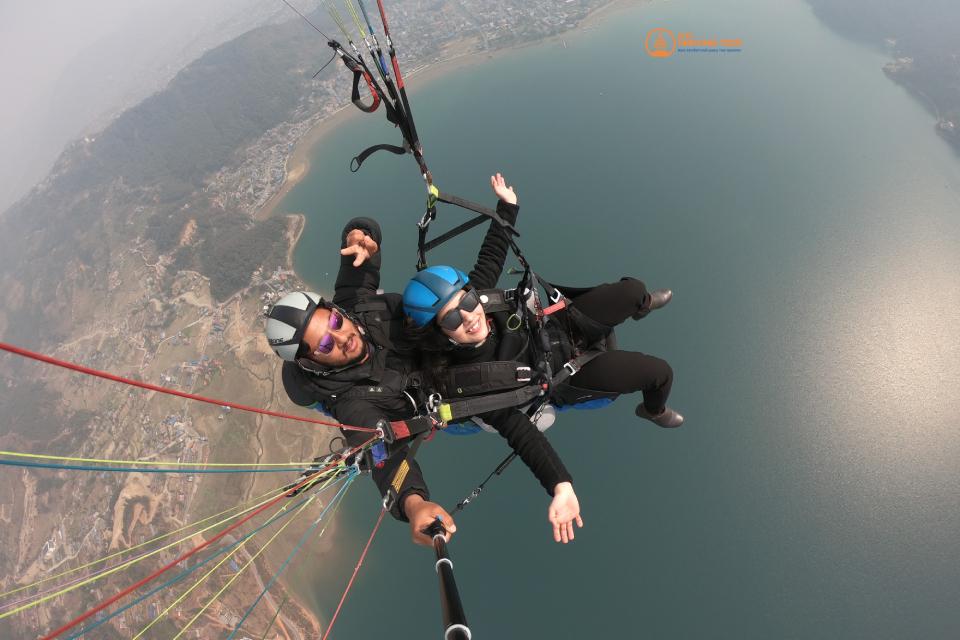
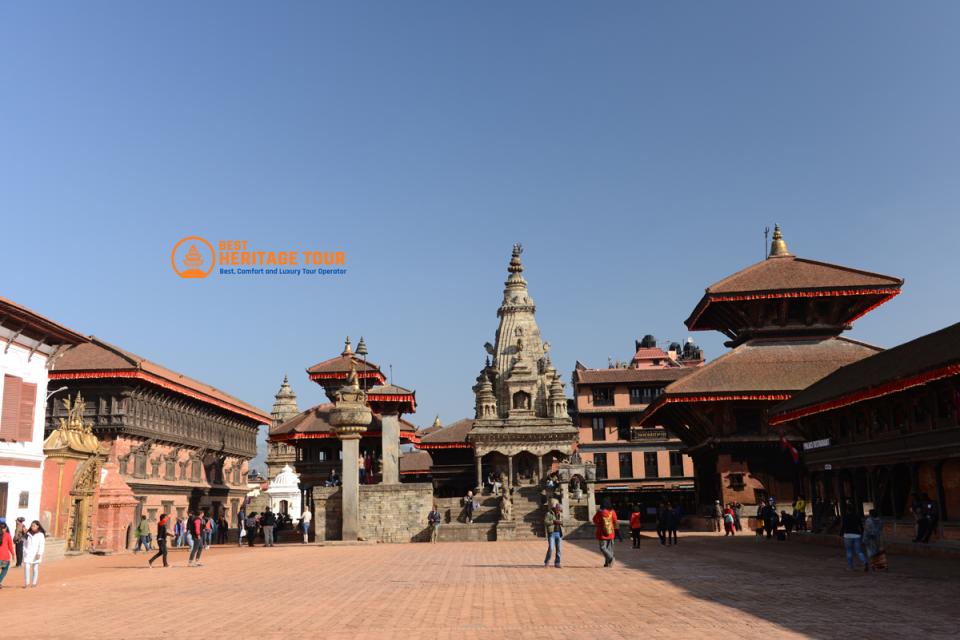
After completing the Annapurna Base Camp Short Trek, trekkers can extend their Nepal adventure with a variety of exciting experiences. We can arrange additional activities such as adventure sports in Pokhara, a guided Pokhara City Tour, cultural and heritage tours in Kathmandu and Lumbini, or wildlife-focused Jungle Safari programs in Chitwan and Bardiya National Parks. These extensions offer a perfect opportunity to explore Nepal’s natural beauty, rich culture, and diverse landscapes beyond the Himalayas.
Machhapuchhre Base Camp: The 2nd Best Viewpoint on the ABC Trek
While Annapurna Base Camp is the ultimate highlight of the trek, Machhapuchhre Base Camp (MBC) is widely regarded as the second-best viewpoint on the Annapurna Base Camp Trek. Located at an elevation of 3,700 meters (12,139 feet), MBC offers some of the most spectacular mountain views in the Annapurna Sanctuary. From MBC, trekkers can enjoy breathtaking views of Machhapuchhre (Fishtail), Annapurna South, Hiunchuli, Gangapurna, Annapurna III, and other surrounding mountains.
One of the reasons MBC is so special is its unique location. Unlike Annapurna Base Camp, which is often the final destination, MBC offers a quieter atmosphere where trekkers can fully appreciate the grandeur of the Himalayas without the crowds typically found at ABC.
Why is Machhapuchhre Base Camp So Special?
-
Close-up views of the iconic Machhapuchhre (Fishtail) Mountain
-
Panoramic Himalayan scenery in the heart of the Annapurna Sanctuary
-
Excellent sunrise and sunset photography opportunities
-
A dramatic transition from forested valleys to alpine landscapes
-
A peaceful mountain setting before reaching Annapurna Base Camp
For many trekkers, Machhapuchhre Base Camp is one of the most memorable sections of the entire journey and a destination worth appreciating rather than simply passing through on the way to Annapurna Base Camp.
Why Choose the ABC Short Trek Over the Standard ABC Trek?
The Annapurna Base Camp Short Trek is an excellent alternative for travelers who want to experience the beauty of the Annapurna Sanctuary but have limited time in Nepal. While the standard Annapurna Base Camp Trek typically takes 8-12 days, this shorter itinerary reaches the same destination in just 5 days without missing the trek's most iconic highlights.
Benefits of Choosing the ABC Short Trek
-
Reach Annapurna Base Camp in Just 5 Days
-
Perfect for Travelers with Limited Time
-
Visit Both MBC and ABC
-
Experience the Annapurna Sanctuary Without a Long Trek
-
Ideal for Fit Beginners and Experienced Trekkers
-
Lower Overall Trip Cost Compared to Longer Itineraries
-
Enjoy the Same Himalayan Views and Destination as the Standard ABC Trek
Can I Do the Annapurna Base Camp Trek Solo?
As per the latest trekking regulations in Nepal, foreign trekkers are required to trek with a licensed guide in most trekking regions, including the Annapurna region. Therefore, independent solo trekking without a guide is generally not permitted on the Annapurna Base Camp Trek.
However, solo travelers can still enjoy the Annapurna Base Camp Short Trek by booking a guided trek. In fact, many of our guests join this trek as solo travelers and enjoy the added safety, local knowledge, and convenience that come with having an experienced guide.
Benefits of Doing the ABC Short Trek with a Guide
-
Enhanced Safety in Remote Mountain Areas
-
Professional Support for Altitude and Health Monitoring
-
Easy Management of Permits and Logistics
-
Local Cultural and Regional Insights
-
Assistance During Emergencies or Unexpected Situations
-
Stress-Free Trekking Experience
At Best Heritage Tour, we regularly organize private and small-group departures for solo trekkers. Whether you are traveling alone or looking to join others, our experienced government-licensed guides ensure a safe, enjoyable, and memorable Annapurna Base Camp trekking experience.
Cultural Experience Along the Annapurna Base Camp Trail Trek
The Annapurna Base Camp Short Trek is not only a journey through spectacular Himalayan landscapes but also an opportunity to experience the rich culture and traditions of the Annapurna region. The route is primarily inhabited by Gurung and Magar communities, known for their warm hospitality, unique traditions, and strong connection to the Himalayas. Staying in locally operated teahouses allows trekkers to interact with local families, learn about mountain lifestyles, and experience authentic Nepali hospitality firsthand.
Cultural Highlights of the ABC Trek
-
Experience Traditional Gurung and Magar Culture
-
Stay in Family-Run Teahouses and Lodges
-
Enjoy Authentic Nepali Hospitality
-
Learn About Local Mountain Lifestyles
-
Taste Traditional Nepali Food and Drinks
-
Observe Rural Farming and Village Life
Wildlife and Flora Found on the Annapurna Base Camp Trek
The Annapurna Base Camp Short Trek passes through the heart of the Annapurna Conservation Area, Nepal's largest protected conservation region. Along the trail, trekkers experience a remarkable diversity of landscapes, ranging from subtropical forests and bamboo groves to alpine meadows and high-altitude mountain environments.
Flora Found on the ABC Trek
The lower and mid-sections of the trail are covered with lush forests that are particularly beautiful during the spring season.
Common plant species include:
-
Rhododendron Forests (Nepal's National Flower)
-
Bamboo Forests & Oak Trees
-
Pine Forests & Juniper Shrubs
-
Various Alpine Flowers and Mountain Plants
During March, April, and May, the blooming rhododendrons add vibrant colors to the trekking trail, creating one of the most scenic periods for visiting Annapurna Base Camp.
Wildlife Found on the ABC Trek
Although wildlife sightings are never guaranteed, trekkers may encounter several Himalayan species within the conservation area.
Some of the wildlife found in the region includes:
-
Himalayan Monal (Nepal's National Bird)
-
Langur Monkeys & Himalayan Tahr
-
Musk Deer & Barking Deer
-
Various Species of Eagles, Vultures, and Mountain Birds
Sunrise and Sunset Views on the Annapurna Base Camp Trek
One of the most unforgettable highlights of the Annapurna Base Camp Short Trek is witnessing the spectacular sunrise and sunset over the Himalayan peaks. As the first and last rays of sunlight illuminate the snow-capped mountains, the entire Annapurna Sanctuary transforms into a breathtaking panorama of golden, pink, and orange hues.
Among all viewpoints on the trek, Annapurna Base Camp (4,130 m) offers the most remarkable sunrise experience. Early in the morning, trekkers can watch the sun gradually light up Annapurna I, Annapurna South, Hiunchuli, Machhapuchhre, and surrounding peaks, creating one of the most iconic mountain scenes in Nepal.
Best Places for Sunrise and Sunset Views on the ABC Trek
-
Annapurna Base Camp (ABC): Best Viewpoint on the trek
-
Machhapuchhre Base Camp (MBC): Second Best Viewpoint on the trek
-
Deurali Area
Mountains Visible During Sunrise and Sunset on ABC Trek
-
Annapurna I (8,091 m)
-
Annapurna South (7,219 m)
-
Machhapuchhre / Fishtail (6,993 m)
-
Hiunchuli (6,441 m)
-
Gangapurna (7,455 m)
-
Annapurna III (7,555 m)
For photographers and nature lovers, the sunrise at Annapurna Base Camp is often regarded as the most rewarding moment of the entire trek and a memory that remains long after the journey ends.
Sustainable and Responsible Tourism in the Annapurna Region
The Annapurna Base Camp Short Trek passes through pristine forests, traditional mountain villages, and the fragile ecosystem of the Annapurna Conservation Area. We encourage trekkers to travel responsibly by minimizing plastic waste, carrying reusable water bottles, respecting local customs and religious sites, staying on designated trails, and supporting locally operated teahouses and communities along the route.
At Best Heritage Tour, we are committed to sustainable and responsible tourism practices. We follow the "Leave No Trace" principles on all our trekking programs and actively promote environmentally friendly travel in the Himalayas. As part of our commitment to conservation and sustainable tourism, we also plant a tree in the name of our travelers (upon request), helping contribute to a greener future for Nepal's mountain regions.
Frequently Asked Questions
Are there rest days included in the ABC Short Trek itinerary?
As it's a shorter trek, there are no designated rest days, but the pace is steady with plenty of breaks.
Do I need previous trekking experience?
Prior trekking experience is helpful but not mandatory. The trek is of moderate difficulty, and first-time trekkers can complete it with proper preparation.
Is the ABC Short Trek suitable for beginners?
Yes, this trek is feasible for beginners with a reasonable level of fitness. The key is proper preparation and taking the trek at your own pace. Hiring a guide is highly recommended for first-time trekkers to ensure safety and navigation.
Is there an age limit?
Trekkers aged 12-65 can generally participate, but a guardian must accompany minors, and trekkers over 65 may require a medical clearance.
What is the accommodation like during the ABC Short Trek?
Teahouses along the Annapurna Base Camp route are basic but comfortable, providing trekkers with a place to sleep, eat, and rest.
- Rooms: Usually twin-sharing rooms with basic beds, mattresses, and blankets. Rooms at higher altitudes tend to be more basic.
- Bathrooms: Shared, with squat or Western-style toilets. Hot showers are available in some places for an extra fee, but expect cold water in others.
- Electricity: Charging stations are available, but they often come with an additional fee. Solar power is common at higher altitudes.
Can I reserve private rooms?
Private rooms are available in teahouses at lower altitudes, but as you ascend, the availability of private rooms decreases. Early booking can improve your chances of securing a private space.
What kind of food is served?
- Local Cuisine: Dal Bhat, which consists of rice accompanied by lentil soup, is the most prevalent and substantial meal offered during the trek. It's also an unlimited serving meal in many teahouses, which is beneficial for hungry trekkers.
- Western Meals: Menus also offer basic Western-style meals like pasta, pizza, and pancakes. As one ascends, the quality and diversity of offerings diminish, with teahouses at higher altitudes prioritizing local cuisine.
Can I charge my phone or camera?
Yes, most teahouses offer charging stations for electronics, but this service comes with an extra fee, typically NPR 100-300 per device. Charging might be available only in the common dining area rather than in individual rooms.
Should I bring my own power bank?
Yes, bringing a portable power bank or solar charger is recommended, especially if you rely heavily on electronic devices for photography or navigation.
What should I pack for the ABC Short Trek?
Key items include:
- Layered clothing for variable weather.
- Good-quality trekking boots.
- A sleeping bag designed for low-temperature conditions.
- Wear sunglasses, use sunscreen, and put on a hat to shield yourself from the sun.
- A trekking pole and a daypack.
Do I need specialized trekking gear for the ABC Short Trek?
- Footwear: Durable, water-resistant hiking boots with solid ankle protection are essential.
- Backpack: A daypack (20-30 liters) for personal items like water, snacks, and camera. If you’re hiring a porter, they’ll carry your heavier load (15 kg max).
- Trekking poles: Highly recommended for stability on steep and uneven terrain.
- Sleeping Bag: While teahouses offer blankets, a sleeping bag rated for temperatures of -10°C (14°F) will ensure extra warmth.
Do I need to carry all my cash with me from the start?
Yes, it’s recommended to carry all the cash you’ll need for extra expenses (such as for snacks, water, tips, and extra services) during the trek. Make sure you have small denominations as change is not always available in teahouses or villages along the way.
How do I prevent altitude sickness?
Altitude sickness (Acute Mountain Sickness or AMS) can affect anyone trekking above 2,500 meters. To minimize risks:
- Hydrate: Consume a minimum of 3-4 liters of fluids daily.
- Pace Yourself: Walk slowly and avoid over-exertion.
- Acclimatize: This short trek does not have dedicated acclimatization days, so listen to your body. Guides monitor your health for any symptoms like headaches, dizziness, or nausea.
What about altitude sickness?
The trek does reach altitudes over 4,000 meters, so altitude sickness is a potential risk. Hydration, pacing, and acclimatization stops reduce this risk. Guides are trained to recognize symptoms.
Are there medical facilities on the trek?
Basic medical supplies are carried by guides, but more serious issues may require evacuation to Pokhara or Kathmandu.
What health precautions should I consider?
- Food and Water: Stick to boiled or purified water, and steer clear of uncooked vegetables and improperly cooked meals to avoid digestive problems.
- Travel Insurance: Make sure your insurance covers high-altitude trekking (above 4,000 meters) and emergency evacuation.
Can I charge my electronics?
Yes, but teahouses charge extra for electricity, and access may be limited at higher altitudes. A portable charger is recommended.
What currency is used during the trek
Nepalese Rupees (NPR) are used. It's best to carry enough cash, as ATMs are only available in major cities.
How do I get to Pokhara?
You can either take a 25-minute flight or a 6-7 hour bus ride from Kathmandu.
Is transportation included in the ABC Short Trek package?
Yes, transportation between Kathmandu, Pokhara, and the trekking trailheads is usually included.
Are domestic flights reliable?
Flights between Kathmandu and Pokhara are generally reliable, but weather conditions can sometimes cause delays.
What is the optimal time for trekking to Annapurna Base Camp
The best seasons are spring (March-May) and autumn (September-November) when the weather is clear, and temperatures are moderate.
Why choose the ABC Short Trek?
The ABC Short Trek offers a perfect balance between adventure and time efficiency. In just five days, trekkers get to:
- Witness some of the most iconic views of the Annapurna Range, including Annapurna I (8,091 meters), Machapuchare (6,993 meters), and Hiunchuli (6,441 meters).
- Discover the rich biodiversity of the Annapurna Conservation Area, which features vibrant rhododendron forests, lush bamboo groves, and a variety of rare wildlife.
- Engage with the local Gurung and Magar communities, fostering connections in villages such as Chhomrong and Jhinu Danda.
Are your guides fluent in English?
Yes, all our guides are fluent in English and many speak other languages. This facilitates clear communication and enhances your overall experience.
What English skills do I need to communicate with my guide?
Most trekking guides in Nepal speak basic to advanced English, which is enough for general communication about trekking and safety precautions. Some speak more fluent English, which will improve your overall trekking experience.
What exactly is the Short Trek to Annapurna Base Camp (ABC)?
The Annapurna Base Camp (ABC) Short Trek is a condensed version of the classic Annapurna Base Camp trek, designed for trekkers who are short on time but still want to experience the stunning landscapes and diverse culture of the Annapurna region. This trek leads you through dense forests, terraced farmlands, and picturesque Gurung villages, culminating in a spectacular view of the Annapurna Massif from the base camp itself, which sits at a level of 4,130 meters (13,550 feet).
Why choose the ABC Short Trek?
The ABC Short Trek offers a perfect balance between adventure and time efficiency. In just five days, trekkers get to:
- Witness some of the most iconic views of the Annapurna Range, including Annapurna I (8,091 meters), Machapuchare (6,993 meters), and Hiunchuli (6,441 meters).
- Discover the rich biodiversity of the Annapurna Conservation Area, which features vibrant rhododendron forests, lush bamboo groves, and a variety of rare wildlife.
- Engage with the local Gurung and Magar communities, fostering connections in villages such as Chhomrong and Jhinu Danda.
What are the key benefits of choosing "Best Heritage Tour" for the ABC Short Trek?
"Best Heritage Tour" provides a well-curated experience with attention to detail. Some of the benefits include:
- Experienced Local Guides: Knowledgeable guides who not only ensure your safety but also offer cultural insights and enrich your overall experience.
- Customized Itinerary: Flexibility to adjust the itinerary based on your pace and preferences.
- Focus on Safety: Proper acclimatization advice, first aid support, and carefully planned logistics ensure a safe trek.
- Cultural Immersion: Opportunities to experience local customs, traditions, and food in an authentic way.
How does this trek compare to the full Annapurna Circuit?
While the Annapurna Circuit Trek takes about 15-20 days and covers a broader area around the Annapurna Range, the ABC Short Trek focuses specifically on the journey to the Annapurna Base Camp itself. It's a shorter, less strenuous trek, making it suitable for people with time constraints or those who prefer a less demanding itinerary.
How challenging is the Annapurna Base Camp Short Trek?
It’s considered a moderate trek. While it does not require technical climbing skills, trekkers will face steep ascents and descents, and altitude poses additional challenges. You’ll need to be prepared to walk 5-6 hours a day, often on uneven terrain.
Is the ABC Short Trek safe and well-organized?
in terms of infrastructure. The trek is safe and well-organized, with:
- Experienced guides and porters to ensure your safety, help with navigation, and carry your heavy load.
- Regular teahouses along the route that provide food, accommodation, and other essential amenities.
- Well-marked trails and established routes that are frequently maintained.
What permits are required for the ABC Short Trek?
To embark on a trek in the Annapurna Conservation Area, two essential permits are required:
- Annapurna Conservation Area Permit (ACAP): This permit is required to enter and trek within the Annapurna region. The proceeds help conserve the area's environment and support local communities.
- Trekker’s Information Management System (TIMS): This card is issued to keep track of trekkers and ensure their safety while on the trail.
Both permits can be obtained in Kathmandu or Pokhara through trekking agencies or the Tourism Board offices.
What exactly is the Short Trek to Annapurna Base Camp (ABC)?
The Annapurna Base Camp (ABC) Short Trek is a condensed version of the classic Annapurna Base Camp trek, designed for trekkers who are short on time but still want to experience the stunning landscapes and diverse culture of the Annapurna region. This trek leads you through dense forests, terraced farmlands, and picturesque Gurung villages, culminating in a spectacular view of the Annapurna Massif from the base camp itself, which sits at a level of 4,130 meters (13,550 feet).
What are the typical weather conditions like during the ABC Short Trek?
Weather is one of the most important considerations. During the popular trekking seasons:
- Spring (March to May): Expect warm, sunny days with temperatures ranging from 10°C to 20°C (50°F - 68°F) at lower altitudes. It’s also the blooming season for rhododendrons, adding beauty to the landscape.
- Autumn (September to November): Clear skies, crisp air, and stable weather, making it the most preferred time for trekking. Daytime temperatures at lower altitudes are similar to spring, but evenings and mornings are cooler.
- Winter (December to February): Cold weather dominates, with temperatures often falling below freezing, especially at higher altitudes. Snowfall can block some parts of the trail.
- Monsoon (June to August): This season sees heavy rain and slippery trails, but the lower parts of the Annapurna region still offer good trekking opportunities.
How does the altitude of the ABC Trek affect the temperatures?
As you ascend, temperatures drop significantly. At the Annapurna Base Camp itself (4,130 meters), expect nighttime temperatures to range between -5°C to -10°C (23°F to 14°F), while daytime temperatures may stay around 5°C (41°F).
What are the temperatures like during the trek?
Temperatures vary by season and altitude:
- At lower elevations, temperatures typically range from 10°C to 20°C (50°F to 68°F).
- At higher altitudes (Base Camp): -5°C to 5°C (23°F to 41°F), but it can drop lower during the night.
Is it possible to trek during winter?
Yes, winter treks are possible, but the temperatures can drop significantly below freezing, and snow may block some routes.
What’s the nearest airport to start the ABC Trek?
Tribhuvan International Airport in Kathmandu serves as the primary gateway for travelers. From there, a domestic flight to Pokhara, the gateway to Annapurna, is needed.
Do I need a visa to trek in Nepal?
Yes, most nationalities require a tourist visa, which is easily available on arrival at Kathmandu airport or through an online application.
How do I get from Pokhara to the trek starting point?
The trek usually begins from Nayapul, which is a 1.5-hour drive from Pokhara.
What’s included in the trek cost?
The package generally encompasses lodging, meals provided during the trek, fees for guides and porters, necessary permits (ACAP and TIMS), as well as transportation from Kathmandu to Pokhara and to the trek's starting point.
What are the additional costs?
- International flights.
- Individual expenditures such as snacks, beverages, and mementos.
- Tips for guides and porters.
- Travel insurance (mandatory).