Mesokanto La Pass Trek - 12 Days
Start
1
Country
Nepal
Difficulty
Challenging
Destination
Mesokanto La Pass
Activity
Trekking
Accommodation
Teahouse & Camps
Meals
Breakfast, Lunch & Dinner
Transportation
Tourrist Bus / Jeep
Max Altitude
5,121m / 16,801ft
Group Size
1-10
Trip Starts
Kathmandu
Trip Ends
Kathmandu
Best Season
Sep-Nov & Mar-May
Overview
Key Highlights of the Mesokanto La Pass Trek
- Cross the thrilling Mesokanto La Pass (5,121m), one of the most remote high passes in Nepal
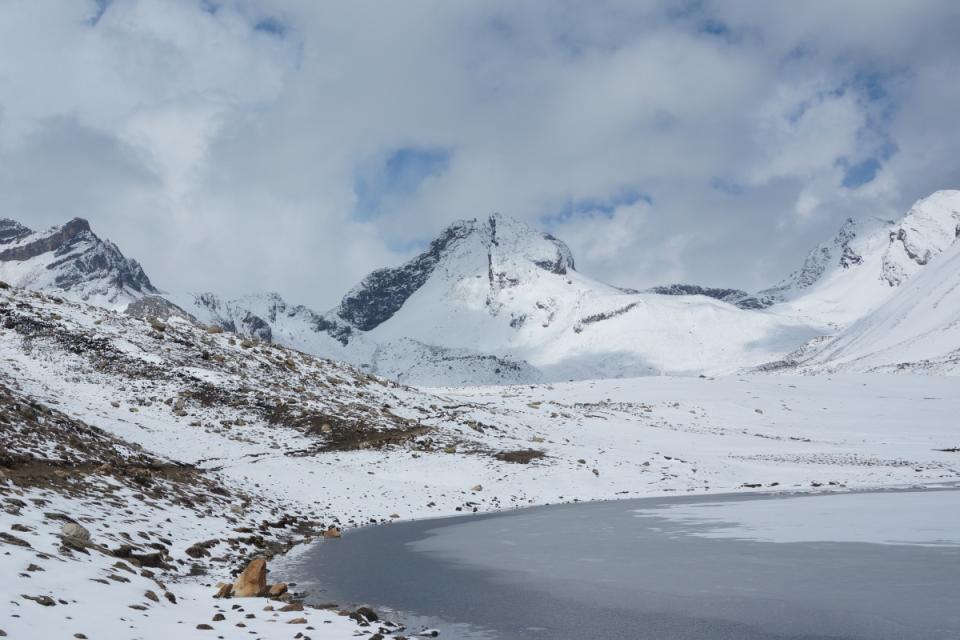
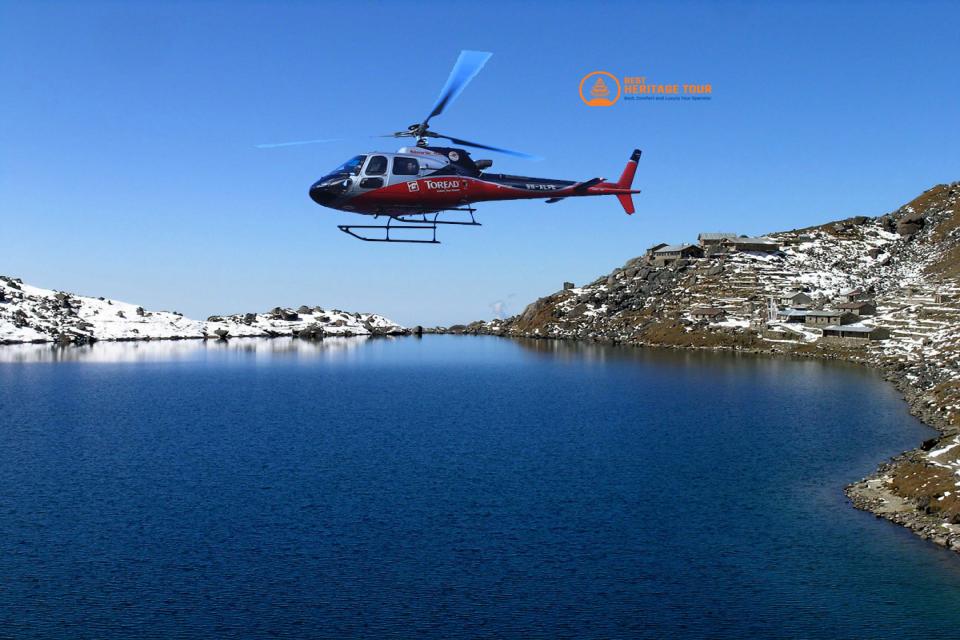
- Stand on the shores of the World’s Highest Lake - Tilicho Lake (4,919m), famous for its deep turquoise waters
- Bypass the standard Annapurna Circuit crowds by navigating the remote and technical Mesokanto La Pass (5,121m).
- Witness the dramatic shift from lush rhododendron forests in Chame to the arid, desert-like canyons of the Mustang District.
- Explore the ancient Buddhist monasteries and unique traditions of the Manang and Thakali people.
- Capture breathtaking views of the Annapurna Massif, Dhaulagiri (8,167m), and the unique Nilgiri mountain range.
- Seamlessly transition from the traditional Manangi tea houses to the raw excitement of high-altitude wilderness camping
- Perfect blend of adventure, isolation, and breathtaking Himalayan scenery
Why Choose Best Heritage Tour for Your Mesokanto La Pass Trek?
- Free airport pick-up and drop-off service
- Online pre-trip briefing and booking confirmation for better preparation
- Multiple communication channels (Phone, Email, WhatsApp, Viber) for easy support
- 24/7 customer support available at +977-9851149197 / +977-9810043046
- Simple and secure payment options including Cash, Card & Bank Transfer
- Provide essential medical kit and oximeter to monitor oxygen levels at high altitude
- Complimentary duffle bag and sleeping bag (used one & to be returned after the trek)
- Free luggage storage facility at Best Heritage Tour store during the trek
- We plant a tree in the name of travelers (upon request), as a part of our commitment to sustainable tourism
Mesokanto La Pass Trek Route Overview
The Mesokanto La Pass Trek is one of the most adventurous and less-traveled high-altitude trekking routes in Nepal, designed for trekkers who seek raw Himalayan wilderness beyond the popular trails. Operated by Best Heritage Tour, this expedition offers a unique combination of cultural exploration, alpine trekking, and a challenging high mountain pass crossing that connects the Manang region with the Mustang valley.
The journey begins with a scenic drive from Kathmandu to Besisahar and continues by jeep toward Chame, gradually entering the heart of the Annapurna region. As the trek progresses through Pisang and Manang, trekkers witness a dramatic transformation in landscape - from lush green valleys and pine forests to dry, rugged, and alpine desert-like terrain. Manang serves as an essential acclimatization stop, allowing trekkers to adjust to increasing altitude while exploring the rich Tibetan-influenced mountain culture.
From Manang, the trail diverges toward the remote Tilicho region, leading to Shree Kharka and onward to Tilicho Base Camp. This section of the trek introduces trekkers to some of the most dramatic Himalayan scenery, including glacial valleys and steep mountain walls. A rest day at Tilicho Base Camp ensures proper acclimatization before ascending to High Camp, where the real expedition begins. Reaching the shores of Tilicho Lake at 4,919m is an achievement in itself, as you stand before one of the highest lakes on Earth, surrounded by the towering white walls of the Tilicho Peak.
The highlight of the journey is the crossing of Mesokanto La Pass (5,121m ), a demanding and technical high pass that rewards trekkers with breathtaking panoramic views of the Annapurna and Mustang ranges. After descending from the pass, the route leads toward Yak Kharka and eventually to Jomsom, marking the transition into the drier landscapes of Lower Mustang.
The trek concludes with a scenic drive from Jomsom to Pokhara and onward to Kathmandu, completing an unforgettable Himalayan adventure. The Mesokanto La Pass Trek is ideal for experienced trekkers seeking isolation, challenge, and untouched natural beauty in one of Nepal’s most spectacular regions.
What Can One Expect During the Mesokanto La Pass Trek?
1. Remote Himalayan Wilderness
Trekkers can expect complete immersion into remote Himalayan landscapes far away from crowded routes. The trail passes through isolated valleys, rocky terrains, and high alpine zones where nature remains untouched. With Best Heritage Tour, this journey offers solitude, raw beauty, and a true sense of adventure in Nepal’s less-explored Annapurna region.
2. The Thrill of Wilderness Camping
This trek includes multiple nights of camping in remote locations such as Tilicho High Camp and near Mesokanto La Pass. Expect basic but safe camping setups surrounded by dramatic mountains. Nights are cold and quiet, offering a genuine expedition-style experience under star-filled Himalayan skies with full logistical support from the trekking crew.
3. Challenging Mountain Pass Crossing
One of the major highlights is crossing the Mesokanto La Pass above 5,000 meters. Trekkers should expect steep ascents, icy trails, and physically demanding conditions. However, the reward is breathtaking panoramic views of the Annapurna and Mustang ranges, making the effort deeply satisfying and unforgettable for adventure seekers.
4. Scenic Himalayan Diversity
Throughout the trek, expect dramatic changes in scenery - from lush forests and traditional villages to barren alpine deserts and glacier-fed valleys. Each day presents a new landscape, making the journey visually rich and diverse. The route offers some of the most striking mountain views in the entire Annapurna region.
5. A Transition of Climates
Prepare for dramatic environmental shifts within just a few days. You will start in sub-tropical foothills, move through alpine meadows, and eventually enter the arid rain-shadow of the Mustang region. This means packing for a variety of weather conditions - from warm, sun-drenched afternoons in the lower valleys to freezing, sub-zero temperatures as you approach the high camping sites and passes.
6. Authentic Cultural Encounters
Traveling through the Manang and Mustang districts provides a deep dive into ancient Tibeto-Buddhist traditions. You will pass through villages adorned with colorful prayer flags, spinning mani wheels, and ancient monasteries. Witness the daily lives of the Manangi and Thakali people, whose hospitality and resilient mountain culture have remained steadfast despite the harsh environment and increasing flow of tourism.
Are You Ready for the Mesokanto La Pass Trek?
The Mesokanto La Pass Trek is not just another Himalayan walk - it is a true high-altitude expedition that demands physical endurance, mental resilience, and a genuine spirit of adventure. Trekkers should be comfortable walking long hours on steep, rugged terrain above 5,000 meters, where the air is thin and conditions can be challenging. A steady pace, proper acclimatization, and the ability to handle basic camping conditions are essential for a safe and enjoyable journey.
Beyond fitness, mental strength plays an equally important role. A positive mindset, patience, and adaptability will help you embrace these conditions rather than resist them. Experience in high-altitude trekking is highly recommended, as acclimatization and altitude awareness are crucial for safety.
Most importantly, this trek requires a deep love for nature and exploration. It is for those who are willing to disconnect from comfort and immerse themselves in raw Himalayan beauty - glaciers, rugged passes, silent valleys, and star-filled skies. If you are someone who seeks meaning in challenge, values untouched landscapes, and is ready to step beyond conventional trekking routes, then this journey is absolutely for you.
Itinerary
1Day 1: Drive from Kathmandu (1,350m / 4,429ft) to Besisahar (760m / 2,493ft) then to Chame (2,670m / 8,760ft)
The journey begins with a long but fascinating drive through Trishuli River bank, following the winding Prithvi Highway to Besisahar. Besisahar offers a vibrant tapestry of rural life - terraced emerald rice paddies, roadside markets, and rushing waterfalls. From Besisahar, you will board a rugged 4WD Jeep for the climb into the Marsyangdi Valley, the road turns into a thrilling mountain track. You will feel the air grow cooler and crisp, replaced by the scent of pine and the sight of the roaring river far below.
The drive is a true Himalayan introduction, navigating steep cliffs and passing through traditional stone villages like Tal and Dharapani. Reaching Chame, the administrative headquarters of Manang, you are greeted by the magnificent sight of Lamjung Himal and Annapurna II towering over the valley. The town is famous for its natural hot springs and the rhythmic sound of the Marsyangdi River that echoes through the streets.
2Day 2: Trek from Chame (2,670m / 8,760ft) to Pisang (3,200m / 10,498ft)
The day begins with a gentle climb through deep, fragrant forests of pine and fir. As we leave Chame, the trail stays close to the riverbank, crossing and re-crossing the Marsyangdi via suspension bridges. The highlight of the morning is the dramatic sight of Paungda Danda - a massive, smooth rock face that rises over 1,500 meters from the riverbed, known to locals as the "Gateway to Heaven."
As we continue toward Upper Pisang, the landscape begins to transform from lush greenery into a more arid, alpine environment. The air becomes noticeably thinner and drier, and the architecture of the villages shifts toward the flat-roofed, Tibetan-influenced style characteristic of the Manang region. Upon arriving in Pisang, you are rewarded with a breathtaking, eye-level view of Annapurna II.
3Day 3: Trek from Pisang (3,200m / 10,498ft) to Manang (3,540m / 11,614ft)
Today’s trek offers a stunning transition into the heart of the Manang Valley, where the climate becomes drier and more reminiscent of the Tibetan plateau. Along the way, we pass through the ancient village of Ngawal, where the sight of traditional stone houses and intricately carved mani walls provides a deep sense of the region's Buddhist heritage. The path offers a constant panoramic view of Annapurna II, III, and IV, standing like sentinels over the valley floor.
As we approach Manang, the valley widens significantly, revealing a patchwork of fields where locals grow hardy crops like buckwheat and potatoes. The descent into the main village of Manang is greeted by the sight of the grand Gangapurna Glacier spilling down from the mountains. This bustling mountain hub is a maze of narrow alleys, chortens, and prayer flags fluttering in the breeze. Arriving in Manang feels like stepping back in time, yet the village offers surprisingly modern comforts, providing the perfect sanctuary to rest and prepare for the higher altitudes awaiting us at Tilicho.
4Day 4: Rest and Acclimatization at Manang (3,540m / 11,614ft)
Today is intentionally designed to be a "climb high, sleep low" day, allowing your respiratory system to adapt to the reduced oxygen levels. We typically spend the morning hiking up to the Gangapurna Lake viewpoint or the higher slopes near the Vraga Monastery. From these vantage points, the view of the Annapurna range is staggering, offering a birds-eye perspective of the glacial moraines and the turquoise meltwater lakes that dot the valley floor.
In the afternoon, the village offers a unique blend of cultural exploration and relaxation. You can visit the Himalayan Rescue Association (HRA) clinic to attend an informative briefing on mountain sickness or wander through the old town to watch locals spinning prayer wheels. The atmosphere in Manang is one of shared adventure, as trekkers from around the world gather to prepare for their respective crossings. Resting here ensures that your energy levels are replenished and your body is primed for the steep ascent toward the Tilicho region starting tomorrow.
5Day 5: Trek from Manang (3,540m / 11,614ft) to Shree Kharka (4,060m / 13,320ft)
After a restorative rest in Manang, we diverge from the popular Annapurna Circuit trail and head toward the more secluded Tilicho region. As we ascend, the valley narrows and the terrain becomes more rugged and dramatic. We pass through the ruins of Old Khangsar, a traditional village that feels frozen in time, offering a hauntingly beautiful glimpse into the history of the Manangi people.
The trek toward Shree Kharka provides some of the most striking views of the "Great Barrier" - a massive, vertical wall of rock and ice that connects the surrounding high peaks. The trail is carved into the hillside, offering breathtaking exposure and a true sense of being deep within the high Himalayas. Upon reaching Shree Kharka, the atmosphere changes to one of quiet solitude. This settlement serves as a vital gateway for those venturing toward the world’s highest lake. The evening here is typically peaceful, with the shadows of the Annapurna range stretching across the valley as we prepare for the technical trails ahead.
6Day 6: Trek from Shree Kharka (4,060m / 13,320ft) to Tilicho Base Camp (4,150m / 13,615ft)
Today’s trek is one of the most visually dramatic and geologically fascinating segments of the entire journey. As we leave Shree Kharka, the trail winds along steep, high ridges that overlook the deep valley carved by the Thorong Khola. The path eventually leads us into the "Landslide Area," a world-renowned section of trail where the terrain consists of towering, wind-eroded pinnacles and steep slopes of fine shale and scree. Our experienced guides ensure a steady pace through this narrow, photogenic path.
Despite the rugged nature of the terrain, the walk is exhilarating. You will find yourself surrounded by a cathedral of rock, with the massive Tilicho Peak (7,134m) looming ever closer. The trail eventually descends gently into a hidden pocket of the mountains where Tilicho Base Camp is nestled. Reaching the base camp feels like entering a sanctuary at the edge of the world. The air is thin and crisp, and the surrounding peaks create a natural fortress of ice and stone.
7Day 7: Rest and Acclimatization at Tilicho Base Camp (4,150m / 13,615ft) with visit to Tilicho Lake (4,919m / 16,138ft)
While this is officially a "rest" day, it is often the most memorable part of the expedition. We use this time to make the side trip to the magnificent Tilicho Lake (4,919m), one of the highest lakes in the world. The climb from the base camp is a steady, zig-zagging ascent through high-altitude terrain, but the reward is incomparable. Reaching the crest, the lake reveals itself as a massive, frozen-blue jewel tucked beneath the towering "Great Barrier."
Spending time at the lake is not just a visual highlight; it is a critical part of our final acclimatization strategy. By spending several hours at nearly 5,000 meters before returning to the base camp for the night, we prepare our bodies for the even higher crossing of the Mesokanto La. The afternoon is spent resting at the base camp, hydrating, and checking our gear. Our crew will provide a detailed briefing for the upcoming camping portion of our journey, ensuring everyone feels confident and ready for the wild crossing ahead.
8Day 8: Trek from Tilicho Base Camp (4,150m / 13,615ft) to Tilicho High Camp (4,900m / 16,076ft)
Today marks our transition into the true wilderness as we leave the comfort of the tea houses behind. The trail ascends steeply from the base camp, moving through rugged, high-alpine terrain where the vegetation disappears, replaced by a world of rock and ice. This is a shorter but demanding day, designed to position us perfectly for the pass crossing tomorrow. As we climb, the perspective of the surrounding peaks shifts, offering even more intimate views of the Tilicho Peak and the massive, glittering glaciers that feed the lake below.
Reaching the Tilicho High Camp is a moment of pure expeditionary thrill. Here, our professional crew sets up a secure campsite in a sheltered area, providing high-quality tents and preparing hot, nutritious meals to sustain you in the sub-zero temperatures. The evening is spent resting and hydrating as the sun sets behind the Dhaulagiri range, painting the sky in shades of deep purple and gold, signaling the start of our high-altitude camping adventure.
9Day 9: Cross Mesokanto La Pass (5,121m / 16,801ft) and descend to Yak Kharka (4,200m / 13,779ft)
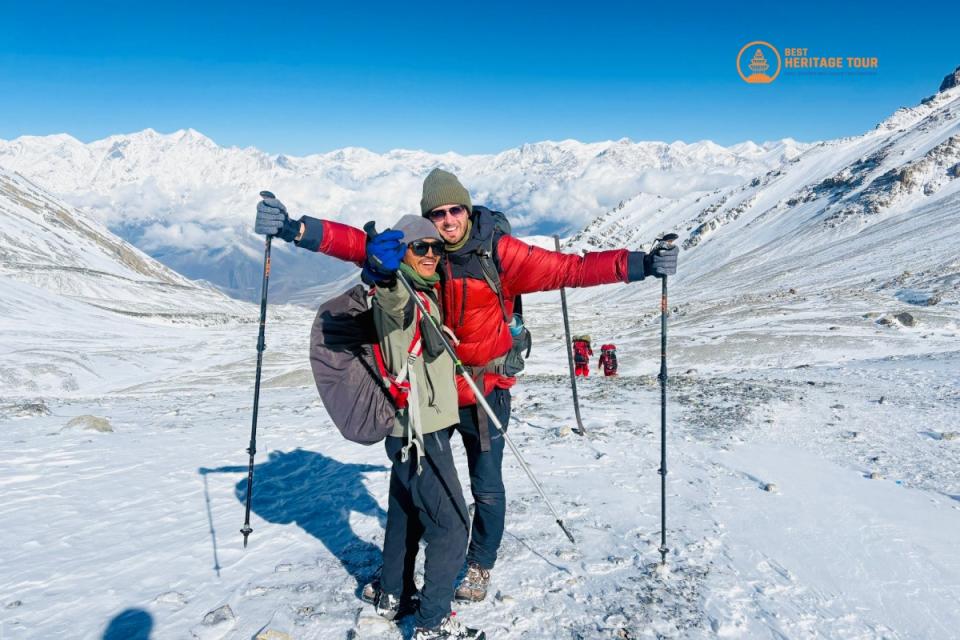
This is the most challenging and most rewarding day of the journey. We begin before dawn, using headlamps to navigate the steep, icy slopes as the first light of day touches the summits of the Annapurna range. The ascent to the Mesokanto La Pass (5,121m) is a true test of endurance, involving steady movement over rocky moraines and snow patches. Reaching the prayer-flag-strewn summit is a spiritual victory; from this high vantage point, the horizon opens up to reveal the staggering massifs of Dhaulagiri and Nilgiri, standing as silent giants across the deep Kali Gandaki Valley.
The descent from the pass is steep and technical, requiring focus and the steady guidance of our experienced team as we drop toward the Mustang side of the range. The terrain slowly shifts from harsh glacial debris to high-altitude pastures where the air begins to feel noticeably thicker. We eventually reach the meadows of Yak Kharka (Phedi), a serene grazing ground used by local herders. After a grueling but exhilarating day, the sense of accomplishment is profound as we settle into our campsite, surrounded by the shadows of the peaks we just conquered, enjoying a well-earned meal under the vast Himalayan sky.
10Day 10: Trek from Yak Kharka (4,200m / 13,779ft) to Jomsom (2,720m / 8,924ft)
The journey today is a dramatic descent into the rain-shadow landscape of the Lower Mustang region. Leaving the high pastures of Yak Kharka behind, we follow a trail that winds down steep ridges, offering bird’s-eye views of the Kali Gandaki River - the deepest gorge in the world. As we lose altitude, the air grows warmer and the iconic Nilgiri peaks stand guard to our left, providing a stunning contrast to the dusty valley floor below.
As we approach Jomsom, the trail leads us through thin forests of blue pine and eventually into the wide, windy valley of the Kali Gandaki. Jomsom is the bustling administrative center of Mustang, famous for its strong afternoon winds and delicious local apples. Tonight, we trade our tents for the comfort of a local lodge, where we can celebrate our crossing of the Mesokanto La with a traditional Thakali feast and a toast of local apple brandy.
11Day 11: Drive from Jomsom (2,720m / 8,924ft) to Pokhara (822m / 2,697ft)
After days of traversing the high-altitude wilderness, today we board a vehicle for a drive through the Kali Gandaki Valley, navigating the world’s deepest gorge nestled between two eight-thousand-meter giants: Annapurna I and Dhaulagiri. The road passes through the waterfalls and ancient stone villages like Marpha and Tatopani. As we descend, the arid, Tibetan-like terrain of Mustang gradually gives way to emerald-green forests and vibrant terraced farmlands.
Arriving in Pokhara, the "City of Lakes," feels like entering a different world. This evening is yours to enjoy at a leisurely pace - whether that means a celebratory dinner at a lakeside restaurant, a soothing massage to recover your tired muscles, or simply relaxing by the water.
12Day 12: Drive from Pokhara (822m / 2,697ft) to Kathmandu (1,350m / 4,429ft)
The final day of our expedition involves a scenic drive back to the capital city, following the lifelines of central Nepal: the Marsyangdi and Trishuli Rivers. Upon arriving in Kathmandu, the organized chaos and rich aromas of the city provide a sharp contrast to the silent, thin air of the Mesokanto La. Our team will escort you to your hotel, where you can finally enjoy a long, hot shower and the comfort of the city. In the evening, we gather for a farewell dinner to share stories from the trail and celebrate the bonds formed during the trek.
Cost Includes / Excludes
Included
- PRIVATE AIRPORT PICK-UP & DROP : Airport - Hotel transfer - Airport (Pick Up and Drop).
- MEMBER TRANSPORTATION :
- Tourist Bus : Transportation in a standard tourist bus from Kathmandu to Besisahar and while returning from Pokhara to Kathmandu.
- Sharing Jeep : Transportation in a sharing jeep from Besisahar to Chame and while returning from Jomsom to Pokhara.
- ACCOMMODATION :
- In Pokhara : 1 night in Pokhara in a 3-star hotel on a bed & breakfast basis.
- During Trek: Best available accommodation in mountain lodges and tea houses during the trek.
- At Tilicho High Camp & Yak Kharka: Accommodation in a fully supported tented camps with complete camping arrangements.
- FOOD : 3 meals a day (breakfast, lunch, and dinner; including tea/coffee) during the trek, with Ef-Chlor purification tablets provided for safe drinking water.
- GUIDE : One experienced government licensed trekking guide (English speaking) during the trek.
- MANDATORY PORTER : One experienced porter to carry the necessary camping equipments & essentials.
- STAFF SALARY AND ALLOWANCE : All trekking staff wages, salary, equipment, food & clothing.
- PERMITS : All necessary paper works : ACAP, TIMS Cars & other entry fee.
- STAFF INSURANCE : Insurance for all involved trekking staff during the trek.
- CAMPING ESSENTIALS : Necessary equipment including tents, kitchen tent, dining tent, toilet tent, table, chairs, cooking utensils, and other equipment required during the trek
- GEAR (IF NEEDED) : Sleeping bag, down jacket, and duffle bag (to be returned after the trek).
- MEDICAL KIT : A well equipped first aid kit, including an oximeter and emergency oxygen, carried by the guide for your safety.
- IN CASE OF EMERGENCY : Assistance in rescue operations in case of emergency covered by travel insurance.
- SOUVENIR : Best Heritage Tour’s Appreciation Certificate after the successful trek & Purse, an authentic Nepali product made from hemp.
- FAREWELL DINNER : A farewell dinner with an authentic cultural program after completion of the trek.
Excluded
- INTERNATIONAL AIRFARE : International flight airfare (from and to Kathmandu).
- NEPAL VISA FEES : You may issue the visa upon your arrival at Tribhuvan International Airport - Kathmandu or apply manually in your home country.
- TRASNPORTATION IN PRIVATE JEEP : Private Jeep transportation will be arranged on request from Besisahar to Chame and from Jomsom to Pokhara.
- ACCOMMODATION & MEALS : Accommodation and meals in Kathmandu before and after the trek. Lunch & Dinner in Pokhara
- INSURANCE POLICY : Travel insurance covering medical expenses and high-altitude evacuation is mandatory. If you do not have suitable coverage, we can also assist in arranging travel insurance for you upon your arrival in Nepal. Check Over Here
- PERSONAL EXPENSES : Clothing & gears, telephone, internet, toiletries, hot shower, laundry, soft drinks and any Alcoholic beverages.
- OPTIONAL PORTER SERVICE : USD 22 per day, including all taxes (each porter can carry up to 25 kg of luggage).
- TIPS : Tips for guide and porters.
- EXTRA : Any additional costs due to factors beyond our control, or for services not specifically mentioned in the Itinerary & Included section.
- TAXES & SERVICE CHARGE : All government taxes (13%) and service charge (10%).
Trip Info
Useful Information About the Mesokanto La Pass Trek
The Mesokanto La Pass Trek is a strenuous high-altitude adventure combining the classic Annapurna region with the remote landscapes around Tilicho Lake and the challenging Mesokanto La Pass. The information below covers the key details you need to know before starting the trek, including transportation, accommodation, meals, altitude, difficulty, acclimatization, health and safety, personal expenses, etc.
Airport Pick-Up and Trip Briefing for Mesokanto La Pass Trek
Upon your arrival at Tribhuvan International Airport in Kathmandu, our representative from Best Heritage Tour will be waiting for you in the arrival area holding a pamphlet with your name. Our representative will greet you with a traditional Khada (ceremonial scarf) as a symbol of goodwill and respect.
After the warm welcome, you will be comfortably transferred to your hotel in Kathmandu by private vehicle. The type of vehicle provided depends on your group size.
Please note that hotel accommodation in Kathmandu is not included in the standard Mesokanto La Pass Trek package. However, hotel arrangements can be added upon request, and Best Heritage Tour can assist in booking suitable accommodation based on your preferences and budget.
Trip Briefing Session for Mesokanto La Pass Trek
Before the trek begins, we conduct a detailed trip briefing session at our office in Thamel. The session helps you understand the itinerary, high-altitude conditions, required equipment, and important safety procedures. Our team will:
-
Explain the complete itinerary, daily routes, and altitude progression.
-
Provide information about trail conditions and expected weather.
-
Guide you through the required trekking gear and equipment.
-
Introduce your experienced trekking guide and porter (if included).
-
Explain acclimatization requirements and high-altitude safety practices.
-
Clarify any last-minute questions, concerns, or special requirements before departure.
What Type of Transportation is Used for the Mesokanto La Pass Trek?
The Mesokanto La Pass Trek uses both tourist buses and sharing jeeps to connect the major destinations before and after the trek. At Best Heritage Tour, we arrange all ground transportation included in the standard package, ensuring a comfortable journey on highways and reliable access to the rugged mountain roads of the Annapurna region.
Tourist Bus
We provide transportation in a standard tourist bus from Kathmandu to Besisahar at the beginning of the trek and from Pokhara to Kathmandu after completing the adventure. Tourist buses offer a convenient and affordable way to travel in Nepal.
Sharing Jeep
From Besisahar to Chame, we arrange transportation in a sharing jeep as the mountain road becomes rough and unpaved. After completing the trek, another sharing jeep transfers trekkers from Jomsom to Pokhara.
Note: If you prefer a more comfortable and flexible journey, Best Heritage Tour can also arrange a private jeep at an additional cost. Please let us know your preference when booking the trek, and we will be happy to customize the transportation to suit your needs.
Transportation Summary
|
Type of Vehicle |
Route |
Approx. Distance |
Travel Time |
|
Tourist Bus |
Kathmandu → Besisahar (Day 1) |
175 km / 109 miles |
6-7 hours |
|
Pokhara → Kathmandu (Day 12) |
200 km / 124 miles |
7-8 hours |
|
|
Sharing Jeep |
Besisahar → Chame (Day 1) |
65 km / 40 miles |
4-5 hours |
|
Jomsom → Pokhara (Day 11) |
155 km / 96 miles |
6-7 hours |
Note: Road distance and travel time can vary depending on road conditions, traffic, weather, construction, and seasonal conditions.
What is the Maximum Altitude Reached on the Mesokanto La Pass Trek?
The highest point of the Mesokanto La Pass Trek is Mesokanto La Pass, which stands at 5,121 meters (16,801 feet) above sea level. Crossing this high mountain pass is the most challenging and rewarding part of the trek, offering breathtaking panoramic views of the Annapurna and Dhaulagiri mountain ranges before descending toward the Mustang region.
What is the Altitude of Tilicho Lake?
Tilicho Lake is situated at an altitude of 4,919 meters (16,138 feet) above sea level, making it one of the world's highest alpine lakes. Surrounded by towering snow-capped peaks, the lake is one of the major highlights of the Mesokanto La Pass Trek and is visited during the acclimatization day at Tilicho Base Camp before ascending toward the pass.
What is the Altitude of Mesokanto La Pass?
Mesokanto La Pass reaches an elevation of 5,121 meters (16,801 feet), making it the highest point of this trek according to our itinerary. Crossing the pass requires an early morning start and favorable weather conditions, rewarding trekkers with spectacular Himalayan views and an unforgettable high-altitude adventure.
What is the Altitude of Tilicho Base Camp & Tilicho High Camp?
Before crossing Mesokanto La Pass, trekkers spend time at two important overnight stops to aid acclimatization:
-
Tilicho Base Camp: 4,150 meters (13,615 feet)
-
Tilicho High Camp: 4,900 meters (16,076 feet)
These overnight stops allow trekkers to gradually adapt to the higher elevation while preparing for the challenging ascent to Mesokanto La Pass.
Day-by-Day Elevation Breakdown During Mesokanto La Pass Trek
To help our guests understand the altitude progression throughout the trek, here is the maximum elevation reached on each day of our 12-day Mesokanto La Pass Trek itinerary:
|
Day |
Trail Section |
Maximum Altitude Reached |
|---|---|---|
|
Day 1 |
Kathmandu → Besisahar → Chame |
2,670 m / 8,760 ft |
|
Day 2 |
Chame → Pisang |
3,200 m / 10,498 ft |
|
Day 3 |
Pisang → Manang |
3,540 m / 11,614 ft |
|
Day 4 |
Acclimatization at Manang |
3,540 m / 11,614 ft |
|
Day 5 |
Manang → Shree Kharka |
4,060 m / 13,320 ft |
|
Day 6 |
Shree Kharka → Tilicho Base Camp |
4,150 m / 13,615 ft |
|
Day 7 |
Tilicho Base Camp → Tilicho Lake |
4,919 m / 16,138 ft |
|
Day 8 |
Tilicho Base Camp → Tilicho High Camp |
4,900 m / 16,076 ft |
|
Day 9 |
Tilicho High Camp → Mesokanto La Pass → Yak Kharka |
5,121 m / 16,801 ft |
|
Day 10 |
Yak Kharka → Jomsom |
4,200 m / 13,779 ft |
|
Day 11 |
Jomsom → Pokhara |
2,720 m / 8,924 ft |
|
Day 12 |
Pokhara → Kathmandu |
1,350 m / 4,429 ft |
What Is the Distance Covered on Each Day During the Mesokanto La Pass Trek?
The Mesokanto La Pass Trek covers a combination of scenic mountain drives and challenging high-altitude trekking trails through the Annapurna and Mustang regions. Including both road transportation and trekking sections, the total distance covered during the trek is approximately 650 km (404 miles).
What Is the Total Driving Distance on the Mesokanto La Pass Trek?
The total driving distance on this trek is approximately 595 km (370 miles), including the all the major road journeys. The road sections are covered by tourist bus and sharing jeep according to the standard transportation arrangement of the package.
What Is the Total Trekking Distance Covered on the Mesokanto La Pass Trek?
The total trekking distance is approximately 55 km (34 miles). The trekking route begins from Chame and gradually ascends through the Manang Valley toward the high-altitude landscapes around Tilicho Lake. After visiting Tilicho Lake and reaching Tilicho High Camp, the route crosses Mesokanto La Pass at 5,121 m (16,801 ft) before descending toward Yak Kharka and Jomsom.
Day-by-Day Distance & Walking Time on Mesokanto La Pass Trek
|
Day |
Specific Route Segment |
Distance Covered |
Duration |
|---|---|---|---|
|
Day 1 |
Kathmandu → Besisahar → Chame (Drive) |
~240 km / 149 miles |
10-12 Hours |
|
Day 2 |
Chame → Pisang (Trek) |
~15 km / 9.3 miles |
5-6 Hours |
|
Day 3 |
Pisang → Manang (Trek) |
~16 km / 9.9 miles |
5-6 Hours |
|
Day 4 |
Acclimatization at Manang |
|
Acclimatization |
|
Day 5 |
Manang → Shree Kharka (Trek) |
~11 km / 6.8 miles |
5-6 Hours |
|
Day 6 |
Shree Kharka → Tilicho Base Camp (Trek) |
~8 km / 5 miles |
4-5 Hours |
|
Day 7 |
Tilicho Base Camp → Tilicho Lake → Tilicho Base Camp (Trek) |
~10 km / 6.2 miles |
6-7 Hours |
|
Day 8 |
Tilicho Base Camp → Tilicho High Camp (Trek) |
~5 km / 3.1 miles |
4-5 Hours |
|
Day 9 |
Tilicho High Camp → Mesokanto La Pass → Yak Kharka (Trek) |
~14 km / 8.7 miles |
8-10 Hours |
|
Day 10 |
Yak Kharka → Jomsom (Trek) |
~15 km / 9.3 miles |
5-6 Hours |
|
Day 11 |
Jomsom → Pokhara (Drive) |
~155 km / 96 miles |
6-7 Hours |
|
Day 12 |
Pokhara → Kathmandu (Drive) |
~200 km / 124 miles |
7-8 Hours |
Note: Distances and trekking durations are approximate and may vary depending on trail conditions, weather, road conditions, route variations, and individual walking pace. The high-altitude section from Tilicho High Camp across Mesokanto La Pass can take longer depending on snow, ice, and overall mountain conditions.
What Type of Accommodation is Available on the Mesokanto La Pass Trek?
Accommodation on the Mesokanto La Pass Trek is a mix of 3-star hotels, mountain lodges, teahouses, and tents, depending on the location and altitude. At Best Heritage Tour, we arrange comfortable and practical accommodation throughout the journey while adapting to the facilities available in the remote and high-altitude sections of the Annapurna region.
Accommodation in Kathmandu
Accommodation in Kathmandu before the trek is not included in our standard Mardi Himal Trek package. However, we are happy to assist you in booking a hotel that matches your budget and preferences.
Accommodation in Pokhara
We provide accommodation in a 3-star hotel in Pokhara on Bed & Breakfast Basis, offering a comfortable stay before or after the trek.
Accommodation During the Mesokanto La Pass Trek
During the trekking portion, we provide accommodation in mountain lodges, teahouses, and tents according to the location and trail conditions.
-
1 Night in Chame: In Mountain lodge with private room & attached bathroom
-
1 Night in Pisang: In Mountain lodge with private room & attached bathroom
-
2 Nights in Manang: In Mountain lodge with private room & attached bathroom
-
1 Night in Shree Kharka: In Teahouse with private room & attached bathroom
-
2 Nights at Tilicho Base Camp: In Teahouse with private room & attached bathroom
-
1 Night at Tilicho High Camp: Tent accommodation
-
1 Night at Yak Kharka: Tent accommodation
-
1 Night in Jomsom: In Mountain lodge with private room & attached bathroom
-
1 Night in Pokhara: In a 3 star hotel with private room & attached bathroom
Note: Accommodation may vary depending on availability, weather, and local trail conditions. In remote areas, we select the best available option while maintaining the planned itinerary and necessary comfort and safety standards.
Facilities Inside the Rooms During the Mesokanto La Pass Trek
Facilities vary by location, with more basic services available at higher elevations and in remote areas.
1. Toilet Facilities
Chame, Pisang, Manang, Shree Kharka, Tilicho Base Camp, and Jomsom: Most lodges and teahouses provide private or shared bathrooms. Both Western-style and traditional squat toilets may be available.
Tilicho High Camp: Shared and basic toilet facilities are available due to the remote high-altitude environment.
2. Hot Shower Availability
Chame, Pisang, Manang, and Jomsom: Hot showers are generally available free of charge.
Shree Kharka and Tilicho Base Camp: Hot showers are usually available for around NPR 500, particularly when solar-heated water is unavailable.
Tilicho High Camp: Hot showers are generally unavailable due to the remote and high-altitude environment.
3. Electricity and Device Charging
Chame, Pisang, Manang, and Jomsom: Electricity is generally available, with charging facilities usually available free of charge.
Shree Kharka and Tilicho Base Camp: Device charging is generally available for around NPR 300-500 per device, depending on the lodge and power availability.
Tilicho High Camp: Electricity and device charging facilities are generally unavailable. We recommend carrying a power bank.
4. Wi-Fi and Internet Access
Chame, Pisang, Manang, and Jomsom: Wi-Fi is generally available free of charge, although connection speed and reliability vary.
Shree Kharka and Tilicho Base Camp: Wi-Fi may be available for around NPR 300-500 for up to 12 hours, depending on the teahouse and local connectivity.
Tilicho High Camp: Wi-Fi is generally unavailable.
5. Mobile Network Coverage
Chame, Pisang, and Manang: Mobile network coverage is generally available, with NTC (Nepal Telecom) providing the most reliable service.
Shree Kharka and Tilicho Base Camp: Mobile signals can be weak and intermittent.
Tilicho High Camp and the Mesokanto La Pass section: Mobile network coverage is generally very limited or unavailable.
Note: Prices and availability of hot showers, charging, and Wi-Fi may vary depending on the lodge, weather, power supply, and local conditions.
Food and Drinks on the Mesokanto La Pass Trek
Our Mesokanto La Pass Trek standard package includes daily breakfast, lunch, and dinner, along with 2-3 cups of tea or coffee per day. Meals are served at local mountain lodges and teahouses along the trekking route, while packed camping meals are prepared by our guide during the camping nights on Days 8 and 9.
Meal Arrangement During the Mesokanto La Pass Trek
-
Breakfast: Served at the lodge or teahouse where you stay overnight before starting the day's trek.
-
Lunch: Served at a local teahouse along the trail during the day's trek.
-
Dinner: Served at the lodge or teahouse where you stay overnight.
-
Camping Meals: During Day 8 and Day 9, our guide prepares the packed camping meals at the campsite.
For each meal, trekkers can choose one main dish from the available menu. Additional food items, snacks, desserts, and beverages beyond the package inclusions are available at an extra cost.
Food Options Available on the Mesokanto La Pass Trek
|
Meal |
Popular Food Options |
|---|---|
|
Breakfast |
Porridge, oats, Tibetan bread, toast, pancakes, muesli, cornflakes, boiled eggs, fried eggs, omelets, chapati/roti, jam, butter, honey |
|
Lunch |
Dal Bhat, fried rice, chowmein, pasta, thukpa, momos, noodles, vegetable curry, potato dishes, soups |
|
Dinner |
Dal Bhat, vegetable curry with rice, fried rice, noodles, pasta, soups, chapati, potatoes, seasonal vegetables |
|
Camping Meals |
Noodles, pasta, soup, potatoes, vegetables, eggs, and other practical trekking meals prepared by our guide |
Drinks and Hydration on the Mesokanto La Pass Trek
Tea houses and lodges provide a variety of hot and cold beverages. During the camping section, our guide will arrange suitable hot drinks as part of the camping meal service.
Popular drinks include:
-
Black tea, milk tea, lemon tea, and ginger tea
-
Instant coffee and milk coffee
-
Hot lemon with honey
-
Hot chocolate & Hot drinking water
-
Bottled drinking water & Boiled drinking water
Vegetarian and Vegan Food During the Mesokanto La Pass Trek
The Mesokanto La Pass Trek is suitable for vegetarian and vegan trekkers, with options such as dal bhat, vegetable curry, rice, potatoes, noodles, pasta, soups, and seasonal vegetables available along the route.
At Best Heritage Tour, we can accommodate vegetarian, vegan, gluten-free, and other dietary requirements whenever possible. Please inform us about any food allergies or dietary restrictions before the trek so we can coordinate the necessary arrangements with the lodges and our camping crew.
How Is the Drinking Water Facility on the Mesokanto La Pass Trek?
Drinking water is available throughout most of the Mesokanto La Pass Trek at teahouses, lodges, and camping points. Trekkers can purchase hot drinking water or bottled water along the route. As the trek reaches higher and more remote areas, water becomes more expensive due to transportation and limited availability.
At Best Heritage Tour, we recommend using a reusable water bottle and carrying sufficient water during the high-altitude sections, particularly around Tilicho Base Camp, Tilicho High Camp, and the Mesokanto La Pass.
How Much Does Hot Drinking Water Cost on the Mesokanto La Pass Trek?
Hot drinking water is available at most teahouses and lodges along the route. The cost generally ranges from NPR 50-250 per 250 ml cup, depending on the location and altitude.
-
Lower-altitude areas: Generally around NPR 50-100 per 250 ml cup
-
Higher-altitude areas: Generally around NPR 150-250 per 250 ml cup
How Much Does Bottled Drinking Water Cost on the Mesokanto La Pass Trek?
Bottled drinking water is available at most settlements and teahouses, although availability becomes more limited at higher elevations. The price generally ranges from NPR 50-300 per 1-liter bottle, depending on the location.
-
Lower-altitude areas: Generally around NPR 50-100 per 1-liter bottle
-
Higher-altitude areas: Generally around NPR 200-300 per 1-liter bottle
Note: Water prices are approximate and may vary depending on location, altitude, transportation costs, and local availability.
What is the Best Time for the Mesokanto La Pass Trek?
The best time for the Mesokanto La Pass Trek is during spring (March to May) and autumn (September to November). These seasons generally offer stable weather, clear mountain views, and more favorable trail conditions for crossing Mesokanto La Pass at 5,121 m (16,801 ft).
Spring Season (March to May)
Spring is one of the best seasons for the Mesokanto La Pass Trek. The weather gradually becomes warmer, skies are generally clear, and the trail offers beautiful views of snow-covered Himalayan peaks. Rhododendrons and other alpine vegetation also add color to the lower sections of the route.
Pros:
-
Generally stable and favorable trekking weather.
-
Clear views of the Annapurna and surrounding Himalayan peaks.
-
Moderate temperatures compared with winter.
-
Rhododendrons bloom in the lower and mid-altitude sections.
-
Suitable conditions for the Mesokanto La Pass crossing.
Cons:
-
The trail can become busier, particularly on the popular Annapurna Circuit sections.
-
Afternoon clouds may occasionally reduce mountain visibility.
-
Snow can still remain around the high-altitude pass early in the season.
Autumn Season (September to November)
Autumn is generally considered the best overall season for the Mesokanto La Pass Trek. Following the monsoon, the atmosphere becomes clearer, the mountain views are spectacular, and the weather is usually dry and stable. These conditions are particularly valuable when crossing the exposed and challenging Mesokanto La Pass.
Pros:
-
Stable and dry weather.
-
Excellent visibility of the Himalayan mountains.
-
Clearer skies after the monsoon season.
-
Favorable trail conditions for high-altitude trekking.
-
Excellent conditions for crossing Mesokanto La Pass.
Cons:
-
Peak trekking season, so popular sections can be relatively crowded.
-
Accommodation can fill quickly during October and November.
-
Temperatures become colder toward the end of November, particularly at higher elevations.
Is It Possible to Do the Mesokanto La Pass Trek in Summer/Monsoon Season?
No. We do not recommend doing the Mesokanto La Pass Trek during the summer/monsoon season (June to August). Heavy rainfall can cause slippery trails, landslides, poor visibility, and difficult road conditions on the approach to Chame and the return from Jomsom.
More importantly, the high-altitude sections around Tilicho Lake, Tilicho High Camp, and Mesokanto La Pass can become extremely hazardous due to unstable weather, snow, and poor visibility. The trek is considered very dangerous during the monsoon season and is not operated during this period.
Is It Possible to Do the Mesokanto La Pass Trek in Winter?
No. Winter (December to February) is not recommended for the Mesokanto La Pass Trek and can be very dangerous. Heavy snowfall, freezing temperatures, icy trails, and harsh weather conditions can make the high-altitude sections extremely difficult and unsafe.
The Mesokanto La Pass at 5,121 m, Tilicho High Camp, and surrounding areas are particularly vulnerable to heavy snow and severe winter conditions. For safety reasons, we do not recommend attempting this trek during winter.
What is the Recommended Seasons for Mesokanto La Pass Trek?
For the safest and most rewarding experience, Best Heritage Tour recommends spring (March-May) and autumn (September-November), with October and early November generally offering some of the most favorable conditions for crossing Mesokanto La Pass.
Documents Required for the Mesokanto La Pass Trek
To ensure a smooth and stress free trekking experience in the Annapurna region, trekkers must carry a few essential travel documents. These documents are mandatory for entry, safety, and permit regulations in Nepal’s protected trekking areas.
Nepal Visa for the Mesokanto La Pass Trek
All international travelers (except Indian) need a tourist visa to visit Nepal, which can be obtained on arrival at Kathmandu airport or online.
Key Details:
-
Duration: 15, 30, or 90 days (30 days recommended for this trek)
-
Fees: 15 days - USD 30 | 30 days - USD 50 | 90 days - USD 125
-
Requirements: Valid passport (6+ months), visa form, passport photo, and payment in cash (USD/EUR/GBP/NPR)
Citizens of certain countries do not get Nepal Visa on arrival. They must have to apply for the Nepal Visa on advance through the Nepalese Embassy.
Travel Insurance for Annapurna Circuit Trek
Travel insurance is mandatory for trekking in Nepal, especially for high-altitude trek like Mesokanto La Pass Trek.
Your insurance policy should cover:
-
High-altitude trekking (up to at least 5,800m+)
-
Emergency helicopter evacuation
-
Medical treatment and hospitalization
-
Trip cancellation or interruption (recommended)
Proper insurance ensures your safety and peace of mind throughout the journey.
What are the permits required for the Mesokanto La Pass Trek?
Trekking the Mesokanto La Pass Trek requires two essential permits to ensure safety and environmental protection. The required permits include:
-
Annapurna Conservation Area Permit (ACAP): Mandatory for all trekkers within the Annapurna Conservation Area.
-
Trekkers’ Information Management System (TIMS) Card: Required for all trekkers in Nepal to monitor trekking activity and ensure safety.
A valid passport (at least six months’ validity) and two passport-sized photos (digital copies accepted) are needed to process permits. We will do all the permit arrangements on behalf of our valued guest.
How Difficult Is the Mesokanto La Pass Trek?
The Mesokanto La Pass Trek is a strenuous and challenging high-altitude trek designed for trekkers with good physical fitness, previous trekking experience, and the ability to handle long days in demanding mountain terrain. The trek reaches Mesokanto La Pass at 5,121 m (16,801 ft) and includes steep ascents, rocky trails, high-altitude terrain, and a demanding pass crossing.
The itinerary includes acclimatization days at Manang and Tilicho Base Camp, allowing trekkers to gradually adjust to the increasing elevation. However, the crossing from Tilicho High Camp over Mesokanto La Pass to Yak Kharka remains the most physically demanding section of the journey.
What Makes the Mesokanto La Pass Trek Difficult?
-
High altitude: Reaches a maximum elevation of 5,121 m / 16,801 ft.
-
Mesokanto La Pass crossing: A demanding high-altitude pass with steep and rugged terrain.
-
Long trekking days: Some days require 8-10 hours of trekking.
-
Steep ascents and descents: Frequent elevation changes require strong stamina.
-
Rugged trail conditions: Rocky, uneven, and sometimes loose terrain.
-
Remote mountain sections: Limited facilities around Tilicho High Camp and the pass.
-
Cold and unpredictable weather: Conditions can change quickly at high elevations.
-
Snow and ice: Possible around Tilicho High Camp and Mesokanto La Pass.
-
Altitude sickness risk: Increasing elevation can cause Acute Mountain Sickness (AMS).
-
Camping at high altitude: Basic facilities and overnight camping make the experience more demanding.
Is the Mesokanto La Pass Trek Harder Than the Thorong La Pass Trek?
Yes, the Mesokanto La Pass Trek is generally harder and more challenging than the Thorong La Pass Trek. Although both are high-altitude adventures in the Annapurna region, the Mesokanto La route involves more remote terrain, fewer facilities, and a more demanding pass-crossing experience.
The main reasons include:
-
Higher technical difficulty: Mesokanto La involves more rugged and challenging terrain than the standard Thorong La route.
-
Higher maximum altitude: Mesokanto La reaches 5,121 m (16,801 ft), compared with 5,416 m (17,769 ft) at Thorong La, although altitude alone does not determine overall difficulty.
-
Remote trail: The Mesokanto La route has fewer lodges, services, and established facilities.
-
Camping required: The Mesokanto La Pass require tent accommodation in the remote high-altitude section.
-
Rugged pass crossing: The approach to Mesokanto La includes steep, rocky, and potentially snowy terrain.
-
Longer demanding sections: The pass-crossing day can involve 8-10 hours of trekking.
-
Limited rescue and communication facilities: Remote sections require greater self-sufficiency and careful planning.
In short, the Thorong La Pass Trek follows a more established and frequently trekked route with better-developed infrastructure, while the Mesokanto La Pass Trek offers a more remote, strenuous, and adventurous experience. It is best suited to trekkers with previous high-altitude trekking experience and strong physical preparation.
Can Beginners Do the Mesokanto La Pass Trek?
The Mesokanto La Pass Trek is not recommended for beginners. This is a strenuous and challenging high-altitude trek that reaches 5,121 m (16,801 ft) and involves steep ascents, rugged terrain, long trekking days, remote sections, and a demanding pass crossing.
While good physical fitness is essential, previous experience with high-altitude trekking and multi-day mountain journeys is strongly recommended. Beginners without prior trekking experience may find the altitude, weather, terrain, and remote camping conditions particularly challenging.
Can I Do the Mesokanto La Pass Trek Solo?
Solo trekking is absolutely not recommended on the Mesokanto La Pass Trek. The route includes remote high-altitude sections, limited communication, changing mountain weather, and a challenging pass crossing.
At Best Heritage Tour, we strongly recommend undertaking this trek with an experienced licensed trekking guide and an organized support team. Professional guidance is especially important during the Mesokanto La Pass crossing, where trail conditions can change because of snow, ice, and weather.
For Whom Is the Mesokanto La Pass Trek Suitable?
The trek is best suited for:
-
Experienced trekkers with previous high-altitude trekking experience.
-
Physically fit adventurers comfortable with long and demanding trekking days.
-
Trekkers who can handle 8-10 hours of walking on challenging terrain.
-
Adventurers seeking a remote and less-traveled Himalayan experience.
-
Those prepared to trek above 5,000 meters and manage the effects of high altitude.
-
dventurers looking for a more demanding alternative to the standard Thorong La Pass Trek.
Physical Fitness Required for the Mesokanto La Pass Trek
The Mesokanto La Pass Trek requires a high level of physical fitness because of its strenuous terrain, long trekking days, steep ascents, and high altitude. Trekkers should be comfortable walking for 6-10 hours a day and have good cardiovascular endurance, leg strength, and overall stamina.
Previous experience with high-altitude trekking is strongly recommended, particularly because the route reaches 5,121 m (16,801 ft) and includes a demanding crossing of Mesokanto La Pass.
How Hard Is It to Cross the Mesokanto La Pass?
Crossing Mesokanto La Pass at 5,121 m (16,801 ft) is the most challenging section of the trek. The pass involves a steep ascent from Tilicho High Camp, rugged and uneven terrain, and potentially snow- or ice-covered sections depending on the season.
The crossing usually requires an early morning start and around 8-10 hours of trekking. The combination of high altitude, cold temperatures, steep gradients, and remote trail conditions makes this section physically demanding..
With proper acclimatization, physical preparation, suitable equipment, favorable weather, and the support of an experienced trekking team, the Mesokanto La Pass crossing can be completed safely.
How to Prepare Physically for the Mesokanto La Pass Trek?
Start preparing at least 6-8 weeks before the trek with a combination of endurance, strength, and uphill training:
-
Build endurance: Walk, jog, cycle, or swim regularly.
-
Train on hills: Practice long uphill and downhill walks.
-
Increase walking duration: Gradually work toward 6-8 hours of walking.
-
Strengthen your legs: Focus on squats, lunges, step-ups, and calf raises.
-
Train with a backpack: Gradually carry 5-8 kg during training walks.
-
Practice consecutive days: Walk for several days in a row to build trekking stamina.
-
Improve core strength: Include planks and other core exercises.
-
Train on uneven terrain: Practice on rocky, steep, and uneven trails.
-
Test your trekking gear: Use your trekking boots and backpack during training to avoid discomfort on the trail.
Health & Safety on the Mesokanto La Pass Trek
At Best Heritage Tour, your health and safety are our highest priorities. Throughout the Mesokanto La Pass Trek, you will be accompanied by an experienced, government-certified trekking guide trained in basic first aid and high-altitude safety. Our guides carry a first-aid kit and pulse oximeter to monitor your oxygen saturation, particularly during the high-altitude sections.
The itinerary includes acclimatization days in Manang and Tilicho Base Camp, allowing your body to gradually adjust to the increasing elevation before reaching Tilicho Lake at 4,919 m and crossing Mesokanto La Pass at 5,121 m (16,801 ft).
How Safe Is the Mesokanto La Pass Trek?
The Mesokanto La Pass Trek is a challenging high-altitude trek and is considered safe when undertaken with proper preparation, acclimatization, suitable equipment, favorable weather, and experienced guides. Because the route includes remote sections and a demanding pass crossing, our guides closely monitor your health, walking pace, and overall condition throughout the trek.
Is There Any Chance of Altitude Sickness on the Mesokanto La Pass Trek?
Yes. There is a risk of Acute Mountain Sickness (AMS) because the trek reaches elevations above 5,000 m, including Tilicho Lake at 4,919 m, Tilicho High Camp at 4,900 m, and Mesokanto La Pass at 5,121 m.
Common symptoms include headache, dizziness, nausea, fatigue, and shortness of breath. Our guides monitor trekkers for early symptoms and take appropriate action when necessary.
How to Prevent Altitude Sickness on the Mesokanto La Pass Trek?
The following measures help reduce the risk of AMS:
-
Follow the planned itinerary and acclimatization schedule.
-
Ascend gradually and avoid unnecessary physical exertion.
-
Drink around 3-4 liters of water daily.
-
Maintain a steady and comfortable walking pace.
-
Eat nutritious meals and get adequate rest.
-
Avoid excessive alcohol and smoking at high altitude.
-
Inform your guide immediately about any unusual symptoms.
-
Follow your guide's advice regarding rest, acclimatization, or descent when necessary.
What Acclimatization Is Required on the Mesokanto La Pass Trek?
Acclimatization is essential on the Mesokanto La Pass Trek because the route reaches 5,121 m (16,801 ft). Our itinerary includes two dedicated acclimatization days to help the body adjust gradually to the increasing altitude.
-
Day 4 - Manang (3,540 m / 11,614 ft): Acclimatization and short exploration around Manang.
-
Day 7 - Tilicho Base Camp (4,150 m / 13,615 ft): Acclimatization with a visit to Tilicho Lake (4,919 m / 16,138 ft) before ascending to Tilicho High Camp.
These acclimatization days are particularly important before reaching the 4,900 m Tilicho High Camp and crossing Mesokanto La Pass at 5,121 m. Our guides monitor your condition throughout the trek and adjust the pace or itinerary when necessary for safety.
Porter and Luggage Management on the Mesokanto La Pass Trek
Proper luggage management is important on the Mesokanto La Pass Trek, particularly because the route includes high-altitude trekking, long walking days, a challenging Mesokanto La Pass crossing, and remote camping.
At Best Heritage Tour, one porter is mandatory and included in the package cost to carry the essential camping equipment and support the camping arrangement.
Extra Porter Service (Add-On)
Trekkers who are comfortable carrying their own personal belongings can travel without an additional personal porter. For those who prefer to trek with lighter luggage, Best Heritage Tour offers an optional extra porter service.
-
Additional Porter Service: USD 22 per day
-
Maximum Carrying Capacity: Up to 25 kg per porter
-
Sharing Option: One porter can be shared between two trekkers
-
Duffel Bag: Provided by Best Heritage Tour for your trekking gear
Extra Luggage Storage
Trekkers can leave luggage that is not required during the trek safely in Kathmandu. Free luggage storage is available at our office in Thamel, Kathmandu throughout the trek.
If you are staying at a hotel in Kathmandu before or after your trek, most hotels also provide complimentary luggage storage for their guests. We recommend confirming this service directly with your hotel before departing for the trek.
How Much Does the Mesokanto La Pass Trek Cost?
The cost of the Mesokanto La Pass Trek for 2026 and 2027 depends on factors such as group size, transportation preferences, accommodation arrangements, and additional services such as porter hire.
Our 12-day Mesokanto La Pass Trek package starts at just USD 1590 (+ taxes) per person along with other competitive group-based pricing. We offer attractive discounts for larger groups, making this challenging Himalayan adventure more affordable for couples, friends, families, and organized trekking groups.
Group Size-Based Price - Mesokanto La Pass Trek (2026 & 2027)
|
Group Size |
Price per Person (USD) |
|---|---|
|
1 Pax |
USD 1590 |
|
2-4 Pax |
USD 1390 |
|
5-6 Pax |
USD 1350 |
|
7-10 Pax |
USD 1290 |
|
11-16 Pax |
USD 1190 |
|
17-29 Pax |
USD 990 |
Note:
-
13% Nepal Government VAT and 10% service charge are not included in the above prices.
-
Additional Porter service is not included in the above price.
If you would like a detailed quotation or a complete cost breakdown, our team at Best Heritage Tour will be happy to prepare a personalized proposal based on your group size and travel requirements.
How Much Extra Money Should You Carry for Personal Expenses on the Mesokanto La Pass Trek?
Although our Mesokanto La Pass Trek package covers essential trekking services, we recommend carrying some extra cash for personal expenses such as snacks, beverages, hot showers, Wi-Fi, device charging, and other optional purchases. On average, USD 15-25 per day is sufficient for most trekkers, depending on individual spending habits.
For this 12-day itinerary, we recommend budgeting approximately USD 180-300 per person for personal expenses. Trekkers who plan to use additional services or purchase more snacks and drinks may prefer to carry a little extra.
Most teahouses and small shops along the route operate on a cash-only basis, and ATM facilities become very limited once you leave the lower Annapurna region. We strongly recommend withdrawing or exchanging sufficient Nepalese Rupees (NPR) before reaching the remote sections of the trek. Carrying smaller denominations is also advisable, as many teahouses and local shops may have limited change for larger notes.
How Much Should You Tip the Guide and Porter During the Mesokanto La Pass Trek?
Tipping is a long-standing tradition in Nepal's trekking industry and is a thoughtful way to recognize the hard work and dedication of the trekking team. Although tipping is entirely voluntary, it is greatly appreciated by guides and porters who support trekkers throughout the challenging Mesokanto La Pass Trek.
As a general guideline, trekkers may consider setting aside around 10-15% of the total trekking cost for tips, depending on the quality of service, group size, and overall experience.
How Much Should You Tip the Trekking Guide on the Mesokanto La Pass Trek?
Your trekking guide plays an important role throughout the journey, from managing daily logistics and monitoring your health and acclimatization to guiding you through the remote high-altitude sections and the challenging Mesokanto La Pass crossing at 5,121 m.
Suggested Guide Tip:
-
USD 10-15 per day per group
-
For a 12-day trek: USD 120-180 per group
How Much Should You Tip the Porter on the Mesokanto La Pass Trek?
If you hire a porter, they carry your main trekking luggage, allowing you to walk with a lighter daypack. Their support is particularly valuable during the steep ascents, high-altitude sections, and demanding Mesokanto La Pass crossing.
Suggested Porter Tip:
-
USD 5-10 per day per porter
-
For a 12-day trek: USD 60-120 per porter
Group Tipping Practice
For group treks, it is common for all participants to contribute toward a combined tip for the guide and porter(s). Tips are generally presented on the final day of the trek as a gesture of appreciation for their hard work, professionalism, local knowledge, and support throughout the journey.
There is no fixed tipping amount. The final amount should reflect your satisfaction with the service provided by the trekking team.
Booking & Payment for the Mesokanto La Pass Trek
Booking your Mesokanto La Pass Trek with Best Heritage Tour is simple and secure. To confirm your trip, a 20% deposit of the total trip cost is required at the time of booking, while the remaining balance must be cleared at least one day before departure. Payments can be made via cash, bank transfer, or card; bank transfer and card fees are the responsibility of the trekker, and incur a 4% transaction fee. All booking and cancellation terms are clearly explained by Best Heritage Tour staff during the booking process and can also be reviewed on our website.
Bank transfer:
-
Account Name: Best Heritage Tour And Treks Pvt. Ltd.
-
Account Number: 13201040254106
-
Bank Name: Nepal Investment Mega Bank Ltd.
-
Address: Thamel, Kathmandu, Nepal
-
SWIFT Code: NIBLNPKT
-
Bank Transfer Link: www.bestheritagetour.com/payment
Once we receive the deposit, we will issue the official invoice and booking conformation right away. If you need any clarification, we are happy to answer your questions or provide additional details you may require.
Last-Minute Booking for the Mesokanto La Pass Trek
For travelers planning on short notice, Best Heritage Tour accepts last-minute bookings up to 24 hours before departure. In such cases, full payment (100% of the trip cost) is required at the time of booking. Trekkers should be aware that accommodation, logistics, and services may be limited, and the company cannot be held responsible for any compromises arising from late arrangements.
Flexible Trip Extension
After completing the Mesokanto La Pass Trek, Best Heritage Tour can help you extend your Nepal adventure. For trekkers looking for another challenging Himalayan adventure, we can arrange the Dhaulagiri Circuit Trek, Kanchenjunga Circuit Trek, or API Himal Base Camp Trek. If you prefer cultural and leisure experiences, you can explore Nepal through a Kathmandu Cultural Tour, Lumbini Tour, a Pokhara City Tour, or jungle safari in Chitwan or Bardiya National Park.
We can customize your trip extension based on your available time, interests, travel style, and budget, creating a smooth continuation after the Mesokanto La Pass Trek.
Sustainable and Responsible Tourism on the Mesokanto La Pass Trek
The Mesokanto La Pass Trek passes through the Annapurna Conservation Area, traditional mountain settlements, alpine landscapes, and fragile high-altitude environments around Tilicho Lake and Mesokanto La Pass. We encourage trekkers to travel responsibly by minimizing plastic waste, carrying reusable water bottles, avoiding littering, respecting local customs and religious sites.
At Best Heritage Tour, we are committed to sustainable and responsible tourism throughout the Himalayas. We follow the "Leave No Trace" principles on our trekking programs and encourage environmentally conscious travel practices. As part of our commitment to conservation, we also plant a tree in the name of our travelers upon request, contributing to a greener and more sustainable future for Nepal's mountain regions.
Frequently Asked Questions
Are trekking poles necessary for Mesokanto La Pass Trek?
Trekking poles are highly recommended for the Mesokanto La Pass Trek. They provide essential stability on steep inclines and loose scree slopes. They also reduce the impact on your knees during the long, technical descent toward the Mustang side. Best Heritage Tour provides used trekking poles if you do not have your own.
What is the drive time to Chame for Mesokanto La Pass Trek?
The initial drive from Kathmandu to Chame for the Mesokanto La Pass Trek takes approximately 9 to 10 hours. This involves a long drive to Besisahar followed by a thrilling mountain track in a 4WD jeep. While the drive is long, it offers a fascinating introduction to rural Nepal and the Marsyangdi Valley.
Is private transportation available for Mesokanto La Pass Trek?
While sharing jeeps and tourist buses are the standard for the Mesokanto La Pass Trek, private jeep transportation can be arranged upon request. This option is available for the sections between Besisahar to Chame and Jomsom to Pokhara. Private transport offers more comfort and flexibility but may involve an additional cost.
How do we travel from Kathmandu for Mesokanto La Pass Trek?
For the Mesokanto La Pass Trek, transportation from Kathmandu to Besisahar is typically by a standard tourist bus. From Besisahar, the journey continues in a sharing jeep to reach Chame. This combination allows you to navigate both the highways and the more rugged mountain tracks that lead into the Marsyangdi Valley.
What snacks are good for Mesokanto La Pass Trek?
While meals are provided, carrying high-energy snacks like energy bars, nuts, dried fruit, and chocolate is recommended for the Mesokanto La Pass Trek. These provide a quick boost during the long hiking hours between meals. Electrolyte powders can also be helpful to add to your water to maintain hydration and mineral balance.
Do I need a headlamp for Mesokanto La Pass Trek?
A reliable headlamp is a critical piece of gear for the Mesokanto La Pass Trek. It is used during the camping nights and for the pre-dawn start on the pass crossing day. Ensure you bring extra batteries or a charging cable. A headlamp is much more practical than a handheld flashlight as it leaves your hands free.
Are power banks required for Mesokanto La Pass Trek?
Yes, a high-capacity power bank is essential for the Mesokanto La Pass Trek, particularly during the camping phase where there is no electricity. It will allow you to keep your camera and smartphone charged for photos. It is also a good idea to keep your batteries warm inside your sleeping bag at night.
What sleeping bag rating is best for Mesokanto La Pass Trek?
A sleeping bag rated for -20°C is recommended for the Mesokanto La Pass Trek. While tea houses provide blankets, the high-altitude camping sites at nearly 5,000 meters are extremely cold at night. If needed, Best Heritage Tour can provide a suitable sleeping bag to ensure you have a warm and restful night in the mountains.
Should I bring microspikes for Mesokanto La Pass Trek?
Yes, carrying microspikes or crampons is a smart safety precaution for the Mesokanto La Pass Trek. Depending on the season, the pass may have icy patches or fresh snow. Having extra traction can make the crossing much safer and more comfortable. Your guide will advise you on when it is necessary to use them.
Where do I store extra bags during Mesokanto La Pass Trek?
You can store any luggage or items not needed for the trek at the Best Heritage Tour store in Kathmandu. This service is provided free of charge, allowing you to travel light on the Mesokanto La Pass Trek. Most trekkers leave their city clothes and travel suitcases securely in the city.
What kind of backpack is used for Mesokanto La Pass Trek?
For the Mesokanto La Pass Trek, you typically need a main backpack or duffle bag (around 40-50 liters) that the porters will carry. Additionally, you should have a smaller daypack for your personal essentials, such as water, snacks, camera, and extra layers. Ensure your daypack has a comfortable hip belt and rain cover.
Do I need a down jacket for Mesokanto La Pass Trek?
Yes, a high-quality down jacket is a mandatory piece of gear for the Mesokanto La Pass Trek. Temperatures at the high camps and on the pass can drop well below freezing, especially after sunset. If you do not own one, Best Heritage Tour can provide a down jacket to ensure you stay warm during the expedition.
What base layers are needed for Mesokanto La Pass Trek?
For the Mesokanto La Pass Trek, you should pack high-quality moisture-wicking T-shirts, thermal tops, and leggings. These are essential for layering, as temperatures fluctuate significantly between the lower valleys and the high camping sites. Synthetic or wool materials are preferred over cotton, as they dry quickly and maintain warmth even when damp.
What is the "Landslide Area" on Mesokanto La Pass Trek?
The "Landslide Area" is a geologically fascinating section of the Mesokanto La Pass Trek between Shree Kharka and Tilicho Base Camp. The terrain consists of towering, wind-eroded pinnacles and steep slopes of fine shale. While it looks intimidating, the trail is well-maintained, and guides ensure a safe, steady pace through this highly photogenic landscape.
Will I see Mani walls on the Mesokanto La Pass Trek?
Yes, you will encounter many Mani walls - stones intricately carved with Buddhist mantras - along the Mesokanto La Pass Trek. These are particularly prominent in ancient villages like Ngawal and Manang. It is tradition to walk to the left of these walls and mani wheels as a sign of respect for the local Buddhist culture.
Is Jomsom part of the Mesokanto La Pass Trek?
Yes, Jomsom is the final trekking destination on the Mesokanto La Pass Trek. It is the administrative center of Mustang and is famous for its strong afternoon winds and delicious local apples. Here, trekkers trade their tents for a local lodge and celebrate their successful pass crossing with a traditional Thakali feast and apple brandy.
What flora is visible on the Mesokanto La Pass Trek?
The Mesokanto La Pass Trek offers a diverse range of flora, starting with lush rhododendron and pine forests in the lower elevations. In Spring, these forests burst into a vibrant tapestry of colors. As you ascend, the greenery gives way to hardy alpine meadows and eventually to the barren, desert-like terrain of the Mustang rain shadow.
What is the "Great Barrier" on Mesokanto La Pass Trek?
The "Great Barrier" is a massive, vertical wall of rock and ice that connects several high peaks in the Tilicho region. Trekkers on the Mesokanto La Pass Trek get striking views of this geological wonder as they approach Shree Kharka and Tilicho Base Camp. It serves as a formidable and beautiful backdrop to the high-altitude journey.
Can I see Dhaulagiri on the Mesokanto La Pass Trek?
Yes, witnessing the Dhaulagiri massif (8,167m) is one of the spectacular rewards of the Mesokanto La Pass Trek. After reaching the summit of the pass, the horizon opens up to reveal Dhaulagiri and Nilgiri standing as silent giants across the deep Kali Gandaki Valley, providing a profound sense of wilderness discovery.
What is the Thakali feast on Mesokanto La Pass Trek?
A Thakali feast is a traditional and highly regarded meal in the Mustang region, which you can enjoy in Jomsom after crossing the Mesokanto La Pass Trek. It is a delicious way to celebrate your achievement, often featuring local specialties and local apple brandy, marking the transition from the wilderness back into civilization.
What is the Marsyangdi River on the Mesokanto La Pass Trek?
The Marsyangdi River is the constant companion during the first half of the Mesokanto La Pass Trek. The trail stays close to its bank, crossing it several times via suspension bridges. The sound of the roaring river and the sight of its deep valley provide a dramatic backdrop as you climb toward the Manang region.
How cold are the nights on Mesokanto La Pass Trek?
Nights on the Mesokanto La Pass Trek, particularly at the high camping sites like Tilicho High Camp, are very cold, with temperatures often dropping below -20°C in the winter and staying sub-zero even in the peak seasons. This is why high-quality sleeping bags and proper layering are absolutely essential for your safety and comfort.
Is the Mesokanto La Pass Trek technical?
The Mesokanto La Pass Trek is considered more technical than most standard trekking passes like Thorong La. It involves navigating steep scree slopes, potential snow patches, and a notoriously steep descent into Mustang. While it does not require professional climbing skills, it does demand careful footwork and experienced guidance from your trekking team.
Are there hot springs on the Mesokanto La Pass Trek?
Chame, the administrative headquarters of Manang and a starting point for the Mesokanto La Pass Trek, is famous for its natural hot springs. Many trekkers enjoy a soak in these springs on their first night to relax their muscles before the more strenuous sections of the trek begin.
What is the best photography spot on Mesokanto La Pass Trek?
The shores of Tilicho Lake and the summit of the Mesokanto La Pass Trek (5,121m) are considered the best photography spots. The deep turquoise water of the lake against the white walls of Tilicho Peak, and the panoramic views of Dhaulagiri from the pass, provide world-class opportunities for capturing the raw beauty of the Himalayas.
What is the landscape shift on Mesokanto La Pass Trek?
The Mesokanto La Pass Trek features a dramatic landscape transformation. You start in lush green valleys and pine forests near Chame, move into alpine meadows, and finally cross into the dry, rugged, and desert-like terrain of the Mustang district. This visual diversity makes every day of the journey feel fresh and exciting.
Is the Mesokanto La Pass Trek crowded?
No, one of the primary benefits of the Mesokanto La Pass Trek is its isolation. It is a less-traveled route that allows you to bypass the standard crowds of the Annapurna Circuit. You will experience a true sense of solitude and untouched beauty, especially during the high-altitude camping and the pass crossing.
Can I see the Gangapurna Glacier on Mesokanto La Pass Trek?
Yes, as you approach the main village of Manang on the Mesokanto La Pass Trek, you are greeted by the sight of the grand Gangapurna Glacier spilling down from the mountains. During your acclimatization day in Manang, you can hike to viewpoints that offer a birds-eye perspective of this massive glacier and its turquoise meltwater lake.
Is Tilicho Lake the world’s highest lake?
Tilicho Lake is often referred to as the world’s highest lake, though several smaller glacial ponds exist at higher altitudes. Regardless of the technical title, at 4,919 meters, it is undeniably one of the highest and most spectacular large lakes on Earth and a major highlight of the Mesokanto La Pass Trek.
What is the "climb high, sleep low" rule on Mesokanto La Pass Trek?
The "climb high, sleep low" rule is an essential acclimatization strategy used on the Mesokanto La Pass Trek. On rest days in Manang, you will hike to a higher elevation, like the Gangapurna Lake viewpoint (3,800m), and then return to sleep at a lower altitude (3,540m). This helps your body adapt to thinner air more safely.
What is the daily hiking duration on Mesokanto La Pass Trek?
On average, you will hike between 4 to 7 hours per day during the Mesokanto La Pass Trek. However, the pass crossing day is significantly longer, typically taking 8 to 9 hours of strenuous movement. The duration depends on the terrain and your personal pace, with plenty of time allowed for photos and breaks.
What are the extra costs on Mesokanto La Pass Trek?
Extra costs on the Mesokanto La Pass Trek may include personal expenses like soft drinks, alcoholic beverages, laundry, and internet fees. You might also need to pay for hot showers in certain tea houses or for charging electronic devices. It is always a good idea to carry some local currency (NPR) for these smaller expenses.
Does the price include travel permits for Mesokanto La Pass Trek?
Yes, the Mesokanto La Pass Trek package price covers all necessary paperwork and entry fees, including the ACAP permit and the TIMS card. Best Heritage Tour takes care of the entire administrative process, so you do not have to spend time at permit offices in Kathmandu or Pokhara.
Are tips included in the Mesokanto La Pass Trek?
No, tips for guides and porters are not included in the Mesokanto La Pass Trek package price. While tipping is not mandatory, it is a common practice in the Nepal trekking industry and is highly appreciated as a gesture of gratitude for the hard work and dedication of the mountain staff.
What is the porter fee for Mesokanto La Pass Trek?
If you choose to hire an optional porter for the Mesokanto La Pass Trek, the cost is approximately USD 22 per day, which includes all taxes. One porter can carry up to 25 kg of luggage, which is often shared between two trekkers. This service significantly eases the physical strain of the high-altitude trek.
How long is the drive from Jomsom to Pokhara?
The drive from Jomsom to Pokhara following the Mesokanto La Pass Trek takes about 7 to 8 hours via jeep or bus. The route descends through the arid landscapes of Mustang into the lush green forests of the lower valleys. It is a scenic journey that follows the lifelines of central Nepal.
What is the best feature of Mesokanto La Pass Trek?
A major highlight of the Mesokanto La Pass Trek is visiting Tilicho Lake, one of the highest lakes in the world at 4,919 meters. The deep turquoise waters surrounded by towering white peaks create a surreal landscape. Reaching this lake serves as a spiritual and physical milestone before tackling the high mountain pass itself.
What medical supplies are on Mesokanto La Pass Trek?
The trekking guide carries a comprehensive first aid kit specifically stocked for the Mesokanto La Pass Trek. This includes antibiotics, wound care supplies, an oximeter, and emergency oxygen. Medications like Diamox and Dexamethasone are also available for altitude-related emergencies. For the camping portion, supplemental oxygen cylinders are carried for extra safety.
Is the water safe on Mesokanto La Pass Trek?
Yes, drinking water safety is prioritized throughout the Mesokanto La Pass Trek. Best Heritage Tour provides boiled and filtered water during the trek to ensure it is safe for consumption. They also provide Ef-Chlor purification tablets. This approach reduces the environmental impact of plastic bottles while keeping trekkers hydrated and healthy in the mountains.
How is altitude sickness prevented on Mesokanto La Pass Trek?
To prevent Acute Mountain Sickness (AMS) on the Mesokanto La Pass Trek, the itinerary includes "built-in" acclimatization days in Manang and Tilicho Base Camp. Guides perform twice-daily health screenings using pulse oximeters to monitor oxygen levels. Staying hydrated and maintaining a steady, slow pace are also vital components of the safety strategy.
How should I train for Mesokanto La Pass Trek?
Preparation for the Mesokanto La Pass Trek should start three to four months before departure. Focus on cardiovascular endurance like running or cycling and strength training for your legs and core. Hiking in your trekking boots with a weighted pack is the best way to simulate the actual physical demands of the Himalayan terrain.
What happens during a Mesokanto La Pass Trek emergency?
In case of a serious emergency on the Mesokanto La Pass Trek, there is a rapid-response system in place. This includes 24/7 communication with helicopter rescue services in Kathmandu and Pokhara. The guides also carry satellite communication devices in remote sections where mobile networks fail, ensuring that emergency support is always reachable.
Is insurance mandatory for Mesokanto La Pass Trek?
Yes, comprehensive travel insurance is mandatory for the Mesokanto La Pass Trek. Your policy must explicitly cover medical emergencies and helicopter evacuation up to 6,000 meters. This is a critical safety requirement given the remote nature of the pass. You must provide proof of this insurance to the operator before the trek begins.
Are permits needed for Mesokanto La Pass Trek?
Yes, two main permits are required for the Mesokanto La Pass Trek: the Annapurna Conservation Area Permit (ACAP) and the Trekkers’ Information Management System (TIMS) card. These ensure proper regulation and safety within the conservation zone. Best Heritage Tour handles the entire permit process on your behalf, requiring only your passport copies and photos.
When is the best time for Mesokanto La Pass Trek?
The prime windows for the Mesokanto La Pass Trek are Autumn (late September to November) and Spring (March to May). Autumn offers the clearest skies and stable weather, while Spring features blooming rhododendrons and longer daylight hours. Best Heritage Tour recommends these seasons to ensure a safe and successful crossing of the high-altitude pass.
Are the trails on Mesokanto La Pass Trek dangerous?
While the Mesokanto La Pass Trek is challenging, safety is managed through expert leadership. Certain sections, like the "Landslide Area" near Tilicho, require a steady pace and guide supervision. The descent from the pass is steep and technical, but the experienced team provides the necessary guidance to navigate these rugged, high-alpine terrains safely.
Can beginners do the Mesokanto La Pass Trek?
The Mesokanto La Pass Trek is generally not recommended for beginners. Due to the technical nature of the pass, the extreme altitude of over 5,000 meters, and the requirement for wilderness camping, previous high-altitude trekking experience is highly recommended. Physical fitness and the ability to handle basic conditions are essential for a safe trip.
Is camping required for Mesokanto La Pass Trek?
Yes, the Mesokanto La Pass Trek involves a transition from traditional tea houses to high-altitude wilderness camping. Because there are no permanent settlements between Tilicho Lake and the Mustang Valley, Best Heritage Tour provides professional mobile camps at Tilicho High Camp and Yak Kharka. This adds a true expedition feel to the mountain journey.
How long is the Mesokanto La Pass Trek?
The detailed itinerary for the Mesokanto La Pass Trek spans 12 days, covering everything from the initial drive out of Kathmandu to the final return. This duration includes essential acclimatization days in Manang and Tilicho Base Camp to ensure safety. The journey concludes with a scenic flight or drive from Jomsom back to Pokhara.
What mountain ranges are visible on Mesokanto La Pass Trek?
During the Mesokanto La Pass Trek, you can witness the staggering beauty of the Annapurna Massif, Dhaulagiri (8,167m), and Nilgiri. You also get intimate views of Tilicho Peak and the "Great Barrier," a massive wall of rock and ice. The diverse vantage points offer some of the most striking scenery in Nepal.
Where does the Mesokanto La Pass Trek journey begin?
The adventure typically begins with a scenic drive from Kathmandu to Besisahar, followed by a rugged jeep ride to Chame. From Chame, the trail winds through lush forests before entering the arid, alpine landscapes of Manang. Best Heritage Tour manages all logistics, ensuring a seamless transition from the capital to the mountain trails.
Why choose Mesokanto La Pass Trek over Thorong La?
Many seasoned trekkers choose the Mesokanto La Pass Trek to bypass the heavy crowds of the standard Annapurna Circuit. This route offers a more authentic, isolated experience with a blend of traditional tea house stays and raw wilderness camping. It provides a unique sense of discovery that more commercialized trails often lack.
Is the Mesokanto La Pass Trek difficult?
Yes, the Mesokanto La Pass Trek is classified as a strenuous and physically demanding journey. It requires high endurance and mental resilience due to the steep ascents on loose scree and potential snow. Trekkers must navigate high-alpine terrain and descend technical, narrow trails toward the Mustang side, making it suitable for experienced adventurers.
How high is the Mesokanto La Pass Trek?
The Mesokanto La Pass Trek reaches a maximum elevation of 5,121 meters (16,801 feet). Standing at this summit provides trekkers with breathtaking panoramic views of the Dhaulagiri massif, the Annapurna range, and the unique Nilgiri mountains. It is considered one of the most remote and technical high passes in the entire Annapurna region.
Are there hot showers on Mesokanto La Pass Trek?
In the lower elevations of the Mesokanto La Pass Trek, such as Chame and Manang, many tea houses offer hot showers, sometimes for a small additional fee. However, as you climb higher toward Tilicho Base Camp and move into the camping phase, facilities become much more basic and communal, and hot showers are generally unavailable.
Is the Mesokanto La Pass Trek on the Kali Gandaki Valley?
Yes, after crossing the pass, the Mesokanto La Pass Trek descends into the Kali Gandaki Valley. This valley is famous for being the deepest gorge in the world, carved between the two 8,000-meter giants, Annapurna I and Dhaulagiri. The trail offers bird’s-eye views of the river and the dramatic, windy landscapes of the Lower Mustang region.
What is Paungda Danda on the Mesokanto La Pass Trek?
Paungda Danda is a massive, smooth rock face rising over 1,500 meters from the riverbed, seen during the Mesokanto La Pass Trek near Chame. Known to locals as the "Gateway to Heaven," it is a dramatic geological feature that dominates the landscape as you transition from lush forests into the higher alpine environment.
Will I see monasteries on the Mesokanto La Pass Trek?
Yes, the Mesokanto La Pass Trek route is dotted with ancient Buddhist monasteries, colorful prayer flags, and spinning mani wheels. Highlights include the Vraga Monastery near Manang and the ancient village of Ngawal. These sites provide a deep sense of the region's spiritual heritage and offer a peaceful contrast to the physical rigors of the trek.
What cultural groups live along the Mesokanto La Pass Trek?
The Mesokanto La Pass Trek takes you through the heartlands of the Manangi and Thakali people. These groups have rich Tibeto-Buddhist traditions and a resilient mountain culture. You will witness their unique flat-roofed architecture, ancient monasteries, and traditional hospitality, which remain steadfast despite the harsh environment and the flow of modern tourism.
Is there internet access on the Mesokanto La Pass Trek?
Internet access may be available in some tea houses during the lower stages of the Mesokanto La Pass Trek, though it is often slow and requires an extra fee. Once you reach the Tilicho region and the high-altitude camping sites, there is no internet or mobile network. This offers a perfect opportunity to disconnect and immerse yourself in nature.
What is the "Fuel of the Himalayas" on Mesokanto La Pass Trek?
Dal Bhat is famously known as the "fuel of the Himalayas" and is a staple during the Mesokanto La Pass Trek. It consists of rice, lentil soup, and vegetable curry. Because it is highly nutritious and typically all-you-can-eat, it is the ideal meal for trekkers needing to replenish their energy after a day on the trail.
How many meals are included in Mesokanto La Pass Trek?
The Mesokanto La Pass Trek package includes three meals a day: breakfast, lunch, and dinner. Tea and coffee are also provided during these meals. This ensures you have a consistent intake of the high-energy fuel needed for the strenuous daily trekking. Note that meals in Kathmandu and Pokhara may not be included in the standard price.
Is there electricity for charging on Mesokanto La Pass Trek?
Electricity for charging smartphones and cameras is usually available in the tea houses on the Mesokanto La Pass Trek, often for a small fee. However, during the wilderness camping sections at High Camp and Yak Kharka, there is no electricity. It is highly recommended to carry a high-capacity power bank to keep your devices charged.
What is the Mesokanto La Pass Trek?
The Mesokanto La Pass Trek is a premier high-altitude expedition connecting the Manang Valley to the Mustang region. This challenging trek serves as a rugged alternative to the standard Annapurna Circuit. Operated by Best Heritage Tour, it offers unparalleled solitude, dramatic mountain vistas, and a deep dive into the raw wilderness of the Nepal Himalayas.
Can vegetarians be accommodated on Mesokanto La Pass Trek?
Yes, the Mesokanto La Pass Trek is very vegetarian-friendly. Most traditional mountain food, such as Dal Bhat, is naturally vegetarian. The trekking staff is also trained to handle specialized dietary requests, including vegan, gluten-free, or dairy-free needs. Just inform the operator in advance to ensure your nutritional requirements are met throughout the trip.
What kind of food is served on Mesokanto La Pass Trek?
The food on the Mesokanto La Pass Trek is designed to be high-calorie and nutritious. In tea houses, you can choose from Dal Bhat, pasta, and noodles. During the camping phase, a professional cook prepares fresh, hot meals like soups and stews. These "warm" foods are prioritized as they aid digestion at high altitudes.
What is the camping setup for Mesokanto La Pass Trek?
During the Mesokanto La Pass Trek, professional mobile camps are used at higher elevations. Best Heritage Tour provides heavy-duty, wind-resistant, four-season tents and insulated foam mattresses to keep you warm against the frozen ground. A dedicated dining tent is also set up, allowing you to enjoy hot meals while shielded from the mountain winds.
What are tea houses like on Mesokanto La Pass Trek?
Tea houses on the Mesokanto La Pass Trek are traditional mountain inns offering modest, clean twin-sharing rooms. They serve as the social hub of the trail, featuring central dining halls often heated by wood-burning stoves. While basic, they provide a sturdy roof and a cozy atmosphere to rest after a long hike.
Can I use Diamox on Mesokanto La Pass Trek?
Diamox (Acetazolamide) is often used as a preventative measure for altitude sickness on the Mesokanto La Pass Trek. However, you should consult with your doctor before starting any medication. The trekking guides are trained to recognize symptoms of AMS and will advise you on the best course of action during the journey.
What footwear is best for Mesokanto La Pass Trek?
For the Mesokanto La Pass Trek, you need high-quality, broken-in trekking boots that provide good ankle support. Because the pass can be icy or snowy, carrying microspikes or crampons is highly recommended. You should also bring several pairs of wool or synthetic socks and a pair of sandals for relaxing at the camps.
What is the oxygen level on Mesokanto La Pass Trek?
At the summit of the Mesokanto La Pass Trek (5,121m), oxygen levels are roughly 50% lower than at sea level. This significant reduction makes every step physically taxing. Proper acclimatization and the "climb high, sleep low" philosophy used in the itinerary are essential for helping your body adapt to these extreme conditions.