Everest Base Camp Photography Trek - 13 Days
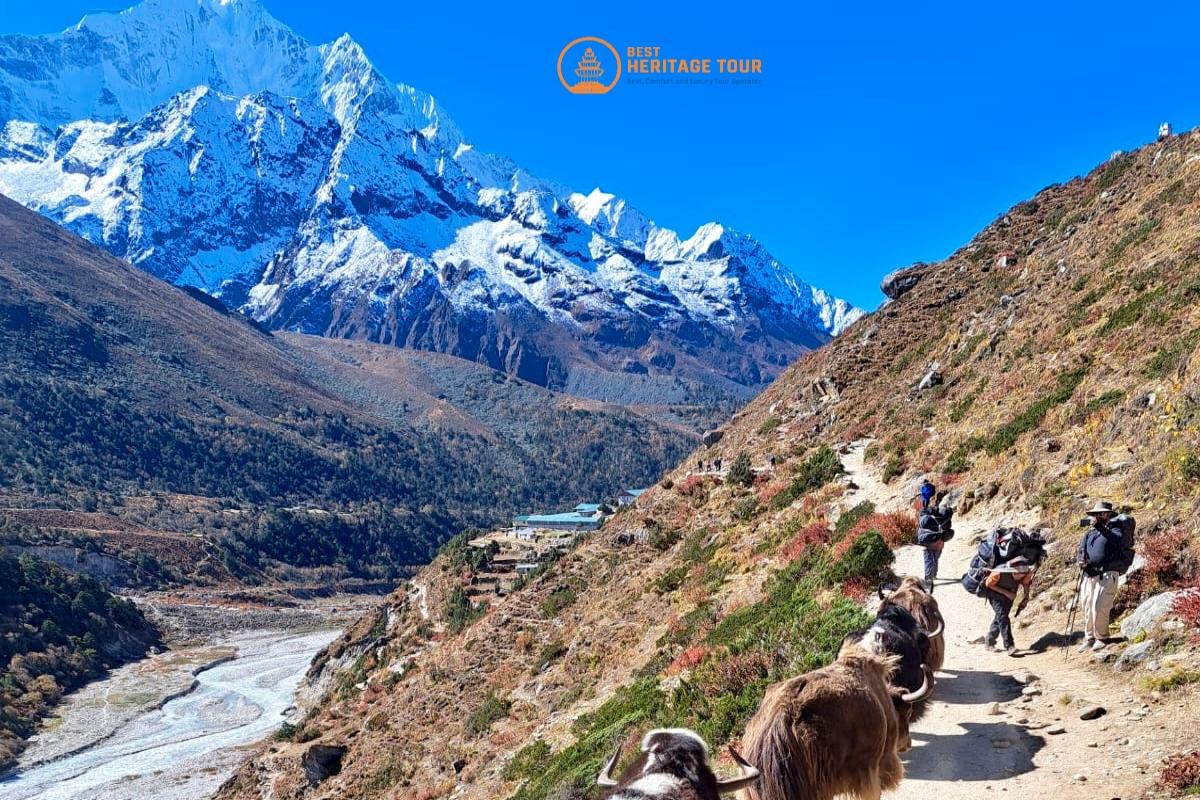
Insight on the Everest Base Camp Photography Trek
The Everest Base Camp Photography Trek is a once-in-a-lifetime journey for trekkers and photographers seeking to capture the majestic Himalayas in their purest form. This trek combines adventure with creativity, offering iconic views of Mount Everest, Ama Dablam, and surrounding peaks, along with vibrant Sherpa villages and sacred monasteries. With carefully planned acclimatization and strategic photography stops, travelers can frame sunrise and sunset vistas, glacier textures, and high-altitude landscapes. It’s an expedition that transforms trekking into an immersive visual storytelling experience.
Trip at a Glance
-

Country: Nepal
-

Trip grade: Moderate
-

Destination: Everest Region
-

Activities: Trekking & Photography
-

Accommodation: Teahouse/Hotel
-

Meals: Breakfast, Lunch & Dinner
-
.png)
Transportation: Flight
-

Maximum altitude: 5,545m / 18,192 ft
-

Group size: 1-12
-
Trip Start / End: Kathmandu - Kathmandu
-
.png)
Best Season: Mar-May & Sep-Nov
Key Highlights
- Capture golden sunrise and sunset views at Kala Patthar with Everest and surrounding peaks.
- Enjoy breathtaking aerial Himalayan perspectives on the scenic Kathmandu-Lukla flight.
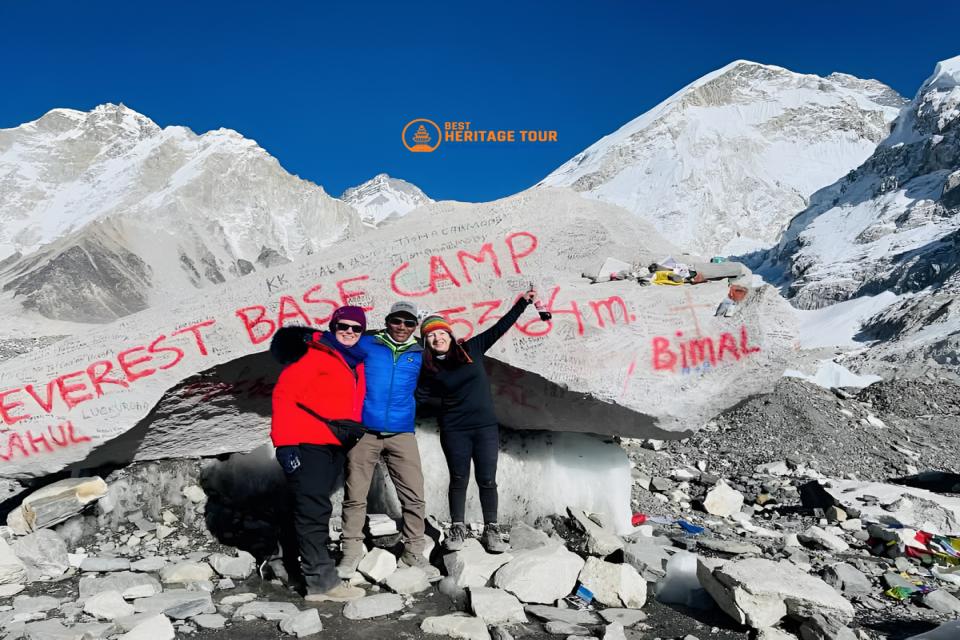
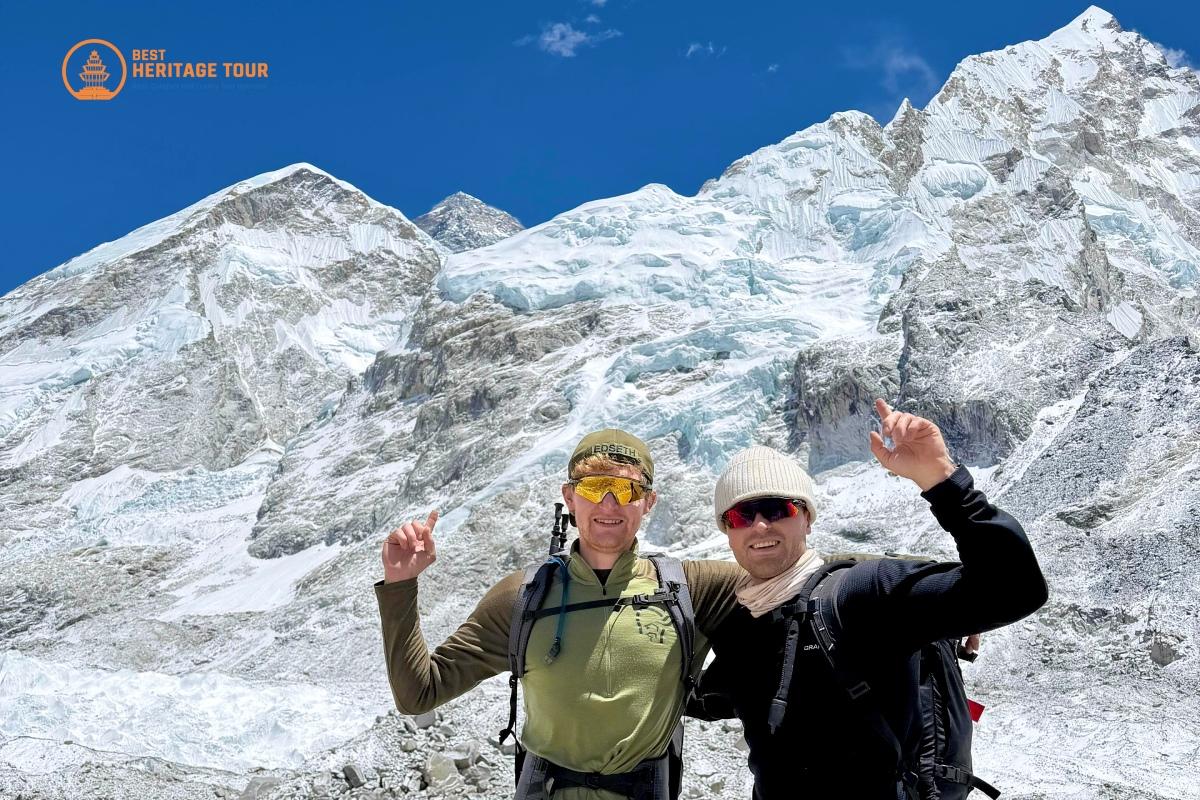
- Photograph the Khumbu Icefall, expedition tents, and high-altitude glacier landscapes at Everest Base Camp.
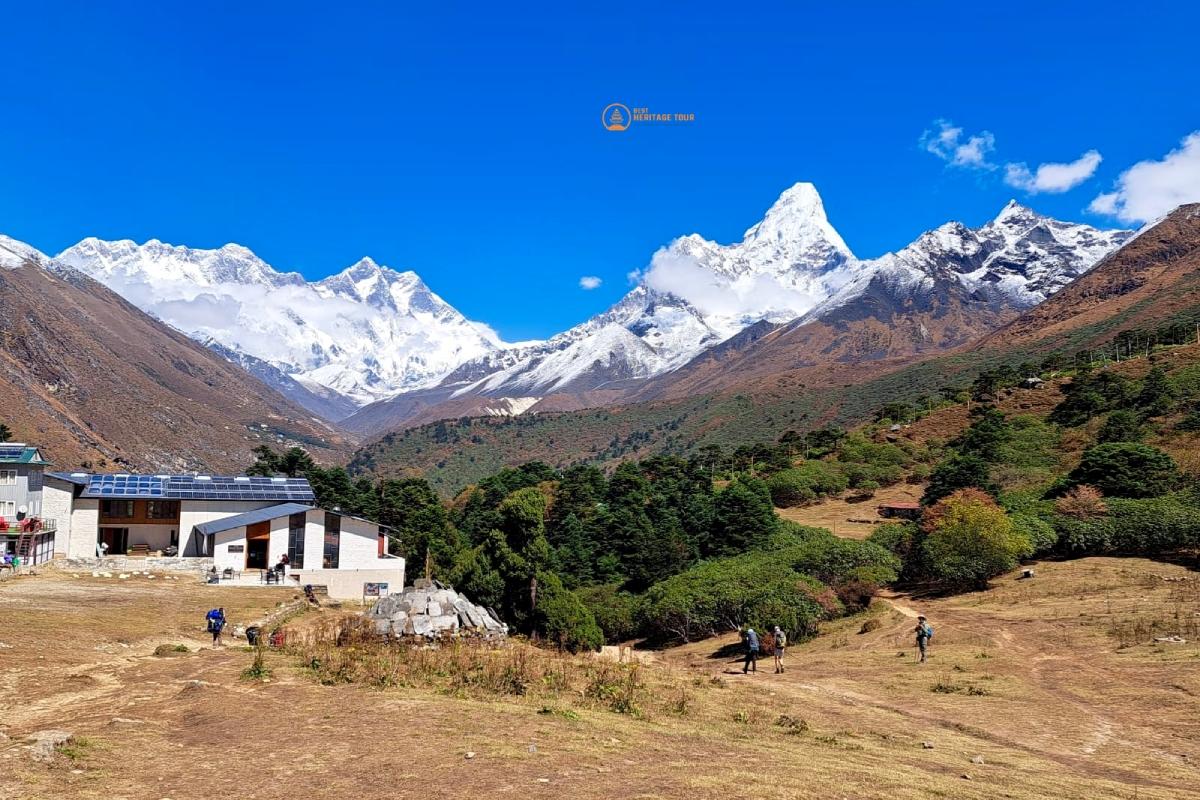
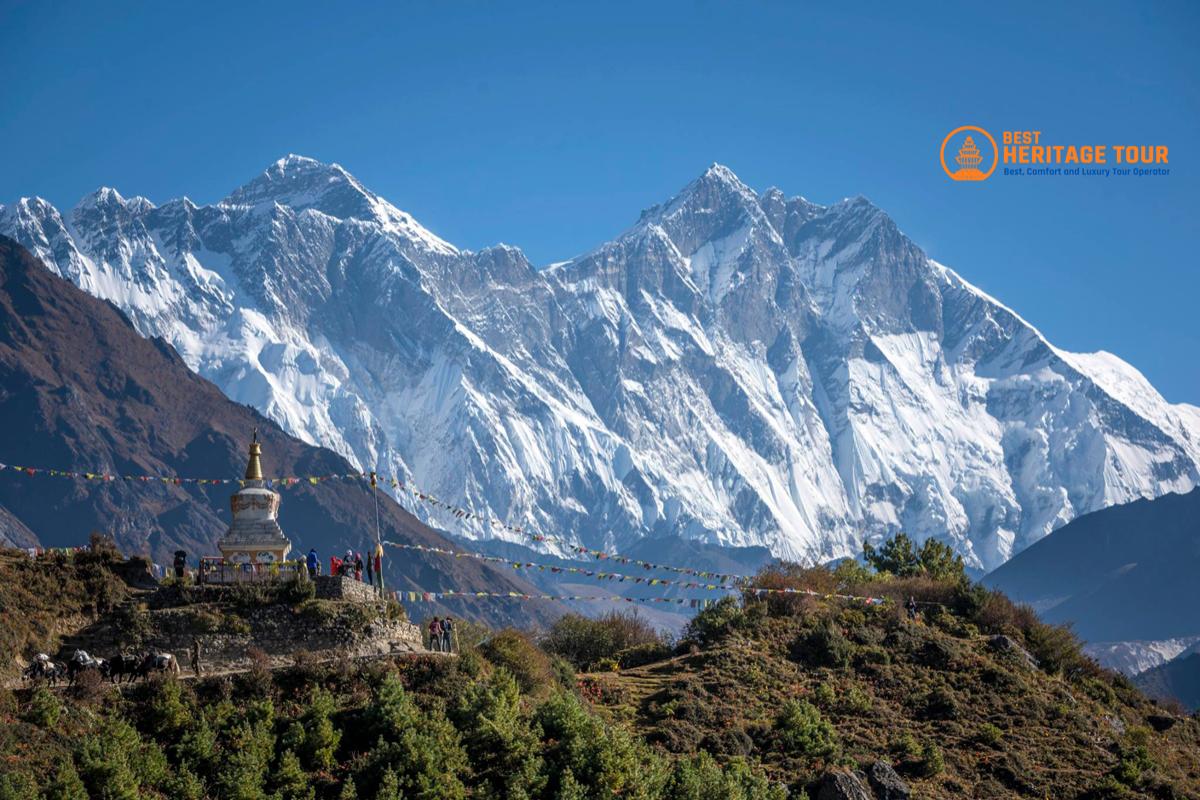
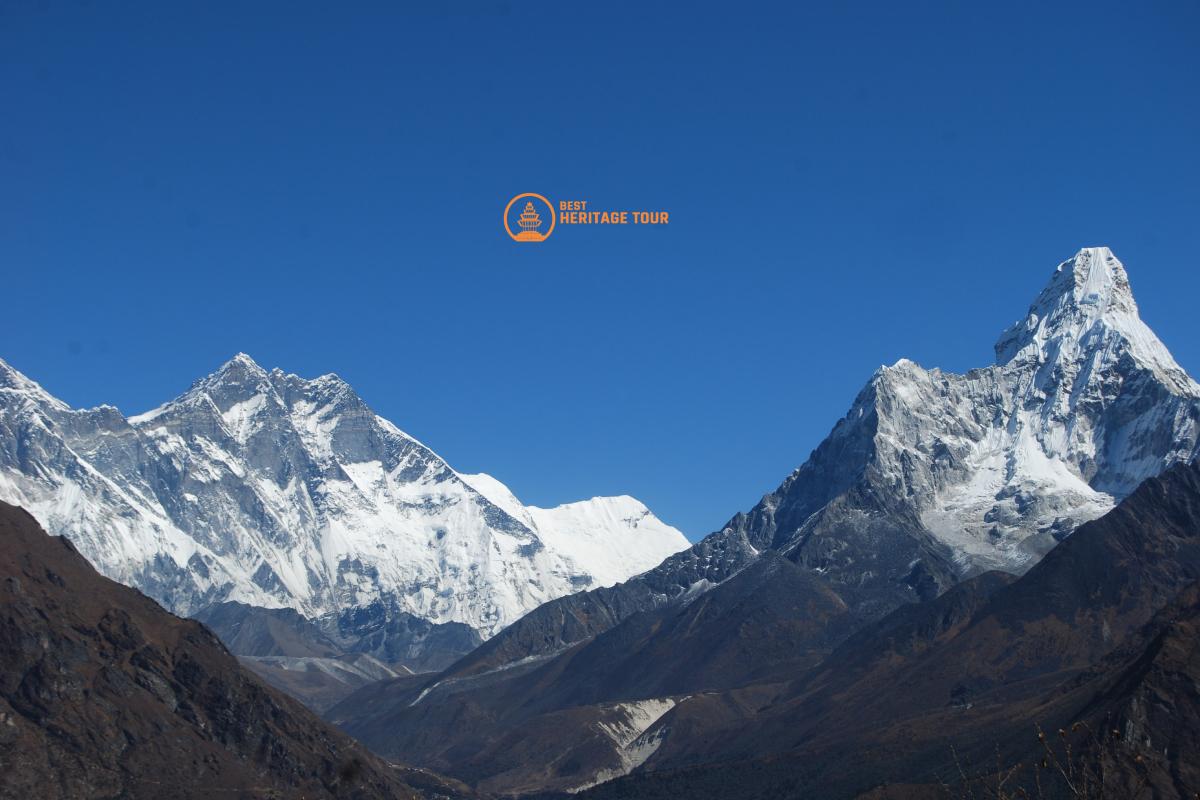
- Frame Ama Dablam and Lhotse from Tengboche, Dingboche, and Everest View Hotel.
- Experience authentic Sherpa village life in Namche, Pangboche, and Khumjung.
- Capture the spiritual atmosphere of Tengboche Monastery in soft morning and evening light.
- Explore rugged high-altitude alpine landscapes at Nagarjun Hill, Thukla Pass, and Lobuche.
- Flexible shooting opportunities during acclimatization hikes and prime viewpoints for golden hour and Milky Way photography.
Trip Overview
The EBC Photography Trek is a unique journey that combines high-altitude adventure with the art of landscape and cultural photography. Perfect for photographers, travel enthusiasts, and trekkers seeking to capture the majestic beauty of the Himalayas, this trek offers unparalleled access to iconic peaks, alpine valleys, and Sherpa villages. From the moment you take your scenic flight from Kathmandu to Lukla, the towering Himalayan panorama unfolds, offering dramatic aerial perspectives that set the stage for the days ahead.
Over 13 carefully planned days, you will trek through the Khumbu region, photographing awe-inspiring views of Mount Everest, Ama Dablam, Lhotse, and the rugged landscapes of the Khumbu Glacier. Cultural highlights include vibrant Sherpa villages, prayer flags fluttering across suspension bridges, and the serene Tengboche Monastery, where morning and evening light create perfect photographic conditions.
Strategic acclimatization hikes and thoughtfully chosen viewpoints allow photographers to capture golden hour and even Milky Way shots while maintaining a comfortable pace. Each day presents opportunities to document both natural wonders and human stories, blending adventure trekking with storytelling through your lens.
Whether you are a professional photographer or an avid travel enthusiast, this Everest Photography Trek is designed to maximize visual impact and provide a once-in-a-lifetime experience in the Himalayas. By the end of the journey, you’ll leave with a stunning collection of images and unforgettable memories of one of the world’s most breathtaking mountain regions.
What to Expect on the Everest Base Camp Photography Trek?
1. Breathtaking Himalayan Landscapes
Experience panoramic vistas of towering peaks, glaciers, and alpine valleys at every turn. From Everest and Lhotse to Ama Dablam, each day offers unique opportunities to photograph dramatic mountain scenes framed by changing light, cloud formations, and pristine high-altitude terrain that only the Khumbu region can provide.
2. Iconic Sunrise & Sunset Views
Witness golden hour transformations over the Himalayas, particularly at Kala Patthar and Everest View Hotel. The interplay of soft morning light, shadowed peaks, and vibrant skies creates perfect conditions for landscape photography and unforgettable visual memories. Sunrise and sunset are thoughtfully timed to maximize your shooting potential.
3. Authentic Sherpa Village Life
Capture the daily rhythms of Sherpa culture in Namche, Khumjung, and Pangboche. Vibrant prayer flags, traditional architecture, local markets, and mountain hospitality provide a rich tapestry of life in the high Himalayas, ideal for cultural and documentary-style photography.
4. Sacred Monasteries & Spiritual Atmosphere
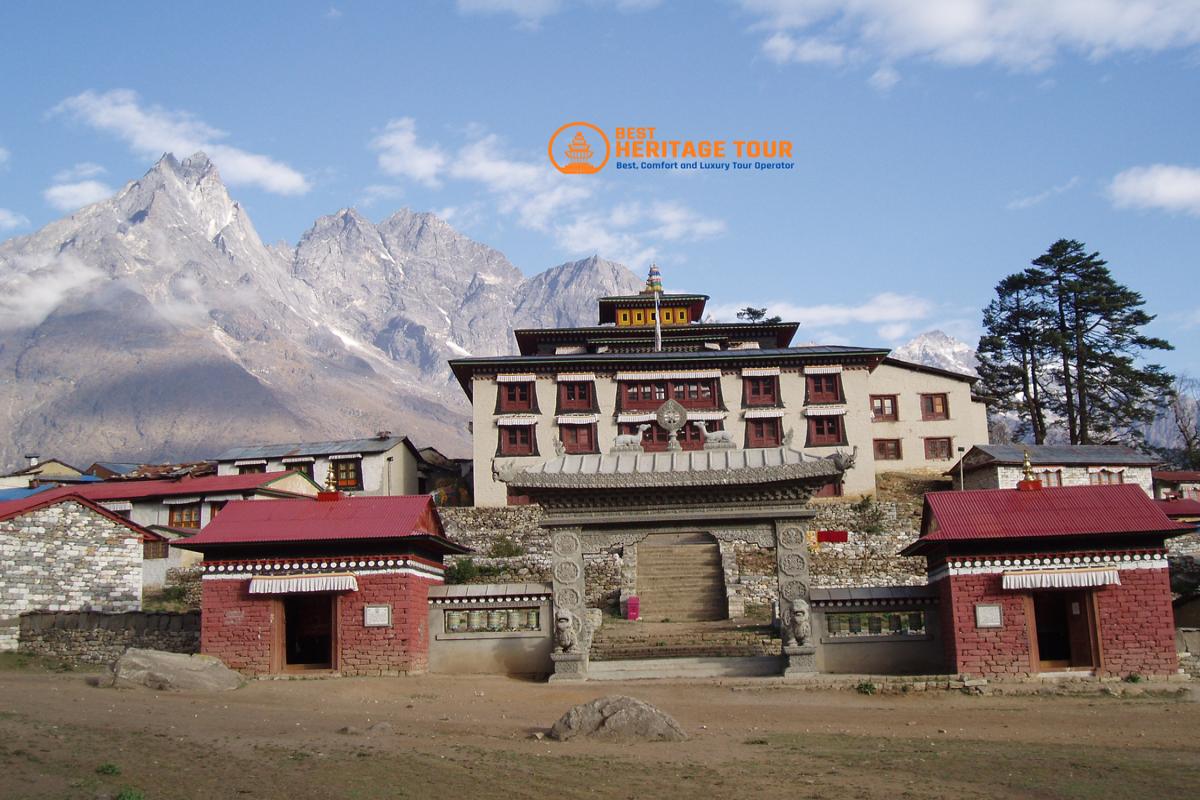
Tengboche Monastery and other religious sites offer serene, contemplative photography moments. Early morning chants, fluttering prayer flags, and spiritual rituals set against dramatic mountain backdrops create a unique visual narrative of Himalayan spirituality.
5. High-Altitude Adventure Trekking
The trek combines moderate to challenging trails, with acclimatization hikes to viewpoints like Nagarjun Hill. Every step offers both adventure and photographic reward, from rugged passes and glacial landscapes to snow-capped peaks and alpine meadows.
6. Glacier and Icefall Photography
Experience the raw textures of the Khumbu Glacier and Icefall. Capture crevasses, moraine patterns, and expedition tents at Everest Base Camp, showcasing the Himalayas’ dramatic high-altitude environment and its ever-changing natural beauty.
7. Optimal Shooting Conditions
Strategically planned stops, acclimatization days, and clear seasonal skies offer photographers the chance to shoot golden hour, twilight, and even Milky Way landscapes. Flexibility ensures you can frame every scene perfectly without rushing, making this trek ideal for dedicated photographers and enthusiasts alike.
8. Profound Isolation and Star-Filled Skies
As you ascend past the tree line, the "noise" of the world vanishes. Expect nights of profound silence under a canopy of stars more vivid than you have ever seen. With zero light pollution, the Milky Way arches directly over the peaks of Nuptse and Everest, offering a rare playground for breathtaking long-exposure astrophotography and star trails.
Are You Ready for the Everest Base Camp Photography Trek?
To truly embrace the Everest Base Camp Photography Trek, you need more than trekking gear - you need a sense of curiosity, patience, and a passion for storytelling through your lens. A love for nature, mountains, and cultural discovery will enrich every step of your journey. Be ready to rise before dawn for golden hour shots, embrace challenging trails with enthusiasm, and find beauty in the smallest village moments and sweeping landscapes.
Flexibility, a willingness to learn from local guides, and an openness to the Himalayan way of life are key. This trek rewards those who approach it with both adventure and artistry in mind. Whether you’re a professional photographer or an avid traveler, being present, observant, and adaptable ensures every moment is captured and every memory cherished. At heart, this journey is for explorers who want to see, feel, and frame the Himalayas in ways that go beyond ordinary travel - a trek where your camera becomes an extension of your experience, and every click tells a story.
Itinerary
Photography Focus: Aerial Himalayan Spines and Riverine Textures
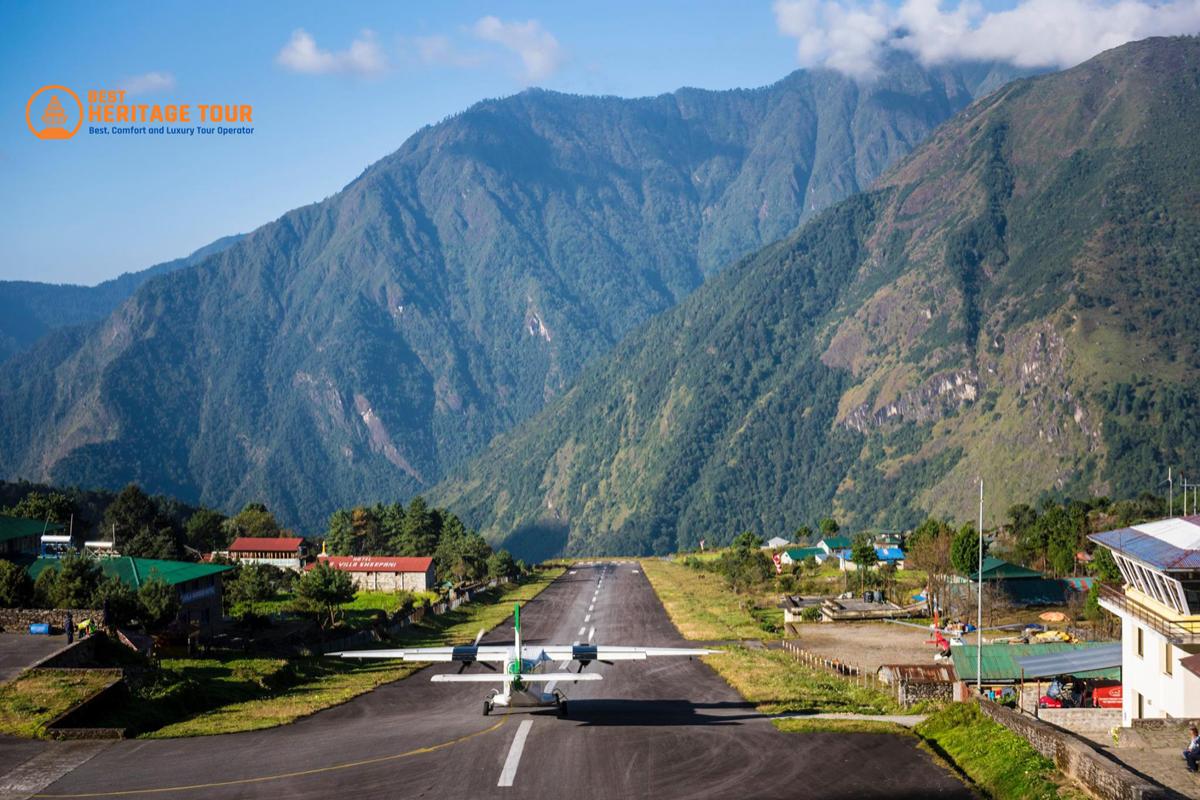
Your journey begins at the Kathmandu domestic terminal. Secure a seat on the left side of the plane for the flight to Lukla; this is your first chance to capture the rolling "Hills of Nepal" transitioning into the jagged white teeth of the Langtang and Jugal ranges. Upon landing at the world’s most dramatic airstrip, the lens turns to the Dudh Koshi River. Focus on the milky-turquoise glacial water. Use a slow shutter speed (0.5s to 2s) with an ND filter to blur the rapids against the static, ancient boulders. The suspension bridges draped in vibrant prayer flags offer perfect leading lines to draw your viewer into the Khumbu.
Photography Focus: Vertical Landscapes and Environmental Portraits
Today is about the sheer verticality of the Himalayas. As we cross the iconic Hillary Suspension Bridge, look down to capture the dizzying depth of the canyon. The climb to Namche is steep, but the reward is the first clear sight of Mount Everest. Look for the "natural frames" - using the dark pine branches of the forest to border the distant, sun-drenched summit. Keep your camera accessible for candid shots of the local porters; their strength against the backdrop of the massive peaks provides a powerful human narrative to your portfolio.
Photography Focus: High-Altitude Panoramas and Village Life
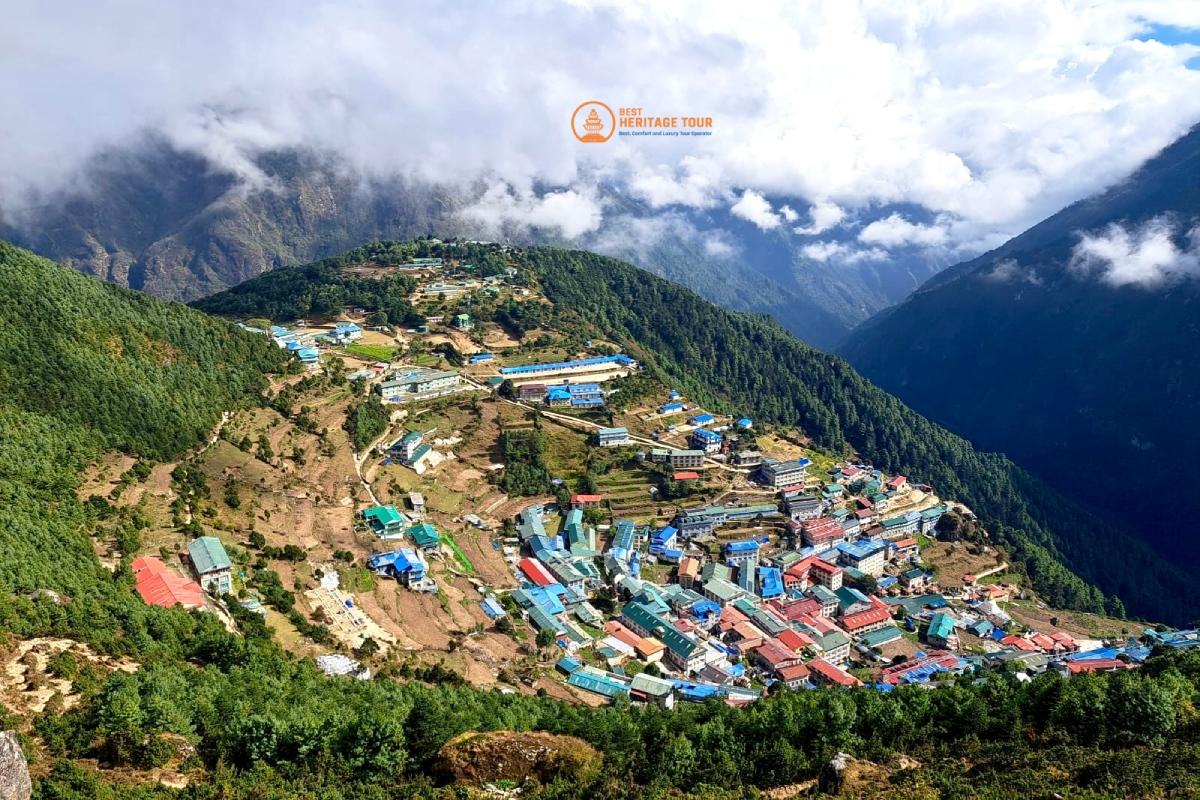
We head to the Everest View Hotel for a legendary 360-degree theater of Everest, Lhotse, and Ama Dablam. This is the place for stitched panoramas. In the afternoon, we explore Khumjung village. The green-roofed houses nestled in a mountain "bowl" offer a unique architectural study. As evening approaches, we position ourselves at the Namche viewpoint. Watch for the "Blue Hour"-when the village lights begin to twinkle in the horseshoe-shaped basin while the peaks above remain bathed in a cold, ethereal violet light.
Photography Focus: Iconic Peaks and Monastic Grandeur
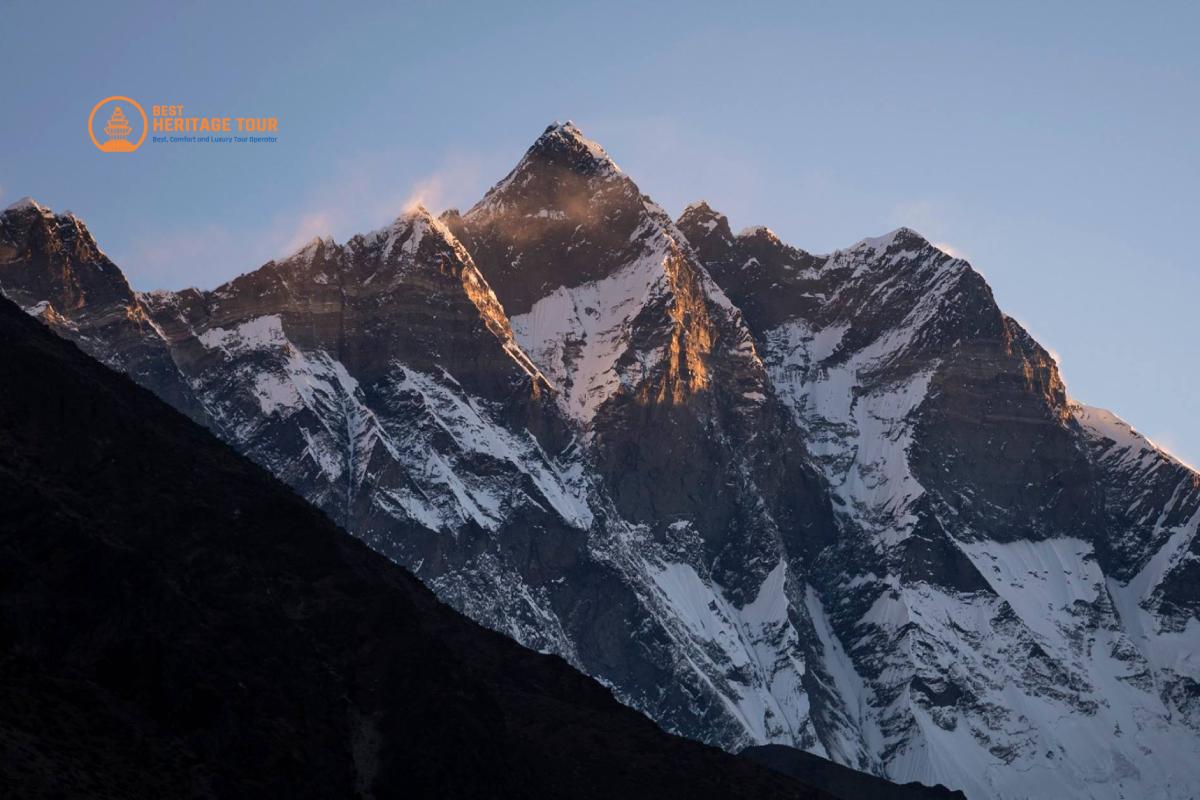
The trail today offers arguably the best profile of Ama Dablam (the "Matterhorn of the East"). The highlight is reaching the Tengboche Monastery. Capture the intricate, colorful murals and the golden roof of the monastery reflecting the afternoon sun. If we are lucky, we can document the monks during their evening prayers. The contrast of the deep maroon robes against the stark white of the Lhotse-Nuptse wall is a masterpiece of color theory and spiritual atmosphere.
Photography Focus: Stark Minimalism and Glacial Valleys
We leave the tree line behind, entering a world of rock and ice. The landscape becomes beautifully minimalist. Focus on the Pangboche village, where the ancient stone walls create a rhythmic pattern across the valley. Ama Dablam looms larger than ever here; use a wide-angle lens to capture its jagged ridges against the deep, high-altitude blue of the sky. The Imja Valley provides wide, sweeping vistas where you can practice "layering" your composition - foreground shrubs, mid-ground river, and background giants.
Photography Focus: Peak Clarity and Astrophotography
This acclimatization day is a gift for landscape photographers. From the top of Nagarjun Hill, the views of Makalu (8,481m) and Island Peak are unobstructed. The air here is exceptionally thin, which means incredible clarity for your shots. At night, if the weather permits, this is your prime opportunity for astrophotography. With zero light pollution, the Milky Way arches directly over the Himalayan range. Use a wide-aperture lens (f/2.8 or wider) and a 20-30 second exposure to capture the galaxy "resting" on the summits.
Photography Focus: Emotional Storytelling and Glacial Moraines
The climb to Thukla Pass brings us to the Everest Memorials. The stone cairns dedicated to fallen climbers, decorated with weathered prayer flags, provide a somber and powerful subject. Use a shallow depth of field to isolate a single fluttering flag against the backdrop of the Cholatse peak. As we push toward Lobuche, the terrain turns into a moonscape. Focus on the textures of the Khumbu Glacier’s lateral moraine - a chaotic mix of rock, grit, and ice that signals your proximity to the world’s highest peak.
Photography Focus: The "Alpenglow" Masterpiece
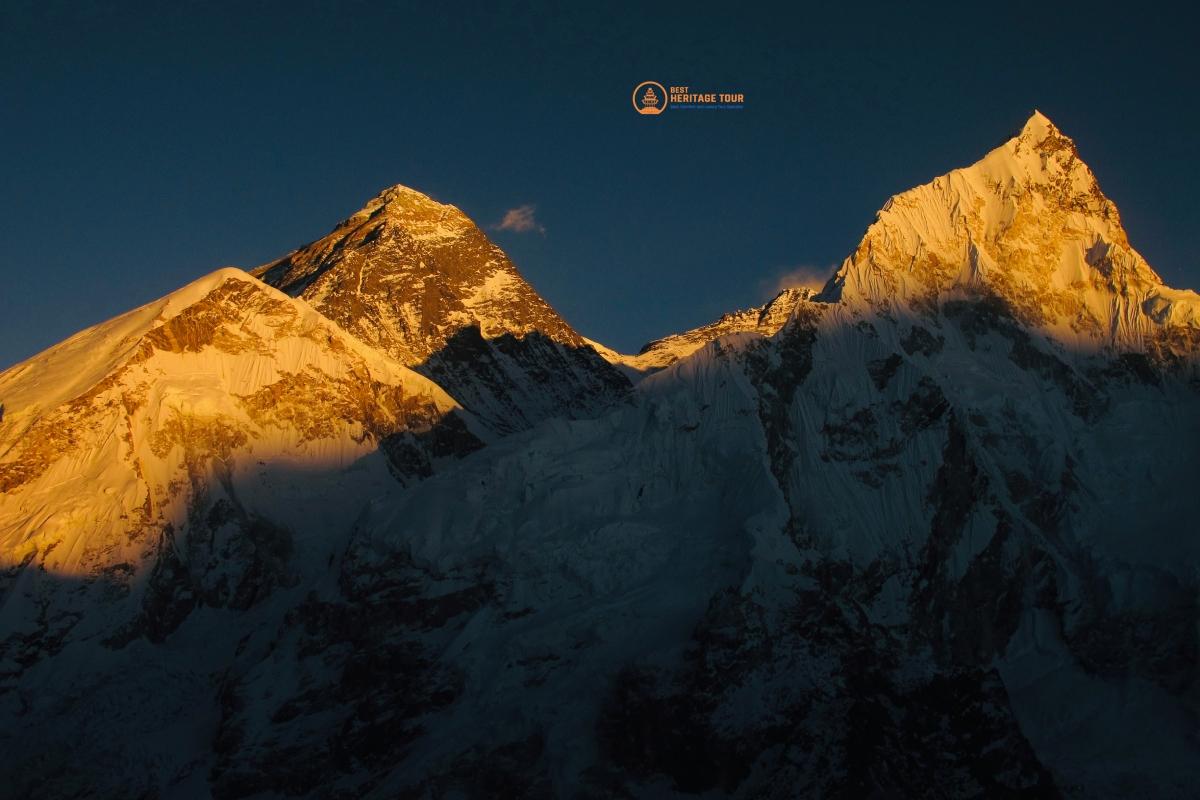
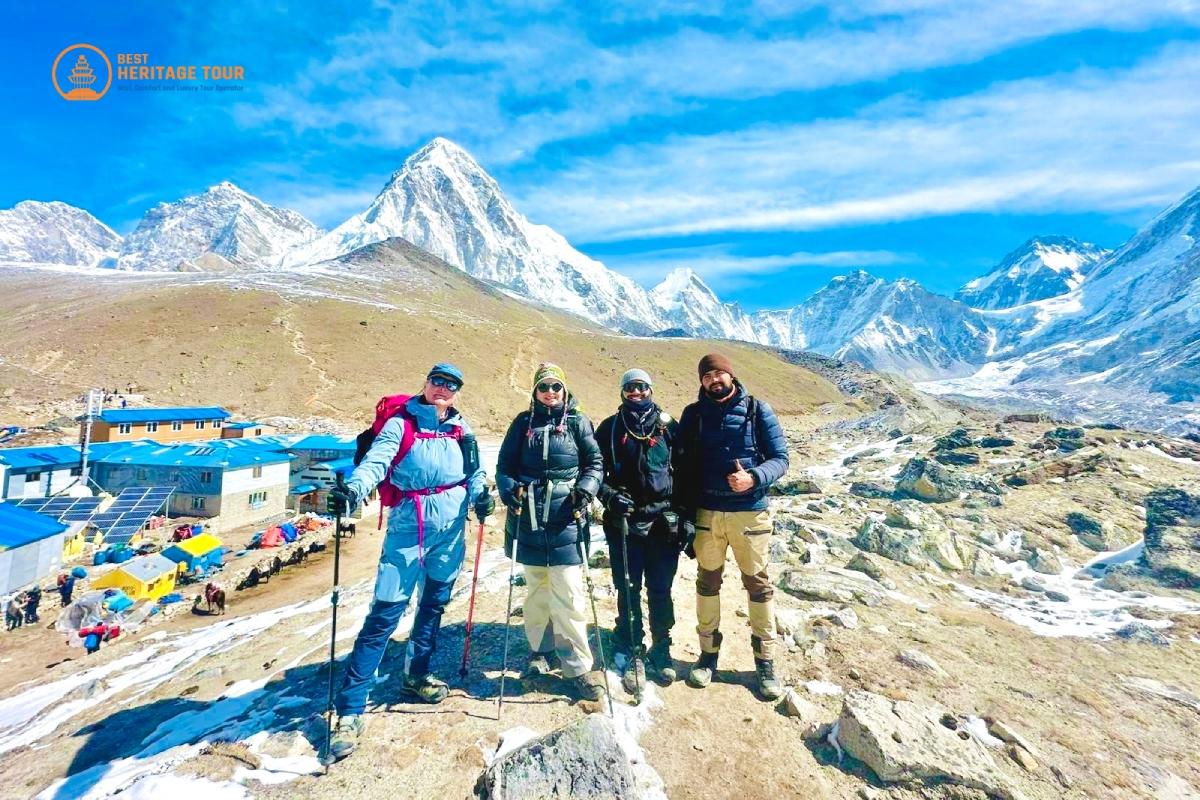
After reaching Gorak Shep, we time our ascent of Kala Patthar specifically for sunset. While most trekkers go for sunrise, photographers know that the sunset light hits the face of Everest directly. Watch through your viewfinder as the summit turns from gold to a fiery, burning orange. This is the most iconic shot in the world of trekking. Use a tripod and a graduated ND filter to balance the dark valley shadows with the brilliant, glowing summit of the Earth's highest point.
Photography Focus: First Light and the Khumbu Icefall
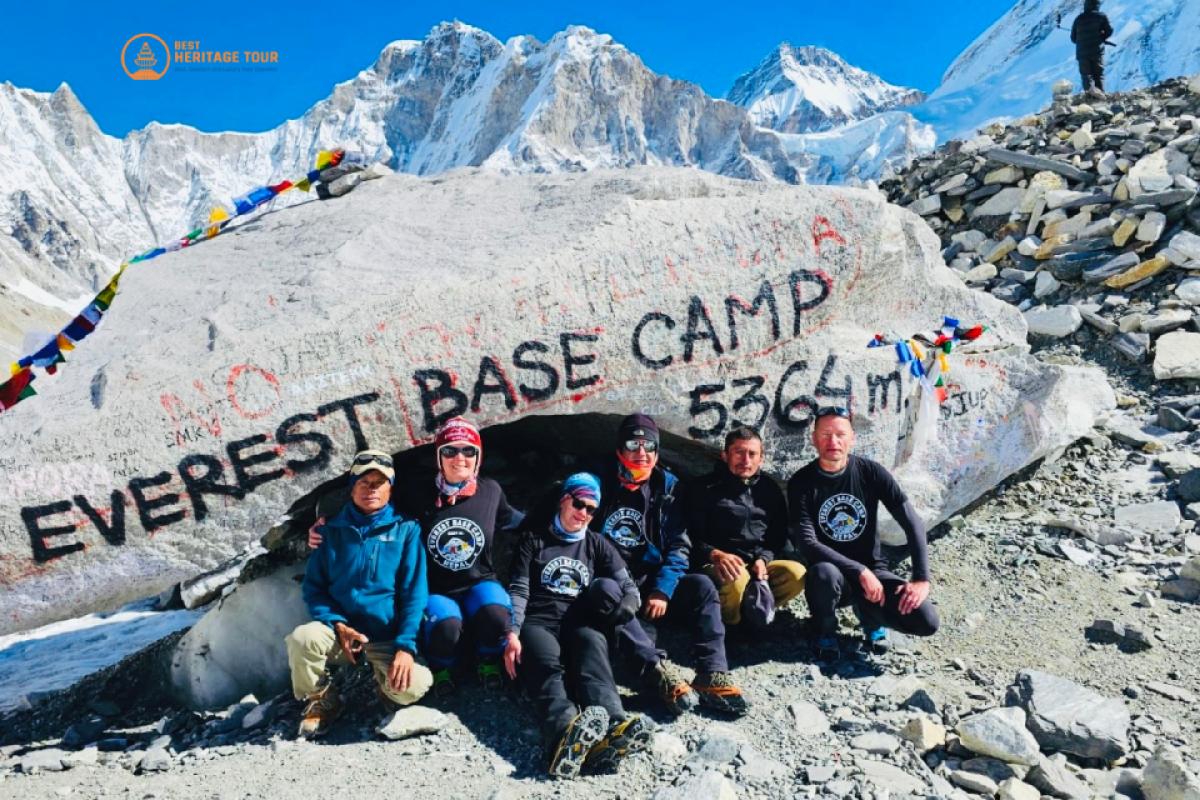
We return for a sunrise shoot to capture the "rim lighting" on the peaks before trekking to Everest Base Camp. Here, the photography is about the Khumbu Icefall. Capture the abstract shapes of the towering ice seracs and the deep blue crevasses. During the spring, the bright yellow tents of the climbing expeditions provide a stunning pop of color against the monochromatic grey and white of the glacier. It’s a place to document the intersection of human ambition and raw, natural power.
Photography Focus: Wide-Angle Valleys and Atmospheric Contrast
The descent offers a chance to capture the valley from a higher perspective looking down. The Pheriche valley is vast and flat, perfect for capturing the scale of the trekking groups against the massive walls of the mountains. This is also a great time for environmental portraits of the Himalayan yaks and their herders.
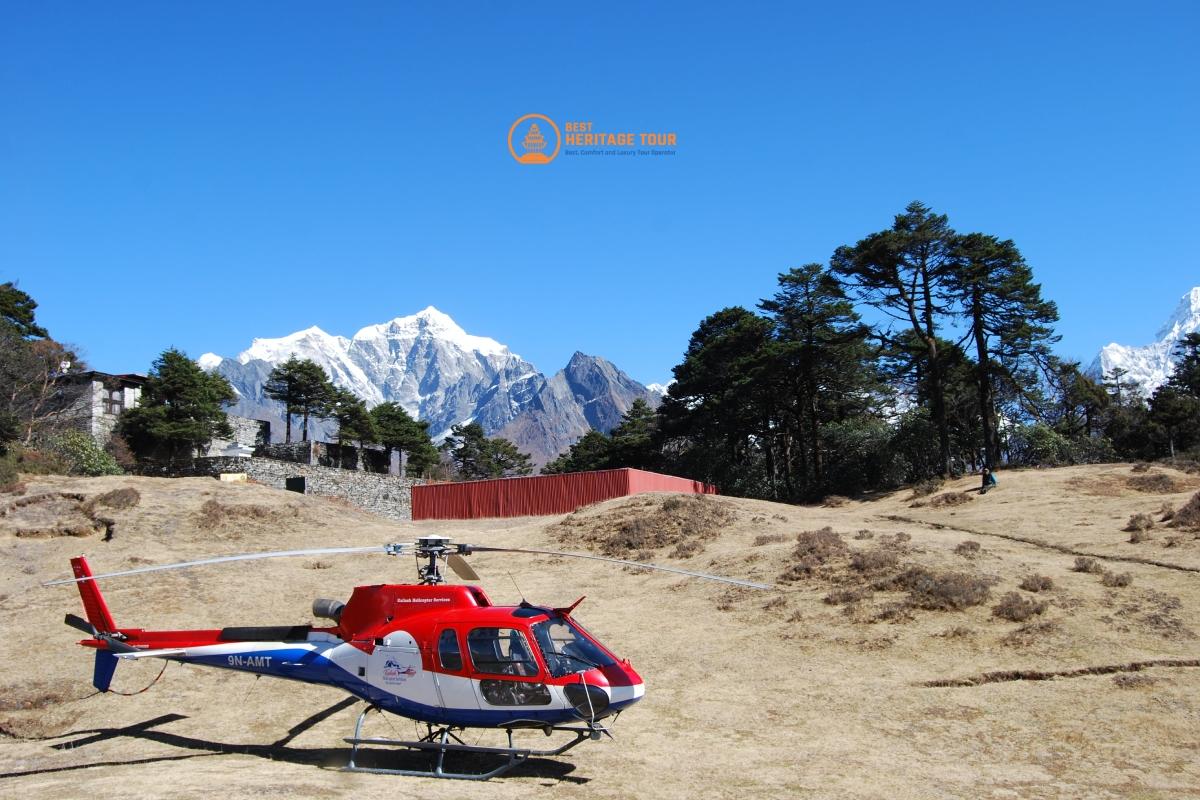
Note: Many photographers opt for a Helicopter return from here to Lukla, which provides an elite 15-minute window for high-altitude aerial photography of the entire Khumbu range.
Photography Focus: Street Photography and Changing Palettes
As we drop back into the forest zones, the greens, ochres, and reds return to your palette. This day is about the human element. Capture the "traffic" of the trails - porters, monks, and trekkers from around the globe. The bustling market of Namche Bazaar offers endless opportunities for street-style photography, documenting the vibrant commerce that fuels the Everest region.
Photography Focus: Closing Narratives and Reflections
Our final trekking day is about capturing the "closing shots" of your journey. Look for the small details you may have missed on the way up: the intricate carvings on a Mani stone, the weathered face of a village elder, or a final look back at the distant, snow-capped peaks. These shots provide the "texture" and "context" that make a photo essay complete.
Photography Focus: Aerial Recap
One last chance to fly. The flight back to Kathmandu is your victory lap. Use this final 30-minute window to capture the geography you’ve just traversed on foot. Seeing the ridges you climbed from 10,000 feet above provides a perfect visual conclusion to your Everest Base Camp Photography Trek.
What is included?
- PRIVATE AIRPORT PICK-UP & DROP : Airport - Hotel transfer - Airport (Pick Up and Drop).
- ROUND TRIP DOMESTIC FLIGHT FARE : Fly from Kathmandu - Lukla and while returning Lukla - Kathmandu, as per itinerary. (through manthali during peak trekking season).
- LODGING : Best available accommodation in mountain lodges and tea houses during the trek.
- FOOD : 3 meals a day (breakfast, lunch and dinner; including tea/coffee) during the trek, with Ef-Chlor purification tablets provided for safe drinking water.
- GUIDE : One experienced government licensed trekking guide (English speaking) during the trek.
- STAFF SALARY AND ALLOWANCE : All trekking staff wages, salary, equipment, food & clothing.
- PERMITS : All necessary paperwork : Sagarmatha National Park permit, Khumbu Pasang Lhamu Rural Municipality entry permit and fees.
- STAFF INSURANCE : Insurance for all involved trekking staff during the trek.
- GEAR (IF NEEDED) : Sleeping bag, down jacket and duffle bag (to be returned after the trek).
- MEDICAL KIT : A well equipped first aid kit, including an oximeter and emergency oxygen, carried by the guide for your safety.
- IN CASE OF EMERGENCY : Assistance in rescue operations in case of emergency covered by travel insurance.
- SOUVENIR : Best Heritage Tour’s Appreciation Certificate after the successful trek & Purse, an authentic Nepali product made from hemp.
- FAREWELL DINNER : A farewell dinner with an authentic cultural program after completion of the trek.
What is not included?
- INTERNATIONAL AIRFARE : International flight airfare (from and to Kathmandu).
- NEPAL VISA FEES : You may issue the visa upon your arrival at Tribhuvan International Airport - Kathmandu or apply manually in your home country.
- ACCOMMODATION IN KATHMANDU : Accommodation & Meals in Kathmandu.
- INSURANCE POLICY : Travel insurance covering medical expenses and high-altitude evacuation is mandatory. If you do not have suitable coverage, we can also assist in arranging travel insurance for you upon your arrival in Nepal. Check Over Here
- PERSONAL EXPENSES : Clothing & gears, telephone, internet, toiletries, hot shower, laundry, soft drinks and any Alcoholic beverages.
- OPTIONAL PORTER SERVICE : USD 22 per day, including all taxes (each porter can carry up to 25 kg of luggage).
- FILMING : Special Filming, Camera and Drone permit fee.
- TIPS : Tips for guide and porters.
- EXTRA : Any additional costs due to factors beyond our control, or for services not specifically mentioned in the Itinerary & Included section.
- TAXES & SERVICE CHARGE : All government taxes (13%) and service charge (10%).
Route Map
Equipment
Clothing & Layering
-
Base layers (moisture-wicking thermal tops and bottoms)
-
Insulating mid-layers (fleece or down jacket)
-
Waterproof and windproof outer shell (jacket and pants)
-
Warm hat, gloves, and scarf/buff
-
Lightweight trekking pants and shirts
-
Sunglasses with UV protection and glacier glasses for high altitudes
-
Wool or synthetic socks (multiple pairs)
Trekking Gear
-
Sturdy trekking boots (waterproof and well-broken-in)
-
Lightweight trekking shoes or sandals for evenings
-
Trekking poles (adjustable)
-
Daypack (25-30L) with rain cover
-
Sleeping bag (rated to -15°C / 5°F)
-
Headlamp with extra batteries
-
Reusable water bottles and water purification tablets
Photography & Camera Equipment
-
DSLR or mirrorless camera with lenses (wide-angle, telephoto, and standard zoom recommended)
-
Extra memory cards and batteries
-
Lightweight tripod for landscapes and Milky Way shots
-
Camera cleaning kit and lens cloth
-
Portable power bank or solar charger
-
Laptop or tablet for backup and reviewing photos (optional)
Personal Essentials
-
Sunscreen (high SPF) and lip balm
-
Personal first-aid kit (bandages, blister pads, pain relief, altitude medication if prescribed)
-
Toiletries and wet wipes
-
Snacks and energy bars
-
Passport, permits, and travel insurance documents
Optional Accessories
-
Lightweight binoculars
-
Notebook and pen for travel journaling
-
Gaiters for snow or mud protection
-
Hand warmers for high-altitude days
Trip Info
Best Time for the Everest Base Camp Photography Trek
For photographers, timing is everything. While the Everest Base Camp Trek is accessible year-round, spring (March-May) and autumn (September-November) are the most rewarding for capturing the Himalayas in their full glory. These seasons offer clear skies, dramatic mountain contrasts, and stable weather, creating optimal conditions for golden hour, sunset, and sunrise photography.
Spring (March-May) brings blooming rhododendrons, vibrant valley colors, and soft morning light, ideal for framing lush landscapes alongside towering peaks. The warmer temperatures at lower altitudes make trekking comfortable while still providing crisp high-altitude visibility for Everest, Lhotse, and Ama Dablam shots.
Autumn (September-November) features exceptionally clear skies and striking contrasts, perfect for capturing dramatic panoramas of glaciers, ridges, and alpine terrain. The post-monsoon air is pristine, allowing photographers to shoot the Himalayas with unparalleled clarity and detail.
Winter (December-February) is less crowded but extremely cold, with shorter daylight hours and higher chances of snow-covered trails, which can create unique photography opportunities for snow and sunrise compositions - but requires advanced preparation and high-altitude winter gear.
The monsoon season (June-August) brings heavy rainfall, low visibility, and muddy trails, which are generally not recommended for photography-focused trekking.
By planning your trek in spring or autumn, you maximize your chances of capturing vibrant landscapes, dramatic peaks, and Himalayan cultural life under perfect light conditions - ensuring your photography portfolio tells the story of the Everest region at its most photogenic.
Permits Required for the EBC Photography Trek
For trekking in the Everest region, proper permits are mandatory to ensure safety, conservation, and legal access. For this trek, the following permits are required:
-
Khumbu Pasang Lhamu Rural Municipality Permit: This permit allows trekkers to enter and travel within the Khumbu region.
-
Sagarmatha National Park Permit: Required to enter the national park and trek within its protected areas.
-
Drone Permit (optional): Required if using drone to capture the aerial shot.
Documents Required for Permits
Best Heritage Tour takes care of all necessary permits on your behalf, so you can focus entirely on enjoying the trek without worrying about paperwork. To process these permits, Best Heritage Tour will need:
-
Clear Passport Copy: A scanned color copy of your passport (valid for at least 6 months).
-
Passport-Sized Photos: 4 recent digital photos (for permit forms and conservation logs).
-
Travel Insurance: Your policy must explicitly cover emergency helicopter evacuation at altitudes up to 6,000 meters.
-
For Drone Permit: There is separate documentation process for drone permit. Check out our Drone Permit Documentation Guide for further information.
Note: There are several checkpoints along the trail where local authorities will check permit so keep permit safe.
Accommodation and Meals
At Best Heritage Tour, we believe that good sleep and a full stomach are the two most important things for a successful trek. We take care of all your lodging and food needs so you can focus on the trail.
Cozy Teahouse Accommodation
Throughout the journey, you will stay in local teahouses. These are charming, family-run guesthouses that offer a warm and friendly atmosphere.
-
The Rooms: You will usually have a twin-sharing room with two comfortable beds. We provide warm blankets, but we also recommend a good sleeping bag for the colder nights at higher altitudes.
-
The Atmosphere: The heart of every teahouse is the dining hall. It’s the warmest place in the building, where trekkers gather around a central stove to share stories, drink tea, and stay cozy after a long day of walking.
Hearty Meals: Fuel for the Mountains
Your package includes Breakfast, Lunch, and Dinner. We make sure you get plenty of nutrients to keep your energy levels high.
-
The Famous Dal Bhat: This is the ultimate "trekker fuel." It consists of steamed rice, lentil soup, and seasonal vegetable curry. The best part? It comes with free refills, making it the most popular choice for hungry hikers. As the locals say: "Dal Bhat Power, 24 Hour!"
-
Local Delicacies: You must try Sherpa specialties like Sherpa Stew (Syakpa), a thick and warming vegetable soup, and Momos (Nepali dumplings filled with veggies or meat). These are perfect for cold mountain evenings.
-
Other Options: If you’re craving something familiar, most teahouses also serve pancakes, eggs, porridge, pasta, and even pizza in the lower villages.
Staying hydrated is the secret to beating altitude sickness. You can choose from a variety of hot drinks like ginger-lemon-honey tea, masala tea, and hot chocolate. As for the dietary restrictions like: Vegetarian, Vegan, or Gluten-Free, most mountain meals are naturally vegetarian. Simply inform Best Heritage Tour at the start of the trek, and we will try best that the kitchens prepare your meals according to your specific dietary needs.
Trek Difficulty & Fitness Level
The Everest Photography Trek is classified as moderate, making it suitable for Photographers of varying ages who wish to experience both cultural immersion and the classic Everest trail. Unlike standard EBC expeditions, this package is carefully recalibrated for well-planned photography trip, ensuring comfort and safety while still allowing you to fully capture the high Himalayan wonders.
-
Hiking Duration: 5-6 hours per day on average. Daily distances are easier for the general trekkers with moderate fitness level.
-
Altitude: The trek reaches a peak of 5,545 meters at Kala Patthar, with gradual acclimatization built in through mandatory stops in Namche Bazaar, Tengboche & Dingboche, essential for high-altitude safety.
-
Terrain: Expect a mix of well-maintained stone steps, forest trails, suspension bridges, glacial streams, and rugged moraine paths as you ascend above the tree line. These transitions offer both challenge and spectacular scenery at every step.
Fitness Requirements:
-
Trekkers should maintain a functional fitness level, comfortable with uphill walking and uneven terrain.
-
No prior trekking experience is required, but a sense of adventure, patience, and a positive mindset will enhance your journey.
-
Cardiovascular endurance, joint mobility (especially for seniors), and stamina will help maximize enjoyment.
Health & Safety
At Best Heritage Tour, your well-being is our top priority. Trekking to Everest Base Camp (5,364m) is a significant achievement, and we ensure every step is safe, comfortable, and enjoyable.
-
Daily Health Monitoring:
Our guides are trained in high-altitude first aid and monitor trekkers every evening for symptoms of altitude sickness. We use pulse oximeters to track blood oxygen levels and heart rate and discuss any discomfort or sleep issues to catch potential problems early.
-
Altitude Sickness (AMS) Awareness:
Even experienced trekkers can experience AMS. Our itinerary includes two mandatory acclimatization days in Namche and Dingboche. Following the “Climb High, Sleep Low” principle ensures safe adaptation, and we never push trekkers through severe symptoms, always prioritizing descent if needed.
-
Safety Gear:
Our guides carry comprehensive first-aid kits and supplemental oxygen for high-altitude emergencies. Pain relief, stomach medications, bandages, and oxygen are all on hand to ensure your trek is safe and worry-free.
Travel Insurance
For this trek, standard travel insurance is simply not enough. At Best Heritage Tour, we require proof of a comprehensive insurance policy before you can begin the trek. Your policy must include the following specific coverages:
-
High-Altitude Coverage (Up to 6,000m)
-
Medical Emergency & Hospitalization: Including treatment for Altitude Sickness (AMS, HAPE, or HACE).
-
Emergency Helicopter Evacuation
-
Search and Rescue (SAR)
-
Trip Cancellation & Interruption
-
Cashless Claims & Direct Payment
Pro Tip: Always carry a physical print-out of your insurance policy and the 24-hour emergency contact number in your chest pocket. In an emergency, every second counts, and having your policy number ready allows Best Heritage Tour to launch a rescue immediately.
Visa for Nepal
All international travelers (except Indian) need a tourist visa to visit Nepal, which can be obtained on arrival at Kathmandu airport or online.
Key Details:
-
Duration: 15, 30, or 90 days (30 days recommended for this trek)
-
Fees: 15 days - USD 30 | 30 days - USD 50 | 90 days - USD 125
-
Requirements: Valid passport (6+ months), visa form, passport photo, and payment in cash (USD/EUR/GBP/NPR)
Tip: Keep a copy of your visa and passport during the trek and consider applying visa online (through Nepal Immigration Website) for a smoother arrival. Also register to Foreign Nationals Management Information System (FNMIS) as this is now mandatory for any Tourists entering Nepal from 2026.
Booking & Payment
Booking your Everest Base Camp Photography Trek with Best Heritage Tour is simple and secure. To confirm your trip, a 10% deposit of the total trip cost is required at the time of booking, while the remaining balance must be cleared at least one day before departure. Payments can be made via cash, bank transfer, or card; bank transfer and card fees are the responsibility of the trekker, and incur a 4% transaction fee. All booking and cancellation terms are clearly explained by Best Heritage Tour staff during the booking process and can also be reviewed on our website.
Bank transfer:
-
Account Name: Best Heritage Tour And Treks Pvt. Ltd.
-
Account Number: 13201040254106
-
Bank Name: Nepal Investment Mega Bank Ltd.
-
Address: Thamel, Kathmandu, Nepal
-
SWIFT Code: NIBLNPKT
-
Bank Transfer Link: www.bestheritagetour.com/payment
Once we receive the deposit, we will issue the official invoice and booking conformation right away. If you need any clarification, we are happy to answer your questions or provide additional details you may require.
Last-Minute Booking
For travelers planning on short notice, Best Heritage Tour accepts last-minute bookings up to 24 hours before departure. In such cases, full payment (100% of the trip cost) is required at the time of booking. Trekkers should be aware that accommodation, logistics, and services may be limited, and the company cannot be held responsible for any compromises arising from late arrangements.
Trip Extension
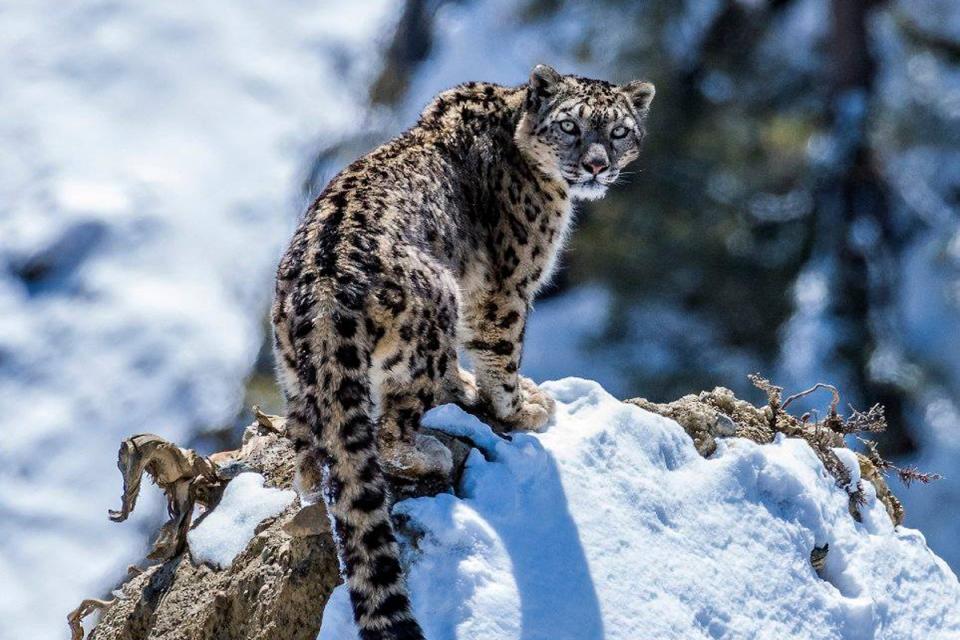
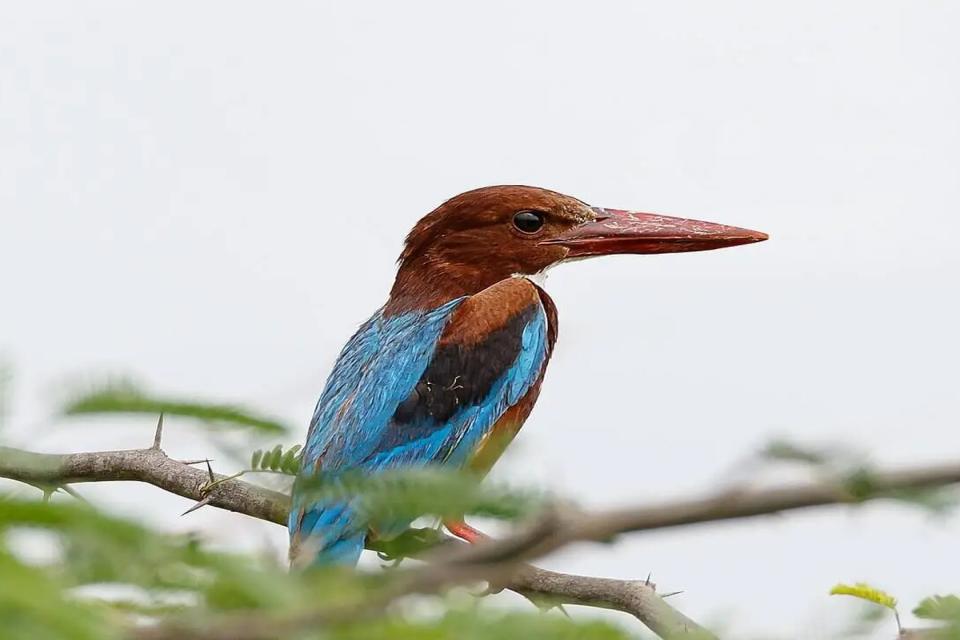
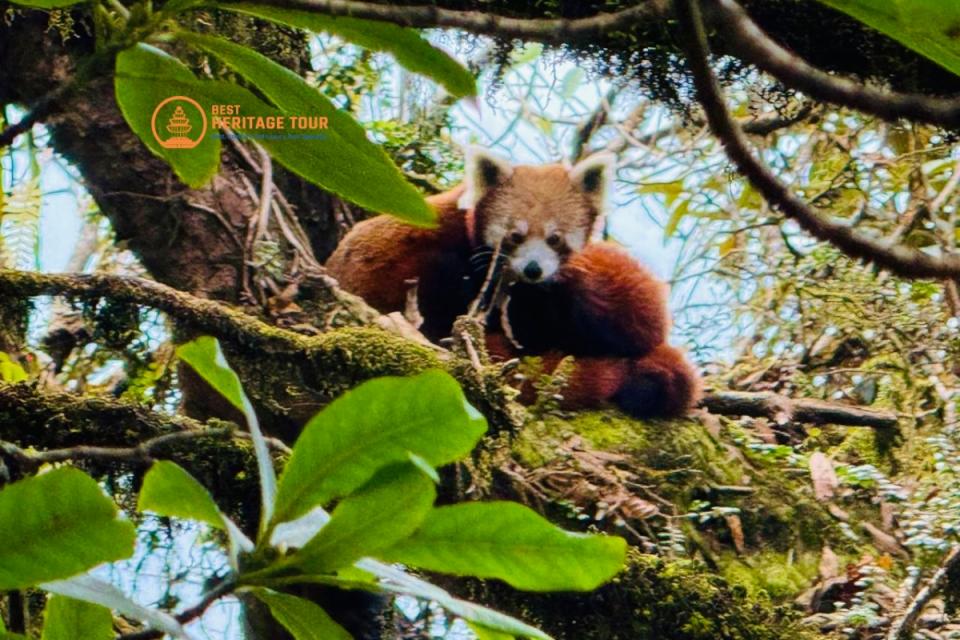
For those looking to extend their Himalayan adventure, Best Heritage Tour offers exciting options beyond the Everest Base Camp Photography Trek. Popular choices include the Red Panda Photography in Ilam, Snow Leopard Photography, Bird photography and Many More. These extensions can be tailored to your interests and schedule, adding more depth and adventure to your Nepal journey.
FAQ's
The ideal seasons for the Everest Base Camp Photography Trek are spring (March to May) and autumn (September to November). During these windows, Best Heritage Tour ensures you have the clearest skies and stable weather, which are critical for capturing the sharp, high-contrast mountain vistas that photographers crave.
The Everest Base Camp Photography Trek is classified as a moderate-to-challenging journey. While you don’t need technical climbing skills, the 130km round-trip involves long days of walking at high altitudes. Best Heritage Tour recommends a solid cardiovascular training regimen to ensure you can carry your camera gear comfortably across the rugged terrain.
To participate in the Everest Base Camp Photography Trek, you need the Khumbu Pasang Lhamu Rural Municipality Permit and the Sagarmatha National Park Entry Permit. Best Heritage Tour handles all these logistical details, including any specific local filming permits if you are using professional-grade cinematic equipment during your journey.
A standard Everest Base Camp Photography Trek usually spans 12 to 14 days. This timeframe, curated by Best Heritage Tour, includes essential acclimatization days in Namche Bazaar and Dingboche, which are vital for your safety and provide extra time for golden-hour photography in these iconic Sherpa hubs.
Yes, travel insurance is strictly required for the Everest Base Camp Photography Trek. Best Heritage Tour insists on policies that specifically cover emergency helicopter evacuation at altitudes up to 6,000 meters. This ensures that both your health and your expensive photography equipment are protected against unforeseen mountain circumstances.
Your Everest Base Camp Photography Trek officially commences with a thrilling flight from Kathmandu or Manthali to the Tenzing-Hillary Airport in Lukla. From this dramatic trailhead, Best Heritage Tour guides you into the heart of the Khumbu region, starting your visual narrative from the moment the plane touches down.
During the Everest Base Camp Photography Trek, you will stay in traditional mountain tea houses. These lodges, hand-picked by Best Heritage Tour, offer twin-sharing rooms and common dining areas. While basic, they provide a cozy, authentic atmosphere that is perfect for capturing the rustic lifestyle of the Himalayas.
Absolutely, beginners can join the Everest Base Camp Photography Trek provided they have a good level of physical fitness and a passion for adventure. Best Heritage Tour provides experienced guides who pace the trek slowly, allowing novice trekkers and photographers plenty of time to adjust to the altitude.
The highest point of the Everest Base Camp Photography Trek is the summit of Kala Patthar at 5,545 meters (18,192 ft). Best Heritage Tour schedules this climb for sunrise and sunset, offering you the most legendary panoramic view of Mount Everest, Nuptse, and Lhotse for your portfolio.
The cost of an Everest Base Camp Photography Trek varies based on the level of service and group size. Generally, Best Heritage Tour offers competitive packages ranging from 1,200 to 2,000, which typically include permits, domestic flights, professional guides, porters, and all standard meals and accommodation.
For the Everest Base Camp Photography Trek, a versatile kit is key. Best Heritage Tour recommends a wide-angle lens (16-35mm) for expansive landscapes, a standard zoom (24-70mm) for street scenes, and a telephoto lens (70-200mm) to compress the massive peaks and capture distant wildlife.
Yes, battery charging is available at most tea houses throughout the Everest Base Camp Photography Trek for a small fee. Best Heritage Tour advises bringing at least three spare batteries and a high-capacity power bank, as cold temperatures significantly drain battery life at higher elevations.
A lightweight, sturdy carbon-fiber tripod is highly recommended for the Everest Base Camp Photography Trek. It is essential for capturing low-light sunrise shots at Kala Patthar and long-exposure night photography of the Milky Way over the Himalayas, which Best Heritage Tour guides can help you set up.
On the Everest Base Camp Photography Trek, extreme cold can affect electronics. Best Heritage Tour suggest keeping your spare batteries in an inner pocket close to your body heat and using a well-padded, weather-sealed camera bag to prevent condensation when moving between the cold outdoors and warm tea houses.
The ridge above Dingboche and the heights of Kala Patthar are the premier sunset locations on the Everest Base Camp Photography Trek. Best Heritage Tour plans the itinerary to ensure you are at these vantage points during the "golden hour" to capture the alpenglow on the world's highest peaks.
Yes, the lack of light pollution makes the Everest Base Camp Photography Trek a paradise for astrophotography. Best Heritage Tour takes you to high-altitude settlements like Gorak Shep and Lobuche, where the thin air and dark skies provide a crystal-clear window into the galaxy for stunning night shots.
Droning during the Everest Base Camp Photography Trek requires special permits from the Civil Aviation Authority of Nepal and the Department of National Parks. Best Heritage Tour can assist you in navigating the complex paperwork required to legally fly a drone in the Sagarmatha National Park.
Yes, reaching the actual base camp on the Everest Base Camp Photography Trek brings you to the edge of the Khumbu Icefall. Best Heritage Tour ensures you have ample time at the base of the mountain to frame the towering seracs and deep crevasses of this moving glacier.
The trails on the Everest Base Camp Photography Trek can be very dusty, especially in the lower forested sections. Best Heritage Tour recommends bringing a comprehensive lens cleaning kit and using a rain cover for your bag to protect your sensors from the fine Himalayan silt and unpredictable mountain showers.
Safety is the priority for Best Heritage Tour during the Everest Base Camp Photography Trek. Our itinerary follows the "climb high, sleep low" principle, and our guides are trained to recognize early symptoms of AMS (Acute Mountain Sickness), ensuring a safe and gradual ascent for every photographer.
You should never drink untreated tap water during the Everest Base Camp Photography Trek. Best Heritage Tour recommends using a high-quality water filter like a Sawyer Squeeze or purification tablets to ensure you stay hydrated and healthy while minimizing plastic waste in the fragile mountain ecosystem.
For the Everest Base Camp Photography Trek, your kit should include blister pads, ibuprofen, rehydration salts, and Diamox (after consulting a doctor). While Best Heritage Tour guides carry a comprehensive medical kit, having your personal supplies ensures you are prepared for minor trail ailments.
Hot showers are available at lower elevations on the Everest Base Camp Photography Trek, usually for a fee of $3-$7. As you go higher, Best Heritage Tour advises against frequent showering to prevent catching a cold, which can be dangerous at high altitudes where the body recovers slowly.
If you fall ill on the Everest Base Camp Photography Trek, your Best Heritage Tour guide will assess your condition immediately. For minor issues, we may rest or descend; for serious cases, we coordinate a professional helicopter evacuation to a high-standard hospital in Kathmandu.
Cell reception via Ncell or NTC is available in many parts of the Everest Base Camp Photography Trek, especially in Namche and Lukla. Best Heritage Tour can help you purchase a local SIM card, though signal becomes spotty and unreliable once you pass Dingboche.
The dry, cold air on the Everest Base Camp Photography Trek can cause a persistent dry cough. Best Heritage Tour recommends wearing a buff or mask to humidify the air you breathe and staying exceptionally well-hydrated to keep your throat protected from the harsh alpine environment.
The trails on the Everest Base Camp Photography Trek are well-established but can be rocky and slippery. Best Heritage Tour guides ensure you stay on the safe side of the path, especially when encountering "yak traffic," and provide assistance on the steeper, more technical sections of the moraine.
Yes, a highlight of the Everest Base Camp Photography Trek is visiting the Tengboche Monastery. Best Heritage Tour arranges for you to witness the morning prayers, offering a profound spiritual experience and a chance to capture the intricate religious architecture and colorful murals of the Sherpa people.
Beyond landscapes, the Everest Base Camp Photography Trek focuses on the Sherpa culture. Best Heritage Tour facilitates respectful interactions with local porters, monks, and villagers, allowing you to document the resilient lifestyle that has thrived in the shadow of the world's highest mountains for centuries.
Yes, but respect is paramount on the Everest Base Camp Photography Trek. Best Heritage Tour guides will help you ask for permission (in Nepali) before taking portraits, ensuring that your photography is a bridge for connection rather than an intrusion into the locals' daily lives.
The staple meal on the Everest Base Camp Photography Trek is "Dal Bhat" (lentil soup and rice). Best Heritage Tour encourages trying this nutritious dish, as it provides the sustained energy needed for trekking. You will also find Sherpa stew (Syakpa) and Tibetan bread in most tea houses.
Wi-Fi is widely available on the Everest Base Camp Photography Trek via the "Everest Link" service. While speeds vary, Best Heritage Tour can help you buy prepaid cards, allowing you to upload your best daily shots to social media and stay in touch with family.
Namche Bazaar is the vibrant Sherpa "capital" and a crucial stop on the Everest Base Camp Photography Trek. Best Heritage Tour schedules two nights here, providing time to explore the local markets, museums, and bakeries, which offer endless opportunities for street and lifestyle photography.
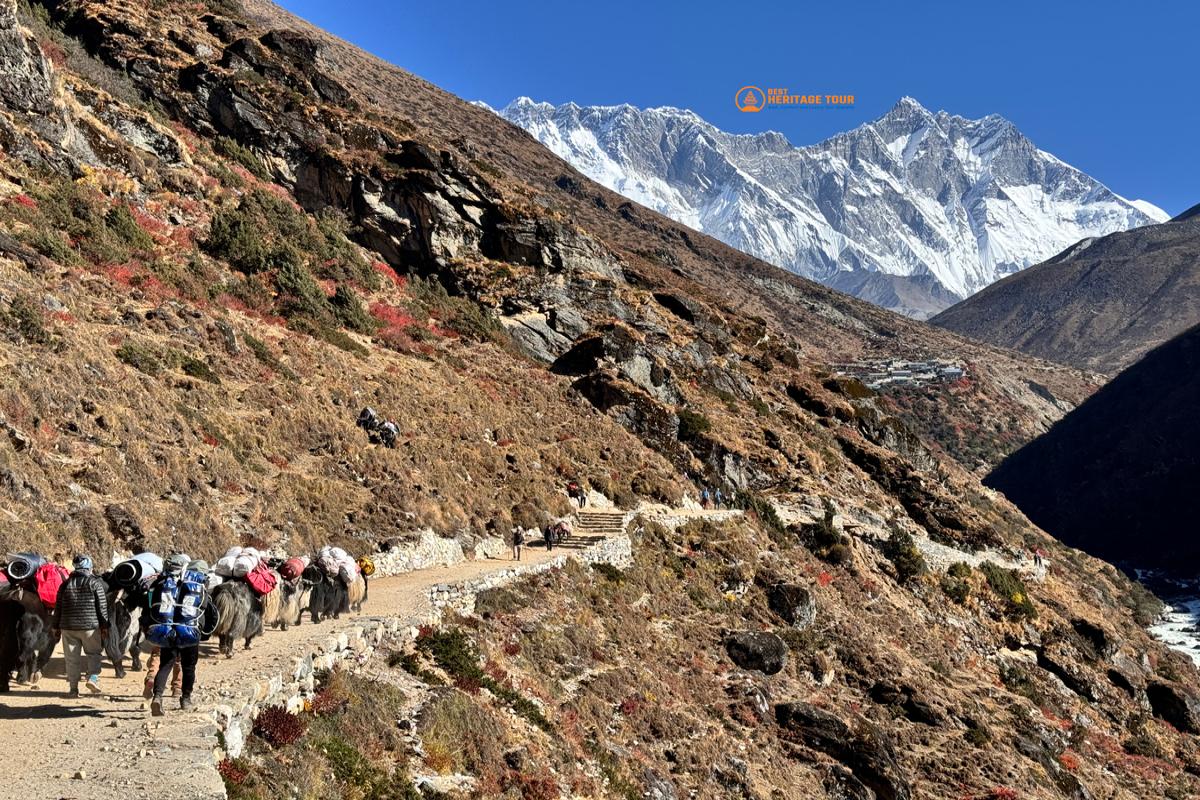
Yes, yaks and Chauri (crossbreeds) are the primary mode of transport on the Everest Base Camp Photography Trek. Best Heritage Tour ensures you have many chances to photograph these iconic beasts as they navigate the narrow suspension bridges and steep mountain passes with their heavy loads.
Namche Bazaar is the best place for souvenir shopping on the Everest Base Camp Photography Trek. From hand-woven yak wool blankets to traditional Tibetan singing bowls, Best Heritage Tour guides can point you to authentic local vendors who support the mountain economy.
You will encounter thousands of Mani stones (carved with mantras) and prayer wheels on the Everest Base Camp Photography Trek. Best Heritage Tour reminds guests to always walk to the left of these sacred objects as a sign of respect for the local Buddhist traditions.
Yes, Best Heritage Tour includes a hike to the Everest View Hotel (the highest hotel in the world) during your acclimatization stay in Namche. This provides a spectacular panoramic vista for your first clear shots of Everest and the towering pyramid of Ama Dablam.
On the flight to Lukla for the Everest Base Camp Photography Trek, the total weight limit (including hand carry) is 15kg. Best Heritage Tour recommends wearing your heavy trekking boots and keeping your densest camera gear in your pockets to maximize your allowance.
While tea houses provide blankets, Best Heritage Tour strongly recommends a personal 4-season sleeping bag rated to -20°C for the Everest Base Camp Photography Trek. This ensures you stay warm and hygienic during the freezing nights at higher altitudes like Lobuche and Gorak Shep.
A pair of broken-in, waterproof trekking boots with good ankle support is essential for the Everest Base Camp Photography Trek. Best Heritage Tour also suggests bringing a light pair of sneakers or sandals to wear inside the tea houses after a long day of shooting.
Yes, a high-capacity power bank (20,000mAh or more) is a must for the Everest Base Camp Photography Trek. Best Heritage Tour notes that while charging stations exist, having your own power source is more reliable for keeping your camera, phone, and GPS devices running.
The layering system is the gold standard for the Everest Base Camp Photography Trek. Best Heritage Tour recommends moisture-wicking base layers, an insulating fleece mid-layer, and a heavy down jacket to stay warm while waiting for the perfect light during cold sunrise shoots.
For the Everest Base Camp Photography Trek, many photographers prefer a clip-on system like the Peak Design Capture Clip. This keeps your camera accessible on your backpack strap while keeping your hands free for trekking poles on steep sections.
You will likely take thousands of photos on the Everest Base Camp Photography Trek. Best Heritage Tour recommends bringing multiple 64GB or 128GB high-speed cards rather than one large one, reducing the risk of data loss if a single card fails or is damaged.
Solar chargers can be useful on the Everest Base Camp Photography Trek, but they are often slow and dependent on clear weather. Best Heritage Tour suggests that a large power bank is generally more efficient, though a small solar panel attached to your pack can provide supplemental power.
While high-end gear is great, you don't need a $10,000 setup for the Everest Base Camp Photography Trek. Best Heritage Tour has seen incredible results from mid-range DSLRs and even high-end smartphones; the most important "gear" is your eye for composition and timing.
A 30-40 liter daypack with a dedicated camera compartment is ideal for the Everest Base Camp Photography Trek. Best Heritage Tour reminds you that your porter will carry your heavy duffel, so your daypack only needs to hold your camera kit, water, and extra layers.
On average, you will walk for 5 to 7 hours a day during the Everest Base Camp Photography Trek. Best Heritage Tour ensures the pace is slow enough to stop for photos whenever inspiration strikes, making the journey as much about the process as the destination.
The climb to Namche Bazaar is one of the toughest ascents on the Everest Base Camp Photography Trek. Best Heritage Tour breaks this 600-meter climb into manageable sections, stopping at the halfway point for your very first (and often emotional) view of Mount Everest through the trees.
Tengboche sits on a high ridge and offers a 360-degree panorama of the Khumbu peaks. Best Heritage Tour considers this one of the most cinematic spots on the Everest Base Camp Photography Trek, where the ancient monastery serves as a foreground for the massive face of Ama Dablam.
The Dingboche Valley is characterized by stone-walled fields and incredible views of Island Peak and Lhotse. During the Everest Base Camp Photography Trek, Best Heritage Tour takes you on a hike to Nagarjun Hill for a wide-angle perspective of the valley’s unique agricultural patterns and mountain backdrops.
The Thukla Pass is a somber but beautiful spot on the Everest Base Camp Photography Trek, home to memorials for climbers who lost their lives on Everest. Best Heritage Tour allows time here to reflect and capture the poignant atmosphere of the stone chortens against the backdrop of the high peaks.
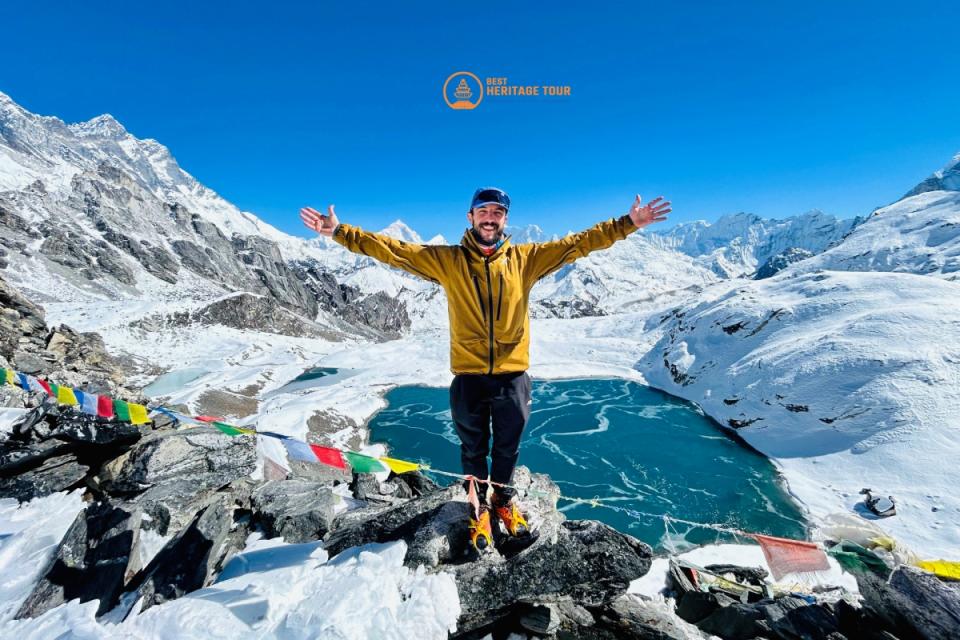
In Lobuche, the Everest Base Camp Photography Trek reaches the edge of the Khumbu Glacier. Best Heritage Tour guides you to the moraine edge where you can capture the raw, icy textures of the glacier and the towering pyramids of Nuptse and Pumori looming directly above you.
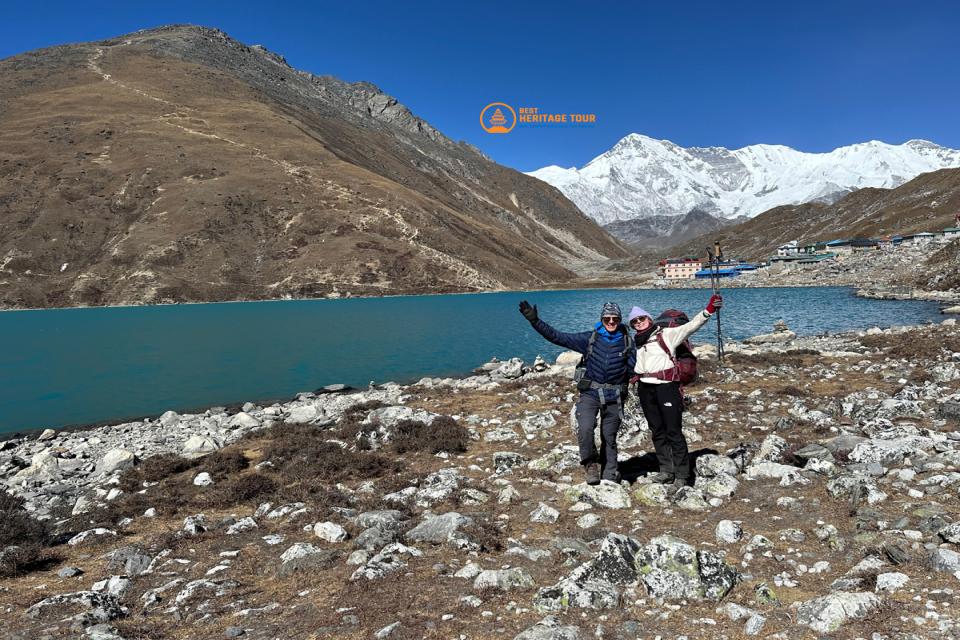
Gorak Shep is the final settlement on the Everest Base Camp Photography Trek. Best Heritage Tour uses this as a base for the final push to Base Camp; it is a high-altitude, windswept location that provides a gritty, "edge of the world" aesthetic for your photo essay.
Yes, the Everest Base Camp Photography Trek takes you directly into the camp site on the Khumbu Glacier. Best Heritage Tour times your visit to avoid the largest crowds, allowing you to focus on the details of expedition life and the towering ice formations of the Khumbu Icefall.
While the path is the same, the perspective on the return leg of the Everest Base Camp Photography Trek is entirely different. Best Heritage Tour helps you find "downhill" compositions and capture the changing light on the valleys you previously ascended, completing your visual narrative of the trek.
To capture star trails on the Everest Base Camp Photography Trek, you need a tripod and an intervalometer. Best Heritage Tour recommends finding a foreground element like a Sherpa lodge or a stupa to provide scale and context to the rotating celestial patterns above the Himalayas.
If your Everest Base Camp Photography Trek coincides with a festival like Mani Rimdu, Best Heritage Tour arranges for you to be in the front row. Use a fast prime lens (f/1.8 or f/2.8) to capture the vivid colors and motion of the masked dancers in the low light of the monastery courtyard.
Suspension bridges are iconic elements of the Everest Base Camp Photography Trek. Best Heritage Tour suggests using a wide-angle lens to emphasize the bridge’s leading lines or a telephoto lens to compress the height and drama as a caravan of yaks crosses high above the river.
For the best portraits on the Everest Base Camp Photography Trek, use a wide aperture (like f/2.8 or f/4) to blur the background and make the subject's face pop. Best Heritage Tour guides often act as translators to help you build rapport with the people you are photographing.
Mid-day sun in the Himalayas can be harsh and flat. Best Heritage Tour suggests using this time for travel or rest, focusing your photography efforts on the side-lighting of the early morning and late afternoon when shadows add depth and texture to the mountain faces.
Always shoot in RAW on the Everest Base Camp Photography Trek. Best Heritage Tour knows that the extreme dynamic range of the Himalayas (bright snow and dark shadows) requires the extra data found in RAW files to properly recover details during post-processing back home.
Everest is so massive it can look small in a wide-angle shot. Best Heritage Tour recommends including a foreground element - like a trekker, a tent, or a yak - to provide a sense of scale, helping the viewer understand the sheer magnitude of the world's highest peak.
The blue hour occurs just before sunrise and just after sunset on the Everest Base Camp Photography Trek. Best Heritage Tour loves this time for its ethereal, cool light, which makes the glaciers glow with an otherworldly blue hue that is perfect for artistic, moody landscape shots.
A Neutral Density (ND) filter is useful on the Everest Base Camp Photography Trek if you want to blur the motion of the Dudh Koshi River or clouds over the peaks. Best Heritage Tour suggests a 6-stop or 10-stop filter for these creative long-exposure effects during the daylight hours.
Best Heritage Tour recommends booking your Everest Base Camp Photography Trek at least 3 to 4 months in advance. This ensures we can secure your preferred dates, flights to Lukla, and the best available tea house accommodations during the busy peak seasons.
Best Heritage Tour recommends arriving in Kathmandu at least two days before your Everest Base Camp Photography Trek begins. This allows your body to recover from the flight and gives you time for a final gear check and a briefing with our lead photography guide.
While you can rent basic trekking gear, Best Heritage Tour advises bringing your own camera bodies and lenses for the Everest Base Camp Photography Trek. You want to be intimately familiar with your equipment before you reach the challenging conditions of the high-altitude Khumbu.
The sun is incredibly intense at high altitudes during the Everest Base Camp Photography Trek. Best Heritage Tour insists on high-SPF sunscreen, lip balm with UV protection, and category 4 sunglasses to prevent snow blindness and severe sunburn while you are out shooting all day.
For the flight to Lukla, Best Heritage Tour recommends keeping your most fragile lenses and camera bodies in a padded carry-on bag. The luggage handlers can be rough with duffels, so your expensive glass should always stay with you in the cabin.
While some photographers carry their own gear, Best Heritage Tour highly recommends a porter for the Everest Base Camp Photography Trek. This allows you to focus entirely on your photography without being exhausted by the weight of your tripod, extra lenses, and personal supplies.
Energy bars, chocolate, and nuts are excellent for the Everest Base Camp Photography Trek. Best Heritage Tour notes that while these are available on the trail, they become much more expensive as you go higher, so bringing a stash from home is a great way to save.
Yes, Best Heritage Tour can arrange a helicopter return from Gorak Shep or Pheriche to Lukla or Kathmandu. This is a popular option for photographers who want to capture stunning aerial views of the Khumbu range and save several days of downhill trekking.
Tipping is a standard practice on the Everest Base Camp Photography Trek and is deeply appreciated. Best Heritage Tour suggests a guideline of 10-15% of the total trek cost, which is typically distributed among the guide and porters at the end of the journey in Lukla.
Teahouse culture is the heart of the Everest Base Camp Photography Trek. Best Heritage Tour encourages spending evenings in the communal dining halls, where you can share stories and photos with fellow travelers from around the world around a warm yak-dung-fired stove.
While solo trekking is possible, Best Heritage Tour strongly advises against it for a photography-focused trip. Having a professional guide ensures your safety, handles all logistics, and provides valuable local knowledge that can lead to more unique and authentic photo opportunities.
Laundry services are available in Namche Bazaar on the Everest Base Camp Photography Trek. Best Heritage Tour suggests doing a quick wash here during your acclimatization days, as drying clothes at higher, colder altitudes becomes nearly impossible.
While Base Camp is the goal, you cannot actually see the summit of Everest from there. Best Heritage Tour takes you to Kala Patthar during the Everest Base Camp Photography Trek because it offers the most iconic, unobstructed view of the Everest peak and the surrounding giants.
Yes, the Khumbu Glacier on the Everest Base Camp Photography Trek is filled with dramatic ice pillars and penitentes. Best Heritage Tour guides you to safe vantage points on the moraine where you can use a telephoto lens to isolate these intricate, natural frozen sculptures.
If you sit on the left side of the plane when flying to Lukla, you get a stunning aerial view of the Himalayan range. Best Heritage Tour advises travelers on the Everest Base Camp Photography Trek to arrive early at the airport to try and snag these "photographer's seats."
Nagarjun Hill is a steep acclimatization hike from Dingboche. Best Heritage Tour includes this on the Everest Base Camp Photography Trek because it provides a spectacular bird’s-eye view of the Imja Valley and the massive south face of Lhotse for your landscape portfolio.
The village of Khumjung, home to the "Yeti Scalp" monastery, is a hidden gem. Best Heritage Tour often includes a detour here on the Everest Base Camp Photography Trek to capture the traditional green-roofed houses and the authentic, less-crowded atmosphere of this high-altitude plateau.
Mani Walls are long walls of carved stones. Best Heritage Tour suggests using side-lighting (early morning or late afternoon) on the Everest Base Camp Photography Trek to emphasize the relief and shadows of the ancient Tibetan script carved into the rocks.