Muktinath Jeep Tour (Pokhara to Pokhara) - 3 Days
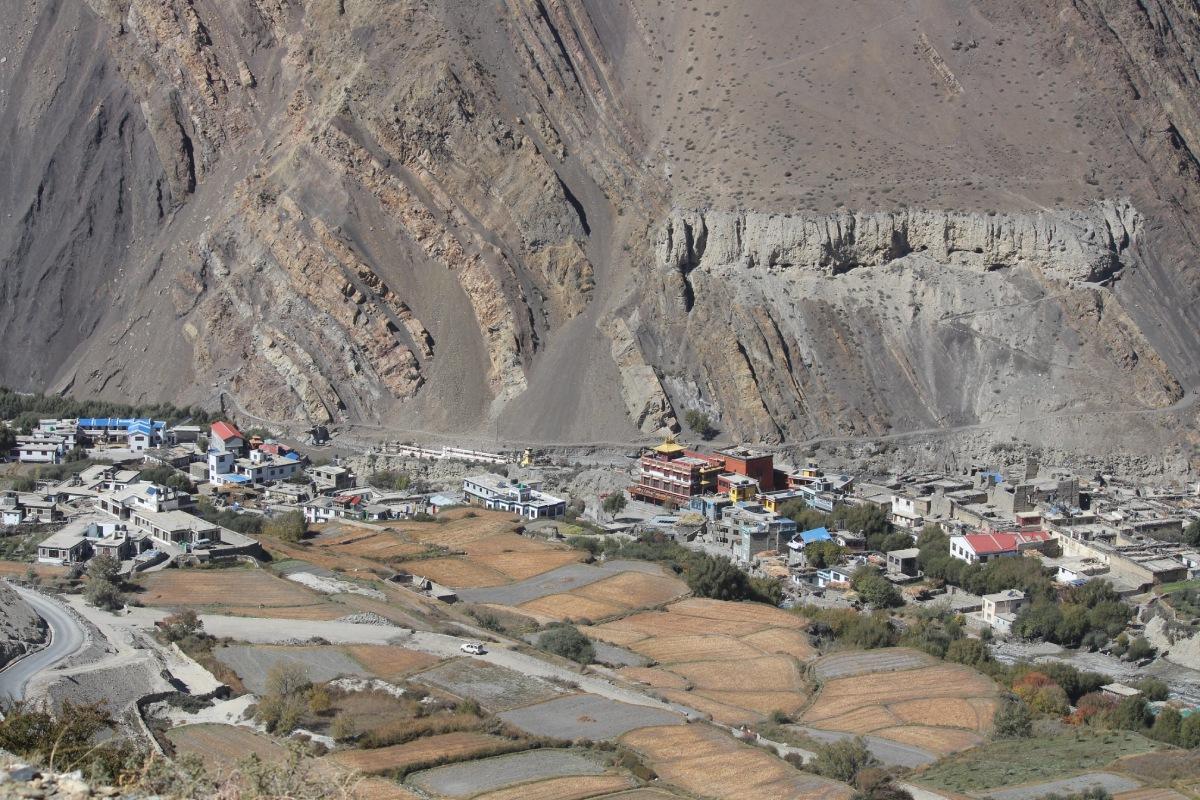
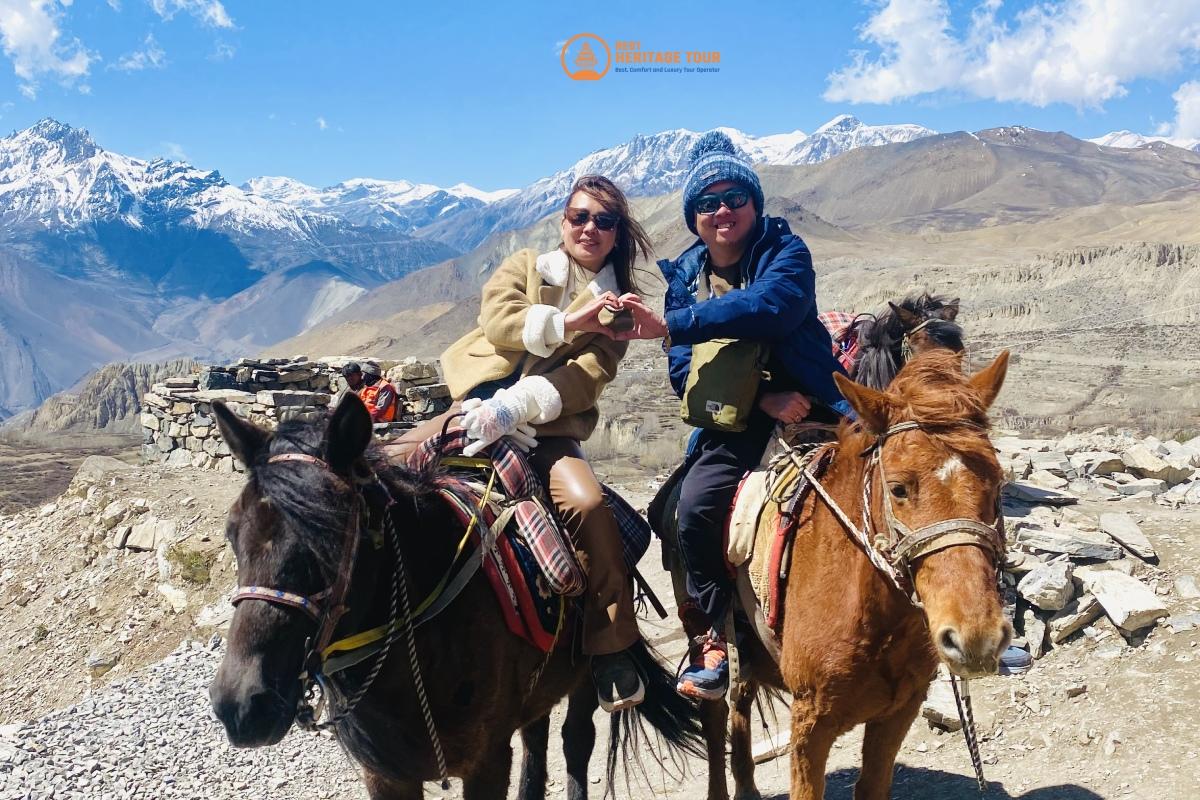
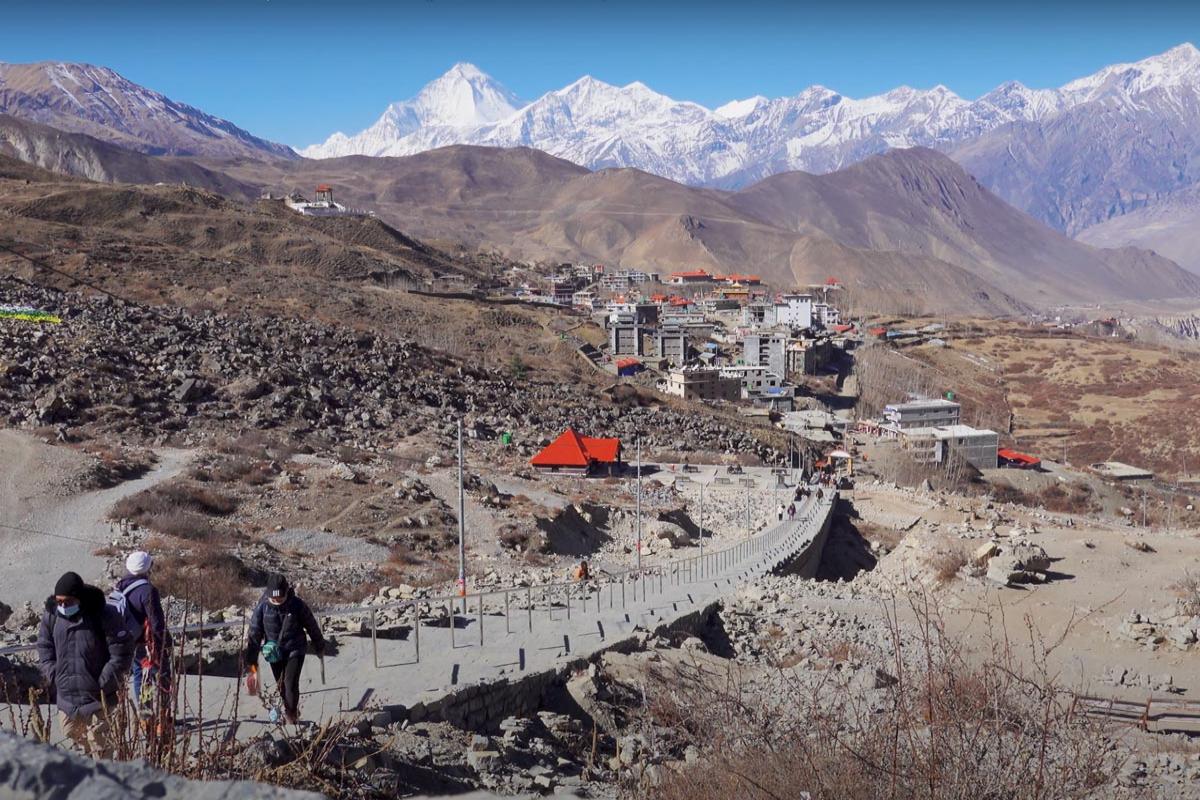
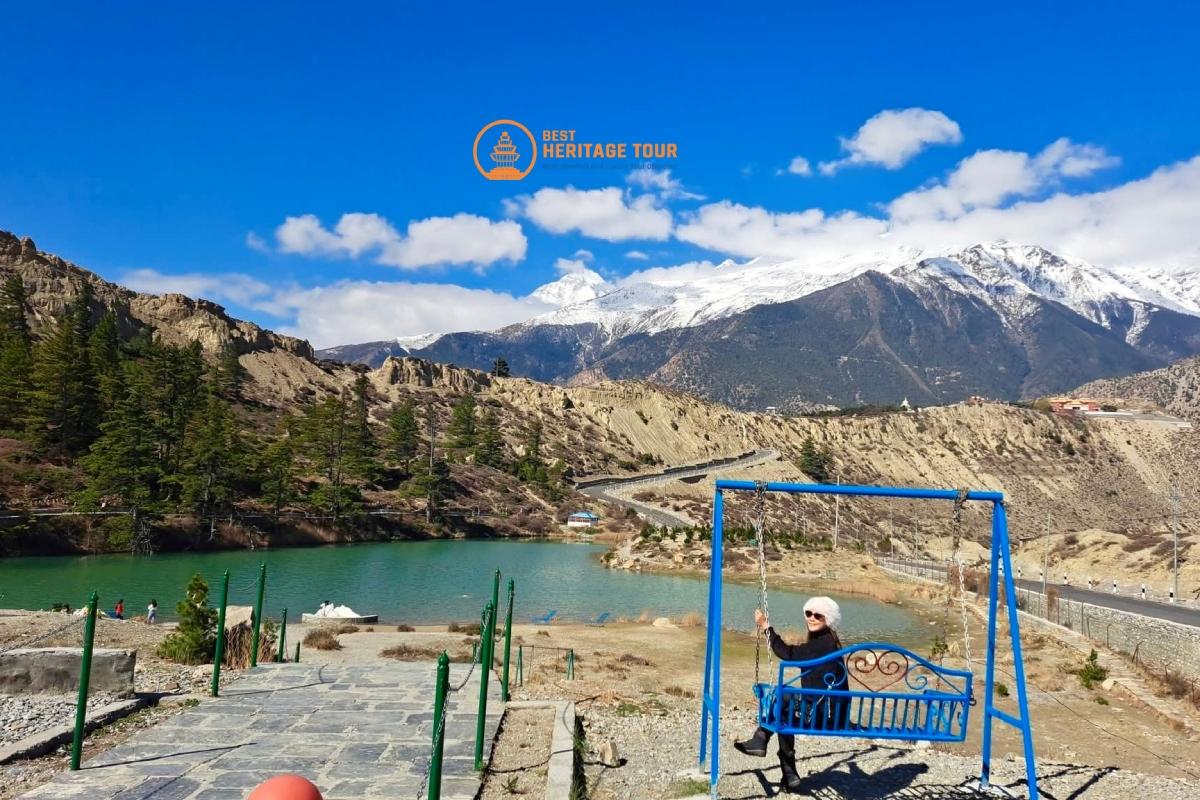
Insight on Muktinath Jeep Tour
Embark on a spiritually enriching journey through the heart of Nepal, where breathtaking landscapes meet sacred traditions. From the revered Muktinath Temple, known for its purification rituals, to the spiritual village of Kagbeni, each stop offers a unique blend of religious significance and natural beauty. Immerse yourself in age-old practices, honor your ancestors, and find tranquility in the Himalayas. This tour combines profound religious experiences with scenic adventures, creating a transformative journey for the soul and spirit.
Trip at a Glance
-

Country: Nepal
-

Trip grade: Easy
-

Destination: Mutkinath Temple
-

Activities: Tour & Sightseeing
-

Accommodation: Hotel
-

Meals: Breakfast, Lunch & Dinner
-
.png)
Transportation: Jeep
-

Maximum altitude: 3710m
-

Group size: 2-19
-
Trip Start / End: Pokhara - Pokhara
-
.png)
Best Season: Sep-Nov, Mar-May & Dec-Feb
Key Highlights
- Adventurous off-road journey to Jomsom, passing through rugged terrain and offering spectacular views.
- Explore Marpha Village known for its apple orchards, traditional Apple Wine and traditional Tibetan architecture.
- Take a sacred bath in Kaligandaki River and perform Pitru Paksha Puja (Shraddh / ancestor worship) in Kaghbeni - considered as Pitri- Moksastala.
- Take a relaxing dip in Tatopani - natural hot springs, known for their rejuvenating properties.
- Witness the Kushuma Bungee- world second Highest Bungee Jump Location
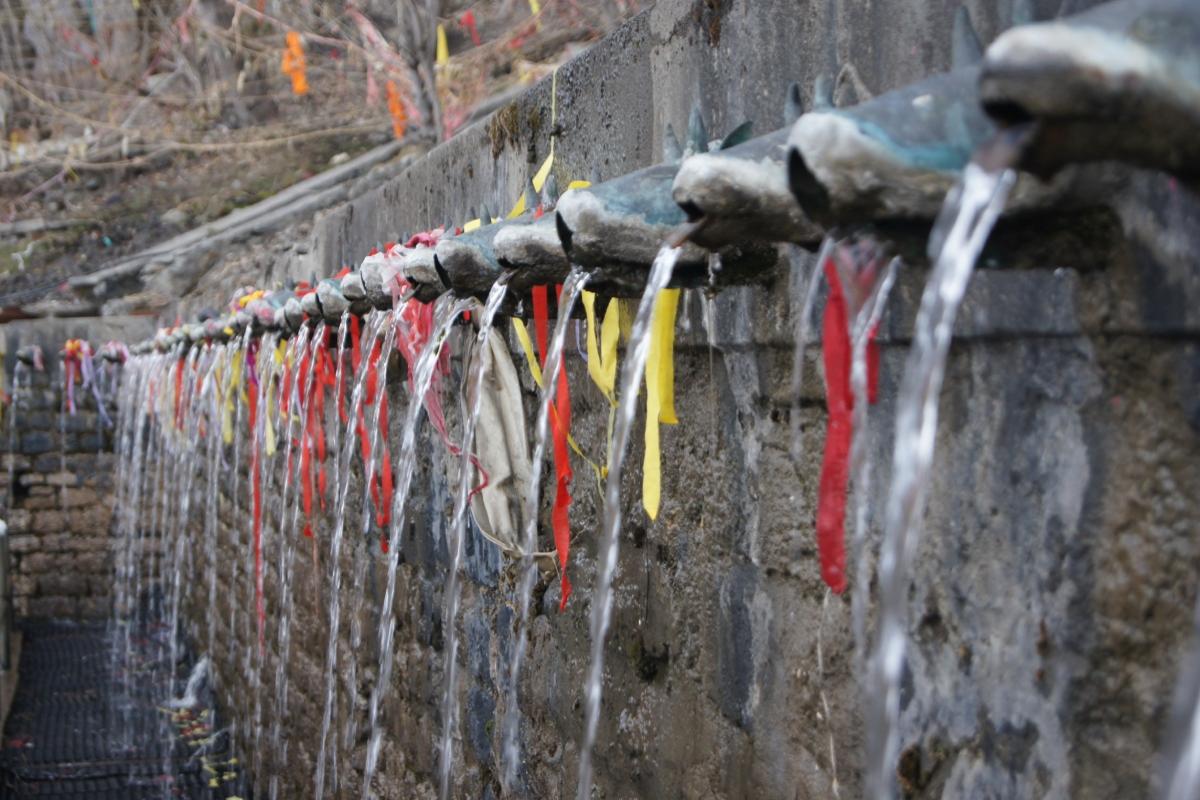
- Experience the spiritual cleansing ritual by bathing under the Muktinath's 108 Stone Water Taps, believed to purify the soul and wash away sins.
Benefit of Muktinath Jeep Tour with Best Heritage Tour
- Online trip briefing post-booking confirmation
- Guided tour with experience local guide having deep knowledge about the places
- Availability of medical kits for emergencies
- Convenient booking and reservation process
- Multiple communication channels (Email, WhatsApp, Facebook, WeChat, Viber, Skype, Zoom)
- 24/7 phone support at +977-9851149197/+9779810043046
- Simple payment system
- Free storage for excess luggage at Best Heritage Tour store during the trek
Trip Overview
This 3-day jeep adventure from Pokhara to Muktinath is a perfect combination of scenic beauty, cultural exploration, and spiritual significance. The journey takes you through diverse landscapes, charming villages, and revered pilgrimage sites, creating an enriching travel experience.
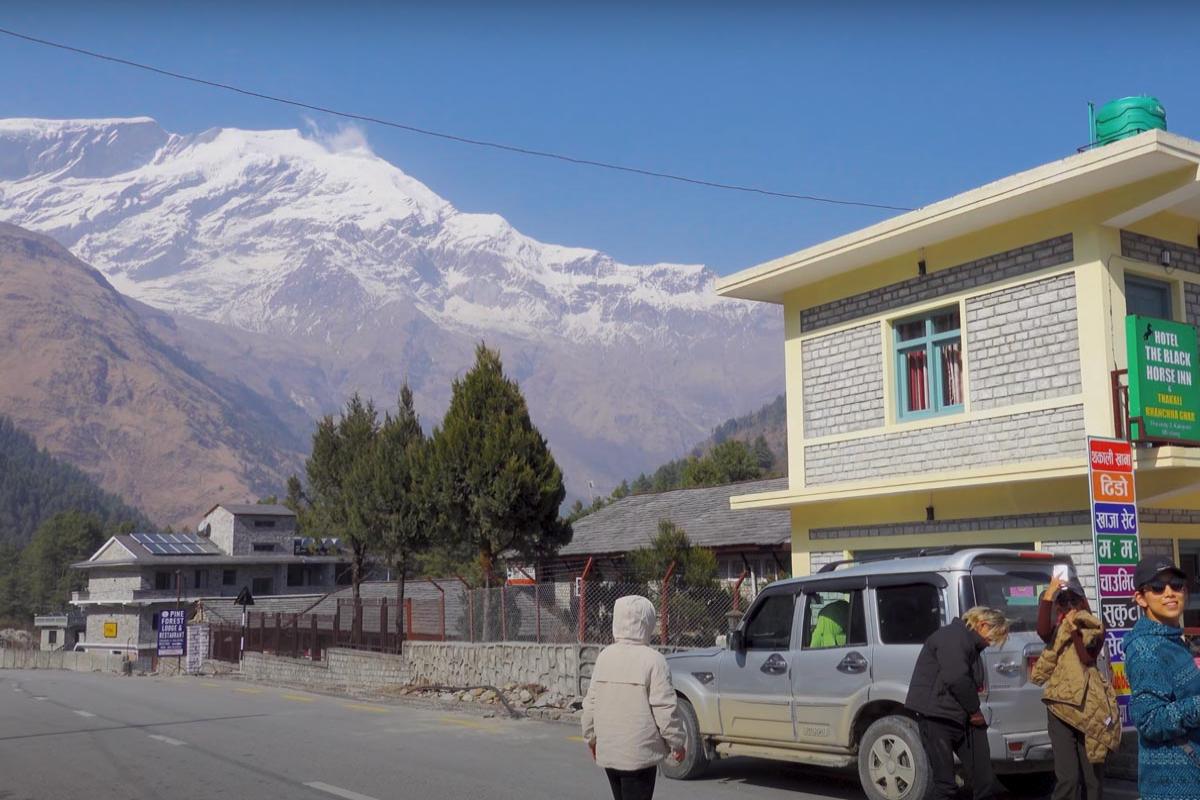
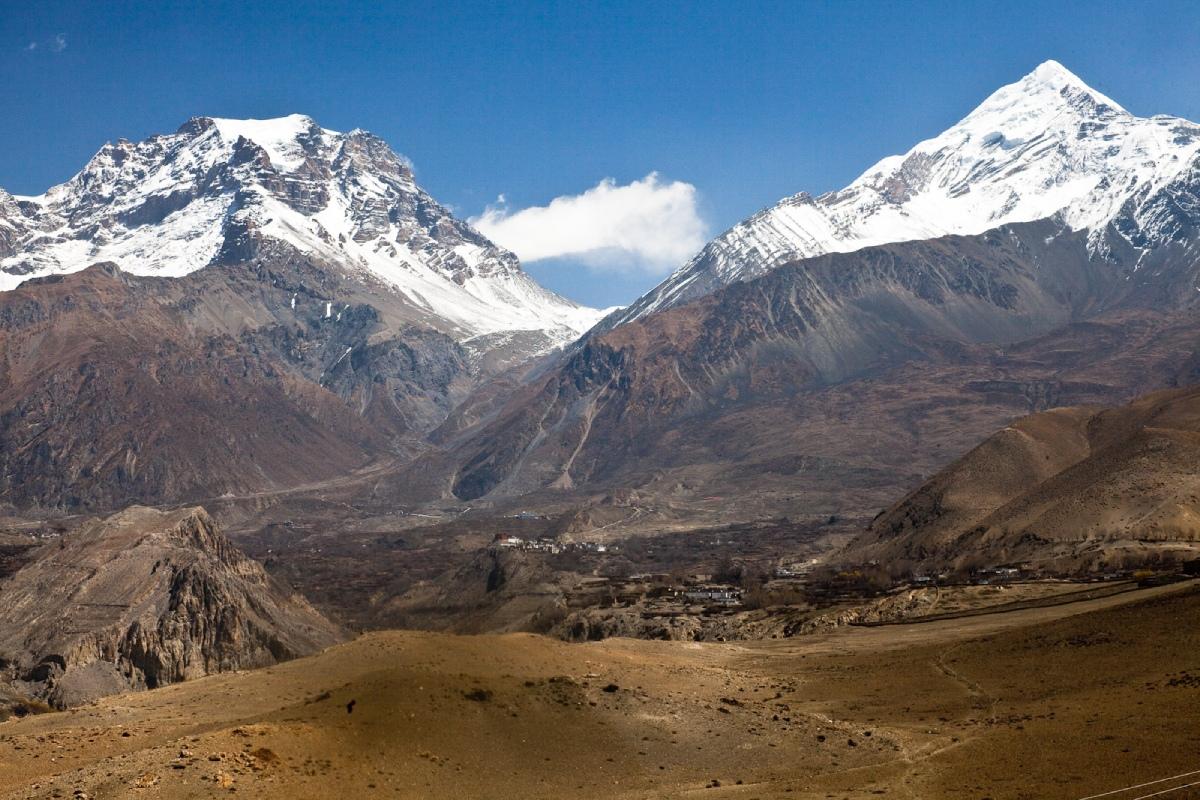
The trip begins with a scenic drive from Pokhara to Jomsom, passing through the picturesque Marpha Village, famous for its apple orchards and traditional stone houses. As the road follows the Kali Gandaki River, travelers can witness the stunning contrast between lush valleys and the rugged terrain of Mustang. The drive offers breathtaking views of the Annapurna and Dhaulagiri ranges before reaching Jomsom, a lively town known as the gateway to Upper Mustang.
Continuing toward Muktinath, the journey takes a spiritual turn as travelers visit this revered pilgrimage site. Muktinath Temple, sacred to both Hindus and Buddhists, is believed to grant salvation to devotees. Along the way, worship at the holy Kaligandaki River, renowned for its Shaligram fossils, and visit Kagbeni, an ancient village rich in history and Tibetan influence. The journey also includes a stop at Galeshwor Mahadev Temple, a significant Hindu shrine, before heading to Tatopani. Here, the natural hot springs provide a perfect opportunity to relax and rejuvenate.
The final stretch of the trip leads back to Pokhara, with an exciting visit to Kushma Bungee, one of Nepal’s most thrilling bungee jumping spots. This adventure-filled journey blends spirituality, natural beauty, and adrenaline-packed experiences, making it an unforgettable Himalayan exploration.
At Best Heritage Tour, we believe that every journey should be an unforgettable experience. Our Pokhara to Muktinath Jeep Adventure is more than just a trip-it’s a blend of spiritual discovery, breathtaking landscapes, and thrilling moments. Whether you seek divine blessings at Muktinath, immerse yourself in the beauty of Mustang, or feel the rush of adventure at Kushma Bungee, this journey has something for every traveler.
Let us take care of the details while you focus on creating memories that will last a lifetime. Contact us today to start planning your ultimate Himalayan adventure. The sacred trails and majestic mountains are calling-are you ready to answer?
Know about the Places
1. Marpha Village
Marpha Village, nestled in the Mustang district of Nepal, is a charming and picturesque settlement renowned as the “Apple Capital of Nepal” for its thriving apple orchards and production of apple-based products like cider, brandy, and pies. This traditional Thakali village is famous for its unique whitewashed stone houses, narrow cobblestone streets, and flat roofs used for drying apples and grains. Marpha is a cultural gem, with Buddhist monasteries, mani walls, and chortens reflecting its spiritual heritage. A popular stop on the Annapurna Circuit, the village offers warm hospitality, cozy teahouses, and stunning views of the Himalayas. Opt. Visitors can explore nearby attractions like Dhumba Lake and Tukuche Peak, making Marpha a perfect blend of natural beauty, cultural richness, and agricultural tradition.
2. Jomsom
Jomsom, nestled at 2,720 meters in the Mustang district, is a picturesque village and the gateway to Upper Mustang and Muktinath Temple. It lies along the Kali Gandaki River, home to sacred Shaligram stones, and offers breathtaking views of the Annapurna and Dhaulagiri ranges. The region's semi-arid landscape, strong winds, and stunning mountain backdrop make it a unique destination for travelers. Jomsom is also a crucial stop on the Annapurna Circuit trek and a transit point for flights connecting to Pokhara.
Rich in Thakali culture, Jomsom is famous for its warm hospitality and delicious Thakali cuisine. Visitors can explore traditional stone houses, monasteries, and apple orchards, as the region is well known for its apple production and local apple brandy. The blend of Tibetan-influenced heritage, vibrant markets, and breathtaking surroundings makes Jomsom a must-visit destination for those traveling through the Mustang region.
3. Galeshwor Mahadev Temple
Nestled in the picturesque village of Beni, near the confluence of the Kali Gandaki and Myagdi rivers, Galeshwor Mahadev Temple is a sacred shrine dedicated to Lord Shiva. This ancient temple, though less known compared to other major religious sites in Nepal, holds immense spiritual significance and is deeply revered by locals and pilgrims alike. Its tranquil setting, surrounded by lush hills and the soothing sounds of flowing rivers, makes it a perfect destination for those seeking peace and divine connection.
- Religious Importance
Galeshwor Mahadev Temple is steeped in mythology and is believed to be one of the many abodes of Lord Shiva. According to legend, the temple is associated with the story of the demon king Ravana from the Hindu epic Ramayana. It is said that Ravana, a devout follower of Lord Shiva, meditated here to gain divine blessings. The temple’s name, "Galeshwor," is derived from "Gale," meaning "throat," and "Ishwor," meaning "Lord," symbolizing Lord Shiva’s role as the protector and destroyer of evil.
The temple is particularly significant during the festival of Maha Shivaratri, when devotees from across the region gather to offer prayers, light oil lamps, and perform rituals to honor Lord Shiva. The serene atmosphere and the natural beauty of the surrounding area enhance the spiritual experience, making it a place of deep devotion and reflection.
Galeshwor Mahadev Temple is also a starting point for many treks and pilgrimages in the region, including the sacred journey to Muktinath. Its location near the Kali Gandaki River, considered holy by Hindus, adds to its sanctity. Pilgrims often take a dip in the river before visiting the temple, believing it purifies the soul and washes away sins.
For those seeking a blend of spirituality and natural beauty, Galeshwor Mahadev Temple offers a unique and tranquil experience, embodying the timeless connection between divinity and nature.
4. Kaghbeni
Kaghbeni, a historic village in the Mustang region of Nepal, is not only a cultural treasure but also a deeply spiritual destination. Located along the banks of the Kali Gandaki River, this ancient village is known for its medieval architecture, narrow cobblestone streets, and traditional mud-brick houses. However, what truly sets Kaghbeni apart is its role as a sacred site for Pitri Puja, a ritual dedicated to honoring ancestors.
- Religious and Spiritual Importance
Kaghbeni is renowned for its connection to Pitri Puja, a Hindu ritual performed to pay homage to deceased ancestors. According to Hindu beliefs, performing Pitri Puja helps bring peace to the souls of ancestors and ensures their blessings for the family. The village is considered an ideal location for this ritual due to its proximity to the holy Kali Gandaki River, which is believed to have purifying properties. Pilgrims often come here to perform the ritual, offering prayers, food, and other offerings to their ancestors by the riverbank.
In addition to Pitri Puja, Kaghbeni is also home to the ancient Kaghbeni Monastery, a significant Buddhist site with intricate murals and ancient scriptures. The village’s spiritual atmosphere is further enriched by its chortens (stupas) and prayer wheels, which are believed to bring blessings to those who circumambulate them.
Kaghbeni’s unique blend of Hindu and Buddhist traditions, combined with its serene setting, makes it a profound destination for spiritual seekers. Whether you’re performing Pitri Puja to honor your ancestors or simply soaking in the village’s timeless charm, Kaghbeni offers a deeply meaningful experience that connects you to Nepal’s rich spiritual heritage.
5. Kali Gandaki River
The Kali Gandaki River, one of Nepal’s major rivers, is not only a natural wonder but also a source of deep spiritual significance. Flowing through the Himalayas, it carves the world’s deepest gorge between the towering peaks of Dhaulagiri and Annapurna. The river is named after the Hindu goddess Kali, symbolizing power and transformation, and is considered sacred by both Hindus and Buddhists.
- Religious Importance
The Kali Gandaki River is believed to possess purifying properties, and taking a dip in its waters is thought to cleanse sins and bring spiritual renewal. For pilgrims on their way to Muktinath, bathing in the river is an essential ritual before visiting the sacred temple. The river is also associated with the Shaligram stones, fossilized ammonites revered as manifestations of Lord Vishnu. These stones are found along the riverbed and are used in worship and rituals.
The river’s spiritual significance is further enhanced by its connection to ancient legends. It is said that the Kali Gandaki River was created by the tears of Lord Shiva, adding to its mystical aura. For trekkers and pilgrims, the river is not just a geographical feature but a symbol of Nepal’s spiritual and natural harmony.
6. Muktinath Temple
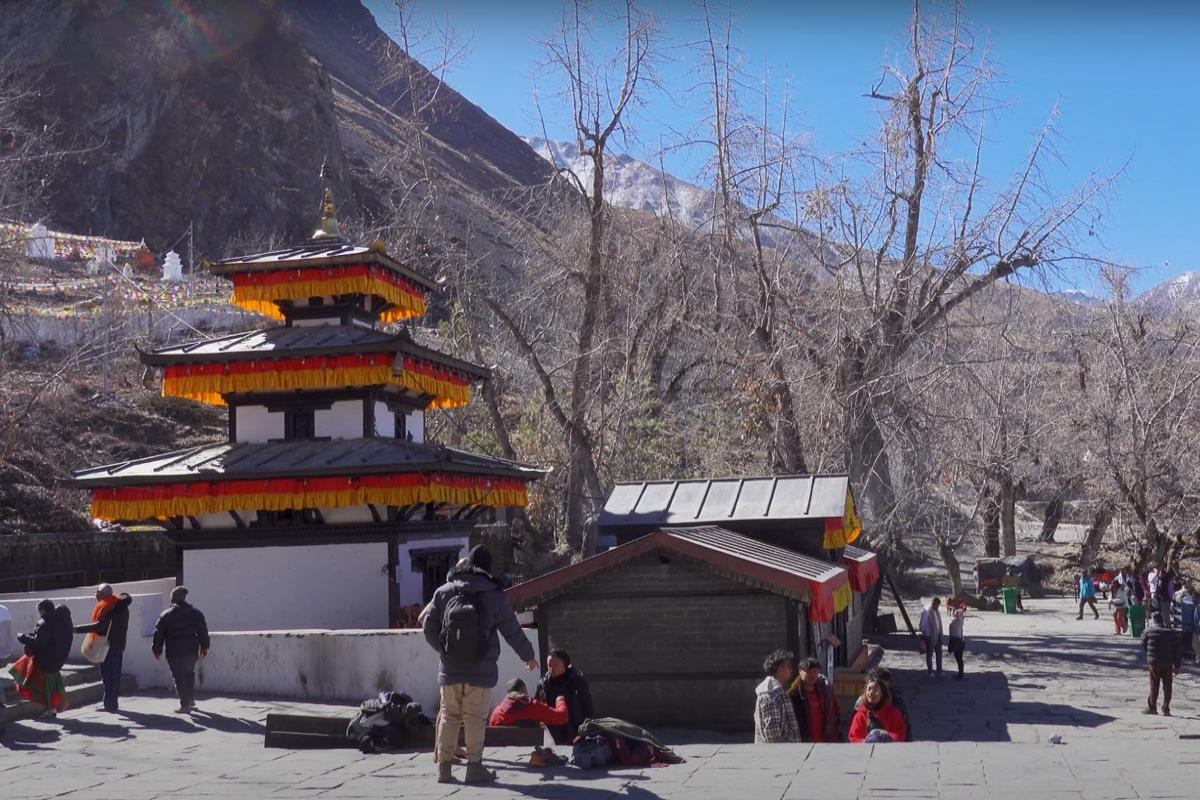
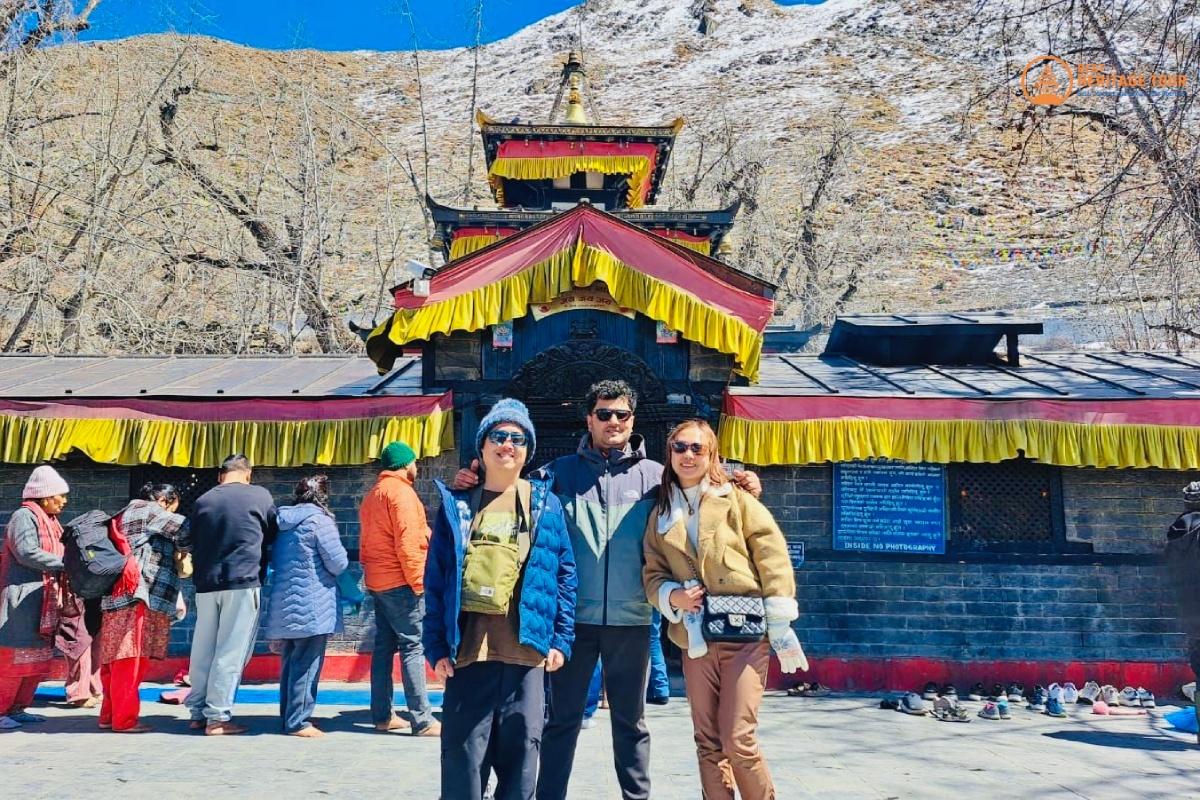
Perched at an altitude of 3,710 meters in the Mustang district of Nepal, Muktinath Temple is one of the most revered pilgrimage sites in the Himalayas. Known as “Mukti Kshetra” (the place of liberation), this sacred temple holds immense significance for both Hindus and Buddhists. It is dedicated to Lord Vishnu, worshipped here as Muktinath (the Lord of Salvation), and is believed to grant devotees freedom from the cycle of birth and rebirth (moksha).
- Religious Importance
For Hindus, Muktinath Temple is one of the 108 Divya Desams (holy shrines of Lord Vishnu) and is considered a place where devotees can attain spiritual liberation. The temple is renowned for its 108 water spouts, shaped like bull heads, from which icy holy water flows. Pilgrims bathe under these spouts to cleanse their sins and purify their souls. The temple also features two sacred ponds, known as Kunda, where devotees take a holy dip before offering prayers.
For Buddhists, Muktinath is known as Chumig Gyatsa, which means “Hundred Waters.” It is believed to be a place where the great Buddhist sage Guru Rinpoche (Padmasambhava) meditated on his journey to Tibet. The temple complex includes a Buddhist monastery, and the coexistence of Hindu and Buddhist traditions here symbolizes religious harmony.
One of the most fascinating aspects of Muktinath Temple is the eternal flame, a natural phenomenon where a flame burns continuously alongside a spring of water. This combination of fire and water, two opposing elements, is considered a divine miracle and adds to the temple’s mystical aura.
Visiting Muktinath Temple is not just a pilgrimage but a transformative journey. The breathtaking views of the Annapurna and Dhaulagiri ranges, the serene atmosphere, and the spiritual energy of the temple create an unforgettable experience. Whether you seek liberation, blessings, or simply a deeper connection with the divine, Muktinath Temple stands as a beacon of hope and salvation in the heart of the Himalayas.
7. Tatopani
Tatopani, located along the Kali Gandaki River, is a popular stop known for its natural hot springs and scenic surroundings. Situated at an altitude of around 1,200 meters, this small village is a refreshing retreat for travelers exploring the Mustang and Annapurna regions. The hot springs, rich in minerals, are believed to have healing properties, making them a perfect spot to relax and rejuvenate after a long journey. Tatopani is also a cultural hub, with influences from both Tibetan and Magar communities, offering a glimpse into local traditions and hospitality. Its serene atmosphere, warm baths, and stunning mountain views make it a must-visit destination.
8. Kushma Bungee
Kushma Bungee, one of Nepal’s most thrilling adventure spots, is home to one of the world’s highest suspension bridge bungee jumps, with a staggering height of 228 meters (748 feet). Located in Kushma, between Baglung and Parbat districts, this adrenaline-pumping experience offers breathtaking views of the Kaligandaki Gorge, the deepest gorge in the world. Adventure seekers can also try the world’s second-highest swing, adding even more excitement to the visit. With its heart-racing free fall and stunning natural surroundings, Kushma Bungee is a must-visit for thrill-seekers looking to push their limits in Nepal’s adventure tourism scene.
What can you expect from Muktinath Jeep Tour (Pokhara- Pokhara)?
1. Scenic Jeep Ride
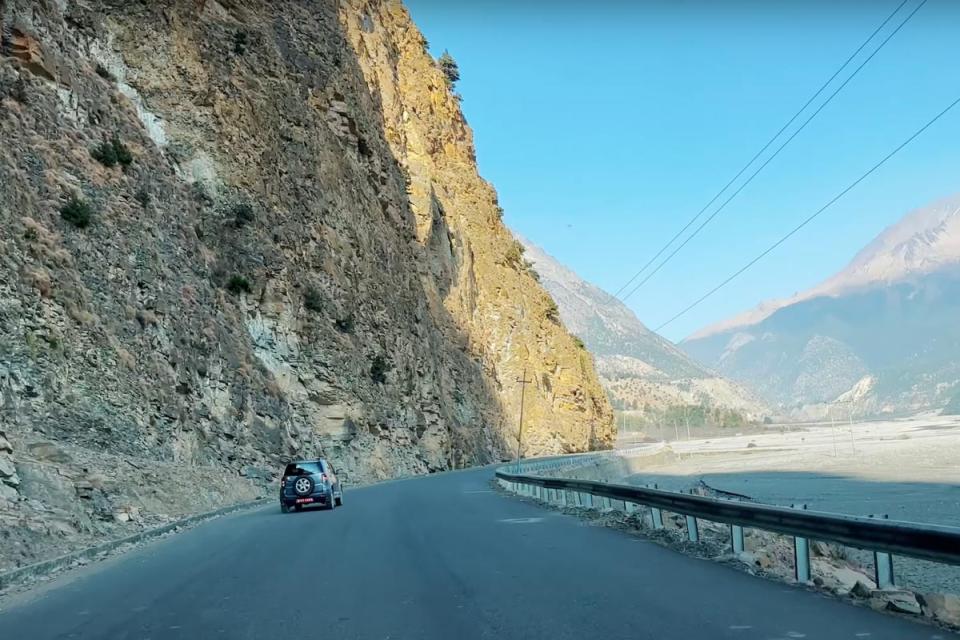
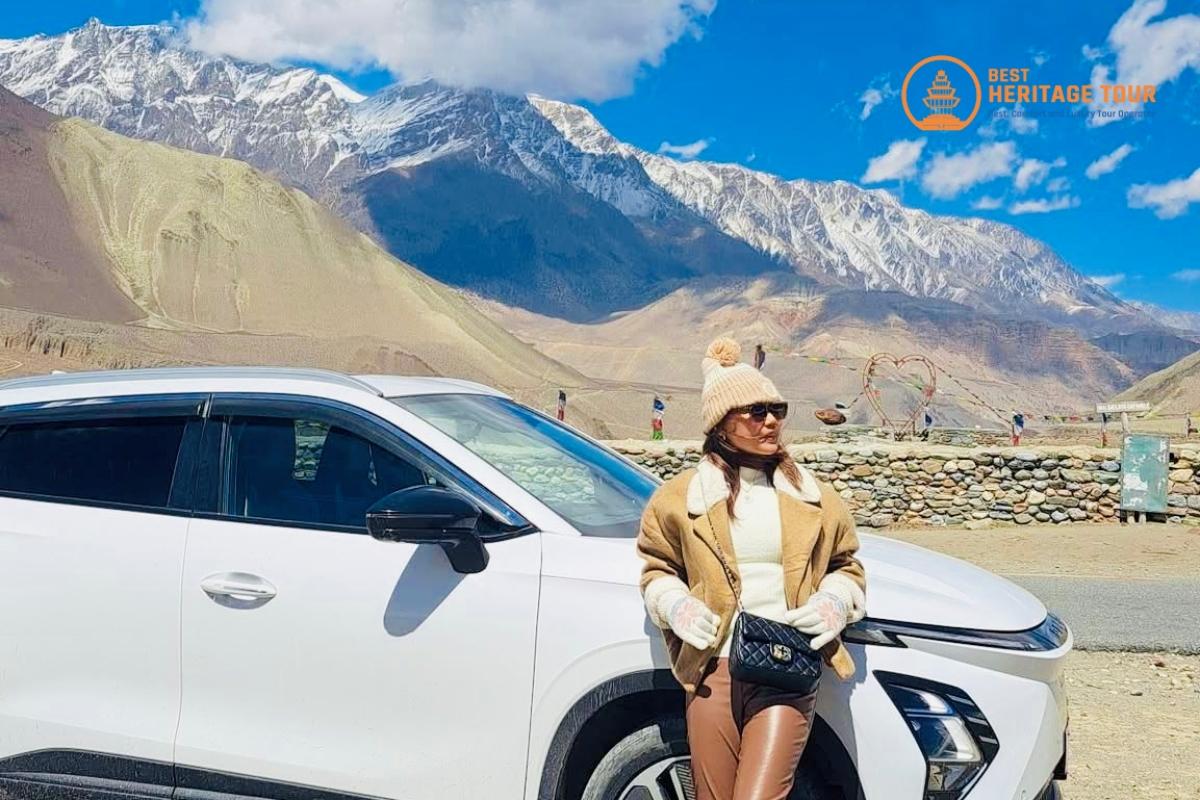
Travel through the stunning Kali Gandaki Valley, one of the deepest gorges in the world, surrounded by the towering Annapurna and Dhaulagiri mountain ranges. The winding roads offer ever-changing landscapes, from lush green hills to the arid terrain of Mustang, making the journey as exciting as the destinations.
2. Charming Villages
Stop by Marpha Village, a picturesque settlement famous for its apple orchards, traditional stone houses, and locally brewed apple brandy. Explore Jomsom, the vibrant gateway to Mustang, where the strong winds and breathtaking mountain views create an unforgettable experience.
3. Spiritual Experience
Visit the Muktinath Temple, a revered site for both Hindus and Buddhists, believed to grant moksha (liberation). Take a purifying bath under the 108 holy water spouts, worship at the Kaligandaki River, known for its sacred Shaligram fossils, and explore the spiritual essence of Kagbeni and Galeshwor Mahadev Temple.
4. Cultural Encounters
Immerse yourself in the diverse cultural heritage of the Mustang region. Experience the warm hospitality of the Thakali community, admire the Tibetan-influenced architecture, and witness the unique traditions that have been preserved for centuries.
5. Natural Hot Springs
Rejuvenate your body and mind at Tatopani’s natural hot springs, where the mineral-rich waters are believed to have healing properties. Enjoy a relaxing soak while admiring the beautiful riverside setting, making it a perfect break from the long journey.
6. Adventure Thrill
Experience an adrenaline rush at Kushma Bungee, one of the world’s highest suspension bridge bungee jumps, standing at 228 meters (748 feet). For thrill-seekers, the world’s second-highest swing offers another extreme adventure with breathtaking views of the Kaligandaki Gorge.
7. Diverse Landscapes
Witness a dramatic shift in scenery as you move from Pokhara’s lush green hills to Jomsom’s windy terrain and Mustang’s semi-arid desert-like landscapes. This tour offers a visual treat with snow-capped peaks, deep gorges, and unique rock formations.
8. Comfortable Travel
The well-organized jeep ride ensures a smooth and enjoyable journey, allowing you to focus on the adventure ahead. With stops at scenic locations and comfortable accommodations along the way, you can experience the best of the Himalayas without the challenges of trekking.
Are you ready for this Jeep Tour?
This Pokhara to Muktinath Jeep Tour is more than just a journey- it’s an experience that requires a spirit of adventure, a love for nature, and an open heart for spiritual exploration. As you traverse rugged mountain roads, explore remote villages, and visit sacred sites, having a positive mindset and a sense of curiosity will make the journey even more rewarding.
A touch of patience and flexibility is essential, as the Himalayan terrain and weather can be unpredictable. Whether you’re seeking peace at Muktinath, rejuvenation at Tatopani’s hot springs, or a thrill at Kushma Bungee, embracing every moment with enthusiasm will make this trip truly unforgettable.
If you’re ready to explore, experience, and embrace the wonders of Mustang, this journey is waiting for you!
Itinerary
The journey begins early in the morning with a scenic jeep ride from Pokhara (827m) to Jomsom (2,720m), following the Kali Gandaki River through lush hills, terraced fields, and picturesque villages. As the altitude rises, the landscape gradually shifts from greenery to the rugged, semi-arid terrain of Mustang, offering stunning views of the Annapurna and Dhaulagiri ranges.
Along the way, a stop at Marpha Village (2,650m) allows travelers to explore its charming stone-paved alleys, whitewashed houses, and Buddhist monasteries, while also enjoying the village’s famous apple orchards and locally made apple brandy. After soaking in the rich culture and tranquil ambiance of Marpha, the journey continues to Jomsom, a vibrant town known for its strong winds, dramatic mountain views, and role as the gateway to Upper Mustang. Upon arrival, travelers can explore the town, enjoy the breathtaking scenery, and prepare for the next leg of the adventure.
On this day, start your morning with a hearty breakfast in Jomsom before embarking on a scenic jeep ride to Muktinath, passing through breathtaking landscapes with views of the Annapurna and Dhaulagiri mountain ranges. The rugged terrain and traditional villages along the way make the journey incredibly picturesque.
Your first stop is at Kagbeni, a spiritual village located at the confluence of the Kali Gandaki and Jhong Khola rivers. Also known as “Pitri-Moksastala,” Kagbeni holds deep religious significance, where many pilgrims perform Pitri Puja, a sacred ritual dedicated to honoring their ancestors. After this profound spiritual ceremony, take a holy dip in the Kali Gandaki River, believed to purify the soul before proceeding toward Muktinath.
Continue your journey to Muktinath Temple (3,710m), one of the most sacred pilgrimage sites for both Hindus and Buddhists. Upon arrival, worship at the temple and experience its 108 holy water spouts, where the continuous flow of water symbolizes purification and liberation. Many pilgrims take a ritual bath here, seeking spiritual cleansing and blessings. The temple is also home to the eternal flame, a natural gas-fed fire that has been burning for centuries, adding to the mystical atmosphere of the site.
After soaking in the spiritual energy and admiring the stunning Himalayan views, begin your return journey to Tatopani (1,200m). The drive takes you back through deep gorges and winding mountain roads, offering spectacular scenery along the way. Upon reaching Tatopani, unwind and rejuvenate in the natural hot springs, letting the mineral-rich waters relax your body after a long and fulfilling day of exploration and devotion.
Begin your day with a relaxing soak in the natural hot springs of Tatopani, letting the warm, mineral-rich waters revitalize your body after days of travel. After breakfast, embark on a scenic jeep ride back to Pokhara, passing through lush hills, charming villages, and winding mountain roads.
En route, make a stop at the Galeshwor Mahadev Temple, a revered Hindu shrine dedicated to Lord Shiva. Located on the banks of the Kali Gandaki River, this temple holds deep religious significance, attracting pilgrims who seek blessings and spiritual peace. Take a moment to offer prayers, admire the serene surroundings, and feel the divine energy before continuing your journey.
As you head toward Pokhara, make another exciting stop at Kushma, home to one of the world’s highest bungee jumps. If you’re an adventure enthusiast, opt. take the plunge from a thrilling 228-meter-high suspension bridge, experiencing the ultimate adrenaline rush while surrounded by breathtaking Himalayan views. Even if you choose not to jump, watching others take on the challenge and enjoying the spectacular scenery makes for a memorable experience.
After this exhilarating stop, continue your drive to Pokhara, where your incredible journey comes to an end. Arriving in the beautiful lakeside city, take time to reflect on the spiritual, scenic, and adventurous experiences you’ve had along the way
What is included?
- PRIVATE AIRPORT PICK-UP & DROP : Airport - Hotel transfer - Airport (Pick Up and Drop).
- MEMBER TRANSPORTATION : Transportation in a private Jeep during the entire trip.
- LODGING : Best available accommodation in mountain lodges and tea houses during the tour.
- FOOD : 3 meals a day (breakfast, lunch, and dinner; including tea/coffee) during the tour, with Ef-Chlor purification tablets provided for safe drinking water.
- GUIDE : One experienced government licensed tour guide (English speaking) during the tour.
- STAFF SALARY AND ALLOWANCE : All staff wages, salary, equipment, food & clothing.
- PERMITS : All necessary paper works : ACAP, TIMS Card & other entry fee.
- STAFF INSURANCE : Insurance for all involved staff during the tour.
- GEAR (IF NEEDED) : Sleeping bag, down jacket, and duffle bag (to be returned after the tour).
- MEDICAL KIT : A well equipped first aid kit, including an oximeter and emergency oxygen, carried by the guide for your safety.
- IN CASE OF EMERGENCY : Assistance in rescue operations in case of emergency covered by travel insurance.
- SOUVENIR : Best Heritage Tour’s Appreciation Certificate after the successful tour & Purse, an authentic Nepali product made from hemp.
- FAREWELL DINNER : A farewell dinner with an authentic cultural program after completion of the tour.
What is not included?
- INTERNATIONAL AIRFARE : International flight airfare (from and to Kathmandu).
- NEPAL VISA FEES : You may issue the visa upon your arrival at Tribhuvan International Airport - Kathmandu or apply manually in your home country.
- ACCOMMODATION & MEALS : Accommodation and meals in Pokhara before and after the trek.
- INSURANCE POLICY : Travel insurance covering medical expenses and high-altitude evacuation is mandatory. If you do not have suitable coverage, we can also assist in arranging travel insurance for you upon your arrival in Nepal. Check Over Here
- PERSONAL EXPENSES : Clothing & gears, temple visiting charges & donations, telephone, internet, toiletries, hot shower, laundry, soft drinks etc.
- TIPS : Tips for guide and driver.
- EXTRA : Any additional costs due to factors beyond our control, or for services not specifically mentioned in the Itinerary & Included section.
- TAXES & SERVICE CHARGE : All government taxes (13%) and service charge (10%).
Route Map
Equipment
Clothing
-
Layered Clothing
-
Lightweight, moisture-wicking clothing for lower altitudes (Kathmandu and Pokhara).
-
Warm clothes (fleece jacket, down jacket) for high-altitude areas (Jomsom, Muktinath).
-
Thermal innerwear for colder temperatures.
-
-
Waterproof Jacket
-
Comfortable Trekking Shoes/Boots
-
Warm Hat/Gloves
Personal Items
-
Backpack/Daypack
-
Sunglasses
-
Sun Hat/Cap
-
Scarf or Bandana
-
Passport
-
Snacks & Energy Bars
-
Water Bottle
-
Personal Hygiene Items (hand sanitizer, wet wipes, and tissues)
-
Personal Medications (altitude sickness medication, painkillers, and a basic first-aid kit)
Electronics & Photography Gear
-
Camera/Smartphone
-
Extra Batteries & Chargers
-
Travel Adapter
Miscellaneous
-
Notebook & Pen
-
Cash in Nepali Rupees
-
Ziploc Bags
Optional Equipment
-
Trekking Poles
-
Binoculars
-
Travel Pillow (for comfort during long jeep rides)
Trip Info
Best time for the Muktinath Jeep Tour
The best time for the Muktinath Jeep Tour is during the autumn and spring seasons, as these offer the most favorable weather and optimal conditions for travel, sightseeing, and trekking. Here’s a detailed look at the ideal times:
1. Autumn (September to November)
-
Weather: Clear skies, mild temperatures, and low rainfall. This season is ideal for both sightseeing and trekking, as the weather is stable and pleasant.
-
Views: The Himalayas are visible in all their glory, offering spectacular views of snow-capped peaks like Annapurna and Dhaulagiri. The crisp air and clear skies allow for perfect photographs of the surrounding mountains.
-
Festivals: Autumn is also the time for major Hindu festivals such as Dashain and Tihar, so you may experience vibrant local celebrations and rituals.
-
Crowds: This is peak tourist season, so popular places may be busier, but it's a great time to visit for ideal conditions.
2. Spring (March to May)
-
Weather: Spring offers mild temperatures, sunny days, and clear skies. It’s slightly warmer than autumn, but the mornings and evenings can still be cool, especially at higher altitudes.
-
Views: The landscapes are lush and green, and the mountain views are still excellent. It’s a great time for those looking to experience the natural beauty of the region.
-
Flora: This is also the season when flowers begin to bloom, and the environment is vibrant with wildflowers, making it an excellent time for nature photography.
-
Crowds: Spring is also a popular time for trekking and tourism, so while there may be some crowds, the atmosphere remains lively and welcoming.
3. Winter (December to February)
-
Weather: Winter can be harsh, with cold temperatures, especially at higher altitudes like Muktinath and Jomsom. Snowfall is common, and roads might be challenging due to ice and snow. However, this period offers a serene experience with fewer tourists.
-
Views: While the views of the mountains can be stunning, the cold temperatures and unpredictable weather might pose challenges for those unfamiliar with winter conditions.
-
Crowds: Winter sees fewer tourists, which means more solitude and quieter visits to temples, but be prepared for the colder temperatures and possible road disruptions.
4. Avoid Monsoon:
Monsoon season should be avoided due to potential road disruptions and safety concerns.
Permits and Documents
For the Muktinath Jeep Tour, there are a few permits and documents required to ensure smooth travel. Here are the list of the permits and documents:
1. TIMS (Trekkers’ Information Management System) Card
The TIMS card is required for all trekkers and travelers visiting the Annapurna region, including Pokhara, Jomsom, and Muktinath. This card is used by the government to track trekkers for safety reasons, ensuring that visitors are in designated areas. The TIMS card is mandatory for trekkers and adventurers to ensure proper monitoring and management. You can obtain the TIMS card at the Nepal Tourism Board (NTB) in Kathmandu or Pokhara or through a registered trekking agency like Best Heritage Tour.
2. ACAP (Annapurna Conservation Area Permit)
The ACAP permit is necessary for anyone traveling within the Annapurna Conservation Area, which includes key destinations like Pokhara, Jomsom, Muktinath, and Kagbeni. This permit helps preserve the region's natural beauty and wildlife by funding conservation projects. It is required for anyone entering this protected zone.
3. Local Permits
Certain remote villages and areas along the Muktinath Jeep Tour route, such as Kagbeni, may require local entry permits or permission to visit. These permits help manage tourism and preserve the local environment and culture. The costs are generally minimal and may vary by location. These permits are typically available from the local authorities or village offices at the time of visit.
4. Passport and Visa
Foreign nationals visiting Nepal are required to have a valid passport and visa. The passport serves as proof of identity and nationality. The visa is necessary for staying in Nepal, with options for 15, 30, or 90-day tourist visas. You can obtain a visa on arrival at Tribhuvan International Airport in Kathmandu or apply in advance at the nearest Nepali embassy in your country. Ensure that your visa is valid for the duration of your stay.
5. Personal Identification and Photocopies
Along with your passport, it's recommended to carry at least two photocopies of your passport and visa. These copies will be needed when applying for permits like TIMS and ACAP and serve as a backup in case your original documents are lost or stolen. It's also helpful to carry a photocopy of your travel insurance, emergency contacts, and flight details.
Accommodation and Meals
Throughout this Pokhara to Muktinath Jeep Tour, you will stay in comfortable hotels, ensuring a pleasant and relaxing experience after each day's journey. In Jomsom and Tatopani, well-equipped hotels offer cozy rooms, warm blankets, and essential amenities, providing a welcoming stay amidst the Himalayan landscape. These accommodations reflect the local culture and hospitality, adding to the authenticity of your trip.
Regarding meals, you will enjoy delicious and nutritious food at hotels and roadside restaurants along the route. Breakfast, lunch, and dinner will typically include a mix of traditional Nepali, Tibetan, and continental dishes. You can savor local specialties like Dal Bhat (rice, lentils, and vegetables), Tibetan bread, Thukpa (noodle soup), and fresh apples from Marpha. Vegetarian and non-vegetarian meal options are available, catering to different dietary preferences. Throughout the journey, you can also enjoy tea, coffee, and light snacks to keep you energized while traveling through the stunning Himalayan terrain.
Health and Safety
Your health and safety are important throughout this tour. As the journey involves traveling through rugged terrain and higher altitudes, it’s helpful to stay aware of the effects of altitude, such as mild dizziness or shortness of breath. We recommend drinking plenty of water, taking it easy, and adjusting at your own pace. Our experienced guides are trained to manage high-altitude conditions and basic first aid, ensuring your well-being at all times. Accommodations are clean and comfortable, and we collaborate with trusted partners who prioritize your safety. We suggest bringing any personal medications and consulting your doctor before the trip, especially if you have existing health concerns. With careful planning and attention to your needs, this tour promises a safe and enjoyable experience.
Travel Insurance
Travel insurance is highly recommended for the Muktinath Jeep Tour, as it provides coverage for unforeseen circumstances such as medical emergencies, trip cancellations, or loss of personal belongings. A comprehensive travel insurance policy should include coverage for high-altitude trekking, emergency evacuation, and medical treatment, especially given the remote locations of places like Muktinath and Jomsom. It's important to verify that your insurance policy covers activities like jeep travel, temple visits, and any optional activities you may choose, such as bungee jumping or other adventure activities. Having insurance ensures peace of mind during the trip, allowing you to focus on enjoying the journey while being protected from potential risks.
Cultural sensitivity
Cultural sensitivity is essential during the Muktinath Jeep Tour to ensure respectful interactions with local communities and religious sites. Muktinath is a significant pilgrimage destination, and visitors should approach temples and sacred spaces with reverence. When visiting temples like Galeshwor Mahadev Temple and Muktinath, it’s important to dress modestly, covering shoulders and legs, and follow any specific customs or guidelines provided by the local authorities or guide. Respect local traditions and practices, especially when participating in religious rituals or observing local customs. In the villages along the route, be mindful of local ways of life, showing respect for the people and their environment. A courteous attitude and understanding of the cultural context will enhance your experience and ensure a positive interaction with the communities you visit.
Booking and Payment
To book the Muktinath Jeep Tour (Pokhara to Pokhara), simply contact Best Heritage Tour via their website or customer service for availability and detailed information. A 10% deposit is required at the time of booking to secure your spot, with the remaining balance due before the tour starts. Payments can be made through secure methods such as bank transfer, credit card, or online platforms. For cancellations or changes, Best Heritage Tour provides clear guidelines, with partial refunds available depending on the timing. Be sure to review the booking Terms & Conditions to ensure a smooth process.
Last-Minute Booking
Though we recommend booking in advance to secure your spot on the tour, Best Heritage Tour accepts the last- minute bookings. For these bookings, full payment (100% of the tour price) is required at least 24 hours prior to departure. Please note that while we strive to offer flexibility, we cannot be responsible for any delays or unforeseen issues such as weather conditions or unavailable accommodations.
For last- minute bookings or inquiries, contact us at +977- 9851149197 / +977- 9810043046 or email us at info@bestheritagetour.com / bestheritagetour@gmail.com
Trip Extension
If you're looking to extend your adventure beyond the Pokhara to Muktinath Jeep Tour, we offer flexible trip extension options to further explore the beauty and culture of Nepal. Whether you're interested in Trekking in the Annapurna Region, exploring Pokhara, or visiting Chitwan National Park for wildlife safaris, we can tailor your extension to suit your interests.
You may also choose to explore the capital city Kathmandu, rich in historical sites, temples, and vibrant markets. Our team will work with you to create a personalized itinerary for your extended trip, ensuring your time in Nepal is filled with even more memorable experiences. Please feel free to reach out for more information on available extension options and assistance with arrangements.
Review
H
Tour with Spirituality and Nature Exploration
Muktinath jeep tour was an amazing tour by the Best Heritage Tour. This tour was the perfect blend of culture, spiritual and nature. Best heritage tour arranged everything well...
View DetailR
Got to complete my father wish
My 70 years old father and I recently went for Muktinath Darsan with Best heritage tour. My father is very religious person and had always wanted to go for muktinath darsan. With...
View DetailT
Comfortable tour and taste fresh apple pie
I recently went on muktinath jeep tour from pokhara with Best Heritage Tour and it was an amazing journey. Although the roads are a little bumpy but I had a smooth comfortable...
View DetailC
Beautiful place and relaxing bath in natural hot spring
We couple recently completed the muktinath jeep tour with Best Heritage Tour. Thanks to Mr. Anil Dhakal, for arranging this tour for us from the pokhara. We had a great...
View DetailFAQ's
The road to Muktinath is a mix of paved and off-road trails. The section from Beni to Jomsom and Muktinath involves bumpy and uneven terrain. The drive can be adventurous, especially near the Kaligandaki Gorge. Best Heritage Tour ensures safe and comfortable transportation with experienced drivers familiar with the Himalayan terrain.
The drive from Pokhara to Jomsom takes around 8-10 hours, followed by an additional 1.5-hour drive to Muktinath. The total travel time depends on weather and road conditions.