
Buddhist Circuit Tour in Nepal - 11 Days
Insight on the Buddhist Circuit Tour
Embark on a spiritual journey through Nepal’s rich Buddhist heritage with Best Heritage Tour. This tour is a rare pilgrimage into the "Vajrayana Heart" of the Kathmandu Valley to the serene landscapes of Pokhara and the sacred grounds of Lumbini. Beyond the famous stupas, you will step into the medieval Newari Vihars, where ancient monastic traditions are still lived by the Shakya and Vajracharya communities. From the birthplace of Lord Buddha & "Self-Sacrifice" site at Namo Buddha to the hidden, wood-carved courtyards of Itum Bahal, this journey bridges the gap between historical scholarship and spiritual practice, offering a profound connection to Nepal’s living Buddhist legacy.
Trip at a Glance
-

Country: Nepal
-

Trip grade: Easy
-

Destination: Buddhist Sites in Nepal
-

Activities: Cultural Tour
-

Accommodation: 3 Stars Hotel
-

Meals: Breakfast, Lunch & Dinner
-
.png)
Transportation: Private/Shared Car/Bus
-

Maximum altitude: 1,750m / 5,741 ft
-

Group size: 1-29
-
Trip Start / End: Kathmandu - Kathmandu
-
.png)
Best Season: All Year
Key Highlights
- Explore ancient Buddhist Mahavihars of Kathmandu and Patan, including the 11th-century Itum Bahal.
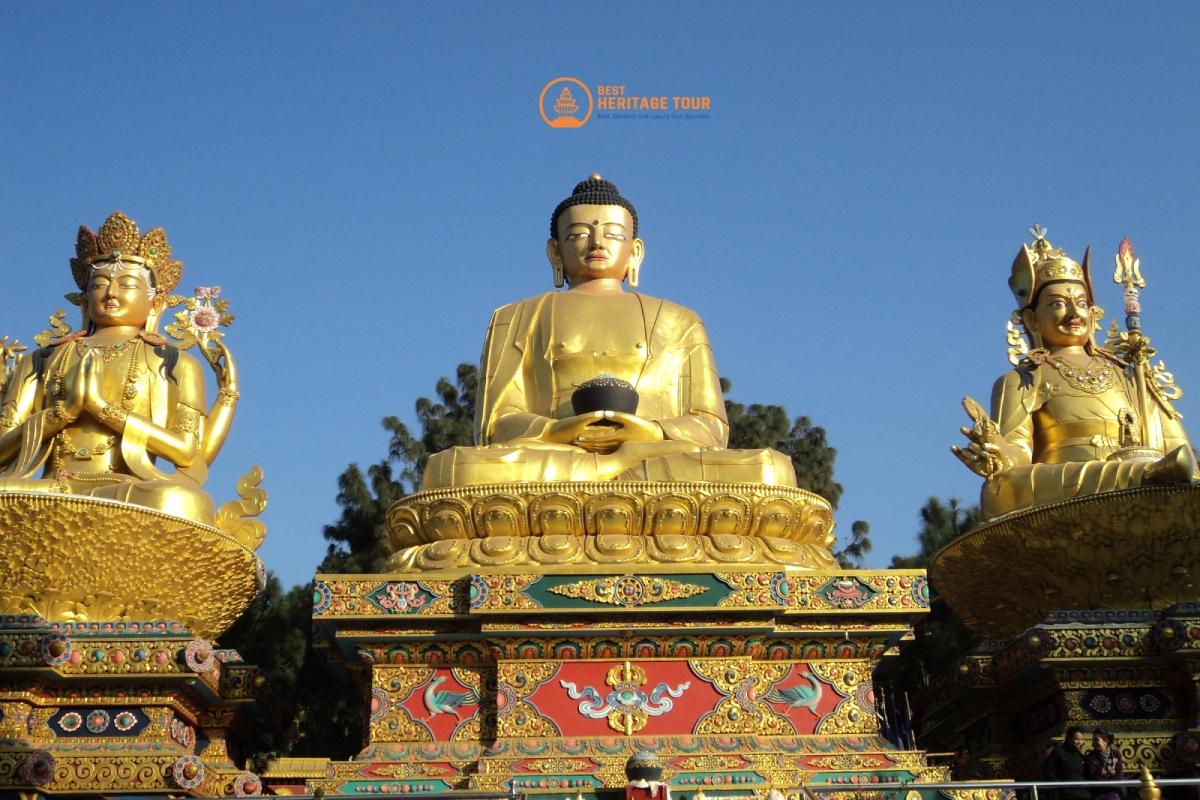
- Visit the iconic and sacred Boudhanath and Swayambhunath Stupas, the spiritual anchors of the valley.
- Discover the legend of ultimate compassion at Namo Buddha, where the Buddha sacrificed his body to a starving tigress.
- Witness the living traditions of the Golden Temple (Hiranya Varna Mahavihar), where a child priest guards centuries of ritual.
- Meditate at the sacred Asura Cave in Pharping, following in the footsteps of the great Guru Padmasambhava.
- Marvel at the architectural genius of the Mahabouddha Temple, featuring thousands of terra-cotta Buddha images.
- Experience the serene monastic lifestyle and profound teachings at the world-renowned Kopan Monastery.
- Observe the "Three Colors of Wisdom" at the Rato, Seto, and Yellow Gumbas, representing diverse Himalayan lineages.
- Journey through the "City of Fine Arts," Patan, to see the historic Uku Bahal and its collection of antique metal statues.
- Explore the World Peace Stupa and the Tibetan Refugee Camp in Pokhara
- Visit Lumbini, the Birth Place of Buddha
- Insight into Newar Vajrayana Buddhism and Tibetan Mahayana traditions
- Connect with the living history of the Kathmandu Valley through expert-led tours of hidden Vajrayana courtyards.
Trip Overview
Nepal is not only the birthplace of Lord Buddha but also it is the cradle of Vajrayana Buddhism & Tibetan Mahayana traditions and a sanctuary where ancient spiritual traditions have thrived for over two eras. The Buddhist Circuit Tour offers a captivating 11-day journey through the most sacred sites, monasteries, and stupas, providing travelers with an authentic glimpse into Nepal’s living Buddhist traditions. Designed for spiritual seekers, culture enthusiasts, and mindful travelers, this tour goes beyond sightseeing to offer a deep exploration of the living connection between the Newari people, Tibetan monasticism, and the historical Buddha.
Your journey begins in Kathmandu, exploring ancient Mahavihars such as Itum Bahal, Tham Bahal, Biksheshwor Bahal, and more, where centuries-old Newar Buddhist practices continue to thrive. From the hidden courtyards to intricately carved shrines, these sites reflect the artistic and ritual heritage of the valley. The tour then transitions to Tibetan Buddhist traditions at Kopan Monastery and the majestic Boudhanath Stupa, where prayer wheels, chanting monks, and colorful murals immerse visitors in spiritual reflection.
On subsequent days, travelers explore Rato Gumba, Seto Gumba, Yellow Gumba, and the iconic Swayambhunath Stupa, gaining insight into Tibetan monastic life and Buddhist philosophy. The journey extends to Patan’s Golden Temple, Mahabouddha Temple, and Tilancho Vihar, highlighting the valley’s rich Newar Buddhist culture. The final leg takes you to Pharping, Chobhar, Namo Buddha, and Dhulikhel Monastery, combining pilgrimage experiences with breathtaking natural landscapes and peaceful meditation spots.
The tour then transitions from the valley to the tranquil beauty of Pokhara, the gateway to the Annapurna region. Here, travelers visit the hilltop World Peace Stupa, offering panoramic views of Phewa Lake and the surrounding Himalayan peaks. The nearby Tibetan Refugee Camp in Tashi Palkhel provides a rare opportunity to witness Tibetan culture firsthand, interact with local artisans, and support their traditional crafts.
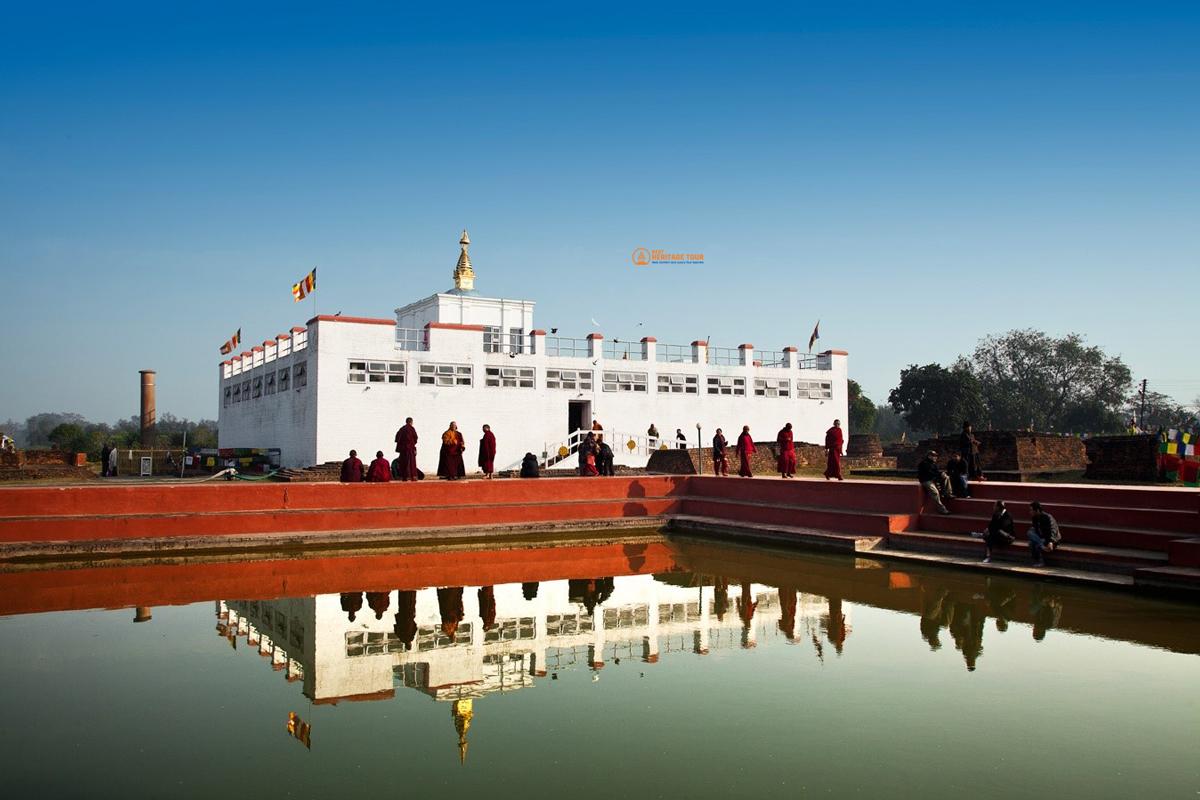
Next, the journey leads to Lumbini, the sacred birthplace of Lord Buddha and a UNESCO World Heritage Site. Visitors explore the Maya Devi Temple, the monastic zone with monasteries built by Buddhist communities from around the world, and the Sacred Garden, ideal for meditation and contemplation. Lumbini embodies the spiritual heart of Nepal, offering a transformative experience that connects travelers with centuries of Buddhist heritage.
Led by guides who are experts in Buddhist iconography and local history, this tour offers a profound narrative of peace, wisdom, and heritage. Whether you seek spiritual inspiration, historical insight, or simply a serene escape, the Buddhist Circuit Tour offers a meaningful, transformative experience that connects travelers to the timeless wisdom and serene beauty of Nepal’s Buddhist heritage.
What Can One Expect on the Buddhist Circuit Tour?
1. Ancient Vihar Immersion
Step into the medieval "Bahals" of Kathmandu, where time feels suspended. You will encounter the intricate Vajrayana architecture, characterized by heavy wood-carved windows and central stone chaityas. These aren't just monuments; they are living community centers where the rhythmic sound of morning bells and traditional Newari chanting creates a meditative backdrop to your exploration.
2. Sacred Birthplace of Buddha - Lumbini
Walk through the serene grounds of Lumbini, the birthplace of Lord Buddha, where history and spirituality intertwine. You will explore the Maya Devi Temple, the Monastic Zone, and the Sacred Garden, each reflecting centuries of devotion. The rhythmic chanting of monks, the flutter of prayer flags, and the quiet reflection spaces create a meditative atmosphere, allowing you to connect deeply with the spiritual essence of Buddhism in a living, breathing sacred landscape.
3. Immersive Monastery Visits
Explore centuries-old Mahavihars and monasteries where monks practice daily rituals. Visitors can observe sacred ceremonies, interact respectfully with monastic communities, and witness the unique blend of Newar and Tibetan Buddhist traditions, offering deep cultural and spiritual insight beyond ordinary sightseeing.
4. Iconic Stupas & Sacred Sites
Visit world-famous stupas like World Peace Stupa, Boudhanath and Swayambhunath, along with lesser-known sacred sites. Experience the spiritual ambiance created by prayer wheels, fluttering prayer flags, and devout pilgrims, which evoke reflection, serenity, and a profound connection to Buddhist philosophy.
5. Tibetan & Newar Buddhist Culture
Engage with both Tibetan and Newar Buddhist traditions. From intricate thangka art to vibrant festival rituals, the tour provides an understanding of diverse practices, monastic lifestyles, and centuries-old cultural expressions that are unique to the Kathmandu Valley and surrounding regions.
6. Meditation & Spiritual Reflection
Ample opportunities exist for personal meditation or quiet reflection in tranquil courtyards and monasteries. The serene environment fosters mindfulness and spiritual rejuvenation, allowing travelers to experience inner peace amid Nepal’s sacred landscapes.
7. Architectural & Historical Insights
Witness stunning architecture, intricate carvings, and ancient murals in monasteries, temples, and stupas. Guided explanations provide historical context and artistic significance, highlighting Nepal’s rich Buddhist heritage and the role of these sacred sites over centuries.
8. Scenic Spiritual Excursions
Travel to hilltop monasteries like Namo Buddha and Dhulikhel, where breathtaking Himalayan views complement spiritual experiences. These excursions combine natural beauty with sacred significance, making the journey both visually inspiring and spiritually uplifting.
Are You Ready for the Buddhist Circuit Tour?
Embarking on the Buddhist Circuit Tour is more than just visiting temples and monasteries - it’s a journey of the mind, heart, and spirit. To fully enjoy this tour, travelers should come with curiosity, openness, and respect for local customs and spiritual practices. A reflective mindset, patience for slower-paced exploration, and willingness to engage with monastic communities will deepen your experience.
An open attitude toward meditation and learning will enhance the journey. Those who bring mindfulness, cultural sensitivity, and a genuine desire to connect will leave with not only memories but also profound spiritual insights and a meaningful understanding of Nepal’s living Buddhist heritage.
This tour rewards thoughtful exploration rather than haste. Travelers ready to observe, reflect, and immerse themselves fully in centuries-old traditions will discover tranquility, inspiration, and a deep appreciation for the spiritual and cultural richness of Nepal.
Itinerary
We begin our journey in the heart of the ancient city, exploring the Newari Vihars (monasteries). Our first stop is Itum Bahal, the largest and oldest Buddhist courtyard in Kathmandu, dating back to the 11th century. Here, the air is thick with the scent of incense and the echoes of ancient legends like that of the demon Gurumapa. We then navigate to Tham Bahal and Biksheshwor Bahal, where you’ll witness the intricate woodcarving and bronze work that define Vajrayana architecture.
The afternoon is spent in the serene enclosures of Yatkha, Bahun, and Tenga Bahals, observing the "Nitya Puja" (daily rituals) performed by hereditary priests. If time permits, we visit Keshchandra Mahavihar and Jan Bahal, home to the Seto Machhendranath, a site where Buddhist and Hindu traditions beautifully overlap in a display of religious harmony.
Leaving the city streets behind, we drive to the serene Kopan Hill. At Kopan Monastery, a world-renowned center for Tibetan Buddhist studies, you will be surrounded by blooming gardens and the gentle chanting of monks. The environment here is one of deep intellectual and spiritual inquiry.
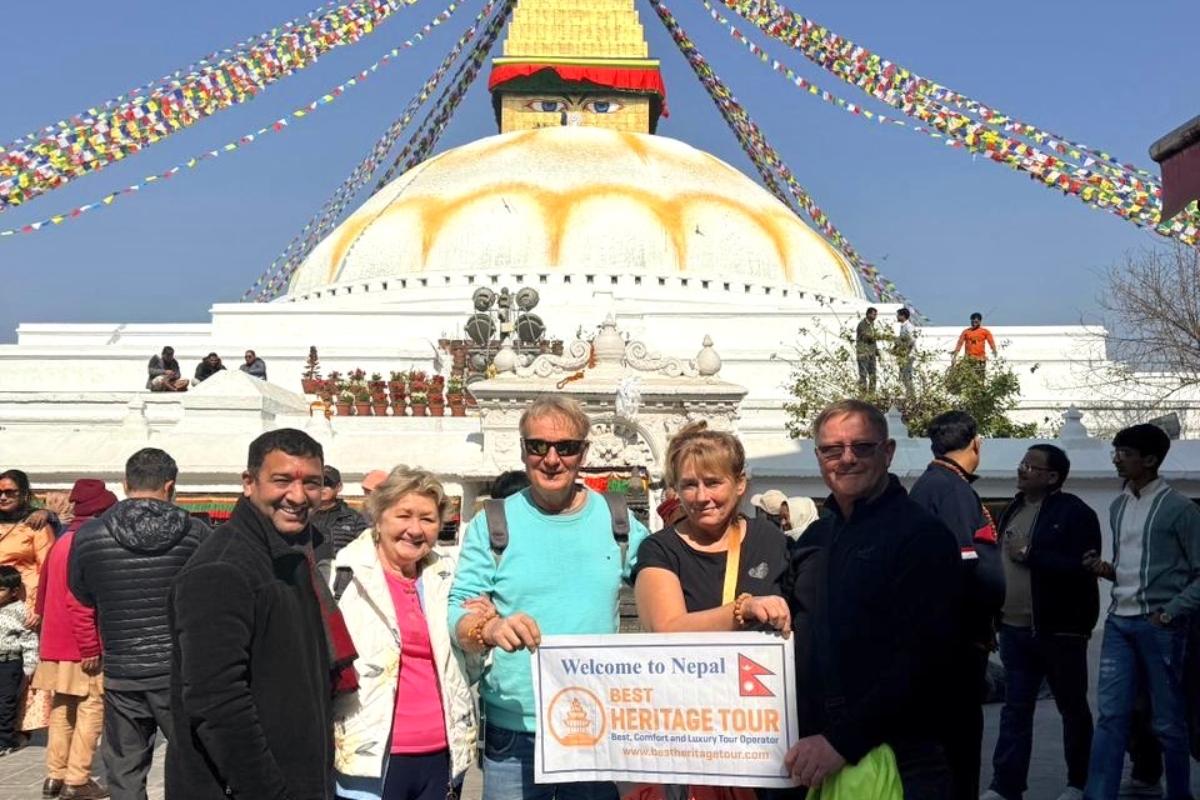
In the afternoon, we descend to the massive Boudhanath Stupa. This UNESCO World Heritage site is the spiritual hub for the Tibetan diaspora. The environment here is electric - thousands of pilgrims performing Kora (circumambulation) around the white dome, the flutter of countless prayer flags, and the rhythmic sound of "Om Mani Padme Hum" resonating from the surrounding rooftop cafes and shops.
Today is a journey through color and light. We visit the "Three Gumbas" - Rato (Red), Seto (White), and Yellow - each representing different schools of Himalayan Buddhism. The Seto Gumba (White Monastery), perched on a ridge, offers a breathtaking white-on-green aesthetic with stunning murals of the Drukpa lineage.
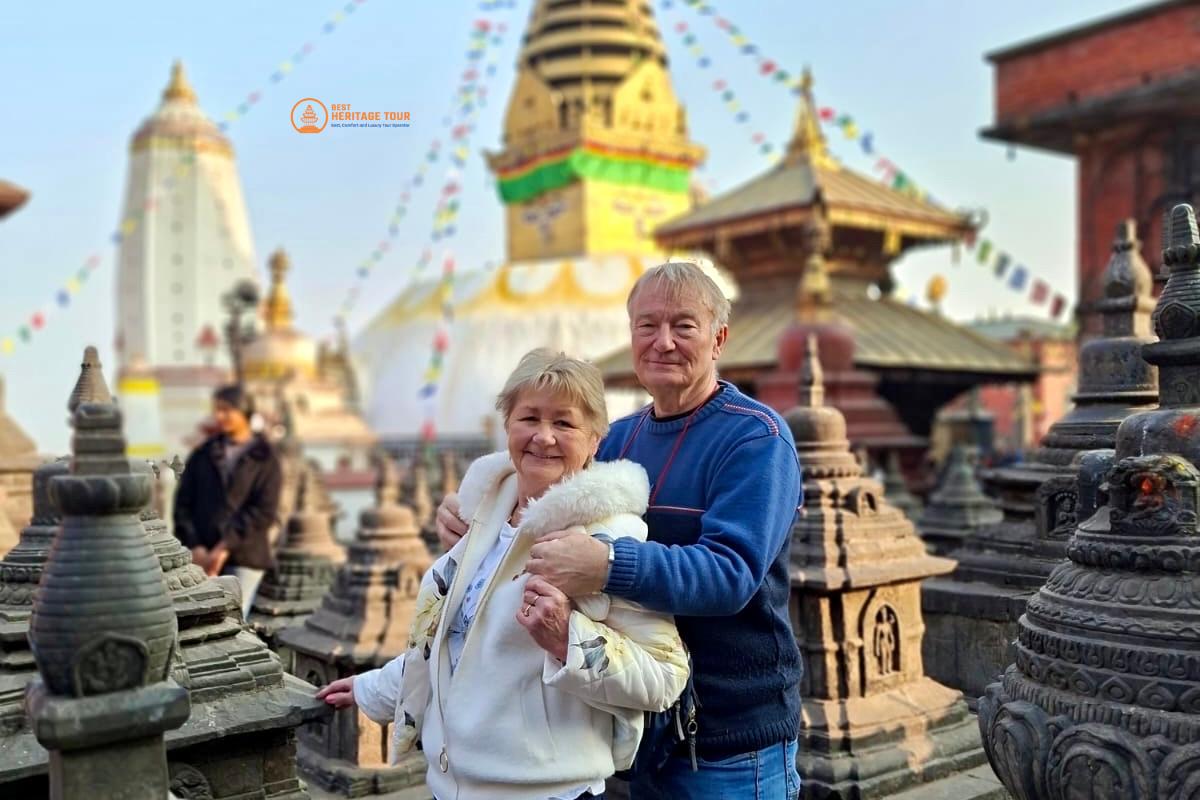
We conclude the day at Swayambhunath, the "Monkey Temple." Ascending the 365 steps, you’ll enter a space where history and myth collide. The environment is a vibrant mix of wild monkeys, ancient stone chaityas, and the iconic "all-seeing eyes" of the Buddha, all while providing the best sunset views over the Kathmandu Valley.
We cross the Bagmati River to the "City of Fine Arts," Patan. Our focus is the Hiranya Varna Mahavihar (The Golden Temple), a 12th-century masterpiece where a child priest maintains the sacred flame. The environment inside this closed courtyard is golden, literally and figuratively, with bronze statues and gilded plates covering every surface.
We then visit Mahabouddha, the "Temple of a Thousand Buddhas," where every terra-cotta brick is an artistic devotion. The day finishes at the historic Uku Bahal and the hilltop Chilancho Vihar in Kirtipur, offering a quiet, less-crowded perspective on the valley’s enduring Buddhist faith.
Today we travel south to Pharping, a town that Tibetan practitioners consider as sacred as Bodh Gaya. We visit the Asura Cave, where Guru Rinpoche (Padmasambhava) attained supreme enlightenment. The environment here is intensely spiritual; the walls of the cave are blackened by centuries of butter lamps, and the handprint of the Guru is still visible in the rock.
We also explore the Vajrayogini Temple and the Chobhar Monastery, perched above the gorge where Manjushri legendarily drained the valley. The atmosphere is one of rugged natural beauty mixed with profound tantric history.
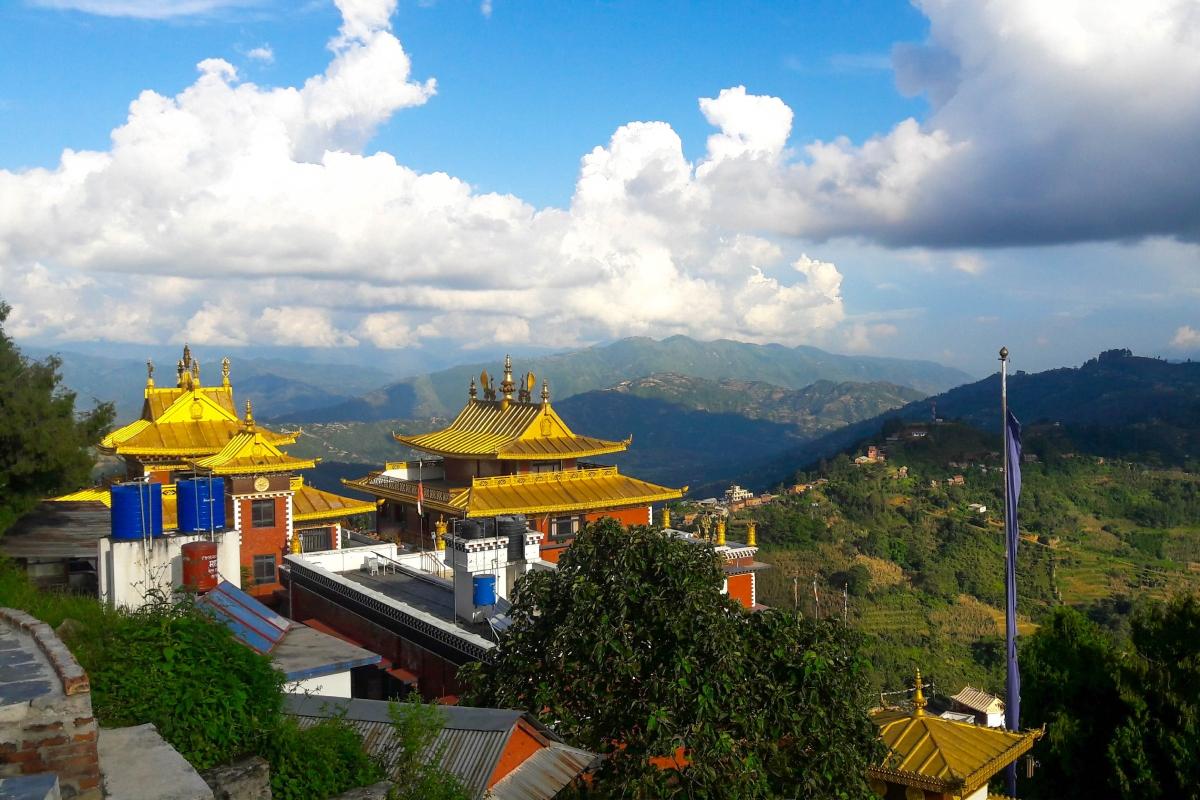
Our final day takes us to the tranquil hills of Namo Buddha. This is the site of "Tagmo Lu Jin" - where a prince offered his body to a starving tigress. The Thrangu Tashi Yangtse Monastery dominates the ridge, a stunning example of modern Tibetan architecture.
The environment is one of total peace, surrounded by rhododendron forests and panoramic views of the Langtang and Gaurishankar Himalayan ranges. We finish the tour in Dhulikhel, walking through its ancient Newari streets and visiting the local monastery, reflecting on a journey that has spanned the full breadth of Nepal’s Buddhist heritage.
Leaving the bustling streets of Kathmandu, you embark on a scenic drive to Pokhara, the serene gateway to the Annapurna region. The journey takes you through rolling hills, terraced farmland, and charming villages, offering glimpses of everyday rural life. Arriving in Pokhara, the calm lakeside atmosphere provides the perfect setting to unwind and prepare for the spiritual experiences ahead. As the sun sets over Phewa Lake, the reflection of the Himalayan peaks in the water creates a serene introduction to this peaceful city.
Today, you step into the serene spiritual landscape of Pokhara, a city where natural beauty and Buddhist traditions merge seamlessly. Your first stop is the World Peace Stupa (Shanti Stupa), perched gracefully atop Anadu Hill. From the hilltop, the panoramic view of Pokhara, its lakes, surrounding villages, and snow-capped mountains is simply breathtaking - an ideal setting for reflection and photography.
In the afternoon, you will visit the Tibetan Refugee Camp in Tashi Palkhel, a living testament to Tibetan culture and resilience. Here, you can meet monks and artisans, observe traditional crafts being practiced, and learn about the spiritual practices and daily lives of the Tibetan community. Experiencing this intersection of culture, spirituality, and community provides a profound appreciation for the enduring traditions of Tibetan Buddhism outside of Tibet.
After breakfast, you travel to Lumbini, the sacred birthplace of Lord Buddha. The drive takes you through the fertile Terai plains, where villages, rice fields, and small temples create a picturesque and tranquil landscape. Upon arrival, the calm and spiritual aura of Lumbini welcomes you. Check into your hotel and relax, preparing for a full day of sacred exploration.
Today is a spiritual highlight of your journey: visiting Lumbini, the site where Lord Buddha was born over 2,500 years ago. Begin at the Maya Devi Temple, where the sacred pond and marker stone indicate the exact place of Buddha’s birth. The temple’s serene courtyard is alive with devotion, as pilgrims from around the world perform kora (ritual circumambulation) and offer prayers. The temple complex, with its intricate stonework and quiet meditation spaces, allows you to connect deeply with Buddhist history and practice.
Next, you will explore the Monastic Zone, a living canvas of Buddhist diversity. Here, monasteries built by countries from across Asia and beyond showcase architectural styles unique to their cultures, from the delicate wooden carvings of Japan to the vivid murals of Thailand. Conclude your Lumbini experience at the Sacred Garden, a tranquil space lined with prayer flags and reflective spots for meditation. Here, you can pause, reflect, and absorb the spiritual energy that has inspired countless pilgrims over centuries.
Conclude your journey with a scenic return to Kathmandu, passing through Terai plains and the gradually rising hills of central Nepal. Along the route, enjoy the changing landscapes and reflect on the spiritual and cultural experiences you’ve encountered over the past 11 days. Arrive in Kathmandu in the evening, carrying with you the serenity, memories, and insights gained from this transformative journey through Nepal’s sacred Buddhist heritage.
What is included?
- PRIVATE AIRPORT PICK-UP & DROP : Airport - Hotel transfer - Airport (Pick Up and Drop).
- MEMBER TRANSPORTATION :
- Private Vehicle : Transportation in an air-conditioner private car in Kathmandu, Pokhara & Lumbini during sightseeing.
- Tourist Bus : Transportation in a standard tourist bus from Kathmandu to Pokhara, Pokhara to Lumbini and while returning from Lumbini to Kathmandu.
- LODGING : Accommodation in a 3 Stars hotel on a bed & breakfast basis during the tour.
- GUIDE : One experienced government licensed city tour guide.
- STAFF SALARY AND ALLOWANCE : All staff wages, salary, equipment, food & clothing.
- SOUVENIR : Best Heritage Tour’s Purse, an authentic Nepali product made from hemp.
- FAREWELL DINNER : A farewell dinner with an authentic cultural program after completion of the tour.
What is not included?
- INTERNATIONAL AIRFARE : International flight airfare (from and to Kathmandu).
- NEPAL VISA FEES : You may issue the visa upon your arrival at Tribhuvan International Airport - Kathmandu or apply manually in your home country.
- PRIVATE VEHICLE : Private car transportation will be arranged on request from Kathmandu to Pokhara, Pokhara to Lumbini and while returning from Lumbini to Kathmandu.
- MEALS: Lunch & Dinner
- EXTRA EXPENSES : Monuments Entrance fee and Personal expenses like meals, drinks, tips, etc.
- EXTRA : Any additional costs due to factors beyond our control, or for services not specifically mentioned in the Itinerary & Included section.
- TAXES & SERVICE CHARGE : All government taxes (13%) and service charge (10%).
Equipment
Clothing
-
Modest, comfortable attire for visiting monasteries and temples (cover shoulders and knees)
-
Lightweight long-sleeved shirts and trousers
-
A light jacket or sweater for mornings
-
Scarf or shawl (useful for covering head in temples)
-
Comfortable walking shoes or sandals
Accessories
-
Sunhat or cap and sunglasses
-
Small daypack for carrying water, snacks, and personal items
-
Reusable water bottle to stay hydrated
Personal Items
-
Camera or smartphone for photography
-
Chargers and power banks
-
Sunscreen and lip balm
-
Hand sanitizer and wet wipes
-
Personal medications or first aid essentials
-
Notebook and pen (for reflections or journaling)
Travel Documents & Essentials
-
Passport, visa, and travel insurance
-
Photocopies of important documents
-
Local currency (Nepalese Rupees) for donations, souvenirs, and snacks
Trip Info
Best Time for the Buddhist Circuit Tour
The Buddhist Circuit Tour can be enjoyed year-round, but the best seasons to visit Nepal for a cultural and spiritual journey are spring (March to May) and autumn (September to November). During these months, the weather is pleasantly warm, skies are clear, and the valley is alive with vibrant colors - perfect for exploring monasteries, stupas, and hilltop sites.
Spring brings blooming flowers, fresh greenery, and mild temperatures, creating a serene environment for temple visits and meditation. Autumn offers clear skies, crisp air, and panoramic views of the Kathmandu Valley and surrounding Himalayan peaks, enhancing both spiritual reflection and photography opportunities. These seasons also coincide with major festivals and rituals, giving travelers a deeper insight into Nepal’s living Buddhist traditions.
Winter (December to February) is cooler, with temperatures dropping in the mornings and evenings, but it’s an ideal time for travelers who prefer less crowded monasteries and a quiet, reflective experience. Summer (June to August) is warmer and marks the monsoon season, bringing lush greenery and a different charm to the valley, though occasional rain may affect travel and outdoor sightseeing.
For those seeking the most comfortable and spiritually immersive experience, spring and autumn remain the top choices, combining pleasant weather, vibrant cultural activity, and clear views of sacred landscapes. No matter the season, each visit offers a unique opportunity to connect with Nepal’s timeless Buddhist heritage and enjoy a meaningful spiritual journey.
Accommodation & Meals
During the Buddhist Circuit Tour, travelers will stay in carefully selected hotels and guesthouses. Accommodations are chosen for comfort, cleanliness, and proximity to major monasteries and cultural sites, ensuring minimal travel time and a relaxing environment after each day’s exploration. Rooms are typically well-furnished with private bathrooms, hot showers, and essential amenities, providing a peaceful retreat for rest and reflection.
Breakfast is included daily and usually served at the hotel, offering a mix of continental and traditional Nepali options to energize you for the day ahead. Lunch and dinner are generally arranged at authentic local restaurants, where travelers can savor Nepali and Tibetan cuisine, including dal-bhat, momo, thukpa, and seasonal vegetables. On certain days, meals may be enjoyed within monastery settings, providing a unique cultural experience where visitors can witness monastic dining customs and share in simple, wholesome meals.
Vegetarian, vegan, and other dietary preferences are widely accommodated. Given the Buddhist nature of this tour, high-quality, plant-based meals are readily available at every stop. Travelers are encouraged to inform the Best Heritage Tour in advance of any special requirements to ensure a smooth dining experience.
Tour Difficulty & Fitness Requirement
This tour is classified as Easy to Moderate. The "difficulty" does not come from steep mountain ridges, but from the volume of walking and the nature of the terrain in Kathmandu's historic cores.
-
The Terrain: You will be walking on a mix of modern pavement, ancient uneven stone tiles, and dusty village paths. Many of the Vihars have narrow entryways and small steps.
-
The Stairs: This is the most "challenging" part. Swayambhunath requires ascending 365 stone steps. Similarly, the Asura Cave in Pharping and Namo Buddha involve significant stair climbing.
-
The Pace: We maintain a "pilgrim’s pace" - leisurely and meditative. We are not in a rush, allowing plenty of time for rest, photography, and soaking in the atmosphere.
Fitness Required: The "Active Traveler" Profile
You do not need to be a marathon runner, but you should be a comfortable walker. Here is what we suggest for your preparation:
-
Cardiovascular Stamina: If you can walk for 60 minutes on flat ground without feeling exhausted, you are well-prepared. Most days involve 2 to 4 hours of total "on-foot" time, broken up by sightseeing and tea breaks.
-
Knee & Leg Strength: Since there are many stairs, having decent quad and calf strength is beneficial. If you have pre-existing knee issues, we recommend bringing a lightweight collapsible trekking pole for the descents at Swayambhunath and Namo Buddha.
-
Balance: Walking through the busy, narrow alleys of Ason Market or the uneven courtyards of Itum Bahal requires good foot coordination.
Is this Tour for Everyone?
-
Seniors: This tour is highly popular with senior travelers. We can easily adjust the itinerary to use vehicle drop-offs closer to the sites to minimize long walks.
-
Children: It is an excellent educational tour for kids. The monkeys at Swayambhunath and the vibrant colors of the Gumbas keep them highly engaged.
Things to Consider on the Buddhist Circuit Tour
1. Dress Code
When visiting monasteries, stupas, and sacred sites, it is important to dress modestly and respectfully. Both men and women should cover their shoulders, knees, and midriff, and avoid tight or revealing clothing. A light scarf or shawl can be handy for covering the head or shoulders when required. Modest attire demonstrates respect for local traditions and is appreciated by monks and devotees alike.
2. Footwear Etiquette
Always remove your shoes and socks before entering temples, stupas, or monastery courtyards. Many sacred spaces require bare feet to maintain cleanliness and spiritual sanctity. Travelers should also avoid stepping on thresholds or sacred symbols and walk carefully to show reverence for the sacred environment.
3. Photography Guidelines
While many sites are photogenic, always ask permission before photographing monks, rituals, or devotees. Avoid using flash during ceremonies or in meditation halls, as it can disturb both practitioners and the spiritual ambiance. Capturing architecture and landscapes is generally acceptable, but respect the sacredness of rituals and personal spaces.
4. Behavioral Etiquette
Maintain a quiet and respectful demeanor while exploring temples and monasteries. Avoid loud conversations, running, or disruptive behavior. Show reverence during prayers and rituals, and follow the guidance of local monks or tour leaders when participating in or observing ceremonies.
5. Interaction with Monks and Practitioners
If interacting with monks or devotees, be polite and non-intrusive. Avoid physical contact unless invited, and do not interrupt rituals or meditation sessions. A simple gesture of greeting with folded hands (“Namaste”) is widely appreciated and demonstrates respect.
Visa for Nepal
All international travelers (except Indian) need a tourist visa to visit Nepal, which can be obtained on arrival at Kathmandu airport or online.
Key Details:
-
Duration: 15, 30, or 90 days (10 days recommended for this trek)
-
Fees: 15 days - USD 30 | 30 days - USD 50 | 90 days - USD 125
-
Requirements: Valid passport (6+ months), visa form, passport photo, and payment in cash (USD/EUR/GBP/NPR)
Tip: Keep a copy of your visa and passport during the trek and consider applying visa online (through Nepal Immigration Website) for a smoother arrival. Also register to Foreign Nationals Management Information System (FNMIS) as this is now mandatory for any Tourists entering Nepal from 2026.
Booking & Payment
Booking your Buddhist Circuit Tour with Best Heritage Tour is simple and secure. To confirm your trip, a 10% deposit of the total trip cost is required at the time of booking, while the remaining balance must be cleared at least one day before departure. Payments can be made via cash, bank transfer, or card; bank transfer and card fees are the responsibility of the trekker, and card payments incur a 4% transaction fee. All booking and cancellation terms are clearly explained by Best Heritage Tour staff during the booking process and can also be reviewed on our website.
You have two convenient options for your payment:
Bank transfer:
-
Account Name: Best Heritage Tour And Treks Pvt. Ltd.
-
Account Number: 13201040254106
-
Bank Name: Nepal Investment Mega Bank Ltd.
-
Address: Thamel, Kathmandu, Nepal
-
SWIFT Code: NIBLNPKT
PayPal:
If you prefer, please share your PayPal email address and we will send you a secure payment request directly through PayPal.
Alternatively, you may send the payment directly to our PayPal email address below:
-
PayPal Email: anildhakal1000@gmail.com
-
Or Online Payment Link: www.bestheritagetour.com/payment
Once we receive the deposit, we will issue the official invoice and booking conformation right away.
If you need any clarification, we are happy to answer your questions or provide additional details you may require.
FAQ's
Itum Bahal is the oldest and largest medieval Newari courtyard in Kathmandu, dating back to the 11th century. On this tour, it introduces you to legendary Vajrayana Buddhist architecture and the enduring local myth of the demon Gurumapa among ancient, intricately carved wooden structures.
Yes, our comprehensive itinerary includes a dedicated visit to Tham Bahal on Day 1. This historic Kathmandu courtyard showcases extraordinary traditional woodcarvings and exquisite bronze artworks, serving as an exceptional introduction to the structural brilliance of classical Vajrayana architecture.
At Biksheshwor Bahal, you will immerse yourself in the living traditions of Newar Buddhism. The courtyard features sacred central stone chaityas and ancient shrines where hereditary priests still perform centuries-old daily rituals, offering a deep glimpse into Kathmandu's spiritual past.
Yes, Yatkha Bahal is a key stop during the first day of our spiritual exploration. Visitors can observe the tranquil atmosphere of this historical courtyard, admiring its unique religious architecture and the local community's continuous dedication to ancestral Buddhist customs.
Bahun Bahal offers a rare opportunity to step away from the bustling city streets into a hidden, meditative sanctuary. This courtyard showcases how sacred Vajrayana spaces coexist seamlessly with modern local life, highlighting the valley's enduring and unbreakable religious harmony.
Tenga Bahal displays classic Newari Buddhist design, featuring heavy, hand-carved wooden windows, traditional brickwork, and central votive stupas. Exploring this site reveals the sophisticated medieval craftsmanship that defines the unique sacred spaces of the ancient Kathmandu Valley floor.
If time permits on our opening day, we visit Keshchandra Mahavihar. This historical gem is celebrated for its deep-rooted monastic legends and beautifully preserved antique artistic elements, enriching your understanding of the early development of Vajrayana practice in Nepal.
Jan Bahal is home to the Seto Machhendranath deity, a profoundly sacred site where Buddhist and Hindu traditions beautifully overlap. Visiting this vibrant courtyard demonstrates the deep religious syncretism and tolerance that characterizes the cultural identity of the Kathmandu Valley.
Absolutely. Best Heritage Tour organizes these excursions so travelers can quietly observe the "Nitya Puja" (daily morning and evening rituals). The rhythmic ringing of traditional brass bells and authentic Newari chanting provide an incredibly moving, immersive spiritual backdrop.
Day 1 involves a leisurely 3 to 4 km walk through narrow historical city alleys and hidden courtyards. The walking time totals about 1.5 to 2 hours, taken at a slow, pilgrim-like pace to ensure plenty of rest and photography opportunities.
Perched gracefully on a peaceful hill, Kopan Monastery is a world-renowned center for Tibetan Mahayana Buddhist studies. Guests can explore its beautifully blooming gardens, observe the gentle chanting of resident monks, and experience an environment dedicated entirely to intellectual and spiritual inquiry.
At Boudhanath, a majestic UNESCO World Heritage Site, you will join thousands of devout pilgrims performing Kora around the massive white dome. The vibrant atmosphere is filled with fluttering prayer flags and the continuous, resonant chanting of sacred Himalayan mantras.
This unique highlight refers to our visits to the Rato (Red), Seto (White), and Yellow Gumbas. These beautifully distinct monasteries represent different traditional schools of Himalayan Buddhism, showcasing diverse lineages, vibrant colorful murals, and unique monastic architectural aesthetics.
Perched on a scenic ridge, Seto Gumba offers a breathtaking white-on-green visual aesthetic. The monastery features stunning, intricate wall murals belonging to the historic Drukpa lineage, combined with sweeping panoramic views over the lush, green Kathmandu Valley landscape.
Swayambhunath earned this famous nickname due to the large colonies of wild monkeys that inhabit its sacred forested slopes. The hilltop ancient complex beautifully blends history, myth, stone chaityas, and the iconic, all-seeing eyes of the historical Buddha.
Reaching the iconic main stupa of Swayambhunath requires ascending exactly 365 ancient stone steps. This climb represents the most physically active portion of the valley tour, rewarding your efforts with spectacular, unparalleled sunset views over Kathmandu.
Namo Buddha is the sacred site of "Tagmo Lu Jin," where a young prince selflessly offered his body to a starving tigress. This ultimate legend of compassion makes it one of Nepal’s most revered and deeply moving Buddhist pilgrimage destinations.
You will explore the grand Thrangu Tashi Yangtse Monastery, a stunning masterpiece of modern Tibetan monastic architecture. The vast ridge-top complex is surrounded by serene rhododendron forests and commands breathtaking views of the majestic Langtang Himalayan range.
In Dhulikhel, you will walk through historic Newari streets before visiting the peaceful local monastery. It provides a quiet, reflective setting to contemplate your journey, beautifully combining authentic rural lifestyle with centuries-old, preserved Himalayan Buddhist heritage.
The highest altitude encountered during our valley excursions is at the beautiful Namo Buddha hilltop, resting at 1,750 meters (5,741 feet) above sea level. This moderate elevation ensures comfortable breathing while offering refreshing mountain air and panoramic scenery.
Popularly known as the Golden Temple, this 12th-century Patan masterpiece features a gleaming, enclosed courtyard where a young child priest maintains an eternal sacred flame. Every surface is covered with bronze statues and gilded plates, creating an unforgettable golden ambiance.
Mahabouddha is widely celebrated as the "Temple of a Thousand Buddhas." Built with remarkable architectural genius, virtually every single terra-cotta brick used in its construction features an intricately molded, artistic image of the Buddha, representing centuries of artistic devotion.
Located in the historic city of Patan, Uku Bahal boasts an extraordinary, world-famous collection of antique metal statues and classical Vajrayana art. It provides an exceptional window into the living cultural traditions and historic craftsmanship of the Newar community.
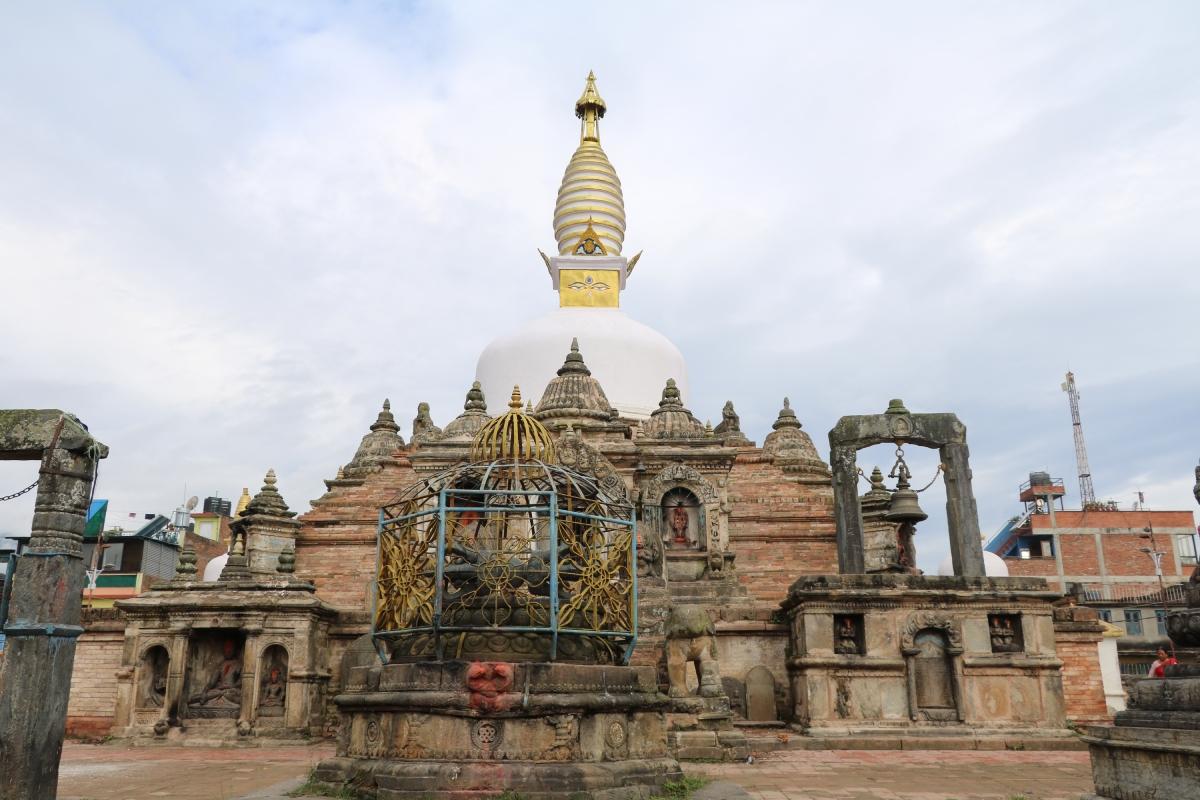
Yes, on Day 4 we visit the prominent hilltop Chilancho Vihar located in Kirtipur. This ancient stupa complex provides a wonderfully quiet, less-crowded, and highly authentic perspective on the enduring historical Buddhist faith of the local valley inhabitants.
Tibetan practitioners revere Pharping as deeply as Bodh Gaya. It is home to the holy Asura Cave, the legendary site where the great master Guru Padmasambhava (Guru Rinpoche) attained supreme enlightenment, making it an intensely spiritual pilgrimage destination.
Inside the cave, you can witness stone walls blackened by centuries of burning butter lamps and view an ancient handprint embedded in solid rock, believed to belong to Guru Padmasambhava himself, evoking a profound sense of tantric history.
Yes, our southern valley itinerary includes a stop at the ancient Vajrayogini Temple near Pharping. This sacred site allows travelers to delve deeper into the esoteric tantric deities and powerful spiritual traditions connected with the Kathmandu Valley's rich history.
Chobhar Monastery sits dramatically above a deep limestone gorge. According to local Buddhist mythology, the Bodhisattva Manjushri cut through this exact hill with his divine sword to drain the primordial lake, creating the fertile land of the Kathmandu Valley.
In Pokhara, you will explore the iconic World Peace Stupa, which overlooks beautiful Phewa Lake, and visit the historic Tibetan Refugee Camp in Tashi Palkhel, discovering how Himalayan Buddhist traditions thrive beautifully outside their original homeland.
Perched gracefully on Anadu Hill, the World Peace Stupa (Shanti Stupa) offers a tranquil sanctuary for meditation. Visitors can enjoy breathtaking, panoramic views of the entire Pokhara Valley, its calm lakes, and the snow-capped Annapurna Himalayan peaks.
Tashi Palkhel is a living testament to Tibetan culture and resilience. Best Heritage Tour includes this visit so travelers can interact directly with local monks and artisans, observe traditional carpet-weaving crafts, and support the community's traditional lifestyle.
Day 10 is dedicated entirely to exploring Lumbini, the sacred birthplace of Lord Buddha and a designated UNESCO World Heritage Site. It represents the ultimate spiritual heart of the entire pilgrimage, offering a deeply transformative experience.
The Maya Devi Temple protects the exact marker stone pinpointing the birth location of Lord Buddha over 2,500 years ago. You will also see the ancient sacred pond where Queen Maya Devi bathed before giving birth.
The Monastic Zone features a dazzling display of international Buddhist diversity. You will explore numerous monasteries built by various nations across Asia and the globe, showcasing unique architectural styles ranging from Japanese wooden carvings to vibrant Thai murals.
We finish our pilgrimage at the peaceful Sacred Garden, an expansive, tranquil space lined with thousands of colorful fluttering prayer flags. It provides the absolute perfect setting for personal meditation, quiet mindfulness, and absorbing the powerful local spiritual energy.
The premier seasons for this cultural journey are spring (March to May) and autumn (September to November). These months deliver pleasantly warm daytime weather, perfectly clear skies, and optimal conditions for exploring outdoor stupas, monasteries, and viewpoints.
Spring brings freshly blooming flowers, lush greenery, and exceptionally mild temperatures across Nepal. This pleasant climate creates a beautifully serene, comfortable environment for walking through historical temple complexes and engaging in outdoor meditation sessions.
Autumn is famous for crisp air and unparalleled, crystal-clear Himalayan mountain views. Since this season coincides with several major traditional festivals, it offers travelers an excellent opportunity to witness authentic, living Buddhist rituals and vibrant local celebrations.
Best Heritage Tour provides hand-picked, comfortable 3-star hotels and quality guesthouses throughout the entire trip. These accommodations are selected specifically for their cleanliness, excellent amenities, hospitable staff, and close proximity to major spiritual and cultural landmarks.
The package includes all main daily meals - breakfast, lunch, and dinner - throughout the 11-day itinerary. Meals are carefully planned to give you a delicious and hygienic taste of authentic local, traditional, and international culinary options.
Absolutely. Given the deeply spiritual nature of this pilgrimage, high-quality, delicious plant-based meals are readily available at every single destination. Best Heritage Tour easily accommodates all vegetarian, vegan, and specific allergy-related dietary requirements seamlessly.
Yes, you will have multiple opportunities to savor authentic Tibetan and Newari dishes, including popular local favorites like momos (dumplings), steaming bowls of thukpa (noodle soup), and traditional, nutrient-rich Dal Bhat sets.
Yes, this specific itinerary is highly popular among senior travelers. Our professional guides maintain a relaxed, meditative pace, and we can easily modify vehicle drop-off points to bring guests closer to monument entrances, minimizing long walks.
It serves as an excellent, deeply educational family trip. Children are consistently fascinated by the playful wild monkeys at Swayambhunath, the vibrant spinning prayer wheels, and the colorful monastic artwork, making it a highly engaging cultural experience.
Yes, Best Heritage Tour utilizes well-maintained, modern, and fully air-conditioned private cars, vans, or mini-buses depending on the size of the group. Our professional drivers are highly experienced in navigating both busy city streets and winding highways safely.
Modest, respectful clothing is mandatory when visiting all sacred sites. Both men and women must fully cover their shoulders and knees. Please avoid wearing tight, revealing, or overly casual beachwear during these spiritual excursions.
Yes, you must remove your shoes and socks before stepping inside inner temple shrines, main monastery halls, or sacred courtyard enclosures. This vital practice maintains spiritual purity and cleanliness within the sacred grounds.
Kora is the traditional practice of ritual circumambulation around a sacred stupa or shrine. Out of respect for local customs, travelers must always walk around these Buddhist monuments in a clockwise direction.
Yes, you will encounter numerous local cooperative shops selling authentic items like hand-painted Thangka scrolls, singing bowls, prayer wheels, and local crafts. Purchasing these items directly supports traditional artisan communities and their heritage.
Leaving small voluntary cash donations in designated offering boxes is a wonderful way to support the maintenance of these ancient sites and monasteries. We recommend keeping small-denomination Nepalese Rupees handy for this purpose.
Many monasteries permit quiet visitors to sit silently at the back of the hall during public chanting or meditation hours. Your expert Best Heritage Tour guide will advise you on specific schedules and proper behavior for each venue.
Operating camera drones is strictly regulated by law in Nepal and completely banned around major heritage monuments, stupas, and sensitive monastic zones. We advise leaving drones behind and focusing on traditional photography instead.
No, daily monument entrance fees for heritage sites, stupas, and local museums are not included in the base package price. These relatively minor fees must be paid directly at the ticket counters in local currency.
Yes, a small 20-30 liter daypack is essential. You will use it daily to carry your personal water bottle, camera, hand sanitizer, wet wipes, sun protection, notebook, and any donations or souvenirs purchased during walks.
No, tips are not included in the tour price. Tipping is a widely accepted, highly appreciated custom in Nepal’s tourism industry, serves as a reflection of excellent service, and is left entirely to your personal discretion.
Best Heritage Tour provides exceptional, expert-led journeys managed by government-certified guides specialized in deep Buddhist iconography and history. Our unparalleled local network ensures an authentic, seamless, and deeply transformative cultural pilgrimage across Nepal.