
Badimalika Trek with RamaRoshan - 9 Days
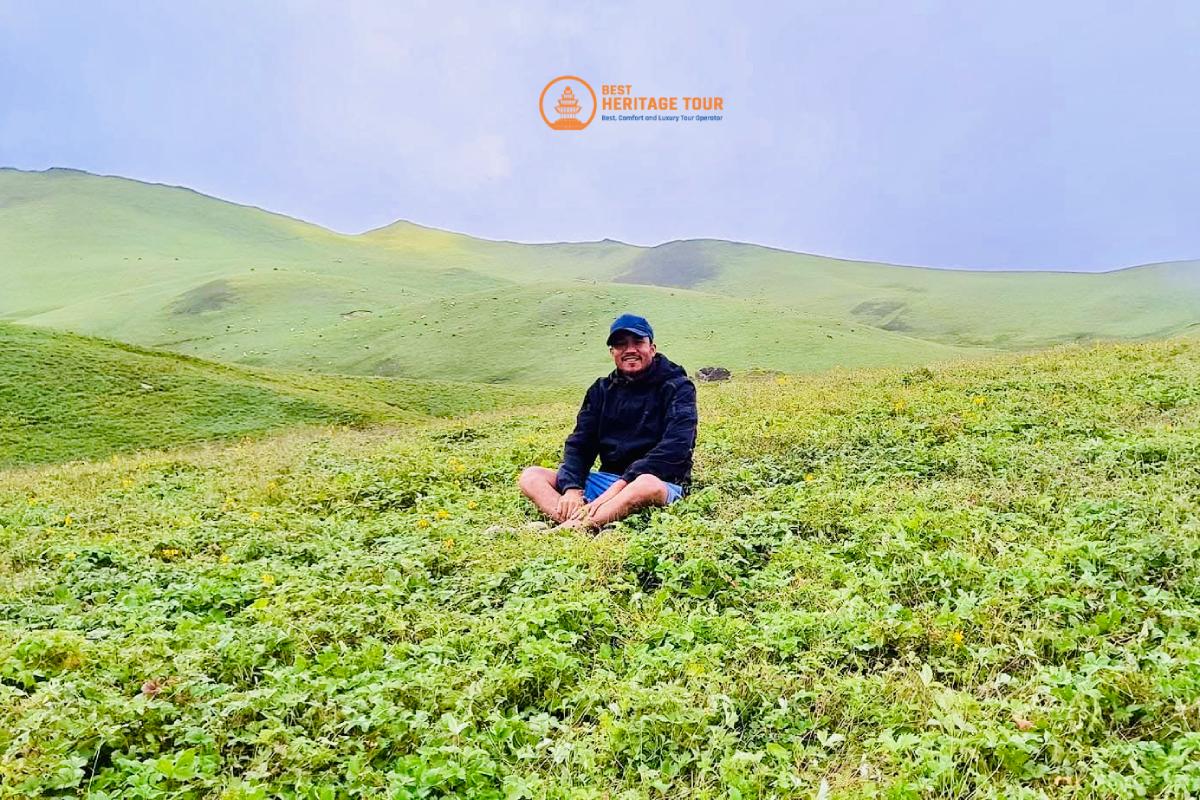
Insight on the Badimalika Trek with RamaRoshan
The Badimalika Trek with RamaRoshan is a remarkable journey into the untouched landscapes of Far-West Nepal - famously known as the Switzerland of Nepal, blending spirituality, adventure, and natural beauty. This unique trekking experience takes travelers through the vast alpine meadows of Sota Patan and Tribeni Patan to the sacred Badimalika Temple, one of Nepal’s most revered pilgrimage sites. The adventure continues to RamaRoshan, where pristine lakes, rolling hills, and breathtaking mountain vistas create an unforgettable off-the-beaten-path trekking experience for nature lovers, photographers, and explorers.
Trip at a Glance
-

Country: Nepal
-

Trip grade: Moderate
-

Destination: Far Western Region
-

Activities: Trekking
-

Accommodation: Teahouse
-

Meals: Breakfast, Lunch & Dinner
-
.png)
Transportation: Flight & Jeep
-

Maximum altitude: 4,210 m / 13,812 ft
-

Group size: 1-29
-
Trip Start / End: Kathmandu - Kathmandu
-
.png)
Best Season: Mar-May & June-Nov
Key Highlights of the Badimalika Trek with RamaRoshan
- Journey through Wild West Nepal, one of the Nepal’s most remote, untouched, and culturally rich regions
- Explore the sacred and legendary Badimalika Temple
- Trek through the breathtaking highland meadows of Sota Patan and Tribeni Patan
- Explore RamaRoshan, the hidden gem of Far-West Nepal, famous for its rolling green hills, pristine wilderness, and untouched beauty.
- Explore the captivating 12 Kunda and 18 Khanda, a collection of crystal-clear alpine lakes
- Experience an authentic off-the-beaten-path adventure far from the crowded trekking
- Capture countless photography featuring dramatic landscapes, stunning sunrise and sunset views.
- Enjoy a unique combination of trekking, cultural exploration, pilgrimage, and nature immersion in one unforgettable journey.
- Immerse yourself in the authentic Khas culture, traditions, and lifestyle of Far-West Nepal
- Witness the traditional lifestyle, culture, and hospitality of remote communities in Bajura and Achham districts
- Travel across diverse landscapes, from the subtropical plains to the alpine highlands
Why Choose Best Heritage Tour for Badimalika Trek?
- Free airport pick-up and drop-off service
- Online pre-trip briefing and booking confirmation for better preparation
- Multiple communication channels (Phone, Email, WhatsApp, Viber) for easy support
- 24/7 customer support available at +977-9851149197 / +977-9810043046
- Simple and secure payment options including Cash, Card, Bank Transfer & PayPal
- Provide essential medical kit and oximeter to monitor oxygen levels at high altitude
- Complimentary duffle bag and sleeping bag (used one & to be returned after the trek)
- Free luggage storage facility at Best Heritage Tour store during the trek
- We plant a tree in the name of travelers (upon request), as a part of our commitment to sustainable tourism.
Badimalika Trek with RamaRoshan Route Overview
The Badimalika Trek with RamaRoshan follows a fascinating route through the heart of Wild West Nepal, connecting two of the region's most spectacular destinations - Badimalika and RamaRoshan. This carefully designed itinerary combines scenic flights, adventurous jeep rides, highland trekking, cultural encounters, and breathtaking natural landscapes, offering travelers a complete Far-West Nepal experience.
The journey begins with a flight from Kathmandu to Dhangadhi, the gateway to Nepal's far-western region. From Dhangadhi, an overland jeep drive takes you to Martadi, the district headquarters of Bajura and the starting point of the trekking adventure. As the trail gradually ascends into the highlands, trekkers pass through remote settlements, traditional grazing areas, and picturesque landscapes before reaching the beautiful meadows of Sota Patan.
From Sota Patan, the trek continues to the expansive grasslands of Tribeni Patan, one of the most iconic locations along the route. Surrounded by rolling hills and alpine scenery, Tribeni Patan serves as the base for the pilgrimage hike to the revered Badimalika Temple. The temple, situated atop a scenic ridge, offers stunning views of the surrounding mountains and valleys while providing an opportunity to experience the spiritual significance of this sacred site.
After exploring Badimalika, the adventure extends beyond the traditional trekking route towards a hidden paradise - RamaRoshan. This section of the journey introduces travelers to untouched wilderness, lush meadows, and the unique cultural landscape of the Far-West. A dedicated exploration day in RamaRoshan allows visitors to discover the region's famous 12 Kunda and 18 Khanda, a collection of pristine alpine lakes scattered across the highlands.
Throughout the trek, travelers will encounter the rich traditions of the Khas community, experience authentic mountain hospitality, and witness landscapes rarely seen by mainstream tourists. Combining spirituality, culture, adventure, and natural beauty, the Badimalika Trek with RamaRoshan offers one of the most rewarding off-the-beaten-path trekking experiences in Nepal.
What Can You Expect During the Badimalika Trek with RamaRoshan?
1. Untouched Natural Beauty
The Badimalika Trek with RamaRoshan takes you through some of Nepal's most pristine and least-explored landscapes. From the vast meadows of Sota Patan and Tribeni Patan to the rolling hills of RamaRoshan, every day presents breathtaking scenery. Expect panoramic mountain views, alpine grasslands, dense forests, and crystal-clear lakes that showcase the raw beauty of Wild West Nepal.
2. Sacred Pilgrimage Experience
A major highlight of the journey is the visit to the revered Badimalika Temple, one of the most significant pilgrimage sites in western Nepal. Beyond its religious importance, the temple offers a peaceful atmosphere and stunning surroundings that attract both devotees and nature lovers. The spiritual ambiance of the region adds a meaningful dimension to the trekking experience.
3. Authentic Khas Culture
This trek provides a unique opportunity to experience the rich traditions of the Khas community, one of the oldest cultural groups in western Nepal. Travelers can observe traditional lifestyles, local customs, architecture, and daily practices that have been preserved for generations. The warm hospitality of local communities adds authenticity and cultural depth to the journey.
4. Scenic Highland Trekking
The trail features beautiful walking routes across open ridges, alpine meadows, grazing lands, and remote mountain paths. Unlike Nepal's more crowded trekking regions, this route offers tranquility and a genuine sense of exploration. The journey through Tribeni Patan, Sota Patan, and surrounding highlands creates an unforgettable trekking experience.
5. Adventure Through Wild West Nepal
Expect an adventurous journey that combines flights, jeep rides, and trekking across some of Nepal's most remote regions. The changing landscapes, rugged terrain, and remote settlements make the adventure both exciting and rewarding. This trek is ideal for travelers seeking destinations beyond the usual tourist routes.
6. The Beauty of RamaRoshan
RamaRoshan offers spectacular scenery characterized by lush green hills, wide valleys, and pristine alpine lakes. The region remains largely untouched by mass tourism, allowing visitors to experience nature in its purest form while enjoying a peaceful and refreshing environment.
7. Stunning Lakes and Landscapes
One of the most memorable experiences is exploring the famous 12 Kunda and 18 Khanda of RamaRoshan. These beautiful alpine lakes are surrounded by rolling meadows and dramatic mountain backdrops. The area offers exceptional opportunities for sightseeing, relaxation, and appreciating the region's unique natural wonders.
8. Incredible Photography Opportunities
From sacred temples and traditional villages to alpine lakes and endless meadows, this trek is a dream destination for photographers and content creators. Whether you are capturing sunrise over the hills, local cultural life, or the breathtaking landscapes of Badimalika and RamaRoshan, every day presents countless Instagram-worthy moments.
Are You Ready for the Badimalika Trek with RamaRoshan?
The Badimalika Trek with RamaRoshan is not a journey that demands extraordinary trekking experience. What it truly requires is a spirit of exploration, an appreciation for nature, and a willingness to step beyond the familiar.
This trek is designed for travelers who find joy in discovering places that remain untouched by mass tourism. If the sight of endless alpine meadows, remote mountain trails, sacred temples, hidden lakes, and authentic local cultures excites you more, then this adventure is for you.
To fully enjoy this trek, come with an open mind, a reasonable level of physical fitness, and a deep curiosity about nature, culture, and adventure. If you are seeking not just a trek, but a meaningful experience filled with stunning landscapes, rich Khas culture, spiritual significance, and unforgettable memories, then you are more than ready for the Badimalika Trek with RamaRoshan.
Itinerary
Your journey to Far-Western Nepal begins with a domestic flight from Kathmandu to Dhangadhi. The flight rapidly transitions from the crowded hills of the Kathmandu Valley, gliding over the lush mid-hills and river valleys, before dropping into the vast, flat plains of the Terai region.
Upon landing at the Dhangadhi airport, you will immediately feel the shift in climate, culture, and pace. The air here is warm, and the landscape is dominated by dense sal forests and wide agricultural fields. The rest of the afternoon is yours to relax, unpack, and prepare your gear for the rugged wilderness ahead. In the evening, we recommend taking a stroll through the local markets or visiting the nearby Jakhor Tal (lake). This is also the perfect opportunity to dive into local Tharu cuisine for dinner, experiencing the unique spices and hospitality that define this vibrant lowland hub.
We leave the flat plains of the Terai early in the morning in a private 4x4 overland jeep, heading deep into the rugged hills of Far-Western Nepal. As we drive along the scenic Mahakali and Sanfe-Martadi highways, the landscape transitions from lush agricultural fields to dramatic, winding mountain roads.
As the jeep moves deeper into remote territory, travelers begin to witness authentic rural life. Small settlements, terraced farms, and hillside villages reflect a simple and traditional lifestyle closely connected to nature.
By late afternoon, we reach Martadi, the bustling administrative headquarters and central hub of the Bajura District. This small town serves as the official gateway for pilgrims and wilderness trekkers heading up to the Badimalika region. You will into a local guesthouse, where you can enjoy a hearty local meal and settle in for a restful evening before the foot trekking begins tomorrow.
Today marks the official beginning of our foot journey as we leave Martadi behind and climb deep into the untouched wilderness of Bajura. The trail starts with a steady uphill climb through ancient oak, rhododendron, and blue pine forests. Along the way, we pass traditional highland stone settlements where you can witness the timeless daily routines of the local Khas people, whose unique culture and dialect remain beautifully preserved in this remote corner of Nepal.
As we ascend higher, the trail transitions into a rugged mountain track where we frequently cross paths with local shepherds (Gothalos) herding large flocks of sheep. This stretch of the Badimalika Trek Itinerary perfectly showcases the isolation and natural purity that makes Far-West Nepal an paradise for off-the-beaten-path lovers.
By late afternoon, we step onto Sota Patan, a striking alpine pasture surrounded by sweeping, silky green hills. This massive grassland feels like a completely different world, instantly revealing why international travelers describe this region as the "Switzerland of Nepal." We set up our camp or check into a basic highland shelter here, giving you the perfect evening to capture dramatic landscape photos as the golden sun dips below the endless western ridges.
Today's trek takes you through the legendary heart of the wilderness as we move from Sota Patan to the mystical pastures of Tribeni Patan. The landscape is dominated by vast, rolling grasslands dotted with thousands of species of unique high-altitude wildflowers and rare medicinal herbs that paint the meadows in vibrant shades during the warmer months.
As we near our destination, the geographic scale of Far-West Nepal becomes beautifully apparent. Tribeni Patan is historically and spiritually famous as a sacred confluence where three alpine rivers meet. For religious travelers, this high plateau is a highly revered pilgrimage site where bathing in the crisp, icy waters is believed to cleanse the soul and wash away sins. It also serves as a temporary seasonal home for traditional shepherds (Gothalos) from nearby districts who graze their massive herds of horses, sheep, and goats.
Upon reaching Tribeni Patan, you will check-in basic highland shelter in the middle of these rolling fields, giving you a front-row seat to an incredible sunset where the sky transitions into a canvas of gold, pink, and deep violet - a dream come true for travel photographers and Instagrammers.
Today is the most spiritually significant and physically rewarding day of the Badimalika Trek with RamaRoshan. Leaving our shelter at Tribeni Patan before dawn, we embark on a steep, challenging push up the holy mountain crest. The entire landscape looks as - a giant velvet green carpet has been draped over endless peaks, creating a stunning visual scale that few places on earth can match.
As we reach the summit ridge, the magnificent pagoda-style Badimalika Temple appears against the crisp blue sky. Perched spectacularly at an altitude of 4,210 m, this ancient Shakti Peeth holds deep religious importance, carrying a powerful, serene silence broken only by fluttering prayer flags and distant wind. Standing on this high peak gives you an incredible, uninterrupted 360-degree view of Far-West Nepal’s raw frontier. The snow-capped massifs of Api Himal and Saipal Himal pierce the northern skyline, offering travel photographers a jaw-dropping backdrop completely untarnished by crowds.
After spending time at the temple and soaking in the panoramic views, the descent back to Tribeni Patan begins. We retrace our steps back to our shelter at Tribeni Patan, where you will be served with a hot, nourishing meal. You can spend the rest of the afternoon resting your legs and watching the local horses graze freely across the vast, peaceful plateau.
Today, we transition from the high-altitude, rolling plateaus of Bajura into the deeply forested valleys of the Achham District to reach the hidden wonderland of RamaRoshan. The trail begins with a scenic descent along steep mountain ridges. The bare, windy alpine grasslands slowly give way to thick, ancient sub-alpine forests filled with giant rhododendron, oak, and pine trees that echo with the songs of exotic mountain birds.
As we trek lower, the path follows beautiful mountain streams, roaring waterfalls, and striking sedimentary rock cliffs. Along the route, we pass through small, isolated settlements where local farmers live, giving you a rare, authentic look at the traditional, slow-paced lifestyle of Far-Western Nepal.
By afternoon, we arrive at the enchanting valley of RamaRoshan, locally known as the "Plain of the Gods." Surrounded by thick forests, steep cliffs, and terraced hill slopes, this plateau is a massive wetland system that instantly feels calm and magical. We will check-in a basic shelter near the lake basins, leaving you with a peaceful evening to enjoy the mountain air and watch the fog roll gently across the water.
Today is dedicated entirely to uncovering the pristine, fairytale-like scenery of the RamaRoshan wetland complex. Known locally by the beautiful phrase "Barha Banda, Athara Khanda" (12 Lakes and 18 Meadows), this high-altitude plateau is surrounded by dramatic sedimentary rock cliffs and deep forests. We spend our morning walking along the calm shores of the lakes, including Jigale Lake and the tiny, peaceful Taune Lake.
Later, our exploration moves across the sprawling green meadows, featuring a trek into Kinemine Patan, the largest open grassland in the Achham district. The surrounding forests of conifer, oak, and blooming rhododendron are rich with rare wildlife; keep your eyes peeled and your cameras ready, as this untouched sanctuary is home to the elusive musk deer and Nepal's colorful national bird, the Danfe (Impeyan Pheasant). As the afternoon fog rolls gently over the marshlands, we return to our shelter to enjoy a warm dinner under a brilliant, unpolluted starry sky, completely disconnected from the noise of modern life.
We pack up our belongings early in the morning, as we board our 4x4 jeeps for a long, thrilling road trip. The initial section of the drive is a rugged adventure, navigating unpaved hill tracks that descend smoothly through traditional rural farmsteads and pine-fringed ridges.
As the wheels roll further south, the sharp mountain terrain gradually softens into the wider, rolling valleys of the Karnali Province. The drive crosses several iconic suspension bridges and winds through vibrant trailside bazaars where locals trade fresh mountain produce, wild honey, and hand-woven crafts.
By late afternoon, we drive into Birendranagar, the beautifully planned capital valley of the Surkhet District. You will settle into a comfortable modern hotel, giving you the perfect opportunity to take a long, hot shower, enjoy a celebratory multi-course dinner, and toast to the incredible off-the-beaten-path memories made over the past week.
On the final day of your Badimalika Trek with RamaRoshan, we head to the Surkhet Airport after a relaxing breakfast at your hotel. You will board a direct morning flight back to Kathmandu, bidding a fond farewell to the pristine landscapes of Far-Western Nepal. The flight offers beautiful aerial views of western hills gradually merging into the central Himalayan region.
Upon landing in Kathmandu, you will be transfer back to your hotel or guide you toward your onward international connection. You leave this adventure with a camera full of unique, crowd-free photos, a soul enriched by deep spiritual landmarks, and the proud distinction of being one of the few travelers to have experienced the true "Switzerland of Nepal."
What is included?
- PRIVATE AIRPORT PICK-UP & DROP : Airport - Hotel transfer - Airport (Pick Up and Drop).
- MEMBER TRANSPORTATION :
- Domestic Flight : Flight from Kathmandu to Dhangadhi & while returning from Surkhet to Kathmandu.
- Jeep Transport : Transportation in a 4x4 Jeep from Dhangadi to Martadi Bajur and RamaRoshan to Surkhet.
- ACCOMMODATION IN DHANDAGI & SURKHET : Accommodation in a best available tourist standard hotel.
- LODGING : Best available accommodation in mountain lodges and tea houses in Martadi Bajur, Sota Patan, Tribeni Patan &RamaRoshan.
- FOOD : 3 meals a day (breakfast, lunch, and dinner; including tea/coffee) during the trek, with Ef-Chlor purification tablets provided for safe drinking water.
- GUIDE : One experienced government licensed trekking guide (English speaking) during the trek.
- STAFF SALARY AND ALLOWANCE : All trekking staff wages, salary, equipment, food & clothing.
- PERMITS : All necessary paper works : Khaptad National Park permit, Local Government, TIMS Card & other entry fee.
- STAFF INSURANCE : Insurance for all involved trekking staff during the trek.
- CAMPING ESSENTIALS : All necessary camping essentials (needed only during the Festival Season)
- GEAR (IF NEEDED) : Sleeping bag, down jacket, and duffle bag (to be returned after the trek).
- MEDICAL KIT : A well equipped first aid kit, including an oximeter and emergency oxygen, carried by the guide for your safety.
- IN CASE OF EMERGENCY : Assistance in rescue operations in case of emergency covered by travel insurance.
- SOUVENIR : Best Heritage Tour’s Appreciation Certificate after the successful trek & Purse, an authentic Nepali product made from hemp.
- FAREWELL DINNER : A farewell dinner with an authentic cultural program after completion of the trek.
What is not included?
- INTERNATIONAL AIRFARE : International flight airfare (from and to Kathmandu).
- NEPAL VISA FEES : You may issue the visa upon your arrival at Tribhuvan International Airport - Kathmandu or apply manually in your home country.
- TRASNPORTATION IN PRIVATE JEEP : Private Jeep transportation will be arranged on request.
- ACCOMMODATION & MEALS : Accommodation and meals in Kathmandu before and after the trek.
- INSURANCE POLICY : Travel insurance covering medical expenses and high-altitude evacuation is mandatory. If you do not have suitable coverage, we can also assist in arranging travel insurance for you upon your arrival in Nepal. Check Over Here
- PERSONAL EXPENSES : Clothing & gears, telephone, internet, toiletries, hot shower, laundry, soft drinks and any Alcoholic beverages.
- OPTIONAL PORTER SERVICE : USD 28 per day, including all taxes (each porter can carry up to 25 kg of luggage).
- TIPS : Tips for guide and porters.
- EXTRA : Any additional costs due to factors beyond our control, or for services not specifically mentioned in the Itinerary & Included section.
- TAXES & SERVICE CHARGE : All government taxes (13%) and service charge (10%).
Equipment
Clothing |
Trekking Gear |
|
|
Personal & Health Essentials |
Optional |
|
|
Trip Info
Useful Information About the Badimalika Trek with RamaRoshan
Before starting your trek, it is important to know about trail, high altitudes, mountain weather, simple teahouse stays, and daily logistics. Since the Far Western region is very remote and less developed, having the right preparation and realistic expectations will ensure you have a safe and wonderful trip.
Airport Pick-Up and Trip Briefing for Badimalika Trek with RamaRoshan
Upon your arrival at Tribhuvan International Airport in Kathmandu, our representative from Best Heritage Tour will be waiting at the arrival terminal holding a name card. You will be warmly welcomed by offering - Khada (ceremonial scarf), symbolizing respect and goodwill. After the welcome ceremony, he will drop you to your hotel in Katmandu on a private car or any other vehicle depending on your group size.
Our standard package do not include the hotel in Kathmandu, however you can easily add that. If you want, we can also assist you to book hotel in Kathmandu based on your preference and budget.
Trip Briefing for Badimalika Trek with RamaRoshan
During the evening time, we will conduct a detailed trip briefing session at our office in Thamel. During the trip briefing session, Mr. Bimal (M.D. of Best Heritage Tour) will personally guide you. He will:
-
Explain the itinerary, route, altitude gain and key highlights
-
Explain weather expectations and region-specific trekking updates
-
Offer a detailed checklist of required trekking gear, clothing layers, and essential equipment
-
Introduction to your experienced trekking guide and porter (if included in the package).
-
Address any last-minute questions, personal concerns, or special requirements before the trek begins
This session ensures that you are fully ready to explore the Wild West of Nepal.
What Type of Transportation Is Used for the Badimalika Trek with RamaRoshan?
The Badimalika Trek with RamaRoshan combines air and overland transportation to ensure a smooth and efficient journey through the remote landscapes of Wild West Nepal. We use domestic flights and comfortable 4x4 jeeps to connect the trekking sections of the adventure.
1. Domestic Flight: Kathmandu to Dhangadhi & Surkhet to Kathmandu
Our package includes domestic flights between Kathmandu to Dhangadhi at the beginning of the trip and Surkhet to Kathmandu at the end. These scenic flights not only provide convenience but also offer spectacular aerial views of Nepal's diverse geography, including rolling hills, river valleys, and Himalayan landscapes.
Domestic Flight Baggage Allowance
For the domestic flights included in this itinerary, each traveler is entitled to the following baggage allowance:
-
Checked Baggage: Up to 15 kg (33 lbs)
-
Hand Carry: Up to 5 kg (11 lbs)
-
Total Allowance: 20 kg (44 lbs) per person
Please note that any baggage exceeding the permitted limit may incur additional charges, which are payable directly to the respective airline based on their current baggage policy.
2. 4x4 Jeep: Dhangadhi to Martadi, Bajura & RamaRoshan to Surkhet
The remote nature of the Badimalika and RamaRoshan region requires reliable ground transportation. For this reason, we use well-maintained 4x4 jeeps for the overland sections of the journey, including the drive from Dhangadhi to Martadi, Bajura and the return drive from RamaRoshan to Surkhet.
These rugged vehicles are specially suited for mountain roads, unpaved sections, and challenging terrain commonly found in Wild West Nepal.
Transportation Used for Badimalika Trek with RamaRoshan
|
Route |
Type of Transport |
Distance Covered |
Duration |
|---|---|---|---|
|
Kathmandu → Dhangadhi |
Domestic Flight |
~430 km / 267 miles |
1 hr 15 min |
|
Dhangadhi → Martadi, Bajura |
4x4 Jeep |
~350-380 km / 217-236 miles |
10-12 hours |
|
RamaRoshan → Surkhet |
4x4 Jeep |
~300-330 km / 186-205 miles |
10-12 hours |
|
Surkhet → Kathmandu |
Domestic Flight |
~300 km / 186 miles |
45-60 min |
Note: Transportation duration may vary depending on weather conditions, road conditions, traffic, and flight schedules.
Why Is the Maximum Altitude Reached During the Badimalika Trek with RamaRoshan?
The Badimalika Trek with RamaRoshan reaches its highest point at Badimalika Temple (4,200m / 13,780ft), making it a true high-altitude Himalayan adventure in Wild West Nepal. This altitude is significant because the trek gradually ascends from lowland areas like Dhangadhi to alpine meadows such as Sota Patan and Tribeni Patan, allowing proper acclimatization along the route.
Reaching this maximum altitude is a highlight of the journey, offering panoramic views of distant Himalayan ranges, deep valleys, and untouched wilderness. It also provides a spiritual dimension, as Badimalika Temple is one of the most revered pilgrimage sites in Nepal, combining natural elevation with cultural and religious significance.
Altitude Gain on Each Day of the Badimalika Trek with RamaRoshan
|
Day |
Route |
Activity |
Approx. Altitude |
|---|---|---|---|
|
Day 1 |
Kathmandu → Dhangadhi |
Flight |
1,400m → 109m |
|
Day 2 |
Dhangadhi → Martadi |
Jeep Drive |
109m → 2,200m |
|
Day 3 |
Martadi → Sota Patan |
Trek |
2,200m → 3,200m |
|
Day 4 |
Sota Patan → Tribeni Patan |
Trek |
3,200m → 3,700m |
|
Day 5 |
Tribeni Patan → Badimalika Temple → Tribeni Patan |
Trek (Highest Point) |
3,700m → 4,200m |
|
Day 6 |
Tribeni Patan → RamaRoshan |
Trek |
3,700m → 2,800m |
|
Day 7 |
RamaRoshan → 12 & 18 Kunda (Exploration) |
Trek |
2,800m → 3,200m |
|
Day 8 |
RamaRoshan → Surkhet |
Jeep Drive |
2,800m → 720m |
|
Day 9 |
Surkhet → Kathmandu |
Flight |
720m → 1,400m |
What is the Distance Covered on Each Day during the Badimalika Trek with RamaRoshan?
The Badimalika Trek with RamaRoshan involves a combination of domestic flights, long jeep drives, and moderate trekking through the remote landscapes of Wild West Nepal. Each day covers different terrain, from lowland valleys to high alpine meadows and the scenic RamaRoshan region. The distance varies depending on road conditions, trail gradients, and altitude gain.
What is the Total Distance Covered During the Badimalika Trek with RamaRoshan?
The total distance of the Badimalika Trek with RamaRoshan is approximately 420-480 km (261-298 miles), including both trekking and transportation segments.
-
Trekking distance: Around 45-55 km (28-34 miles)
-
Driving distance: Around 360-400 km (224-249 miles) (depending on road conditions in Bajura and Far-West Nepal)
-
Flight distance: Around 700+ km (combined domestic sectors)
The variation depends on trail conditions, alternative local paths, and road accessibility in the remote Himalayan foothills of Nepal.
Distance Covered on Each Day During the Badimalika Trek with RamaRoshan
|
Day |
Route |
Distance Covered |
Duration |
|---|---|---|---|
|
Day 1 |
Kathmandu → Dhangadhi |
Flight |
1 hr 15 min |
|
Day 2 |
Dhangadhi → Martadi, Bajura |
~350-380 km (217-236 miles) - Drive |
10-12 hours |
|
Day 3 |
Martadi → Sota Patan |
~10-12 km (6-7.4 miles) |
5-6 hours |
|
Day 4 |
Sota Patan → Tribeni Patan |
~8-10 km (5-6.2 miles) |
4-5 hours |
|
Day 5 |
Tribeni Patan → Badimalika Temple → Tribeni Patan |
~12-14 km (7.4-8.7 miles) |
6-7 hours |
|
Day 6 |
Tribeni Patan → RamaRoshan |
~10-12 km (6-7.4 miles) |
5-6 hours |
|
Day 7 |
RamaRoshan → 12 Kunda & 18 Kunda (Exploration) |
~6-8 km (3.7-5 miles) |
4-5 hours |
|
Day 8 |
RamaRoshan → Surkhet |
~300-330 km (186-205 miles) - Drive |
10-12 hours |
|
Day 9 |
Surkhet → Kathmandu |
Flight |
45-60 min |
What Type of Accommodation Is Provided During the Badimalika Trek with RamaRoshan?
Accommodation in Kathmandu
The Badimalika Trek with RamaRoshan package does not include hotel accommodation in Kathmandu before or after the trip. However, we are always ready to assist in selecting and booking suitable hotels in Kathmandu according to your comfort level, preferred location, and budget.
Accommodation During the Badimalika Trek with RamaRoshan
Accommodation along the route varies from comfortable hotel stays in accessible towns to simple, locally managed teahouses and camping arrangements in remote high-altitude regions of Wild West Nepal. As the journey progresses toward Sota Patan, Tribeni Patan, and RamaRoshan, facilities become more basic, offering a more authentic and immersive Himalayan experience.
-
1 night in Dhangadhi: Standard tourist hotel with private room, attached bathroom, and basic modern toilet facilities
-
1 night in Martadi (Bajura): Local mountain hotel with private rooms; basic attached or shared bathroom depending on availability
-
1 night in Sota Patan: Simple teahouse or campsite accommodation with shared rooms and basic shared toilet facilities (mostly squat toilets)
-
2 nights in Tribeni Patan: Basic teahouse or tented camping setup with shared accommodation and very limited facilities
-
2 nights in RamaRoshan: Basic teahouse or camping accommodation in scenic open areas with minimal toilet facilities
-
1 night in Surkhet: Comfortable hotel accommodation in private rooms with standard amenities before the return to Kathmandu
Important Note
During peak pilgrimage seasons such as Janai Purnima and other local festivals, accommodation in Sota Patan and Tribeni Patan may become fully occupied due to high visitor flow. In such situations, Best Heritage Tour provides well-managed tented camping arrangements to ensure all trekkers have safe, comfortable, and reliable overnight stays throughout the journey.
Food and Drink on the Badimalika Trek with RamaRoshan
Our Badimalika Trek with RamaRoshan package includes a full meal throughout the trekking journey, covering daily breakfast, lunch, and dinner, along with 2-3 servings of hot drinks such as tea or coffee. Meals are freshly prepared along the route and combine traditional Nepali cuisine with simple, energy-rich trekking dishes to support long walking days in Wild West Nepal.
Daily Meal Pattern on the Badimalika Trek with RamaRoshan
-
Breakfast: Served at the same lodge or campsite where you spend the night before starting the day’s trek.
-
Lunch: Provided en route at selected resting points or teahouses, offering a refreshing midday break during trekking hours.
-
Dinner: A warm and filling meal served at the overnight stop, designed to restore energy after a full day of trekking.
Trekkers are generally offered one main dish per meal from the available menu. Any additional items ordered outside the standard meal plan will be charged separately by the teahouse or campsite kitchen.
Common Food Options on the Badimalika Trek with RamaRoshan
|
Meal Type |
Typical Menu Items |
|---|---|
|
Breakfast |
Porridge, Tibetan bread, eggs (omelette/fried/boiled), pancakes, chapati, muesli, tea/coffee |
|
Lunch |
Dal Bhat set, noodles, momo, fried rice, pasta, potato dishes, soup varieties |
|
Dinner |
Rice and lentils (Dal Bhat), vegetable curry, noodles, soups, local seasonal dishes |
Trekker’s Energy Choice: Dal Bhat
During the Badimalika Trek with RamaRoshan, we highly recommend choosing Dal Bhat at least once daily, especially during lunch. It remains the most reliable high-energy meal in the Himalayas for several reasons:
-
Rich in carbohydrates, protein, and essential nutrients
-
Freshly cooked and widely available across the trekking route
-
Usually served with unlimited refills of rice, lentils, and vegetables
-
Helps maintain stable energy levels during long trekking days
Drinks and Hydration on the Badimalika Trek with RamaRoshan
Proper hydration is extremely important while trekking in higher elevations such as Tribeni Patan, Badimalika Temple, and RamaRoshan. To support this, teahouses and camps provide a variety of hot and cold beverages:
-
Black tea, milk tea, and ginger tea
-
Instant coffee and local-style coffee
-
Hot lemon with honey (highly recommended for altitude comfort)
-
Boiled water and bottled water (available at most stops)
Vegetarian and Vegan Meal Option on the Badimalika Trek with RamaRoshan
Outside the most remote alpine zones of Sota Patan, Tribeni Patan, and RamaRoshan, vegetarian and simple vegan-friendly meals are generally easy to manage. The local diet is naturally based on rice, lentils, vegetables, and grains, making it suitable for most dietary preferences.
If you have any specific dietary requirements, allergies, or restrictions, we strongly recommend informing Best Heritage Tour during your pre-trek briefing so that our team and guides can make necessary arrangements along the route.
When is the Best Time for Badimalika Trek with RamaRoshan?
Although the Badimalika Trek with RamaRoshan can be attempted in multiple seasons, the most rewarding trekking experience is generally during spring (March to May) and autumn (September to November). These periods offer the most stable weather conditions, clearer mountain views, and safer trail accessibility across the remote landscapes of Wild West Nepal.
However, unlike many mainstream Himalayan routes, this region also becomes especially meaningful during the monsoon and pilgrimage season (June to August) when the sacred energy of Badimalika Temple is at its peak due to religious gatherings and local festivals. For culturally focused travelers, this is considered one of the most unique times to visit.
Spring Season (March to May)
Spring is one of the most visually rewarding times for the Badimalika Trek with RamaRoshan. The entire region transforms into a green paradise as alpine meadows, including Sota Patan and Tribeni Patan, begin to bloom with seasonal vegetation. The skies are often clear, offering stunning views of surrounding hills and distant Himalayan ranges.
Pros:
-
Clear mountain views across Badimalika and RamaRoshan region
-
Lush green landscapes with blooming wildflowers and fresh vegetation
-
Comfortable trekking temperatures in both low and high altitudes
-
Ideal conditions for exploring alpine areas like Tribeni Patan
Cons:
-
Moderate trekking traffic in popular sections of the route
-
Occasional haze in lower altitude areas during warmer days
-
Limited accommodation availability in remote stops during peak weeks
Monsoon Season (June to August) - The Spiritual Peak Time
Many travelers overlook monsoon, but for Badimalika Temple pilgrimage experience, this is actually the most culturally significant period. During this time, thousands of pilgrims visit the temple, creating a powerful spiritual atmosphere in the region. The landscapes of Wild West Nepal become extremely lush, vibrant, and alive.
Pros:
-
Peak pilgrimage season at Badimalika Temple
-
Exceptionally green and dramatic landscapes across Sota Patan, Tribeni Patan, RamaRoshan and surrounding hills
-
Strong cultural immersion with local Khas traditions and festivals
-
Fewer international tourists compared to major trekking seasons
Cons:
-
Frequent rainfall and slippery trail conditions
-
Possibility of transportation delays due to road conditions
-
Limited visibility of Himalayan ranges during cloudy days
Autumn Season (September to November)
Autumn is widely considered the most balanced and comfortable season for the Badimalika Trek with RamaRoshan. After the monsoon, the air becomes clean and crisp, offering crystal-clear visibility of mountains, valleys, and alpine landscapes. The trekking trails are dry and stable, making it ideal for long walking days.
Pros:
-
Excellent visibility of Himalayan and mid-hill landscapes
-
Stable and dry weather conditions throughout the route
-
Perfect trekking temperatures during day and night
-
Best season for photography in RamaRoshan and Badimalika region
Cons:
-
Peak trekking season with higher number of travelers
-
Limited accommodation availability in remote villages during busy weeks
-
Advance booking required for logistics and transportation
Winter Season (December to February) - Not Recommended
Winter is generally not a suitable time due to extreme cold conditions and heavy snowfall in higher regions such as Sota Patan, Tribeni Patan, Badimalika Temple, and RamaRoshan. Many trails become difficult to access, and local teahouses often remain closed, limiting accommodation and food options.
Documents Required for the Badimalika Trek with RamaRoshan
To ensure a smooth and hassle-free trekking experience in the Far western region of Nepal, trekkers must carry a few essential travel documents. These documents are mandatory for entry, safety, and permit regulations in Nepal’s protected trekking areas.
Nepal Visa for the Badimalika Trek with RamaRoshan
All international travelers (except Indian) need a tourist visa to visit Nepal, which can be obtained on arrival at Kathmandu airport or online.
Key Details:
-
Duration: 15, 30, or 90 days (15 days recommended for this trek)
-
Fees: 15 days - USD 30 | 30 days - USD 50 | 90 days - USD 125
-
Requirements: Valid passport (6+ months), visa form, passport photo, and payment in cash (USD/EUR/GBP/NPR)
Citizens of certain countries do not get Nepal Visa on arrival. They must have to apply for the Nepal Visa on advance through the Nepalese Embassy.
For the further details check: Nepal Immigration
Travel Insurance for the Badimalika Trek with RamaRoshan
Travel insurance is highly recommended and often mandatory for trekking in Nepal, especially for high-altitude regions.
Your insurance policy should cover:
-
High-altitude trekking (up to at least 4,500m+)
-
Emergency helicopter evacuation
-
Medical treatment and hospitalization
-
Trip cancellation or interruption (recommended)
Proper insurance ensures your safety and peace of mind throughout the journey.
What Are the Permits Required for the Badimalika Trek with RamaRoshan?
To undertake the Badimalika Trek with RamaRoshan, trekkers are required to obtain two official permits:
1. Khaptad National Park Entry Permit
This permit is required as parts of the trekking route pass through areas associated with the Khaptad National Park region, one of Nepal's important protected landscapes known for its rich biodiversity, forests, grasslands, and natural beauty.
-
Mandatory for all trekkers
-
Required to enter designated protected areas along the route
-
Helps support conservation and park management efforts
2. TIMS Card (Trekkers' Information Management System)
The TIMS Card is used for trekker registration and safety monitoring in Nepal.
-
Helps authorities track trekking activities and ensure trekker safety
-
Required for all trekkers undertaking the Badimalika Trek
A valid Nepal visa and travel insurance are required when applying for trekking permits. Trekkers do not need to worry about the permit application process, as Best Heritage Tour will arrange all necessary permits and documentation on behalf of our valued guests before the trek begins.
How Difficult Is the Badimalika Trek with RamaRoshan?
The Badimalika Trek with RamaRoshan is considered a moderate-level trek, making it suitable for trekkers with a reasonable level of fitness and a passion for exploring remote Himalayan landscapes. It involves several days of walking through high-altitude terrain, remote wilderness, and rugged trails.
Trekkers should be prepared for basic facilities, changing weather conditions, and consecutive days of walking across alpine meadows, ridgelines, and mountain paths.
Overall, anyone with good health, a positive mindset, and basic trekking preparation can successfully complete the Badimalika Trek with RamaRoshan while enjoying its breathtaking landscapes, rich Khas culture, and unforgettable wilderness experience.
What Makes he Badimalika Trek with RamaRoshan Difficult?
-
High Altitude Exposure: Reaches up to 4,200m (13,780ft) at Badimalika Temple.
-
Remote Location: Limited access to modern facilities and services.
-
Long Trekking Days: Several days involve 5-7 hours of walking.
-
Basic Accommodation: Teahouses and camping facilities are simple in higher regions.
-
Rugged Trails: Some sections include steep ascents, descents, and uneven terrain.
-
Long Jeep Journeys: Road travel in Far-West Nepal can be lengthy and physically tiring.
-
Off-the-Beaten-Path Nature: Less infrastructure compared to Nepal's popular trekking regions, requiring adaptability and an adventurous spirit.
Is the Badimalika Trek with RamaRoshan Suitable for Beginners?
Yes, the Badimalika Trek with RamaRoshan can be suitable for beginners who are physically fit, enjoy outdoor activities, and are prepared for several days of trekking in remote mountain regions. The trails are generally straightforward, allowing first-time trekkers to experience the beauty of Wild West Nepal without facing highly technical challenges.
For those seeking an authentic off-the-beaten-path adventure that combines breathtaking landscapes, rich Khas culture, and spiritual exploration, the Badimalika Trek with RamaRoshan can be an excellent introduction to trekking in Nepal.
Is the Badimalika Trek with RamaRoshan Trek a Beginner-Friendly Trek?
Yes, but with realistic expectations.
This trek is beginner-friendly for travelers who:
-
Have a basic level of physical fitness & can comfortably walk for 5-7 hours per day.
-
Enjoy nature, adventure, and remote destinations & are comfortable staying in basic teahouses and camps.
With proper preparation and guidance us, most healthy beginners can successfully complete this trek and enjoy one of Nepal's most rewarding hidden trekking experiences.
What Are the Essential Gears to Pack for the Badimalika Trek with RamaRoshan?
For the Badimalika Trek with RamaRoshan, trekkers should focus on packing practical and reliable gear that can handle varying elevations, unpredictable mountain weather, and the remote conditions. As the journey passes through warm lowland areas, alpine meadows, and high-altitude destinations, layering your clothing and preparing for both sunshine and cold temperatures is essential.
Some of the most important items include comfortable trekking boots, warm clothing layers, a waterproof jacket, trekking pants, gloves, a hat, and a quality sleeping bag. A daypack, reusable water bottle, sunglasses, basic toiletries, and personal medications are also recommended to ensure a comfortable trekking experience.
Since this adventure takes place in one of Nepal’s least explored trekking regions, proper preparation can significantly enhance your overall experience.
Physical Fitness Requirement for the Badimalika Trek with RamaRoshan
The Badimalika Trek with RamaRoshan is a moderate trekking adventure that requires a reasonable level of physical fitness. Trekkers should be comfortable walking for 5 to 7 hours per day while carrying a light daypack.
The journey reaches an altitude of 4,200m (13,780ft) at Badimalika Temple, where thinner air can make physical activities more demanding than at lower elevations. In addition, the combination of trekking, basic mountain accommodations, and long jeep journeys requires good stamina and endurance. Anyone who maintains an active lifestyle and has basic hiking experience should be able to complete this trek comfortably.
How to Physically Prepare for the Badimalika Trek with RamaRoshan?
-
Build Stamina: Practice hikes lasting 4-6 hours.
-
Train on Hills: Include uphill and downhill walking whenever possible.
-
Strengthen Your Legs: Focus on squats, lunges, and step-ups.
-
Improve Cardio Fitness: Running, cycling, or swimming can help.
-
Carry a Backpack During Training: Get used to trekking with extra weight.
-
Maintain Good Hydration Habits: Essential for trekking at higher elevations.
With a few weeks of basic preparation, most healthy and active travelers can successfully enjoy the Badimalika Trek with RamaRoshan.
Health and Safety on the Badimalika Trek with RamaRoshan
Your safety remains our highest priority throughout the Badimalika Trek with RamaRoshan. At Best Heritage Tour, we carefully design our itineraries to balance adventure, acclimatization, and comfort while minimizing potential risks associated with remote mountain travel.
Our trekking guides are licensed professionals with extensive experience guiding travelers through the rugged landscapes of Far Western Nepal. They are trained to identify common trekking-related health concerns, provide immediate support when needed, and respond appropriately in emergency situations. Every guide carries a first-aid kit and follows established safety protocols to ensure the well-being of all participants throughout the journey.
How Safe Is the Badimalika Trek with RamaRoshan?
The Badimalika Trek with RamaRoshan is regarded as a relatively safe trekking route for both first-time trekkers and experienced hikers. When undertaken with an experienced guide, reliable logistics, and proper preparation, the trek offers a secure and enjoyable way to explore the spectacular landscapes, sacred sites, and unique culture of Far Western Nepal.
How to Prevent Altitude Sickness on the Badimalika Trek with RamaRoshan?
-
Ascend gradually and allow your body sufficient time to adjust.
-
Drink plenty of water throughout the day.
-
Maintain a slow and steady trekking pace.
-
Get adequate sleep and rest whenever possible.
-
Inform your guide immediately if you experience headaches, nausea, dizziness, or unusual fatigue.
-
Follow the itinerary and avoid unnecessary altitude gain beyond the planned route.
How to Protect from Leeches on the Badimalika Trek with RamaRoshan During Monsoon Season?
The monsoon months transform Badimalika, Tribeni Patan, and RamaRoshan into a lush green paradise. However, leeches may occasionally be encountered in damp forest sections and grassy trails at lower elevations. While harmless, they can be inconvenient if proper precautions are not taken.
Simple Ways to Avoid Leeches While Trekking in Nepal
-
Wear long trousers and full-sleeved clothing.
-
Tuck your pants into your socks while walking through dense vegetation.
-
Use leech socks if trekking during peak months.
-
Apply saltwater or antiseptic solutions around footwear and socks.
-
Avoid resting directly on wet grass and forest floors.
-
Inspect your boots, socks, and lower legs during breaks.
-
Remove leeches carefully using salt or antiseptic rather than pulling them off forcefully.
Porter Service on the Badimalika Trek with RamaRoshan
Our standard trekking package does not include porter service by default, allowing trekkers the flexibility to choose based on their personal preference, fitness level, and budget.
-
Porter service available at USD 22 per day
-
Each porter can carry up to 25 kg maximum weight
-
A porter can be shared between one or two trekkers
-
A duffle bag is provided to safely pack and carry trekking gear
Using a porter significantly reduces physical strain, especially on long trekking days and high-altitude sections of the route
Luggage Storage Facility
For your non-trekking belongings, we provide a free luggage storage facility at our office in Kathmandu. Trekkers can safely store extra bags, valuables, or travel items that are not required during the trek.
In addition, many hotels in Kathmandu also offer free luggage storage services, so trekkers are encouraged to confirm this facility with their respective hotel as an added convenience option.
Badimalika Trek with RamaRoshan Cost for 2026 & 2027
The price of the Badimalika Trek with RamaRoshan can vary depending on several factors, including group size, transportation arrangements, accommodation standards, guide services, and the overall scope of the itinerary. Different trekking operators may offer varying levels of service, which can significantly influence the final package cost.
At Best Heritage Tour, we focus on delivering a well-organized trekking experience at just USD***. To make this unique adventure more accessible, we also provide attractive group discounts for families, friends, and organized trekking groups. Generally, the larger the group, the lower the cost per participant.
Group Size Based Price for Badimalika Trek with RamaRoshan (2026/2027)
|
Group Size |
Price per Person (USD) |
|---|---|
|
1 Pax |
$XXXX |
|
2-4 Pax |
$XXXX |
|
5-6 Pax |
$XXXX |
|
7-10 Pax |
$XXXX |
|
11-16 Pax |
$XXXX |
|
17-29 Pax |
$XXXX |
Important Information
-
Extra 13% Government Tax and 10% Service Charge are not included in the above prices
-
Porter cost is not included in the package price
For an accurate quote based on your preferred travel dates and group size, we provides customized pricing options upon request.
How Much to Tip Guide and Porter During the Badimalika Trek with RamaRoshan?
Tipping is a long-standing custom in Nepal’s trekking industry and is considered a meaningful way to appreciate the effort, dedication, and support of your trekking crew. While it is not compulsory, it is strongly encouraged as a gesture of gratitude for their service throughout the journey.
In general, trekkers commonly allocate around 10-15% of the total trekking cost, depending on the quality of service, group satisfaction, and overall trekking experience.
How Much to Tip Guide on the Badimalika Trek with RamaRoshan?
Your trekking guide plays a crucial role in ensuring a safe and well-organized journey. Responsibilities include route navigation, safety management, cultural explanation, and overall trek coordination from start to finish.
Suggested Guide Tip:
-
Around USD 10-15 per day per group
-
For a 9-day Trek, this usually totals approximately USD 90-135 per group, depending on service quality
Many trekkers choose to give more when the guide provides exceptional care, leadership, and support in challenging situations
How Much to Tip Porter on the Badimalika Trek with RamaRoshan?
Porters are vital members of the trekking team, responsible for carrying luggage so trekkers can walk comfortably with just a daypack.
Suggested Porter Tip:
-
Around USD 5-10 per day per porter (from the group)
-
For a 9-day trek, this generally comes to USD 45-90 per porter, depending on workload and service quality
Additional appreciation is often given for difficult weather, steep trails, or extra carrying effort
Group Tipping Practice
When trekking in groups, it is customary for all members to jointly contribute a collective tip for the guide and porter(s). This amount is usually handed over at the end of the trek as a respectful and heartfelt thank-you for their hard work, care, and support throughout the Badimalika Trek with RamaRoshan.
Money Exchange, ATMs & Card Payment for the Badimalika Trek with RamaRoshan
Proper financial preparation is essential before starting the Badimalika Trek with RamaRoshan, as access to banking services, ATMs, and digital payment systems becomes extremely limited once you leave Kathmandu. Since most transactions along the trail are cash-based, especially in remote Himalayan villages - carrying sufficient local currency in advance is strongly recommended for a smooth trekking experience.
Money Exchange in Kathmandu
We highly recommend exchanging your foreign currency in Kathmandu before the trek begins. The city offers numerous licensed money exchange counters and banks that provide safe and competitive rates.
It is always advisable to check the current exchange rate before completing any transaction to ensure you receive fair value for your money.
ATM Availability
-
ATMs are easily accessible only within Kathmandu
-
After departing for Dhangadi, ATM services are either unavailable or highly unreliable
-
Even in larger villages along the trail, machines may not function properly due to power or network limitations
For this reason, trekkers should withdraw all necessary cash in Kathmandu before starting the journey.
ATM Withdrawal Limits & Charges (Kathmandu):
-
Most ATMs allow up to 3 withdrawals per day
-
Maximum withdrawal is approximately NPR 35,000 per transaction
-
Each transaction may include a service fee of around NPR 600-800
-
Despite charges, ATMs remain a practical way to obtain local currency before the trek
Card Payment & Bank Transfer Availability
Card payments and bank transfer facilities are generally not available along the Badimalika Trek with RamaRoshan. In Kathmandu, a few hotels, restaurants, and shops may accept cards, but this is not guaranteed everywhere, and additional service charges (4%) may apply.
Once the trek begins, all expenses such as food, drinks, Wi-Fi, and hot showers must be paid in cash only.
Booking & Payment for the Badimalika Trek with RamaRoshan
Booking your Badimalika Trek with RamaRoshan with Best Heritage Tour is simple and secure. To confirm your trip, a 20% deposit of the total trip cost is required at the time of booking, while the remaining balance must be cleared at least one day before departure. Payments can be made via cash, bank transfer, or card; bank transfer and card fees are the responsibility of the trekker, and incur a 4% transaction fee. All booking and cancellation terms are clearly explained by Best Heritage Tour staff during the booking process and can also be reviewed on our website.
Bank transfer:
-
Account Name: Best Heritage Tour And Treks Pvt. Ltd.
-
Account Number: 13201040254106
-
Bank Name: Nepal Investment Mega Bank Ltd.
-
Address: Thamel, Kathmandu, Nepal
-
SWIFT Code: NIBLNPKT
-
Bank Transfer Link: www.bestheritagetour.com/payment
Once we receive the deposit, we will issue the official invoice and booking conformation right away. If you need any clarification, we are happy to answer your questions or provide additional details you may require.
Last-Minute Booking for the Badimalika Trek with RamaRoshan
For travelers planning on short notice, Best Heritage Tour accepts last-minute bookings up to 24 hours before departure. In such cases, full payment (100% of the trip cost) is required at the time of booking. Trekkers should be aware that accommodation, logistics, and services may be limited, and the company cannot be held responsible for any compromises arising from late arrangements.
Flexible Trip Exension for Badimalika Trek with RamaRoshan
You can spend a few extra days in Nepal after finishing the trek. During this time, you can organize other activities such as: Exploring Kathmandu and surrounding places, Jungle Safari in Chitwan, Paragliding, Rafting, etc.
Our team will help customize your itinerary to match your schedule, interests, and fitness level, ensuring a seamless extension to your journey.
Why Visit RamaRoshan?
If Badimalika Temple is the spiritual heart of this journey, then RamaRoshan is undoubtedly its scenic masterpiece. Often referred to as the "Switzerland of Nepal," RamaRoshan is a hidden alpine paradise where rolling green hills, crystal-clear lakes, vast meadows, and untouched wilderness come together to create one of the most breathtaking landscapes in Nepal. RamaRoshan offers an experience that feels completely different from Nepal's crowded trekking routes.
What Makes RamaRoshan Special?
-
Home of 12 Kunda and 18 Khanda: Explore a remarkable collection of crystal-clear alpine lakes.
-
Paradise for Photographers and Instagrammers: Picture-perfect scenery in every direction.
-
Untouched Natural Beauty: Enjoy landscapes that remain raw, peaceful, and unspoiled.
-
Perfect for Off-the-Beaten-Path Travelers: Discover a side of Nepal few visitors ever see.
-
Ideal Monsoon and Post-Monsoon Destination: Witness hills covered in vibrant greenery.
-
A Unique Addition to the Badimalika Trek: Combining spiritual pilgrimage with spectacular natural beauty.
For travelers seeking something beyond Nepal's traditional trekking routes, RamaRoshan delivers a rare combination of adventure, culture, serenity, and unforgettable mountain scenery.
Sustainable and Responsible Trekking in Far Western Region
The Badimalika Trek with RamaRoshan passes through a fragile Himalayan ecosystem and culturally rich communities, making responsible trekking an important part of the journey. Trekkers are encouraged to avoid plastic waste, respect local culture and religious sites, and use resources responsibly throughout the trek. Simple actions like carrying reusable bottles and disposing of waste properly help preserve the natural beauty of the Wild West Nepal for future generations.
At Best Heritage Tour, we are committed to sustainable and responsible tourism. We strictly follow the "Leave No Trace" principles on all our treks and actively promote eco-friendly travel practices. As part of our environmental commitment, we plant a tree in the name of travelers (upon request), as a part of our commitment to sustainable tourism.