Thamel Heritage Tour - 1 Day
Insight on the Thamel Heritage Tour
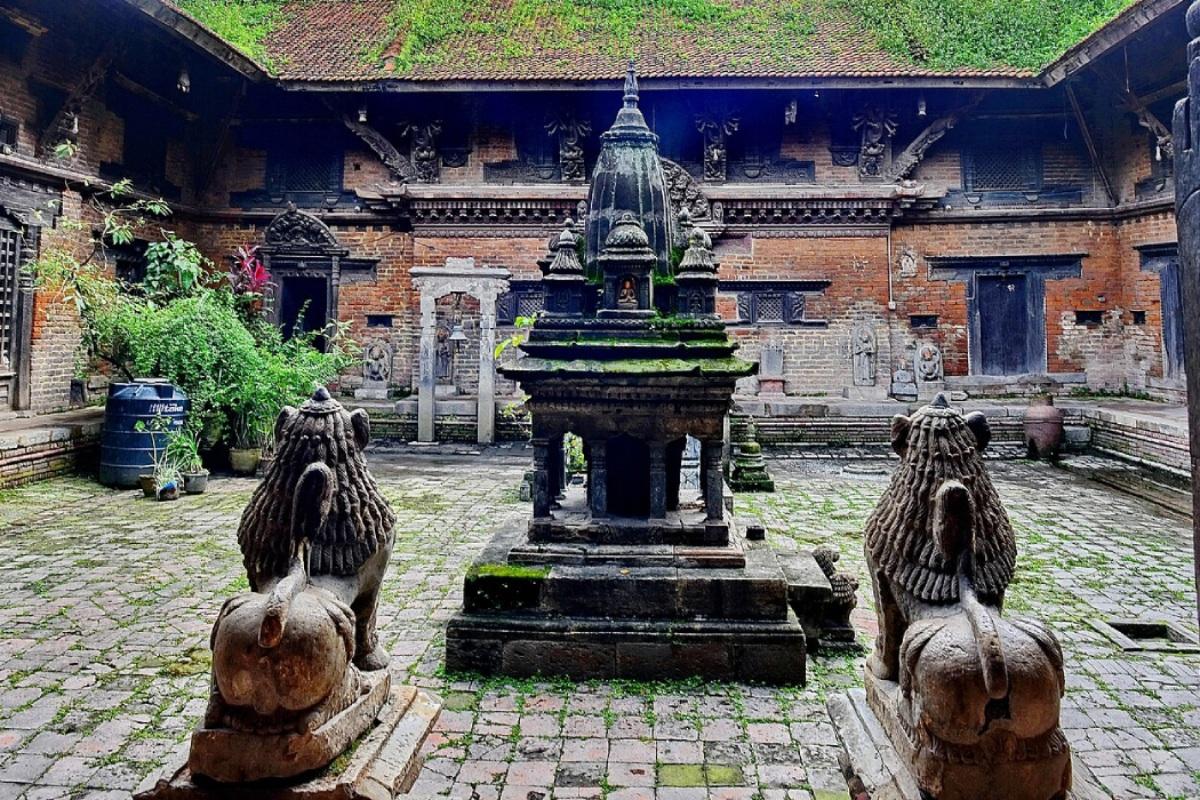
Step beyond the neon signs, souvenir shops & bustling streets of Thamel and uncover a side of the city that many travelers miss. This carefully curated Thamel Heritage Tour by Best Heritage Tour blends ancient spirituality, Newari culture, and living heritage into a short yet deeply enriching experience. Perfect for culture seekers, history lovers and curious travelers, this Kathmandu walking tour reveals centuries-old monasteries, hidden courtyards, sacred water spouts and local temples tucked quietly behind the vibrant tourist hub. Guided by local experts who know every secret doorway, you’ll discover why Thamel was a sacred sanctuary long before it became a traveler's hub.
Trip at a Glance
-

Country: Nepal
-

Trip grade: Easy
-

Destination: Thamel Area
-

Activities: Cultural Tour
-

Maximum altitude: 1400 m
-

Group size: 1-12
-
Trip Start / End: Thamel - Thamel
-
.png)
Best Season: All Year
Key Highlights
- Explore the hidden cultural side of Thamel beyond its vibrant tourist streets
- Visit sacred Hindu temples like Thameleshwor Mahadev and Tridevi Temple
- Discover ancient Buddhist monasteries including Maitripur Mahabihar and Karunapur Mahabihar
- Experience authentic Newari lifestyle at traditional courtyards like Bhagawan Bahal
- Witness centuries-old water systems at Gaa Hiti
- Explore historic chaityas such as Ashok Chaitya and Sri Ghah Chaitya
- Learn about local beliefs, rituals, and daily life from an experienced guide
- Enjoy a short, easy, and culturally rich walking tour in the heart of Kathmandu
- Perfect introduction to Kathmandu heritage, culture, and spirituality
Trip Overview
Most travelers know Thamel as a buzzing tourist hub of trekking gear, cozy cafes, and vibrant nightlife. However, beneath its modern exterior lies a profound spiritual map that dates back over a thousand years. Our Thamel Heritage Tour is a curated deep-dive into the "old world" tucked behind the neon signs. This one-day walking journey invites you to step through unassuming doorways into ancient Bahals (monastic courtyards) where 7th-century stone carvings and golden-roofed temples remain active centers of Newari faith.
Guided by the local experts at Best Heritage Tour, you’ll trace the legendary footsteps of ancient merchants and monks. From the towering Sri Ghah Chaitya - a stunning 17th-century masterpiece - to the mystical legends of the gold-dispensing Thahiti Stupa, this circuit reveals Thamel’s true identity as a sacred sanctuary. You won't just see the monuments; you'll witness the living traditions of the Pradhan and Shakya communities, explore hidden stone water spouts (Hitis), and hear the epic folklore of Singha Sartha Bahu. This is the ultimate experience for culture enthusiasts looking to find the soul of Kathmandu without leaving the city center.
Ideal for travelers with limited time, this short yet immersive experience offers deep cultural insights, authentic local encounters, and a chance to witness living heritage in action. It’s a perfect introduction to Kathmandu’s rich traditions, all within a few hours of relaxed walking.
Know About the Heritage Sites in Thamel
1. Thameleshwor Mahadev Temple
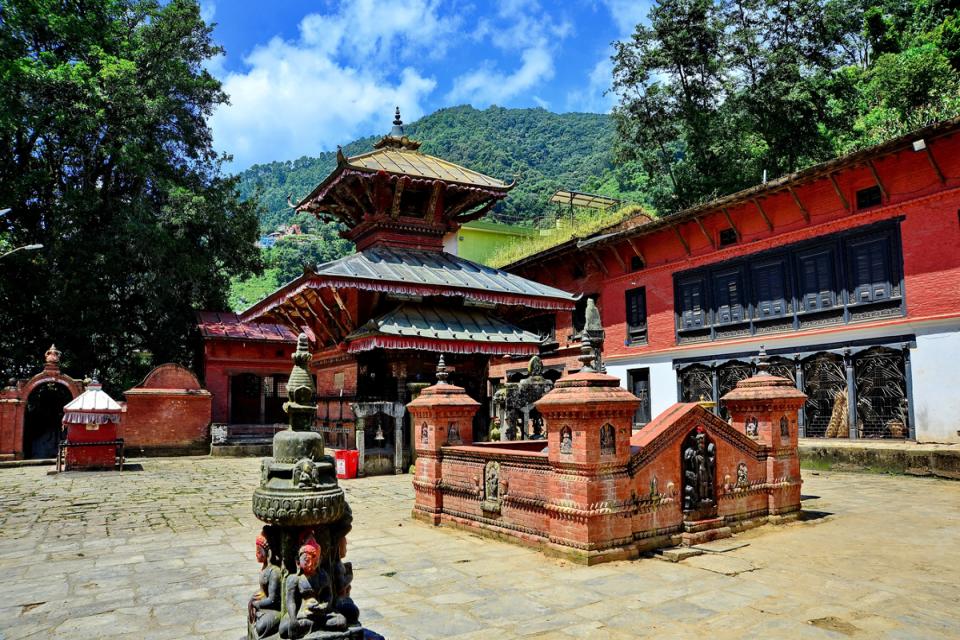
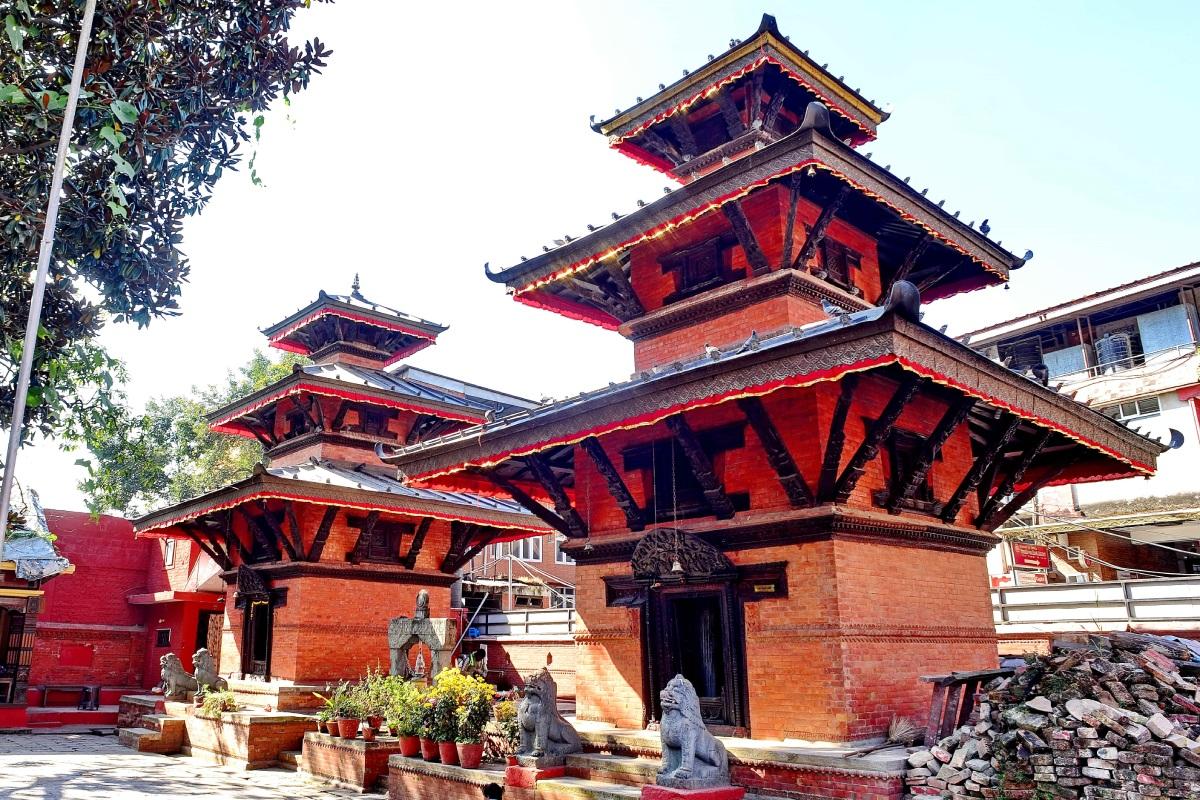
The Thameleshwor Mahadev Temple is situated near Sorakhutte at the entrance Thamel. Established in 2008 A.D. (2065 B.S.), the sanctuary's dedication to Lord Shiva was inspired by the discovery of a buried Nandi statue during the construction. The three-story structure functions as a serene spiritual hub amidst the local bustle, welcoming devotees for prayer, traditional bhajans, and communal gatherings.
2. Maitripur Mahabihar
Established in the 5th century by Wak Vajracharya, the Maitripur Mahabihar - commonly referred to as Kwa Bahal - serves as a cornerstone of Buddhist tradition and Malla-era architectural brilliance. This sacred monastery, characterized by its unique square compound and nine entry gates, houses invaluable spiritual treasures including ancient manuscripts and rare statues of Dipankar and Dewavatar Buddha.
3. Natyeshwar Temple
The Natyeshwar Temple, located at Tha: Hiti in Sorakhuttae, serves as a vital historical and spiritual landmark deeply intertwined with the region's musical traditions. Founded roughly 350 years ago during the reign of Bhaskar Dev Malla, the shrine underwent a significant reconstruction in 2041 B.S. to protect its ancient legacy. It is particularly revered by musicians, who visit to seek blessings for success in their artistic endeavors or when acquiring new instruments.
4. Tridevi Temple
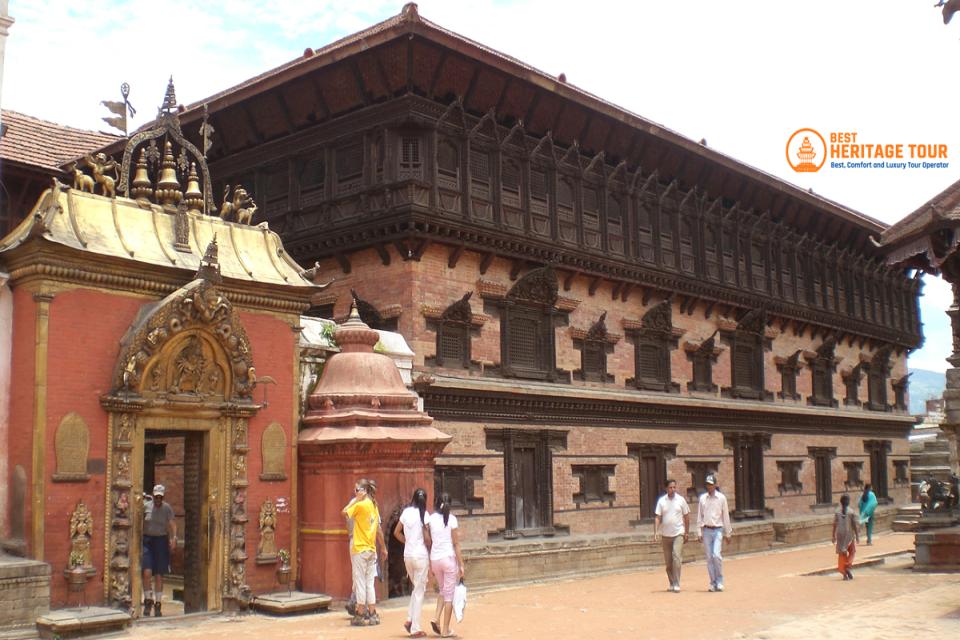
Historically recognized as the Tridevi Temple, the Shree Kalika Kamachhae Jwala Mandir is a prominent spiritual landmark situated at the eastern gateway to Thamel. Custom-built in 1819 A.D. (1876 B.S.) by Ranadhoj Thapa to seek divine protection for his father, the legendary Bada Kaji Amar Singh Thapa, the temple honors three powerful goddess manifestations: Kalimai, Jwalamai, and Kamachhae. Architecturally, the site is a masterpiece of traditional Newari design, featuring intricate Awrakh wood carvings and rare idols sourced from as far as Assam and Himachal Pradesh.
5. Ashok Chaitya
The Ashok Chaitya, tucked away in Ashan Galli within Thamel, is an ancient monument believed to date back over 2,000 years to the Licchavi era. While its name honors Emperor Ashoka, symbolizing a deep-rooted connection to his Buddhist legacy, its architectural style uniquely blends elements from both the Licchavi and Malla periods, setting it apart from standard stupas. Often referred to as "Kul Chaitya," this site is deeply ingrained in the traditions of the Newari Buddhist community, serving as a primary location for ancestral worship and significant annual rituals like the gathering before Kojagrat Purnima.
6. Bhagawan Bahal
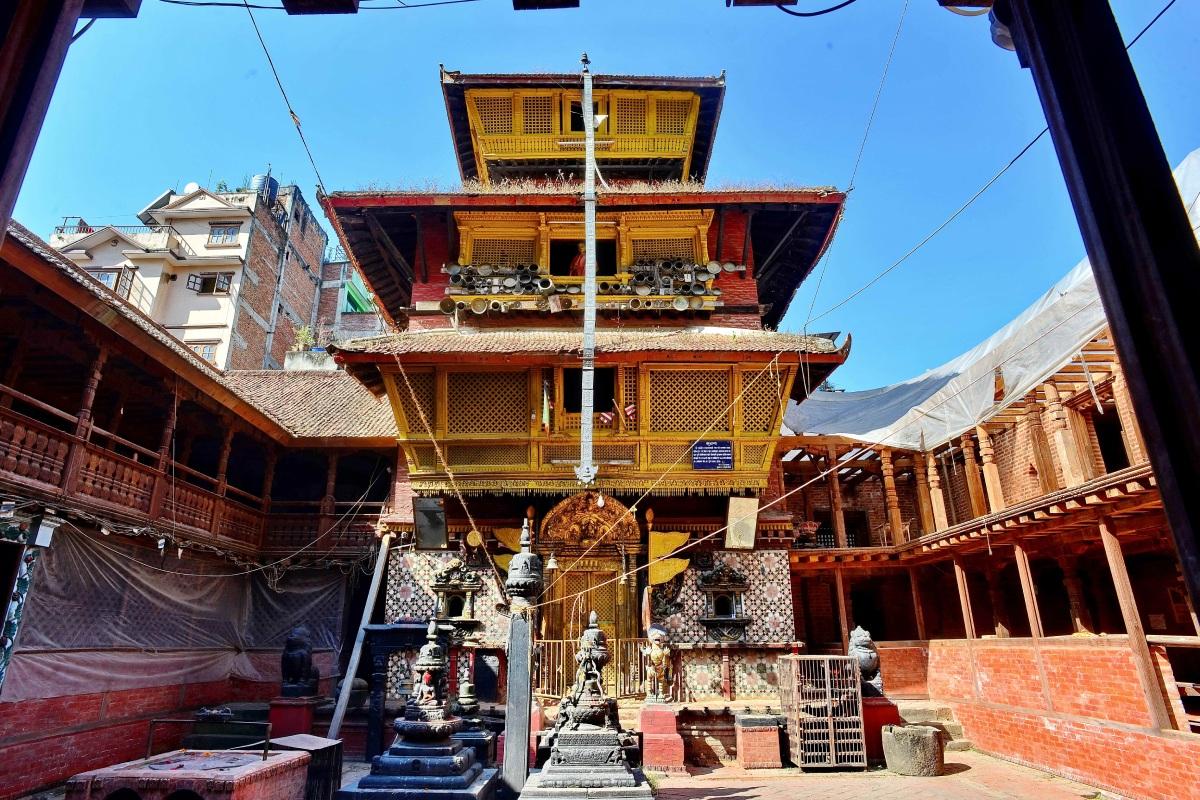
Bhagawan Bahal, also recognized as Bikramsheel Mahabihar, is a historic Buddhist landmark in northern Thamel uniquely managed by the Pradhan dynasty rather than the traditional Vajracharya or Shakya groups. Dating back to the Licchavi period when it was known as "Thamagram," the site features a striking four-story pagoda dedicated to the legendary Dwapar Yuga merchant Singha Sarthabahu. It serves as a repository for sacred artifacts, including idols of Mahamanjushri and a rare gold-and-silver ink manuscript of the Pragyaparamita, while also occasionally hosting the living goddess, Kumari.
7. Bhagwati Temple
The Bhagwati Temple, frequently referred to as Sankateshwor Bhagawati, is a landmark religious site located in the Mulbazar area of Thamel and dedicated to Goddess Bhagwati (Durga). While its exact founding date remains a mystery, the temple serves as the spiritual heart of the Bhagwati Bahal, surrounded by a sacred landscape that includes a miniature stupa (Chi Baadya) and statues of deities such as Bhimsen, Ganesh, and Narayan. It remains a vibrant focal point for local worship, particularly during major festivals like Dashain and Kaya Ashtami, where traditional rituals and prayers are performed.
8. Bhimsenpati
The Bhimsenpati is a traditional public resting pavilion located near Bhagwati Bahal in Thamel, serving as a peaceful community hub for both residents and visitors. Dedicated to Bhimsen, the deity of prosperity and commerce, the site holds particular importance for business people who visit to seek blessings for professional success. While its exact origins are unknown, the structure is a prime example of classic Nepali architecture and acts as a vital geographic link between major areas like Narsingh Gate and Lekhnath Marg.
9. Gaa: Hiti
The Gaa: Hiti, a traditional stone spout (dhungedhara) located east of Bhagwan Bahal, stands as a masterpiece of 8th-century Nepali engineering and cultural heritage, likely commissioned by the sisters of the legendary trader Sarthavahu in 738 A.D. Built below ground level, this ingenious gravity-driven water system historically served as a primary source for drinking and domestic use, powered by rainwater collection. The site is adorned with intricate stone carvings of deities like Bhagirath, Lord Vishnu, and Uma Maheshwari, alongside Makara-shaped spouts that link the structure to the goddess Ganga.
10. Gunakar Mahabihar
The Gunakar Mahabihar, popularly known as Chusyabaha, is a storied Buddhist monastery in Thamel founded in 1667 A.D. (Nepal Era 787) by Gunajyoti Vajracharya using wealth acquired through trade in Tibet. This two-story architectural gem is centered around a traditional courtyard and is renowned for its exquisite wood carvings and iconography, serving as a design blueprint for other prominent monasteries. As a key site for Vajrayana Buddhism, it enshrines the idol of Achhobhyatathagat Buddha and contains significant historical artifacts, including 8th-century inscriptions and Shilapatras.
11. Karunapur Mahabihar
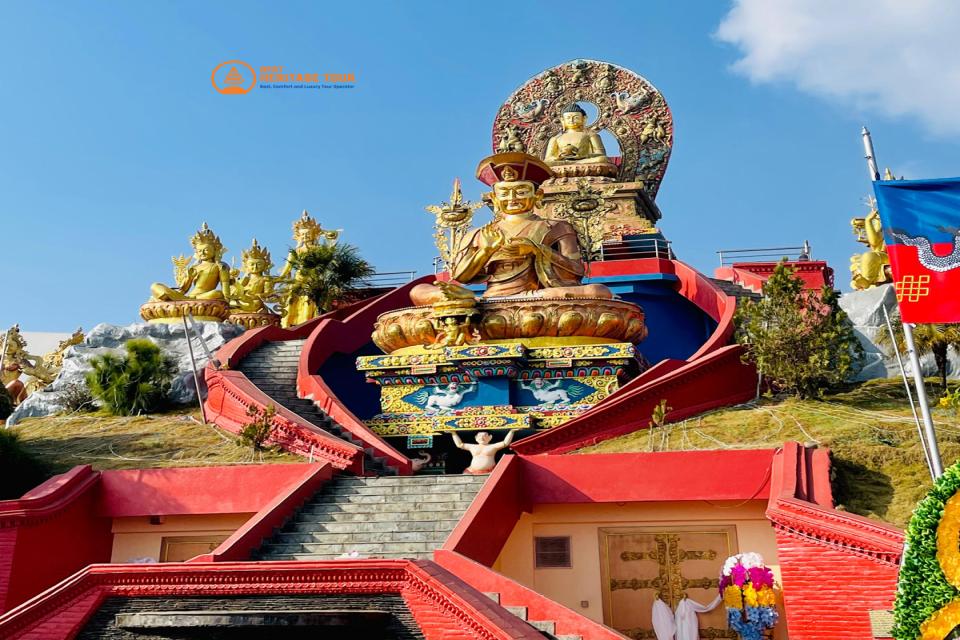
The Karunapur Mahabihar, also recognized as Musya Bahal, is a prominent Vajrayana Buddhist monastery located near Jyatha Tole that dates back to the Malla era. Traditionally credited to Majindrapala and reinforced by the devotion of the Bajracharya sisters Hari-Laxmi and Jinidevi, the site features a distinct two-story square compound with sixteen doors and courtyards at every exit, showcasing the sophisticated architecture of its time. As one of Kathmandu's eighteen principal Bihars, it houses significant spiritual icons, including Achhobhya Buddha, various stupas, and thangkas, while serving as a central hub for annual rituals like the Manjushree Puja and Dipankar Buddha worship.
12. Tha: Hiti Chaitya
The Tha: Hiti Chaitya, positioned at the central junction of Tha: Hiti Chowk near Natyashwori, is a unique religious monument built atop a historic water source once believed to feature a golden tap. The name itself reflects its geography, with "Tha" meaning top and "Hiti" referring to water sources, symbolizing the protective structure's role in safeguarding a vital communal resource. Although the tap is now concealed beneath the chaitya, the sound of flowing water remains audible to visitors, maintaining a sensory link to its original purpose.
13. Sri Ghah Chaitya
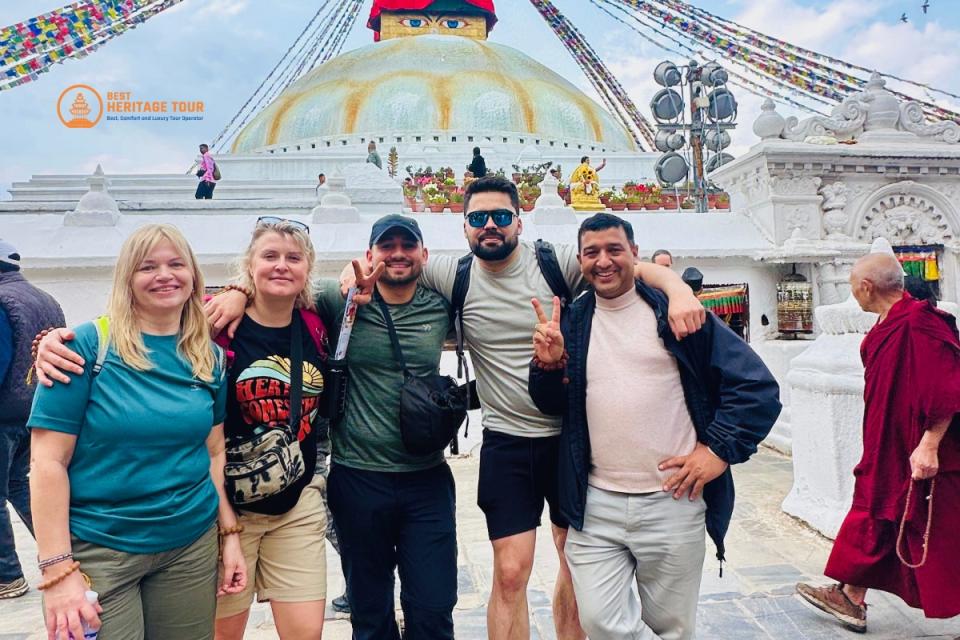
The Sri Ghah Chaitya, widely known as Kathe Swayambhu, is a historic Buddhist monument situated near Thahiti Chowk in Thamel, believed to have originated during the Licchavi Era (450-750 C.E.). Serving as a sacred wooden replica of the world-famous Swayambhu Maha Chaitya, its name is derived from "Ghah," referring to sacred ritual vessels that emphasize its spiritual significance. As a central site for accessible Buddhist worship, it hosts offerings and ceremonies that mirror those of the original stupa, making it a major landmark for community gatherings and religious celebrations.
Itinerary
Your Thamel Heritage Tour begins with a warm welcome from your local guide in the heart of Thamel. After a short introduction, you’ll step away from the busy streets and enter a world of hidden courtyards, sacred shrines, and living history.
The journey starts at Thameleshwor Mahadev, where you can observe daily rituals and experience the spiritual rhythm of local life. Continuing through narrow alleys, you’ll visit Maitripur Mahabihar and Natyeshwar, gaining insight into Buddhist traditions and artistic heritage.
As the walk unfolds, explore sacred sites like Tridevi Temple and the ancient Ashok Chaitya, reflecting Kathmandu’s deep-rooted religious harmony. You’ll then enter traditional courtyards such as Bhagawan Bahal, where Newari culture and architecture come alive.
The tour continues with visits to Bhagwati Temple and Bhimsenpati, offering a glimpse into local beliefs tied to protection and prosperity. A highlight is Gaa Hiti, an ancient water system still in use today.
Finally, you’ll explore peaceful monasteries like Gunakar Mahabihar and Karunapur Mahabihar, before concluding at serene sites such as Tha Hiti Chaitya and Sri Ghah Chaitya. The tour ends with a deeper appreciation of Thamel’s hidden heritage and cultural richness.
What is included?
- GUIDE : An experienced English speaking government licensed city tour guide.
- STAFF EXPENSES : All expenses of guide including salary, meals, insurance, etc.
What is not included?
- EXTRA EXPENSES : Monuments Entrance fee and Personal expenses (like meals, drinks, tips, etc).
- TAXES & SERVICE CHARGE : All government taxes 13% and service charge 10%.
Route Map
Equipment
- Comfortable walking shoes
- Lightweight, modest clothing
- Sun protection (sunscreen, hat, sunglasses)
- Water bottle
- Camera/Smartphone
- Small backpack
- Personal identification
- Cash (Nepalese rupees)
Trip Info
Best Time for the Thamel Heritage Tour
The beauty of a city-based walking tour in Kathmandu is that it remains accessible nearly year-round. However, to truly enjoy the intricate stone carvings of Bhagawan Bahal and the open-air courtyards of Sri Ghah Chaitya, timing can enhance your experience significantly.
The Golden Windows: Spring & Autumn
The absolute best time for this tour is during the Spring (March to May) and Autumn (September to November).
-
Spring: You’ll experience mild temperatures (around 16°C to 25°C) and clear mornings. The air is fresh, and the city’s energy is high as it prepares for the New Year and the vibrant Holi festival.
-
Autumn: This is the "Peak Season." After the monsoon rains, the dust is washed away, leaving the sky a deep, crisp blue-perfect for photographing the ancient stupas against a Himalayan backdrop. This period also coincides with Nepal's grandest festivals, Dashain and Tihar, giving you a front-row seat to Thamel’s living traditions.
The "Quiet" Seasons: Winter & Monsoon
-
Winter (December to February): While mornings are chilly, the days are surprisingly sunny and bright. This is a fantastic time for those who prefer fewer crowds. You can enjoy the heritage sites in peaceful solitude before warming up with a hot Himalayan chiya in a local cafe.
-
Monsoon (June to August): Expect afternoon showers and high humidity. While trekking is difficult now, our heritage walk is still possible! The rain brings out a lush, emerald glow in the ancient courtyards, and the "off-season" means you’ll get the most personalized attention from our guides.
Cultural Etiquette: Walking with Respect
At Best Heritage Tour, we believe that the best way to experience Thamel’s ancient soul is through a lens of respect and mindfulness. Because many of the sites on our itinerary - like the Bhagawan Bahal and Sri Ghah Chaitya are active places of worship, following these local "unwritten rules" will help you connect more deeply with the community.
-
The Clockwise Rule: This is the most important spiritual custom in Nepal. When walking around a Stupa (like Thahiti or Sri Ghah), always walk in a clockwise direction, keeping the sacred monument on your right side.
-
Dress Modestly: While Kathmandu is modern, temples remain traditional spaces. We recommend wearing clothing that covers both your shoulders and knees. A light scarf is always a great item to carry for quick coverage before entering a shrine.
-
The "Shoes-Off" Boundary: Always remove your shoes before stepping into the inner sanctum of a temple or a monastery. You’ll see designated areas where locals leave their footwear; following suit is a sign of great respect for the purity of the space.
-
Photography Protocol: While the Newari architecture is incredibly photogenic, always ask for permission before photographing devotees, monks, or the interior of certain shrines. Look for "No Photography" signs, especially near the main deities.
-
The Right-Hand Rule: When offering a donation or receiving a blessing (Tika or Prasad), always use your right hand. In Nepali culture, the left hand is considered "unclean" for social exchanges.
-
Mind Your Feet: Never point the soles of your feet toward a Buddha statue, a shrine, or another person. It is considered highly disrespectful. When sitting, try to tuck your feet away or cross them neatly.