
Langtang Valley Short Trek - 5 Days
Insight on the Langtang Valley Short Trek
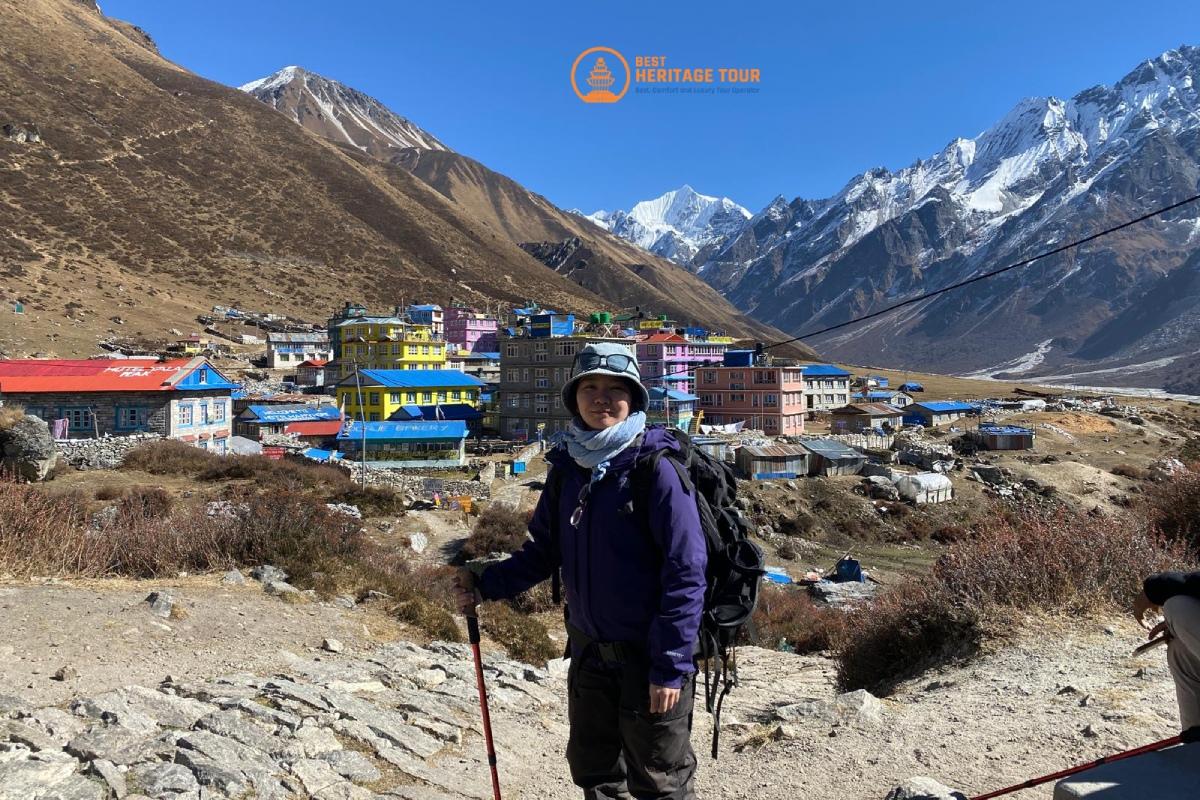
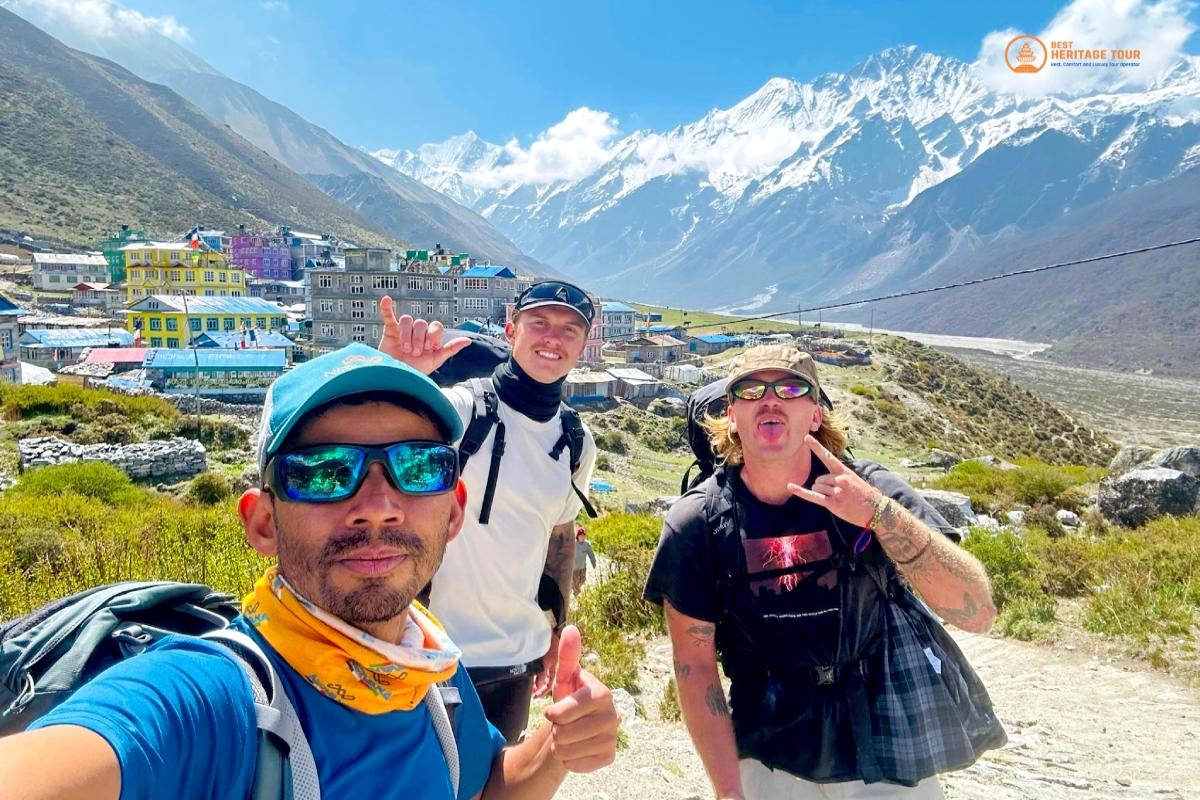
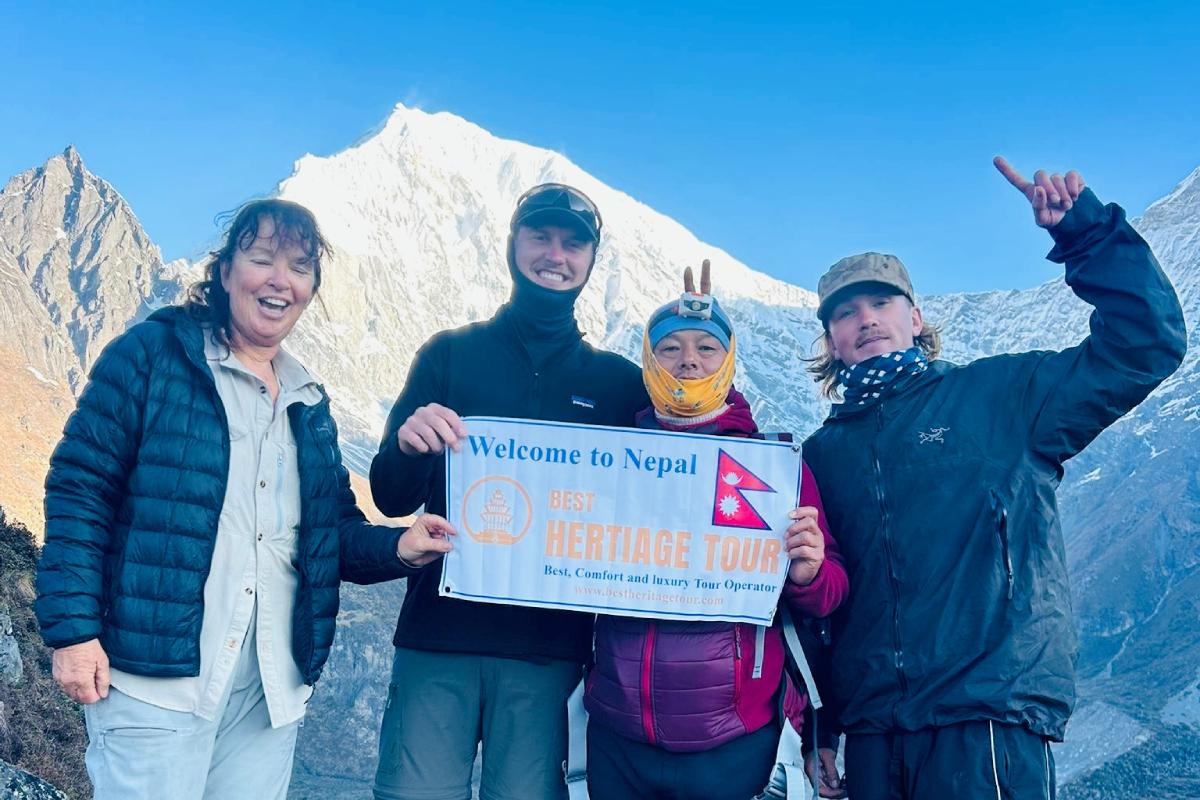
The Langtang Valley Short Trek is a perfect Himalayan getaway for travelers seeking stunning mountain views within a limited timeframe. Starting from Kathmandu, this 5-day journey offers a beautiful mix of lush forests, traditional Tamang villages, and high-altitude landscapes. From the spiritual stillness of Kyanjin Gompa to the breathtaking 360-degree views atop Kyanjin Ri, every mile showcases the resilience of the Tamang people. It is an ideal escape for travelers seeking authentic mountain heritage, diverse bio-networks, and pristine glacial landscapes within a condensed timeframe.
Trip at a Glance
-

Country: Nepal
-

Trip grade: Moderate
-

Destination: Langtang Valley
-

Activities: Trekking
-

Accommodation: Teahouse
-

Meals: Breakfast, Lunch & Dinner
-
.png)
Transportation: Tourist Bus/Jeep
-

Maximum altitude: 4,773m / 15,656ft
-

Group size: 1-29
-
Trip Start / End: Kathmandu - Kathmandu
-
.png)
Best Season: Mar-May & Sep-Nov
Key Highlights of the Langtang Valley Short Trek
- Enjoy stunning panoramas of Langtang Lirung, Ganesh Himal, and Dorje Lakpa throughout the trek.
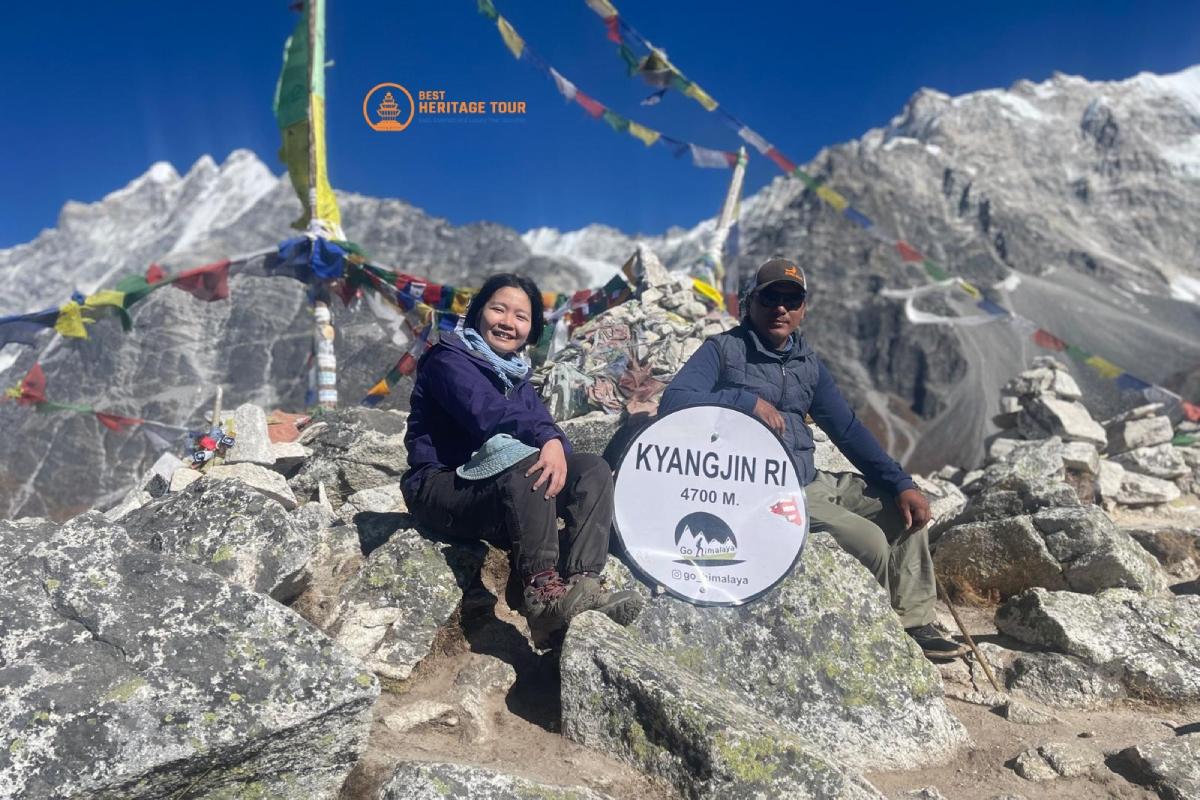
- Experience a challenging yet rewarding ascent to Kyanjin Ri (4,773m) for panoramic mountain vistas
- Explore traditional Tamang villages, monasteries, and local lifestyles along the trail
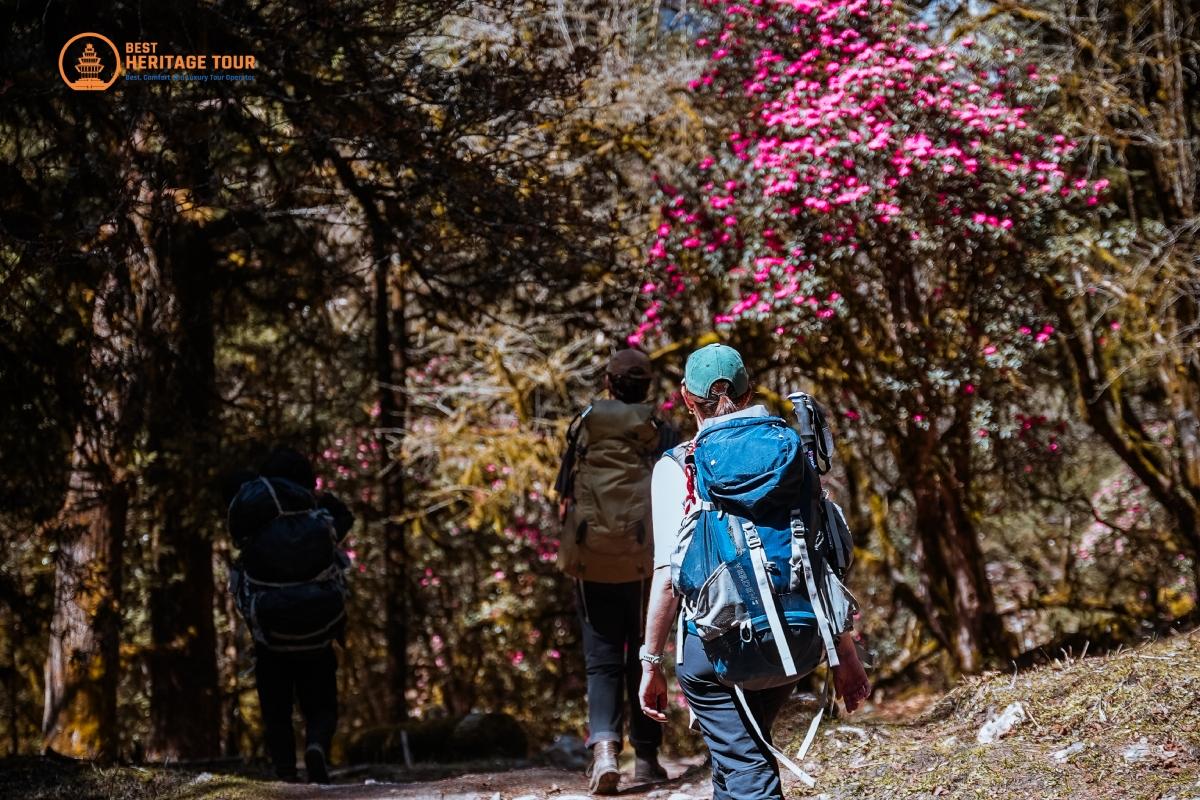
- Trek through lush forests, rhododendron trails, and alpine meadows dotted with grazing yaks
- Witness the glacial landscapes and serene valleys of the less-crowded Langtang region
- Capture snow-capped peaks, pristine rivers, and scenic villages perfect for unforgettable memories
- Ideal for limited-time travelers seeking a Himalayan adventure without long treks
Why Choose Best Heritage Tour for Your Langtang Short Trek?
- Free airport pick-up and drop-off service
- Online pre-trip briefing and booking confirmation for better preparation
- Multiple communication channels (Phone, Email, WhatsApp, Viber) for easy support
- 24/7 customer support available at +977-9851149197 / +977-9810043046
- Simple and secure payment options including Cash, Card & Bank Transfer
- Provide essential medical kit and oximeter to monitor oxygen levels at high altitude
- Complimentary duffle bag and sleeping bag (used one & to be returned after the trek)
- Free luggage storage facility at Best Heritage Tour store during the trek
- We plant a tree in the name of travelers (upon request), as a part of our commitment to sustainable tourism
Langtang Valley Short Trek Route Overview
The Langtang Valley Short Trek is a 5-day Himalayan adventure designed for travelers who want to experience Nepal’s stunning mountain landscapes without committing to a long trek. Starting from Kathmandu, the journey takes you through scenic roads to Syabrubesi, a peaceful gateway to the Langtang region. From there, you’ll trek through lush forests, alongside sparkling rivers, and past terraced fields, gradually ascending into the breathtaking alpine environment of Langtang Valley.
This trek is perfect for both beginners and seasoned trekkers looking for a short, rewarding Himalayan experience. The moderate trails offer a balance of adventure and comfort, with cozy tea houses and lodges along the route. As you trek, you’ll encounter traditional Tamang villages, giving you an authentic glimpse into local culture, monasteries, and the warm hospitality of the Himalayan people.
A major highlight of this trek is the hike to Kyanjin Ri, where panoramic views of Langtang Lirung, Dorje Lakpa, and surrounding peaks await. The trail also passes through glaciers, alpine meadows, and pristine forests, making it a paradise for nature lovers and photographers.
Whether you’re seeking adventure, culture, or nature, the Langtang Valley Short Trek combines all elements into a compact, enriching experience. With Best Heritage Tour, you’re guided by experienced professionals who ensure a safe, seamless, and memorable journey through one of Nepal’s most beautiful Himalayan regions. This trek is ideal for travelers who want the essence of the Himalayas in just five days, making it a perfect short escape from Kathmandu.
What to Expect on the Langtang Valley Short Trek?
1. Scenic Himalayan Landscapes
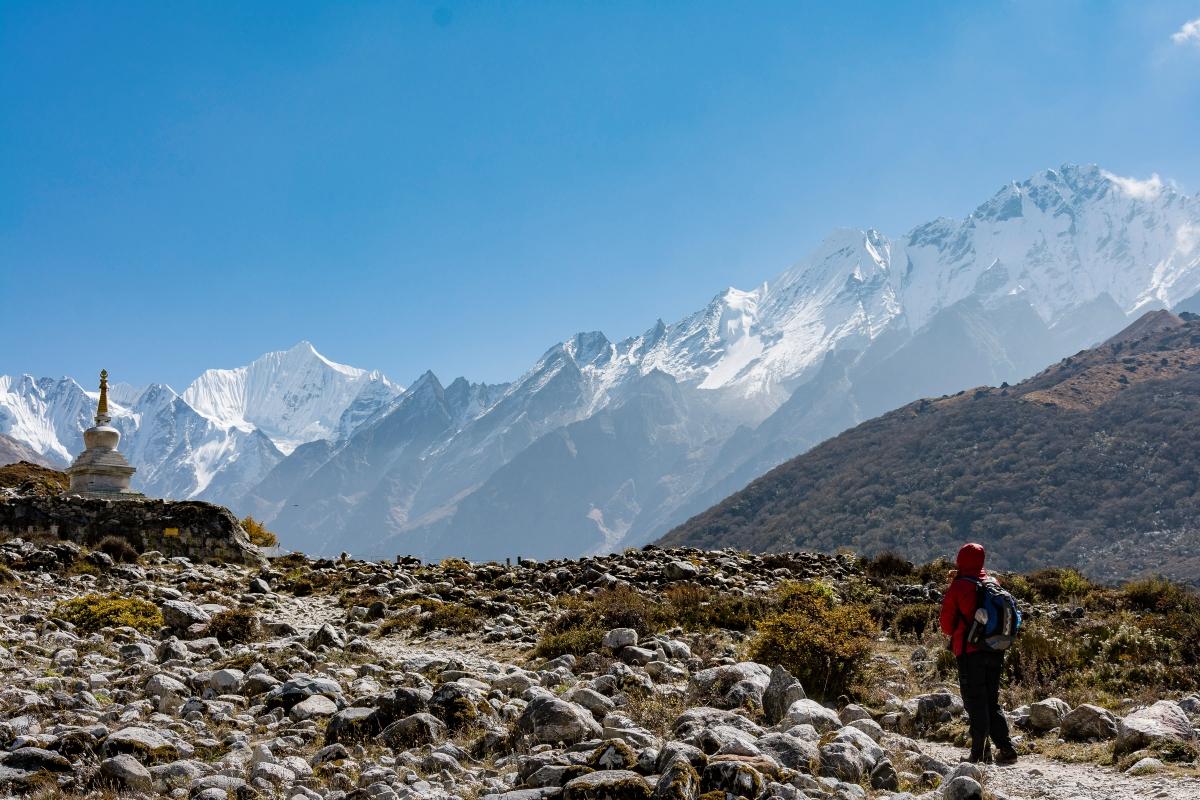
Trek through lush rhododendron forests, alpine meadows, and sparkling rivers. Each step offers stunning views of snow-capped peaks, cascading waterfalls, and serene valleys. The trail’s changing scenery ensures a continuously immersive experience, ideal for nature lovers and photographers seeking the beauty of the less-explored Langtang region.
2. Cultural Immersion in Tamang Villages
Encounter traditional Tamang villages and Buddhist monasteries along the trail. Visitors can experience local customs, architecture, and hospitality, gaining insight into Himalayan life. Friendly locals often share stories and invite trekkers for a warm cup of tea, providing a memorable cultural connection amid the mountains.
3. Moderate Trekking Experience
This trek offers a moderate challenge suitable for beginners and experienced trekkers. The trails are well-marked, with gradual ascents and descents. Daily trekking hours are manageable, allowing ample time for rest, photography, and soaking in the breathtaking landscapes.
4. Panoramic Peaks from Kyanjin Ri
Hike to Kyanjin Ri (4,773m) for unmatched panoramic views of the Langtang Himalayas. Snow-capped mountains, glaciers, and valleys unfold in all directions, offering a rewarding experience for trekkers. Sunrise and sunset views here are particularly spectacular, perfect for capturing lasting memories.
5. Tea Houses and Cozy Lodging
Along the trek, stay in comfortable tea houses and lodges with basic amenities. These mountain accommodations provide warmth, local meals, and rest, allowing trekkers to relax after each day’s journey. It’s a perfect combination of adventure and comfort in a remote Himalayan setting.
Are You Ready for the Langtang Valley Short Trek?
To fully enjoy the Langtang Valley Short Trek, a basic level of fitness and a spirit of adventure are essential. While the trek is considered moderate, it involves daily walking on varied terrain, including gradual ascents and descents. Being mentally prepared for changing weather, simple mountain accommodations, and limited connectivity will enhance your overall experience and help you embrace the journey with confidence.
Proper preparation is key to making the most of this Himalayan adventure. Pack essential trekking gear such as comfortable hiking boots, layered clothing, and personal necessities. Staying hydrated, maintaining a steady pace, and allowing time for acclimatization will ensure a safe and enjoyable trek. With the right mindset and preparation, this journey becomes a truly rewarding and unforgettable experience.
Itinerary
The journey begins with a scenic drive from Kathmandu through the Trishuli River valley, passing terraced fields, pine forests, and charming countryside villages. The route is dotted with roadside tea stalls, offering glimpses of rural Nepalese life. Upon arrival at Syabrubesi, the trek kicks off along the Langtang River, through dense bamboo and rhododendron forests, with occasional waterfalls and river crossings. The trail gently ascends to Lama Hotel, a tranquil lodge surrounded by lush greenery, where the distant peaks of Langtang start to appear, giving trekkers their first taste of the Himalayan panorama.
Today’s trek takes you deeper into the heart of the Langtang region, gradually ascending through mixed forests of oak, pine, and rhododendron. The trail follows the Langtang River, with glacial streams and occasional waterfalls enriching the scenery. As you gain altitude, the surrounding mountains become more prominent, offering dramatic views of Langtang Lirung and nearby peaks. The air grows crisp, the forests thin, and the valley opens into expansive alpine meadows dotted with grazing yaks and wildflowers, making it a truly immersive Himalayan experience.
This is the highlight of the trek, offering some of the most breathtaking Himalayan views. The trail winds gently through alpine meadows dotted with grazing yaks and wildflowers, past glacial streams and rocky outcrops. Upon arrival at Kyanjin Gompa, trekkers can explore the historic Buddhist monastery, surrounded by peaks and small traditional villages. In the afternoon, a rewarding hike to Kyanjin Ri takes you above the valley, providing panoramic views of Langtang Lirung, Dorje Lakpa, and the glaciers. The landscape is awe-inspiring, with snow-capped peaks, steep cliffs, and glacial moraine creating a photographer’s paradise.
The descent from Kyanjin Gompa to Lama Hotel offers a completely new perspective of the Langtang Valley. Trekking downhill through alpine meadows and past grazing yaks, the trail gradually enters lush forests of rhododendron, oak, and pine. Along the way, trekkers pass small Tamang villages, prayer flags fluttering in the crisp mountain breeze, and streams reflecting the surrounding peaks. The journey is a serene mix of natural beauty, local culture, and peaceful landscapes, giving trekkers time to reflect on the grandeur of the Himalayas.
On the final day, trekkers descend through lush forests, terraced fields, and riverside trails, retracing the scenic path back to Syabrubesi. The air is fresh and the landscape serene, with mountain views gradually giving way to the warmer valleys. After reaching Syabrubesi, the journey continues with a comfortable drive back to Kathmandu, passing winding roads, waterfalls, and picturesque river valleys.
What is included?
- PRIVATE AIRPORT PICK-UP & DROP : Airport - Hotel transfer - Airport (Pick Up and Drop).
- MEMBER TRANSPORTATION : Transportation in standard tourist bus from Kathmandu to Syabrubesi and while returning from Syabrubesi to Kathmandu.
- LODGING : Best available accommodation in mountain lodges and tea houses during the trek.
- FOOD : 3 meals a day (breakfast, lunch, and dinner; including tea/coffee) during the trek, with Ef-Chlor purification tablets provided for safe drinking water.
- GUIDE : One experienced government licensed trekking guide (English speaking) during the trek.
- STAFF SALARY AND ALLOWANCE : All trekking staff wages, salary, equipment, food & clothing.
- PERMITS : All necessary paper works : Langtang National Park permit, TIMS Card & other entry fee.
- STAFF INSURANCE : Insurance for all involved trekking staff during the trek.
- GEAR (IF NEEDED) : Sleeping bag, down jacket, and duffle bag (to be returned after the trek).
- MEDICAL KIT : A well equipped first aid kit, including an oximeter and emergency oxygen, carried by the guide for your safety.
- IN CASE OF EMERGENCY : Assistance in rescue operations in case of emergency covered by travel insurance.
- SOUVENIR : Best Heritage Tour’s Appreciation Certificate after the successful trek & Purse, an authentic Nepali product made from hemp.
- FAREWELL DINNER : A farewell dinner with an authentic cultural program after completion of the trek.
What is not included?
- INTERNATIONAL AIRFARE : International flight airfare (from and to Kathmandu).
- NEPAL VISA FEES : You may issue the visa upon your arrival at Tribhuvan International Airport - Kathmandu or apply manually in your home country.
- TRASNPORTATION IN PRIVATE JEEP : Private Jeep transportation will be arranged on request from Kathmandu to Syabrubesi (trek starting point) and for the return journey from Syabrubesi to Kathmandu.
- ACCOMMODATION & MEALS : Accommodation and meals in Kathmandu before and after the trek.
- INSURANCE POLICY : Travel insurance covering medical expenses and high-altitude evacuation is mandatory. If you do not have suitable coverage, we can also assist in arranging travel insurance for you upon your arrival in Nepal. Check Over Here
- PERSONAL EXPENSES : Clothing & gears, telephone, internet, toiletries, hot shower, laundry, soft drinks and any Alcoholic beverages.
- OPTIONAL PORTER SERVICE : USD 22 per day, including all taxes (each porter can carry up to 25 kg of luggage).
- TIPS : Tips for guide and porters.
- EXTRA : Any additional costs due to factors beyond our control, or for services not specifically mentioned in the Itinerary & Included section.
- TAXES & SERVICE CHARGE : All government taxes (13%) and service charge (10%).
Route Map
Equipment
Clothing
-
Base layers: Comfortable T-shirts, light thermal tops & leggings
-
Mid layers: Fleece jacket or warm sweater
-
Outer layer: Lightweight waterproof and windproof jacket
-
Warm jacket (down or insulate)
-
Trekking pants
-
Light shorts or T-shirts
-
Gloves (light or insulated depending on season)
-
Warm hat/beanie
-
Sun hat/cap for sun protection
Footwear
-
Comfortable trekking boots
-
Wool or synthetic socks (2-4 pairs recommended)
-
Lightweight sandals or slippers for teahouse use
Trekking Gear
-
Backpack (30-40L recommended)
-
Trekking poles (optional but helpful for families)
-
Reusable water bottles or hydration bladder
-
Headlamp or small flashlight
-
Sunglasses with UV protection
-
Light sleeping bag (0°C to -5°C comfort rating)
Personal Items
-
Basic toiletries and hygiene products
-
Sunscreen and lip balm (essential)
-
Personal medications and basic first aid kit
-
Hand sanitizer and wet wipes
-
Quick-dry towel
-
Phone/camera and power bank
-
Water purification tablets (optional)
-
Passport copies and travel permits
Trip Info
Useful Information About Langtang Valley Short Trek
A successful Langtang Valley Short Trek begins with proper preparation. Understanding important details such as transportation, permits, accommodation, weather, altitude, and trekking essentials will help you enjoy a safe, comfortable, and memorable journey through the beautiful Langtang region.
Airport Pick-up and Trip Briefing for Langtang Valley Short Trek
Upon your arrival at Tribhuvan International Airport in Kathmandu, a friendly representative from Best Heritage Tour will be there to warmly welcome you. Our team will receive you at the airport and transfer you comfortably in a private car or suitable vehicle depending on your group size.
After pick-up, you will be dropped off at your preferred hotel in Kathmandu. If you have not booked accommodation in advance, Best Heritage Tour will gladly assist you in arranging a comfortable stay.
Trip Briefing Session in Thamel
After check-in and some rest, we will organize a detailed trip briefing session at our office in Thamel. This important meeting helps you prepare confidently for the Langtang Valley Trek.
During the briefing, Bimal (Managing Director of Best Heritage Tour) will personally:
-
Explain the full trek itinerary in detail
-
Provide essential information about the route and trekking conditions
-
Guide you on required trekking gear and equipment
-
Introduce you to your experienced trekking guide and porter (if applicable)
-
Answer any last-minute questions or concerns you may have
This session ensures you are fully prepared, well-informed, and mentally ready for the journey into the beautiful Langtang region.
What Type of Transportation is Used for the Langtang Valley Short Trek?
At Best Heritage Tour, we provide comfortable and reliable ground transportation to ensure a smooth start and finish to your Langtang Valley Short Trek. Our standard package includes travel by standard tourist bus from Kathmandu to Syabrubesi at the beginning of the trek and the return journey from Syabrubesi to Kathmandu after completing the trek.
For trekkers looking for greater flexibility, privacy, or a faster journey, we can also arrange a private jeep or car for an additional cost of USD 150 upon request.
Route & Vehicle Used for Langtang Valley Short Trek
|
Route |
Mode of Transport |
Distance |
Travel Time |
|---|---|---|---|
|
Kathmandu → Syabrubesi (Day 1) |
Standard Tourist Bus |
~122 km / 76 miles |
7 to 9 Hours |
|
Syabrubesi → Kathmandu (Day 5) |
Standard Tourist Bus |
~122 km / 76 miles |
7 to 9 Hours |
What is the Maximum Altitude Reached During the Langtang Valley Short Trek?
The maximum altitude reached during the Langtang Valley Short Trek is Kyanjin Gompa, located at 3,870 meters (12,697 feet) above sea level. It is the highest overnight destination on the trek and offers stunning views of the Langtang Himalayas, glaciers, and surrounding alpine landscapes. The gradual ascent through Lama Hotel and Langtang Village helps trekkers acclimatize comfortably before reaching this elevation.
What is the Altitude of Kyanjin Gompa?
Kyanjin Gompa stands at an altitude of 3,870 meters (12,697 feet). It is the highest point reached during our standard 5-day Langtang Valley Short Trek and is the highlight of the journey, known for its ancient monastery, yak cheese factory, and spectacular mountain views.
Day-by-Day Elevation Breakdown During Langtang Valley Short Trek
To help our guests understand the altitude progression throughout the trek, here is the daily maximum elevation reached on our 5-day Langtang Valley Short Trek itinerary:
|
Day |
Trail Section |
Maximum Altitude Reached |
|---|---|---|
|
Day 1 |
Kathmandu → Syabrubesi → Lama Hotel |
2,470 m / 8,104 ft |
|
Day 2 |
Lama Hotel → Langtang Village |
3,430 m / 11,247 ft |
|
Day 3 |
Langtang Village → Kyanjin Gompa |
3,870 m / 12,697 ft |
|
Day 4 |
Kyanjin Gompa → Lama Hotel |
3,870 m / 12,697 ft |
|
Day 5 |
Lama Hotel → Syabrubesi → Kathmandu |
2,470 m / 8,104 ft |
What Is the Total Distance Covered on the Langtang Valley Short Trek?
The Langtang Valley Short Trek combines a scenic drive from Kathmandu to Syabrubesi with an unforgettable trek through Langtang National Park. Including both road travel and trekking, the total distance covered during this 5-day adventure is approximately 334 km (208 miles).
What Is the Total Driving Distance on the Langtang Valley Short Trek?
The total driving distance is approximately 244 km (152 miles), including:
-
Kathmandu to Syabrubesi: ~122 km (76 miles)
-
Syabrubesi to Kathmandu: ~122 km (76 miles)
Our standard package includes transportation by tourist bus, ensuring a comfortable journey to and from the trekking trailhead.
What Is the Total Trekking Distance Covered on the Langtang Valley Short Trek?
The total trekking distance is approximately 90 km (56 miles). The trail follows the beautiful Langtang River through dense rhododendron and bamboo forests, traditional Tamang villages, alpine meadows, and glacial valleys before reaching Kyanjin Gompa (3,870 m / 12,697 ft).
Day-by-Day Distance & Walking Time on Langtang Valley Short Trek
|
Day |
Specific Route Segment |
Distance Covered |
Duration |
|---|---|---|---|
|
Day 1 |
Kathmandu → Syabrubesi (Drive) → Lama Hotel (Trek) |
~122 km / 76 miles (Drive) |
7-9 Hours Drive |
|
Day 2 |
Lama Hotel → Langtang Village |
~14 km / 8.7 miles |
5-6 Hours |
|
Day 3 |
Langtang Village → Kyanjin Gompa |
~7 km / 4.3 miles |
3-4 Hours |
|
Day 4 |
Kyanjin Gompa → Lama Hotel |
~21 km / 13 miles |
6-7 Hours |
|
Day 5 |
Lama Hotel → Syabrubesi (Trek) → Kathmandu (Drive) |
~37 km / 23 miles (Trek) |
7-8 Hours Trek |
Note: Distances and trekking durations are approximate and may vary depending on trail conditions, weather, and individual walking pace.
What Type of Accommodation is Available on the Langtang Valley Short Trek?
Accommodation on the Langtang Valley Short Trek is simple, comfortable, and designed for the mountain environment. Throughout the trek, Best Heritage Tour arranges accommodation in carefully selected local teahouses that offer a warm atmosphere, home-cooked meals, and essential facilities for a pleasant trekking experience.
Accommodation in Kathmandu
Our standard package does not include accommodation in Kathmandu before or after the trek. However, we can arrange hotels in Kathmandu according to your budget and preferences, from budget stays to luxury hotels.
Accommodation During the Langtang Valley Short Trek
During the trek, accommodation is provided in traditional teahouses/lodges with private twin-sharing rooms wherever available.
-
2 Nights at Lama Hotel: Sharing room in a Basic teahouse accommodation with sharing bathroom
-
1 Night at Langtang Village: Private room with attached bathroom in Tourist-standard hotel/lodge
-
1 Night at Kyanjin Gompa: Private room with attached bathroom in Tourist-standard hotel/lodge
Facilities in Teahouses Along the Langtang Valley Short Trek
|
Major Stop |
Toilet |
Hot Shower |
Wi-Fi |
Charging |
Mobile Network |
|---|---|---|---|---|---|
|
Lama Hotel |
Shared (Squat Available) |
Available |
Available (Rs. 250-400) |
Available (Rs. 200-300) |
NTC Available, Limited Ncell |
|
Langtang Village |
Attached (Western & Squat) |
Available |
Available (Rs. 300-500) |
Available (Rs. 200-300) |
NTC Available, Limited Ncell |
|
Kyanjin Gompa |
Attached (Western & Squat) |
Available |
Available (Rs. 300-500) |
Available (Rs. 300-500) |
NTC Available, Limited Ncell |
Note: Prices for hot showers, Wi-Fi, and charging are approximate and may vary depending on the teahouse and trekking season.
Food and Drinks on the Langtang Valley Short Trek
During the Langtang Valley Short Trek, trekkers enjoy freshly prepared meals at local teahouses along the trail. The food is hygienic, nutritious, and especially suited to provide the energy needed for trekking through the Langtang region.
Our standard package includes Breakfast, Lunch, and Dinner (BLD), along with 2-3 cups of tea or coffee per day to keep you refreshed throughout the journey.
Meals are served as follows:
-
Breakfast: At the teahouse where you stay overnight
-
Lunch: At a local teahouse along the trekking trail
-
Dinner: At the teahouse where you spend the night
Ordering and Meal Policy
Trekkers can usually choose one main dish per meal from the teahouse menu. Any additional food, snacks, desserts, bottled drinks, soft drinks, or extra tea and coffee beyond the package inclusions are at the trekkers' own expense.
Available Menu Options on the Langtang Valley Trek
|
Meal |
Standard Teahouse Offerings |
|---|---|
|
Breakfast |
Tibetan bread, chapati, toast, pancakes, porridge, oatmeal, muesli, eggs (fried, boiled, scrambled, omelets), tea or coffee |
|
Lunch |
Dal Bhat, fried rice, chowmein, thukpa, pasta, momo, noodle dishes, potatoes, and seasonal vegetable meals |
|
Dinner |
Dal Bhat sets, vegetable curries, soups, fried noodles, rice dishes, garlic soup, potatoes, and bread items |
Drinks and Hydration Available on the Trail
A variety of hot and cold beverages are available throughout the trek, including:
-
Tea (Milk Tea, Black Tea, Ginger Tea, Lemon Tea)
-
Coffee
-
Hot Lemon with Honey
-
Garlic Soup and Other Soups
-
Boiled Drinking Water, Bottled Water, and Soft Drinks
We recommend drinking plenty of fluids throughout the trek to stay hydrated and help reduce the risk of altitude-related discomfort.
Is Vegan and Vegetarian Food Available on the Langtang Valley Trek?
Yes. Vegan and vegetarian meals are widely available throughout the Langtang trekking route. Most teahouses serve vegetable-based dishes such as Dal Bhat, fried rice, noodles, soups, potatoes, and seasonal vegetables, which can be prepared according to your dietary preferences.
If you have food allergies, vegan requirements, or other dietary restrictions, please inform Best Heritage Tour before your trek. We will coordinate with our guides and local teahouse operators to accommodate your dietary needs as much as possible.
How is the Drinking Water Facilities on the Langtang Valley Short Trek?
Safe drinking water is available at teahouses throughout the Langtang Valley Short Trek, including Lama Hotel, Langtang Village, and Kyanjin Gompa. To stay healthy during the trek, we recommend drinking boiled water or treating refill water with purification tablets or a portable water filter.
How Much Does Hot Drinking Water Cost on the Langtang Valley Short Trek?
Hot drinking water is available at all major overnight stops, with prices gradually increasing at higher elevations.
|
Location |
Hot Water Cost (Per 250 ml Cup) |
|---|---|
|
Lama Hotel |
NPR 150-200 |
|
Langtang Village |
NPR 200-250 |
|
Kyanjin Gompa |
NPR 200-250 |
How Much Does Bottled Mineral Water Cost on the Langtang Valley Short Trek?
Bottled mineral water is available throughout the trekking route, although prices increase with altitude due to transportation costs.
|
Location |
Bottled Water Cost (1 Liter) |
|---|---|
|
Lama Hotel |
NPR 100-150 |
|
Langtang Village |
NPR 150-200 |
|
Kyanjin Gompa |
NPR 150-200 |
Note: Food and beverage prices are approximate and may vary depending on the trekking season, transportation costs, and individual teahouse policies.
When is the Best Time for the Langtang Valley Short Trek?
The Langtang Valley Short Trek can be enjoyed throughout the year, but the best experience depends on the season and weather conditions. In general, spring (March to May) and autumn (September to November) are considered the best seasons, offering stable weather, clear mountain views, and comfortable trekking conditions. Summer and winter are also possible, although they come with additional challenges.
Spring (March to May)
Spring is one of the most popular times for the Langtang Valley Short Trek. The forests come alive with blooming rhododendrons, the weather is pleasant, and the mountain views are usually crystal clear.
Pros
-
Stable weather with mild temperatures
-
Blooming rhododendron forests
-
Excellent mountain visibility
-
Ideal for photography and nature lovers
Cons
-
Popular trekking season with busier trails and teahouses
-
Advance booking is recommended
Summer/Monsoon (June to August)
Summer brings lush green landscapes and fewer trekkers. However, frequent rainfall can make the roads and trails slippery, especially the road between Kathmandu and Syabrubesi.
Pros
-
Beautiful green valleys and forests
-
Fewer trekkers on the trail
-
Peaceful trekking experience
Cons
-
Rainy weather and slippery trails
-
Leeches in lower forest areas
-
Possible road delays due to landslides
Is it Possible to Do the Langtang Valley Short Trek During the Monsoon Season?
Yes. The Langtang Valley Short Trek can be completed during the monsoon season but totally depends upon the road condition. Heavy rainfall may occasionally cause landslides or temporary road closures, which can affect transportation.
Autumn (September to November)
Autumn is widely regarded as the best season for the Langtang Valley Short Trek. The weather is dry, the skies are clear, and the Himalayan views are at their finest.
Pros
-
Clear mountain views
-
Stable weather and comfortable temperatures
-
Excellent trail conditions
-
Perfect season for photography
Cons
-
Peak trekking season with more visitors
-
Teahouses may fill up quickly during October
Winter (December to February)
Winter offers peaceful trails and stunning snow-covered mountain scenery. Temperatures become much colder, especially at Kyanjin Gompa, but the trek remains rewarding for those prepared for cold conditions.
Pros
-
Quiet trails with fewer trekkers
-
Beautiful snow-covered landscapes
-
Clear mountain views on most days
Cons
-
Cold mornings and nights
-
Occasional snowfall at higher elevations
-
Some teahouses may have limited services
Is it Possible to Do the Langtang Valley Short Trek During Winter?
Yes. The Langtang Valley Short Trek is possible during winter and remains a popular choice for trekkers seeking quieter trails. While Kyanjin Gompa (3,870 m) may receive snowfall, the route generally stays open and trekkers should be prepared with proper winter clothing.
What is the Recommended Season for the Langtang Valley Trek?
Spring (March to May) and Autumn (September to November) are the most recommended seasons for the Langtang Valley Short Trek. These months offer stable weather, clear Himalayan views, comfortable temperatures, and excellent trail conditions, making them ideal for both beginners and experienced trekkers. If you are looking for the best overall trekking experience in the Langtang region, we highly recommend planning your trip during these two seasons.
Documents Required for the Langtang Valley Trek
To ensure a smooth and hassle-free trekking experience in the Langtang region, trekkers must carry a few essential travel documents. These documents are mandatory for entry, safety, and permit regulations in Nepal’s protected trekking areas.
Nepal Visa for the Langtang Valley Trek
All international travelers (except Indian) need a tourist visa to visit Nepal, which can be obtained on arrival at Kathmandu airport or online.
Key Details:
-
Duration: 15, 30, or 90 days (15 days recommended for this trek)
-
Fees: 15 days - USD 30 | 30 days - USD 50 | 90 days - USD 125
-
Requirements: Valid passport (6+ months), visa form, passport photo, and payment in cash (USD/EUR/GBP/NPR)
Citizens of certain countries do not get Nepal Visa on arrival. They must have to apply for the Nepal Visa on advance through the Nepalese Embassy.
Travel Insurance for the Langtang Valley Trek
Travel insurance is highly recommended and often mandatory for trekking in Nepal, especially for high-altitude regions like Langtang Valley.
Your insurance policy should cover:
-
High-altitude trekking (up to at least 4,800m+)
-
Emergency helicopter evacuation
-
Medical treatment and hospitalization
-
Trip cancellation or interruption (recommended)
Proper insurance ensures your safety and peace of mind throughout the journey.
What are the permits required for the Langtang Valley Trek?
To enter and trek in the Langtang region, two official permits are required:
1. Langtang National Park Entry Permit
2. TIMS Card (Trekkers’ Information Management System)
A valid visa and travel insurance is mandatory to obtain the permits for Langtang Valley Trek. One does not have to worry about the permits arrangement as we will do all the arrangements on behalf of our valued guest.
How Difficult is the Langtang Valley Short Trek?
The Langtang Valley Short Trek is considered a moderately difficult trek. It is suitable for trekkers with a reasonable level of fitness and anyone who can comfortably walk 5-8 hours per day on varied mountain terrain.
Although the trek does not require any technical climbing experience, it involves continuous ascents and descents, stone staircases, and high-altitude hiking up to Kyanjin Gompa (3,870 m / 12,697 ft). With proper preparation and a steady pace, most healthy beginners can complete the trek successfully.
What Makes the Langtang Valley Short Trek Difficult?
-
Long trekking days of 5-8 hours on mountain trails.
-
Continuous ascents and descents through forests and valleys.
-
High altitude of 3,870 m (12,697 ft) at Kyanjin Gompa.
-
Steep stone staircases on some sections of the trail.
-
Cold temperatures during mornings, evenings, and winter months.
-
Rapid weather changes, especially at higher elevations.
Is Hiking to Tserko Ri Possible on the Langtang Valley Short Trek?
No. Hiking to Tserko Ri (4,984 m / 16,352 ft) is not included in our standard 5-day Langtang Valley Short Trek itinerary.
Since this is a short-duration trek, the itinerary is designed to take you to Kyanjin Gompa (3,870 m / 12,697 ft) and return to Kathmandu within five days. A hike to Tserko Ri requires additional time for proper acclimatization and an early morning ascent, which is not possible within this schedule.
If your goal is to experience the spectacular sunrise and panoramic Himalayan views from Tserko Ri, we recommend choosing a longer Langtang Valley Trek itinerary that includes an extra day at Kyanjin Gompa for acclimatization and the side hike.
Is Langtang Valley Short Trek Suitable for Beginners?
Yes. The Langtang Valley Short Trek is suitable for beginners who are in good physical health and have a reasonable level of fitness. While the trek is moderately challenging due to its altitude and daily walking hours, it does not require any technical climbing skills or previous trekking experience.
With proper preparation, a steady pace, and the guidance of our experienced trekking team, first-time trekkers can comfortably complete this 5-day Himalayan adventure.
What Makes Langtang Valley Short Trek Suitable for Beginners?
-
No technical climbing or mountaineering skills required.
-
Well-established and easy-to-follow trekking trails.
-
Comfortable overnight stays in local teahouses.
-
Maximum altitude of 3,870 m, lower than many high-altitude treks in Nepal.
-
Gradual elevation gain through the Langtang Valley..
-
Short 5-day itinerary, ideal for travelers with limited time.
-
Suitable for anyone with a basic level of fitness and preparation.
Physical Fitness Required for the Langtang Valley Short Trek
The Langtang Valley Short Trek requires a moderate level of physical fitness. Trekkers should be comfortable walking 5-8 hours per day on mountain trails with frequent ascents and descents. Although no technical skills are required, good stamina and endurance will help you enjoy the trek more comfortably.
Before your trip, we recommend engaging in regular physical activities such as walking, hiking, jogging, cycling, or stair climbing to improve your cardiovascular fitness and leg strength.
How to Prepare Physically for the Langtang Valley Short Trek?
-
Walk or hike 5-10 km several times a week.
-
Practice stair climbing to build leg strength.
-
Improve endurance with jogging, cycling, or swimming.
-
Carry a light backpack during training hikes.
-
Strengthen your legs and core muscles with simple exercises.
-
Stretch regularly to improve flexibility and reduce muscle fatigue.
-
Stay well hydrated and maintain a balanced diet.
-
Get enough rest before starting the trek.
Health and Safety on the Langtang Valley Short Trek
At Best Heritage Tour, the health and safety of our guests is our highest priority. Our team of government-licensed and experienced trekking guides is trained in basic first aid, mountain safety, and high-altitude awareness. Throughout the trek, our guides closely monitor your health and are prepared to respond quickly in case of any emergency.
Our guides carry essential first-aid supplies and a pulse oximeter to regularly monitor oxygen saturation, especially as you approach the highest point of the trek at Kyanjin Gompa (3,870 m / 12,697 ft).
How Safe is the Langtang Valley Short Trek?
The Langtang Valley Short Trek is generally considered a safe and beginner-friendly Himalayan trek when undertaken with proper planning and professional guidance. The trail is well-established, passes through local villages and teahouses, and is regularly used by trekkers throughout the year. With the support of our experienced guides and carefully planned itinerary, you can enjoy a safe and memorable trekking experience.
Is There Any Risk of AMS on the Langtang Valley Short Trek?
Yes. There is a low to moderate risk of Acute Mountain Sickness (AMS) as the trek reaches 3,870 meters (12,697 feet) at Kyanjin Gompa. While the risk is lower than on many higher-altitude treks in Nepal, some trekkers may still experience mild symptoms such as headache, dizziness, or fatigue.
Our itinerary follows a gradual ascent, helping your body acclimatize naturally and significantly reducing the risk of serious altitude-related illness.
How to Prevent AMS on the Langtang Valley Short Trek?
-
Ascend gradually by following the planned itinerary.
-
Drink plenty of water to stay hydrated.
-
Avoid alcohol and smoking during the trek.
-
Walk at a comfortable pace without rushing.
-
Eat nutritious meals and get enough rest.
-
Inform your guide immediately if you experience headache, nausea, or dizziness.
-
Follow your guide's instructions throughout the trek.
With proper preparation and the support of Best Heritage Tour's experienced trekking team, the Langtang Valley Short Trek is a safe, enjoyable, and rewarding adventure in the Himalayas.
Porter and Luggage Management for the Langtang Valley Short Trek
At Best Heritage Tour, we strive to make your Langtang Valley Short Trek comfortable and hassle-free by offering flexible porter and luggage management services. With the support of a porter, you can enjoy the beautiful Langtang trails without the burden of carrying a heavy backpack.
Porter Service for Langtang Valley Short Trek
Our standard trekking package does not include porter service by default. However, porter service can be arranged upon request for trekkers who prefer a more comfortable trekking experience.
-
Porter Service Cost: USD 22 per day
-
Maximum Carrying Capacity: Up to 25 kg per porter
-
Sharing Option: One porter can be shared between two trekkers
-
Gear Support: A complimentary duffle bag is provided for packing your trekking gear
We highly recommend hiring a porter, especially for the long trekking days between Syabrubesi, Lama Hotel, Langtang Village, and Kyanjin Gompa, where carrying heavy luggage can be physically demanding.
Luggage Storage
We provide free luggage storage at our office in Thamel, Kathmandu, allowing trekkers to safely leave unnecessary luggage before starting the trek. If needed, most hotels in Kathmandu also provide luggage storage facilities. We recommend confirming this service directly with your hotel before your trek.
Langtang Valley Short Trek Cost for 2026 & 2027
The Langtang Valley Short Trek cost for 2026 and 2027 depends on factors such as group size, itinerary, level of service, and transportation options. At Best Heritage Tour, we offer this professionally guided 5-day trekking package at just USD 470 (+ taxes) per person while ensuring safety, quality service, and an unforgettable trekking experience in the Langtang region.
We also offer special discounts for group bookings, including families, friends, couples, and private trekking groups.
Group Price for Langtang Valley Short Trek
|
Number of Trekkers |
Price Per Person (USD) |
|---|---|
|
1 Pax (Solo Trek) |
USD 470 |
|
2-4 Pax |
USD 370 |
|
5-6 Pax |
USD 350 |
|
7-10 Pax |
USD 320 |
|
11-16 Pax |
USD 290 |
|
17-29 Pax |
USD 270 |
Note:
-
13% Government Tax and 10% Service Charge are not included in the above prices
-
Porter service is not included in the package cost
For larger groups or customized itineraries, we can further adjust the Langtang Valley Short Trek cost for 2026 & 2027 based on specific preferences and service levels.
How Much Extra Money Should You Carry for Personal Expenses on Langtang Valley Short Trek?
For the Langtang Valley Short Trek, trekkers should carry a small amount of extra cash for personal expenses that are not included in the package. We recommend budgeting around USD 15-20 per day, depending on your spending habits. For the entire 5-day trek, this comes to approximately USD 75-100 per person.
This amount is generally sufficient for expenses such as: hot showers, Wi-Fi and internet access, device charging, etc. Since there are no ATMs along the Langtang trekking route and most teahouses accept cash only, we recommend exchanging or withdrawing enough Nepalese Rupees (NPR) in Kathmandu before beginning the trek. This ensures you have sufficient cash for all personal expenses during your Himalayan adventure.
How Much Should You Tip the Guide and Porter During the Langtang Valley Short Trek?
Tipping is a common practice in Nepal's trekking industry and is a thoughtful way to show appreciation for the hard work and dedication of your trekking crew. While tipping is not mandatory, it is highly appreciated by guides and porters who work tirelessly to ensure your trek is safe, enjoyable, and memorable.
As a general guideline, many trekkers allocate around 10-15% of the total trek cost, depending on the quality of service and their overall experience.
How Much Should You Tip the Trekking Guide for the Langtang Valley Short Trek?
Your trekking guide is responsible for your safety, route navigation, daily logistics, and sharing valuable knowledge about the Langtang region, local culture, and mountain environment.
Suggested Guide Tip:
-
USD 10-15 per day per group
-
For a 5-day trek: USD 50-75 per group
Many trekkers choose to tip more if they receive exceptional service and support throughout the journey.
How Much Should You Tip the Porter for the Langtang Valley Short Trek?
Porters play an important role by carrying your trekking gear, allowing you to enjoy the trail with only a light daypack.
Suggested Porter Tip:
-
USD 5-10 per day per porter (from the group)
-
For a 5-day trek: USD 25-50 per porter
Trekkers often offer additional tips if the porter carries heavier loads or provides extra assistance during the trek.
Group Tipping Practice
For group treks, it is customary for all members to contribute toward a single tip for the guide and porter(s). The tip is usually presented at the end of the trek as a token of appreciation for their professionalism, hard work, and commitment throughout the Langtang Valley Short Trek.
Booking & Payment for Langtang Valley Short Trek
Booking your Langtang Valley Short Trek with Best Heritage Tour is simple and secure. To confirm your trip, a 20% deposit of the total trip cost is required at the time of booking, while the remaining balance must be cleared at least one day before departure. Payments can be made via cash, bank transfer, or card; bank transfer and card fees are the responsibility of the trekker, and incur a 4% transaction fee. All booking and cancellation terms are clearly explained by Best Heritage Tour staff during the booking process and can also be reviewed on our website.
Bank transfer:
-
Account Name: Best Heritage Tour And Treks Pvt. Ltd.
-
Account Number: 13201040254106
-
Bank Name: Nepal Investment Mega Bank Ltd.
-
Address: Thamel, Kathmandu, Nepal
-
SWIFT Code: NIBLNPKT
-
Bank Transfer Link: www.bestheritagetour.com/payment
Once we receive the deposit, we will issue the official invoice and booking conformation right away. If you need any clarification, we are happy to answer your questions or provide additional details you may require.
Last-Minute Booking for Langtang Valley Short Trek
For travelers planning on short notice, Best Heritage Tour accepts last-minute bookings up to 24 hours before departure. In such cases, full payment (100% of the trip cost) is required at the time of booking. Trekkers should be aware that accommodation, logistics, and services may be limited, and the company cannot be held responsible for any compromises arising from late arrangements.
Flexible Trip Extension for Langtang Valley Short Trek
After completing the Langtang Valley Short Trek, Best Heritage Tour can help you extend your holiday with a Kathmandu Sightseeing Tour, Chitwan Jungle Safari, Pokhara Tour, Lumbini Tour, or another Himalayan adventure such as the Gosaikunda Trek, Tamang Heritage Trail, or Langtang Valley Trek with Tserko Ri. Our team is happy to customize your itinerary to match your interests, schedule, and budget.
Sustainable and Responsible Tourism in the Langtang Region
The Langtang Valley Short Trek passes through the beautiful landscapes of Langtang National Park, home to diverse wildlife, alpine forests, and traditional Tamang villages. At Best Heritage Tour, we encourage trekkers to travel responsibly by carrying reusable water bottles, minimizing plastic waste, respecting local culture and monasteries, staying on designated trails, and supporting locally operated teahouses.
We follow the "Leave No Trace" principles on all our trekking programs and, as part of our commitment to sustainable tourism, plant a tree in the name of our travelers (upon request) to help preserve Nepal's Himalayan environment for future generations.