Everest Base Camp Trek for Seniors & Kids - 16 Days
Start
1
Country
Nepal
Difficulty
Moderate
Destination
EBC
Activity
Trekking
Accommodation
Teahouse
Meals
Breakfast, Lunch & Dinner
Transportation
Flight
Max Altitude
5,545m / 18,192 ft
Group Size
1-29
Trip Starts
Kathmandu
Trip Ends
Kathmandu
Best Season
Mar-May & Sep- Nov
Overview
Key Highlights
- Specially designed Everest Base Camp trek for seniors and children
- Extra acclimatization days for safe altitude adjustment
- Scenic flight between Kathmandu and Lukla
- Walk through traditional Sherpa villages and alpine landscapes
- Visit Tengboche Monastery, the spiritual heart of the Khumbu
- Gentle hiking pace with shorter daily distances
- Guided hike to Everest Base Camp (5,364m)
- Sunrise hike to Kala Patthar (5,545m) with close-up Everest views
- Family-friendly teahouse accommodation throughout the trek
- Experienced Everest guides trained in high-altitude safety
Benefits of Booking the EBC Trek with Best Heritage Tour
- Airport pick up and drop off services in a private vehicle
- Convenient booking and reservation process
- Simple payment system
- Multiple communication channels (Email, WhatsApp, Facebook, WeChat, Viber, Skype, Zoom)
- 24/7 phone support at: +977-9851149197/+977-9810043046
- Provision of first aid kit along with oximeter for monitoring blood oxygen levels at high altitudes
- Provision of sleeping bags and trekking poles if needed
- Duffle bags provided for porters
- Free storage for excess luggage at Best Heritage Tour store during the trek
Trip Overview
The Everest Base Camp Trek for Seniors & Kids is a carefully structured Himalayan adventure created for families, older travelers, and first-time trekkers who wish to experience Everest without physical strain or rushed schedules. This special itinerary follows the classic Everest Base Camp route while allowing extra time for acclimatization, shorter daily walks, and proper rest, making it one of the safest and most comfortable ways to reach Everest Base Camp.
The journey begins with a scenic flight to Lukla, followed by gentle walks along the Dudh Koshi River through picturesque Sherpa villages and forested trails. As the trek progresses, trekkers gradually gain altitude while enjoying spectacular views of snow-capped peaks, prayer flags, suspension bridges, and traditional mountain life. Acclimatization days in Namche Bazaar and Dingboche include light hikes to panoramic viewpoints, helping the body adjust naturally while keeping the experience enjoyable for both seniors and children.
A major highlight of the trek is the visit to Tengboche Monastery, where spiritual calm meets breathtaking mountain scenery. Continuing higher into the alpine landscape, the trail leads to Gorekshep and onward to Everest Base Camp (5,364m) - a rewarding achievement reached at a steady and well-managed pace. The sunrise hike to Kala Patthar (5,545m) offers unforgettable close-up views of Mount Everest, Nuptse, and surrounding giants.
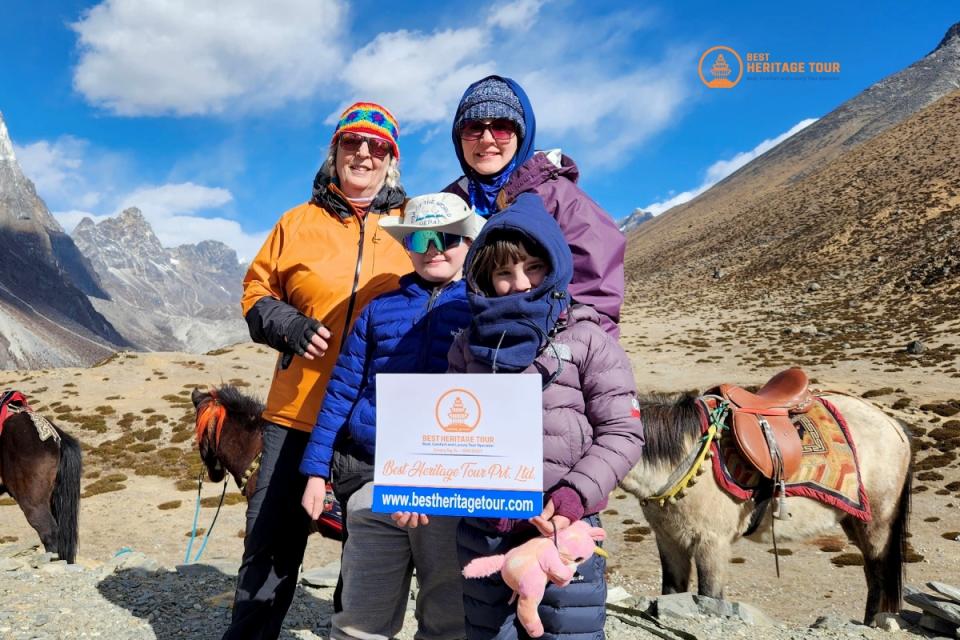
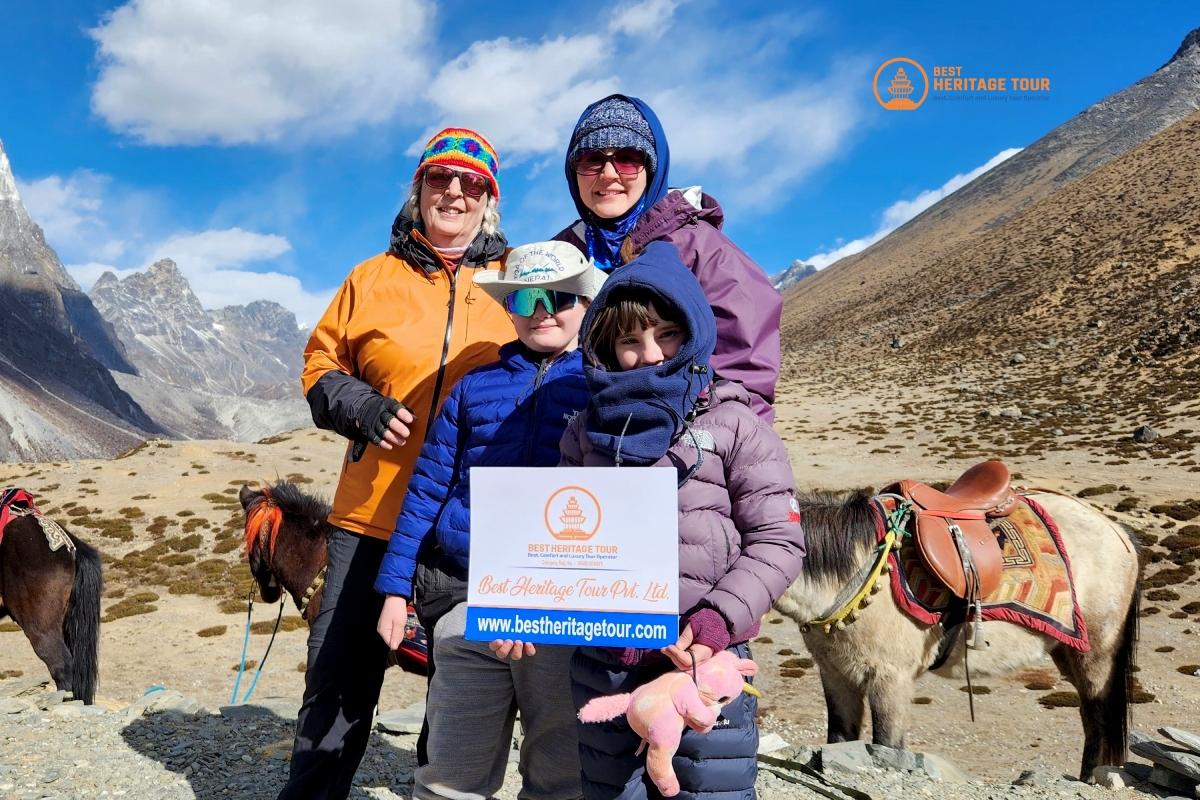
Throughout the trek, accommodation is provided in comfortable teahouse lodges, with warm meals and attentive service. Led by experienced Everest-region guides from Best Heritage Tour, this trek focuses on safety, flexibility, and personal care. The Everest Base Camp Trek for Seniors & Kids is not about speed - it is about creating meaningful, multi-generational memories in the heart of the Himalayas.
What Can One Expect on / During this EBC Trek?
1. A Slow, Comfortable, and Well-Paced Walking Schedule
This trek is designed with shorter daily distances and flexible walking hours, making it ideal for seniors and children. You can expect a relaxed pace with frequent rest breaks, allowing everyone to walk comfortably without pressure. Unlike standard Everest Base Camp itineraries, this version prioritizes enjoyment over speed. Your guide closely monitors the group’s condition each day, adjusting the pace when needed to ensure a safe and pleasant trekking experience.
2. Proper Acclimatization and High-Altitude Care
One of the key expectations on this trek is carefully planned acclimatization days. These include light hikes to higher viewpoints followed by descents to sleep at lower elevations. This method helps the body adapt naturally to altitude, significantly reducing the risk of altitude sickness. Guides regularly check oxygen levels, encourage hydration, and provide clear advice, creating a reassuring environment for families and senior trekkers.
3. Heartwarming Sherpa Hospitality
During the trek, you will stay in traditional mountain teahouses that serve as the heartbeat of the Everest region. You can expect a warm welcome in communal dining halls heated by central stoves, where trekkers from around the globe gather to share stories. For families, this is a chance to experience the famous Sherpa kindness firsthand, learning about their unique mountain culture, Buddhist traditions, and the resilient spirit that defines life in the high-altitude Khumbu valley.
4. Crossing the Famous Suspension Bridges
One of the most thrilling expectations for children and a point of pride for seniors is navigating the high suspension bridges that span the Dudh Koshi River. Draped in thousands of fluttering silk prayer flags, these bridges - including the iconic Hillary Suspension Bridge - offer an adrenaline-pumping experience with safe, sturdy engineering. Looking down at the glacial blue water rushing hundreds of feet below is a memory that defines the adventurous spirit of the Everest Base Camp trail.
5. Spectacular Mountain Views at a Relaxed Pace
This trek allows you to truly enjoy the scenery without rushing. Expect breathtaking views of Mount Everest, Ama Dablam, Lhotse, and Nuptse, along with peaceful forests, glacial valleys, and traditional villages. The slower pace gives you time to rest, take photos, and appreciate the Himalayan landscape - something often missed on faster itineraries.
6. Wildlife and Natural Wonders of Sagarmatha
Sagarmatha National Park is a UNESCO World Heritage site, so expect frequent encounters with the region's unique flora and fauna. You will likely spot herds of Himalayan Tahr clinging to the cliffs, colorful Danphe (the national bird of Nepal) darting through the trees, and trains of yaks and dzo carrying supplies to the high villages. For kids, the trail becomes a living biology textbook, filled with rare plants and animals found nowhere else on the planet.
7. A Strong Sense of Achievement and Shared Memories
Expect a profound surge of emotion when you finally reach the yellow tents of Everest Base Camp. Standing on the Khumbu Glacier, surrounded by an amphitheater of ice and rock, is the culmination of days of persistence. For seniors, it is a testament to lifelong vitality; for kids, it is proof that they can achieve anything. The celebration at the "EBC" rock, followed by the sunrise view from Kalapattar, represents the pinnacle of human achievement and family bonding.
Are You Ready for This EBC Trek?
The Everest Base Camp Trek for Seniors & Kids is thoughtfully designed to be achievable for a wide age range, but proper readiness is key to enjoying the journey safely and comfortably. You do not need technical mountaineering skills or previous high-altitude trekking experience; however, a basic level of fitness, patience, and mental preparedness is important for all participants.
Physically, you should be comfortable walking for 4 to 6 hours a day at a gentle pace on mountain trails that include stone steps, gradual ascents, and descents. Seniors are encouraged to engage in light training such as regular walking, stair climbing, or low-impact cardio exercises. For children, good stamina, enthusiasm, and the ability to follow instructions are more important than speed or strength.
Mentally, readiness means understanding that this is not a race. Weather changes, altitude effects, and trail conditions require flexibility and a positive attitude. The trek includes rest and acclimatization days, allowing your body to adjust naturally while keeping stress levels low. Equally important is an openness to new cultures, simple mountain living, and shared group experiences.
If you are prepared to walk patiently, respect your body, and embrace the Himalayan environment, this trek offers a safe, meaningful, and unforgettable adventure for both seniors and children.
Itinerary
1Day 01: Fly to Lukla (2,860m / 9,383 ft) & Trek to Phakding (2,652m / 8,700 ft)
Your Himalayan trek begins with a breathtaking 30-minute flight to Lukla, offering panoramic views of the emerald valleys and soaring peaks. After meeting your trekking crew, the journey starts with a gentle descent designed to help your body ease into the mountain rhythm. The trail winds through lush pine forests and charming Sherpa hamlets, following the turquoise waters of the Dudh Koshi River.
As you walk, you will pass ancient Mani walls and colorful prayer flags that set a spiritual tone for the trek. For seniors and children, this day is the perfect introduction to the Khumbu, featuring easy-to-navigate paths and frequent views of Kusum Kanguru. The day concludes in the riverside village of Phakding, where you can relax and enjoy the crisp mountain air in a cozy, welcoming teahouse.
2Day 02: Trek from Phakding (2,652m / 8,700 ft) to Namche Bazaar (3,440m / 11,286 ft)
Today's journey leads you into the heart of the Sagarmatha National Park. The trail follows the river through high-altitude forests of blue pine and fir, crossing several impressive suspension bridges draped in silk prayer flags. The final leg of the day involves a steady zigzag climb through the forest, where you might catch your first glimpse of Mount Everest peering through the trees.
The ascent is taken at a slow, deliberate pace to ensure every family member adjusts comfortably to the altitude. You will eventually emerge into the vibrant horseshoe-shaped amphitheater of Namche Bazaar. As the cultural and commercial capital of the Khumbu, Namche offers a lively atmosphere with bakeries, craft shops, and stunning views of Thamserku and Kongde Ri towering above the town.
3Day 03: Acclimatization Hike to Everest View Hotel (3,880m / 12,729 ft)
Today is a "rest" day, but in the trekking world, that means "walk high, sleep low." We take a scenic uphill hike to the famous Hotel Everest View, one of the highest luxury hotels in the world. This day is vital for your body’s adjustment to the thinning air. As you reach the ridge, the skyline explodes with a 360-degree panorama of the giants: Everest, Lhotse, Nuptse, and the iconic spire of Ama Dablam.
The environment here changes from the bustling town to alpine meadows. For kids, the wide-open trails provide a great space to explore, while seniors can enjoy a cup of coffee on the hotel terrace, soaking in the most famous view on the planet. This gentle exertion helps your blood produce more red cells, ensuring the days ahead are safer and more enjoyable. We return to Namche for the afternoon, where you can browse local bakeries or visit the Sherpa Culture Museum.
4Day 04: Trek from Namche Bazaar (3,440m / 11,286 ft) to Tengboche (3,860m / 12,664 ft)
Leaving Namche, the trail meanders along the side of the mountain with relatively flat paths, offering "Himalayan flat" walking with continuous views of Everest. The journey then descends through rhododendron and pine forests to Phunke Tenga by the river, where we stop for a hearty lunch. The final part of the day is a steady climb through a beautiful forest inhabited by musk deer and Himalayan Monal (Danphe).
The destination is Tengboche, home to the region's most famous monastery. The atmosphere here is deeply spiritual; you can hear the rhythmic chanting of monks and the deep hum of Tibetan horns echoing against the backdrop of Ama Dablam. This is often the emotional heart of the trek for many visitors, offering a sense of peace that perfectly complements the grand scale of the surrounding peaks.
5Day 05: Trek from Tengboche (3,860m / 12,664 ft) to Dingboche (4,410m / 14,468 ft)
As we leave the forest behind, the landscape begins to shift into the sub-alpine zone. The trees become smaller and sparser, replaced by shrubs and hardy alpine plants. The trail descends to Deboche before crossing the Imja Khola via another scenic suspension bridge. You will walk past thousands of Mani stones - stones hand-carved with prayers - showing the deep devotion of the local Sherpa people.
The climb to Dingboche is gradual. This village is known as the "Summer Settlement," and you’ll notice the unique stone walls built to protect crops like barley and potatoes from the cold winds. The views of the Lhotse-Nuptse massif are spectacular from here. For families, the shorter walking day ensures that everyone arrives with plenty of energy to enjoy the golden hour light hitting the surrounding peaks.
6Day 06: Acclimatization Hike to Nangkartshang Peak (5,083m / 16,676 ft)
Our second dedicated acclimatization day takes us up the ridge of Nangkartshang Peak. This is a steep but rewarding climb that serves as a "test" for the higher altitudes to come. From the ridge, you gain an incredible perspective of the Imja Valley, with the world’s fourth-highest peak, Lhotse, towering directly ahead. You can also look down on the village of Pheriche and see the vastness of the glaciers.
We don't need to reach the very top to get the benefits; the goal is to spend a few hours at a higher elevation before descending back to Dingboche. This strategy is the best way to prevent altitude sickness for children and seniors. The afternoon is yours to rest, hydrate, and enjoy the surprisingly cozy atmosphere of the high-altitude teahouses.
7Day 07: Trek from Dingboche (4,410m / 14,468 ft) to Thukla (4,620m / 15,157 ft)
This is a shorter day, but a very important one. Instead of pushing all the way to Lobuche like most groups, we stop at Thukla. The trail leads across a wide, windswept plateau with the massive face of Taboche on your left. The environment here feels truly "high mountain" - barren, powerful, and quiet.
By stopping in Thukla, we give your body a chance to rest before the steep climb of the "Thukla Pass" the following morning. For seniors, this break prevents overexertion, and for kids, it’s a shorter day that keeps the adventure from feeling like a chore. The afternoon can be spent resting and looking up at the majestic peaks that seem close enough to touch.
8Day 08: Trek from Thukla (4,620m / 15,157 ft) to Lobuche (4,910m / 16,108 ft)
After a restful night in Thukla, we tackle the famous "Thukla Pass." While steep, our slow-paced approach ensures seniors and kids can manage the ascent comfortably. At the top of the pass, you will encounter a moving collection of stone memorials dedicated to climbers who lost their lives on Everest. It is a somber yet beautiful place for reflection, surrounded by the towering peaks of Cholatse and Lobuche East.
From the memorials, the trail flattens significantly, following a gentle ridge along the lateral moraine of the Khumbu Glacier. The environment becomes increasingly Arctic - barren, rocky, and dramatic. The air is thinner here, but the sights of the glacier's icy edge are mesmerizing. We finish the day in the small settlement of Lobuche, where the sunset hitting the Nuptse wall provides a golden end to a challenging but rewarding day.
9Day 09: Trek from Lobuche (4,910m / 16,108 ft) to Gorakshep (5,164m / 16,942 ft)
Today we head toward Gorakshep, the final outpost before Base Camp. The trek follows the rugged edge of the Khumbu Glacier, crossing over rocky boulders and glacial debris. This is a high-altitude "moonscape" - gray, icy, and grand. Because we aren't rushing to Base Camp today, we can stop frequently to admire the Khumbu Icefall and the shifting patterns of the glacier.
Gorakshep sits at the base of Kalapattar and was once the original base camp for the 1953 expedition. Reaching this altitude is a massive milestone for any family. We check into our teahouse and spend the afternoon resting and hydrating. This early arrival allows children and seniors to save their energy for the monumental day that follows, ensuring everyone is in peak condition for the final push.
10Day 10: Trek from Gorakshep (5,164m / 16,942 ft) to EBC (5,364m / 17,598 ft) & Back
This is the day your family’s names are etched into the history of the Himalayas. We set off on the rocky trail toward Everest Base Camp. The journey is a slow trek over moraine and ice, with the massive West Shoulder of Everest looming above. During the spring, you’ll see the famous "Yellow Tents" of expedition teams preparing for the summit.
Standing at the base of the world’s highest peak is an incomparable emotional experience. For seniors, it's the culmination of a lifelong dream; for kids, it’s proof that no mountain is too high. After taking plenty of photos and celebrating this family achievement at the iconic EBC rock, we retrace our steps back to Gorakshep. The sense of accomplishment tonight in the dining hall is something your family will never forget.
11Day 11: Sunrise at Kalapattar (5,545m / 18,192 ft) & Descend to Pheriche (4,210m / 13,812 ft)
We begin early for the short but steep climb up Kalapattar, the highest point of our trek. This is where you get the "classic" view of Everest - the summit itself, the South Col, and the entire Lhotse-Nuptse range. Watching the sun rise over the top of the world is a spiritual experience that defies description.
After descending to Gorakshep for a hot breakfast, we begin our long but easy descent. As we drop in altitude, you will feel the air getting thicker and richer with every step. We pass back through Lobuche and Thukla, finally reaching the wide valley of Pheriche. The village is home to a high-altitude medical clinic and offers a significantly warmer, more oxygen-rich environment for a restful night's sleep.
12Day 12: Trek from Pheriche (4,210m / 13,812 ft) to Tengboche (3,860m / 12,664 ft)
With gravity on our side, the walk back is a "victory lap." We descend through the valley, passing through Pheriche’s stone walls and crossing the bridge to Pangboche. The environment slowly transitions back from barren rocks to juniper bushes and eventually the first trees of the trek.
The route to Tengboche offers one of the most beautiful views of Ama Dablam from the back. We arrive back at the monastery village, where the air feels luxurious and the greenery of the rhododendron forests is a welcome sight for the eyes. This is a shorter day, allowing the family to visit the monastery again or simply relax with a view of the peaks you just conquered.
13Day 13: Trek from Tengboche (3,860m / 12,664 ft) to Namche Bazaar (3,440m / 11,286 ft)
Today's trail takes us down through the lush forests to Phunke Tenga, followed by a climb back up the ridge to Kyangjuma. The path then contours around the hillside, offering final, sweeping views of the Everest range. You’ll notice your energy levels are high as the oxygen levels continue to rise.
We arrive back in Namche Bazaar, where the "civilization" of the Khumbu awaits. It’s the perfect time to visit a local bakery for a celebratory chocolate cake or browse the shops for souvenirs. For the kids, a hot shower and a chance to interact with local children again is always a highlight.
14Day 14: Trek from Namche Bazaar (3,440m / 11,286 ft) to Phakding (2,652m / 8,700 ft)
We leave the horseshoe of Namche and begin the final steep descent toward the Hillary Suspension Bridge. Retracing the steps from Day 2, the trail follows the Dudh Koshi River once more. The environment is now vibrant and warm, filled with the scent of pine and the sound of bells from passing yak trains.
Crossing the bridges feels like a different experience now - you are seasoned trekkers! We reach Phakding by the afternoon. It is a day of reflection on the incredible journey your family has shared, from the low valleys to the base of the world's highest peak.
15Day 15: Trek from Phakding (2,652m / 8,700 ft) to Lukla (2,860m / 9,383 ft)
Our final day on the trail is a short, 3-hour walk back to Lukla. The path features gentle inclines through small villages and forests. As you reach the Lukla gateway, there is a profound sense of closure.
Tonight, we host a farewell dinner with our guides and porters. It is a time for speeches, laughter, and perhaps some local "Raksi" (mountain wine) to toast your family’s success. You have walked 130 kilometers together - a legacy that will stay with you forever.
16Day 16: Scenic Flight back to Kathmandu
We catch an early morning flight from Lukla, saying a final goodbye to the peaks of the Khumbu. The 30-minute flight back to Kathmandu provides one last bird's-eye view of the landscape you just traversed on foot. Upon arrival, you'll be transferred to your hotel for a much-deserved rest and a long, hot bath.
Cost Includes / Excludes
Included
- PRIVATE AIRPORT PICK-UP & DROP : Airport - Hotel transfer - Airport (Pick Up and Drop).
- ROUND TRIP DOMESTIC FLIGHT FARE : Fly from Kathmandu - Lukla and while returning Lukla - Kathmandu, as per itinerary. (through manthali during peak trekking season).
- LODGING : Best available accommodation in mountain lodges and tea houses during the trek.
- FOOD : 3 meals a day (breakfast, lunch and dinner; including tea/coffee) during the trek, with Ef-Chlor purification tablets provided for safe drinking water.
- GUIDE : One experienced government licensed trekking guide (English speaking) during the trek.
- STAFF SALARY AND ALLOWANCE : All trekking staff wages, salary, equipment, food & clothing.
- PERMITS : All necessary paperwork : Sagarmatha National Park permit, Khumbu Pasang Lhamu Rural Municipality entry permit and fees.
- STAFF INSURANCE : Insurance for all involved trekking staff during the trek.
- GEAR (IF NEEDED) : Sleeping bag, down jacket and duffle bag (to be returned after the trek).
- MEDICAL KIT : A well equipped first aid kit, including an oximeter and emergency oxygen, carried by the guide for your safety.
- IN CASE OF EMERGENCY : Assistance in rescue operations in case of emergency covered by travel insurance.
- SOUVENIR : Best Heritage Tour’s Appreciation Certificate after the successful trek & Purse, an authentic Nepali product made from hemp.
- FAREWELL DINNER : A farewell dinner with an authentic cultural program after completion of the trek.
Excluded
- INTERNATIONAL AIRFARE : International flight airfare (from and to Kathmandu).
- NEPAL VISA FEES : You may issue the visa upon your arrival at Tribhuvan International Airport - Kathmandu or apply manually in your home country.
- ACCOMMODATION IN KATHMANDU : Accommodation & Meals in Kathmandu.
- INSURANCE POLICY : Travel insurance covering medical expenses and high-altitude evacuation is mandatory. If you do not have suitable coverage, we can also assist in arranging travel insurance for you upon your arrival in Nepal. Check Over Here
- PERSONAL EXPENSES : Clothing & gears, telephone, internet, toiletries, hot shower, laundry, soft drinks and any Alcoholic beverages.
- OPTIONAL PORTER SERVICE : USD 22 per day, including all taxes (each porter can carry up to 25 kg of luggage).
- TIPS : Tips for guide and porters.
- EXTRA : Any additional costs due to factors beyond our control, or for services not specifically mentioned in the Itinerary & Included section.
- TAXES & SERVICE CHARGE : All government taxes (13%) and service charge (10%)
Trip Info
Best Time for the Everest Base Camp Trek for Seniors & Kids
Choosing the right season is essential for making the Everest Base Camp Trek for Seniors & Kids safe, comfortable, and enjoyable. The most suitable times for this trek are spring (March to May) and autumn (September to November), when weather conditions are stable and trekking trails are at their best.
Spring (March-May) is one of the most popular seasons in the Everest region. During this period, temperatures are moderate, skies are generally clear, and the trails come alive with blooming rhododendrons and alpine flowers. Daytime walking conditions are pleasant, which is especially important for seniors and children who benefit from mild weather and good visibility. Mountain views of Everest, Ama Dablam, and Lhotse are often spectacular during spring.
Autumn (September-November) is considered the best overall season for this trek. After the monsoon clears the dust from the atmosphere, the region enjoys crisp air, stable weather, and excellent visibility. Days are sunny and dry, while nights are cooler but manageable with proper clothing. The well-defined trails and predictable weather make autumn ideal for family groups and senior trekkers.
Winter (December-February) is generally not recommended for seniors and kids due to cold temperatures, snow-covered trails, and limited accommodation services at higher elevations. Similarly, the monsoon season (June-August) brings heavy rainfall, slippery paths, and frequent cloud cover, making trekking more challenging.
For a comfortable, safe, and memorable Everest experience, spring and autumn remain the most recommended seasons for this family-friendly trek.
Permits Required for the EBC Trek
For trekking in the Everest region, proper permits are mandatory to ensure safety, conservation, and legal access. For this trek, the following permits are required:
-
Khumbu Pasang Lhamu Rural Municipality Permit: This permit allows trekkers to enter and travel within the Khumbu region.
-
Sagarmatha National Park Permit: Required to enter the national park and trek within its protected areas.
Documents Required for Permits
Best Heritage Tour takes care of all necessary permits on your behalf, so you can focus entirely on enjoying the trek without worrying about paperwork. To process these permits, Best Heritage Tour will need:
-
Clear Passport Copy: A scanned color copy of your passport (valid for at least 6 months).
-
Passport-Sized Photos: 4 recent digital photos (for permit forms and conservation logs).
-
Travel Insurance: Your policy must explicitly cover emergency helicopter evacuation at altitudes up to 6,000 meters.
Note: Please keep your original permits in a waterproof bag inside your daypack. There are several checkpoints along the trail where local authorities will check them.
Accommodation and Meals
At Best Heritage Tour, we believe that good sleep and a full stomach are the two most important things for a successful trek. We take care of all your lodging and food needs so you can focus on the trail.
Cozy Teahouse Accommodation
Throughout the journey, you will stay in local teahouses. These are charming, family-run guesthouses that offer a warm and friendly atmosphere.
-
The Rooms: You will usually have a twin-sharing room with two comfortable beds. We provide warm blankets, but we also recommend a good sleeping bag for the colder nights at higher altitudes.
-
The Atmosphere: The heart of every teahouse is the dining hall. It’s the warmest place in the building, where trekkers gather around a central stove to share stories, drink tea, and stay cozy after a long day of walking.
Hearty Meals: Fuel for the Mountains
Your package includes Breakfast, Lunch, and Dinner. We make sure you get plenty of nutrients to keep your energy levels high.
-
The Famous Dal Bhat: This is the ultimate "trekker fuel." It consists of steamed rice, lentil soup, and seasonal vegetable curry. The best part? It comes with free refills, making it the most popular choice for hungry hikers. As the locals say: "Dal Bhat Power, 24 Hour!"
-
Local Delicacies: You must try Sherpa specialties like Sherpa Stew (Syakpa), a thick and warming vegetable soup, and Momos (Nepali dumplings filled with veggies or meat). These are perfect for cold mountain evenings.
-
Other Options: If you’re craving something familiar, most teahouses also serve pancakes, eggs, porridge, pasta, and even pizza in the lower villages.
Staying hydrated is the secret to beating altitude sickness. You can choose from a variety of hot drinks like ginger-lemon-honey tea, masala tea, and hot chocolate. As for the dietary restrictions like: Vegetarian, Vegan, or Gluten-Free, most mountain meals are naturally vegetarian. Simply inform Best Heritage Tour at the start of the trek, and we will try best that the kitchens prepare your meals according to your specific dietary needs.
Trek Difficulty & Fitness Level
The Everest Base Camp Trek for Seniors & Kids is classified as moderate. Unlike standard expeditions, this package is specifically recalibrated with shorter walking days and additional acclimatization stops to ensure the safety and comfort of younger trekkers and older adventurers alike.
-
Hiking Duration: 3-5 hours per day on average. We have purposely reduced the daily mileage to prevent fatigue, though the summit days to Everest Base Camp and Kalapattar remain the longest and most rewarding.
-
Altitude: The journey reaches a peak altitude of 5,545 meters at Kalapattar. Our unique 16-day itinerary features extra "buffer days" and an essential stop in Thukla to ensure gradual acclimatization, which is critical for the safety of seniors and children.
-
Terrain: The trail transitions from well-maintained stone steps and lush woodland paths in the lower Khumbu to more rugged, rocky, and moraine-covered trails above the tree line. You will also navigate several stable, high-suspension bridges and glacial streams.
Fitness Requirements:
-
Trekkers should possess a functional level of fitness and be comfortable with walking on inclines and uneven surfaces.
-
No previous trekking experience is required; however, a sense of adventure and a positive mindset are essential.
-
Focusing on cardiovascular health, joint mobility (especially for seniors), and endurance will greatly enhance the overall experience.
Tip: For seniors, we recommend consistent preparation 8-10 weeks before the trip. Engage in family walks, gentle hill climbs, or stair-stepping exercises. For kids, make "practice hikes" fun by carrying a small backpack with their favorite snacks to build stamina and excitement.
Why the "16-Day Pace" Matters
While most companies push a 12-day schedule, the Best Heritage Tour difference lies in the extra 96 hours we add to the journey. This time isn't just for rest; it's a safety net that allows the body to produce necessary red blood cells, ensuring that the final push to Base Camp is a celebration of achievement, not a struggle against altitude.
Health & Safety
At Best Heritage Tour, your well-being is our absolute priority. Trekking to 5,364m is a major achievement, and we make sure you reach the finish line safely by following strict health protocols. Here is how we look after you on the trail.
Daily Health Monitoring
Our guides are more than just navigators; they are trained in high-altitude first aid. Every evening, your guide will check in with you to monitor how your body is reacting to the altitude.
-
Oxygen Checks: We use a pulse oximeter to measure your blood oxygen levels and heart rate daily.
-
Health Talk: We discuss any symptoms like headaches or trouble sleeping to catch potential altitude issues early.
Altitude Sickness (AMS) Awareness
Altitude sickness can happen to anyone, regardless of fitness. The key is to catch it early. Our itinerary is designed with two mandatory acclimatization days (in Namche and Dingboche) to help your body adjust naturally.
-
Prevention: We follow the "Climb High, Sleep Low" rule - hiking to higher points during the day but returning to a lower elevation to sleep.
-
The Golden Rule: If you have symptoms that don't go away with rest, our policy is always to descend. We never "push through" severe altitude sickness.
Clean Food and Water
Most stomach issues on a trek come from untreated water or poor hygiene.
-
Safe Water: We recommend drinking 3-4 liters of water daily. We advise using water purification tablets or buying boiled water at teahouses.
-
Hygiene First: We encourage frequent use of hand sanitizers and provide advice on the safest food options (like sticking to freshly cooked vegetarian meals) to keep your energy high and your stomach happy.
Emergency Evacuation Plan
In the rare event of a serious injury or severe altitude sickness (like HAPE or HACE), we have a fast-response emergency plan in place.
-
Helicopter Rescue: We stay in constant contact with helicopter providers in Kathmandu. If a rescue is needed, we coordinate the pickup from the nearest safe landing zone.
-
Insurance Requirement: It is mandatory for all our trekkers to have travel insurance that specifically covers emergency helicopter evacuation up to 6,000 meters.
Safety Gear
Our lead guides carry a comprehensive Medical First Aid Kit at all times. This includes basic medicines for pain, stomach issues, and bandages. For the higher sections of the trek, we ensure that supplementary oxygen is available if an emergency arises.
Travel Insurance
For this trek, standard travel insurance is simply not enough. At Best Heritage Tour, we require proof of a comprehensive insurance policy before you can begin the trek. Your policy must include the following specific coverages:
-
High-Altitude Coverage (Up to 6,000m)
-
Medical Emergency & Hospitalization: Including treatment for Altitude Sickness (AMS, HAPE, or HACE).
-
Emergency Helicopter Evacuation
-
Search and Rescue (SAR)
-
Trip Cancellation & Interruption
-
Cashless Claims & Direct Payment
Pro Tip: Always carry a physical print-out of your insurance policy and the 24-hour emergency contact number in your chest pocket. In an emergency, every second counts, and having your policy number ready allows Best Heritage Tour to launch a rescue immediately.
Visa for Nepal
All international travelers (except Indian) need a tourist visa to visit Nepal, which can be obtained on arrival at Kathmandu airport or online.
Key Details:
-
Duration: 15, 30, or 90 days (30 days recommended for this trek)
-
Fees: 15 days - USD 30 | 30 days - USD 50 | 90 days - USD 125
-
Requirements: Valid passport (6+ months), visa form, passport photo, and payment in cash (USD/EUR/GBP/NPR)
Tip: Keep a copy of your visa and passport during the trek and consider applying visa online (through Nepal Immigration Website) for a smoother arrival. Also register to Foreign Nationals Management Information System (FNMIS) as this is now mandatory for any Tourists entering Nepal from 2026.
Booking & Payment
Booking your Everest Base Camp Trek with Best Heritage Tour is simple and secure. To confirm your trip, a 10% deposit of the total trip cost is required at the time of booking, while the remaining balance must be cleared at least one day before departure. Payments can be made via cash, bank transfer, or card; bank transfer and card fees are the responsibility of the trekker, and card payments incur a 4% transaction fee. All booking and cancellation terms are clearly explained by Best Heritage Tour staff during the booking process and can also be reviewed on our website.
You have two convenient options for your payment:
Bank transfer:
-
Account Name: Best Heritage Tour And Treks Pvt. Ltd.
-
Account Number: 13201040254106
-
Bank Name: Nepal Investment Mega Bank Ltd.
-
Address: Thamel, Kathmandu, Nepal
-
SWIFT Code: NIBLNPKT
PayPal:
If you prefer, please share your PayPal email address and we will send you a secure payment request directly through PayPal.
Alternatively, you may send the payment directly to our PayPal email address below:
-
PayPal Email: [email protected]
-
Or Online Payment Link: www.bestheritagetour.com/payment
Once we receive the deposit, we will issue the official invoice and booking conformation right away.
If you need any clarification, we are happy to answer your questions or provide additional details you may require.
Last-Minute Booking
For travelers planning on short notice, Best Heritage Tour accepts last-minute bookings up to 24 hours before departure. In such cases, full payment (100% of the trip cost) is required at the time of booking. Trekkers should be aware that accommodation, logistics, and services may be limited, and the company cannot be held responsible for any compromises arising from late arrangements.
Trip Extension
For those looking to extend their Himalayan adventure, Best Heritage Tour offers exciting options beyond the Everest Base Camp Trek by Road. Popular choices include the Gokyo Lakes and Three Pass Trek, other treks in Annapurna or Manaslu regions, or cultural tours of Kathmandu, Bhaktapur, and Patan. Wildlife lovers can enjoy jungle safaris in Chitwan or Bardia National Parks. These extensions can be tailored to your interests and schedule, adding more depth and adventure to your Nepal journey.
Frequently Asked Questions
Is it possible to charge camera batteries on the EBC Trek for Seniors & Kids?
Yes, teahouses along the EBC Trek for Seniors & Kids offer charging for a small fee. Because cold weather drains batteries quickly, Best Heritage Tour recommends seniors and kids keep their devices inside their sleeping bags at night to preserve power for those iconic summit photos.
Can we find vegetarian food on the EBC Trek for Seniors & Kids?
Yes, most mountain meals are naturally vegetarian, which is safer for digestion at high altitudes during the EBC Trek for Seniors & Kids. Best Heritage Tour ensures the kitchens provide hearty, freshly cooked vegetable curries, pastas, and soups that are perfect for keeping everyone's energy high.
What is the "Tengboche Monastery" experience on the EBC Trek for Seniors & Kids?
Visiting Tengboche is the spiritual highlight of the EBC Trek for Seniors & Kids. Best Heritage Tour invites families to listen to the rhythmic chanting of monks and the deep hum of Tibetan horns, providing a moment of peace and reflection amidst the grand mountains.
Is it okay to use Diamond (Acetazolamide) on the EBC Trek for Seniors & Kids?
Many trekkers use Diamox to help with acclimatization during the EBC Trek for Seniors & Kids. Best Heritage Tour recommends consulting your family doctor before the trip to see if it is appropriate for you or your children, alongside our natural acclimatization schedule.
What is the "Dudh Koshi" river on the EBC Trek for Seniors & Kids?
The Dudh Koshi, or "Milk River," is the turquoise waterway that follows much of the EBC Trek for Seniors & Kids. Best Heritage Tour itineraries cross this river multiple times via suspension bridges, offering families a constant, soothing soundtrack of rushing glacial water throughout their journey.
Are there any specific "kids' snacks" available on the EBC Trek for Seniors & Kids?
While teahouses sell basic snacks, Best Heritage Tour recommends parents bring favorite energy bars or treats from home for the EBC Trek for Seniors & Kids. These small rewards can be a massive motivation boost for children during the longer uphill sections of the trail.
What is the significance of the 16-day schedule for the EBC Trek for Seniors & Kids?
The 16-day pace is the "safety net" of the EBC Trek for Seniors & Kids. By adding 96 extra hours compared to standard treks, Best Heritage Tour allows your body to produce the red blood cells needed for high altitude, making the final push a celebration rather than a struggle.
Can we see the Khumbu Icefall on the EBC Trek for Seniors & Kids?
Absolutely. As you approach Gorakshep and Everest Base Camp, the EBC Trek for Seniors & Kids offers incredible views of the shifting Khumbu Icefall. Best Heritage Tour ensures you have plenty of time to stop and safely observe this massive river of ice from the trail.
What is the "Thukla Pass" like on the EBC Trek for Seniors & Kids?
The Thukla Pass is a steep but short ascent during the EBC Trek for Seniors & Kids. Best Heritage Tour stops in Thukla village the night before to ensure seniors and kids are well-rested. This allows families to tackle the climb slowly and spend time at the moving climber memorials at the top.
Are there any "flat" sections on the EBC Trek for Seniors & Kids?
While most of the Himalayas involve climbing, the trail from Namche toward Phunke Tenga is famously known as "Himalayan Flat" during the EBC Trek for Seniors & Kids. Best Heritage Tour guides use these winding, relatively level paths to give your legs a break while enjoying massive views of Everest.
How does Best Heritage Tour handle luggage on the EBC Trek for Seniors & Kids?
On the EBC Trek for Seniors & Kids, we provide porters to carry your main luggage (up to 25kg). This means seniors and kids only carry a light daypack with essentials like water, sunblock, and a camera, making the daily walk much more comfortable.
What is the significance of the Mani walls on the EBC Trek for Seniors & Kids?
You will encounter many Mani walls - stone tablets carved with Buddhist prayers - during the EBC Trek for Seniors & Kids. Best Heritage Tour reminds guests to always pass these sacred structures on the left side, following local Tibetan Buddhist tradition and showing respect for the Sherpa culture.
Is the EBC Trek for Seniors & Kids a technical climb?
No, the EBC Trek for Seniors & Kids is a non-technical hike. There is no need for ropes, crampons, or ice axes. It is simply a long walk on well-established trails. Best Heritage Tour ensures the path is as safe as possible, focusing on physical endurance rather than mountaineering skills.
What happens if the Lukla flight is delayed on the EBC Trek for Seniors & Kids?
Lukla flights are weather-dependent. If a delay occurs during the EBC Trek for Seniors & Kids, Best Heritage Tour manages all re-bookings and accommodation. We include buffer days in our itinerary to account for these possibilities, ensuring your international flight home is not affected.
Can we get snacks on the trail during the EBC Trek for Seniors & Kids?
Yes, small shops along the EBC Trek for Seniors & Kids sell chocolate, biscuits, and tea. Best Heritage Tour also suggests bringing your favorite energy bars or trail mix from home, as these can be a great morale booster for kids during the longer uphill sections of the trek.
How cold does it get at night on the EBC Trek for Seniors & Kids?
Temperatures on the EBC Trek for Seniors & Kids can drop below freezing at night, especially above 4,000 meters. While teahouses provide blankets, Best Heritage Tour recommends using a high-quality sleeping bag rated for -15°C to stay cozy and ensure a good night's rest.
What is the "Everest View Hotel" on the EBC Trek?
The Everest View Hotel is one of the highest hotels in the world and a major stop on the EBC Trek for Seniors & Kids. Located near Syangboche, it offers a panoramic view of Everest, Lhotse, and Ama Dablam. Best Heritage Tour includes a hike here for acclimatization and a scenic breakfast.
Are there suspension bridges on the EBC Trek for Seniors & Kids?
Yes, the EBC Trek for Seniors & Kids involves crossing several high suspension bridges over the Dudh Koshi River. These bridges are made of sturdy steel and are safely used by locals, yaks, and trekkers daily. Best Heritage Tour guides will assist any nervous trekkers to cross these bridges confidently.
What is the best way to avoid blisters on the EBC Trek for Seniors & Kids?
To avoid blisters during the EBC Trek for Seniors & Kids, it is vital to wear high-quality trekking socks and well-broken-in boots. Best Heritage Tour suggests wearing your boots on several long walks at home before arriving in Nepal to ensure they are comfortable for 130 kilometers of trail.
Are there any "Cultural Museums" on the EBC Trek for Seniors & Kids?
Yes, during the acclimatization day in Namche Bazaar, the EBC Trek for Seniors & Kids includes a visit to the Sherpa Culture Museum. This is a great educational stop where Best Heritage Tour guides explain the history of Everest climbing and the traditions of the local people.
Why is the EBC Trek for Seniors & Kids a "Meaningful" journey?
The EBC Trek for Seniors & Kids is about more than reaching a destination; it’s about multi-generational memories. Best Heritage Tour is proud to facilitate these life-changing experiences, proving that the beauty of Mount Everest is truly achievable at any age.
Can we find "Momos" on the EBC Trek for Seniors & Kids?
Yes, Momos (Nepali dumplings) are a favorite treat on the EBC Trek for Seniors & Kids. Best Heritage Tour recommends kids try these veggie or cheese-filled delights, which are a tasty and energizing way to enjoy local cuisine in the heart of the Khumbu.
What is the "EBC Rock" on the EBC Trek?
The "EBC Rock" is the famous marker at Everest Base Camp where trekkers celebrate their arrival. Reaching this point on the EBC Trek for Seniors & Kids is a profound family milestone that Best Heritage Tour commemorates with photos and a sense of shared triumph.
How do we handle "Joint Mobility" for seniors on the EBC Trek for Seniors & Kids?
Focusing on joint mobility 8-10 weeks before the EBC Trek for Seniors & Kids is highly recommended. Best Heritage Tour suggests gentle stretching and low-impact exercises like swimming or cycling to help seniors prepare their knees and hips for the mountain trails.
Is there a "Buffer Day" in the EBC Trek for Seniors & Kids?
Yes, the EBC Trek for Seniors & Kids includes "buffer days" and stops like Thukla to allow for extra rest. Best Heritage Tour adds this extra time to handle weather delays or to simply give the group a break if children or seniors feel fatigued.
How many days do we spend in Namche Bazaar during the EBC Trek for Seniors & Kids?
The EBC Trek for Seniors & Kids includes two nights in Namche Bazaar. Best Heritage Tour uses this time for essential acclimatization, allowing seniors to rest and kids to explore the local bakeries while their bodies adjust to 3,440 meters.
Are there hot showers on the EBC Trek for Seniors & Kids?
Many teahouses on the EBC Trek for Seniors & Kids offer hot showers for a small extra fee. Best Heritage Tour recommends taking advantage of these in lower villages like Namche or Phakding to stay refreshed and maintain hygiene throughout the journey.
What is the "Nangkartshang Peak" hike on the EBC Trek for Seniors & Kids?
This is a rewarding acclimatization hike from Dingboche during the EBC Trek for Seniors & Kids. Best Heritage Tour uses this peak (5,083m) to help seniors and kids "test" their bodies at higher altitudes, offering incredible views of the Imja Valley and Lhotse.
Is the EBC Trek for Seniors & Kids suitable for solo travelers?
While designed for families, solo seniors can certainly join a group for the EBC Trek for Seniors & Kids. Best Heritage Tour organizes fixed departure dates where you can meet like-minded travelers of a similar age, fostering new friendships and shared memories in the heart of the Himalayas.
What happens if it rains during the EBC Trek for Seniors & Kids?
While we trek in the best seasons, mountain weather can be unpredictable during the EBC Trek for Seniors & Kids. Best Heritage Tour includes waterproof gear in the packing list and uses flexible scheduling to ensure safety if trail conditions become slippery or difficult.
Do we need a visa for the EBC Trek for Seniors & Kids?
Yes, international travelers need a tourist visa for Nepal to participate in the EBC Trek for Seniors & Kids. Best Heritage Tour recommends a 30-day visa, which can be easily obtained on arrival at the Kathmandu airport or through an online application.
What is the "Hillary Suspension Bridge"?
This is the highest and most iconic bridge on the EBC Trek for Seniors & Kids, named after Sir Edmund Hillary. Best Heritage Tour guides assist kids and seniors across this sturdy, prayer-flag-draped bridge, which offers a thrilling view of the Dudh Koshi river below.
What is "Syakpa"?
Syakpa is a traditional Sherpa stew that is both warming and nutritious for the EBC Trek for Seniors & Kids. Best Heritage Tour highly recommends this thick vegetable and potato soup as a perfect meal for cold mountain evenings at higher elevations like Lobuche or Gorakshep.
Can we see yaks on the EBC Trek for Seniors & Kids?
Yes, "yak trains" are a common and exciting sight on the EBC Trek for Seniors & Kids. Best Heritage Tour guides will teach children how to safely step to the "mountain side" of the trail to let these heavy-lifting animals pass by safely.
What are the "Checkpoints" on the EBC Trek for Seniors & Kids?
There are several local checkpoints throughout the EBC Trek for Seniors & Kids where permits are verified. Best Heritage Tour manages all the paperwork and fees for the Khumbu Pasang Lhamu and Sagarmatha National Park permits, so you can focus on the trail.
Is there a medical clinic on the EBC Trek for Seniors & Kids?
Yes, the village of Pheriche, a stop on the return leg of the EBC Trek for Seniors & Kids, has a high-altitude medical clinic. Best Heritage Tour stops here to enjoy the oxygen-rich air and ensure everyone is healthy as we begin our final descent.
What is the "Kala Patthar" sunrise on the EBC Trek for Seniors & Kids?
Kala Patthar (5,545m) is the highest point reached on the EBC Trek for Seniors & Kids. Best Heritage Tour leads this optional sunrise hike to give you the "classic" view of Everest’s summit, which is actually more visible from here than from Base Camp itself.
What type of food is served on the EBC Trek for Seniors & Kids?
Meals on the EBC Trek for Seniors & Kids are nutritious and varied. Best Heritage Tour provides traditional Dal Bhat for energy, alongside kid-friendly options like pasta, eggs, and pancakes. We emphasize a vegetarian diet at higher altitudes, as meat products can be difficult for the digestive system to process.
What culture will we experience on the EBC Trek for Seniors & Kids?
The EBC Trek for Seniors & Kids is a deep dive into Sherpa heritage. Your family will visit ancient monasteries like Tengboche and learn about Buddhist traditions. Best Heritage Tour guides are locals who share stories of the "Mountain People," making the journey educational for children and meaningful for seniors.
Can we see Mount Everest from the trail during the EBC Trek for Seniors & Kids?
Absolutely. One of the highlights of the EBC Trek for Seniors & Kids is the first view of Everest from the trail above Namche. Best Heritage Tour also takes families to the Everest View Hotel, where you can enjoy a cup of tea while gazing at the world's highest peak.
What should we pack for kids on the EBC Trek?
Packing for the EBC Trek requires high-quality layers. Essential items include thermal base layers, a warm down jacket, a sun hat, and well-broken-in hiking boots. Best Heritage Tour provides a detailed packing list to ensure children stay warm and dry in the changing mountain climate.
Are there medical centers on the EBC Trek for Seniors & Kids?
The route for the EBC Trek for Seniors & Kids features clinics in Namche Bazaar and Pheriche. These are staffed by international and local doctors specializing in altitude medicine. Best Heritage Tour maintains close contact with these facilities to provide an extra layer of health security for our trekkers.
What is the best season for the EBC Trek for Seniors & Kids?
Spring (March to May) and Autumn (September to November) are the best times for the EBC Trek for Seniors & Kids. Best Heritage Tour favors these months because the weather is stable, temperatures are moderate, and the visibility of Everest and Lhotse is at its peak.
Do we need a porter for the EBC Trek for Seniors & Kids?
Hiring a porter is highly recommended for the EBC Trek for Seniors & Kids. Best Heritage Tour includes porter services so that seniors and kids only need to carry a small daypack with water and snacks. This significantly reduces physical strain and allows you to focus on the trail.
Is the Lukla flight dangerous for seniors or kids?
The flight to Lukla for the EBC Trek for Seniors & Kids is a standard part of the adventure and is flown by experienced pilots. While the airport is famous for its location, Best Heritage Tour monitors weather conditions closely and only proceeds when safety standards are met to ensure a secure start to your trek.
How many hours a day will we walk during the EBC Trek for Seniors & Kids?
On the EBC Trek for Seniors & Kids, walking time is limited to roughly 4 to 5 hours daily. This relaxed schedule, curated by Best Heritage Tour, ensures that seniors can preserve their energy and children have plenty of time to play and explore the local Sherpa culture.
Are there private bathrooms on the EBC Trek for Seniors & Kids?
In lower elevations like Lukla and Namche, the EBC Trek for Seniors & Kids often features lodges with attached bathrooms. In higher, more remote areas, facilities are usually shared. Best Heritage Tour handpicks the most hygienic and comfortable teahouses available to ensure your family's comfort throughout the journey.
Is travel insurance mandatory for the EBC Trek for Seniors & Kids?
Yes, travel insurance is mandatory for anyone participating in the EBC Trek for Seniors & Kids. It must specifically cover emergency medical evacuation at altitudes up to 6,000 meters. Best Heritage Tour assists clients in verifying that their policies meet the necessary requirements for high-altitude trekking in Nepal.
What is the typical group size for the EBC Trek for Seniors & Kids?
To maintain a personalized experience, Best Heritage Tour keeps group sizes for the EBC Trek for Seniors & Kids small, typically between 2 to 10 people. This allows our guides to cater to the specific pace and needs of both children and seniors, ensuring no one feels rushed or left behind.
How does Best Heritage Tour handle altitude sickness on the EBC Trek for Seniors & Kids?
Our approach to the EBC Trek for Seniors & Kids is "prevention first." By including two full rest days in Namche and Dingboche, we allow the body to adapt naturally. If symptoms of AMS occur, Best Heritage Tour guides are trained to facilitate immediate descent to a lower elevation.
What kind of training is needed for the EBC Trek for Seniors & Kids?
For the EBC Trek for Seniors & Kids, we recommend focusing on cardiovascular endurance and leg strength. Three to six months before the trip, start regular walks, swimming, or cycling. Best Heritage Tour suggests practicing on stairs or hills to simulate the undulating Himalayan terrain you will encounter.
Can children under ten join the EBC Trek for Seniors & Kids?
Yes, children as young as six or seven can successfully complete the EBC Trek for Seniors & Kids with proper preparation. Best Heritage Tour recommends that children are accustomed to multi-day hiking and are able to communicate clearly how they are feeling during the high-altitude ascent.
How high does the EBC Trek for Seniors & Kids go?
The highest point of the EBC Trek for Seniors & Kids is Kala Patthar, standing at 5,545 meters (18,192 ft). This altitude offers the most stunning sunrise views of Mount Everest. Best Heritage Tour schedules this climb only after thorough acclimatization to ensure everyone reaches the top safely.
How does Best Heritage Tour ensure safety during the EBC Trek for Seniors & Kids?
Safety is paramount on the EBC Trek for Seniors & Kids. Best Heritage Tour employs highly trained guides who monitor oxygen saturation levels daily using pulse oximeters. We also carry comprehensive medical kits and have a 24/7 emergency protocol that includes immediate helicopter evacuation if necessary.
Is there an age limit for the EBC Trek for Seniors & Kids?
There is no official government-mandated upper age limit for the EBC Trek for Seniors & Kids. As long as a traveler is in good health and cleared by a doctor, Best Heritage Tour welcomes seniors in their 60s, 70s, and even active 80-year-olds on this iconic path.
What is the primary focus of the EBC Trek for Seniors & Kids?
The primary focus of the EBC Trek for Seniors & Kids is safety and slow-paced exploration. Best Heritage Tour designs this journey with shorter walking days and extra acclimatization stops to ensure that age is never a barrier to experiencing the majesty of the world’s highest peak.
What makes the EBC Trek for Seniors & Kids different from a regular trek?
The EBC Trek for Seniors & Kids differs from a standard trek by its focus on "Slow Trekking". While a regular trek might take 12 days, Best Heritage Tour extends the itinerary to 16 or 17 days. This extra time is used for rest and cultural immersion, making the high altitude accessible and enjoyable for everyone.
Can we take a helicopter back from the EBC Trek for Seniors & Kids?
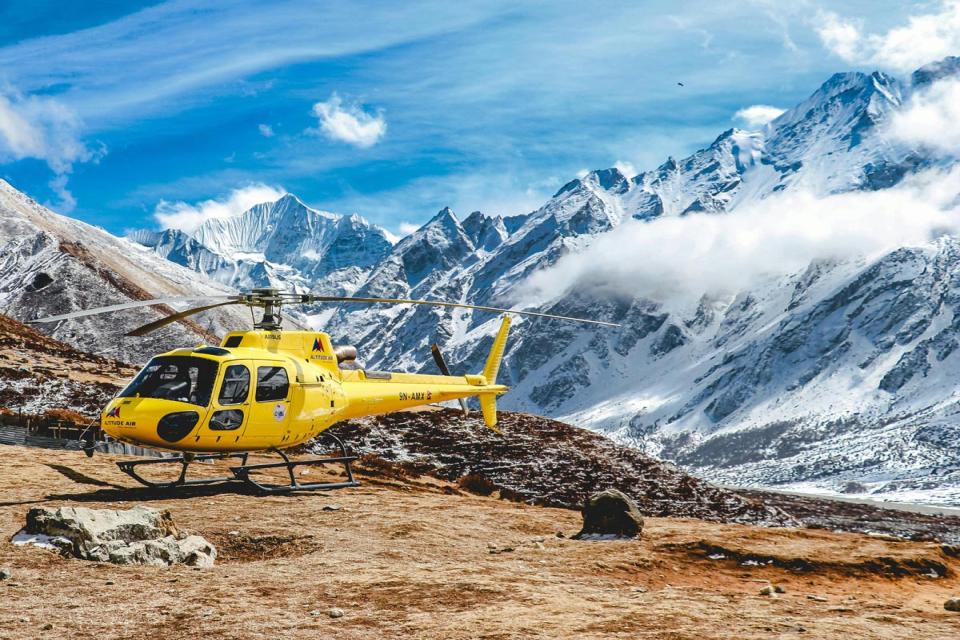
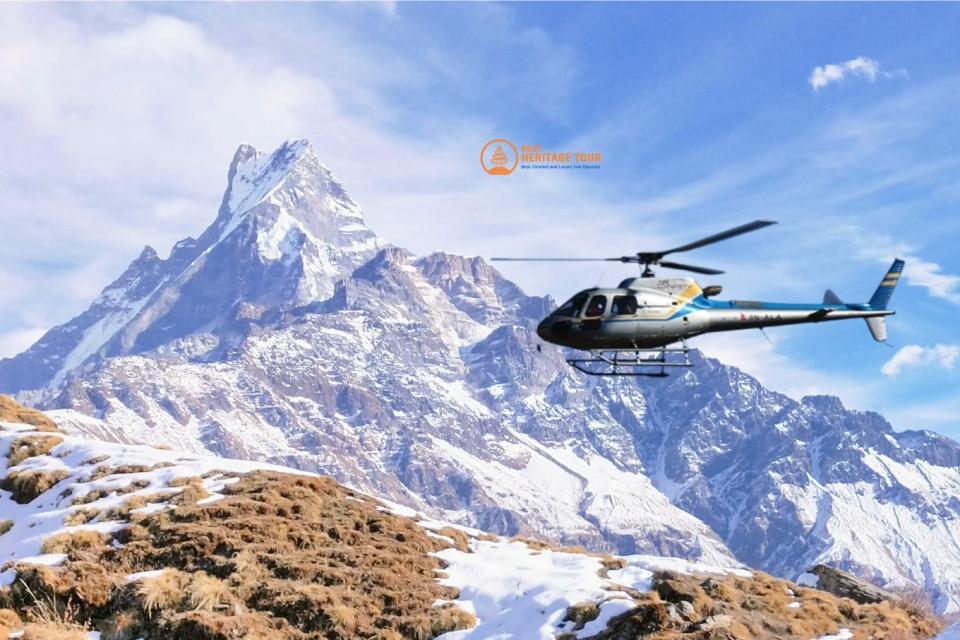
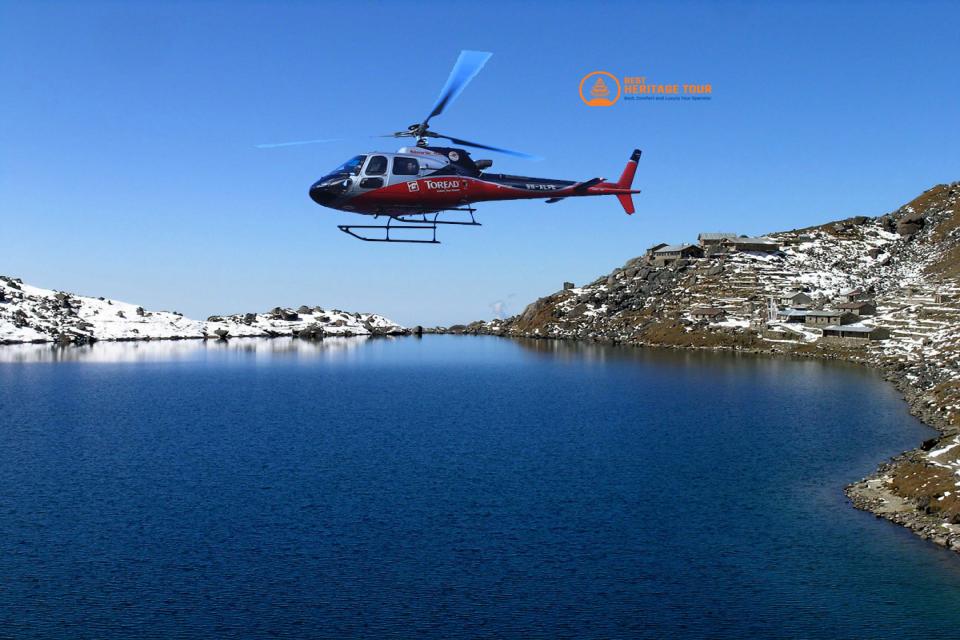
Many families choose a "Heli-Trek" option for the EBC Trek for Seniors & Kids. After reaching Base Camp, Best Heritage Tour can arrange a scenic helicopter flight back to Lukla or Kathmandu. This saves several days of downhill walking and offers a spectacular bird's-eye view of the mountains.
Is oxygen available on the EBC Trek for Seniors & Kids?
Yes, Best Heritage Tour carries supplemental oxygen cylinders for emergency use during the EBC Trek for Seniors & Kids. While we aim to acclimatize naturally, having oxygen on hand provides an essential safety net for seniors or children who might struggle with the thinning air at higher elevations.
How to manage laundry on the EBC Trek for Seniors & Kids?
Laundry services are available in larger villages like Namche Bazaar during the EBC Trek for Seniors & Kids. However, most trekkers prefer to hand-wash small items or simply bring enough quick-drying clothes. Best Heritage Tour recommends moisture-wicking fabrics that dry quickly and don't hold odors at high altitudes.
Are there any Buddhist sites on the EBC Trek for Seniors & Kids?
The EBC Trek for Seniors & Kids is rich with spirituality. You will pass Mani stones (stones carved with mantras), prayer wheels, and chortens. Best Heritage Tour includes a visit to the Tengboche Monastery, where families can witness the evening prayers and experience the peaceful atmosphere of the Khumbu.
Will we have a guide for the whole EBC Trek for Seniors & Kids?
Yes, Best Heritage Tour provides a professional, English-speaking guide for the entire duration of the EBC Trek for Seniors & Kids. Our guides are licensed by the government and have years of experience leading multi-generational families through the Himalayas, ensuring you are never alone on the trail.
What is the "Climb High, Sleep Low" rule in the EBC Trek for Seniors & Kids?
This is a fundamental safety principle used during the EBC Trek for Seniors & Kids. It means we may hike to a higher point during the day and then return to a lower altitude to sleep. Best Heritage Tour incorporates this into acclimatization days in Namche and Dingboche to help the body adjust better.
Can seniors with high blood pressure do the EBC Trek for Seniors & Kids?
Many seniors with managed high blood pressure successfully complete the EBC Trek for Seniors & Kids. However, it is essential to consult your doctor first. Best Heritage Tour requires a medical clearance and ensures that your guide is aware of any medications you are taking to monitor your health closely.
Is there a chance of seeing wildlife on the EBC Trek for Seniors & Kids?
Yes, the EBC Trek for Seniors & Kids takes you through Sagarmatha National Park. Kids can look out for Himalayan Tahrs (mountain goats), colorful Danphe birds (the national bird of Nepal), and perhaps even a rare musk deer. Best Heritage Tour guides are excellent at spotting these animals in their natural habitat.
What is the total distance covered in the EBC Trek for Seniors & Kids?
The EBC Trek for Seniors & Kids covers approximately 130 kilometers (80 miles) roundtrip from Lukla. While this sounds daunting, Best Heritage Tour breaks the distance into manageable sections of 5 to 8 miles per day, allowing families to enjoy the scenery without physical overexertion.
Are trekking poles necessary for the EBC Trek for Seniors & Kids?
Trekking poles are highly recommended for the EBC Trek for Seniors & Kids, especially for seniors. They provide extra stability on uneven trails and reduce the impact on knees during descents. Best Heritage Tour can help you rent or buy high-quality poles in Kathmandu before your journey begins.
Do we visit Everest Base Camp itself during the EBC Trek for Seniors & Kids?
Yes, reaching the legendary Everest Base Camp (5,364m) is a core highlight of the EBC Trek for Seniors & Kids. Standing on the Khumbu Glacier amongst the colorful tents of mountaineers is a life-changing moment that Best Heritage Tour helps every family member achieve through careful pacing and support.
What is the difficulty level of the EBC Trek for Seniors & Kids?
The EBC Trek for Seniors & Kids is considered moderate. There are no technical climbing sections, but the altitude and occasional steep inclines require steady effort. By choosing Best Heritage Tour, you benefit from an itinerary that smooths out these challenges with shorter hiking hours and better rest.
Is there electricity for charging on the EBC Trek for Seniors & Kids?
Teahouses along the EBC Trek for Seniors & Kids provide charging stations for phones and cameras, usually for a small hourly fee. Best Heritage Tour suggests bringing a portable power bank, especially for the higher altitudes where electricity is generated by solar panels and can be more limited during cloudy weather.
Can we customize the EBC Trek for Seniors & Kids?
Yes, Best Heritage Tour specializes in customized itineraries for the EBC Trek for Seniors & Kids. If you feel you need an extra rest day or want to take a helicopter part of the way back to Lukla to save time, we can easily adjust the schedule to suit your family’s needs.
Is internet available during the EBC Trek for Seniors & Kids?
Most lodges on the EBC Trek for Seniors & Kids offer Wi-Fi for a small fee. While the connection can be slow, it allows families to stay in touch with home. Best Heritage Tour can also help you set up a local SIM card in Kathmandu for better data coverage in the lower valleys.
What happens if a child gets tired on the EBC Trek for Seniors & Kids?
If a child gets tired during the EBC Trek for Seniors & Kids, we simply slow down or take a break. Best Heritage Tour builds flexibility into the itinerary, so there is no pressure to reach the next village quickly. Our guides are experts at keeping morale high with stories and games along the trail.
How do we get drinking water on the EBC Trek for Seniors & Kids?
Safe drinking water is essential on the EBC Trek for Seniors & Kids. Best Heritage Tour recommends using boiled water from teahouses or purifying tap water with tablets or specialized filters. Staying hydrated - drinking 3 to 4 liters daily - is the best way for seniors and kids to prevent altitude sickness.