
Ruby Valley Circuit Trek - 10 Days
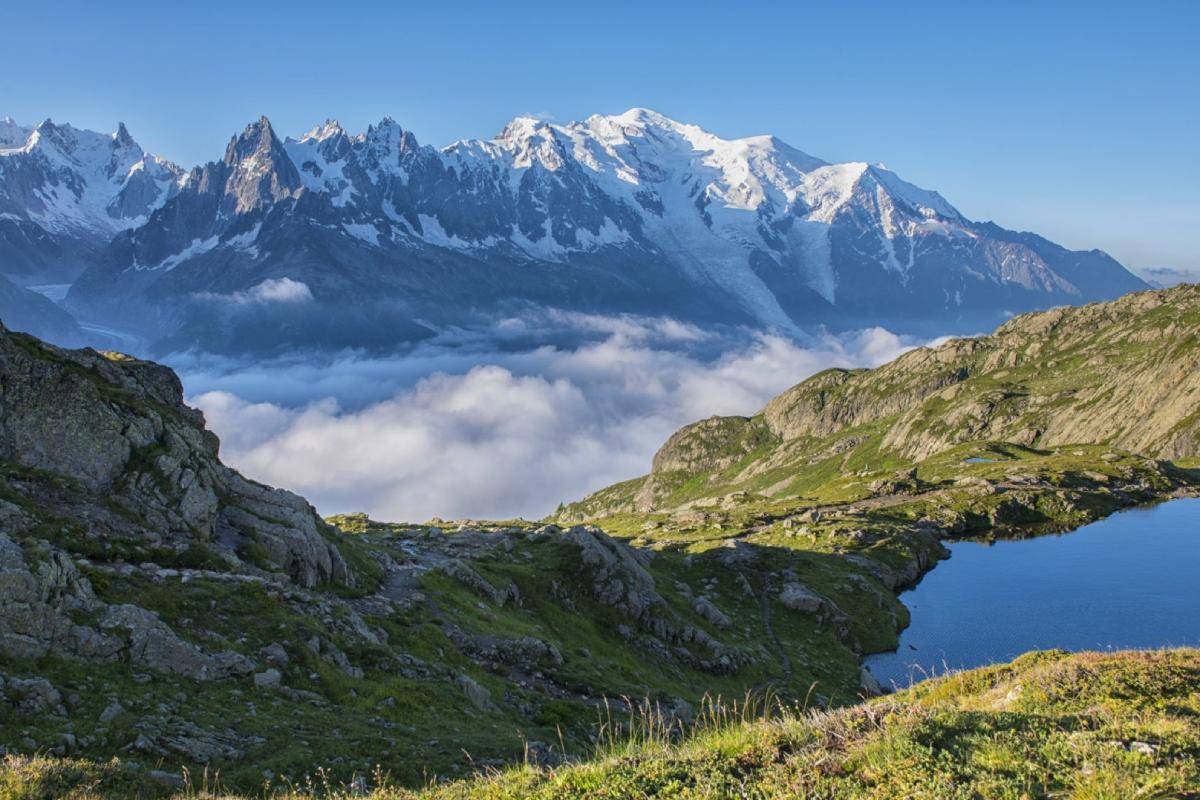
Insight on Ruby Valley Trek
The Ruby Valley Trek offers an authentic mix of adventure, culture, and breathtaking landscapes in the heart of Nepal. This less-crowded trail takes you through serene villages, terraced fields, and High Mountain pass - Pangsang La Pass (3,850m), which offers stunning panoramic views of the Ganesh Himal, Langtang, and Manaslu ranges. Along the way, you’ll experience the warm hospitality of Tamang, Gurung, Ghale, and Dalit communities, learning about their unique traditions and lifestyles. The trek also includes natural highlights such as hot springs, lush forests, and diverse wildlife. With its blend of cultural richness and scenic beauty, Ruby Valley is a perfect off-the-beaten-path trekking experience.
Trip at a Glance
-

Country: Nepal
-

Trip grade: Moderate
-

Destination: Ruby Valley
-

Activities: Trekking
-

Accommodation: Hotel/Teahouse
-

Meals: Breakfast, Lunch & Dinner
-
.png)
Transportation: Shared Jeep & Bus
-

Maximum altitude: 3850 m
-

Group size: 2-29
-
Trip Start / End: Kathmandu - Kathmandu
-
.png)
Best Season: Sep-Nov & March-May
Key Highlights:
- Scenic drive from Kathmandu to Syabrubesi, the gateway to the trek.
- Crossing the Pangsang La Pass (3,850m) with breathtaking views of Ganesh Himal, Langtang, and Manaslu ranges.
- Cultural immersion in Tamang, Gurung, Ghale, and Dalit communities with authentic village experiences.
- Exploration of traditional villages like Gatlang, Somdang, Tipling, Sertung, and Chalish Gaon.
- Natural hot springs (Tatopani) to relax after trekking.
- Less crowded and off-the-beaten-path trekking route.
- Explore sacred rivers, waterfalls, bridges, monasteries, and shepherd huts.
- Visit holy lakes: Kalo, Seto, and Ganesh Kunda (opt).
- Beautiful terraced fields, forests & diverse flora and fauna.
- Combination of cultural exploration and scenic adventure in the heart of Ruby Valley.
Benefits of booking Ruby Valley Circuit Trek with Best Heritage Tour
- Simple booking with multiple contact options including Whatsapp, Skype, Zoom & Email.
- Personalized trip discussions before booking to customize your trek.
- 24/7 phone support at +977-9851149197 / +977-9810043046 for any assistance.
- Health safety with pulse oximeter and first aid kit provided.
- Porter travel bags supplied for smooth trekking.
- Experienced local guides ensuring authentic cultural and safe trekking experiences.
- Optional sleeping bags and down jackets for extra comfort.
- Focus on sustainable and responsible tourism to protect local communities and environment.
- All-inclusive packages with hassle-free planning and memorable keepsakes.
Trip Overview
The Ruby Valley Circuit Trek is a hidden gem in Nepal, offering a perfect blend of cultural encounters, natural beauty, and off-the-beaten-path adventure. Nestled between the Langtang National Park and Manaslu Conservation Area, this trek takes you through remote Tamang, Gurung, Ghale, and Dalit communities, each offering a glimpse into their distinctive lifestyles, traditions, and hospitality. Trekkers can witness local festivals, traditional farming practices, Buddhist monasteries, prayer flags, and ancient rituals that have been preserved for centuries.
The trek begins with a scenic drive from Kathmandu to Syabrubesi, the gateway to the trek. From there, you’ll gradually ascend through terraced fields, rhododendron forests, and charming villages, reaching Gatlang and Somdang. A highlight of the trek is crossing the Pangsang La Pass (3,850m), which rewards you with sweeping views of Ganesh Himal, Langtang Lirung, Manaslu, and even distant peaks of the Annapurna range. This pass also offers a sense of adventure and accomplishment, making it one of the trek’s most memorable sections.
Along the way, you’ll encounter sacred rivers, serene monasteries, and unique shepherd huts. The region is home to several holy lakes, including Kalo, Seto, and Ganesh Kunda, which hold deep spiritual significance for locals. Another highlight is the natural hot springs of Tatopani, where trekkers can relax and rejuvenate after days of trekking.
Unlike popular routes such as Everest Base Camp or Annapurna Circuit, the Ruby Valley Circuit remains relatively untouched by mass tourism. This ensures a peaceful journey where you can connect deeply with local culture and enjoy pristine natural landscapes. With a mix of cultural richness, breathtaking mountain views, and rewarding trails, this trek is ideal for adventure seekers looking for an authentic and less-crowded Himalayan trekking experience.
What to Expect on the Ruby Valley Circuit Trek
1. Spectacular Mountain Views
Cross the Pangsang Pass (3,850m) and marvel at sweeping panoramas of Ganesh Himal, Langtang, Manaslu, and other majestic Himalayan peaks. The high-altitude vantage points provide breathtaking sunrise and sunset experiences, with changing light casting golden hues over snow-capped mountains - ideal for photography and moments of reflection amidst nature’s grandeur.
2. Cultural Encounters
The trek takes you deep into villages inhabited by Tamang, Gurung, Ghale, and Dalit communities, offering unique opportunities to witness centuries-old traditions and spiritual practices. Trekkers can visit monasteries, observe local rituals, taste traditional cuisine, and experience the warm hospitality of mountain families, gaining authentic insight into Himalayan rural life.
3. Hidden Villages & Trails
Journey through off-the-beaten-path villages such as Gatlang, Somdang, Tipling, Sertung, and Chalish Gaon. These remote settlements showcase terraced fields, traditional homes, and a slower pace of life. The quiet trails allow trekkers to enjoy unspoiled landscapes while experiencing local culture far from the crowds.
4. Diverse Landscapes & Wildlife
The trail traverses rhododendron forests, lush valleys, cascading waterfalls, and terraced farmland. Birdwatchers and nature enthusiasts may spot Himalayan monals, langurs, and other native wildlife. The changing landscapes - from dense forests to open alpine meadows - provide a dynamic trekking experience full of visual and sensory variety.
5. Rivers, Waterfalls & Scenic Landscapes
Trek alongside pristine rivers, cross picturesque suspension bridges, and discover enchanting waterfalls tucked within lush valleys. The ever-changing scenery - from dense forests to open meadows - offers constant visual delight and a sense of exploration at every step of the Ruby Valley Circuit Trek.
6. Peaceful, Off-the-Beaten-Path Trekking
Unlike more popular trekking routes, the Ruby Valley Circuit remains largely untouched by tourism. This tranquility allows for a deeper connection with nature, local communities, and the pristine Himalayan environment, making every step of the journey both memorable and spiritually rewarding.
Are You Ready for Ruby Valley Circuit Trek?
The Ruby Valley Circuit Trek requires a moderate level of physical fitness, as trekkers will navigate daily hikes ranging from 4 to 7 hours, including steep ascents like the Pangsang La Pass (3,850m). Prior trekking experience is helpful but not mandatory. Preparing through cardiovascular exercise, leg-strength training, and endurance hikes will make your journey more comfortable and enjoyable.
Mentally, this trek calls for patience, resilience, and an adventurous spirit. You’ll encounter remote villages, varying weather, and simple accommodations, so staying adaptable and positive is key. Embracing local culture, connecting with Tamang, Gurung, Ghale, and Dalit communities, and appreciating the serene environment will greatly enhance your experience. With proper preparation, the Ruby Valley Circuit offers an unforgettable Himalayan adventure.
Itinerary
Upon arrival at Tribhuvan International Airport, Kathmandu, a representative from Best Heritage Tour will greet you and transfer you to your hotel. After settling in, you’ll have a briefing session about the Ruby Valley Circuit Trek, including an overview of the itinerary, trekking tips, and preparation advice. This day allows you to rest, acclimatize to the city’s altitude, and prepare mentally for the adventure ahead.
After breakfast, begin a scenic drive from Kathmandu to Syabrubesi, the gateway to the Ruby Valley Circuit. The journey takes you through lush valleys, terraced fields, and traditional villages along winding Himalayan roads. You’ll pass rivers, small towns, and forested hills, enjoying your first glimpse of the surrounding mountain ranges. Upon arrival in Syabrubesi, check into your lodge and relax. This is a great opportunity to explore the village, interact with locals, and prepare for the trek ahead.
Begin your trek from Syabrubesi through lush forests, terraced fields, and scenic trails leading to Gatlang Village, a traditional Tamang settlement. Along the way, enjoy panoramic views of the surrounding hills and spot local flora and fauna. Gatlang is known for its ancient monasteries, prayer flags, and warm hospitality. After arrival, settle into your lodge, explore the village, and experience an authentic Himalayan cultural environment while preparing for the next day’s ascent.
Today, trek from Gatlang to Somdang, gradually ascending through dense forests, terraced fields, and traditional villages. The trail offers stunning views of the surrounding hills and distant Himalayan peaks. Somdang is a charming village rich in Tamang and Gurung culture, where you can interact with locals, visit monasteries, and observe daily life. The higher altitude and serene environment make this village an ideal place to rest, acclimatize, and enjoy the peaceful mountain surroundings before the next day’s acclimatization hike.
Today is dedicated to acclimatization in Somdang to help your body adjust to the higher altitude. You can take short walks to nearby viewpoints or explore surrounding trails, enjoying panoramic vistas of the Ganesh Himal and Langtang ranges. This is also an opportunity to interact with local Tamang and Gurung communities, visit small monasteries, and learn about their traditional lifestyle. Resting, staying hydrated, and light activity will prepare you physically and mentally for the challenging ascent to Pangsang La Pass the following day.
Today is one of the most rewarding and challenging days of the trek as you ascend from Somdang to Tipling Village via the Pangsang La Pass (3,850m). The trail climbs through alpine meadows, rocky paths, and terraced slopes, offering sweeping panoramic views of Ganesh Himal, Langtang, and Manaslu. Crossing the pass provides a true sense of achievement and is ideal for photography. After descending toward Tipling, settle into your lodge and enjoy warm local hospitality. Interact with the Tamang and Gurung communities, and appreciate the serene environment and untouched beauty of the Ruby Valley region.
Today, you’ll descend from Tipling Village to Sertung Village, enjoying a mix of lush forests, terraced fields, and picturesque valleys. The trail offers stunning views of the surrounding hills and glimpses of local wildlife. Sertung is a quiet settlement known for its Tamang and Ghale cultural heritage, with traditional houses and monasteries reflecting centuries-old customs. This day is less physically demanding, allowing time to relax, explore the village, and engage with locals, gaining deeper insight into their daily life and rich cultural traditions.
Today’s trek takes you from Sertung Village down to Chalish Gaon, with a stop at the natural hot springs in Tatopani (1,506m). The trail passes through verdant valleys, terraced farmlands, and scenic rivers, providing a relaxing contrast after the higher altitude sections. Trekkers can soak in the mineral-rich hot springs to refresh tired muscles before continuing the gentle descent. Chalish Gaon is a peaceful village where you can enjoy authentic local hospitality and observe traditional lifestyles of the Tamang and Gurung communities while preparing for the final day of trekking.
On the final trekking day, you’ll walk from Chalish Gaon to Bornag Village, passing through serene valleys, rivers, and traditional settlements. The descent is gentle, giving trekkers a chance to enjoy the landscapes and reflect on the journey. From Bornag, a private vehicle or tourist bus will drive you back to Kathmandu, taking approximately 6-7 hours. Upon arrival, check into your hotel and enjoy a comfortable evening. This is a great opportunity to relax, share experiences with fellow trekkers, and prepare for departure or optional extensions.
After breakfast, depending on your flight schedule, you will be transferred to Tribhuvan International Airport, Kathmandu, for your onward journey. This marks the end of your Ruby Valley Circuit Trek, leaving you with unforgettable memories of mountain vistas, cultural experiences with Tamang, Gurung, Ghale, and Dalit communities, and the serene beauty of Nepal’s off-the-beaten-path trails.
What is included?
- PRIVATE AIRPORT PICK-UP & DROP : Airport - Hotel transfer - Airport (Pick Up and Drop).
- MEMBER TRANSPORTATION : Transportation in standard tourist bus from Kathmandu to Syabrubesi and while returning from Borang Village to Kathmandu.
- ACCOMMODATION IN KATHMANDU : 2 nights in a 3-star hotel on a bed & breakfast basis.
- LODGING : Best available accommodation in mountain lodges and tea houses during the trek.
- FOOD : 3 meals a day (breakfast, lunch, and dinner; including tea/coffee) during the trek, with Ef-Chlor purification tablets provided for safe drinking water.
- GUIDE : One experienced government licensed trekking guide (English speaking) during the trek.
- STAFF SALARY AND ALLOWANCE : All trekking staff wages, salary, equipment, food & clothing.
- PERMITS : All necessary paper works : Langtang National Park permit, TIMS Card & other entry fee.
- STAFF INSURANCE : Insurance for all involved trekking staff during the trek.
- GEAR (IF NEEDED) : Sleeping bag, down jacket, and duffle bag (to be returned after the trek).
- MEDICAL KIT : A well equipped first aid kit, including an oximeter and emergency oxygen, carried by the guide for your safety.
- IN CASE OF EMERGENCY : Assistance in rescue operations in case of emergency covered by travel insurance.
- SOUVENIR : Best Heritage Tour’s Appreciation Certificate after the successful trek & Purse, an authentic Nepali product made from hemp.
- FAREWELL DINNER : A farewell dinner with an authentic cultural program after completion of the trek.
What is not included?
- INTERNATIONAL AIRFARE : International flight airfare (from and to Kathmandu).
- NEPAL VISA FEES : You may issue the visa upon your arrival at Tribhuvan International Airport - Kathmandu or apply manually in your home country.
- TRASNPORTATION IN PRIVATE JEEP : Private Jeep transportation will be arranged on request from Kathmandu to Syabrubesi (trek starting point) and for the return journey from Borang Village to Kathmandu.
- ACCOMMODATION & MEALS : Accommodation and meals in Kathmandu before and after the trek.
- INSURANCE POLICY : Travel insurance covering medical expenses and high-altitude evacuation is mandatory. If you do not have suitable coverage, we can also assist in arranging travel insurance for you upon your arrival in Nepal. Check Over Here
- PERSONAL EXPENSES : Clothing & gears, telephone, internet, toiletries, hot shower, laundry, soft drinks and any Alcoholic beverages.
- OPTIONAL PORTER SERVICE : USD 22 per day, including all taxes (each porter can carry up to 25 kg of luggage).
- TIPS : Tips for guide and porters.
- EXTRA : Any additional costs due to factors beyond our control, or for services not specifically mentioned in the Itinerary & Included section.
- TAXES & SERVICE CHARGE : All government taxes (13%) and service charge (10%).
Route Map
Equipment
Clothing
-
Base Layer (moisture-wicking):
- Long-sleeve thermal
- shirts thermal leggings
- moisture-wicking socks (avoid cotton)
-
Mid Layer (insulation):
-
Fleece jacket or lightweight down jacket
-
insulated pants (optional for cold nights)
-
extra pairs of wool or synthetic socks
-
-
Outer Layer (protection from elements):
-
Waterproof and windproof jacket with ventilation
-
waterproof pants (Gore-Tex or similar)
-
warm hat or beanie
-
neck gaiter or scarf
-
insulated gloves
-
-
Additional Clothing & Footwear:
-
Sturdy, well-broken-in trekking boots
-
gaiters
-
sun hat or cap
-
Health & Safety Equipment
-
Personal first aid kit (blister treatment, painkillers, altitude sickness medication if needed)
-
Sunscreen (high SPF) and lip balm
-
Insect repellent
-
UV-protection sunglasses
-
Hydration tablets and water purification system
Gear & Accessories
-
Main backpack (40-60L) with rain cover
-
Daypack (20-30L) for daily essentials
-
Trekking poles (adjustable)
-
Headlamp with extra batteries
-
Water bottles or hydration system (minimum 2 liters)
-
Camera or smartphone with power bank
Miscellaneous & Personal Items
-
Passport, permits, and travel insurance
-
Cash in Nepalese Rupees for purchases and tips
-
Trash bags for eco-friendly trekking
-
Personal toiletries (biodegradable soap, toothbrush, towel, etc.)
-
Notebook and pen for journaling
Trip Info
Best Time for Ruby Valley Circuit Trek
The Ruby Valley Circuit Trek can be undertaken throughout much of the year, but the best time is during autumn (September to November) and spring (March to May).
-
Autumn (September-November): This is the most popular season for trekking. The skies are generally clear, providing stunning views of Ganesh Himal, Langtang, and Manaslu. Temperatures are moderate, trails are dry, and forests and valleys remain lush and green. Post-monsoon freshness ensures crisp air and excellent visibility, making it ideal for photography and high-altitude trekking.
-
Spring (March-May): Spring is perfect for those who enjoy vibrant landscapes. Rhododendrons and other wildflowers bloom along the trail, creating colorful scenery. Daytime temperatures are generally warm, though nights at higher altitudes remain cool. Mountain views are clear, and trekking paths are easier to navigate compared to the monsoon season.
-
Avoid Monsoon Season (June-August): Heavy rains make trails slippery, rivers swollen, and visibility often poor due to clouds.
-
Winter (December-February): Trekking is possible for experienced hikers, but expect cold temperatures, occasional snow at higher altitudes, and limited daylight hours.
Overall, autumn and spring provide the best combination of clear mountain views, comfortable weather, and safe trekking conditions, making your Ruby Valley Circuit Trek a truly memorable adventure.
Permits Required for Ruby Valley Circuit Trek
Before starting the Ruby Valley Circuit Trek, trekkers are required to obtain the following permits to legally enter and trek within the region:
-
Langtang National Park Permit: Required for entry into the protected areas along the trek, including the Pangsang Pass region.
-
Trekkers’ Information Management System (TIMS) Card: Ensures trekkers are registered for safety and monitoring purposes.
To process these permits, trekkers must present a valid passport with at least six months’ validity and two recent passport-sized photos. Best Heritage Tour will assist in arranging all permits to ensure a smooth and hassle-free start to your Ruby Valley Circuit Trek.
A Typical Day on the Ruby Valley Circuit Trek
Each day on the Ruby Valley Circuit Trek begins with an early breakfast at your lodge, followed by a morning trek through forests, rivers, and terraced fields. Depending on the day, you may encounter steep ascents, gentle descents, or scenic plateaus. Along the trail, you’ll pass through traditional villages, monasteries, and prayer sites, offering opportunities to interact with Tamang, Gurung, Ghale, and Dalit communities.
Lunch is usually served at a tea house or rest stop, giving you time to recharge before continuing. Afternoon trekking takes you through changing landscapes, from lush valleys to alpine meadows, often with stunning mountain views. Evenings are spent in lodges or tea houses, where you can enjoy dinner, relax, and reflect on the day’s adventure. Nights are peaceful, allowing for rest before the next day’s journey.
Accommodation & Meals
During the Ruby Valley Circuit Trek, you will stay in comfortable tea houses and lodges along the trail. These accommodations offer basic but cozy rooms, often with stunning mountain views and warm hospitality from local families. In villages like Gatlang, Somdang, Tipling, and Sertung, you will experience authentic Himalayan living, enjoying simple yet welcoming surroundings. In Kathmandu, before and after the trek, you will stay in a well-appointed hotel, providing modern comforts and a restful environment to recover from the journey.
While on the trek, you will be served three meals a day - breakfast, lunch, and dinner - prepared with local ingredients. Meals typically include a mix of Nepali, Tibetan, and Western dishes, ensuring variety and nutrition to support your daily trekking efforts. Hot drinks, soups, and locally grown vegetables are often available, providing comfort and energy after long hours on the trail. In Kathmandu, standard meals are included as per your package and are free to explore local restaurants for additional tastes of Nepalese cuisine. Special dietary requirements can be accommodated with prior notice.
Physical Fitness
The Ruby Valley Circuit Trek is considered a moderate to challenging trek, requiring a reasonable level of fitness. Trekkers should be comfortable walking 4 to 8 hours per day on varied terrain, including steep ascents and descents, rocky trails, and river crossings. The highest point, Pangsang Pass (3,850m), requires careful pacing and acclimatization.
To prepare, it is recommended to engage in regular cardio workouts, leg-strength training, and endurance hikes before the trek. Activities like jogging, stair climbing, cycling, or long walks with a backpack will help build stamina. Good physical fitness ensures you can enjoy the trek safely and fully appreciate the spectacular landscapes and cultural experiences along the Ruby Valley Circuit.
Health & Safety
Ensuring your health and safety is essential on the Ruby Valley Circuit Trek, especially due to changing weather, remote trails, and moderate to high altitudes, with the Pangsang Pass (3,850m) being the highest point. Stay hydrated, eat regularly, and follow your guide’s instructions. Altitude sickness can occur, so gradual acclimatization and rest days are important. Carry a basic first-aid kit, including blister treatment, painkillers, and any personal medication.
Weather conditions can change quickly, so bring waterproof and warm clothing, sturdy trekking boots, and trekking poles for stability. While mobile connectivity is limited in remote areas, guides are trained in first aid and evacuation procedures. Travel insurance covering trekking and high-altitude activities is strongly recommended. Following these precautions ensures a safe trek while allowing you to focus on the breathtaking landscapes and cultural encounters along the Ruby Valley Circuit.
Travel Insurance
Travel insurance is mandatory for all trekkers on the Ruby Valley Circuit Trek and should cover high-altitude trekking, emergency medical evacuation, trip cancellations, and lost or damaged belongings. Accidents, altitude sickness, or sudden weather changes can occur in remote areas, so having comprehensive coverage provides peace of mind. Ensure your policy includes helicopter evacuation and medical treatment for emergencies. Best Heritage Tour strongly recommends obtaining travel insurance before starting the trek to guarantee safety and protection throughout your adventure.
Booking & Payment
To confirm your Ruby Valley Circuit Trek with Best Heritage Tour, a 10% advance payment of the total package cost is required. The remaining balance must be paid before the trek starts. Payments can be made via bank transfer, credit card (may incur extra charges), or cash. The cancellation policy depends on how far in advance you cancel, and full details are provided in our Terms & Conditions, which all trekkers are advised to read carefully. Group discounts and private departures are also available to suit individual preferences.
Last Minute Booking
While booking in advance is recommended, Best Heritage Tour also accommodates last-minute bookings. For these bookings, full payment (100% of the trip cost) is required at least 24 hours before the trek’s departure. We operate trekking tours year-round, but please note that delays due to uncontrollable factors like weather or unavailable accommodations are beyond our responsibility. For more information or to arrange a last-minute booking, please contact us at +977-9851149197 / +977-9810043046 or email info@bestheritagetour.com / bestheritagetour@gmail.com.
Trip Extension
After completing the Ruby Valley Circuit Trek, trekkers have the option to extend their adventure. You can explore other famous trekking routes, such as the Everest Base Camp, Annapurna Circuit, or Langtang Valley, depending on your interests and schedule. Best Heritage Tour can arrange customized extensions, including additional trekking days, cultural tours, or relaxing stays in Pokhara or Kathmandu. Whether you want to continue trekking, explore more remote villages, or enjoy leisure time in Nepal’s cities, the team ensures a seamless and memorable continuation of your journey.
FAQ's
The Ruby Valley Circuit Trek is a scenic and culturally rich trekking route in Nepal, passing through Tamang, Gurung, Ghale, and Dalit villages. It includes the challenging Pangsang Pass (3,850m) and offers panoramic views of the Langtang, Ganesh Himal, and Manaslu ranges. Trekkers experience traditional Himalayan villages, monasteries, rivers, waterfalls, and pristine natural landscapes.
This trek is considered moderate to challenging due to long daily walks of 4-8 hours, steep ascents, and high-altitude passes like Pangsang Pass (3,850m). Trekkers should have a reasonable level of fitness, prior trekking experience is recommended, and preparation with cardiovascular exercise, leg strength, and stamina training will make the journey safer and more enjoyable.
The highest point of the Ruby Valley Circuit Trek is the Pangsang La Pass at 3,850 meters (12,628 feet). Proper acclimatization is important to minimize altitude sickness, especially on days approaching the pass. Trekkers should walk at a steady pace, stay hydrated, and follow guide instructions to safely enjoy the spectacular views from this high point.
The trek typically takes 10 days from arrival in Kathmandu to departure. This includes travel, acclimatization, and trekking days through villages like Syabrubesi, Gatlang, Somdang, Tipling, and Sertung. The itinerary is designed to allow gradual acclimatization, offering time to enjoy local culture, natural landscapes, and scenic mountain panoramas along the route.
Trekkers must obtain a Langtang National Park Permit and a TIMS card. These ensure safe and legal trekking in Nepal. Best Heritage Tour arranges all permits for you. Trekkers need a valid passport with six months’ validity and two passport-sized photos for processing. Permits allow access to protected areas and registration for trekking safety.
The ideal seasons are autumn (September-November) and spring (March-May). During autumn, skies are clear with excellent visibility of the mountains, while spring brings blooming rhododendrons and vibrant scenery. Monsoon (June-August) brings heavy rains and slippery trails, and winter (December-February) can be cold with possible snow at higher altitudes, suitable only for experienced trekkers.
Accommodation on the Ruby Valley Circuit Trek is mostly in tea houses and lodges. They provide basic yet comfortable rooms with beds, blankets, and shared or private bathrooms. In villages like Gatlang, Somdang, and Tipling, lodges are simple but offer warm hospitality, traditional meals, and an authentic cultural experience, making evenings cozy after long trekking days.
Yes, three meals per day - breakfast, lunch, and dinner are provided during trekking. Meals are a mix of Nepali, Tibetan, and simple Western dishes, made from locally sourced ingredients. Hot drinks, soups, and vegetables are available to maintain energy for trekking. Special dietary requirements can often be accommodated with prior notice to Best Heritage Tour.
The Ruby Valley Circuit Trek requires a moderate level of fitness. Trekkers should be comfortable walking 4-8 hours daily on hilly and sometimes steep terrain. Prior trekking experience is beneficial, and preparing with cardio exercises, leg-strength workouts, and endurance training will help you handle altitude changes and long days more comfortably while enjoying the scenic route.
Trekkers encounter the Tamang, Gurung, Ghale, and Dalit communities along the route. You can experience traditional village life, visit monasteries, see prayer wheels and local festivals, and interact with villagers to learn about customs, farming, and traditional crafts. This cultural immersion adds depth to the trek beyond natural landscapes, creating memorable and authentic Himalayan experiences.
While prior trekking experience is not mandatory, it is highly recommended. The trek involves long walking hours, steep ascents, and high-altitude trails, especially near Pangsang Pass (3,850m). Experience with similar hikes will help you manage energy, adapt to changing terrain, and enjoy the trek safely. Beginners can still attempt it with proper preparation and guidance.
The trek begins in Syabrubesi, accessible from Kathmandu by road. Travelers can use shared jeep or buses, with a drive time of approximately 8-10 hours, depending on traffic and road conditions. The route passes through scenic valleys and small towns, giving a preview of Nepal’s rural landscapes before the trekking adventure begins.
Yes, an acclimatization day is planned at Somdang (3,250m) to help trekkers adjust to higher altitudes. This reduces the risk of altitude sickness and allows the body to adapt gradually before crossing the Pangsang Pass (3,850m). Activities include short walks in the surrounding areas and light exploration of the village.
Trekkers should bring layered clothing, waterproof jackets, trekking boots, gaiters, thermal wear, and a warm hat and gloves. Essentials include a backpack, daypack, water bottles, trekking poles, headlamp, first-aid kit, sunscreen, and personal toiletries. Optional items like sleeping bags and down jackets can also be rented through Best Heritage Tour.
Yes, experienced local guides and porters are provided. Guides ensure safety, navigation, cultural insights, and emergency assistance, while porters help carry luggage, making your trekking experience smoother and more enjoyable. Best Heritage Tour focuses on trained staff who understand the region, culture, and high-altitude trekking challenges.
Daily trekking on the Ruby Valley Circuit Trek ranges from 4 to 8 hours, covering varied terrain including forest trails, terraced fields, river crossings, and steep ascents. The itinerary is paced to allow gradual acclimatization and enjoyment of cultural and natural sites, ensuring trekkers can safely reach higher altitudes like Pangsang Pass (3,850m) without undue strain.
Yes, solo travelers can join the Ruby Valley Circuit Trek, though it is recommended to travel with a guide or group for safety, navigation, and cultural insights. Best Heritage Tour provides support, experienced guides, and local knowledge, making solo trekking secure, enjoyable, and culturally enriching throughout the journey.
Meals include Nepali staples like dal bhat (lentil rice), momo (dumplings), noodles, soups, and vegetable dishes, along with simple Western options. Hot drinks like tea, coffee, and local milk tea are available. Ingredients are often sourced locally, providing fresh and nutritious meals to maintain energy for daily trekking activities.
Weather varies by season. Autumn (Sept-Nov) brings clear skies and moderate temperatures, while spring (Mar-May) features blooming rhododendrons and warm days. Monsoon season (Jun-Aug) may cause slippery trails and heavy rain, and winter (Dec-Feb) can be cold with occasional snow at higher elevations. Layered clothing is essential.
The trek is moderate to challenging, so physically fit teenagers or adults can usually participate safely. Elderly trekkers or children should consider personal health, stamina, and altitude tolerance before attempting. Proper preparation, pacing, and guidance from experienced Best Heritage Tour staff are essential for a safe experience.
Trekkers should build cardiovascular endurance, leg strength, and overall stamina through regular exercises such as jogging, stair climbing, cycling, and long hikes with a backpack. This preparation helps in handling daily treks of 4-8 hours, uneven terrain, and higher altitudes like Pangsang Pass (3,850m), ensuring a safer and more enjoyable trekking experience.
Yes, trekkers should carry sufficient Nepalese Rupees for small purchases, drinks, snacks, or tips. Most remote tea houses do not accept cards, so cash is necessary for convenience and emergencies. Best Heritage Tour staff can guide you on the approximate amount needed for the duration of the trek.
Hot showers are limited in remote tea houses and lodges, especially in higher-altitude villages like Somdang or Tipling. Many places provide cold showers or basic bathing facilities, so trekkers should be prepared with travel toiletries and quick-dry towels. Kathmandu and Syabrubesi offer modern amenities before and after the trek.
The Ruby Valley Circuit Trek is generally safe, though trekkers may encounter wild animals in forested areas such as monkeys or birds. Natural hazards include slippery trails, river crossings, and changing weather. Following guide instructions, wearing proper footwear, and using trekking poles ensures safety while navigating these natural challenges.
Mobile network coverage is limited or unavailable in remote villages along the Ruby Valley Circuit Trek. Kathmandu, Syabrubesi, and some larger villages may have coverage. Trekkers should not rely on mobile connectivity for navigation or emergencies and should carry a fully charged phone, power bank, and emergency contact information.
Essential trekking gear includes sturdy trekking boots, layered clothing, waterproof jackets and pants, thermal wear, trekking poles, backpacks, water bottles, headlamp, and first-aid kit. Optional items include sleeping bags and down jackets, which can often be rented through Best Heritage Tour for comfort at higher altitudes.
Charging facilities are limited in remote tea houses, often requiring small fees for electricity. Trekkers are advised to carry power banks or solar chargers for mobile phones, cameras, and other essential electronics. Kathmandu and Syabrubesi provide reliable charging facilities before and after the trek.
Group sizes can vary depending on bookings, typically 4-12 trekkers per guide for optimal safety and personalized attention. Larger groups may be split with additional guides. Best Heritage Tour ensures experienced local guides and support staff accompany each group for a smooth trekking experience.
Yes, the Ruby Valley Circuit Trek can be arranged as a private tour for individuals, families, or small groups. Best Heritage Tour provides custom itineraries, dedicated guides, and porters for private departures, offering flexibility in pace, accommodation preferences, and personalized cultural or sightseeing experiences.
Most international visitors need a tourist visa to enter Nepal, obtainable on arrival at Tribhuvan International Airport or online in advance. A passport valid for at least six months is required. Visa fees vary by nationality and duration. Best Heritage Tour can provide guidance on visa requirements and documentation for a smooth entry.
Yes, altitude sickness is possible, especially near Pangsang La Pass (3,850m). Symptoms include headaches, nausea, dizziness, and fatigue. Gradual ascent, proper hydration, balanced meals, and following your guide’s advice are essential. Trekkers should report any symptoms immediately, and descending to lower altitudes is the safest response if severe discomfort occurs.
No, tap water is not safe for drinking. Trekkers should use purified or boiled water, water purification tablets, or carry filtered bottles. Staying hydrated is important, especially at higher altitudes, but always ensure water is safe to prevent gastrointestinal issues during the trek.
All trekkers must have comprehensive travel insurance covering high-altitude trekking, emergency medical evacuation, accidents, and trip cancellations. Coverage for helicopter evacuation is highly recommended due to the remoteness of some villages and the Pangsang Pass area. Best Heritage Tour strongly advises arranging insurance before starting the trek.
In case of emergencies, trained guides and support staff provide first aid and evacuation if needed. Remote villages may have limited medical facilities, so serious cases may require helicopter evacuation. Trekkers are advised to follow guide instructions, carry emergency contact info, and have travel insurance covering high-altitude emergencies.
Trekkers should carry Nepalese Rupees (NPR) for purchases, meals, tips, and small expenses in remote villages. ATMs are limited along the route, so it’s recommended to exchange enough cash in Kathmandu or Syabrubesi before starting the trek. Credit cards are rarely accepted in tea houses along the trail.
Yes, respect local customs. Ask permission before taking photos, avoid touching religious artifacts, dress modestly, and greet villagers politely. Monasteries and sacred sites should be entered with respect. Following these customs ensures a positive experience and strengthens cultural connections with Tamang, Gurung, Ghale, and Dalit communities.
Yes, trekkers can arrange extensions to nearby trekking regions, such as Langtang, Annapurna Circuit, or Everest Base Camp. Best Heritage Tour can plan additional trekking days, cultural tours, or leisure stays in Pokhara or Kathmandu. Extensions are tailored to your preferences, schedule, and fitness level for a seamless experience.
Yes, trekking poles are highly recommended for balance, reducing strain on knees, and improving stability on steep ascents or uneven trails. Adjustable poles are preferred for varying terrain and altitudes, especially near Pangsang Pass (3,850m). Best Heritage Tour can assist in arranging poles if needed.
Best Heritage Tour emphasizes eco-friendly trekking. Trekkers are encouraged to carry trash bags and pack out all non-biodegradable waste. Tea houses and lodges may have minimal disposal options, so responsible disposal helps protect the environment and preserve the pristine landscapes of the Ruby Valley.
While independent trekking is possible, it is strongly recommended to hire a guide. The Ruby Valley region involves remote trails, high-altitude passes, and culturally sensitive areas. Guides provide safety, navigation, cultural interpretation, and emergency support, ensuring a safer and more immersive trekking experience.
The Pangsang Pass is the highest point of the trek and involves a steep ascent and rocky terrain. Moderate fitness and proper acclimatization are essential. Trekkers should walk at a steady pace, take regular breaks, and follow guide instructions to minimize risks and enjoy panoramic mountain views safely.
Medical facilities are limited in remote villages along the Ruby Valley Circuit. Basic first aid is available with your guide or at some lodges, but serious cases require evacuation. Trekkers are advised to carry a personal first-aid kit and have travel insurance covering high-altitude emergencies and evacuation.
Yes, the Ruby Valley Circuit Trek can be arranged as a private tour for families, friends, or corporate groups. Best Heritage Tour provides customized itineraries, dedicated guides, and porters to accommodate your preferences for pace, accommodation, meals, and cultural experiences.
The trek can be done year-round, but the best seasons are autumn (September-November) and spring (March-May). Autumn offers clear skies and excellent mountain views, while spring showcases blooming rhododendrons and colorful landscapes. Monsoon (June-August) brings heavy rain, and winter (December-February) is cold with occasional snow, suitable only for experienced trekkers.
The trek passes through remote villages and forested trails in the Langtang region. Access to amenities is limited, and mobile coverage is sparse. This remoteness provides peace, natural beauty, and authentic cultural encounters, but trekkers must be prepared with essentials, proper gear, and guidance from experienced Best Heritage Tour staff.
Yes, trekkers may encounter birds, monkeys, and small mammals along the trail. The area is part of a protected national park, so wildlife sightings are possible, though animals tend to avoid humans. Carrying binoculars is recommended for wildlife and birdwatching enthusiasts.
Yes, the trek passes through villages like Gatlang, Somdang, Tipling, and Sertung, which have tea houses and lodges. Trekkers can rest, enjoy meals, interact with locals, and immerse themselves in culture. Even brief stops provide relaxation and insight into traditional Himalayan life.
Depending on the time of year, trekkers may witness Tamang, Gurung, or Ghale festivals involving dances, rituals, and local celebrations. Experiencing these festivals offers insight into local traditions, religious practices, and community life, enriching the Ruby Valley Circuit Trek beyond natural scenery.
The trails are partially marked, with some sections requiring navigation through villages, forests, and river crossings. Guides ensure trekkers stay on the correct route, while locals are familiar with the paths. Carrying a map, GPS, or trekking app is recommended for additional safety and orientation.
Physically fit teenagers or older children can attempt the Ruby Valley Circuit Trek. Daily treks range from 4-8 hours, and altitude can affect children differently. Close monitoring, acclimatization, and support from guides are essential to ensure safety and enjoyment for younger trekkers.
Local communities speak Tamang, Gurung, Ghale, and Nepali. Guides usually speak English and can translate cultural insights. Learning basic Nepali greetings and phrases enhances interactions with locals and shows respect for their traditions.
Yes, the trek includes picturesque suspension bridges and local footbridges across rivers and streams. While generally safe, caution is needed during monsoon season or after heavy rainfall. Guides ensure safe crossings, and trekking poles help maintain balance.
The monsoon season (June-August) is not recommended due to slippery trails, swollen rivers, and poor visibility. Landslides may also occur in certain areas. Autumn and spring are safer, offering clear skies, stable trails, and optimal trekking conditions.
Daily altitude gain varies but averages 200-600 meters, depending on the segment. The most significant climb is toward Pangsang Pass (3,850m). Gradual ascent and planned acclimatization days, such as in Somdang (3,250m), help minimize the risk of altitude sickness and make the trek safer and more enjoyable.
Yes, the trail crosses several small rivers and streams, often via bridges. During monsoon or after heavy rains, water levels can rise, so caution is necessary. Guides ensure safe crossings, and trekking poles help maintain stability. Avoid attempting river crossings without guidance.
For beginners, the Ruby Valley Circuit Trek is moderate to challenging. Lack of prior trekking experience may make steep ascents, uneven terrain, and altitude adaptation difficult. Beginners can still attempt the trek with good fitness preparation, a trained guide, and proper acclimatization.
Basic toilet facilities are available in tea houses and lodges along the trail. These may be Western-style or squat toilets, with limited running water. Carry tissue paper, hand sanitizer, and biodegradable soap for hygiene, as some remote locations have minimal facilities.
Most tea houses provide blankets, but a sleeping bag rated for cold weather is recommended, especially at higher altitudes like Somdang or near Pangsang Pass (3,850m). A sleeping bag ensures warmth during cold nights and added comfort. Rentals are often available through Best Heritage Tour if you prefer not to bring your own.
Wi-Fi is very limited or unavailable in remote villages along the Ruby Valley Circuit. Some tea houses may offer weak or paid Wi-Fi, but it should not be relied upon. Trekkers are encouraged to enjoy the natural surroundings and cultural experiences rather than digital connectivity.
Shopping options are minimal, limited to small local shops selling snacks, tea, or basic supplies. Trekkers should bring necessary items such as toiletries, trekking snacks, and personal gear from Kathmandu or Syabrubesi. Local handicrafts or souvenirs may be found in larger villages for cultural keepsakes.
Yes, tipping is customary in Nepal. Trekkers typically give tips at the end of the trek as appreciation for guides and porters. The amount depends on group size, service quality, and trek duration. Best Heritage Tour can provide guidance on appropriate tipping practices.
Absolutely. Bringing energy bars, nuts, chocolates, or dried fruit is recommended for quick energy during long trekking days. Tea houses also provide meals and drinks, but personal snacks help maintain stamina between stops.
The standard 10-day itinerary balances trekking, acclimatization, and cultural experiences. While a shorter trek is possible, it increases the risk of altitude sickness and reduces time for cultural immersion. Best Heritage Tour can suggest modifications, but safety and experience quality are prioritized.
The highest point is Pangsang La Pass at 3,850 meters (12,628 feet). This segment involves a steep ascent and provides panoramic views of the surrounding mountains and valleys. Proper acclimatization, pacing, and guidance are crucial to safely enjoy this highlight of the trek.
Due to limited mobile and Wi-Fi connectivity, communication may be irregular. Trekkers can plan short check-ins in villages with coverage or wait until returning to Kathmandu. Carrying a fully charged phone and power bank is recommended.
Yes, trekkers can extend their trip to areas like Langtang, Annapurna, or Everest Base Camp. Best Heritage Tour can arrange custom itineraries, private guides, and transport, allowing seamless continuation of your Himalayan adventure.