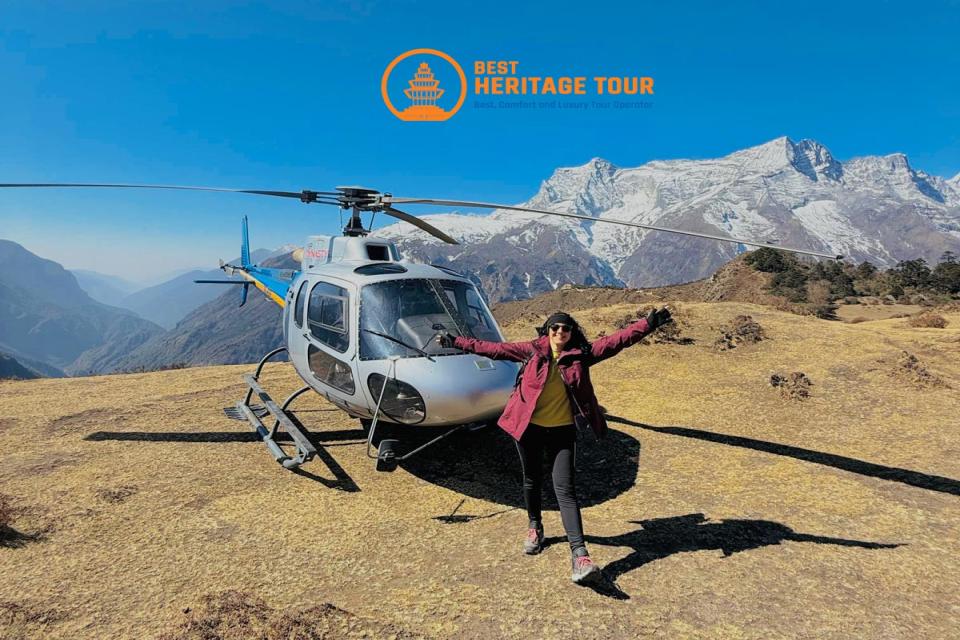
Pikey Peak Short Trek - 5 Days
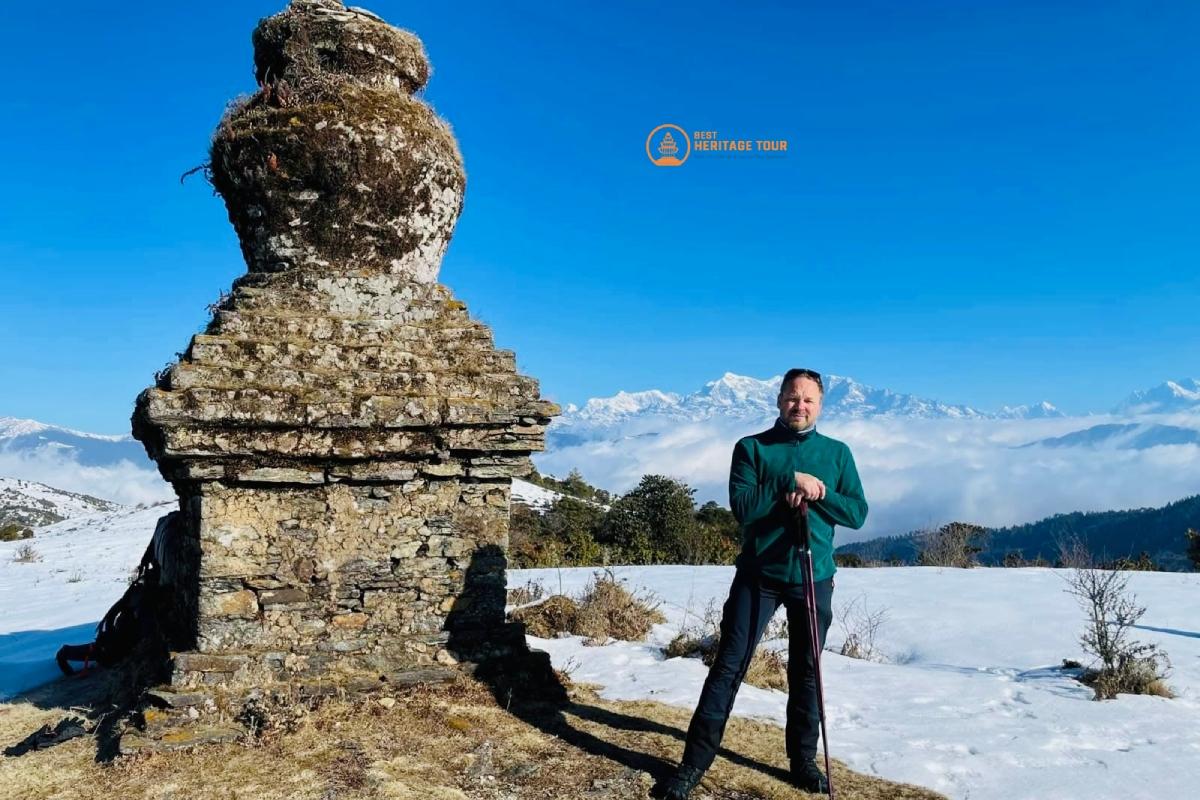
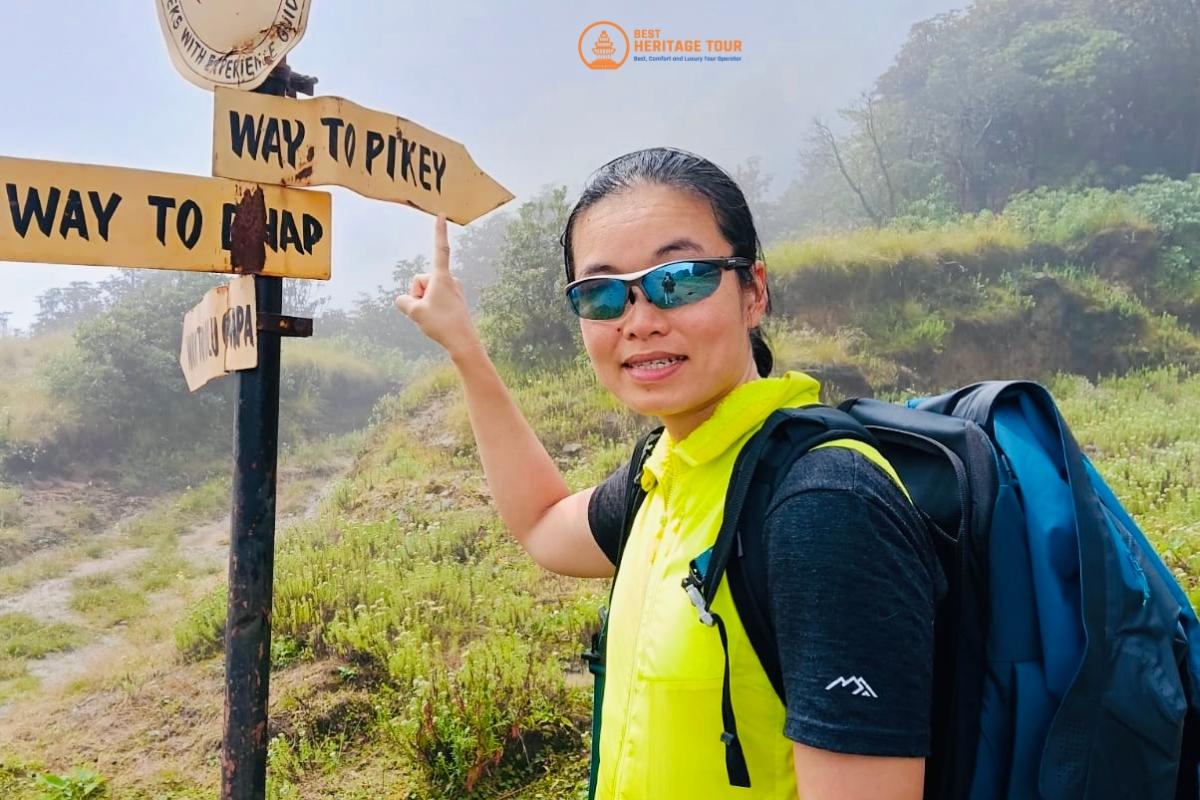
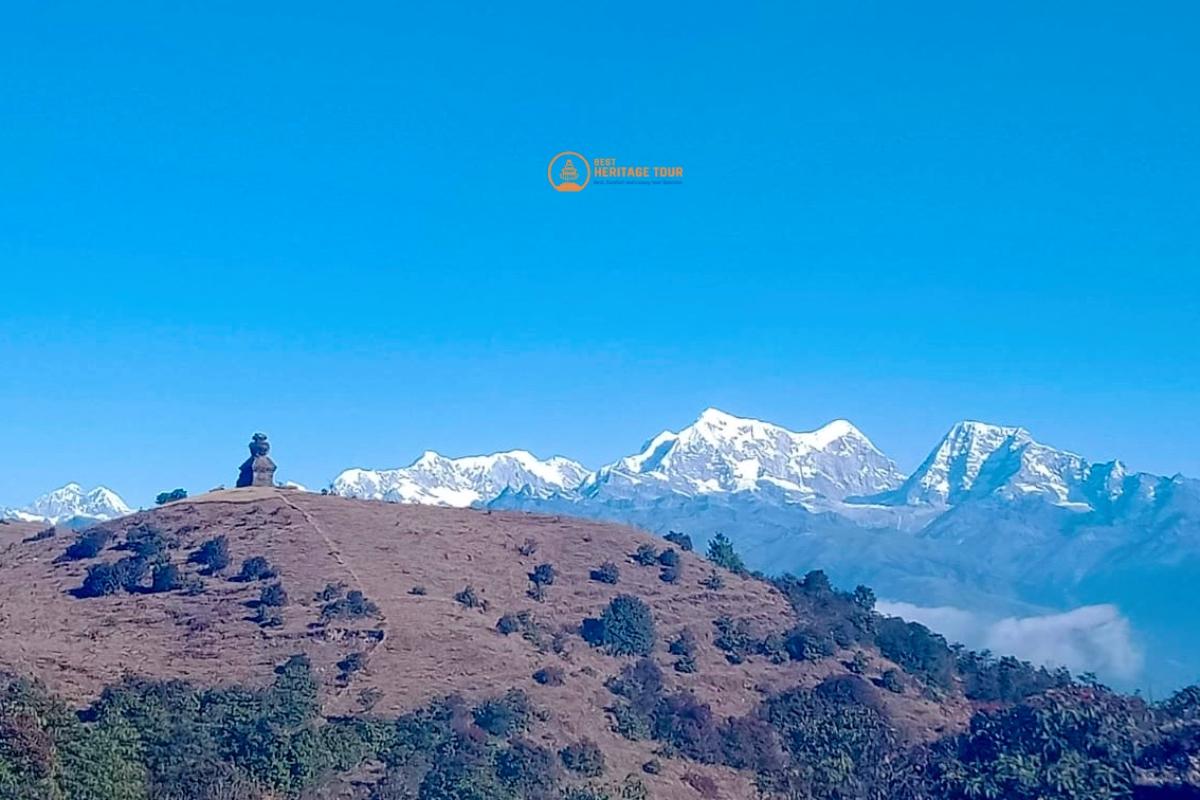
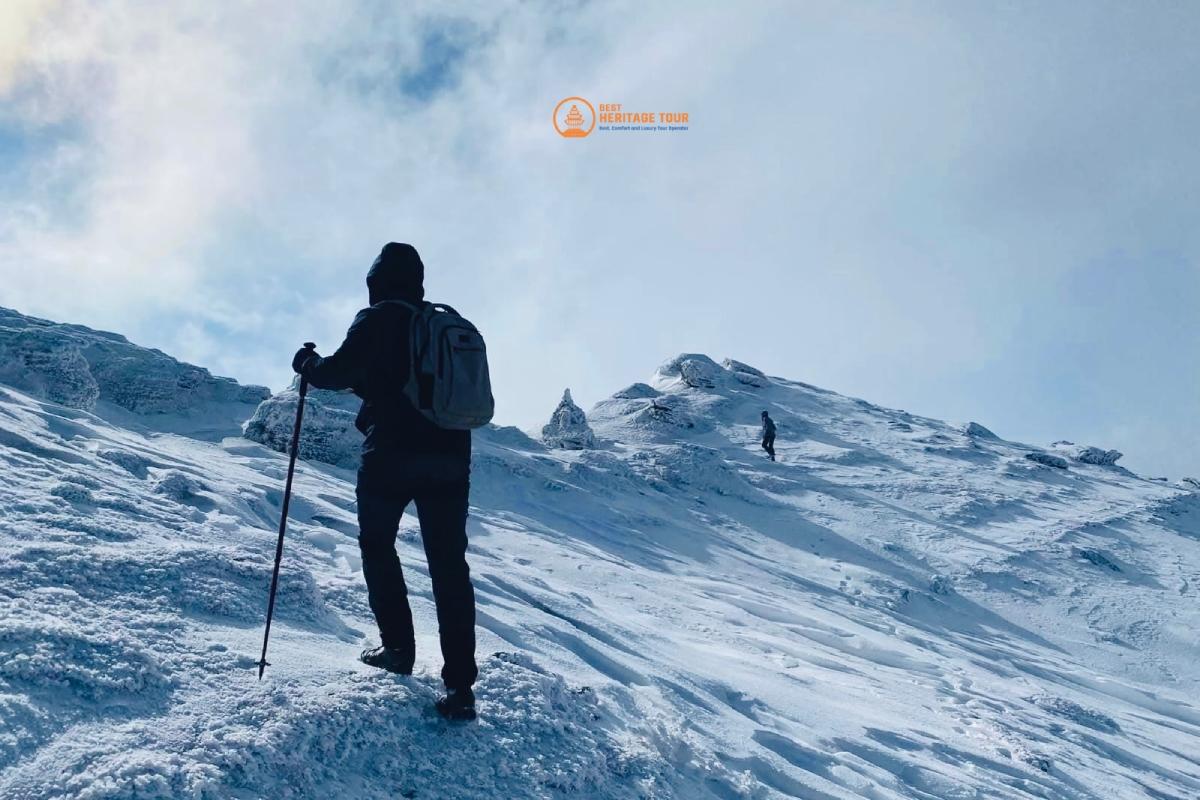
Insight on the Pikey Peak Trek
The Pikey Peak Trek is a short yet spectacular Himalayan adventure that rewards trekkers with breathtaking sunrise views of Everest, Kanchenjunga, and Makalu. In just five days, experience authentic Sherpa culture, tranquil trails, and stunning landscapes. This lesser-known route in the lower Solu region offers the serenity of the Everest foothills without the crowds - perfect for trekkers seeking beauty, culture, and adventure in one unforgettable journey.
Trip at a Glance
-

Country: Nepal
-

Trip grade: Moderate
-

Destination: Pikey Peak
-

Activities: Trekking
-

Accommodation: Teahouse/Lodge
-

Meals: Breakfast, Lunch & Dinner
-
.png)
Transportation: Private/Shared Bus/Jeep
-

Maximum altitude: 4,065 m (Pikey Peak)
-

Group size: 1-29
-
Trip Start / End: Kathmandu - Kathmandu
-
.png)
Best Season: Mar-May & Sep-Nov
Key Highlights of Pikey Peak Trek
- Witness breathtaking sunrise vistas of Everest, Lhotse, Makalu, Kanchenjunga, and several other peaks.
- Scenic Pikey Peak Summit (4,065m) - one of the best viewpoints in the lower Everest region.
- Peaceful & Less-Crowded Trails - Experience the beauty of the Solu region away from commercial trekking routes.
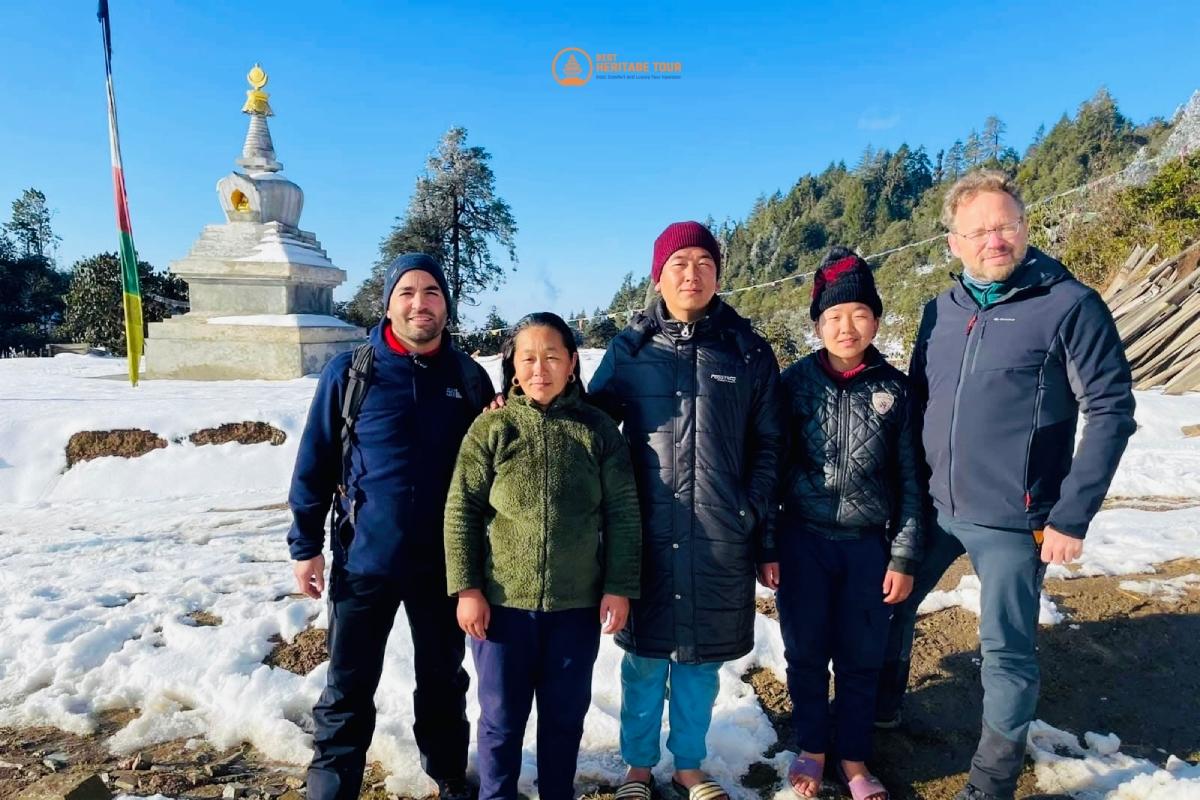
- Visit traditional villages, monasteries, and local tea houses reflecting Sherpa hospitality.
- Ideal for those with limited time seeking real Himalayan adventure.
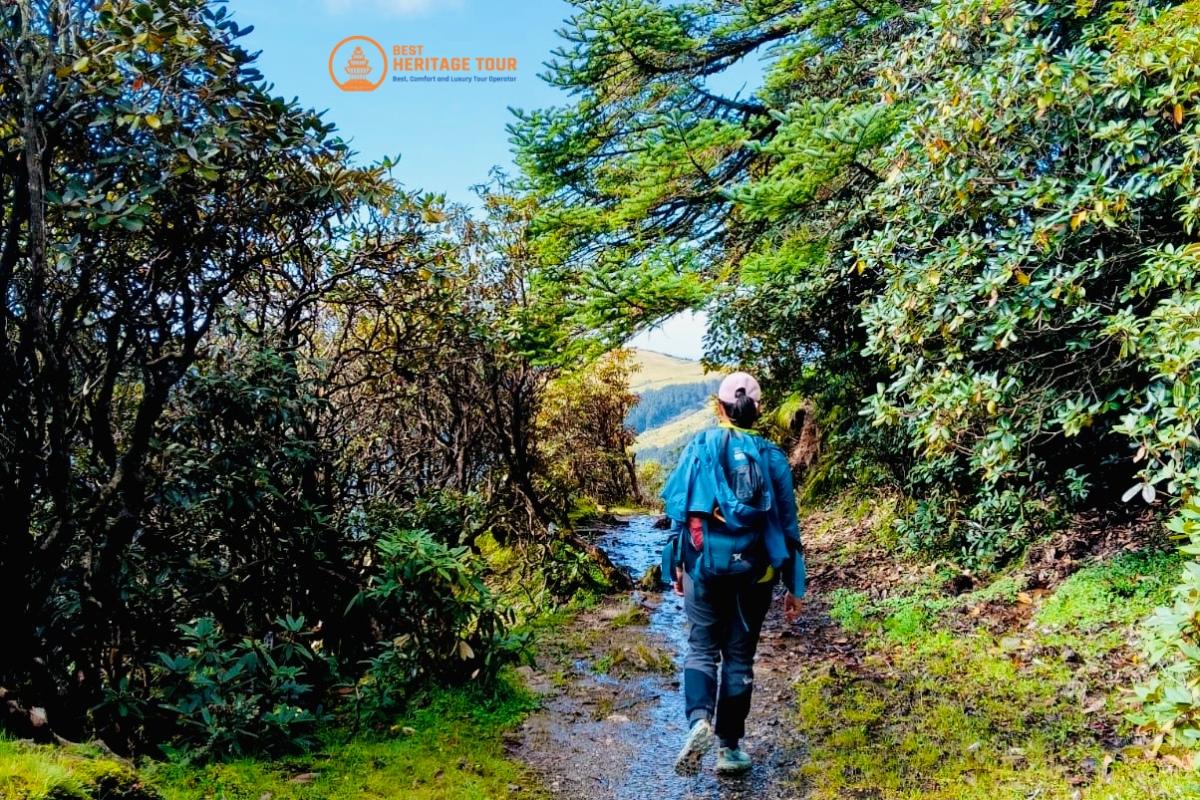
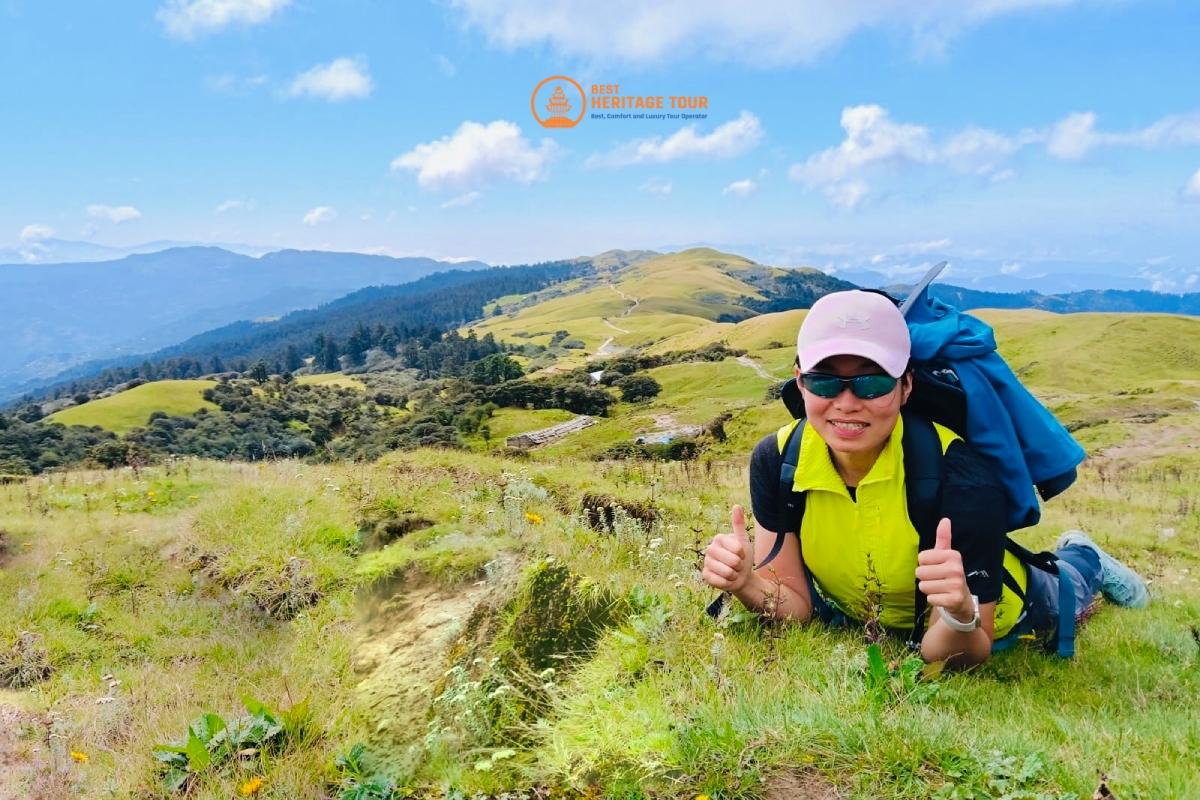
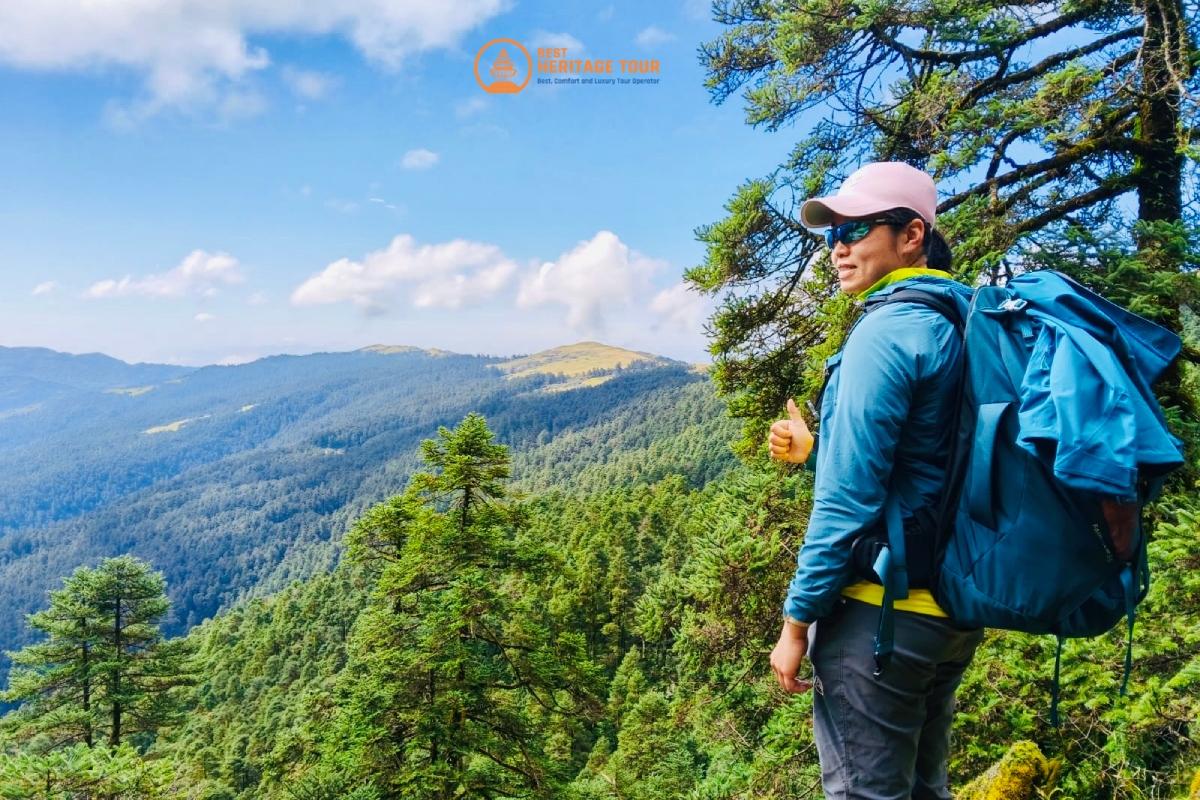
- Walk through rhododendron forests, open meadows, and rolling hills with stunning scenery.
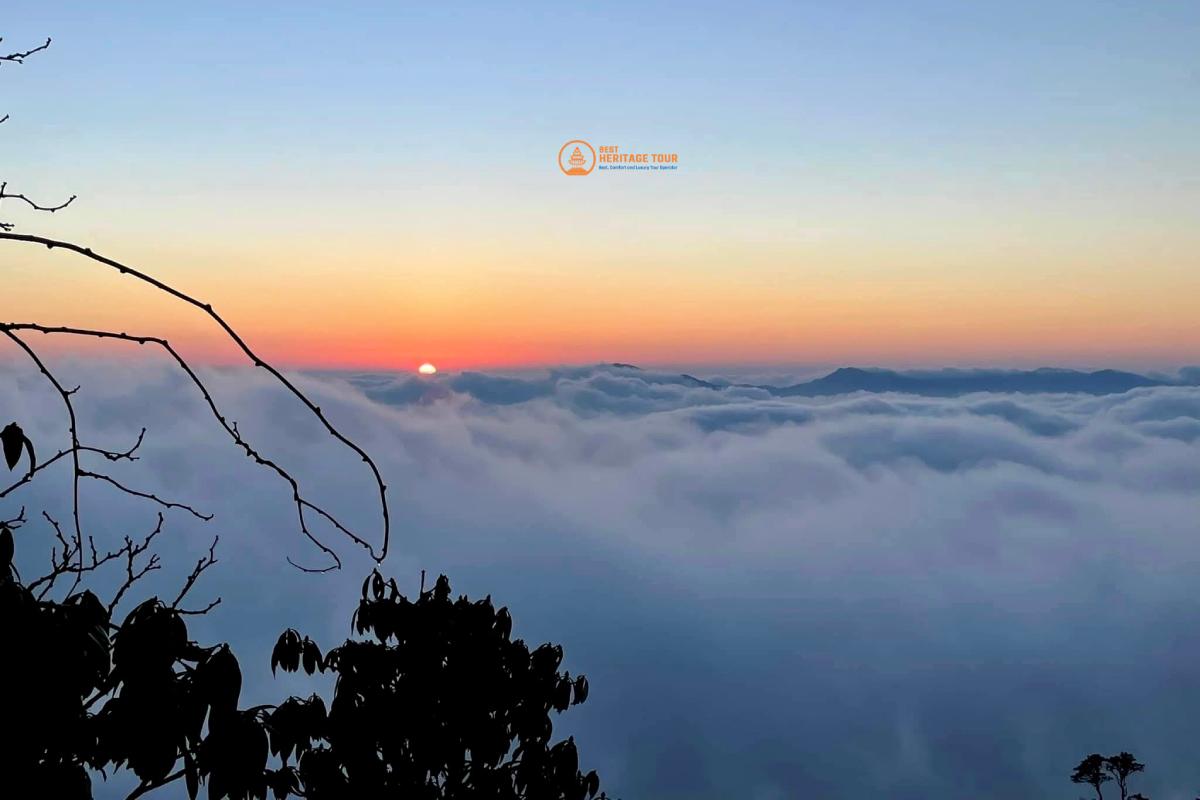
- Unforgettable Sunrise Experience - Capture the golden glow over the world’s highest peaks from Pikey Peak top.
Benefits of Booking Pikey Peak Trek with Best Heritage Tour
- Simple and convenient booking process
- Simple and multiple payment methods (cash, bank transfer, card or payment gateway)
- Complementary Airport pick up and transfer from/to hotel
- Various communication channel for conversation (Email, Facebook, WhatsApp, Viber, WeChat)s
- 24/7 phone service at: +977-9851149197/+977-9810043046
- Provide sleeping bag and trekking poles (used) if needed
- Duffle bag provide to Porters
- Free luggage storage during the trek in Best Heritage Tour store
Trip Overview
The Pikey Peak Trek is one of Nepal’s most scenic short treks, offering an unforgettable Himalayan experience within just five days. Located in the lower Solu region of the Everest area, this route is celebrated for its tranquil trails, cultural richness, and sweeping mountain panoramas. From the summit of Pikey Peak (4,065m), trekkers are rewarded with breathtaking views of Mount Everest, Lhotse, Makalu, Kanchenjunga, and Annapurna, along with countless lesser-known peaks shimmering under the golden sunrise.
Starting with a scenic drive from Kathmandu to Dhap, the journey takes you through charming Sherpa villages and lush rhododendron forests. Each day unfolds a blend of natural beauty and local culture, as you walk through remote hamlets, visit ancient monasteries, and share smiles with welcoming locals. The trails are peaceful and less crowded, allowing for a more intimate connection with the Himalayas - far from the bustle of commercial routes.
The trek’s highlight is the early morning ascent to Pikey Peak summit, where the sun slowly paints the sky in hues of orange and pink over the snow-capped mountains - a sight that leaves every traveler speechless. Despite being short, the trek perfectly balances adventure, culture, and comfort, making it an ideal choice for both beginners and seasoned trekkers seeking a quick yet rewarding Himalayan escape.
With its moderate trails, cozy teahouses, and extraordinary viewpoints, the Pikey Peak Trek is often described as one of Sir Edmund Hillary’s favorite spots in the Everest region and it’s easy to see why. This journey promises not just mountain views, but moments of peace, inspiration, and genuine connection with Nepal’s heartland.
What to Expect from the Pikey Peak Trek
1. Peaceful and Less-Crowded Trails
The Pikey Peak Trek is ideal for those who prefer tranquility over tourist crowds. Unlike the bustling Everest Base Camp route, this trail meanders through quiet Sherpa villages, green hills, and untouched valleys where serenity dominates every step. You’ll hear the soothing sounds of rustling leaves, chirping birds, and fluttering prayer flags, offering the perfect environment for self-reflection and immersion in nature. It’s a true Himalayan escape where peace and purity blend seamlessly.
2. Stunning Himalayan Panorama
Prepare to witness one of Nepal’s most incredible mountain panoramas from Pikey Peak (4,065m). The summit rewards you with a jaw-dropping sunrise view that stretches from Mount Everest and Lhotse to Makalu, Kanchenjunga, and even Annapurna on clear days. The golden glow of dawn over snow-draped peaks creates a magical moment that words can hardly describe. No wonder Sir Edmund Hillary claimed Pikey Peak offered his favorite view of Everest!
3. Authentic Sherpa Culture and Warm Hospitality
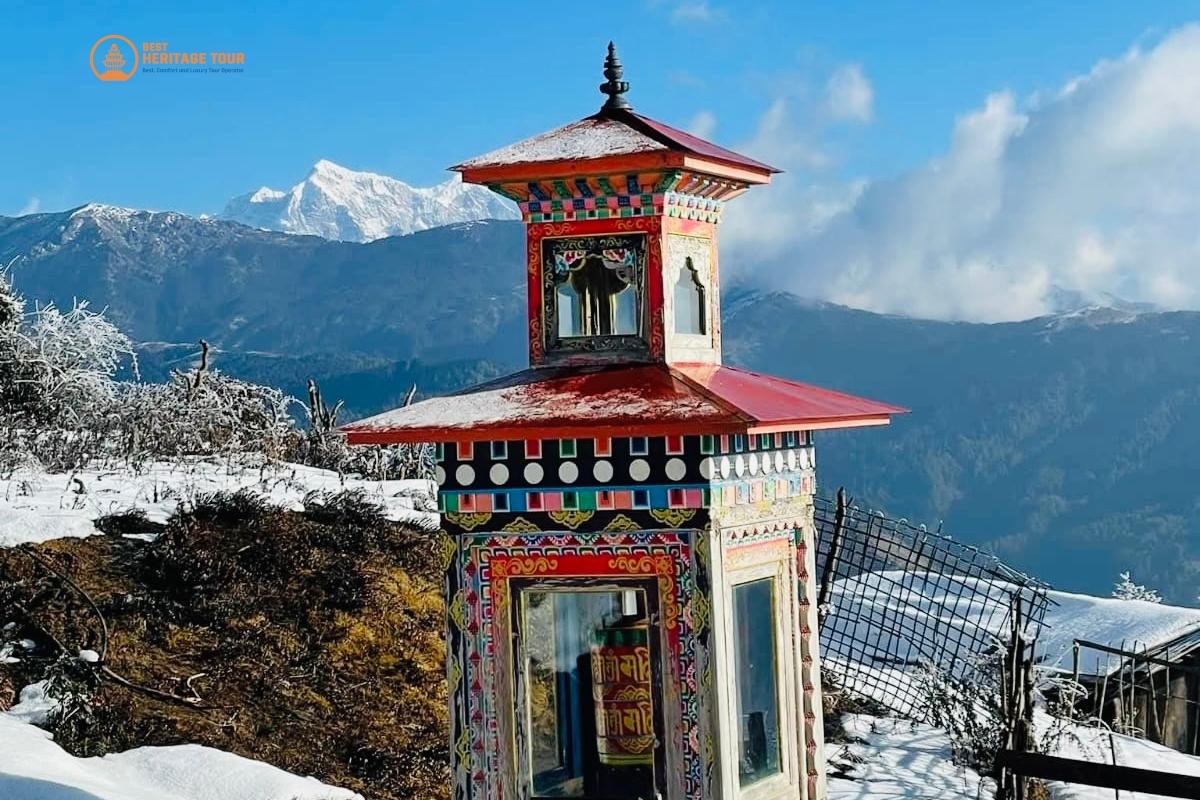
As you pass through traditional villages like Jhapre and Lhamuje, you’ll experience genuine Sherpa culture untouched by modern tourism. The trail offers encounters with smiling locals, centuries-old monasteries, and beautifully carved mani walls. Evenings spent in cozy tea houses bring heartwarming conversations over butter tea and local meals - a chance to connect deeply with the humble mountain lifestyle and Buddhist traditions.
4. Diverse Landscapes and Rich Flora
Expect dramatic variations in landscape - from rhododendron and pine forests to high ridges, farmlands, and Rolling Meadows. The trail bursts with color in spring, as rhododendrons paint the hills red and pink. The ever-changing scenery keeps every step exciting, while the crisp mountain air and unspoiled nature make this trek a photographer’s dream.
5. Rewarding Yet Manageable Challenge
This moderate trek is perfect for both seasoned hikers and first-time trekkers seeking a Himalayan experience without extreme altitude or long days. The trails are well-defined and comfortable, and the gradual ascent allows your body to adjust naturally. You’ll feel the thrill of accomplishment without the strain of high-altitude fatigue - making it an ideal short adventure for all fitness levels.
6. A Short Yet Complete Himalayan Experience
In just few days, the Pikey Peak Trek beautifully combines adventure, culture, and scenic variety. You’ll drive through rural Nepal, hike through authentic Sherpa villages, explore ancient monasteries, and stand at a viewpoint rivaling the best in the country. It’s a compact journey that captures the very essence of the Himalayas - raw beauty, cultural depth, and spiritual calm - all within a week’s reach from Kathmandu.
Are You Ready for the Pikey Peak Trek?
If you’re seeking a short yet powerful Himalayan experience - yes, you’re absolutely ready for this trek! The Pikey Peak Trek is designed for travelers who want to enjoy Nepal’s mountain magic without committing to a long or strenuous expedition. It’s an excellent choice for first-time trekkers, adventure enthusiasts, and anyone looking to step off the beaten path into authentic Himalayan serenity.
Physically, the trek is moderate in difficulty. You’ll be walking around 5-6 hours a day on well-defined trails that gently ascend and descend through forests, villages, and open ridges. A basic level of fitness and a love for the outdoors are all you need. With a little preparation - such as regular walks, light workouts, or short hikes before your trip - you’ll be well-prepared to handle the terrain comfortably.
Mentally, this trek is all about embracing simplicity - early mornings, clean mountain air, local food, and nature at its purest. You’ll need an open heart for adventure and a willingness to experience rural Nepal as it truly is: peaceful, welcoming, and breathtakingly beautiful.
If you’ve ever dreamed of watching Mount Everest glow under a Himalayan sunrise or connecting deeply with the Sherpa culture away from the crowds - then yes, you’re more than ready for the Pikey Peak Trek.
Itinerary
Your adventure begins with an early morning drive from Kathmandu to Dhap, a remote village in the Solu region. The journey takes you eastward along winding highways and rural roads, offering a perfect introduction to Nepal’s diverse landscapes. You’ll pass through bustling towns like Sankhu and Charikot, verdant terraced fields, and rolling hills dotted with traditional Nepalese villages. Keep your camera ready - the scenery is a mix of rustic farmhouses, terraced hillsides, and distant snow-capped peaks peeking above the horizon.
Along the way, you may notice locals carrying firewood, children walking to school, and farmers tending to their fields, giving you a glimpse of authentic rural life in Nepal. Arriving in Dhap in the late afternoon, you’ll be greeted by a small settlement of friendly locals and cozy teahouses. Here, you’ll check into a comfortable teahouse or lodge, enjoy a warm lunch and dinner, and have time to relax and acclimatize before the trek begins the next day.
After a hearty breakfast in Dhap, your trekking adventure officially begins. The trail starts with a gentle climb through terraced fields, small farms, and forested patches filled with pine and rhododendron trees. The path winds past traditional Sherpa villages, where stone houses with colorful prayer flags create a picturesque scene. The trek gradually ascends through mixed forest and open ridges, providing intermittent views of distant snow-capped peaks, including Numbur Himal and other ridges of the Solu region. By midday, you’ll pass through smaller hamlets and continue your ascent toward Jhapre, a charming village perched on a hillside.
Arriving in Jhapre in the afternoon, you’ll check into your teahouse accommodation, rest, and enjoy a freshly prepared lunch and dinner. The village’s elevated position provides excellent panoramic views of the surrounding hills, valleys, and the distant Himalayan range. Evening offers a perfect opportunity to relax, explore the village, and enjoy the peaceful mountain ambiance under a starlit sky.
Today is one of the most scenic and rewarding days of the trek, as you gradually ascend toward Pikey Peak Base Camp. After breakfast in Jhapre, you’ll leave the village behind, entering a trail that winds through lush rhododendron and pine forests, yak pastures, and small streams. The morning trek is filled with gentle climbs, passing by remote hamlets where stone houses adorned with prayer flags tell stories of centuries-old Sherpa traditions.
The trail steadily ascends, opening to wide alpine meadows and ridges with panoramic views of the surrounding mountains. You’ll see distant peaks such as Everest, Lhotse, and Makalu, as well as the rolling green hills of the lower Solu region.
As you reach Pikey Peak Base Camp in the late afternoon, the panoramic vistas become truly awe-inspiring. The camp is located on an open ridge, surrounded by prayer flags fluttering in the wind, offering unmatched views of the Himalayan range. The evening is quiet and serene, perfect for watching the sunset and stargazing in the clear mountain sky. Here, you’ll check into your teahouse accommodation, enjoy freshly prepared meals, and rest, preparing for the early morning summit climb to Pikey Peak.
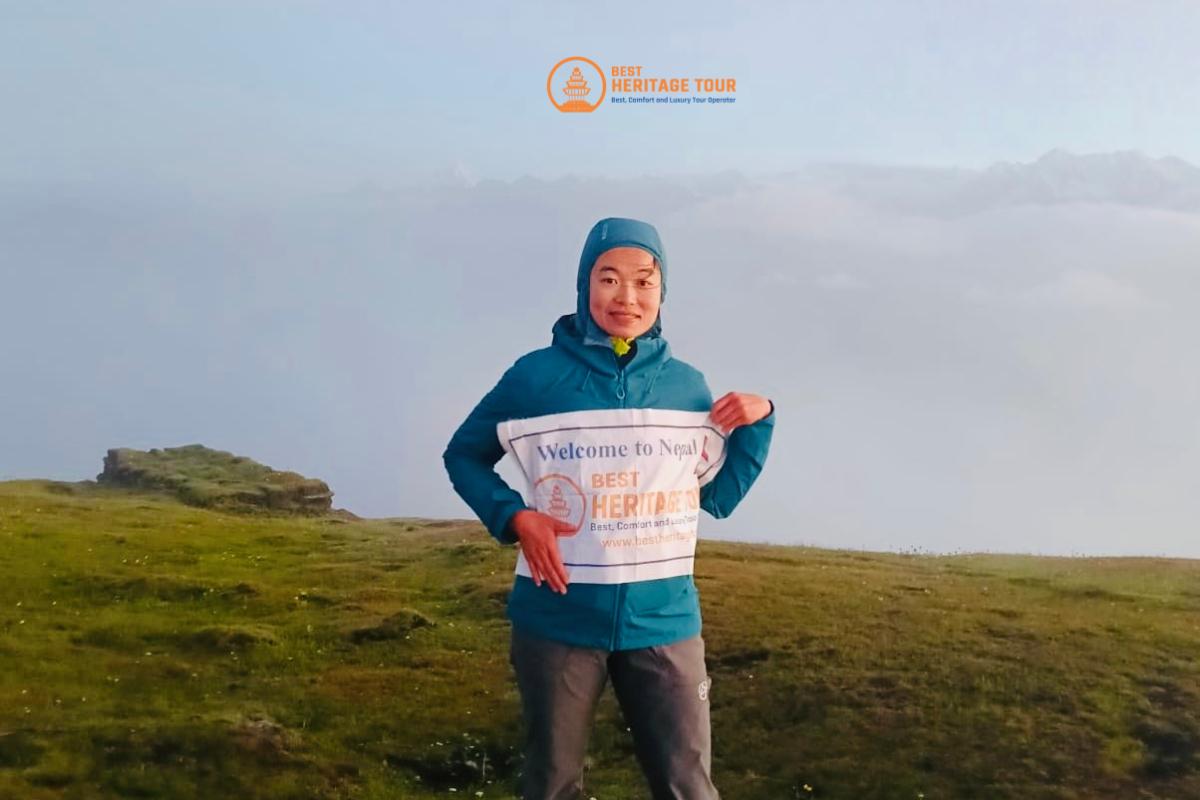
Today is the highlight of the trek - the early morning ascent to Pikey Peak (4,065m) to witness a breathtaking Himalayan sunrise. You’ll wake before dawn and begin a short but invigorating climb through alpine meadows and rocky ridges. The trail is dotted with fluttering prayer flags, yak grazing areas, and panoramic viewpoints along the way. As you reach the summit, the first rays of sunlight illuminate Everest, Lhotse, Makalu, Kanchenjunga, and Annapurna, creating a golden spectacle that is nothing short of magical. Photographers and nature lovers alike will find this moment unforgettable.
After spending time at the summit, taking in the spectacular views, and capturing memories, you’ll descend back toward Pikey Peak Base Camp for a short rest and breakfast. The return journey to Jhapre Village follows the same scenic trail you climbed. You’ll walk through rhododendron forests, terraced fields, and peaceful villages, enjoying the serenity and charm of the Solu region. From Jhapre Village, you will take a local jeep to drive to Dhap. Arriving in Dhap in the late afternoon, you’ll check into your teahouse accommodation, relax, and enjoy a well-deserved dinner.
On the final day of your Pikey Peak Trek, you’ll enjoy a leisurely breakfast in Dhap before beginning the scenic drive back to Kathmandu. The route takes you through the winding mountain roads you traveled on Day 1, offering one last chance to soak in the lush hills, terraced farms, and rivers of rural eastern Nepal. Along the way, you’ll pass through charming towns such as Charikot and Sankhu, where local markets, traditional homes, and hillside villages give a glimpse into the daily life of the region.
Upon arrival in Kathmandu in the afternoon or evening, your Pikey Peak Trek officially concludes. You’ll be transferred to your hotel or another preferred location, marking the end of a short but unforgettable Himalayan adventure.
What is included?
- PRIVATE AIRPORT PICK-UP & DROP : Airport - Hotel transfer - Airport (Pick Up and Drop).
- MEMBER TRANSPORTATION : Transportation in Sharing Jeep from Kathmandu - Dhap and while returning Jhapre - Dhap - Kathmandu as per itinerary.
- LODGING : Best available accommodation in mountain lodges and tea houses during the trek.
- FOOD : 3 meals a day (breakfast, lunch and dinner; including tea/coffee) during the trek, with Ef-Chlor purification tablets provided for safe drinking water.
- GUIDE : One experienced government licensed trekking guide (English speaking) during the trek.
- STAFF SALARY AND ALLOWANCE : All trekking staff wages, salary, equipment, food & clothing.
- PERMITS : All necessary paperwork : Sagarmatha National Park permit, TIMS Card and fees.
- STAFF INSURANCE : Insurance for all involved trekking staff during the trek.
- GEAR (IF NEEDED) : Sleeping bag, down jacket and duffle bag (to be returned after the trek).
- MEDICAL KIT : A well equipped first aid kit, including an oximeter and emergency oxygen, carried by the guide for your safety.
- IN CASE OF EMERGENCY : Assistance in rescue operations in case of emergency covered by travel insurance.
- SOUVENIR : Best Heritage Tour’s Appreciation Certificate after the successful trek & Purse, an authentic Nepali product made from hemp.
- FAREWELL DINNER : A farewell dinner with an authentic cultural program after completion of the trek.
What is not included?
- INTERNATIONAL AIRFARE : International flight airfare (from and to Kathmandu).
- NEPAL VISA FEES : You may issue the visa upon your arrival at Tribhuvan International Airport - Kathmandu or apply manually in your home country).
- TRASNPORTATION IN PRIVATE JEEP : Private Jeep will be arranged on request for transporation from Kathmandu - Dhap and while returning Jhapre - Dhap - Kathmandu.
- ACCOMMODATION IN KATHMANDU : Accommodation & Meals in Kathmandu.
- INSURANCE POLICY : Travel insurance covering medical expenses and high-altitude evacuation is mandatory. If you do not have suitable coverage, we can also assist in arranging travel insurance for you upon your arrival in Nepal. Check Over Here
- PERSONAL EXPENSES : Clothing & gears, telephone, internet, toiletries, hot shower, laundry, soft drinks and any Alcoholic beverages.
- OPTIONAL PORTER SERVICE : USD 22 per day, including all taxes (each porter can carry up to 25 kg of luggage).
- TIPS : Tips for guide and porters.
- EXTRA : Any additional costs due to factors beyond our control, or for services not specifically mentioned in the Itinerary & Included section.
- TAXES & SERVICE CHARGE : All government taxes (13%) and service charge (10%).
Route Map
Equipment
Clothing
-
Moisture-wicking t-shirts and long-sleeve shirts
-
Warm fleece or insulated jacket for cold mornings and evenings
-
Lightweight trekking pants and thermal leggings
-
Waterproof and windproof jacket and pants
-
Trekking socks (several pairs)
-
Gloves, warm hat, and sun hat
-
Comfortable sleepwear for teahouses
-
Sturdy trekking shoes or boots with good grip
Accessories
-
Trekking poles for stability
-
Sunglasses with UV protection
-
Headlamp or flashlight with extra batteries
-
Water bottles or hydration system (2-3 liters capacity)
-
Daypack for daily essentials
-
Sunscreen and lip balm with SPF
-
Personal toiletries and quick-dry towel
-
Travel first aid kit and any personal medication
Optional Gear
-
Camera or smartphone for photography
-
Lightweight binoculars for distant mountain views
-
Notebook or journal
-
Power bank for charging devices
-
Lightweight gaiters (useful in muddy or snowy sections)
Documents & Essentials
-
Trekking permits
-
Passport and photocopies
-
Cash in small denominations
- Travel insurance
Trip Info
Best Time for the Pikey Peak Trek
The Pikey Peak Trek can be enjoyed throughout most of the year, but the best seasons are spring (March to May) and autumn (September to November). These periods offer clear skies, moderate temperatures, and the most spectacular mountain views.
Spring (March - May)
During spring, the trails come alive with blooming rhododendrons, wildflowers, and lush greenery, creating a vibrant and colorful trekking experience. The weather is mild and pleasant, with daytime temperatures ranging between 15°C and 20°C at lower altitudes. Early mornings and evenings are cooler, ideal for witnessing breathtaking sunrises over Everest and other Himalayan peaks.
Autumn (September - November):
Autumn is another perfect window, as the monsoon rains have cleared the air, leaving crystal-clear skies and excellent visibility. The moderate temperatures and stable weather conditions make trekking comfortable and safe. The panoramic views of the snow-capped Himalayas are at their peak clarity, offering incredible photography opportunities.
Other Seasons:
-
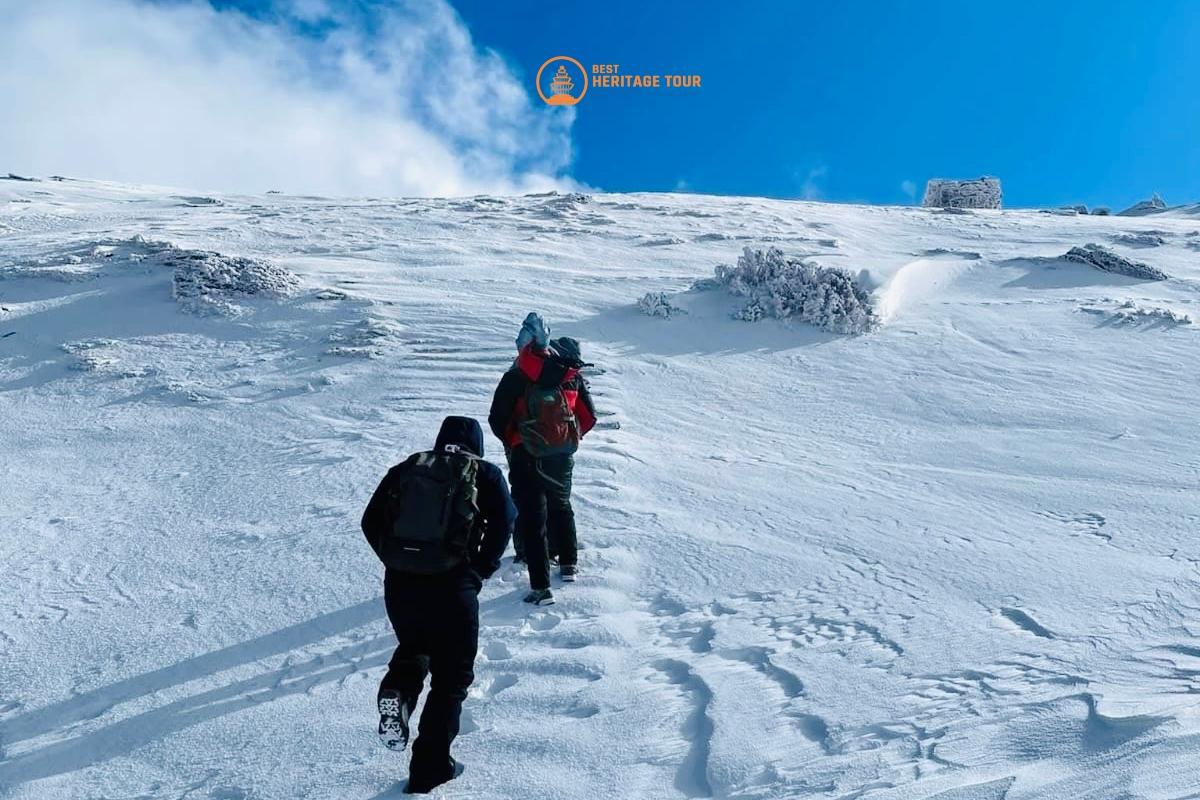
Winter (December - February): The trek is still possible, but temperatures drop significantly at higher altitudes, often below freezing at the summit. Snow may make trails slippery and challenging.
-
Monsoon (June - August): Heavy rainfall makes trails muddy and rivers swollen. Views of the mountains are often obscured by clouds, and trekking can be risky.
Overall, spring and autumn provide the perfect combination of pleasant weather, vibrant landscapes, and unmatched Himalayan panoramas, making your Pikey Peak Trek an unforgettable experience.
Permits Required for Pikey Peak Trek
Trekking to Pikey Peak requires a few essential permits, as it passes through the Solu region and the Sagarmatha National Park buffer zones. These permits help regulate tourism, preserve the environment, and support local communities. Here’s what you need to know:
-
Trekker’s Information Management System (TIMS) Card
-
Sagarmatha National Park Entry Permit
Best Heritage Tour handle all necessary permits in advance, ensuring a hassle-free journey. Trekkers just have to provide the passport photocopies and 2 passport size photos for permit processing. Also the permit cost is included in the package, so one do not have to worry.
Accommodation & Meals
During the Pikey Peak Trek, you’ll stay in traditional teahouses and lodges that offer a cozy, authentic Himalayan experience. These accommodations are run by local families, giving travelers a glimpse into Sherpa village life. Rooms are simple but comfortable, usually with twin or triple bedding and shared or private bathrooms depending on availability. Staying in local teahouses also supports the community, helping preserve the region’s culture and heritage.
Meals on the trek include a mix of traditional Nepali cuisine and local Solu-Sherpa specialties. Breakfast typically features porridge, eggs, toast, or Nepali staples. Lunch and dinner often include dal bhat (lentil soup with rice), vegetable curries, noodles, and momo (dumplings). Do not forget to try the local delicacies like Shyakpa, Thukpa, Tingmo, Butter Tea. Hot drinks like tea, coffee, and soups are available throughout the day, keeping you warm in chilly mountain weather. Special dietary needs can usually be accommodated if requested in advance.
A Typical Day on the Pikey Peak Trek
A day on the Pikey Peak Trek is a perfect balance of adventure, culture, and nature. Each morning usually starts early, around 6:00-7:00 AM, with a warm breakfast at your teahouse. After fueling up, you begin the day’s trek, walking along forested trails, terraced fields, and ridgelines with stunning mountain views. Along the way, you’ll pass Sherpa villages, monasteries, and prayer flags, stopping at small teahouses for tea or snacks.
Lunch is usually served at a scenic spot or local teahouse, giving you time to rest and enjoy the views of the surrounding hills and peaks. Afternoons continue with trekking, gradually reaching your day’s destination, whether it’s a village like Jhapre or the Pikey Peak Base Camp. Evenings are for relaxing, socializing with fellow trekkers, and enjoying traditional Nepali meals prepared by the local hosts.
During the day, you can capture panoramic photos, observe local culture, and soak in the serene environment. Nights are spent in cozy teahouses, often under starlit skies, providing the perfect opportunity to reflect on the day’s adventure.
In Summary:
-
Early morning wake-up and breakfast
-
4-6 hours of trekking with scenic stops
-
Interaction with local Sherpa culture
-
Lunch at a teahouse or scenic spot
-
Afternoon trek to next stop with stunning mountain vistas
-
Dinner, relaxation, and overnight stay at a local teahouse
This daily rhythm ensures a balanced, enjoyable, and immersive experience, combining physical activity with cultural discovery and Himalayan serenity.
Trek Difficulty & Fitness Level
The Pikey Peak Trek is a moderate-level trek, making it suitable for both first-time trekkers and experienced hikers who are looking for a short yet rewarding Himalayan adventure. The trail offers a balanced mix of gentle ascents, gradual climbs, and manageable trekking distances, allowing you to enjoy the stunning landscapes without excessive physical strain.
Trek Difficulty:
-
Moderate trekking route with well-marked trails
-
Daily walking distances range from 4-6 hours, covering 13-16 km per day
-
Highest altitude reached is Pikey Peak summit at 4,065m, which is manageable for most healthy travelers
-
Trails include gradual forested climbs, open ridges, and some rocky sections near the summit
Fitness Level Required:
-
A basic to good level of fitness is sufficient
-
Prior experience in short hikes or regular walking, jogging, or stair climbing is helpful
-
The trek is ideal for travelers who are comfortable with daily walks of 4-6 hours at moderate altitude
-
Altitude acclimatization is gradual, minimizing the risk of altitude sickness
Preparation Tips:
-
Engage in light cardio exercises, such as walking, jogging, or cycling, 2-3 weeks before the trek
-
Practice uphill walking or stair climbing to build stamina
-
Stay hydrated and maintain a balanced diet leading up to the trek
With proper preparation and a moderate level of fitness, the Pikey Peak Trek offers a fulfilling Himalayan experience that combines adventure, culture, and breathtaking mountain scenery - all within a short 5-day itinerary.
Health & Safety
Your health and safety are top priorities during the Pikey Peak Trek and careful preparation ensures a smooth and enjoyable journey through the Himalayas. Although the trek is moderate in difficulty, the high-altitude environment, remote locations, and variable weather require attention to both physical and environmental safety.
Altitude Awareness:
-
The trek reaches a maximum altitude of 4,065m at Pikey Peak. While this is considered moderate altitude, trekkers may experience mild symptoms of altitude sickness, such as headaches, nausea, or fatigue.
-
A gradual ascent, proper hydration, and sufficient rest help prevent serious altitude-related issues. Listen to your body and communicate any symptoms to your guide.
Medical Preparedness:
-
Carry a basic first aid kit, including medicines for common ailments like headaches, stomach upset, and colds.
-
Trekkers with pre-existing medical conditions should consult a doctor before traveling.
-
Guides provided by Best Heritage Tour are trained in first aid and can provide support in emergencies.
Weather & Clothing:
-
Mountain weather can change rapidly. Always carry warm layers, waterproof jackets, gloves, and hats.
-
Use sunscreen and sunglasses to protect from strong UV rays at higher altitudes.
Trail Safety:
-
Trails are generally well-marked and moderate, but some rocky or slippery sections exist near the summit.
-
Use trekking poles for stability and follow your guide’s instructions at all times.
-
Respect local customs and avoid wandering off the main trail, as the region is remote and cell service may be limited.
By taking these precautions, you can enjoy a safe, comfortable, and rewarding trekking experience. With Best Heritage Tour, you also have the reassurance of professional guides, emergency support, and local knowledge to make your journey smooth and worry-free.
Travel Insurance
Travel insurance is essential for the Pikey Peak Trek, providing peace of mind against medical emergencies, evacuation, or unexpected trip disruptions.
Key Points:
-
Medical Coverage: For illness or injuries during the trek.
-
Evacuation & Rescue: Includes helicopter or ground rescue if needed.
-
Trip Disruptions: Covers delays, cancellations, or lost luggage.
-
Altitude Coverage: Ensure the policy covers trekking up to 4,500m.
Purchase insurance before departure and keep a copy accessible during the trek. Also provide a copy of your travel insurance to Best Heritage Tour.
Visa for Nepal
All international travelers need a tourist visa to visit Nepal, which can be obtained on arrival at Kathmandu airport or online.
Key Details:
-
Duration: 15, 30, or 90 days (30 days recommended for this trek)
-
Fees: 15 days - USD 30 | 30 days - USD 50 | 90 days - USD 125
-
Requirements: Valid passport (6+ months), visa form, passport photo, and payment in cash (USD/EUR/GBP/NPR)
Tip: Keep a copy of your visa and passport during the trek and consider applying visa online (through Nepal Immigration Website) for a smoother arrival.
Booking & Payment
Booking your Pikey Peak Trek with Best Heritage Tour is simple and secure. To confirm your trip, a 10% deposit of the total trip cost is required at the time of booking, while the remaining balance must be cleared at least one day before departure. Payments can be made via cash, bank transfer, or card; bank transfer and card fees are the responsibility of the trekker, and card payments incur a 4% transaction fee. All booking and cancellation terms are clearly explained by Best Heritage Tour staff during the booking process and can also be reviewed on our website.
Last-Minute Booking
For travelers planning on short notice, Best Heritage Tour accepts last-minute bookings up to 24 hours before departure. In such cases, full payment (100% of the trip cost) is required at the time of booking. Trekkers should be aware that accommodation, logistics, and services may be limited, and the company cannot be held responsible for any compromises arising from late arrangements.
Trip Extension
After completing the Pikey Peak Trek, travelers can extend their journey with Kathmandu sightseeing or a relaxing stay in Pokhara. In Kathmandu, explore temples, UNESCO heritage sites, and local markets, experiencing the city’s rich culture and history. In Pokhara, enjoy lakeside walks, peaceful surroundings, and optional spa treatments to recover from the trek. These extensions are flexible, letting you add cultural, leisure, or nature-focused experiences to your Himalayan adventure.
FAQ's
The Pikey Peak Trek is considered a moderate-level trek, suitable for beginners with basic fitness and experienced trekkers seeking a short adventure. The trails include gradual climbs, forest paths, and open ridges, reaching a maximum altitude of 4,065 meters. Proper preparation ensures a comfortable and rewarding experience.
A basic to good fitness level is sufficient for the Pikey Peak Trek. Daily trekking averages 4-6 hours on moderate trails, so regular walking, stair climbing, or light cardio beforehand is helpful. Altitude is manageable, and proper acclimatization allows most trekkers to enjoy the journey safely.
The trek begins with a scenic drive from Kathmandu to Dhap, taking approximately 6-7 hours and covering around 230 km. Best Heritage Tour arranges private transportation, ensuring a comfortable journey through terraced fields, rural villages, and the Himalayan foothills before the trek officially starts.
Trekkers need a TIMS card and, depending on the route, a Sagarmatha National Park entry permit. These permits are essential for trekking in the Solu and Everest foothill regions. Best Heritage Tour assists in obtaining all necessary permits in advance to ensure a smooth start.
Meals include breakfast, lunch, and dinner at local teahouses. Trekkers can enjoy Nepali staples like dal bhat, momo, thukpa, and local Sherpa delicacies such as shyakpa and tingmo. Hot drinks like tea or coffee are also available to keep you warm during chilly mornings and evenings.
Accommodation is in family-run teahouses or lodges along the route, providing twin or triple rooms with shared or private bathrooms. The stays offer cozy comfort, Himalayan views, and a chance to experience local Sherpa hospitality while supporting the community.
The maximum altitude is 4,065 meters at Pikey Peak, which is generally safe for most trekkers. Mild symptoms like headaches or fatigue may occur. Gradual ascent, hydration, and rest help minimize risks. Guides are trained to manage altitude-related issues if they arise.
Yes, the Pikey Peak Trek is suitable for beginners with basic fitness. Trails are moderate, daily trekking hours are manageable, and altitude acclimatization is gradual. Beginners can enjoy stunning Himalayan views and cultural experiences without extreme physical strain.
The ideal seasons are spring (March-May) and autumn (September-November). Spring offers blooming rhododendrons and mild weather, while autumn provides clear skies and panoramic mountain views. Winter is cold and monsoon season is rainy, making trekking less comfortable.
Daily trekking ranges from 4-6 hours, covering 13-16 km depending on the stage. The itinerary balances manageable walking distances with scenic stops, village visits, and time to rest. This pace allows trekkers to enjoy both the journey and the views without rushing.
Trekkers will visit Sherpa villages, monasteries, and local markets along the route. You can observe traditional Himalayan architecture, interact with villagers, and witness daily life in remote Nepalese communities. These experiences provide insight into local culture and heritage.
While the trails are relatively clear, trekking with a professional guide from Best Heritage Tour is recommended. Guides provide safety, local knowledge, and cultural insights, ensuring a smooth journey and enriching your experience along the Himalayan villages.
Yes, porters are available for hire to carry luggage, allowing trekkers to focus on the trek itself. This service makes the journey more comfortable, especially for travelers who prefer light daypacks. Porters also support local livelihoods.
Weather is generally mild in spring and autumn, with warm daytime temperatures and cool evenings. Early mornings can be chilly, and sudden mountain weather changes are possible. Proper layering, waterproof jackets, and warm clothing are recommended.
Yes, Pikey Peak offers distant views of Everest, Lhotse, Makalu, and other Himalayan peaks on clear days. Sunrise and sunset provide the best visibility for photography and panoramic vistas, making it one of the highlights of the trek.
Yes, but winter trekking involves cold temperatures, potential snow, and icy trails. Lower crowds and clear skies are advantages, but trekkers should be well-prepared with warm gear and have some trekking experience to handle winter conditions.
Medical facilities are limited in remote villages along the trek. Basic first aid is available at some teahouses, and guides carry emergency kits. Serious medical emergencies require evacuation to larger towns or Kathmandu.
Essential gear includes sturdy trekking shoes, warm layers, waterproof jacket, trekking poles, sunglasses, and a daypack. Optional items include binoculars, camera, and gaiters. Proper gear ensures comfort, safety, and enjoyment of the Himalayan environment.
Yes, the trek can be extended with Kathmandu sightseeing, Pokhara, or cultural tours. Best Heritage Tour can arrange customized itineraries to combine trekking, heritage experiences, and relaxation, giving a fuller Nepal adventure.
The Pikey Peak Trek is generally safe for solo trekkers. Traveling with a guide from Best Heritage Tour enhances security, navigation, and cultural insight. Solo trekkers should follow trail guidelines, carry emergency contacts, and keep communication devices handy for peace of mind.
Mobile coverage is limited in remote areas along the trek. Some villages may have intermittent service, but most of the trail is offline, offering a true Himalayan experience. Guides carry communication devices for emergencies.
Children with good stamina and prior hiking experience can enjoy the trek. Daily walking distances are manageable, but parents should ensure proper acclimatization, adequate rest, and warm clothing for higher altitudes.
Locals primarily speak Nepali and Sherpa dialects. Guides from Best Heritage Tour are fluent in English and provide translation, cultural insights, and support throughout the trek.
Teahouses generally provide basic toilet facilities, often shared and sometimes attached to the room. Trekkers should carry toilet paper and hand sanitizer for convenience and hygiene.
Trekkers may encounter Himalayan birds, monkeys, and occasional deer or langurs. Forested trails and open ridges provide opportunities to observe wildlife, though encounters with large mammals are rare.
Booking in advance is recommended to secure teahouse accommodation, guides, and permits. Last-minute bookings are possible up to 24 hours before departure but require full payment and may have limited availability.
Group sizes vary, but typically 6-12 trekkers travel together for logistical convenience and social interaction. Private treks are also available for those preferring a more personalized experience.
Yes, the trek passes Sherpa monasteries, stupas, and prayer flag-lined villages, offering trekkers the chance to observe local Buddhist practices, rituals, and festivals along the trail.
Layered clothing is best, including moisture-wicking shirts, trekking pants, fleece or insulated jackets, and waterproof outer layers. Warm hats, gloves, and good trekking shoes are essential for comfort at higher altitudes.
Yes, teahouses along the route offer vegetarian meals, including rice, lentils, vegetables, and local dishes. Special dietary requirements can usually be accommodated if informed to Best Heritage Tour in advance.
Some teahouses provide limited charging facilities, often at an additional cost. Carrying a power bank is recommended, especially for photography and communication devices.
The summit climb from Pikey Peak Base Camp typically takes 2-3 hours, depending on fitness level and pace. Early morning departures are recommended for sunrise views and clear skies.
Yes, many villages have experienced local guides, but Best Heritage Tour provides professional trekking guides for cultural insight, trail safety, and logistical support throughout the trek.
Respect local customs, dress modestly, remove shoes when entering monasteries, and ask before photographing people. Trekkers are encouraged to observe Buddhist traditions and interact politely with villagers.
Drinking boiled or bottled water is recommended. Tap water is generally unsafe. Carrying a refillable water bottle and using purification tablets or filters is advised.
Trekkers are recommended to carry a daypack of 8-12 kg for essentials like water, snacks, extra clothing, and cameras. Larger luggage can be transported separately by porters or stored safely in Kathmandu before the trek. This ensures you can move comfortably on trails while still having everything you need for each day’s journey.
Internet access along the trek is very limited, as most villages are remote and offline. A few teahouses may offer Wi-Fi at an additional cost, but connectivity can be inconsistent. This provides a unique opportunity to disconnect from technology and immerse fully in the Himalayan environment and local culture during the trek.
While technically possible, trekking independently is not recommended. The trails pass through remote villages and forested areas where navigation can be tricky. A professional guide ensures safety, local knowledge, cultural insight, and help with permits, making the trek smoother and far more enjoyable, especially for first-time visitors to the region.
The trek’s highest point is Pikey Peak at 4,065 meters, offering panoramic views of Everest, Kanchenjunga, Makalu, and other Himalayan ranges. At this altitude, trekkers may experience mild symptoms of altitude adjustment. Gradual acclimatization, proper hydration, and pacing are essential to enjoy the summit safely and fully appreciate the stunning scenery.
Yes, the trek passes several small rivers and streams, which are crossed via footbridges or shallow fords. These water bodies enhance the scenic beauty of the trail and provide opportunities to rest and enjoy the surroundings. They also reflect the traditional rural lifestyle, as locals often rely on these streams for daily chores and irrigation.
The trek offers a deep cultural experience, passing through Sherpa villages, monasteries, and traditional farmland. Trekkers can interact with locals, observe traditional crafts, architecture, and rituals, and gain insight into daily Himalayan life. This blend of culture and trekking makes the journey a unique opportunity to experience Nepal’s rich heritage firsthand.
Tipping is optional but appreciated, especially for guides, porters, and local hosts who provide exceptional service. While there is no fixed amount, it is customary to reward good service and professionalism. This gesture helps support local livelihoods and encourages the continuation of high-quality hospitality in Himalayan villages.
ATMs are unavailable in most villages along the trail. Trekkers should carry sufficient cash in small denominations for teahouses, meals, and minor purchases. Major towns like Kathmandu provide ATM access, so withdrawing cash before the trek ensures convenience and avoids unnecessary stress during the journey.
The climb is moderate but rewarding, with gradual uphill trekking along rocky and grassy trails. Trekkers of average fitness can reach the summit with proper pacing and acclimatization. The early morning ascent is highly recommended for panoramic sunrise views, providing one of the most memorable highlights of the Pikey Peak Trek.
The Pikey Peak Trek typically spans five days, combining moderate trekking, scenic stops, and cultural visits. Daily walking averages 4-6 hours, allowing time for rest and exploration. This duration makes it ideal for travelers seeking a short yet immersive Himalayan trekking experience without compromising on scenery or cultural interaction.
Yes, the Pikey Peak summit is ideal for sunrise views, offering panoramic vistas of Everest, Makalu, and surrounding Himalayan ranges. Early morning ascents are common, and trekkers are rewarded with breathtaking light over the mountains. Photography enthusiasts will find this experience particularly memorable during the Pikey Peak Trek.
The trek features a combination of forest paths, terraced farmland trails, ridgelines, and rocky sections near the summit. Trails are well-marked, moderate in difficulty, and allow for steady ascents. This variety provides both adventure and scenic enjoyment, making the Pikey Peak Trek accessible for most moderate-level trekkers.
Monsoon trekking is not recommended due to heavy rainfall, slippery trails, and landslide risks. Visibility is often poor, limiting mountain views. Trekkers are advised to plan the Pikey Peak Trek in spring or autumn, when weather is stable, trails are safe, and panoramas are clear.
Yes, the trek offers excellent photography opportunities, from panoramic Himalayan peaks to vibrant Sherpa villages, forests, rivers, and cultural landmarks. Sunrise from Pikey Peak summit, terraced fields, and monastery sites are highlights. Trekkers are encouraged to carry cameras and capture both scenic and cultural moments throughout the journey.
Teahouses provide basic snacks, tea, coffee, and soft drinks along the route. However, options are limited, and prices may be higher than in towns. Trekkers are advised to carry extra water, energy bars, or preferred snacks to stay energized during longer trekking stretches.
The climate varies by season, with spring and autumn offering mild, pleasant weather and clear skies. Early mornings and evenings can be chilly, especially at higher altitudes. Trekkers should prepare for temperature changes, occasional wind, and sun exposure while enjoying the comfortable trekking conditions and scenic views throughout the Pikey Peak Trek.
Hydration is crucial at moderate altitudes to prevent fatigue and altitude-related symptoms. Trekkers should drink plenty of boiled or bottled water and carry refillable bottles. Regular hydration, along with balanced meals, ensures energy, comfort, and safety throughout the Pikey Peak Trek.
Yes, the trek passes through lush forests of rhododendron, pine, and oak, providing shade and natural beauty. Forest sections offer opportunities for birdwatching, quiet reflection, and observing Himalayan flora, enhancing the overall trekking experience and cultural immersion on the Pikey Peak Trek.
Yes, trekking poles are highly recommended for balance and reduced strain on knees during ascents and descents. They are especially useful on rocky or uneven terrain near the summit, helping trekkers maintain stability and energy throughout the Pikey Peak Trek.
Yes, most teahouses can accommodate vegetarian, vegan, or gluten-free diets with prior notice. Inform Best Heritage Tour before the trek to ensure meals meet your requirements. Proper planning allows trekkers to enjoy nutritious, culturally authentic meals during the Pikey Peak Trek.
The trek offers panoramic views of Everest, Lhotse, Makalu, and Kanchenjunga, along with terraced hills, rivers, and villages. Sunrise from the summit is particularly spectacular. These vistas make photography, reflection, and immersion in nature a highlight of the Pikey Peak Trek.
The trek follows a continuous 5-day schedule without formal rest days. However, the daily pace is moderate, allowing short breaks at scenic points, teahouses, and villages. Trekkers can rest during meals and overnight stays to recover energy for subsequent stages of the Pikey Peak Trek.
Teahouses are well-maintained, family-run accommodations along the trail. They provide basic facilities, meals, and warm hospitality. Staying in teahouses supports local communities and ensures a safe and comfortable experience, enhancing both cultural interaction and trekking convenience during the Pikey Peak Trek.
Absolutely. The trek offers rich opportunities for both photography and cultural immersion, from panoramic Himalayan vistas to Sherpa villages, monasteries, and terraced fields. Early mornings and sunsets provide the best light, allowing trekkers to capture breathtaking scenery while learning about local traditions on the Pikey Peak Trek.