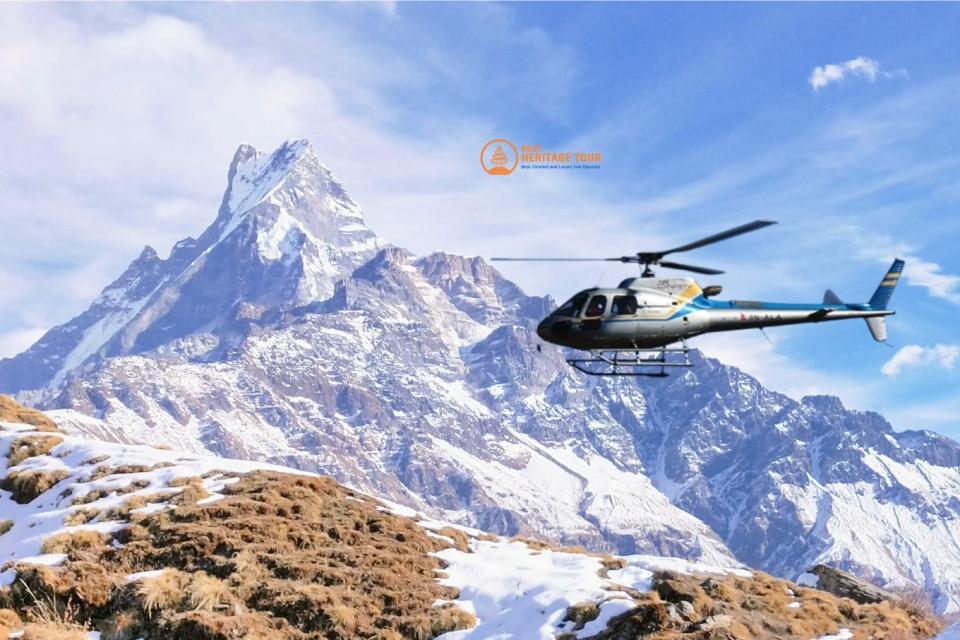
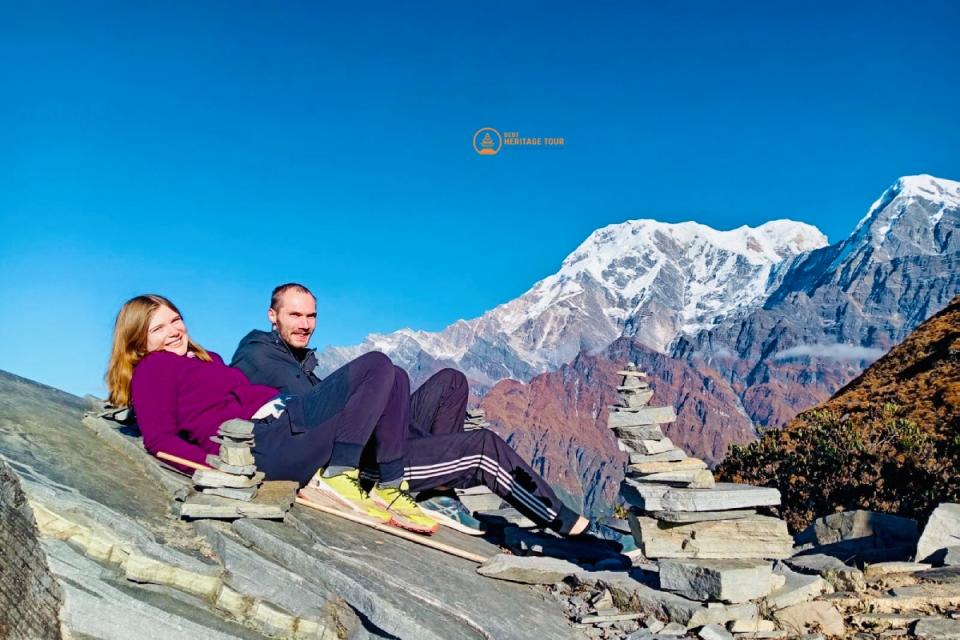
Ghorepani Poon Hill & Mardi Himal Trek - 7 Days
Start
1
Country
Nepal
Difficulty
Moderate
Destination
Poon Hill & Mardi Himal Base Camp
Activity
Trekking
Accommodation
Hotel/Teahouse
Meals
Breakfast, Lunch & Dinner
Transportation
Private Vehicle
Max Altitude
4,500 m
Group Size
1-29
Trip Starts
Pokhara
Trip Ends
Pokhara
Best Season
Mar-May & Sep-Nov
Overview
Key Highlights of the Poon Hill & Mardi Himal Trek
- Stunning sunrise from Poon Hill (3,210m) with panoramic views of Annapurna, Dhaulagiri, and Machhapuchhre.
- Reach Mardi Himal Base Camp (4,500m), placing you directly beneath the iconic, majestic Fishtail peak.
- Trek the exhilarating and secluded Mardi Himal ridgeline, offering continuous, dramatic high-alpine vistas.
- Experience authentic Gurung and Magar village culture while staying in charming settlements like Landruk and Ghorepani.
- Explore diverse, lush environments by walking through vibrant Rhododendron forests.
- Maximize your adventure with a 7-day optimal itinerary, perfect for time-conscious trekkers seeking major highlights.
Why Choose Best Heritage Tour for Poon Hill & Mardi Himal Trek?
- Free airport pick-up and drop-off service
- Online pre-trip briefing and booking confirmation for better preparation
- Multiple communication channels (Phone, Email, WhatsApp, Viber) for easy support
- 24/7 customer support available at +977-9851149197 / +977-9810043046
- Simple and secure payment options including Cash, Card & Bank Transfer
- Provide essential medical kit and oximeter to monitor oxygen levels at high altitude
- Complimentary duffle bag and sleeping bag (used one & to be returned after the trek)
- Free luggage storage facility at Best Heritage Tour store during the trek
- We plant a tree in the name of travelers (upon request), as a part of our commitment to sustainable tourism.
Poon Hill & Mardi Himal Trek Route Overview
The Ghorepani Poon Hill & Mardi Himal Trek offers a remarkable blend of cultural charm and Himalayan grandeur, making it one of Nepal’s most rewarding trekking experiences. This journey takes you through the lush landscapes of the Annapurna region, from terraced farmlands and traditional villages to dense rhododendron and oak forests, all framed by the breathtaking backdrop of the snow-capped Himalayas.
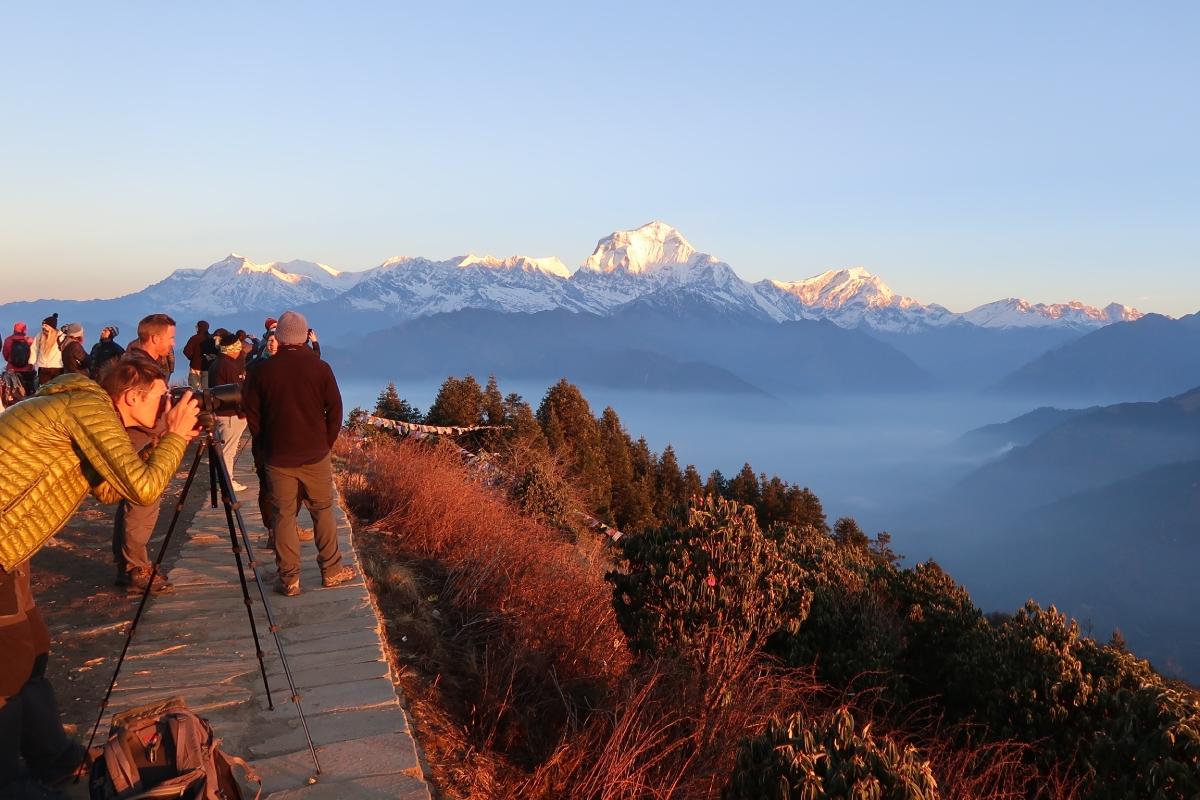
One of the highlights of the trek is the sunrise at Poon Hill, where panoramic views of Annapurna, Dhaulagiri, Machapuchare (Fishtail), and Hiunchuli create a mesmerizing spectacle that lingers in memory. Beyond the iconic viewpoint, the trail continues into the less-traveled Mardi Himal region, offering solitude, pristine alpine meadows, and awe-inspiring vistas of towering peaks. Trekkers gradually ascend from charming mountain villages to the Mardi Himal Base Camp, where sweeping, unobstructed views of the Himalayas reward every step taken.
Along the way, you experience authentic local culture, particularly in Gurung and Magar villages, with opportunities to interact with the warm and hospitable communities who have lived in harmony with these mountains for generations. The trek combines moderate challenges with accessible trails, making it suitable for nature enthusiasts, adventure seekers, and those seeking a peaceful Himalayan escape.
Whether watching the first rays of sunlight illuminate the Annapurna range, wandering through serene forests, or absorbing the raw beauty of the high mountains, the Ghorepani Poon Hill & Mardi Himal Trek delivers an unforgettable journey that celebrates both Nepal’s natural splendor and cultural richness. It is a perfect blend of adventure, tranquility, and inspiration - a trek that leaves lasting memories for every traveler.
What can you Expect on the Ghorepani Poon Hill & Mardi Himal Trek?
1. Breathtaking Himalayan Views
From the iconic sunrise at Poon Hill to the sweeping panoramas at Mardi Himal Base Camp, this trek offers unparalleled views of Annapurna South, Machapuchare (Fishtail), Dhaulagiri, and surrounding peaks. Each step brings a fresh perspective, whether framed by morning mist, cloud-streaked skies, or the golden glow of sunset. The ever-changing Himalayan panorama is a constant reminder of the region’s majestic beauty.
2. Immersive Cultural Experiences
As you traverse traditional Gurung and Magar villages, you encounter centuries-old customs, rustic architecture, and a way of life closely connected to the mountains. Friendly locals often welcome trekkers with warm tea and stories, giving you a unique chance to experience Nepalese hospitality and gain insight into the region’s rich cultural heritage.
3. Adventure Through Varied Terrain
The trail offers an exciting mix of terrain, from gentle terraced fields and forested paths to steeper ascents and rugged high-altitude trails. Every section challenges and rewards trekkers differently, combining physical adventure with the satisfaction of progressing through increasingly breathtaking landscapes.
4. Serene Forests and Flora
Walk through dense rhododendron, oak, and bamboo forests, alive with the sounds of chirping birds, rustling leaves, and cascading streams. During spring, these forests burst into vibrant colors, making the trek a feast for the senses. The peaceful surroundings create a perfect environment for reflection and rejuvenation.
5. Alpine Meadows and High Camp Experience
As you ascend to High Camp and Mardi Himal Base Camp, the terrain opens into pristine alpine meadows with sweeping views of snow-capped peaks. The crisp mountain air, quiet surroundings, and untouched landscapes provide an exhilarating sense of solitude and a deep connection with nature.
6. Unforgettable Sunrise and Sunset Moments
Witness magical sunrises over towering peaks or sunsets casting golden hues across the mountains. These moments are not only perfect for photography but also evoke a profound sense of awe and appreciation for the Himalayan wilderness, leaving trekkers with memories that last a lifetime.
Are You Ready for Ghorepani Poon Hill & Mardi Himal Trek?
The Ghorepani Poon Hill & Mardi Himal Trek is an adventure that combines stunning Himalayan landscapes, cultural encounters, and moderate physical challenge. Before you embark, it’s important to ask yourself: Are you ready to immerse yourself in the mountains, embrace long days of trekking, and experience the highs and lows of a true Himalayan journey?
This trek requires a reasonable level of fitness, as the trails include steady ascents, descents, and varied terrain - from forested paths to open alpine meadows. While it is accessible to those with trekking experience or good stamina, the reward is immense: unmatched panoramas, tranquil villages, and the unforgettable thrill of reaching the Mardi Himal Base Camp.
Being mentally prepared is just as important as physical readiness. You’ll spend days surrounded by nature, away from the bustle of cities, navigating narrow trails, and experiencing moments of serenity that few places on Earth can offer. A spirit of adventure, patience, and curiosity will enrich your journey and help you connect deeply with both the environment and the local communities.
So, if you’re ready to challenge yourself, witness the sun rise over the Annapurna range, walk through forests bursting with color, and stand at the foot of towering Himalayan peaks, this trek is calling. Pack your sense of wonder, your hiking boots, and an open heart - it’s time to create memories that will last a lifetime.
Itinerary
1Day 1: Drive from Pokhara to Ulleri & Trek to Ghorepani
Depart early from Pokhara by private vehicle to Ulleri (approx. 2.5 hours). From Ulleri, the trek begins with a steady climb through terraced fields and lush rhododendron and pine forests. The trail gradually becomes gentler as you ascend, offering glimpses of the majestic Annapurna and Dhaulagiri ranges. Ghorepani, a charming mountain village, awaits in the afternoon with cozy lodges and panoramic views of surrounding peaks. This first day allows you to warm up physically while immersing yourself in the region’s serene natural beauty.
2Day 2: Early Morning Hike to Poon Hill for Sunrise then Trek Tadapani
Rise early for a short hike to Poon Hill (3,210?m), one of Nepal’s most famous viewpoints, to witness a spectacular sunrise over Annapurna, Dhaulagiri, Machapuchare (Fishtail), and Hiunchuli. Return to Ghorepani for breakfast before continuing through Deurali to Tadapani. Along the way, the trail passes through dense forests, cascading streams, and small villages. Tadapani, surrounded by rhododendron forests, is a tranquil base that marks your entry into the Mardi Himal section of the trek, blending natural beauty with a peaceful mountain atmosphere.
3Day 3: Trek from Tadapani to Landruk
Today’s trek descends gradually through lush forests with frequent glimpses of Annapurna South, Hiunchuli, and Machapuchare. Stop at Ghandruk, a historic Gurung village known for its cultural museum and traditional stone houses, offering insight into local heritage. Continue to Landruk, a picturesque village where the combination of mountain views, forested trails, and traditional architecture creates a harmonious blend of nature and culture. This day balances moderate trekking with opportunities to explore local life.
4Day 4: Trek from Landruk to Low Camp
From Landruk, begin a steady climb through dense rhododendron, oak, and bamboo forests. As villages fade behind, the trail becomes steeper, gradually entering the alpine environment. Arrive at Low Camp (Badal Danda, 2,600?m), a ridge-top campsite offering sweeping views of the surrounding peaks. This stage introduces you to higher-altitude trekking and the unique beauty of the alpine landscape.
5Day 5: Trek from Low Camp to High Camp
The trail climbs further above the forest line, leaving dense vegetation behind and entering an exposed alpine zone. Along the way, enjoy expansive views of Machapuchare, Mardi Himal, and surrounding peaks. High Camp sits on a ridge with panoramic vistas, providing a peaceful retreat to rest and acclimatize. The changing terrain and increasing altitude make this day both physically rewarding and visually spectacular.
6Day 6: Trek from High Camp to Mardi Himal Viewpoint & Return to Low Camp
After an early breakfast, undertake a day-hike to the Mardi Himal viewpoint (4,500?m). From this vantage point, enjoy sweeping, unobstructed views of the Annapurna range, Mardi Himal, and Machapuchare, a true highlight of the trek. The descent back to Low Camp allows you to reflect on the high-altitude adventure and the alpine beauty surrounding you. This day combines challenge, reward, and unforgettable natural scenery.
7Day 7: Trek from Low Camp to Siding then Drive to Pokhara
On the final day, descend through alpine meadows, forests, and terraced farmland to Siding (1,700?m). Transfer by jeep or private vehicle back to Pokhara, enjoying the changing landscapes along the way. This descent provides a relaxing conclusion to the trek, letting you savor memories of mountain vistas, serene forests, and traditional villages encountered along the journey.
Cost Includes / Excludes
Included
- PRIVATE AIRPORT PICK-UP & DROP : Airport - Hotel transfer - Airport (Pick Up and Drop).
- MEMBER TRANSPORTATION : Private vehicle transportation: Pokhara to Tikhedhunga & Siding to Pokhara.
- LODGING : Best available accommodation in mountain lodges and tea houses during the trek.
- FOOD : 3 meals a day (breakfast, lunch, and dinner; including tea/coffee) during the trek, with Ef-Chlor purification tablets provided for safe drinking water.
- GUIDE : One experienced government licensed trekking guide (English speaking) during the trek.
- STAFF SALARY AND ALLOWANCE : All trekking staff wages, salary, equipment, food & clothing.
- PERMITS : All necessary paper works: Annapurna Conservation Area permit, TIMS Card & conservation entry fee.
- STAFF INSURANCE : Insurance for all involved trekking staff during the trek.
- GEAR (IF NEEDED) : Sleeping bag, down jacket, and duffle bag (to be returned after the trek).
- MEDICAL KIT : A well equipped first aid kit, including an oximeter and emergency oxygen, carried by the guide for your safety.
- IN CASE OF EMERGENCY : Assistance in rescue operations in case of emergency covered by travel insurance.
- SOUVENIR : Best Heritage Tour’s Appreciation Certificate after the successful trek & Purse, an authentic Nepali product made from hemp.
- FAREWELL DINNER : A farewell dinner with an authentic cultural program after completion of the trek.
Excluded
- INTERNATIONAL AIRFARE : International flight airfare (from and to Kathmandu).
- NEPAL VISA FEES : You may issue the visa upon your arrival at Tribhuvan International Airport - Kathmandu or apply manually in your home country.
- ACCOMMODATION & MEALS : Accommodation and meals in Pokhara before and after the trek.
- INSURANCE POLICY : Travel insurance covering medical expenses and high-altitude evacuation is mandatory. If you do not have suitable coverage, we can also assist in arranging travel insurance for you upon your arrival in Nepal. Check Over Here
- PERSONAL EXPENSES : Clothing & gears, telephone, internet, toiletries, hot shower, laundry, soft drinks and any Alcoholic beverages.
- OPTIONAL PORTER SERVICE : USD 22 per day, including all taxes (each porter can carry up to 25 kg of luggage).
- TIPS : Tips for guide and porters.
- EXTRA : Any additional costs due to factors beyond our control, or for services not specifically mentioned in the Itinerary & Included section.
- TAXES & SERVICE CHARGE : All government taxes (13%) and service charge (10%).
Trip Info
Useful Information About the Poon Hill & Mardi Himal Trek
Understanding the essential details of the Poon Hill & Mardi Himal Trek before your journey helps ensure a safe, comfortable, and rewarding experience. Being well-informed about the itinerary, transportation, accommodation, weather, altitude, and trekking conditions allows you to prepare confidently and make the most of your adventure in the Annapurna region.
Airport Pickup and Trip Briefing for the Poon Hill & Mardi Himal Trek
For travelers arriving in Nepal, Best Heritage Tour provides convenient airport pickup and drop-off services in Kathmandu. Upon your arrival at Tribhuvan International Airport, our representative will warmly welcome you with a traditional Khada (ceremonial scarf) before transferring you to your hotel in Kathmandu by private vehicle.
Trip Briefing Session
Before your trek begins, we conduct a comprehensive trip briefing session at our office in Thamel, Kathmandu (subject to your arrival schedule). During the briefing, we explain the trek itinerary, transportation arrangements, packing checklist, weather conditions, altitude considerations, safety guidelines, and other important travel information.
If you are unable to attend the briefing in Kathmandu or are joining the trek directly from Pokhara, our experienced trekking guide will conduct a complete briefing in Pokhara before the trek begins, ensuring you are fully prepared for a safe and enjoyable Poon Hill & Mardi Himal Trek.
What Type of Transportation Is Used for the Poon Hill & Mardi Himal Trek?
The Poon Hill & Mardi Himal Trek combines comfortable private road transportation with scenic mountain trekking, allowing trekkers to experience both the cultural villages and breathtaking Himalayan landscapes of the Annapurna region.
For this package, we provide private vehicle transportation for both the beginning and end of the trek, ensuring a comfortable, flexible, and hassle-free journey. The drive from Pokhara to Tikhedhunga passes through picturesque hillsides, terraced farmlands, and traditional villages, while the return drive from Siding provides beautiful views of the lower Annapurna foothills before reaching Pokhara.
Transportation Details for the Poon Hill & Mardi Himal Trek
|
Route |
Mode of Transport |
Distance |
Travel Time |
|---|---|---|---|
|
Pokhara → Tikhedhunga (Day 1) |
Private Vehicle |
~45 km / 28 miles |
2-2.5 Hours |
|
Siding → Pokhara (Day 7) |
Private Vehicle |
~28 km / 17 miles |
2-2.5 Hours |
Note: Travel distances and driving times are approximate and may vary depending on road conditions, traffic, weather, and seasonal road maintenance. During the monsoon season, travel times may be slightly longer due to road conditions.
What is the Maximum Altitude Reached During the Poon Hill & Mardi Himal Trek?
The maximum altitude reached during the Poon Hill & Mardi Himal Trek is 4,500 meters (14,764 feet) at the Mardi Himal Viewpoint. This viewpoint is the highest point of the trek and offers spectacular panoramic views of Mardi Himal, Machhapuchhre (Fishtail), Annapurna South, Hiunchuli, and the surrounding Himalayan peaks.
What is the Altitude of Poon Hill?
Poon Hill stands at an elevation of 3,210 meters (10,531 feet) above sea level. It is one of Nepal's most famous sunrise viewpoints and is visited early on Day 2 of the trek. From the summit, trekkers can witness breathtaking sunrise views over the Annapurna, Dhaulagiri, Machhapuchhre (Fishtail), Nilgiri, Hiunchuli, and several other Himalayan peaks.
What is the Altitude of Mardi Himal Base Camp?
Mardi Himal Base Camp is situated at an altitude of approximately 4,500 meters (14,764 feet) above sea level. Reaching this altitude rewards trekkers with some of the closest mountain views in the Annapurna region. The dramatic landscape, surrounded by towering peaks and alpine terrain, creates an unforgettable Himalayan experience without requiring an extended stay at very high elevation.
Day-by-Day Elevation Breakdown During the Poon Hill & Mardi Himal Trek
The table below shows the highest elevation reached each day during our 7-day Poon Hill & Mardi Himal Trek itinerary.
|
Day |
Trail Section |
Maximum Altitude Reached |
|---|---|---|
|
Day 1 |
Pokhara → Ulleri → Ghorepani |
2,874 m / 9,429 ft (Ghorepani) |
|
Day 2 |
Ghorepani → Poon Hill → Tadapani |
3,210 m / 10,531 ft (Poon Hill) |
|
Day 3 |
Tadapani → Landruk |
2,630 m / 8,629 ft (Tadapani) |
|
Day 4 |
Landruk → Low Camp |
2,970 m / 9,744 ft (Low Camp) |
|
Day 5 |
Low Camp → High Camp |
3,580 m / 11,745 ft (High Camp) |
|
Day 6 |
High Camp → Mardi Himal Viewpoint → Low Camp |
4,500 m / 14,764 ft (Mardi Himal Viewpoint) |
|
Day 7 |
Low Camp → Siding → Pokhara |
2,970 m / 9,744 ft (Low Camp) |
What Is the Total Distance Covered on the Poon Hill & Mardi Himal Trek?
The Poon Hill & Mardi Himal Trek is one of the most diverse short treks in Nepal's Annapurna region. Following our 7-day Poon Hill & Mardi Himal Trek itinerary, the total distance covered is approximately 112 km (70 miles), including both road transportation and trekking.
What Is the Total Driving Distance on the Poon Hill & Mardi Himal Trek?
This itinerary includes two scenic road journeys by private vehicle or local jeep, depending on the package and group size.
The approximate driving distances are:
-
Pokhara → Ulleri: ~52 km (32 miles) | 2.5-3 hours
-
Siding → Pokhara: ~28 km (17 miles) | 2-2.5 hours
Total driving distance: Approximately 80 km (50 miles)
What Is the Total Trekking Distance Covered on the Poon Hill & Mardi Himal Trek?
The total trekking distance is approximately 32 km (20 miles), depending on the exact trail conditions and the route taken to the Mardi Himal Viewpoint.
Day-by-Day Distance & Walking Time on the Poon Hill & Mardi Himal Trek
|
Day |
Specific Route Segment |
Distance Covered |
Duration |
|---|---|---|---|
|
Day 1 |
Pokhara → Ulleri (Drive), |
~52 km / 32 miles (Drive) |
2.5-3 hrs Drive |
|
Day 2 |
Ghorepani → Poon Hill → Tadapani |
~11 km / 6.8 miles (Trek) |
6-7 Hours |
|
Day 3 |
Tadapani → Landruk |
~8 km / 5 miles (Trek) |
4-5 Hours |
|
Day 4 |
Landruk → Low Camp |
~9 km / 5.6 miles (Trek) |
5-6 Hours |
|
Day 5 |
Low Camp → High Camp |
~6 km / 3.7 miles (Trek) |
3-4 Hours |
|
Day 6 |
High Camp → Mardi Himal Viewpoint → Low Camp |
~12 km / 7.5 miles (Round Trip Trek) |
7-8 Hours |
|
Day 7 |
Low Camp → Siding (Trek), Siding → Pokhara (Drive) |
~6 km / 3.7 miles (Trek) |
2-3 hrs Trek |
Note: The distances above are approximate and may vary slightly depending on the trail conditions, GPS measurements, route variations, and the location of individual teahouses.
What Type of Accommodation Is Provided During the Poon Hill & Mardi Himal Trek?
During the Poon Hill & Mardi Himal Trek, trekkers stay in traditional teahouses and mountain lodges that offer a comfortable and authentic Himalayan experience. The route passes through charming Gurung and Magar villages, lush rhododendron forests, and peaceful mountain settlements, where accommodation is primarily operated by local families.
At Best Heritage Tour, we carefully select the best available teahouses and lodges along the trekking route to ensure our guests enjoy a safe, clean, and comfortable stay throughout the journey.
Accommodation in Pokhara
Hotel accommodation in Pokhara is not included in our standard Poon Hill & Mardi Himal Trek package. However, Best Heritage Tour can arrange hotel accommodation before or after your trek based on your preferred budget, comfort level, and travel requirements.
Accommodation During the Poon Hill & Mardi Himal Trek
Below is the typical accommodation arrangement during the trek. Private room availability depends on the trekking season and teahouse occupancy.
-
1 Night in Ghorepani: Private room with attached bathroom facilities
-
1 Night in Tadapani: Private room with attached bathroom facilities
-
1 Night in Landruk: Private room with attached bathroom facilities
-
2 Nights in Low Camp: Private room with shared bathroom facilities
-
1 Night in High Camp: Private room with shared bathroom facilities
Note: During the peak trekking seasons (March-May and September-November), teahouses along both the Poon Hill and Mardi Himal trails can fill up quickly. We recommend booking your trek in advance to secure the best available accommodation.
Facilities Available During the Trek
1. Toilet Facilities
Toilet facilities vary depending on the village and elevation.
-
Ghorepani, Tadapani & Landruk: Many teahouses offer attached bathrooms with western-style toilets, while others provide clean shared facilities.
-
Low Camp, and High Camp: Shared bathroom facilities are more common, with either western-style or squat toilets depending on the lodge.
2. Hot Showers
Hot showers are available in most teahouses for an additional charge.
-
Typical cost: NPR 300-600 per shower.
-
Prices generally increase at higher elevations due to transportation and fuel costs.
-
At High Camp, hot water availability may be limited during colder months or periods of high occupancy.
3. Electricity and Device Charging
Electricity is available throughout the trekking route.
-
Mobile phones, cameras, and power banks can be charged at most teahouses.
-
Charging is often complimentary in lower villages but may cost NPR 200-300 per device at Low Camp and High Camp.
4. Wi-Fi and Internet Access
Wi-Fi is available in many teahouses, although connection quality varies with location and weather.
-
Most lodges in Ghorepani, Tadapani and Landruk provide Wi-Fi for an additional fee of approximately NPR 200-300.
-
Internet access at Low Camp, and High Camp is generally slower and may be unavailable during poor weather or power interruptions.
5. Mobile Network Coverage
Both Nepal Telecom (NTC) and Ncell offer mobile network coverage along much of the trekking route.
-
Nepal Telecom (NTC) generally provides more reliable coverage throughout the Annapurna region.
-
Mobile signals are usually available in the whole trek route.
Note: Facilities and service charges may vary slightly between teahouses and can change from season to season.
Food and Drinks on the Poon Hill & Mardi Himal Trek
During the Poon Hill & Mardi Himal Trek, trekkers enjoy freshly prepared meals at traditional teahouses while experiencing the local flavors and warm hospitality of the Annapurna region. Our package includes daily breakfast, lunch, and dinner throughout the trekking period, along with 2-3 cups of tea or coffee per day.
As this package begins and ends in Pokhara without hotel accommodation, meals in Pokhara are not included, giving you the flexibility to explore the city's diverse cafés and restaurants before or after your trek.
Meals during the trek are arranged as follows:
-
Breakfast: Served at the teahouse where you stay overnight.
-
Lunch: Enjoyed at a local teahouse along the trekking trail.
-
Dinner: Served at the teahouse where you spend the night.
Ordering and Meal Policy
Trekkers may choose one main dish per meal from the teahouse menu included in the package. Any additional food items, desserts, snacks, bottled beverages, soft drinks, alcoholic drinks, or extra tea and coffee beyond the package inclusions should be paid for directly by the trekkers.
Available Menu Options on the Poon Hill & Mardi Himal Trek
|
Meal |
Common Teahouse Menu |
|---|---|
|
Breakfast |
Porridge, oatmeal, muesli, Tibetan bread, chapati, toast with jam or honey, pancakes, eggs (boiled, fried, scrambled, or omelet) |
|
Lunch |
Dal Bhat (rice, lentil soup, vegetables), fried rice, chowmein, thukpa, momo, noodles, pasta, macaroni, potato dishes, vegetable curry |
|
Dinner |
Dal Bhat set, vegetable curry with rice, garlic soup, vegetable soup, noodle soup, fried noodles, pasta, chapati, and other freshly prepared local meals |
Drinks and Hydration Along the Trek
Staying well-hydrated is important, particularly as you ascend to higher elevations around High Camp and the Mardi Himal Viewpoint. Most teahouses offer a variety of hot and cold beverages, including:
-
Milk tea, black tea, ginger tea, lemon tea, and herbal tea
-
Coffee (instant or brewed, depending on the teahouse)
-
Hot lemon with honey
-
Garlic soup and other nourishing soups
-
Soft drinks and packaged fruit juices
-
Bottled mineral water
-
Boiled drinking water
Are Vegan and Vegetarian Meals Available on the Poon Hill & Mardi Himal Trek?
Yes. Vegetarian and vegan meals are widely available throughout the Poon Hill and Mardi Himal trekking route. Most teahouses serve a variety of plant-based options, including Dal Bhat, vegetable fried rice, noodles, soups, potatoes, chapati, pancakes, porridge, oatmeal, and Tibetan bread.
If you have food allergies, dietary restrictions, or special meal requirements, please inform Best Heritage Tour before your trek. Our team will coordinate with the teahouse owners whenever possible to accommodate your dietary preferences.
How Is the Drinking Water Facility on the Poon Hill & Mardi Himal Trek?
Safe drinking water is available throughout the Poon Hill & Mardi Himal Trek, although the availability and cost vary depending on the village and elevation. At Best Heritage Tour, we strongly recommend drinking boiled or properly purified water instead of untreated water from taps, streams, or natural springs.
For additional safety, we also recommend bringing water purification tablets, a portable water filter, or a UV water purifier, especially if you plan to refill your bottle from natural water sources during the trek.
How Much Does Boiled Drinking Water Cost on the Poon Hill & Mardi Himal Trek?
Boiled drinking water is available at almost every teahouse along the trekking route and is the safest and most recommended option for trekkers. As you gain elevation, prices gradually increase because fuel and other supplies must be transported to remote mountain villages by porters, mules, or jeeps.
|
Place |
Approx. Cost of Boiled Water (250 ml Cup) |
|---|---|
|
Ghorepani |
NPR 80-100 |
|
Tadapani |
NPR 80-100 |
|
Landruk |
NPR 80-100 |
|
Low Camp |
NPR 80-100 |
|
High Camp |
NPR 100-150 |
Boiled water is usually served hot and remains the most reliable, hygienic, and environmentally friendly option for staying hydrated, particularly in the higher sections of the Mardi Himal Trek.
How Much Does Bottled Mineral Water Cost on the Poon Hill & Mardi Himal Trek?
Bottled mineral water is available in most villages, teahouses, and small shops along the trekking route. However, prices increase noticeably with altitude because supplies must be transported from lower elevations.
|
Place |
Approx. Cost of Bottled Mineral Water (1 Liter) |
|---|---|
|
Ghorepani |
NPR150-200 |
|
Tadapani |
NPR 150-200 |
|
Landruk |
NPR 150-200 |
|
Low Camp |
NPR 150-200 |
|
High Camp |
NPR 200-250 |
When Is the Best Time for the Poon Hill & Mardi Himal Trek?
The Poon Hill & Mardi Himal Trek can be enjoyed throughout the year, but the experience varies with each season. The trek combines the famous Poon Hill sunrise viewpoint with the quieter Mardi Himal trail, offering spectacular mountain scenery, diverse landscapes, and rich cultural experiences in every season.
Spring (March to May)
Spring is one of the most popular seasons for the Poon Hill & Mardi Himal Trek. The forests come alive with blooming rhododendrons, oak, and magnolia trees, creating colorful trails from Ulleri to Low Camp. Warm daytime temperatures and clear skies make this an ideal time to enjoy sunrise from Poon Hill and the close-up mountain views from the Mardi Himal Viewpoint.
Pros
-
Clear mountain views and stable weather.
-
Blooming rhododendron forests throughout the trail.
-
Pleasant temperatures for trekking.
-
Excellent photography opportunities.
Cons
-
Popular season with more trekkers.
-
Teahouses can fill quickly, especially in April.
Summer/Monsoon (June to August)
Summer coincides with Nepal's monsoon season, bringing frequent rainfall and lush green landscapes. The forests become vibrant, waterfalls are at their fullest, and the trails are quieter than during peak seasons. However, rain, leeches in forested areas, slippery trails, and occasional clouds can limit mountain views.
Pros
-
Beautiful green forests and landscapes.
-
Fewer crowds and peaceful trails.
-
Fresh mountain air and vibrant vegetation.
Cons
-
Frequent rainfall and muddy trails.
-
Leeches in lower forest sections.
-
Clouds may block Himalayan views.
-
Possibility of landslides affecting road travel.
Is It Possible to Go for the Poon Hill & Mardi Himal Trek in Monsoon Season?
Yes. The Poon Hill & Mardi Himal Trek can be completed during the monsoon season with proper preparation. Trekkers should carry quality rain gear, waterproof backpacks, trekking poles, and extra clothing. Since mornings often provide clearer weather than afternoons, starting each day's trek early is highly recommended. While mountain views may not always be guaranteed, the peaceful trails and lush scenery offer a unique trekking experience.
Autumn (September to November)
Autumn is widely regarded as the best season for the Poon Hill & Mardi Himal Trek. After the monsoon rains, the air becomes crystal clear, revealing breathtaking views of Annapurna South, Machhapuchhre (Fishtail), Hiunchuli, Dhaulagiri, and Mardi Himal. Comfortable temperatures and dry trails make trekking enjoyable from beginning to end.
Pros
-
Crystal-clear mountain views.
-
Stable weather and dry trekking trails.
-
Comfortable daytime temperatures.
-
Best season for photography and sunrise views.
Cons
-
Peak trekking season with higher visitor numbers.
-
Advance booking is recommended for accommodation.
Winter (December to February)
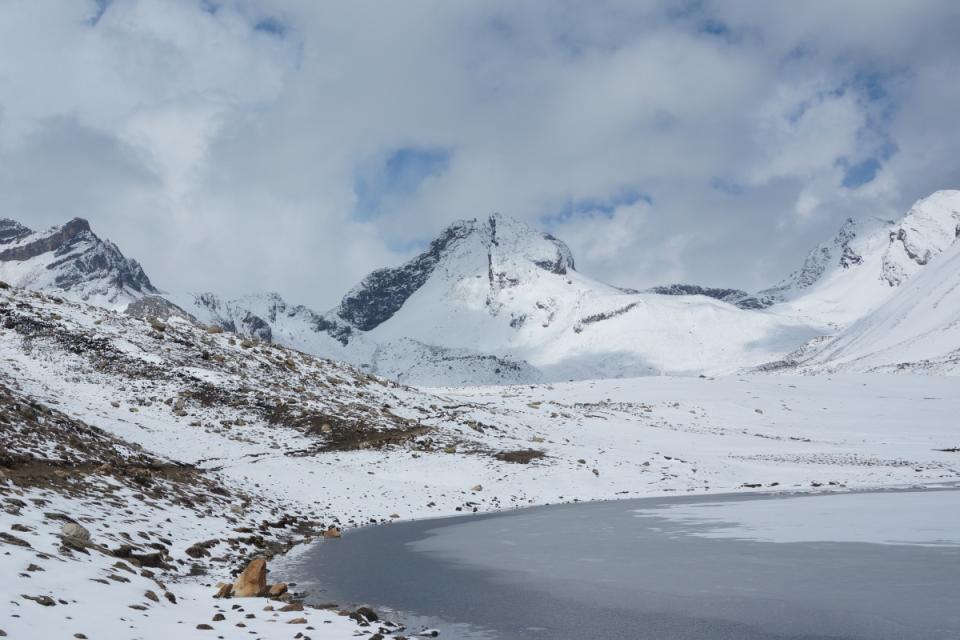
Winter transforms the Annapurna region into a peaceful Himalayan landscape. Snow often covers the higher sections around High Camp and the Mardi Himal Viewpoint, creating spectacular scenery. Although daytime trekking remains enjoyable on many days, mornings and nights can be very cold, especially above 3,000 meters.
Pros
-
Snow-covered mountain landscapes.
-
Peaceful trails with fewer trekkers.
-
Excellent visibility on clear winter days.
Cons
-
Cold mornings and freezing nights.
-
Snow may make higher trails more challenging.
-
Occasional route closures after heavy snowfall.
Is It Possible to Go for the Poon Hill & Mardi Himal Trek in Winter Season?
Yes. The Poon Hill & Mardi Himal Trek is possible during winter and is an excellent choice for trekkers who enjoy snow-covered landscapes and quieter trails. However, proper winter clothing, insulated sleeping gear, and suitable trekking equipment are essential. Depending on snowfall and weather conditions, guides may adjust the itinerary or limit the hike beyond High Camp to ensure the safety of all trekkers.
What Is the Recommended Season for the Poon Hill & Mardi Himal Trek?
While the Poon Hill & Mardi Himal Trek can be enjoyed throughout the year, spring (March to May) and autumn (September to November) are the most recommended seasons. These months offer the best combination of stable weather, clear mountain views, comfortable temperatures, and excellent trail conditions.
Documents Required for the Poon Hill & Mardi Himal Trek
For the Poon Hill & Mardi Himal Trek, trekkers are required to carry a few essential documents to ensure a smooth, legal, and hassle-free trekking experience in the Annapurna region.
Nepal Visa for the Poon Hill & Mardi Himal Trek
All foreign nationals (except Indian citizens) must obtain a Nepal visa to enter the country. The visa can be easily acquired upon arrival at Tribhuvan International Airport in Kathmandu or at designated land entry points.
Key Information:
-
Duration: 15, 30, or 90 days (15 days is generally sufficient for tourism activities)
-
Fees: 15 days - USD 30 | 30 days - USD 50 | 90 days - USD 125
-
Requirements: Valid passport (minimum 6 months validity), completed visa form, passport-size photo, and visa fee payment (cash in USD/EUR/GBP/NPR)
Some nationalities may not be eligible for visa on arrival and are required to obtain a visa in advance through the Nepalese Embassy or Consulate in their home country.
Travel Insurance for the Poon Hill & Mardi Himal Trek
Travel insurance is mandatory for the Poon Hill & Mardi Himal Trek. Due to the high-altitude nature of the trek, insurance must cover trekking activities and emergency situations.
Your insurance should include:
-
High-altitude trekking coverage (above 4,500 m)
-
Emergency helicopter evacuation
-
Medical treatment and hospitalization
-
Trip cancellation or interruption coverage
We require a copy of your insurance policy to issue a permit.
What are the Permits Required for the Poon Hill & Mardi Himal Trek?
Two essential permits are required for the Poon Hill & Mardi Himal Trek, as it lies within the Annapurna Conservation Area.
-
ACAP Permit (Annapurna Conservation Area Permit)
-
TIMS Card (Trekkers’ Information Management System)
We handles both ACAP and TIMS permits on behalf of our guests, ensuring a smooth and worry-free trekking process.
How Difficult Is the Poon Hill & Mardi Himal Trek?
The Poon Hill & Mardi Himal Trek is considered a moderate trek, making it suitable for trekkers with a reasonable level of fitness and some hiking experience. Although it does not require technical climbing or mountaineering skills, the trek involves several days of continuous walking, steep ascents and descents, and trekking at elevations above 4,000 meters.
One of the unique aspects of this trek is that it combines two of the Annapurna region's most popular routes. Trekkers first hike to the famous Poon Hill (3,210 m) before continuing onto the quieter Mardi Himal trail, where the journey reaches the Mardi Himal Viewpoint (4,500 m). The changing terrain, long trekking days, and gradual altitude gain make the trek moderately challenging, but well within reach for most physically fit adventurers.
What Makes the Poon Hill & Mardi Himal Trek Difficult?
The main challenges of the Poon Hill & Mardi Himal Trek include:
-
Consecutive Trekking Days: 6 days of trekking with daily walks of 4-8 hours.
-
Steep Ascents & Descents: Numerous stone staircases and uphill/downhill sections, especially around Ulleri, Ghorepani, and the Mardi Himal trail.
-
High Altitude: Reaches 4,500 m (14,764 ft) at the Mardi Himal Viewpoint, where thinner air can make trekking more demanding.
-
Mountain Terrain: Uneven forest trails, rocky paths, ridgelines, and natural stairways require good balance and stamina.
-
Weather Changes: Mountain weather can change quickly, especially around High Camp and the Mardi Himal Viewpoint.
-
Basic Teahouse Facilities: Accommodation and amenities become more basic at higher elevations, particularly at Low Camp and High Camp.
Despite these challenges, the trek is achievable for anyone with good physical fitness, a positive attitude, and proper preparation.
Is the Poon Hill & Mardi Himal Trek Suitable for Beginners?
Yes. The Poon Hill & Mardi Himal Trek is suitable for beginners who are in good physical health and have a reasonable level of fitness. It is a moderate trek that does not require any technical climbing, mountaineering experience, or specialized trekking skills.
The route follows well-established trails through forests, traditional villages, and mountain ridges, While the trek includes some steep uphill and downhill sections and reaches an altitude of 4,500 meters, a steady pace, proper preparation, and support from experienced guides make it achievable for most beginners.
What Makes the Poon Hill & Mardi Himal Trek Suitable for All?
The Poon Hill & Mardi Himal Trek is suitable for a wide range of trekkers because it offers:
-
Well-marked and established trekking trails.
-
No technical climbing or mountaineering experience required.
-
Comfortable teahouse accommodation throughout the trek.
-
Gradual altitude gain before reaching the highest viewpoint.
-
Flexible walking pace with experienced guides.
-
A perfect blend of cultural experiences and Himalayan scenery.
Who Can Consider the Poon Hill & Mardi Himal Trek?
This trek is an excellent choice for:
-
First-time trekkers looking for their first Himalayan adventure.
-
Nature lovers who want to explore forests, wildlife, and alpine landscapes.
-
Photography enthusiasts seeking spectacular sunrise and mountain panoramas.
-
Couples, families, and small groups looking for a memorable trekking holiday.
-
Adventure seekers wanting to combine the iconic Poon Hill sunrise with the less-crowded Mardi Himal trail.
-
Experienced trekkers looking for a shorter but rewarding trek in the Annapurna region.
Can One Go on the Poon Hill & Mardi Himal Trek Solo?
Yes, it is possible to complete the Poon Hill & Mardi Himal Trek as a solo trek. The trail is well-established, and teahouses are available throughout the route. However, hiring a licensed trekking guide is highly recommended for a safer, more enjoyable, and hassle-free experience.
Physical Fitness Required for the Poon Hill & Mardi Himal Trek
The Poon Hill & Mardi Himal Trek requires a moderate level of physical fitness. While the trek does not involve technical climbing or mountaineering, trekkers should be prepared for 6 consecutive days of walking, covering varied mountain terrain with daily hikes lasting 4 to 8 hours.
The trail includes numerous uphill and downhill sections, stone staircases, forest paths, and alpine ridges. As the trek reaches a maximum elevation of 4,500 meters (14,764 feet) at the Mardi Himal Viewpoint, the thinner air at higher altitudes can make trekking more physically demanding.
If you can comfortably walk for several hours, enjoy outdoor activities, and maintain a steady pace on uneven terrain, you are well suited for this trek.
How to Prepare Physically for the Poon Hill & Mardi Himal Trek?
Preparing a few weeks before your adventure will make the trek more enjoyable and less physically demanding. We recommend starting your fitness routine 4-6 weeks before departure.
Here are a few simple ways to prepare:
-
Walk or hike regularly for 1-3 hours on varied terrain.
-
Practice climbing stairs to strengthen your legs and improve endurance.
-
Include cardio exercises such as jogging, cycling, swimming, or brisk walking 3-4 times a week.
-
Build leg and core strength with exercises like squats, lunges, step-ups, and planks.
-
Carry a light backpack during training to get used to trekking with your daypack.
-
Stay hydrated and maintain a balanced diet to improve stamina and overall fitness.
-
Take shorter practice hikes if possible to gain confidence on uneven trails.
With regular preparation, a positive mindset, and guidance from Best Heritage Tour's experienced trekking team, most healthy individuals with a moderate fitness level can successfully complete the Poon Hill & Mardi Himal Trek.
Health & Safety on the Poon Hill & Mardi Himal Trek
At Best Heritage Tour, your health, safety, and overall trekking experience are our highest priorities. Throughout the Poon Hill & Mardi Himal Trek, you will be accompanied by an experienced, government-licensed trekking guide who is trained in basic first aid, mountain safety, and high-altitude awareness. Our guides carry a first-aid kit and pulse oximeter to monitor your oxygen saturation, particularly as you ascend to High Camp (3,580 m) and the Mardi Himal Viewpoint (4,500 m).
How Safe Is the Poon Hill & Mardi Himal Trek?
The Poon Hill & Mardi Himal Trek is considered a safe and moderately challenging trekking route for anyone with a reasonable level of fitness. The trails are well-established and pass through welcoming villages with teahouses available each night, making the trek both accessible and enjoyable.
Is There Any Chance of Altitude Sickness on the Poon Hill & Mardi Himal Trek?
Yes. Since the trek reaches a maximum elevation of 4,500 meters (14,764 feet) at the Mardi Himal Viewpoint, there is a possibility of Acute Mountain Sickness (AMS). However, because the itinerary includes a gradual ascent with an overnight stay at High Camp (3,580 m) before reaching the highest point, the risk is generally lower than on many higher-altitude treks in Nepal.
How to Prevent Altitude Sickness on the Poon Hill & Mardi Himal Trek?
The following precautions can help reduce the risk of altitude sickness during the trek:
-
Follow the planned itinerary and ascend gradually.
-
Stay well hydrated by drinking plenty of safe water.
-
Walk at a steady and comfortable pace without rushing.
-
Eat nutritious meals and get adequate rest each day.
-
Avoid alcohol and smoking, especially at higher elevations.
-
Inform your guide immediately if you experience any symptoms of altitude sickness.
Porter and Luggage Management for the Poon Hill & Mardi Himal Trek
At Best Heritage Tour, we offer flexible porter and luggage management services to make your Poon Hill & Mardi Himal Trek more comfortable and enjoyable. Trekking with a lighter backpack allows you to focus on the stunning Himalayan scenery, charming villages, and rewarding trails instead of carrying unnecessary weight.
Porter Service for the Poon Hill & Mardi Himal Trek
Porter service is not included in our standard trekking package but can be arranged upon request.
-
Porter service cost: USD 22 per day
-
Maximum carrying capacity: Up to 25 kg (55 lbs) per porter
-
Sharing option: One porter can be shared by two trekkers
-
Complimentary duffle bag provided for your trekking gear
We recommend packing only the essentials needed during the trek and keeping your duffle bag within the recommended weight limit for the comfort and safety of both the porter and your belongings.
Luggage Storage
If you have belongings that you won't need during the trek, you can safely leave them at our office in Thamel throughout your trek. Most hotels in Pokhara also offer complimentary luggage storage, and we recommend confirming this service with your hotel before your trek begins.
Poon Hill & Mardi Himal Trek Cost for 2026 & 2027
The cost of the Poon Hill & Mardi Himal Trek for 2026 and 2027 varies depending on the group size and the services included in the package. Our 7-day Poon Hill & Mardi Himal Trek package starts from just USD 560 (+taxes) per person and includes an experienced trekking guide, accommodation, meals during the trek, required permits, private ground transportation, and all the essential logistics for a safe and unforgettable adventure in the Annapurna region.
We also offer attractive group discounts, making this trek an excellent choice for solo travelers, couples, families, friends, and organized groups seeking exceptional value without compromising on service quality.
Group Size-Based Price - Poon Hill & Mardi Himal Trek (2026 & 2027)
|
Group Size |
Price Per Person (USD) |
|---|---|
|
1 Pax (Solo Trekker) |
USD 560 |
|
2-4 Pax |
USD 460 |
|
5-6 Pax |
USD 430 |
|
7-10 Pax |
USD 390 |
|
11-16 Pax |
USD 370 |
|
17-29 Pax |
USD 350 |
Note:
-
13% Government Tax and 10% Service Charge are not included in the above prices
-
Porter service is not included in the package cost
For larger groups or customized itineraries, we can further adjust the Poon Hill & Mardi Himal Trek cost for 2026 & 2027 based on specific preferences and service levels.
How Much Extra Money Should You Carry for Personal Expenses on the Poon Hill & Mardi Himal Trek?
While our Poon Hill & Mardi Himal Trek package covers the major trekking expenses, it is advisable to carry some extra cash for personal purchases such as hot and cold drinks, snacks, hot showers, Wi-Fi, device charging, bottled or boiled drinking water, souvenirs, and other incidental expenses during the trek.
We recommend budgeting approximately USD 15-25 per day, depending on your spending habits and personal preferences. For this 7-day itinerary, carrying around USD 100-175 per person is generally sufficient to cover most personal expenses along the trail.
We strongly recommend withdrawing or exchanging enough Nepali Rupees (NPR) in Pokhara before starting the trek as ATMs and card payment services are not available in the mountain villages along the trekking route.
How Much Should You Tip Your Guide and Porter During the Poon Hill & Mardi Himal Trek?
Tipping is a long-standing tradition in Nepal's trekking industry and a meaningful way to show appreciation for the dedication and hard work of your trekking team. While tipping is not mandatory, it is always welcomed and reflects your satisfaction with the service provided throughout the Poon Hill & Mardi Himal Trek.
As a general guideline, many trekkers choose to tip 10-15% of the total trek cost, depending on the quality of service, group size, and overall trekking experience.
How Much Should You Tip Your Trekking Guide on the Poon Hill & Mardi Himal Trek?
Your trekking guide is responsible for ensuring your journey is safe, enjoyable, and well-organized. They lead the trail, monitor your health and trekking pace, manage daily logistics, assist with accommodation and meals, and share valuable insights into the Annapurna region's culture, local communities, history, flora, fauna, and Himalayan landscapes.
Suggested Guide Tip:
-
USD 10-15 per day per group
-
For this 7-day trek: Approximately USD 70-105 per group
How Much Should You Tip Your Porter on the Poon Hill & Mardi Himal Trek?
Porters play an important role by carrying your main trekking bag, allowing you to hike comfortably with only a light daypack. Their support is especially valuable on the steep stone staircases around Ulleri, as well as the uphill and downhill sections leading to High Camp and back to Siding.
Suggested Porter Tip:
-
USD 5-10 per day per porter (from the group)
-
For this 7-day trek: Approximately USD 35-70 per porter
Group Tipping Practice
For group treks, it is customary for all members to contribute toward a single tip for the guide and porter(s). The tip is usually presented on the final day of the trek as a gesture of gratitude for their professionalism, hard work, and commitment throughout your Poon Hill & Mardi Himal Trek.
Booking & Payment for the Poon Hill & Mardi Himal Trek
Booking your Poon Hill & Mardi Himal Trek with Best Heritage Tour is simple, secure, and well-organized. To confirm your trip, a 20% deposit of the total trip cost is required at the time of booking, while the remaining balance must be settled before the trek departure in Kathmandu or Pokhara. We accept cash, bank transfer, or card. Please note that bank transfers and card payments incur a 4% processing fee; must be covered by the trekker. All booking and cancellation terms are clearly explained by Best Heritage Tour staff during the booking process and can also be reviewed on our website.
Bank transfer:
-
Account Name: Best Heritage Tour And Treks Pvt. Ltd.
-
Account Number: 13201040254106
-
Bank Name: Nepal Investment Mega Bank Ltd.
-
Address: Thamel, Kathmandu, Nepal
-
SWIFT Code: NIBLNPKT
-
Bank Transfer Link: www.bestheritagetour.com/payment
Once we receive the deposit, we will issue the official invoice and booking conformation right away. If you need any clarification, we are happy to answer your questions or provide additional details you may require.
Last-Minute Booking for the Poon Hill & Mardi Himal Trek
For travelers planning on short notice, Best Heritage Tour accepts last-minute bookings up to 24 hours before departure. In such cases, full payment (100% of the trip cost) is required at the time of booking. Trekkers should be aware that accommodation, logistics, and services may be limited, and the company cannot be held responsible for any compromises arising from late arrangements.
Flexible Trip Extension
If you'd like to extend your adventure after completing the Poon Hill & Mardi Himal Trek, Best Heritage Tour offers a variety of customizable trip extensions. You can continue trekking in the Annapurna region with the Annapurna Base Camp Trek or Khopra Danda Trek, or explore Nepal's other highlights with a Pokhara sightseeing tour, Chitwan National Park wildlife safari, or Kathmandu Valley sightseeing tour.
Our team will be happy to tailor an itinerary that matches your interests, schedule, and travel preferences.
Sustainable and Responsible Tourism in the Annapurna Region
The Poon Hill & Mardi Himal Trek passes through the protected landscapes of the Annapurna Conservation Area, traditional Gurung and Magar villages, and pristine forests that are home to diverse wildlife and Himalayan flora. We encourage all trekkers to travel responsibly by carrying a reusable water bottle, minimizing plastic waste, respecting local culture and traditions, staying on designated trails, and supporting locally owned teahouses and businesses.
At Best Heritage Tour, we are committed to promoting sustainable and responsible tourism in the Annapurna region. We follow the Leave No Trace principles on every trek and encourage eco-friendly practice. As part of our environmental commitment, we also plant a tree in the name of our travelers (upon request), contributing to a greener and more sustainable future for Nepal.