Buddhist Heritage Tour - 6 Days
Start
1
Country
Nepal
Difficulty
Easy
Destination
Buddhist Sites
Activity
Cultural Tour
Accommodation
Hotel
Meals
Breakfast, Lunch & Dinner
Transportation
Car
Max Altitude
1,750m / 5,741 ft
Group Size
1-29
Trip Starts
Kathmandu
Trip Ends
Kathmandu
Best Season
All Year
Overview
Key Highlights
- Explore ancient Buddhist Mahavihars of Kathmandu and Patan, including the 11th-century Itum Bahal.
- Visit the iconic and sacred Boudhanath and Swayambhunath Stupas, the spiritual anchors of the valley.
- Discover the legend of ultimate compassion at Namo Buddha, where the Buddha sacrificed his body to a starving tigress.
- Witness the living traditions of the Golden Temple (Hiranya Varna Mahavihar), where a child priest guards centuries of ritual.
- Meditate at the sacred Asura Cave in Pharping, following in the footsteps of the great Guru Padmasambhava.
- Marvel at the architectural genius of the Mahabouddha Temple, featuring thousands of terra-cotta Buddha images.
- Experience the serene monastic lifestyle and profound teachings at the world-renowned Kopan Monastery.
- Observe the "Three Colors of Wisdom" at the Rato, Seto, and Yellow Gumbas, representing diverse Himalayan lineages.
- Journey through the "City of Fine Arts," Patan, to see the historic Uku Bahal and its collection of antique metal statues.
- Insight into Newar Vajrayana Buddhism and Tibetan Mahayana traditions
- Connect with the living history of the Kathmandu Valley through expert-led tours of hidden Vajrayana courtyards.
Trip Overview
Nepal is not only the birthplace of Lord Buddha but also it is the cradle of Vajrayana Buddhism & Tibetan Mahayana traditions and a sanctuary where ancient spiritual traditions have thrived for over two eras. The Buddhist Heritage Tour offers a captivating 6-day journey through the valley’s most sacred sites, monasteries, and stupas, providing travelers with an authentic glimpse into Nepal’s living Buddhist traditions. Designed for spiritual seekers, culture enthusiasts, and mindful travelers, this tour goes beyond sightseeing to offer a deep exploration of the living connection between the Newari people, Tibetan monasticism, and the historical Buddha.
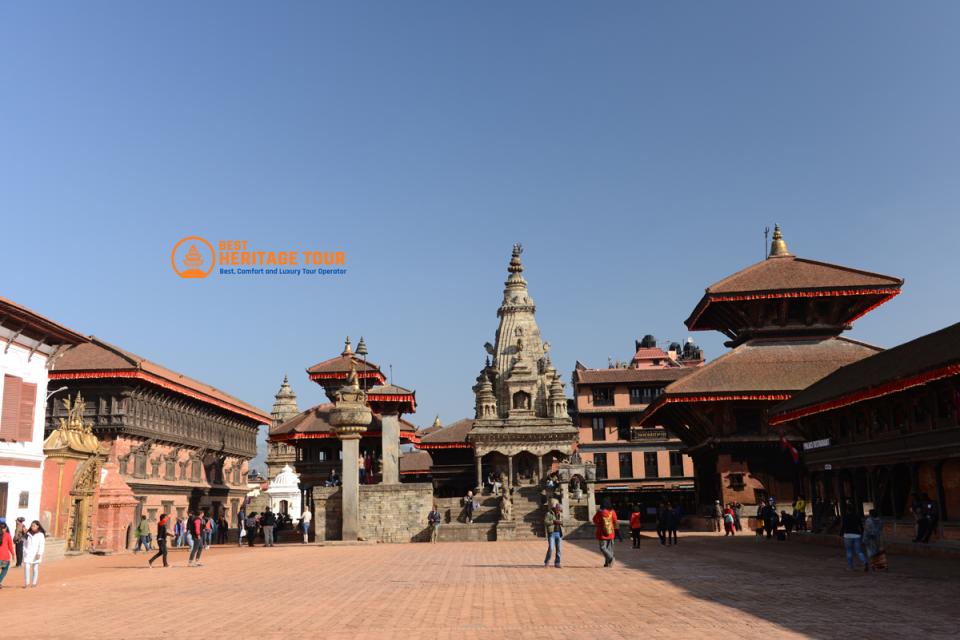
Your journey begins in Kathmandu, exploring ancient Mahavihars such as Itum Bahal, Tham Bahal, Biksheshwor Bahal, and more, where centuries-old Newar Buddhist practices continue to thrive. From the hidden courtyards to intricately carved shrines, these sites reflect the artistic and ritual heritage of the valley. The tour then transitions to Tibetan Buddhist traditions at Kopan Monastery and the majestic Boudhanath Stupa, where prayer wheels, chanting monks, and colorful murals immerse visitors in spiritual reflection.
On subsequent days, travelers explore Rato Gumba, Seto Gumba, Yellow Gumba, and the iconic Swayambhunath Stupa, gaining insight into Tibetan monastic life and Buddhist philosophy. The journey extends to Patan’s Golden Temple, Mahabouddha Temple, and Tilancho Vihar, highlighting the valley’s rich Newar Buddhist culture. The final leg takes you to Pharping, Chobhar, Namo Buddha, and Dhulikhel Monastery, combining pilgrimage experiences with breathtaking natural landscapes and peaceful meditation spots.
Led by guides who are experts in Buddhist iconography and local history, this tour offers a profound narrative of peace, wisdom, and heritage. Whether you seek spiritual inspiration, historical insight, or simply a serene escape, the Buddhist Heritage Tour offers a meaningful, transformative experience that connects travelers to the timeless wisdom and serene beauty of Nepal’s Buddhist heritage.
What Can One Expect on the Buddhist Heritage Tour?
1. Ancient Vihar Immersion
Step into the medieval "Bahals" of Kathmandu, where time feels suspended. You will encounter the intricate Vajrayana architecture, characterized by heavy wood-carved windows and central stone chaityas. These aren't just monuments; they are living community centers where the rhythmic sound of morning bells and traditional Newari chanting creates a meditative backdrop to your exploration.
2. Immersive Monastery Visits
Explore centuries-old Mahavihars and monasteries where monks practice daily rituals. Visitors can observe sacred ceremonies, interact respectfully with monastic communities, and witness the unique blend of Newar and Tibetan Buddhist traditions, offering deep cultural and spiritual insight beyond ordinary sightseeing.
3. Iconic Stupas & Sacred Sites
Visit world-famous stupas like Boudhanath and Swayambhunath, along with lesser-known sacred sites. Experience the spiritual ambiance created by prayer wheels, fluttering prayer flags, and devout pilgrims, which evoke reflection, serenity, and a profound connection to Buddhist philosophy.
4. Tibetan & Newar Buddhist Culture
Engage with both Tibetan and Newar Buddhist traditions. From intricate thangka art to vibrant festival rituals, the tour provides an understanding of diverse practices, monastic lifestyles, and centuries-old cultural expressions that are unique to the Kathmandu Valley and surrounding regions.
5. Meditation & Spiritual Reflection
Ample opportunities exist for personal meditation or quiet reflection in tranquil courtyards and monasteries. The serene environment fosters mindfulness and spiritual rejuvenation, allowing travelers to experience inner peace amid Nepal’s sacred landscapes.
6. Architectural & Historical Insights
Witness stunning architecture, intricate carvings, and ancient murals in monasteries, temples, and stupas. Guided explanations provide historical context and artistic significance, highlighting Nepal’s rich Buddhist heritage and the role of these sacred sites over centuries.
7. Scenic Spiritual Excursions
Travel to hilltop monasteries like Namo Buddha and Dhulikhel, where breathtaking Himalayan views complement spiritual experiences. These excursions combine natural beauty with sacred significance, making the journey both visually inspiring and spiritually uplifting.
8. Authentic Local Interactions
Interact with monks, local devotees, and artisans preserving Buddhist traditions. These genuine encounters provide insight into daily life, rituals, and cultural practices, ensuring a meaningful and memorable experience that connects travelers to the living heritage of Nepal.
Are You Ready for the Buddhist Heritage Tour?
Embarking on the Buddhist Heritage Tour is more than just visiting temples and monasteries - it’s a journey of the mind, heart, and spirit. To fully enjoy this tour, travelers should come with curiosity, openness, and respect for local customs and spiritual practices. A reflective mindset, patience for slower-paced exploration, and willingness to engage with monastic communities will deepen your experience.
An open attitude toward meditation and learning will enhance the journey. Those who bring mindfulness, cultural sensitivity, and a genuine desire to connect will leave with not only memories but also profound spiritual insights and a meaningful understanding of Nepal’s living Buddhist heritage.
This tour rewards thoughtful exploration rather than haste. Travelers ready to observe, reflect, and immerse themselves fully in centuries-old traditions will discover tranquility, inspiration, and a deep appreciation for the spiritual and cultural richness of Nepal.
Itinerary
1Day 1: Explore the "Vihars" and Hidden Courtyards of Kathmandu
We begin our journey in the heart of the ancient city, exploring the Newari Vihars (monasteries). Our first stop is Itum Bahal, the largest and oldest Buddhist courtyard in Kathmandu, dating back to the 11th century. Here, the air is thick with the scent of incense and the echoes of ancient legends like that of the demon Gurumapa. We then navigate to Tham Bahal and Biksheshwor Bahal, where you’ll witness the intricate woodcarving and bronze work that define Vajrayana architecture.
The afternoon is spent in the serene enclosures of Yatkha, Bahun, and Tenga Bahals, observing the "Nitya Puja" (daily rituals) performed by hereditary priests. If time permits, we visit Keshchandra Mahavihar and Jan Bahal, home to the Seto Machhendranath, a site where Buddhist and Hindu traditions beautifully overlap in a display of religious harmony.
2Day 2: Explore the Kopan Monastery and Boudhanath Stupa
Leaving the city streets behind, we drive to the serene Kopan Hill. At Kopan Monastery, a world-renowned center for Tibetan Buddhist studies, you will be surrounded by blooming gardens and the gentle chanting of monks. The environment here is one of deep intellectual and spiritual inquiry.
In the afternoon, we descend to the massive Boudhanath Stupa. This UNESCO World Heritage site is the spiritual hub for the Tibetan diaspora. The environment here is electric - thousands of pilgrims performing Kora (circumambulation) around the white dome, the flutter of countless prayer flags, and the rhythmic sound of "Om Mani Padme Hum" resonating from the surrounding rooftop cafes and shops.
3Day 3: Explore Rato, Seto and Yellow Gumab along with the Swayambhunath
Today is a journey through color and light. We visit the "Three Gumbas" - Rato (Red), Seto (White), and Yellow - each representing different schools of Himalayan Buddhism. The Seto Gumba (White Monastery), perched on a ridge, offers a breathtaking white-on-green aesthetic with stunning murals of the Drukpa lineage.
We conclude the day at Swayambhunath, the "Monkey Temple." Ascending the 365 steps, you’ll enter a space where history and myth collide. The environment is a vibrant mix of wild monkeys, ancient stone chaityas, and the iconic "all-seeing eyes" of the Buddha, all while providing the best sunset views over the Kathmandu Valley.
4Day 4: Explore the “Vihars” in Patan and the Chilancho Vihar in Kritipur
We cross the Bagmati River to the "City of Fine Arts," Patan. Our focus is the Hiranya Varna Mahavihar (The Golden Temple), a 12th-century masterpiece where a child priest maintains the sacred flame. The environment inside this closed courtyard is golden, literally and figuratively, with bronze statues and gilded plates covering every surface.
We then visit Mahabouddha, the "Temple of a Thousand Buddhas," where every terra-cotta brick is an artistic devotion. The day finishes at the historic Uku Bahal and the hilltop Chilancho Vihar in Kirtipur, offering a quiet, less-crowded perspective on the valley’s enduring Buddhist faith.
5Day 5: Explore the Pharping Monastery and Chobar Monastery
Today we travel south to Pharping, a town that Tibetan practitioners consider as sacred as Bodh Gaya. We visit the Asura Cave, where Guru Rinpoche (Padmasambhava) attained supreme enlightenment. The environment here is intensely spiritual; the walls of the cave are blackened by centuries of butter lamps, and the handprint of the Guru is still visible in the rock.
We also explore the Vajrayogini Temple and the Chobhar Monastery, perched above the gorge where Manjushri legendarily drained the valley. The atmosphere is one of rugged natural beauty mixed with profound tantric history.
6Day 6: Visit the Namo Buddha and the Dhulikhel Monasteries
Our final day takes us to the tranquil hills of Namo Buddha. This is the site of "Tagmo Lu Jin" - where a prince offered his body to a starving tigress. The Thrangu Tashi Yangtse Monastery dominates the ridge, a stunning example of modern Tibetan architecture.
The environment is one of total peace, surrounded by rhododendron forests and panoramic views of the Langtang and Gaurishankar Himalayan ranges. We finish the tour in Dhulikhel, walking through its ancient Newari streets and visiting the local monastery, reflecting on a journey that has spanned the full breadth of Nepal’s Buddhist heritage.
Cost Includes / Excludes
Included
- PRIVATE AIRPORT PICK-UP & DROP : Airport - Hotel transfer - Airport (Pick Up and Drop).
- MEMBER TRANSPORTATION : Transportation in an air-conditioner private car throughout the tour.
- LODGING : Accommodation in a 3 Stars hotel during the tour.
- FOOD : 3 meals a day (breakfast, lunch, and dinner; including tea/coffee) during the tour.
- GUIDE : One experienced government licensed city tour guide.
- STAFF SALARY AND ALLOWANCE : All staff wages, salary, equipment, food & clothing.
- SOUVENIR : Best Heritage Tour’s Purse, an authentic Nepali product made from hemp.
- FAREWELL DINNER : A farewell dinner with an authentic cultural program after completion of the tour.
Excluded
- INTERNATIONAL AIRFARE : International flight airfare (from and to Kathmandu).
- NEPAL VISA FEES : You may issue the visa upon your arrival at Tribhuvan International Airport - Kathmandu or apply manually in your home country.
- EXTRA EXPENSES : Monuments Entrance fee and Personal expenses like meals, drinks, tips, etc.
- EXTRA : Any additional costs due to factors beyond our control, or for services not specifically mentioned in the Itinerary & Included section.
- TAXES & SERVICE CHARGE : All government taxes (13%) and service charge (10%).
Trip Info
Best Time for the Buddhist Heritage Tour
The Buddhist Heritage Tour can be enjoyed year-round, but the best seasons to visit Nepal for a cultural and spiritual journey are spring (March to May) and autumn (September to November). During these months, the weather is pleasantly warm, skies are clear, and the valley is alive with vibrant colors - perfect for exploring monasteries, stupas, and hilltop sites.
Spring brings blooming flowers, fresh greenery, and mild temperatures, creating a serene environment for temple visits and meditation. Autumn offers clear skies, crisp air, and panoramic views of the Kathmandu Valley and surrounding Himalayan peaks, enhancing both spiritual reflection and photography opportunities. These seasons also coincide with major festivals and rituals, giving travelers a deeper insight into Nepal’s living Buddhist traditions.
Winter (December to February) is cooler, with temperatures dropping in the mornings and evenings, but it’s an ideal time for travelers who prefer less crowded monasteries and a quiet, reflective experience. Summer (June to August) is warmer and marks the monsoon season, bringing lush greenery and a different charm to the valley, though occasional rain may affect travel and outdoor sightseeing.
For those seeking the most comfortable and spiritually immersive experience, spring and autumn remain the top choices, combining pleasant weather, vibrant cultural activity, and clear views of sacred landscapes. No matter the season, each visit offers a unique opportunity to connect with Nepal’s timeless Buddhist heritage and enjoy a meaningful spiritual journey.
Accommodation & Meals
During the Buddhist Heritage Tour, travelers will stay in carefully selected hotels and guesthouses. Accommodations are chosen for comfort, cleanliness, and proximity to major monasteries and cultural sites, ensuring minimal travel time and a relaxing environment after each day’s exploration. Rooms are typically well-furnished with private bathrooms, hot showers, and essential amenities, providing a peaceful retreat for rest and reflection.
Breakfast is included daily and usually served at the hotel, offering a mix of continental and traditional Nepali options to energize you for the day ahead. Lunch and dinner are generally arranged at authentic local restaurants, where travelers can savor Nepali and Tibetan cuisine, including dal-bhat, momo, thukpa, and seasonal vegetables. On certain days, meals may be enjoyed within monastery settings, providing a unique cultural experience where visitors can witness monastic dining customs and share in simple, wholesome meals.
Vegetarian, vegan, and other dietary preferences are widely accommodated. Given the Buddhist nature of this tour, high-quality, plant-based meals are readily available at every stop. Travelers are encouraged to inform the Best Heritage Tour in advance of any special requirements to ensure a smooth dining experience.
Tour Difficulty & Fitness Requirement
This tour is classified as Easy to Moderate. The "difficulty" does not come from steep mountain ridges, but from the volume of walking and the nature of the terrain in Kathmandu's historic cores.
-
The Terrain: You will be walking on a mix of modern pavement, ancient uneven stone tiles, and dusty village paths. Many of the Vihars have narrow entryways and small steps.
-
The Stairs: This is the most "challenging" part. Swayambhunath requires ascending 365 stone steps. Similarly, the Asura Cave in Pharping and Namo Buddha involve significant stair climbing.
-
The Pace: We maintain a "pilgrim’s pace" - leisurely and meditative. We are not in a rush, allowing plenty of time for rest, photography, and soaking in the atmosphere.
Fitness Required: The "Active Traveler" Profile
You do not need to be a marathon runner, but you should be a comfortable walker. Here is what we suggest for your preparation:
-
Cardiovascular Stamina: If you can walk for 60 minutes on flat ground without feeling exhausted, you are well-prepared. Most days involve 2 to 4 hours of total "on-foot" time, broken up by sightseeing and tea breaks.
-
Knee & Leg Strength: Since there are many stairs, having decent quad and calf strength is beneficial. If you have pre-existing knee issues, we recommend bringing a lightweight collapsible trekking pole for the descents at Swayambhunath and Namo Buddha.
-
Balance: Walking through the busy, narrow alleys of Ason Market or the uneven courtyards of Itum Bahal requires good foot coordination.
Is this Tour for Everyone?
-
Seniors: This tour is highly popular with senior travelers. We can easily adjust the itinerary to use vehicle drop-offs closer to the sites to minimize long walks.
-
Children: It is an excellent educational tour for kids. The monkeys at Swayambhunath and the vibrant colors of the Gumbas keep them highly engaged.
Things to Consider on the Buddhist Heritage Tour
1. Dress Code
When visiting monasteries, stupas, and sacred sites, it is important to dress modestly and respectfully. Both men and women should cover their shoulders, knees, and midriff, and avoid tight or revealing clothing. A light scarf or shawl can be handy for covering the head or shoulders when required. Modest attire demonstrates respect for local traditions and is appreciated by monks and devotees alike.
2. Footwear Etiquette
Always remove your shoes and socks before entering temples, stupas, or monastery courtyards. Many sacred spaces require bare feet to maintain cleanliness and spiritual sanctity. Travelers should also avoid stepping on thresholds or sacred symbols and walk carefully to show reverence for the sacred environment.
3. Photography Guidelines
While many sites are photogenic, always ask permission before photographing monks, rituals, or devotees. Avoid using flash during ceremonies or in meditation halls, as it can disturb both practitioners and the spiritual ambiance. Capturing architecture and landscapes is generally acceptable, but respect the sacredness of rituals and personal spaces.
4. Behavioral Etiquette
Maintain a quiet and respectful demeanor while exploring temples and monasteries. Avoid loud conversations, running, or disruptive behavior. Show reverence during prayers and rituals, and follow the guidance of local monks or tour leaders when participating in or observing ceremonies.
5. Interaction with Monks and Practitioners
If interacting with monks or devotees, be polite and non-intrusive. Avoid physical contact unless invited, and do not interrupt rituals or meditation sessions. A simple gesture of greeting with folded hands (“Namaste”) is widely appreciated and demonstrates respect.
Visa for Nepal
All international travelers (except Indian) need a tourist visa to visit Nepal, which can be obtained on arrival at Kathmandu airport or online.
Key Details:
-
Duration: 15, 30, or 90 days (10 days recommended for this trek)
-
Fees: 15 days - USD 30 | 30 days - USD 50 | 90 days - USD 125
-
Requirements: Valid passport (6+ months), visa form, passport photo, and payment in cash (USD/EUR/GBP/NPR)
Tip: Keep a copy of your visa and passport during the trek and consider applying visa online (through Nepal Immigration Website) for a smoother arrival. Also register to Foreign Nationals Management Information System (FNMIS) as this is now mandatory for any Tourists entering Nepal from 2026.
Booking & Payment
Booking your Buddhist Heritage Tour with Best Heritage Tour is simple and secure. To confirm your trip, a 10% deposit of the total trip cost is required at the time of booking, while the remaining balance must be cleared at least one day before departure. Payments can be made via cash, bank transfer, or card; bank transfer and card fees are the responsibility of the traveler, and card payments incur a 4% transaction fee. All booking and cancellation terms are clearly explained by Best Heritage Tour staff during the booking process and can also be reviewed on our website.
You have convenient option for your payment:
Bank transfer:
-
Account Name: Best Heritage Tour And Treks Pvt. Ltd.
-
Account Number: 13201040254106
-
Bank Name: Nepal Investment Mega Bank Ltd.
-
Address: Thamel, Kathmandu, Nepal
-
SWIFT Code: NIBLNPKT
Frequently Asked Questions
What is the standard footwear etiquette during the Buddhist Heritage Tour?
Always remove your shoes and socks before entering active temple sanctuaries or monastery courtyards. This practice shows deep respect for the spiritual purity and cleanliness of the sacred space.
Is the Buddhist Heritage Tour safe for senior citizens?
Yes, this package is exceptionally popular with senior travelers. Best Heritage Tour easily manages the pacing and uses vehicle drop-offs as close as possible to monastery entrances to minimize strenuous walking or climbing.
Can children join the Buddhist Heritage Tour?
Yes, it serves as a wonderful educational journey. Best Heritage Tour finds that younger travelers are highly engaged by the lively monkeys at Swayambhunath and the vivid, colorful murals inside the Tibetan Gumbas.
Who leads the excursions on the Buddhist Heritage Tour?
Every single departure is led by a government-certified, English-speaking professional. Best Heritage Tour employs specialized local guides who are profoundly knowledgeable in Buddhist iconography, regional art history, and living valley traditions.
Will our guide explain Vajrayana iconography during the Buddhist Heritage Tour?
Yes, decoding complex spiritual art is a specialty of our team. Best Heritage Tour ensures your guide explains the deep symbolic meanings behind intricate thangkas, bronze statues, mandalas, and terra-cotta carvings throughout the journey.
What standard of accommodation is provided on the Buddhist Heritage Tour?
We prioritize clean, restful environments. Best Heritage Tour provides comfortable 3-star hotels and boutique guesthouses chosen specifically for their excellent hospitality, clean private bathrooms, reliable hot showers, and proximity to sacred spots.
What meals are included in the Buddhist Heritage Tour package?
This cultural tour is fully catered. The package covers all your daily breakfasts, lunches, and dinners, ensuring you stay energized. Best Heritage Tour also hosts a celebratory farewell dinner in Kathmandu.
What type of cuisine is served during the Buddhist Heritage Tour?
You will enjoy a delicious mix of local and international flavors. Best Heritage Tour introduces you to authentic Nepali dal-bhat, Tibetan momos, thukpa soup, and standard continental breakfast items at your hotel.
Can vegans and vegetarians be accommodated on the Buddhist Heritage Tour?
Yes, plant-based diets are effortlessly accommodated. Given the sacred Buddhist nature of this particular journey, high-quality vegetarian and vegan options are readily available at every single dining stop.
What is the required dress code for temples on the Buddhist Heritage Tour?
Modesty and respect are crucial when entering sacred spaces. Both men and women must cover their shoulders, knees, and midriffs, avoiding tight, sheer, or highly revealing clothing out of respect for the monks.
What kind of footwear is best for the Buddhist Heritage Tour?
We highly recommend comfortable walking shoes or supportive sandals. Since you will walk extensively over stone stairs and city alleys, supportive footwear prevents fatigue and protects your feet.
Should I bring a daypack for the Buddhist Heritage Tour?
Yes, a small daypack is highly useful. It allows you to comfortably carry your reusable water bottle, sunscreen, camera, extra layers, and personal journals during daytime walking excursions.
How much driving time is involved daily on the Buddhist Heritage Tour?
Driving times are highly manageable, ranging from 1 to 4 hours depending on the day. Best Heritage Tour balances vehicle travel with extensive walking explorations so you never feel rushed or confined to a car seat.
What is the correct way to walk around a stupa on the Buddhist Heritage Tour?
When visiting Boudhanath, Swayambhunath, or small courtyard chaityas, always walk around them in a clockwise direction. This ancient circumambulation tradition reflects deep Buddhist cosmic alignment and respect.
How do we handle offering donations during the Buddhist Heritage Tour?
Many temples maintain small donation boxes for upkeep. Carrying small denominations of local currency is ideal for making respectful voluntary offerings to the monasteries or local artisans preserving these heritage traditions.
When is the absolute best season to book the Buddhist Heritage Tour?
The peak seasons for this cultural journey are spring (March to May) and autumn (September to November). These months offer wonderfully pleasant temperatures, clear skies, and vibrant cultural festivities across the valley.
What makes spring a great time for the Buddhist Heritage Tour?
Spring brings mild temperatures, blooming local flowers, and fresh greenery. This creates an incredibly serene and beautiful environment for exploring outdoor hilltop shrines and enjoying open-air meditation.
Why is autumn highly recommended for the Buddhist Heritage Tour?
Autumn offers exceptionally crisp air, clear blue skies, and optimal visibility. This season provides beautiful panoramic views of distant Himalayan ranges from hilltop spots like Namo Buddha, perfect for photography.
Can I undertake the Buddhist Heritage Tour during the winter months?
Yes, winter (December to February) is quite pleasant during the day. While mornings and evenings get cool, it is an ideal time for travelers seeking fewer crowds and a quiet, highly reflective monastic experience.
Is it feasible to run the Buddhist Heritage Tour during the summer monsoon?
Yes, summer (June to August) brings rain but turns the hills lush and green. While occasional showers might impact outdoor sightseeing, the valley takes on a quiet charm that suits indoor temple explorations.
Are monument entrance fees covered under the Buddhist Heritage Tour?
No, individual entrance tickets to the various heritage squares, stupas, and specialized museums are not included in the base cost. You should pay these directly in local currency at each gate.
How much spending money should I bring for the Buddhist Heritage Tour?
This depends on your shopping habits. Budget a modest amount of cash daily for personal expenses like specialty coffees, snacks, bottled water, tipping your crew, and buying authentic local handicrafts.
Is tipping guides and drivers mandatory on the Buddhist Heritage Tour?
While tipping is not legally mandatory, it is highly recommended and culturally expected in Nepal. Giving a tip reflects your satisfaction with the guide’s deep insights and the driver’s safety care.
Are medical facilities easily accessible along the Buddhist Heritage Tour route?
Yes, since this entire itinerary takes place within the Kathmandu Valley and nearby towns, high-quality private hospitals, clinics, and pharmacies are always just a short drive away if any illness occurs.
What historic sites in Patan are covered during the Buddhist Heritage Tour?
On Day 4, you cross the Bagmati River to explore Patan. Best Heritage Tour guides you through medieval squares to the Hiranya Varna Mahavihar, the brick-built Mahabouddha Temple, and the historic Uku Bahal.
Is the Buddhist Heritage Tour suitable for secular travelers or non-Buddhists?
Absolutely. The itinerary is designed for spiritual seekers, culture enthusiasts, and mindful travelers alike. Best Heritage Tour focuses on architectural genius, history, and living heritage, making it a transformative experience regardless of your personal religious beliefs or background.
How does the Buddhist Heritage Tour explore both Newar and Tibetan traditions?
This journey uniquely spans two distinct eras and lineages. Best Heritage Tour guides you through the ancient Newar Vajrayana courtyards of the valley floor before transitioning into the vibrant Tibetan Mahayana monastic traditions located at Kopan and Boudhanath.
What is the core spiritual focus of the Buddhist Heritage Tour?
The core focus centers on exploring peace, ultimate wisdom, and living lineages. Best Heritage Tour provides immersive visits to active sacred spaces, helping travelers find inner peace and mindfulness through direct contact with authentic monastic lifestyles.
Can I customize the daily itinerary of the Buddhist Heritage Tour?
Yes, we offer tailored flexibility for this package. Best Heritage Tour can adapt the daily scheduling, pacing, or vehicle drop-off points to match your specific cultural interests, physical stamina, or spiritual goals without compromising the core sacred highlights.
Which specific ancient courtyards are visited on Day 1 of the Buddhist Heritage Tour?
On the first day, you will explore Kathmandu’s finest medieval "Bahals". Best Heritage Tour takes you into Itum Bahal, Tham Bahal, Biksheshwor Bahal, Yatkha Bahal, Bahun Bahal, and Tenga Bahal to witness the thriving local Newar rituals.
Why is Itum Bahal highlighted on the Buddhist Heritage Tour?
Dating back to the 11th century, Itum Bahal is the largest and oldest Buddhist courtyard in Kathmandu. Best Heritage Tour includes this site so travelers can admire intricate woodcarvings and absorb the heavy scent of incense and ancient folklore.
What is the significance of visiting Tham Bahal during the Buddhist Heritage Tour?
Tham Bahal, also known as Thambahi, showcases exquisite traditional craftsmanship. Best Heritage Tour includes this vibrant monastic site to give travelers an authentic look at ancient Vajrayana architecture, heavy wood-carved windows, and historical stone chaityas preserved in city alleys.
Why is Kopan Monastery included in the Buddhist Heritage Tour?
Kopan Monastery is a world-renowned center for Tibetan Buddhist studies. Best Heritage Tour brings you here to experience an environment of deep intellectual inquiry, gentle chanting, and quiet reflection away from the valley's bustling traffic.
What spiritual activities happen at Boudhanath Stupa during the Buddhist Heritage Tour?
At Boudhanath, you will experience the electric atmosphere of Tibetan diaspora devotion. Best Heritage Tour facilitates your participation in Kora (circumambulation) around the massive white dome amid fluttering flags and rhythmic chanting of sacred mantras.
What do the "Three Colors of Wisdom" represent on the Buddhist Heritage Tour?
They represent diverse Himalayan monastic lineages. On Day 3, Best Heritage Tour takes you to visit the Rato (Red), Seto (White), and Yellow Gumbas, highlighting their unique architectural aesthetics, colorful murals, and distinct philosophical sub-schools.
What makes the Seto Gumba visit special on the Buddhist Heritage Tour?
Perched high on a scenic ridge, Seto Gumba features a striking white-on-green aesthetic. Best Heritage Tour includes this monastery so you can marvel at its stunning murals representing the Drukpa lineage while enjoying panoramic views.
What makes the Buddhist Heritage Tour distinct from standard cultural packages?
This curated package offers a rare pilgrimage into the "Vajrayana Heart" of the Kathmandu Valley. Best Heritage Tour meticulously connects you with medieval Newari Vihars and living monastic traditions, bridging historical scholarship and profound spiritual practice rather than offering just superficial sightseeing.
What is unique about the Hiranya Varna Mahavihar on the Buddhist Heritage Tour?
Commonly called the Golden Temple, this 12th-century masterpiece features gilded plates and bronze statues. Best Heritage Tour takes you inside this closed courtyard to observe a young child priest maintaining the centuries-old sacred flame.
Why should I look forward to the Mahabouddha Temple on the Buddhist Heritage Tour?
Mahabouddha is an architectural marvel known as the "Temple of a Thousand Buddhas". Best Heritage Tour includes it because every single terra-cotta brick bears an intricate image of Buddha, standing as a monument of deep artistic devotion.
What will we discover at Uku Bahal during the Buddhist Heritage Tour?
Uku Bahal, or Rudra Varna Mahavihar, is a historic treasure in Patan. Best Heritage Tour highlights this specific courtyard so travelers can admire its exceptional, world-renowned collection of antique metal statues and fine Newari artistic heritage.
What will I experience inside the Asura Cave during the Buddhist Heritage Tour?
Inside the Asura Cave, you will encounter an intensely spiritual environment. Best Heritage Tour shows you cave walls blackened by centuries of burning butter lamps, where a legendary handprint of Guru Rinpoche remains visible in solid rock.
What is the significance of Chobhar Monastery on the Buddhist Heritage Tour?
Chobhar Monastery sits directly above the famous limestone gorge. Best Heritage Tour takes you here to explore the profound tantric history and hear the legendary myth of Manjushri draining the ancient valley lake to make it habitable.
What legendary story is attached to Namo Buddha on the Buddhist Heritage Tour?
Namo Buddha marks the site of ultimate compassion, "Tagmo Lu Jin". Best Heritage Tour guides you to this ridge where a young prince selflessly sacrificed his own body to feed a dying, starving tigress and her small cubs.
What architectural marvel will we see at Namo Buddha during the Buddhist Heritage Tour?
You will explore the massive Thrangu Tashi Yangtse Monastery. Best Heritage Tour introduces you to this spectacular example of modern Tibetan monastic architecture, which dominates the ridge amid peaceful, high-altitude rhododendron forests.
Are there any hidden or lesser-known Vihars included in the Buddhist Heritage Tour?
Yes, we purposefully venture past mainstream commercial spots. Best Heritage Tour takes you into quieter shrines like Biksheshwor, Bahun, and Tenga Bahals to observe authentic "Nitya Puja" (daily rituals) performed quietly by hereditary local priests.
What type of ground transportation is used for the Buddhist Heritage Tour?
We prioritize your absolute safety, comfort, and timely transfers. Best Heritage Tour provides private and clean vehicles driven by experienced drivers for all transfers, airport pickups, and day excursions outlined in the itinerary.
What is the typical group size for the Buddhist Heritage Tour?
To preserve a quiet, meditative atmosphere, we focus on small group dynamics. Best Heritage Tour normally organizes these pilgrimages with small, intimate groups, allowing for personalized guide interactions and respectful entries into delicate monastic spaces.
Can solo travelers book the Buddhist Heritage Tour?
Yes, solo seekers are warmly welcome. Best Heritage Tour can arrange a customized private departure or place you into a compatible, like-minded small group of cultural enthusiasts looking for deep spiritual immersion.