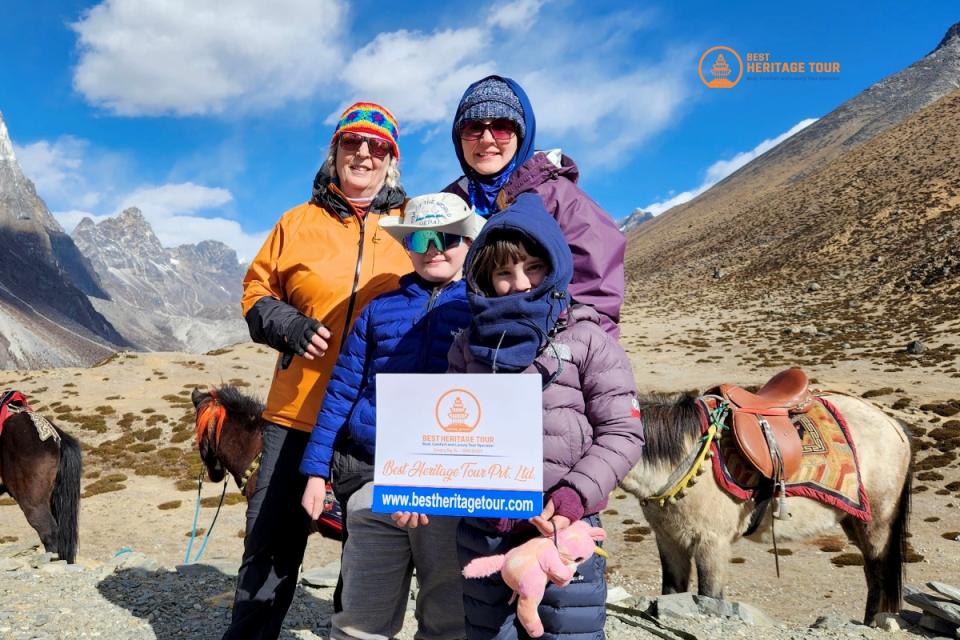
Tengboche Mani Rimdu Festival with EBC Trek - 15 Days
Insight on the Tengboche Mani Rimdu Festival Trek
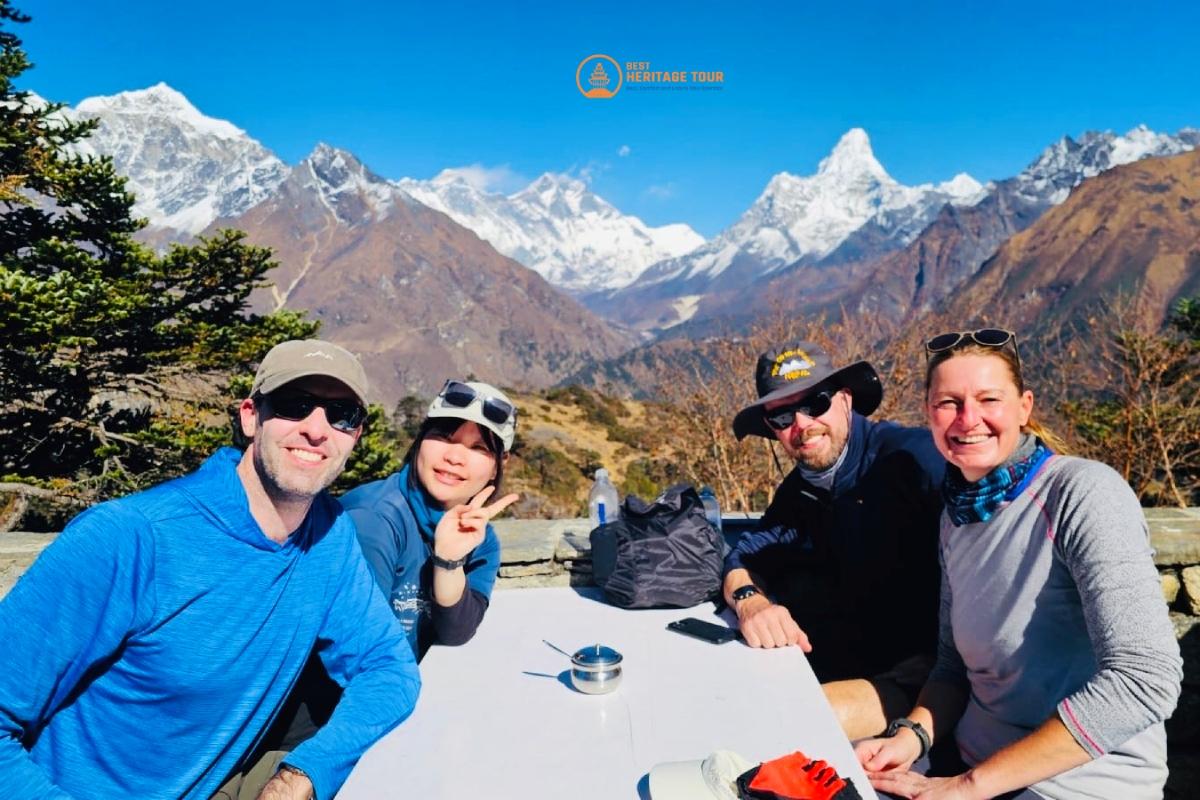
The Tengboche Mani Rimdu Festival with EBC Trek is a once-in-a-lifetime journey into the spiritual heart of the Everest region. Timed perfectly to witness the sacred Mani Rimdu Festival at Tengboche Monastery, this trek blends ancient Buddhist rituals, masked dances, and powerful blessings with the iconic trail to Everest Base Camp. Surrounded by Himalayan giants and Sherpa traditions, the experience goes beyond trekking - it becomes a profound cultural and spiritual pilgrimage.
Trip at a Glance
-

Country: Nepal
-

Trip grade: Moderate
-

Destination: Everest Region
-

Activities: Trekking & Festival Celebration
-

Accommodation: Hotel/Teahouse
-

Meals: Breakfast, Lunch & Dinner
-
.png)
Transportation: Car & Flight
-

Maximum altitude: 5,545m / 18,192 ft
-

Group size: 1-12
-
Trip Start / End: Kathmandu - Kathmandu
-
.png)
Best Season: Mar-May & Sep-Nov
Key Highlights of the Mani Rimdu Festival Trek
- Witness the Sacred Mani Rimdu Festival at Tengboche Monastery, featuring masked Cham dances, ancient rituals, and powerful Buddhist blessings
- Visit the iconic Tengboche Monastery, the spiritual epicenter of the Sherpa people, during its most vibrant and energetically charged week of the year.
- Experience authentic Sherpa spiritual traditions as monks perform ceremonies symbolizing the triumph of good over evil
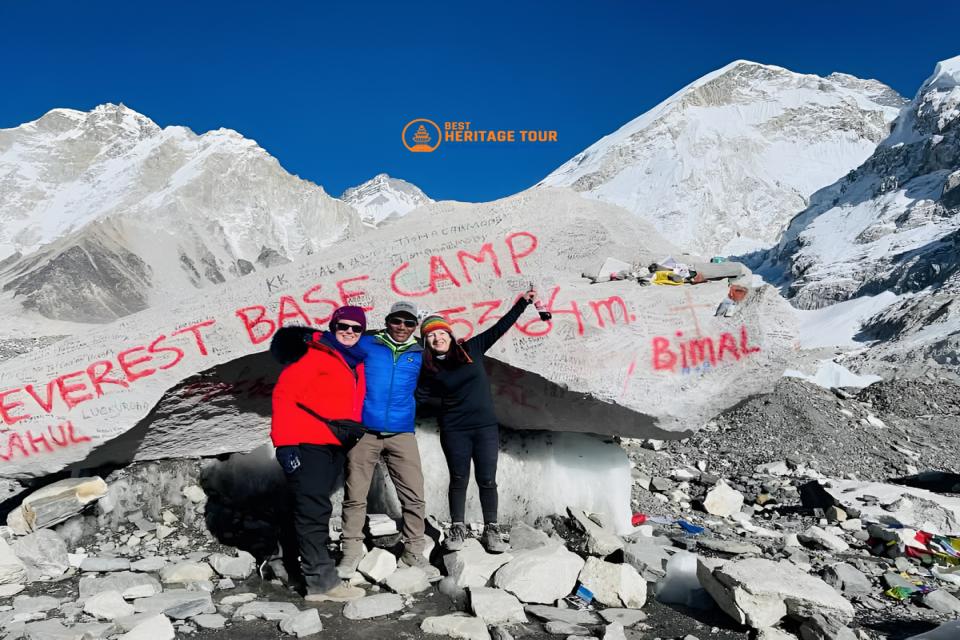
- Stand at the base of the world’s highest peak, surrounded by the historic Khumbu Icefall and the towering giants of the Himalayas.
- Combine deep cultural immersion with the classic Everest Base Camp Trek, offering both spirituality and adventure
- Sunrise hike to Kala Patthar (5,545m) for breathtaking close-up views of Mount Everest
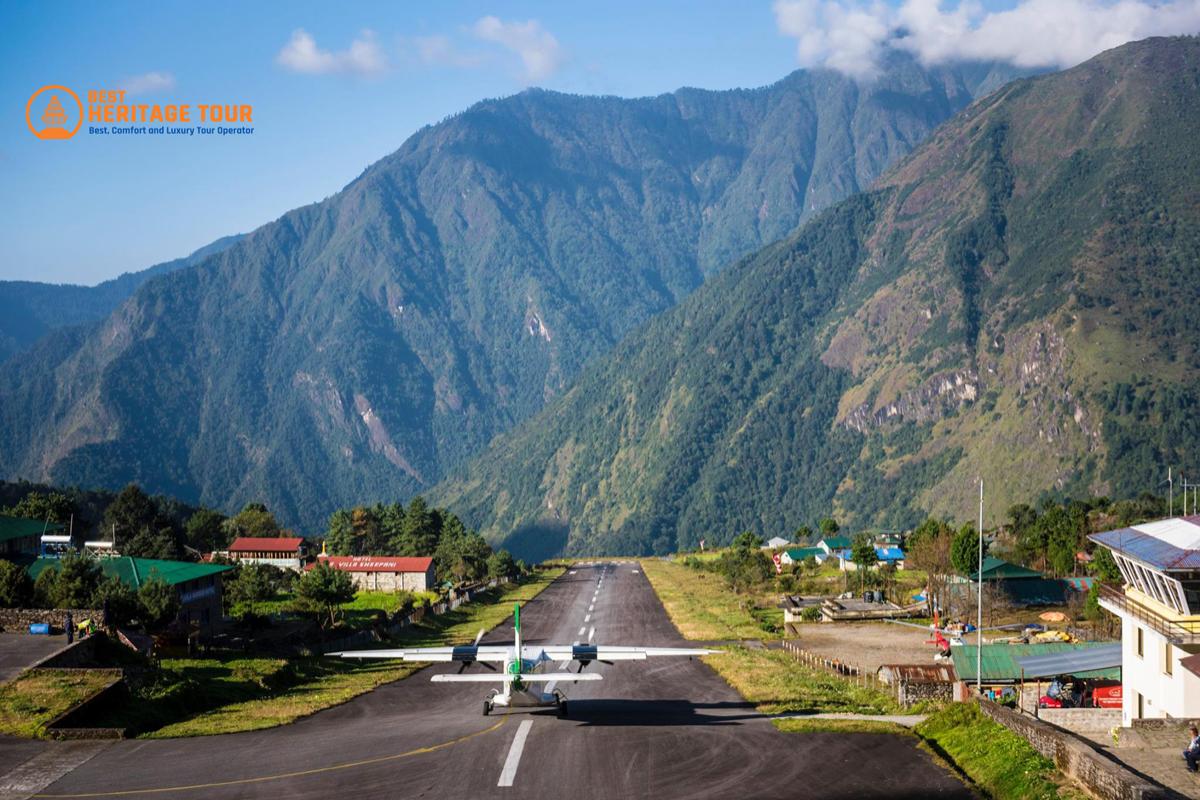
- Scenic mountain flight to Lukla, marking the beginning of a legendary Himalayan journey
- Stay in traditional Sherpa villages and teahouses, gaining insight into local mountain life during festival season
Why Choose Best Heritage Tour for Your Mani Rimdu Festival Trek?
- Free airport pick-up and drop-off service
- Online pre-trip briefing and booking confirmation for better preparation
- Multiple communication channels (Phone, Email, WhatsApp, Viber) for easy support
- 24/7 customer support available at +977-9851149197 / +977-9810043046
- Simple and secure payment options including Cash, Card & Bank Transfer
- Provide essential medical kit and oximeter to monitor oxygen levels at high altitude
- Complimentary duffle bag and sleeping bag (used one & to be returned after the trek)
- Free luggage storage facility at Best Heritage Tour store during the trek
- We plant a tree in the name of travelers (upon request), as a part of our commitment to sustainable tourism
Mani Rimdu Festival Trek Route Overview
The Tengboche Mani Rimdu Festival with EBC Trek is a rare and meaningful journey designed for travelers who wish to experience the spiritual soul of the Everest region while following the legendary trail to Everest Base Camp. Unlike a standard EBC trek, this itinerary is carefully timed to coincide with the Mani Rimdu Festival, one of the most important Buddhist celebrations in the Khumbu, held annually at the sacred Tengboche Monastery. By timing your trek with the Tibetan Lunar calendar, Best Heritage Tour provides you with a front-row seat to a centuries-old tradition that remains largely untouched by the outside world.
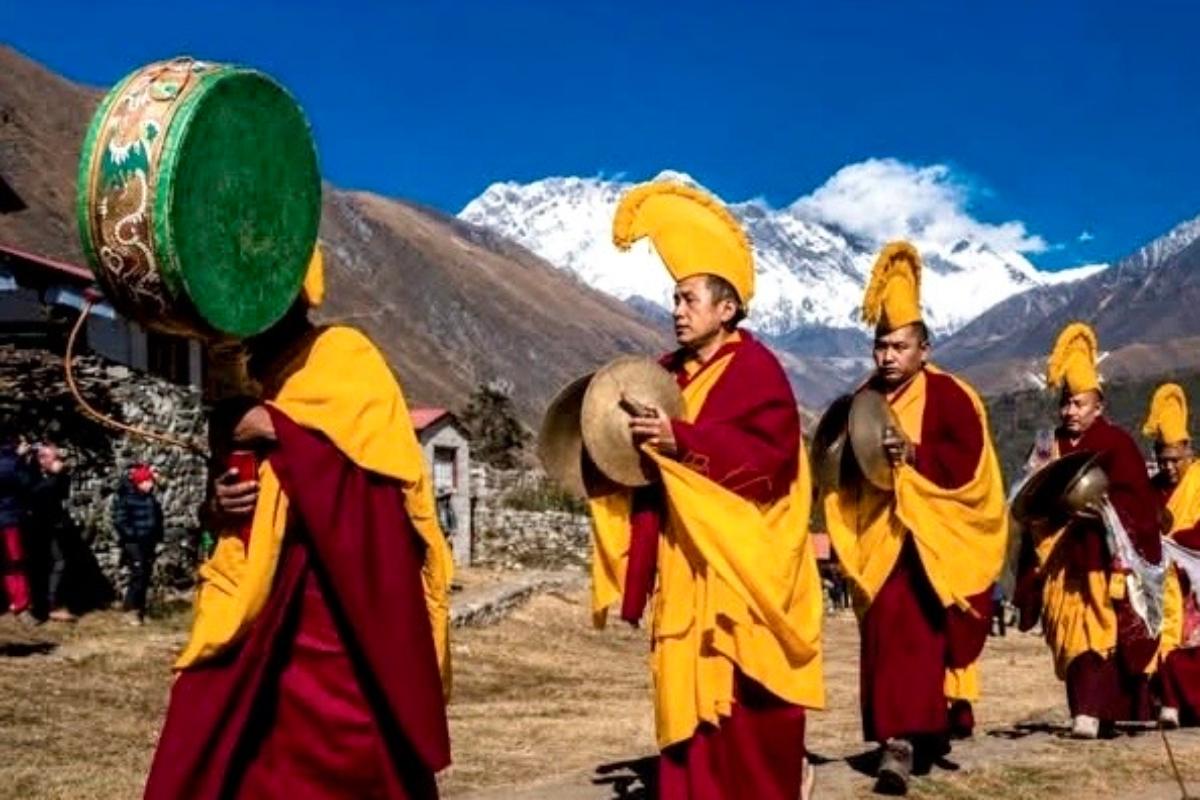
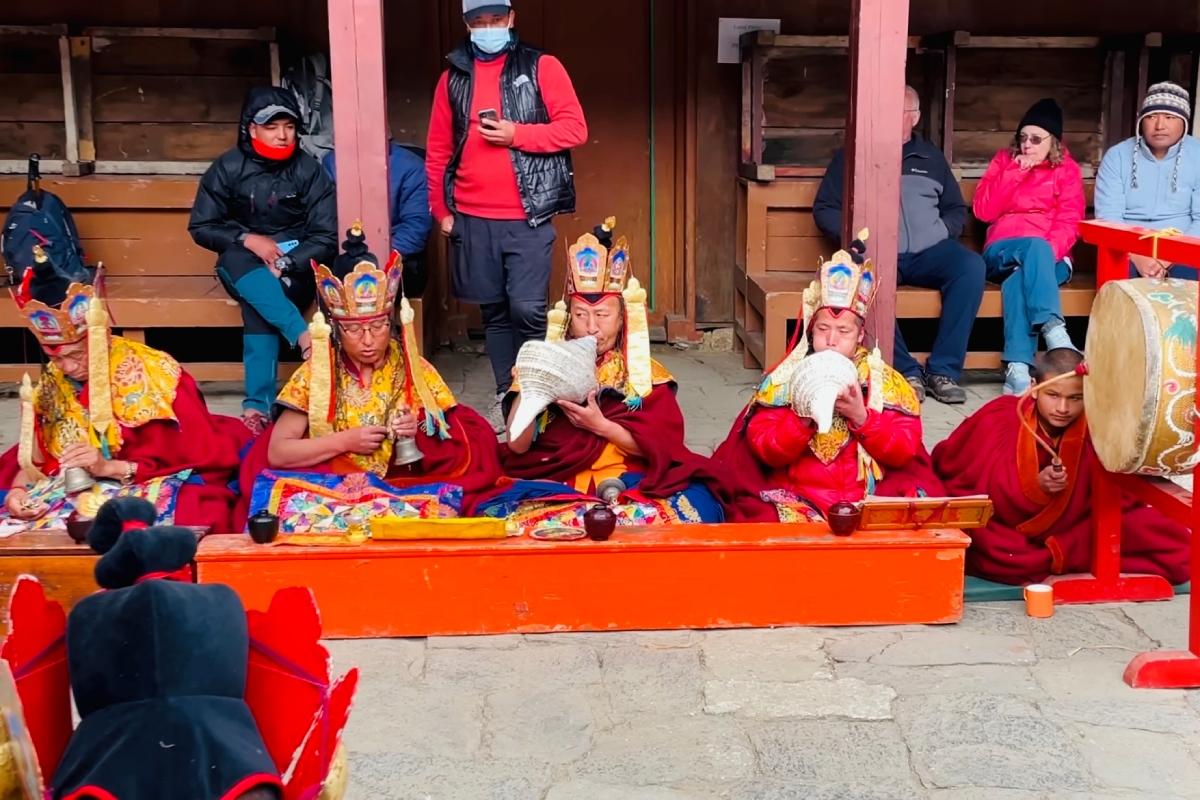
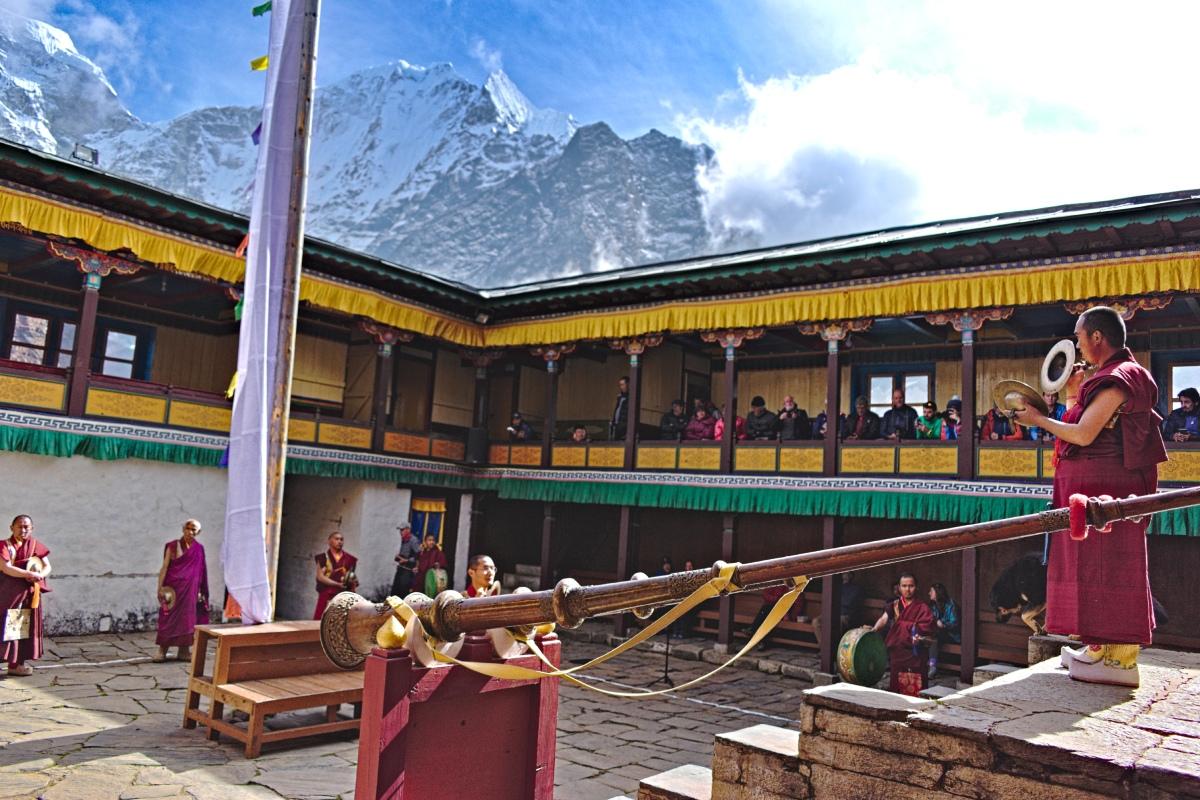
The journey begins with the legendary flight to Lukla, followed by a steady ascent through the lush forests and suspension bridges of the Dudh Koshi valley. As you reach Namche Bazaar, the air thins and the spirit of the trek shifts. The centerpiece of the adventure is the three-day celebration at Tengboche. Here, you will join local devotees in the monastery courtyard to witness the "Chham" - sacred masked dances performed by monks. These rituals, accompanied by the deep drone of longhorns and the rhythmic clanging of cymbals, are designed to dispel negative energy and bless the community.
Beyond the spiritual heights of Tengboche, the trail continues into the high-alpine wilderness. You will navigate the rugged Khumbu glacier moraine, pushing toward the iconic Everest Base Camp (5,364m). This dual-purpose itinerary ensures that your physical achievement is grounded in cultural context. You aren't just walking past monasteries; you are participating in their living history. From the dawn views atop Kala Patthar to the butter lamps of Tengboche, this trek is a profound exploration of the harmony between the Himalayan peaks and the people who call them home.
Operated by Best Heritage Tour, this trek balances cultural immersion, spiritual depth, and high-altitude adventure. It is ideal for trekkers seeking not just to reach Everest Base Camp, but to connect with the traditions, beliefs, and timeless energy of the Himalayan mountains.
What Can You Expect on the Tengboche Mani Rimdu Festival with EBC Trek?
1. Sacred Mani Rimdu Festival Experience
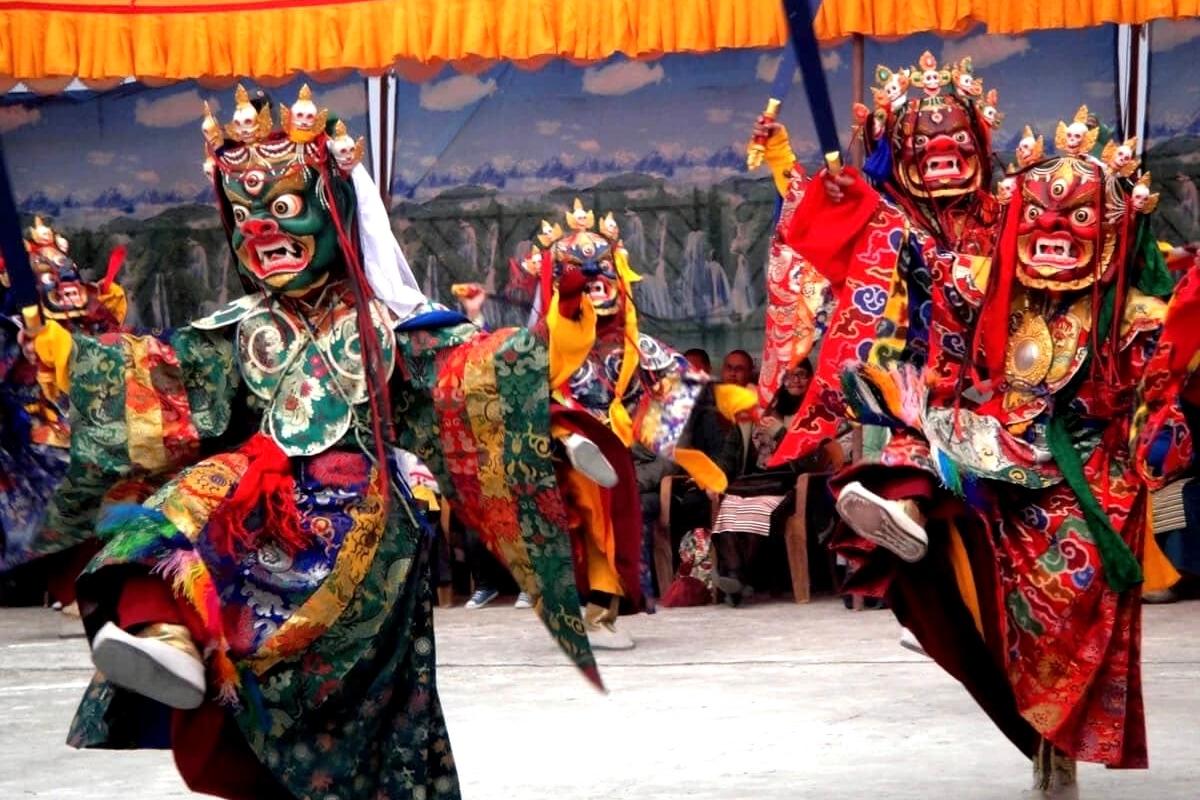
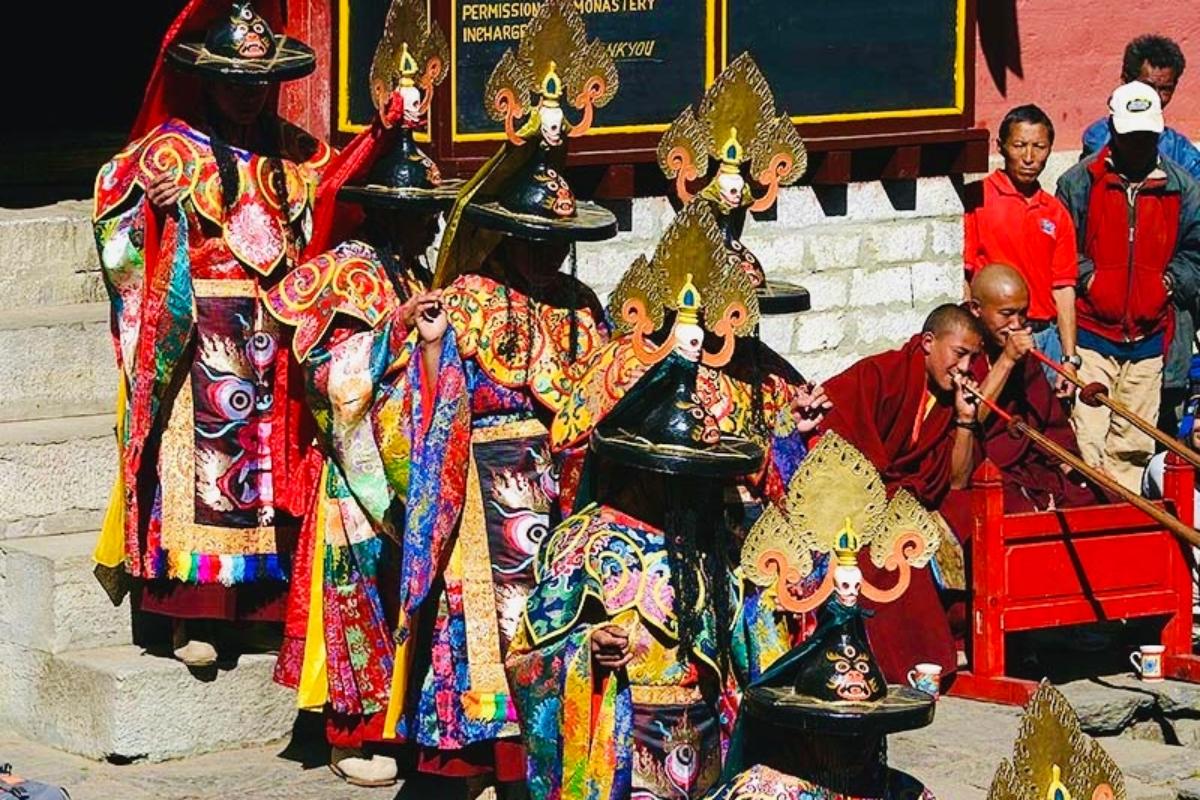
At the heart of this journey is the unforgettable Mani Rimdu Festival at Tengboche Monastery. You will witness the "Chham" - vibrant, ritualistic dances performed by monks. Dressed in elaborate brocade costumes and fierce deity masks, the monks transform into protectors of the faith. These dances are not mere performances; they are sacred tantric rituals meant to defeat negative energy and bring peace to the entire Khumbu valley.
2. High-Altitude Spiritual Energy
The atmosphere at Tengboche Monastery during Mani Rimdu is electric with devotion. You will hear the deep, resonant drone of six-foot-long Tibetan horns (Dungchen) echoing against the peaks of Ama Dablam. Expect a sensory immersion into a world of chanting, the rhythmic clanging of cymbals, and the sweet, heavy scent of burning juniper incense and butter lamps.
3. Deep Cultural Immersion in Sherpa Life
Mani Rimdu is the social event of the year for the Sherpa people. You can expect to see families arriving from distant villages like Pangboche and Khumjung, often dressed in their finest traditional "Chuba" (wool robes). This is a rare chance to see the Sherpa community beyond their roles as guides, celebrating their heritage through ancient songs and communal feasting.
4. Iconic Everest Base Camp Adventure
While culture leads the journey, adventure completes it. You will follow the legendary trail to Everest Base Camp, walking in the footsteps of famous climbers. Standing beneath the Khumbu Icefall delivers a powerful sense of achievement and connection to the world’s highest mountain.
5. Breathtaking Himalayan Scenery
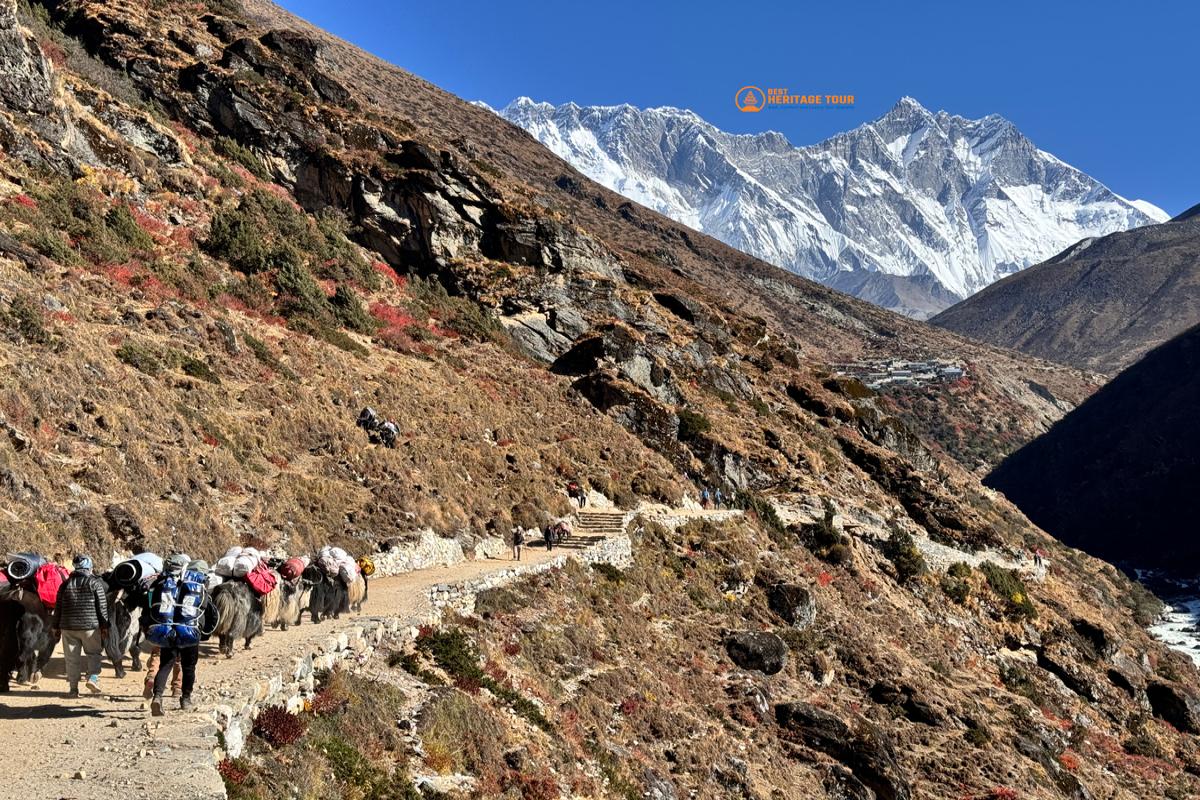
Expect constantly changing scenery - lush pine forests, glacial valleys, high alpine landscapes, and dramatic mountain vistas. Throughout the trek, panoramic views of Everest, Ama Dablam, Lhotse, Nuptse, and Thamserku accompany your journey, making every day visually rewarding.
6. Authentic Teahouse Trekking Experience
Throughout the trek, you will stay in local teahouses - small, family-run lodges that serve as the heart of Himalayan trekking. Expect warm dining rooms heated by central yak-dung stoves, where you’ll share stories with fellow travelers. While the rooms are basic and unheated, the hospitality is boundless, often accompanied by steaming bowls of garlic soup or traditional Sherpa stew (Thenduk).
7. Sunrise from Kala Patthar
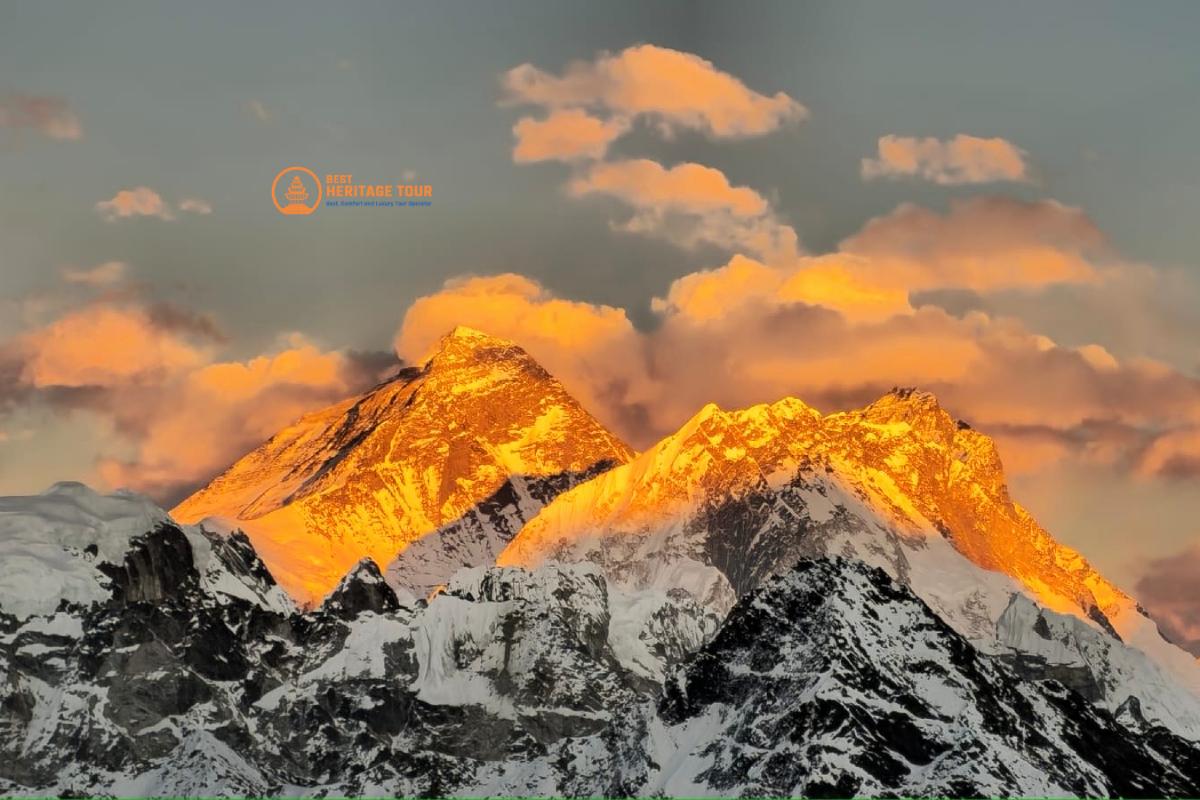
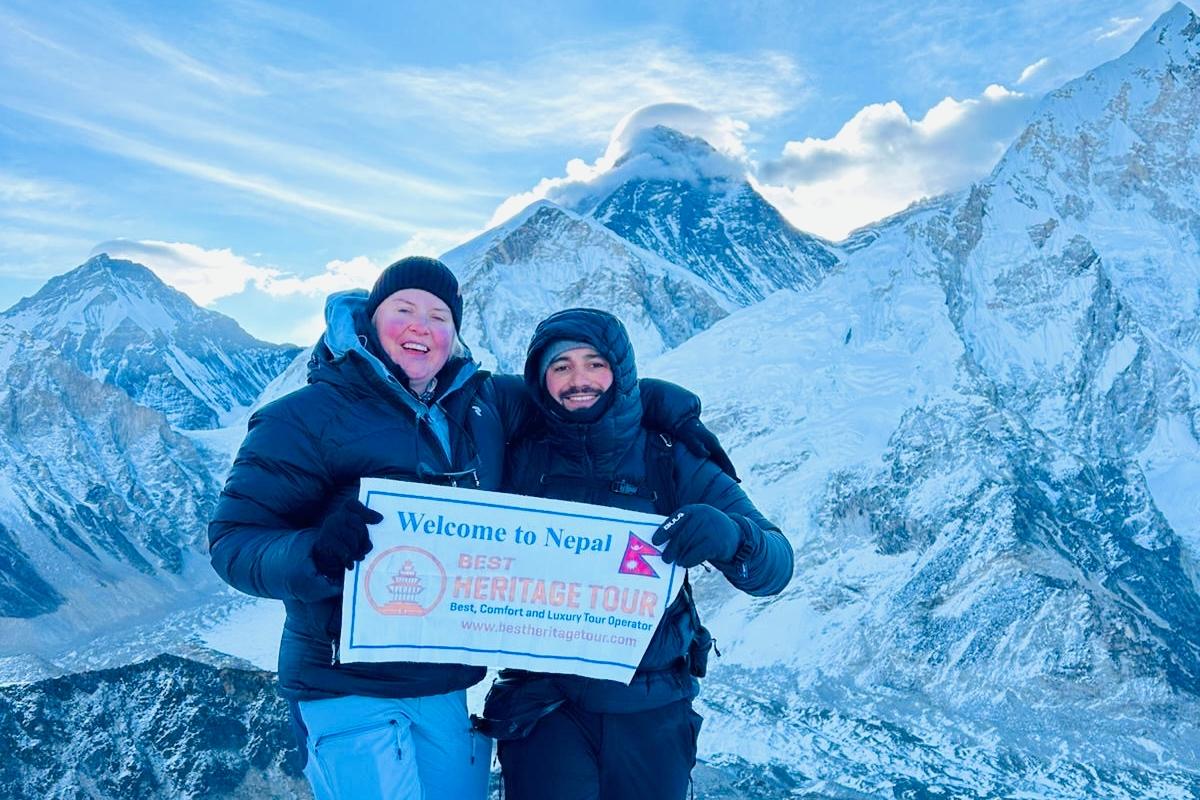
The climax of the trip isn’t just Base Camp - it’s the pre-dawn hike to Kala Patthar. Expect a cold, dark ascent that pays off with a life-changing sunrise. As the first light hits the summit of Everest (8,848m), the entire massif turns a brilliant gold. It is a moment of profound silence and clarity that stays with you forever.
Are You Ready for the Mani Rimdu Festival Trek?
This journey is not just about reaching Everest Base Camp - it’s about how you approach the mountains, the culture, and yourself. To fully enjoy the trip, a certain mindset and preparation will greatly enrich your experience.
First, come with cultural openness and respect. Mani Rimdu is a sacred Buddhist festival, not a performance. Being present, patient, and respectful during rituals, chants, and monastery ceremonies allows you to truly connect with the spiritual meaning behind the celebration and the Sherpa way of life.
A moderate level of physical fitness is essential. While no technical climbing is involved, the trek requires several days of steady walking at high altitude. Mental resilience is just as important - weather changes, simple accommodations, and long trekking days are part of the authentic Himalayan experience.
Most importantly, arrive with a spirit of curiosity and gratitude. The mountains, monasteries, and people of the Everest region offer lessons beyond scenery. Those who walk this trail with humility, patience, and an open heart often leave not just with photos - but with a deeper connection to the Himalayas and themselves.
If you feel drawn to culture, spirituality, and high-altitude adventure, then yes - you are ready for this trip.
What is the Mani Rimdu Festival?
The Mani Rimdu Festival is the most significant spiritual event for the Sherpa community in the Everest region. A 19-day sequence of sacred ceremonies, it culminates in a three-day public grand finale held at the legendary Tengboche Monastery. The festival commemorates the founding of Tibetan Buddhism in the 8th century by Guru Rinpoche (Padmasambhava) and celebrates the victory of enlightened compassion over ancient, chaotic forces.
For the people of the Khumbu, Mani Rimdu is more than a ritual; it is a communal prayer for the well-being of the world. The name itself carries deep meaning: "Mani" refers to the mantra of Chenrezig (the Bodhisattva of Compassion), and "Rimdu" (or Rilbu) refers to the small, sacred red pills that are blessed and distributed to devotees for longevity and protection.
Mani Rimdu Festival Dates for 2026
Because the festival is governed by the Tibetan Lunar Calendar (traditionally starting on the first day of the tenth lunar month), the dates change annually.
The public celebration of the Mani Rimdu Festival 2026 at Tengboche Monastery is scheduled for October 26, 27, 28, & 29, 2026.
The Three Public Days of Celebration:
-
Day 1: The Wong (Empowerment) - 26 & 27 October 2026: The opening day where the head Lama of Tengboche Monastery bestows sacred blessings and "Mani Rilbu" (blessed pills) upon the gathered pilgrims and trekkers.
-
Day 2: The Chham (Masked Dances) - 28 October 2026: The festival's most iconic day. Monks perform intricate, symbolic dances in vivid costumes and fierce masks, depicting the subduing of demons and the protection of the Dharma.
-
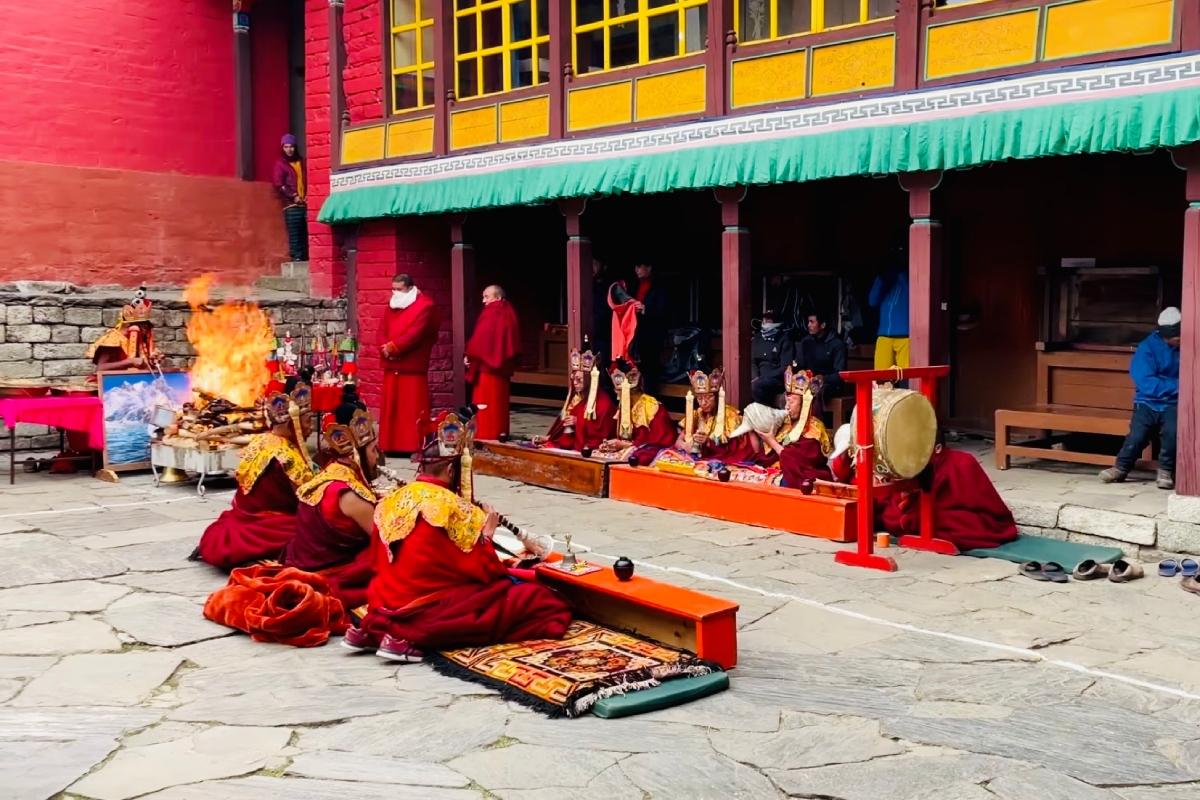
Day 3: The Jinsak (Fire Puja) - 29 October 2026: A powerful closing ceremony where a ritual fire is lit in the monastery courtyard to symbolize the purification of the world and the burning away of negative energy.
Itinerary
Your Himalayan trek begins with a breathtaking 30-minute flight to Lukla, offering panoramic views of the emerald valleys and soaring peaks. After meeting your trekking crew, the journey starts with a gentle descent designed to help your body ease into the mountain rhythm. The trail winds through lush pine forests and charming Sherpa hamlets, following the turquoise waters of the Dudh Koshi River.
As you walk, you will pass ancient Mani walls and colorful prayer flags that set a spiritual tone for the trek. For seniors and children, this day is the perfect introduction to the Khumbu, featuring easy-to-navigate paths and frequent views of Kusum Kanguru. The day concludes in the riverside village of Phakding, where you can relax and enjoy the crisp mountain air in a cozy, welcoming teahouse.
Today's journey leads you into the heart of the Sagarmatha National Park. The trail follows the river through high-altitude forests of blue pine and fir, crossing several impressive suspension bridges draped in silk prayer flags. The final leg of the day involves a steady zigzag climb through the forest, where you might catch your first glimpse of Mount Everest peering through the trees.
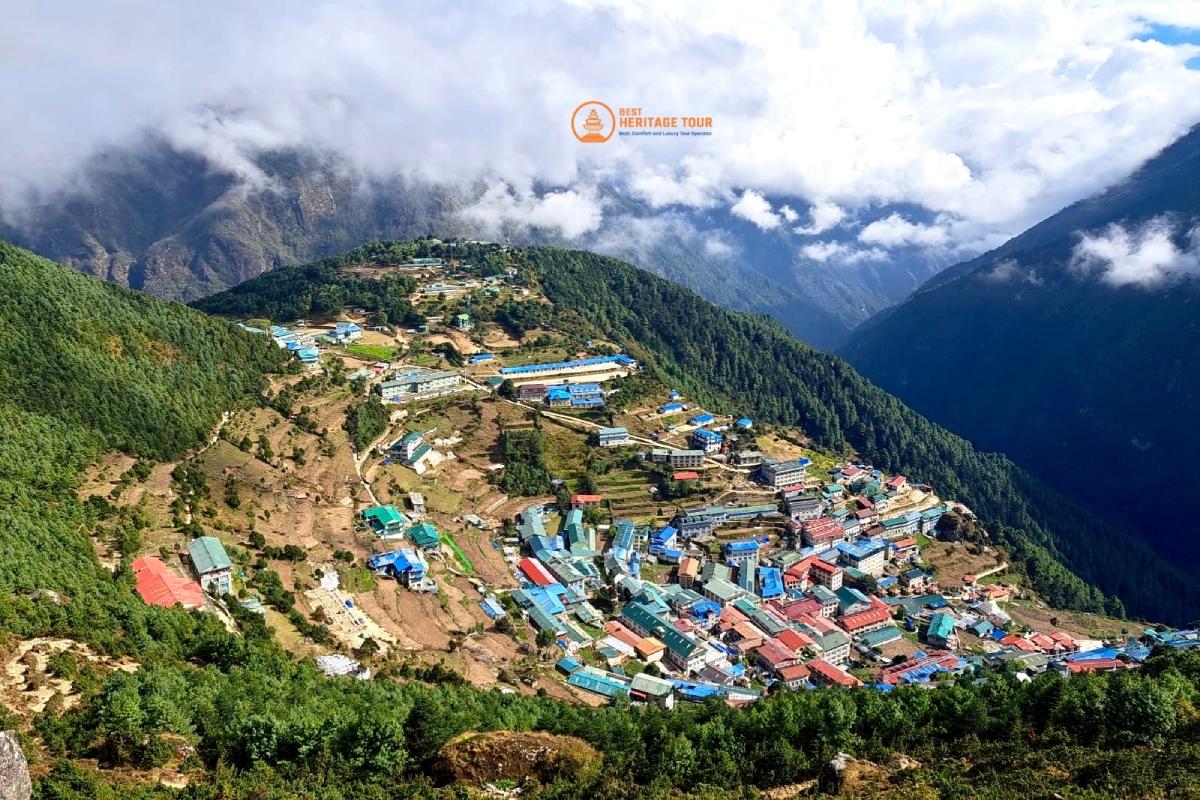
The ascent is taken at a slow, deliberate pace to ensure every family member adjusts comfortably to the altitude. You will eventually emerge into the vibrant horseshoe-shaped amphitheater of Namche Bazaar. As the cultural and commercial capital of the Khumbu, Namche offers a lively atmosphere with bakeries, craft shops, and stunning views of Thamserku and Kongde Ri towering above the town.
Today is a "rest" day, but in the trekking world, that means "walk high, sleep low." We take a scenic uphill hike to the famous Hotel Everest View, one of the highest luxury hotels in the world. This day is vital for your body’s adjustment to the thinning air. As you reach the ridge, the skyline explodes with a 360-degree panorama of the giants: Everest, Lhotse, Nuptse, and the iconic spire of Ama Dablam.
The environment here changes from the bustling town to alpine meadows. For kids, the wide-open trails provide a great space to explore, while seniors can enjoy a cup of coffee on the hotel terrace, soaking in the most famous view on the planet. This gentle exertion helps your blood produce more red cells, ensuring the days ahead are safer and more enjoyable. We return to Namche for the afternoon, where you can browse local bakeries or visit the Sherpa Culture Museum.
Leaving Namche, the trail meanders along the side of the mountain with relatively flat paths, offering "Himalayan flat" walking with continuous views of Everest. The journey then descends through rhododendron and pine forests to Phunke Tenga by the river, where we stop for a hearty lunch. The final part of the day is a steady climb through a beautiful forest inhabited by musk deer and Himalayan Monal (Danphe).
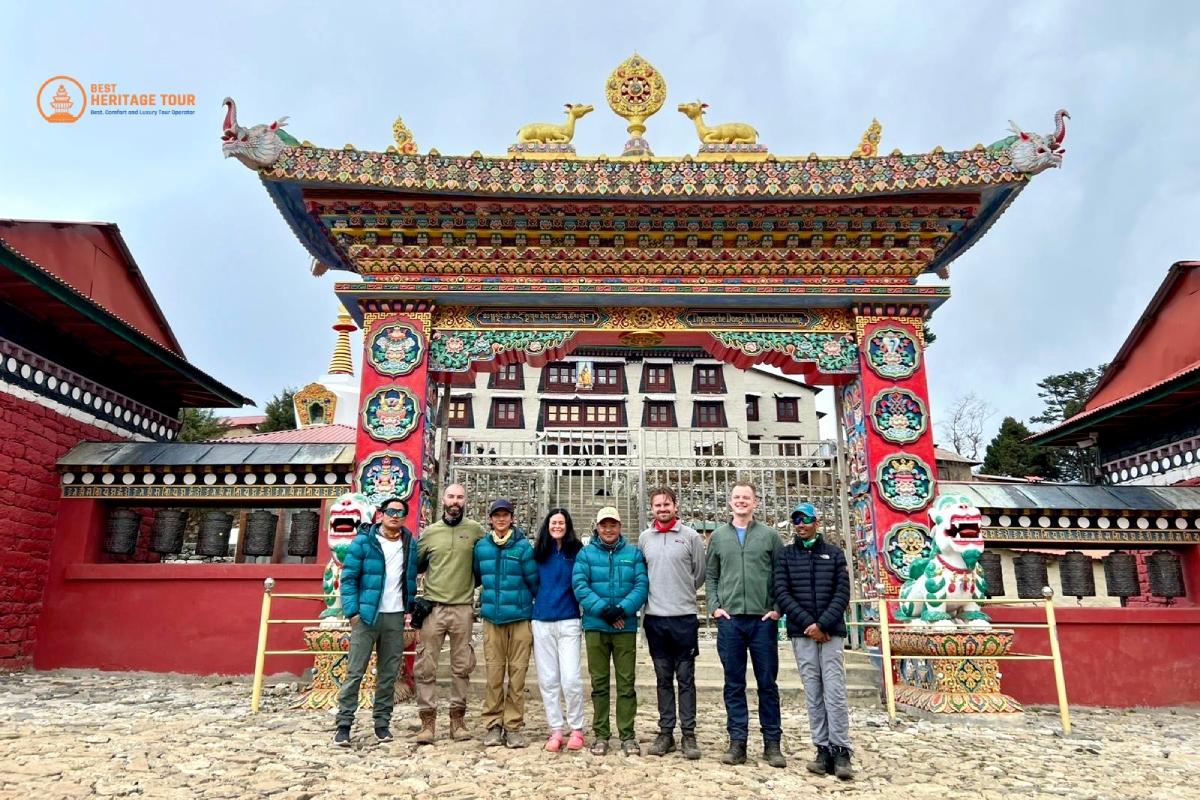
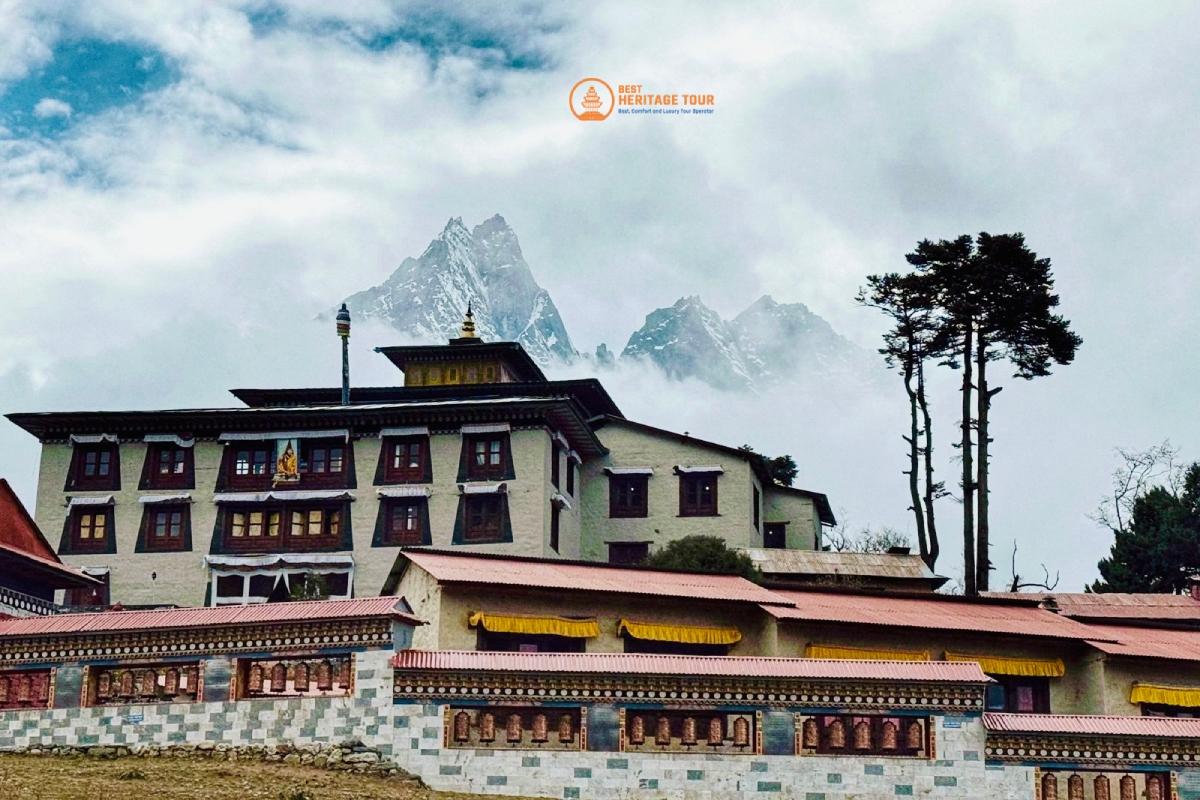
The destination is Tengboche, home to the region's most famous monastery. The atmosphere here is deeply spiritual; you can hear the rhythmic chanting of monks and the deep hum of Tibetan horns echoing against the backdrop of Ama Dablam. This is often the emotional heart of the trek for many visitors, offering a sense of peace that perfectly complements the grand scale of the surrounding peaks.
Day 5 is the spiritual highlight of your journey - the day you witness the sacred Mani Rimdu Festival at Tengboche Monastery. After a morning breakfast at your teahouse, you will make your way to the monastery courtyard. The festival is a living display of Tibetan Buddhist culture, with monks performing masked Cham dances, dressed in colorful robes and elaborate masks representing deities, protectors, and symbolic mythological figures.
You will have the opportunity to observe the ritual creation of sand mandalas, sacred blessings, and ceremonial offerings, as monks bless pilgrims and visitors with Mani Rilwu (sacred pills) for protection, good fortune, and spiritual merit. Photography is allowed in designated areas, but it’s best to immerse yourself in the experience fully, soaking in the colors, chants, and energy of this once-in-a-lifetime event.
In the afternoon, take time to explore Tengboche village, visit the monastery museum, and enjoy panoramic views of the surrounding peaks from the monastery grounds. The day ends with a peaceful return to your teahouse, where you can reflect on the spiritual richness of the festival while enjoying a warm meal and the serene mountain atmosphere.
Note: If you want to fully experience all last 3 Days of Mani Rimdu Festival, we are happy to customize the itinerary for you.
As we leave the forest behind, the landscape begins to shift into the sub-alpine zone. The trees become smaller and sparser, replaced by shrubs and hardy alpine plants. The trail descends to Deboche before crossing the Imja Khola via another scenic suspension bridge. You will walk past thousands of Mani stones - stones hand-carved with prayers - showing the deep devotion of the local Sherpa people.
The climb to Dingboche is gradual. This village is known as the "Summer Settlement," and you’ll notice the unique stone walls built to protect crops like barley and potatoes from the cold winds. The views of the Lhotse-Nuptse massif are spectacular from here. For families, the shorter walking day ensures that everyone arrives with plenty of energy to enjoy the golden hour light hitting the surrounding peaks.
Our second dedicated acclimatization day takes us up the ridge of Nangkartshang Peak. This is a steep but rewarding climb that serves as a "test" for the higher altitudes to come. From the ridge, you gain an incredible perspective of the Imja Valley, with the world’s fourth-highest peak, Lhotse, towering directly ahead. You can also look down on the village of Pheriche and see the vastness of the glaciers.
We don't need to reach the very top to get the benefits; the goal is to spend a few hours at a higher elevation before descending back to Dingboche. This strategy is the best way to prevent altitude sickness for children and seniors. The afternoon is yours to rest, hydrate, and enjoy the surprisingly cozy atmosphere of the high-altitude teahouses.
Today’s trek feels like walking on another planet. The trail is wide and barren, with massive peaks on all sides. We’ll stop for a break at a small place called Thukla before tackling a steep climb up the Thukla Pass.
At the top of the pass, we’ll see many stone memorials dedicated to climbers who lost their lives on Everest. It is a very powerful and quiet place. From here, we walk along the lateral moraine (the rocky edge) of the Khumbu Glacier until we reach the small cluster of teahouses at Lobuche. As you approach Lobuche, the mountains feel closer than ever. The village itself is small, consisting mainly of teahouses nestled against the backdrop of towering peaks such as Pumori, Nuptse, and Cho Oyu.
Today is another highlight of the trek as you reach the legendary Everest Base Camp. Leaving Lobuche, the trail climbs steadily over rocky moraines and glacial terrain, offering breathtaking views of Nuptse, Pumori, and Lhotse. The path is challenging but rewarding, with the landscape growing more rugged and dramatic with every step.
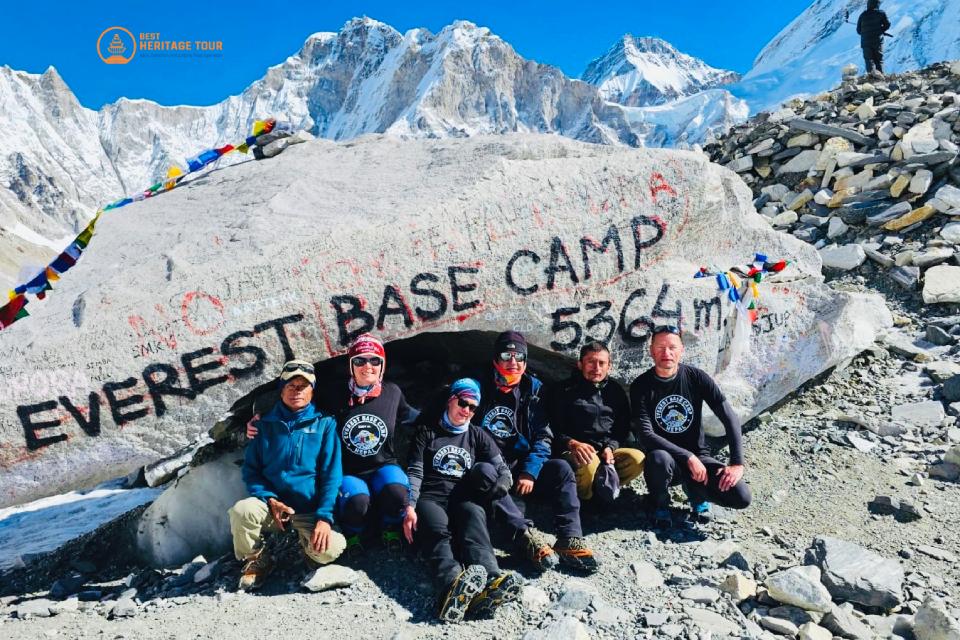
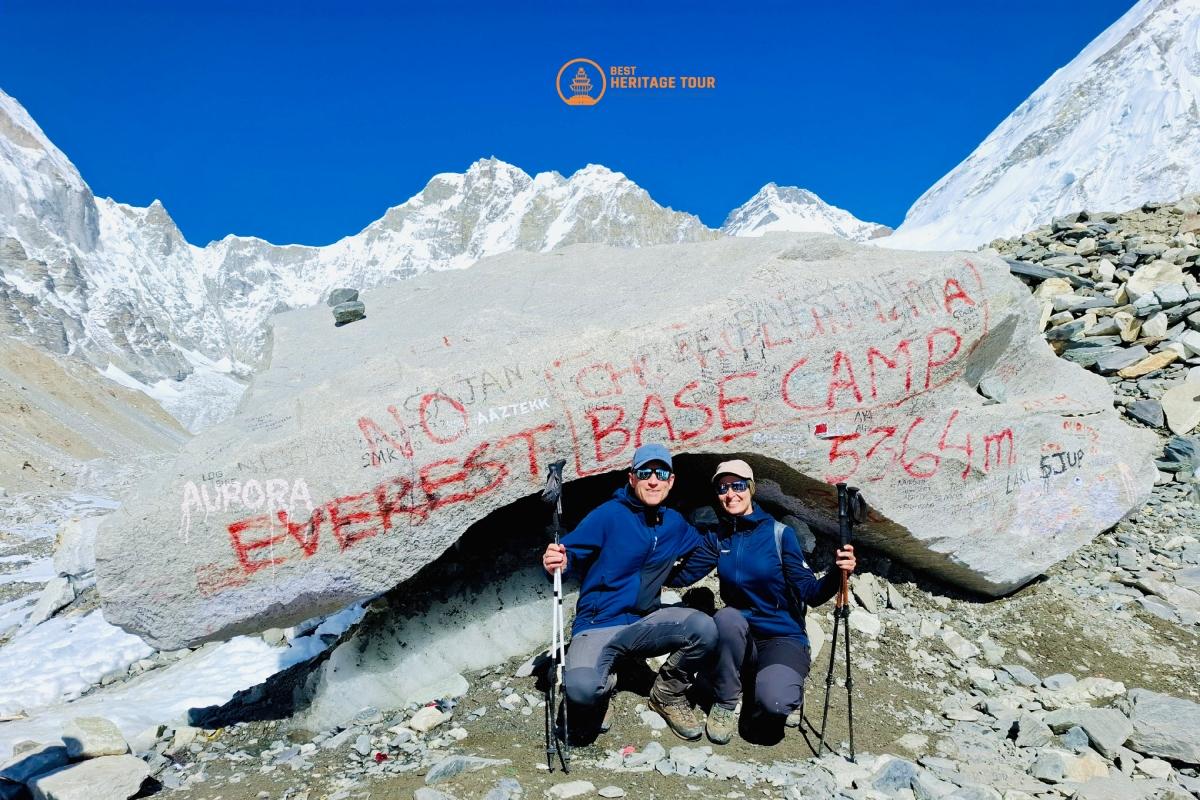
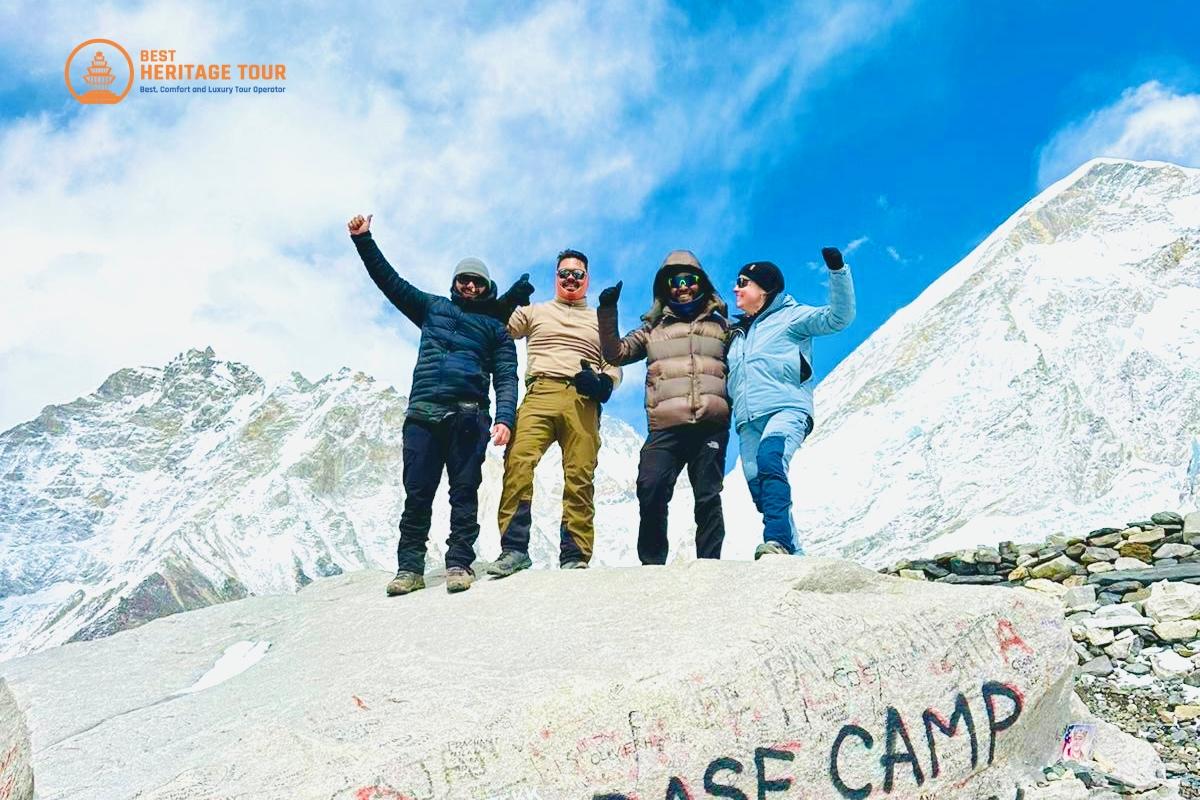
Arriving at Gorakshep, the highest settlement on the trail, you can leave your main bags and continue to Everest Base Camp. Standing at the foot of the world’s tallest mountain is a truly humbling experience, surrounded by icefalls, prayer flags, and the energy of countless climbers who have passed through this historic site. After exploring the base camp, you return to Gorakshep for the night.
We begin early for the short but steep climb up Kalapattar, the highest point of our trek. This is where you get the "classic" view of Everest - the summit itself, the South Col, and the entire Lhotse-Nuptse range. Watching the sun rise over the top of the world is a spiritual experience that defies description.
After descending to Gorakshep for a hot breakfast, we begin our long but easy descent. As we drop in altitude, you will feel the air getting thicker and richer with every step. We pass back through Lobuche and Thukla, finally reaching the wide valley of Pheriche. The village is home to a high-altitude medical clinic and offers a significantly warmer, more oxygen-rich environment for a restful night's sleep.
Today begins your descent back toward Namche Bazaar, retracing parts of the trail while offering new perspectives of the Himalayan landscapes. The trek follows the Dudh Koshi River valley, passing through small villages and yak pastures. The air feels lighter with every descent, and the views of surrounding peaks remain dramatic, offering plenty of photo opportunities along the way.
Descending through alpine meadows and forests, you will pass through Dingboche and Tengboche, revisiting the serene monasteries and villages you encountered on the way up. The vibrant atmosphere of Namche Bazaar welcomes you back, with shops, tea houses, and local culture providing a lively contrast to the remote high-altitude villages. This day is less strenuous but still allows for enjoyable exploration and acclimatization adjustment.
Today’s trek takes you downhill through the beautiful Khumbu valleys toward Lukla, the gateway to the Everest region. Leaving Namche Bazaar, the trail winds through forests of rhododendron and pine, crosses suspension bridges over the Dudh Koshi River, and passes through villages like Phakding, where local life and prayer flags enrich the journey.
The descent is gradual but long, offering spectacular views of mountains and rivers, while the changing vegetation marks your return to lower altitudes. Arriving in Lukla, trekkers feel a sense of accomplishment and relief, surrounded by the bustling airstrip, tea houses, and shops that mark the end of the trekking trail. Lukla’s charm is a perfect setting to rest and celebrate the high-altitude adventure.
We catch an early morning flight from Lukla, saying a final goodbye to the peaks of the Khumbu. The 30-minute flight back to Kathmandu provides one last bird's-eye view of the landscape you just traversed on foot. Upon arrival, you'll be transferred to your hotel for a much-deserved rest and a long, hot bath.
What is included?
- PRIVATE AIRPORT PICK-UP & DROP : Airport - Hotel transfer - Airport (Pick Up and Drop).
- ROUND TRIP DOMESTIC FLIGHT FARE : Fly from Kathmandu - Lukla and while returning Lukla - Kathmandu, as per itinerary. (through manthali during peak trekking season).
- LODGING : Best available accommodation in mountain lodges and tea houses during the trek.
- FOOD : 3 meals a day (breakfast, lunch and dinner; including tea/coffee) during the trek, with Ef-Chlor purification tablets provided for safe drinking water.
- GUIDE : One experienced government licensed trekking guide (English speaking) during the trek.
- STAFF SALARY AND ALLOWANCE : All trekking staff wages, salary, equipment, food & clothing.
- PERMITS : All necessary paperwork : Sagarmatha National Park permit, Khumbu Pasang Lhamu Rural Municipality entry permit and fees.
- STAFF INSURANCE : Insurance for all involved trekking staff during the trek.
- GEAR (IF NEEDED) : Sleeping bag, down jacket and duffle bag (to be returned after the trek).
- MEDICAL KIT : A well equipped first aid kit, including an oximeter and emergency oxygen, carried by the guide for your safety.
- IN CASE OF EMERGENCY : Assistance in rescue operations in case of emergency covered by travel insurance.
- SOUVENIR : Best Heritage Tour’s Appreciation Certificate after the successful trek & Purse, an authentic Nepali product made from hemp.
- FAREWELL DINNER : A farewell dinner with an authentic cultural program after completion of the trek.
What is not included?
- INTERNATIONAL AIRFARE : International flight airfare (from and to Kathmandu).
- NEPAL VISA FEES : You may issue the visa upon your arrival at Tribhuvan International Airport - Kathmandu or apply manually in your home country.
- ACCOMMODATION IN KATHMANDU : Accommodation & Meals in Kathmandu.
- INSURANCE POLICY : Travel insurance covering medical expenses and high-altitude evacuation is mandatory. If you do not have suitable coverage, we can also assist in arranging travel insurance for you upon your arrival in Nepal. Check Over Here
- PERSONAL EXPENSES : Clothing & gears, telephone, internet, toiletries, hot shower, laundry, soft drinks and any Alcoholic beverages.
- OPTIONAL PORTER SERVICE : USD 22 per day, including all taxes (each porter can carry up to 25 kg of luggage).
- TIPS : Tips for guide and porters.
- EXTRA : Any additional costs due to factors beyond our control, or for services not specifically mentioned in the Itinerary & Included section.
- TAXES & SERVICE CHARGE : All government taxes (13%) and service charge (10%).
Route Map
Equipment
Clothing
-
Base Layers: T-shirts, thermal tops, leggings
-
Mid Layers: Fleece jackets, insulated sweater
-
Outer Layer: Waterproof and windproof jacket and pants
-
Down Jacket
-
Trekking Pants
-
Shorts/Trekking T-shirts
-
Gloves: Liner and insulated waterproof gloves
-
Hat/Beanie
-
Sun Hat/Cap
Footwear
-
Socks: Wool or synthetic, 3-4 pairs
-
Trekking Boots
-
Sandals
-
Gaiters (optional)
Trekking Gear
-
Backpack: 40-50 L
-
Daypack
-
Trekking Poles
-
Sleeping Bag: -15°C rated
-
Water Bottles / Hydration Bladder
-
Headlamp/Flashlight
-
Sunglasses
Personal Items
-
Toiletries
-
Sunscreen & Lip Balm
-
Towel
-
Personal Medications
-
Hand Sanitizer / Tissue Paper
-
Camera / Smartphone / Power Bank
-
Water Purification Tablets / Filters
-
Personal First Aid Kit
Extra Items
-
Binoculars
-
Notebook / Journal
-
Travel Permits
-
Passport Photocopies
-
Snacks / Energy Bars
Trip Info
Useful Information About the Mani Rimdu Festival with EBC Trek
To help you enjoy a safe, well-prepared, and memorable Mani Rimdu Festival with EBC Trek, we recommend familiarizing yourself with the essential trip information provided above. Understanding the trek, high-altitude conditions, Lukla flights, festival etiquette, accommodation, meals, and other logistics will help you prepare confidently and make the most of this unique cultural and Himalayan adventure in the Everest region.
Airport Pick-Up and Trip Briefing for Mani Rimdu Festival with EBC Trek
Your journey to the Mani Rimdu Festival with Everest Base Camp Trek begins with a warm welcome in Nepal. Upon your arrival at Tribhuvan International Airport in Kathmandu, a representative from Best Heritage Tour will be waiting in the arrival hall holding a placard with your name. As a traditional Nepali gesture of hospitality, you will be welcomed with a Khada (ceremonial scarf) before being transferred to your hotel in a private vehicle. The type of vehicle will depend on your group size.
Please note that hotel accommodation in Kathmandu is not included in our standard trekking package. However, we are happy to arrange hotel bookings before and after your trek based on your preferred comfort level and budget.
Trip Briefing Session for Mani Rimdu Festival with EBC Trek
Before your Everest adventure begins, we conduct a comprehensive trip briefing at our office in Thamel. The session is personally led by Mr. Bimal (Managing Director of Best Heritage Tour) to ensure you are fully prepared for both the cultural festival experience and the high-altitude trek to Everest Base Camp.
During the briefing, we will provide detailed information on:
-
Complete trek itinerary with daily highlights.
-
Mani Rimdu Festival, monastery etiquette, and festival schedule.
-
Trail conditions, weather, Lukla flights, and altitude safety.
-
Essential trekking gear, clothing, and equipment.
-
Introduction to your licensed trekking guide and porter (if included).
-
Final Q&A session and confirmation of trekking arrangements.
This session ensures you are fully prepared, well-informed, and mentally ready for the journey into the beautiful Everest region.
What Type of Transportation Is Used for the Mani Rimdu Festival with EBC Trek?
For our Mani Rimdu Festival with Everest Base Camp Trek, the primary mode of transportation is a scenic domestic flight between Kathmandu (or Manthali during peak trekking seasons) and Lukla Airport. From Lukla onward, the journey continues entirely on foot through the beautiful Khumbu Valley, passing traditional Sherpa villages before reaching Tengboche Monastery for the Mani Rimdu Festival and continuing to Everest Base Camp.
Scenic Flight to Lukla
The flight to Tenzing-Hillary Airport, Lukla (2,860 m) is one of the most exciting experiences of the trek. Lasting around 30-35 minutes from Kathmandu or 20 minutes from Manthali (Ramechhap), the flight offers breathtaking aerial views of the Himalayan range and marks the beginning of your Everest adventure.
Because Lukla Airport is located in the mountains, flights are highly dependent on weather conditions. Delays or cancellations are possible, especially during periods of poor visibility. For this reason, we recommend keeping 1-2 extra buffer days in your travel schedule.
Lukla Flights from Kathmandu and Manthali
During the off-season, Lukla flights generally operate directly from Kathmandu's Tribhuvan International Airport.
During the peak trekking seasons (spring and autumn), most airlines operate Lukla flights from Manthali Airport (Ramechhap) due to heavy air traffic in Kathmandu. In this case, trekkers leave Kathmandu early in the morning (or around midnight) for a 4-5-hour drive to Manthali before boarding the flight to Lukla.
Baggage Allowance for Lukla Flights
Since Lukla flights use small aircraft, baggage allowance is limited.
|
Baggage Type |
Weight Allowance |
|---|---|
|
Total Allowance |
15 kg (33 lbs) |
|
Checked Baggage |
Up to 10 kg (22 lbs) |
|
Hand Carry |
Up to 5 kg (11 lbs) |
|
Excess Baggage |
Approx. USD 5-8 per kg |
If your luggage exceeds the permitted limit, additional charges may apply. In some cases, excess baggage may be transported on a later flight or cargo service depending on aircraft capacity.
Helicopter Charter to Lukla
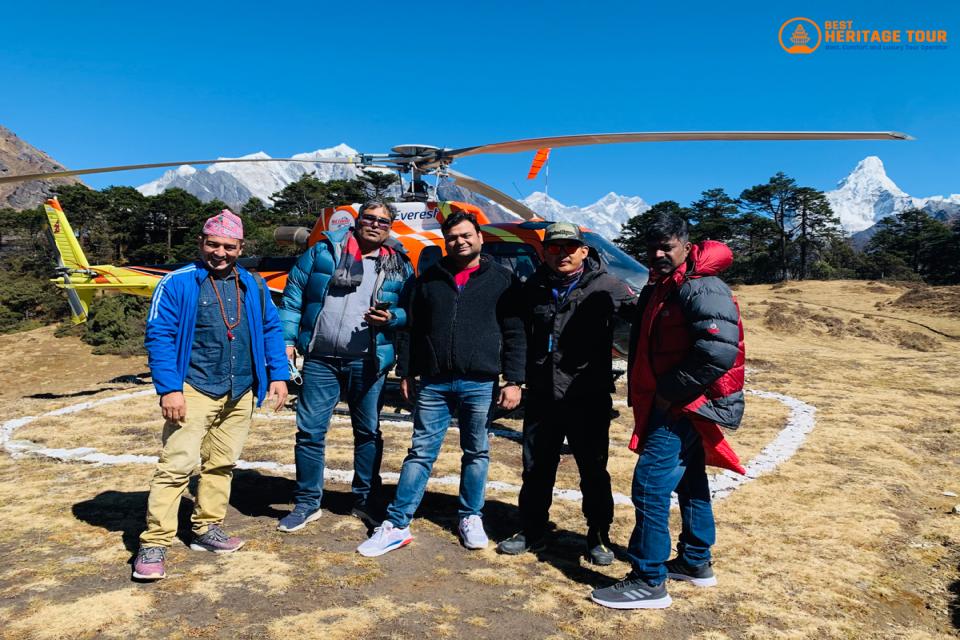
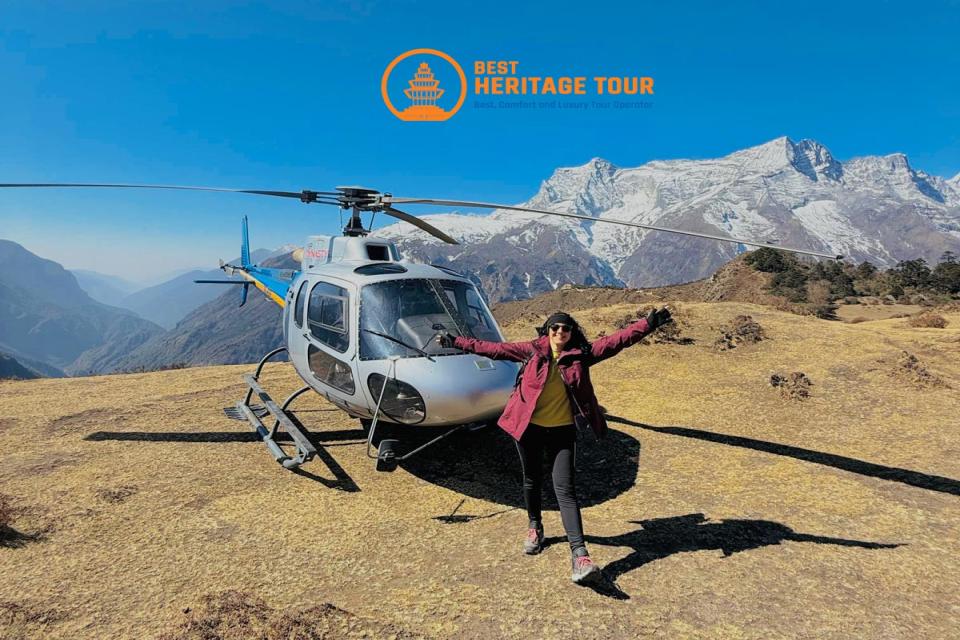
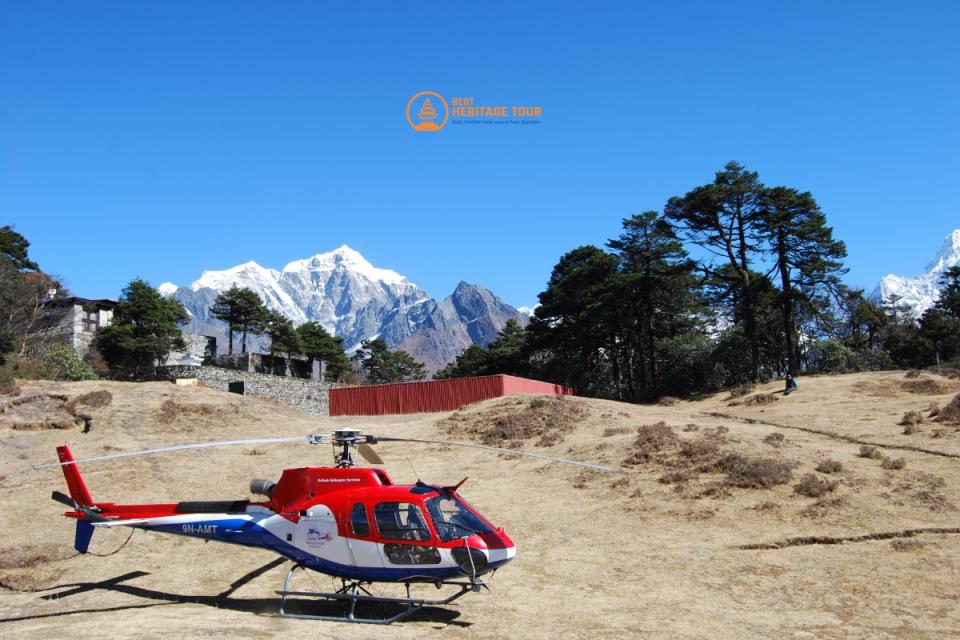
If you prefer a faster and more flexible alternative, Best Heritage Tour can arrange a helicopter transfer to or from Lukla upon request. This option is especially popular during peak trekking seasons when regular flights are more likely to be delayed due to weather or airport congestion.
-
Helicopter charter available on request
-
Shared helicopter seats may be available, subject to availability
-
Shared helicopter cost: approximately USD 450-550 per person
-
Private helicopter charter: price varies by group size and season
If you would like to include a helicopter transfer in your Mani Rimdu Festival with EBC Trek, simply let us know in advance, and we will arrange the most suitable option based on your travel dates and group size.
What Is the Highest Point Reached During the Mani Rimdu Festival with EBC Trek?
The highest point reached during the Mani Rimdu Festival with Everest Base Camp Trek is Kala Patthar, standing at an impressive 5,545 meters (18,192 feet) above sea level. While Everest Base Camp (5,364 meters / 17,598 feet) is the main destination of the trek, Kala Patthar is the highest elevation trekkers reach and offers the most spectacular panoramic views of the Everest Himalayas.
Kala Patthar: The Best Viewpoint of Mount Everest
After visiting Everest Base Camp, the trek continues with an early morning hike to Kala Patthar, one of the most iconic viewpoints in the Everest region. From its summit, trekkers can enjoy breathtaking sunrise views of Mount Everest (8,848.86 m) along with Nuptse, Lhotse, Pumori, Lingtren, Khumbutse, and the surrounding Himalayan peaks. It is considered the best place to witness Mount Everest in its full glory, making it a highlight of both the trekking and photography experience.
How High Is Everest Base Camp?
Everest Base Camp lies at an altitude of 5,364 meters (17,598 feet) on the edge of the Khumbu Glacier, below the towering Khumbu Icefall. During the spring climbing season, the base camp comes alive with colorful expedition tents, climbers, guides, and support teams preparing for Mount Everest expeditions. Reaching Everest Base Camp is a major milestone, while Kala Patthar offers the highest elevation and the finest views of the world's highest mountain.
Altitude Table for Mani Rimdu Festival with EBC Trek
|
Location |
Altitude (Meters) |
Altitude (Feet) |
|---|---|---|
|
Kathmandu |
1,400 m |
4,593 ft |
|
Lukla |
2,860 m |
9,383 ft |
|
Phakding |
2,652 m |
8,700 ft |
|
Namche Bazaar |
3,440 m |
11,286 ft |
|
Everest View Hotel |
3,880 m |
12,729 ft |
|
Tengboche (Mani Rimdu Festival) |
3,860 m |
12,664 ft |
|
Dingboche |
4,410 m |
14,469 ft |
|
Nangkartshang Peak |
5,083 m |
16,676 ft |
|
Lobuche |
4,910 m |
16,108 ft |
|
Gorakshep |
5,170 m |
16,961 ft |
|
Everest Base Camp |
5,364 m |
17,598 ft |
|
Kala Patthar (Highest Point) |
5,545 m |
18,192 ft |
Note: Although the Mani Rimdu Festival at Tengboche Monastery is one of the cultural highlights of this journey, the trek also reaches the iconic landmarks of Everest Base Camp and Kala Patthar, offering a perfect combination of Sherpa culture, Buddhist traditions, and high-altitude Himalayan adventure.
What Is the Total Distance Covered on the Mani Rimdu Festival Trek with EBC?
The Mani Rimdu Festival Trek combines thrilling mountain flights with one of the world's most iconic trekking adventures through the heart of the Khumbu region. Following our 13-day itinerary, the total distance covered is approximately 160 km (99 miles), including both domestic flights and trekking.
What Is the Total Flight Distance on the Mani Rimdu Festival with EBC Trek?
Unlike many Himalayan treks, this journey begins and ends with scenic mountain flights instead of long road journeys. The total flight distance is approximately 275 km (171 miles).
The flight sections include:
-
Kathmandu → Lukla: ~138 km (86 miles)
-
Lukla → Kathmandu: ~138 km (86 miles)
Note: During peak trekking seasons (spring and autumn), Lukla flights may operate via Manthali Airport (Ramechhap) due to air traffic at Kathmandu Airport.
What Is the Total Trekking Distance on the Mani Rimdu Festival with EBC Trek?
The total trekking distance is approximately 132 km (82 miles). The trail passes through traditional Sherpa settlements, lush forests, Buddhist monasteries, alpine landscapes, glacial moraines, and the Khumbu Glacier before reaching Everest Base Camp and Kala Patthar.
Day-by-Day Distance & Walking Time
|
Day |
Route |
Distance |
Duration |
|---|---|---|---|
|
Day 1 |
Lukla → Phakding |
~8 km (5 mi) |
3-4 hrs |
|
Day 2 |
Phakding → Namche Bazaar |
~10 km (6.2 mi) |
6-7 hrs |
|
Day 3 |
Acclimatization Hike to Everest View Hotel & back |
~7 km (4.3 mi) |
3-4 hrs |
|
Day 4 |
Namche Bazaar → Tengboche |
~10 km (6.2 mi) |
5-6 hrs |
|
Day 5 |
Attend Mani Rimdu Festival (Tengboche) |
|
Leisure Day |
|
Day 6 |
Tengboche → Dingboche |
~12 km (7.5 mi) |
5-6 hrs |
|
Day 7 |
Acclimatization Hike to Nangkartshang Peak & back |
~5 km (3.1 mi) |
3-4 hrs |
|
Day 8 |
Dingboche → Lobuche |
~8 km (5 mi) |
5-6 hrs |
|
Day 9 |
Lobuche → Gorakshep → Everest Base Camp → Gorakshep |
~15 km (9.3 mi) |
7-8 hrs |
|
Day 10 |
Gorakshep → Kala Patthar → Pheriche |
~13 km (8.1 mi) |
7-8 hrs |
|
Day 11 |
Pheriche → Namche Bazaar |
~20 km (12.4 mi) |
7-8 hrs |
|
Day 12 |
Namche Bazaar → Lukla |
~24 km (14.9 mi) |
7-8 hrs |
|
Day 13 |
Lukla → Kathmandu (Flight) |
~138 km (86 mi) |
30-35 min Flight |
Approximate Totals
-
Total Flight Distance: ~275 km (171 miles)
-
Total Trekking Distance: ~132 km (82 miles)
-
Overall Distance Covered: ~407 km (253 miles)
Note: All distances and trekking durations are approximate and may vary depending on the exact accommodation used, trail conditions, weather, road conditions, and individual walking pace.
All About Tengboche Monastery
Located at an altitude of 3,860 meters (12,664 feet), Tengboche Monastery is the largest and most important Buddhist monastery in the Everest region. Founded in 1916, it belongs to the Nyingma School of Tibetan Buddhism and serves as the spiritual center of the Sherpa community in the Khumbu Valley.
Surrounded by Sagarmatha National Park, lush rhododendron forests, and spectacular Himalayan peaks, the monastery offers breathtaking views of Mount Everest, Ama Dablam, Lhotse, and Nuptse. It is also the venue for the annual Mani Rimdu Festival, a vibrant Buddhist celebration featuring sacred rituals, masked dances, and traditional ceremonies that attract pilgrims and trekkers from around the world.
What Type of Accommodation Is Provided During the Mani Rimdu Festival with EBC Trek?
During the Mani Rimdu Festival with Everest Base Camp Trek, trekkers stay in traditional teahouses and mountain lodges that provide a warm and comfortable place to rest after each day of trekking. Accommodation is generally more comfortable in the lower villages, while facilities become simpler at higher elevations due to the remote Himalayan environment.
At Best Heritage Tour, we always arrange the best available teahouses along the trekking route to ensure a comfortable and enjoyable trekking experience.
Accommodation in Kathmandu
Hotel accommodation in Kathmandu is not included in our standard package. However, Best Heritage Tour is happy to arrange accommodation before or after the trek according to your preferred budget and comfort level.
Accommodation During the Mani Rimdu Festival with EBC Trek
Below is the typical accommodation arrangement during the trek. Private room availability depends on the trekking season and lodge occupancy.
-
1 Night in Phakding: Private room with attached bathroom (subject to availability)
-
2 Nights in Namche Bazaar: Private room with attached bathroom
-
2 Nights in Tengboche: Private or shared room with shared bathroom facilities (includes your stay during the Mani Rimdu Festival)
-
2 Nights in Dingboche: Private room with shared bathroom facilities
-
1 Night in Lobuche: Shared room with shared bathroom facilities
-
1 Night in Gorakshep: Shared room with shared bathroom facilities
-
1 Night in Pheriche: Private room with shared bathroom facilities
-
1 Night in Namche Bazaar: Private room with attached bathroom
-
1 Night in Lukla: Private room with attached bathroom
Note: During the Mani Rimdu Festival, Tengboche receives many pilgrims and trekkers. As a result, rooms are in high demand, and private rooms may not always be available. Our team books accommodation as early as possible to secure the best available lodging.
Facilities Available During the Trek
1. Toilet Facilities
Toilet facilities vary with altitude.
-
Phakding, Lukla, and Namche Bazaar: Attached bathrooms are available in many lodges.
-
Tengboche, Dingboche, and Pheriche: Shared bathrooms are more common.
-
Lobuche and Gorakshep: Shared toilets with basic facilities are standard.
2. Hot Showers
Hot showers are available in most villages for an additional charge.
-
Typical cost: NPR 500-800 per shower, with prices increasing at higher elevations.
-
Many trekkers skip showers at Lobuche and Gorakshep due to freezing temperatures.
3. Electricity and Device Charging
Electricity is available throughout most of the trekking route.
-
Charging is often free or inexpensive in Lukla, Phakding, and Namche Bazaar.
-
Above Namche, charging usually costs NPR 300-600 per device, depending on the lodge and altitude.
4. Wi-Fi and Internet Access
Wi-Fi is available in most villages, although speed and reliability decrease with altitude.
-
Complimentary Wi-Fi may be available in some lodges at Lukla, Phakding, and Namche Bazaar.
-
From Tengboche onwards, internet access is generally paid.
-
Everest Link Wi-Fi is available in most major villages along the route.
5. Mobile Network Coverage
Both Nepal Telecom (NTC) and Ncell provide network coverage in many parts of the Everest region.
-
NTC generally offers better coverage on this route.
-
Mobile signals are available in Lukla, Phakding, Namche Bazaar, Tengboche, Dingboche, Lobuche, and Gorakshep (limited at higher elevations).
Food and Drinks on the Mani Rimdu Festival with EBC Trek
The Mani Rimdu Festival with Everest Base Camp Trek offers a wide variety of fresh and nutritious meals throughout the journey. Despite trekking through remote Himalayan villages, the teahouses along the route serve wholesome food to keep you energized for long days of hiking at high altitude.
At Best Heritage Tour, our package includes breakfast, lunch, and dinner throughout the trek, along with 2-3 cups of tea or coffee daily. Meals are freshly prepared by local teahouses using locally available ingredients, with both Nepali and international dishes available.
Meal Arrangement During the Trek
-
Breakfast: Served at your overnight lodge before starting the day's trek.
-
Lunch: Enjoyed at a teahouse along the trekking trail.
-
Dinner: Served at the lodge where you stay each evening.
This arrangement allows trekkers to enjoy freshly prepared meals while supporting local teahouses and Sherpa communities.
Meal Inclusion Policy
-
One main meal is included for breakfast, lunch, and dinner.
-
2-3 cups of tea or coffee are included each day.
-
Additional food, snacks, desserts, soft drinks, and alcoholic beverages are available at an extra cost.
Popular Food Options Along the Trek
|
Meal |
Common Food Options |
|---|---|
|
Breakfast |
Porridge, oats, Tibetan bread, toast, pancakes, eggs, chapati, muesli, cornflakes |
|
Lunch |
Dal Bhat, fried rice, noodles, chowmein, pasta, momos, thukpa, vegetable curry |
|
Dinner |
Dal Bhat, rice with curry, noodles, pasta, soup, potatoes, chapati, thukpa |
Note: Menu options may vary depending on the village, season, and altitude.
Drinks and Hydration
Staying hydrated is essential for proper acclimatization and reducing the risk of altitude sickness.
Common drinks available along the trail include:
-
Tea (Black Tea, Milk Tea, Ginger Tea, Lemon Tea etc)
-
Honey Ginger Lemon
-
Coffee & Hot Chocolate
-
Boiled Drinking Water & Bottled Drinking Water (Available for Purchase)
Many trekkers also enjoy Garlic Soup and Honey Ginger Lemon Tea at higher elevations, as they are popular choices for staying warm during the trek.
Vegetarian and Vegan Meals
Vegetarian meals are widely available throughout the Everest region, and vegan options can also be arranged in most teahouses.
If you have:
-
Vegetarian or vegan requirements
-
Food allergies
-
Gluten-free preferences
-
Other dietary restrictions
please inform Best Heritage Tour before the trek so we can coordinate with the teahouses whenever possible.
How is the Drinking Water Facilities on the Everest Region?
Safe drinking water is available throughout the trek. Trekkers can choose from boiled water, bottled mineral water, or purified water using personal filters or purification tablets.
Cost of Boiled Drinking Water on Everest Region
Boiled water is the safest and most recommended option during the trek.
|
Location |
Approx. Cost (250 ml Cup) |
|---|---|
|
Lukla & Phakding |
NPR 100-150 |
|
Namche Bazaar |
NPR 150-200 |
|
Tengboche |
NPR 250-300 |
|
Dingboche |
NPR 300-350 |
|
Lobuche |
NPR 350-450 |
|
Gorakshep |
NPR 500-600 |
Cost of Bottled Mineral Water in Everest Region
Although bottled water is available along the route, we encourage trekkers to carry a reusable bottle to help reduce plastic waste in the Everest region.
|
Location |
Approx. Cost (1 Liter) |
|---|---|
|
Lukla & Phakding |
NPR 120-150 |
|
Namche Bazaar |
NPR 200-250 |
|
Tengboche |
NPR 300-350 |
|
Dingboche |
NPR 350-450 |
|
Lobuche |
NPR 450-500 |
|
Gorakshep |
NPR 500-600 |
Our Recommendation: Carry a reusable water bottle (1-2 liters) and use boiled water or purification tablets throughout the trek. It is a safer, more economical, and environmentally friendly option while exploring the Everest region.
When Is the Best Time for the Mani Rimdu Festival with EBC Trek?
The best time for the Mani Rimdu Festival with EBC Trek is during the autumn season (October to November), when the sacred Mani Rimdu Festival takes place at Tengboche Monastery. As the festival follows the Tibetan lunar calendar, the exact dates vary each year, but the celebrations are typically held in October or November.
Autumn is also the most popular trekking season in the Everest region, offering stable weather, clear mountain views, pleasant daytime temperatures, and ideal trekking conditions. The combination of colorful cultural celebrations, breathtaking Himalayan scenery, and comfortable weather makes this the perfect time to experience both the spiritual heritage of the Sherpa community and the iconic journey to Everest Base Camp.
Documents Required for the Mani Rimdu Festival Trek
To ensure a smooth and hassle-free trekking experience in the Everest region, trekkers must carry a few essential travel documents. These documents are mandatory for entry, safety, and permit regulations in Nepal’s protected trekking areas.
Nepal Visa for the Mani Rimdu Festival Trek
All international travelers (except Indian) need a tourist visa to visit Nepal, which can be obtained on arrival at Kathmandu airport or online.
Key Details:
-
Duration: 15, 30, or 90 days (15 days recommended for this trek)
-
Fees: 15 days - USD 30 | 30 days - USD 50 | 90 days - USD 125
-
Requirements: Valid passport (6+ months), visa form, passport photo, and payment in cash (USD/EUR/GBP/NPR)
Citizens of certain countries do not get Nepal Visa on arrival. They must have to apply for the Nepal Visa on advance through the Nepalese Embassy.
Travel Insurance for the Mani Rimdu Festival Trek
Travel insurance is highly recommended and mandatory for trekking in Everest region. For this trek, standard travel insurance is simply not enough
Your insurance policy should cover:
-
High-Altitude Coverage (Up to 6,000m)
-
Medical Emergency & Hospitalization: Including treatment for Altitude Sickness (AMS, HAPE, or HACE).
-
Emergency Helicopter Evacuation
-
Search and Rescue (SAR)
-
Trip Cancellation & Interruption
-
Cashless Claims & Direct Payment
If you do not have a proper insurance for trekking in Nepal, we can help you to arrange that. For further information, check this guide: Buying Trekking Insurance in Nepal
What are the permits required for the Mani Rimdu Festival Trek?
For trekking in the Everest region, proper permits are mandatory to ensure safety, conservation, and legal access. For this trek, the following permits are required:
-
Sagarmatha National Park Permit: Required to enter the national park and trek within its protected areas.
-
Khumbu Pasang Lhamu Rural Municipality Permit: This permit allows trekkers to enter and travel within the Khumbu region.
A valid visa and travel insurance is must to get the permits for the Mani Rimdu Festival Trek. One does not need to worry about the permits arrangement as we will do all the arrangements on behalf of our valued guest.
How Difficult Is the Mani Rimdu Festival Trek?
The Mani Rimdu Festival with EBC Trek is considered a moderately difficult to challenging Himalayan trek. While the trail does not require advance skills, it involves several days of walking at high altitude, making good physical fitness and proper acclimatization essential.
This 13-day trek includes daily walks of 5-8 hours through rugged mountain trails, suspension bridges, rocky paths, and gradual ascents. The itinerary is carefully designed with acclimatization days at Namche Bazaar and Dingboche to help your body adjust to the increasing altitude.
What Are the Factors That Make the Mani Rimdu Festival Trek Difficult?
Several factors contribute to the difficulty of the Mani Rimdu Festival with EBC Trek, including:
-
High Altitude: The trek reaches Kala Patthar (5,545 m / 18,192 ft), where lower oxygen levels make hiking more demanding.
-
Long Walking Days: Expect to trek 5-8 hours daily, with some longer days while visiting Everest Base Camp and Kala Patthar.
-
Steep Ascents and Descents: The trail includes numerous uphill and downhill sections over rocky and uneven terrain.
-
Cold Mountain Climate: Temperatures can drop well below freezing at higher elevations, especially during mornings and nights.
-
Basic Mountain Facilities: As you gain altitude, accommodation and other facilities become simpler and more limited.
-
Weather-Dependent Flights: Flights to and from Lukla are subject to mountain weather and may occasionally be delayed or rescheduled.
Despite these challenges, the trek is achievable for anyone with good health, a positive mindset, and proper preparation.
Is the Mani Rimdu Festival with EBC Trek Suitable for Beginners?
Yes, the Mani Rimdu Festival with EBC Trek is suitable for fit and well-prepared beginners. The itinerary includes dedicated acclimatization days, allowing your body to gradually adjust to the increasing elevation.
Beginners with a good level of fitness, a positive attitude, and proper preparation can successfully complete this trek under the guidance of our experienced trekking team. Regular walking, hiking, or cardio exercises before the trip are highly recommended to make the journey more enjoyable.
Can Beginners Go and Complete the Mani Rimdu Festival Trek?
Absolutely. Many first-time trekkers complete the Mani Rimdu Festival with EBC Trek every year. Success depends more on physical fitness, proper acclimatization, and walking at a steady pace than on previous trekking experience.
At Best Heritage Tour, our experienced, government-licensed guides carefully monitor your health, set a comfortable trekking pace, and provide support throughout the journey to ensure a safe and rewarding experience.
Who Is the Mani Rimdu Festival Trek Suitable For?
The Mani Rimdu Festival with EBC Trek is an excellent choice for:
-
Beginners with good physical fitness and adequate preparation.
-
Experienced trekkers seeking a unique blend of culture and adventure.
-
Travelers interested in Sherpa culture, Tibetan Buddhism, and the Mani Rimdu Festival.
-
Adventure enthusiasts who want to reach Everest Base Camp and Kala Patthar.
-
Nature lovers and photographers looking for spectacular Himalayan landscapes.
-
Solo travelers, couples, families with older children, and small groups seeking an unforgettable Everest experience.
Whether you are trekking in the Himalayas for the first time or returning for another adventure, this trek offers a perfect combination of cultural immersion, breathtaking mountain scenery, and the achievement of reaching Everest Base Camp.
What Are the Essential Gears to Pack for the Mani Rimdu Festival with EBC Trek?
Packing the right gear is essential for the Mani Rimdu Festival Trek, as the journey takes you from the lower Khumbu Valley to the high-altitude landscapes of Everest Base Camp (5,364 m) and Kala Patthar (5,545 m).
We recommend packing lightweight, layered clothing, including thermal base layers, a fleece jacket, a down jacket, and a waterproof outer shell. Comfortable broken-in trekking boots, warm gloves, a woolen hat, sunglasses, sunscreen, a headlamp, trekking poles, and a reusable water bottle are also essential. In addition, carry a 20,000 mAh power bank, basic personal toiletries, and a small first-aid kit to ensure a safe and comfortable trekking experience.
For a complete seasonal gear checklist and detailed packing guide, please refer to our Mani Rimdu Festival with EBC Trek Packing List.
Physical Fitness Required for the Mani Rimdu Festival with EBC Trek
The Mani Rimdu Festival Trek requires a moderate to good level of physical fitness. Although no technical climbing experience is needed, trekkers should be prepared to walk 5-8 hours a day on steep, rocky trails while gaining significant altitude. Good endurance, stamina, and proper acclimatization are essential for completing the trek safely and comfortably.
How to Prepare Physically for Mani Rimdu Festival Trek?
Preparing a few weeks before your trek can greatly improve your experience. We recommend:
-
Build endurance with regular walking, hiking, jogging, or cycling.
-
Strengthen your legs and core through basic strength training.
-
Practice walking with a light backpack on uneven terrain.
-
Improve cardiovascular fitness with activities like running or swimming.
-
Stay well-hydrated, eat a balanced diet, and get adequate rest before your trek.
With proper preparation and the support of Best Heritage Tour's experienced guides, both beginners and experienced trekkers can confidently complete the Mani Rimdu Festival Trek.
Health & Safety on the Mani Rimdu Festival with EBC Trek
At Best Heritage Tour, your health and safety are our top priorities. Throughout the Mani Rimdu Festival Trek, you will be accompanied by an experienced, government-licensed trekking guide trained in basic first aid and high-altitude safety. Our guides carry a first-aid kit and a pulse oximeter to regularly monitor your oxygen saturation levels, especially at higher elevations.
Our itinerary also includes two acclimatization days at Namche Bazaar and Dingboche, helping your body gradually adapt to the altitude and reducing the risk of altitude-related illness.
How Safe Is the Mani Rimdu Festival Trek?
The Mani Rimdu Festival with EBC Trek is considered a safe and well-established trekking route for physically prepared trekkers. The trail is supported by teahouses, local communities, and experienced guides throughout the journey.
Our guides closely monitor your health, pace, and overall well-being to ensure a safe and enjoyable trekking experience.
Is There Any Risk of Altitude Sickness on the Mani Rimdu Festival Trek?
Yes. Since the trek reaches Everest Base Camp (5,364 m) and Kala Patthar (5,545 m), there is a risk of Acute Mountain Sickness (AMS). However, with proper acclimatization, a gradual ascent, and guidance from our experienced team, the risk can be significantly minimized.
Our guides are trained to recognize early symptoms such as headache, dizziness, nausea, fatigue, and shortness of breath, allowing prompt action whenever necessary.
How to Prevent Altitude Sickness on the Mani Rimdu Festival Trek?
To reduce the risk of AMS, we recommend:
-
Follow the planned itinerary and acclimatization schedule.
-
Drink 3-4 liters of water daily.
-
Walk at a slow and steady pace.
-
Eat nutritious meals and get enough rest.
-
Avoid alcohol and smoking at higher elevations.
-
Inform your guide immediately if you notice any AMS symptoms.
-
Follow your guide's advice regarding rest, acclimatization, or descent if required.
Porter and Luggage Management on the Mani Rimdu Festival with EBC Trek
Proper luggage management is essential for the Mani Rimdu Festival Trek, as the journey involves 13 days of trekking through the Everest region and reaches elevations of 5,545 meters at Kala Patthar. We recommend carrying only your daily essentials in a daypack while leaving your main trekking gear to a porter for a more comfortable trekking experience.
At Best Heritage Tour, we offer reliable porter services and secure luggage management, allowing you to enjoy the trek with greater ease.
Porter Service (Optional Add-On)
Hiring a porter is optional but highly recommended, especially for high-altitude trekking.
-
Porter service: USD 25 per day
-
Maximum carrying capacity: Up to 25 kg per porter
-
Sharing option: One porter can be shared between two trekkers
-
Duffel bag: Provided by Best Heritage Tour for your trekking gear
Extra Luggage Storage
If you have belongings that you won't need during the trek, you can safely store them in Kathmandu before departure. We offer free luggage storage at our office throughout your trek. Most hotels in Kathmandu also provide complimentary luggage storage, which you may confirm directly with your hotel before the trek begins.
Mani Rimdu Festival with EBC Trek Cost for 2026 & 2027
The cost of the Mani Rimdu Festival with EBC Trek for 2026 and 2027 depends on the group size, Lukla flight arrangements, and the services included in the package. Our package includes experienced guides, accommodation, meals, permits, domestic flights, airport transfers, and all essential trekking logistics, ensuring a safe and memorable journey through the Everest region.
We also offer attractive group discounts, making this unique cultural and trekking experience more affordable for families, friends, and organized groups.
Group Size-Based Price - Mani Rimdu Festival with EBC Trek (2026 & 2027)
|
Group Size |
Price Per Person (USD) |
|---|---|
|
1 Pax (Solo Trekker) |
USD 1,370 |
|
2-4 Pax |
USD 1,150 |
|
5-6 Pax |
USD 1,090 |
|
7-10 Pax |
USD 1,050 |
|
11-16 Pax |
USD 990 |
|
17-29 Pax |
USD 950 |
Note:
-
Extra 13% Government Tax and 10% Service Charge are not included in the above prices
-
Porter cost is not included in the package price
If you want, we can provide you a detailed cost breakdown for better understanding.
How Much Extra Money Should You Carry for Personal Expenses on the Mani Rimdu Festival Trek?
While your Mani Rimdu Festival with EBC Trek package covers the major trekking expenses, you should carry some extra cash for personal purchases such as drinks, snacks, hot showers, Wi-Fi, device charging, souvenirs, and other incidental expenses along the trail.
We recommend budgeting approximately USD 20-30 per day, depending on your spending habits and comfort preferences. For the 13-day itinerary, an estimated USD 250-350 per person is generally sufficient for personal expenses.
Since there are no ATMs beyond Namche Bazaar, and card payments are rarely accepted in the higher villages, we strongly recommend carrying enough Nepali Rupees (NPR) before starting the trek.
How Much Should You Tip Your Guide and Porter During the Mani Rimdu Festival with EBC Trek?
Tipping is a long-standing tradition in Nepal's trekking industry and a meaningful way to recognize the dedication and hard work of your trekking crew. Although tipping is not mandatory, it is greatly appreciated and reflects your satisfaction with the service provided throughout the Mani Rimdu Festival Trek.
As a general guideline, many trekkers choose to tip 10-15% of the total trek cost, depending on the quality of service and their overall experience.
How Much Should You Tip Your Trekking Guide on Mani Rimdu Festival Trek?
Your trekking guide plays a vital role in ensuring your journey is safe, enjoyable, and well-organized. They assist with navigation, monitor your health at high altitude, coordinate logistics, and share valuable insights into the Everest region, Sherpa culture, and the Mani Rimdu Festival.
Suggested Guide Tip:
-
USD 10-15 per day per group
-
For this 13-day trek: approximately USD 130-195 per group
How Much Should You Tip Your Porter on the Mani Rimdu Festival Trek?
Porters work hard to carry your trekking gear, allowing you to enjoy the trail with only a light daypack. Their support becomes especially valuable during the longer and higher-altitude sections of the trek.
Suggested Porter Tip:
-
USD 5-10 per day per porter (from the group)
-
For this 13-day trek: approximately USD 65-130 per porter
Group Tipping Practice
For group treks, it is customary for all members to contribute toward a single tip for the guide and porter(s). The tip is usually presented at the end of the trek as a token of appreciation for their professionalism, dedication, and support throughout your Mani Rimdu Festival with Everest Base Camp Trek.
Booking & Payment for the Mani Rimdu Festival Trek
Booking your Mani Rimdu Festival Trek with Best Heritage Tour is simple, secure, and well-organized. To confirm your trip, a 20% deposit of the total trip cost is required at the time of booking, while the remaining balance must be settled before the trek departure in Kathmandu or Pokhara. We accept cash, bank transfer, or card. Please note that bank transfers and card payments incur a 4% processing fee; must be covered by the trekker. All booking and cancellation terms are clearly explained by Best Heritage Tour staff during the booking process and can also be reviewed on our website.
Bank transfer:
-
Account Name: Best Heritage Tour And Treks Pvt. Ltd.
-
Account Number: 13201040254106
-
Bank Name: Nepal Investment Mega Bank Ltd.
-
Address: Thamel, Kathmandu, Nepal
-
SWIFT Code: NIBLNPKT
-
Bank Transfer Link: www.bestheritagetour.com/payment
Once we receive the deposit, we will issue the official invoice and booking conformation right away. If you need any clarification, we are happy to answer your questions or provide additional details you may require.
Last-Minute Booking for the Mani Rimdu Festival Trek
For travelers planning on short notice, Best Heritage Tour accepts last-minute bookings up to 24 hours before departure. In such cases, full payment (100% of the trip cost) is required at the time of booking. Trekkers should be aware that accommodation, logistics, and services may be limited, and the company cannot be held responsible for any compromises arising from late arrangements.
Flexible Trip Extension
If you'd like to extend your adventure after completing the Mani Rimdu Festival with EBC Trek, we offer a variety of exciting extension options. You can continue exploring the Everest region with treks such as the Gokyo Lakes Trek, Three Passes Trek, etc. Alternatively, you can enjoy a Kathmandu Valley sightseeing tour, a Chitwan National Park wildlife safari, or a relaxing stay in Pokhara.
Our team is happy to customize your itinerary based on your interests, available time, and fitness level, ensuring a seamless and unforgettable Nepal experience.
Sustainable and Responsible Tourism in the Everest Region
The Mani Rimdu Festival with EBC Trek passes through the pristine landscapes of Sagarmatha National Park, traditional Sherpa villages, and sacred Buddhist monasteries. We encourage trekkers to travel responsibly by minimizing plastic waste, carrying reusable water bottles, respecting local customs and monastery etiquette, staying on designated trails, and supporting locally operated teahouses and businesses.
At Best Heritage Tour, we are committed to promoting sustainable and responsible tourism in the Everest region. We follow the Leave No Trace principles on every trek and encourage eco-friendly travel practices that help preserve the region's natural beauty and cultural heritage. As part of our environmental commitment, we are also happy to plant a tree in the name of our travelers (upon request), contributing to a greener and more sustainable future for Nepal.