
Student Educational Tour in Nepal - 8 Days
Insight on the Student Educational Tour
The Student Educational Tour with Muktinath is a thoughtfully designed journey that combines academic learning with real-world exploration across Nepal’s most iconic destinations. From UNESCO World Heritage Sites in Kathmandu Valley to the scenic beauty of Pokhara and the sacred pilgrimage site of Muktinath in the Himalayas, students gain deep insights into Nepal’s history, culture, religion, and geography. This tour encourages experiential learning, helping students connect classroom knowledge with living heritage, diverse traditions, and natural wonders of Nepal.
Trip at a Glance
-

Country: Nepal
-

Trip grade: Easy
-

Destination: KTM, PKH & Muktinath
-

Activities: Educational Tour
-

Accommodation: 3 Stars Hotel & Teahouse
-

Meals: Breakfast, Lunch & Dinner
-
.png)
Transportation: Tourist Bus & Jeep
-

Maximum altitude: 3,710m / 12,172ft
-

Group size: 1-30
-
Trip Start / End: Kathmandu - Kathmandu
-
.png)
Best Season: All Year
Key Highlights
- Carefully designed educational tour program for students combining learning, culture, and adventure
- Exploration of UNESCO World Heritage Sites in Kathmandu Valley including Pashupatinath, Boudhanath, Swayambhunath, and Kathmandu Durbar Square
- In-depth cultural visit to Patan, Bhaktapur, and Changu Narayan Temple, showcasing ancient Newari art and architecture
- Lakeside exploration of Pokhara, Nepal’s tourism capital surrounded by Himalayan peaks
- Boating experience at Phewa Lake with Tal Barahi Temple visit
- Visit to iconic landmarks such as World Peace Stupa, Pumdikot Shiva Statue, Devi’s Fall, and Gupteshwor Mahadev Cave
- Adventure drive through the dramatic landscapes of Pokhara to Jomsom via jeep
- Opportunity to explore the sacred pilgrimage site of Muktinath Temple at 3,800m altitude
- Experience of 108 holy water spouts and eternal flame (Jwala Mai Temple)
- Ideal balance of education, spirituality, adventure, and cultural discovery
- Memorable Himalayan journey combining heritage cities, lakes, valleys, and high mountains
Trip Overview
The Student Educational Tour with Muktinath is an immersive 8-day learning journey designed to provide students with a comprehensive understanding of Nepal’s cultural heritage, religious diversity, natural landscapes, and Himalayan lifestyle. This program is carefully structured to go beyond traditional sightseeing, offering meaningful educational experiences that connect academic concepts with real-world exploration.
The journey begins in the Kathmandu Valley, a living museum of history and culture, where students explore UNESCO World Heritage Sites such as Pashupatinath Temple, Boudhanath Stupa, Swayambhunath, and Kathmandu Durbar Square. These sites offer deep insights into Nepal’s ancient civilizations, architectural brilliance, and spiritual traditions. The exploration continues to Patan and Bhaktapur, where students witness the richness of Newari art, culture, and centuries-old craftsmanship preserved in historic palaces and temples.
From Kathmandu, the tour transitions to the scenic city of Pokhara, known as Nepal’s tourism capital. Here, students experience the serene beauty of Phewa Lake, visit Tal Barahi Temple, and explore landmarks such as the World Peace Stupa, Pumdikot Shiva Statue, Devi’s Fall, and Gupteshwor Mahadev Cave. These activities provide a blend of geographical learning, environmental awareness, and cultural appreciation.
The journey then moves into the Himalayan region via Jomsom, leading to the sacred pilgrimage site of Muktinath. Situated at 3,800 meters, Muktinath offers students a unique opportunity to understand high-altitude geography, spiritual significance, and the coexistence of Hindu and Buddhist traditions. The return journey through Marpha Village further enriches cultural understanding through local lifestyle and traditions.
Overall, this educational tour is designed to inspire curiosity, broaden knowledge, and create lifelong memories through experiential learning across Nepal’s most iconic destinations.
What Can You Expect on During the Student Educational Tour?
1. UNESCO World Heritage Exploration
Students will explore Kathmandu Valley’s UNESCO-listed sites including Pashupatinath, Boudhanath, Swayambhunath, and Kathmandu Durbar Square. These visits offer deep insight into Nepal’s ancient history, religious harmony, and architectural excellence. Guided explanations help students understand cultural evolution, spiritual practices, and the significance of heritage conservation in Nepal’s identity.
2. Cultural Learning in Patan & Bhaktapur
This segment introduces students to Nepal’s living culture through Patan and Bhaktapur Durbar Squares and Changu Narayan Temple. Expect detailed exposure to Newari traditions, ancient art, and historical architecture. Students will observe traditional lifestyles, stone carvings, woodwork, and local craftsmanship that reflect centuries-old cultural preservation still alive today.
3. Lakeside Experience & Natural Beauty of Pokhara
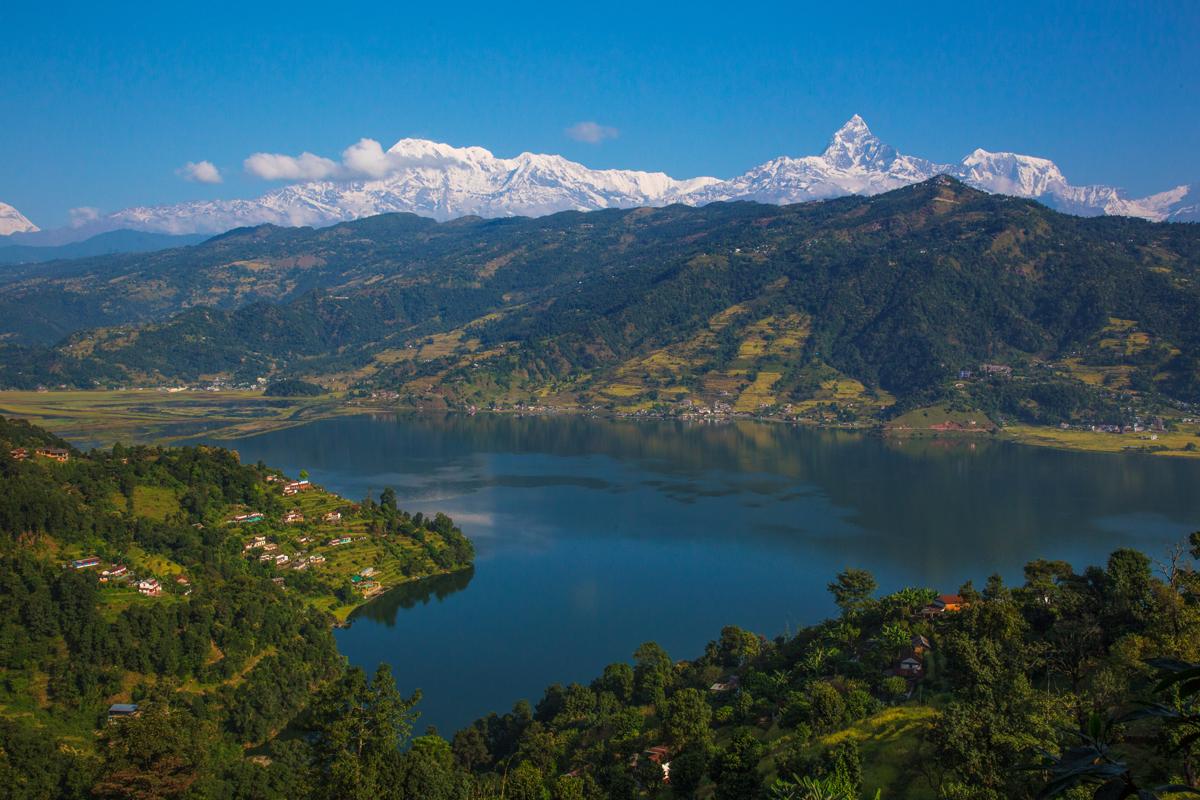
Pokhara welcomes students with peaceful lakes, mountain views, and a relaxed atmosphere. Expect boating at Phewa Lake, visits to Tal Barahi Temple, and exploration of natural attractions. This experience blends leisure with learning, offering insights into tourism, hydrology, and the importance of Pokhara as Nepal’s adventure capital.
4. Spiritual & Adventure Sites in Pokhara
Students will visit iconic landmarks such as the World Peace Stupa, Pumdikot Shiva Statue, Devi’s Fall, and Gupteshwor Mahadev Cave. Each site provides educational value about spirituality, geology, and natural formations. Expect a mix of peaceful reflection, adventure exploration, and understanding of Nepal’s diverse spiritual landscape.
5. Himalayan Drive to Muktinath Region
The journey from Pokhara to Jomsom introduces students to high-altitude Himalayan geography. Expect rugged landscapes, deep valleys, and dramatic mountain views. This segment offers real-world learning about transportation challenges, climate changes with altitude, and the lifestyle of mountain communities living in remote regions of Nepal.
6. Sacred Experience at Muktinath & Marpha Village
At Muktinath, students will experience one of Nepal’s most sacred pilgrimage sites, including 108 water spouts and the eternal flame. The return via Marpha Village introduces apple orchards and Thakali culture. Expect spiritual learning, cultural interaction, and insight into Himalayan traditions, making this a truly transformative educational experience.
Itinerary
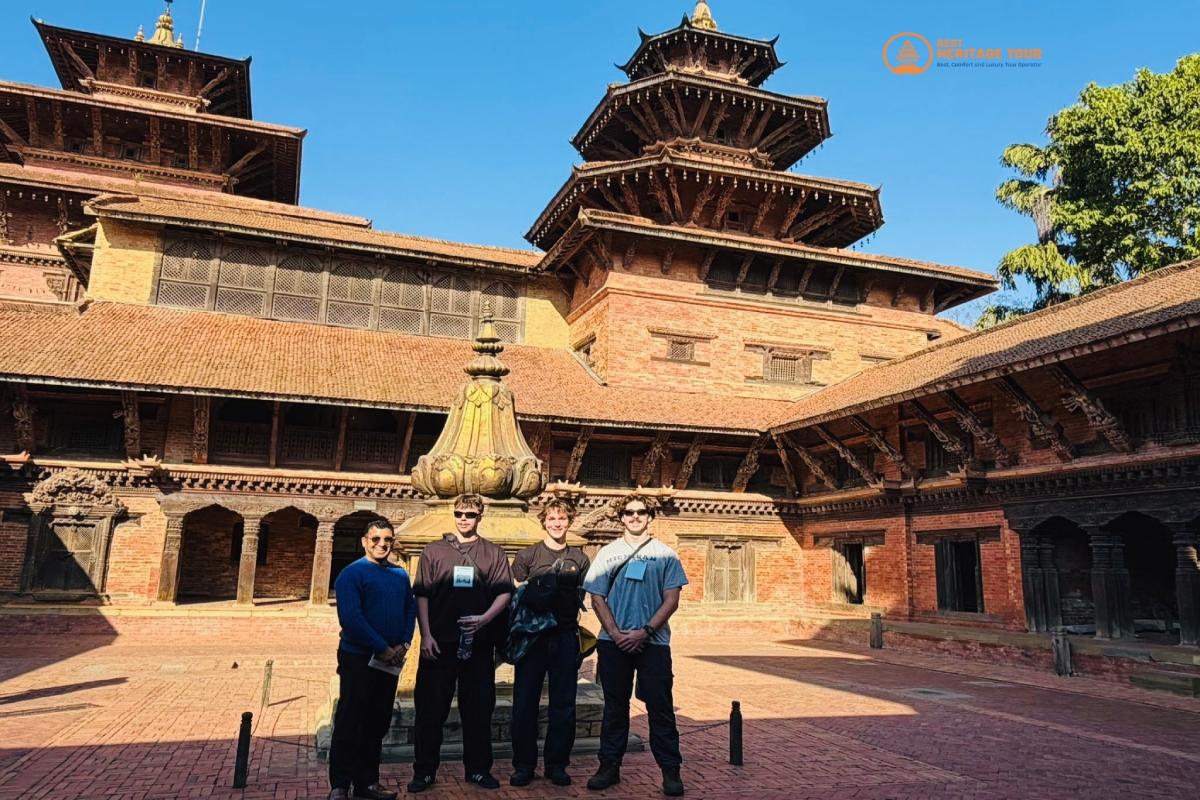
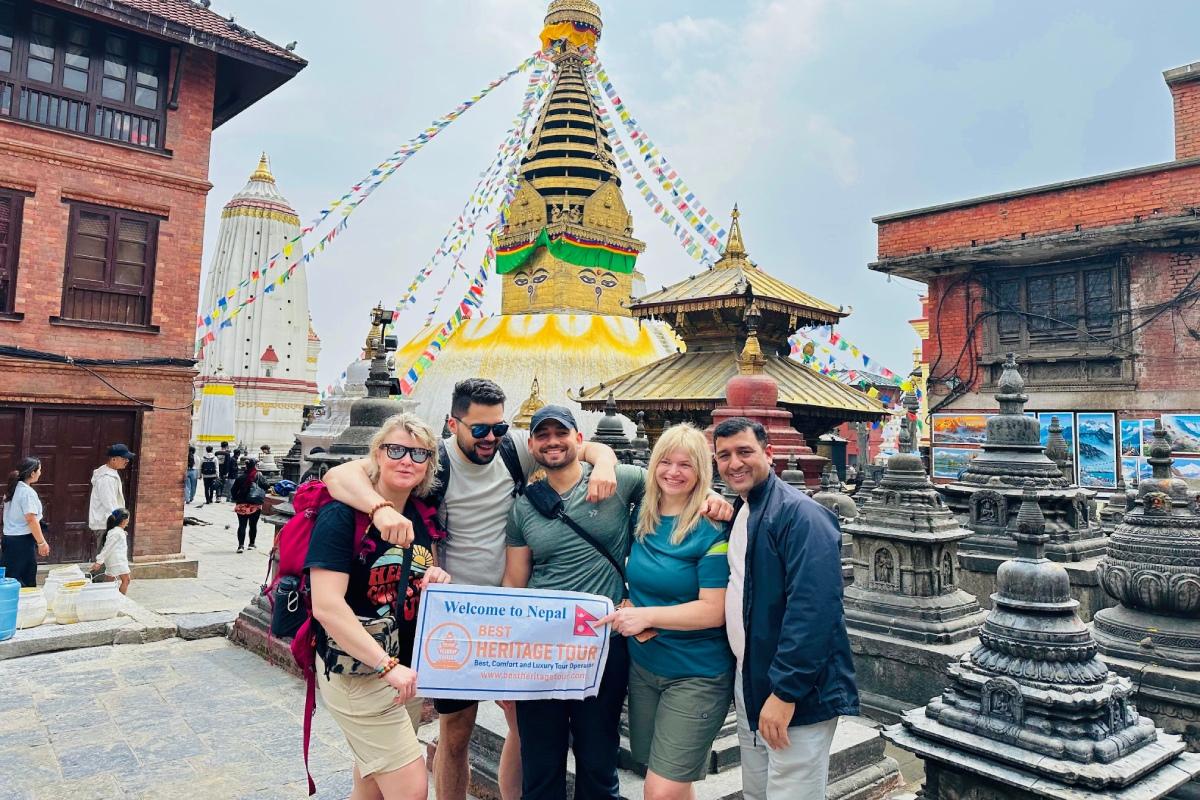
Our journey into the heart of Nepal’s soul begins with the spiritual energy of Pashupatinath Temple. As we walk along the banks of the sacred Bagmati River, students observe the profound Vedic rituals and the stunning Pagoda-style architecture that has stood the test of time. The atmosphere shifts from the somber reflections of Pashupatinath to the meditative serenity of Boudhanath Stupa. Students will learn about the symbolism of the Buddha’s eyes and the importance of the Mandala in Eastern philosophy.
The afternoon takes us to the hilltop "Monkey Temple," Swayambhunath, where the synthesis of Hindu and Buddhist iconography offers a masterclass in religious harmony. We conclude our day at Kathmandu Durbar Square, the ancient seat of royalty. Walking through this "living museum," students encounter the intricate wood-carvings of the Kal Bhairav and the home of the Living Goddess, Kumari. It is a day of deep historical immersion, tracing the evolution of the Malla and Shah dynasties through the very stones and statues that define the Kathmandu Valley.
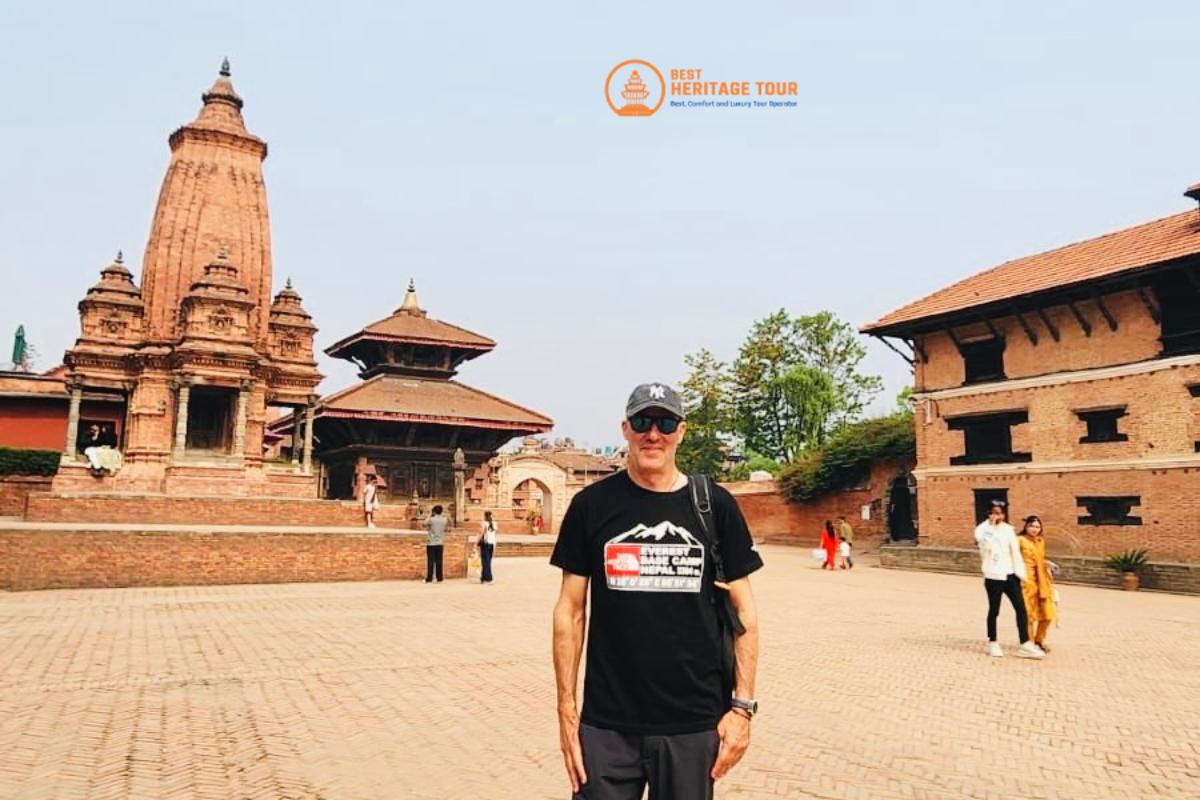
Today is dedicated to the "City of Devotees" and the "City of Fine Arts." We first drive to the outskirts of the valley to visit Changu Narayan Temple, widely considered the oldest Hindu temple in Nepal. The stone inscriptions here date back to the 5th century, offering students a rare look at Licchavi-era history. We then transition to Bhaktapur Durbar Square, a sprawling medieval complex where time seems to have stood still. Students will witness the 55-Window Palace and the towering Nyatapola Temple, while also observing traditional pottery-making in the local squares, bridging the gap between ancient art and modern livelihoods.
In the afternoon, we explore Patan Durbar Square in Lalitpur. This city is world-renowned for its metalwork and Newari architecture. As we walk through the Krishna Mandir and the Golden Temple, the focus remains on the "Vastu Shastra" (ancient architectural science) and the preservation efforts required to maintain these delicate structures following the 2015 earthquake. The day provides a comprehensive understanding of how urban planning and artistic expression flourished in the medieval Himalayan foothills.
We depart the capital early in the morning via a comfortable Tourist Bus, embarking on a scenic journey along the Prithvi Highway. Students can observe the terraced farming techniques, small roadside settlements, and the changing vegetation as we move toward the mid-hills. The drive offers multiple vantage points of the rural Nepalese lifestyle and the vital transport arteries that connect the country’s two largest cities.
Upon reaching Pokhara by late afternoon, the air turns fresher and the pace slower. After checking into our hotel, we take a leisurely stroll through the Lakeside area. Nestled at the foot of the Annapurna range, the reflection of Machhapuchhre (Fishtail) on Phewa Lake provides a stunning introduction to the natural wonders we will explore in the coming days. The evening is spent in a briefing session, preparing the group for the transition from the lush valley to the rugged terrain of the Mustang region.
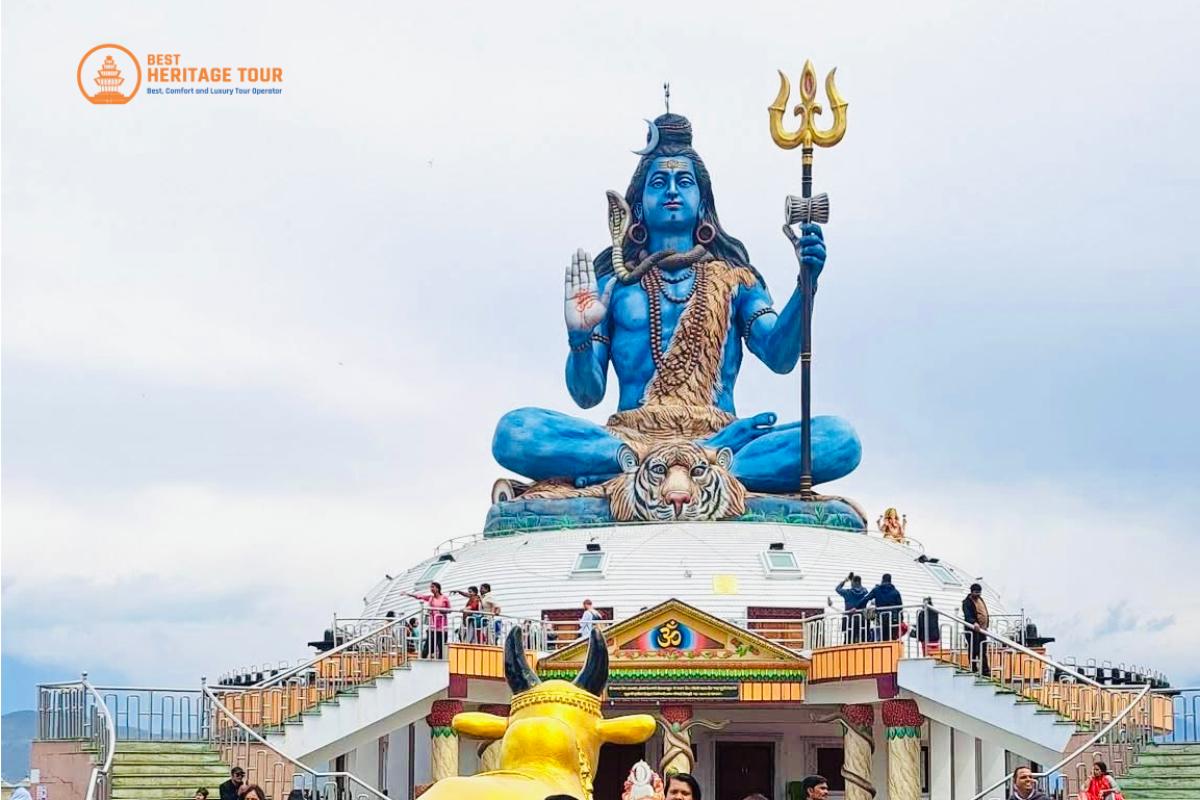
Our exploration of Pokhara begins with a peaceful boat ride on Phewa Lake to reach the Tal Barahi Temple, located on a small island. This provides an excellent opportunity to discuss the ecosystem of the lake and its importance to the local community. We then ascend to the World Peace Stupa, a massive white pagoda built to inspire harmony. Nearby, we visit the towering Pumdikot Shiva Statue, which offers one of the most breathtaking 360-degree views of the Annapurna and Dhaulagiri massifs, serving as a perfect backdrop for a lesson on Himalayan mountain formations.
The afternoon takes us underground to explore the city's unique karst topography. We visit Devi’s Fall, where the Pardi Khola stream vanishes into an underground tunnel, and then enter the Gupteshwor Mahadev Cave located just across the street. The cave, with its naturally formed Shiva Lingam and the thundering sound of the waterfall echoing through the limestone walls, offers a fascinating look at the power of water erosion. It’s a day filled with natural wonder, combining spiritual sites with the geological marvels that make Pokhara famous.
Today marks the beginning of our trans-Himalayan adventure as we leave the sub-tropical climate of Pokhara behind. Traveling in sturdy 4WD Jeeps, we head north along the Kali Gandaki River, which flows through the deepest gorge in the world. As we climb, the landscape undergoes a dramatic transformation - lush forests give way to rugged cliffs and eventually the arid, desert-like terrain of the rain-shadow region. This drive is a firsthand experience in climate zones and environmental change, as we move from the windward side of the Himalayas to the leeward side.
By the time we arrive in Jomsom, the "Windy Valley," the change in geography is complete. The towering peaks of Nilgiri and Dhaulagiri loom large over the horizon. Students will feel the drop in temperature and the increase in wind speed, providing a real-world lesson in high-altitude desert conditions. We spend the evening acclimatizing and preparing for the final ascent to the sacred site of Muktinath tomorrow.
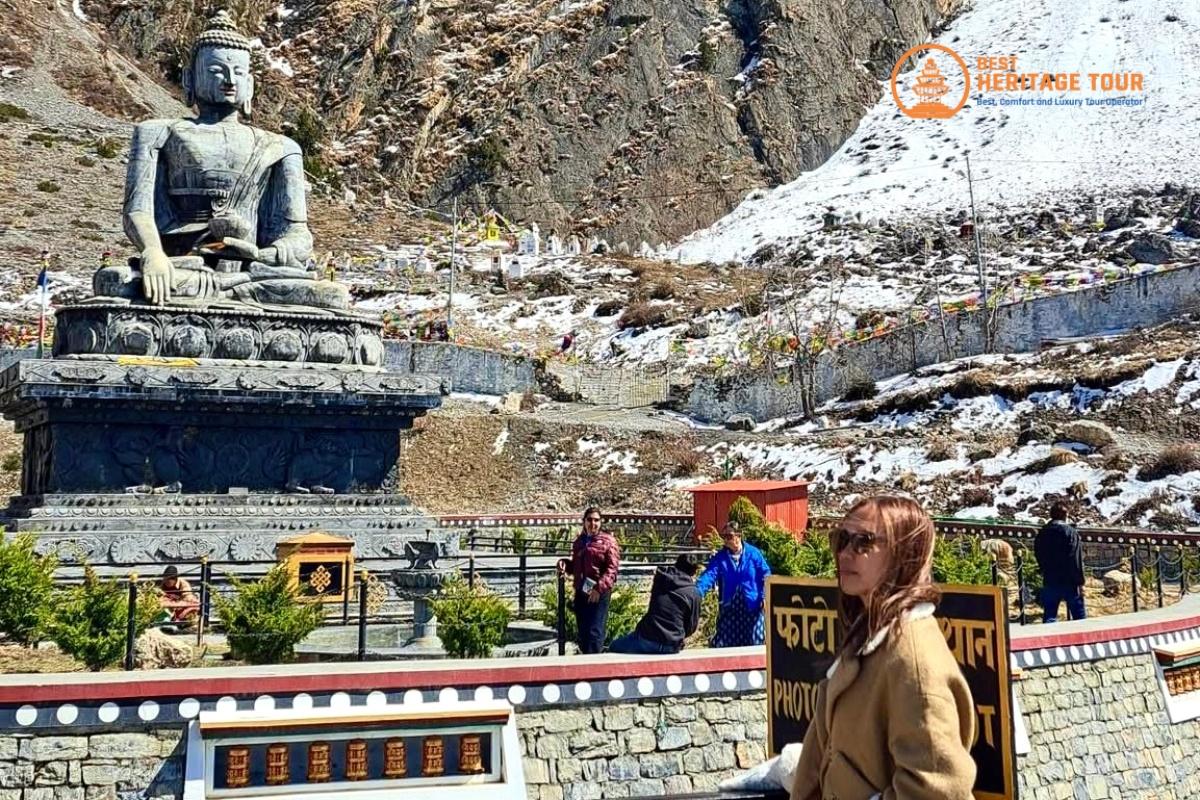
This is the spiritual and physical pinnacle of our tour. We drive from Jomsom through the starkly beautiful landscapes of the Mustang region to reach Muktinath. For students, this site is a living classroom for religious studies; it is one of the few places where Hindus and Buddhists worship in the same space. We explore the 108 brass water spouts and the "Jwala Mai" temple, where a natural gas flame burns eternally atop water, a geological phenomenon that has inspired centuries of devotion.
After spending time reflecting and exploring the temple complex, we begin our descent back to Jomsom. The return journey allows students to observe the fossils (Saligrams) often found in the Kali Gandaki riverbed, which are remnants of the ancient Tethys Sea that existed before the Himalayas were formed. We return to our guesthouse in Jomsom for a well-deserved rest, having reached the highest point of our journey.
As we begin our descent back toward the valley, we stop at the picturesque village of Marpha. Known for its narrow stone-paved alleys and white-washed houses, Marpha is the cultural heart of the Thakali community. Students will learn about the ingenious "flat-roof" architecture designed to dry wood and store grain in this dry climate. A visit to the local apple orchards and distillery offers a lesson in mountain agriculture and how local communities have successfully commercialized apple production in a challenging environment.
Leaving the arid landscapes of Mustang, we re-trace our route through the Kali Gandaki gorge. The descent provides a final chance to witness the dramatic transition of flora and fauna as we move from the high-altitude desert back into the green, sub-tropical hills. By the time we arrive in Pokhara, the warmer air and familiar sights of the lake provide a sense of "coming home."
On the final day, students return to Kathmandu via tourist bus, enjoying the last views of Nepal’s hills, rivers, and countryside. This journey provides time for reflection on the educational experiences gained throughout the tour.
Upon arrival in Kathmandu, the tour concludes with memorable experiences, knowledge enrichment, and cultural understanding that students will carry for a lifetime.
What is included?
- PRIVATE AIRPORT PICK-UP & DROP : Airport - Hotel transfer - Airport (Pick Up and Drop).
- MEMBER TRANSPORTATION :
- Tourist Bus : Transportation in a standard tourist bus from Kathmandu to Pokhara while returning from Pokhara to Kathmandu.
- Private Jeep : Transportation in a private Jeep from Pokhara to Muktinath and while returning from Muktinath to Pokhara.
- ACCOMMODATION :
- In Kathmandu & Pokhara: Accommodation in a best available 3 Stars Hotel or Similar on a bed & breakfast basis.
- In Muktinath : Accommodation in a best mountain lodge with full meal.
- GUIDE : One experienced government licensed (English speaking) tour guide for entire tour.
- STAFF SALARY AND ALLOWANCE : All staff wages, salary, equipment, food & clothing.
- STAFF INSURANCE : Insurance for all staff involved during the tour.
- PERMITS : All necessary permits such as ACAP & TIMS.
- MEDICAL KIT : A well equipped first aid kit, carried by the guide for your safety.
- SOUVENIR : Best Heritage Tour’s Purse, an authentic Nepali product made from hemp.
- FAREWELL DINNER : A farewell dinner with an authentic cultural program after completion of the tour.
What is not included?
- INTERNATIONAL AIRFARE : International flight airfare (from and to Kathmandu).
- NEPAL VISA FEES : You may issue the visa upon your arrival at Tribhuvan International Airport - Kathmandu or apply manually in your home country.
- ENTRANCE FEE : Monuments entrance fees during sightseeing in Kathmandu.
- ACCOMMODATION & MEALS : Accommodation and meals in Kathmandu before and after the tour. Lunch & Dinner in Kathmandu & Pokhara.
- INSURANCE POLICY : Travel insurance covering medical expenses mandatory. If you do not have suitable coverage, we can also assist in arranging travel insurance for you upon your arrival in Nepal. Check Over Here
- PERSONAL EXPENSES : Clothing & gears, telephone, internet, toiletries, hot shower, laundry, soft drinks and any Alcoholic beverages.
- TIPS : Tips for guide and driver.
- EXTRA : Any additional costs due to factors beyond our control, or for services not specifically mentioned in the Itinerary & Included section.
- TAXES & SERVICE CHARGE : All government taxes (13%) and service charge (10%).
Route Map
Equipment
Clothing
-
Lightweight, breathable cloth
-
Warm layers (fleece, sweater, or light down jacket) for early mornings
-
Rain jacket or poncho
-
Comfortable sleepwear for hotels and lodges
Footwear
-
Sturdy walking or hiking shoes
-
Sandals or flip-flops
-
Moisture-wicking socks
Daily Essentials
-
Hat or cap and sunglasses for sun protection
-
Sunscreen and lip balm with SPF
-
Reusable water bottle
-
Small daypack for carrying water, camera, and personal items
-
Personal medications and a basic first-aid kit
-
Hand sanitizer and wet wipes
Gadgets & Accessories
-
Camera or smartphone
-
Power bank or portable charger
-
Binoculars for wildlife and mountain viewing
-
Travel adapter for electronic devices
Optional Items
-
Light scarf or shawl
-
Insect repellent
-
Notebook or journal
Trip Info
Best Time for Student Educational Tour with Muktinath
The best time to undertake the Student Educational Tour with Muktinath is during spring (March to May) and autumn (September to November), when Nepal offers the most favorable weather conditions for travel, sightseeing, and high-altitude exploration. These seasons provide clear skies, comfortable temperatures, and excellent visibility of the Himalayan ranges, making them ideal for both educational and experiential learning.
Spring (March to May): During spring, the Kathmandu Valley, Pokhara, and Mustang region are beautifully vibrant with blooming flowers, lush greenery, and pleasant weather. Students can enjoy comfortable travel conditions while exploring UNESCO World Heritage Sites, lakes, and mountain landscapes without extreme cold or heavy rainfall. This season is especially suitable for photography, outdoor learning, and nature-based exploration.
Autumn (September to November): In autumn, Nepal experiences stable weather after the monsoon, offering crystal-clear mountain views and dry, safe trekking and road conditions. This is considered the peak season for travel to Muktinath, as visibility in the Himalayan region is at its best. Students can fully experience the cultural richness of Kathmandu, the scenic beauty of Pokhara, and the spiritual significance of Muktinath without weather interruptions.
The tour is generally not recommended during the monsoon season (June to August) due to heavy rainfall, road disruptions, and landslide risks, especially on the Pokhara-Jomsom route. Similarly, winter months (December to February) can be very cold in the Mustang region, making high-altitude travel challenging, though lower regions like Kathmandu and Pokhara remain accessible.
Overall, spring and autumn provide the perfect balance of safety, comfort, and visibility, ensuring that students gain the maximum educational and travel experience throughout the journey.
Accommodation and Meals
During the Student Educational Tour, Best Heritage Tour ensures comfortable, safe, and well-managed accommodation throughout the journey, along with hygienic and balanced meal arrangements suitable for student groups.
Accommodation is provided in carefully selected standard 3-star hotels in Kathmandu and Pokhara, offering clean rooms, modern amenities, and a secure environment. In higher altitude regions such as Jomsom, accommodation is arranged in the best available mountain guesthouses or lodges, ensuring warmth, safety, and basic comfort in remote Himalayan conditions. All properties are chosen based on cleanliness, accessibility, and group suitability, with special attention to student safety and convenience.
Meals during the tour are provided on a full-board basis (Breakfast, Lunch, and Dinner), except on specific days where mentioned in the itinerary. The food is prepared with hygiene standards in mind and includes a mix of Nepali, Indian, and basic continental options, ensuring suitability for diverse dietary preferences. Vegetarian meal options are easily available throughout the tour, and dietary requirements can be managed with prior notice. In mountainous regions, meals are simpler but freshly prepared to ensure health and safety at higher elevations.
Trip Difficulty
The Student Educational Tour with Muktinath is categorized as a very easy and well-managed travel program, specially designed for students and academic groups with no requirement for prior trekking or high-altitude travel experience. The itinerary is carefully structured to ensure a smooth balance between travel, sightseeing, learning activities, and rest, making it highly suitable for school and college-level participants.
Most of the journey involves comfortable road travel by tourist bus and private jeep, along with guided sightseeing at major cultural, historical, and natural attractions. Walking activities are light and limited to heritage sites, temples, viewpoints, and city exploration, ensuring that students can comfortably participate without physical strain.
Overall, this tour is designed to be easy, safe, and educational, with a strong focus on comfort and accessibility. Students can fully enjoy Nepal’s cultural heritage, natural beauty, and spiritual sites without any difficulty, making it an excellent introduction to Himalayan travel and experiential learning.
Travel Insurance
For this trip, standard travel insurance is simply enough. At Best Heritage Tour, we require proof of a comprehensive insurance policy before you can begin the tour. Your policy must include the following specific coverages:
-
Mountain Expedition Coverage (Up to 4,000m)
-
Medical Emergency & Hospitalization: Including treatment for Altitude Sickness (AMS, HAPE, or HACE).
-
Emergency Helicopter Evacuation
-
Trip Cancellation & Interruption
-
Cashless Claims & Direct Payment
Visa for Nepal
All international travelers (except Indian) need a tourist visa to visit Nepal, which can be obtained on arrival at Kathmandu airport or online.
Key Details:
-
Duration: 15, 30, or 90 days (15 days recommended for this trek)
-
Fees: 15 days - USD 30 | 30 days - USD 50 | 90 days - USD 125
-
Requirements: Valid passport (6+ months), visa form, passport photo, and payment in cash (USD/EUR/GBP/NPR)
Tip: Keep a copy of your visa and passport during the trek and consider applying visa online (through Nepal Immigration Website) for a smoother arrival. Also register to Foreign Nationals Management Information System (FNMIS) as this is now mandatory for any Tourists entering Nepal from 2026.
Booking & Payment
Booking your Student Educational Tour with Best Heritage Tour is simple and secure. To confirm your trip, a 10% deposit of the total trip cost is required at the time of booking, while the remaining balance must be cleared at least one day before departure. Payments can be made via cash, bank transfer, or card; bank transfer and card fees are the responsibility of the trekker, and incur a 4% transaction fee. All booking and cancellation terms are clearly explained by Best Heritage Tour staff during the booking process and can also be reviewed on our website.
Bank transfer:
-
Account Name: Best Heritage Tour And Treks Pvt. Ltd.
-
Account Number: 13201040254106
-
Bank Name: Nepal Investment Mega Bank Ltd.
-
Address: Thamel, Kathmandu, Nepal
-
SWIFT Code: NIBLNPKT
-
Bank Transfer Link: www.bestheritagetour.com/payment
Once we receive the deposit, we will issue the official invoice and booking conformation right away. If you need any clarification, we are happy to answer your questions or provide additional details you may require.
FAQ's
The Student Educational Tour with Muktinath blends academic learning with real-world exploration across Nepal. It connects classroom concepts to living heritage, ancient history, diverse cultures, and high-altitude geography, providing school and college-level participants with an immersive, experiential journey across Kathmandu, Pokhara, and Mustang.
The Student Educational Tour with Muktinath is structured as an immersive 8-day itinerary. This duration carefully balances guided historical exploration in the Kathmandu Valley, scenic lakeside activities in Pokhara, and a thrilling trans-Himalayan jeep journey up to the sacred Muktinath temple in Mustang.
Yes, the Student Educational Tour with Muktinath is highly suitable for school and college-level participants. It is a very easy travel program requiring no prior high-altitude or trekking experience, as the entire journey utilizes comfortable road transportation alongside light, managed walking activities at heritage destinations.
During the Student Educational Tour with Muktinath, students explore several iconic UNESCO sites in the Kathmandu Valley. These include the sacred Pashupatinath Temple, the meditative Boudhanath Stupa, the ancient hilltop Swayambhunath temple, and the historic architectural complex of Kathmandu Durbar Square.
The Student Educational Tour with Muktinath features in-depth cultural visits to Patan and Bhaktapur Durbar Squares. Students will examine centuries-old craftsmanship, traditional stone carvings, intricate woodwork, and unique Vastu Shastra principles, gaining deep insights into medieval Newari art, urban planning, and heritage preservation.
The Student Educational Tour with Muktinath offers real-world geographical education by traversing diverse climate zones. Students experience the sub-tropical mid-hills of Pokhara and travel through the Kali Gandaki Gorge to reach the arid, high-altitude rain-shadow desert of the Mustang region at 3,800 meters.
The Student Educational Tour with Muktinath highlights Nepal’s remarkable religious harmony. By visiting active Hindu temples like Pashupatinath and Buddhist sites like Boudhanath, followed by Muktinath temple where both faiths worship together, students gain a comprehensive understanding of coexisting Eastern spiritual traditions.
The highest physical point achieved during the Student Educational Tour with Muktinath is the sacred Muktinath Temple complex, situated at an altitude of 3,710 meters (or approximately 12,172 feet) above sea level in the stunning trans-Himalayan region of Mustang.
Spring, from March to May, brings vibrant blooming flowers, pleasant weather, and lush greenery to the Student Educational Tour with Muktinath. This season provides highly comfortable road travel conditions, making outdoor nature-based learning, photography, and high-altitude exploration safe and enjoyable for students.
Autumn, spanning September to November, offers crystal-clear skies, stable post-monsoon weather, and exceptional visibility of the Annapurna and Dhaulagiri mountain ranges. It provides dry, safe road conditions, ensuring that the Student Educational Tour with Muktinath proceeds smoothly without weather-related delays.
We generally do not recommend operating the Student Educational Tour with Muktinath during the monsoon months of June to August. Heavy rainfall poses severe risks of landslides, muddy trails, and significant road disruptions, particularly along the rugged mountain highway connecting Pokhara to Jomsom.
Yes, Best Heritage Tour can tailor elements of the Student Educational Tour with Muktinath to align with particular educational curricula. We can emphasize geological formations, historical timelines, cultural anthropology, or environmental conservation, ensuring your students extract maximum academic value from the experiential itinerary.
The Student Educational Tour with Muktinath utilizes a strategic mix of transport. Participants travel via a comfortable, spacious tourist bus for the highway segments between Kathmandu and Pokhara, and transition into rugged, private 4WD jeeps for the high-altitude journey to Jomsom and Muktinath.
In Pokhara, the Student Educational Tour with Muktinath introduces students to unique karst topography. They will explore Devi’s Fall, where a rushing stream disappears underground, and visit Gupteshwor Mahadev Cave to analyze natural limestone erosion and subsurface water channels firsthand.
During Day 7 of the Student Educational Tour with Muktinath, students stop at the historic village of Marpha. Here, they tour local apple orchards and community distilleries, learning how mountain societies adaptively commercialize agricultural production within a dry, challenging high-altitude environment.
At the sacred site, the Student Educational Tour with Muktinath allows students to observe 108 brass water spouts and the Jwala Mai Temple. They will witness an eternal natural gas flame burning over water, combining a profound spiritual experience with geological study.
On the return journey from Muktinath, the Student Educational Tour with Muktinath introduces students to marine fossils called Saligrams found in the Kali Gandaki riverbed. These ancient fossils serve as physical proof that the towering Himalayan range once lay beneath the prehistoric Tethys Sea.
In Kathmandu, Best Heritage Tour hosts students in carefully selected standard 3-star deluxe hotels. These properties offer highly secure environments, clean rooms, modern amenities, and convenient locations, ensuring student comfort and safety after busy days of historical exploration across the valley.
When traveling through high-altitude zones on the Student Educational Tour with Muktinath, accommodation is arranged in the best available mountain guesthouses. These local lodges provide essential warmth, clean bedding, basic comforts, and secure group lodging adapted to remote Himalayan conditions.
No prior trekking or high-altitude climbing experience is required for the Student Educational Tour with Muktinath. This itinerary is specifically categorized as a very easy travel program where students travel comfortably by vehicles and engage only in light walking around heritage complexes.
Safety is our highest priority during the Student Educational Tour with Muktinath. Best Heritage Tour provides a comprehensive, well-equipped first aid medical kit that is carried at all times by the accompanying licensed tour guide to handle minor injuries or health concerns.
Yes, the Student Educational Tour with Muktinath features a highly experienced, government-licensed, English-speaking tour guide for the entire trip duration. The guide provides detailed educational commentary on history, culture, and geology while overseeing group safety and smooth logistics.
Yes, Best Heritage Tour includes private airport pick-up and drop-off services for the Student Educational Tour with Muktinath. Upon arrival at Tribhuvan International Airport in Kathmandu, student groups are greeted by our staff and transferred directly to their deluxe hotel.
Participants on the Student Educational Tour with Muktinath must possess a comprehensive travel insurance policy. Best Heritage Tour requires proof of coverage that explicitly includes medical emergencies, hospitalization, altitude sickness treatments, trip cancellation protections, and emergency helicopter evacuation up to 4,000 meters.
If any student or faculty member lacks appropriate coverage before arriving for the Student Educational Tour with Muktinath, Best Heritage Tour can easily assist in arranging a suitable, comprehensive local travel insurance policy upon their initial arrival in Kathmandu.
Because the Student Educational Tour with Muktinath crosses sub-tropical valleys and cold high-altitude alpine deserts, students should pack adaptable layers. This includes lightweight cotton clothes for Kathmandu and Pokhara, plus windproof jackets, warm thermals, and sturdy walking shoes for Mustang.
By visiting Marpha Village, the Student Educational Tour with Muktinath showcases the cultural adaptation of the Thakali community. Students observe flat-roofed stone architecture engineered specifically to store grain and dry firewood within an extremely windy, dry Himalayan environment.
Day 1 of the Student Educational Tour with Muktinath focuses entirely on historical and religious immersion within Kathmandu. Students explore the sacred architectures of Pashupatinath, Boudhanath, Swayambhunath, and Kathmandu Durbar Square to understand early Malla and Shah dynastic histories.
At Kathmandu Durbar Square, the Student Educational Tour with Muktinath introduces students to a sprawling "living museum". They will observe historic royal palaces, intricate wood-carvings of Kal Bhairav, and the traditional residence of the Kumari, Nepal’s Living Goddess.
The Student Educational Tour with Muktinath incorporates foundational Eastern philosophy lessons at Boudhanath Stupa. Here, students study the architectural symbolism of the Buddha’s eyes and learn about the structural significance of the Mandala in Tibetan Buddhist traditions.
Swayambhunath, popularly known as the "Monkey Temple" due to its resident holy monkey populations, is featured on the Student Educational Tour with Muktinath to showcase religious harmony. Students observe a seamless blend of Hindu and Buddhist iconography sharing the same hilltop.
While exploring Pashupatinath Temple on the Student Educational Tour with Muktinath, students walk along the sacred Bagmati River banks. They observe ancient Vedic rituals, traditional cremation ceremonies, and classic Pagoda-style architecture that highlights centuries of continuous cultural practices.
On Day 3 of the Student Educational Tour with Muktinath, the scenic drive from Kathmandu to Pokhara along the Prithvi Highway takes approximately 6 to 7 hours. The exact duration depends on highway traffic conditions and scheduled group rest stops.
After checking into the Pokhara hotel during the Student Educational Tour with Muktinath, students take a relaxing stroll around Lakeside. The evening concludes with an educational briefing session, preparing the students for the upcoming geographic transition into Mustang.
The Student Educational Tour with Muktinath includes a peaceful group boating excursion on Phewa Lake. This boat ride takes students to the island-bound Tal Barahi Temple, allowing guides to discuss freshwater lake ecosystems and local tourism hydrology.
Visiting the World Peace Stupa on the Student Educational Tour with Muktinath provides historical and cultural lessons. This massive white pagoda allows students to discuss modern global peace movements, Buddhist monument architecture, and enjoy panoramic views of the valley below.
The towering Pumdikot Shiva Statue is situated on a scenic ridge near the World Peace Stupa during the Student Educational Tour with Muktinath. It provides a 360-degree vantage point of the Annapurna massifs, serving as a backdrop for geography lessons.
The Student Educational Tour with Muktinath addresses environmental awareness by analyzing tourism impacts, waste management, and river hydrology. Landmarks like Phewa Lake and Devi's Fall teach students about the direct relationships between ecological health, water conservation, and community livelihoods.
On Day 5, the overland trans-Himalayan drive from Pokhara to Jomsom on the Student Educational Tour with Muktinath takes roughly 7 to 8 hours. This journey utilizes rugged mountain tracks running alongside the rapid Kali Gandaki River.
Jomsom earns its title due to the strong, predictable daily winds that howl through the deep Kali Gandaki Gorge. On the Student Educational Tour with Muktinath, this unique wind phenomenon provides a lesson in mountain meteorology and atmospheric pressures.
To ensure participant safety, the Student Educational Tour with Muktinath includes an evening of acclimatization in Jomsom at 2,743 meters. This rest stop helps students adapt to lower oxygen levels before ascending to Muktinath temple the following day.
Yes, most standard 3-star hotels in Kathmandu and Pokhara offer complimentary Wi-Fi connection. In remote mountain guesthouses in Jomsom, internet access may require a nominal extra fee and can be unstable due to high-altitude weather conditions.
The Student Educational Tour with Muktinath traces the rich histories of the Licchavi era, the artistic Malla dynasty, and the unifying Shah dynasty through the stone inscriptions, monuments, and royal palaces visited across Kathmandu Valley.
Yes, while exploring Bhaktapur Durbar Square on the Student Educational Tour with Muktinath, students visit traditional pottery-making squares. They observe local artisans turning clay wheels, bridging ancient craftsmanship with modern community livelihoods.
Best Heritage Tour structures group travel packages to include dedicated logistical coordination for faculty supervisors. We ensure that teachers have clear communication lines, safety protocols, and comfortable twin-sharing rooms adjacent to their student cohorts.
The official government-licensed guide assigned to the Student Educational Tour with Muktinath speaks fluent English. Upon special request during booking, Best Heritage Tour can also arrange guides fluent in other international languages to suit foreign student groups.
There is no strict minimum age requirement for the Student Educational Tour with Muktinath, as it is a vehicle-based tour. It is designed to comfortably accommodate junior school, high school, and university students alike.
No, the Student Educational Tour with Muktinath does not require any overnight trekking or camping. All nights are spent in standard city hotels or cozy mountain guesthouses accessible by roads.
If unexpected weather or a landslide causes a roadblock during the Student Educational Tour with Muktinath, Best Heritage Tour leverages its local network to arrange alternative jeeps or modify itineraries safely.
Yes, students joining the Student Educational Tour with Muktinath should bring some Nepalese Rupees (NPR) cash for personal expenses like snacks, monuments entry fees, souvenirs, and hot showers.
The 108 brass spouts at Muktinath represent sacred numbers in Hindu astrology and philosophy. On the Student Educational Tour with Muktinath, students learn how pilgrims cleanse themselves here to seek spiritual liberation.
As the Student Educational Tour with Muktinath crosses the Himalayas, the guide explains how the towering Annapurna range blocks monsoon clouds, creating the arid, desert-like conditions of Upper Mustang.
The Student Educational Tour with Muktinath is designed to minimize physical strain. While long mountain drives can be bumpy, the walking activities are light and interspersed with proper rest breaks.
While touring Bhaktapur on the Student Educational Tour with Muktinath, students visit the 5-story Nyatapola Temple, an architectural marvel that demonstrates advanced medieval structural engineering and seismic resistance.
By using mountain guesthouses, buying local apples in Marpha, and hiring local drivers, the Student Educational Tour with Muktinath organized by Best Heritage Tour directly channels tourism benefits into remote Himalayan economies.
Yes, students will have many opportunities to purchase authentic products, such as hand-turned clay pottery in Bhaktapur, metal crafts in Patan, and organic apple items in Marpha Village.
During the Student Educational Tour with Muktinath, students travel along the Kali Gandaki River, which carves out the deepest gorge in the world between the Annapurna and Dhaulagiri mountain massifs.