Muktinath Jeep Tour (Kathmandu to Kathmandu) - 5 days
Insight on the Muktinath Jeep Tour
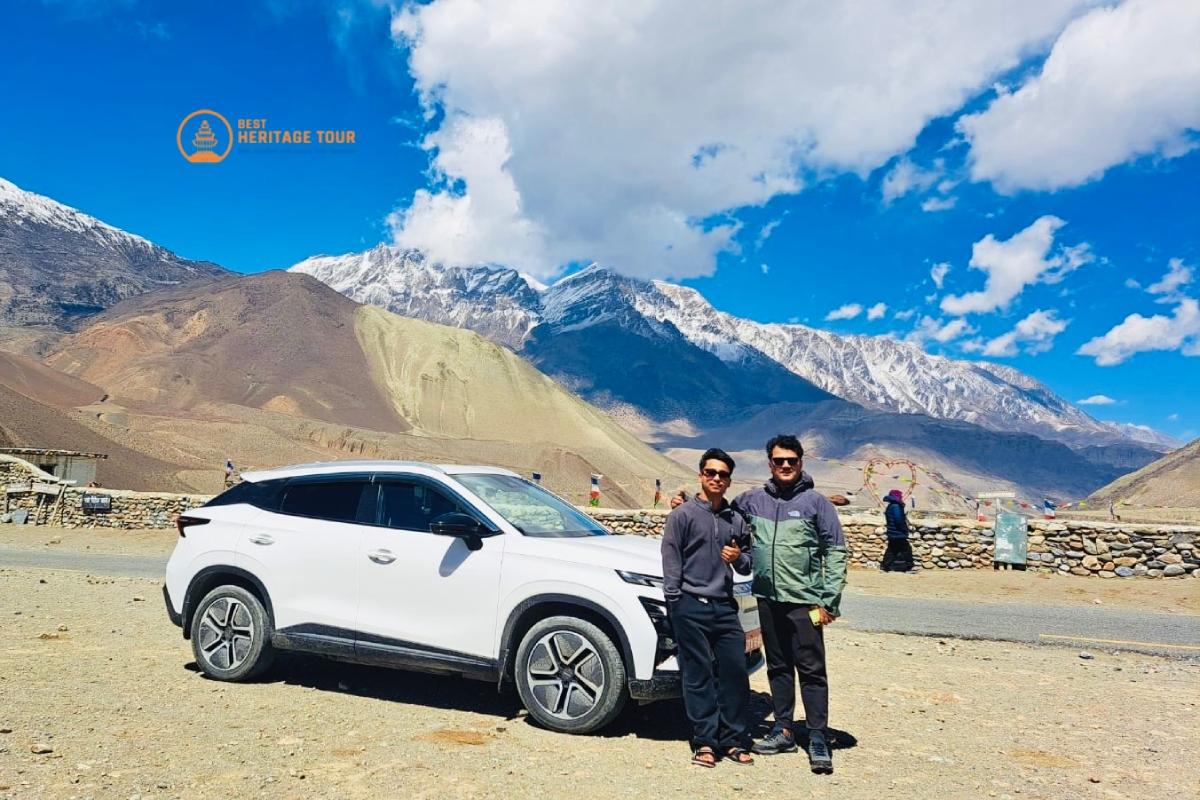
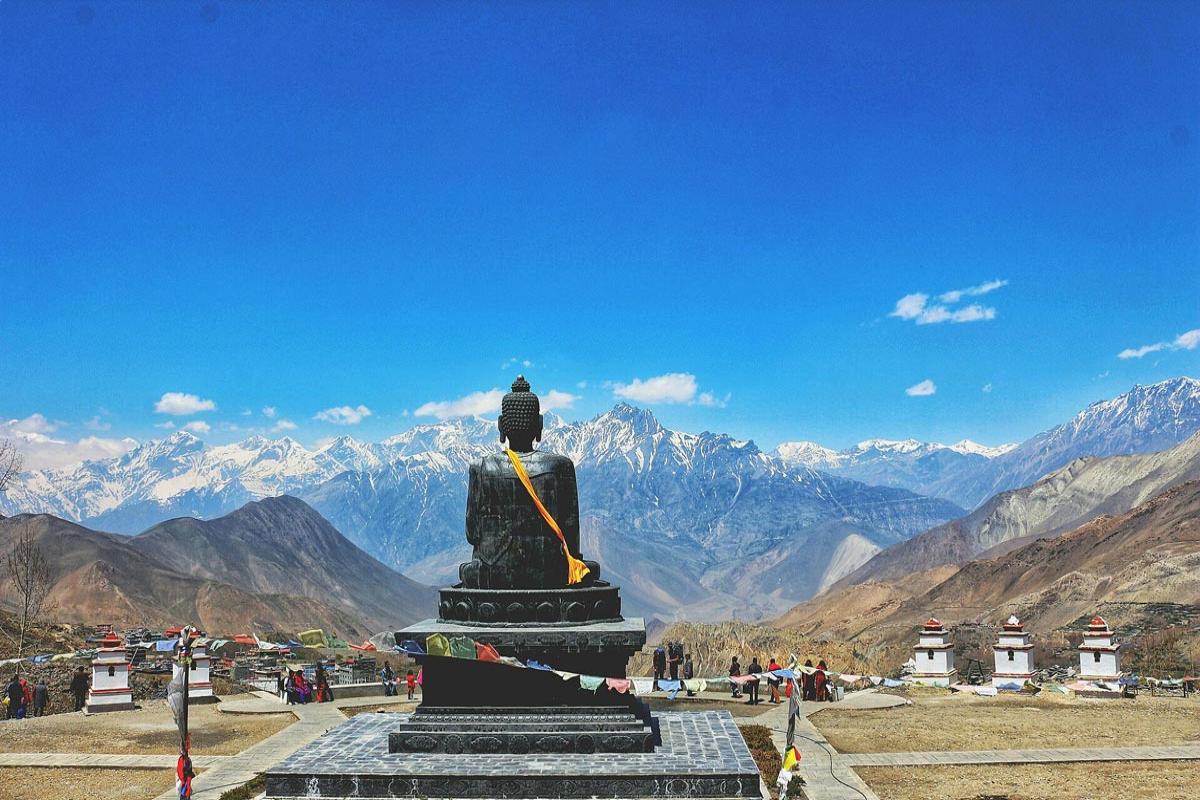
The Muktinath Jeep Tour offers an exciting blend of adventure and spirituality. Experience the thrill of jeep rides through rugged terrains, with opportunities for bungee jumping in Kushma, and explore the breathtaking landscapes of the Himalayas. Along the way, visit sacred temples like Pashupatinath, Guhyeshwari, and Muktinath, where you can partake in religious rituals and experience the deep spiritual significance of the sites. This tour combines adventure with a meaningful journey through Nepal's natural beauty and religious heritage.
Trip at a Glance
-

Country: Nepal
-

Trip grade: Easy
-

Destination: Muktinath Temple
-

Activities: Sightseeing & Rituals
-

Accommodation: Hotel
-

Meals: Breakfast, Lunch & Dinner
-
.png)
Transportation: Private Vehicle / Jeep
-

Maximum altitude: 3710m
-

Group size: 2-19
-
Trip Start / End: Kathmandu - Kathmandu
-
.png)
Best Season: Sep-Nov, Mar-May & Dec-Feb
Key Highlights of the Muktinath Jeep Tour
- Visit and worship at many scared temple in Hinduism including Pashupatinath Temple, Guhyeswari Temple, Galeshwor Mahadev Temple, Muktinath Temple and Manakamana Temple.
- Take a sacred bath in Kaligandaki River and perform Pitru Paksha Puja (Shraddh / ancestor worship) in Kaghbeni - considered as Pitri- Moksastala.
- Take a relaxing dip in Tatopani - natural hot springs, known for their rejuvenating properties.
- A scenic road journey from Kathmandu to Pokhara offering a stunning blend of lush valleys, winding rivers, and panoramic mountain views.
- Witness the Kushuma Bungee- world second Highest Bungee Jump Location
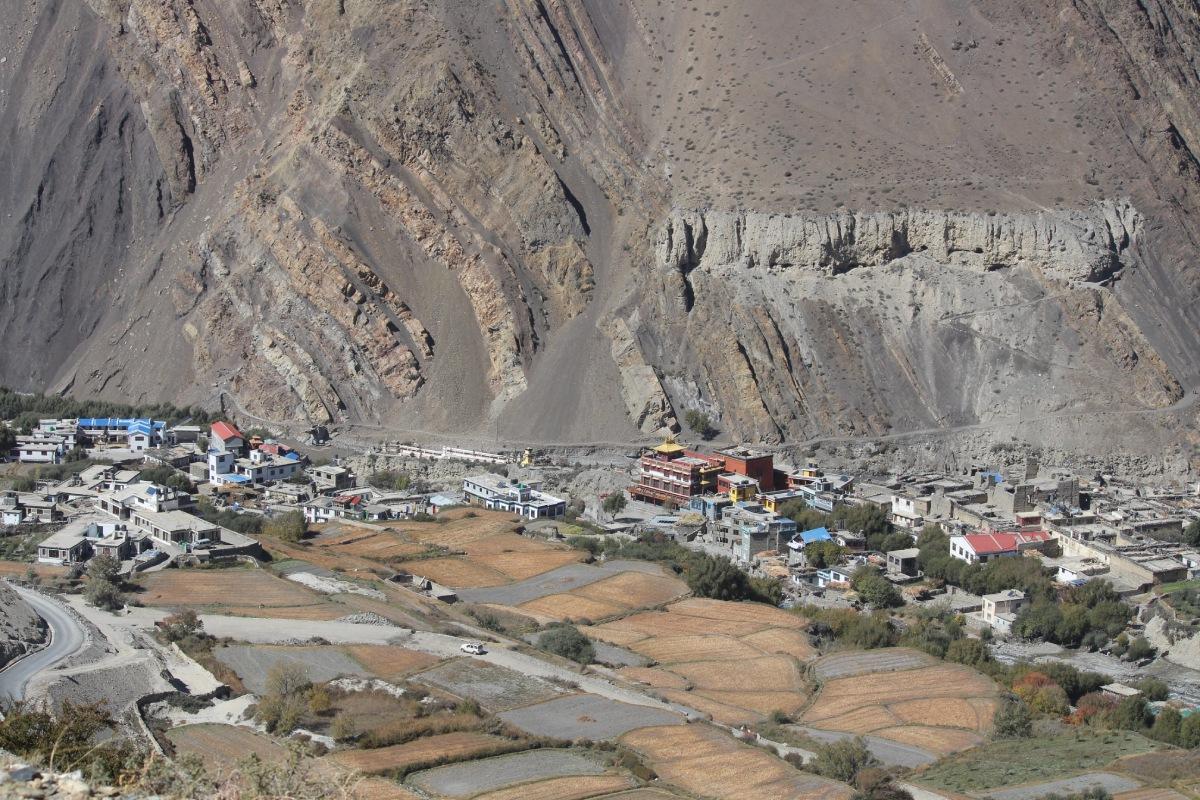
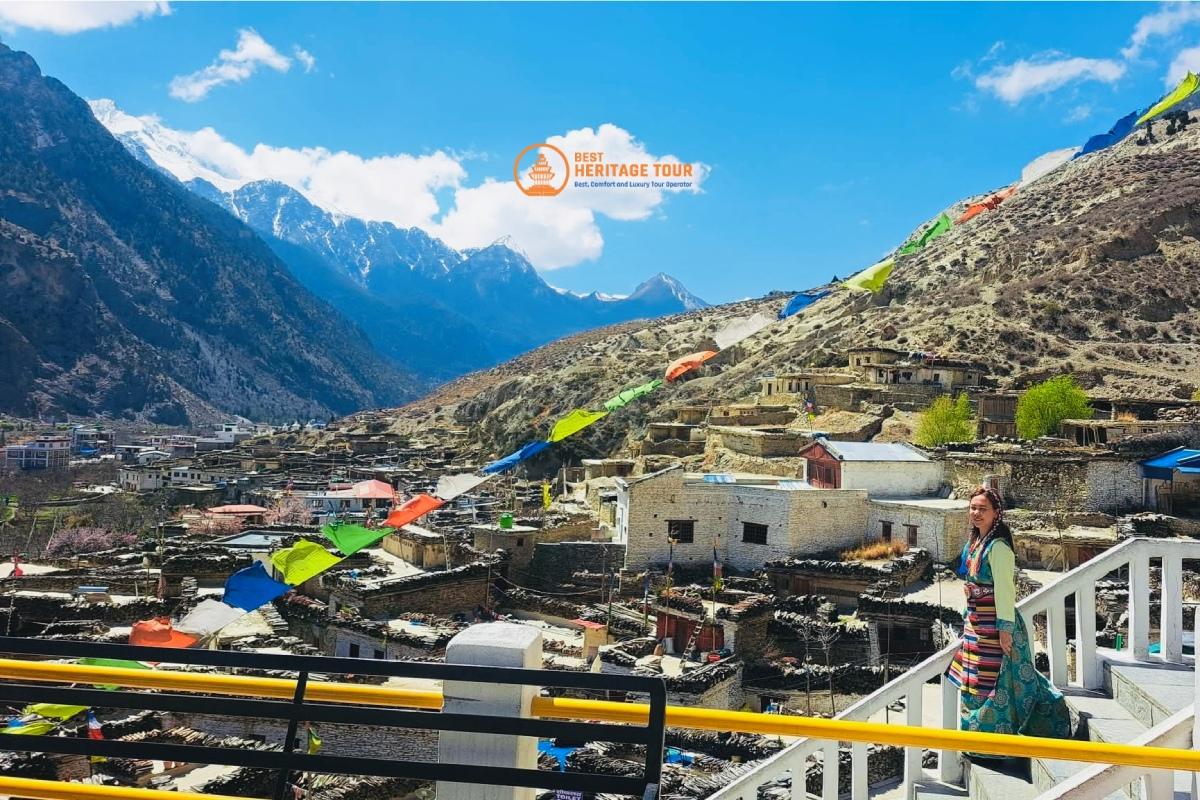
- Explore Marpha Village known for its apple orchards, traditional Apple Wine and traditional Tibetan architecture.
- Adventurous off-road journey to Jomsom, passing through rugged terrain and offering spectacular views.
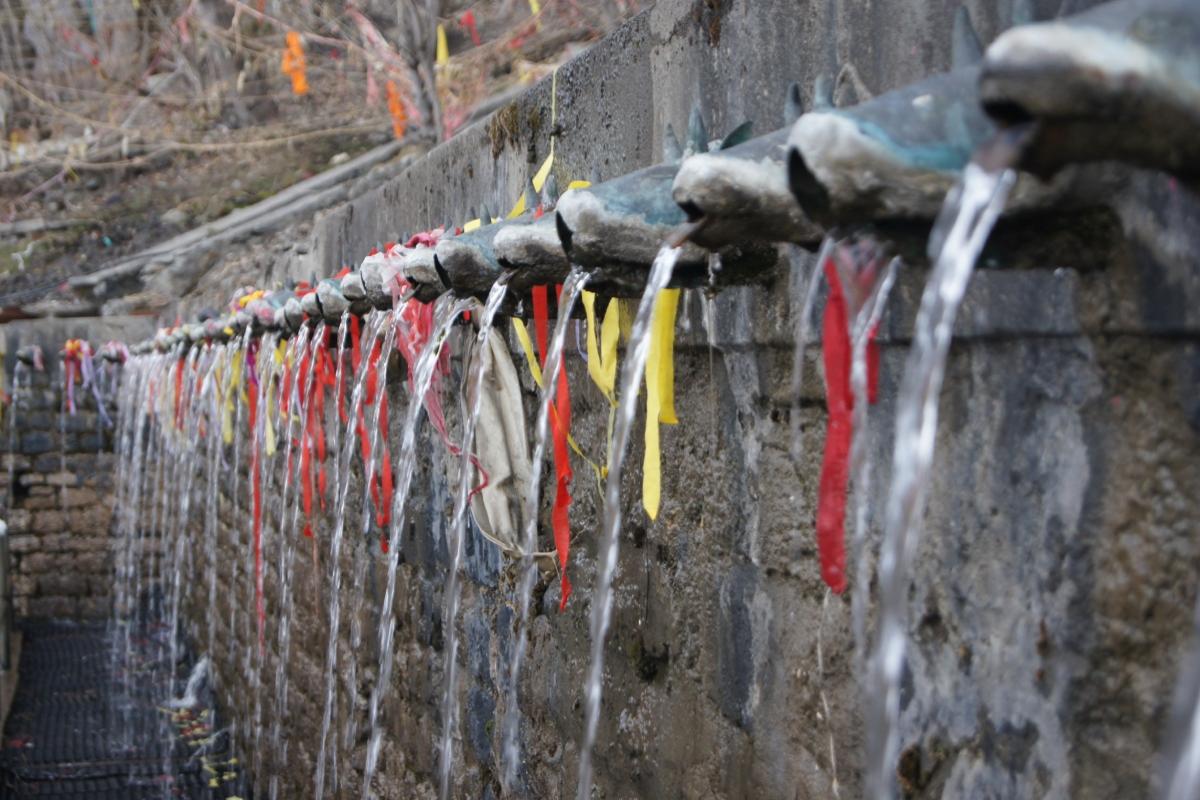
- Experience the spiritual cleansing ritual by bathing under the Muktinath's 108 Stone Water Taps, believed to purify the soul and wash away sins.
Why Choose Best Heritage Tour for Muktinath Jeep Tour?
- Free airport pick-up and drop-off service
- Online pre-trip briefing and booking confirmation for better preparation
- Multiple communication channels (Phone, Email, WhatsApp, Viber) for easy support
- 24/7 customer support available at +977-9851149197 / +977-9810043046
- Simple and secure payment options including Cash, Card & Bank Transfer
- Provide essential medical kit and oximeter to monitor oxygen levels at high altitude
- Free luggage storage facility at Best Heritage Tour store during the tour
- We plant a tree in the name of travelers (upon request), as a part of our commitment to sustainable tourism
Muktinath Jeep Tour Route Overview
This spiritual and scenic journey through Nepal offers a captivating blend of culture, adventure, and natural beauty, taking you from the vibrant capital of Kathmandu to the sacred pilgrimage site of Muktinath. The adventure begins with a scenic drive or flight to Pokhara, with early morning visit and worship at the revered Pashupatinath and Guhyeshwari Temples, where you can immerse yourself in Nepal’s rich spiritual heritage. From Pokhara, the journey continues by jeep to Jomsom, a picturesque town in the Mustang region. Along the way, you’ll have the opportunity to opt. experience the thrill of bungee jumping in Kushma, worship at the ancient Galeshwor Mahadev Temple, and unwind in the natural hot springs of Tatopani, surrounded by stunning mountain views.
The highlight of the trip is the visit to Muktinath, one of Nepal’s most sacred sites, revered by both Hindus and Buddhists. En route, you’ll stop at Kaghbeni, a charming village steeped in history, and take a purifying dip in the holy waters of the Kaligandaki River. At Muktinath Temple, you’ll witness the 108 water spouts and eternal flame, offering a deeply spiritual experience. On the return journey, you’ll explore Marpha, a quaint village famous for its apple orchards and traditional architecture, before heading back to Pokhara.
The final leg of the trip takes you from Pokhara to Kathmandu, with a stop at the revered Manakamana Temple, accessible by cable car, where you can seek blessings for a safe journey ahead. This itinerary is a perfect mix of devotion, adventure, and breathtaking landscapes, offering a unique opportunity to connect with Nepal’s spiritual essence while exploring its diverse terrain and cultural treasures. Whether you’re a pilgrim, an adventurer, or a nature lover, this journey promises an unforgettable experience.
At Best Heritage Tour, we don’t just plan trips - we create lifelong memories. Let us take you on a journey that will inspire, challenge, and transform you. Contact us today to start planning your dream adventure in Nepal. The mountains are calling, and we’re here to help you answer.
Know about the places and their religious importance
1. Pashupatinath Temple
Pashupatinath Temple, located on the banks of the sacred Bagmati River in Kathmandu, is one of the most revered Hindu temples in the world. Dedicated to Lord Shiva in his form as Pashupati, the "Lord of Animals," this UNESCO World Heritage Site is a masterpiece of ancient architecture and a cornerstone of Nepal’s spiritual identity. The temple’s intricate wood carvings, golden spire, and pagoda-style design reflect the rich craftsmanship of the Newar artisans, while its serene surroundings create an atmosphere of profound devotion.
- Religious Significance
Pashupatinath Temple holds immense religious importance for Hindus worldwide. It is considered one of the 12 Jyotirlingas, the holiest shrines of Lord Shiva, and is believed to be a place where devotees can attain moksha (liberation from the cycle of rebirth). The temple’s origins are shrouded in legend, with stories suggesting it was discovered by a cowherd whose cow would miraculously offer milk at the site. Over centuries, it has become a major pilgrimage destination, especially during the festivals of Maha Shivaratri and Teej, when thousands of devotees gather to offer prayers and seek blessings.
The Bagmati River, flowing beside the temple, is considered sacred, and its waters are believed to purify the soul. Rituals such as cremations and holy baths are performed here, symbolizing the cycle of life, death, and rebirth. The temple complex also includes numerous smaller shrines, ashrams, and ghats, making it a vibrant center of spiritual activity.
For both devotees and visitors, Pashupatinath Temple is not just a place of worship but a profound cultural and spiritual experience, offering a glimpse into the heart of Nepal’s religious heritage.
2. Guhyeshwari Temple
Located near the revered Pashupatinath Temple in Kathmandu, Guhyeshwari Temple is one of Nepal’s most significant and ancient shrines, dedicated to Goddess Guhyeshwari, a powerful manifestation of Shakti (the divine feminine energy). This temple holds a special place in Nepal’s spiritual landscape and is considered one of the 51 Shakti Peethas, sacred sites where parts of Goddess Sati’s body are believed to have fallen. The temple’s name, "Guhyeshwari," translates to "Goddess of the Secret," reflecting its deep spiritual and mystical significance.
- Religious Importance
Guhyeshwari Temple is deeply intertwined with Hindu mythology and Tantric traditions. According to legend, it marks the spot where the womb or hips of Goddess Sati fell after Lord Shiva, in his grief, carried her lifeless body across the universe. This makes it a place of immense power and reverence, particularly for followers of Shakti and Tantric practices. The temple is often visited in conjunction with Pashupatinath Temple, as the two sites symbolize the union of Shiva and Shakti, the masculine and feminine energies of the universe.
The temple’s architecture is simple yet profound, with a distinctive circular base and a dome-shaped roof. Non-Hindus are not permitted inside the main sanctum, but the spiritual energy of the site can be felt throughout the surrounding area. Devotees come here to offer prayers, flowers, and red vermilion powder, seeking blessings for strength, protection, and fulfillment of desires.
Guhyeshwari Temple is also a center for Tantric rituals and meditation, attracting spiritual seekers and practitioners from around the world. Its proximity to the Bagmati River adds to its sanctity, as the river is believed to carry the blessings of the goddess. For those seeking a deeper connection with Nepal’s spiritual heritage, Guhyeshwari Temple offers a profound and transformative experience, embodying the divine feminine energy that nurtures and sustains the universe.
3. Galeshwor Mahadev Temple
Nestled in the picturesque village of Beni, near the confluence of the Kali Gandaki and Myagdi rivers, Galeshwor Mahadev Temple is a sacred shrine dedicated to Lord Shiva. This ancient temple, though less known compared to other major religious sites in Nepal, holds immense spiritual significance and is deeply revered by locals and pilgrims alike. Its tranquil setting, surrounded by lush hills and the soothing sounds of flowing rivers, makes it a perfect destination for those seeking peace and divine connection.
- Religious Importance
Galeshwor Mahadev Temple is steeped in mythology and is believed to be one of the many abodes of Lord Shiva. According to legend, the temple is associated with the story of the demon king Ravana from the Hindu epic Ramayana. It is said that Ravana, a devout follower of Lord Shiva, meditated here to gain divine blessings. The temple’s name, "Galeshwor," is derived from "Gale," meaning "throat," and "Ishwor," meaning "Lord," symbolizing Lord Shiva’s role as the protector and destroyer of evil.
The temple is particularly significant during the festival of Maha Shivaratri, when devotees from across the region gather to offer prayers, light oil lamps, and perform rituals to honor Lord Shiva. The serene atmosphere and the natural beauty of the surrounding area enhance the spiritual experience, making it a place of deep devotion and reflection.
Galeshwor Mahadev Temple is also a starting point for many treks and pilgrimages in the region, including the sacred journey to Muktinath. Its location near the Kali Gandaki River, considered holy by Hindus, adds to its sanctity. Pilgrims often take a dip in the river before visiting the temple, believing it purifies the soul and washes away sins.
For those seeking a blend of spirituality and natural beauty, Galeshwor Mahadev Temple offers a unique and tranquil experience, embodying the timeless connection between divinity and nature.
4. Kaghbeni
Kaghbeni, a historic village in the Mustang region of Nepal, is not only a cultural treasure but also a deeply spiritual destination. Located along the banks of the Kali Gandaki River, this ancient village is known for its medieval architecture, narrow cobblestone streets, and traditional mud-brick houses. However, what truly sets Kaghbeni apart is its role as a sacred site for Pitri Puja, a ritual dedicated to honoring ancestors.
- Religious and Spiritual Importance
Kaghbeni is renowned for its connection to Pitri Puja, a Hindu ritual performed to pay homage to deceased ancestors. According to Hindu beliefs, performing Pitri Puja helps bring peace to the souls of ancestors and ensures their blessings for the family. The village is considered an ideal location for this ritual due to its proximity to the holy Kali Gandaki River, which is believed to have purifying properties. Pilgrims often come here to perform the ritual, offering prayers, food, and other offerings to their ancestors by the riverbank.
In addition to Pitri Puja, Kaghbeni is also home to the ancient Kaghbeni Monastery, a significant Buddhist site with intricate murals and ancient scriptures. The village’s spiritual atmosphere is further enriched by its chortens (stupas) and prayer wheels, which are believed to bring blessings to those who circumambulate them.
Kaghbeni’s unique blend of Hindu and Buddhist traditions, combined with its serene setting, makes it a profound destination for spiritual seekers. Whether you’re performing Pitri Puja to honor your ancestors or simply soaking in the village’s timeless charm, Kaghbeni offers a deeply meaningful experience that connects you to Nepal’s rich spiritual heritage.
5. Kali Gandaki River
The Kali Gandaki River, one of Nepal’s major rivers, is not only a natural wonder but also a source of deep spiritual significance. Flowing through the Himalayas, it carves the world’s deepest gorge between the towering peaks of Dhaulagiri and Annapurna. The river is named after the Hindu goddess Kali, symbolizing power and transformation, and is considered sacred by both Hindus and Buddhists.
- Religious Importance
The Kali Gandaki River is believed to possess purifying properties, and taking a dip in its waters is thought to cleanse sins and bring spiritual renewal. For pilgrims on their way to Muktinath, bathing in the river is an essential ritual before visiting the sacred temple. The river is also associated with the Shaligram stones, fossilized ammonites revered as manifestations of Lord Vishnu. These stones are found along the riverbed and are used in worship and rituals.
The river’s spiritual significance is further enhanced by its connection to ancient legends. It is said that the Kali Gandaki River was created by the tears of Lord Shiva, adding to its mystical aura. For trekkers and pilgrims, the river is not just a geographical feature but a symbol of Nepal’s spiritual and natural harmony.
6. Muktinath Temple
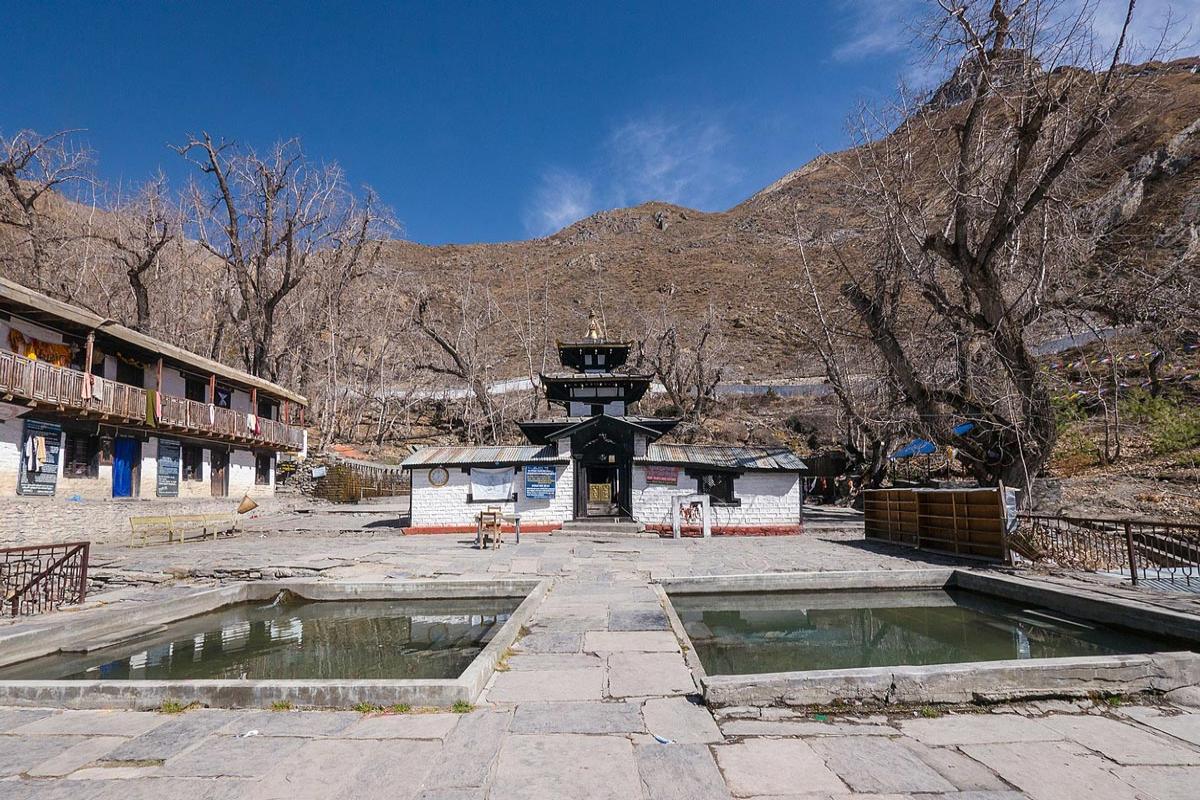
Perched at an altitude of 3,710 meters in the Mustang district of Nepal, Muktinath Temple is one of the most revered pilgrimage sites in the Himalayas. Known as “Mukti Kshetra” (the place of liberation), this sacred temple holds immense significance for both Hindus and Buddhists. It is dedicated to Lord Vishnu, worshipped here as Muktinath (the Lord of Salvation), and is believed to grant devotees freedom from the cycle of birth and rebirth (moksha).
- Religious Importance
For Hindus, Muktinath Temple is one of the 108 Divya Desams (holy shrines of Lord Vishnu) and is considered a place where devotees can attain spiritual liberation. The temple is renowned for its 108 water spouts, shaped like bull heads, from which icy holy water flows. Pilgrims bathe under these spouts to cleanse their sins and purify their souls. The temple also features two sacred ponds, known as Kunda, where devotees take a holy dip before offering prayers.
For Buddhists, Muktinath is known as Chumig Gyatsa, which means “Hundred Waters.” It is believed to be a place where the great Buddhist sage Guru Rinpoche (Padmasambhava) meditated on his journey to Tibet. The temple complex includes a Buddhist monastery, and the coexistence of Hindu and Buddhist traditions here symbolizes religious harmony.
One of the most fascinating aspects of Muktinath Temple is the eternal flame, a natural phenomenon where a flame burns continuously alongside a spring of water. This combination of fire and water, two opposing elements, is considered a divine miracle and adds to the temple’s mystical aura.
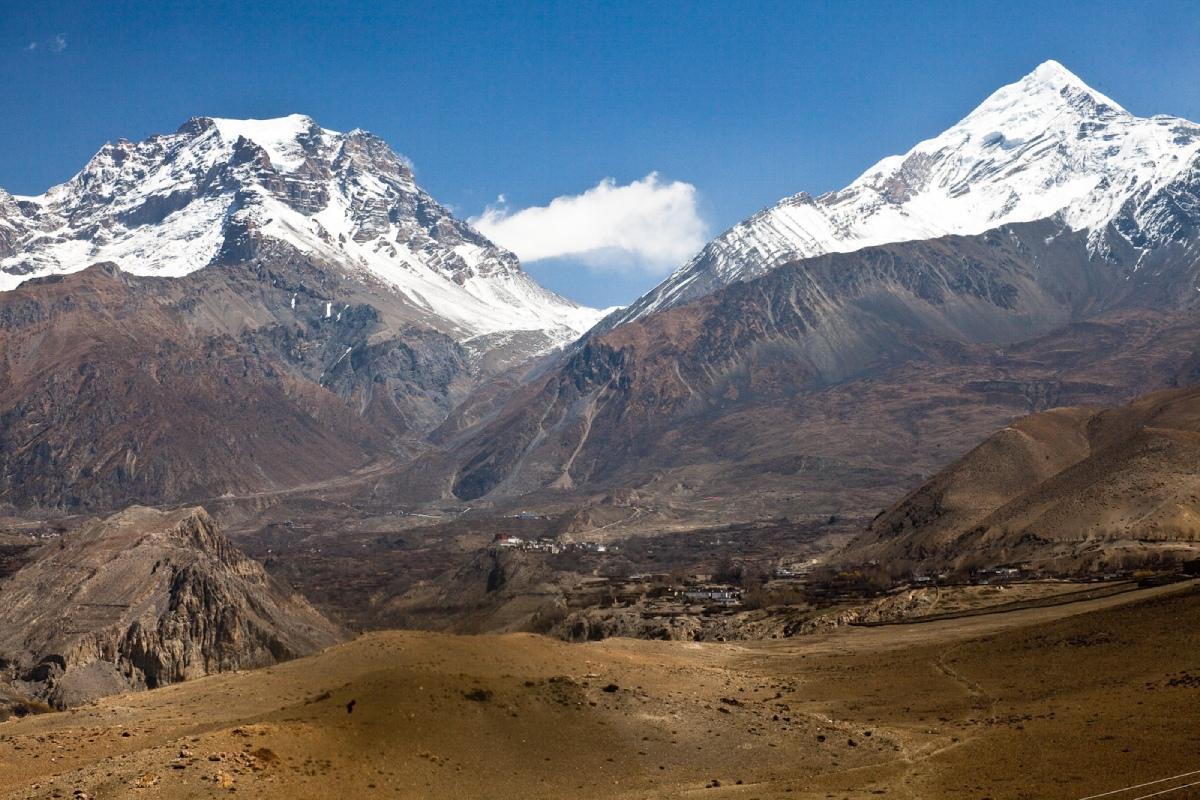
Visiting Muktinath Temple is not just a pilgrimage but a transformative journey. The breathtaking views of the Annapurna and Dhaulagiri ranges, the serene atmosphere, and the spiritual energy of the temple create an unforgettable experience. Whether you seek liberation, blessings, or simply a deeper connection with the divine, Muktinath Temple stands as a beacon of hope and salvation in the heart of the Himalayas.
7. Marpha Village
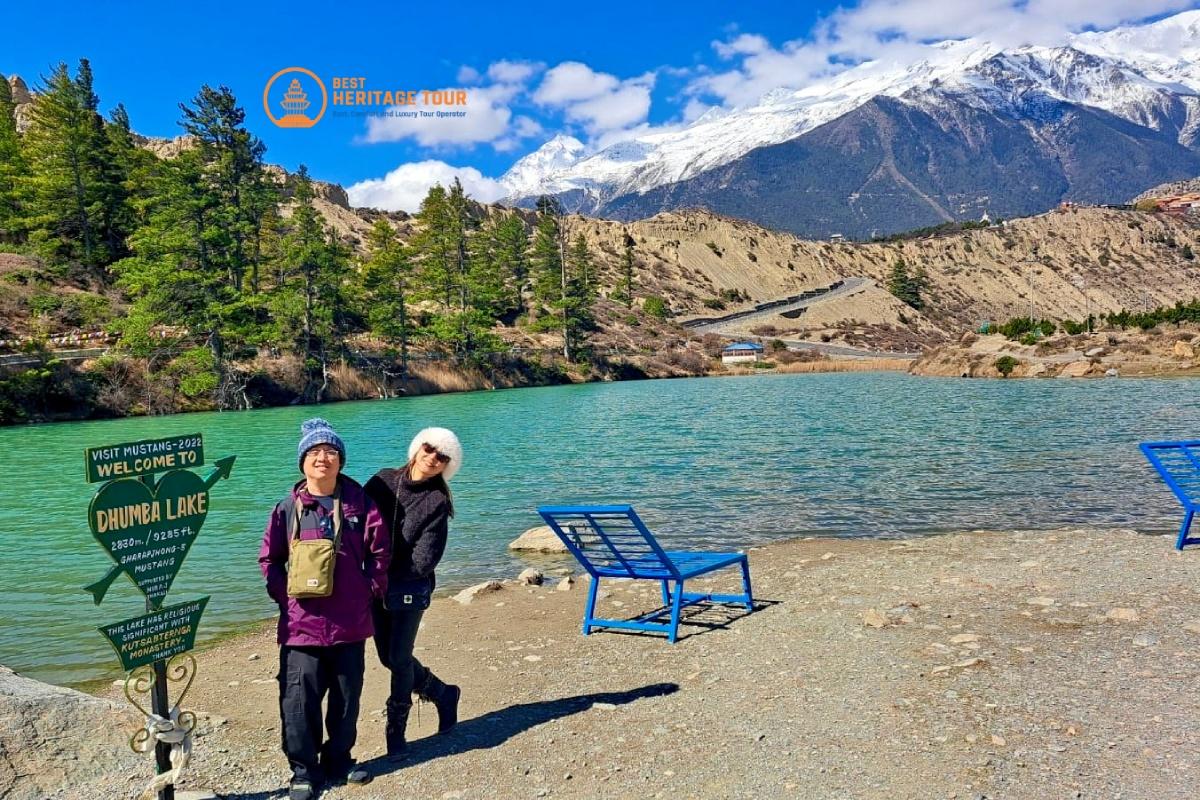
Marpha Village, nestled in the Mustang district of Nepal, is a charming and picturesque settlement renowned as the “Apple Capital of Nepal” for its thriving apple orchards and production of apple-based products like cider, brandy, and pies. This traditional Thakali village is famous for its unique whitewashed stone houses, narrow cobblestone streets, and flat roofs used for drying apples and grains. Marpha is a cultural gem, with Buddhist monasteries, mani walls, and chortens reflecting its spiritual heritage. A popular stop on the Annapurna Circuit, the village offers warm hospitality, cozy teahouses, and stunning views of the Himalayas. Opt. Visitors can explore nearby attractions like Dhumba Lake and Tukuche Peak, making Marpha a perfect blend of natural beauty, cultural richness, and agricultural tradition.
8. Manakamana Temple
Manakamana Temple is a historic Hindu shrine located in the Gorkha District of Nepal, dedicated to Goddess Bhagwati, an incarnation of Parvati. Perched at an altitude of 1,302 meters, the temple overlooks the scenic Trishuli and Marshyangdi valleys. It dates back to the 17th century during the reign of King Ram Shah, whose queen was believed to possess divine powers. After her death, it is said that she reappeared as the goddess Manakamana, and a shepherd’s vision led to the construction of the temple. With its traditional pagoda-style architecture and intricate wood carvings, the temple stands as a testament to Nepalese cultural heritage. Accessible via the Manakamana Cable Car, the temple attracts both devotees and tourists who admire its spiritual ambiance and panoramic views.
- Religious Importance
The temple holds immense religious significance for Hindus, as Goddess Manakamana is believed to fulfill the heartfelt wishes of her devotees. Pilgrims visit the temple seeking blessings for health, prosperity, and happiness, often offering coconuts or symbolic sacrifices as tokens of devotion. It is especially crowded during festivals like Dashain, when worshipers come to pay homage. The temple is also a site of fertility blessings, where couples pray for children or marital harmony. Known as a center of faith and devotion, Manakamana Temple remains a vital pilgrimage site and a symbol of divine grace in Nepalese culture.
What Can You Expect from Muktinath Jeep Tour?
1. Sacred Pilgrimage Sites
Begin your spiritual journey with visits to the iconic Pashupatinath Temple, one of the holiest Hindu temples dedicated to Lord Shiva, and the nearby Guhyeshwari Temple, a sacred shrine revered in both Hindu and Tantric traditions. At Muktinath Temple, a significant pilgrimage site for both Hindus and Buddhists, bathe under the 108 sacred stone water spouts and seek blessings for spiritual salvation. Explore Kagbeni, a serene village at the confluence of the Kali Gandaki River, known for its ancient religious importance. Additionally, visit Galeshwor Mahadev Temple, dedicated to Lord Shiva, and the Manakamana Temple, where devotees believe their wishes are fulfilled through sincere prayers.
2. Adventure and Off-Roading
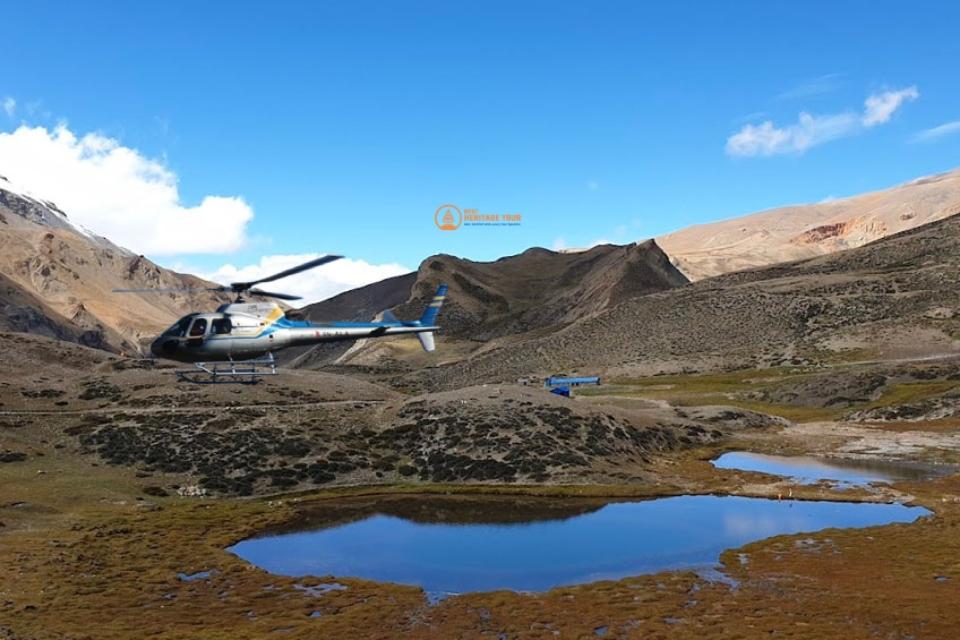
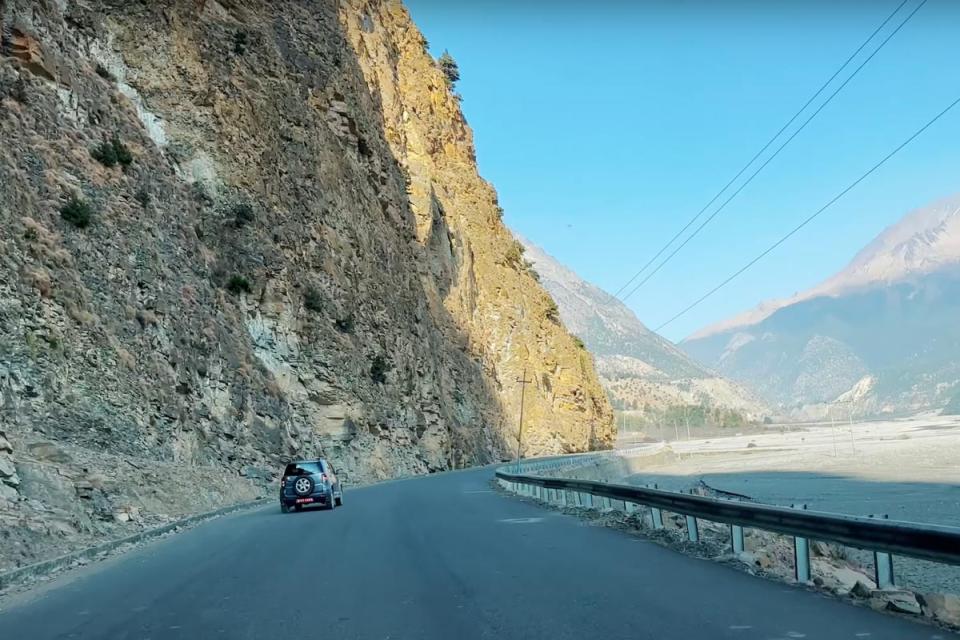
Embark on an exhilarating jeep ride through Nepal’s rugged Himalayan terrain, tackling steep mountain roads, rocky paths, and exciting river crossings. The off-road trails, with their sharp turns and narrow routes, add a thrilling dimension to your journey, letting you experience Nepal’s untamed beauty up close.
3. Stunning Himalayan Landscapes
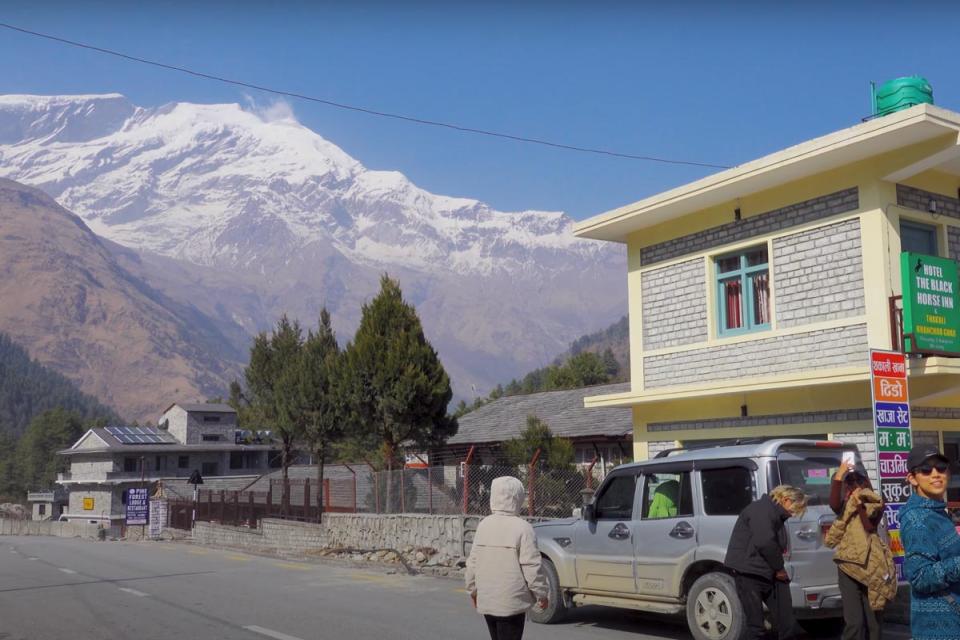
Enjoy panoramic views of the Annapurna and Dhaulagiri mountain ranges, towering over deep valleys and alpine meadows. The journey takes you through picturesque landscapes, including terraced farmlands, lush forests, and the winding Kaligandaki River. These ever-changing vistas provide endless opportunities for breathtaking photography.
4. Cultural Immersion
Immerse yourself in the local culture by visiting traditional Himalayan villages like Marpha, known for its Tibetan-inspired architecture, apple orchards, and friendly locals. Engage with the community, witness their way of life, and explore the rich cultural heritage that defines the region’s unique identity.
5. Relaxing Natural Hot Springs
Rejuvenate your body and mind at the Tatopani Hot Springs, renowned for their therapeutic, mineral-rich waters. Surrounded by lush greenery and towering mountains, these geothermal pools provide the perfect retreat after a day of travel.
6. Optional Adventure Activities
For thrill-seekers, the journey includes the option of bungee jumping at Kushma, one of the highest bungee spots in the world. Dive into the Kali Gandaki Gorge for an unforgettable adrenaline rush, surrounded by awe-inspiring Himalayan views.
7. Diverse Wildlife and Nature
Travel through the Kaligandaki River Valley, home to diverse flora and fauna, including high-altitude species like blue sheep and Himalayan tahr. Bird enthusiasts can spot a variety of Himalayan birds, while the lush natural surroundings offer countless opportunities to connect with nature.
8. Local Cuisine
Savor authentic Nepali flavors, including traditional dishes like dal bhat, momos, and locally made apple delicacies. In Marpha, indulge in fresh apple cider, dried apple products, and homemade apple pies, showcasing the region’s agricultural specialties.
9. Astounding Sunrises and Sunsets
Capture unforgettable sunrises and sunsets over the Himalayas, as the peaks glow in hues of gold, pink, and orange. These serene moments offer incredible photo opportunities and a chance for quiet reflection amidst nature’s grandeur.
10. Personalized Experience
The jeep tour provides flexibility to stop and explore scenic spots, cultural landmarks, or off-the-beaten-path locations. With the comfort and convenience of a private vehicle, this journey is ideal for spiritual pilgrims and adventure enthusiasts alike, offering a memorable and enriching experience.
Are you ready for the Muktinath Jeep Tour?
To fully enjoy this jeep tour, you must have a strong sense of adventure and a readiness to embrace the thrill of exploring rugged terrains. The journey will take you through challenging off-road paths, steep mountain roads, and narrow trails that require resilience and patience. You’ll need the spirit of adventure to fully enjoy the jeep rides across the remote Himalayan landscape, from the winding roads to thrilling river crossings. As you journey through breathtaking views of the Himalayas, alpine meadows, and deep valleys, your curiosity and love for nature will help you appreciate the raw beauty surrounding you. You’ll also have the chance to engage in optional adrenaline-filled activities, such as bungee jumping, which adds an exciting layer to the adventure.
On the spiritual side, a deep sense of respect and openness is essential to fully immerse yourself in the religious significance of the sacred sites you will visit. Temples like Pashupatinath, Guhyeshwari, and Muktinath offer profound spiritual experiences, and it’s important to approach them with reverence. You’ll be witnessing and possibly participating in ancient rituals, so an appreciation for the cultural and religious practices is key to making the most of these sacred moments. The journey will take you through places where faith runs deep, and your openness to these spiritual practices will help you connect meaningfully with the traditions and people of the region.
Itinerary
The first day of your tour begins with an early morning, where the guide and driver from Best Heritage Tour will pick you up from your hotel. You’ll start your journey by visiting the sacred Pashupatinath Temple, one of the holiest Hindu temples in Nepal, where you can witness religious rituals and soak in the spiritual atmosphere. Next, you’ll head to the Guhyeshwari Temple, dedicated to the goddess Parvati, for a peaceful and reflective experience. After the temple visits, enjoy an authentic Nepali cuisine lunch at a local restaurant.
Following lunch, you will either head towards the road for a scenic 6-7 hour drive to Pokhara, enjoying picturesque views along the Prithvi Highway, or proceed to Tribhuvan Airport Domestic Terminal if you choose to fly. Upon arrival in Pokhara, check into your hotel, unwind, and enjoy a relaxing evening by Phewa Lake, before having dinner and resting for the night, ready for the next day’s adventures.
On Day 2, begin your day early with breakfast at your hotel in Pokhara, as you prepare for a thrilling jeep ride to Jomsom. The drive takes you through the Kaligandaki River Valley, where you’ll pass stunning landscapes of deep river gorges, terraced fields, and traditional villages nestled against the backdrop of the mighty Annapurna and Dhaulagiri mountain ranges. The ride is filled with excitement and scenic beauty, taking around 6-7 hours, with plenty of opportunities for photo stops along the way.
En route, make your first stop at Kushma, where you can opt for a thrilling bungee jump at one of the highest bungee spots in the world, offering an adrenaline rush with incredible views of the surrounding cliffs and valleys. After the Kushma, you will head to Galeshwor Mahadev Temple, dedicated to Lord Shiva, where you can perform a ritual worship. This peaceful and remote temple is known for its serene setting, offering a spiritual pause amidst your adventure.
Later the day, continue your journey toward Tatopani, famous for its natural hot springs. After a long day of travel and adventure, a relaxing soak in the rejuvenating, mineral-rich waters of the hot springs is the perfect way to unwind. The therapeutic waters are believed to have healing properties and offer a peaceful retreat surrounded by the natural beauty of the area. Afterward, continue your journey to Jomsom, where you'll spend the night, ready for the next day’s adventures.
On this day, start your day with a hearty breakfast in Jomsom before embarking on the jeep ride to Muktinath, passing through stunning landscapes with views of the Annapurna and Dhaulagiri mountain ranges. The rugged terrain and traditional villages along the way make the journey incredibly scenic.
Your first stop will be at the village of Kagbeni, a picturesque and spiritual location situated at the confluence of the Kali Gandaki River and the Jhong Khola River. Kagbeni - also symbolized as “Pitri- Moksastala” is a place of deep spiritual significance, and here you can participate in the sacred Pitri Puja, a ritual dedicated to honoring your ancestors. This prayer ceremony is a vital part of the spiritual journey for many pilgrims. After the Pitri Puja, you can proceed to take a sacred bath in the Kaligandaki River, which is believed to purify the soul before continuing your journey to Muktinath.
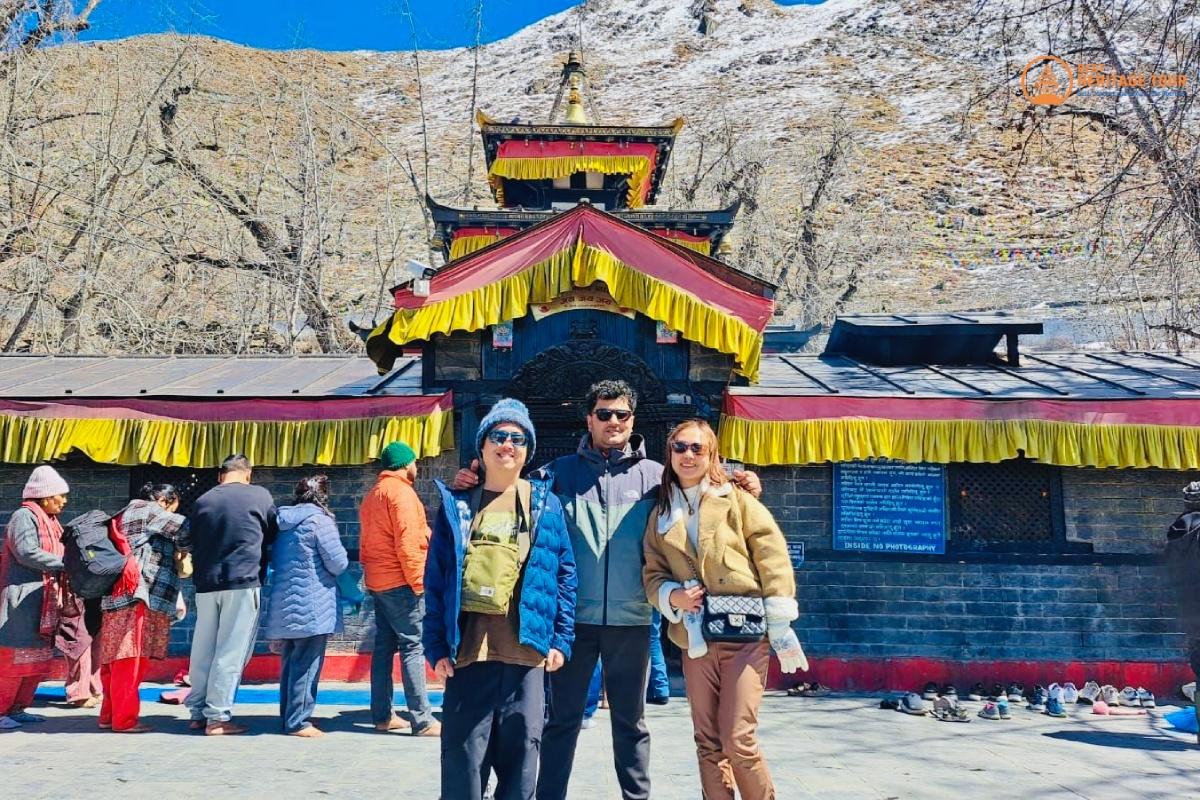
Following your sacred rituals, continue your journey to Muktinath Temple, one of the holiest sites for both Hindus and Buddhists. Upon arrival, worship at the temple, which is famous for its sacred 108 stone spouts where water flows, symbolizing purification. You can also take a ritual bath beneath these spouts as many pilgrims do. Additionally, the temple is home to an eternal flame, fueled by natural gas, adding to the mystical atmosphere of the site. After spending time at the temple and soaking in the spiritual energy, take in the stunning Himalayan views before returning for the night, reflecting on the profound spiritual experiences of the day.
On Day 4, after breakfast in Muktinath, begin your jeep journey back towards Pokhara, passing through some of the most scenic parts of the region. The drive from Muktinath to Pokhara is filled with beautiful landscapes, from barren mountain slopes to lush valleys, and offers plenty of photo opportunities. This day’s journey will take around 6-7 hours, and along the way, you will stop at Marpha Village, a picturesque and charming village known for its traditional whitewashed houses and apple orchards.
Marpha is often referred to as the “Apple Kingdom” due to its famous apple farms, and it is a great place to pause and explore. Take a leisurely walk around the village, where you can visit its quaint streets, traditional monasteries, and learn about the local way of life. Marpha is also known for its apple products, including juices, jams, and cider, so this is the perfect place to sample some local treats or purchase souvenirs.
After your visit to Marpha, continue your drive towards Pokhara, passing through the scenic Kali Gandaki Gorge, one of the deepest river valleys in the world. The route provides awe-inspiring views of the surrounding mountain ranges, including the Annapurna and Dhaulagiri peaks. As you approach Pokhara, the landscape changes, and you will be greeted by the peaceful shores of Phewa Lake. Upon arrival in Pokhara, check into your hotel, and you will have the evening free to relax or explore the lakeside area. Enjoy a peaceful dinner by the lake, taking in the tranquil surroundings with a stunning view of the Himalayan peaks in the distance, marking the perfect end to a day of adventure and discovery.
On Day 5, after breakfast in Pokhara, begin your scenic journey back to Kathmandu. The drive will take around 6-7 hours, and along the way, you’ll pass through picturesque landscapes, including lush forests, terraced fields, and traditional villages. The road follows the Trishuli River, providing breathtaking views of the surrounding hills and valleys.
As part of your return journey, you will stop at the Manakamana Temple, a sacred site dedicated to the Hindu goddess Manakamana, believed to fulfill the wishes of devotees. The temple is situated on a hilltop, and to reach it, you will take a cable car ride that offers spectacular panoramic views of the Trishuli River and the surrounding mountains. The temple itself is a significant pilgrimage destination for Hindus, and many devotees visit to perform worship and ask for blessings. After visiting the temple, take some time to enjoy the serene atmosphere and the stunning views from the hilltop.
After your visit to Manakamana, continue your drive towards Kathmandu. You’ll pass through charming villages and scenic countryside, and as you approach the capital, the landscape will gradually transition to the hustle and bustle of the city. Upon reaching Kathmandu, you will be dropped off at your hotel, where you can unwind and reflect on the unforgettable experiences of your Muktinath jeep tour. The day ends with a sense of fulfillment from the spiritual and adventurous journey you’ve undertaken, leaving you with lasting memories.
What is included?
- PRIVATE AIRPORT PICK-UP & DROP : Airport - Hotel transfer - Airport (Pick Up and Drop).
- MEMBER TRANSPORTATION :
- Tourist Bus : Transportation in standard tourist bus from Kathmandu to Pokhara.
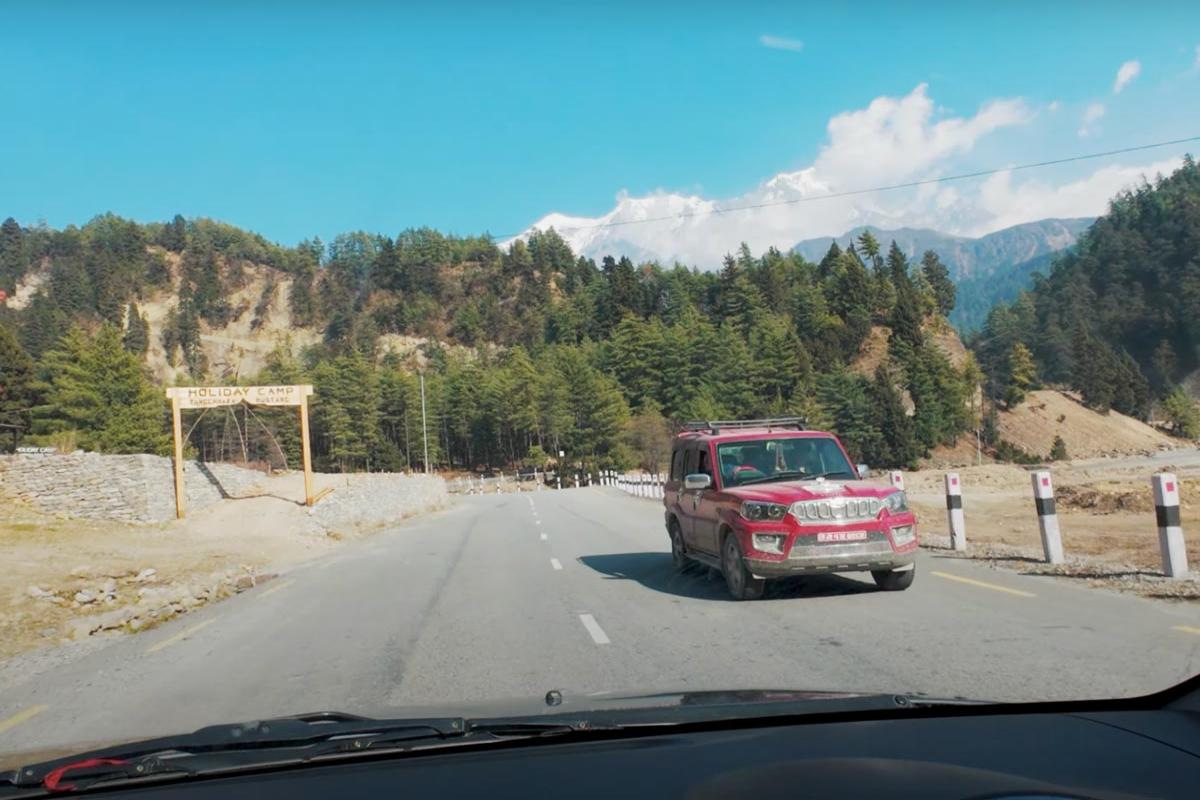
- Jeep : Transportation in a private Jeep from Pokhara to Muktinath and while returning from Muktinath to Pokhara.
- Jeep/Car : Transportation in a Private Jeep/Car from Pokhara to Kathmandu with visit to Manakamana Temple.
- ACCOMMODATION IN POKHARA : 2 nights in a 3-star hotel on a bed & breakfast basis.
- LODGING : Best available accommodation in mountain lodges and tea houses during the tour.
- FOOD : 3 meals a day (breakfast, lunch, and dinner; including tea/coffee) during the tour, with Ef-Chlor purification tablets provided for safe drinking water.
- GUIDE : One experienced government licensed tour guide (English speaking) during the tour.
- STAFF SALARY AND ALLOWANCE : All staff wages, salary, equipment, food & clothing.
- PERMITS : All necessary paper works : ACAP, TIMS Card & other entry fee.
- STAFF INSURANCE : Insurance for all involved staff during the tour.
- GEAR (IF NEEDED) : Sleeping bag, down jacket, and duffle bag (to be returned after the tour).
- MEDICAL KIT : A well equipped first aid kit, including an oximeter and emergency oxygen, carried by the guide for your safety.
- IN CASE OF EMERGENCY : Assistance in rescue operations in case of emergency covered by travel insurance.
- SOUVENIR : Best Heritage Tour’s Appreciation Certificate after the successful tour & Purse, an authentic Nepali product made from hemp.
- FAREWELL DINNER : A farewell dinner with an authentic cultural program after completion of the tour.
What is not included?
- INTERNATIONAL AIRFARE : International flight airfare (from and to Kathmandu).
- NEPAL VISA FEES : You may issue the visa upon your arrival at Tribhuvan International Airport - Kathmandu or apply manually in your home country.
- ACCOMMODATION & MEALS : Accommodation and meals in Kathmandu before and after the trek. Lunch and Dinner in Pokhara
- CABLE CAR RIDE : Cable Car fare to visit Manakamana Temple.
- INSURANCE POLICY : Travel insurance covering medical expenses and high-altitude evacuation is mandatory. If you do not have suitable coverage, we can also assist in arranging travel insurance for you upon your arrival in Nepal. Check Over Here
- PERSONAL EXPENSES : Clothing & gears, temple visiting charges & donations, telephone, internet, toiletries, hot shower, laundry, soft drinks etc.
- TIPS : Tips for guide and driver.
- EXTRA : Any additional costs due to factors beyond our control, or for services not specifically mentioned in the Itinerary & Included section.
- TAXES & SERVICE CHARGE : All government taxes (13%) and service charge (10%).
Route Map
Equipment
Clothing
- Layered Clothing
- Lightweight, moisture-wicking clothing for lower altitudes (Kathmandu and Pokhara).
- Warm clothes (fleece jacket, down jacket) for high-altitude areas (Jomsom, Muktinath).
- Thermal innerwear for colder temperatures.
- Waterproof Jacket
- Comfortable Trekking Shoes/Boots
- Warm Hat/Gloves
Personal Items
- Backpack/Daypack
- Sunglasses
- Sun Hat/Cap
- Scarf or Bandana
- Passport
- Snacks & Energy Bars
- Water Bottle
- Personal Hygiene Items (hand sanitizer, wet wipes, and tissues)
- Personal Medications (altitude sickness medication, painkillers, and a basic first-aid kit)
Electronics & Photography Gear
- Camera/Smartphone
- Extra Batteries & Chargers
- Travel Adapter
Miscellaneous
- Notebook & Pen
- Cash in Nepali Rupees
- Ziploc Bags
Optional Equipment
- Trekking Poles
- Binoculars
- Travel Pillow (for comfort during long jeep rides)
Trip Info
Useful Information About the Muktinath Jeep Tour
To ensure a smooth, comfortable, and spiritually fulfilling Muktinath Jeep Tour, we recommend that travelers familiarize themselves with a few important trip details before departure. Being well-prepared will help you enjoy the journey, adapt to the high-altitude environment, and make the most of your pilgrimage to one of Nepal's most sacred temples.
Airport Pickup and Trip Briefing for the Muktinath Jeep Tour
For our international guests, Best Heritage Tour provides airport pickup and drop-off services in Kathmandu. Upon your arrival at Tribhuvan International Airport, our representative from Best Heritage Tour will warmly welcome you with a traditional Khada (ceremonial scarf) and transfer you to your hotel in a private vehicle.
If you have not yet arranged accommodation in Kathmandu, we will be happy to assist you in booking a hotel that suits your preferences and budget.
Trip Briefing Session in Thamel
Before the tour begins, we organize a short trip briefing at our office in Thamel to help you prepare for the journey.
During the briefing, Mr. Bimal (M.D. of Best Heritage Tour) will personally:
-
Explain the complete tour itinerary and daily travel plan.
-
Provide important information about road conditions, weather, and altitude.
-
Advise you on clothing, packing essentials, and travel preparation.
-
Introduce you to your driver and guide.
-
Answer any questions you may have before the tour begins.
What Type of Transportation is Used for the Muktinath Jeep Tour?
At Best Heritage Tour, we carefully arrange comfortable and reliable transportation throughout the Muktinath Jeep Tour to ensure a smooth and enjoyable travel experience. This tour combines a standard tourist bus, a private 4WD jeep, and a private car.
Using different modes of transportation based on the road conditions and route ensures greater safety, convenience, and flexibility throughout the journey.
Route & Vehicle Used for the Muktinath Jeep Tour
|
Route |
Mode of Transport |
Approx. Distance |
Travel Time |
|---|---|---|---|
|
Kathmandu → Pokhara (Day 1) |
Standard Tourist Bus |
~200 km / 124 miles |
7-8 Hours |
|
Pokhara → Jomsom (Day 2) |
Private 4WD Jeep |
~155 km / 96 miles |
8-9 Hours |
|
Jomsom → Muktinath (Day 3) |
Private 4WD Jeep |
~22 km / 14 miles |
1.5-2 Hours |
|
Muktinath → Pokhara via Marpha Village (Day 4) |
Private 4WD Jeep |
~175 km / 109 miles |
9-10 Hours |
|
Pokhara → Kathmandu via Manakamana Temple (Day 5) |
Private Car |
~200 km / 124 miles |
7-8 Hours |
Note: The driving distance and travel duration are approximate and may vary depending on road conditions, weather, traffic, and seasonal circumstances.
What is the Maximum Altitude Reached on the Muktinath Jeep Tour?
The maximum altitude reached during the Muktinath Jeep Tour is 3,800 meters (12,467 feet) above sea level at Muktinath Temple, one of Nepal's most sacred pilgrimage destinations. Unlike trekking tours that require several days of gradual ascent, this jeep tour allows travelers to reach the high-altitude destination by road.
What is the Altitude of Muktinath Temple?
Muktinath Temple is situated at an elevation of 3,800 meters (12,467 feet) above sea level. The temple is famous for its 108 sacred water spouts, eternal flame, and spiritual significance, attracting thousands of pilgrims and travelers each year. Besides its religious importance, Muktinath offers spectacular Himalayan views and serves as one of the highlights of the Lower Mustang region.
What is the Altitude of Jomsom?
Jomsom, the administrative headquarters of Mustang District, lies at an altitude of 2,743 meters (8,999 feet) above sea level. It serves as the main gateway to Muktinath and is the overnight stop before visiting the temple. Surrounded by dramatic valleys and snow-capped peaks, Jomsom is well known for its unique desert-like landscape and strong afternoon winds.
Day-by-Day Elevation Breakdown During the Muktinath Jeep Tour
To help our guests understand the altitude changes throughout the journey, here is the daily maximum elevation reached during our 5-Day Muktinath Jeep Tour itinerary:
|
Day |
Route |
Maximum Altitude Reached |
|---|---|---|
|
Day 1 |
Kathmandu → Pokhara |
822 m / 2,697 ft (Pokhara) |
|
Day 2 |
Pokhara → Jomsom |
2,743 m / 8,999 ft (Jomsom) |
|
Day 3 |
Jomsom → Muktinath |
3,800 m / 12,467 ft (Muktinath Temple) |
|
Day 4 |
Muktinath → Marpha → Pokhara |
3,800 m / 12,467 ft (Starting Point) |
|
Day 5 |
Pokhara → Manakamana Temple → Kathmandu |
1,302 m / 4,272 ft (Manakamana Temple) |
What Is the Total Distance Covered on the Muktinath Jeep Tour?
The Muktinath Jeep Tour covers approximately 752 km (467 miles) over five days, combining scenic highway drives and adventurous off-road jeep journeys through the Annapurna and Lower Mustang regions. The tour primarily involves road travel, making it an excellent option for pilgrims, families, senior travelers, and anyone who wishes to visit Muktinath without undertaking a strenuous trek.
What Is the Total Driving Distance on the Muktinath Jeep Tour?
The total driving distance during this tour is approximately 752 km (467 miles), including:
-
Kathmandu to Pokhara: ~200 km (124 miles)
-
Pokhara to Jomsom: ~155 km (96 miles)
-
Jomsom to Muktinath: ~22 km (14 miles)
-
Muktinath to Pokhara (via Marpha Village): ~175 km (109 miles)
-
Pokhara to Kathmandu (via Manakamana Temple): ~200 km (124 miles)
At Best Heritage Tour, we provide carefully selected transportation throughout the journey, including a standard tourist bus from Kathmandu to Pokhara, a private 4WD jeep for travel within the Mustang region, and a private car for the comfortable return drive to Kathmandu.
Is There Any Walking During the Muktinath Jeep Tour?
Although the Muktinath Jeep Tour is primarily a road journey, there is a short walk required to reach the main temple complex after arriving at the vehicle parking area. Visitors typically walk for 15 to 30 minutes on a gently uphill paved pathway to reach Muktinath Temple. Pilgrims also spend time exploring the temple premises, including the 108 sacred water spouts, the eternal flame, and nearby monasteries.
Apart from sightseeing stops in Jomsom, Marpha Village, and Manakamana Temple, no long-distance trekking is involved, making this tour suitable for travelers of most fitness levels.
What Type of Accommodation is Available on the Muktinath Jeep Tour?
Accommodation during the Muktinath Jeep Tour is comfortable, clean, and carefully selected to ensure a pleasant stay throughout your pilgrimage and sightseeing journey. At Best Heritage Tour, we arrange quality hotels in Pokhara and the best available lodges or guesthouses in Muktinath, providing a balance of comfort and authentic Himalayan hospitality.
Accommodation in Pokhara
Our package includes 2 nights' accommodation in a 3-star hotel in Pokhara on a bed and breakfast (BB) basis. Situated in or near the vibrant Lakeside area, these hotels offer modern amenities and a comfortable environment before and after your visit to Muktinath.
Accommodation in Jomsom & Muktinath
During the tour, we provide in total 2 night's accommodation in the best available mountain lodge or hotel in Jomsom & Muktinath. Rooms are generally private and comfortable, with attached bathrooms available in many lodges, although availability may vary during peak pilgrimage and trekking seasons.
Accommodation During the Muktinath Jeep Tour
Our accommodation arrangement for this 5-day tour includes:
-
2 Nights in Pokhara: 3-star hotel on a bed & breakfast basis.
-
1 Night in Jomsom: Best available mountain lodge or guesthouse with comfortable private accommodation.
-
1 Night in Muktinath: Best available mountain lodge or guesthouse with comfortable private accommodation.
Facilities Available at Accommodation During the Muktinath Jeep Tour
Below is a general overview of the facilities commonly available at the overnight stops during the tour.
|
Overnight Stop |
Toilet |
Hot Shower |
Wi-Fi |
Charging |
Mobile Network |
|---|---|---|---|---|---|
|
Pokhara |
Attached Western Toilet |
Included |
Free |
Included |
Excellent (NTC & Ncell) |
|
Jomsom & Muktinath |
Attached or Shared Western Toilet |
Available |
Available |
Available Generally Free |
Excellent (NTC & Ncell) |
Food and Drinks on the Muktinath Jeep Tour
During the Muktinath Jeep Tour, travelers enjoy freshly prepared meals at carefully selected hotels, lodges, and local restaurants along the route. Our standard package includes Breakfast, Lunch, and Dinner, along with 2-3 cups of tea or coffee per day to help keep you refreshed and energized throughout the journey.
Since accommodation in Pokhara is provided on a bed and breakfast (BB) basis, breakfast is included at the hotel, while lunch and dinner can be enjoyed at local restaurants, giving travelers the flexibility to choose dishes that suit their tastes and budgets.
Meals During the Muktinath Jeep Tour
Meals are generally arranged as follows:
-
Breakfast: Served at your hotel or lodge after your overnight stay.
-
Lunch: Enjoyed at a local restaurant along the driving route.
-
Dinner: Served at your overnight accommodation or a nearby local restaurant.
Throughout the journey, you'll have opportunities to sample authentic Nepali cuisine as well as Tibetan and Thakali dishes that are popular in the Mustang region.
Ordering and Meal Policy
Travelers can generally choose one main dish per meal from the hotel menu. Any additional meals, snacks, desserts, soft drinks, bottled beverages, or extra tea and coffee beyond the package inclusions must be paid for directly by the travelers.
Available Menu Options During the Muktinath Jeep Tour
|
Meal |
Common Food Options |
|---|---|
|
Breakfast |
Toast, eggs (fried, boiled, scrambled, or omelet), Tibetan bread, pancakes, porridge, muesli, chapati, tea, and coffee |
|
Lunch |
Dal Bhat, Thakali Set, fried rice, chowmein, momo, thukpa, noodles, pasta, soups, and potato dishes |
|
Dinner |
Dal Bhat, Thakali Set, vegetable curries, fried rice, noodles, soups, momo, chapati, and seasonal local dishes |
Thakali Set - A Must-Try Local Specialty
One of the culinary highlights of the Muktinath Jeep Tour is the traditional Thakali Set, a signature meal of the Mustang region. Originating from the Thakali community, this wholesome dish typically includes steamed rice, lentil soup, seasonal vegetables, leafy greens, pickles, papad, and your choice of curry.
Prepared using fresh local ingredients and balanced flavors, the Thakali Set is both nutritious and satisfying. Travelers visiting Marpha, Jomsom, or Muktinath are highly encouraged to try this authentic regional cuisine for a true taste of Mustang's cultural heritage.
Drinks and Hydration During the Muktinath Jeep Tour
A variety of beverages are available throughout the journey, including:
-
Tea (Milk Tea, Black Tea, Ginger Tea, Lemon Tea) & Coffee
-
Hot Lemon and Honey
-
Garlic Soup and Other Soups
-
Bottled Drinking Water
-
Boiled Drinking Water
Are Vegan and Vegetarian Food Options Available During Muktinath Tour?
Yes. Vegan and vegetarian meals are widely available throughout the Muktinath Jeep Tour. Hotels, lodges, and local restaurants in Pokhara, Jomsom, and Muktinath serve a variety of plant-based dishes, including Dal Bhat, vegetable curries, fried rice, noodles, soups, potatoes, and seasonal vegetables.
If you have food allergies, dietary restrictions, or specific meal preferences, please let us know before the tour begins. At Best Heritage Tour, we will coordinate with our hotel and restaurant partners whenever possible to ensure your dietary needs are accommodated, helping you enjoy a safe, comfortable, and worry-free journey.
When is the Best Time for the Muktinath Jeep Tour?
The Muktinath Jeep Tour can be enjoyed throughout the year, with each season offering a unique travel experience. Since the journey is completed by road, it is suitable for pilgrims, families, senior travelers, and adventure seekers alike. However, weather conditions, road accessibility, and mountain visibility vary from season to season.
Spring (March to May)
Spring is one of the best seasons for the Muktinath Jeep Tour. The weather is mild, the skies are usually clear, and the hills along the route are covered with blooming rhododendrons and lush greenery. The Annapurna and Dhaulagiri ranges are often visible, creating spectacular scenery throughout the journey.
Pros
-
Pleasant temperatures for sightseeing.
-
Excellent visibility of the Himalayan peaks.
-
Beautiful rhododendron forests and colorful landscapes.
-
Ideal road conditions in most areas.
-
Perfect season for photography and pilgrimage.
Cons
-
Popular travel season, so hotels may book up quickly.
-
Slightly busier at Muktinath Temple during holidays and festivals.
Summer / Monsoon (June to August)
Summer coincides with Nepal's monsoon season, bringing warmer temperatures and frequent rainfall, particularly between Kathmandu and Pokhara. However, the Lower Mustang region, where Muktinath is located, lies in the Himalayan rain shadow and receives significantly less rainfall than most other parts of Nepal.
Pros
-
Fewer tourists and a peaceful pilgrimage experience.
-
Lush green scenery between Kathmandu and Pokhara.
-
Lower Mustang remains comparatively dry.
-
Hotels are generally less crowded.
Cons
-
Possibility of landslides or road delays between Kathmandu and Pokhara.
-
Mountain views may be obscured by clouds at times.
-
Rain can make road conditions more challenging in lower regions.
Is It Possible to Visit Muktinath Temple During the Monsoon Season?
Yes. Visiting Muktinath Temple during the monsoon season is entirely possible, and many pilgrims travel during this time. Unlike many parts of Nepal, the Muktinath and Lower Mustang region receives relatively little rainfall because it lies in the rain-shadow area of the Himalayas.
Autumn (September to November)
Autumn is widely regarded as the best season for the Muktinath Jeep Tour. Following the monsoon, the skies become exceptionally clear, offering breathtaking views of the Annapurna, Dhaulagiri, Nilgiri, and other Himalayan peaks. The weather is stable, making road travel smoother and sightseeing more enjoyable.
This is also Nepal's peak festival season, allowing visitors to experience the country's rich cultural traditions alongside its natural beauty.
Pros
-
Crystal-clear mountain views.
-
Stable weather and pleasant temperatures.
-
Excellent road conditions.
-
Ideal for photography and sightseeing.
-
Vibrant festive atmosphere during Dashain and Tihar.
Cons
-
Peak tourist and pilgrimage season.
-
Hotels and transportation may be in high demand.
-
Advance booking is highly recommended.
Winter (December to February)
Winter offers a peaceful and unique experience for travelers seeking fewer crowds and spectacular snow-covered Himalayan landscapes. Temperatures at Muktinath can drop well below freezing, especially during the early morning and night, while daytime weather is generally sunny and pleasant.
Snowfall occasionally occurs around Muktinath, adding to the beauty of the sacred temple surroundings.
Pros
-
Peaceful atmosphere with fewer visitors.
-
Stunning snow-covered mountain scenery.
-
Crisp, clear skies on many days.
-
Ideal for travelers who enjoy winter landscapes.
Cons
-
Very cold temperatures at Muktinath.
-
Occasional snowfall may temporarily affect road conditions.
-
Warm clothing is essential throughout the journey.
Is It Possible to Visit Muktinath Temple During the Winter Season?
Yes. The Muktinath Jeep Tour is possible during winter, and the temple remains open for pilgrims throughout the season. Most days offer clear skies and beautiful Himalayan views, making winter an excellent time for those seeking a quieter pilgrimage. However, heavy snowfall can occasionally affect the road between Jomsom and Muktinath, resulting in temporary travel delays or route adjustments.
Documents Required for the Muktinath Jeep Tour
To join the Muktinath Jeep Tour, travelers must carry a few essential documents required for entry into Nepal and for traveling within the Annapurna Conservation Area. Our team at Best Heritage Tour will assist you with the necessary arrangements to ensure a smooth and hassle-free journey.
Nepal Visa for the Muktinath Jeep Tour
All foreign nationals, except Indian citizens, must obtain a valid Nepal tourist visa before traveling to Muktinath. Most visitors can conveniently obtain a Visa on Arrival at Tribhuvan International Airport in Kathmandu or at designated land border entry points.
Important Visa Information:
-
Duration: 15, 30, or 90 days (15 days is sufficient for this tour)
-
Visa Fees: 15 Days - USD 30 | 30 Days - USD 50 | 90 Days - USD 125
-
Requirements: A passport valid for at least six months, a completed visa application form, a passport-sized photo, and the applicable visa fee.
Please note that citizens of certain countries may need to obtain a Nepal visa from a Nepalese Embassy or Consulate before traveling.
Travel Insurance for the Muktinath Jeep Tour
Although this is a comfortable overland journey by private jeep, we strongly recommend purchasing comprehensive travel insurance. Since the tour reaches an altitude of 3,800 meters (12,467 feet), having appropriate coverage provides added peace of mind.
Your travel insurance should ideally include:
-
Emergency medical treatment and hospitalization
-
High-altitude travel coverage (up to 4,000 meters)
-
Emergency evacuation, if required
-
Trip cancellation or interruption
-
Loss, theft, or delay of baggage and personal belongings
What Permits Are Required for the Muktinath Jeep Tour?
As Muktinath lies within the Annapurna Conservation Area, all foreign travelers are required to obtain the necessary entry permit before entering the region.
Required Permit:
-
Annapurna Conservation Area Permit (ACAP)
For this overland tour, a TIMS Card is not required, as it is primarily intended for trekkers.
We arrange all required permits on behalf of our guests before the tour begins, allowing you to enjoy a seamless and worry-free pilgrimage to the sacred Muktinath Temple.
How Difficult is the Muktinath Jeep Tour?
The Muktinath Jeep Tour is considered an easy to moderate tour. Unlike trekking adventures, it does not require long hours of hiking or technical skills, as most of the journey is completed by road. The tour is suitable for pilgrims, families, senior citizens, and travelers who wish to visit the sacred Muktinath Temple comfortably.
However, the journey involves long driving hours on mountain roads and a rapid ascent to Muktinath Temple (3,800 m / 12,467 ft). With proper preparation and guidance from our experienced team, most travelers can complete this tour comfortably and safely.
Factors That Can Make Muktinath Jeep Tour Difficult
-
High Altitude: The rapid drive to 3,800 m may cause mild altitude-related symptoms for some travelers.
-
Long Driving Hours: Several days involve 7-10 hours of travel through mountainous terrain.
-
Mountain Road Conditions: Some sections between Pokhara and Muktinath are rough, unpaved, and winding.
-
Weather Conditions: Monsoon rains or winter snowfall can occasionally affect road conditions and travel times.
-
Short Walk to the Temple: Visitors need to walk approximately 15-30 minutes from the parking area to Muktinath Temple, which can feel more demanding due to the high altitude.
Who Can Join the Muktinath Jeep Tour?
The Muktinath Jeep Tour is ideal for:
-
Pilgrims seeking a comfortable visit to the sacred Muktinath Temple.
-
Families traveling with children.
-
Senior citizens looking for a less physically demanding Himalayan journey.
-
Travelers with limited time who want to experience the beauty of the Mustang region.
-
Anyone who prefers road travel over multi-day trekking.
Is the Muktinath Jeep Tour Senior Citizen Friendly?
Yes, the Muktinath Jeep Tour is highly suitable for senior citizens, as the journey is completed primarily by vehicle, eliminating the need for long-distance trekking. The only walking involved is a short uphill walk from the parking area to Muktinath Temple.
However, since the temple is located at 3,800 meters (12,467 feet), senior travelers should be mindful of the high altitude and consult their doctor before traveling if they have underlying health conditions. At Best Heritage Tour, we ensure a comfortable journey with experienced drivers, carefully planned stops, and quality accommodations to make the pilgrimage safe and enjoyable for elderly travelers.
What Are the Essential Gears to Pack for the Muktinath Jeep Tour?
Although the Muktinath Jeep Tour does not involve trekking, packing the right essentials will help ensure a safe and comfortable journey. As the tour reaches an altitude of 3,800 meters (12,467 feet), temperatures can be cold, especially during the morning, evening, and winter months.
We recommend packing warm layered clothing, a windproof jacket, comfortable walking shoes, sunglasses, sunscreen, a hat, personal medications, a reusable water bottle, and valid identification documents. A small daypack is also useful for carrying your essentials while visiting Muktinath Temple and nearby attractions.
For a complete packing checklist, please refer to our detailed Muktinath Jeep Tour Packing List.
Physical Fitness Required for the Muktinath Jeep Tour
The Muktinath Jeep Tour does not require a high level of physical fitness, making it suitable for travelers of most age groups. Since the journey is completed primarily by vehicle, no trekking experience is necessary.
However, travelers should be comfortable with long hours of driving and a short uphill walk to Muktinath Temple. Maintaining a normal level of fitness and being in good general health will help you enjoy the tour more comfortably. If you have any pre-existing medical conditions, we recommend consulting your doctor before traveling.
How to Prepare Physically for Muktinath Jeep Tour?
-
Walk Regularly: Take a 20-30 minute walk daily to improve stamina.
-
Build Leg Strength: Practice climbing stairs or gentle uphill walks.
-
Stay Hydrated: Drink plenty of water before and during the tour.
-
Get Enough Rest: A well-rested body adapts better to high altitude.
-
Pack Light: Carry only your daily essentials in a small backpack.
-
Eat Balanced Meals: Nutritious food helps maintain your energy levels.
-
Avoid Alcohol & Smoking: Reduce consumption before and during the tour to help your body adjust to the altitude.
Health and Safety on the Muktinath Jeep Tour
At Best Heritage Tour, your health and safety are our highest priorities. Our Muktinath Jeep Tour is operated by experienced mountain drivers who are familiar with the challenging roads of the Annapurna and Lower Mustang regions. We also monitor weather and road conditions regularly to ensure a safe and comfortable journey.
Our team carries a basic first aid kit and plans regular rest stops, allowing you to travel comfortably while enjoying the spectacular Himalayan landscapes.
How Safe Is the Muktinath Jeep Tour?
The Muktinath Jeep Tour is considered a safe and reliable pilgrimage tour. The route is frequently used by both local and tourist vehicles, and our experienced drivers are trained to navigate the mountain roads safely. While some sections are rough and unpaved, traveling with an experienced team significantly enhances your comfort and safety.
Is There Any Risk of Acute Mountain Sickness (AMS) on Muktinath Jeep Tou?
Yes, there is a low risk of Acute Mountain Sickness (AMS), as Muktinath Temple is located at 3,800 meters (12,467 feet). Some travelers may experience mild symptoms such as headache, dizziness, or shortness of breath due to the rapid gain in altitude. To reduce the risk, we recommend staying hydrated, avoiding alcohol, taking your time while walking, and informing your guide immediately if you feel unwell.
Muktinath Jeep Tour Cost for 2026 & 2027
The Muktinath Jeep Tour cost for 2026 and 2027 varies depending on the group size, accommodation preference, transportation, and service inclusions. At Best Heritage Tour, we offer well-organized packages at competitive prices of just USD 750 (+taxes) per person, ensuring a safe, comfortable, and memorable pilgrimage experience.
We also provide special discounts for families, friends, couples, private groups, and corporate tours.
Group Price for Muktinath Jeep Tour
|
Number of Travelers |
Price Per Person (USD) |
|---|---|
|
1 Pax (Solo Traveler) |
USD 750 |
|
2-4 Pax |
USD 550 |
|
5-6 Pax |
USD 490 |
|
7-10 Pax |
USD 460 |
|
11-16 Pax |
USD 430 |
|
17-29 Pax |
USD 390 |
Note:
-
13% Government VAT and 10% Service Charge are not included in the above prices.
-
Prices may vary slightly depending on season, route conditions, and service upgrades
If you want, we can provide you a detailed cost breakdown for better understanding.
Booking & Payment for the Muktinath Jeep Tour
Booking your Muktinath Jeep Tour with Best Heritage Tour is simple and secure. To confirm your trip, a 20% deposit of the total trip cost is required at the time of booking, while the remaining balance must be cleared at least one day before departure. Payments can be made via cash, bank transfer, or card; bank transfer and card fees are the responsibility of the trekker, and incur a 4% transaction fee. All booking and cancellation terms are clearly explained by Best Heritage Tour staff during the booking process and can also be reviewed on our website.
Bank transfer:
-
Account Name: Best Heritage Tour And Treks Pvt. Ltd.
-
Account Number: 13201040254106
-
Bank Name: Nepal Investment Mega Bank Ltd.
-
Address: Thamel, Kathmandu, Nepal
-
SWIFT Code: NIBLNPKT
-
Bank Transfer Link: www.bestheritagetour.com/payment
Once we receive the deposit, we will issue the official invoice and booking conformation right away. If you need any clarification, we are happy to answer your questions or provide additional details you may require.
Last-Minute Booking for Muktinath Jeep Tour
For travelers planning on short notice, Best Heritage Tour accepts last-minute bookings up to 24 hours before departure. In such cases, full payment (100% of the trip cost) is required at the time of booking. Trekkers should be aware that accommodation, logistics, and services may be limited, and the company cannot be held responsible for any compromises arising from late arrangements.
How Many Stairs Do One Need to Climb to Muktinath Temple?
One of the most common concerns among travelers is the number of stairs they need to climb to reach Muktinath Temple. Since our Muktinath Jeep Tour takes you close to the temple entrance, there is no long trek involved. However, visitors still need to walk a short uphill distance from the parking area to the temple complex.
Depending on the parking location and the route taken, travelers typically climb around 300 stone steps to reach the main temple. The ascent is gradual, and most visitors, including senior citizens, can complete it comfortably by taking short breaks along the way. For those who require additional assistance, pony services are usually available near the temple entrance at an additional cost.
Why Do People Visit Manakamana Temple?
Manakamana Temple is one of Nepal's most sacred Hindu temples, dedicated to Goddess Bhagwati, an incarnation of Goddess Parvati. The name Manakamana is derived from two Sanskrit words: "Mana" (heart or soul) and "Kamana" (wish), meaning "the goddess who fulfills the sincere wishes of her devotees."
Hindus believe that offering prayers at Manakamana Temple with a pure heart brings blessings for good health, prosperity, success, protection, fertility, family harmony, and the fulfillment of heartfelt desires. Many devotees also visit the temple to express gratitude after their wishes have been fulfilled by offering prayers and performing religious rituals.
Sustainable and Responsible Tourism
The Muktinath Jeep Tour takes you through the pristine landscapes of the Annapurna Conservation Area and the culturally significant Lower Mustang region. We encourage all travelers to travel responsibly by minimizing plastic waste, carrying a reusable water bottle, respecting local customs and religious sites, and helping preserve the region's unique natural and cultural heritage.
At Best Heritage Tour, we are committed to promoting sustainable and responsible tourism across Nepal. We follow the "Leave No Trace" principles on our tours, support local communities by using locally owned hotels and restaurants whenever possible, and encourage environmentally friendly travel practices. As part of our commitment to conservation, we also plant a tree in the name of our travelers (upon request), contributing to a greener and more sustainable future for Nepal's mountain communities.
Review
R
Best yatra from Pashupati to Muktinath
This was the perfect religious tour starting from Pashupatinath temple and Guhyeswari Temple to Muktinath Temple. It was a perfect family tour in which I got to spent quality with...
View DetailS
best tour with my mother
My mother is a very religious women and she always wanted to visit Pashupatinath temple and Muktinath temple. This tour was the perfect tour to fulfil her both wishes at once. She...
View DetailA
beautiful temples and mountains
During this tour, I explored many temples pashupatinath, guhyeswori, muktinath and manakamana temple. Along with these temples, the route for this temple visit contains beautiful...
View DetailFAQ's
The Muktinath Jeep Tour is a pilgrimage and adventure trip designed for those seeking both spiritual fulfillment and natural beauty. This tour takes you through the scenic landscapes of Nepal, including Pokhara, Jomsom, and Kagbeni, before reaching the sacred Muktinath Temple. The journey is popular among Hindu and Buddhist devotees, as well as travelers who appreciate off-road adventures in the Himalayas.
Yes, the Muktinath Jeep Tour is designed to accommodate travelers of all age groups. Since the journey is done mostly by a comfortable four-wheel-drive Jeep, elderly travelers and children can also participate. However, as Muktinath Temple is located at a high altitude (3,800 meters), those with respiratory or heart conditions should consult their doctor before embarking on the trip.
The Muktinath Jeep Tour is considered a moderate trip in terms of difficulty. Unlike trekking routes that require extensive walking, this tour primarily involves driving through rugged mountain roads. However, a short uphill walk (or horse ride option) is needed to reach the temple from the Jeep parking area at Ranipauwa. Travelers should be prepared for high-altitude conditions but do not need prior trekking experience.
The road to Muktinath is a mix of paved and off-road trails. While the route from Kathmandu to Pokhara is smooth, the section from Beni to Jomsom and Muktinath involves bumpy and uneven terrain. The drive can be adventurous, especially near the Kaligandaki Gorge. Best Heritage Tour ensures safe and comfortable transportation with experienced drivers familiar with the Himalayan terrain.
Muktinath Temple is one of the most sacred pilgrimage sites for both Hindus and Buddhists. Hindus believe that taking a bath in its 108 holy water spouts and two sacred ponds cleanses past sins and leads to salvation. For Buddhists, the temple is associated with Guru Rinpoche, who is believed to have meditated here. The site is also considered a Shakti Peetha, making it spiritually significant.
The journey from Kathmandu to Muktinath by Jeep takes approximately two days. The first day involves a 6-7 hour drive from Kathmandu to Pokhara. On the second day, the drive from Pokhara to Jomsom takes around 8-10 hours, followed by an additional 1.5-hour drive to Muktinath. The total travel time depends on weather and road conditions.
No prior trekking or adventure experience is required for the Muktinath Jeep Tour. The journey is suitable for both first-time travelers and those familiar with high-altitude destinations. However, having basic knowledge about altitude sickness, packing essentials, and weather conditions will help ensure a comfortable trip. The tour is designed for convenience, making it an excellent choice for families and elderly travelers.
Yes, solo travelers can join the Muktinath Jeep Tour. Best Heritage Tour arranges group departures, allowing solo travelers to join others on the journey. This helps reduce costs and provides a great opportunity to meet like-minded individuals. Private tours can also be arranged for those who prefer a more personalized experience, but they may be slightly more expensive.
Yes, since the Muktinath Jeep Tour takes you to religious and culturally significant sites, it is important to follow proper etiquette. Dress modestly when visiting temples, remove your shoes before entering religious premises, and avoid disturbing ongoing prayers. Respect local traditions and always ask for permission before photographing monks or devotees. Being mindful of these customs will enhance your travel experience.
Weather conditions can impact the Muktinath Jeep Tour, especially in the monsoon season (June to August) when road conditions become more challenging. In winter (December to February), heavy snowfall might block access to Muktinath. If the road becomes impassable, Best Heritage Tour makes necessary adjustments, such as rescheduling or using alternative routes, to ensure travelers' safety and comfort.
Yes, the Muktinath Jeep Tour can be customized to include additional destinations. Many travelers combine it with Lumbini, the birthplace of Lord Buddha, or an extended stay in Pokhara for sightseeing and adventure activities. If you have extra time, you can also explore Mustang or take a short trek in the Annapurna region. Best Heritage Tour can tailor the itinerary to fit your preferences.
The Muktinath Jeep Tour offers a more immersive travel experience compared to a flight-based tour. Driving through the scenic landscapes of Nepal allows travelers to witness changing terrains, from lush valleys to the arid landscapes of Mustang. Unlike a direct flight to Jomsom, the Jeep journey provides flexibility, adventure, and cultural interactions along the way, making it a memorable overland expedition.
The best seasons for the Muktinath Jeep Tour are spring (March to May) and autumn (September to November). During these months, the weather is stable, and the skies are clear, offering breathtaking views of the Himalayas. The roads are also in better condition compared to monsoon or winter, ensuring a smooth and comfortable journey.
Yes, but winter (December to February) can be challenging due to heavy snowfall, especially near Jomsom and Muktinath. The temperatures drop significantly, sometimes below freezing, making travel difficult. However, for those who enjoy snow-covered landscapes and fewer crowds, Best Heritage Tour can arrange a winter trip with necessary preparations, including warm clothing and proper vehicle support.
Monsoon (June to August) is the least recommended time for the Muktinath Jeep Tour. The region experiences heavy rainfall, leading to landslides, slippery roads, and swollen rivers, making travel more difficult. The drive from Pokhara to Jomsom becomes challenging due to muddy and waterlogged roads. Best Heritage Tour advises travelers to avoid monsoon unless they are comfortable with unpredictable conditions.
October and November offer the clearest mountain views, as the monsoon rains clear away dust and pollution. The sky remains crystal clear, providing spectacular views of the Annapurna and Dhaulagiri ranges. These months also have pleasant temperatures, making it one of the most preferred times for both pilgrimage and adventure travelers heading to Muktinath.
In spring (March to May), daytime temperatures range from 10°C to 20°C, while nights can be cooler. In autumn (September to November), temperatures are similar, offering comfortable travel conditions. However, in winter, the temperatures can drop as low as -10°C near Muktinath. Travelers should pack accordingly based on the season they choose for their trip.
Yes, during peak seasons like spring and autumn, the number of visitors increases significantly. Muktinath Temple sees a high influx of pilgrims and tourists, which can mean longer waiting times for darshan. Hotels and lodges in Jomsom also get booked quickly. Best Heritage Tour recommends early booking during peak seasons to secure the best accommodations and travel arrangements.
During spring and autumn, the roads from Pokhara to Jomsom and Muktinath remain dry and stable, making travel easier. In contrast, monsoon rains can lead to landslides, and winter snowfall can cause road closures. Best Heritage Tour always monitors road conditions closely and provides travelers with real-time updates to ensure a smooth journey, regardless of the season.
The Muktinath Jeep Tour includes comfortable accommodations at every stop. In Pokhara, you will stay in modern hotels with good amenities. In Jomsom, accommodations are usually in well-maintained guesthouses or lodges with basic but comfortable facilities. Best Heritage Tour ensures that travelers have a clean and safe place to rest throughout the journey.
Yes, the accommodations are suitable for families, including children and elderly travelers. In Pokhara, hotels provide family rooms with modern comforts. In Jomsom and Muktinath, guesthouses/ hotels offer private rooms, and some even have attached bathrooms. Best Heritage Tour carefully selects family-friendly accommodations to ensure a hassle-free experience for all travelers.
In Pokhara, hotels generally offer free Wi-Fi, electricity, and hot showers. In Jomsom, most guesthouses provide Wi-Fi, but the connection can be slow due to the remote location. Electricity is available, but occasional power cuts may occur. Best Heritage Tour recommends carrying a power bank for charging small devices during the journey.
The tour offers a variety of meal options, including Nepali, Indian, and basic continental dishes. In Pokhara, travelers can enjoy multi-cuisine meals at restaurants. In Jomsom and Muktinath, meals are mostly simple and include Dal Bhat (rice and lentils), noodles, soups, and Tibetan bread. Vegetarian options are widely available at all locations.
Yes, most packages include breakfast, lunch and dinner. Best Heritage Tour can arrange meal packages upon request, ensuring that travelers have a hassle-free dining experience at all destinations.
Yes, vegetarian meals are readily available throughout the trip. Most hotels and lodges serve fresh vegetable dishes, Dal Bhat, and other plant-based options. Vegan choices are also possible, but options might be limited in Jomsom and Muktinath. Best Heritage Tour can help arrange customized meal plans based on dietary preferences.
Breakfast usually consists of items like toast, eggs, porridge, chapati, jam, tea, or coffee. In Jomsom and Muktinath, the choices might be simpler due to the remote location. Best Heritage Tour ensures that travelers receive a nutritious breakfast to keep them energized for the day’s journey.
Yes, bottled water is available for purchase throughout the journey. However, to reduce plastic waste, travelers are encouraged to carry a reusable water bottle. Many lodges provide boiled or filtered drinking water for a small fee. Best Heritage Tour recommends bringing water purification tablets for added safety.
Dining facilities in Jomsom and Muktinath are simple yet adequate. Guesthouses have small restaurants serving fresh, home-cooked meals. The menu usually includes local Nepali dishes, Tibetan food, and some basic Western options. While choices may be limited compared to Pokhara, the food quality is good, and Best Heritage Tour ensures that travelers dine in hygienic places.
In Pokhara, hotels have hot showers and heating options. In Jomsom and Muktinath, hot showers are available but may come with an extra charge due to limited resources. Heating is usually provided in common areas, and rooms may not have individual heaters. Best Heritage Tour advises travelers to bring warm clothing for cold nights.
Yes, travelers with dietary restrictions, including gluten-free or Jain meals, can request special meals in advance. While major cities like Pokhara can accommodate various dietary needs, remote areas like Jomsom may have limited options. Best Heritage Tour recommends informing the team beforehand to ensure suitable meal arrangements.
Yes, booking accommodations in advance is highly recommended, especially during peak seasons (spring and autumn). Hotels in Pokhara and guesthouses in Jomsom and Muktinath get fully booked quickly due to high demand. Best Heritage Tour takes care of all bookings, ensuring travelers get the best available options without any last-minute hassles.
The Muktinath Jeep Tour is conducted in a four-wheel-drive (4WD) Jeep, as the road from Pokhara to Muktinath passes through rough and off-road terrain. These Jeeps are well-equipped to handle bumpy roads, river crossings, and high-altitude conditions, ensuring a safe and comfortable journey for travelers. Best Heritage Tour arranges well-maintained vehicles with experienced drivers.
Yes, the road to Muktinath is generally safe, but certain sections are challenging due to off-road conditions. The drive from Pokhara to Jomsom passes through rugged mountain roads, and landslides may occur during the monsoon. Best Heritage Tour ensures experienced drivers who are familiar with the route and take all necessary safety precautions for a secure journey.
Yes, travelers can opt for a flight from Pokhara to Jomsom to reduce travel time. The flight takes about 20 minutes, followed by a 1.5-hour drive to Muktinath. However, flights are highly weather-dependent and may get delayed or canceled. Best Heritage Tour can arrange alternate transportation if flights are unavailable.
Yes, private Jeeps can be arranged for travelers who prefer a more comfortable and personalized journey. Private Jeeps provide flexibility in travel schedules, rest stops, and sightseeing along the way. Best Heritage Tour offers private Jeep services with experienced drivers to ensure a hassle-free and enjoyable trip.
Public transportation is available but not recommended for the Muktinath Jeep Tour. Buses and shared Jeeps operate on the Pokhara-Jomsom route, but they are often overcrowded and lack comfort. For a safer and more reliable journey, Best Heritage Tour arranges private or group Jeep services, ensuring a smooth experience.
If the road to Muktinath is blocked due to landslides, heavy snowfall, or other weather issues, Best Heritage Tour will make alternative arrangements. This may include delaying the trip, rerouting through alternative paths, or arranging flights (if available). Safety is the top priority, and necessary decisions will be made accordingly.
The Jeep parking area is located at Ranipauwa, which is about a 20-30 minute uphill walk from Muktinath Temple. For those who have difficulty walking, horses are available for hire. Best Heritage Tour can help arrange these services in advance if needed.
Fuel stations are limited beyond Beni, and availability in Jomsom and Muktinath is scarce. If you are traveling by private vehicle or motorcycle, it is essential to carry extra fuel. Best Heritage Tour ensures that all tour Jeeps have sufficient fuel for the entire journey to prevent any travel disruptions.
No, returning to Kathmandu from Muktinath in a single day is not feasible due to the long travel distance. The journey requires at least two days, with an overnight stay in Jomsom or Pokhara. The best option is to break the return trip into segments to ensure a comfortable and safe journey back to Kathmandu.
The Muktinath Jeep Tour does not require extreme physical fitness since most of the journey is done by vehicle. However, a 20-30 minute uphill walk is needed to reach the temple from the parking area. If you have mobility issues, you can hire a horse ride to reach the temple with ease.
Yes, Muktinath is at an altitude of 3,800 meters, which may cause mild altitude sickness in some travelers. Symptoms like headaches, dizziness, or shortness of breath can occur. Best Heritage Tour recommends staying hydrated, ascending gradually, and avoiding alcohol. Carrying Diamox (altitude sickness medication) can also be helpful for those sensitive to high elevations.
If you experience symptoms of altitude sickness, take rest, drink plenty of water, and avoid strenuous activity. Mild symptoms usually improve within a few hours. If symptoms worsen (like severe headache or nausea), descending to a lower altitude is the best solution. Best Heritage Tour ensures that its guides and drivers are prepared to handle altitude-related concerns.
Basic medical facilities are available in Jomsom, including a small hospital and pharmacies. In case of serious medical emergencies, evacuation to Pokhara or Kathmandu is necessary. Best Heritage Tour advises travelers to carry essential medications and have travel insurance that covers emergency evacuations.
Travelers with heart or respiratory conditions should consult their doctor before joining the Muktinath Jeep Tour. The high altitude and lower oxygen levels can be challenging. Best Heritage Tour recommends bringing necessary medications, traveling with a companion, and considering oxygen support if needed.
The best ways to prevent altitude sickness are staying hydrated, taking it slow, and eating light meals. Avoid alcohol and heavy exertion. Some travelers take Diamox as a preventive measure. Best Heritage Tour advises spending a night in Jomsom before heading to Muktinath, allowing your body to adjust to the altitude gradually.
Yes, travelers with physical disabilities can hire a horse from the parking area to reach the temple. The Best Heritage Tour team can also arrange special assistance and support for those with mobility challenges, ensuring they have a comfortable and accessible journey to Muktinath.
Yes, Muktinath experiences cold temperatures year-round, especially in the mornings and evenings. In winter, temperatures can drop below -10°C, which may cause discomfort for those not used to cold climates. Best Heritage Tour advises travelers to wear warm clothing, layered outfits, gloves, and hats to stay comfortable and prevent cold-related health issues.
It is best to dress in layers, as temperatures vary throughout the journey. A warm jacket, thermal wear, gloves, hat, and sunglasses are essential, especially in winter. Comfortable walking shoes are also recommended. Best Heritage Tour ensures that travelers receive a detailed packing list based on the season they are traveling.
Yes, there are restroom facilities available at hotels, lodges, and restaurants along the route. However, in remote areas between Jomsom and Muktinath, restrooms are limited. Best Heritage Tour recommends carrying tissues, hand sanitizers, and wet wipes for added convenience.
Yes, portable oxygen cylinders are available for rent in Pokhara and Jomsom for travelers concerned about altitude sickness. Best Heritage Tour can arrange oxygen support if needed. While most travelers do not require it, having oxygen as a backup can provide extra security for those sensitive to high elevations.
If you are traveling during the monsoon season (June to September), carrying a rain jacket or poncho is highly recommended, as sudden showers are common. Even during other seasons, the weather in the mountains can be unpredictable. Best Heritage Tour advises carrying a waterproof cover for your backpack and electronics to keep them dry.
While you don’t need heavy trekking boots, comfortable, sturdy walking shoes with good grip are highly recommended. The path from the Jeep parking area to Muktinath Temple is uneven and slightly steep, so regular sneakers may not provide enough support. Best Heritage Tour suggests choosing lightweight hiking shoes for a comfortable experience.
A medium-sized backpack is ideal for carrying daily essentials like water, snacks, a camera, and extra clothing. A small daypack is useful for short walks. Best Heritage Tour advises against heavy suitcases, as traveling on bumpy roads is easier with lightweight, compact luggage.
No, carrying a sleeping bag is not necessary as lodges and hotels along the route provide blankets and bedding. However, if you prefer extra comfort and hygiene, you can bring a lightweight sleeping bag or a sleeping bag liner. Best Heritage Tour ensures accommodations with adequate bedding to keep travelers warm.
You must carry a valid passport, a copy of your visa, and the necessary permits for the trip. Best Heritage Tour arranges the Annapurna Conservation Area Permit (ACAP) and TIMS card for travelers. It’s also a good idea to keep a few passport-sized photos and a photocopy of your ID as a backup.
ATMs are available in Pokhara and Jomsom, but they may not always be reliable. It is best to carry sufficient cash in Nepalese rupees, as most hotels, restaurants, and shops in remote areas do not accept credit cards. Best Heritage Tour advises travelers to withdraw enough cash before leaving Pokhara.
Yes, carrying a reusable water bottle is highly recommended to stay hydrated. While bottled water is available, it can be expensive and environmentally harmful. Best Heritage Tour suggests bringing water purification tablets or a portable filter to purify tap or spring water, ensuring safe and cost-effective hydration.
Yes, it’s essential to bring personal medications, including altitude sickness pills (Diamox), pain relievers, anti-nausea medicine, and any prescribed medications. While some pharmacies are available in Jomsom, they may not have specific medicines. Best Heritage Tour recommends carrying a small first-aid kit with basic medical supplies for emergencies.
Yes, a power bank and spare batteries are highly recommended, as electricity in remote areas can be unreliable. Some lodges offer charging services for a fee, but it’s best to carry a fully charged power bank for your phone and camera. Best Heritage Tour suggests bringing a travel adapter since plug types may vary.
Yes, carrying snacks, dry fruits, and energy bars is a good idea, especially for the long Jeep ride and high-altitude areas where food options may be limited. While meals are available along the route, having quick snacks can help maintain your energy levels. Best Heritage Tour advises bringing lightweight, nutritious snacks that don’t require refrigeration.
Yes, sunglasses and sunscreen are must-have items for this trip. The high-altitude sun can be very strong, even on cloudy days. Best Heritage Tour advises wearing UV-protected sunglasses, applying high-SPF sunscreen, and using lip balm with SPF to protect against sunburn and dry lips caused by cold mountain air.
Yes, the Muktinath Jeep Tour can be customized to match your schedule, interests, and needs. Whether you want to extend your stay, add sightseeing spots, or modify the route, Best Heritage Tour can tailor the itinerary accordingly. Let us know your requirements, and we’ll arrange a personalized travel plan for you.
Absolutely! If you prefer a private trip with your family or friends, Best Heritage Tour can arrange a customized private Muktinath Jeep Tour. This option allows for more flexibility in scheduling, stops, and accommodations. A private tour ensures a comfortable and personalized experience tailored to your needs.
Yes, you can extend your trip to include Pokhara, Kathmandu, or even places like Mustang or Annapurna. Best Heritage Tour offers multi-destination packages, so you can combine the Muktinath Jeep Tour with other scenic and cultural locations. Let us know your travel interests, and we’ll create the perfect itinerary for you.
Yes, if you prefer luxury stays, Best Heritage Tour can arrange high-end hotels or resorts in Pokhara, Jomsom, and nearby areas where available. While Muktinath and remote regions mainly have standard lodges, we will ensure you get the most comfortable options possible, tailored to your budget and preferences.
Yes, for those who prefer a shorter return journey or want a scenic aerial view, Best Heritage Tour can arrange a helicopter return from Muktinath to Pokhara or Kathmandu. This is a great option for travelers with limited time or those who wish to avoid the long Jeep ride back.
Absolutely! If you have vegetarian, vegan, gluten-free, or other dietary preferences, Best Heritage Tour will make necessary arrangements with hotels and restaurants along the route. While options may be limited in remote areas, we will do our best to ensure that your meals match your dietary needs.
Yes, Best Heritage Tour can adjust the pace and itinerary for senior travelers or those with mobility challenges. We can arrange shorter driving hours, comfortable stays, and assistance like horse rides or motorcycles for reaching the Muktinath Temple. Let us know your requirements, and we’ll ensure a smooth and accessible journey.
Yes, Best Heritage Tour provides experienced English-speaking guides who will accompany you throughout the journey. If you prefer a guide in another language, we can arrange that as well, based on availability. Our guides ensure you have a comfortable, informative, and enjoyable trip.
Of course! If you’d like to explore Tato Pani (hot springs), Marpha village, Jomsom, or Kagbeni, we can include additional sightseeing stops in your itinerary. Best Heritage Tour ensures a flexible schedule so you can enjoy scenic and cultural attractions along the route.
Yes! If you are traveling for religious or spiritual purposes, we can arrange a customized pilgrimage experience, including special puja arrangements, additional temple visits, and extra time for prayers. Best Heritage Tour ensures that your spiritual journey is meaningful and well-organized.
Booking the Muktinath Jeep Tour is simple with Best Heritage Tour. You can visit our official website, fill out the booking form, or contact us directly via email, phone, or WhatsApp. Once you confirm your travel dates and itinerary, we will guide you through the reservation process and payment options.
To confirm your booking, you need to make an advance payment as per Best Heritage Tour’s policy. The remaining balance can be paid before or upon arrival. We accept bank transfers, credit cards, and other secure payment methods to ensure a smooth and hassle-free booking experience.
Yes, Best Heritage Tour requires a partial advance payment to confirm your spot on the Muktinath Jeep Tour. This helps us arrange the necessary permits, accommodations, and transportation in advance. The remaining amount can be paid before the tour starts or upon arrival, as per our terms.
Best Heritage Tour accepts various payment methods, including bank transfers, credit/debit cards, and digital payment platforms. For international travelers, online payments are the most convenient option. If you prefer paying in cash, you can settle the balance upon arrival in Nepal.
Yes, Best Heritage Tour accepts last-minute bookings, but availability may be limited, especially during peak seasons. It is always recommended to book in advance to secure the best accommodations and travel arrangements. If you need an urgent booking, contact us directly for immediate assistance.
Yes! Best Heritage Tour offers special discounts for group bookings on the Muktinath Jeep Tour. The larger the group, the better the discount. Whether you are traveling with family, friends, or a religious group, let us know your group size, and we will provide a customized package at the best price.
Best Heritage Tour has a flexible cancellation policy. If you need to cancel, notify us as soon as possible. The refund amount depends on the cancellation timing. While last-minute cancellations may have some deductions, we always strive to assist travelers with rescheduling or refunds where possible.
Yes, Best Heritage Tour allows date changes if informed in advance. We understand that travel plans can change, so we do our best to accommodate rescheduling requests. However, modifications are subject to availability, especially during peak seasons, so it’s best to notify us early.
No, Best Heritage Tour ensures transparent pricing with no hidden charges. The price you pay covers the agreed services, including transportation, accommodation, permits, and meals as per the itinerary. Any extra personal expenses, optional activities, or additional services will be clearly mentioned in advance.
While Nepalese rupees (NPR) are preferred, Best Heritage Tour also accepts major foreign currencies such as USD, EUR, and GBP. However, exchange rates may vary, so we recommend carrying some Nepalese rupees for local expenses. If needed, we can guide you to reliable currency exchange centers.
Yes, to book the Muktinath Jeep Tour, you need to provide a copy of your passport, a valid visa, and passport-sized photos for permit processing. Best Heritage Tour handles all the paperwork, ensuring a smooth and hassle-free experience for travelers.
Yes! You can book the Muktinath Jeep Tour on behalf of a family member, friend, or loved one. Just provide us with the necessary traveler details, and Best Heritage Tour will handle the arrangements. We can also provide a personalized gift voucher if you want to surprise someone with this spiritual journey.
The Muktinath Jeep Tour is generally safe, as the route is well-traveled and maintained. Best Heritage Tour ensures experienced drivers, well-equipped vehicles, and necessary safety precautions. However, since the journey involves high-altitude terrain, travelers should be prepared for winding roads and changing weather conditions. Following safety guidelines and staying hydrated can help ensure a smooth trip.
Yes, travel insurance is highly recommended for the Muktinath Jeep Tour. It should cover trip cancellations, medical emergencies, accidents, and high-altitude sickness. While Best Heritage Tour takes every precaution to ensure safety, unforeseen circumstances like altitude-related health issues or road delays can occur. Having insurance provides financial security and peace of mind.
Best Heritage Tour prioritizes safety by providing experienced drivers, well-maintained 4WD jeeps, emergency support, and first-aid kits. We also monitor weather conditions and road situations to ensure a secure journey. Our guides are trained to handle altitude-related concerns and provide assistance if needed.
The roads to Muktinath have improved significantly, but some sections are still bumpy and off-road. The journey involves mountainous terrain, river crossings, and winding paths. Best Heritage Tour uses experienced drivers and 4WD vehicles to navigate the route safely. Weather conditions can affect road conditions, so flexibility in travel plans is advised.
Yes, solo travelers can safely join the Muktinath Jeep Tour, especially with a trusted tour operator like Best Heritage Tour. We arrange group tours or private guides for solo travelers to ensure a smooth and safe experience. However, it’s always good to inform someone about your travel plans and carry emergency contacts.
In rare cases of a vehicle breakdown, Best Heritage Tour ensures backup support and emergency assistance along the route. Our drivers are skilled in handling minor repairs, and we coordinate with local teams for quick solutions. For medical emergencies, immediate evacuation to the nearest facility is arranged if required.
Yes, in case of serious health concerns, emergency evacuation by helicopter can be arranged from Jomsom or nearby locations. However, helicopter evacuations are costly, so Best Heritage Tour strongly recommends travel insurance that covers high-altitude medical evacuations to avoid unexpected expenses.
To ensure a safe and comfortable journey, travelers should pack warm clothing, carry necessary medications, stay hydrated, and follow acclimatization guidelines. Best Heritage Tour provides experienced guides and drivers to assist you. Avoiding alcohol, eating light meals, and following road safety measures can also help make the trip more enjoyable.
Besides visiting Muktinath Temple, travelers can explore Jomsom, Kagbeni, Marpha, and Tatopani. These places offer stunning landscapes, traditional villages, and ancient monasteries. Best Heritage Tour ensures that travelers experience both the spiritual and natural beauty of the Mustang region, making the trip more memorable with scenic stops along the way.
Yes, the Kali Gandaki River, known as the world's deepest gorge, is along the route to Muktinath. Devotees and travelers often stop here to search for Shaligram stones, which hold religious significance in Hinduism. Best Heritage Tour can arrange stops at key spots along the river where you can witness this unique experience.
Yes! The Jwala Mai Temple, located near Muktinath Temple, is a fascinating site where a natural eternal flame burns continuously over a water source. This flame, believed to be sacred, represents the five elements in Hinduism. Best Heritage Tour ensures that visitors get ample time to explore this mystical site and its spiritual significance.
Absolutely! Kagbeni is a must-visit village along the way, offering ancient Tibetan-style houses, a revered monastery, and stunning views of the Nilgiri and Dhaulagiri mountains. It also serves as the gateway to Upper Mustang. Best Heritage Tour include a stop here for sightseeing, photography, and cultural exploration.
Yes, Marpha Village is a charming place known for its apple orchards, local brandy, and traditional Thakali culture. The white-walled houses, narrow alleyways, and peaceful monasteries make it a great spot to visit. Best Heritage Tour arrange a short stop in Marpha, where you can taste delicious apple products and explore the village’s unique ambiance.
Yes! The Tatopani Hot Springs, located along the route, offer a perfect way to relax after the trip. These natural hot water pools are believed to have healing properties. Best Heritage Tour include an optional stop at Tatopani, where travelers can enjoy a refreshing bath and unwind amidst scenic surroundings.
Yes, apart from Muktinath Temple, travelers can visit Jharkot Monastery, Kag Chode Monastery in Kagbeni, and the Buddhist monastery in Marpha. These monasteries showcase ancient Tibetan Buddhist traditions and offer stunning views of the Mustang region. Best Heritage Tour can tailor the itinerary to include visits to these sacred sites.
Yes! If you wish to explore Upper Mustang, known for its ancient caves, Tibetan culture, and stunning landscapes, Best Heritage Tour can arrange a customized extension of your trip. A special permit is required for Upper Mustang, and we can assist in securing all necessary documents for a seamless travel experience.
Yes, visitors are expected to dress modestly out of respect for the religious site. Wearing conservative clothing, covering shoulders and knees, is recommended. Shoes must be removed before entering the main temple. Best Heritage Tour advises travelers to respect local customs, avoid loud behavior, and follow the guidance of temple priests when participating in rituals.
Yes, Muktinath Temple is open to everyone, regardless of religious background. While the temple is a sacred site for Hindus and Buddhists, people from all faiths are welcome to visit and experience its spiritual energy. Best Heritage Tour ensures a comfortable visit for all travelers while respecting the religious atmosphere of the temple premises.
Yes, visitors can take part in ritual baths under the 108 water spouts, which is believed to cleanse sins and bring blessings. Hindus also perform pujas (prayers) and offer flowers inside the temple. Buddhists may meditate or spin prayer wheels in the surrounding area. Best Heritage Tour can arrange for special pujas or blessings for those who wish to have a more immersive spiritual experience.
Photography is not allowed inside the main temple to maintain its sacred environment. However, visitors can take pictures outside the temple complex, capturing the stunning Himalayan backdrop and religious structures. Best Heritage Tour advises travelers to check with local priests or guides before taking photos to ensure respect for religious sentiments.
Muktinath Temple has ancient origins, with references in Hindu scriptures like the Vishnu Purana. It is considered one of the 108 Divya Desams (sacred Vishnu temples) in Hinduism. Buddhists believe Guru Rinpoche meditated here on his way to Tibet. Over centuries, the temple has remained an important pilgrimage destination, blending Hindu and Buddhist traditions harmoniously.
Yes, several festivals take place at Muktinath, including Janai Purnima (Sacred Thread Ceremony) and Ram Navami. The temple is also visited by thousands of pilgrims during Vijaya Dashami and Teej. Buddhists celebrate Lhosar (Tibetan New Year) with cultural performances. Best Heritage Tour can help plan trips around these festivals for a deeper cultural experience.
Yes, travelers can interact with Hindu priests (pujaris) and Buddhist monks at the temple or nearby monasteries. They are often willing to share insights about the spiritual significance and history of Muktinath. Best Heritage Tour can arrange opportunities for meaningful conversations with monks and priests, helping visitors gain a deeper understanding of the religious and cultural traditions.
In Hinduism, Muktinath represents Lord Vishnu, granting salvation to devotees. It is one of the Char Dham pilgrimage sites in Nepal. In Buddhism, the site is associated with Guru Rinpoche, who meditated here. The temple represents harmony between two major religions, making it a significant spiritual destination for seekers of peace and enlightenment.
Yes, Kagbeni is one of the most important places for performing Shraddha (Pitri Tarpan or ancestor worship). Many Hindu devotees visit Kagbeni to perform this ritual, believing that offerings made here grant salvation (moksha) to departed souls. Best Heritage Tour can assist in arranging an experienced priest (Pandit) to conduct the rituals as per Hindu traditions, ensuring a smooth and meaningful ceremony.
Kagbeni is one of the holiest places for performing ancestor worship because it lies at the confluence of the Kaligandaki River and Jhong River, a sacred junction in Hindu beliefs. The presence of the Muktinath Temple nearby adds to its spiritual importance. Many devotees believe that performing Shraddh here helps liberate ancestors from the cycle of rebirth, making it one of the best place on Earth for this ritual.
Yes, Kagbeni holds great religious significance in both Hinduism and Buddhism. For Hindus, it is a sacred site for ancestor worship, where the holy Kaligandaki River flows. Buddhists recognize Kagbeni as an ancient settlement with Tibetan-influenced monasteries and sacred caves used by monks for meditation. The blend of these two faiths makes Kagbeni a deeply spiritual place in the Mustang region.
The cost of performing Shraddh in Kagbeni depends on the type of ritual, offerings, and the number of priests involved. Generally, the cost ranges from NRs 5,000 to NRs 10,000, depending on the complexity of the ceremony. Best Heritage Tour can help arrange authentic priests, ritual items, and necessary accommodations for the ceremony.
Yes, priests (Pandits) are available in Kagbeni, especially at the Kagbeni Temple and Kaligandaki riverbank. However, it is advisable to pre-arrange the ceremony through a local travel operator like Best Heritage Tour, as priests can be busy during peak pilgrimage seasons. Booking in advance ensures that you receive proper guidance and a well-organized ritual experience.
Yes, taking a holy dip in the Kaligandaki River is considered highly auspicious, especially before visiting Muktinath Temple. Many devotees believe that bathing in this river washes away sins and purifies the soul. However, the water is very cold, so it’s best to take precautions, especially for those not accustomed to freezing temperatures.
Kagbeni and the Kaligandaki River are associated with Lord Vishnu. The river is the only natural source of Shaligram stones, which are sacred representations of Lord Vishnu in Hinduism. Many devotees collect and worship these stones, believing they hold divine blessings. Additionally, Kagbeni has strong ties to Buddhist spiritual traditions, making it a sacred place for both Hindus and Buddhists.
Yes, you can collect Shaligram stones from the Kaligandaki River. These sacred stones are naturally found in the riverbed and are considered symbols of Lord Vishnu. Pilgrims often take them home for worship. However, it is important to respect local customs and avoid taking more than what is considered necessary for personal religious use.
Collecting Shaligram stones for personal religious purposes is allowed, but taking them in large quantities for commercial use is not permitted. Some areas may have restrictions to prevent the excessive removal of these sacred stones. Best Heritage Tour advises travelers to collect them respectfully and in limited numbers, ensuring that the religious significance of the place is preserved.
In Hinduism, Shaligram stones are worshipped as a direct representation of Lord Vishnu. Many temples and households keep these stones for daily prayers. The presence of Shaligram stones in the Kaligandaki River makes the region one of the most revered spiritual destinations in Nepal.