Annapurna Circuit Short Trek with Tilicho Lake - 9 Days
Insight on the Annapurna Circuit Trek with Tilicho Lake
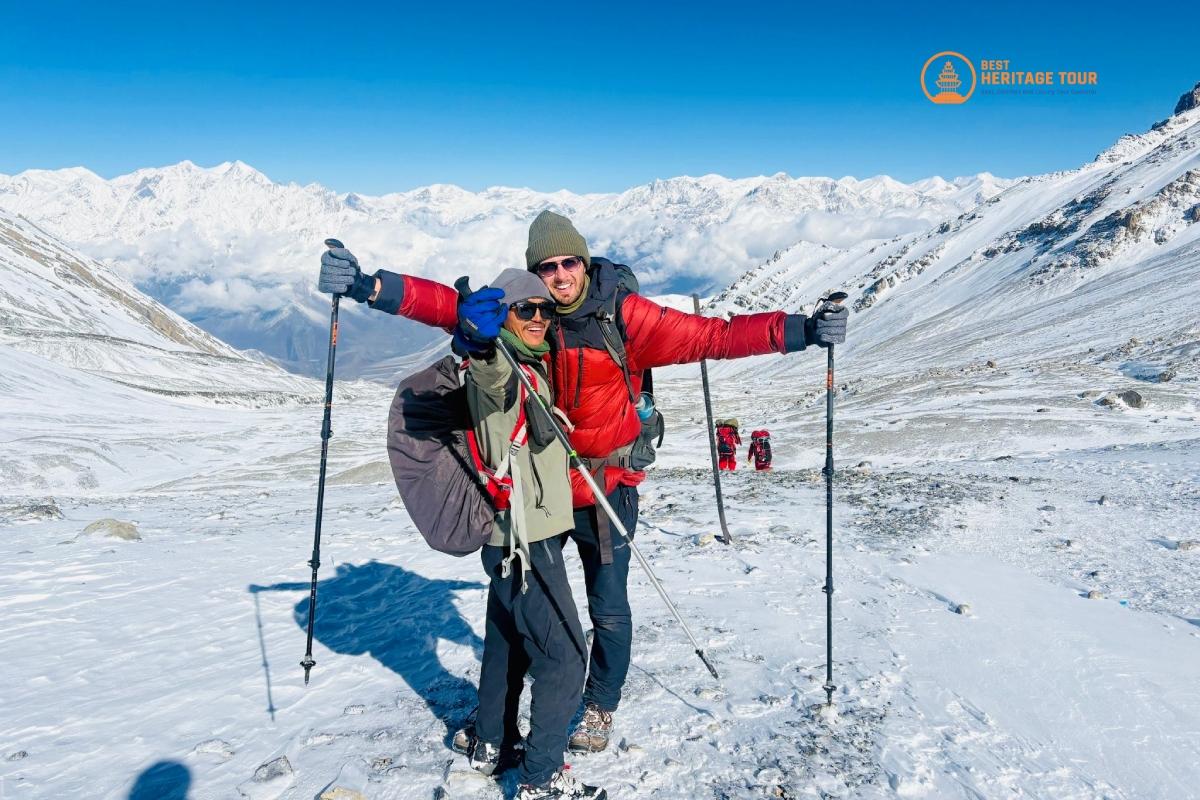
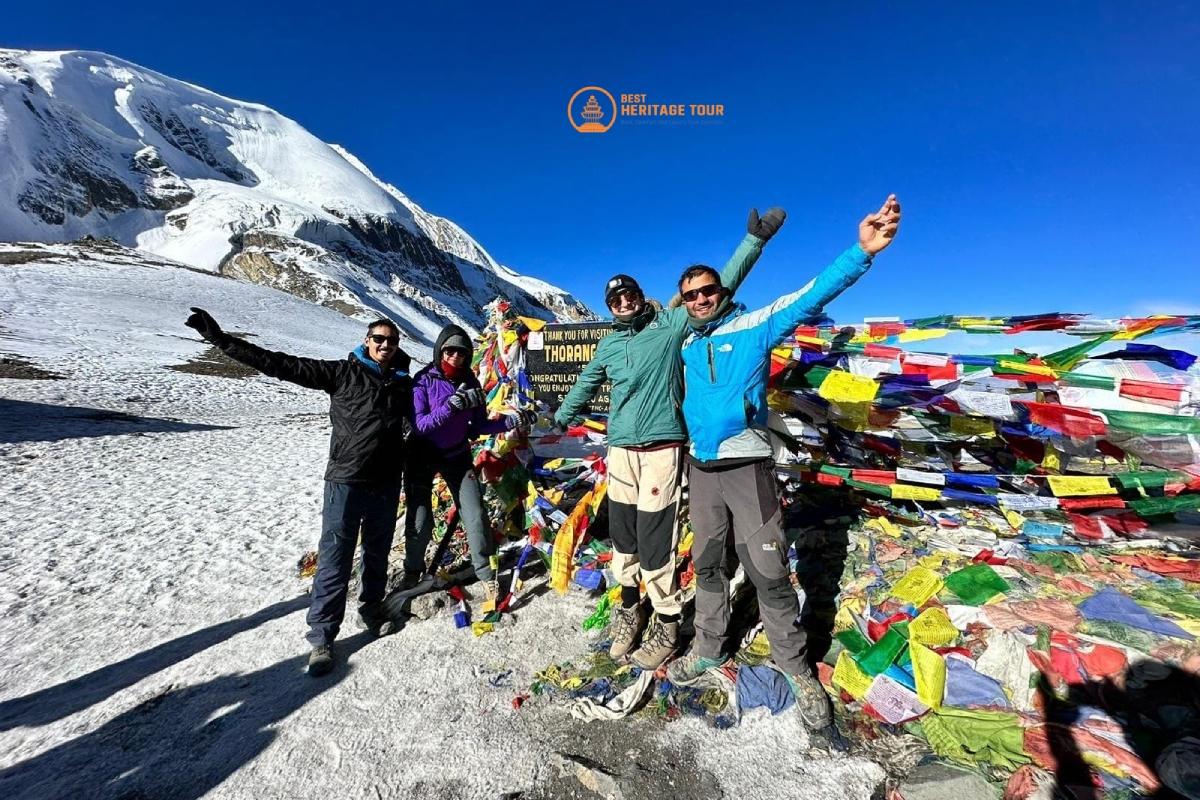
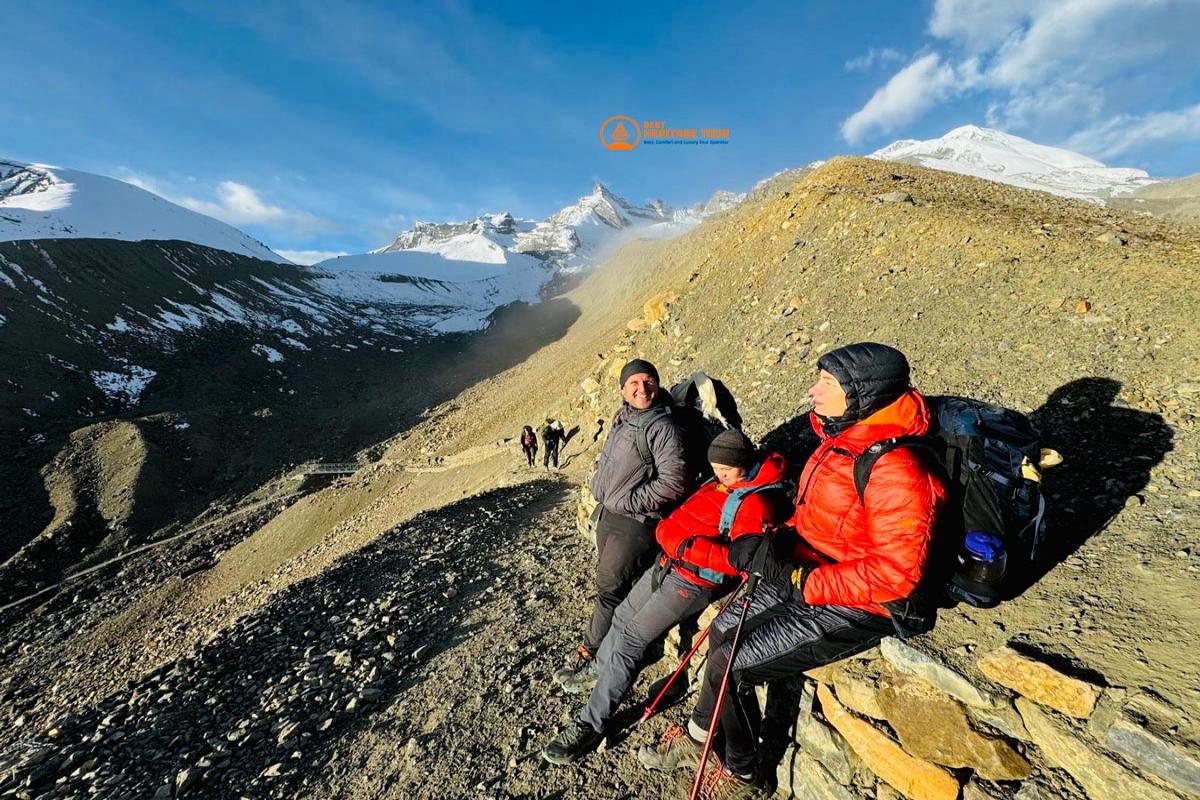
The 9-day Annapurna Circuit Trek with Tilicho Lake provides an unforgettable combination of adventure and cultural exploration. Trekkers experience diverse landscapes, from lush forests to barren highlands, with panoramic views of the Annapurna range. Reaching Tilicho Lake (4,920m) provides a surreal, high-altitude experience, while crossing Thorong La Pass (5,416m) presents a thrilling challenge with views of towering peaks like Dhaulagiri and Manaslu. Throughout the journey, trekkers engage with local communities, experiencing the depth of the region's rich Buddhist culture. The trek concludes with scenic drives, offering a perfect balance of natural beauty and cultural exploration.
Trip at a Glance
-

Country: Nepal
-

Trip grade: Hard
-

Destination: Tilich Lake & Thorong La Pass
-

Activities: Trekking
-

Accommodation: Hotel/Teahouse
-

Meals: Breakfast, Lunch & Dinner
-
.png)
Transportation: Private Vehicle/Bus
-

Maximum altitude: 5416m
-

Group size: 2-20
-
Trip Start / End: Kathmandu - Kathmandu
-
.png)
Best Season: Mar-May & Sep-Nov
Key Highlights of the Annapurna Circuit Short Trek
- Sunrise views of the Annapurna range, including Dhaulagiri, Annapurna I, and Nilgiri
- Tilicho Lake (4,920m), one of the highest lakes in the Nepal as well as in World
- Varied landscapes, ranging from lush forests to barren highlands
- Rich Buddhist culture with local communities like the Tamang, Gurung, and Thakuri
- Visit Muktinath Temple - a holy place for Hindu and Buddhist
- Explore Bhaji Monastery, largest monastery in Manang district
- Steep trails, high mountain passes, and suspension bridges
- Crossing the world highest trekking pass - Thorong La Pass at 5,416 meters
- Enjoyable drive to Pokhara and Kathmandu after finishing the trek
Why Choose Best Heritage Tour for Annapurna Circuit Short Trek?
- Free airport pick-up and drop-off service
- Online pre-trip briefing and booking confirmation for better preparation
- Multiple communication channels (Phone, Email, WhatsApp, Viber) for easy support
- 24/7 customer support available at +977-9851149197 / +977-9810043046
- Simple and secure payment options including Cash, Card & Bank Transfer
- Provide essential medical kit and oximeter to monitor oxygen levels at high altitude
- Complimentary duffle bag and sleeping bag (used one & to be returned after the trek)
- Free luggage storage facility at Best Heritage Tour store during the trek
- We plant a tree in the name of travelers (upon request), as a part of our commitment to sustainable tourism
Annapurna Circuit Short Trek Route Overview
The 9 Days Annapurna Circuit Trek with Tilicho Lake stands out as one of the most remarkable and challenging hiking experiences in Nepal, attracting adventurers and nature enthusiasts from around the globe. This trek is not only a physical challenge but also a journey through some of the most breathtaking landscapes on Earth, characterized by majestic mountains, lush forests, and vibrant cultural experiences. It is particularly ideal for those with limited time in Nepal, as it conveniently begins in the bustling capital city of Kathmandu and concludes in the picturesque lakeside town of Pokhara.
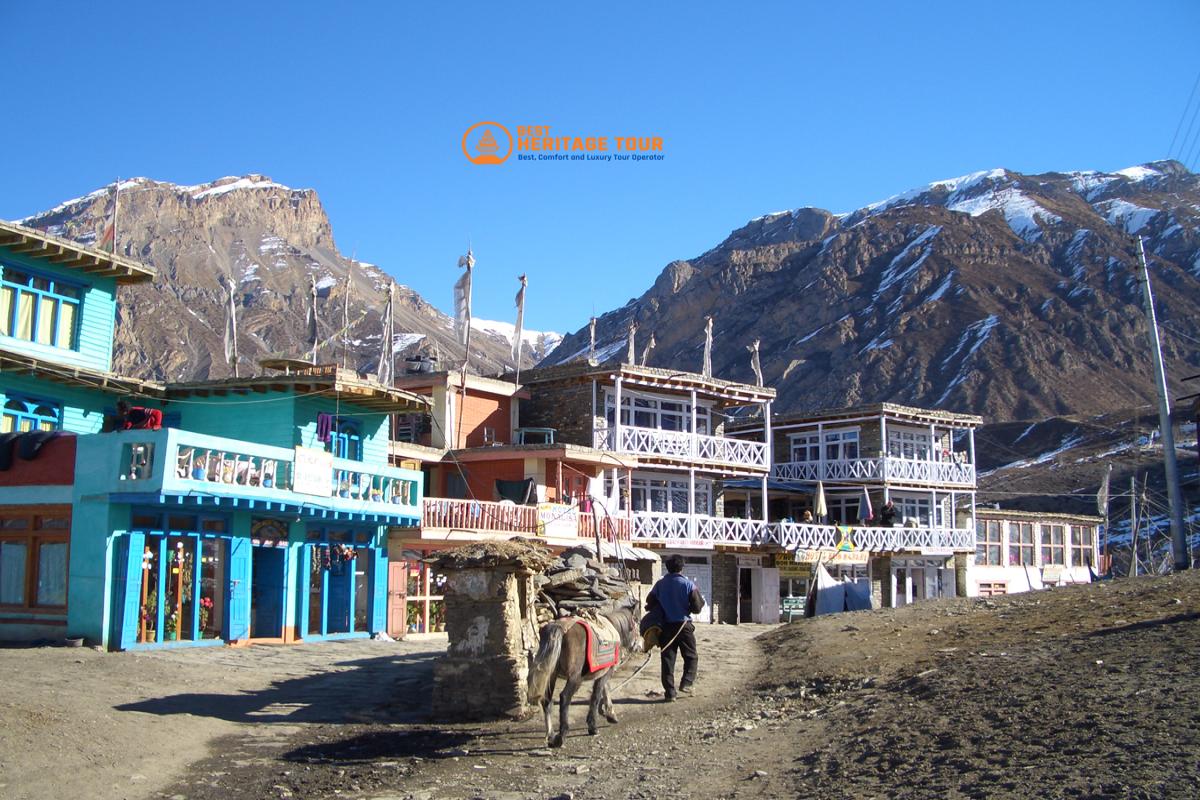
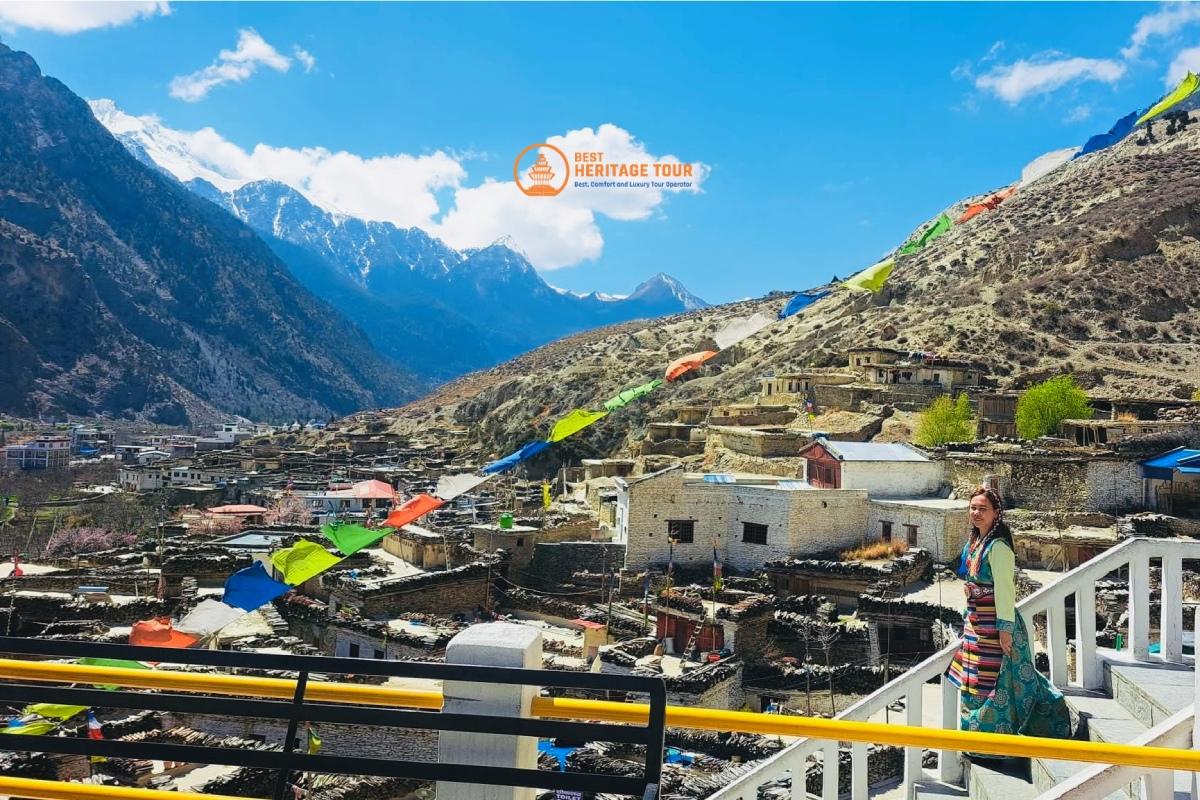
As trekkers embark on this adventure, they will traverse rugged terrains and arid landscapes, particularly in the Manang Village area. The trek offers an opportunity to explore breathtaking highlands, including the world-renowned Tilicho Lake, which is celebrated as one of the highest lakes in the world. Along the way, hikers will be treated to stunning views of the Annapurna mountain range, with its towering peaks and dramatic valleys that seem to stretch endlessly into the horizon. The trek also provides a unique chance to visit notable cultural and religious sites, allowing travelers to immerse themselves in the rich heritage of the Annapurna region.
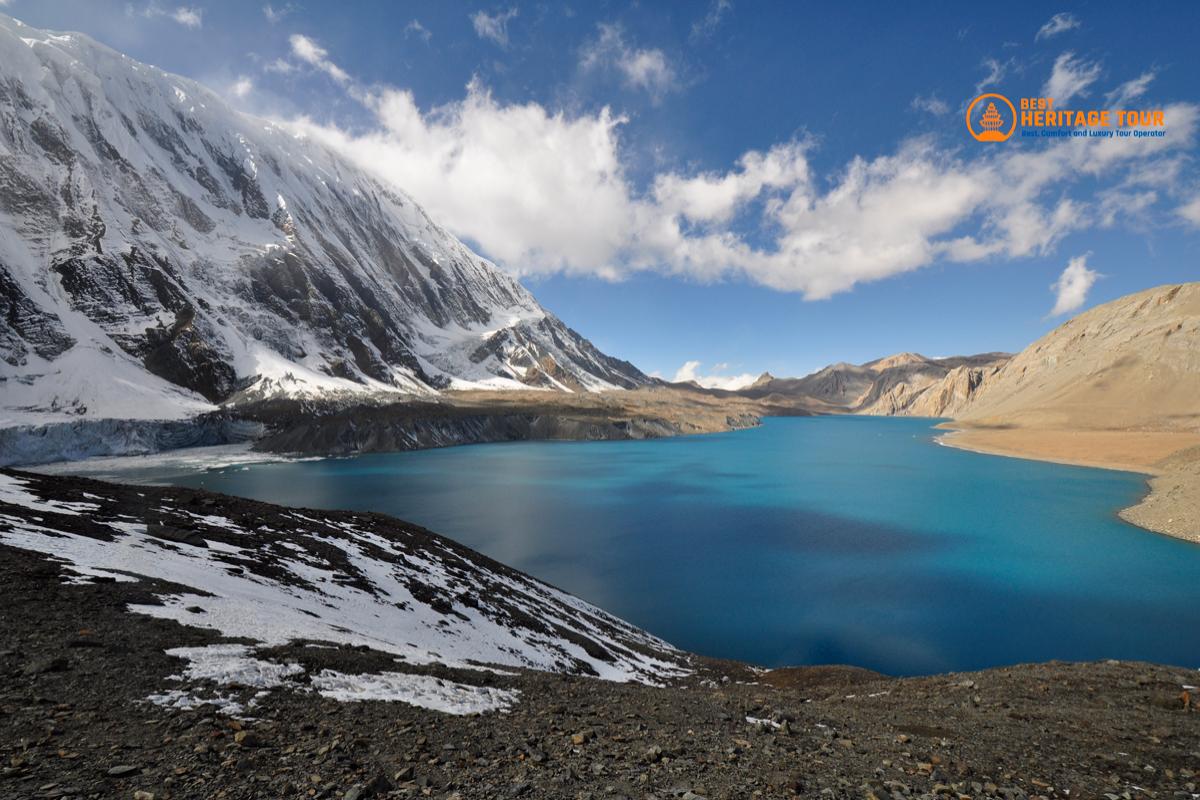
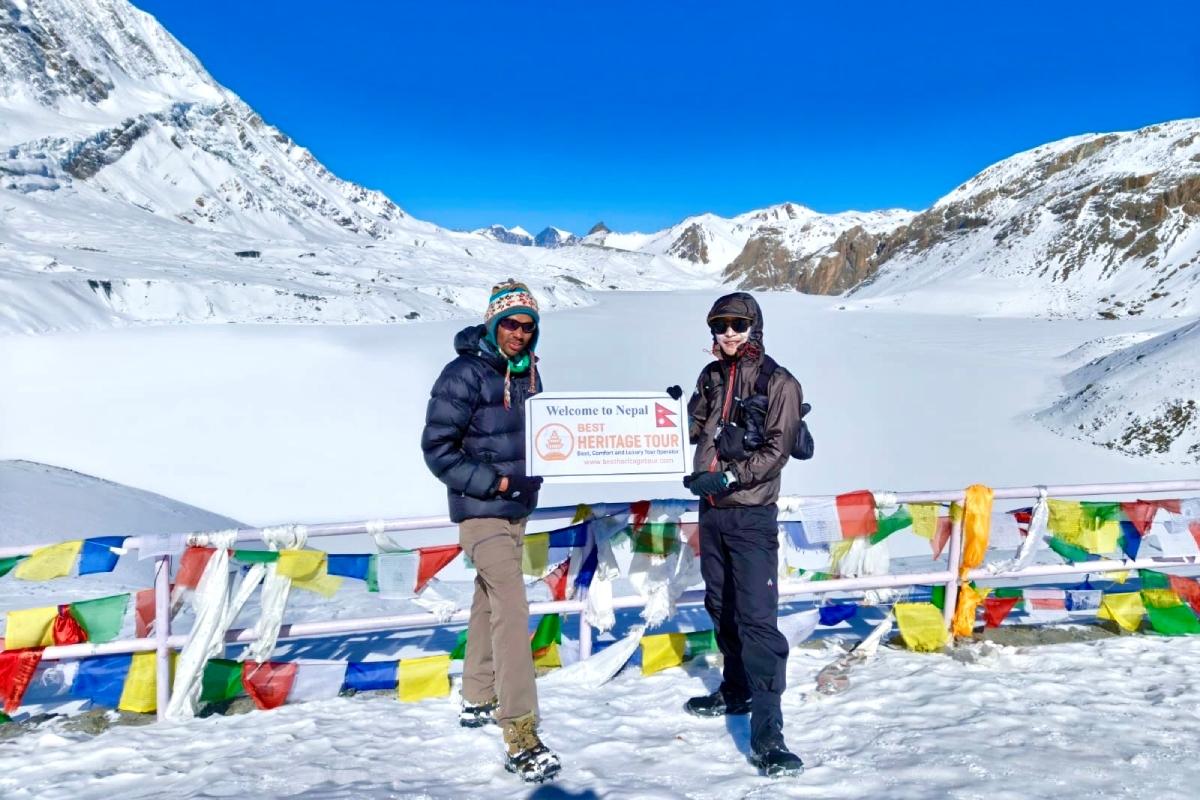
One of the major attractions of this trek is the chance to visit Tilicho Lake, which is located at an altitude of 4,920 meters. Those who make it to this stunning destination will be captivated by the lake's clear turquoise waters, which reflect the surrounding mountains and sky, creating a mesmerizing sight that is truly unforgettable. The experience of standing at the edge of this high-altitude lake, surrounded by the grandeur of the Himalayas, is a moment that many trekkers cherish for a lifetime.
The Annapurna Circuit Trek is well-regarded not only for its stunning scenery but also for its rich Buddhist culture, traditions, and practices. The villages along the route are home to diverse communities, primarily consisting of the Tamang, Gurung, and Thakuri people. Trekkers will have the chance to engage with local residents, discover their way of life, and experience the warmth of their hospitality. The cultural richness of the region adds an enriching layer to the trekking experience, making it not just a physical journey but also a cultural exploration.
While the Annapurna Circuit Trek is considered to be more challenging than many other treks in the region due to its rapid pace and varying altitudes, it is designed to accommodate hikers of all levels. The trek features longer, easier trails that allow most travelers to undertake the journey with a moderate level of fitness This easy accessibility makes it a popular choice for both seasoned.
You will hike up several steep trails with rocks and boulders. The route takes you through high mountain passes, crossing multiple suspension bridges and climbing steep slopes. During the trek, you will visit Tilicho Lake (4,920m), explore its stunning surroundings, and then continue on towards the Round.
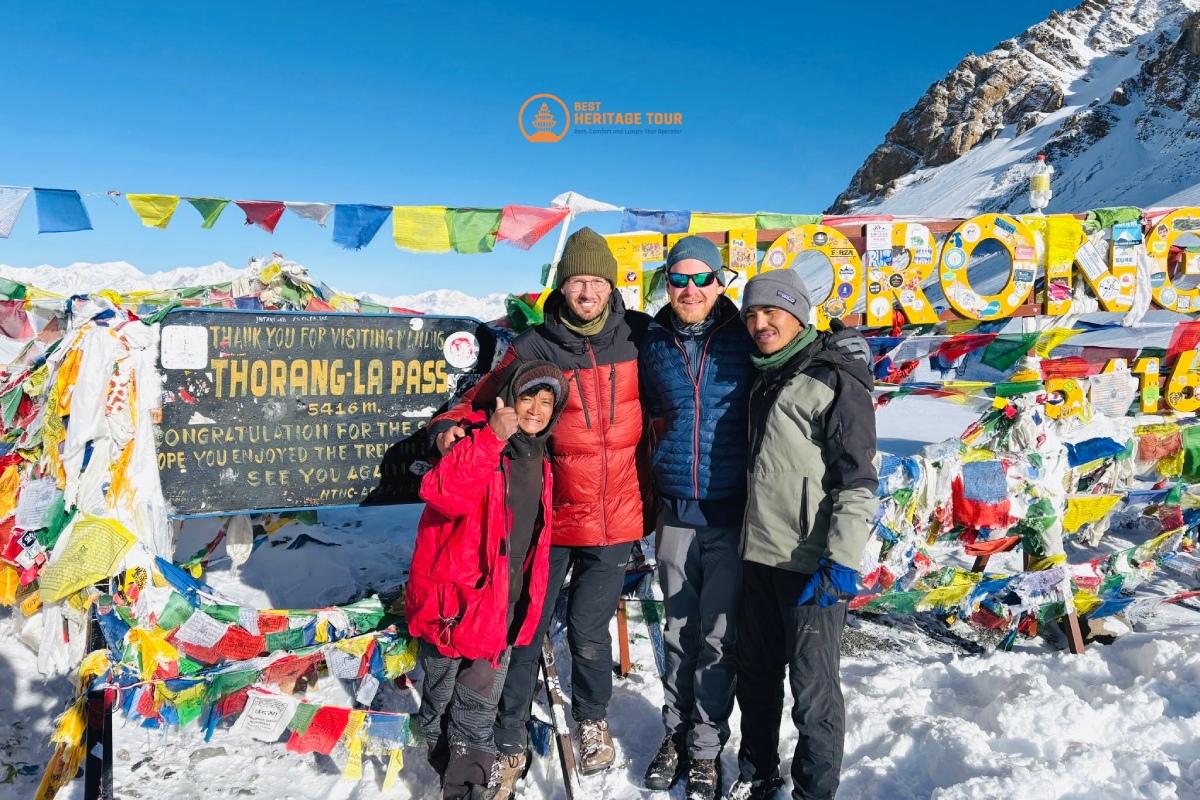
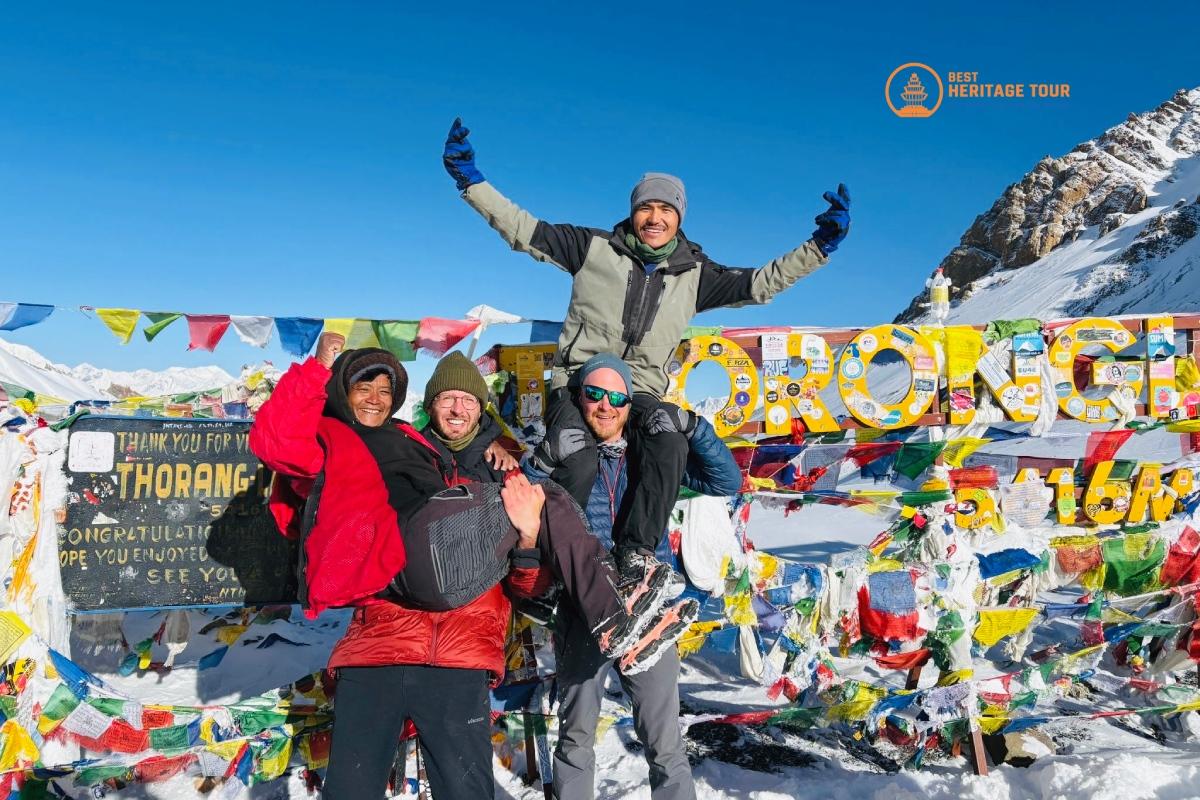
The trek becomes more challenging from Siri Kharka onward, as it steadily ascends to the highest point of the journey. The hike is mostly steep, gaining significant elevation and ending at the top of Thorong La Pass (5,416 meters).
Once you reach Thorong La Pass, you will enjoy stunning views of the Annapurna massif, Gangapurna, Manaslu, Nilgiri, and Dhaulagiri. You will also see glacial moraines, Rocky Mountains, and colorful valleys. After taking in the beautiful scenery, you will descend to Muktinath. From Muktinath, you will drive for 8-9 hours to Pokhara. The following day, you will take a 7-hour drive to Kathmandu.
What can You Expect During the Annapurna Circuit Short Trek?
1. Diverse Landscapes
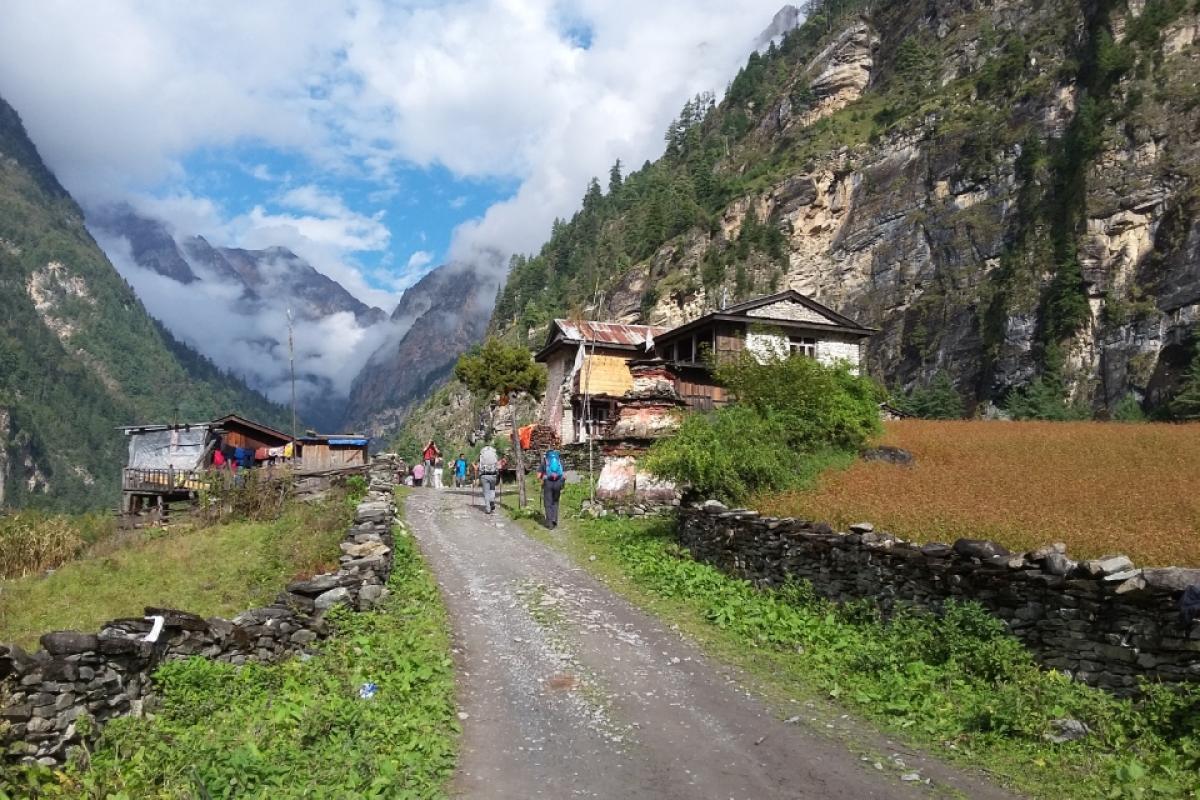
During the Annapurna Circuit Short Trek with Tilicho Lake, trekkers experience an incredible transition of landscapes. The journey begins through lush river valleys, pine forests, and traditional mountain settlements before gradually ascending into rugged alpine terrain. As the trek progresses, the scenery transforms into dramatic cliffs, glacial valleys, barren highlands, and snow-capped peaks, showcasing the remarkable geographical diversity that makes the Annapurna Region one of Nepal’s most iconic trekking destinations.
2. Authentic Cultural Encounters
This trek offers an excellent opportunity to immerse yourself in the rich cultural heritage of the Annapurna Region. Along the trail, you will pass through traditional villages such as Chame, Pisang, and Manang, where local communities continue to preserve their unique customs, architecture, and way of life. Interactions with Gurung, Manangi, and Thakali communities provide meaningful insights into the traditions and lifestyles of Nepal’s mountain people.
3. Breathtaking Himalayas Views
One of the most rewarding aspects of the Annapurna Circuit Short Trek with Tilicho Lake is the constant presence of spectacular Himalayan panoramas. Throughout the journey, trekkers can enjoy stunning views of Annapurna II, Annapurna III, Gangapurna, Tilicho Peak, Chulu Peaks, and other towering mountains. Every day presents new viewpoints, creating countless opportunities to appreciate the beauty and grandeur of Nepal’s Himalayan landscape.
4. Visit the Magnificent Tilicho Lake
The trek includes a visit to the breathtaking Tilicho Lake, situated at an altitude of 4,920 meters. Renowned as one of the highest lakes in the world, Tilicho Lake captivates visitors with its crystal-clear turquoise waters surrounded by rugged mountain scenery. Reaching this remote alpine destination is a rewarding achievement that combines adventure, natural beauty, and unforgettable Himalayan experiences within a single trekking journey.
5. High-Altitude Trekking Experience
As the trail ascends through the Annapurna Conservation Area, trekkers gain valuable high-altitude trekking experience while allowing their bodies to adapt gradually. The route through Manang provides an important acclimatization phase before heading toward higher elevations. This carefully designed itinerary helps maximize comfort and safety while preparing trekkers for the challenging yet rewarding sections leading to Tilicho Lake and Thorong La Pass.
6. The Thrill of Crossing Thorong La Pass
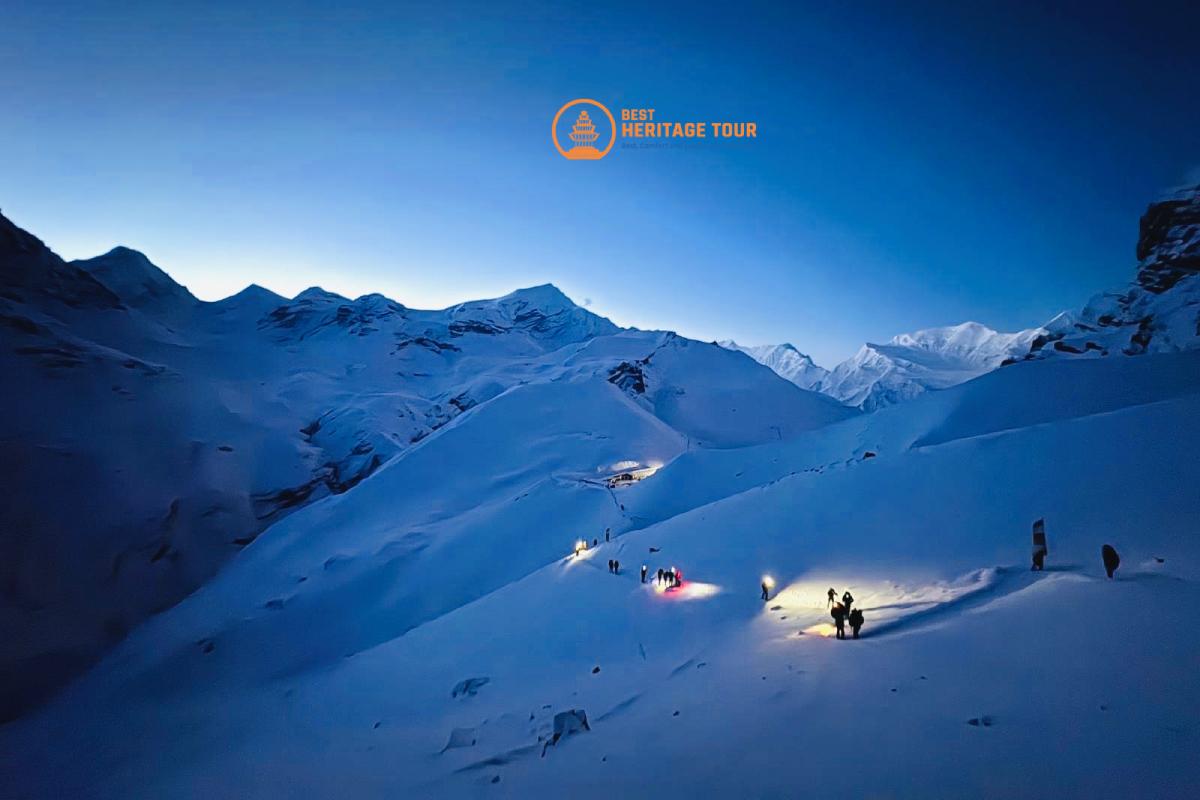
Crossing Thorong La Pass at 5,416 meters is one of the defining highlights of this trek. As one of the highest trekking passes in Nepal, it offers an exciting challenge and a profound sense of accomplishment. The early morning ascent rewards trekkers with breathtaking panoramic views of the Himalayan ranges, dramatic mountain landscapes, and an unforgettable experience that remains a cherished memory long after the trek concludes.
7. Spiritual Exploration
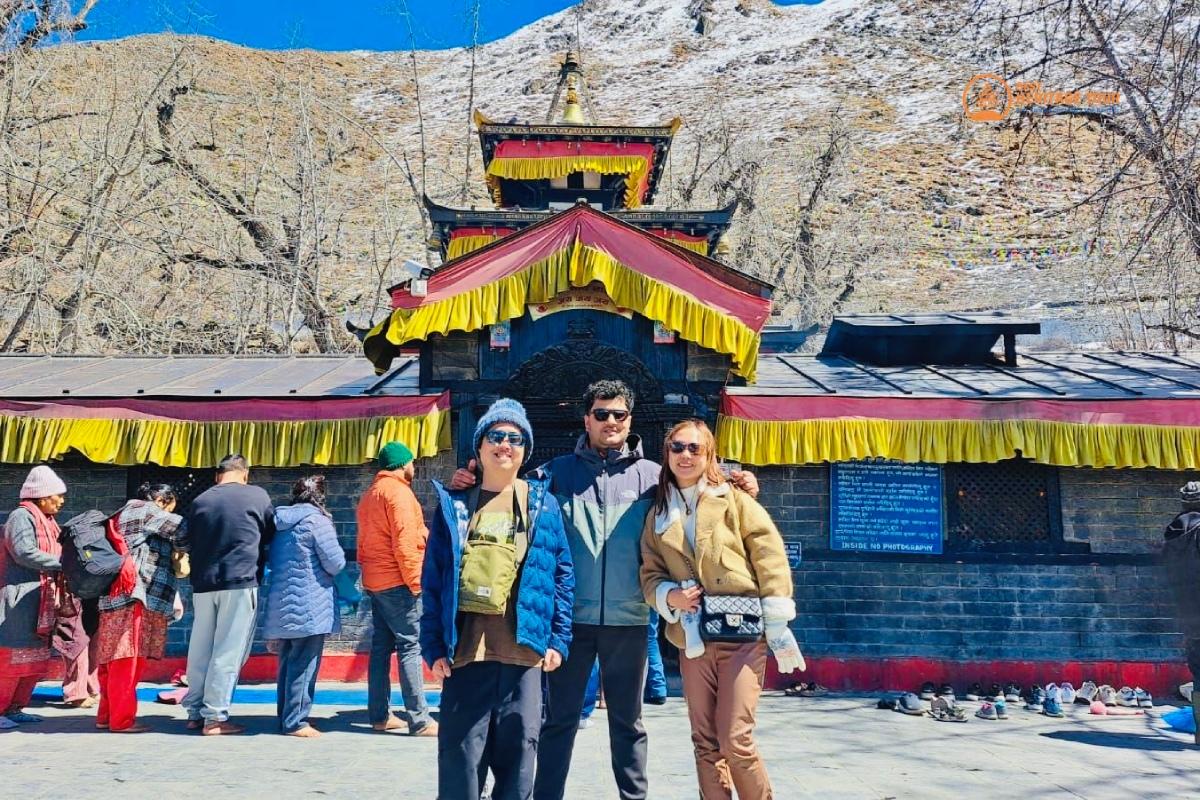
Following the crossing of Thorong La Pass, the trek descends to Muktinath, one of Nepal’s most revered pilgrimage sites. This sacred destination holds deep significance for both Hindus and Buddhists. Visitors can explore ancient temples, natural flame shrines, and peaceful surroundings while learning about the region’s spiritual heritage. The visit adds a meaningful cultural and religious dimension to this remarkable Himalayan trekking adventure.
Are You Ready for the Annapurna Circuit Short Trek with Tilicho Lake?
The Annapurna Circuit Short Trek with Tilicho Lake is best suited for trekkers who are physically prepared, mentally flexible, and genuinely excited about high-altitude Himalayan adventure. A good level of fitness is important, as the journey involves long walking days, steady ascents, and challenging sections such as Tilicho Base Camp and Thorong La Pass. Regular walking or light training before the trek helps improve endurance, but equally important is the ability to maintain a steady pace and enjoy the journey without rushing.
Beyond physical preparation, the right mindset plays a crucial role in fully enjoying this trek. Trekkers should be open to simple mountain living conditions, changing weather, and remote trail experiences. Accommodation in teahouses is basic but authentic, offering a true glimpse into Himalayan life. Respect for local culture, patience during long trekking days, and a positive attitude toward challenges make the experience far more rewarding.
Itinerary
Today, we will take a bus ride to Besisahar, which will take about 6-7 hours, followed by a jeep ride to Jagat and then on to the lively town of Dharapani (1860m). Our adventure continues as we make our way to Chame, located alongside the beautiful Marsyangdi River. Throughout the journey, you'll be treated to spectacular views of Annapurna II (7,937m), Lamjung Himal (6,932m), Manaslu (8,154m), and Peak 29 (7,833m).
Once we depart from Chame, our journey takes us to the village of Telekhu. Along the trail, we are treated to stunning views of the Annapurna Ranges and Mt. Pisang, which stands at 6091 meters. As we continue on our journey, we will need to cross a suspension bridge again to reach the southern side of the Marsyangdi River. From there, we will ascend through a beautiful pine forest and venture into the higher areas of the Manang Valley, eventually arriving at Pisang.
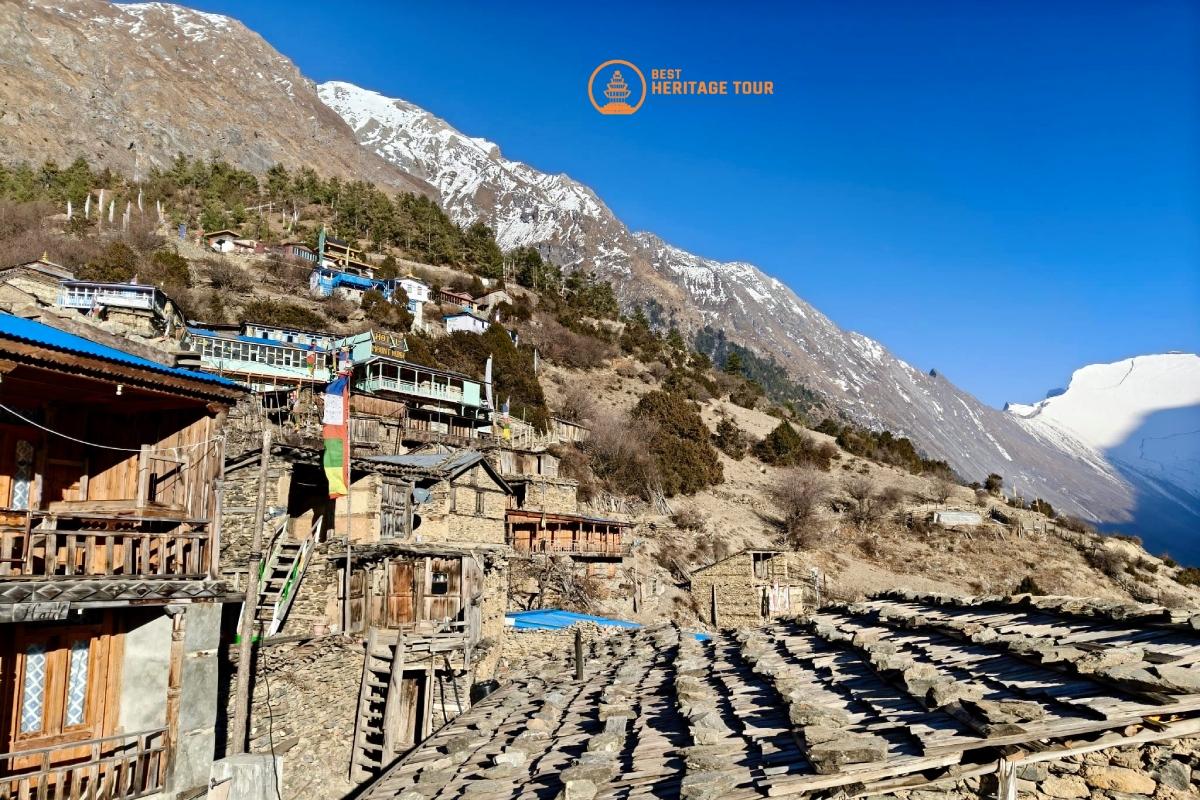
Pisang marks the start of our journey into the upper Manang region. Today, we’ll be trekking along a path that leads us to Braga, a Tibetan village known for its distinctive architecture, featuring houses stacked on top of one another. One of the highlights of Manang is its Gompa, the largest Buddhist temple in the area. This region is a favorite among trekkers who often pause here to acclimatize before continuing their ascent.
As we depart from Manang, we come across the distinctive village of Khangsar, known for its unique stone houses and rich culture. The path winds along the ridge until we arrive at Khangsar, which sits at an elevation of 3734 meters. From this village, you can enjoy a rare glimpse of the lesser-known Kang Guru Peak, towering at 6981 meters.
Today, we embark on an exciting trek towards Tilicho Lake, which will take us about 5 to 6 hours. This stunning lake sits at the foot of Tilicho Peak, towering at 7134 meters. As we make our way along the path, keep an eye out for yaks and deer peacefully grazing. The lake's colors shift beautifully in the changing light, showcasing various shades of blue. After spending some time soaking in the breathtaking views and capturing photos of the lake and surrounding mountains, we will head back to Sri Kharka. The lake covers an area of 4.8 square kilometers.
Today, we kick off our journey as we make our way down to Khangsar Village, stopping by Tare Gumba (3870m), famous for its beautiful monastery. We’ll follow the Thorong Khola Valley to the deserted village of Old Khangsar, and then proceed to Yak Kharka. After a three-hour hike, we'll arrive at Thorong Phedi, where we'll stay in a guesthouse.
Today is likely the most challenging day of our trek, as we’ll be hiking for about 7 to 8 hours. The higher altitude adds to the difficulty, and we might encounter strong winds in these elevated areas. Along the way, we could see sheep, yaks, and merchants carrying their goods. Upon reaching Thorong La Pass, we'll be greeted by breathtaking views of Annapurna, Gangapurna, and the impressive peak of Khatungkang (6,484 m). After leaving the pass, we’ll descend approximately 1600 meters, where we’ll catch sight of Dhaulagiri (Dhavali giri, which means “White Mountain”), and the tallest mountain entirely within Nepal. The trail becomes more rolling and relatively easier as we make our way to Muktinath, where we’ll spend the night after a long 10-hour trek.
From Muktinath, our journey takes us to the towns of Jomsom, Tatopani, and Beni Bazaar as we make our way to Pokhara. Pokhara is famous for its beautiful Phewa Tal (lake), where we will spend the night at a hotel. Feel free to explore the shops along the lakeside and enjoy a peaceful moment by the water as you watch the sunset over the stunning Annapurna ranges.
Today is the last day of our tour. We are driving back to Kathmandu where we start our tour. While returning to Kathmandu, we will cross the Marsyangdi river and and then the Trisuli River and drive along the bank of Trisuli river to reach the city.
What is included?
- PRIVATE AIRPORT PICK-UP & DROP : Airport - Hotel transfer - Airport (Pick Up and Drop).
- MEMBER TRANSPORTATION : Transportation from Kathmandu to Chame (trek starting point) and while returning from Muktinath to Pokhara (by reserved Bus/Jeep, as per the itinerary). Standard tourist bus transportation from Pokhara to Kathmandu.
- ACCOMMODATION IN POKHARA : 1 night in a 3-star hotel on a bed & breakfast basis.
- LODGING : Best available accommodation in mountain lodges and tea houses during the trek.
- FOOD : 3 meals a day (breakfast, lunch, and dinner; including tea/coffee) during the trek, with Ef-Chlor purification tablets provided for safe drinking water.
- GUIDE : One experienced government licensed trekking guide (English speaking) during the trek.
- STAFF SALARY AND ALLOWANCE : All trekking staff wages, salary, equipment, food & clothing.
- PERMITS : All necessary paper works: Annapurna Conservation Area permit, TIMS Card & conservation entry fee.
- STAFF INSURANCE : Insurance for all involved trekking staff during the trek.
- GEAR (IF NEEDED) : Sleeping bag, down jacket, and duffle bag (to be returned after the trek).
- MEDICAL KIT : A well equipped first aid kit, including an oximeter and emergency oxygen, carried by the guide for your safety.
- IN CASE OF EMERGENCY : Assistance in rescue operations in case of emergency covered by travel insurance.
- SOUVENIR : Best Heritage Tour’s Appreciation Certificate after the successful trek & Purse, an authentic Nepali product made from hemp.
- FAREWELL DINNER : A farewell dinner with an authentic cultural program after completion of the trek.
What is not included?
- INTERNATIONAL AIRFARE : International flight airfare (from and to Kathmandu).
- NEPAL VISA FEES : You may issue the visa upon your arrival at Tribhuvan International Airport - Kathmandu or apply manually in your home country.
- ACCOMMODATION & MEALS : Accommodation and meals in Kathmandu before and after the trek. Lunch and dinner in Pokhara.
- INSURANCE POLICY : Travel insurance covering medical expenses and high-altitude evacuation is mandatory. If you do not have suitable coverage, we can also assist in arranging travel insurance for you upon your arrival in Nepal. Check Over Here
- PERSONAL EXPENSES : Clothing & gears, telephone, internet, toiletries, hot shower, laundry, soft drinks and any Alcoholic beverages.
- OPTIONAL PORTER SERVICE : USD 22 per day, including all taxes (each porter can carry up to 25 kg of luggage).
- TIPS : Tips for guide and porters.
- EXTRA : Any additional costs due to factors beyond our control, or for services not specifically mentioned in the Itinerary & Included section.
- TAXES & SERVICE CHARGE : All government taxes (13%) and service charge (10%).
Route Map
Equipment
Clothing |
Trekking Gear |
Personal Items |
|
|
|
Footwear |
Extra Items |
|
|
|
|
Trip Info
Useful Information About the Annapurna Circuit Short Trek
The Annapurna Circuit Short Trek with Tilicho Lake combines high-altitude adventure, diverse Himalayan landscapes, comfortable teahouse accommodation, and rich cultural experiences into one unforgettable journey. The information below covers everything you need to know about the trek, including transportation, accommodation, meals, altitude, difficulty level, safety measures, packing essentials, costs, and the best time to visit, helping you prepare confidently for the adventure ahead.
Airport Pick-Up and Trip Briefing for Annapurna Circuit Short Trek
Upon your arrival at Tribhuvan International Airport in Kathmandu, our representative from Best Heritage Tour will be waiting for you in the arrival area holding a pamphlet with your name.Our representative will greet you with a traditional Khada (ceremonial scarf) as a symbol of goodwill and respect.
After the warm welcome, you will be comfortably transferred to your hotel in Kathmandu by a private vehicle. The type of transport provided will totally depend on your group size.
Please note that hotel accommodation in Kathmandu is not included in the standard package. However, trekkers can easily add hotel arrangements to their package if required. Best Heritage Tour is also happy to assist in booking hotels in Kathmandu based on your preference, comfort level, and budget.
Trip Briefing Session for Annapurna Circuit Short Trek
After settling into your hotel and taking some rest, we conduct a detailed trip briefing session at our office in Thamel. The session is led by Mr. Bimal (Managing Director of Best Heritage Tour), ensuring a professional and personalized introduction to your trek. He will personally:
-
Explain full itinerary including daily routes, altitude gain, and key highlights
-
Provide detailed information on trail conditions, weather patterns etc.
-
Guide you about required trekking gear, clothing, and essential equipment checklist.
-
Introduction to your experienced trekking guide and porter (if included in the package).
-
Clarify any last-minute questions, concerns, or special requirements before the trek begins.
What Type of Transportation is Used for the Annapurna Circuit Short Trek?
We carefully organizes all transportation required for the Annapurna Circuit Short Trek with Tilicho Lake to ensure a smooth, safe, and comfortable travel experience from start to finish. Since the trek covers both lower valleys and high Himalayan regions, different modes of transport are used depending on road conditions and accessibility. Our transportation system is designed to balance comfort, practicality, and efficiency throughout the journey.
Standard Tourist Bus
We provide a standard tourist bus service for the route from Kathmandu to Besisahar at the beginning of the trek and from Pokhara to Kathmandu at the end of the journey. These comfortable tourist buses offer a scenic and economical travel option, allowing trekkers to enjoy Nepal’s countryside, rivers, and hillside settlements while traveling between major cities and trekking gateways.
Sharing Jeep
For the mountain section, we arrange a sharing jeep service from Besisahar to Chame, which is the most suitable option for the rough and off-road terrain leading into the Annapurna region. Similarly, after completing the trek, a sharing jeep is used from Muktinath to Pokhara, ensuring a safe and efficient descent through Mustang’s rugged landscapes.
For those seeking more comfort and privacy, a private jeep or car can also be arranged at an additional cost for the entire trip.
Transportation Used for the Annapurna Circuit Short Trek
|
Type of Vehicle |
Route |
Distance Coverers |
Duration |
|
Standard Tourist Bus |
Kathmandu to Besisahar |
~175 km / 109 miles |
5-6 hours |
|
Pokhara to Kathmandu |
~200 km / 124 miles |
6-7 hours |
|
|
Sharing Jeep |
Besisahar to Chame |
~65-70 km / 40-43 miles |
3-4 hours |
|
Muktinath to Pokhara |
170-180 km / 105-112 miles |
7-8 hours |
What is the Maxium Altitude Reached During the Annapurna Circuit Short Trek?
The Annapurna Circuit Short Trek with Tilicho Lake is a high-altitude Himalayan adventure that takes trekkers deep into the heart of the Annapurna region. The highest altitude reached during this trek is Thorong La Pass at 5,416 meters (17,769 ft), which is the highest and most challenging point of the entire itinerary.
How High is the Thorong La Pass?
Thorong La Pass is the highest point of Annapurna Circuit, situated at an elevation of 5,416 meters (17,769 ft). It is one of the highest trekking passes in the world and offers breathtaking panoramic views of the Annapurna and Dhaulagiri mountain ranges.
Altitude Reached During Each Day on Annapurna Circuit Short Trek
|
Day |
Route |
Maximum Altitude Reached |
|---|---|---|
|
Day 1 |
Kathmandu → Chame |
2,710 m (8,890 ft) |
|
Day 2 |
Chame → Pisang |
3,115 m (10,200 ft) |
|
Day 3 |
Pisang → Manang |
3,540 m (11,300 ft) |
|
Day 4 |
Manang → Tilicho Base Camp |
4,150 m (13,615 ft) |
|
Day 5 |
Tilicho Lake → Shree Kharka |
4,920 m (16,140 ft) |
|
Day 6 |
Siri Kharka → Thorong Phedi |
4,500 m (14,764 ft) |
|
Day 7 |
Thorong Phedi → Thorong La Pass →Muktinath |
5,416 m (17,769 ft) |
|
Day 8 |
Muktinath → Pokhara |
850 m (2,788 ft) |
|
Day 9 |
Pokhara → Kathmandu |
1,350 m (4,450 ft) |
What is the Distance Covered on Each Day during the Annapurna Circuit Short Trek?
The Annapurna Circuit Short Trek with Tilicho Lake covers a diverse range of terrain, including highway drives, gradual ascents through villages, and challenging high-altitude trekking sections. Each day involves a different level of walking distance and driving distance, designed carefully to balance acclimatization, comfort, and adventure. This variation makes the journey both manageable and highly rewarding for trekkers.
What is the Total Distance Covered During the Annapurna Circuit Short Trek?
The total distance covered during the Annapurna Circuit Short Trek with Tilicho Lake is approximately 160-170 km (99-106 miles), including both trekking and driving sections. The trekking portion alone covers around 95-105 km (59-65 miles), depending on route conditions and side trails such as Tilicho Lake exploration.
Distance Covered on Each Day during the Annapurna Circuit Short Trek
|
Day |
Route |
Distance Covered |
Duration |
|---|---|---|---|
|
Day 1 |
Kathmandu → Chame |
~250 km (155 miles) - Drive |
8-10 hours |
|
Day 2 |
Chame → Pisang |
~13 km (8 miles) |
5-6 hours |
|
Day 3 |
Pisang → Manang |
~15 km (9 miles) |
5-6 hours |
|
Day 4 |
Manang → Tilicho Base Camp |
~14 km (9 miles) |
6-7 hours |
|
Day 5 |
Tilicho Base Camp → Tilicho Lake → Shree Kharka |
~18 km (11 miles) |
7-8 hours |
|
Day 6 |
Siri Kharka →Thorong Phedi |
~10-11 km (6-7 miles) |
5-6 hours |
|
Day 7 |
Thorong Phedi → Thorong La Pass → Muktinath |
~16-17 km (10-11 miles) |
8-10 hours |
|
Day 8 |
Muktinath → Pokhara |
~180 km (112 miles) - Drive |
7-9 hours |
|
Day 9 |
Pokhara → Kathmandu |
~200 km (124 miles) - Drive |
6-7 hours |
What Type of Accommodation is Available on Annapurna Circuit Short Trek?
Accommodation on the Annapurna Circuit Short Trek with Tilicho Lake is a combination of comfortable local hotels and traditional teahouses. We carefully selects clean, safe, and reliable lodges throughout the route to ensure trekkers experience both basic mountain living and essential comfort. As the altitude increases, facilities become more simple, but warm hospitality and authentic Himalayan experiences remain consistent.
Kathmandu Accommodation (Before & After the Trek)
Please note that our standard trekking package does not include hotel accommodation in Kathmandu. Trekkers are required to arrange their own hotel stay before and after the trek.
However, we can assist in booking a comfortable hotel based on your budget and preference. We strongly recommend staying in the Thamel area, as it provides easy access to trekking gear shops, restaurants, transport, and our office for the trip briefing session.
Accommodation During the Annapurna Circuit Short Trek
Our package includes comfortable stays in local hotels and teahouses along the route:
-
1 Nights in Chame: Private room with attached bathroom in Tourist-standard hotel/lodge
-
1 Nights in Pisang: Private room with attached bathroom in Tourist-standard hotel/lodge
-
1 Nights in Manang: Private room with attached bathroom in Tourist-standard hotel/lodge
-
1 Night in Tilicho Base Camp: Private room with attached bathroom in Tourist-standard hotel/lodge
-
1 Nights in Shree Kharka: Private room with attached bathroom in Tourist-standard hotel/lodge
-
1 Nights in Thorong Phedi: Private room with sharing bathroom in Teahouse
-
1 Nights in Muktinath: Private room with attached bathroom in Tourist-standard hotel/lodge
-
1 Nights in Pokhara: Private room with attached bathroom in 3 Stars Tourist-standard hotel/lodge
Facilities and Services in Trekking Lodges
1. Toilet Facilities
Most lodges along the route provide either attached or shared bathrooms. Lower regions like Chame, Pisang, and Manang usually offer attached bathrooms with Western or squat-style toilets depending on the lodge. At higher elevations such as Thorong Phedi, shared squat toilets are more common due to limited infrastructure.
2. Hot Shower Availability
Hot shower facilities are available in most stops but may incur an additional cost of around Rs. 300-500 per use, especially when solar heating is not available.
3. Electricity and Device Charging
Electricity is available in most teahouses, and charging facilities are generally provided either in-room or at a common charging area. In lower villages like Chame, Upper Pisang, and Manang, charging is often free or low-cost, while in higher regions such as Siri Kharka, Tilicho Base Camp, and Thorong Phedi, charges around Rs 250-300 may apply per device.
4. WiFi and Internet Access
WiFi is available in most villages along the route, especially in Manang and lower regions. However, it is usually chargeable, ranging from Rs. 300-500 for 24-hour access depending on location. Connectivity becomes weaker or limited as altitude increases.
5. Mobile Network Coverage
Mobile network coverage is generally stable in most parts of the Annapurna region, with Nepal Telecom (NTC) offering the best signal strength. However, in higher or remote areas such as Thorong Phedi, network coverage may be weak or unavailable due to the mountainous terrain.
Food and Drinks on the Annapurna Circuit Short Trek with Tilicho Lake
The Annapurna Circuit Short Trek with Tilicho Lake package includes a full meal plan covering breakfast, lunch, and dinner throughout the journey along with 2-3 hot tea or coffee per day. The meals along the route are freshly prepared by local teahouses, offering a combination of traditional Nepali cuisine and a selection of simple international dishes.
Meal Arrangement During the Annapurna Circuit Short Trek
-
Breakfast: Served at the teahouse where trekkers stay overnight
-
Lunch: Along the trekking route at local teahouses
-
Dinner: Served at the lodge or teahouse where trekkers spend the night
Trekkers can select one main dish per meal from the available menu. One selected item per meal is included in the package, while any additional food items must be paid directly by the trekker.
Food Options Available on the Annapurna Circuit Short Trek
|
Meal |
Food Options |
|---|---|
|
Breakfast |
Porridge, oats, Tibetan bread, toast, pancakes, muesli, cornflakes, eggs (boiled/fried/omelette), chapati/roti |
|
Lunch |
Dal Bhat, fried rice, noodles (chowmein), pasta, soups, momos, thukpa, potato dishes |
|
Dinner |
Dal Bhat, vegetable curry with rice, noodles, pasta, soups, fried rice, chapati, potato-based meals |
Trekkers Favorite: Dal Bhat Power
We strongly recommend choosing Dal Bhat at least once a day, especially during lunch, as it is the most popular and energy-rich meal in Nepal. It is specially designed for trekkers who require sustained energy for long walking hours in the Himalayas.
-
Provides high carbohydrates, protein, and essential nutrients
-
Freshly cooked and hygienic in all teahouses
-
Usually comes with free refills of rice, lentils, and vegetables
-
Helps maintain energy levels during high-altitude trekking days
Drinks and Hydration on the Annapurna Circuit Short Trek with Tilicho Lake
Trekkers can enjoy a variety of hot and cold beverages throughout the trail, including:
-
Black tea, milk tea, and traditional ginger tea
-
Coffee (instant or locally prepared style)
-
Hot lemon with honey
-
Bottled water and boiled water (available for purchase at teahouses)
We strongly encourage trekkers to drink sufficient fluids daily to stay well-hydrated and reduce the risk of altitude-related discomfort.
Vegetarian and Vegan Food Options on the Annapurna Circuit Short Trek
Vegetarian and vegan food options are widely available throughout the Annapurna Circuit route, making it suitable for travelers with dietary preferences or restrictions. We always prioritize guest requirements and ensure that any special dietary needs are communicated to teahouses in advance.
Most meals in the mountain region are naturally plant-based or can be easily prepared without meat or animal products, as they are based on rice, lentils, vegetables, potatoes, and seasonal local ingredients. Trekkers are advised to inform us in advance about any allergies or dietary restrictions so that proper arrangements can be made throughout the journey.
How is the Drinking Water Facility on the Annapurna Circuit Short Trek?
Safe drinking water is available throughout the Annapurna Circuit Short Trek with Tilicho Lake, but access and pricing vary depending on altitude and location. We strongly recommend using boiled or purified water to stay healthy and reduce plastic waste during the trek.
How Much Does It Cost for Boiled Drinking Water in the Annapurna Circuit Short Trek?
Boiled drinking water is available in most teahouses along the trail and is considered the safest option for trekking in the Annapurna region. The cost increases gradually with altitude due to limited fuel and logistics in higher villages.
|
Place |
Cost of Boiled Water (Approx. per 250 ml cup) |
|---|---|
|
Chame |
Rs 100 |
|
Upper Pisang |
Rs 100 |
|
Manang |
Rs 150 |
|
Siri Kharka |
Rs 200 |
|
Tilicho Base Camp |
Rs 200 |
|
Thorong Phedi |
Rs 250 |
|
Muktinath |
Rs 50 |
Boiled water is usually served hot and is highly recommended for drinking during trekking days, especially at higher elevations.
How Much Does It Cost for Bottled Mineral Water in the Annapurna Circuit Short Trek?
Bottled mineral water is available in most teahouses along the route, but its price increases significantly as the altitude rises due to transportation difficulty. Trekkers are encouraged to carry reusable bottles and refill whenever possible.
|
Place |
Cost of Bottled Mineral Water (Approx.) |
|---|---|
|
Chame |
Rs 150 - 200 |
|
Upper Pisang |
Rs 150 - 200 |
|
Manang |
Rs 150 - 200 |
|
Siri Kharka |
Rs 200 - 250 |
|
Tilicho Base Camp |
Rs 250 - 300 |
|
Thorong Phedi |
Rs 300 - 350 |
|
Muktinath |
Rs 50 - 100 |
When is the Best Time for the Annapurna Circuit Short Trek?
The Annapurna Circuit Short Trek with Tilicho Lake is best experienced during the spring and autumn seasons when the weather is stable, mountain views are clear, and trekking conditions are at their most favorable. These seasons offer the perfect balance of comfortable temperatures, safe trail conditions, and breathtaking Himalayan scenery.
Spring Season (March to May)
Spring is one of the most popular and visually rewarding seasons for the Annapurna Circuit Short Trek with Tilicho Lake. The trails come alive with blooming rhododendrons, lush landscapes, and pleasant trekking temperatures, making it ideal for nature lovers and photographers.
Pros:
-
Clear mountain views with vibrant landscapes
-
Blooming rhododendrons and rich biodiversity
-
Moderate and comfortable daytime temperatures
-
Ideal conditions for crossing Thorong La Pass and visiting Tilicho Lake
Cons:
-
Slightly more trekkers on popular routes
-
Occasional haze in lower regions during peak afternoons
-
Lodges in key villages may get fully booked in advance
Autumn Season (September to November)
Autumn is considered the best overall season for the Annapurna Circuit Short Trek with Tilicho Lake. Following the monsoon, the air becomes crystal clear, offering some of the sharpest Himalayan views of the year. The weather is stable, and trail conditions are generally excellent.
Pros:
-
Excellent visibility of Annapurna and surrounding peaks
-
Stable weather and low chance of rainfall
-
Ideal trekking temperatures with clear skies
-
Best time for photography and high-altitude trekking experience
Cons:
-
Peak trekking season with higher trail traffic
-
Teahouses may be busy in popular stops like Manang and Muktinath
-
Slightly higher demand for accommodation and services
During winter (December to February), the trek becomes more challenging due to heavy snowfall, especially around Thorong La Pass and Tilicho Lake, which may occasionally close routes. Similarly, the monsoon season (June to August) brings rain, landslides in lower regions, and cloudy conditions that can obstruct mountain views, although the Manang and Mustang sides remain relatively drier compared to other regions of Nepal.
Documents Required for the Annapurna Circuit Trek
To ensure a smooth and stress free trekking experience in the Annapurna region, trekkers must carry a few essential travel documents. These documents are mandatory for entry, safety, and permit regulations in Nepal’s protected trekking areas.
Nepal Visa for Annapurna Circuit Short Trek
All international travelers (except Indian) need a tourist visa to visit Nepal, which can be obtained on arrival at Kathmandu airport or online.
Key Details:
-
Duration: 15, 30, or 90 days (15 days recommended for this trek)
-
Fees: 15 days - USD 30 | 30 days - USD 50 | 90 days - USD 125
-
Requirements: Valid passport (6+ months), visa form, passport photo, and payment in cash (USD/EUR/GBP/NPR)
Citizens of certain countries do not get Nepal Visa on arrival. They must have to apply for the Nepal Visa on advance through the Nepalese Embassy.
For the further details check: Nepal Immigration
Travel Insurance for Annapurna Circuit Short Trek
Travel insurance is mandatory for trekking in Nepal, especially for high-altitude trek like Annapurna Circuit.
Your insurance policy should cover:
-
High-altitude trekking (up to at least 5,800m+)
-
Emergency helicopter evacuation
-
Medical treatment and hospitalization
-
Trip cancellation or interruption (recommended)
Proper insurance ensures your safety and peace of mind throughout the journey.
What are the permits required for the Annapurna Circuit Trek?
Trekking the Annapurna Circuit requires two essential permits to ensure safety and environmental protection. The required permits include:
-
Annapurna Conservation Area Permit (ACAP): Mandatory for all trekkers within the Annapurna Conservation Area. This permit supports the conservation of flora, fauna, and local communities.
-
Trekkers’ Information Management System (TIMS) Card: Required for all trekkers in Nepal to monitor trekking activity and ensure safety.
A valid passport (at least six months’ validity) and two passport-sized photos (digital copies accepted) are needed to process permits. We will do all the permit arrangements on behalf of our valued guest.
How Difficult is the Annapurna Circuit Short Trek?
The Annapurna Circuit Short Trek with Tilicho Lake is considered a moderate to challenging level trekking adventure in the Himalayas of Nepal. While it does not require technical climbing skills, it demands good physical fitness, mental endurance, and proper acclimatization due to high altitude and long trekking days.
What Makes the Annapurna Circuit Trek Difficult?
-
High Altitude
The trek reaches extreme elevations such as Thorong La Pass (5,416 m) and Tilicho Lake (4,920 m). At these heights, oxygen levels are significantly lower, increasing the risk of altitude sickness. -
Trekking Duration and Daily Walking Hours
Trekkers usually walk 5 to 9 hours per day, depending on the section of the trail. Long walking hours combined with continuous ascents and descents can be physically demanding, especially in high-altitude regions. -
Challenging Terrain
The route includes rocky paths, steep climbs, suspension bridges, glacier zones, and narrow mountain trails. Certain sections, especially near Tilicho Lake and Thorong La Pass, require extra caution and endurance. -
Weather Conditions
Weather in the Annapurna region can change rapidly. Cold temperatures at higher altitudes, strong winds near the pass, and occasional snowfall can make trekking more challenging.
Is Annapurna Circuit Trek Suitable for Beginners?
The Annapurna Circuit Short Trek with Tilicho Lake is a rewarding Himalayan adventure, but it is generally considered suitable for fit and well-prepared beginners rather than absolute first-time trekkers with no physical preparation. With proper training, a positive mindset, and guided support from us, even beginners can successfully complete this iconic trek.
Can a Beginner Do the Annapurna Circuit Trek?
Yes, a beginner can complete the Annapurna Circuit Trek with Tilicho Lake, but it requires preparation and awareness of the challenges involved. Beginners who maintain good fitness through regular walking, cardio exercises, or hiking practice can adapt well to the trail.
The presence of experienced guides and continuous support from Best Heritage Tour significantly increase the success rate for first-time trekkers. However, a positive attitude, patience, and willingness to walk at a steady pace are essential to fully enjoy the journey and safely reach destinations like Tilicho Lake and Thorong La Pass.
What are the Essential Gears to Pack for the Annapurna Circuit Short Trek?
Packing the right gear is essential for a safe, comfortable, and enjoyable Annapurna Circuit Short Trek with Tilicho Lake experience. Since the trek covers a wide range of altitudes and weather conditions, from lower valleys to high Himalayan passes, trekkers should carry appropriate clothing and equipment to stay warm, dry, and well-prepared throughout the journey.
Essential items typically include layered clothing for changing temperatures, a warm down jacket, trekking boots, a sleeping bag suitable for cold conditions, gloves, hats, sunglasses, and personal hygiene items. A lightweight backpack, water bottles or hydration system, sunscreen, and basic first aid supplies are also highly recommended.
For a detailed seasonal packing checklist and full gear breakdown, please refer to our complete guide: Annapurna Circuit Trek Packing List
Physical Fitness Required for the Annapurna Circuit Short Trek
The Annapurna Circuit Short Trek with Tilicho Lake requires a good level of physical fitness due to long trekking hours, continuous ascents and descents, and high-altitude conditions. While prior trekking experience is not mandatory, trekkers should be capable of walking 5 to 9 hours per day on varied terrain.
Recommended Pre-Trek Preparation for the Annapurna Circuit Short Trek
To prepare effectively for the Annapurna Circuit Short Trek with Tilicho Lake, we strongly recommend starting fitness training at least a few weeks before arrival in Nepal.
-
Cardio Exercises (Running, Cycling, Swimming): Helps build stamina and improve heart and lung endurance for long trekking days.
-
Regular Hiking or Long Walks: Practicing uphill and downhill walking helps simulate actual trekking conditions.
-
Stair Climbing Training: Strengthens leg muscles and prepares the body for steep ascents and descents.
-
Core and Leg Strength Exercises: Improves balance, stability, and reduces fatigue during long trekking sections.
-
Light Backpack Practice: Walking with a small loaded backpack helps adapt your body to real trekking weight conditions.
Proper preparation significantly improves comfort and confidence on the trail, especially when trekking through high-altitude sections such as Tilicho Lake and Thorong La Pass.
Health and Safety on the the Annapurna Circuit Short Trek
At Best Heritage Tour, the safety and well-being of our trekkers is always our top priority during the Annapurna Circuit Short Trek with Tilicho Lake. All our trekking expeditions are led by government-certified and highly experienced guides who are well-trained in mountain safety, route management, and emergency response.
Our guides also possess basic first aid knowledge and are capable of identifying early symptoms of Acute Mountain Sickness (AMS). In such cases, immediate safety measures are taken, including rest, monitoring, and if necessary, descent to a safer altitude to ensure the trekkers’ well-being.
How safe is the Annapurna Circuit Short Trek?
The Annapurna Circuit Short Trek with Tilicho Lake is generally considered safe when undertaken with proper guidance and preparation. The trail is well-established and frequently used by trekkers from around the world.
However, as it involves high elevations and changing weather conditions, following guide instructions and maintaining a steady pace is essential for a safe trekking experience.
Is there any Hospital Facilities on Annapurna Circuit Trek?
Basic health posts and small medical facilities are available in some key villages such as Manang and Jomsom, where minor treatments and altitude-related care can be provided. However, advanced medical facilities are limited along the trekking route. In case of serious health concerns, emergency evacuation to Pokhara or Kathmandu is required.
How to Prevent Altitude Sickness During Annapurna Circuit Short Trek
Altitude sickness (AMS) is one of the main concerns during high-altitude trekking in the Annapurna region, especially near Tilicho Lake and Thorong La Pass. Prevention is always better than cure, and trekkers are advised to follow proper mountain safety practices throughout the journey.
-
Maintain a steady and slow walking pace: Avoid rushing, as gradual movement helps the body adjust to altitude changes.
-
Stay well hydrated: Drink plenty of water throughout the day to help your body adapt to low oxygen levels.
-
Avoid alcohol and smoking: These can increase dehydration and worsen altitude-related symptoms.
-
Listen to your body: If you feel symptoms such as headache, dizziness, or nausea, inform your guide immediately.
Porter and Luggage Management on the Annapurna Circuit Short Trek
Proper luggage management plays a key role in ensuring a smooth, comfortable, and enjoyable experience during the Annapurna Circuit Short Trek with Tilicho Lake. Since the trek involves long walking days, high-altitude ascents, and varied terrain, it is strongly recommended to travel light and carry only essential items in your daypack.
At Best Heritage Tour, we organize reliable porter support and secure baggage handling so trekkers can fully focus on the adventure without unnecessary physical burden.
Porter Service (Optional Add-On) for Annapurna Circuit Short Trek
Our porter service is available as an optional add-on for trekkers who prefer extra comfort during the journey. It is especially helpful on challenging sections such as Tilicho Lake route and the ascent toward Thorong La Pass.
-
Porter service is available at USD 22 per day
-
One porter carries up to 25 kg maximum weight in total
-
A single porter can be shared between two trekkers depending on luggage size
-
A durable duffel bag is provided for safe packing of trekking gear
Using a porter is highly recommended for those who want to conserve energy for high-altitude sections and fully enjoy the trekking experience.
Extra Luggage Management during Annapurna Circuit Short Trek
For items not required during the trek, trekkers can safely store their extra luggage in Kathmandu. We provide free luggage storage at our office, ensuring your belongings remain secure throughout your trekking journey.
Additionally, many hotels in Kathmandu also offer complimentary storage facilities, which can be used before or after the trek for added convenience.
Annapurna Circuit Short Trek with Tilicho Lake Cost for 2026 & 2027
The cost of the Annapurna Circuit Short Trek with Tilicho Lake for 2026 and 2027 may vary depending on factors such as group size, service standard, transportation options, and included amenities. Our standard package for the Annapurna Circuit Short Trek with Tilicho Lake starts from USD 750 per person that includes major logistics, guided support, and carefully planned itineraries covering both Tilicho Lake and Thorong La Pass.
We also offer flexible group discounts, which means the per-person cost decreases as the group size increases. This makes the trek more affordable and ideal for families, friends, and group travelers who wish to explore the Annapurna Circuit and Tilicho Lake region together.
Group Size-Based Price - Annapurna Circuit Short Trek (2026 & 2027)
|
Group Size |
Price Per Person (USD) |
|---|---|
|
1 Pax (Solo Trekker) |
$750 |
|
2-4 Pax |
$630 |
|
5-6 Pax |
$590 |
|
7-10 Pax |
$570 |
|
11-16 Pax |
$550 |
|
17-29 Pax |
$520 |
Note:
-
Extra 13% Government Tax and 10% Service Charge are not included in the above prices
-
Porter cost is not included in the package price
If you want, we can provide you a detailed cost breakdown for better understanding.
How much Money to carry for Extra and Personal Expenses on the Annapurna Circuit Short Trek?
During the Annapurna Circuit Short Trek with Tilicho Lake, most of the essential services such as meals, accommodation, and guide support are already included. However, trekkers should carry some additional cash for personal expenses along the trail.
It is recommended to carry extra money for drinks, snacks, WiFi, hot showers, charging devices, and personal items such as chocolates, energy bars, and bottled water. On average, trekkers should budget around USD 15-25 per day, depending on personal spending habits.
For the entire trek, carrying approximately USD 200-300 per person in Nepali Rupees is generally sufficient for most trekkers. We also recommend exchanging money in Kathmandu before starting the trek, as ATM and card facilities are very limited once you leave the city.
How Much to Tip Guide and Porter During the Annapurna Circuit Short Trek?
Tipping is a widely respected practice in Nepal’s trekking culture and is considered a heartfelt way to appreciate the dedication, effort, and care provided by your trekking crew. Although it is not compulsory, it is strongly encouraged as guides and porters play a vital role in ensuring a safe, smooth, and enjoyable Annapurna Circuit Short Trek with Tilicho Lake experience. A general guideline followed in the trekking industry is around 10-15% of the total trek cost, depending on service quality and overall satisfaction.
How Much to Tip Guide on Annapurna Circuit Short Trek?
Your trekking guide is responsible for navigation, safety management, cultural explanation, and overall coordination throughout the journey, including challenging sections like Tilicho Lake and Thorong La Pass.
Suggested Guide Tipping:
-
Around USD 10-15 per day from the group
-
For a 9-day trek, this usually totals approximately USD 90-130 per group, depending on service quality and group size
-
Many trekkers choose to increase the amount based on exceptional support and overall experience
How Much to Tip Porter on Annapurna Circuit Short Trek?
Porters provide essential support by carrying trekking luggage, allowing trekkers to walk comfortably with lighter daypacks. Their contribution is especially valuable during long ascent days and high-altitude sections.
Suggested Porter Tipping:
-
Around USD 5-10 per day per porter (from the group)
-
For a 9-day trek, this typically comes to USD 50-90 per porter, depending on workload and service satisfaction
-
Additional appreciation is often given for extra support in difficult trail conditions
Group Tipping Practice
When trekking in a group, it is common practice for all members to contribute collectively toward a shared tip for both the guide and porter(s). This amount is usually handed over at the end of the trek as a gesture of gratitude and appreciation.
Money Exchange, ATMs & Card Payment
Proper cash planning is essential before starting the Annapurna Circuit Short Trek with Tilicho Lake, as banking services, ATMs, and digital payment options become extremely limited once you leave Kathmandu. Since most expenses during the trek are cash-based, especially in remote mountain villages, preparing your finances in advance ensures a smooth and hassle-free journey.
Money Exchange in Kathmandu
We strongly recommend exchanging your foreign currency in Kathmandu before beginning the trek. The city offers multiple authorized money exchange counters and banks that provide reliable and competitive exchange rates. It is always a good idea to check the daily exchange rate before making any transactions to ensure you receive a fair value for your money.
ATM Availability
-
ATMs are widely available in Kathmandu only
-
After departing for the trekking route (Besisahar and beyond), ATM facilities are either unavailable or highly unreliable
-
Even in major trail towns, ATM machines may not function consistently due to connectivity or cash shortages
Therefore, trekkers should withdraw all required cash in Kathmandu before starting the journey.
ATM Withdrawal Limits & Charges (Kathmandu):
-
Most ATMs allow up to 3 withdrawals per day
-
Maximum withdrawal is approximately NPR 35,000 per transaction
-
Each withdrawal may incur a bank fee of around NPR 600-800
-
Despite charges, ATM withdrawal remains a convenient option for accessing local currency
Card Payment & Bank Transfer Availability
Card payments (credit/debit cards) and bank transfers are generally not accepted along the trekking route of the Annapurna Circuit. Only a few hotels, restaurants, or shops in Kathmandu may offer card payment facilities, but this is not guaranteed in all cases. In most instances, a service charge of around 4% per transaction may also apply for card payments.
For a smooth and uninterrupted trekking experience, Best Heritage Tour strongly advises trekkers to carry sufficient Nepali cash from Kathmandu. Relying on ATMs or digital payments during the trek is not recommended due to limited infrastructure in the Himalayan region.
Booking & Payment
If you are wondering on, how to book the Annapurna Circuit Short Trek, booking your Annapurna Circuit Short Trek with Best Heritage Tour is simple and secure. To confirm your trip, a 20% deposit of the total trip cost is required at the time of booking, while the remaining balance must be cleared at least one day before departure. Payments can be made via cash, bank transfer, or card; bank transfer and card fees are the responsibility of the trekker, and incur a 4% transaction fee. All booking and cancellation terms are clearly explained by Best Heritage Tour staff during the booking process and can also be reviewed on our website.
Bank transfer:
-
Account Name: Best Heritage Tour And Treks Pvt. Ltd.
-
Account Number: 13201040254106
-
Bank Name: Nepal Investment Mega Bank Ltd.
-
Address: Thamel, Kathmandu, Nepal
-
SWIFT Code: NIBLNPKT
-
Bank Transfer Link: www.bestheritagetour.com/payment
Once we receive the deposit, we will issue the official invoice and booking conformation right away. If you need any clarification, we are happy to answer your questions or provide additional details you may require.
Last-Minute Booking for Annapurna Circuit Short Trek
For travelers planning on short notice, Best Heritage Tour accepts last-minute bookings up to 24 hours before departure. In such cases, full payment (100% of the trip cost) is required at the time of booking. Trekkers should be aware that accommodation, logistics, and services may be limited, and the company cannot be held responsible for any compromises arising from late arrangements.
Trip Extension
If you wish to extend your adventure beyond the Annapurna Circuit Short Trek, Best Heritage Tour offers several exciting options. You can explore nearby trekking routes in Annapurna region or other remote regions of Nepal for a broader Himalayan experience. Cultural tours around Kathmandu Valley, visits to Lumbini, or relaxing stays in Pokhara can also be arranged.
Our team will help customize your itinerary to match your interests, schedule, and fitness level, ensuring a seamless and memorable extension to your adventure.
What are the Iconic Places Visited During the Annapurna Circuit Short Trek?
1. Thorong La Pass: Highest Point of the Annapurna Circuit Trek
Thorong La Pass is the highest point of the Annapurna Circuit Short Trek, situated at an altitude of 5,416 meters (17,769 ft). It is one of the most challenging yet rewarding sections of the entire journey, connecting the Manang and Mustang regions. Crossing this high mountain pass offers breathtaking panoramic views of the Annapurna and Dhaulagiri Himalayan ranges, making it a true milestone achievement for trekkers.
2. Tilicho Lake: One of the Highest Lakes in the World
Tilicho Lake is located at an altitude of 4,920 meters (16,140 ft) and is renowned as one of the highest lakes in the world. Surrounded by dramatic Himalayan peaks and glacial landscapes, it offers a surreal and peaceful environment that makes the challenging ascent truly worthwhile.
3. Muktinath Temple: Sacred Pilgrimage Site in Mustang
Muktinath Temple sits at an elevation of 3,802 meters (12,474 ft) and is a sacred pilgrimage site for both Hindus and Buddhists. Located in the Mustang region, it is known for its spiritual significance, natural eternal flame, and 108 holy water spouts, making it a deeply meaningful cultural and religious stop on the trek.
Sustainable and Responsible Tourism on the Annapurna Region
The Annapurna Circuit Short Trek with Tilicho Lake passes through beautiful mountain landscapes, traditional villages, and sensitive Himalayan ecosystems that deserve protection. We encourage trekkers to travel responsibly by minimizing plastic waste, carrying reusable water bottles, respecting local cultures and religious sites, staying on designated trails, and supporting locally operated teahouses and businesses whenever possible.
At Best Heritage Tour, we are committed to sustainable and responsible tourism. We strictly follow the "Leave No Trace" principles on all our treks and actively promote eco-friendly travel practices. As part of our environmental commitment, we plant a tree in the name of travelers (upon request), as a part of our commitment to sustainable tourism.
Review
R
Best views of mountains and lake
Annapurna circuit short trek with Tilicho Lake was one of the best way to explore the Annapurna region and Tilicho Lake in short period of time. This was one of the best trek that...
View DetailS
Best days of my life in mountains
Amazing tour of my life. I got to explore famous places in the Himalayas such as tilicho base camp, throng la pass and muktinath temple. I explored many types culture and tradition...
View DetailU
great trek and beautiful mountain lake
Those 9 days I had spent in the Annapurna circuit trek with tilicho lake was the best time of my life. I got to explore the beautiful mountains and local native people of the...
View DetailC
An unforgettable private trek
Amazing experiences!! My partner and I just finished the Annapurna Circuit with additional Poon Hill trek and it was truly the trip of a lifetime. From the very beginning, Mr....
View DetailM
An incredible journey
I finished the Annapurna Circuit Trekking in April with and honestly, I’m still dreaming about it. If you’re a girl trekking solo or even in a group, I definitely...
View DetailH
Great Trek and Loved the Food
This November I went on an Annapurna Circuit and it was worth every penny. Mr. Bimal organized a perfectly paced itinerary and our guide, Mr. Madhav, was absolutely incredible and...
View DetailA
Best Trek in Nepal
This was my second trekking experience in Nepal and choosing the Annapurna Circuit trek. From the very beginning, the team made everything easy and well organized, which gave me...
View DetailM
Good Trek and Amazing Guide
In October, I joined an ACT Trek. This is one of the most beautiful trips I have ever made. The scenery along the way was diverse and spectacular. Our guide Pema was a nice and...
View DetailFAQ's
The trek is designed to be completed in 9 days, starting from Kathmandu and ending in Pokhara. It offers a perfect blend of natural beauty and cultural exploration, providing trekkers with a chance to immerse themselves in the stunning landscapes of Nepal and interact with local communities. The compact schedule makes it ideal for those who want to experience the highlights of the Annapurna region in a limited time frame. Best Heritage Tour ensures that the itinerary is well-organized and efficient, allowing you to make the most of your journey.
The Annapurna Circuit Trek with Tilicho Lake is renowned for its stunning landscapes, including Tilicho Lake at 4,920 meters and Thorong La Pass at 5,416 meters. Trekkers are rewarded with breathtaking views of Himalayan peaks like Annapurna, Dhaulagiri, and Gangapurna. It also offers a rich cultural experience with insights into Tamang, Gurung, and Thakuri communities, alongside visits to ancient monasteries and the sacred Muktinath Temple. This trek combines natural beauty, adventure, and cultural immersion for an unforgettable journey.
The trek's pinnacle is Thorong La Pass, which stands at an impressive 5,416 meters above sea level. This challenging yet rewarding section offers unparalleled views of the majestic Himalayan peaks. Proper acclimatization and physical readiness are essential for reaching this altitude, both of which are carefully included in the itinerary by Best Heritage Tour to ensure a safe and memorable experience.
The trek offers unparalleled diversity, beginning with lush forests and terraced fields and transitioning to arid highlands and rocky trails as you ascend. Trekkers will cross suspension bridges, traverse glacial moraines, and enjoy views of turquoise alpine lakes, such as Tilicho Lake. The varied terrains keep the journey exciting and provide a comprehensive view of Nepal’s natural beauty.
Yes, trekkers will visit culturally significant sites like Tibetan Buddhist monasteries and the Muktinath Temple, a sacred site for both Hindus and Buddhists. These locations provide opportunities to learn about the region's spiritual traditions and experience the hospitality of local communities.
The trek is moderately challenging due to its high altitudes and steep ascents. However, it is manageable for individuals with a reasonable fitness level. Best Heritage Tour includes acclimatization days and experienced guides to ensure a safe and enjoyable experience for trekkers of varying abilities.
The ideal seasons are spring (March to May) and autumn (September to November). These periods offer clear skies, stable weather, and pleasant temperatures, making them perfect for trekking. You’ll also enjoy vibrant wildflowers in spring and colorful foliage in autumn.
Expect breathtaking views of towering peaks like Annapurna I, Nilgiri, and Dhaulagiri, along with serene valleys and alpine lakes. Sunrise views are particularly spectacular, and the vibrant landscapes make for excellent photography opportunities.
The journey concludes with scenic drives from Muktinath to Pokhara and later from Pokhara to Kathmandu. These relaxing drives provide a chance to reflect on the adventure while enjoying the beautiful landscapes of Nepal.
Yes, trekkers need the Annapurna Conservation Area Project (ACAP) permit and the Trekker Information Management System (TIMS) permit. Best Heritage Tour takes care of obtaining these permits, making the process hassle-free for you.
In spring, daytime temperatures range from 14°C to 23°C at lower altitudes, but it gets colder as you ascend. At night, especially above 4,000 meters, temperatures can drop below freezing. It’s essential to pack appropriately to handle these variations.
Autumn offers mild and consistent weather, with daytime temperatures between 10°C and 20°C. Nights are colder, especially in higher elevations, but the season is known for clear skies and the best visibility of Himalayan peaks.
Yes, snow is common at higher altitudes, especially around Thorong La Pass and Tilicho Lake. In spring, you may encounter melting snow, while in autumn, there’s a chance of fresh snowfall depending on the year.
Above 4,000 meters, temperatures drop significantly, and weather can change quickly. Freezing temperatures, strong winds, and occasional snow are common, making proper preparation essential.
Layered clothing is the key to handling the range of temperatures. Carry thermal layers, a waterproof jacket, and gloves. Best Heritage Tour provides packing recommendations and ensures you’re well-prepared for the trek.
You’ll need moisture-wicking base layers, insulating mid-layers, and a waterproof outer shell. A warm hat, gloves, and sturdy trekking boots are also essential. Packing light but efficient gear ensures comfort throughout the trek.
Always be prepared for unexpected weather changes. Carry rain gear, extra layers, and a waterproof backpack cover. Follow your guide’s advice on when to adjust clothing based on altitude and weather conditions.
At Tilicho Lake (4,920 meters), temperatures are typically below freezing, especially at night and early morning. Even during trekking seasons, it’s essential to wear appropriate cold-weather gear to stay warm.
Altitude significantly impacts weather, with temperatures dropping and conditions becoming more unpredictable as you ascend. Strong winds and sudden weather changes are common at higher elevations, making it crucial to trek with experienced guides like those from Best Heritage Tour.
The most convenient way to travel to Nepal is by arriving at Tribhuvan International Airport in Kathmandu. From there, you’ll travel to Besisahar, the trek’s starting point, via bus or private jeep, which takes approximately 6-7 hours. Best Heritage Tour organizes all transportation to ensure a hassle-free experience, including transfers from the airport, so you can focus on enjoying your journey.
Yes, the majority of travelers are required to obtain a visa to enter Nepal. You can obtain a visa on arrival at Tribhuvan International Airport or through Nepalese embassies and consulates in your home country. The visa fees for Nepal are $30 for 15 days, $50 for 30 days, and $125 for 90 days. Make sure your passport is valid for at least six months beyond your planned travel dates.
Upon arrival at the airport, fill out a visa application form either online before your trip or at one of the self-service kiosks at the airport. Submit the completed form along with your passport, one passport-sized photograph, and the visa fee at the immigration counter. Best Heritage Tour provides support and guidance to make the visa process simple.
You’ll need your passport, valid for at least six months, one passport-sized photo, and the visa application form. It’s advisable to carry some cash in US dollars for the visa fee as card payments may not always be accepted.
Yes, Best Heritage Tour includes complimentary airport pickup and drop-off in their package. A representative will greet you at the airport and assist with transfers to your hotel or onward transportation to the trek’s starting point.
Yes, Nepal offers visa extensions at the Department of Immigration in Kathmandu or Pokhara. Extensions cost $3 per day for a regular extension or $5 per day for multiple-entry visas. The process is simple and typically takes just a few hours to complete.
Although travel insurance is not required to enter Nepal, it is mandatory for trekking. The insurance should include coverage for high-altitude trekking, medical emergencies, and helicopter evacuation if needed. Best Heritage Tour strongly recommends securing comprehensive insurance before your trip.
COVID-19 guidelines are subject to change, so it’s essential to check current regulations before traveling. Requirements may include vaccination proof or PCR test results. Best Heritage Tour provides up-to-date information to ensure you meet all travel requirements.
If you experience delays, inform Best Heritage Tour as soon as possible. They can adjust your schedule or reschedule your airport pickup and onward travel to accommodate changes in your arrival time.
Absolutely! Kathmandu is rich in cultural heritage and offers numerous attractions, including Swayambhunath (Monkey Temple), Pashupatinath Temple, and Durbar Square. Best Heritage Tour can help you organize sightseeing tours or arrange additional accommodations to extend your stay.
Best Heritage Tour accepts a variety of payment methods, including online bank transfers, credit cards, and cash. A deposit is typically required to secure your booking, with the remaining balance payable before the trek begins.
The cost covers transportation from Kathmandu to Besisahar and back from Pokhara, accommodation in tea houses during the trek, all meals during the trek, an experienced guide and porter services, trekking permits, and essential trekking equipment like sleeping bags and down jackets (if needed). Additionally, oxygen monitoring devices for altitude sickness are provided to ensure safety.
Exclusions include international flights, visa fees, travel insurance, meals in Kathmandu and Pokhara, snacks and beverages during the trek, hot showers, Wi-Fi, and tips for the guide and porters. Personal expenses, like souvenirs and laundry, are also not included.
Yes, you may encounter extra costs such as charging electronic devices, Wi-Fi access, or purchasing bottled water, tea, and snacks along the trail. Tea houses also charge for hot showers and other amenities.
Refund policies vary depending on when the cancellation occurs. Best Heritage Tour typically offers partial refunds for cancellations made in advance. However, late cancellations or no-shows may not be eligible for refunds. It is recommended to carefully review the terms and conditions before making a booking.
Tipping is customary in Nepal. A general guideline is $10-15 per day for guides and $5-10 per day for porters. This gesture serves as a way to appreciate their hard work and exceptional service throughout the trek.
Budget around $10-20 per day for extras like snacks, drinks, or optional services like hot showers. Make sure to carry enough cash in Nepalese rupees, as ATMs are not accessible in the mountainous regions.
Yes, Best Heritage Tour accommodates last-minute bookings if space is available. Reach out to them directly to verify availability and finalize your arrangements.
Yes, carrying cash is essential, as credit cards are not accepted in remote areas. Bring small denominations of Nepalese rupees for easier transactions along the trail.
While insurance is not directly tied to refunds, it is crucial for covering unforeseen expenses like cancellations, medical emergencies, or evacuations. Best Heritage Tour highly recommends securing comprehensive insurance before embarking on the trek.
A moderate level of physical fitness is necessary for the Annapurna Circuit Trek with Tilicho Lake. The trek includes long walking hours, steep ascents, and high-altitude crossings. While no prior mountaineering experience is required, regular exercise, such as jogging or hiking, is recommended to prepare for the physical demands.
Yes, beginners can join the trek with proper preparation and a willingness to challenge themselves. Best Heritage Tour designs the itinerary to include gradual ascents and acclimatization days to help new trekkers adjust to the altitude and terrain.
The trek is generally suitable for individuals aged 12 to 65, depending on their fitness level. Younger participants should be accompanied by an adult, and older trekkers are encouraged to consult their doctor before attempting the trek.
Prior trekking experience is not mandatory, but it can be beneficial. The trek is designed for trekkers of all levels, and Best Heritage Tour ensures that guides provide support and encouragement throughout the journey.
Trekkers should be in good health with no major medical conditions. Conditions such as asthma or heart issues should be discussed with your doctor before booking. A medical check-up before the trek is highly recommended.
While the trek is suitable for children aged 12 and above, parents should assess their child’s physical readiness. The altitude and long trekking days can be challenging, but with proper preparation and breaks, it can be a rewarding family experience.
While there is no strict upper age limit, trekkers over 60 should consult with their doctor and ensure they have sufficient stamina for the physical challenges. Best Heritage Tour can adjust the itinerary to accommodate slower paces if needed.
Altitude sickness awareness is crucial. While formal training isn’t required, understanding the symptoms and prevention methods is important. Best Heritage Tour provides guides trained in handling altitude-related issues to ensure safety.
The trek is challenging for those with mobility issues, as it involves steep trails and uneven terrain. However, Best Heritage Tour can suggest alternative trekking routes or provide customized options to accommodate specific needs.
Engage in cardiovascular exercises like running, cycling, or swimming at least three months before the trek. Strengthen your legs with hiking or stair climbing and practice carrying a backpack to simulate trekking conditions.
Trekkers stay in tea houses, which are basic lodges offering shared rooms with twin beds. Facilities include a communal dining area and shared bathrooms. The rooms are simple yet comfortable, designed to provide a cozy rest after a day’s trek.
Single rooms may be available at lower elevations, but they are less common at higher altitudes due to limited space. If you require a single room, Best Heritage Tour can arrange it, subject to availability.
All meals during the trek are included, comprising breakfast, lunch, and dinner. The menu typically features local Nepali dishes like dal bhat (lentil soup with rice), as well as international options such as pasta, noodles, and soup. Meals are designed to be nutritious and energy-boosting.
Yes, vegetarian options are readily available at all tea houses. In fact, it is often recommended to stick to vegetarian meals at higher altitudes to avoid potential food-borne illnesses from non-vegetarian items.
The food is simple, hearty, and freshly prepared. Ingredients are locally sourced wherever possible, and the menu is designed to provide a balanced diet suitable for trekkers. Best Heritage Tour ensures that food safety standards are maintained.
Regular tea and coffee are usually included with meals, but additional drinks such as bottled water, soft drinks, or specialty beverages (like ginger tea) need to be purchased separately. Alcoholic beverages are discouraged due to their effects on acclimatization.
Yes, bringing your own snacks like energy bars, trail mix, or chocolate is a good idea, especially for quick energy boosts during long trekking days. You can also purchase snacks at tea houses, although prices increase with altitude.
Bathroom facilities vary by location. At lower altitudes, some tea houses may have Western-style toilets, while higher elevations typically have squat toilets. Hot showers are available for an additional fee, though the availability of hot water decreases at higher altitudes.
Drinking water is not included but is available for purchase at tea houses. To reduce costs and environmental impact, trekkers are encouraged to carry a reusable water bottle and use water purification tablets or filters to treat tap or spring water.
Yes, most tea houses offer electricity for charging devices, but it is available at an additional cost. At higher altitudes, charging can be more expensive due to limited resources. Bring a power bank to ensure you can charge essential devices.
Key items include layered clothing (thermal tops, waterproof jackets, and pants), trekking boots, a backpack, and warm accessories like gloves and a hat. Other essentials include a sleeping bag, trekking poles, a first-aid kit, sunscreen, and a water purification system. Best Heritage Tour provides a detailed packing list to ensure you’re well-prepared for the journey.
While you can bring your own gear, Best Heritage Tour offers trekking essentials like sleeping bags, down jackets, and duffel bags at no extra cost. These items are of good quality and suitable for the high-altitude environment.
Trekkers typically carry a daypack weighing around 5-7 kilograms, containing essentials like water, snacks, and extra layers. Porters provided by Best Heritage Tour carry the bulk of your belongings, with a weight limit of 10-15 kilograms per person.
Sturdy, waterproof trekking boots with good ankle support are essential. Break in your boots before the trek to prevent blisters. Lightweight sandals or shoes are useful for evenings in tea houses.
Trekking poles are highly recommended, as they provide stability on uneven terrain and reduce strain on your knees during descents. If you don’t have your own, Best Heritage Tour can provide them for you.
High-altitude essentials include thermal clothing, a good-quality sleeping bag rated for freezing temperatures, and a hat or balaclava for warmth. Sunglasses with UV protection are also crucial to shield your eyes from the glare of snow and sunlight.
Yes, Kathmandu has numerous stores where you can rent or purchase trekking gear. Best Heritage Tour can recommend reliable shops and assist you with rentals or purchases if needed.
A lightweight daypack with a capacity of 20–30 liters is ideal for carrying daily essentials. Look for a pack with padded shoulder straps, a hip belt, and rain cover for comfort and protection.
Yes, carry enough Nepalese rupees for extra expenses like snacks, drinks, or tips. ATMs are not available along the trekking route, so withdraw cash in Kathmandu before departure.
Avoid packing heavy or unnecessary items, as weight is limited for both you and the porters. Keep your luggage to essentials, and ensure it’s packed in a durable, weatherproof bag.
The trek requires a moderate level of fitness. You should be able to walk for 5-8 hours a day on steep, uneven terrain. Regular cardio exercises and strength training are recommended to build stamina and endurance.
Engage in activities like hiking, running, or cycling to build cardiovascular fitness. Incorporate strength training to prepare your legs for uphill climbs and practice walking with a loaded backpack to simulate trekking conditions.
Professional training isn’t necessary, but regular exercise for at least three months prior to the trek is advised. Focus on improving your stamina, leg strength, and balance to handle the terrain and altitude.
The trek involves walking 5-8 hours a day, depending on the segment. Some days may involve steep ascents or descents, so pacing yourself is crucial. Guides provided by Best Heritage Tour ensure that the group progresses at a manageable pace.
High altitude reduces oxygen levels, which can lead to fatigue and slower recovery. Proper acclimatization, hydration, and pacing are essential to minimizing the effects of altitude on performance.
Yes, the itinerary includes acclimatization days to allow your body to adjust to higher altitudes. These days involve light activities and short hikes to improve your ability to adapt to the reduced oxygen levels.
Trekkers with medical conditions such as asthma or heart problems should consult a doctor before booking. Best Heritage Tour can accommodate special needs if informed in advance and ensures safety measures are in place.
Inform your guide immediately if you feel unwell. Common symptoms like fatigue, headaches, or nausea may indicate altitude sickness. Guides from Best Heritage Tour are trained to manage such situations and will ensure you receive the necessary care.
The trek is suitable for individuals aged 12 to 65, depending on their fitness level. Older participants or those with pre-existing conditions should consult with their doctor and train adequately before joining the trek.
Yes, personal porters can be arranged if you prefer not to carry a daypack. Best Heritage Tour offers flexible options for additional support to make your trek more comfortable.
Best Heritage Tour prioritizes safety by providing experienced guides trained in first aid and high-altitude sickness management. The trek includes regular health checks, with pulse oximeters to monitor oxygen levels. Emergency evacuation procedures are in place, including access to helicopters if needed.
Altitude sickness is a common concern, caused by reduced oxygen levels at high altitudes. Symptoms include headaches, nausea, and dizziness. To prevent it, the itinerary includes acclimatization days, slow ascents, and regular hydration. Guides are equipped to identify symptoms early and will adjust the trek or arrange descent if necessary.
While no vaccinations are mandatory for entry into Nepal, recommended vaccinations include Hepatitis A, Typhoid, and Tetanus. Consult your doctor for specific advice based on your medical history and travel plans.
Guides carry a basic first-aid kit, including medications for common ailments like altitude sickness, blisters, and minor injuries. Trekkers are encouraged to bring their own personal first-aid supplies tailored to their needs.
Basic medical facilities are available in larger villages like Manang, but they are limited. Serious medical issues may require evacuation to Kathmandu for treatment. Travel insurance covering emergency evacuation is essential.
Trekkers are encouraged to carry water purification tablets or filters to treat tap or spring water. Bottled water is available for purchase, but using purification methods is more cost-effective and environmentally friendly.
While trekking in a group is recommended for safety, Best Heritage Tour accommodates solo trekkers by pairing them with experienced guides. Guides ensure safety and provide support throughout the journey.
Encounters with wildlife are rare, but trekkers may see animals like yaks and deer. Follow your guide’s instructions, and avoid feeding or approaching wildlife to minimize risks.
Inform your guide immediately. Best Heritage Tour has contingency plans, including communication systems and access to helicopter evacuation if necessary. Carrying travel insurance that covers emergencies is vital.
Meals are prepared fresh at tea houses using local ingredients. Guides help ensure that hygienic practices are followed. Stick to cooked foods and avoid raw or uncooked items to minimize the risk of food-borne illnesses.
Yes, travel insurance is mandatory for the Annapurna Circuit Trek with Tilicho Lake. It must cover high-altitude trekking, medical emergencies, and helicopter evacuation. Best Heritage Tour requires proof of insurance before the trek begins.
Your policy should include coverage for medical expenses, high-altitude trekking up to 5,500 meters, emergency evacuation, trip cancellations, and delays. Comprehensive coverage ensures you are prepared for any unexpected situations.
Costs vary depending on your provider and the extent of coverage. High-altitude trekking insurance typically ranges from $50 to $150 for a two-week period. Research policies thoroughly to ensure all necessary aspects are covered.
While Best Heritage Tour does not sell insurance, they can recommend trusted providers experienced in covering high-altitude trekking. Our team can guide you on what to look for in a policy.
Yes, most comprehensive policies include coverage for altitude sickness and emergency evacuation, including helicopter rescue. Ensure your provider explicitly mentions this in the policy.
Trekking without insurance is highly discouraged. Medical emergencies or evacuations can be extremely costly, especially at high altitudes. Best Heritage Tour may not allow you to join the trek without adequate insurance.
In case of an emergency, inform your insurance provider immediately. Best Heritage Tour assists with necessary documentation, including medical reports and receipts, to help process your claim.
Bring a copy of your insurance policy, the provider’s contact details, and any claim forms required. Having digital copies as backups is also a good idea.
Many policies include trip cancellation or delay coverage, reimbursing you for non-refundable costs if plans change due to unforeseen circumstances. Review your policy for specific terms.
Evacuation depends on weather conditions and the severity of the situation. Best Heritage Tour works closely with helicopter services to ensure prompt evacuation when needed, provided insurance requirements are met.
The trek begins with a drive from Kathmandu to Besisahar, which takes around 6–7 hours. From Besisahar, you’ll transfer to a jeep to reach Chame, the trailhead for the trek. Best Heritage Tour arranges all transportation to ensure a smooth journey to the starting point.
Domestic flights are not required for this trek, as the route is accessible by road. Transportation to and from the starting and ending points is included in the package, along with scenic drives from Pokhara back to Kathmandu.
After completing the trek, you will drive from Pokhara to Kathmandu in a tourist bus or private vehicle, depending on the package. The scenic drive takes approximately 6–7 hours, offering views of the Trisuli River and rolling hills.
Yes, private transportation can be arranged for added comfort and flexibility. Best Heritage Tour provides options for private vehicles to ensure a more personalized experience.
Delays can occur due to road conditions or unforeseen circumstances. Best Heritage Tour ensures alternative arrangements and keeps you updated throughout the journey to minimize disruptions.
Yes, complimentary airport pickups and drop-offs are included. A Best Heritage Tour representative will greet you at the airport and assist with transportation to your hotel or departure terminal.
Yes, domestic flights from Pokhara to Kathmandu are available and take approximately 25 minutes. While this option is not included in the standard package, Best Heritage Tour can assist in booking flights for an additional fee.
Yes, rest stops are scheduled during long drives to allow for meals, restroom breaks, and photo opportunities. These breaks also help make the journey more comfortable.
Roads leading to Besisahar are paved and in good condition. However, the route from Besisahar to Chame involves off-road sections that can be bumpy. Best Heritage Tour arranges reliable jeeps for this segment to ensure safety.
Yes, the package includes transportation from Muktinath to Pokhara after the trek. You’ll travel through scenic towns like Jomsom and Tatopani before reaching Pokhara, where you’ll spend a night before heading back to Kathmandu.
Yes, solo travelers are welcome to join the trek. Best Heritage Tour ensures that solo participants are paired with experienced guides and porters for safety and support. Solo trekkers may also join a group for a more social experience.
Group travel offers a chance to connect with like-minded adventurers and share experiences along the way. It’s also more cost-effective, as certain expenses like guides and porters are shared among the group.
Yes, private treks can be arranged for individuals or groups seeking a more personalized experience. Best Heritage Tour tailors the itinerary to your preferences and provides dedicated guides and porters.
Group sizes typically range from 6 to 12 people to ensure a manageable and enjoyable experience. Larger groups may include assistant guides to maintain safety and organization.
Absolutely! Best Heritage Tour can customize group treks for families or friends, offering flexibility in the itinerary to suit your group’s needs. Family treks are designed to accommodate varying fitness levels and ages.
Yes, a pre-trek briefing is arranged, where you can meet your guide and fellow trekkers. This session provides an opportunity to discuss the itinerary, ask questions, and build rapport with the group.
Guides monitor the group’s pace and ensure no one is left behind. If necessary, additional support or an adjusted pace can be arranged to help slower trekkers without disrupting the group’s progress.
In most cases, solo travelers share rooms with other trekkers of the same gender. If no sharing option is available, a single supplement may apply. Best Heritage Tour informs solo travelers about these arrangements in advance.
Yes, solo female travelers are safe on this trek. Best Heritage Tour ensures that guides and staff are professional and respectful, providing a secure and supportive environment.
If you book as a solo traveler but decide to join a group along the way, Best Heritage Tour can accommodate this request, subject to availability. Flexibility is a key aspect of their service.
The Annapurna Circuit Trek with Tilicho Lake involves rugged terrain and steep ascents, which can be challenging for those with mobility impairments. However, Best Heritage Tour can suggest alternative routes or customize treks to accommodate specific needs.
Special arrangements, such as personalized guiding or tailored communication methods, can be made for visually or hearing-impaired trekkers. Inform Best Heritage Tour in advance to ensure appropriate preparations.
While the trek is physically demanding, older adults in good health can participate with proper preparation. Shorter, less strenuous treks are also available as alternatives.
Unfortunately, the terrain of the Annapurna Circuit is not suitable for wheelchairs. However, Best Heritage Tour offers easier trekking options in the Kathmandu Valley or other accessible areas.
Yes, dietary restrictions can be accommodated with advance notice. Tea houses offer simple meal options, and guides ensure that your preferences are communicated to the staff.
Best Heritage Tour ensures that guides are trained in first aid and prepared to manage medical conditions during the trek. Inform them about your condition in advance for appropriate planning and support.
The standard itinerary includes acclimatization days, but additional rest days can be added to accommodate trekkers who need more time to adjust or recover.