Nepal's Golden Triangle Tour | 9 days : Kathmandu, Chitwan, Lumbini and Pokhara
Start
1
Country
Nepal
Difficulty
Easy
Destination
Nepal's Best Cities
Activity
Tour and Sightseeing
Accommodation
3 Stars Hotels/ Resort
Meals
Breakfast
Transportation
Private Vehicle
Max Altitude
1324m
Group Size
2-29
Trip Starts
Kathmandu
Trip Ends
Kathmandu
Best Season
All year
Overview
Key Highlights of the Nepal Golden Triangle Tour
- Explore Kathmandu’s vibrant traditions, temples, and UNESCO sites.
- Visit ancient temples and palaces at Patan Durbar Square and Swayambhunath Stupa.
- Explore Chitwan National Park with a jeep safari, canoe ride and jungle walk.
- Experience traditional tharu dances and local cuisine in Chitwan.
- Enjoy serene sunset views over the Rapti River in Chitwan.
- Visit Lumbini, the birthplace of Lord Buddha, and its peaceful monastic sites.
- Drive through picturesque landscapes, including charming towns like Palpa.
- Explore Tansen, known for its culture, mountain views, and locally crafted Dhaka textiles.
- Witness a breathtaking sunrise over the Annapurna range from Sarangkot.
- Relax at Phewa Lake in Pokhara with boating and a peaceful atmosphere.
Why Choose Best Heritage Tour for Your Nepal City Tour?
- Free airport pick-up and drop-off service
- Online pre-trip briefing and booking confirmation for better preparation
- Multiple communication channels (Phone, Email, WhatsApp, Viber) for easy support
- 24/7 customer support available at +977-9851149197 / +977-9810043046
- Simple and secure payment options including Cash, Card & Bank Transfer
- Free luggage storage facility at Best Heritage Tour store during the tour
- We plant a tree in the name of travelers (upon request), as a part of our commitment to sustainable tourism
Nepal Golden Triangle Tour Route Overview
Experience the best of Nepal with the Nepal’s Golden Triangle Tour- a 9-day adventure that takes you through the vibrant cities of Kathmandu, Chitwan, Lumbini, Palpa and Pokhara. This comprehensive Nepal tour is perfect for those seeking to immerse themselves in the rich culture, history, spirituality, and natural beauty of Nepal.
Your Nepal’s Golden Triangle Tour begins in Kathmandu, the capital city of Nepal, known for its UNESCO World Heritage Sites and historical landmarks. Kathmandu offers the perfect blend of cultural, spiritual, and historical experiences. Visit the famous Pashupatinath Temple, a UNESCO-listed sacred Hindu temple, and the iconic Boudhanath Stupa, one of the largest stupas in Nepal. Explore Swayambhunath Stupa (Monkey Temple), which provides stunning panoramic views of the Kathmandu Valley, and Patan Durbar Square, a prime example of traditional Nepali architecture.
After Kathmandu, head to Chitwan National Park, a UNESCO World Heritage Site famous for its wildlife safaris. Located in the Chitwan District, this park is home to rare species like the one-horned rhinoceros and Royal Bengal tiger. Engage in exciting activities such as a jeep safari, canoe ride, and jungle walk to spot wildlife in their natural habitat. End your day with a Tharu cultural performance and enjoy local Tharu cuisine. Chitwan is a must-visit destination for nature lovers and those looking to experience Nepal’s biodiversity.
Next, travel to Lumbini, the birthplace of Lord Buddha, one of the most important spiritual destinations in the world. Explore Lumbini's Sacred Garden, the Maya Devi Temple, and several other monasteries that represent the peaceful teachings of Buddhism. Lumbini offers a tranquil environment, perfect for reflection and meditation.
From Lumbini, continue your journey to Palpa, a beautiful hill station known for its stunning mountain views and traditional Nepali culture. The town of Tansen in Palpa is famous for its Dhaka textiles, a symbol of Nepalese craftsmanship, and its peaceful, scenic environment, ideal for relaxation and cultural exploration.
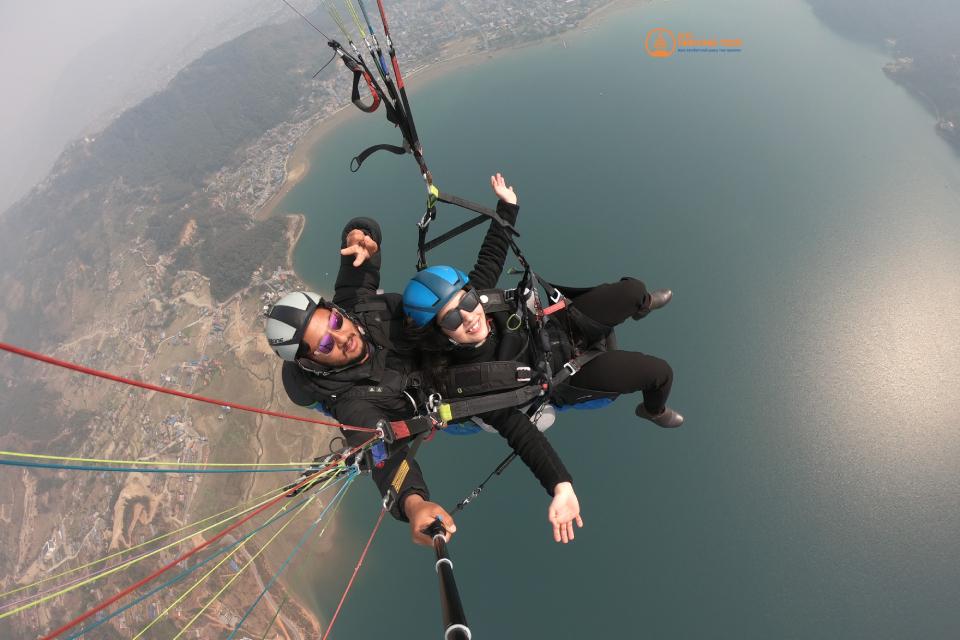
Your final destination is Pokhara, a picturesque lakeside city set against the backdrop of the majestic Annapurna Range. In Pokhara, you’ll witness the breathtaking sunrise at Sarangkot, offering panoramic views of the Himalayas. Explore the tranquil beauty of Phewa Lake, where you can go boating and take in the serene landscape. Pokhara is also an adventure hub, offering activities such as paragliding, trekking and a visit to the World Peace Pagoda.
Throughout your Nepal’s Golden Triangle Tour, you’ll be guided by expert local guides who offer insights into Nepal’s culture, history, and natural beauty. This tour is designed to provide an immersive experience, from visiting UNESCO World Heritage Sites to exploring the natural wonders of Chitwan National Park and Pokhara. With a combination of cultural exploration, wildlife adventures, and mountain landscapes, this tour is the perfect way to experience the best of Nepal.
What to Expect from the Nepal’s Golden Triangle Tour?
1. Explore Kathmandu’s Rich Cultural Heritage
Expect to be immersed in the vibrant culture and history of Kathmandu, Nepal’s capital city. Visit UNESCO World Heritage Sites like the Pashupatinath Temple, a sacred Hindu site, and the stunning Boudhanath Stupa, a major Buddhist pilgrimage destination. Explore the ancient Swayambhunath Stupa (Monkey Temple), offering panoramic views of the Kathmandu Valley, and marvel at the architectural beauty of Patan Durbar Square. These sites will introduce you to the spiritual heart and architectural wonders of Nepal.
2. Thrilling Wildlife Adventure in Chitwan
A trip to Chitwan National Park offers an exciting wildlife safari experience. Expect thrilling jeep safaris where you’ll spot rare wildlife such as the one-horned rhinoceros, Bengal tiger, and a variety of bird species. You will also enjoy a peaceful canoe ride and an adventurous jungle walk to experience Chitwan’s natural beauty up close. The park’s biodiversity and serene surroundings will provide you with unforgettable moments in nature.
3. Spiritual Journey to Lumbini
In Lumbini, the birthplace of Lord Buddha, expect to find peace and tranquility. Explore the Sacred Garden and the Maya Devi Temple, a revered site for Buddhist pilgrims. Lumbini offers a serene atmosphere perfect for meditation, reflection, and learning about the life of Buddha. This spiritual experience allows you to connect with the roots of Buddhism in one of the world’s most sacred destinations.
4. Discover Palpa’s Timeless Beauty
In Palpa, you will experience the cultural richness of Tansen, a historic hill station famous for its traditional Dhaka textiles and spectacular mountain views. You will get a chance to explore the ancient Palpa Darbar. The peaceful environment of Palpa offers a calm escape where you can immerse yourself in Nepali traditions and craftsmanship. The panoramic views of the Himalayas from Tansen will leave you in awe of Nepal’s natural beauty.
5. Scenic Views and Sunrise in Pokhara
Expect breathtaking sunrise views from Sarangkot, where you’ll witness the Himalayas light up as the sun rises over the Annapurna Range. Pokhara, a lakeside city, is known for its serene ambiance, Phewa Lake, and adventure opportunities. You’ll enjoy boating on Phewa Lake, surrounded by stunning mountain reflections, as well as a visit to the World Peace Pagoda for incredible views of the surrounding valleys.
6. Adventure Activities in Pokhara
In addition to its natural beauty, Pokhara offers adventure activities such as paragliding and trekking. Whether you’re seeking adrenaline or simply looking to relax, Pokhara has something for everyone. The peaceful lakeside environment and the towering peaks of the Annapurna Range create the perfect setting for both adventure and relaxation.
7. Cultural Immersion and Local Experiences
Throughout the tour, you’ll have the chance to experience the unique culture of Nepal. Enjoy traditional Nepali cuisine, learn about local customs, and experience Tharu culture in Chitwan. Each destination offers a deeper understanding of Nepalese traditions, arts, and community life.
Are You Ready for the Nepal Golden Triangle Tour?
To fully enjoy the Nepal’s Golden Triangle Tour through Kathmandu, Chitwan, Lumbini, Palpa, and Pokhara, you need an adventurous spirit and an open heart. This tour is packed with thrilling activities like jeep safaris in Chitwan, sunrise hikes in Sarangkot, and peaceful boating on Phewa Lake. Expect to explore Nepal’s wild landscapes, majestic temples, and serene lakes, each offering unique experiences that will challenge and excite you. Be ready for stunning views of the Himalayas, cultural encounters, and the opportunity to immerse yourself in nature.
Moreover, curiosity and a willingness to learn are essential for this journey. Whether it's discovering the rich Nepalese culture in Kathmandu or experiencing the spiritual calm of Lumbini, this tour is a deep dive into Nepal’s history and traditions. From sacred Buddhist sites to ancient temples, every stop will offer a chance to connect with the country’s heritage. By embracing the cultural diversity and natural beauty of Nepal, you’ll create memories that last a lifetime while gaining a deeper understanding of this vibrant country.
Itinerary
1Day 1: Arrival in Kathmandu
Namaskar, Welcome to Nepal! Upon your arrival at Tribhuvan International Airport in Kathmandu, our representative from will warmly welcome you and transfer you to your hotel. After checking in, you can relax and acclimate to the new environment. In the afternoon, take an optional walk around the lively Thamel area, a vibrant hub known for its eclectic mix of shops, cafes, and street markets. Here, you can explore narrow alleys, shop for unique handicrafts, and enjoy local cuisine. The evening is yours to unwind at the hotel or explore the bustling neighborhood further.
2Day 2: Full Day Kathmandu Sightseeing
Begin your day with a visit to the sacred Pashupatinath Temple, a UNESCO World Heritage site. Located on the banks of the Bagmati River, it is one of the holiest temples for Hindu devotees. Next, head to Boudhanath Stupa, one of the largest and most important Buddhist stupas in Nepal. Admire the impressive structure, and observe the spiritual rituals that take place around the stupa.
In the afternoon, visit the famous Swayambhunath Stupa, also known as the Monkey Temple. This ancient stupa offers breathtaking views of the city and is a key symbol of Kathmandu’s Buddhist heritage. Conclude your day with a visit to Patan Durbar Square, a historical palace complex that showcases stunning Newar architecture, temples, and sculptures. Explore the square and learn about the rich history of Patan.
3Day 3: Drive from Kathmandu to Chitwan
After breakfast, embark on a scenic drive from Kathmandu to Chitwan, a journey that takes you through picturesque landscapes and charming villages. The drive offers beautiful views of the surrounding hills and countryside. Upon arrival in Chitwan, check in to your hotel and get ready to experience the natural beauty of Chitwan National Park.
In the afternoon, relax and enjoy a tranquil sunset view over the Rapti River, where you can witness the peaceful beauty of the river and the surrounding forest. In the evening, enjoy a Tharu Cultural Program that showcases the unique culture, music, and traditional dances of the Tharu people. After the cultural show, indulge in a delicious Tharu cuisine dinner.
4Day 4: Full Day Chitwan Jungle Safari
Start your day with an exciting jeep safari through the vast wilderness of Chitwan National Park. Spot wildlife such as rhinos, tigers, elephants, and various bird species as you explore the park's diverse ecosystems. After the safari, enjoy a tranquil canoe ride on the Rapti River. Glide through calm waters and observe the rich birdlife, crocodiles, and lush vegetation along the riverbanks.
In the afternoon, take a guided jungle walk to further immerse yourself in the natural beauty of Chitwan National Park. Explore the dense jungle, spot wildlife, and enjoy birdwatching as you learn about the park's flora and fauna from your experienced guide.
5Day 5: Drive from Chitwan to Lumbini
On Day 5, after breakfast, embark on a scenic drive from Chitwan to Lumbini, the birthplace of Lord Buddha and a UNESCO World Heritage site. The drive offers beautiful views of the countryside, with lush green fields and rolling hills along the way. Upon reaching Lumbini, check into your hotel and take some time to relax. The rest of the day is free for you to unwind and explore the area at your leisure. You can visit the nearby Lumbini Garden or simply enjoy the peaceful surroundings of this spiritual haven.
6Day 6: Lumbini Exploration
Begin your day with a visit to the Lumbini Sacred Garden, where Lord Buddha was born. Explore the beautiful Maya Devi Temple, the heart of Lumbini, where you can see the exact spot where Buddha took his first steps. The temple is surrounded by ancient ruins and peaceful ponds. Next, visit the Lumbini Monastic Complex, where monasteries built by different countries represent various Buddhist traditions. Spend the rest of the day exploring the peaceful surroundings, reflecting on the significance of the site, or simply relaxing in the serene atmosphere of Lumbini.
7Day 7: Drive from Lumbini to Palpa to Pokhara
On Day 7, begin your journey with a scenic drive from Lumbini to Palpa. As you drive through the foothills of the Himalayas, enjoy the breathtaking landscapes of lush forests, terraced fields, and charming villages. Upon reaching Palpa, stop to explore the historic hill station of Tansen, known for its ancient culture and tranquil atmosphere. Visit the iconic Palpa Durbar, a beautiful palace complex that reflects the town's rich history and cultural significance. Wander through the narrow streets of Tansen, visit local shops selling Dhaka textiles, and enjoy stunning views of the surrounding mountains.
After your exploration of Palpa, continue your drive towards Pokhara, a picturesque city surrounded by the stunning Annapurna Mountain Range. Arriving in Pokhara, check in to your hotel and relax, with the rest of the evening free to explore Pokhara’s lakeside area or enjoy a peaceful boat ride on Phewa Lake.
8Day 8: Full Day Pokhara City Exploration
Start your day early with a scenic drive to Sarangkot, a popular viewpoint near Pokhara. Arrive in time to witness the breathtaking sunrise over the Annapurna Range, including views of Machapuchare (Fishtail Mountain) and other majestic peaks. The sight of the sun rising over the mountains and the serene Phewa Lake below is truly magical. After enjoying the stunning views, return to Pokhara for breakfast.
Spend the rest of the day exploring the highlights of Pokhara, such as the World Peace Pagoda, which offers panoramic views of the city and the surrounding mountains. Visit the tranquil Phewa Lake, where you can take a peaceful boat ride or visit the Tal Barahi Temple located on an island in the middle of the lake. You can also explore the Gupteshwor Cave and the nearby Devi’s Fall, a beautiful waterfall that plunges into a deep gorge. End your day by relaxing at the lakeside area, enjoying the charming atmosphere of Pokhara.
9Day 9: Drive from Pokhara to Kathmandu
On Day 9, enjoy a scenic drive from Pokhara back to Kathmandu. The journey takes you through picturesque landscapes, with rolling hills, green valleys, and local villages along the way. Take in the beauty of the Trishuli River as you drive through the river valley, and enjoy the calm, peaceful environment of the countryside. Upon arrival in Kathmandu, check in to your hotel and take some time to rest. The rest of the day is free for you to relax or engage in some last-minute shopping in Thamel, where you can find souvenirs and local handicrafts. You can also explore more of the city or simply unwind in preparation for your departure.
Cost Includes / Excludes
Included
- PRIVATE AIRPORT PICK-UP & DROP : Airport - Hotel transfer - Airport (Pick Up and Drop).
- MEMBER TRANSPORTATION :
- Tourist Bus : Transportation in standard tourist bus for Kathmandu to Chitwan, Chitwan to Lumbini, Lumbini to Pokhara and while returning from Pokhara to Kathmandu.
- Private Car : Air Conditioner private car with professional driver while sightseeing in Kathmandu, Lumbini & Pokhara.
- ACCOMMODATION : Accommodation in a best available 3 Stars Hotel or Similar throughout the tour on a bed & breakfast basis.
- ACCOMMODATION IN CHITWAN : Accommodation in Jungle Resort on a 3 meals a day (breakfast, lunch, and dinner; including tea/coffee) during the tour.
- ACTIVITIES IN CHITWAN : Activities in Chitwan National Park like Jeep safari, Bird watching, Jungle walk, Canoe ride, etc.
- GUIDE : One experienced government licensed (English speaking) tour guide for entire tour and one experienced Jungel Safari guide during the safari.
- STAFF SALARY AND ALLOWANCE : All staff wages, salary, equipment, food & clothing.
- STAFF INSURANCE : Insurance for all staff involved during the tour.
- PERMITS : All necessary permits: Chitwan National Park permit and other fees.
- MEDICAL KIT : A well equipped first aid kit, carried by the guide for your safety.
- SOUVENIR : Best Heritage Tour’s Purse, an authentic Nepali product made from hemp.
- FAREWELL DINNER : A farewell dinner with an authentic cultural program after completion of the tour.
Excluded
- INTERNATIONAL AIRFARE : International flight airfare (from and to Kathmandu).
- NEPAL VISA FEES : You may issue the visa upon your arrival at Tribhuvan International Airport - Kathmandu or apply manually in your home country.
- TRASNPORTATION IN PRIVATE CAR : Private Car transportation will be arranged on request from Kathmandu to Chitwan, Chitwan to Lumbini, Lumbini to Pokhara and while returning from Pokhara to Kathmandu.
- ENTRANCE FEE : Monuments entrance fees during sightseeing throughout the tour.
- MEALS : Lunch & Dinner throughout the tour.
- INSURANCE POLICY : Travel insurance covering medical expenses mandatory. If you do not have suitable coverage, we can also assist in arranging travel insurance for you upon your arrival in Nepal. Check Over Here
- PERSONAL EXPENSES : Clothing & gears, telephone, laundry, soft drinks and any Alcoholic beverages.
- TIPS : Tips for guide and driver.
- EXTRA : Any additional costs due to factors beyond our control, or for services not specifically mentioned in the Itinerary & Included section.
- TAXES & SERVICE CHARGE : All government taxes (13%) and service charge (10%).
Trip Info
Useful Information About the Nepal Golden Triangle Tour
To ensure a comfortable, enjoyable, and well-organized Nepal Golden Triangle Tour, travelers are advised to understand the key trip details before departure. Being prepared for different weather conditions, cultural sightseeing, wildlife activities, road journeys, and varying landscapes helps travelers manage expectations and make the most of their journey through Kathmandu, Chitwan, Lumbini, Palpa, and Pokhara.
Airport Pickup and Trip Briefing
Best Heritage Tour provides airport pickup and drop-off arrangements in Kathmandu to ensure a smooth and comfortable start to your Nepal Golden Triangle Tour. Upon arrival at Tribhuvan International Airport, our representative will welcome you and assist with your luggage before transferring you to your hotel by private vehicle. After check-in, you can relax and recover from your journey or explore the nearby Thamel area at your own pace.
Trip Briefing Session
Before your sightseeing journey begins, our team will provide an orientation covering all the details about the 9-day Nepal Golden Triangle Tour. We will also share practical information about local customs, temple etiquette, appropriate clothing, and essential travel arrangements. This briefing helps you understand what to expect throughout the journey, allowing you to explore Nepal's cultural landmarks, spiritual destinations, and natural landscapes with greater comfort and confidence.
Places Explored on the Nepal Golden Triangle Tour
The Nepal Golden Triangle Tour by Best Heritage Tour offers a diverse journey through Nepal’s cultural heritage, spiritual landmarks, wildlife-rich lowlands, traditional hill towns, and Himalayan landscapes. From the ancient temples of Kathmandu to the peaceful birthplace of Lord Buddha in Lumbini, the wilderness of Chitwan National Park, the historic streets of Palpa, and the mountain scenery of Pokhara, this tour showcases Nepal’s remarkable diversity. Here are the major destinations and attractions explored throughout the journey.
A. In Kathmandu
Kathmandu, the capital of Nepal, is a fascinating destination known for its ancient temples, Buddhist stupas, historic palace squares, and vibrant local culture. During this tour, we explore some of the valley’s most significant religious and cultural landmarks, offering insights into Nepal’s Hindu and Buddhist traditions.
1. Pashupatinath Temple
Pashupatinath Temple is one of Nepal’s most sacred Hindu pilgrimage sites, dedicated to Lord Shiva and situated along the banks of the Bagmati River. Recognized as part of the Kathmandu Valley UNESCO World Heritage property, the temple complex is an important center of Hindu worship and spiritual traditions. Visitors can admire its traditional pagoda-style architecture, observe religious rituals from designated areas, and learn about the temple’s cultural and spiritual significance.
2. Boudhanath Stupa
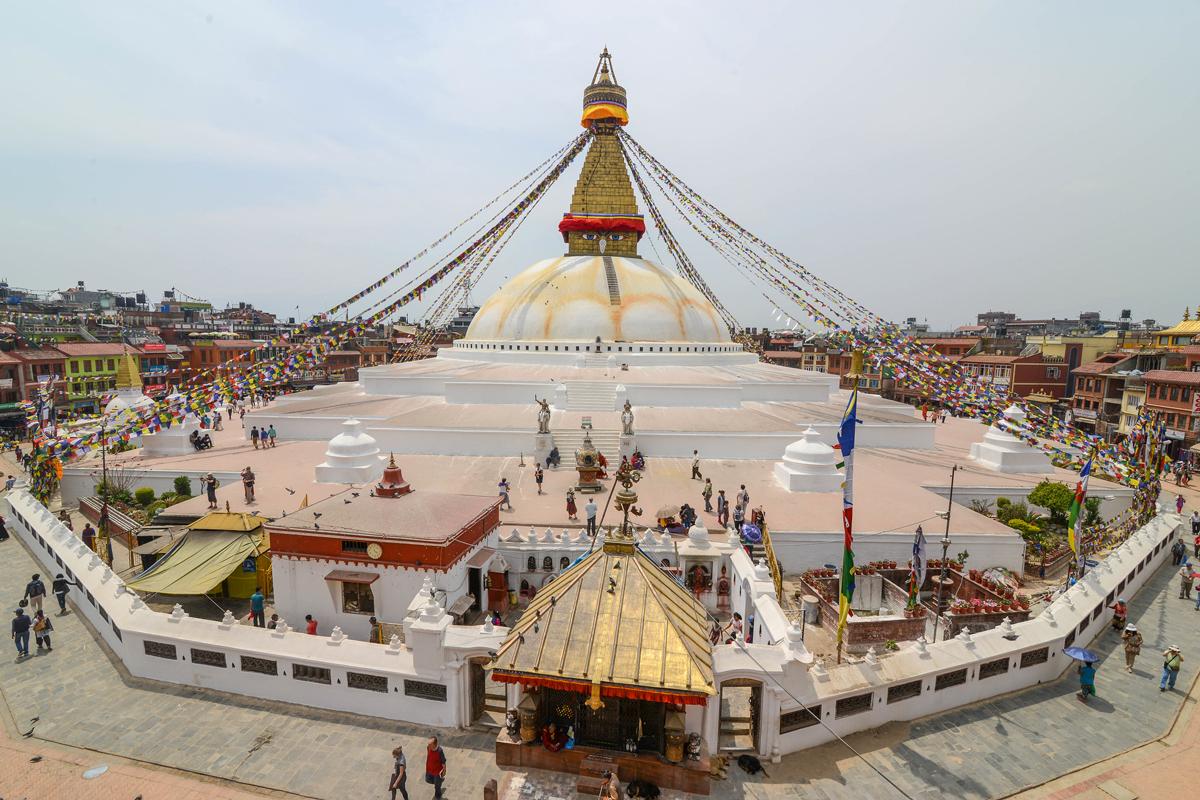
Boudhanath Stupa is one of the largest stupas in Nepal and an important center of Tibetan Buddhist culture. Its impressive white dome, golden spire, colorful prayer flags, and all-seeing Buddha eyes create a distinctive spiritual atmosphere. Visitors can walk around the stupa in the traditional clockwise direction, observe Buddhist devotees performing their prayers, and explore the surrounding monasteries and shops offering Tibetan handicrafts.
3. Swayambhunath Stupa (Monkey Temple)
Perched on a hill overlooking the Kathmandu Valley, Swayambhunath Stupa is one of Nepal’s oldest and most revered Buddhist pilgrimage sites. The complex features a prominent white dome, a golden spire, prayer wheels, shrines, and colorful prayer flags. Visitors can explore the sacred grounds, appreciate the valley views, and discover the religious traditions that make this landmark an important part of Kathmandu’s cultural identity.
4. Patan Durbar Square
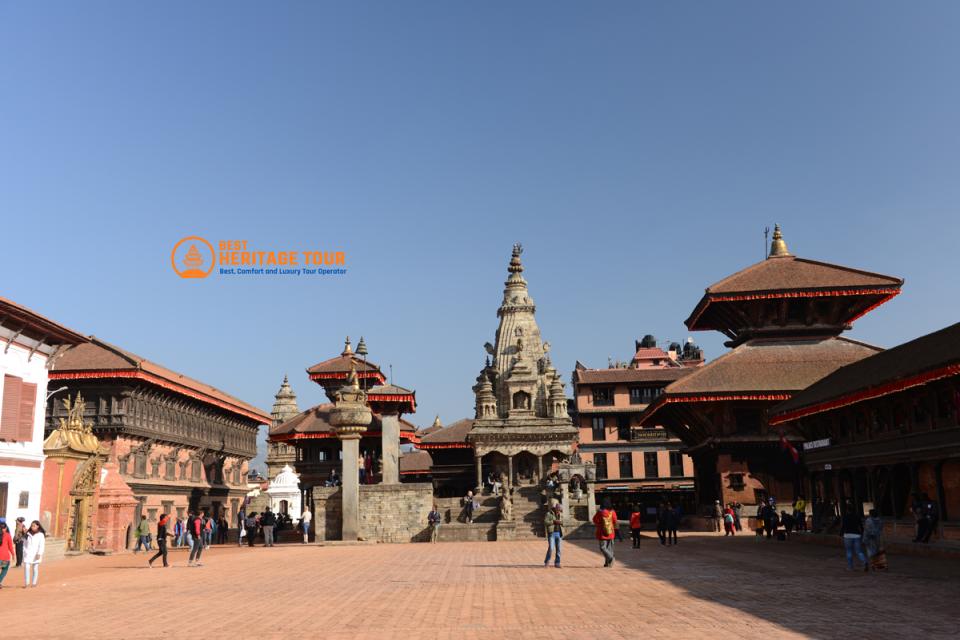
Located in Lalitpur, Patan Durbar Square is renowned for its traditional Newar architecture, intricately carved wooden windows, historic temples, and royal palace complex. As part of the Kathmandu Valley UNESCO World Heritage property, the square provides an excellent introduction to the artistic and architectural heritage of the Malla period. Visitors can wander through the historic courtyards, admire traditional craftsmanship, and experience the living cultural traditions of the local community.
B. In Chitwan
Chitwan, situated in Nepal’s southern Terai region, is celebrated for its rich biodiversity, subtropical landscapes, and distinctive Tharu culture. During our tour, we combine wildlife exploration with river scenery and cultural experiences, offering travelers a closer look at Nepal’s natural heritage.
1. Jeep Safari
Chitwan National Park is a UNESCO World Heritage Site known for its grasslands, riverine forests, wetlands, and diverse wildlife. Our itinerary includes a jeep safari through designated areas of the park, offering opportunities to observe wildlife in its natural habitat.
2. Canoe Ride on the Rapti River
A traditional canoe ride along the Rapti River provides a different perspective on Chitwan’s wetlands and riverine ecosystem. As the canoe moves through the calm waters, visitors may observe waterbirds, crocodiles, and vegetation along the riverbanks.
3. Guided Jungle Walk
A guided jungle walk allows visitors to explore Chitwan’s natural environment on foot with an experienced local nature guide. Along the way, travelers can learn about the park’s plants, animal tracks, birdlife, and forest ecology.
4. Tharu Cultural Program and Traditional Cuisine
During the evening in Chitwan, our itinerary includes a Tharu cultural program featuring traditional performances that introduce visitors to the community’s artistic heritage. The experience also includes a traditional Tharu-style dinner, offering an opportunity to discover regional flavors and local culinary traditions.
C. In Lumbini
Lumbini, located in Nepal’s southern plains, is internationally recognized as the birthplace of Siddhartha Gautama, who became known as Gautama Buddha. This UNESCO World Heritage Site is one of the most important pilgrimage destinations for Buddhists worldwide. Its sacred gardens, archaeological remains, monasteries, and peaceful surroundings create an ideal setting for cultural exploration and spiritual reflection.
1. Lumbini Sacred Garden
The Lumbini Sacred Garden forms the spiritual heart of the birthplace of Buddha. Surrounded by peaceful greenery and important archaeological remains, the garden includes the Maya Devi Temple, the Ashoka Pillar, and other historically significant features. Visitors can explore the sacred grounds, observe pilgrims from different countries, and appreciate the importance of Lumbini in Buddhist history.
2. Maya Devi Temple
Maya Devi Temple marks the traditionally recognized birthplace of Gautama Buddha and is the principal sacred site within Lumbini. The temple protects archaeological remains associated with the ancient pilgrimage site, including a marker stone identifying the traditional birthplace location. Visitors can observe the archaeological features, learn about the site’s religious significance, and experience the quiet atmosphere maintained by pilgrims and visitors.
3. Lumbini Monastic Complex
The Lumbini Monastic Complex features monasteries and Buddhist institutions established by different countries and Buddhist communities. The architecture and artistic styles vary, reflecting diverse interpretations of Buddhist traditions from across Asia and beyond.
4. Ashoka Pillar and Archaeological Heritage
The Ashoka Pillar is one of Lumbini’s most significant historical monuments. Erected during the reign of Emperor Ashoka in the third century BCE, its inscription provides important historical evidence linking the site to Buddha’s birthplace.
D. In Palpa (Tansen)
Palpa, particularly the historic hill town of Tansen, offers a refreshing glimpse into Nepal’s traditional hill culture, historic architecture, local craftsmanship, and scenic landscapes. Situated in the hills of western Nepal, Tansen is known for its traditional Newar-influenced buildings, winding streets, and locally produced Dhaka textiles.
1. Tansen Bazaar
Tansen Bazaar is the historic heart of Tansen, characterized by narrow streets, traditional buildings, small shops, and a relaxed local atmosphere. Walking through the bazaar allows visitors to observe everyday life in a traditional Nepali hill town and appreciate the area's architectural and cultural character.
2. Palpa Durbar
Palpa Durbar is a prominent historic landmark in Tansen, reflecting the region’s political and architectural history. Visitors can admire the building’s exterior, explore the surrounding area, and learn about the historical significance of Tansen and its former rulers.
3. Traditional Dhaka Textiles
Tansen is widely associated with Nepal’s traditional Dhaka fabric, known for its intricate geometric patterns and colorful designs. These textiles are used to produce items such as traditional Nepali topis, shawls, and clothing. Visitors can explore local shops to learn about this distinctive craft and, if interested, purchase textile products as souvenirs.
E. In Pokhara
Pokhara is one of Nepal’s most popular travel destinations, celebrated for its lakeside atmosphere, mountain panoramas, waterfalls, caves, and proximity to the Annapurna region. Framed by the Himalayan foothills and prominent mountain peaks, the city offers a beautiful combination of natural scenery and cultural attractions.
1. Sarangkot Sunrise Viewpoint
Sarangkot is a renowned viewpoint overlooking Pokhara Valley, Phewa Lake, and the Annapurna mountain range. An early-morning drive brings visitors to the viewpoint in time to watch the first sunlight illuminate the Himalayan peaks, weather permitting. On clear mornings, views may include Machapuchare (Fishtail Mountain) and other prominent mountains of the Annapurna region.
2. Phewa Lake
Phewa Lake is one of Pokhara’s most recognizable natural attractions, surrounded by green hills and offering views of the distant Himalayas when conditions are clear. Visitors can enjoy the peaceful lakeside atmosphere, take a boat ride across the water, or relax at the nearby cafés and restaurants.
3. World Peace Pagoda
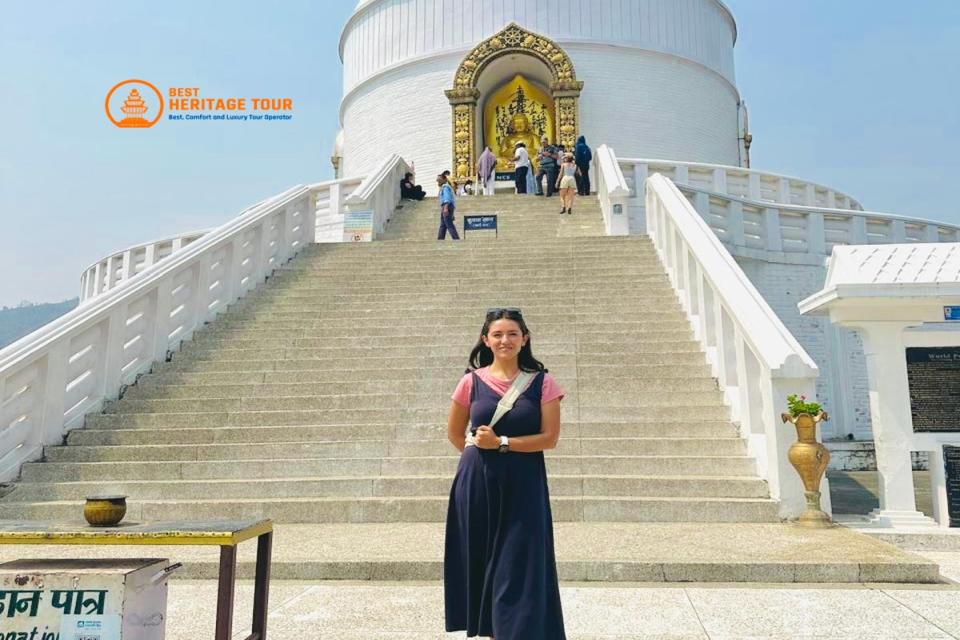
The World Peace Pagoda, also known as Shanti Stupa, stands on a hill overlooking Phewa Lake and the Pokhara Valley. The white Buddhist monument symbolizes peace and offers expansive views of the surrounding landscape.
4. Devi’s Fall
Devi’s Fall, also known as Davis Falls, is a popular waterfall in Pokhara where water flows into a deep underground channel. The waterfall is particularly impressive during the monsoon season, when water levels are generally higher. Visitors can observe the cascading water from designated viewing areas and learn about the unusual geological features of this natural attraction.
5. Gupteshwor Mahadev Cave
Located near Devi’s Fall, Gupteshwor Mahadev Cave is a limestone cave containing natural rock formations and a shrine dedicated to Lord Shiva. The cave’s interior includes narrow passages and areas where visitors can observe underground geological features.
6. Tal Barahi Temple
Situated on a small island in Phewa Lake, Tal Barahi Temple is an important Hindu religious site dedicated to Goddess Barahi, a manifestation associated with Shakti. The temple is accessible by boat and offers a peaceful setting surrounded by the lake’s waters.
What Type of Transportation Is Used for the Nepal Golden Triangle Tour?
Best Heritage Tour provides a combination of standard tourist bus transportation and private vehicle services for the Nepal Golden Triangle Tour. The transportation arrangement is designed to provide convenient travel between the major destinations while allowing comfortable sightseeing within Kathmandu, Lumbini, and Pokhara.
Tourist Bus
Standard tourist bus transportation is provided for the major intercity journeys, including:
-
Kathmandu → Chitwan
-
Chitwan → Lumbini
-
Lumbini → Pokhara
-
Pokhara → Kathmandu
Tourist buses provide a practical and comfortable option for traveling between Nepal's major destinations while enjoying views of the countryside, rivers, hills, and local settlements along the route.
Private Car
An air-conditioned private car with a professional driver is provided for sightseeing in:
-
Kathmandu
-
Lumbini
-
Pokhara
Private sightseeing transportation provides greater convenience when traveling between the scheduled attractions and allows guests to explore these destinations comfortably according to the tour itinerary.
Note: A private vehicle can also be arranged for the entire Nepal Golden Triangle Tour at an additional cost. The exact vehicle type and additional cost depend on the group size and transportation requirements.
What Type of Accommodation is Available on the Nepal Golden Triangle Tour?
Accommodation throughout the tour is arranged in comfortable, carefully selected hotels and lodges suited to each destination.
Accommodation in Kathmandu
In Kathmandu, accommodation is provided in a 3-star hotel or similar property on a bed and breakfast basis, offering comfortable rooms and convenient facilities.
Accommodation in Chitwan
In Chitwan, guests stay in a 3-star hotel, jungle resort, or similar property on a full meal basis (B, L, D), providing a comfortable stay close to the natural surroundings of Chitwan.
Accommodation in Lumbini
In Lumbini, accommodation is arranged in a 3-star hotel or similar heritage-style property on a bed and breakfast basis, allowing guests to enjoy the peaceful atmosphere of the Lumbini.
Accommodation in Pokhara
In Pokhara, guests stay in a 3-star hotel or similar property on a bed and breakfast basis, providing a comfortable base for sightseeing and relaxation.
Is Food Provided on the Nepal Golden Triangle Tour?
Breakfast is provided throughout the Nepal Golden Triangle Tour as part of the accommodation package. In Chitwan, we provide breakfast, lunch, and dinner, allowing travelers to enjoy a more complete meal experience during their jungle and wildlife activities.
In Kathmandu, Lumbini, Palpa, and Pokhara, only breakfast is provided. This gives travelers the flexibility to choose their own lunch and dinner according to their personal preferences, dietary requirements, and budget. It also provides excellent opportunities to explore Nepal’s diverse local food culture.
Our guides can recommend reliable restaurants, popular local dishes, and authentic food experiences throughout the tour, helping travelers discover the flavors of Nepal while choosing meals that suit their tastes and preferences.
When is the Best Time for the Nepal Golden Triangle Tour?
The Nepal Golden Triangle Tour can be enjoyed throughout the year. The best time to travel depends largely on the traveler’s personal preferences, weather expectations, and the type of experience they want from the journey. Each season offers a different perspective of Kathmandu, Chitwan, Lumbini, Palpa, and Pokhara.
Spring Season - March to May
Spring is one of the most pleasant times for the Nepal Golden Triangle Tour. The weather is generally warm and comfortable, making it ideal for exploring UNESCO World Heritage Sites in Kathmandu, discovering Lumbini, visiting historic Tansen in Palpa, and enjoying outdoor experiences in Chitwan and Pokhara. The landscapes become greener and colorful flowers add beauty to the journey.
Pros:
-
Pleasant temperatures for sightseeing and outdoor activities
-
Good conditions for exploring Kathmandu, Lumbini, Palpa, and Pokhara
-
Lush and colorful landscapes
-
Generally good visibility for mountain views from Sarangkot
-
Excellent season for Chitwan jungle activities
Cons:
-
Popular destinations can become busier, especially around major tourist sites
-
Haze can occasionally affect distant mountain visibility later in the season
-
Warmer temperatures may be experienced in Chitwan and Lumbini
Summer / Monsoon Season - June to August
Summer coincides with Nepal's monsoon season, bringing regular rainfall, particularly in the afternoons and evenings. However, the Nepal Golden Triangle Tour remains possible during this period. The rain transforms the countryside into vibrant green landscapes and can create a refreshing atmosphere around Chitwan, Palpa, and Pokhara.
Pros:
-
Lush green scenery throughout the countryside
-
Fewer tourists at many popular attractions
-
A quieter and more relaxed travel experience
-
Suitable for travelers who prefer fewer crowds
-
Fresh and vibrant landscapes around Pokhara, Palpa, and Chitwan
Cons:
-
Rain can affect road journeys and travel times
-
Cloud cover may reduce Himalayan visibility from Sarangkot and other viewpoints
-
Some jungle and outdoor activities may be affected by heavy rainfall
-
Wet conditions can make walking trails and sightseeing areas slippery
Autumn Season - September to November
Autumn is widely considered one of the best seasons for traveling in Nepal. After the monsoon, the skies generally become clearer, the weather is comfortable, and mountain visibility is often excellent. This makes it particularly attractive for travelers who want to combine cultural heritage, wildlife, and scenic Himalayan views in one journey.
Pros:
-
Clearer skies and excellent visibility
-
Comfortable temperatures for sightseeing
-
Excellent conditions for Sarangkot sunrise and Himalayan views
-
Very good season for Chitwan jungle safari and outdoor activities
-
Ideal conditions for exploring Kathmandu, Lumbini, Palpa, and Pokhara
-
Festive atmosphere during major Nepali festivals such as Dashain and Tihar
Cons:
-
One of the busiest tourist seasons in Nepal
-
Popular hotels, transportation, and attractions can be more crowded
-
Advance booking is recommended during peak travel periods
-
Prices for some travel services may be higher during peak season
Winter Season - December to February
Winter offers cool, generally dry weather and crisp mornings. Daytime sightseeing is often comfortable, while mornings and evenings can be cold, particularly in Kathmandu, Palpa, and Pokhara. The cooler temperatures can be especially pleasant for Chitwan activities, while clear winter mornings can provide beautiful mountain views from Sarangkot.
Pros:
-
Generally dry weather with comfortable daytime sightseeing conditions
-
Excellent season for cultural and historical sightseeing
-
Cooler temperatures are pleasant for Chitwan jungle activities
-
Fewer tourists compared with the peak autumn season
-
Clear winter mornings can offer beautiful Himalayan views
Cons:
-
Mornings and evenings can be cold
-
Mountain viewpoints can be chilly, especially around sunrise
-
Occasional winter fog or haze may affect visibility in some lowland areas
-
Travelers need warm clothing for early-morning and evening activities
Which Season is Best for the Nepal Golden Triangle Tour?
For travelers looking for the best overall combination of comfortable weather, clear Himalayan views, wildlife experiences, and sightseeing conditions, spring and autumn are excellent choices. Autumn is particularly suitable for travelers prioritizing clear skies and mountain scenery, while spring offers pleasant temperatures and beautiful landscapes.
However, there is no single best season for everyone. Travelers who prefer fewer crowds may enjoy winter or the monsoon season, while those who want lush green scenery may find summer particularly attractive. Since the Nepal Golden Triangle Tour is designed around cultural, wildlife, historical, and scenic experiences, Best Heritage Tour can arrange the journey throughout the year according to the traveler's preferred season, schedule, and travel interests.
How Difficult Is the Nepal Golden Triangle Tour?
The Nepal Golden Triangle Tour is rated Easy and is suitable for travelers who enjoy cultural sightseeing, spiritual exploration, wildlife experiences, and scenic road journeys without undertaking strenuous multi-day trekking. Most of the itinerary is completed by road transportation, with walking required at heritage sites, temples, monasteries, lakeside areas, and other sightseeing attractions.
Is the Nepal Golden Triangle Tour Suitable for Seniors and Family Travelers?
Yes, the Nepal Golden Triangle Tour can be suitable for families, senior travelers, couples, and visitors of different age groups. The itinerary combines cultural attractions, wildlife encounters, spiritual landmarks, and scenic destinations.
Families can enjoy the wildlife and cultural experiences in Chitwan, the historical landmarks of Kathmandu, the peaceful surroundings of Lumbini, and the lakeside attractions of Pokhara. Senior travelers may also appreciate the combination of road transportation and accessible sightseeing opportunities, although some sites require walking, climbing steps, or navigating uneven ground.
Is a Guide Needed for the Nepal Golden Triangle Tour?
A guide is not strictly required for every part of the Nepal Golden Triangle Tour, but having an experienced local guide makes the journey more informative, organized, and enjoyable. The tour covers ancient heritage sites, Buddhist landmarks, wildlife experiences, historic towns, and scenic destinations where local knowledge adds significant value.
Best Heritage Tour provides an experienced, government-licensed, English-speaking guide who helps travelers understand Nepal’s history, culture, traditions, and natural heritage while providing practical assistance throughout the journey.
What Does the Guide Help With?
-
Explains history and culture: Provides insights into temples, stupas, UNESCO World Heritage Sites, and local traditions.
-
Enhances wildlife experiences: Explains the flora, fauna, and natural environment during Chitwan activities.
-
Provides local insights: Introduces travelers to the culture and lifestyle of communities in Chitwan, Lumbini, Palpa, and other destinations.
-
Assists with sightseeing: Helps with navigation, schedules, entrance procedures, and coordination at major attractions.
-
Provides practical support: Assists travelers with local arrangements and general travel needs throughout the tour.
How Much Does the Nepal Golden Triangle Tour Cost?
The cost of the Nepal Golden Triangle Tour for 2027 and 2028 depends on factors such as group size, accommodation, transportation, guide services, sightseeing arrangements, and other services included in the package. The tour can be arranged for solo travelers, couples, families, friends, and larger groups.
We offer attractive group rates, with the per-person cost becoming more economical as the group size increases. Private transportation for the entire tour can also be arranged at an additional cost according to the requirements.
Group Size-Based Price - Nepal Golden Triangle Tour (2027 & 2028)
|
Group Size |
Price per Person (USD) |
|
1 Pax |
USD 890 |
|
2-4 Pax |
USD 650 |
|
5-6 Pax |
USD 630 |
|
7-10 Pax |
USD 590 |
|
11-16 Pax |
USD 570 |
|
17-29 Pax |
USD 550 |
Note:
-
13% Government Tax and 10% service charge are not included in the above prices.
-
Lunch and dinner are not included except in Chitwan.
-
Entrance fees to sightseeing sites and attractions are not included.
For a detailed quotation or customized cost breakdown, Best Heritage Tour can prepare a personalized proposal based on your group size, preferred travel dates, accommodation requirements, transportation preferences, and other travel needs.
Booking & Payment for the Nepal Golden Triangle Tour
Booking your Nepal Golden Triangle Tour with Best Heritage Tour is simple, secure, and well-organized. To confirm your trip, a 20% deposit of the total trip cost is required at the time of booking, while the remaining balance must be settled before the tour departure in Kathmandu. We accept cash, bank transfer, or card. Please note that bank transfers and card payments incur a 4% processing fee; must be covered by the traveler. All booking and cancellation terms are clearly explained by Best Heritage Tour staff during the booking process and can also be reviewed on our website.
Bank transfer:
-
Account Name: Best Heritage Tour And Treks Pvt. Ltd.
-
Account Number: 13201040254106
-
Bank Name: Nepal Investment Mega Bank Ltd.
-
Address: Thamel, Kathmandu, Nepal
-
SWIFT Code: NIBLNPKT
-
Bank Transfer Link: www.bestheritagetour.com/payment
Once we receive the deposit, we will issue the official invoice and booking conformation right away. If you need any clarification, we are happy to answer your questions or provide additional details you may require.
Frequently Asked Questions
How can I stay in touch with my family during the Nepal Golden Triangle Tour?
Staying in touch with family is easy during the Nepal Golden Triangle Tour. Wi-Fi is available in most hotels and accommodations, and local SIM cards with data plans can be purchased in Kathmandu for convenient mobile communication. Best Heritage Tour can provide advice on how to stay connected, ensuring you can share your experiences in real time.
Are group tours available for the Nepal Golden Triangle Tour?
Yes, the Nepal Golden Triangle Tour is available as both private and group tours. Group tours are ideal for those looking to meet other travelers and share the experience. The group size is typically small, ensuring a personalized experience. Check with the Best Heritage Tour for available group dates and itineraries.
What’s the best way to prepare for the Nepal Golden Triangle Tour?
To prepare for the Nepal Golden Triangle Tour, it’s essential to be mentally and physically ready for sightseeing, cultural activities, and light walking. Make sure you have comfortable clothing, travel documents, and necessary medications. Research the local culture and customs of Nepal, which will enhance your travel experience during the tour.
Can I upgrade my accommodation during the Nepal Golden Triangle Tour?
Yes, it is possible to upgrade your accommodation during the Nepal Golden Triangle Tour. Whether you prefer luxury hotels, boutique stays, or specific amenities, Best Heritage Tour can assist in arranging upgraded options. You can choose to customize your accommodation to ensure a more luxurious and comfortable stay throughout the tour.
Can I visit more than one park during the Nepal Golden Triangle Tour?
The Nepal Golden Triangle Tour primarily focuses on Chitwan National Park for its wildlife safari, but additional visits to nearby parks like Bardiya can be arranged. If you wish to explore more natural reserves, speak to Best Heritage Tour for possible extensions or modifications to your itinerary.
Is it possible to travel with children on the Nepal Golden Triangle Tour?
Yes, the Nepal Golden Triangle Tour is family-friendly, making it an excellent choice for those traveling with children. The itinerary includes culturally rich experiences and wildlife safaris, which are engaging and educational for kids. The tour ensures that the activities and accommodations are comfortable for young travelers.
What is the currency used during the Nepal Golden Triangle Tour?
The official currency of Nepal is the Nepalese Rupee (NPR). While most major tourist areas accept credit cards, it is advisable to carry some cash for small purchases, tips, or visiting local markets. ATMs are widely available in Kathmandu, and exchange services are available for foreign currency.
Is the Nepal Golden Triangle Tour suitable for first-time visitors to Nepal?
Yes, the Nepal Golden Triangle Tour is an excellent choice for first-time visitors to Nepal. It covers major cultural, historical, and natural attractions, including Kathmandu, Chitwan, and Lumbini. This tour provides a comprehensive introduction to Nepal’s rich heritage, making it ideal for those looking to experience the country’s highlights. For a well-organized and insightful journey, Best Heritage Tour offers great guidance and support throughout your trip.
How much physical activity is required on the Nepal Golden Triangle Tour?
The Nepal Golden Triangle Tour involves light walking during sightseeing activities, but it is not physically demanding. Some walking is required at heritage sites and during the safari in Chitwan, but the pace is relaxed. Travelers with moderate mobility can easily enjoy the tour. For more demanding activities, Best Heritage Tour can assist with customizing the itinerary to suit personal preferences.
How do I know if the Nepal Golden Triangle Tour is right for me?
The Nepal Golden Triangle Tour is perfect for travelers interested in Nepal’s cultural, spiritual, and natural landmarks. If you love history, local culture, and wildlife, this tour is ideal. It’s also suitable for those looking for a balanced, leisurely pace. Best Heritage Tour can help tailor the tour according to your interests and fitness level, ensuring it’s the perfect fit for your travel style.
Are there any age restrictions for the Nepal Golden Triangle Tour?
The Nepal Golden Triangle Tour is suitable for all ages, but the recommended age range is typically between 0 and years. The tour involves light walking, and most participants are comfortably able to enjoy the sites. For those with special needs or concerns, Best Heritage Tour can provide personalized adjustments to the itinerary, making it accessible for travelers of all ages.
How much free time is there during the Nepal Golden Triangle Tour?
The Nepal Golden Triangle Tour offers a balance of structured activities and free time. After sightseeing each day, you’ll have the evening free to relax or explore local markets and restaurants. Best Heritage Tour ensures that there is ample free time, giving you the flexibility to enjoy the local culture or rest between the tour activities.
Are there any shopping opportunities during the Nepal Golden Triangle Tour?
Yes, there are numerous shopping opportunities throughout the Nepal Golden Triangle Tour, especially in Kathmandu and Lumbini. You’ll find local handicrafts, textiles, jewelry, and art, offering a unique opportunity to bring home souvenirs. Best Heritage Tour can guide you to recommended markets and shops for authentic and quality products.
Is it possible to customize the Nepal Golden Triangle Tour itinerary?
Yes, you can customize the Nepal Golden Triangle Tour itinerary to suit your preferences. If you’d like to add or skip certain destinations, or include additional activities, Best Heritage Tour offers flexibility in planning a personalized tour. Whether you wish to extend your stay or add unique experiences, the tour can be tailored to your needs.
Can I book the Nepal Golden Triangle Tour for a group of friends or family?
Yes, the Nepal Golden Triangle Tour is ideal for groups, including friends and families. Best Heritage Tour can organize a private group tour, ensuring that everyone enjoys a customized experience tailored to your preferences. Traveling as a group offers shared experiences while maintaining flexibility in the itinerary.
Is the Nepal Golden Triangle Tour suitable for elderly travelers?
The Nepal Golden Triangle Tour is designed to be suitable for a wide range of travelers, including seniors. With a relatively relaxed pace and comfortable accommodations, the tour is manageable for elderly participants. However, it is recommended to check with the Best Heritage Tour for any specific mobility concerns and ensure the itinerary meets individual needs.
What can I expect to see in Kathmandu during the Nepal Golden Triangle Tour?
Kathmandu, the starting point of the Nepal Golden Triangle Tour, offers a rich cultural experience. You will visit historical temples, including Pashupatinath and Swayambhunath, and explore the bustling Thamel district. The Durbar Square and Patan also provide a glimpse into Nepal’s rich heritage. Best Heritage Tour ensures that all must-see spots in Kathmandu are included in the itinerary.
Are there any optional activities in the Nepal Golden Triangle Tour?
Yes, the Nepal Golden Triangle Tour offers several optional activities. These may include scenic mountain flights, extra cultural performances, or visits to additional sites outside the main itinerary. Best Heritage Tour can help you arrange these optional activities if you want to enhance your experience and see more of Nepal.
Is there a minimum group size for the Nepal Golden Triangle Tour?
There is no strict minimum group size for the Nepal Golden Triangle Tour, and it can be booked for solo travelers, couples, or groups. However, group discounts may apply for larger groups, making it an excellent choice for friends or families. Best Heritage Tour can assist in organizing tours of various group sizes to ensure you get the best experience.
What are the highlights of the Lumbini visit in the Nepal Golden Triangle Tour?
Lumbini, the birthplace of Lord Buddha, is a key highlight of the Nepal Golden Triangle Tour. You’ll visit the sacred Maya Devi Temple, the Ashoka Pillar, and various monasteries that reflect Buddhist architecture. Best Heritage Tour ensures that your visit to Lumbini is educational and deeply spiritual, providing expert insight into its historical significance.
Can I extend my stay in Kathmandu after the Nepal Golden Triangle Tour?
Absolutely! If you wish to extend your stay in Kathmandu after completing the Nepal Golden Triangle Tour, Best Heritage Tour can assist in booking extra nights. You can explore more of Kathmandu, enjoy additional excursions, or relax before your return journey.
How is the local cuisine during the Nepal Golden Triangle Tour?
Nepal’s cuisine is flavorful and diverse. During the Nepal Golden Triangle Tour, you will have the opportunity to try traditional dishes like momo (dumplings), dal bhat (lentils and rice), and Newari snacks. Best Heritage Tour ensures you visit local eateries that serve delicious, authentic Nepali food.
How do I book the Nepal Golden Triangle Tour with Best Heritage Tour?
Booking the Nepal Golden Triangle Tour with Best Heritage Tour is easy. You can contact them via email, phone, or through their website. Once you inquire, the team will assist you with all the details, including the itinerary, payment process, and any additional requests you may have for your tour.
What are the visa requirements for the Nepal Golden Triangle Tour?
For the Nepal Golden Triangle Tour, travelers typically require a tourist visa to enter Nepal. Visas can be obtained on arrival at Tribhuvan International Airport or through Nepal’s consulates abroad. Best Heritage Tour can guide you on the visa application process and assist with any necessary paperwork for your trip.
How strenuous is the Nepal Golden Triangle Tour?
The Nepal Golden Triangle Tour is considered a relatively easy tour, as it primarily involves sightseeing and cultural exploration. There are no significant physical challenges, making it suitable for most travelers. The tour includes activities like wildlife safaris and short walks, which are gentle and accessible. Best Heritage Tour ensures that the tour is tailored to your comfort and preferences.
Can I get a private tour for the Nepal Golden Triangle Tour?
Yes, private tours are available for the Nepal Golden Triangle Tour, allowing you to travel at your own pace and enjoy a personalized experience. Whether you're traveling alone, with a partner, or in a small group, Best Heritage Tour offers tailored private tour options for a more intimate and flexible experience.
Will I have a guide during the Nepal Golden Triangle Tour?
Yes, the Nepal Golden Triangle Tour includes an expert guide who will provide in-depth knowledge of the historical and cultural landmarks. The guide will be with you throughout the tour, enriching your experience with insights into Nepal’s heritage. Best Heritage Tour ensures that your guide is knowledgeable, friendly, and fluent in English.
What makes the Nepal Golden Triangle Tour different from other tours in Nepal?
The Nepal Golden Triangle Tour stands out because it combines cultural, spiritual, and natural experiences in four of Nepal's most important destinations: Kathmandu, Chitwan, Lumbini and Pokhara. The tour offers a unique blend of heritage, wildlife, nature and religious sites, which is carefully crafted by Best Heritage Tour for a well-rounded Nepal experience.
How do I pay for the Nepal Golden Triangle Tour?
You can pay for the Nepal Golden Triangle Tour using various methods, including bank transfers, credit cards, or cash payments. Best Heritage Tour offers flexible payment options, making the booking process easy and secure.
What is the distance between Kathmandu, Chitwan, Lumbini and Pokhara on the Nepal Golden Triangle Tour?
The Nepal Golden Triangle Tour involves traveling between Kathmandu, Chitwan, and Lumbini. The distances are as follows: Kathmandu to Chitwan is about 170 km (5-6 hours), Chitwan to Lumbini is about 109 km (3-4 hours), and Lumbini to Pokhara is about 200 km (5-6 hours). Best Heritage Tour ensures that your travel time is optimized for comfort.
What makes the Nepal Golden Triangle Tour unique?
The Nepal Golden Triangle Tour offers a balanced mix of history, culture, and nature, visiting Kathmandu’s UNESCO sites, the wildlife of Chitwan, and the spiritual hub of Lumbini. Best Heritage Tour ensures a curated experience that highlights Nepal’s rich heritage and provides immersive, memorable experiences for every traveler.
How many days does the Nepal Golden Triangle Tour last?
The Nepal Golden Triangle Tour typically lasts 9 days, covering major cultural and natural landmarks in Nepal. From Kathmandu’s historical sites to wildlife adventures in Chitwan and a spiritual journey to Lumbini, each day of the tour is packed with enriching experiences. Best Heritage Tour offers a well-paced itinerary, allowing you to fully absorb the cultural heritage and scenic beauty of Nepal.
Why should I choose the Nepal Golden Triangle Tour?
The Nepal Golden Triangle Tour is ideal for travelers who wish to experience a mix of history, culture, and nature. From the religious temples in Kathmandu to the wildlife in Chitwan and the sacred gardens of Lumbini, this tour offers a comprehensive view of Nepal. Best Heritage Tour ensures that your journey is well-organized and guided by experts to make your visit as immersive as possible.
Can I customize the Nepal Golden Triangle Tour itinerary?
Yes, the Nepal Golden Triangle Tour can be customized based on your preferences. Whether you wish to add extra activities or explore specific regions, Best Heritage Tour offers flexible options to personalize your experience. From extended stays in certain cities to additional excursions, the itinerary can be adjusted to suit your travel needs.
What are the best places to visit during the Nepal Golden Triangle Tour?
The Nepal Golden Triangle Tour highlights the must-see destinations in Nepal, including Pashupatinath Temple in Kathmandu, the wildlife of Chitwan National Park, and Lumbini, the birthplace of Lord Buddha. Each of these places offers unique experiences, such as spiritual rituals, safaris, and exploring ancient ruins. Best Heritage Tour ensures you don’t miss any of these iconic locations during your trip.
How much physical activity is involved in the Nepal Golden Triangle Tour?
The Nepal Golden Triangle Tour involves moderate walking, especially in cultural sites like Patan Durbar Square and Lumbini’s Sacred Garden. While the tour is designed to be comfortable, there may be some light trekking and walking through historical sites and nature reserves. Best Heritage Tour ensures the pace is manageable for all types of travelers, offering a balance of relaxation and exploration.
What type of accommodations are provided on the Nepal Golden Triangle Tour?
The Nepal Golden Triangle Tour includes 3 -star hotels or resorts, offering comfortable and clean accommodations. These hotels provide a blend of modern amenities and local charm. Whether in Kathmandu, Chitwan, or Lumbini, Best Heritage Tour ensures that your accommodations meet your expectations for a pleasant stay during the journey.
Is the Nepal Golden Triangle Tour family-friendly?
Yes, the Nepal Golden Triangle Tour is family-friendly, offering a well-rounded itinerary that caters to different age groups. From cultural sightseeing in Kathmandu to nature walks in Chitwan, there’s something for everyone. Best Heritage Tour ensures that the itinerary is flexible and comfortable, making it a perfect choice for family vacations.
Can I visit temples during the Nepal Golden Triangle Tour?
Yes, the Nepal Golden Triangle Tour includes visits to several significant temples, such as Pashupatinath Temple in Kathmandu, an important Hindu pilgrimage site, and various Buddhist monasteries in Lumbini. Best Heritage Tour ensures you explore these spiritual landmarks with knowledgeable guides who provide historical and cultural insights into each site.
What is the best time to take the Nepal Golden Triangle Tour?
Though Nepal Golden Triangle Tour is available all year around, the best time for this Tour is during the spring (March to May) and autumn (September to November) seasons. During these months, the weather is pleasant, and the views are clear, perfect for sightseeing and outdoor activities. Best Heritage Tour recommends visiting during these seasons for an optimal experience.
What wildlife can I see during the Nepal Golden Triangle Tour?
During the Nepal Golden Triangle Tour, you’ll have the chance to explore the wildlife in Chitwan National Park, home to rhinos, tigers, elephants, and various bird species. The jungle safari and canoe ride provide ample opportunities to spot these animals in their natural habitat. Best Heritage Tour ensures an exciting and safe wildlife experience during the tour.
How are the meals arranged during the Nepal Golden Triangle Tour?
The Nepal Golden Triangle Tour includes meals such as breakfast at your hotel. Lunch and dinner may be provided on some days, while other days offer the flexibility to try local eateries. Best Heritage Tour ensures that you experience authentic Nepali cuisine, offering an opportunity to taste regional dishes throughout the tour.
How can I book the Nepal Golden Triangle Tour?
Booking the Nepal Golden Triangle Tour is easy through Best Heritage Tour’s website. You can browse the itinerary, choose your preferred dates, and make the reservation. For customized itineraries or any inquiries, Best Heritage Tour also offers personalized booking assistance through their customer service team.
Can I add extra destinations to the Nepal Golden Triangle Tour?
Yes, you can add extra destinations to the Nepal Golden Triangle Tour. Whether you want to explore additional regions like Pokhara or go trekking in the Himalayas, Best Heritage Tour offers options to customize the tour to include more destinations based on your interests and time frame.
Is it safe to travel during the Nepal Golden Triangle Tour?
Yes, the Nepal Golden Triangle Tour is safe. The tour takes you to well-established tourist destinations, and Best Heritage Tour prioritizes your safety by providing professional guides and reliable transportation. The local authorities and we ensure safe travels for all tourists visiting Nepal’s popular destinations.
What is included in the Nepal Golden Triangle Tour?
The Nepal Golden Triangle Tour is a cultural and historical journey through Kathmandu, Chitwan, and Lumbini. It includes visits to UNESCO World Heritage sites, scenic drives, and a jungle safari. The tour showcases the spiritual and natural beauty of Nepal, offering experiences like visiting Pashupatinath Temple, wildlife safaris, and exploring the birthplace of Lord Buddha. Best Heritage Tour ensures a carefully crafted itinerary for an unforgettable expserience.
What is included in the cost of the Nepal Golden Triangle Tour?
The cost of the Nepal Golden Triangle Tour typically includes accommodation, transportation, breakfast, and guided sightseeing. Certain activities like the jungle safari and cultural programs may also be included. Best Heritage Tour provides a transparent pricing structure, detailing what’s included so that you can plan your budget accordingly.
Can I visit the Lumbini Garden on the Nepal Golden Triangle Tour?
Yes, the Nepal Golden Triangle Tour includes a visit to the Lumbini Sacred Garden, where Lord Buddha was born. The serene garden offers a peaceful environment for reflection and exploration. Best Heritage Tour ensures a guided tour of this spiritual site, sharing its historical and cultural significance.
How do I prepare for the Nepal Golden Triangle Tour?
Before embarking on the Nepal Golden Triangle Tour, pack light clothing for the day and warmer clothing for the evenings, especially in the hilly areas. Comfortable walking shoes are recommended. Best Heritage Tour provides a detailed packing list, making sure you’re well-prepared for the weather and activities during the tour.
Is the Nepal Golden Triangle Tour suitable for solo travelers?
Yes, the Nepal Golden Triangle Tour is ideal for solo travelers, as it includes a mix of cultural exploration, nature, and spiritual experiences. Best Heritage Tour ensures that solo travelers feel comfortable with their organized itineraries, guided tours, and convenient accommodations.
What type of transportation is used during the Nepal Golden Triangle Tour?
During the Nepal Golden Triangle Tour, transportation is provided by comfortable vehicles such as private cars or mini-vans, depending on the group size. All vehicles are air-conditioned for your comfort, especially during long drives between destinations like Kathmandu, Chitwan, and Lumbini. A professional driver ensures safe and efficient travel throughout the tour.
Are there any cultural performances during the Nepal Golden Triangle Tour?
Yes, the Nepal Golden Triangle Tour includes cultural performances that showcase Nepal's rich traditions. In Kathmandu, you may have the opportunity to witness traditional Nepali music and dance, while in Chitwan, local Tharu culture might be highlighted. These performances offer deeper insights into Nepalese culture and its diverse ethnic groups.
How is the weather in Nepal during the Golden Triangle Tour?
The weather during the Nepal Golden Triangle Tour varies depending on the season. During spring and autumn, temperatures are moderate, making it ideal for sightseeing. Winters can be cold, particularly in the higher regions, while the summer months can be warm and humid. It's essential to check the weather forecast before your tour and pack accordingly.
Can I take a safari during the Nepal Golden Triangle Tour?
Yes, a jungle safari is a highlight of the Nepal Golden Triangle Tour, especially in Chitwan National Park. The safari provides an opportunity to see wildlife such as rhinos, tigers, and elephants in their natural habitat. You can explore the park by jeep or take a canoe ride, with expert guides offering insights into the park’s ecosystem.
What is the cultural significance of Lumbini on the Golden Triangle Tour?
Lumbini is one of the most significant spiritual sites in Nepal, as it is the birthplace of Lord Buddha. Visiting Lumbini during the Nepal Golden Triangle Tour allows you to explore the Sacred Garden, the Maya Devi Temple, and various monasteries, offering a profound cultural and spiritual experience for visitors.
Are there any guided tours in the Nepal Golden Triangle Tour?
Yes, the Nepal Golden Triangle Tour includes guided tours at all major destinations. Expert local guides lead visitors through the cultural landmarks of Kathmandu, the wildlife reserves of Chitwan, and the sacred sites of Lumbini. Their knowledge enhances your understanding of the history, traditions, and natural beauty of these locations.
What should I wear on the Nepal Golden Triangle Tour?
For the Nepal Golden Triangle Tour, it’s recommended to wear comfortable clothing and shoes suitable for walking and sightseeing. In the spring and autumn, lightweight clothing is ideal, while in winter, you’ll need warmer layers. Be sure to pack sun protection, as well as light rain gear during the monsoon season, depending on your travel time.
What are the entry fees for the attractions on the Nepal Golden Triangle Tour?
The entry fees for attractions such as the UNESCO World Heritage Sites in Kathmandu, Chitwan National Park, and Lumbini are generally modest. Fees may vary depending on the site, but they are typically included in the overall cost of the Nepal Golden Triangle Tour package. Specific details regarding entrance fees are provided upon booking.
Can I extend my stay in Kathmandu after the Nepal Golden Triangle Tour?
Yes, you can easily extend your stay in Kathmandu after completing the Nepal Golden Triangle Tour. You may choose to relax or explore more of the capital, including local markets, hiking trails, or cultural sites not included in the main tour. This extension can be added to your itinerary through the Best Heritage Tour.