
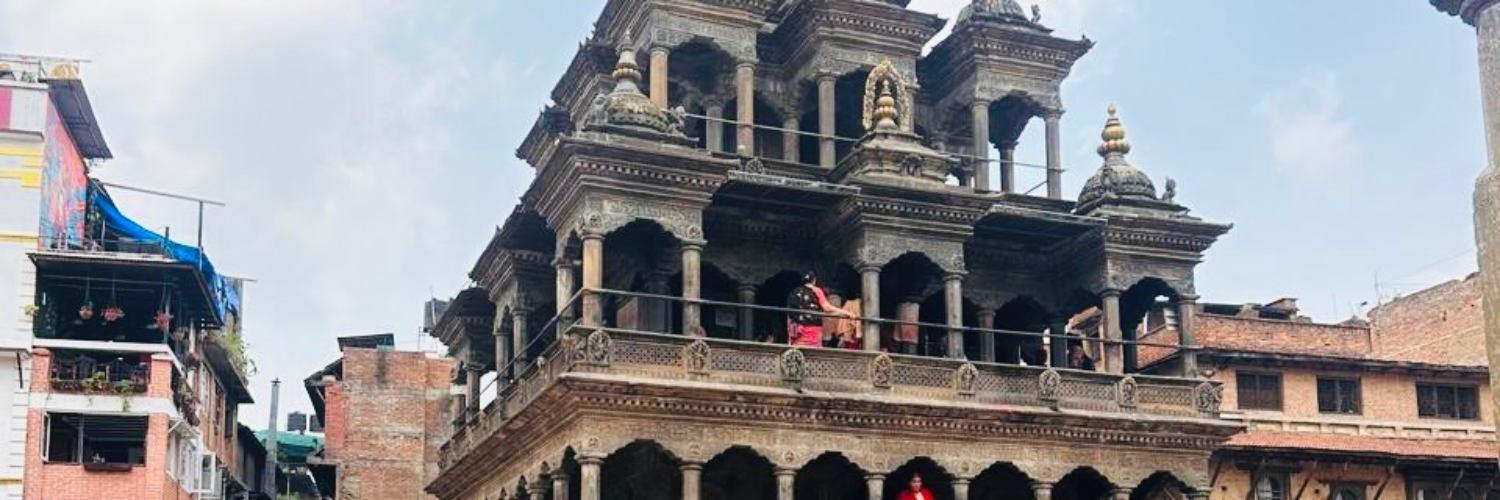
For travelers planning a journey to Nepal, deciding how to split precious days between Kathmandu and Pokhara remains a classic dilemma.
Kathmandu serves as the vibrant, historic heart of the nation - a living museum bursting with ancient woodcarvings, centuries-old stupas, and rich Newari heritage. Pokhara, nestled beside Fewa Lake against the backdrop of the Annapurna massif, offers a laid-back, scenic escape made for reflection, outdoor adventures, and post-trek relaxation.
At Best Heritage Tour, with years of guiding travelers through Nepal’s valleys and mountain passes, we know that no two itineraries should look identical. Whether you are an avid trekker preparing for the high Himalayas, a culture enthusiast tracing UNESCO World Heritage Sites, or a leisure traveler looking for balance, this guide breaks down the Kathmandu vs. Pokhara choice to help you build your ideal journey.
At a Glance: Kathmandu vs. Pokhara Comparison
To help you get your bearings, here is a quick direct comparison of what each destination delivers:
|
Feature |
Kathmandu (The Cultural Capital) |
Pokhara (The Adventure Hub) |
|---|---|---|
|
Primary Vibe |
Historic, bustling, energetic, deeply cultural |
Scenic, peaceful, adventurous, relaxed |
|
Top Highlights |
Pashupatinath, Boudhanath, 3 Durbar Squares |
Fewa Lake, Sarangkot, World Peace Pagoda, Pumdikot |
|
Trekking Gateway To |
Langtang Valley, Everest Region (via Lukla), Manaslu |
Annapurna Circuit/Base Camp, Mardi Himal, Poon Hill |
|
Ideal For |
Architecture, photography, food, religious heritage |
Relaxation, outdoor sports, mountain vistas, wellness |
|
Best Length of Stay |
2 to 3 Days |
3 to 4 Days (plus trekking days) |
|
Transportation Base |
Main international hub (Tribhuvan International Airport - KTM) |
Domestic flights (25 mins from KTM) & scenic overland drives |
Kathmandu: The Living Museum of the Himalayas
Kathmandu is rarely a city people simply "visit" - it is a place you experience with every sense. The capital sits in a bowl-shaped valley that was once a primeval lake, where three ancient royal kingdoms (Kathmandu, Patan, and Bhaktapur) competed for centuries to produce the finest architecture, metalwork, and stone carving in South Asia.
|
KATHMANDU VALLEY EXPLORATION |
||
|
Sacred Traditions |
UNESCO Heritage Sites |
Modern Energy & Markets |
|
|
|
Why You Should Spend More Time in Kathmandu
Unmatched UNESCO Cultural Density
The Kathmandu Valley contains seven distinct UNESCO World Heritage Site zones within a radius of just 15 kilometers.
-
Boudhanath Stupa: The spiritual epicenter of Tibetan Buddhism in Nepal, where hundreds of pilgrims perform daily circumambulations (kora) past prayer wheels.
-
Pashupatinath Temple: One of Hinduism's most sacred Shiva temples, offering an unvarnished, profound look at life, death, and ritual along the holy Bagmati River.
-
Bhaktapur Durbar Square: A meticulously preserved medieval city of red brick, timbered palaces, and famous pottery squares that feels completely removed from the modern world.
-
Patan Durbar Square: Famous for its exquisite Newari bronze casting, intricate stone temples, and the World-Class Patan Museum.
Culinary & Artisanal Heritage
Kathmandu is the culinary center for authentic Newari cuisine. Food enthusiasts can spend days sampling dishes like Samay Baji (a traditional feast platter), Yomari (steamed rice-flour dumplings filled with sweet jaggery), and local craft pottery and woodcarving workshops in Patan and Bhaktapur.
Basecamp for Everest & Langtang Destinations
If your itinerary takes you toward Everest Base Camp, the Gokyo Lakes, or the Langtang Valley, Kathmandu is your mandatory hub. Flights to Lukla depart directly from Tribhuvan International Airport (KTM) or nearby Ramechhap, making Kathmandu the natural anchor point before and after your trek.
Potential Drawbacks of Kathmandu
-
Urban Pace: Traffic can be congested, particularly during peak commuting hours.
-
Dust & Noise: The city's rapid expansion means urban sections can feel intense for travelers seeking purely serene landscapes.
Pokhara: The Gateway to the Annapurnas
Located 200 kilometers west of Kathmandu, Pokhara offers a complete change of environment. Sitting at an altitude of 822 meters - much lower and warmer than Kathmandu - Pokhara is framed by the serene waters of Fewa Lake and dominated by the razor-sharp peak of Machhapuchhre (Fishtail, 6,993m) alongside the Annapurna massif.
|
POKHARA ADVENTURE MATRIX |
||
|
Active Outdoor Sports |
Scenic Views & Relaxation |
Classic Trekking Routes |
|
|
|
Why You Should Spend More Time in Pokhara
The Ultimate Post-Trek Sanctuary
After spending days or weeks traversing rocky trails and high passes, Pokhara's Lakeside district offers the ideal environment to recharge. With paved walking paths, quiet lakeside cafés, massage clinics, yoga retreats, and diverse international dining options, it provides a gentle transition back to comfort.
Gateway to Annapurna & Mustang
Pokhara serves as the starting and ending point for Nepal's most popular trekking routes, including:
-
Annapurna Base Camp (ABC) & Annapurna Circuit
-
Mardi Himal Trek (ideal for short, high-altitude ridge walks)
-
Ghorepani Poon Hill (famous for mountain panoramas at sunrise)
-
Upper & Lower Mustang (via overland trips or short flights to Jomsom)
World-Class Adventure Sports
Beyond hiking, Pokhara is recognized internationally as an adventure hub:
-
Paragliding: Launch from Sarangkot and thermal over lake and valley views alongside birds of prey.
-
Ultralight Aircraft: Take specialized flights that fly right up close to the Annapurna wall.
-
Kayaking & Whitewater Rafting: Easy access to day trips on the Seti, Upper Seti, and Trisuli Rivers.
Potential Drawbacks of Pokhara
-
Fewer Ancient Historical Sites: Pokhara was historically a rural trading valley; it lacks the deep medieval architecture and ancient palace complexes found in Kathmandu.
-
Weather-Dependent Views: While clear autumn and spring days reveal breathtaking mountain vistas, clouds during monsoon or late afternoon can obscure the peaks.
How to Allocate Your Days Based on Your Travel Style
To make your trip planning straightforward, we have categorized the ideal time split across common traveler profiles based on two decades of client itineraries.
|
TRAVELER PROFILES & TIME ALLOCATION |
||
|
Culture Lover |
Kathmandu (60%) |
Pokhara (40%) |
|
Trekker |
Kathmandu (30%) |
Pokhara & Trails (70%) |
|
First-Timer |
Kathmandu (50%) |
Pokhara (50%) |
|
Family/Relaxed |
Kathmandu (30%) |
Pokhara (70%) |
1. The Cultural & History Enthusiast
-
Recommended Split: 60% Kathmandu / 40% Pokhara
-
Suggested Breakdown: 3-4 Days Kathmandu, 2 Days Pokhara
-
Why: You need time to deeply explore Kathmandu, Patan, and Bhaktapur without rushing through ancient courtyards. Pokhara serves as a short, scenic pause at the end of your trip.
2. The Trekker (Annapurna or Manaslu Routes)
-
Recommended Split: 20% Kathmandu / 80% Pokhara & Trails
-
Suggested Breakdown: 1-2 Days Kathmandu (for permits and gear pick-up), 2 Days Pokhara (pre- and post-trek), rest on the trail.
-
Why: Pokhara is your logistically ideal base camp. Stash your city luggage at a Lakeside hotel, hit the trail, and return directly to Pokhara for celebratory meals and recovery.
3. The Classic First-Time Traveler (Balanced Overview)
-
Recommended Split: 50% Kathmandu / 50% Pokhara
-
Suggested Breakdown: 2-3 Days Kathmandu, 2-3 Days Pokhara
-
Why: This offers a balanced perspective on both sides of Nepal - the rich cultural heritage of the Kathmandu Valley balanced with the natural beauty and mountain vistas of Gandaki Province.
Travel Logistics: Moving Between Kathmandu and Pokhara
Getting between the two cities is a major part of trip planning. You have two main travel options:
Option 1: Domestic Flight (Fastest & Easiest)
-
Duration: 25 minutes
-
Details: Multiple daily flights operate between Tribhuvan International Airport (KTM) and Pokhara International Airport (PIA) via domestic carriers such as Buddha Air and Yeti Airlines.
-
Pro Tip: When flying from Kathmandu to Pokhara, sit on the right side of the plane for views of the Himalayan chain. On the return flight back to Kathmandu, request a seat on the left side.
Option 2: Overland Drive via Prithvi Highway (Scenic & Budget-Friendly)
-
Duration: 6 to 8 hours (depending on traffic and road conditions)
-
Details: Travel options include tourist buses, private vehicles, or greenline coaches.
-
Note on Infrastructure: Major expansion work along the Muglin-Pokhara section of the Prithvi Highway has widened significant portions into four- and six-lane roadways, making overland transport noticeably smoother and faster than in previous years.
Conclusion
Deciding where to spend more time between Kathmandu and Pokhara ultimately comes down to what you want most out of your holiday: rich heritage and ancient streets, or serene lakes and mountain trails. Most travelers find that combining both creates the complete Nepal experience.
At Best Heritage Tour, our team has spent years crafting custom, hassle-free itineraries that balance seamless logistics, handpicked accommodations, and expert local guidance across both cities.
Ready to Plan Your Custom Itinerary?
Contact our local experts today to start designing your tailor-made Nepal journey:
Phone / WhatsApp / Viber: +977-9851149197 / +977-9810043046
Email: info@bestheritagetour.com / bestheritagetour@gmail.com
Website: www.bestheritagetour.com
Office: Thamel Marg, Kathmandu, Nepal
Frequently Asked Questions (FAQ)
Can I skip Pokhara if I am trekking in the Everest region?
Yes. If your primary goal is Everest Base Camp, Gokyo Lakes, or the Three Passes, your transit will go through Kathmandu and Lukla. While adding Pokhara is a pleasant way to relax after your trek, it is not logistically required.
Is Kathmandu safe for solo travelers and families?
Kathmandu is widely considered a safe city for travelers. Standard travel practices apply: keep valuables secure in busy market areas like Asan Tole or Thamel, and use recognized taxi services or private transfers arranged by your agency for late-night travel.
How many days are needed to see the main highlights of Kathmandu?
A minimum of 2 full days allows you to visit key sites: Day 1 covering Kathmandu Durbar Square, Swayambhunath, Boudhanath, and Pashupatinath; Day 2 dedicated to the historic cities of Patan and Bhaktapur.
Author: Best Heritage Tour
Date: 23rd August, 2026