Where is Cholang Pati? Guide for Finding the Red Panda in Langtang National Park
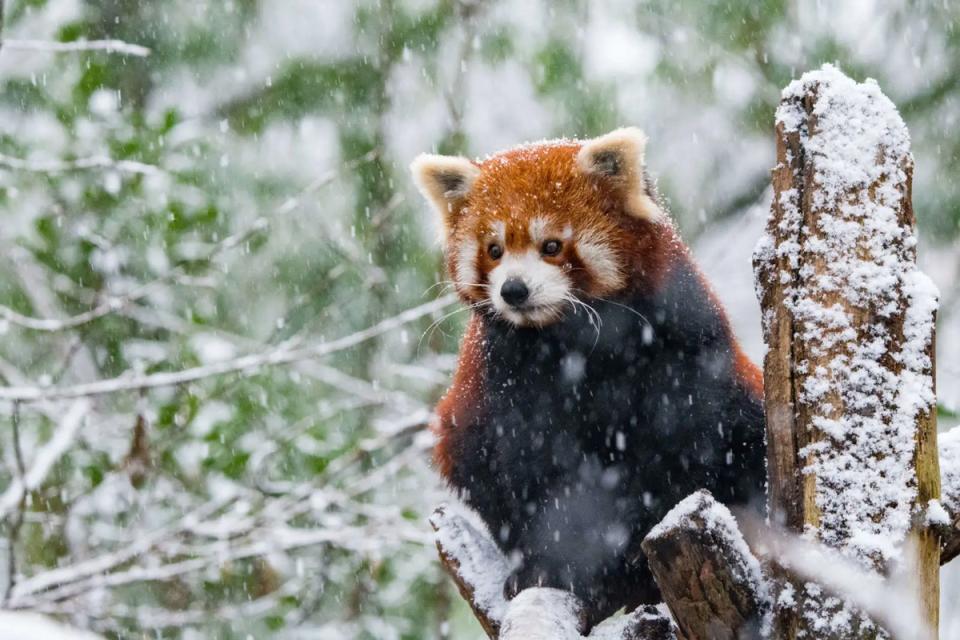
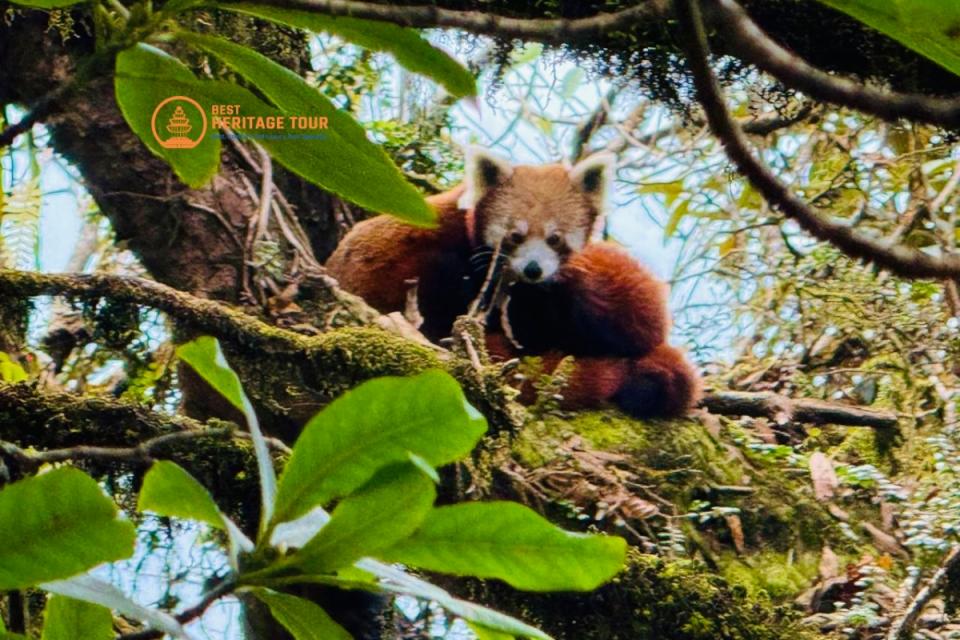
For those who have spent their lives dreaming of seeing a "Firefox" in the wild, the name Cholangpati carries a certain mystical weight. Nestled within the rugged embrace of Langtang National Park, this small, often-overlooked settlement is more than just a resting point on the way to the sacred Gosaikunda Lake. It is one of the most reliable habitats for the Red Panda in Langtang National Park.
At Best Heritage Tour, we have guided hundreds of wildlife photographers and nature enthusiasts through these high-altitude bamboo forests. We know that finding a Red Panda isn't just about luck - it's about knowing exactly where to look, when to go, and how to move through the silence of the Himalayas.
In this comprehensive guide, we will answer the burning question: Where is Cholangpati? and provide everything you need to know about planning a Red Panda Photography Tour in Langtang National Park.
What is Cholangpati? An Overview
Cholangpati is a small settlement located at an elevation of approximately 3,600 meters (11,811 feet). It sits on the ridge that connects the lower Langtang region to the high alpine basins of Gosaikunda.
While many trekkers rush past Cholangpati to reach the higher lakes, wildlife enthusiasts stop here. Why? Because the geography of Cholangpati creates the perfect "Goldilocks" zone for the Ailurus fulgens (Himalayan Red Panda). The area is characterized by:
-
Dense Nigalo (Arundinaria) Bamboo: The primary food source for Red Pandas.
-
Mixed Coniferous Forests: A blend of Fir, Hemlock, and old-growth Rhododendron trees that provide nesting sites.
-
Moist Micro-climates: The ridge often catches the mist, creating the damp, mossy environment these creatures crave.
Where is Cholangpati Located?
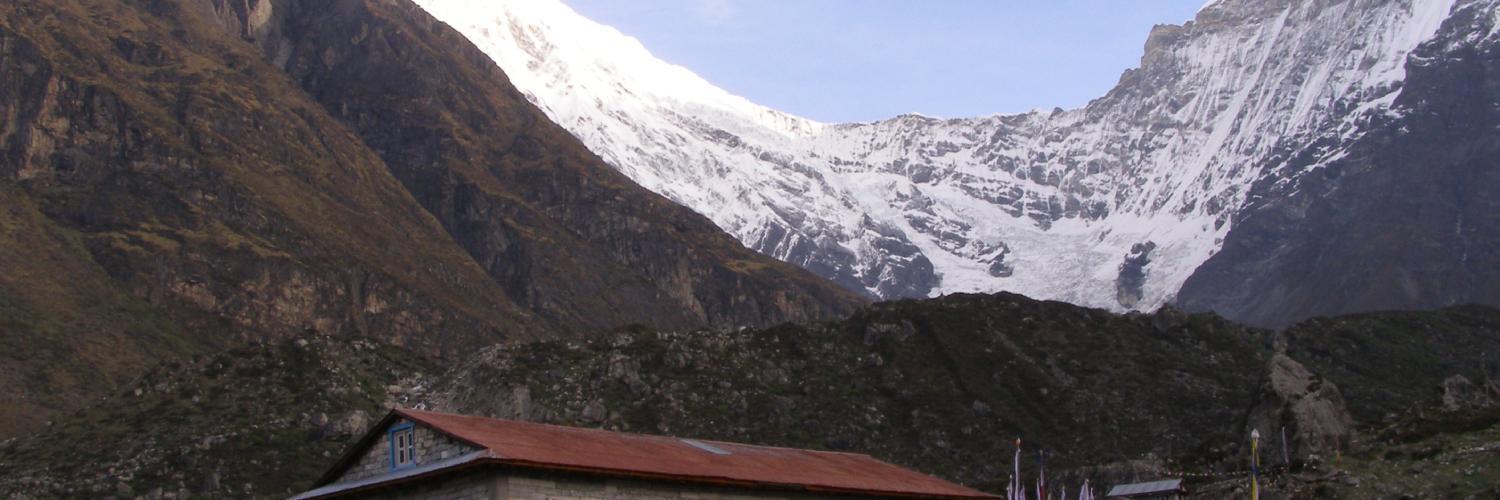
Geographically, Cholangpati is situated in the Rasuwa District of Nepal, within the southern section of Langtang National Park.
If you are looking at a trekking map, you will find it positioned between Chandan Bari (Sing Gompa) and Lauribinayak.
How to Get There: The Trekking Route
To reach the Red Panda territory of Cholangpati, your journey typically begins in Kathmandu. Here is the standard approach used by our professional guides:
-
Drive from Kathmandu to Dhunche: A 6-7 hour scenic (and sometimes bumpy) drive along the Pasang Lhamu Highway.
-
Trek from Dhunche to Chandan Bari (Sing Gompa): An ascent through oak and pine forests. Chandan Bari (3,330m) is famous for its Yak cheese factory and ancient monastery.
-
The Final Push to Cholangpati: A steady 1.5 to 2-hour climb from Chandan Bari leads you to the ridge of Cholangpati.
Pro Tip from Best Heritage Tour: Many trekkers experience the first signs of altitude at this elevation. We always recommend staying a night in Chandan Bari before moving up to Cholangpati to ensure your body acclimates properly for the long hours of wildlife tracking.
Planning a Red Panda Photography Tour in Langtang National Park
Wildlife photography in the Himalayas is a test of patience, gear, and physical endurance. A dedicated Red Panda Photography Tour is vastly different from a standard tea-house trek.
1. The Importance of a Specialized Guide
At Best Heritage Tour, we don't just provide "trekking guides"; we provide Nature Guides who specialize in Himalayan biodiversity. These experts know how to:
-
Identify scat (droppings) and pugmarks.
-
Locate "latrine trees" which Red Pandas visit frequently.
-
Listen for the distinct "whistle" or "twitter" sounds they make.
2. Essential Gear for Photographers
If you are coming to Langtang for the "Firefox," your gear list should include:
-
Lenses: A minimum of 400mm (full frame equivalent). 500mm or 600mm is ideal as we maintain an ethical distance of at least 50-100 feet.
-
Low-Light Performance: Because they are active at dawn/dusk, a camera body that handles high ISO well is a must.
-
Tripod/Monopod: Essential for sharp shots in the dim light of the bamboo canopy.
-
Binoculars: 8x42 or 10x42 for spotting before you even pull your camera out.
Best Time to Visit: When is the Red Panda - "Firefox" Most Visible?
Timing is everything. You cannot see the Red Panda year-round with the same success.
Spring (March to May) - The Best for Photography
This is our highly recommended season.
-
Why: The Rhododendrons are in full bloom (red, pink, and white). Seeing a Red Panda perched on a blooming Lali Gurans tree is the "Holy Grail" of Himalayan wildlife photography.
-
Activity: As the snow melts, pandas move more frequently to forage on fresh bamboo shoots.
Autumn (October to November) - Best for Clarity
-
Why: The air is crisp and the skies are crystal clear.
-
Sightings: This is often when mothers are seen with cubs born during the summer. The lack of monsoon mist makes it easier to spot them high in the canopy.
Why avoid Winter and Monsoon?
-
Monsoon (June-August): Leeches, slippery trails, and constant cloud cover make photography nearly impossible.
-
Winter (December-February): While pandas are active, the heavy snow at 3,600m can make the trails to Cholangpati dangerous for extended tracking.
Conservation and Ethics: Trekking with a Conscience
The Red Panda is an Endangered species, with fewer than 10,000 left in the wild. As a responsible travel company, Best Heritage Tour follows strict "No Disturbance" protocols.
-
Never approach a nesting site: If a panda feels threatened, it may abandon its cubs.
-
No Flash Photography: This can permanently damage the sensitive eyes of nocturnal/crepuscular animals.
-
Pack it out: The habitat of Cholangpati is fragile. We ensure every group follows "Leave No Trace" principles.
By choosing a professional tour, a portion of your permit fees goes directly toward the Red Panda Network and local community-based conservation projects in Langtang.
Conclusion
Cholangpati is more than a dot on a map; it is a gateway to understanding one of the world’s most elusive and charming mammals. Whether you are a professional wildlife photographer looking for that one perfect shot or a traveler who finds joy in the quiet rustle of bamboo, the "Firefox" of Langtang is waiting.
Ready to find the Red Panda?
If you are interested in a customized Red Panda Photography Tour in Langtang National Park, or if you want to include a stop at Cholangpati during your Gosaikunda Trek, we are here to help.
Phone / WhatsApp / Viber: +977-9851149197 / +977-9810043046
Email: info@bestheritagetour.com / bestheritagetour@gmail.com
Website: www.bestheritagetour.com
Office: Thamel Marg, Kathmandu, Nepal
Author: Best Heritage Tour
Date: 19th March, 2026