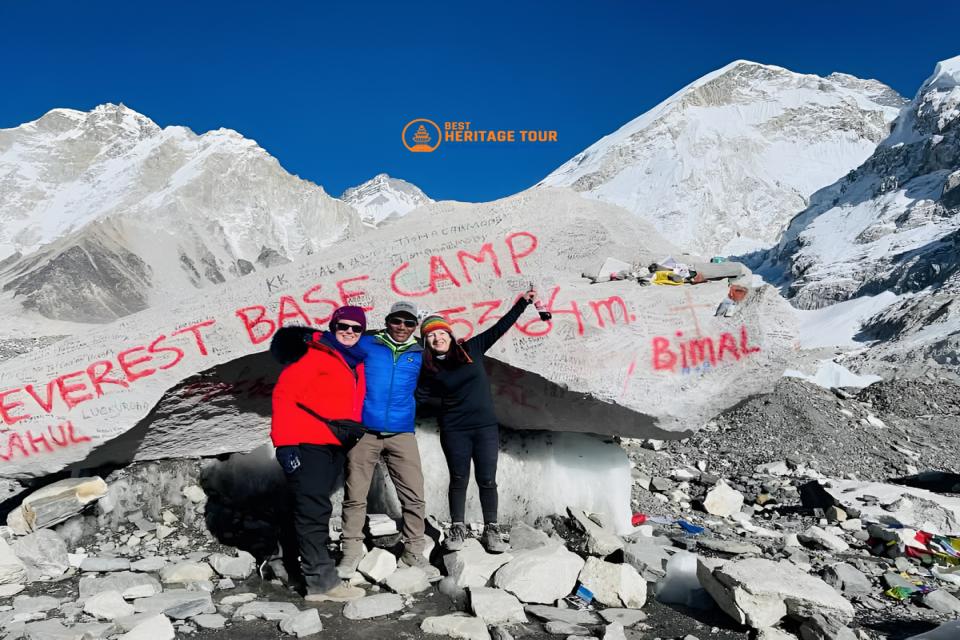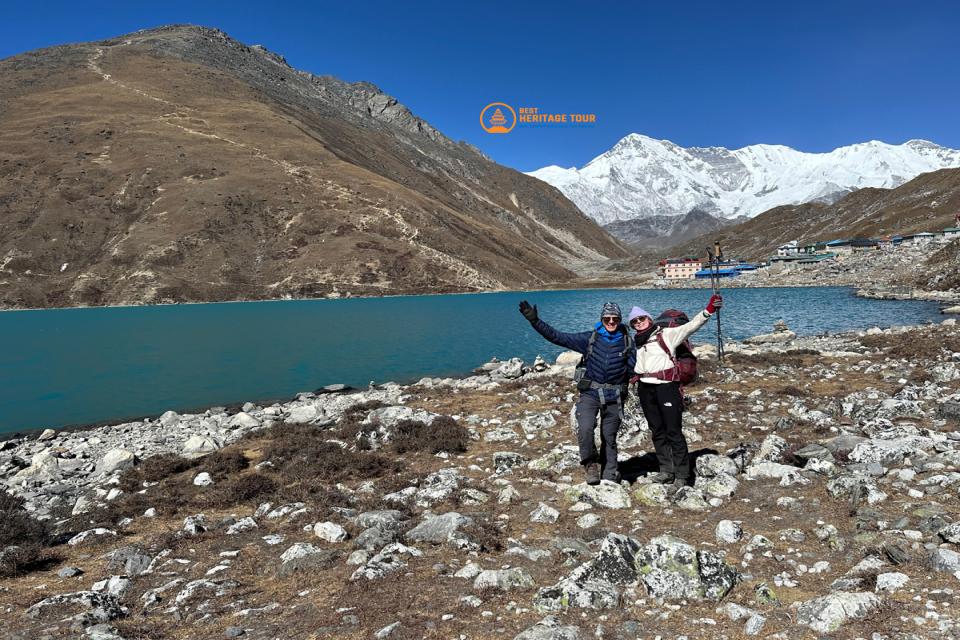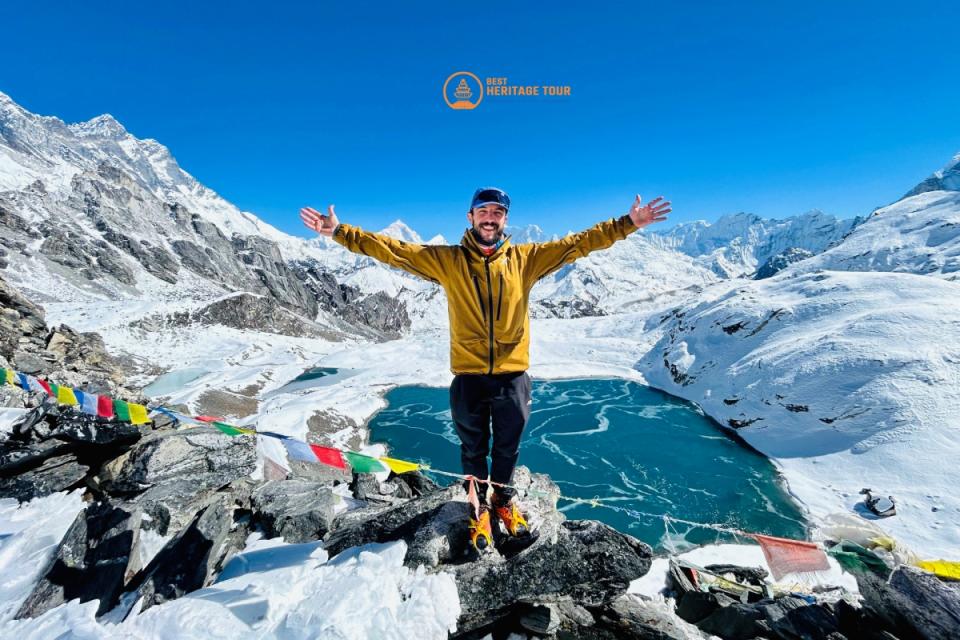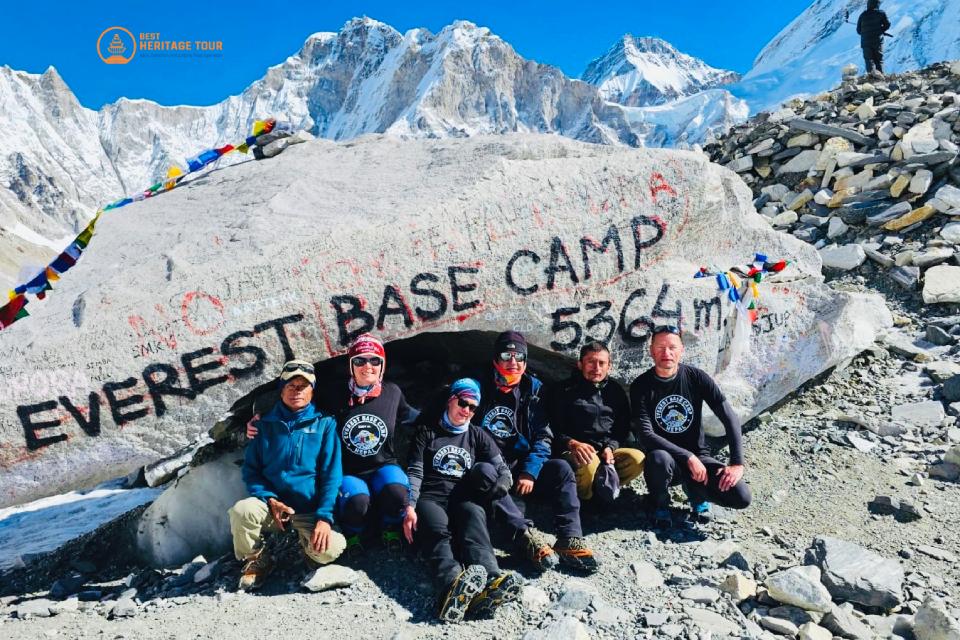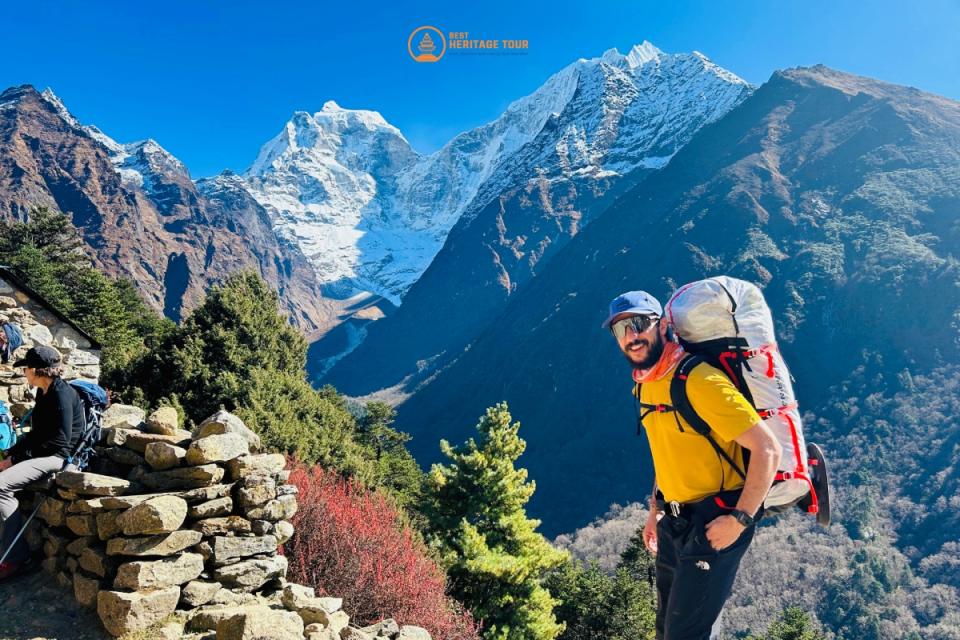
Planning an Everest Base Camp trek in December is an exciting way to experience the Himalayas during one of the clearest and quieter periods of the trekking season. However, December also brings significantly colder temperatures, especially at higher elevations. As the trail climbs from Lukla toward Namche Bazaar, Tengboche, Dingboche, Lobuche, Gorak Shep, and finally Everest Base Camp, trekkers need to be prepared for winter conditions.
Knowing what to pack for Everest Base Camp in December can make a major difference to your comfort, safety, and overall trekking experience. Packing too little can leave you struggling with cold temperatures, while packing too much can make the trek unnecessarily tiring.
At Best Heritage Tour, we recommend focusing on a practical layering system rather than simply carrying as many warm clothes as possible. This guide explains exactly what to pack for Everest Base Camp in December, what you can leave behind, and how to prepare for winter trekking in the Everest region.
Is December a Good Time for the Everest Base Camp Trek?
Yes, December can be a rewarding time for the Everest Base Camp trek, particularly for trekkers who prefer clearer mountain views, quieter trails, and a more peaceful Himalayan experience.
December marks the beginning of winter in the Everest region. The weather is generally colder than during the popular autumn trekking months, and temperatures drop considerably after sunset.
One of the biggest advantages of December trekking is the potential for excellent visibility. Clear winter skies can provide impressive views of Everest and surrounding peaks, although mountain weather can change quickly and snowfall or strong winds are always possible.
The colder conditions are the main reason why your packing list matters so much.
For a December EBC trek, we recommend preparing for cold mornings, freezing nights, strong sunlight during the day, wind at higher elevations, and possible snow or icy trail conditions.
What to Pack for Everest Base Camp in December?
A good December packing list should balance warmth, weight, comfort, and practicality. You do not need to carry your entire winter wardrobe.
The following items are the core of a practical Everest Base Camp December packing list.
1. Base Layers and Thermal Underwear
Thermal clothing is one of the most important parts of your winter trekking gear.
Pack at least:
-
2 sets of thermal tops
-
2 sets of thermal bottoms
-
Moisture-wicking trekking T-shirts
-
Lightweight long-sleeve shirts
Thermal layers work by helping retain body heat while moving moisture away from your skin. They are particularly useful during early-morning starts and cold evenings.
Merino wool or synthetic thermal layers are generally better choices for winter trekking in Nepal.
2. Fleece or Insulating Mid-Layers
Your mid-layer provides additional insulation between your base layer and outer shell.
We recommend packing:
-
1 warm fleece jacket
-
1 lightweight insulated jacket
-
1 warm sweater or additional fleece if you feel the cold easily
A fleece jacket is particularly useful during daytime trekking when temperatures are cool but you are physically active.
3. Down Jacket
A good down or insulated jacket is one of the most important items on your Everest Base Camp packing list for December.
Higher elevations can become extremely cold, particularly around Gorak Shep and during early-morning excursions. A warm insulated jacket provides essential warmth when temperatures drop.
Choose a jacket that is:
-
Warm but reasonably lightweight
-
Packable
-
Comfortable over your fleece and base layers
-
Suitable for cold, windy conditions
A quality down jacket can also be useful after the trek if you plan to travel through other cold regions of Nepal.
4. Waterproof and Windproof Jacket
A warm jacket alone is not enough.
Your outer layer should provide protection from wind and potential rain or snow. A waterproof or water-resistant shell jacket is therefore an important part of your EBC winter trekking gear.
Ideally, your outer shell should be:
-
Waterproof & Windproof
-
Breathable & Lightweight
-
Large enough to fit comfortably over your insulating layers
Weather conditions in the Himalayas can change quickly, so having a reliable outer shell is important even when the morning begins with clear skies.
5. Trekking Pants
For December, we recommend packing several practical types of lower-body clothing rather than relying on one heavy pair of trousers.
A useful combination includes:
-
2 pairs of comfortable trekking pants
-
1 pair of thermal leggings
-
1 pair of fleece-lined or insulated pants
-
1 pair of waterproof shell pants
Waterproof pants are particularly useful if you encounter snow or precipitation.
6. Warm Socks
Cold feet can quickly make an otherwise enjoyable trek uncomfortable.
Pack around 3-4 pairs of good-quality trekking socks, preferably made from merino wool or technical materials designed for cold-weather trekking.
7. Trekking Boots
Good footwear is essential for the Everest Base Camp trek in December.
Choose comfortable, broken-in trekking boots with:
-
Good ankle support
-
Reliable traction
-
Water resistance or waterproofing
-
Adequate room for thick socks
-
A comfortable fit for long trekking days
Do not bring brand-new boots and expect to wear them for the first time on the trail. Break them in before arriving in Nepal.
8. Gaiters
Gaiters are not mandatory for every trekker, but they can be particularly useful in December.
If snowfall is expected, a pair of waterproof gaiters can be a valuable addition to your winter trekking equipment.
9. Gloves and Warm Accessories
Your hands, ears, and face are particularly exposed to cold mountain winds.
For December, we recommend:
-
1 pair of lightweight liner gloves
-
1 pair of warm insulated gloves
-
1 warm wool or fleece hat
-
1 neck gaiter or buff
-
1 warm scarf if preferred
Layering your gloves gives you more flexibility. You can wear thin liner gloves while walking and add insulated gloves when temperatures become colder.
A buff is especially useful because it can protect your neck, face, and ears from cold wind and dust.
10. Sleeping Bag
A warm sleeping bag is highly recommended for an Everest Base Camp winter trek.
Although teahouses provide blankets, December nights at higher elevations can be very cold. When choosing a sleeping bag, pay attention to its comfort rating rather than looking only at the lowest temperature rating.
11. Backpack and Daypack
Your luggage should be organized according to what you actually need during the day.
A typical setup includes:
-
One main duffle bag for trekking equipment
-
One daypack for daily essentials
If you are trekking with porter support, the porter can carry your main duffle bag while you carry your daypack. A comfortable 20-30 liter daypack is generally practical for most trekkers.
12. Water Bottle and Hydration System
Staying hydrated is important throughout the EBC trek.
We recommend carrying reusable water bottles rather than relying on disposable plastic bottles.
A practical setup is:
-
1-2 reusable water bottles
-
Insulated bottle if preferred
-
Hydration bladder if you find it convenient
Water purification tablets or a suitable filtration method can also be useful.
13. Sunglasses and Sun Protection
Do not underestimate the Himalayan sun in December.
Although temperatures can be freezing, sunlight at high altitude can be intense. Snow and bright mountain surfaces can also reflect sunlight strongly.
Your Everest Base Camp packing list should therefore include:
-
UV-protection sunglasses
-
Sunscreen with high SPF
-
Lip balm with SPF
-
Sun hat or warm hat
-
Face covering or buff
Good-quality sunglasses are particularly important at higher elevations.
14. Headlamp and Spare Batteries
A headlamp is an essential trekking accessory.
It can be useful during:
-
Early-morning departures
-
Walking around teahouses after dark
-
Sunrise hikes
Carry spare batteries, or choose a rechargeable headlamp and keep it charged whenever electricity is available.
A small headlamp takes very little space but can be extremely useful.
15. Trekking Poles
Trekking poles are optional, but many trekkers find them helpful.
They can provide:
-
Better balance
-
Additional support on steep sections
-
Reduced strain on knees
-
Improved stability on snow or uneven trails
For a December trek, trekking poles can be particularly useful if trails become slippery.
16. Personal First-Aid and Medicines
A basic personal medical kit should always be part of your EBC trek packing list.
Do not rely entirely on finding a specific medication along the trail. If you regularly take prescription medication, carry enough for the entire trek plus a small reserve.
17. Toiletries and Personal Hygiene Items
Keep your toiletries compact and practical.
Your list can include:
-
Toothbrush and toothpaste
-
Biodegradable soap
-
Hand sanitizer
-
Toilet paper
-
Quick-dry towel
-
Personal hygiene products
You do not need full-size bottles. Travel-sized containers can significantly reduce the weight and space of your luggage.
18. Electronics and Charging Equipment
Electricity is available at many teahouses along the Everest trail, but charging facilities can vary, especially at higher elevations.
A power bank is especially useful because you may not always have convenient access to charging facilities.
If photography is important to you, carry spare camera batteries and protect them from extreme cold. Cold temperatures can reduce battery performance.
19. Documents and Money
Keep important documents protected from moisture.
Carry:
-
Passport
-
Trekking permits or required documentation
-
Travel insurance information
-
Emergency contact details
-
Copies of important documents
-
Sufficient Nepali cash
We recommend carrying enough Nepali rupees for personal expenses, charging, hot showers, snacks, drinks, Wi-Fi, and other incidental costs.
20. Snacks for the Trail
Although food is available at teahouses, carrying a few personal snacks is convenient.
Good options include:
-
Energy bars
-
Chocolate
-
Nuts
-
Dried fruit
-
Trail mix
-
Biscuits
-
Electrolyte packets
Small snacks can provide quick energy during longer uphill sections.
What Not to Pack for Everest Base Camp in December
Packing efficiently is just as important as knowing what to bring.
Avoid carrying:
-
Too many clothes
-
Heavy jeans
-
Large towels
-
Multiple pairs of heavy shoes
-
Too many books
-
Items you can easily purchase or rent in Kathmandu
Remember that every unnecessary kilogram becomes more noticeable after several days of trekking.
A lighter and well-organized bag generally makes the experience more comfortable.
How to Pack Your Bag for the Everest Base Camp Trek
Packing organization can make your trek much easier.
Place frequently used items near the top or in easily accessible compartments. Keep heavier items close to your back to maintain better balance.
Your daypack should contain everything you may need during the day's trek, while items such as extra clothing and toiletries can remain in your main duffle bag.
A simple organization system can be:
-
Daypack: water, snacks, camera, sunscreen, sunglasses, gloves, hat, extra layer, medication and personal essentials.
-
Duffle bag: clothing, sleeping bag, toiletries, spare footwear and items that are not required during the day's walk.
How Cold Is Everest Base Camp in December?
December is one of the coldest periods for trekking in the Everest region.
Temperatures vary considerably depending on altitude, weather, wind, cloud cover, and time of day. Lower sections around Lukla and Namche are considerably milder than the areas around Lobuche, Gorak Shep, and Everest Base Camp.
The coldest conditions are generally experienced:
-
Before sunrise
-
After sunset
-
During rest stops
-
At higher elevations
-
During strong winds
This is why layering is more useful than depending on one extremely thick item of clothing.
You should be prepared to add or remove layers throughout the day.
Conclusion
The Everest Base Camp trek in December offers a unique Himalayan experience for trekkers who are prepared for winter conditions. The successful winter trekking starts with preparation.
From warm thermal layers and reliable trekking boots to a quality sleeping bag, insulated jacket, gloves, sunglasses, sunscreen, personal medication, and essential electronics, every item on your Everest Base Camp packing list should serve a practical purpose.
At Best Heritage Tour, we understand that preparing for a high-altitude trek can sometimes feel overwhelming, especially for first-time visitors to Nepal. With years of experience organizing trekking adventures in the Himalayas, our team can help you understand the equipment, clothing, logistics, acclimatization requirements, and practical preparations needed for your Everest Base Camp adventure.
If you are ready to experience the Himalayas in winter, contact Best Heritage Tour to discuss your Everest Base Camp trek in December.
Phone / WhatsApp / Viber: +977-9851149197 / +977-9810043046
Email: info@bestheritagetour.com / bestheritagetour@gmail.com
Website: www.bestheritagetour.com
Office: Thamel Marg, Kathmandu, Nepal
Author: Best Heritage Tour
Date: 3rd September, 2026