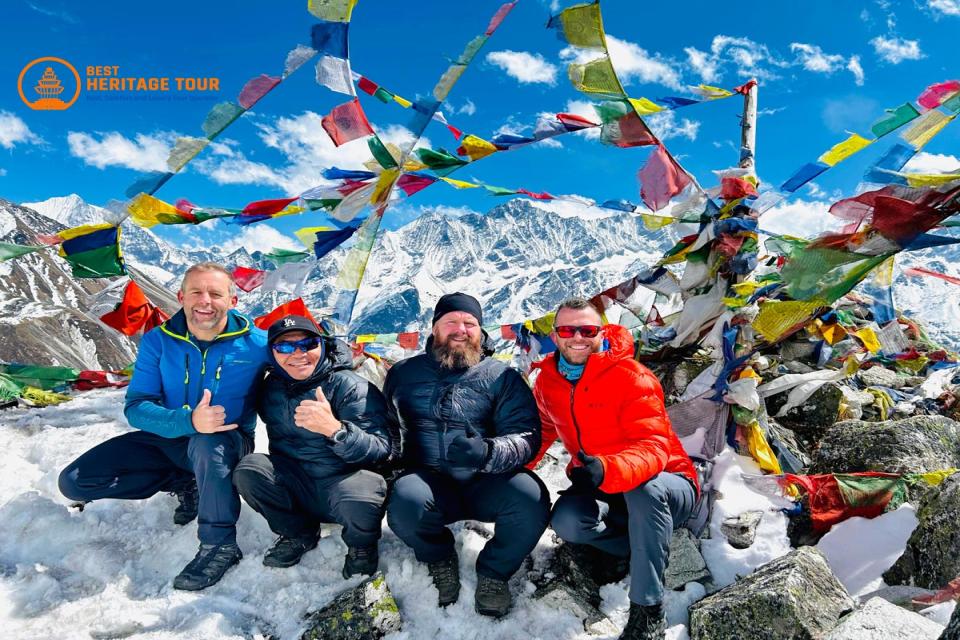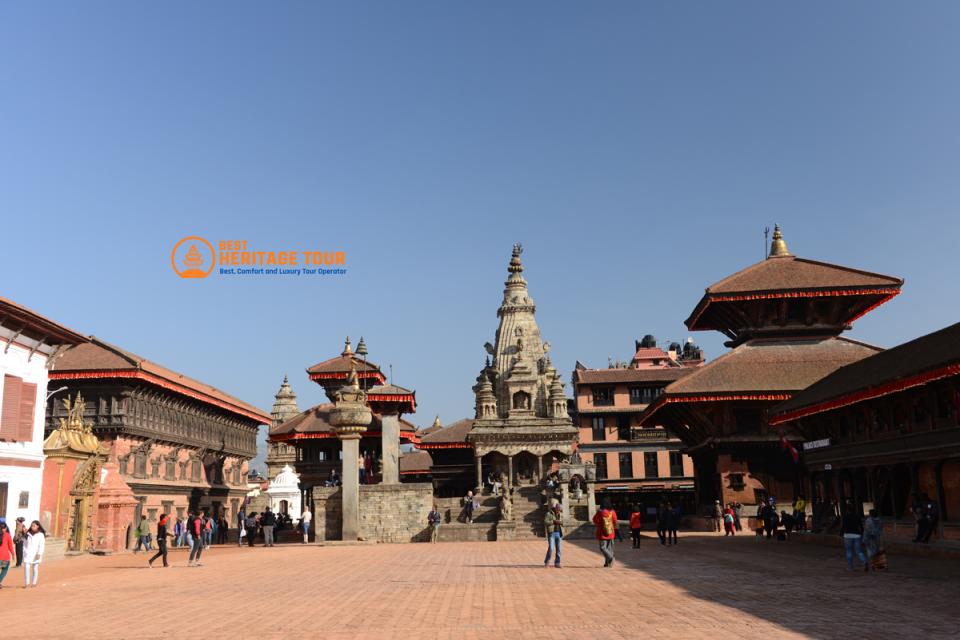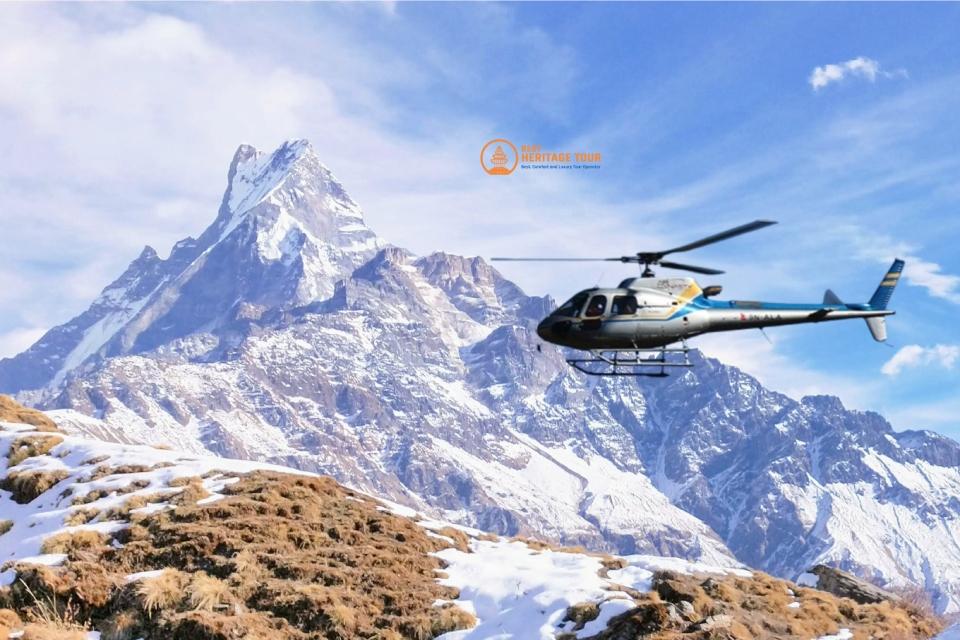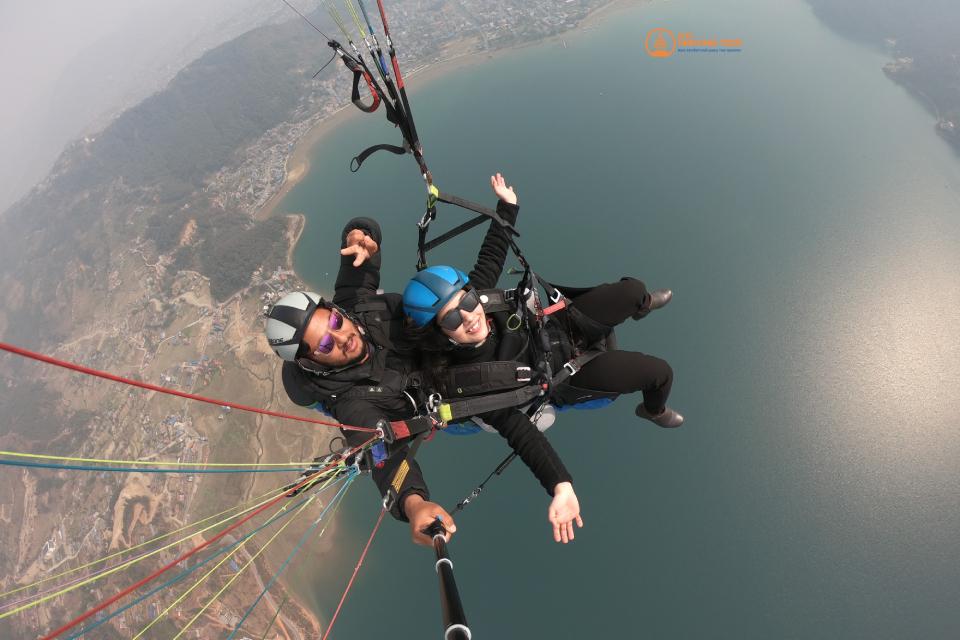
Autumn is one of the most popular seasons for trekking and touring in Nepal. From September to November, the weather generally becomes more stable after the summer monsoon, the mountain views begin to clear, and daytime conditions are comfortable for walking and sightseeing. This makes autumn an excellent time for trekking as well as cultural tours around Kathmandu, Pokhara, Chitwan, and Lumbini.
However, knowing what to pack for autumn season trekking & tour in Nepal is important because Nepal has significant differences in temperature and weather depending on altitude and destination. A well-planned packing list helps travelers stay comfortable without carrying unnecessary weight. The goal is not to pack everything you own, but to bring versatile clothing and essential gear that can handle changing conditions.
At Best Heritage Tour, we recommend packing according to your itinerary, maximum altitude, duration, travel style, and season. This detailed guide explains what to pack for autumn trekking in Nepal with special considerations for September, October, and November.
Why Is Autumn a Popular Season for Trekking and Tours in Nepal?
Before discussing the packing list, it helps to understand the typical autumn conditions.
Autumn begins in September and continues through October and November. The season is generally characterized by improving weather, pleasant daytime temperatures, and increasingly clear mountain views.
However, autumn should not be treated as having the same weather throughout the entire season.
-
September: The early part of the month can still experience some rain, particularly at lower elevations.
-
October: Usually offers stable weather, clear skies, and comfortable trekking conditions.
-
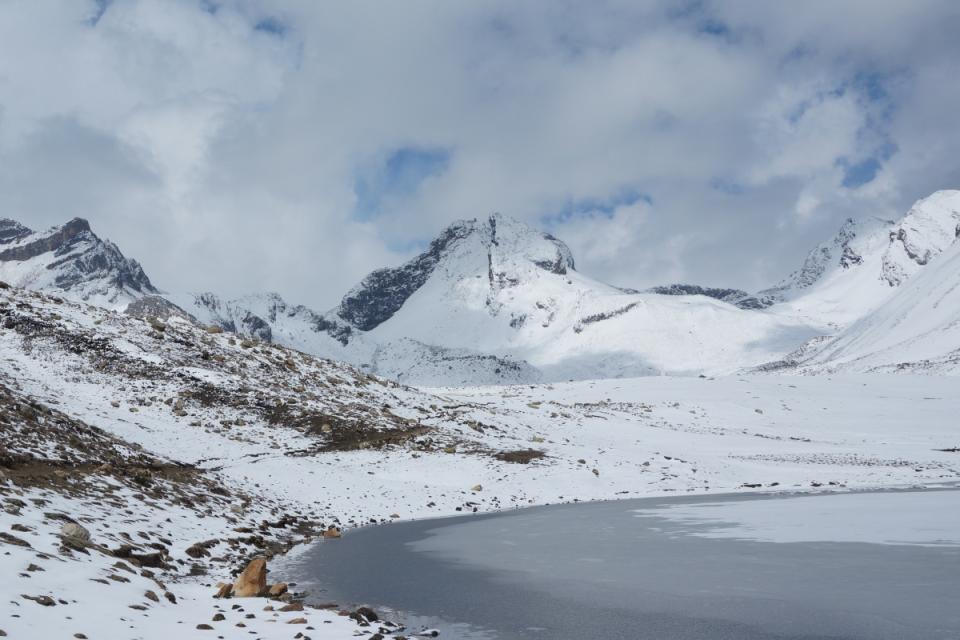
November: Generally remains dry and clear, but temperatures become colder, especially at higher elevations.
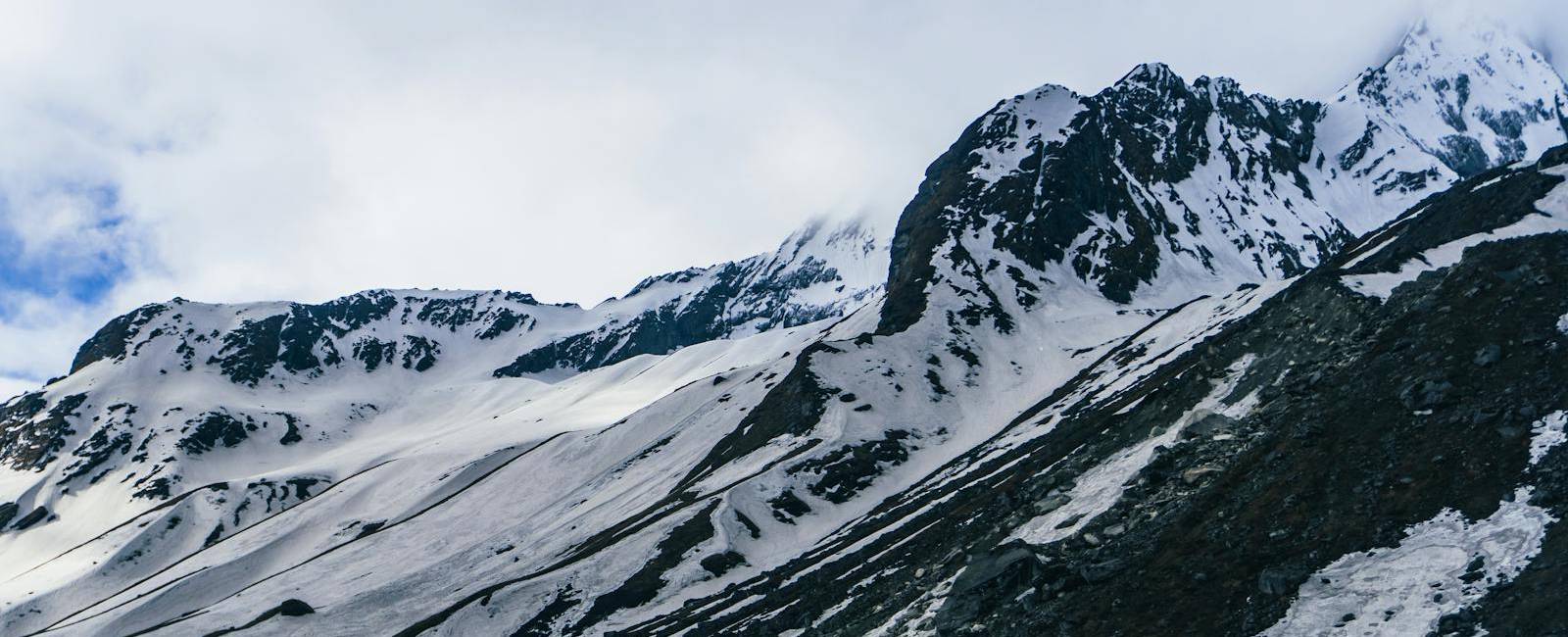
Temperature also changes dramatically with altitude. A traveler visiting Kathmandu, Pokhara, or Chitwan may need relatively light clothing, while someone trekking above 4,000 meters should be prepared for freezing mornings and nights.
Therefore, the best autumn trekking packing list for Nepal should use a layering system rather than relying on one heavy jacket.
What to Pack for Autumn Season Trekking & Tour in Nepal?
The ideal packing list depends on whether you are going on a multi-day Himalayan trek, a short hill trek, a cultural tour, or a combination of trekking and sightseeing.
For most travelers, the following categories cover the essentials.
Base Layers and Comfortable Clothing
A good base layer helps regulate body temperature and keeps sweat away from the skin during trekking.
For autumn trekking in Nepal, pack:
-
2-3 moisture-wicking T-shirts
-
1-2 long-sleeve shirts
-
1-2 thermal base-layer tops & bottoms
-
Comfortable trekking trousers
-
Lightweight hiking pants
-
Comfortable casual clothes for evenings and city tours
-
Suitable undergarments, if required
Avoid relying entirely on cotton clothing for high-altitude trekking. Cotton can absorb moisture and take longer to dry. Quick-drying or moisture-wicking fabrics are generally more practical.
For a regular Nepal tour without high-altitude trekking, you can pack fewer technical layers and focus more on comfortable everyday clothing.
Warm Jacket and Insulating Layers
Even during autumn, temperatures can become cold at higher elevations.
A practical layering system can include:
-
Lightweight fleece jacket
-
Down or synthetic insulated jacket
-
Windproof jacket & outer shell
-
Warm sweater or mid-layer, depending on your itinerary
A packable down jacket can be particularly useful because it provides warmth without taking up too much space.
For high-altitude treks, a warm insulated jacket becomes increasingly important. For lower-altitude tours, a heavy winter jacket may not be necessary.
Waterproof and Rain Protection
One of the most important answers to what to pack for autumn season trekking in Nepal is rain protection.
Although autumn is generally drier than the monsoon season, September can still experience occasional rainfall, and weather in the mountains can change quickly.
Trekking Shoes and Socks
Good footwear is one of the most important items on any Nepal trekking packing list.
For multi-day trekking, choose comfortable and properly broken-in hiking boots with good grip. Depending on the route, lightweight hiking shoes may also be sufficient for lower-altitude treks.
Pack:
-
Comfortable trekking boots or hiking shoes
-
3-5 pairs of moisture-wicking trekking socks
-
Comfortable sandals or camp shoes
Do not bring brand-new hiking boots directly to Nepal and expect them to be comfortable from the first day. Breaking them in before your trip can help reduce the risk of blisters and discomfort.
For cultural tours and city sightseeing, comfortable walking shoes are usually sufficient.
Headwear, Gloves, and Sun Protection
Nepal's autumn sun can be surprisingly strong, particularly at higher elevations.
Pack:
-
Sun hat or cap
-
Warm beanie
-
Lightweight gloves
-
Warm gloves for high-altitude trekking
-
Sunglasses with good UV protection
-
Buff or neck gaiter
A buff is especially versatile. It can protect your face from dust, wind, and cold air while also providing additional warmth around the neck.
For high-altitude trekking, good-quality sunglasses are particularly important because exposure to intense sunlight increases with elevation.
Backpack and Daypack
The type of bag you need depends on your trekking arrangement.
For an organized trek where porters carry the main luggage, a traveler will usually need:
-
Main duffel or trekking bag
-
20-30 liter daypack
A daypack should be large enough for the things you need during the day's walk without becoming unnecessarily heavy.
Water Bottle and Hydration Supplies
Staying hydrated is essential while trekking and traveling in Nepal.
Pack:
-
Reusable water bottle
-
Or Hydration bladder, if preferred
-
Water purification tablets or a suitable filtration method
Avoid carrying excessive single-use plastic bottles when reusable options are practical.
Personal First-Aid Kit and Medicines
A personal medical kit is another important part of what to pack for autumn season trekking & tour in Nepal.
Consider carrying:
-
Personal prescription medicines
-
Basic pain-relief medicine & Oral rehydration salts
-
Blister treatment & Adhesive bandages
-
Any medication recommended by your doctor
-
Small supply of commonly needed personal medicines
Do not rely entirely on finding your preferred medication during a trek. Some medicines and brands available in your home country may not be readily available in remote mountain villages.
Toiletries and Personal Hygiene Items
Trekking lodges and hotels generally provide basic facilities, but travelers may prefer to carry their own personal products.
Your toiletries can include:
-
Toothbrush and toothpaste
-
Biodegradable soap & Shampoo
-
Moisturizer & Lip balm
-
Small towel
-
Hand sanitizer & Wet wipes
-
Toilet paper or tissues
-
Personal hygiene products
A small toiletry bag helps keep everything organized.
For trekking, travel-size containers are preferable because they reduce unnecessary weight.
Sleeping Bag & Trekking Poles for High-Altitude Treks
Whether you need a sleeping bag depends on your trekking route, season, accommodation, and the services included in your package.
For high-altitude trekking, a warm sleeping bag can provide additional comfort and insulation. A sleeping bag liner can also be useful for hygiene and additional warmth.
Trekking poles are helpful on Nepal's uneven mountain trails. They are especially useful on longer treks involving frequent uphill and downhill walking.
Headlamp, Power Bank and Charging Accessories
A headlamp is a small item that can become extremely useful during a trek when preparing for an early start.
Electricity can sometimes be limited or unreliable in remote mountain areas. Also charging facilities can vary depending on altitude and location. So, a high-capacity power bank can be particularly useful on longer treks.
Travel Documents and Important Papers
Do not forget the documents required for your Nepal trip.
Carry:
-
Passport, Nepal visa or visa-related documents
-
Travel insurance documents
-
Trekking permits, if applicable
-
Emergency contact details
Keep digital copies securely stored as well.
Snacks for Trekking
Food is available throughout most popular trekking routes, but carrying a few personal snacks can be convenient.
Useful options include:
-
Energy bars & Nuts
-
Dried fruit & Chocolate
-
Biscuits & Electrolyte packets
Do not depend entirely on snacks from home. Nepal's trekking lodges provide meals and snacks along many established routes, but personal favorites can make a long walking day more enjoyable.
What to Pack for Autumn Season Tour in Nepal?
Not everyone visiting Nepal is going on a high-altitude trek. If your itinerary focuses on cultural sites, nature, wildlife, cities, and short hikes, your packing list can be considerably lighter.
For a Nepal tour, consider packing:
-
Comfortable walking shoes
-
Lightweight trousers, T-shirts and shirts
-
Light jacket & Sweater or fleece
-
Sun hat, Sunglasses & Sunscreen
-
Small daypack
-
Reusable water bottle
-
Camera or smartphone
-
Travel documents
If your tour includes Kathmandu, Pokhara, Chitwan, Lumbini, Bandipur, or similar destinations, you generally do not need the same heavy equipment required for a high-altitude Himalayan trek.
What Not to Pack for Nepal Trekking
Packing efficiently also means knowing what you do not need.
Avoid bringing:
-
Excessive clothing
-
Heavy unnecessary books
-
Large bottles of toiletries
-
Unnecessary electronic equipment
-
Excessive food from home
Remember that trekking luggage is often carried by porters or transported between accommodations, so keeping your baggage manageable is considerate and practical.
Nepal Autumn Trekking Packing List at a Glance
|
Category |
Recommended Items |
|---|---|
|
Clothing |
T-shirts, trekking pants, long sleeves, thermal layers |
|
Warm Layers |
Fleece, down/synthetic jacket, warm mid-layer |
|
Rain Protection |
Rain jacket, waterproof trousers, backpack cover |
|
Footwear |
Trekking boots, socks, camp shoes |
|
Headwear |
Sun hat, warm beanie, buff |
|
Handwear |
Lightweight/warm gloves |
|
Sun Protection |
Sunglasses, sunscreen, lip balm |
|
Bags |
Duffel/trekking bag, 20-30L daypack |
|
Hydration |
Reusable bottle, purification method |
|
Electronics |
Phone, charger, power bank, headlamp |
|
Health |
Personal medicine, first-aid items, blister care |
|
Toiletries |
Toothbrush, toothpaste, sanitizer, tissues |
|
Documents |
Passport, visa, insurance, permits/documents |
|
Optional Gear |
Trekking poles, sleeping bag, camera |
Tips for Packing for an Autumn Trek in Nepal
A few simple strategies can make your packing much easier.
Pack according to altitude
Do not use the same packing list for a low-altitude cultural tour and a trek reaching 5,000 meters. Higher altitude requires more serious preparation for cold and changing weather.
Use the layering system
Instead of carrying one extremely thick jacket, bring several layers that can be added or removed depending on the temperature.
Choose lightweight clothing
Quick-drying and lightweight fabrics are particularly practical for multi-day trekking.
Keep important items accessible
Keep your passport, money, medicines, electronics, and essential documents somewhere safe and easily accessible.
Protect electronics from moisture
Use waterproof pouches or dry bags for phones, cameras, chargers, and other electronic equipment.
Leave some room in your luggage
Nepal offers plenty of opportunities to purchase souvenirs, handicrafts, clothing, tea, and other locally made products.
Check your itinerary before finalizing your packing
Your destination, trekking altitude, duration, accommodation type, and transportation arrangements should determine the final contents of your bag.
Final Thoughts
Knowing what to pack for autumn season trekking & tour in Nepal can make your journey more comfortable, organized, and enjoyable. The most important principle is to pack according to your destination, altitude, duration, and planned activities rather than simply following a generic checklist.
For September, give extra attention to rain protection. For October, focus on versatile layers suitable for changing temperatures. For November, prepare more thoroughly for colder mornings and evenings, especially if your itinerary reaches higher elevations.
At Best Heritage Tour, we help travelers prepare for their Nepal journey based on their specific itinerary and travel requirements. With years of experience arranging trekking and tour programs across Nepal, our team can provide practical guidance on packing, permits, transportation, accommodation, and other aspects of your trip.
Planning your autumn trekking or tour in Nepal? Contact Best Heritage Tour
Phone / WhatsApp / Viber: +977-9851149197 / +977-9810043046
Email: info@bestheritagetour.com / bestheritagetour@gmail.com
Website: www.bestheritagetour.com
Office: Thamel Marg, Kathmandu, Nepal
Frequently Asked Questions
What should I pack for autumn trekking in Nepal?
For autumn trekking in Nepal, pack comfortable trekking clothes, moisture-wicking base layers, fleece, an insulated jacket, waterproof outerwear, trekking boots, warm socks, gloves, a beanie, sunglasses, sunscreen, a daypack, water bottle, personal medicines, toiletries, documents, and essential electronics. The exact list depends on the trekking altitude and route.
Is a down jacket necessary for autumn trekking in Nepal?
A down or synthetic insulated jacket is recommended for many high-altitude autumn treks because temperatures can become very cold in the mornings and evenings. For low-altitude tours, a lighter jacket may be sufficient.
Do I need rain gear in autumn in Nepal?
Yes. Rain gear is particularly useful in September because some areas may still experience rainfall after the monsoon. A waterproof jacket and backpack rain cover are useful throughout the autumn season.
What should I pack for a Nepal tour instead of a trek?
For a regular Nepal tour, focus on comfortable walking shoes, lightweight clothing, a light jacket, rain protection, sun protection, toiletries, personal medicines, documents, a daypack, and a reusable water bottle. Specialized trekking equipment may not be necessary.
Can I buy trekking equipment in Nepal?
Yes. Kathmandu and other major tourist areas have many shops selling trekking clothing and equipment. However, travelers should not depend entirely on purchasing essential items after arrival. Important personal equipment, properly fitted footwear, prescription medicines, and specialized gear are best prepared before the journey.
Author: Best Heritage Tour
Date: 18th September, 2026