Deep within the rain shadow of the Dhaulagiri and Kanjirowa ranges lies a land that time forgot. Upper Dolpo is not just a trekking destination; it is a pilgrimage into the heart of the "Hidden Valley." For those seeking an escape from the crowded trails of Everest or Annapurna, the Upper Dolpo Circuit Trek offers a raw, visceral connection to the Himalayas.
However, with great beauty comes a significant challenge. At Best Heritage Tour, we often receive inquiries from seasoned adventurers asking: "How much difficult is the Upper Dolpo Trek?" or "What makes the Upper Dolpo Circuit Trek difficult compared to others?"
As a team of local experts, we have crafted this comprehensive guide to break down the Upper Dolpo Trek difficulty factors. If you are a lover of remote trails and "off-the-beaten-path" adventures, this is the essential briefing you need.
Understanding the Upper Dolpo Trek Difficulty: An Overview
To put it simply, the Upper Dolpo Trek is graded as Strenuous to Challenging. Unlike the tea-house culture of more popular regions, Dolpo remains one of the few places in Nepal where full-scale camping logistics are mandatory.
The difficulty isn’t just about the steepness of the hills; it is a combination of high-altitude endurance, unpredictable weather, and the sheer remoteness of the Karnali region. When you step into Upper Dolpo, you are stepping away from modern civilization, electricity, and immediate medical help.
Quick Trip Facts:
-
Total Duration: 22 to 28 Days
-
Trek Grade: Strenuous / Hard
-
Accommodation: Fully Organized Camping
-
Maximum Altitude: Approximately 5,360m (17,585ft) at Kang La Pass
-
Total Distance: Over 230 kilometers (approx. 143 miles)
What Makes the Upper Dolpo Circuit Trek Difficult?
Several factors converge to make this trek one of the most demanding in Nepal. Let’s dissect the anatomy of the challenge.
A. The Remoteness and Logistics
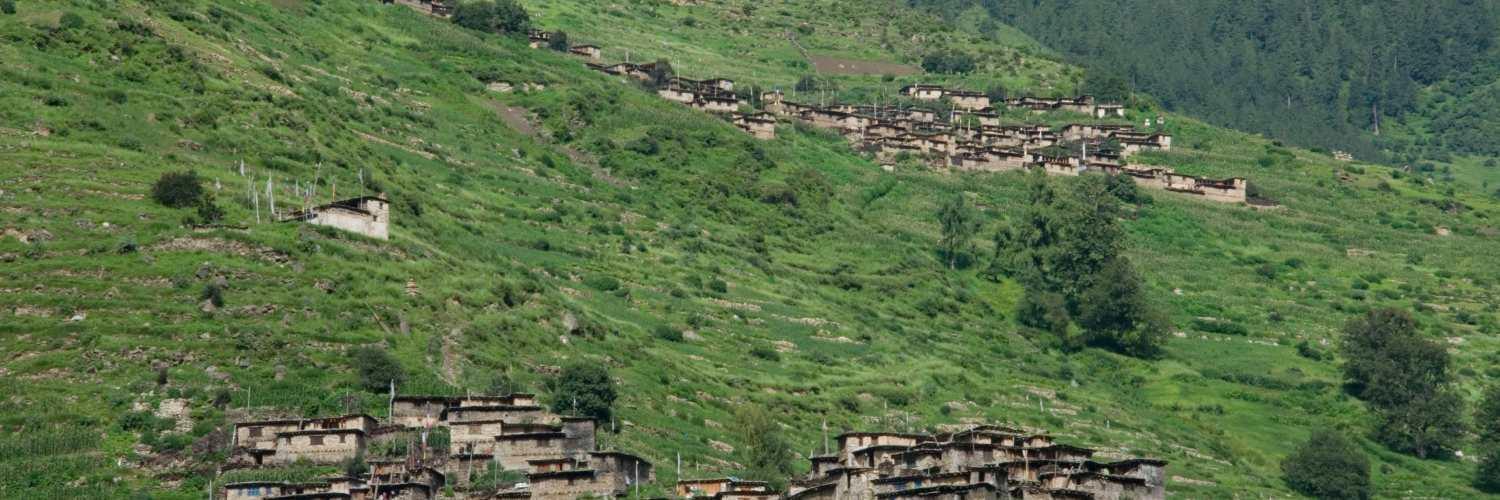
Upper Dolpo is a restricted area. There are no lodges, no cozy bakeries, and very few villages. Every grain of rice, every tent, and every cylinder of oxygen must be carried by mules or porters. This "unplugged" nature means you must be mentally prepared for a 3-week journey without the comforts of a hot shower or a soft mattress.
B. High Altitude and Thin Air
The maximum altitude in Upper Dolpo Trek is a serious consideration. You will spend over two weeks consistently walking above 4,000 meters (13,123ft). At this height, the oxygen level is nearly half of what it is at sea level. The physiological strain on the body is constant, making even simple tasks feel like a workout.
C. The "Big Three" Passes
One of the primary reasons for the high difficulty rating is the series of passes crossed in Upper Dolpo Circuit Trek. You aren't just crossing one mountain; you are navigating a high-altitude desert where several passes exceed 5,000 meters.
The High Passes: The True Test of Endurance
In most treks, the "Pass Day" is the climax. In Upper Dolpo, every other day feels like a climax. To complete the circuit, you must conquer several formidable high points:
-
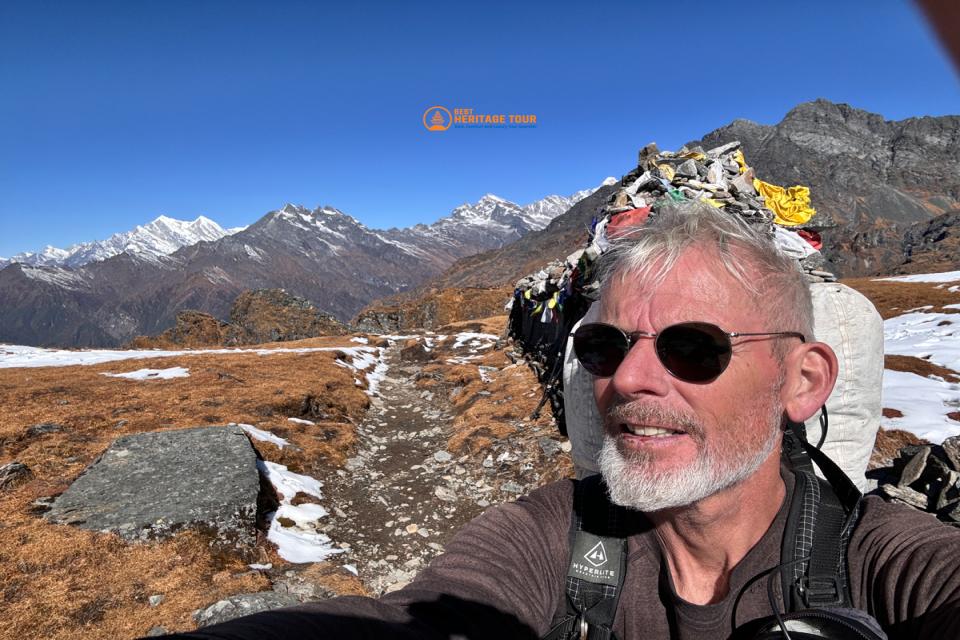
Kang La Pass (5,360m / 17,585ft): This is the gateway to the sacred Shey Gompa. The ascent is steep and often involves navigating loose scree. The views of the Crystal Mountain and the Tibetan plateau from the top are life-changing, but the descent is equally punishing on the knees.
-
Saldang La Pass (5,200m / 17,060ft): A high-altitude crossing that leads you into the northernmost reaches of the region.
-
Jeng La Pass (5,110m / 16,765ft): This pass connects the Upper Dolpo region with the Dho Tarap valley, known as the highest human settlement in the world.
-
Higher and Lower Sangda La (5,185m & 5,035m): On the exit route towards Jomsom, these passes present one final hurdle, often involving long days of 7- 9 hours of trekking.
Guide’s Tip: The Upper Dolpo Trek difficulty is often felt most during the descents from these passes. Trekking poles are not optional; they are a necessity to protect your joints on the steep, rocky terrain.
Physical and Mental Preparation
Because the Upper Dolpo Circuit Trek is so demanding, we recommend a strict training regimen at least 3 months prior to your departure.
-
Cardiovascular Fitness: Focus on long-distance hiking, swimming, or cycling. You need a "strong heart" to pump oxygen efficiently in the thin air.
-
Leg Strength: Squats, lunges, and stair climbing are essential. You will be walking an average of 6-7 hours a day for nearly a month.
-
Mental Fortitude: Remote trekking is as much a mental game as a physical one. Being away from home in a desert-like wilderness requires a resilient mindset.
Weather and Seasonality
The climate plays a massive role in how much difficult is the Upper Dolpo Trek. Dolpo lies in a rain shadow, making it one of the few places in Nepal where Monsoon trekking (June- August) is possible.
-
Spring (April- May): Beautiful, but the high passes may still have deep snow, which can block the trail or make pass crossings dangerous.
-
Autumn (September- October): The most popular time. The skies are crystal clear, and the temperatures are stable, though nights at camp can drop to -10°C (14°F).
-
Winter: Nearly impossible. The passes are closed by heavy snow, and the locals migrate to lower altitudes.
Why Trek with Best Heritage Tour?
Navigating the Upper Dolpo Trek difficulty requires more than just fitness; it requires an expert support system. At Best Heritage Tour, we don't just provide a guide; we provide a lifeline.
-
Expert Local Guides: Our guides are natives of the mountains. They understand the pulse of the weather and the nuances of the "Bon" and Buddhist cultures you will encounter.
-
Safety First: We carry comprehensive medical kits, satellite phones, and portable altitude chambers (PAC bags) for emergency situations.
-
Sustainable Ethics: As our name suggests, we are dedicated to preserving the heritage of the places we visit. We follow strict "Leave No Trace" principles to ensure Dolpo remains pristine.
Conclusion
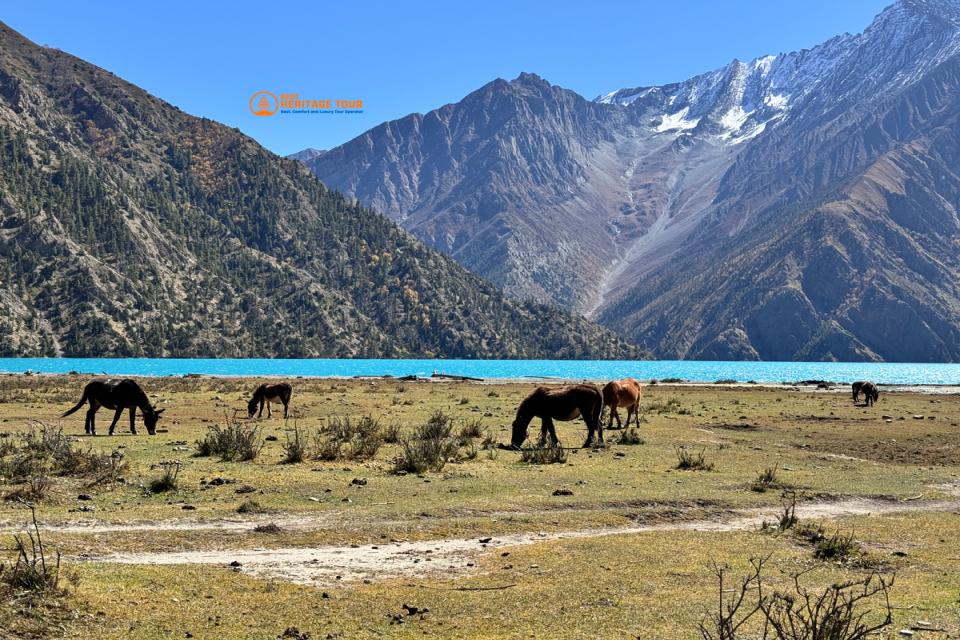
The Upper Dolpo Trek is undeniably difficult. It will test your limits, push your physical boundaries, and strip away the distractions of the modern world. But for those who persevere, the reward is a landscape that looks like a painting - turquoise lakes like Phoksundo, ancient monasteries like Shey Gompa, and a culture that has remained unchanged for centuries.
If you are an adventure seeker who thrives on the unknown, the difficulty of the Upper Dolpo Trek is exactly what makes the journey so meaningful. It is a badge of honor that few trekkers can claim.
Ready to Conquer the Hidden Valley?
Don't let the difficulty deter you - let it inspire you. With the right preparation and the expert team at Best Heritage Tour, the Upper Dolpo Circuit Trek is a dream within your reach.
Contact Best Heritage Tour for more details:
Phone / WhatsApp / Viber: +977-9851149197 / +977-9810043046
Email: info@bestheritagetour.com / bestheritagetour@gmail.com
Website: www.bestheritagetour.com
Office: Thamel Marg, Kathmandu, Nepal
Author: Best Heritage Tour
Date: 12th April, 2026