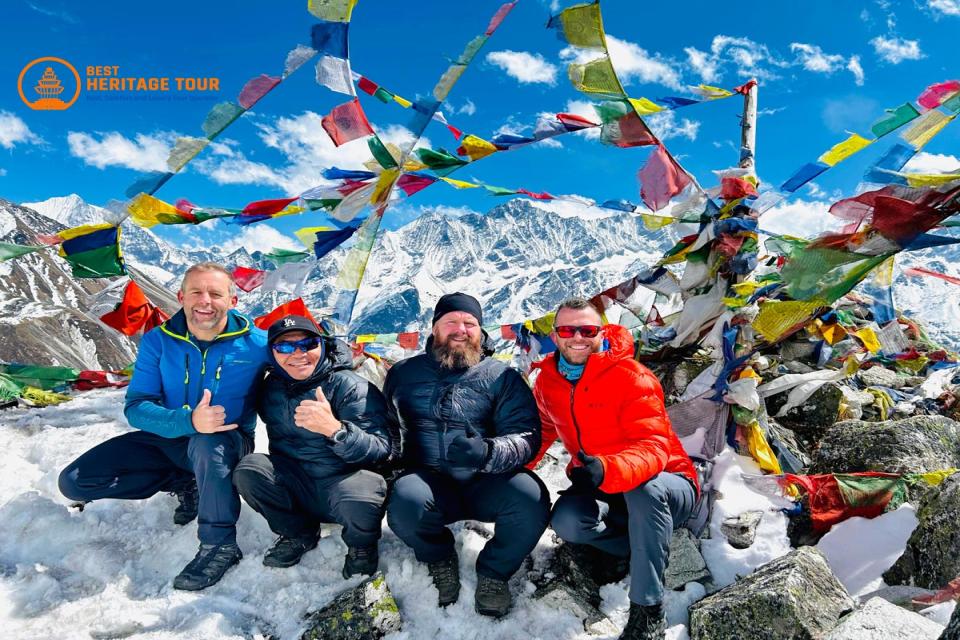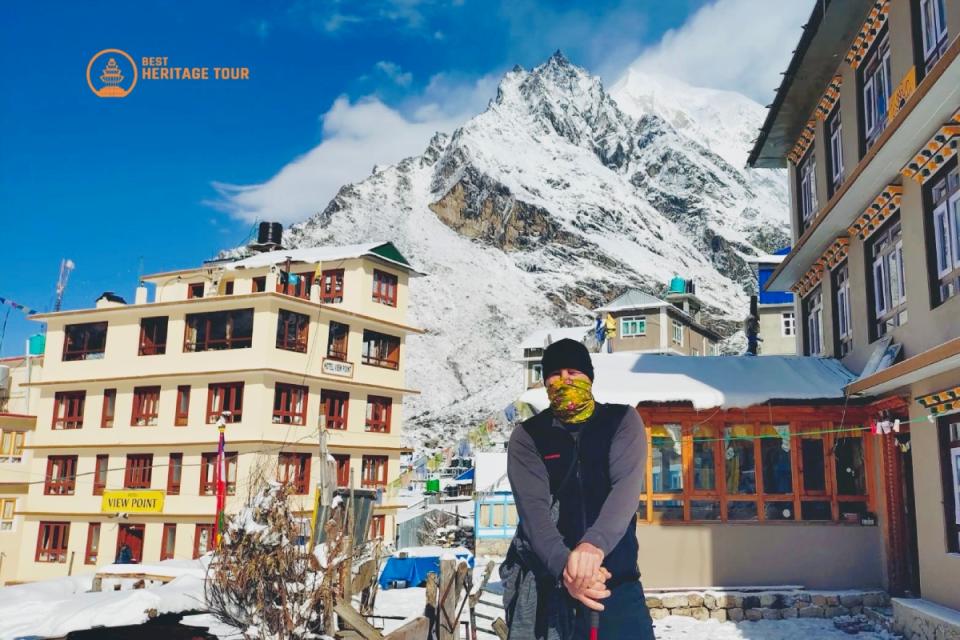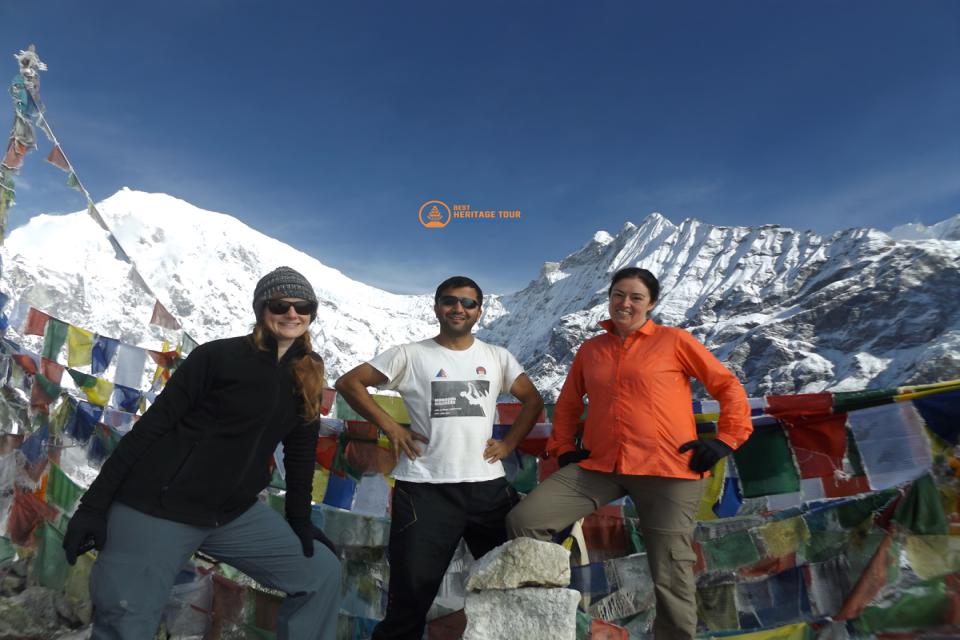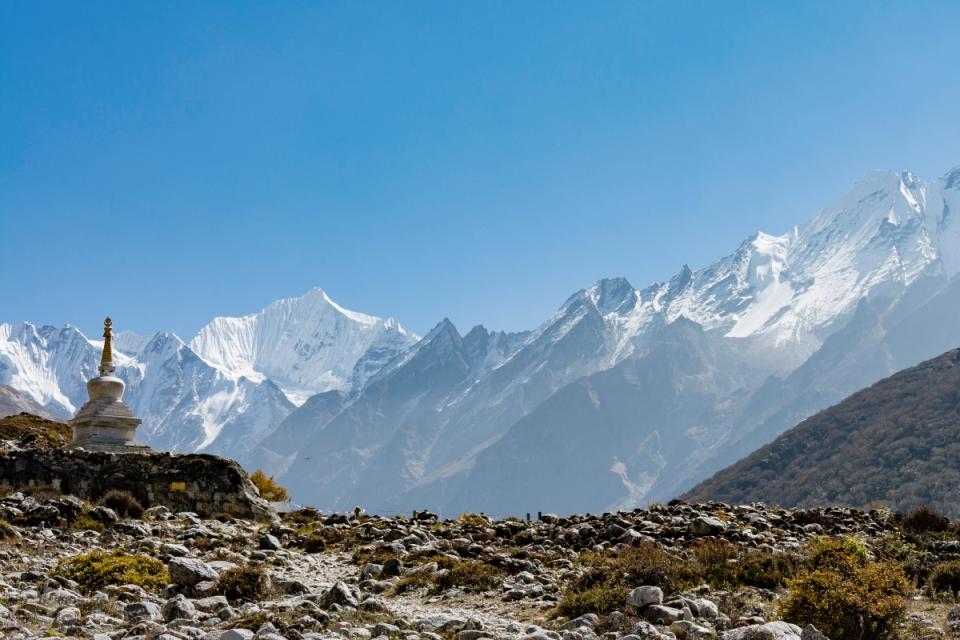
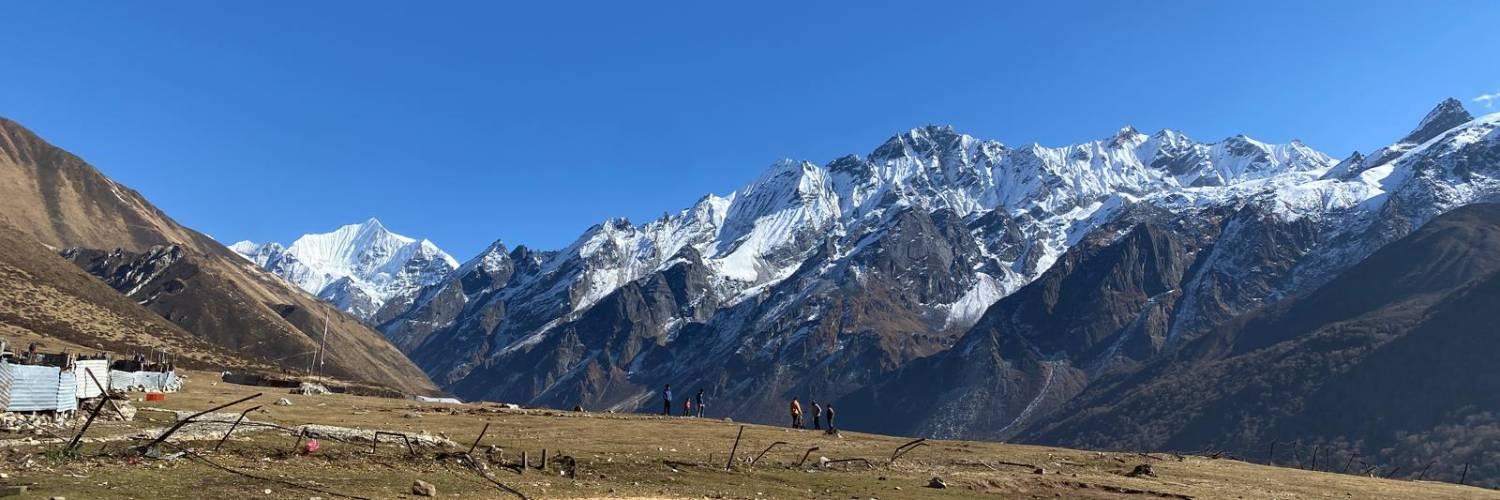
Nestled in the heart of the Langtang Valley, the hike to Tserko Ri from Kyanjin Gompa is one of the most rewarding short adventures in Nepal. Known for its breathtaking Himalayan panoramas, peaceful alpine landscapes, and relatively accessible trekking route, this hike has become a must-do for trekkers exploring the Langtang region.
At Best Heritage Tour, we frequently guide travelers through this unforgettable journey, and one question we often hear is: “How difficult is the hike to Tserko Ri, and is it worth it?”
In this detailed guide, we’ll walk you through everything you need to know - from trail conditions and difficulty level to what makes this hike so special.
Overview of the Tserko Ri Hike
Tserko Ri (also spelled Tsergo Ri) stands at an impressive altitude of approximately 4,984 meters (16,352 feet). The hike begins from Kyanjin Gompa (3,870 meters), a beautiful village surrounded by towering snow-capped peaks.
Key Highlights:
-
Panoramic views of Langtang Lirung, Dorje Lakpa, Yala Peak, and Ganesh Himal
-
One of the best viewpoints in the Langtang region
-
Ideal acclimatization hike during the Langtang Valley Trek
-
Stunning sunrise and early morning views
This hike is not just about reaching the summit - it’s about immersing yourself in the raw beauty of the Himalayas.
How Difficult is the Hike to Tserko Ri?
The hike to Tserko Ri is considered moderately challenging to strenuous, mainly due to the altitude and steep ascent.
Difficulty Factors:
1. Steep Incline
The trail is continuously uphill from Kyanjin Gompa to the summit. There are no flat sections, so it demands endurance and determination.
2. High Altitude
At nearly 5,000 meters, the air gets significantly thinner. Even experienced trekkers can feel the effects of altitude here.
3. Trail Conditions
The path is mostly rocky and uneven, with some loose gravel sections. However, it is well-defined and easy to follow.
4. Duration
-
Ascent: 3-5 hours
-
Descent: 2-3 hours
Who Can Do This Hike?
-
Trekkers with basic to moderate fitness levels
-
Those properly acclimatized in Kyanjin Gompa
-
Anyone prepared for a slow and steady climb
At Best Heritage Tour, we always recommend taking this hike after at least one rest/acclimatization day in Kyanjin Gompa.
The Route: What to Expect on the Trail
The hike starts early in the morning from Kyanjin Gompa. The initial section takes you through yak pastures before gradually ascending into rugged alpine terrain.
Trail Breakdown:
Early Section (Kyanjin Gompa to Lower Ridge)
-
Gentle start through grassy fields
-
Scenic views of the Langtang Valley
-
Gradual elevation gain
Mid Section (Steeper Ascent)
-
Terrain becomes rockier and steeper
-
Fewer vegetation zones
-
Increased exposure to wind
Final Section (Summit Push)
-
Challenging steep climb
-
Thin air requires frequent breaks
-
Rewarding views begin to unfold
Reaching the summit feels like standing on top of the world.
Why the Tserko Ri Hike is Worth It
Despite the effort required, the hike to Tserko Ri is absolutely worth it.
Unmatched Himalayan Views
From the summit, you’ll witness a 360-degree panorama of majestic peaks, including:
-
Langtang Lirung (7,227 m)
-
Dorje Lakpa (6,966 m)
-
Shishapangma (in Tibet)
-
Ganesh Himal range
Peaceful & Less Crowded
Compared to Everest or Annapurna viewpoints, Tserko Ri remains relatively peaceful and less commercialized.
Perfect for Photography
Golden sunrise hues, snow-covered peaks, and dramatic shadows create incredible photo opportunities.
Best Time to Hike Tserko Ri
Timing is crucial for a successful and enjoyable hike.
Spring (March to May)
-
Clear skies and blooming rhododendrons
-
Moderate temperatures
Autumn (September to November)
-
Best visibility and stable weather
-
Crisp mountain views
Winter (December to February)
-
Snow-covered trails
-
More challenging but stunning scenery
Monsoon (June to August)
-
Not recommended due to clouds and slippery trails
Essential Tips for a Successful Hike
1. Start Early
Begin your hike before sunrise to enjoy the best views and avoid afternoon clouds.
2. Acclimatize Properly
Spend at least one night in Kyanjin Gompa before attempting the hike.
3. Stay Hydrated
Drink plenty of water to reduce the risk of altitude sickness.
4. Pack Smart
Bring:
-
Warm layers
-
Snacks
-
Water (at least 2 liters)
-
Sunscreen and sunglasses
5. Walk Slowly
Follow the golden rule of high-altitude trekking: “slow and steady wins the race.”
Safety Considerations
Altitude sickness is the main concern during the hike.
Watch for Symptoms:
-
Headache
-
Dizziness
-
Nausea
-
Shortness of breath
If symptoms worsen, descend immediately and seek help.
At Best Heritage Tour, our guides are trained to handle altitude-related situations and ensure your safety throughout the trek.
Is Tserko Ri Better Than Kyanjin Ri?
Many trekkers compare Tserko Ri with Kyanjin Ri.
Kyanjin Ri:
-
Lower altitude (~4,773 m)
-
Easier and shorter hike
-
Great acclimatization option
Tserko Ri:
-
Higher and more challenging
-
Better panoramic views
-
More rewarding for experienced trekkers
Our recommendation: If time and energy allow, do both!
Final Thoughts: Is the Tserko Ri Hike Worth It?
Absolutely.
The hike to Tserko Ri from Kyanjin Gompa is one of the most rewarding short treks in Nepal. While it demands physical effort and mental determination, the views and sense of achievement make it an unforgettable experience.
For trekkers seeking a less crowded yet equally spectacular Himalayan adventure, Tserko Ri is a hidden gem.
Plan Your Tserko Ri Adventure with Best Heritage Tour
If you’re planning your Langtang Valley Trek and want expert guidance, seamless logistics, and a truly enriching experience, Best Heritage Tour is ready to assist you.
Phone / WhatsApp / Viber: +977-9851149197 / +977-9810043046
Email: info@bestheritagetour.com / bestheritagetour@gmail.com
Website: www.bestheritagetour.com
Office: Thamel Marg, Kathmandu, Nepal
Author: Best Heritage Tour
Date: 3rd April, 2026