The Everest Base Camp Trek is one of the most iconic trekking adventures in the world. Every year, thousands of trekkers travel to Nepal to experience the breathtaking landscapes of the Himalayas, walk through traditional Sherpa villages, and witness the majestic beauty of Mount Everest up close. As travelers prepare for this once-in-a-lifetime journey, one common question often arises: Are trekking poles needed for the Everest Base Camp Trek?
For many first-time trekkers, packing the right gear can be confusing. Some people assume trekking poles are optional accessories, while others consider them essential equipment. In reality, trekking poles can play a significant role in improving comfort, stability, and safety during the trek.
In this detailed guide, we will explain whether trekking poles are necessary for the Everest Base Camp Trek, how they benefit trekkers, and how to choose the right ones. Drawing from years of trekking experience in the Himalayas and the professional guidance provided by Best Heritage Tour, this article will help you decide whether trekking poles should be part of your Everest Base Camp packing list.
Understanding the Everest Base Camp Trek
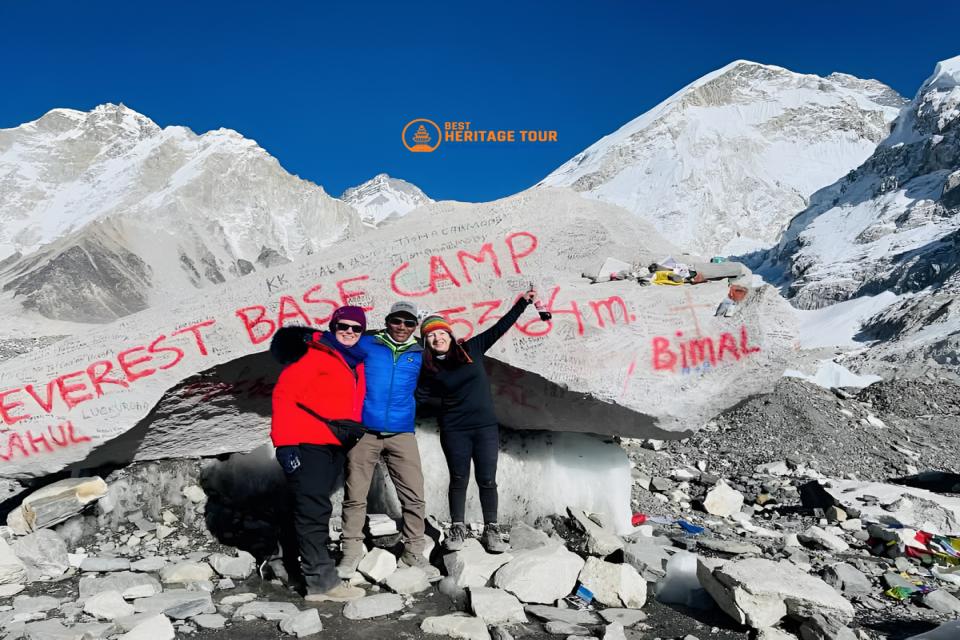
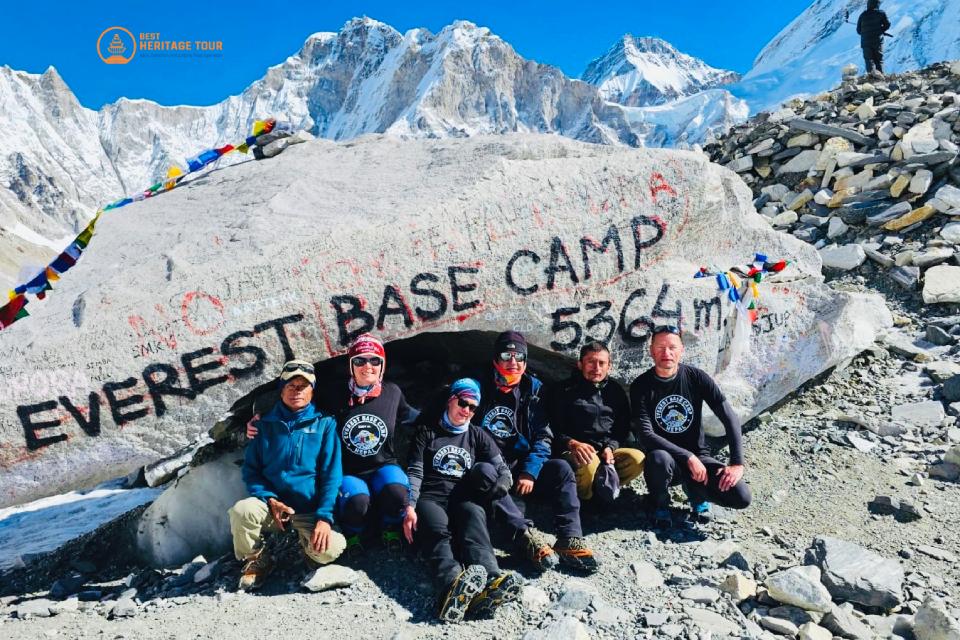
Before discussing trekking poles, it is important to understand the nature of the Everest Base Camp Trek itself. The trek typically takes around 12 to 14 days, depending on the itinerary and acclimatization schedule. Trekkers travel through the stunning Khumbu region of Nepal, starting with a flight to Lukla and passing through famous villages such as Phakding, Namche Bazaar, Tengboche, Dingboche, and Gorakshep before finally reaching Everest Base Camp at an altitude of 5,364 meters (17,598 feet).
Although the trail is not technically difficult, the trek includes:
-
Long daily walking hours (5-7 hours on average)
-
Steep ascents and descents
-
Rocky and uneven trails
-
High altitude conditions
-
Glacial moraines and loose stones
These factors make trekking poles highly beneficial for many trekkers, especially those who want extra support during the journey.
What Are Trekking Poles?
Trekking poles are lightweight, adjustable walking sticks designed specifically for hiking and trekking in mountainous terrain. They are usually made of aluminum or carbon fiber and come with adjustable lengths, comfortable grips, and tips designed to grip different types of terrain.
Unlike ordinary walking sticks, trekking poles are designed to distribute weight, improve balance, and reduce stress on the body during long hikes. Many experienced trekkers consider them one of the most useful pieces of trekking equipment for long-distance treks such as Everest Base Camp.
Are Trekking Poles Necessary for Everest Base Camp?
Technically, trekking poles are not mandatory for the Everest Base Camp Trek, and many trekkers complete the journey without them. However, most experienced trekking guides and seasoned trekkers strongly recommend using them.
From years of guiding trekkers through the Himalayas, our team at Best Heritage Tour has observed that trekking poles can significantly improve trekking comfort and reduce physical strain, especially during steep descents and long hiking days.
While not compulsory, trekking poles can make the trek easier, safer, and more enjoyable.
Benefits of Using Trekking Poles on the Everest Base Camp Trek
1. Improved Balance and Stability
The trails along the Everest Base Camp route often include rocky paths, uneven surfaces, and loose stones. In some sections, especially near glaciers and moraines, the terrain can become quite unstable.
Trekking poles provide two additional points of contact with the ground, improving balance and stability. This is especially helpful when crossing streams, walking on narrow trails, or navigating rocky sections.
For beginners or those who are not used to trekking in mountainous terrain, trekking poles can provide a great sense of confidence.
2. Reduced Pressure on Knees and Joints
One of the biggest challenges of the Everest Base Camp Trek is the long downhill sections, which can put significant strain on the knees and joints.
When descending steep trails, trekking poles help distribute your body weight more evenly, reducing the pressure on your knees. Studies suggest that trekking poles can reduce knee impact by up to 25 percent, which is particularly helpful for trekkers carrying backpacks.
This benefit becomes very noticeable during long trekking days when fatigue begins to set in.
3. Better Endurance During Long Trekking Days
The Everest Base Camp Trek requires multiple days of continuous walking at high altitude. Trekking poles help engage your upper body muscles, which distributes effort more evenly throughout your body.
By using your arms along with your legs, trekking poles can help reduce fatigue and improve endurance. Many trekkers find that they can maintain a steady walking rhythm and conserve energy more effectively when using poles.
4. Support During Steep Ascents
While trekking poles are especially helpful during descents, they are also beneficial when climbing steep uphill trails.
Using trekking poles allows trekkers to push upward with their arms, providing extra power during ascents. This can be particularly useful on challenging sections such as the climb to Namche Bazaar or the trails leading to Tengboche and Dingboche.
With trekking poles, these uphill sections often feel more manageable.
5. Increased Safety on Snow or Ice
Depending on the season, some sections of the Everest Base Camp trail may have snow or icy surfaces, especially during early spring or late autumn.
Trekking poles provide additional grip and stability, helping prevent slips or falls. For trekkers who are not accustomed to walking on snowy trails, this added support can make a big difference.
6. Assistance with River Crossings
Several small streams and rivers cross the Everest Base Camp trail. Even though most are crossed using suspension bridges, there are still areas where stepping stones or uneven paths are involved.
Trekking poles help test the stability of rocks and provide balance while crossing such sections.
Who Should Definitely Use Trekking Poles?
While trekking poles can benefit almost everyone, they are especially recommended for:
-
First-time trekkers in the Himalayas
-
Trekkers with knee or joint issues
-
Older travelers
-
Trekkers carrying heavy backpacks
-
People concerned about balance on uneven terrain
At Best Heritage Tour, our experienced guides often recommend trekking poles to trekkers who want additional comfort and stability during the journey.
When Trekking Poles Are Most Useful on the Everest Base Camp Route
There are several specific sections where trekking poles become extremely helpful:
-
Lukla to Phakding: Although this section is relatively gentle, trekking poles help you find a comfortable walking rhythm at the beginning of the trek.
-
Namche Bazaar Descent: The descent from Namche Bazaar involves steep stone steps and uneven trails where trekking poles can reduce knee strain.
-
Dingboche to Lobuche: This section includes rocky trails and windy conditions where stability becomes important.
-
Gorakshep to Everest Base Camp: The final stretch towards Everest Base Camp crosses glacial terrain with loose rocks and uneven paths. Trekking poles provide excellent support here.
Choosing the Right Trekking Poles for Everest Base Camp
Not all trekking poles are the same. Choosing the right pair can make a noticeable difference during your trek.
Here are some key factors to consider:
-
Adjustable Length: Adjustable trekking poles allow you to change the length depending on terrain. Shorter poles are useful during uphill climbs, while longer poles help during descents.
-
Lightweight Material: Aluminum poles are durable and affordable, while carbon fiber poles are lighter but usually more expensive.
-
Comfortable Grip: Look for grips made of cork or foam for better comfort and sweat absorption.
-
Shock Absorption: Some trekking poles include built-in shock absorption systems that reduce impact during descents.
Can You Rent Trekking Poles in Nepal?
Yes, trekking poles are widely available for rent or purchase in Kathmandu and Lukla. Many trekking gear shops in the Thamel area offer affordable rentals.
For trekkers traveling light or those who prefer not to bring their own equipment, renting trekking poles in Nepal is a convenient option.
At Best Heritage Tour, we also assist trekkers in arranging reliable trekking gear before starting the journey.
Tips for Using Trekking Poles Effectively
If you decide to use trekking poles during the Everest Base Camp Trek, keep these tips in mind:
-
Adjust the pole length so your elbows form a 90-degree angle.
-
Use wrist straps to reduce strain on your hands.
-
Plant poles slightly ahead of your steps while walking.
-
Shorten poles for uphill sections and lengthen them for descents.
-
Maintain a steady rhythm for better efficiency.
Learning the proper technique can significantly improve your trekking experience.
Alternatives to Trekking Poles
Some trekkers prefer using a traditional wooden walking stick, which can be purchased along the Everest Base Camp trail. While these sticks provide some support, they usually lack the adjustability and stability of modern trekking poles.
Others choose to trek without any support tools at all. While this is possible, it may increase fatigue and strain during longer trekking days.
Final Thoughts: Should You Bring Trekking Poles for the Everest Base Camp Trek?
So, are trekking poles needed for the Everest Base Camp Trek?
The simple answer is they are not mandatory, but they are highly recommended.
Trekking poles can improve balance, reduce knee strain, increase endurance, and make the overall trekking experience more comfortable. For many trekkers, especially beginners or those unfamiliar with high-altitude trekking, they become one of the most valuable pieces of equipment on the journey.
The Everest Base Camp Trek is an incredible adventure that takes you deep into the heart of the Himalayas. Proper preparation, the right gear, and expert guidance can make a significant difference in ensuring a safe and enjoyable journey.
Conclusion
The Everest Base Camp Trek is a rewarding journey that combines stunning Himalayan landscapes, rich Sherpa culture, and the thrill of reaching the base of the world’s highest mountain. While trekking poles are not strictly required, they offer significant benefits in terms of balance, comfort, and safety.
For trekkers navigating rocky trails, steep ascents, and long descents, trekking poles provide valuable support that can help reduce fatigue and prevent injuries. Whether you are an experienced hiker or a first-time trekker, using trekking poles can greatly enhance your trekking experience in the Everest region.
If you are planning the Everest Base Camp Trek in Nepal, choosing the right trekking partner is equally important. Best Heritage Tour is dedicated to providing professional trekking services, experienced guides, and carefully designed itineraries to ensure your Himalayan adventure is both safe and unforgettable.
Plan Your Everest Base Camp Trek with Best Heritage Tour
Phone / WhatsApp / Viber: +977-9851149197 / +977-9810043046
Email: info@bestheritagetour.com / bestheritagetour@gmail.com
Website: www.bestheritagetour.com
Office: Thamel Marg, Kathmandu, Nepal
Author: Best Heritage Tour
Date: 31st March, 2026