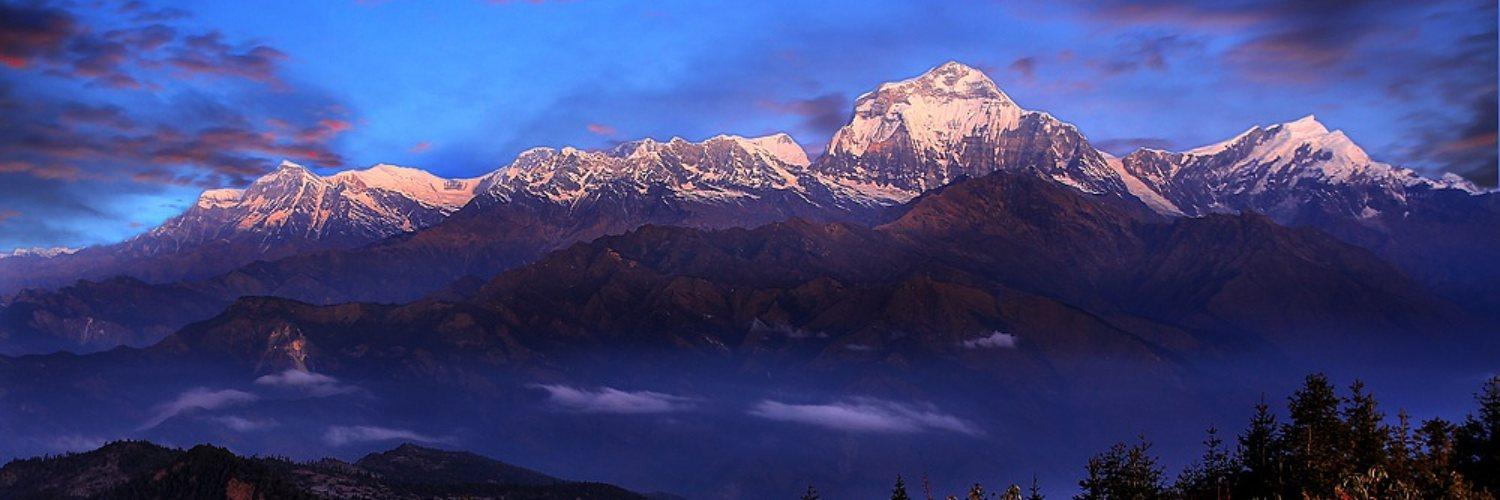
Welcome to the heart of the Himalayas. If you are reading this, you likely have a spirit that yearns for high-altitude horizons, the rhythmic sound of trekking poles against stone, and the warm steam of a ginger-honey-lemon tea in a mountain teahouse.
At Best Heritage Tour, we don’t just sell packages; we share a piece of our home. The Annapurna region is more than just a trekking destination; it is a living museum of Gurung and Magar culture, a botanical garden of rhododendron forests, and a geological masterpiece. Whether you are a seasoned mountaineer or a first-time traveler looking for a soul-stirring walk in the clouds, the Annapurna Conservation Area (ACA) has a trail with your name on it.
In this comprehensive guide, we will walk you through every trekking option in the Annapurna region, from the legendary Circuit to the hidden ridges of Mardi Himal, ensuring you have the "boots-on-the-ground" knowledge needed for a successful 2026 adventure.
Why Trek the Annapurna Region?
Before we dive into the specific routes, it’s important to understand what makes this region the crown jewel of Nepal’s trekking industry. While the Everest region offers the prestige of the world’s highest peak, the Annapurna region offers diversity.
-
Landscape Variation: You can start your week in a subtropical jungle with banana trees and end it on a high-altitude plateau that looks like the surface of the moon.
-
Cultural Immersion: The trails pass directly through ancient villages. You aren't just looking at the mountains; you are living among the people who have called them home for centuries.
-
Accessibility: Most treks begin just a short drive from Pokhara, Nepal’s most beautiful lakeside city, making logistics significantly easier than the flights to Lukla.
1. The Annapurna Circuit Trek: The Classic Epic
Duration: 14-21 Days
Max Altitude: 5,416m (Thorong La Pass)
Difficulty: Challenging
For decades, the Annapurna Circuit has been voted one of the best long-distance treks in the world. It is a horseshoe-shaped route that circles the entire Annapurna Massif.
The Experience
The journey typically begins in the lush, green foothills of Lamjung. As you trek northward, the humid air of the lowlands gives way to the crisp, dry atmosphere of the Manang Valley. You’ll witness the transition from Hindu farming communities to Tibetan Buddhist villages adorned with prayer flags and mani walls.
The Ultimate Test: Thorong La Pass
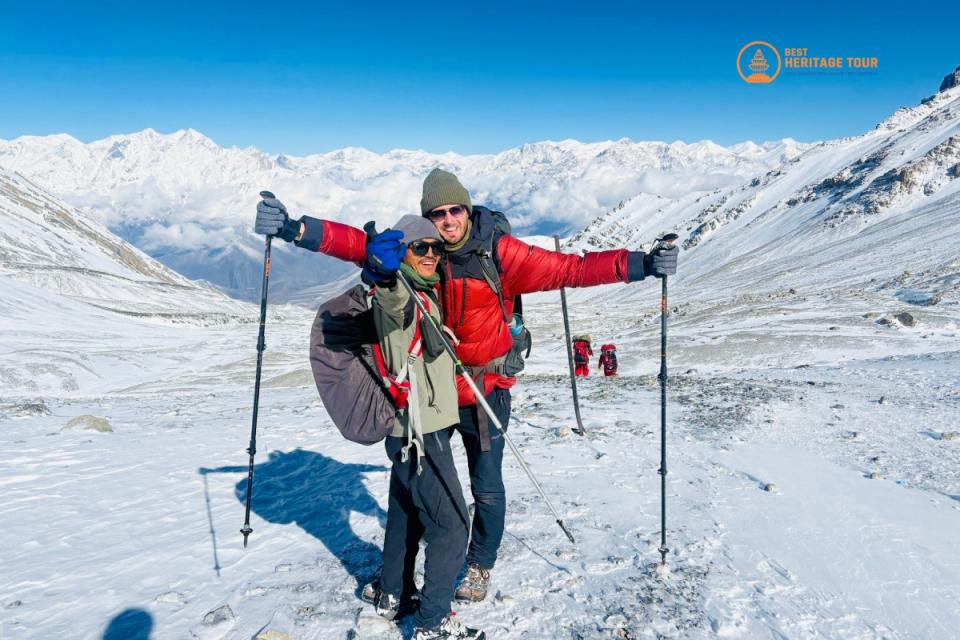
The climax of the Circuit is the crossing of Thorong La Pass. Standing at 5,416 meters, it is a test of physical endurance and mental grit. Standing at the chorten-topped pass as the sun rises over the Dhaulagiri and Annapurna ranges is a moment that stays with you forever.
The 2026 Perspective: The Road Issue
We often get asked: "Is the road ruining the Annapurna Circuit?" Our answer is a firm "No." While road construction has reached Manang and Muktinath, Best Heritage Tour utilizes the NATT (Natural Annapurna Trekking Trails). These are alternative paths that keep you off the dusty roads and on the original, scenic footpaths.
2. Nar Phu Valley Trek: The "Little Tibet" of the Annapurna
Duration: 10-14 Days
Max Altitude: 5,320m (Kang La Pass)
Difficulty: Challenging / Restricted Area
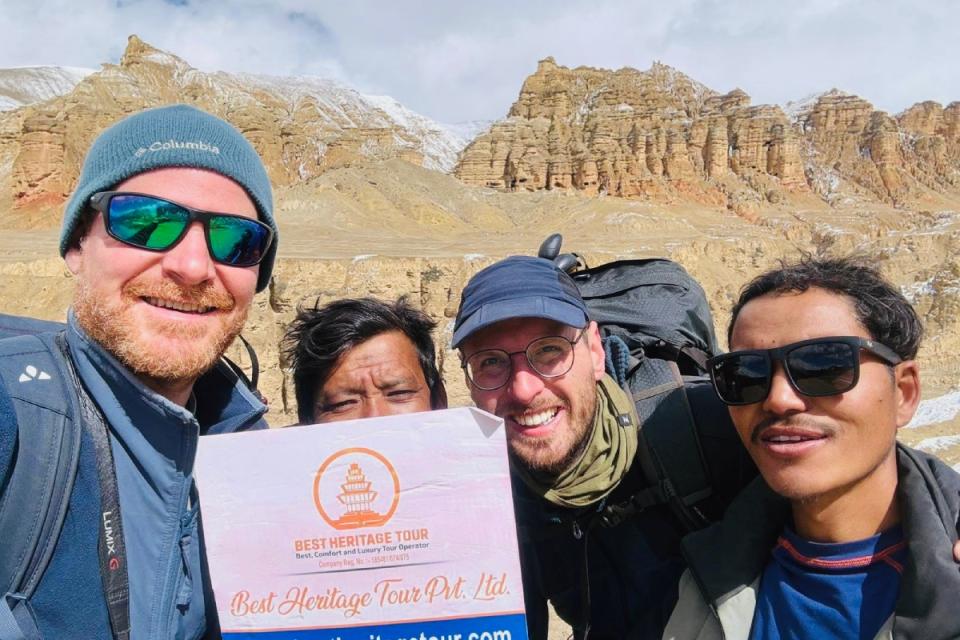
If you want to step off the beaten path and into a region that feels like a time capsule, the Nar Phu Valley Trek is the undisputed choice. Hidden between the Annapurna and Manaslu ranges, this area was only opened to trekkers in 2003 and remains a restricted zone.
The Mystery of the Hidden Valleys
Entering Nar Phu feels like crossing a threshold into a different century. The trail breaks off from the main Annapurna Circuit at Koto and winds through narrow, dramatic canyons and deep forests before opening up into wide, high-altitude grazing lands.
-
Phu Village: Known for its "stone age" feel, Phu is a village where ancient Tibetan Buddhist culture is practiced in its purest form. The Tashi Lhakhang Monastery, one of the oldest in the region, offers a spiritual sanctuary for those who reach these heights.
-
Nar Village: Slightly more vibrant and open than Phu, Nar is famous for its terraced fields and the hospitality of the local people who still live a semi-nomadic lifestyle.
The Challenge: Kang La Pass
While the trek is less crowded, it is no less difficult. The crossing of the Kang La Pass (5,320m) is a strenuous ascent that rewards you with what many of our guides consider the single best panoramic view in Nepal - looking directly down onto the Annapurna massif and the Tilicho peaks.
3. Annapurna Base Camp (ABC) Trek: The Sanctuary
Duration: 7-11 Days
Max Altitude: 4,130m
Difficulty: Moderate
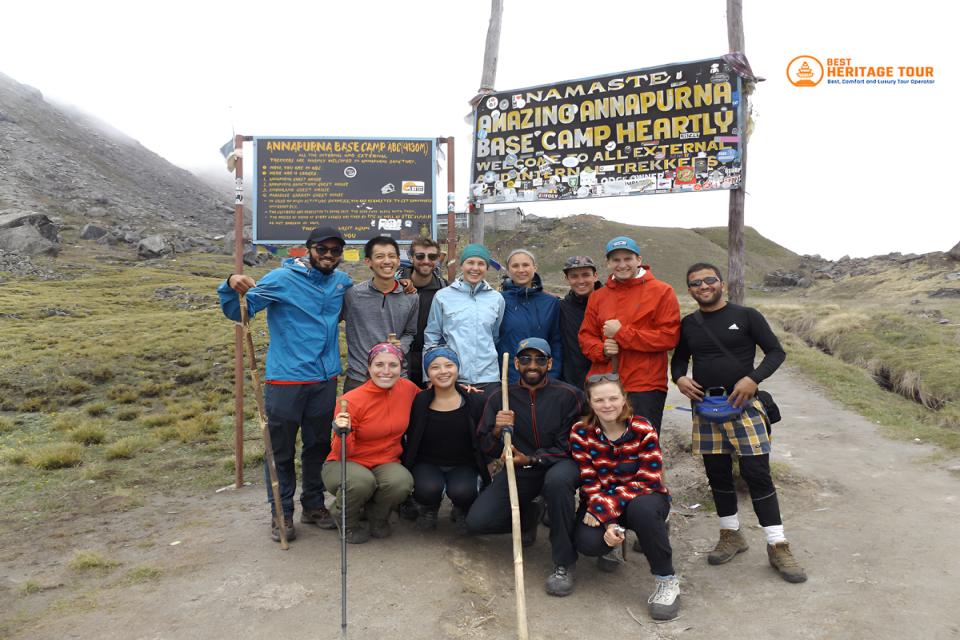
If the Circuit is about the journey around the mountains, the Annapurna Base Camp Trek is about getting into the very heart of them.
The "Sanctuary"
The trail leads you into the Annapurna Sanctuary, a high-altitude glacial basin surrounded by a ring of ten peaks over 6,000 meters. Walking into the Sanctuary feels like entering a natural cathedral of ice and rock.
Why We Love ABC
-
The Machhapuchhre Views: You get a front-row seat to the "Fishtail" mountain, which is sacred and forbidden to climb.
-
Jhinu Danda Hot Springs: On the way down, there is nothing quite like soaking your sore muscles in the natural riverside hot springs.
-
The Gurung Heritage: The trail passes through Ghandruk and Chhomrong, two of the most beautiful Gurung villages in Nepal.
4. Ghorepani Poon Hill Trek: The Photographer’s Dream
Duration: 4-5 Days
Max Altitude: 3,210m
Difficulty: Easy to Moderate
Don't have two weeks? The Ghorepani Poon Hill Trek is the perfect "taster" of Himalayan trekking. It is accessible, vibrant, and offers one of the most famous sunrise views on the planet.
The Sunrise at Poon Hill
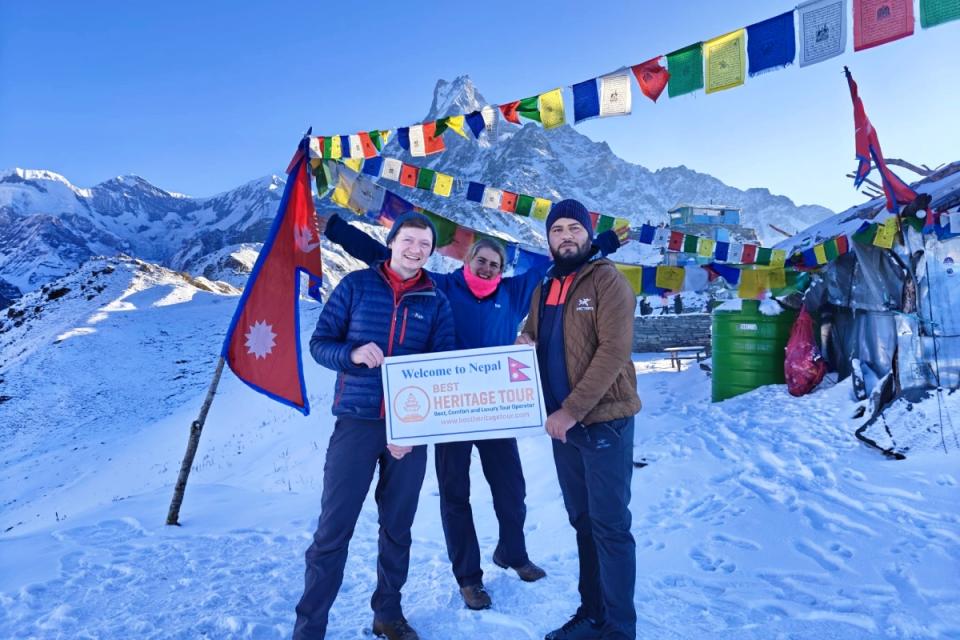
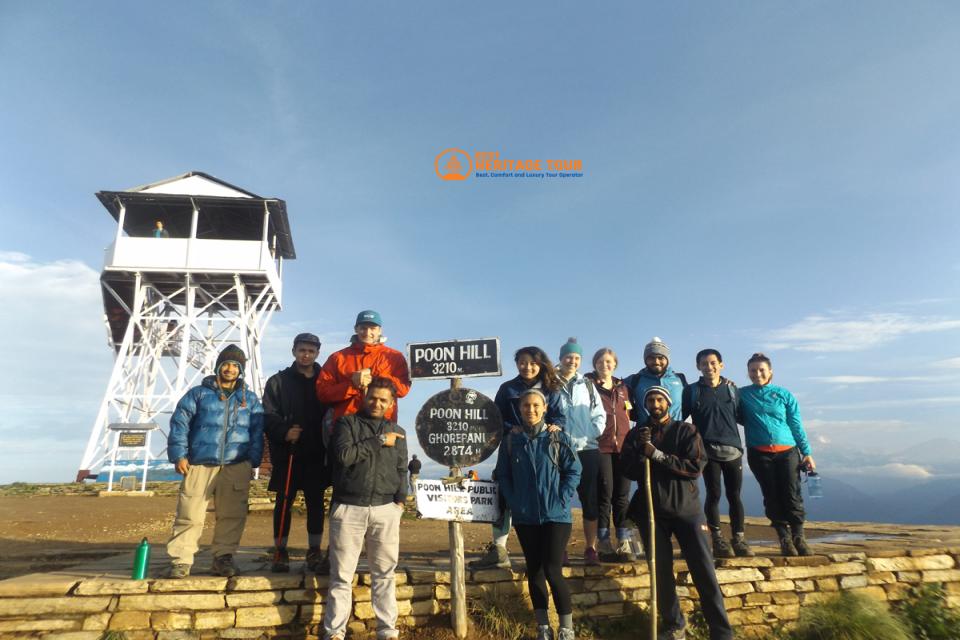
At 4:00 AM, you’ll hike up from Ghorepani to the summit of Poon Hill. As the first light hits the Dhaulagiri (8,167m) and Annapurna I (8,091m), the mountains turn from a ghostly blue to a fiery gold. It is arguably the best "effort-to-reward" ratio in the Himalayas.
5. Mardi Himal Trek: The Rising Star
Duration: 5-7 Days
Max Altitude: 4,500m
Difficulty: Moderate
Ten years ago, only a few shepherds knew of this trail. Today, Mardi Himal is the favorite "off-the-beaten-path" alternative to ABC.
Why Choose Mardi Himal?
Unlike other treks that follow valley floors, the Mardi Himal trail stays on a high ridgeline. This means you have constant, panoramic views of the mountains to your left and the deep valleys to your right. It is quieter, the teahouses are more intimate, and the view of Machhapuchhre from High Camp is so close you feel you could touch it.
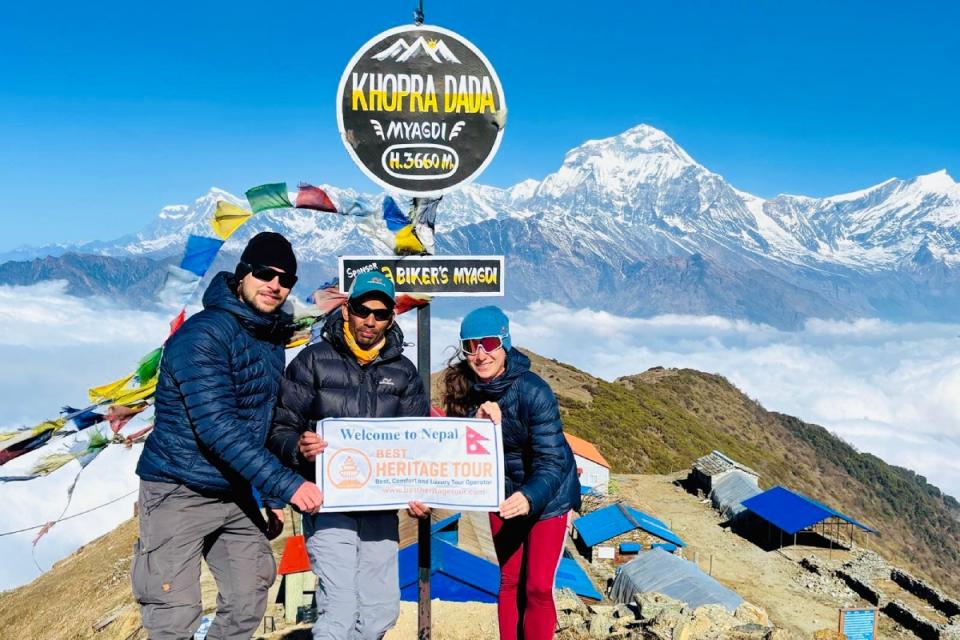
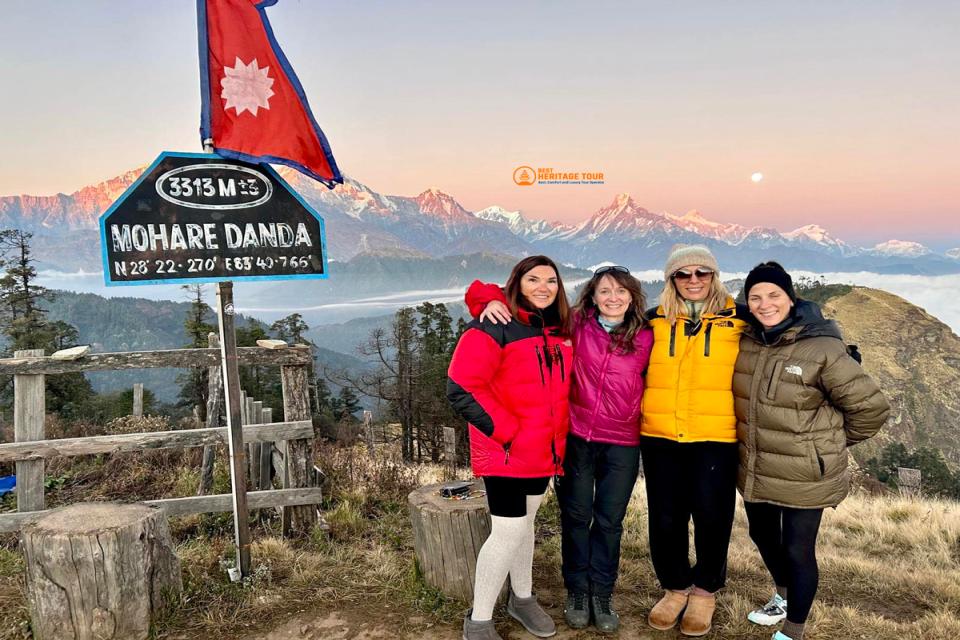
6. Khopra Ridge & Mohare Danda: The Eco-Conscious Choice
Duration: 6-9 Days
Max Altitude: 3,660m (Khopra) / 4,500m (Khayar Lake)
Difficulty: Moderate
For those who want to avoid the crowds entirely, we recommend the Khopra Ridge Trek. This is a community-based trekking route that supports local schools and eco-projects.
Highlights:
-
Khayar Lake: A sacred high-altitude lake that requires a challenging day hike but offers absolute serenity.
-
Community Lodges: Instead of commercial teahouses, you stay in lodges run by the local community, ensuring your travel dollars go directly to the people.
-
Wildlife: Because it is less crowded, your chances of spotting the Himalayan Tahr or the Danphe (Nepal's national bird) are much higher.
7. Upper Mustang: The Forbidden Kingdom
Duration: 12-14 Days
Max Altitude: 3,800m (Lo Manthang)
Difficulty: Moderate (due to wind and dust)
Technically part of the Annapurna region but geographically a world away, Upper Mustang is a high-altitude desert. It was a restricted kingdom until 1992 and still feels like a place frozen in time.
The Landscape
Think red cliffs, ancient sky caves, and white-washed villages. It is culturally Tibetan and is the perfect trek for the monsoon season (June-August) because it lies in the rain shadow of the Himalayas - it stays dry while the rest of Nepal is raining.
Essential 2026 Trekking Information: Permits & Rules
The trekking landscape in Nepal changed significantly in 2023 and 2024, and as we move through 2026, these rules are strictly enforced.
1. Mandatory Guide Rule
As of 2026, the Nepal government requires all foreign trekkers in the Annapurna region to be accompanied by a licensed guide. This is for your safety and to support the local economy. At Best Heritage Tour, all our guides are government-certified, first-aid trained, and fluent in English.
2. Permits Required
You will need two main documents:
-
ACAP (Annapurna Conservation Area Permit): Approximately NPR 3,000 (approx. USD 23).
-
TIMS (Trekkers' Information Management System) Card: In 2026, the digital e-TIMS is standard, costing approximately NPR 2,000.
Note: If you are trekking in Upper Mustang or Nar Phu, you will also need a Restricted Area Permit (RAP), which is significantly more expensive.
The Best Time to Visit (Seasonality Guide)
|
Season |
Months |
What to Expect |
|---|---|---|
|
Spring |
March - May |
Best for Flora. Rhododendrons are in full bloom. Warmer temperatures. |
|
Autumn |
Sept - Nov |
Best for Views. The air is crystal clear after the monsoon. Peak season. |
|
Winter |
Dec - Feb |
Best for Solitude. Cold nights, but the days are sunny and the trails are empty. |
|
Monsoon |
June - Aug |
Best for Mustang. Rainy in most parts, but perfect for rain-shadow treks. |
Preparation: Physical & Mental
Trekking in the Annapurnas is not a walk in the park, but you don't need to be an Olympic athlete.
Physical Training
Focus on cardiovascular endurance. Start hiking, jogging, or using a stair-climber 2-3 months before your trip. The "Nepali Flat" (a little bit up, a little bit down) involves a lot of stone stairs, so your calves and glutes will thank you for the preparation.
Mental Readiness
Be prepared for basic living. In the mountains, "luxury" means a hot shower and a charging port. You will be sleeping in unheated rooms and eating simple, nutritious meals like Dal Bhat (lentil soup and rice). Embracing the simplicity is part of the magic.
Packing List Essentials
Our team at Best Heritage Tour always tells clients: "Pack light, pack right."
-
Footwear: Broken-in trekking boots and a pair of sandals for the teahouses.
-
Layering: Moisture-wicking base layers, a fleece mid-layer, and a high-quality down jacket.
-
Hydration: Two 1-liter reusable water bottles. Use purification tablets or a LifeStraw to avoid plastic waste.
-
Sun Protection: High SPF sunscreen, polarized sunglasses, and a wide-brimmed hat. The Himalayan sun is fierce.
Sustainable Trekking: Our Promise
The Annapurna region is a fragile ecosystem. As a heritage-focused company, we advocate for Responsible Tourism.
-
Say No to Plastic: Use filtered water instead of buying bottled water.
-
Respect the Culture: Always ask before taking photos of people or religious ceremonies. Walk clockwise around mani walls and stupas.
-
Leave No Trace: Whatever you carry in, carry out.
Comparison Table: Choosing Your Trek
|
Trek Name |
Duration |
Difficulty |
Best For |
|---|---|---|---|
|
Annapurna Circuit |
18 Days |
Challenging |
The "Full" Experience |
|
Nar Phu Valley |
12 Days |
Challenging |
Culture Seekers, Isolated "Mini Tibet" |
|
Annapurna Base Camp |
10 Days |
Moderate |
Mountain Immersion |
|
Poon Hill |
4 Days |
Easy |
Families & Short Timers |
|
Mardi Himal |
6 Days |
Moderate |
Photographers & Quiet Trails |
|
Upper Mustang |
12 Days |
Moderate |
Culture & Desert Landscapes |
Conclusion
The Annapurna region is a place where time slows down. It is a place where the mountains remind you of how small your problems are and how big the world is. Whether you choose to cross the Thorong La Pass or simply watch the sunrise from a balcony in Ghandruk, the Annapurna range will change you.
At Best Heritage Tour, we are committed to making your trek safe, culturally rich, and environmentally sustainable. We don't just guide you; we walk with you as friends, sharing the stories of these mountains that have been passed down through generations.
The 2026 trekking season is shaping up to be one of the best yet. The trails are calling - are you ready to answer?
Let’s plan your Annapurna adventure today.
Phone / WhatsApp / Viber: +977-9851149197 / +977-9810043046
Email: info@bestheritagetour.com / bestheritagetour@gmail.com
Website: www.bestheritagetour.com
Office: Thamel Marg, Kathmandu, Nepal
Author: Best Heritage Tour
Date: 26th January, 2026