Beyond our world-famous snow-capped peaks and winding trekking trails lies the true rhythmic heartbeat of our country: its soil. For generations, the lifeblood of our nation has been sustained not by heavy industrial machines, but by the calloused hands of local communities working in harmony with the changing seasons.
As the team at Best Heritage Tour, we have spent decades guiding travelers through ancient palaces and up high mountain passes. Yet, we always tell our guests that to truly understand the spirit of our country, you must step off the paved roads, lay down your trekking poles, and walk directly into our terraced fields.
Whether you are looking to take a break between challenging Himalayan loops or simply wondering, "Where can I get a traditional farming experience in Nepal?", this comprehensive guide shares everything you need to know about immersing yourself in our timeless agrarian heritage.
The Living Soul of Agrarian Nepal
In Nepal, agriculture is far more than a source of income; it is an ancient way of life that dictates our calendar, shapes our social fabric, and inspires our most vibrant festivals. Over 60% of our population relies directly on the land, utilizing sustainable, centuries-old techniques passed down from ancestors.
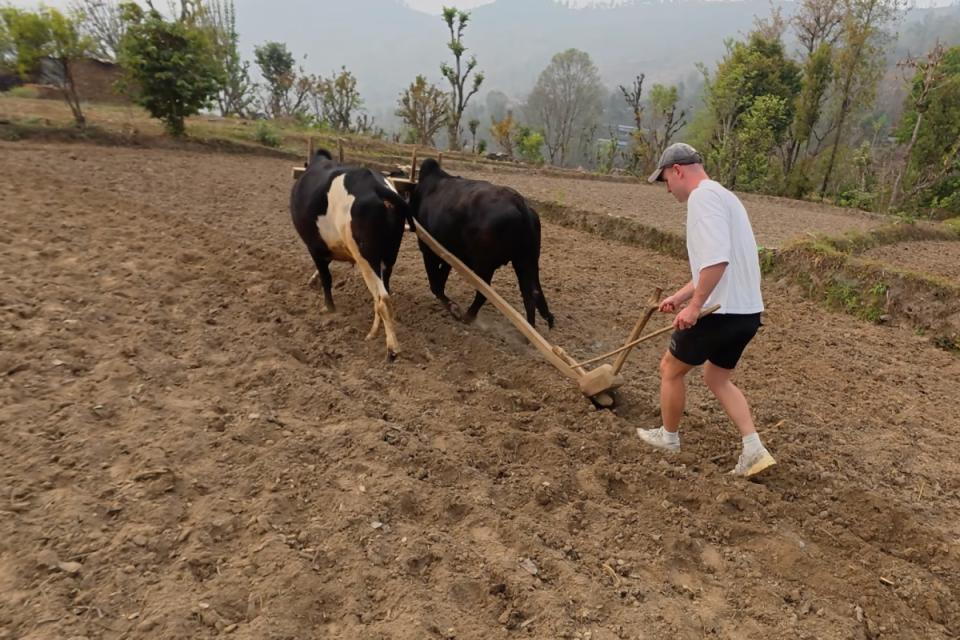
When you join us for a village life experience tour in Nepal, you step back into a lifestyle deeply connected to nature. Here, the mechanical roar of modern tractors is replaced by the steady rhythm of oxen plowing fertile earth, and chemical fertilizers give way to organic composting methods managed by local families.
From the tropical lowlands of the Terai to the towering vertical terraces carved meticulously into the middle hills, our landscape is a living, breathing canvas of biodiversity.
Where Can I Get a Traditional Farming Experience in Nepal?
Our travelers frequently ask where they can safely find the most authentic, hands-on encounters with our farming communities. We have carefully mapped out the top geographical regions where we host immersive agricultural experiences:
1. The Heritage Terraces of Kirtipur and the Kathmandu Valley Outskirts
You do not have to travel deep into the wilderness to experience our rich agricultural roots. Just on the rims of the Kathmandu Valley, towns like Kirtipur, Panauti, and Bungamati maintain historic farming communities. Here, Newari farmers tend to lush fields of rice, mustard, and seasonal vegetables beneath the shadow of ancient brick temples. It is the perfect option for tourists with limited travel schedules who still want an authentic agricultural connection.
2. The Mid-Hill Homestays of Bandipur and Tanahunsur
Perched elegantly along the ridges between Kathmandu and Pokhara, the historical trading posts of Bandipur and the Magar settlements of Tanahunsur offer stunning mountain vistas alongside deep immersion. Staying with a host family in these areas means waking up to panoramic views of the Annapurna and Manaslu ranges before walking down into the terraced slopes to learn the intricate art of hill terracing, which helps prevent soil erosion during the heavy monsoon rains.
3. The Pristine Ethnic Villages of Ghale Gaun and Sirubari
For those seeking an untouched cultural encounter, the Gurung settlements of Ghale Gaun (Lamjung) and Sirubari (Syangja) are absolute treasures. These community-led model tourism villages allow you to live side-by-side with local families. You can assist in tending livestock, harvesting millet, and exploring the dense forests nearby, all while learning about the proud traditions of the world-famous Gurkha soldiers who call these villages home.
4. High-Altitude Resilience in Manang and Mustang
If your travels take you deep along our classic trekking circuits, the arid, windswept landscapes of Manang and Mustang provide a masterclass in high-altitude agricultural survival. In these rain-shadow areas behind the Himalayas, local communities utilize dry-farming techniques to cultivate hearty crops like mountain potatoes, buckwheat, and barley. It is an inspiring testament to human resilience and adaptation in one of the most challenging environments on Earth.
A Day in the Life: What to Expect in the Fields
Participating in a traditional farming experience in Nepal for tourists is a multi-sensory adventure. We design these tours to ensure you are never a passive observer. Instead, you become an active part of the village community.
-
Dawn: 05:30 AM → Wake up to the sound of farm life
-
Morning Field Work → Milk buffaloes or plow with oxen
-
Midday Meal → Enjoy a farm-to-table Dal Bhat
-
Afternoon Tasks → Harvest seasonal crops or weave bamboo
-
Dusk: 06:30 PM → Cook Sel Roti with your host family
A typical day with our rural farming hosts unfolds in a gentle, rewarding rhythm:
-
The Early Morning Call: Your day begins with the crisp mountain air and the natural chorus of livestock waking up. Before breakfast, guests are welcome to assist their host Ama (mother) or Buba (father) in milking water buffaloes or feeding the goats.
-
Tending the Soil: After a fresh cup of local tea, you head into the fields. Depending on the season, you might guide a traditional wooden plow (Mhalo) behind a team of oxen, break up heavy soil clumps using hand hoes, or pull wild weeds from delicate vegetable patches.
-
The Midday Farm-to-Table Feast: After a morning of physical labor, nothing tastes better than a heap of steaming, authentic Dal Bhat (lentil soup and rice), served alongside freshly picked seasonal greens (Saag) and spicy pickled condiments (Achar). The ingredients on your plate are grown just steps from where you sit.
-
Traditional Crafts and Processing: In the afternoon, learn how our villagers transform raw materials into everyday tools. You can try your hand at weaving Doko (bamboo baskets), processing local mustard seeds for cooking oil, or husking grain using ancient foot-powered wooden presses (Dhiki).
Timing Your Trip: The Vibrant Seasons of the Farming Calendar
Our agricultural landscape transforms dramatically throughout the year. Depending on when you choose to travel with us, your experiential journey will highlight different ecological and cultural wonders:
The Magic of the Monsoon: Mud, Music, and Ropai Jatra
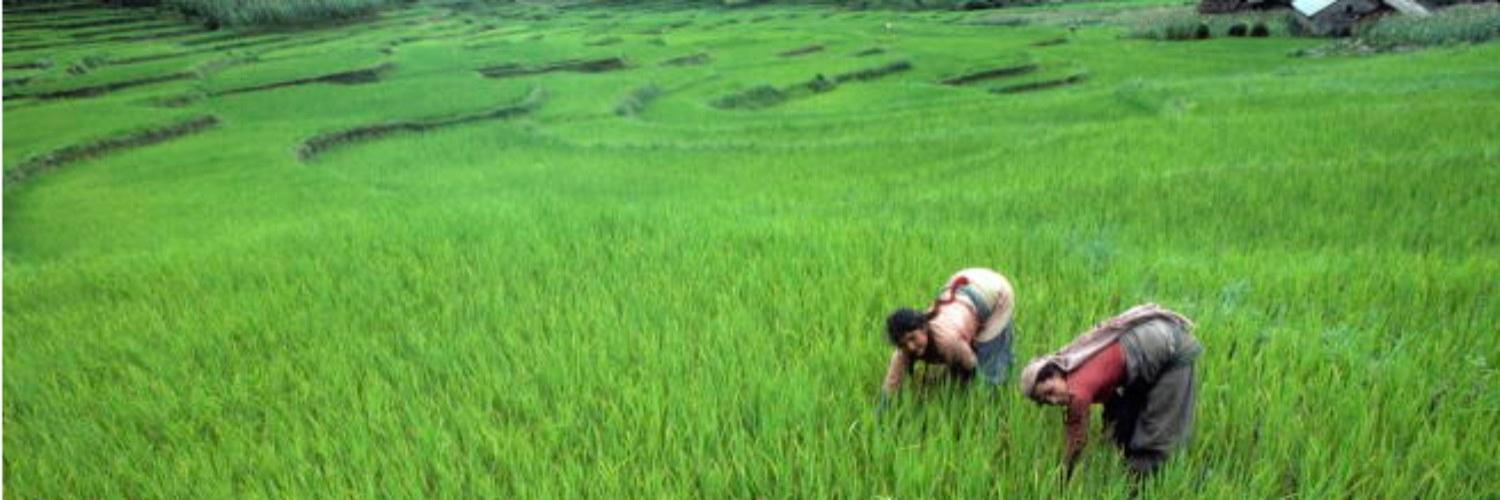
If you visit during June or July, you will witness the most celebratory period on our farming calendar. The 15th of the Nepali month of Ashar marks Ropai Jatra (The Rice Plantation Festival).
During this sacred time, entire villages gather in flooded, muddy terraced paddies to plant young green rice seedlings. The fields turn into joyful celebrations filled with laughter, traditional mud splashing, and the echoing rhythms of Asare Geet - our traditional folk songs that tell stories of love, monsoon rains, and agricultural triumphs. Joining our team in the mud during Ropai Jatra is an exhilarating experience that strips away the barriers between traveler and local.
The Golden Autumn Harvest
From September to November, as our main trekking seasons peak, the valley slopes turn into shimmering waves of brilliant gold. This is the busiest harvesting season. Travelers can stand shoulder-to-shoulder with our farmers to cut mature rice stalks with hand sickles, thrash the grains under the warm autumn sun, and hang colorful ears of corn to dry from the eaves of traditional ochre-painted farmhouses.
Why a Village Homestay is Essential for the Journey
To truly appreciate a village life experience tour in Nepal, we highly recommend bypassing conventional hotels in favor of a community-managed homestay. Living directly inside a local home changes the dynamic from a simple holiday into a profound cultural exchange.
Our homestay programs ensure that your tourism funds flow directly into the hands of the rural families who host you, providing them with essential financial support while preserving their traditional lifestyle.
Through these stays, our guests discover how our villagers find deep contentment and joy in a simpler, self-sufficient lifestyle. Receiving a heartfelt saffron Tika blessing and a warm embrace from an elderly Ama at the end of your stay is a memory that stays with you long after you return home.
Practical Preparation for Your Agricultural Adventure
Working in rural settings requires a bit of practical preparation to ensure you stay comfortable and safe. Here are our team's top recommendations for your packing list:
-
Robust, Functional Footwear: Pack a pair of durable, waterproof shoes or sandals with excellent traction. The mud paths between terraced fields can get incredibly slippery, especially during our rainy seasons.
-
Comfortable Working Clothes: Bring lightweight, long-sleeved shirts and loose trousers. These protect your skin from the intense high-altitude sun, rough foliage, and local insects. Expect these clothes to get dirty!
-
Sun and Insect Protection: High-quality coral-safe sunscreen, a wide-brimmed hat, and an effective insect repellent are essential for spending long, comfortable hours working under the open sky.
-
An Open Mind and Willing Spirit: The most vital asset you can bring is a genuine willingness to try new things. Do not worry about making mistakes while plowing or planting - our local hosts are incredibly patient, kind, and love sharing their craft with visitors.
Conclusion
Walking through Nepal's terraced fields and learning from our traditional farmers reminds us of our collective connection to the earth beneath our feet. It is an invitation to slow down, disconnect from modern digital distractions, and participate in a timeless human story written in the soil.
At Best Heritage Tour, we pride ourselves on designing respectful, sustainable, and unforgettable journeys that dive deep into the cultural heart of our country. Let us help you craft the perfect itinerary that seamlessly balances your mountain trekking dreams with an authentic, soul-stirring cultural immersion in our rural villages.
Are you ready to swap your hiking boots for the rich soil of our ancient terraces? Our team is standing by to help you organize your ideal journey.
Contact Best Heritage Tour Today
Phone / WhatsApp / Viber: +977-9851149197 / +977-9810043046
Email: info@bestheritagetour.com / bestheritagetour@gmail.com
Website: www.bestheritagetour.com
Office: Thamel Marg, Kathmandu, Nepal
Author: Best Heritage Tour
Date: 26th May, 2026