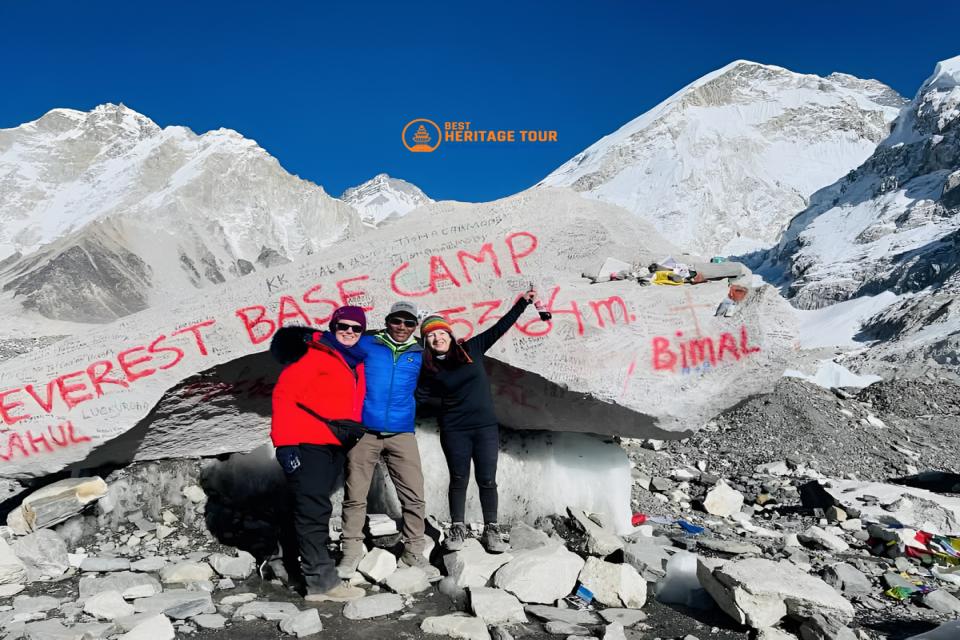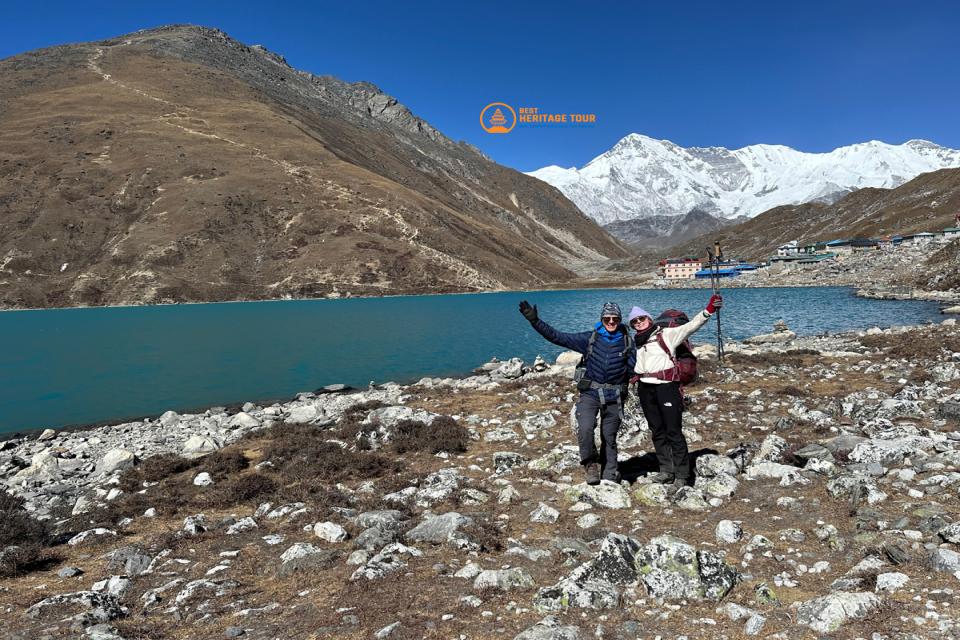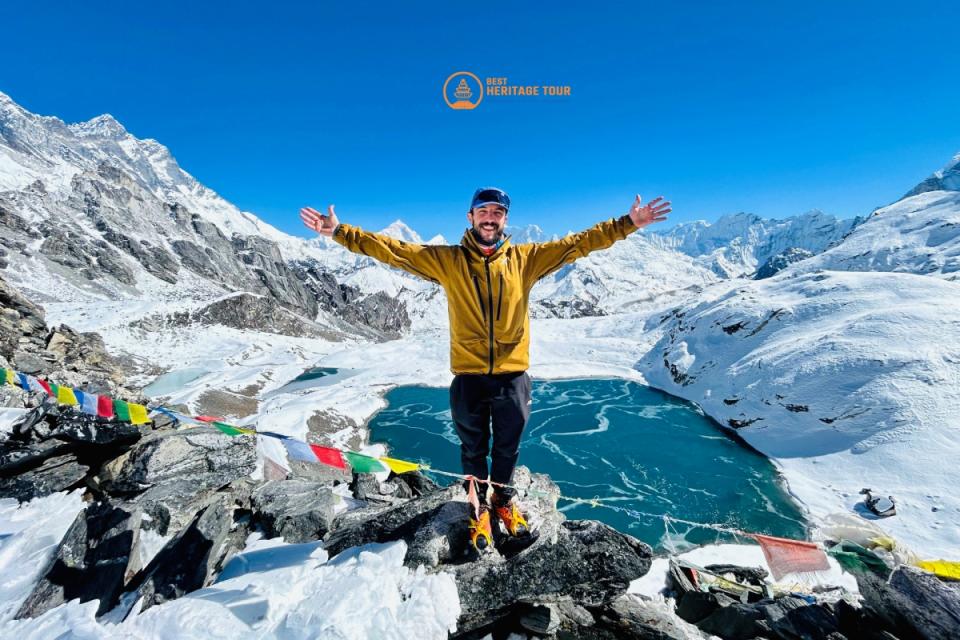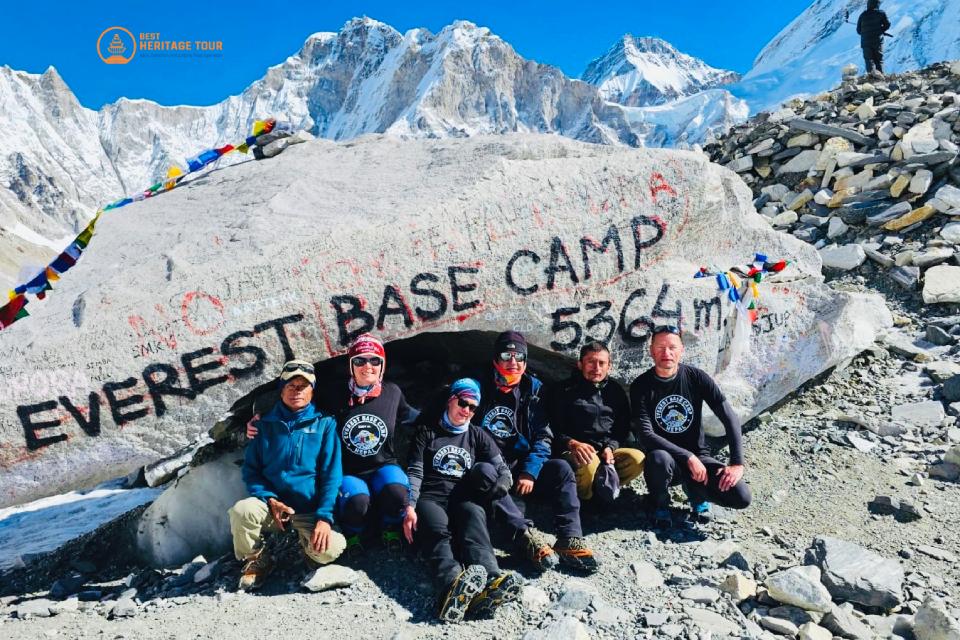
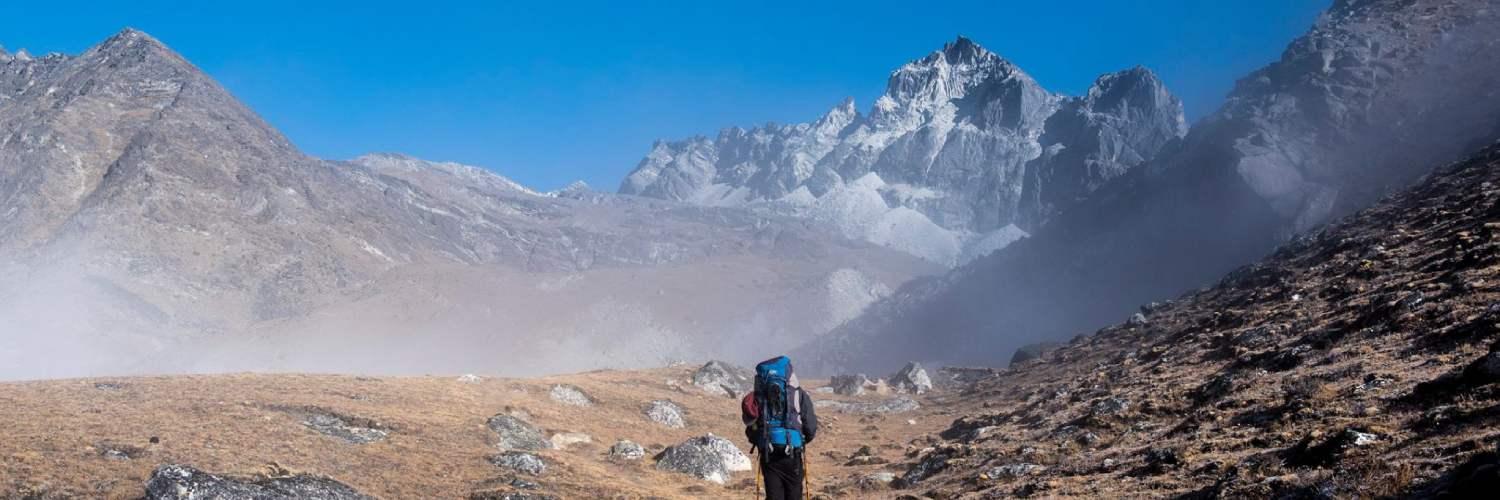
At Best Heritage Tour, we believe that every moment of your Himalayan journey should be meaningful - not just the summit days or iconic viewpoints, but also the quieter, essential pauses along the trail. One such important stop is Dingboche, a picturesque Sherpa village nestled in the heart of the Everest region.
For many trekkers on the Everest Base Camp route, Dingboche serves as a critical acclimatization point. Located at an altitude of approximately 4,410 meters (14,469 feet), this beautiful valley is where your body begins to truly feel the effects of high altitude. While some may see acclimatization days as “rest days,” experienced travelers and guides know better - they are opportunities to explore, adapt, and immerse.
In this comprehensive guide, Best Heritage Tour shares everything you need to know about things to do in Dingboche while acclimatizing, helping you make the most of your time while staying safe and prepared for the higher elevations ahead.
Why Acclimatization in Dingboche is Essential
Before diving into activities, it’s important to understand why Dingboche is such a crucial stop.
As you ascend higher into the Himalayas, oxygen levels decrease significantly. Without proper acclimatization, trekkers risk developing Acute Mountain Sickness (AMS), which can become dangerous if ignored.
Dingboche provides:
-
A strategic altitude gain from previous stops like Pangboche
-
A wide, open valley that allows for gradual hikes
-
Several safe and rewarding acclimatization routes
At Best Heritage Tour, we always recommend the principle:
“Climb high, sleep low.”
This means engaging in light hikes during the day and returning to Dingboche to rest.
1. Hike to Nagarjun Hill - The Best Acclimatization Climb
One of the most recommended activities in Dingboche is the hike to Nagarjun Hill (also known as Nangkartshang Peak).
Why This Hike Matters
This is not just a casual walk - it’s a purposeful acclimatization climb that helps your body adjust to thinner air. Reaching an altitude of around 5,100 meters, it prepares you for upcoming destinations like Lobuche and Gorakshep.
What You’ll Experience
-
Panoramic views of iconic Himalayan peaks
-
A gradual but steady ascent ideal for acclimatization
-
A sense of achievement without overexertion
Highlights Along the Way
-
Stunning views of Ama Dablam
-
Expansive views of the Imja Valley
-
Glimpses of Makalu on clear days
Pro Tip from Best Heritage Tour: Start early in the morning, walk slowly, and maintain a steady pace. Hydration is key. There is no rush - your goal is adaptation, not speed.
2. Explore Dingboche Village and Sherpa Lifestyle
Acclimatization doesn’t always mean climbing higher. Sometimes, slowing down and connecting with the local culture is equally rewarding.
What Makes Dingboche Unique
Unlike the dense forested villages lower down, Dingboche sits in an open alpine valley, surrounded by dramatic mountain landscapes. The village is known for its:
-
Stone-walled fields
-
Traditional Sherpa homes
-
Peaceful atmosphere
Things to Do in the Village
-
Walk through the stone-fenced agricultural fields
-
Observe how locals grow crops like potatoes and barley at high altitude
-
Visit local bakeries and teahouses
Cultural Insight
The stone walls you see throughout Dingboche are not decorative - they protect crops from strong Himalayan winds and grazing animals.
At Best Heritage Tour, we encourage trekkers to take time to understand these subtle details. They are part of what makes the Everest region culturally rich.
3. Visit Local Bakeries and Enjoy a Relaxing Break
Yes, even at 4,410 meters, you can enjoy fresh bakery items!
Why Bakeries are Popular in Dingboche
After several days of trekking, a warm bakery visit feels like a luxury. Dingboche has a few well-known bakeries offering:
-
Fresh bread and pastries
-
Coffee and hot chocolate
-
Light meals like pancakes and pizza
Recommended Experience
Spend your afternoon relaxing with:
-
A cup of hot coffee
-
A slice of apple pie
-
A good book or travel journal
Best Heritage Tour Tip: Avoid alcohol during acclimatization days. Instead, enjoy warm fluids that help your body stay hydrated and energized.
4. Short Hike Towards Chhukung Valley
If you’re feeling energetic and well-acclimatized, a short hike towards Chhukung Valley is a fantastic option.
What Makes This Route Special
The trail towards Chhukung is relatively gentle and offers:
-
Spectacular mountain views
-
Less crowded paths
-
A chance to explore beyond the main Everest Base Camp trail
What You’ll See
-
Glacial rivers
-
Expansive alpine landscapes
-
Close-up views of Lhotse and Island Peak
You don’t need to go all the way to Chhukung. Even a short hike in that direction can be incredibly rewarding.
5. Capture the Himalayan Landscape - A Photographer’s Paradise
Dingboche is one of the most photogenic stops on the Everest Base Camp trek.
Best Photography Opportunities
-
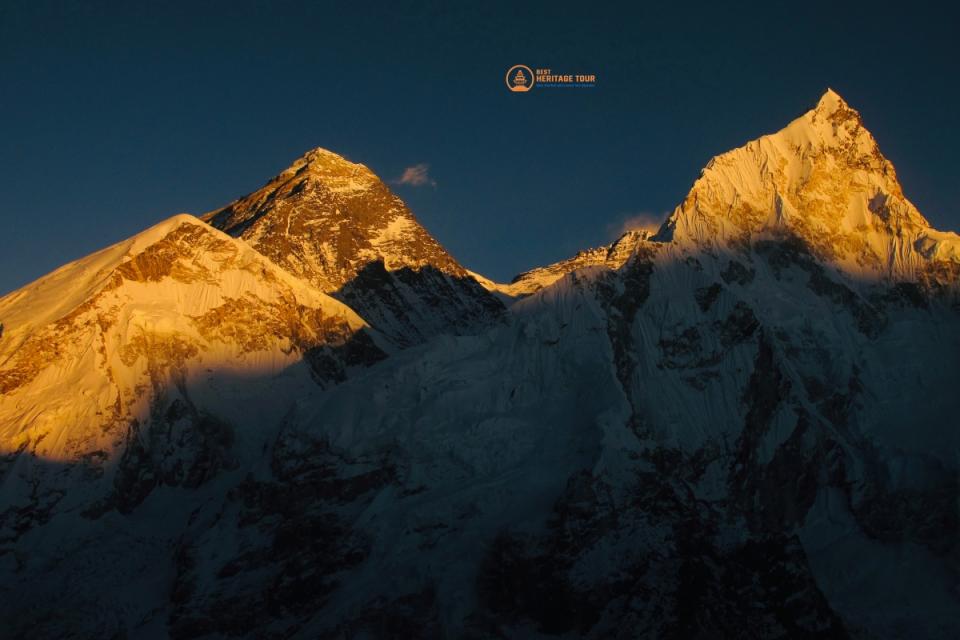
Sunrise over Ama Dablam
-
Golden hour lighting on surrounding peaks
-
Wide-angle shots of the Imja Valley
Tips for Photography
-
Wake up early for the best lighting
-
Keep batteries warm (cold drains them quickly)
-
Use a simple setup - avoid carrying heavy gear
At Best Heritage Tour, we often remind trekkers: sometimes the best camera is simply your eyes. Take moments to pause and absorb the scenery.
6. Learn About High-Altitude Survival and Trekking Techniques
Your acclimatization day is also a perfect time to prepare for the journey ahead.
What You Can Focus On
-
Breathing techniques for high altitude
-
Proper pacing strategies
-
Recognizing symptoms of altitude sickness
Guidance from Best Heritage Tour Guides
Our experienced guides often use this day to:
-
Check your health condition
-
Provide insights into upcoming trail challenges
-
Offer personalized trekking advice
This preparation can make a significant difference in your overall trekking experience.
7. Stay Hydrated and Practice Self-Care
While activities are important, your body needs rest and recovery.
Key Acclimatization Practices
-
Drink 3-4 liters of water daily
-
Avoid heavy physical exertion
-
Eat nutritious meals
Recommended Routine
-
Morning: Light hike (e.g., Nagarjun Hill)
-
Afternoon: Rest and explore the village
-
Evening: Early dinner and sleep
Acclimatization is as much about discipline as it is about adventure.
8. Socialize with Fellow Trekkers
Dingboche is a melting pot of trekkers from around the world.
Why This Matters
Sharing stories and experiences:
-
Boosts morale
-
Provides practical insights
-
Creates lasting memories
Where to Connect
-
Teahouse dining areas
-
Bakeries
-
Rest stops along trails
At Best Heritage Tour, we’ve seen lifelong friendships begin in places like Dingboche.
9. Enjoy the Peace and Disconnect from the World
One of the most underrated experiences in Dingboche is simply doing nothing.
Why This is Valuable
In today’s fast-paced world, true silence is rare. Dingboche offers:
-
Minimal distractions
-
Limited connectivity
-
A chance to reflect
What You Can Do
-
Meditate or practice mindfulness
-
Write in a journal
-
Sit quietly and observe the mountains
Sometimes, the most powerful moments of a trek are the quietest ones.
10. Prepare for the Next Stage of Your Trek
After Dingboche, the trail becomes more challenging as you move towards:
-
Lobuche
-
Gorakshep
-
Everest Base Camp
What to Check
-
Your gear and clothing
-
Energy levels and health condition
-
Mental readiness
Advice from Best Heritage Tour: Never ignore symptoms like headache, dizziness, or nausea. Inform your guide immediately if you feel unwell.
Common Mistakes to Avoid During Acclimatization
Even experienced trekkers can make mistakes. Here are a few to avoid:
-
Skipping acclimatization hikes
-
Drinking alcohol
-
Not drinking enough water
-
Ignoring early signs of AMS
-
Overexerting yourself
At Best Heritage Tour, your safety is always our priority. Proper acclimatization is non-negotiable.
Frequently Asked Questions (FAQs)
How long should I stay in Dingboche?
Typically, 2 nights are recommended for proper acclimatization.
Is the hike to Nagarjun Hill difficult?
It is moderately challenging due to altitude, but manageable with a slow and steady pace.
Can beginners handle Dingboche acclimatization?
Yes, with proper guidance and pacing, beginners can safely acclimatize.
Is Wi-Fi available in Dingboche?
Yes, but it may be limited and slow.
Conclusion
Dingboche is far more than just a stop on the Everest Base Camp trek - it is a place where your journey transforms. It is where your body adapts, your mind strengthens, and your connection with the Himalayas deepens.
At Best Heritage Tour, we design every itinerary with care, ensuring that acclimatization days are not just safe but also enriching. Whether it’s hiking to Nagarjun Hill, exploring Sherpa culture, or simply enjoying the silence of the mountains, Dingboche offers experiences that stay with you long after your trek ends.
Plan Your Everest Adventure with Best Heritage Tour
If you are planning your Everest Base Camp trek or any Himalayan adventure, let Best Heritage Tour guide you every step of the way. With experienced guides, thoughtfully designed itineraries, and a deep commitment to safety and authentic experiences, we ensure your journey is unforgettable.
Phone / WhatsApp / Viber: +977-9851149197 / +977-9810043046
Email: info@bestheritagetour.com / bestheritagetour@gmail.com
Website: www.bestheritagetour.com
Office: Thamel Marg, Kathmandu, Nepal
Author: Best Heritage Tour
Date: 6th April, 2026