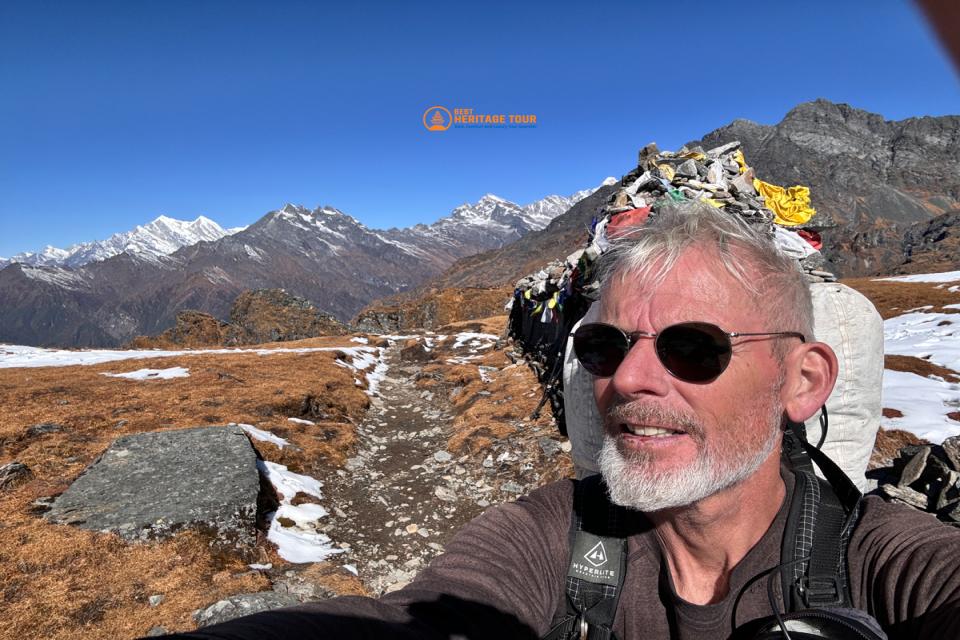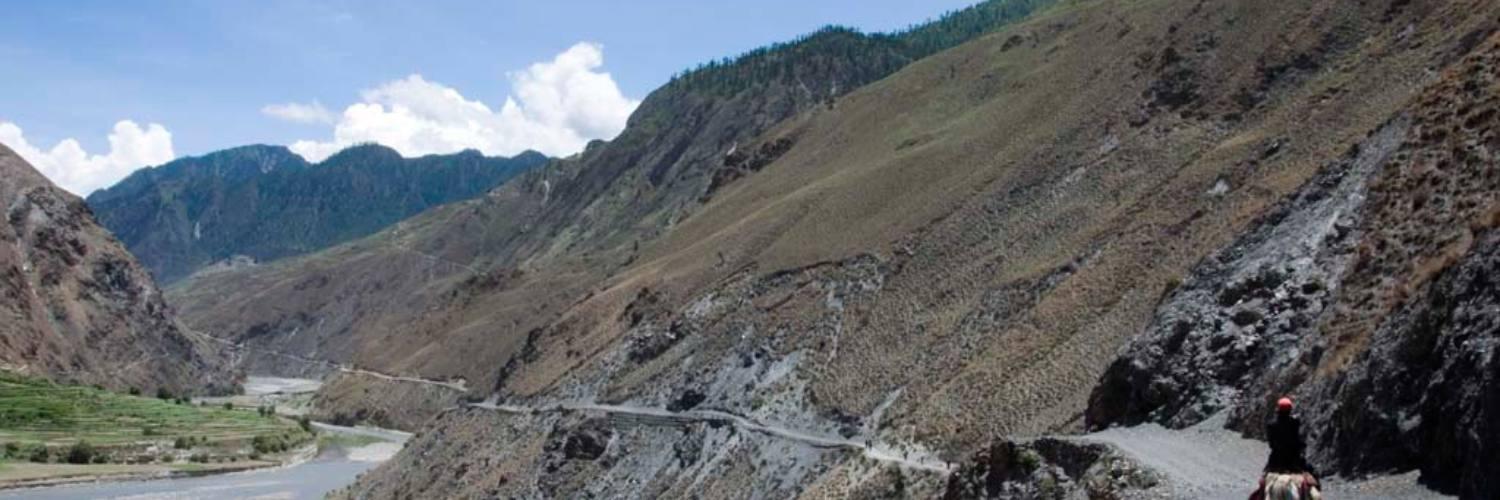
Few places on Earth retain the mystique of a completely bypassed era. Tucked away behind the soaring Dhaulagiri massif in western Nepal lies Upper Dolpo - a high-altitude desert landscape of stark beauty, ancient Bon monasteries, and deep-blue alpine lakes.
As a professional travel agency specializing in authentic Himalayan expeditions, Best Heritage Tour has guided hundreds of intrepid souls across Nepal's most remote terrains. We know that an adventure to this hidden Tibetan enclave is not your average vacation. It is a true expedition.
If you are a trekker seeking the ultimate off-the-beaten-path experience, you are likely asking yourself: What are the Things to Consider while Choosing Upper Dolpo Trek?
This comprehensive guide breaks down every crucial element - from strict government regulations and high-altitude logistics to physical demands and cultural etiquette - to ensure your journey into the land of the Snow Leopard is seamless, safe, and profoundly life-changing.
The Core Appeal: Why Choose Upper Dolpo Circuit Trek?
Before diving into the logistical aspects, it is essential to understand what makes this region so incredibly unique. Upper Dolpo is a rain-shadow zone, meaning it shares a similar geography to the Tibetan Plateau rather than the lush, green valleys of central Nepal.
When you embark on this trek, you are stepping into a living museum. You will encounter:
-
Shey Phoksundo National Park: Nepal's largest national park, home to the deepest lake in the country, Phoksundo Lake, and the elusive snow leopard.
-
Ancient Bon and Buddhist Culture: Discover centuries-old monasteries like Shey Gompa, where the pre-Buddhist Bon religion is still actively practiced.
-
The Mythic Caravan Trails: Walk along the same high-altitude trade routes depicted in Eric Valli's Oscar-nominated film Himalaya (Caravan).
Now, let us explore the critical variables you must weigh before booking your trip.
Navigating Government Permits and Regulatory Frameworks
When reviewing the Things to Consider while Choosing Upper Dolpo Trek, legal compliance sits at the absolute top of the list. Because Upper Dolpo borders Tibet and possesses a delicate ecosystem and heritage, the Government of Nepal classifies it as a strictly regulated, restricted area.
Restricted Area Permit (RAP) Fees
Unlike the Annapurna or Everest regions, you cannot simply buy a TIMS card and head out. Upper Dolpo requires a specialized Restricted Area Permit. The costs are premium, designed by the government to control the volume of tourism and preserve the local way of life.
-
Permit Cost: USD 500 per person for the first 10 days.
-
Additional Days: USD 50 per person per day after the initial 10 days.
Group Size and Guide Mandates
By law, independent trekking (solo travel) is strictly forbidden in Upper Dolpo. To secure these permits, your trip must meet the following criteria:
-
Minimum Group Size: There must be a minimum of two foreign trekkers in the group.
-
Authorized Agency: The permits can only be processed and acquired through a government-registered trekking agency in Nepal, such as us here at Best Heritage Tour.
-
Licensed Guide: You must be accompanied by a licensed, professional guide throughout the duration of the trek.
Supplementary Permits
In addition to the RAP, your itinerary will require:
-
Shey Phoksundo National Park Entry Permit: NPR 3,000 (roughly USD 23-25).
-
Lower Dolpo Restricted Area Permit: USD 20 per person per week (as you must walk through Lower Dolpo to access the upper regions).
Evaluating Physical Fitness and High-Altitude Endurance
Make no mistake: the Upper Dolpo circuit is one of the most physically demanding treks in the entire Himalayan chain. When analyzing What are the Things to Consider while Choosing Upper Dolpo Trek, you must be entirely honest with yourself about your physical capabilities.
The Challenge of High Mountain Passes
This trek regularly crosses extreme altitudes. You will be crossing multiple mountain passes that exceed 5,000 meters above sea level, including:
-
Kang La Pass: 5,360 meters (17,585 feet)
-
Saldang La Pass: 5,200 meters (17,060 feet)
Spending consecutive days sleeping and walking above 4,000 meters places massive stress on the human body. Acute Mountain Sickness (AMS) is a very real danger here.
Daily Demands and Training Preparation
You will be hiking for 15 to 22 days, averaging 6 to 8 hours of strenuous walking per day. The trails are often narrow, rocky, and steep, cut directly into the sides of cliffs.
Our Expert Guide Advice: We highly recommend a rigorous training regimen starting at least 3 to 4 months prior to departure. Focus heavily on cardiovascular endurance (running, swimming, cycling), stair climbing with a weighted pack, and leg strength training.
Logistics: Camping vs. Teahouse Trekking
One of the most defining Things to Consider while Choosing Upper Dolpo Trek is how you will live, sleep, and eat during the journey.
Unlike the highly commercialized Everest Base Camp or Annapurna Circuit trails - which feature comfortable teahouses with hot showers, Wi-Fi, and extensive menus - Upper Dolpo remains deeply rugged and remote.
The True Fully-Organized Camping Experience
While a few basic homestays have popped up in larger villages like Dunai, Ringmo, and Saldang, Upper Dolpo is still fundamentally a fully organized camping trek. This means a reputable agency must manage a complex logistical web on your behalf.
When you trek with a professional company, your caravan will include:
-
A Kitchen Crew: A professional trekking chef and kitchen assistants who prepare three hot, hygienic, and calorie-dense meals every single day.
-
Mules and Porters: A team of pack animals (mules or yaks) and local porters to carry all heavy gear, including heavy canvas tents, kitchen equipment, fuel, and non-perishable food supplies for the entire duration.
-
High-Quality Camping Gear: Dome tents, dining tents, foam mattresses, and toilet tents.
|
Feature |
Standard Nepal Treks (Everest/Annapurna) |
Upper Dolpo Trek Experience |
|---|---|---|
|
Accommodation |
Standard Teahouses / Lodges |
Wilderness Camping Tents |
|
Food Availability |
Extensive Western & Local Men Menus |
Fresh Meals Prepared by Private Chef |
|
Connectivity |
Wi-Fi and Cellular Signal widely available |
Complete Offline Wilderness / Satellite Phone |
|
Crowd Levels |
High / Heavily Trafficked Trails |
Pristine Isolation / Very Few Trekkers |
Seasonal Windows: Choosing the Perfect Time to Trek
Timing is everything in the Himalayas. Because Dolpo lies in a rain shadow, its seasonal patterns vary slightly from the rest of Nepal, making the trekking calendar a vital factor among the Things to Consider while Choosing Upper Dolpo Trek.
Spring (April to May)
Spring is a fantastic time to visit. The winter snows on the high passes begin to melt away, alpine flowers start blooming in the lower valleys, and the weather is generally stable with clear skies. Daytime temperatures are pleasant for walking, though nights remain freezing at high elevations.
Summer / Monsoon (June to August)
While the rest of Nepal experiences heavy monsoon downpours that cause landslides and block mountain views, Upper Dolpo is one of the few regions where you can comfortably trek during the summer.
Because it is protected by the Dhaulagiri rain shadow, the weather remains dry and perfect for trekking. However, getting to the region via domestic flights can be delayed due to monsoon clouds in the lowlands of Nepal.
Autumn (September to November)
This is widely considered the peak trekking window for Upper Dolpo. The air is exceptionally crisp, visibility is near-perfect, and the local communities are busy harvesting their crops, providing a wonderful cultural spectacle. By late November, however, early winter snows can completely close the high passes.
Transportation and Remote Access Dynamics
Getting to the trailhead of Upper Dolpo is an adventure in its own right and a major factor to calculate when planning your itinerary budget and timeline. The region is isolated, and access depends entirely on weather-sensitive domestic aviation.
The standard journey follows a specific multi-flight sequence:
1.Flight from Kathmandu to Nepalgunj: Day 1.
You take a 45-minute scheduled flight from the capital to Nepalgunj, a bustling city in the hot, southern plains of Nepal near the Indian border. You will typically spend the night here.
2.STOL Flight from Nepalgunj to Juphal: Day 2.
Early the next morning, you board a small Twin Otter STOL (Short Take-Off and Landing) aircraft for a dramatic 35-minute flight into the mountain airstrip of Juphal (2,475 meters).
3.Commence Trekking from Juphal: Day 2 afternoon.
From the Juphal airstrip, your feet hit the ground, your crew assembles the pack animals, and your actual walking journey into Dolpo officially begins.
The Factor of Flight Delays
The flight from Nepalgunj to Juphal passes through deep mountain valleys and is highly vulnerable to wind, cloud cover, and rain. Flights only operate in the clear windows of the early morning.
Critical Planning Tip: Always build 2 to 3 buffer days into your international travel itinerary. If bad weather sets in, flights to Juphal can be grounded for days at a time. Having a buffer ensures you won't miss your international flight back home.
Cultural Immersion and Ethical Etiquette
Upper Dolpo is one of the last remaining bastions of pure, unaltered Tibetan culture on earth. The locals, known as Dolpo-pas, live a traditional agro-pastoral lifestyle, herding yaks and farming hardy crops like buckwheat and barley.
When exploring What are the Things to Consider while Choosing Upper Dolpo Trek, understanding and respecting local customs is paramount to being an ethical traveler.
-
Circumambulation Rules: You will encounter many Mani walls (stone tablets carved with Buddhist mantras) and Chortens (stupas). In Buddhist tradition, always walk to the left of these structures. However, if you are visiting a Bon monastery or shrine, you must walk around it to the right (counter-clockwise). Your guide will help steer you correctly.
-
Monastery Photography: Always ask for permission before taking photographs inside ancient gompas. Many of these structures hold sacred relics that are hundreds of years old, and flash photography may be prohibited.
-
The Eco-Footprint: Because Dolpo is a closed ecosystem, modern waste management is non-existent. As a company, we practice strict "Leave No Trace" ethics. Every piece of non-biodegradable waste our group creates is packed up and carried back out to Nepalgunj or Kathmandu for proper disposal.
Financial Investment and Choosing the Right Operator
An expedition to Upper Dolpo is a significant financial commitment. If you see an agency offering an Upper Dolpo trek at an unbelievably low price, it is a massive red flag.
Why is the Upper Dolpo Trek Expensive?
The cost is directly driven by the premium government permit fees ($500+ minimum per person), the requirement of multiple domestic flights for both travelers and the guiding staff, and the immense logistical challenge of moving weeks' worth of food and fuel into a roadless wilderness.
When selecting an operator, ensure their quote includes:
-
Fair, ethical wages and comprehensive medical rescue insurance for the porters and guides.
-
Reliable emergency equipment, specifically a comprehensive first-aid kit and a satellite phone for medical evacuations.
-
High-grade, weather-resistant mountain tents and clean, nutritious food supplies.
Summarized Checklist for Your Upper Dolpo Expedition
To help you clarify your planning, review this quick reference checklist before making your final decision:
-
Group Status: Do I have a trekking partner, or have I joined a fixed-departure group with a registered agency?
-
Financial Plan: Am I prepared for the premium permit costs and logistics fees associated with a restricted area?
-
Physical Training: Have I committed to a 3-month cardiovascular and strength regimen?
-
Time Allocation: Do I have at least 21 to 25 total days available, including domestic travel and weather buffer days?
-
Gear Readiness: Do I have top-tier gear, including a four-season sleeping bag rated down to -15°C (5°F) and broken-in trekking boots?
-
Insurance Coverage: Does my travel insurance explicitly cover emergency helicopter evacuation up to 6,000 meters?
Conclusion
Upper Dolpo is not just a destination; it is a profound journey into isolation, ancient heritage, and raw, untouched nature. It rewards those who approach it with careful preparation, physical determination, and deep cultural respect. By thoroughly evaluating these Things to Consider while Choosing Upper Dolpo Circuit Trek, you change your journey from a risky venture into a deeply successful, unforgettable mountain expedition.
We at Best Heritage Tour are deeply passionate about showcasing the pristine, untouched beauty of Nepal while preserving its precious heritage. Our team handles every detail of the complex logistics - from acquiring specialized permits to organizing top-tier camping crews and experienced wilderness guides - so you can focus entirely on the transformative experience of the trail.
Are you ready to plan your ultimate off-the-beaten-path adventure to the hidden valleys of Dolpo? Let us help you craft the perfect, tailor-made itinerary for your needs.
Contact Best Heritage Tour
Phone / WhatsApp / Viber: +977-9851149197 / +977-9810043046
Email: info@bestheritagetour.com / bestheritagetour@gmail.com
Website: www.bestheritagetour.com
Office: Thamel Marg, Kathmandu, Nepal
Author: Best Heritage Tour
Date: 26th May, 2026