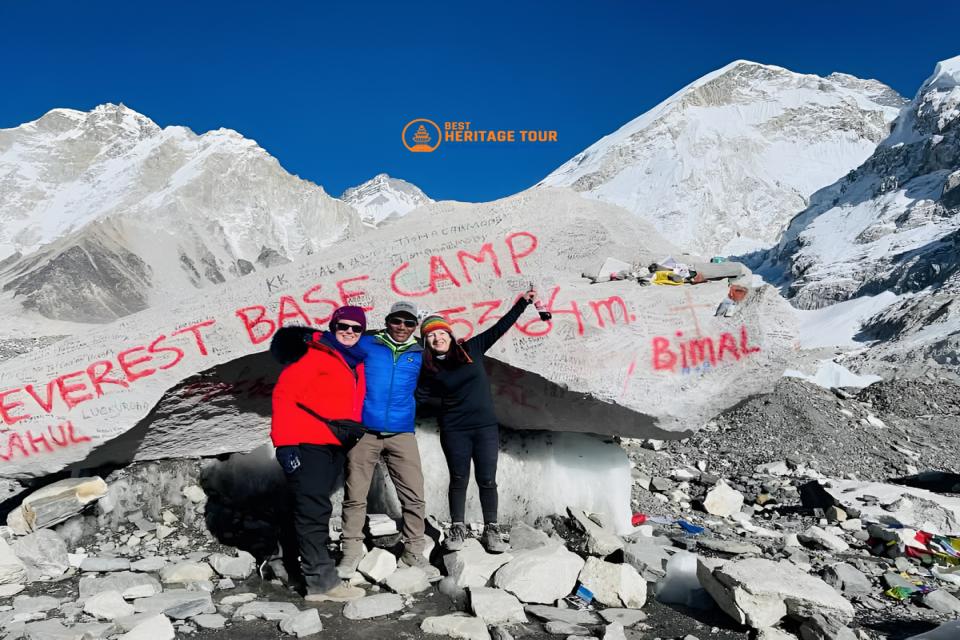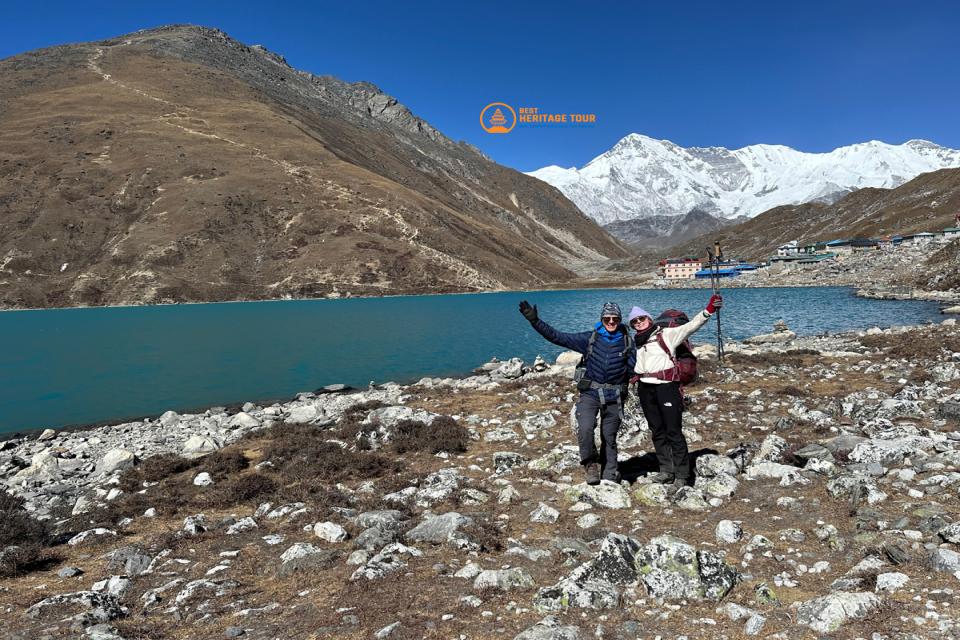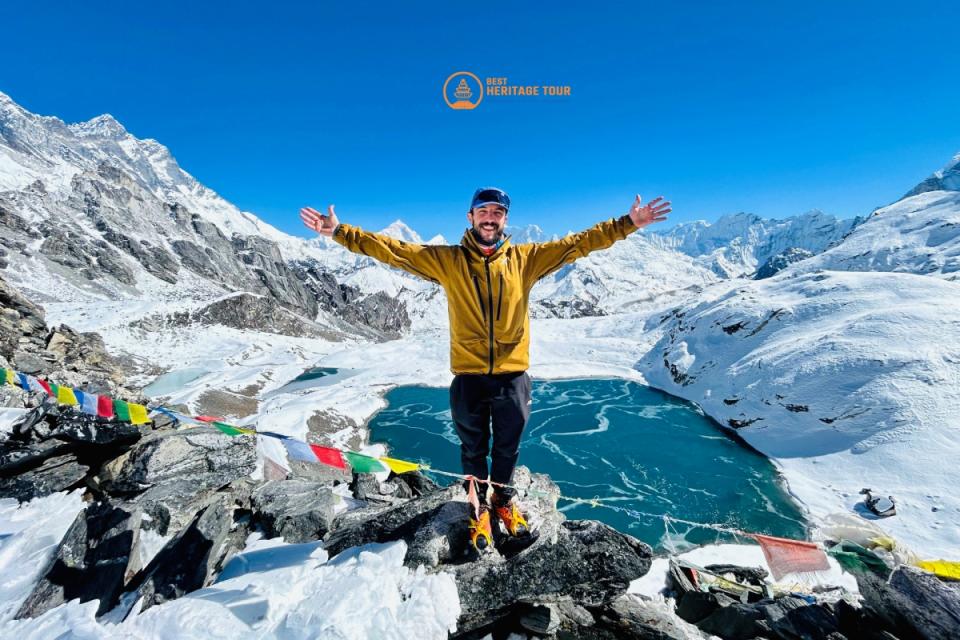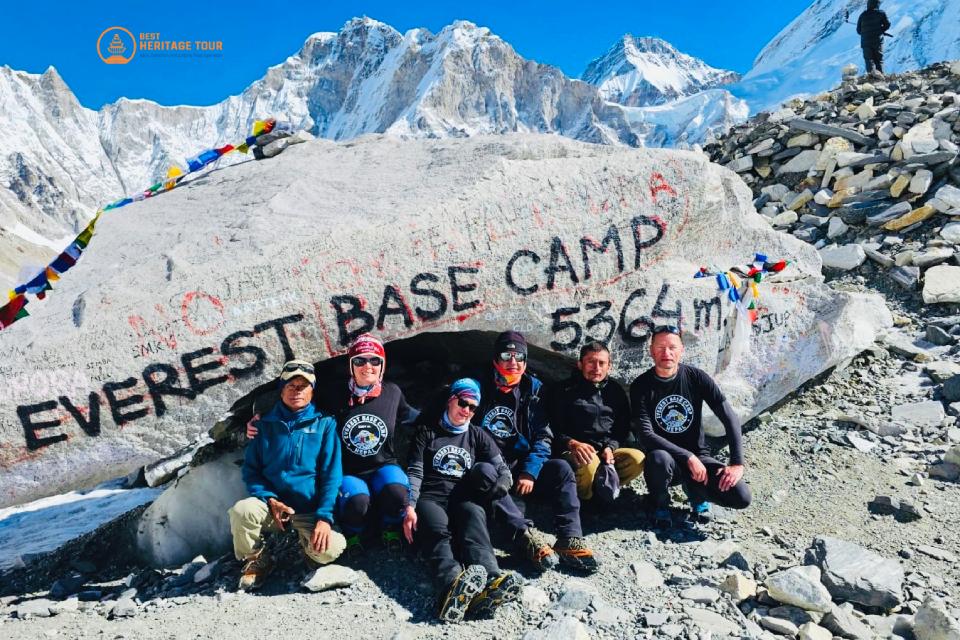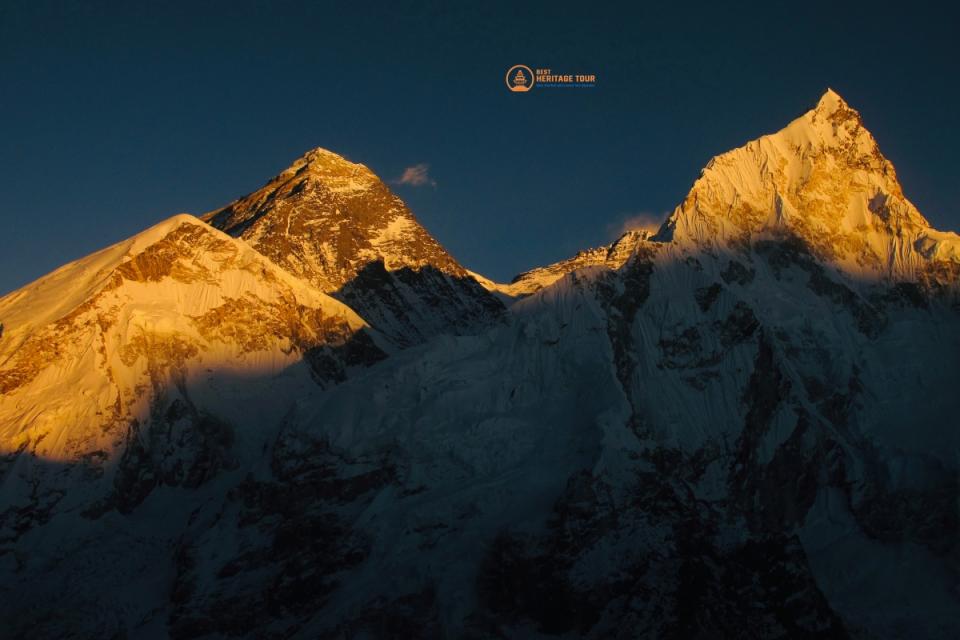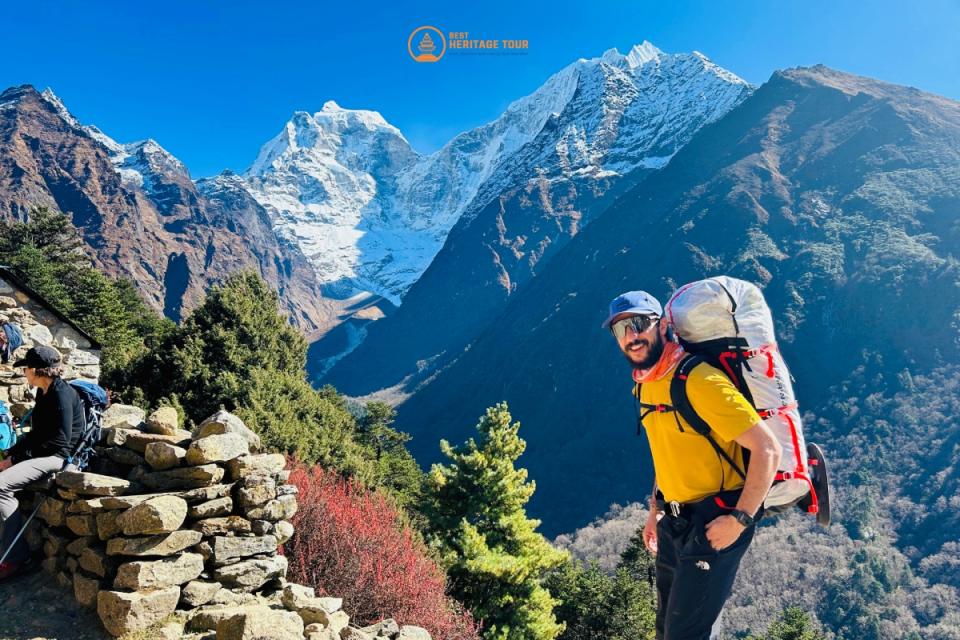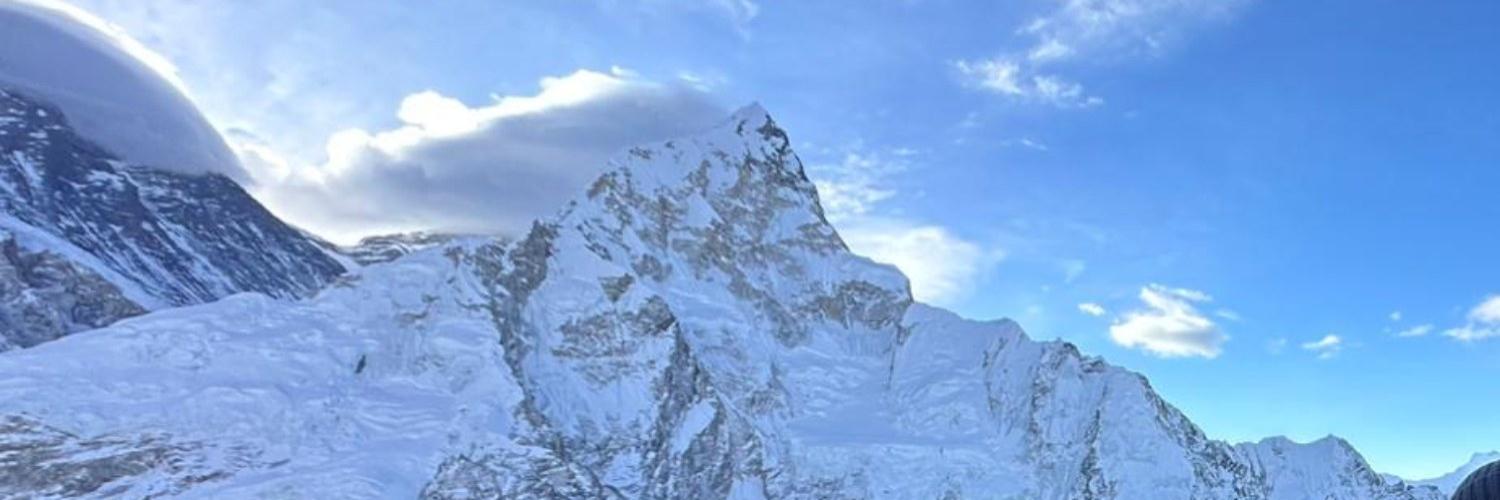
Trekking through the Khumbu region to the foot of the world’s highest peak is the ultimate bucket-list adventure. The dream of setting out on an Everest Base Camp Solo Trek calls to independent travelers, seasoned mountaineers, and soul-searchers worldwide. There is something profoundly transformative about walking beneath giants like Ama Dablam, Lhotse, and Mount Everest at your own pace.
However, navigating the high altitudes of the Himalayas requires more than just physical fitness. It demands a clear understanding of local regulations, safety systems, and logistical realities. If you are planning an independent journey, a critical question immediately arises: Is it legal to trek solo to EBC?
The short answer is yes, it is technically legal, but it is highly discouraged by experts, guides, and seasoned operators.
As local travel experts - Best Heritage Tour, we have mapped out everything you need to know about navigating the Everest region safely, legally, and sustainably. This comprehensive guide covers the technical legalities, safety considerations, costs, and strategic differences between completely unguided trekking and hiring a private local companion.
Is It Legal to Trek Solo to EBC? The Regulatory Reality
In early 2023, the Nepal Tourism Board (NTB) introduced a landmark policy mandating licensed guides for all foreign trekkers across the country’s high-altitude regions. This historic update aimed to curb the rising numbers of missing hikers, streamline emergency helicopter rescues, and safeguard remote mountain passes.
However, Nepal’s administrative layout features distinct regional layers. The Khumbu Pasang Lhamu Rural Municipality - the local government body governing the entire Everest trekking sector - exercised its autonomy regarding this rule.
The Local Permit Matrix
Because the local government holds jurisdiction over regional entry, they currently permit independent hikers to enter the trail provided they purchase the proper regional entry documentation directly.
|
Permit Type |
Cost (Foreigners) |
Issuing Location |
|---|---|---|
|
Khumbu Pasang Lhamu Rural Municipality Permit |
NPR 3,000 |
Lukla or Monjo Checkpoint |
|
Sagarmatha National Park Entry Permit |
NPR 3,000 + 13% VAT |
Kathmandu (NTB Office) or Monjo Gate |
Critical Warning: While the local municipality bypasses the absolute guide mandate enforced in the Annapurna or Langtang circuits, they continuously review safety protocols. If you decide to go fully unguided, you assume absolute, unmitigated personal liability for your safety, navigation, and emergency logistics.
The Hidden Pressures of Going Fully Alone
While hiking without a guide gives you total control over your daily schedule, the reality of managing a high-altitude expedition alone involves significant practical challenges.
1. The Realities of Acclimatization and AMS
The trail to Everest Base Camp starts at Lukla (2,860 m) and rapidly climbs to Base Camp (5,364 m) and Kala Patthar (5,545 m). Above Namche Bazaar (3,440 m), the atmospheric pressure drops significantly, leaving fewer oxygen molecules per breath.
Acute Mountain Sickness (AMS) treats all hikers equally, regardless of physical fitness or experience. When hiking in a group or with a professional guide, an expert eye monitors your respiration rates, cognitive clarity, and physical pacing. When completely alone, diagnosing early symptoms of HAPE (High Altitude Pulmonary Edema) or HACE (High Altitude Cerebral Edema) falls entirely on you. Cognitive decline from oxygen deprivation can make self-diagnosis incredibly difficult.
2. Teahouse Logistics During Peak Season
During the peak spring (March to May) and autumn (September to November) seasons, thousands of trekkers head into the Khumbu region. Space in the high-altitude teahouses of Dingboche, Lobuche, and Gorak Shep is limited.
Local guides maintain strong, long-standing relationships with Sherpa teahouse proprietors. They pre-book rooms days in advance via phone or local networks. An independent trekker arriving late in the afternoon often finds the communal dining hall is the only available place to sleep.
3. Flight Delays and Lukla Gridlocks
The flight from Kathmandu (or Manthali/Ramechhap) to Lukla's Tenzing-Hillary Airport is entirely weather-dependent. Sudden cloud cover or high winds can halt flights for days. When flights resume, tracking agencies scramble to secure seats for their clients. A solo traveler without an established local agency backing them up can easily get stranded at the airport, disrupting their entire international travel schedule.
Redefining "Solo": The Private Guide Approach
To enjoy independent travel without the safety risks of going completely unguided, many hikers choose an alternative: Solo Trekking with a Private Guide.
This strategy combines the independence of a solo journey with the safety and insight of an organized tour. You are not joining a large group of strangers; you retain full control over your itinerary, walking speed, and daily rest stops, while benefiting from dedicated local support.
The Value of a Professional Guide
-
Safety Monitoring: Professional guides carry pulse oximeters to track your blood oxygen levels daily, helping catch altitude sickness before it becomes an emergency.
-
Cultural Connection: Your guide acts as a cultural bridge, sharing insights into Sherpa history, Buddhist monasteries, and local traditions that you won't find in guidebooks.
-
Emergency Assistance: If an evacuation becomes necessary, your guide can coordinate directly with helicopter rescue services and insurance providers, allowing you to focus entirely on recovery.
-
Logistical Support: From securing the warmest rooms to coordinating fresh meals, a guide manages the background details so you can fully appreciate the landscape.
Preparing for Your Everest Base Camp Journey
If you choose to manage your own trek independently, thorough physical, mental, and logistical preparation is essential.
Physical Training Strategy
Your training should focus on cardiovascular endurance and lower-body strength. Aim to start your preparation at least 12 to 16 weeks before your departure date.
-
Weighted Stair Climbs: Train with a loaded backpack (8 kg - 12 kg) on a stairmaster or local hills twice a week.
-
Zone 2 Cardio Endurance: Incorporate long, slow runs, cycling sessions, or swimming workouts to optimize your oxygen utilization efficiency.
-
Strength Focus: Build core and leg strength with squats, lunges, deadlifts, and planks to help handle multi-day descents on rocky terrain.
Packing Essentials
Keep your pack weight under 15 kg if you plan to carry it yourself. If you choose to hire a porter, you can pack a durable duffel bag up to 20 kg and carry only a lightweight daypack for your camera, water, and extra layers.
-
Layering System: High-quality merino wool base layers, a mid-weight fleece jacket, and a windproof, waterproof outer shell.
-
Insulation: A high-loft down jacket rated for temperatures down to -15℃.
-
Footwear: Broken-in, waterproof trekking boots paired with moisture-wicking wool hiking socks.
-
Water Management: Two 1-liter wide-mouth Nalgene bottles, an insulated bottle sleeve, and reliable water purification tablets or a UV purification system.
Conclusion
An adventure into the Everest region is a remarkable experience, but it requires careful preparation and respect for the mountain environment. While it remains legally possible to hike the trail entirely on your own, having a knowledgeable local companion along ensures you can focus fully on the journey itself.
At Best Heritage Tour, we specialize in designing customized, independent itineraries led by experienced, licensed local guides. We handle the logistical details - from flights and permits to teahouse bookings and emergency support - so you can enjoy the freedom of the trail with total peace of mind.
Connect with us to start planning your custom Everest itinerary.
Phone / WhatsApp / Viber: +977-9851149197 / +977-9810043046
Email: info@bestheritagetour.com / bestheritagetour@gmail.com
Website: www.bestheritagetour.com
Office: Thamel Marg, Kathmandu, Nepal
Frequently Asked Questions
Can a solo female traveler safely hike to Everest Base Camp?
Yes. The main trail through the Khumbu region is widely traveled, and the local Sherpa communities are known for their hospitality. However, safety concerns for solo female travelers are less about personal security and more about the shared environmental risks of high-altitude hiking, such as altitude sickness or trail injuries. Hiring a private guide provides a reliable safety net and clear peace of mind.
Is a TIMS Card required for the Everest region?
As of recent updates, the Khumbu Pasang Lhamu Rural Municipality manages its own local entry fees directly. The standard Trekkers' Information Management System (TIMS) card is not required at the Lukla or Monjo entry checkpoints, where regional fees are collected instead.
What happens if I get injured or develop severe AMS while hiking alone?
If you are completely unguided, you must rely on passing trekkers or teahouse operators to contact emergency services. Satellite messengers like a Garmin InReach can provide a vital communication link. If you travel with a guide, they can coordinate directly with helicopter rescue teams to arrange a swift evacuation.
Author: Best Heritage Tour
Date: 19th July, 2026