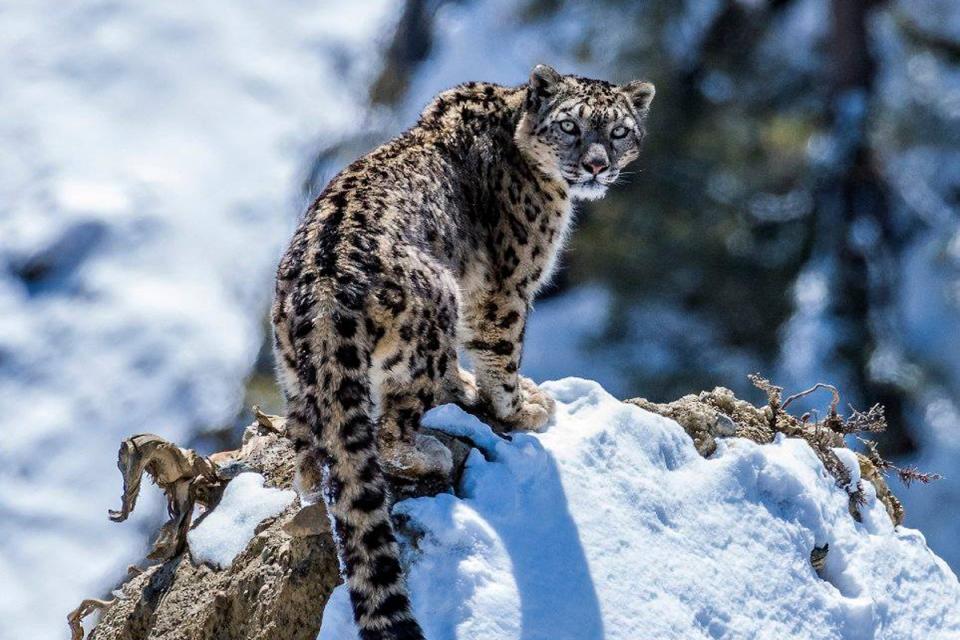
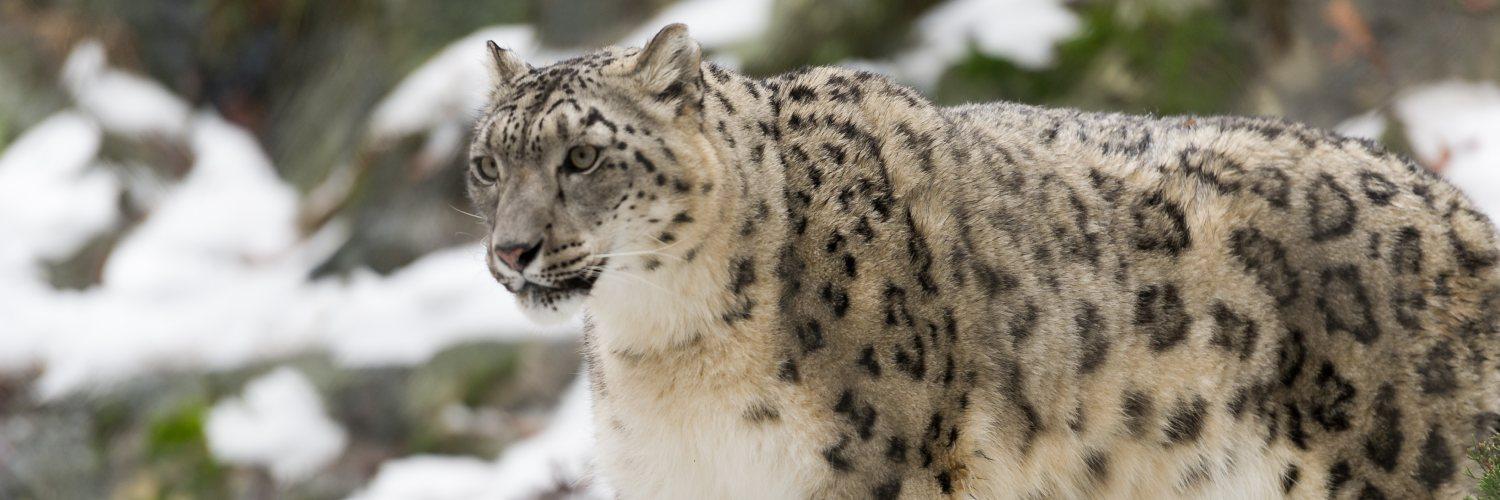
For wildlife photographers and documentary makers, capturing the snow leopard (Panthera uncia) is the ultimate high-altitude test. Known widely as the "Ghost of the Mountains," this magnificent feline commands extreme respect, blending masterfully into the jagged, wind-scoured cliffs of the Himalayas. As global interest in high-mountain biodiversity surges, Nepal has emerged as one of the premier sanctuaries for tracking and photographing these elusive predators.
When planning an expedition, two iconic regions consistently dominate the conversation: Manang and Dolpo. Both offer breathtaking landscapes and healthy leopard populations, but they present entirely different logistical realities, physical demands, and photographic environments.
Evaluating Snow Leopard Photography in Nepal requires looking closely at how Manang and Dolpo stack up against each other. This breakdown helps wildlife photographers and documentary teams determine which destination best aligns with their creative and logistical goals.
Understanding the Contenders: The Habitat Dynamics
To successfully photograph snow leopards, one must first understand their ecology. These cats thrive in high-altitude, arid, or semi-arid rain-shadow zones where rugged terrain provides vantage points and cover, and where ungulates like the blue sheep (Bharal) form the foundation of the food chain.
1. Snow Leopard Photography in Manang: Accessibility Meets High Density
Nestled in the upper reaches of the Annapurna Conservation Area, Manang has rapidly evolved from a classic trekking stop into one of the world's most reliable hubs for snow leopard observation.
-
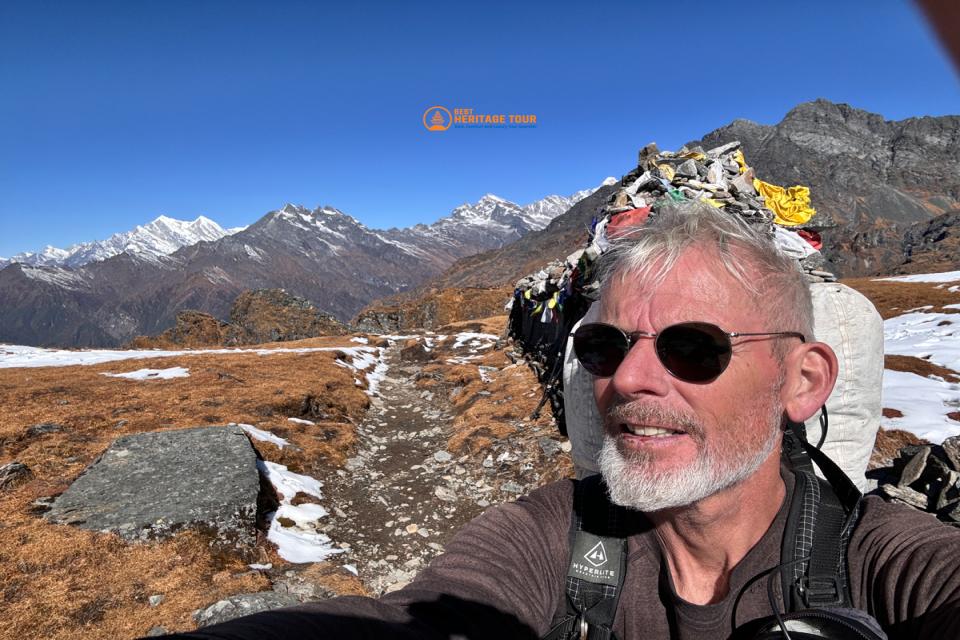
The Geography: Characterized by dramatic vertical cliffs, glacial moraines, and alpine scrub, Manang sits comfortably in the rain-shadow of the Annapurna and Manaslu massifs.
-
Prey Density: The region boasts exceptional populations of blue sheep. During the colder months, these herds descend closer to the valley floors, drawing predators down to elevations between 3,500 meters and 4,500 meters.
-
Logistical Advantages: Manang benefits from relatively established infrastructure. Photographers can base themselves in comfortable local lodges or specialized community-run tracking camps supported by veteran local trackers.
2. Upper Dolpo: The Untouched Wilderness
Located in western Nepal and largely protected by the sprawling expanse of Shey Phoksundo National Park, Dolpo represents one of the last true isolated wildernesses on the Asian continent.
-
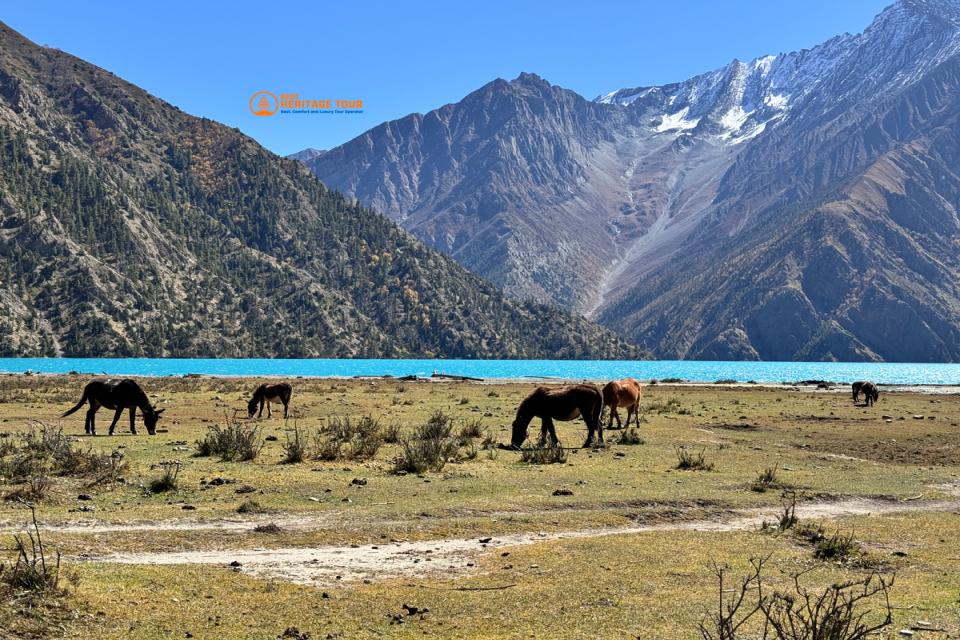
The Geography: Dolpo is a high-altitude desert characterized by vast arid expanses, deep canyons, and stark, wind-carved mineral cliffs. It feels fundamentally wilder and completely detached from the modern world.
-
Prey Density & Human Footprint: Because human settlements are sparse and wide apart, wildlife here behaves with a pristine, unhabituated wariness. The vastness of the terrain means animal density per square kilometer is lower, but the territory is entirely undisturbed by mass tourism.
-
Logistical Realities: Dolpo requires specialized restricted-area permits, complex expedition logistics, and often domestic charter flights followed by rigorous, multi-week backcountry camping.
Head-to-Head Comparison: Which Place Has Higher Chances of Spotting a Snow Leopard?
For a wildlife documentary maker or professional photographer operating on a tight schedule, sighting probability is the ultimate metric.
|
Feature |
Manang (Annapurna Region) |
Dolpo (Shey Phoksundo / Upper) |
|
Sighting Probability |
Higher frequency of confirmed sightings due to concentrated winter movements. |
Moderate-to-low encounter rate due to vast, distributed territories. |
|
Logistics & Accessibility |
Moderate. Accessible via road and scenic mountain trails; shorter approach times. |
Highly challenging. Requires restricted permits, domestic trekking. |
|
Accommodation Style |
Traditional stone lodges and community teahouses with local comforts. |
Predominantly fully supported tented wilderness camps. |
|
Backdrop Aesthetics |
Towering glaciated ice peaks (Annapurna II, Gangapurna). |
Dramatic, barren Tibetan plateaus and deep turquoise waters(Phoksundo Lake). |
The Verdict on Sighting Odds
When addressing the core question - Which place has the higher chances of spotting a snow leopard: Manang vs Dolpo - Manang holds the statistical advantage for targeted photography expeditions.
Because local conservation initiatives, coupled with traditional herding behaviors, have habituated wildlife to the seasonal rhythms of human presence in specific narrow corridors (such as Khangsar, Gunsang, and the approaches to Tilicho), expert spotters can triangulate movement more efficiently. Trackers in Manang maintain an intricate communication network, allowing photography teams to mobilize quickly when fresh pugmarks, scrapes, or vocalizations are recorded.
Dolpo, conversely, offers an unmatched wilderness experience, but the sheer scale of the landscape means finding a cat relies heavily on raw chance rather than concentrated tracking infrastructure. It is a destination suited for documentary makers aiming to capture the animal within an epic, utterly untamed context, whereas Manang maximizes lens-time on the subject.
Essential Technical Considerations for High-Altitude Wildlife Photography
Regardless of whether you choose the ridges of Manang or the depths of Dolpo, shooting snow leopards demands rigorous preparation:
-
Glass and Reach: Pack a professional telephoto setup of at least 400mm to 600mm. Because ethical wildlife ethics dictate maintaining a respectful distance, focal reach is non-negotiable.
-
Camera Support: Sturdy carbon-fiber tripods or versatile monopods are critical since wind speeds at high altitude can ruin long-exposure framing.
-
Thermal Management: Sub-zero alpine winter temperatures drain batteries rapidly. Always carry multiple spare lithium-ion batteries kept close to your body warmth.
-
Fast Shutter Discipline: Set your shutter speeds to 1/1000s or higher during active movement windows, keeping aperture ranges between f/4 and f/5.6 to separate the subject from complex granite backgrounds.
Conclusion
Choosing between Manang and Dolpo ultimately depends on the nature of your expedition. If your primary objective is maximizing photographic encounters, studying localized movement patterns with expert trackers, and balancing high-altitude adventure with logistical efficiency, Manang stands out as the superior destination. If your vision calls for absolute isolation, raw frontier exploration, and sweeping documentary frames of untouched wilderness, Dolpo remains an inspiring, peerless frontier.
To design a customized, expert-led itinerary tailored to your exact camera gear requirements, tracking goals, and timeline, connect with our field specialists at Best Heritage Tour.
Contact Best Heritage Tour:
Phone / WhatsApp / Viber: +977-9851149197 / +977-9810043046
Email: info@bestheritagetour.com / bestheritagetour@gmail.com
Website: www.bestheritagetour.com
Office: Thamel Marg, Kathmandu, Nepal
Frequently Asked Questions (FAQs)
What is the best time of year for snow leopard photography in Nepal?
The peak window spans from late December through March. During these winter months, heavy snow accumulation at higher elevations forces both blue sheep and snow leopards down into lower alpine valleys, significantly boosting visibility. Furthermore, January and February mark the mating season, during which leopards are notably more active and vocal.
Is Manang suitable for first-time high-altitude photographers?
Yes. While high-altitude fatigue is always a factor above 3,500 meters, Manang’s trail network is well-trodden, and lodge accommodations allow photographers to recover in relative comfort compared to full-camping wilderness expeditions.
Do I need special permits to photograph wildlife in these regions?
Yes. You will require an Annapurna Conservation Area Permit (ACAP) or Shey Phoksundo National Park entry permits, alongside standard TIMS cards. If venturing into restricted sections of Upper Dolpo, special government-regulated restricted area permits accompanied by a licensed government guide are mandatory.
How close can we safely get to a snow leopard?
Professional ethics and local wildlife guidelines prioritize the animal's welfare above all else. Teams utilize high-powered spotting scopes and long telephoto lenses to observe and document behavior from a non-intrusive distance, ensuring the cat never alters its natural movement or hunting patterns.
Author: Best Heritage Tour
Date: 13th August, 2026