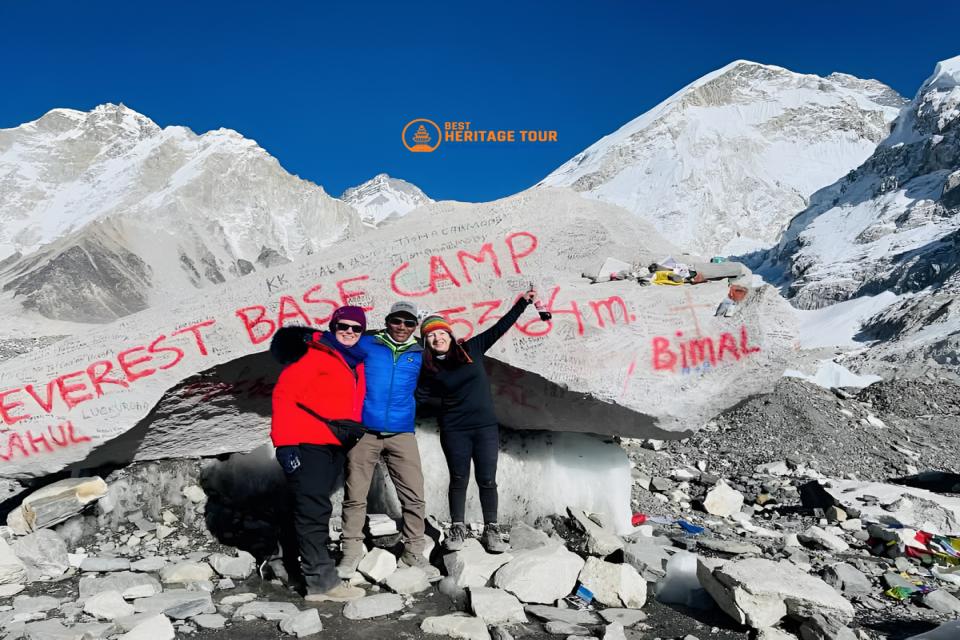
The journey to Everest Base Camp at 5,364 m (17,598 ft) is world-renowned, but physical limitations, joint fatigue, or time constraints prevent many passionate travelers from trekking every mile on foot.
At Best Heritage Tour, one of the most frequent questions we receive from international visitors, families, and senior travelers is: Is it possible to visit EBC completely on horse ride?
Quick Answer: Yes! It is 100% possible to complete the Everest Base Camp (EBC) journey on horseback. Sturdy, sure-footed Himalayan mountain horses (often Tibetan ponies) can carry travelers all the way from Phakding through Namche Bazaar, Tengboche, and Dingboche, up to Gorak Shep and the edge of Everest Base Camp.
From the riverside trails of Phakding to the glacial moraines of Gorak Shep and EBC, local mountain horses - guided by experienced Sherpa handlers - provide an accessible, comfortable, and unforgettable way to experience the Khumbu region.
In this comprehensive guide, we break down how an EBC Trek by Horse works, safety considerations, high-altitude acclimatization rules, and a detailed breakdown of the cost of visiting EBC by horse ride across every segment of the trail.
Why Choose an EBC Trek by Horse?
While traditional foot trekking remains popular, horseback riding through the Sagarmatha National Park offers distinct advantages for specific travelers:
-
Accessibility for Non-Trekkers & Seniors: Older travelers, individuals with joint problems (knee or hip issues), or those who lack months of intense cardio conditioning can fulfill their lifelong dream of seeing Mount Everest.
-
Energy Conservation at High Altitude: Save your physical energy for taking in the breathtaking Himalayan vistas of Mt. Everest, Lhotse, Nuptse, and Ama Dablam.
-
Authentic Local Tradition: Native Himalayan horses (often Tibetan ponies or mountain crossbreeds) have been integral to Khumbu transport and Sherpa culture for centuries. They are specifically adapted to high-altitude terrain and rocky trails.
-
Safety & Support: Every horse is paired with a dedicated local horseman (Syani) who leads the horse by hand, ensuring continuous control and stability across narrow or steep terrain.
Understanding the Route: How the Horse Ride Works from Phakding to EBC
When undertaking a complete EBC trek on horse ride, your journey typically mirrors the classic Everest Base Camp itinerary with key logistical nuances:
1. Lukla to Phakding (Warm-up Walk or Ride)
Most journeys start with a short scenic flight from Kathmandu (or Ramechhap) to Tenzing-Hillary Airport in Lukla (2,860 m). From Lukla to Phakding, trails descend slightly along the Dudh Koshi River. While horseback riding can begin at Lukla, many travelers prefer a short 3-hour warm-up walk to Phakding, where full dedicated horse arrangements are finalized.
2. Phakding to Namche Bazaar (3,440 m)
This leg involves crossing famous suspension bridges over the Dudh Koshi River and tackling the steep uphill climb into the Sherpa capital of Namche Bazaar. Ridden horses make this strenuous 800-meter vertical ascent effortless compared to trekking on foot.
3. Acclimatization Side Trips (Namche & Hotel Everest View)
Even when riding a horse, your body still gains altitude. Altitude sickness affects horseback riders at the exact same rate as foot trekkers. Acclimatization rides - such as ascending to Hotel Everest View (3,880 m) for panorama views of Mt. Everest and Ama Dablam - are essential for safe acclimatization.
4. Higher Altitude Passes: Dingboche, Lobuche, & Gorak Shep
As the trail transitions from pine forests to alpine tundra and glacial moraines above 4,000 m, horses show their incredible endurance. They comfortably navigate the rocky trails past Thukla Pass, Lobuche, and up to Gorak Shep (5,164 m).
5. Gorak Shep to Everest Base Camp (5,364 m)
The final stretch takes you along the edge of the Khumbu Glacier moraine directly to Everest Base Camp. Horses operate right up to the edge of the Base Camp moraine.
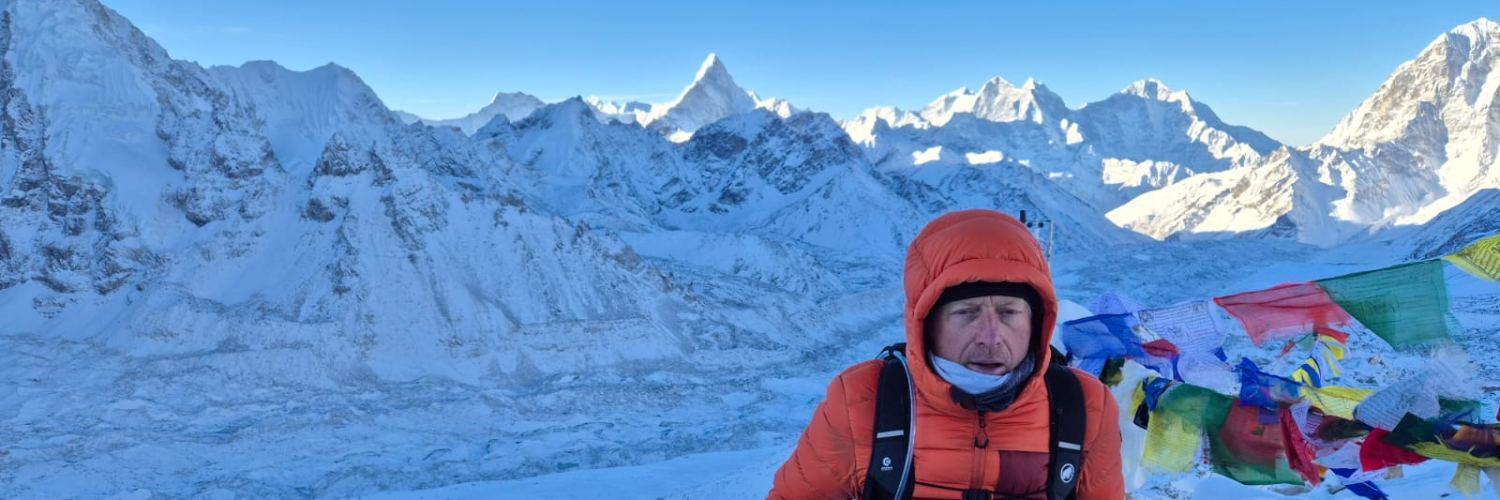
Crucial Safety Note on Mount Kala Patthar (5,545 m): While horses can carry you to Gorak Shep and Everest Base Camp, the ultra-steep, loose-scree summit section of Kala Patthar is generally completed on foot or via partial horse ride up to the lower ridge due to safety regulations and steep gradient.
Cost of Visiting EBC by Horse Ride (Route Leg Breakdown)
Horse riding costs in the Khumbu region are regulated locally based on altitude, distance, and horse handler logistics. Below is the official approximate cost breakdown per leg for renting a personal horse with a handler:
Segmented Horse Riding Route Leg & Cost Table
|
Route Leg |
Altitude Range (Meters) |
Approx. Distance |
Approximate Cost (USD) |
|---|---|---|---|
|
Phakding → Namche Bazaar |
2,610 m - 3,440 m |
10.5 km / 6.5 mi |
$230 - $290 |
|
Namche Bazaar → Hotel Everest View |
3,440 m - 3,880 m |
3.5 km / 2.1 mi |
$120 - $150 |
|
Dingboche → Lobuche |
4,410 m - 4,940 m |
7.9 km / 4.9 mi |
$130 - $170 |
|
Lobuche → Gorak Shep |
4,940 m - 5,164 m |
4.5 km / 2.8 mi |
$130 - $170 |
|
Gorak Shep → Everest Base Camp (Moraine Edge) |
5,164 m - 5,364 m |
3.5 km/ 2.1 mi |
$130 - $190 |
Note: Prices vary slightly depending on peak season (Spring/Autumn), availability, and overall package customization with Best Heritage Tour.
Important Altitude & Health Considerations for Horseback Riders
A common misconception among travelers asking "Is it possible to do complete EBC trek on horse ride?" is assuming that riding a horse eliminates the risk of Acute Mountain Sickness (AMS).
1. Oxygen Levels Drop at the Same Rate
Mounting a horse carries you upward rapidly, but your lungs are exposed to the same decreasing atmospheric pressure. At Everest Base Camp, effective oxygen levels are roughly 50% of sea level.
2. Follow Mandatory Acclimatization Schedules
We strictly design our horse trekking itineraries with dedicated rest/acclimatization days at Namche Bazaar (3,440 m) and Dingboche (4,410 m). Never rush the ascent simply because you are on horseback.
3. Horse Safety & Weight Guidelines
Himalayan mountain horses are compact and sturdy. To ensure animal welfare and passenger balance:
-
Weight limits typically cap at 85-90 kg (187-198 lbs) per rider.
-
Heavy duffel bags are transported separately by porters or pack animals, leaving the riding horse unburdened.
-
Stirrups and wooden saddles are padded, but wearing flexible, layered trekking pants or padded riding pants is highly recommended.
Is an EBC Horse Trek Right for You?
Recommended For:
-
First-Time Visitors & Families: Travelers who want a grand Himalayan adventure with less physical strain.
-
Seniors & Active Retirees: Travelers over 50 or 60 who have the spirit for adventure but prefer to protect their joints.
-
Photography Enthusiasts: Being elevated on horseback provides stable, breathtaking viewing angles for capturing landscape shots without heavy breathing fatigue.
-
Recovering Trekkers: Hikers who experience knee injuries, foot blisters, or fatigue mid-trek can hire a horse on a leg-by-leg basis.
Conclusion
So, is it possible to visit EBC completely on horse ride? Absolutely. From the valley floor at Phakding all the way to the iconic glacial stands of Everest Base Camp, horseback riding transforms one of the world's most daunting treks into an extraordinary, accessible adventure.
Ready to experience the Himalayas from the saddle with Nepal's premier heritage travel experts?
Contact Best Heritage Tour
Phone / WhatsApp / Viber: +977-9851149197 / +977-9810043046
Email: info@bestheritagetour.com / bestheritagetour@gmail.com
Website: www.bestheritagetour.com
Office: Thamel Marg, Kathmandu, Nepal
Frequently Asked Questions (FAQs)
1. Is it possible to do a complete EBC trek on horse ride without any prior horse riding experience?
Yes. You do not need prior horseback riding experience. Himalayan mountain horses are calm, sure-footed, and trained for mountain trails. Furthermore, a dedicated local horse handler guides the horse on foot for the entire duration of the trip.
2. What is the total estimated cost of visiting EBC by horse ride?
The horse rental alone typically ranges from $800 to $1,200 USD for the entire round trip from Phakding/Lukla to Base Camp, in addition to standard trekking costs (permits, guide, teahouse accommodation, meals, and Lukla flights). Complete all-inclusive horse trekking packages generally range between $2,200 and $2,900 USD per person.
3. Can I ride a horse all the way to Kala Patthar summit?
Horses can carry riders up to the lower ridge near Kala Patthar, but due to the extremely steep terrain, loose rocks, and narrow trails, the final top summit stretch of Kala Patthar (5,545 m) is usually completed on foot for safety.
4. Do I still need travel insurance if I ride a horse to EBC?
Yes, travel insurance is mandatory. Your policy must cover high-altitude travel (up to 5,500 m) and emergency helicopter evacuation.
Author: Best Heritage Tour
Date: 27th July, 2026