Nestled in the lush plains of southern Nepal, Lumbini is not merely a travel destination; it is a profound spiritual epicenter that resonates with the footsteps of the "Light of Asia." As the birthplace of Lord Gautama Buddha, this UNESCO World Heritage site offers a rare blend of historical archaeological wonder, diverse international architecture, and an atmosphere of unparalleled peace.
At Best Heritage Tour, we believe that a journey to Lumbini should be more than a checkbox on a tourist map. It is an exploration of the self. Whether you are a dedicated trekker seeking a soulful detour, a traveler hungry for cultural authenticity, or a pilgrim on a quest for enlightenment, our comprehensive guide reveals the most transformative experiences within this sacred sanctuary.
Why Lumbini is a Must-Visit in 2026
In 2026, travel to Lumbini has become more accessible than ever thanks to the expansion of the Gautam Buddha International Airport (GBIA). Beyond its religious significance, Lumbini serves as a gateway to understanding the deep-rooted heritage of Nepal. The sacred zone is a "Master Plan" area designed by renowned architect Kenzo Tange, ensuring that the spirituality of the site is preserved amidst manicured gardens and reflecting ponds.
1. The Maya Devi Temple: The Spiritual Heart
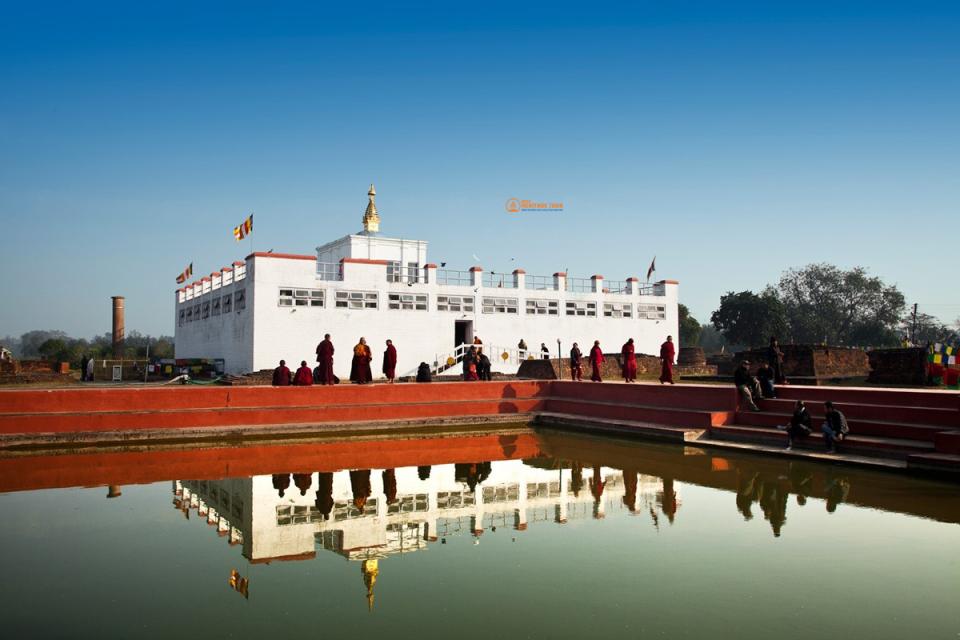
The Maya Devi Temple is the crown jewel of Lumbini. It marks the exact spot where Queen Maya Devi gave birth to Prince Siddhartha Gautama in 623 BCE.
As you step inside the white pavilion, you are greeted by ancient brickwork ruins that date back to the 3rd century BCE. The "Marker Stone" precisely identifies the birth spot, while a 4th-century stone carving depicts the birth scene. For travelers, standing in the silence of this temple is often the most moving part of the journey.
-
Pro Tip: Visit during the early morning hours (around 6:00 AM) to witness the monks chanting and the morning mist rising off the temple walls.
2. The Ashoka Pillar: A Testament to History
Located right next to the Maya Devi Temple, the Ashoka Pillar stands as an indestructible witness to history. Erected by the Indian Emperor Ashoka in 249 BCE during his pilgrimage, the Brahmi script inscribed on the pillar confirms this site as the Buddha's birthplace.
For history buffs and religious scholars, this pillar is the primary archaeological evidence that linked the legends of Buddha’s life to a physical location in Nepal. It represents the moment Buddhism began to spread from a regional philosophy to a global movement.
3. The Sacred Pond (Puskarini) and Bodhi Tree
Directly in front of the temple lies the Puskarini Pond. Legend holds that Queen Maya Devi bathed here before her delivery, and the infant Buddha was given his first purification bath in these waters.
Adjacent to the pond stands a magnificent Bodhi Tree, draped in vibrant prayer flags. You will often see pilgrims from across the globe meditating under its expansive canopy. The rustling of the leaves and the soft murmur of prayers create a meditative environment that even the most casual traveler will find captivating.
4. World Peace Pagoda (Shanti Stupa)
A symbol of modern harmony, the World Peace Pagoda is a gleaming white stupa built by Japanese Buddhists. Situated at the northern end of the Lumbini Monastic Zone, its brilliant white dome and golden statues of Buddha - depicting different stages of his life - are a sight to behold against the backdrop of the Nepali sky.
The Pagoda is surrounded by peaceful wetlands, often frequented by the rare Sarus Cranes. Walking the perimeter of the stupa offers a panoramic view of the entire Lumbini Garden.
5. The International Monastic Zone: A Global Village
One of the most unique aspects of Lumbini is the International Monastic Zone, divided into the East and West wings. Here, different nations have built monasteries reflecting their own unique architectural styles:
-
Royal Thai Monastery: A stunning example of Thai architecture with gleaming white marble and golden ornaments.
-
Myanmar Golden Monastery: One of the oldest structures in the zone, featuring a soaring golden pagoda.
-
German Tara Foundation: A beautiful monastery showcasing intricate wall paintings and a peaceful courtyard.
-
Dae Sung Shakya (Korean Temple): Known for its towering structure and affordable pilgrim accommodation.
Walking through this zone is like taking a world tour of Buddhist culture without ever leaving Nepal.
6. The Eternal Peace Flame
Located at the center of the canal that separates the eastern and western monastic zones, the Eternal Peace Flame has been burning since 1986. Created to commemorate the International Year of Peace, this flame serves as a reminder of the core message of Buddhism: non-violence.
It is a favorite spot for photographers, especially during sunset when the flame reflects in the calm waters of the central canal.
7. Lumbini Crane Sanctuary
For nature lovers and eco-tourists, the Lumbini Crane Sanctuary is a hidden gem. These wetlands protect the habitat of the Sarus Crane, the tallest flying bird in the world, which holds a special place in Buddhist lore (Siddhartha Gautama is said to have saved a wounded crane in his youth).
Strolling through the sanctuary offers a refreshing break from the stone architecture, allowing you to appreciate the biodiversity of the Terai region.
8. The Lumbini Museum
To truly grasp the timeline of the region, a visit to the Lumbini Museum is essential. The museum houses a vast collection of artifacts, coins, and manuscripts excavated from the site and surrounding areas.
The building itself is a masterpiece of "metabolist" architecture, designed to blend into the landscape. It provides the necessary context for understanding how a small princely state in Nepal gave rise to one of the world’s major religions.
9. Tilaurakot: The Ancient Kingdom of Kapilvastu
Located about 29 kilometers west of the main Lumbini garden, Tilaurakot is the archaeological site of the ancient palace of Kapilvastu. This is where Prince Siddhartha spent the first 29 years of his life in luxury before embarking on his spiritual quest.
While less "polished" than the main Lumbini complex, the ruins of the city gates and palace walls offer a raw, authentic look into the past. For travelers who enjoy "off-the-beaten-path" exploration, Tilaurakot is a rewarding half-day trip.
10. Kudan Stupa (Nigrodharama)
Kudan is the site where King Suddhodana (Buddha’s father) met his son for the first time after he had attained enlightenment. It is a peaceful, less-visited site featuring several excavated stupas.
The energy here is remarkably different - more intimate and quiet - making it an ideal spot for those looking to escape the larger tourist crowds and practice personal meditation.
Essential Travel Insights for Your Lumbini Trip
How to Get Around
Lumbini is a vast "Sacred Garden." To cover the distances between monasteries comfortably, we recommend:
-
Bicycle Rentals: The most popular and eco-friendly way to explore.
-
Electric Rickshaws: Affordable and widely available at the entrance gates.
-
Walking: The best way to soak in the atmosphere if you have a full day.
Cultural Etiquette
As a premier heritage site, certain rules apply:
-
Dress Modestly: Ensure shoulders and knees are covered when entering temples.
-
Remove Shoes: Most temples and the Maya Devi pavilion require you to leave your shoes at the entrance.
-
Circumambulation: Always walk around stupas and shrines in a clockwise direction.
Conclusion
Lumbini is more than a destination; it is a reminder of the peace that exists within all of us. From the ancient inscriptions of the Ashoka Pillar to the modern architectural marvels of the International Monastic Zone, every corner of this sacred land tells a story of transformation.
We invite you to step away from the noise of the world and find your center in the birthplace of peace. Let us help you navigate the spiritual and historical wonders of Nepal with the grace and expertise they deserve.
Ready to start your spiritual journey? Contact Best Heritage Tour today!
Phone / WhatsApp / Viber: +977-9851149197 / +977-9810043046
Email: info@bestheritagetour.com / bestheritagetour@gmail.com
Website: www.bestheritagetour.com
Office: Thamel Marg, Kathmandu, Nepal
Author: Best Heritage Tour
Date: 27th April, 2026