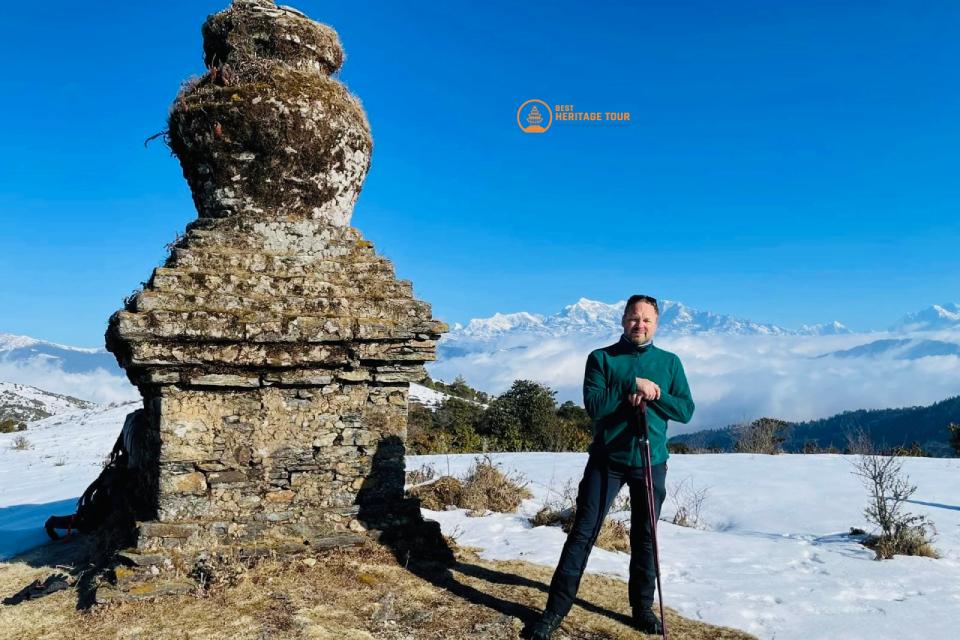
When travelers dream of the Everest region, they often picture crowded trails, roaring teahouses, and grueling high-altitude climbs toward Base Camp. However, a quieter, deeply enriching side of the Himalayas exists just off the main tourist artery. At Best Heritage Tour, we frequently guide travelers away from the bustling crowds and into the serene landscapes of the Solukhumbu district.
If you are planning an adventure for early spring, the Pikey Peak trek stands out as an exceptional choice. Named after the revered Sherpa clan deity, Pikey Peak (4,065 meters / 13,336 feet) offers what Sir Edmund Hillary himself famously declared: the best panoramic view of Mount Everest in the entire Himalayan range.
Embarking on the Pikey Peak trek in March 2027 places you right at the threshold of spring. As winter frost melts away, the lower hills burst into life with blooming rhododendrons, crystal-clear morning skies, and peaceful trails. This comprehensive guide explores why March is the ideal time to experience this route, what conditions to expect, and how to prepare for an unforgettable journey.
Why Choose the Pikey Peak Trek?
For travelers seeking a majestic Himalayan experience without the extreme altitude hurdles or heavy foot traffic of classic high-altitude routes, this journey offers the perfect balance.
1. A True Crowd-Free Trek in the Everest Region
While classic routes like Everest Base Camp see thousands of trekkers daily during peak seasons, the trails around Pikey Peak remain remarkably tranquil. At Best Heritage Tour, we design itineraries that let you connect deeply with nature and local culture. In March, before the heavy spring rush peaks, you will often find yourself walking through quiet pine forests and traditional Sherpa settlements with very few other travelers in sight.
2. A Short, Accessible Adventure
Many spectacular Himalayan views require two to three weeks of strenuous walking. In contrast, this route is widely recognized as a short easy trek in the Everest region. Spanning roughly 5 to 7 days depending on your starting point, it is ideal for those with limited vacation time, families, or first-time Himalayan trekkers who want a rewarding challenge without extreme physical exhaustion.
3. World-Class Mountain Panoramas
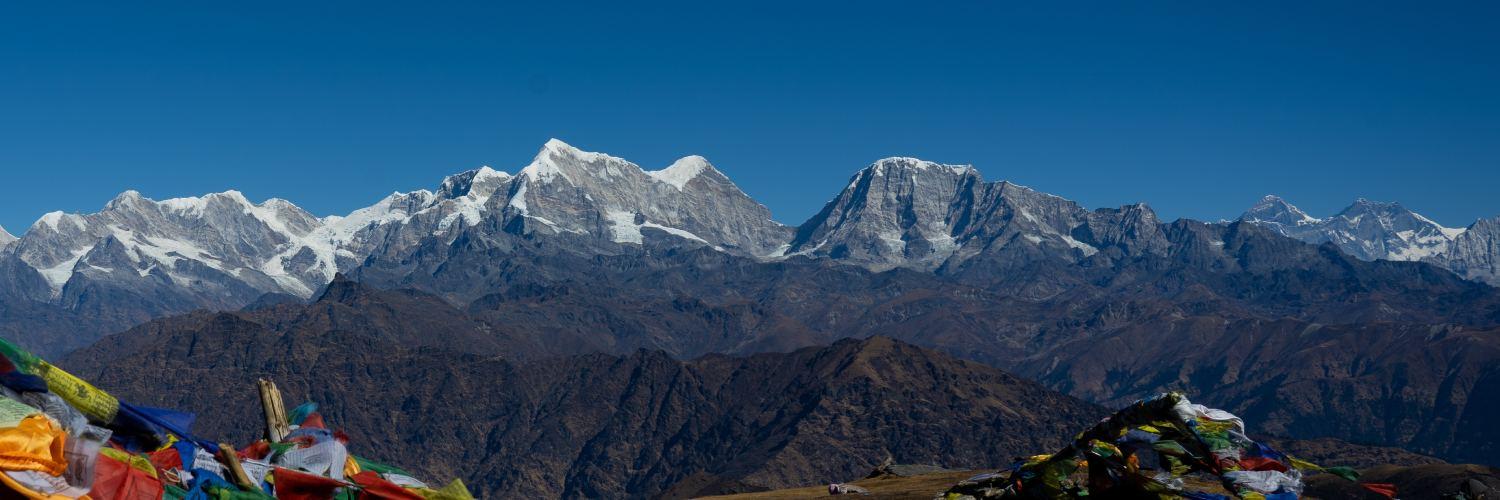
Do not let the moderate difficulty fool you; the summit rewards you with breathtaking vistas. On a clear morning from the top of Pikey Peak, your eyes sweep across an unbroken horizon featuring Mount Everest (8,848m), Makalu, Kanchenjunga, Lhotse, Nuptse, Ama Dablam, and Thamserku.
Weather and Climate on the Pikey Peak Trek in March 2027
Planning your trek around seasonal transitions ensures a comfortable and visually stunning journey. March marks the official arrival of spring in Nepal, bringing stable weather patterns and vibrant natural scenery.
Temperature and Daytime Conditions
-
Lower Elevations (Kathmandu to Dhap/Jhapre): Daytime temperatures range comfortably between 15°C to 20°C (59°F to 68°F), making hiking pleasant in light layers.
-
Higher Elevations (Pikey Peak Base and Summit): Mornings and evenings turn crisp and cold, with temperatures dropping to around -2°C to 4°C (28°F to 39°F). Nighttime freezes are common, so proper thermal gear is essential.
Why March is Ideal
-
Clear Skies: Mornings in March typically offer razor-sharp visibility, giving you the best chance of unobstructed mountain panoramas before afternoon clouds roll in.
-
Blooming Flora: As winter recedes, the lower and middle sections of the trail begin to bloom. While peak rhododendron season hits its stride in late March and April, early signs of vibrant pinks and reds start adding color to the hillsides.
-
Stable Trails: Unlike the monsoon months of summer or the deep snow drifts of January and February, March trails are dry, stable, and exceptionally inviting.
Cultural Immersion: The Heart of Solukhumbu
Beyond the mountains, the Pikey Peak trail is a cultural treasure trove. The region is predominantly inhabited by the Sherpa people, renowned for their warmth, resilience, and rich Buddhist traditions.
-
Monasteries and Mani Walls: Along the trail, you will pass ancient mani stones, fluttering prayer flags, and sacred Buddhist monasteries such as those in Chiwong and Thupten Choling (if you choose an extended route).
-
Authentic Local Hospitality: Staying in family-run teahouses allows you to experience authentic rural Nepali life. Sharing a warm cup of butter tea or locally sourced dal bhat by the hearth with your hosts creates memories that last a lifetime.
Pikey Peak Trek Itinerary for 2027
A standard itinerary for the Pikey Peak journey balances trekking progression with proper acclimatization. Here is what a typical 7-day schedule looks like:
-
Day 1: Drive from Kathmandu to Dhap (approx. 7-8 hours):
Your journey begins with scenic hillside drives along winding rivers. -
Day 2: Trek from Dhap to Jhapre (2,815m):
Walk through pine forests and enjoy your first major mountain outlooks. -
Day 3: Trek from Jhapre to Pikey Peak Base Camp (3,640m):
Ascend past old yak pastures and pristine ridge lines. -
Day 4: Early morning summit push to Pikey Peak (4,065m) for sunrise, then trek down to Loding (2,780m).
-
Day 5: Trek from Loding to Junbesi (2,670m):
Explore one of the most culturally significant Sherpa villages in the region. -
Day 6: Trek from Junbesi to Phaplu and prepare for return transport.
-
Day 7: Drive or fly back to Kathmandu.
Essential Preparation and Packing Tips
Proper preparation ensures a smooth, enjoyable trek. Keeping your pack light while ensuring you stay warm at night is key.
-
Layering System: Bring moisture-wicking base layers, an insulating fleece or down jacket, and a windproof/waterproof outer shell.
-
Footwear: Broken-in, waterproof hiking boots with good ankle support are non-negotiable.
-
Hydration and Health: Bring a reusable water bottle equipped with purification tablets or a UV purifier. Pack basic personal medications and blister care.
-
Permits: Trekkers require a local area permit (Solududhakunda Municipality fee) and a TIMS card, which Best Heritage Tour manages seamlessly for all our guests.
Conclusion
The Pikey Peak trek in March 2027 offers an extraordinary opportunity to witness the roof of the world without the congestion of modern mass tourism. From blooming landscapes and golden sunrise vistas over Everest to genuine cultural encounters with the Sherpa community, this journey captures the pure magic of the Himalayas.
Let Best Heritage Tour handle the details while you focus on the adventure of a lifetime. Get in touch with our team today to secure your booking for March 2027!
Phone / WhatsApp / Viber: +977-9851149197 / +977-9810043046
Email: info@bestheritagetour.com / bestheritagetour@gmail.com
Website: www.bestheritagetour.com
Office: Thamel Marg, Kathmandu, Nepal
Frequently Asked Questions (FAQs)
Is Pikey Peak suitable for beginners?
Yes. Because it does not involve technical climbing or extreme high-altitude dangers like AMS (Acute Mountain Sickness) associated with passes above 5,000 meters, it is considered one of the best introductory treks in Nepal.
How cold does it get at night in March?
At higher elevations near the peak, night temperatures can drop below freezing. However, teahouses provide cozy dining halls with wood stoves, and thick blankets are standard, though bringing your own sleeping bag rated to -10°C is recommended.
Do I need a guide for the Pikey Peak trek?
While independent trekking is technically possible, hiring a licensed local guide through an established company like Best Heritage Tour guarantees your safety, enriches your cultural understanding, and takes the stress out of logistics.
Author: Best Heritage Tour
Date: 5th August, 2026