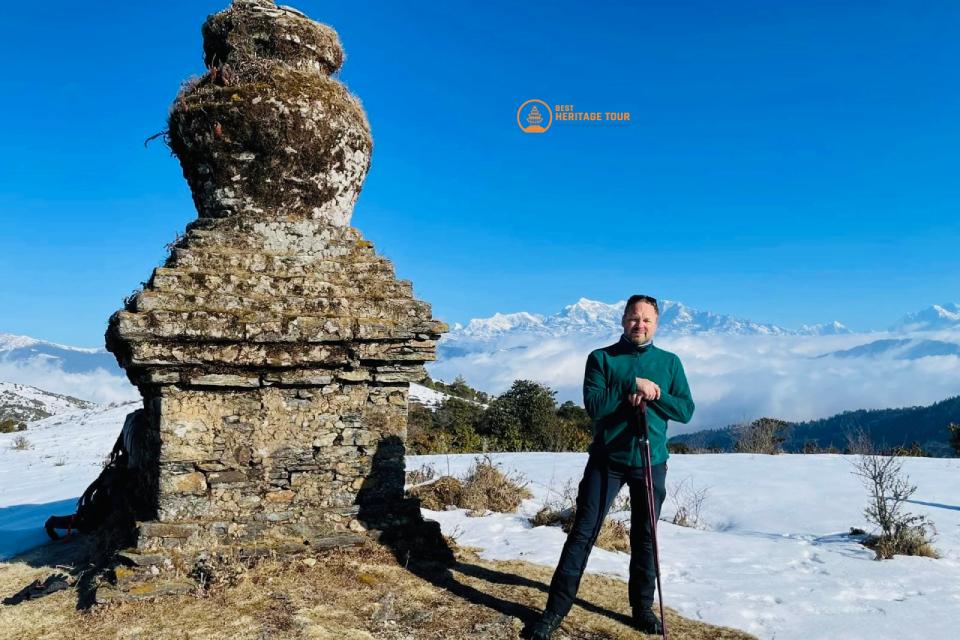
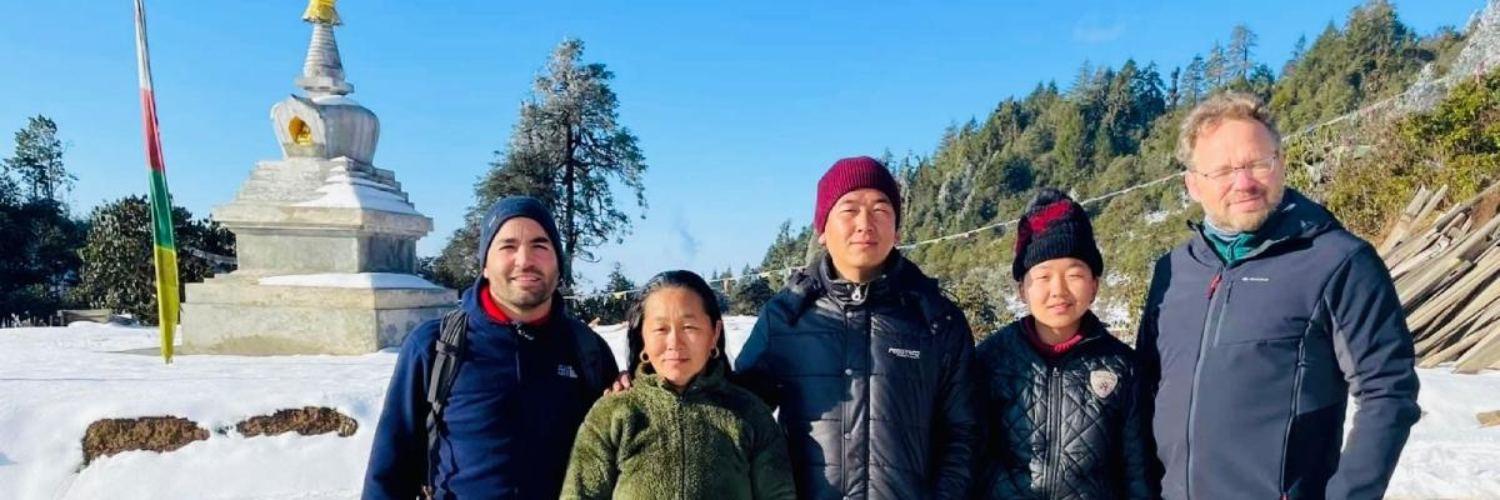
When travelers dream of the majestic Himalayas of Nepal, routes like the Everest Base Camp or the Annapurna Circuit often steal the spotlight. However, these legendary paths demand weeks of commitment, intense physical exertion, and high-altitude endurance. For trekkers, tourists, and beginner travelers looking for an authentic Himalayan experience without the extreme physical toll, a quieter, more rewarding alternative exists in the lower reaches of the Solukhumbu district.
At Best Heritage Tour, we frequently welcome travelers who ask a crucial question: How difficult is the Pikey Peak Trek?
As a professional travel company with years of experience on the trails of Nepal, we consider this journey one of the absolute easiest treks in Nepal and undisputedly the easiest trek in the Everest region. Yet, "easy" in the Himalayas still means walking through rugged terrain and managing elevation. Below, we break down everything you need to know about the Pikey Peak Trek difficulty, what to expect on the trail, and how you can prepare.
Understanding the Pikey Peak Trek Difficulty
To put it simply, the Pikey Peak Trek difficulty is classified as a mild-to-moderate grade. It is not a technical mountaineering expedition, nor does it require ropes, crampons, or prior climbing experience. The trails are well-established, used for generations by local Sherpa communities, traders, and herders.
Compared to other iconic routes, the contrast is stark:
-
Vs. Everest Base Camp (EBC): EBC takes you past 5,300 meters over nearly two weeks. Pikey Peak caps out at 4,068 meters (13,347 feet) and can comfortably be completed in 5 to 7 days.
-
Vs. Poon Hill: While Poon Hill is shorter and lower (3,210 meters), Pikey Peak offers a much richer, quieter wilderness experience with vastly superior mountain panoramas - including a legendary view of Mt. Everest itself - while remaining accessible to beginners.
Key Factors That Shape the Trekking Experience
Evaluating any Himalayan trek requires looking at four core pillars: altitude, daily walking hours, terrain, and seasonality. Here is how Pikey Peak performs across each category.
1. Maximum Altitude and Risk of Altitude Sickness
Altitude is typically the single biggest challenge in the Himalayas. The highest point of this journey is the summit of Pikey Peak at 4,068 meters (13,347 feet).
While 4,000 meters is high enough that your body will notice the thinner air, the risk of severe Acute Mountain Sickness (AMS) is significantly lower here than on higher treks. The itinerary is naturally designed for gradual ascent. You begin your trek from lower mountain villages like Dhap (approx. 2,850 meters), climbing incrementally day by day. This sensible profile gives your lungs and blood cells adequate time to adjust naturally.
2. Daily Walking Hours and Distance
On a standard 5-to-7-day itinerary, you can expect to walk roughly 5 to 7 hours per day.
-
The pace is intentionally kept relaxed, honoring the classic Himalayan trekking mantra: “Bistari, Bistari” (slowly, slowly).
-
Mornings usually begin after breakfast around 8:00 AM, allowing plenty of time to amble through forest paths, snap photographs, interact with locals, and arrive at your teahouse by mid-afternoon.
-
The final push to the summit usually involves an early morning start of 2 to 3 hours in pre-dawn conditions to catch the sunrise, which is physically rewarding but entirely manageable.
3. Terrain and Trail Conditions
The trail presents a wonderful variety of landscapes without technical hurdles. You will navigate:
-
Scented Pine and Rhododendron Forests: Shaded dirt paths that burst into vibrant colors during the spring bloom.
-
Ridgelines: Open, sweeping paths that offer dramatic valley lookouts, though they can occasionally be breezy.
-
Stone Steps and Rural Paths: Intermittent steps built by villagers connecting remote settlements like Jhapre and Junbesi.
There are no sheer drop-offs, ice walls, or dangerous glacier crossings. It is purely a foot-travel journey across the hills and ridges of lower Solukhumbu.
4. Weather and Seasonal Impact
The time of year you choose dictates how smooth your journey will be:
-
Autumn (September to November) & Spring (March to May): These are the golden seasons. Skies are crystal clear, temperatures are moderate during the day (ranging from 10°C to 20°C), and trail conditions are at their absolute best, keeping the Pikey Peak Trek difficulty at its lowest.
-
Winter (December to February) & Monsoon (June to August): Winter brings freezing night temperatures (-10°C or lower), while monsoon brings slippery, leech-prone mud. These seasons require extra gear, caution, and mental resilience.
Who is Pikey Prek Trek For?
Because of its balanced profile, the Pikey Peak trail accommodates a remarkably diverse group of travelers:
-
Beginner Trekkers: If you have never strapped on hiking boots in the Himalayas, this is your ultimate testing ground. It builds your confidence, tests your stamina, and introduces you to teahouse culture without overwhelming your body.
-
Families and Older Adults: With proper pacing and light daypacks (thanks to optional local porters), active families and adventurous travelers well into their 60s and 70s complete this trek successfully every season.
-
Time-Capped Vacationers: Travelers who want an authentic Sherpa cultural immersion and world-class Everest views - but only have a single week to spare - will find this itinerary fits their schedule seamlessly.
Practical Tips to Make the Trek Even Easier
Even though Pikey Peak is widely considered an easy entry point to the Himalayas, smart preparation transforms a tiring walk into an effortless adventure:
-
Build Simple Cardio Habits: Begin walking, swimming, or cycling 3 to 4 weeks before your trip. Focus on leg stamina by taking stairs instead of elevators.
-
Hydrate Relentlessly: Drink 3 to 4 liters of water daily while on the trail. Hydration is your greatest defense against altitude headaches.
-
Pack Light: Carry a comfortable daypack for your valuables and layers, and let a professional porter handle your main duffel bag.
-
Travel with Experienced Local Guides: Having a seasoned guide from Best Heritage Tour means safety, seamless logistics, cultural storytelling, and total peace of mind in the mountains.
Conclusion
The Pikey Peak Trek proves that you do not need to push to extreme high-altitude zones to witness the breathtaking majesty of Nepal’s roof of the world. Offering a harmonious blend of rich Tamang and Sherpa culture, quiet non-commercialized trails, dense woodlands, and a sunrise panorama that famously mesmerized Sir Edmund Hillary himself, it stands out as the premier choice for anyone seeking a manageable yet profoundly moving Himalayan journey.
Are you ready to experience the wonders of the lower Everest region without the punishing demands of high-altitude mountaineering? Let Best Heritage Tour craft a seamless, unforgettable trekking holiday tailored precisely to your pace.
Contact Details
Phone / WhatsApp / Viber: +977-9851149197 / +977-9810043046
Email: info@bestheritagetour.com / bestheritagetour@gmail.com
Website: www.bestheritagetour.com
Office: Thamel Marg, Kathmandu, Nepal
Frequently Asked Questions (FAQs)
Do I need previous trekking experience to do the Pikey Peak Trek?
No, prior high-altitude trekking experience is not required. Because it is widely considered one of the easiest treks in Nepal, anyone with an average fitness level and a positive mindset can complete it comfortably.
How high is the Pikey Peak summit?
The highest point of the trek is the summit of Pikey Peak itself, standing at an altitude of 4,068 meters (13,347 feet). While this altitude requires a steady pace to allow your body to adjust, the gradual ascent profile keeps the risk of altitude sickness very low.
Can I see Mt. Everest from Pikey Peak?
Yes! In fact, Sir Edmund Hillary famously stated that Pikey Peak offers one of the best views of Mt. Everest in all of Nepal. On clear days, the panoramic summit view also encompasses other giants like Makalu, Kanchenjunga, and Lhotse.
When is the best time of year to do the Pikey Peak Trek?
The ideal seasons for the Pikey Peak Trek are Autumn (September to November) and Spring (March to May). During these months, you will experience stable weather, clear blue skies, comfortable daytime temperatures, and magnificent blooming rhododendron forests.
Author: Best Heritage Tour
Date: 13th August, 2026