At Best Heritage Tour, we understand that the soul of Nepal isn't just found in its ancient temples or its towering snow-capped peaks; it is also found in the vibrant wings and melodic songs of our avian residents. For travelers, trekkers, and nature enthusiasts staying in the bustling capital, there is one question we hear more than any other: "Where is the best place to watch birds near Kathmandu?" & "What is the bet spot for birdwatching near Kathmandu?"
The answer, whispered by seasoned naturalists and local guides alike, is always the same: Phulchowki Hill.
As the highest point on the Kathmandu Valley rim, Phulchowki is not just a viewpoint - it is a sanctuary. In this comprehensive guide, we invite you to discover why a Phulchowki Birdwatching Tour is the premier choice for those seeking a tranquil, world-class nature experience just a stone's throw from the city center.
Why Phulchowki? The Crown Jewel of Birding in Nepal
Standing at an impressive 2,782 meters (9,127 feet), Phulchowki (meaning 'Hill of Flowers') is the southeastern anchor of the Kathmandu Valley. While many tourists flock to Nagarkot or Sarangkot for sunrise views, Phulchowki remains the "insider's choice" for those who prefer the symphony of the forest over the crowds of the viewpoints.
1. Unmatched Biodiversity
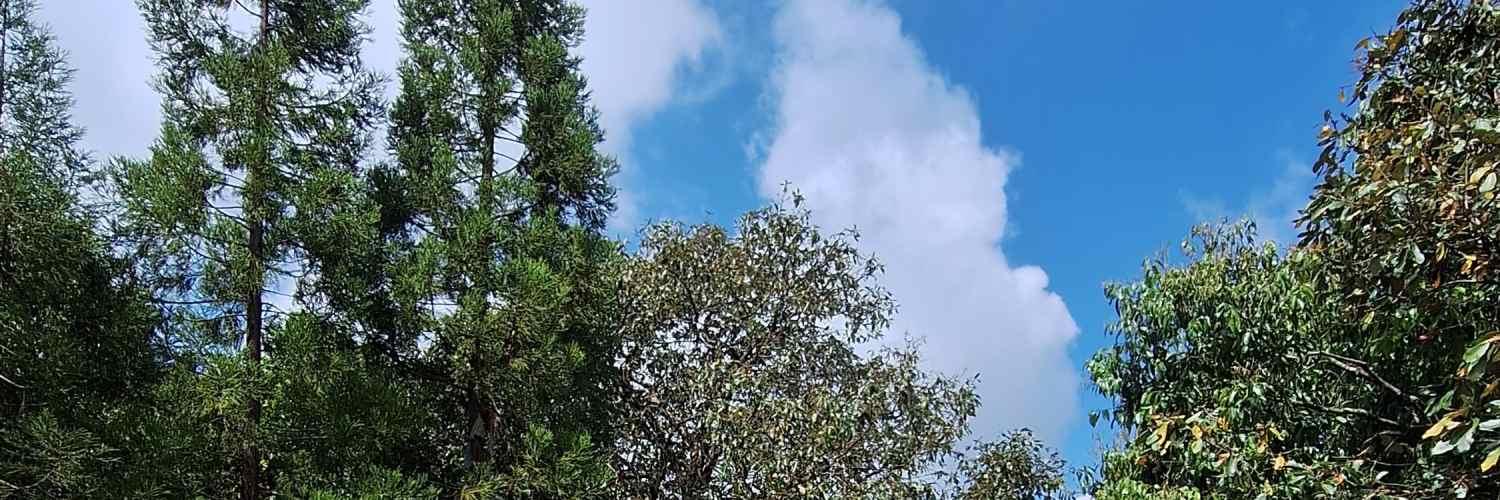
Phulchowki is a biological "hotspot." Due to its significant altitudinal range and dense vegetation - varying from subtropical thickets at the base to temperate oak and rhododendron forests at the summit - it provides a vertical corridor for hundreds of species. Over 300 species of birds have been recorded on this single hill alone, making it the most concentrated birding destination in the region.
2. The "Nearest Birdwatching Tour from Kathmandu"
Accessibility is key for the modern traveler. Located roughly 20 kilometers (12 miles) from the heart of Kathmandu, you can transition from the urban chaos of Thamel to the mossy, mist-covered forests of Phulchowki in under an hour. This makes it the perfect "Day Tour" for trekkers waiting for their flight to Lukla or travelers with a spare day in their itinerary.
3. A Botanical Wonderland
While the birds are the stars of the show, the stage they perform on is equally magnificent. In the spring months (March-April), the hillsides erupt in shades of crimson, pink, and white as the Rhododendrons bloom. The base of the hill is also home to the National Botanical Garden in Godavari, adding another layer of depth to your excursion.
What to Expect on the Phulchowki Birdwatching Tour: A Day in the Life of a Birder
When you book a Phulchowki Birdwatching Tour with Best Heritage Tour, we don't just drive you to the top. We curate an experience designed to maximize sightings and deepen your connection with Nepal’s ecology.
The Early Start
Birding is a game of the early riser. Our day typically begins at 5:30 or 6:00 AM. The "dawn chorus" at the base of Phulchowki is something every nature lover should experience at least once. As the first light hits the canopy, the forest awakens in a riot of sound.
The Journey Upward
The road winding up Phulchowki is a birding trail in itself. We prefer a "slow-climb" strategy. We drive to certain elevations and then conduct short, quiet walks through the undergrowth. This allows us to spot species that are sensitive to noise and movement.
The Summit Experience
Upon reaching the summit, you are rewarded with more than just birds. On a clear day, the panorama is staggering. You can see the Annapurna range, Manaslu, Ganesh Himal, Langtang, and even Everest on the distant horizon. After a packed breakfast or lunch with a view, we begin the descent, focusing on different light conditions that bring out different bird behaviors.
Species Spotlight: What Will You See?
For the dedicated birder, Phulchowki is famous for several "specialties" that are difficult to find elsewhere in the valley. Here are some of the feathered gems we frequently encounter:
-
The Cutia (Himalayan Cutia): A striking, colorful bird often found in the mossy branches of the upper forest. Seeing a Cutia is often the highlight of a professional birder's trip.
-
The Spiny Babbler: This is the only endemic bird of Nepal. While elusive, Phulchowki is one of the few places where you have a genuine chance of spotting this national treasure.
-
Warblers and Flycatchers: The variety is staggering. From the Rufous-gorgeted Flycatcher to the Grey-hooded Warbler, the canopy is constantly alive with movement.
-
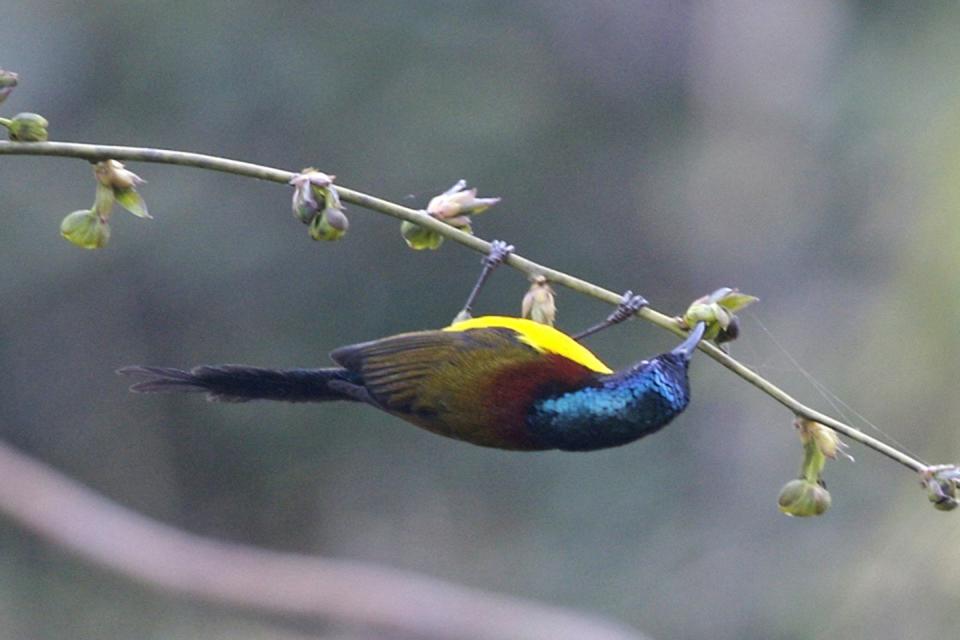
Sunbirds and Flowerpeckers: Often found darting among the rhododendrons, these tiny, iridescent birds look like flying jewels. Keep an eye out for the Fire-tailed Sunbird.
-
Raptors: Look up! The thermals around Phulchowki are frequented by Black Eagles, Mountain Hawk-Eagles, and various species of vultures soaring majestically against the blue sky.
Seasonal Guide: When is the Best Time for Phulchowki Birdwatching Tour?
While Phulchowki offers beauty year-round, the "best" time depends on what you hope to see.
|
Season |
Birding Highlights |
Experience |
|---|---|---|
|
Spring (March-May) |
Peak breeding season; migratory birds returning; Rhododendrons in bloom. |
Most popular; high activity; vibrant colors. |
|
Autumn (Sept-Nov) |
Clear skies for mountain views; passage migrants moving through. |
Best for photography and combined mountain views. |
|
Winter (Dec-Feb) |
High-altitude species descend to lower levels (Altitudinal migrants). |
Cooler weather; unique sightings of birds usually found higher up. |
|
Monsoon (June-Aug) |
Lush greenery; rare butterflies; leeches are active. |
For the hardcore enthusiast; beautiful mist, but challenging trekking. |
Essential Tips for Your Phulchowki Adventure
To ensure you have the best possible experience, our guides at Best Heritage Tour recommend the following:
-
Gear Up: Bring a good pair of binoculars (8x42 is ideal). If you are a photographer, a 400mm+ lens is recommended for the dense canopy.
-
Dress in Layers: It can be warm at the base in Godavari but significantly cooler at the summit. Wear muted colors (greens, browns, or greys) to blend into the environment.
-
Stay Silent: Birdwatching is an exercise in patience and silence. The quieter you are, the more the forest reveals to you.
-
Hydration & Snacks: While we provide refreshments, having your own water bottle helps keep you energized during the uphill walks.
-
Respect the Environment: At Best Heritage Tour, we practice "Leave No Trace" tourism. Please pack out all trash and avoid disturbing the nesting sites.
Comparing Destinations: Where is the best place to watch birds near Kathmandu?
While there are several spots around the valley, Phulchowki remains the gold standard. Here is how it compares to other popular locations:
-
Shivapuri Nagarjun National Park: Excellent for hiking and seeing the sources of the Bagmati River, but the bird density is generally lower than Phulchowki.
-
Taudaha Lake: Best for winter migratory waterfowl, but lacks the forest diversity of the hills.
-
Nagarjun Forest: Good for pheasants and raptors, but limited by the military presence and restricted access in certain areas.
Phulchowki wins because of its altitudinal variation. It is essentially five different ecosystems stacked on top of one another.
Conclusion
In a world that moves faster every day, the Phulchowki Birdwatching Tour offers a rare chance to slow down. It is an invitation to breathe the crisp mountain air, to listen to the ancient songs of the forest, and to witness the incredible biodiversity that makes Nepal a world-renowned destination for nature lovers.
Ready to Explore the Heights of Phulchowki?
Don't miss the chance to experience the Nearest Birdwatching Tour from Kathmandu with the local experts. Let Best Heritage Tour take you on a journey through the "Hill of Flowers."
Phone / WhatsApp / Viber: +977-9851149197 / +977-9810043046
Email: info@bestheritagetour.com / bestheritagetour@gmail.com
Website: www.bestheritagetour.com
Office: Thamel Marg, Kathmandu, Nepal
Author: Best Heritage Tour
Date: 13th May, 2026