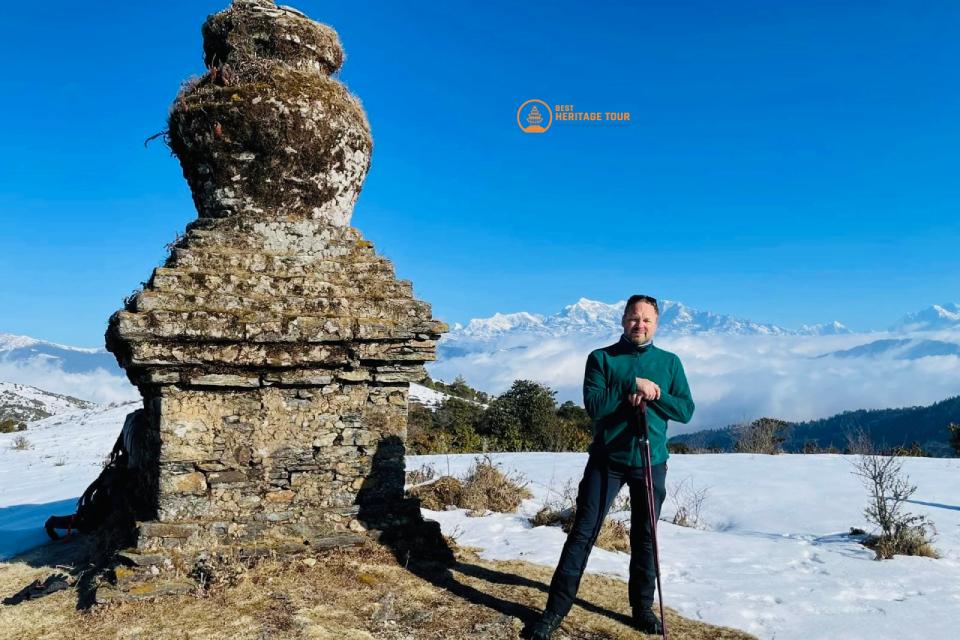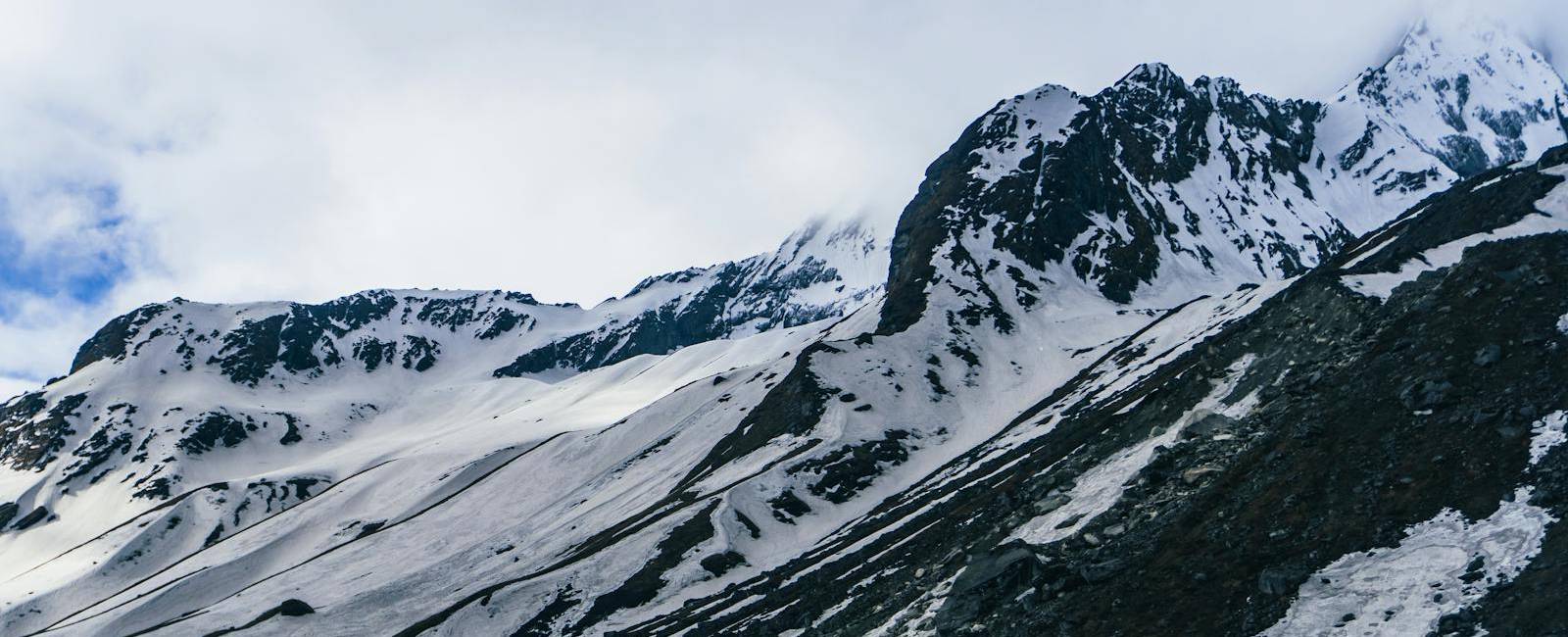
Nestled in the lower Solukhumbu region of Nepal, the Pikey Peak Trek has rapidly earned its place as one of the most rewarding short treks in the Himalayas. Standing at 4,065 meters, Pikey Peak offers a panoramic viewpoint famously praised by Sir Edmund Hillary as his favorite vista of Mount Everest. From the summit, trekkers are treated to sweeping views stretching from Dhaulagiri in the west all the way to Kanchenjunga in the east, alongside Makalu, Lhotse, and Ama Dablam.
However, embarking on this tranquil journey through Sherpa heartlands, ancient rhododendron forests, and hilltop monasteries requires smooth logistical preparation. Navigating trail rules, local government regulations, and environmental conservation policies can feel overwhelming.
To help you plan a stress-free adventure, Best Heritage Tour has compiled this comprehensive guide detailing every single permit required for the Pikey Peak Trek in 2026/27, complete with updated costs, required documents, and step-by-step instructions on how to obtain them.
Why Do You Need Permits for Pikey Peak?
Trekking permits in Nepal serve vital functions beyond administrative formalities:
-
Environmental Conservation: Fees go directly toward maintaining trails, managing waste, and protecting the fragile mountain ecosystems within national parks and conservation zones.
-
Safety and Security: Local checkpoints track trekker entry and exit points across regions. In the event of unpredictable weather or medical emergencies, documentation helps search-and-rescue teams locate you quickly.
-
Local Community Support: Regional permits ensure that tourism revenue directly benefits the indigenous communities hosting you, funding rural infrastructure, schools, and health posts.
Detailed List of Permits Required for Pikey Peak Trek
Depending on the specific trail route you take (such as starting from Dhap, Jiri, or Shivalaya), the exact combination of permits can slightly vary. Below is the definitive list of permits required for Pikey Peak Trek covering standard and extended route variations.
|
PIKEY PEAK TREK PERMIT |
||
|
Permit Type |
Cost (Foreigners) |
Requirement |
|
Local Area Entry Permit |
NPR 3,000 (~$22) |
Mandatory for all routes |
|
Sagarmatha National Park Permit |
NPR 3,390 (~$25) |
Mandatory for all routes |
|
Gaurishankar Conservation Permit |
NPR 3,000 (~$22) |
Route-dependent (Jiri) |
|
e-TIMS Card |
NPR 2,000 (~$15) |
Agency integrated |
1. Local Area Entry Permit (Local Rural Municipality Permit)
Since the decentralization of administrative systems in Nepal, local rural municipalities manage their own regional entry fees. The Pikey Peak trail falls inside the Solukhumbu district.
-
Cost: NPR 3,000 (approx. USD $22-$25) per foreign trekker.
-
SAARC Nationals: NPR 1,500.
-
Where to Obtain: Issued directly on-site at entry checkpoints in Dhap, Ringmo, or Phaplu. It cannot be purchased in advance in Kathmandu.
2. Sagarmatha National Park Entry Permit - Route Dependent
Because portions of the higher trails and surrounding buffer zones connect into the protected boundaries of the Everest region, a Sagarmatha National Park Entry Permit is required.
-
Cost: NPR 3,000 + 13% Government VAT = NPR 3,390 (approx. USD $25-$28) per foreign trekker.
-
SAARC Nationals: NPR 1,500 + VAT.
-
Children under 10: Free entry.
-
Where to Obtain: Nepal Tourism Board (NTB) office in Kathmandu.
3. Gaurishankar Conservation Area Permit (GCAP) - Route Dependent
If your itinerary takes the classic overland route starting from Jiri or Shivalaya before connecting to the main Pikey Peak ridge, your trail passes through the Gaurishankar Conservation Area.
-
Cost: NPR 3,000 (approx. USD $22-$25) per foreign trekker.
-
SAARC Nationals: NPR 1,000.
-
Where to Obtain: NTNC Counter at the Nepal Tourism Board in Kathmandu or at the entry checkpoint in Shivalaya.
Note: If you fly to Phaplu or drive directly to Dhap/Japre, you do not pass through this area and can skip this permit.
4. e-TIMS Card (Trekkers' Information Management System)
Nepal’s official policy requires foreign hikers to trek with licensed guides and possess an e-TIMS card featuring a scannable QR code. While the Solukhumbu local entry permit replaces TIMS in the upper Everest region, official regulations require agency-issued registrations when starting from surrounding districts.
-
Cost: NPR 2,000 (approx. USD $15).
-
How to Obtain: Must be issued online via a registered trekking agency. Individual independent applications for e-TIMS are no longer accepted.
How to Obtain the Permits for Pikey Peak Trek?
Understanding the logistics behind obtaining your paperwork saves hours of standing in queues or facing unnecessary hassle at mountain checkpoints.
1. Organize Your Travel Documents: Essential paperwork needed before applying.
Before applying for any permit, gather these original items and copies:
-
Passport: Valid for at least 6 months beyond your travel dates.
-
Nepal Visa: Valid entry visa stamp or entry documentation.
-
Passport-Sized Photos: Carry 4-6 physical copies for permit application forms.
-
Cash in Nepalese Rupees (NPR): On-site trail counters strictly accept local cash currency only.
2. Process Advance Permits in Kathmandu: Nepal Tourism Board (NTB) Bhrikutimandap.
If traveling independently or setting up your trek ahead of time in Kathmandu, visit the Nepal Tourism Board office:
-
Obtain your Sagarmatha National Park Permit (if required based on your route).
-
Obtain the Gaurishankar Conservation Area Permit (GCAP) if starting your trail from Jiri/Shivalaya.
3. Acquire Local Permits On-Trail: Checkpoints at Dhap, Phaplu, or Shivalaya.
The Solukhumbu Local Area Entry Permit cannot be bought in Kathmandu. As your vehicle reaches the district entry point at Dhap or Phaplu, your guide will present your credentials at the local municipality office, pay the fee in cash, and receive your official entry receipt.
4. Seamless Integration with Best Heritage Tour: Zero paperwork stress for our clients.
When booking your trek through Best Heritage Tour, our team manages the entire administrative process on your behalf. We pre-issue all documentation, register your details with local authorities, and handle checkpoint verifications along the route so you can focus entirely on the trail.
Important Rules and Tips for Trekkers in 2026/27
To ensure your journey runs smoothly from start to finish, keep these professional recommendations in mind:
-
Mandatory Guide Regulations: Nepal enforces strict regulations requiring foreign trekkers to be accompanied by a licensed local guide. Attempting to bypass official checkpoints without registered documentation risks on-the-spot fines of USD $120 or immediate removal from the region.
-
Always Keep Permits Accessible: Keep your original permits, passport, and photos in a waterproof folder inside your daypack. You will need to show them at multiple army and local police checkpoints.
-
Carry Extra Cash: Entry gates on mountain roads do not have credit card terminals or working ATMs. Always carry enough physical Nepalese Rupees to pay for local entrance fees and personal expenses.
-
Respect Local Customs: The lower Solukhumbu is home to deep-rooted Sherpa, Rai, and Tamang cultures. Always walk clockwise around chortens (stupas), mani prayer walls, and monasteries.
Suggested Pikey Peak Trek Itinerary
Here is a popular, balanced 5-day itinerary that maximizes acclimatization and scenic views:
-
Day 1: Drive from Kathmandu to Dhap Bazaar (2,850m) - 7 to 8 hours drive.
-
Day 2: Trek from Dhap to Japre (2,820m) via Sigane - 5 hours.
-
Day 3: Trek from Japre to Pikey Base Camp (3,640m) - 6 hours.
-
Day 4: Early morning summit of Pikey Peak (4,065m) for sunrise; trek down to Japre & drive to Dhap - 7 hours.
-
Day 5: Drive from Dhap back to Kathmandu.
Conclusion
The Pikey Peak Trek stands out as one of Nepal's finest short Himalayan journeys, offering Sir Edmund Hillary’s favorite view of Everest alongside warm hospitality in traditional Sherpa communities. While sorting out entry fees and municipality regulations requires a bit of foresight, having the correct permits ensures a hassle-free trek while directly funding environmental conservation and local infrastructure along the trail.
Plan Your Pikey Peak Trek with Best Heritage Tour
With years of experience organizing heritage and wilderness treks across Nepal, Best Heritage Tour handles every detail of your journey with absolute care. From pre-arranging all official permits and private transport to providing expert, licensed local guides, we ensure your trek is seamless, safe, and truly unforgettable.
Ready to witness the grand Himalayan panorama from 4,065 meters?
Phone / WhatsApp / Viber: +977-9851149197 / +977-9810043046
Email: info@bestheritagetour.com / bestheritagetour@gmail.com
Website: www.bestheritagetour.com
Office: Thamel Marg, Kathmandu, Nepal
Frequently Asked Questions (FAQs)
What are the permits required for Pikey Peak Trek in 2026/27?
You will need the Local Area Entry Permit and the Sagarmatha National Park Entry Permit (if route include upper section too). If starting from Jiri or Shivalaya, you will also require the Gaurishankar Conservation Area Permit (GCAP).
Can I get all Pikey Peak permits in Kathmandu?
No. While the Sagarmatha National Park Permit and GCAP can be acquired at the Nepal Tourism Board office in Kathmandu, the Local Area Permit must be purchased at local entry checkpoints in the Solukhumbu district.
How much do the Pikey Peak permits cost in total?
Total permit costs range between USD $45 and $70 per person depending on your chosen route variation (whether or not you pass through the Gaurishankar area).
Is travel insurance mandatory for the Pikey Peak Trek?
Yes, valid travel insurance that covers emergency medical evacuation and high-altitude trekking up to 4,500 meters is strongly recommended and required by trekking agencies for your safety.
Author: Best Heritage Tour
Date: 1st September, 2026