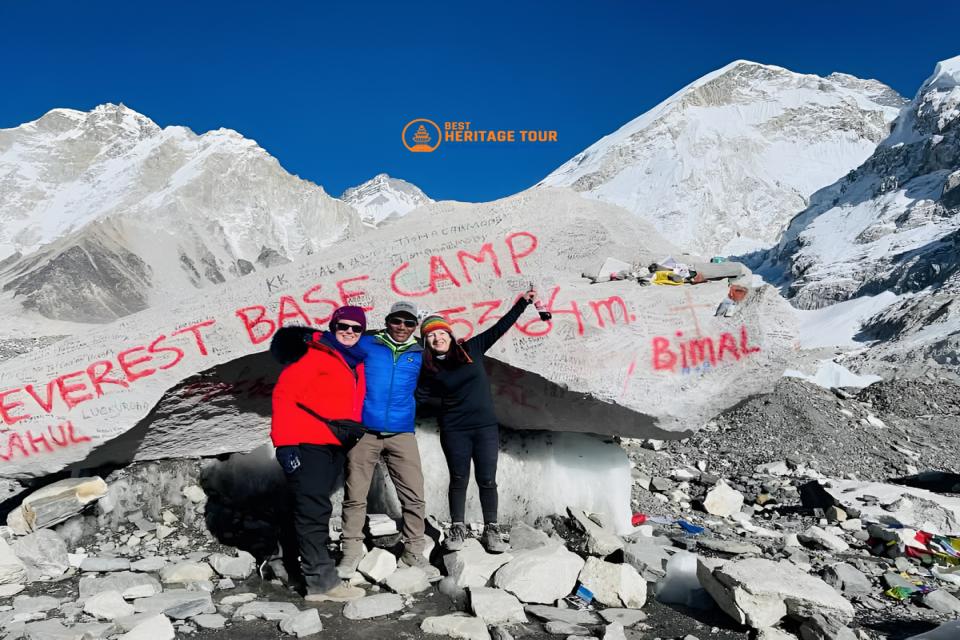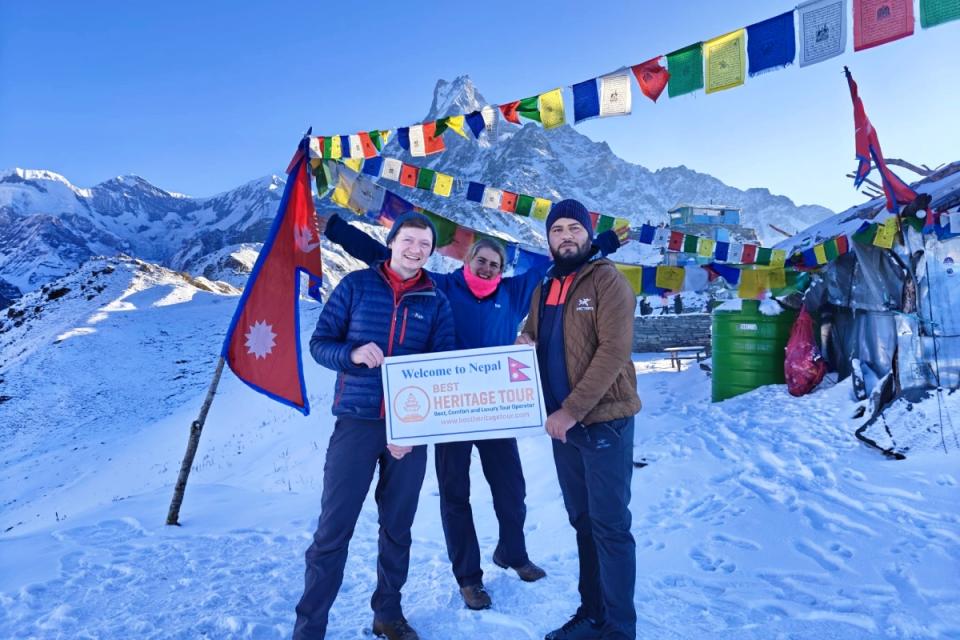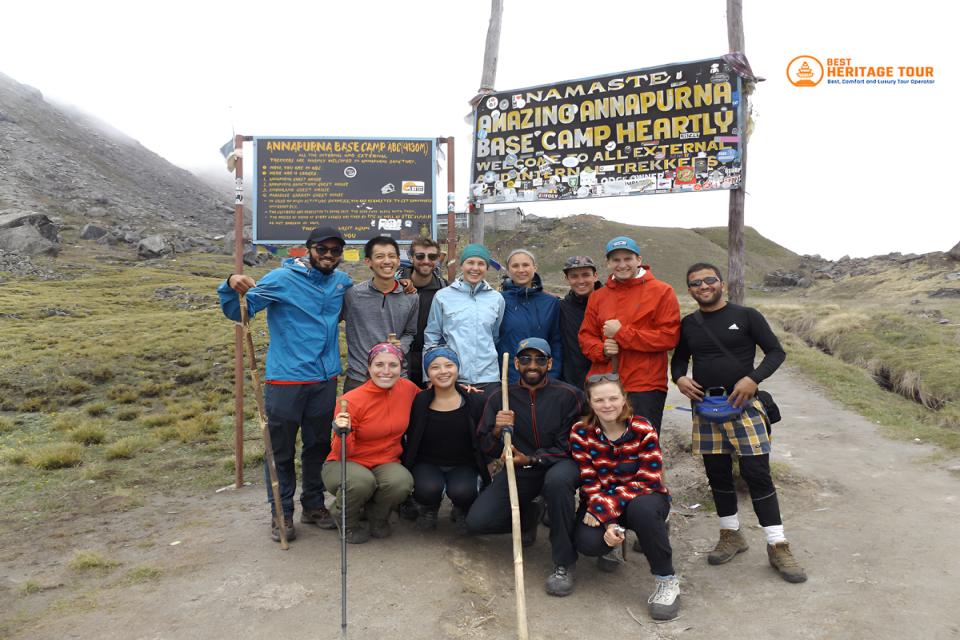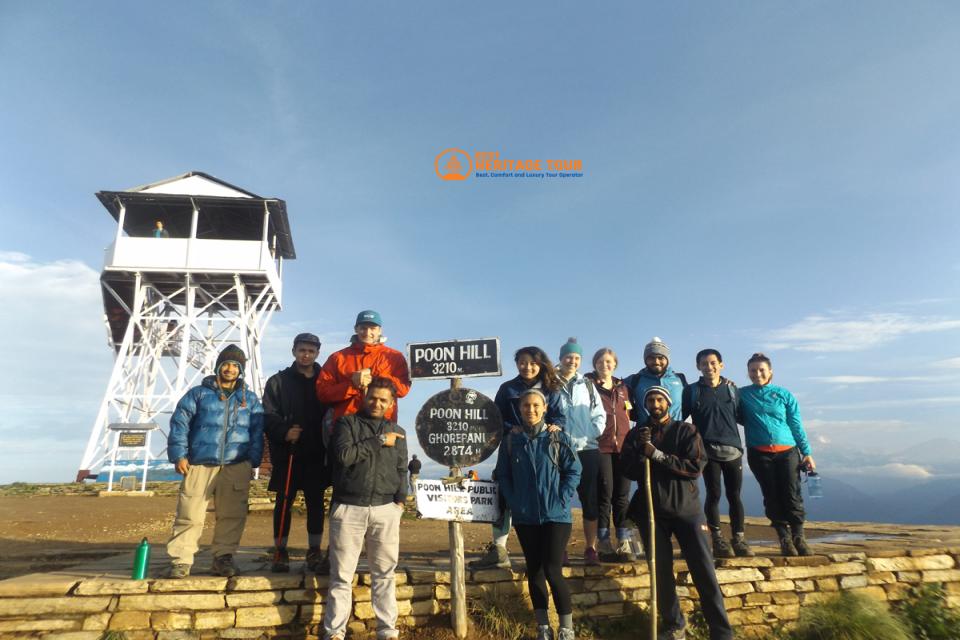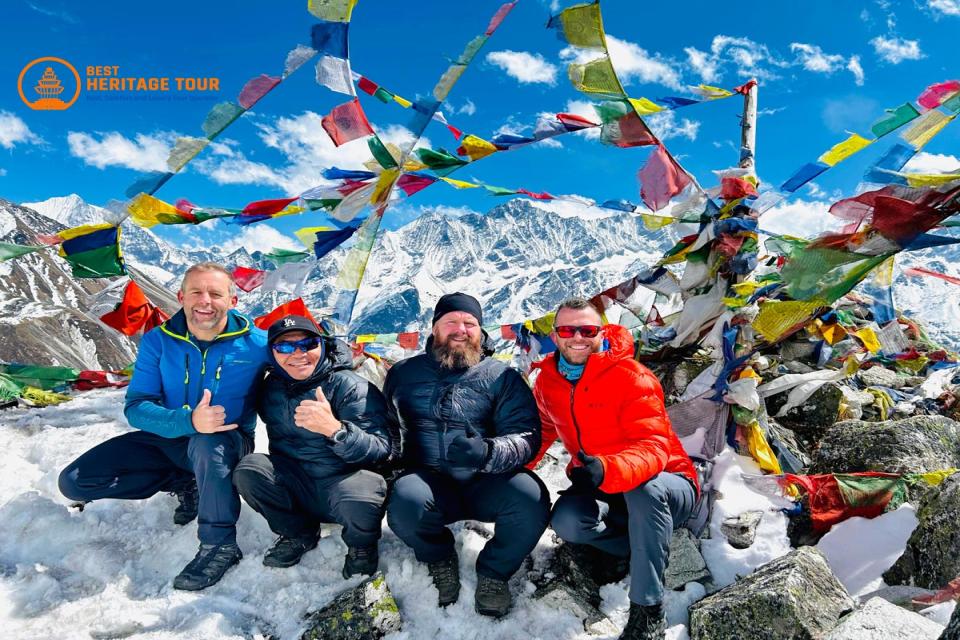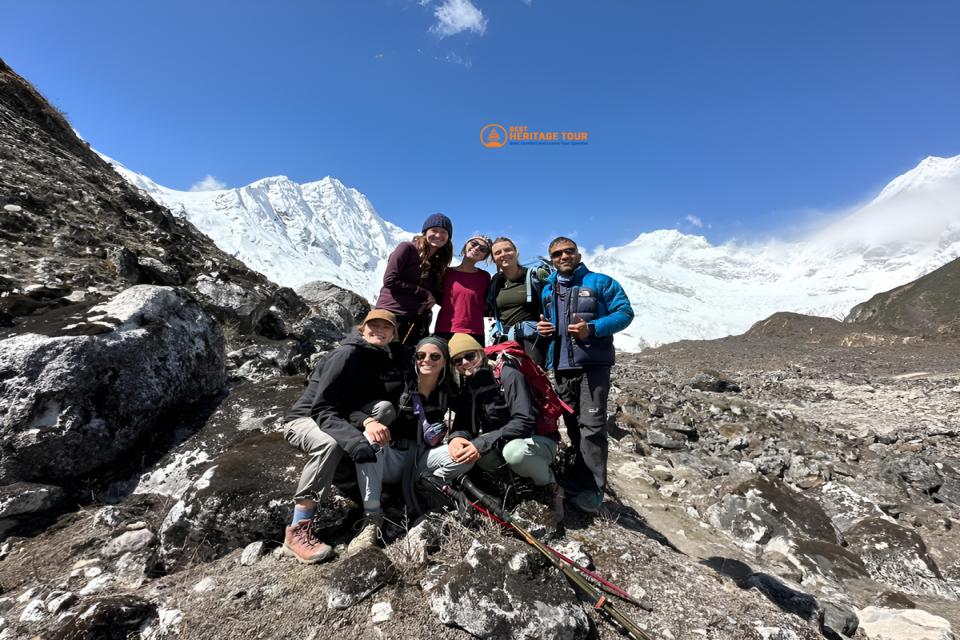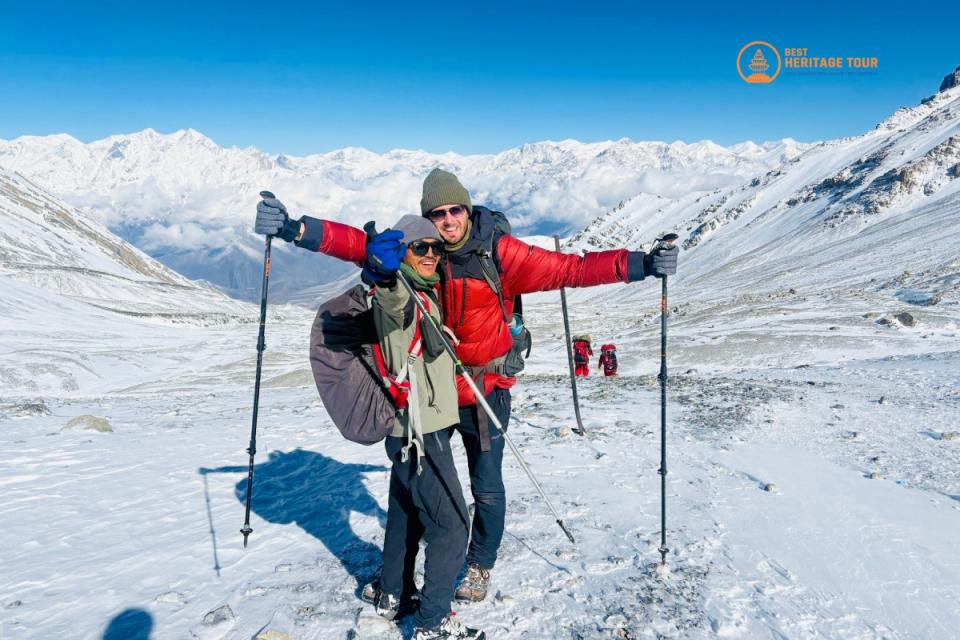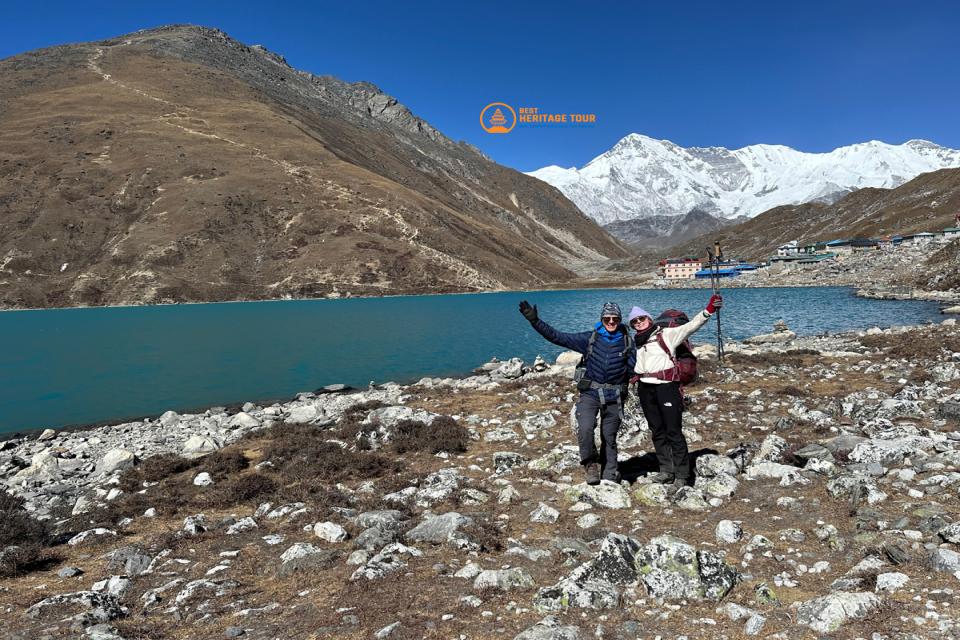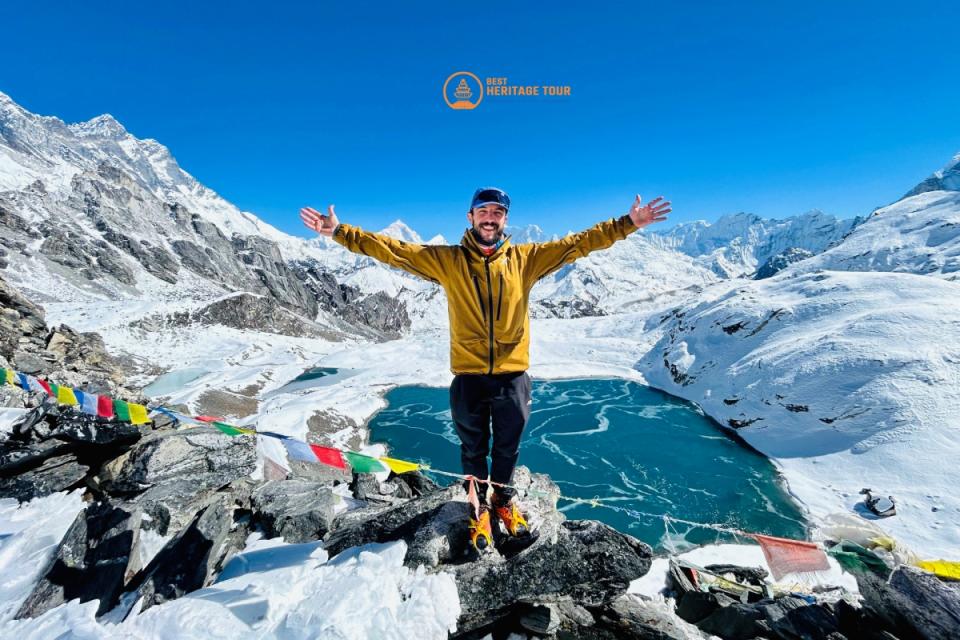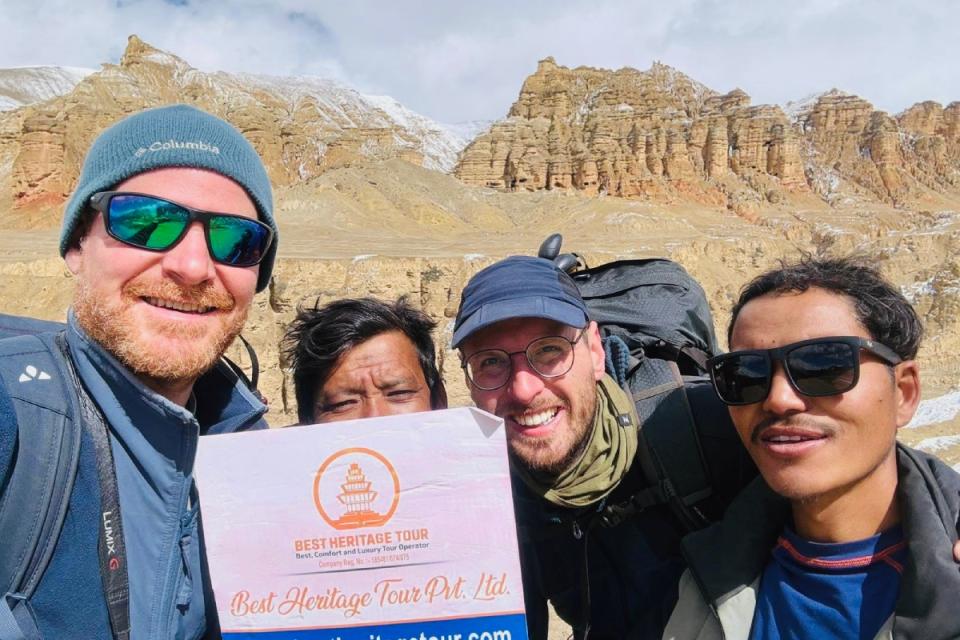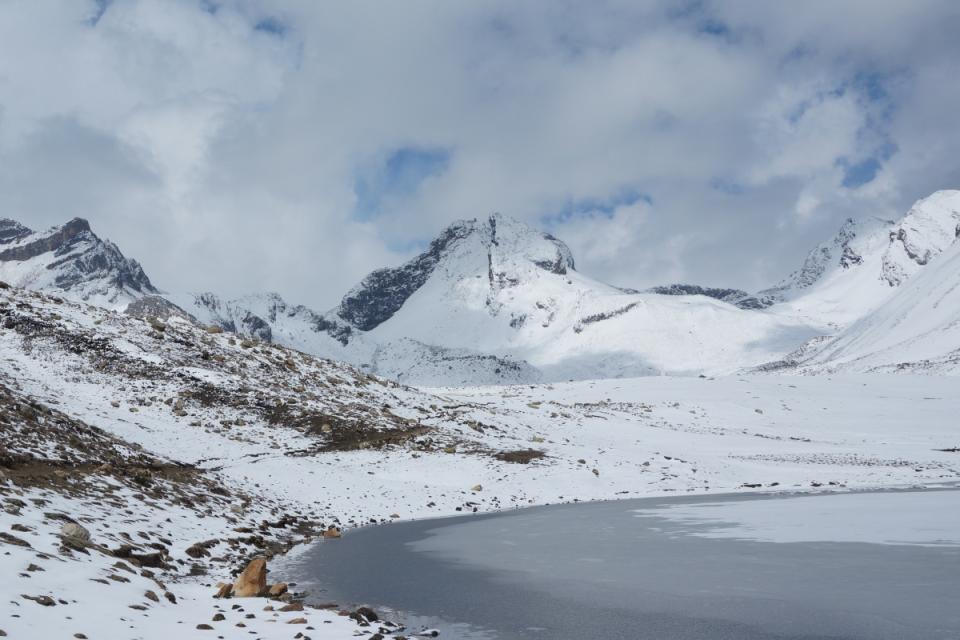
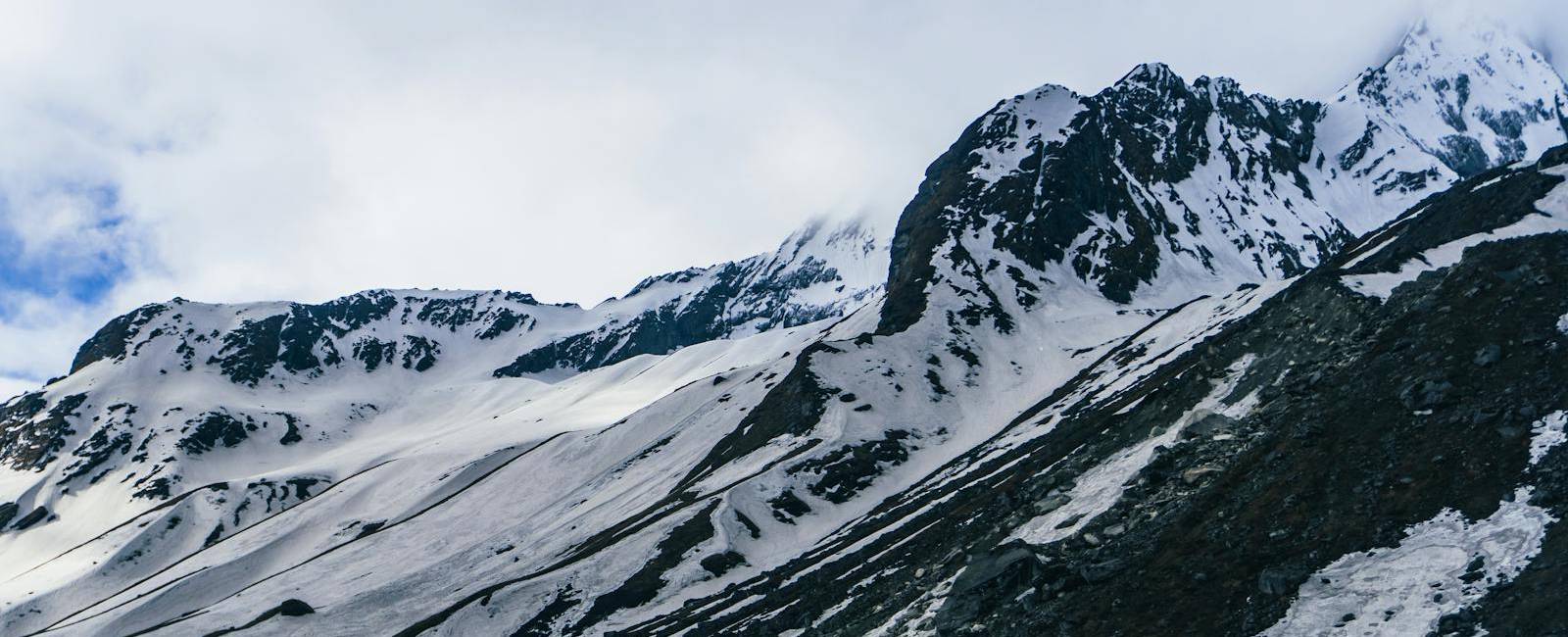
Nepal is one of the world's most celebrated trekking destinations, offering an extraordinary combination of Himalayan landscapes, high-altitude trails, traditional mountain villages, diverse cultures, and some of the highest peaks on Earth. From the legendary Everest Base Camp Trek to the scenic Annapurna Circuit, peaceful Langtang Valley, challenging Manaslu Circuit, and remote Mustang trails, Nepal has a trekking experience for almost every type of traveler.
However, choosing the right season can make a significant difference to your trekking experience.
If you are planning a Himalayan adventure in 2027, one of the first questions to consider is: What is the perfect time to go on a trek in Nepal in 2027?
The answer depends on your chosen trekking region, altitude, preferred weather, tolerance for cold or rain, and the type of experience you want. In general, spring and autumn are considered the most favorable trekking seasons in Nepal, while winter and monsoon can also be excellent for specific routes and travelers who are properly prepared.
At Best Heritage Tour, we help international trekkers understand these seasonal differences before planning their journey. This guide explains the perfect time for trekking in Nepal in 2027, including the advantages and challenges of each season, popular trekking routes, weather conditions, mountain visibility, crowd levels, and practical planning considerations.
What Is the Perfect Time to Go on a Trek in Nepal in 2027?
For most classic trekking routes, the best time for trekking in Nepal in 2027 is during spring and autumn.
Spring: March to May
Spring is one of the most attractive seasons for trekking in Nepal. Temperatures gradually become warmer, mountain trails become more comfortable for walking, and Nepal's famous rhododendron forests come alive with colorful blossoms.
March, April, and May are particularly popular for trekking routes such as Everest Base Camp, Annapurna Base Camp, Annapurna Circuit, Langtang Valley, Manaslu Circuit, and several other Himalayan trails.
Spring is especially appealing to travelers who want a combination of comfortable trekking temperatures, mountain scenery, blooming vegetation, and lively mountain communities.
Autumn: September to November
Autumn is another excellent trekking season and is widely regarded as one of the most reliable periods for Himalayan trekking.
After the monsoon rains, the atmosphere generally becomes clearer, mountain visibility improves, and the landscapes are refreshed and green. October and November are particularly popular among international trekkers.
For travelers seeking classic Himalayan views, comfortable daytime walking conditions, and a traditional Nepal trekking experience, autumn is a major season to consider for 2027.
Nepal Trekking Seasons at a Glance
Before choosing your trekking dates, it helps to understand how the four major trekking periods differ.
|
Season |
Months |
General Conditions |
Recommended For |
|---|---|---|---|
|
Spring |
March-May |
Mild to warm, clear mornings, blooming rhododendrons |
Classic Himalayan treks, nature lovers |
|
Summer/ |
June-August |
Rainy in many regions, humid at lower elevations |
Rain-shadow routes, experienced travelers |
|
Autumn |
September-November |
Generally clear, stable and comfortable |
Most classic trekking routes |
|
Winter |
December-February |
Cold, snow at higher elevations, shorter days |
Lower-altitude treks, experienced cold-weather trekkers |
Nepal's climate varies greatly according to elevation and geography. Temperatures generally decrease as altitude increases, meaning that the weather in Kathmandu can be completely different from conditions at Everest Base Camp or a high Himalayan pass.
This is why selecting a trekking season should always be based on the specific trekking route, rather than Nepal as a whole.
Why Spring Is One of the Best Times for Trekking in Nepal in 2027
Spring is a beautiful period to explore the Nepal Himalayas. As winter gradually ends, trekking trails become increasingly comfortable, while forests and hills begin displaying fresh greenery and rhododendron blossoms.
The season generally extends from March through May.
March Trekking in Nepal
March marks the transition from winter toward spring. Lower and mid-elevation trekking routes can be particularly pleasant, while higher-altitude areas may still experience cold conditions and remaining snow.
Trekkers visiting in March should prepare for changing temperatures, especially when the itinerary reaches higher elevations.
April Trekking in Nepal
April is a highly popular month for trekking in Nepal. The weather is generally favorable for many established routes, and spring flowers add color to the Himalayan landscape.
The forests around trekking trails can be particularly beautiful, making April attractive for photographers, nature enthusiasts, and travelers who want more than just mountain views.
May Trekking in Nepal
May is the final major month of spring. Lower elevations can become warmer, and pre-monsoon conditions may gradually begin developing later in the month.
Higher-altitude trekking can still be rewarding, but trekkers should monitor weather conditions and prepare for possible changes.
Why Trek in Nepal During Spring?
Some of the main attractions of spring trekking include:
-
Rhododendron flowers across many Himalayan regions
-
Comfortable daytime temperatures on many routes
-
Excellent opportunities for mountain photography
-
Green and colorful landscapes
-
Active trekking and tourism atmosphere
-
Good conditions for many classic trekking routes
-
Opportunities to combine trekking with cultural experiences
For travelers who want to experience Nepal's mountains and natural scenery during a colorful season, spring can be an excellent choice for a 2027 trekking adventure.
Why Autumn Is Considered the Best Time for Trekking in Nepal in 2027
If your main priority is clear Himalayan scenery and generally stable trekking weather, autumn deserves serious consideration.
Autumn follows Nepal's main monsoon period. The rainfall helps refresh the landscape, while the skies often become clearer as the monsoon retreats.
September Trekking in Nepal
September is a transitional month. Early September can still experience some monsoon influence depending on the year and region, while later September can bring increasingly favorable trekking conditions.
Travelers planning September treks should allow some flexibility and check the latest local weather forecasts before departure.
October Trekking in Nepal
October is traditionally one of the busiest and most popular trekking months in Nepal.
The combination of generally favorable weather, comfortable daytime walking conditions, and impressive mountain visibility makes October attractive for routes such as Everest Base Camp, Annapurna Circuit, Annapurna Base Camp, Langtang Valley, and Manaslu Circuit.
Because of its popularity, trekkers should also expect more people on major trails and should arrange accommodation and trekking logistics in advance.
November Trekking in Nepal
November is another excellent month for trekking. Conditions can become colder as winter approaches, particularly at higher elevations, but daytime trekking can remain pleasant in many areas.
November can be particularly appealing to travelers who prefer cooler conditions and clear mountain landscapes.
Advantages of Autumn Trekking in Nepal
Autumn offers several benefits:
-
Generally clear Himalayan views
-
Pleasant daytime trekking conditions
-
Fresh landscapes following the monsoon
-
Good visibility for photography
-
Established teahouse and trekking services
-
Suitable conditions for many major trekking routes
-
Excellent opportunities for cultural encounters
For many international travelers asking about the perfect time for trekking in Nepal in 2027, the months around October and November are among the first periods worth considering.
Is Summer and Monsoon a Good Time for Trekking in Nepal in 2027?
June, July, and August are Nepal's monsoon months. This does not mean trekking is impossible.
Instead, it means that trekkers need to choose their destination carefully.
The southern slopes of the Himalayas receive significant rainfall during the monsoon. Trails can become wet and muddy, while clouds may obscure mountain views. Leeches can also be present on some lower-elevation trails.
However, Nepal has several rain-shadow regions where trekking during the monsoon can be surprisingly rewarding.
Trekking in Mustang During Monsoon
Upper Mustang is located in the rain shadow of the Annapurna and Dhaulagiri ranges. Because of its geographical position, it receives considerably less rainfall than many southern Himalayan trekking areas.
The landscape is dramatically different from the lush green hills of central Nepal. Trekkers can experience dry valleys, dramatic cliffs, ancient settlements, Buddhist monasteries, and Tibetan-influenced culture.
For travelers who want to trek in Nepal during July or August, rain-shadow destinations can therefore provide an alternative to the conventional trekking calendar.
Manang and Other Rain-Shadow Areas
Parts of the Manang region also lie in the Himalayan rain shadow. Certain routes can therefore be considered during the monsoon, although conditions still need to be assessed carefully based on the specific itinerary.
This demonstrates an important point:
There is no single trekking season that applies equally to every part of Nepal.
The best time depends on geography, altitude, trail conditions, and the specific route.
Is Winter a Good Time for Trekking in Nepal in 2027?
Yes, winter trekking is possible in Nepal.
December, January, and February can provide clear skies, quieter trails, and beautiful Himalayan landscapes. However, temperatures can become extremely cold at higher elevations, and snowfall may affect high mountain passes and trails.
Winter is generally more suitable for lower- and moderate-altitude treks unless travelers have suitable equipment and experience for high-altitude winter conditions.
Advantages of Winter Trekking
Winter can offer:
-
Quieter trekking trails
-
Fewer visitors on many routes
-
Crisp mountain scenery
-
Clear winter mornings
-
A peaceful Himalayan atmosphere
-
Good opportunities for lower-altitude trekking
Trekkers choosing winter should bring appropriate thermal layers, warm sleeping equipment, gloves, hats, and other cold-weather gear.
High-altitude routes should be selected carefully, particularly where snow-covered passes are involved.
What Factors Should You Consider When Choosing Your Trekking Date?
Choosing the perfect time for trekking in Nepal is not simply about looking at a calendar.
Consider these important factors before booking your 2027 trip.
1. Trekking Altitude
The higher you go, the colder and more unpredictable conditions can become.
A low-altitude cultural trek and a high-altitude Himalayan pass should not be planned using the same seasonal assumptions.
2. Mountain Visibility
If spectacular mountain panoramas are one of your main priorities, consider periods that generally offer clearer skies.
Autumn after the monsoon and many parts of spring can provide excellent opportunities for Himalayan views.
3. Rainfall
Monsoon rainfall can affect trails, transportation, and visibility in many areas.
If you are traveling between June and August, consider rain-shadow destinations or lower-altitude alternatives.
4. Snow and Cold
Winter can bring significant snowfall at high elevations.
Trekkers attempting high passes during winter need appropriate equipment, experience, and updated information about trail conditions.
5. Crowds
Spring and autumn are the most popular trekking periods, particularly on famous routes.
If you prefer quieter trails, consider less popular routes, alternative itineraries, or trekking during shoulder and off-season periods where conditions allow.
6. Your Trekking Experience
A beginner planning a first Himalayan trek may have different seasonal requirements from an experienced high-altitude trekker.
Best Heritage Tour recommends selecting the route and season according to your experience, fitness, itinerary, and comfort level rather than simply following a general “best season” recommendation.
So, What Is the Best Time for Trekking in Nepal in 2027?
For travelers planning a classic Himalayan trekking experience, spring and autumn are the two main seasons to consider.
March to May provides beautiful spring landscapes, blooming rhododendrons, and generally favorable trekking conditions across many popular routes.
September to November offers the post-monsoon trekking period, with generally clearer mountain scenery and comfortable conditions on many classic routes.
However, this does not mean that trekking in Nepal is limited to these months.
Winter can be rewarding for trekkers prepared for cold conditions, particularly on suitable lower-altitude routes. Likewise, monsoon trekking can be an excellent choice for destinations located in Nepal's rain-shadow regions, including parts of Mustang and Manang.
Therefore, the perfect time for trekking in Nepal in 2027 depends on where you want to trek and what kind of Himalayan experience you want to have.
Conclusion
Nepal offers trekking opportunities throughout the year, but choosing the right season can significantly improve your experience.
Whether your dream is to stand at Everest Base Camp, walk beneath the Annapurna range, explore the culturally rich Langtang Valley, cross the dramatic landscapes of the Manaslu region, or discover the ancient trails of Mustang, choosing the right departure period is an important part of your preparation.
At Best Heritage Tour, we help travelers select suitable trekking routes and departure periods based on the season, altitude, itinerary, trekking experience, and personal travel preferences.
With years of experience in Nepal's tourism and trekking industry, our team can help turn your 2027 Himalayan trekking plans into a well-organized and memorable journey.
Ready to plan your Nepal trek in 2027?
Phone / WhatsApp / Viber: +977-9851149197 / +977-9810043046
Email: info@bestheritagetour.com / bestheritagetour@gmail.com
Website: www.bestheritagetour.com
Office: Thamel Marg, Kathmandu, Nepal
Author: Best Heritage Tour
Date: 17th September, 2026