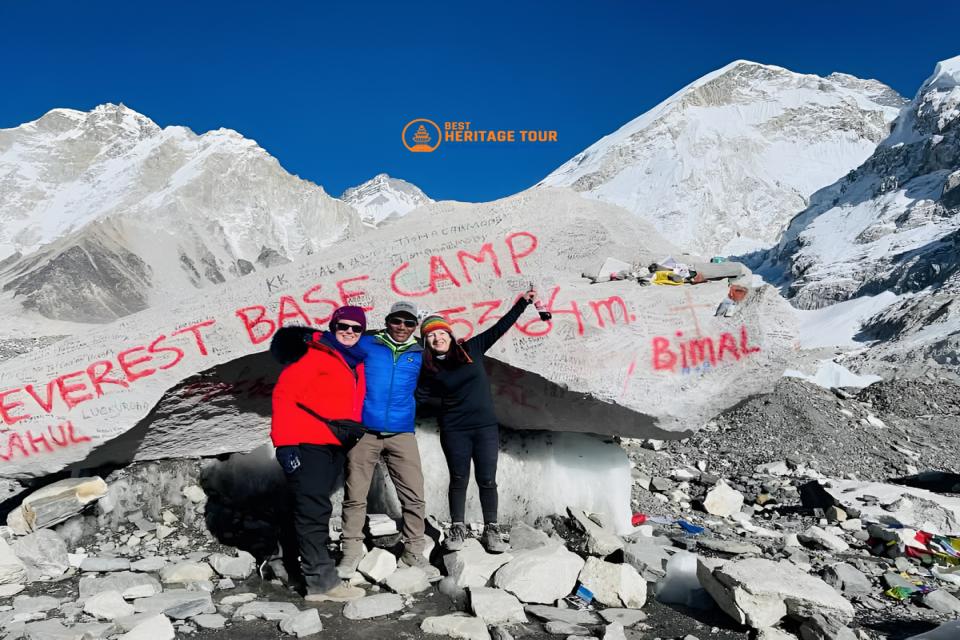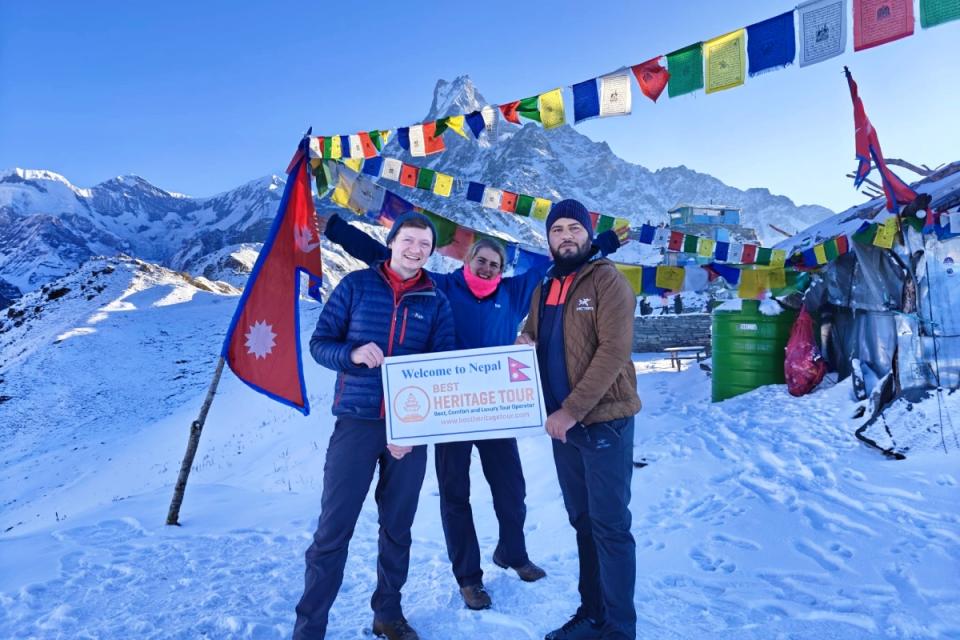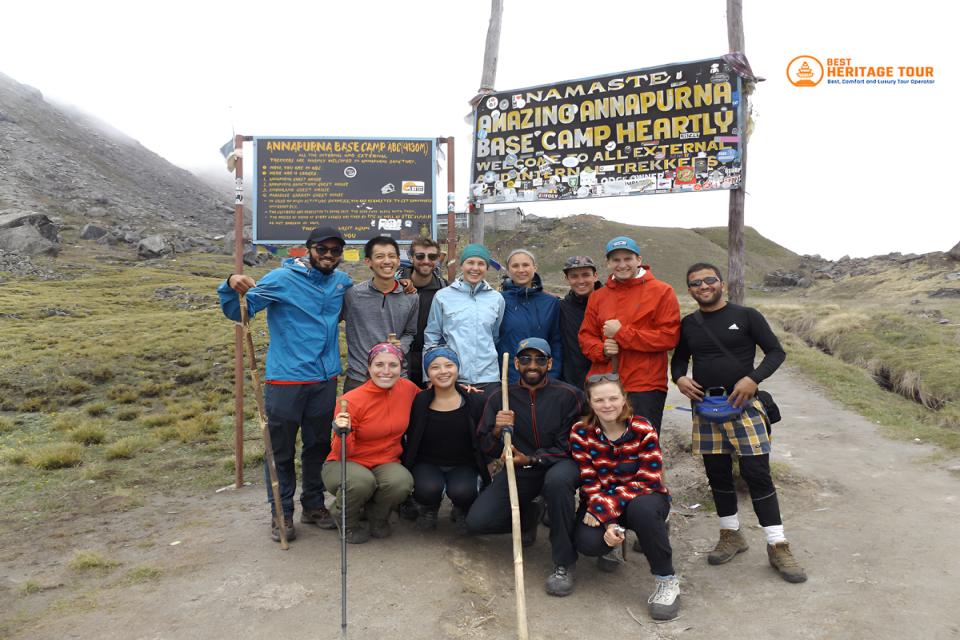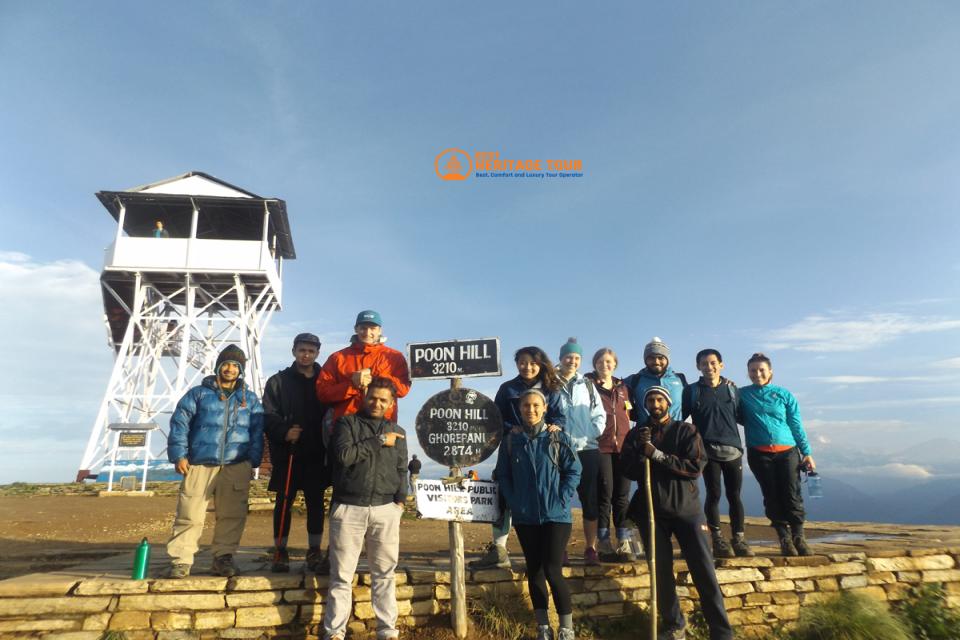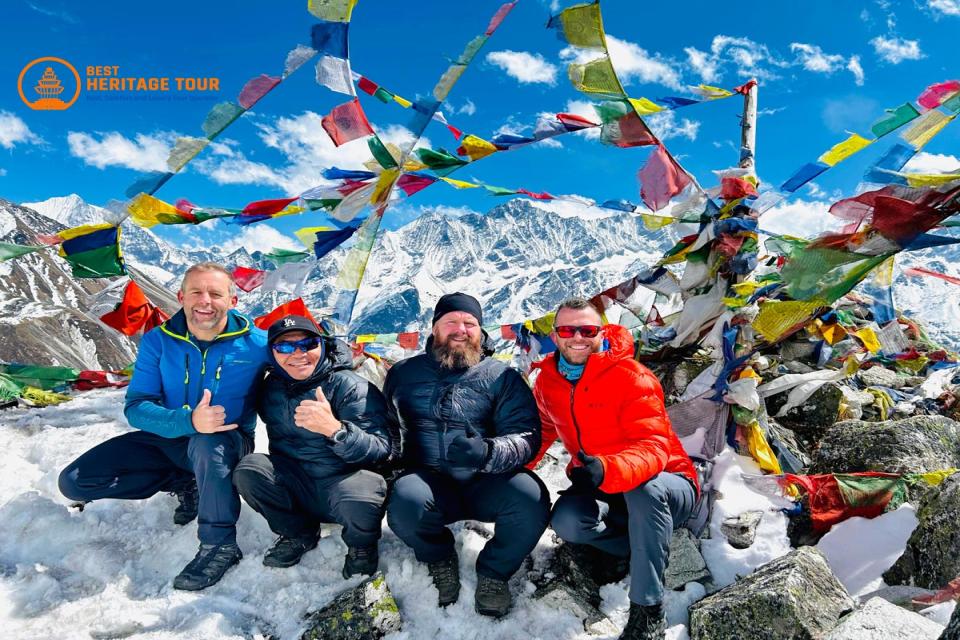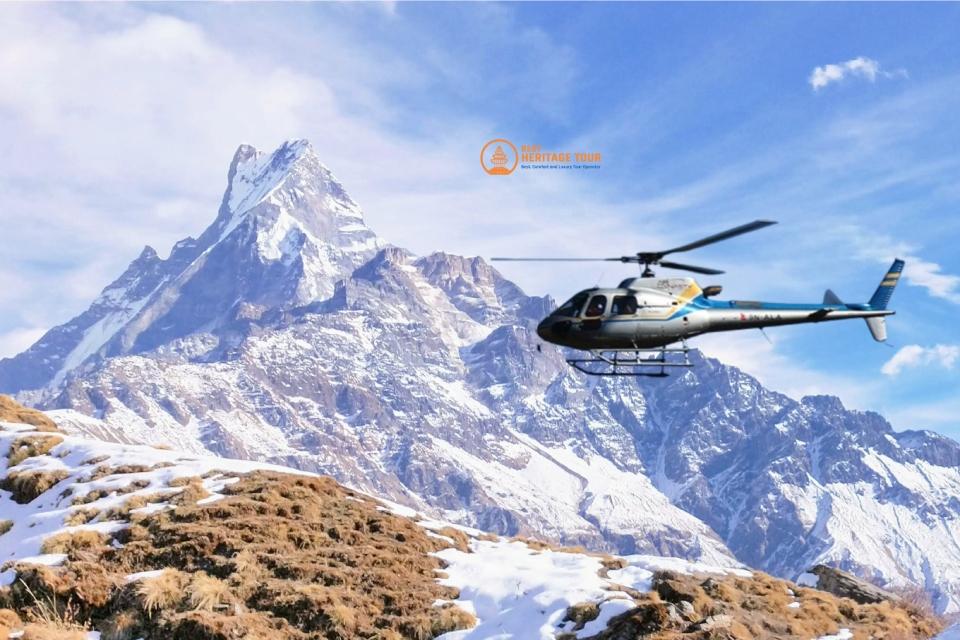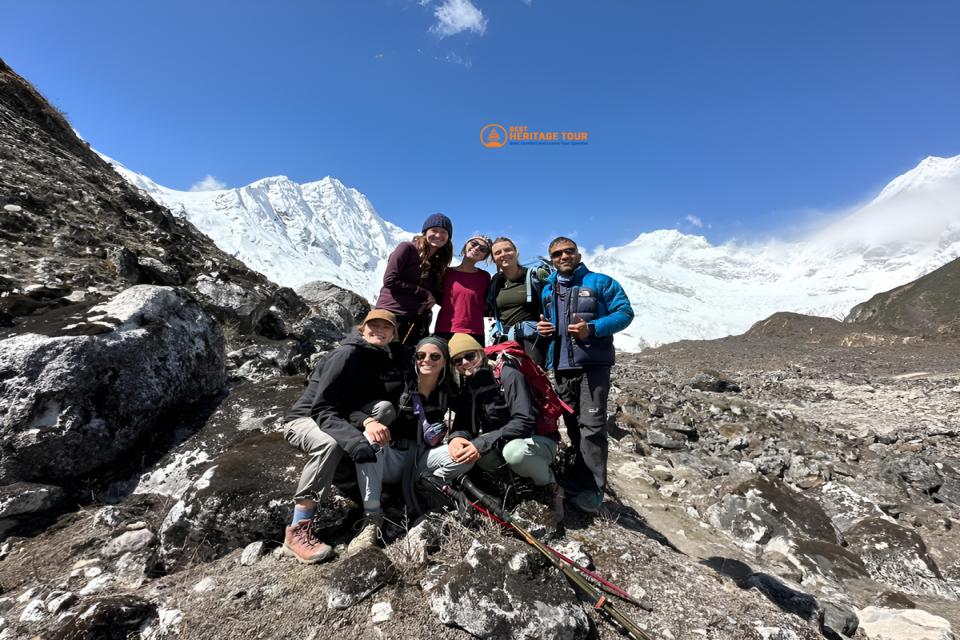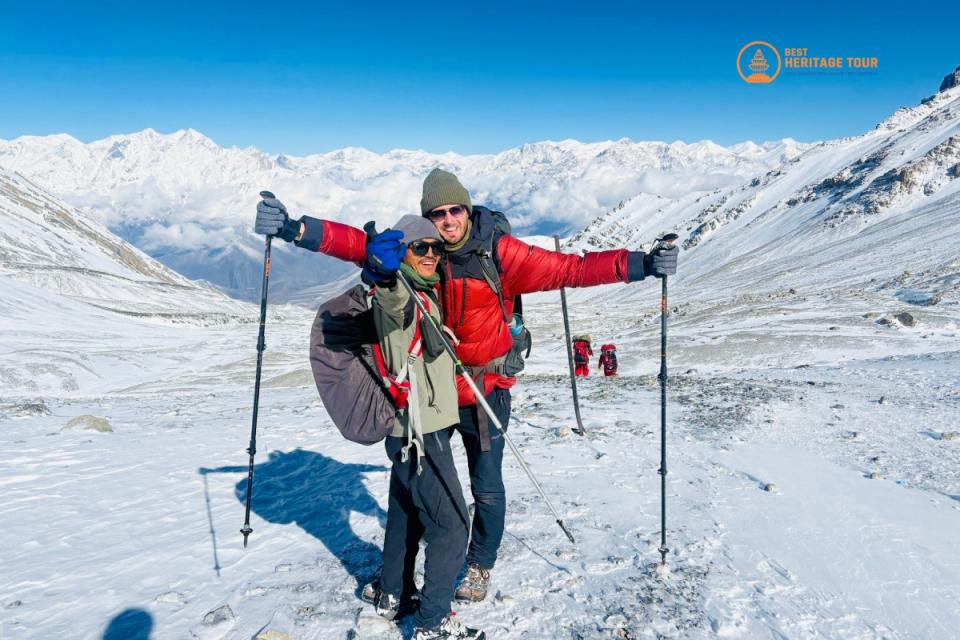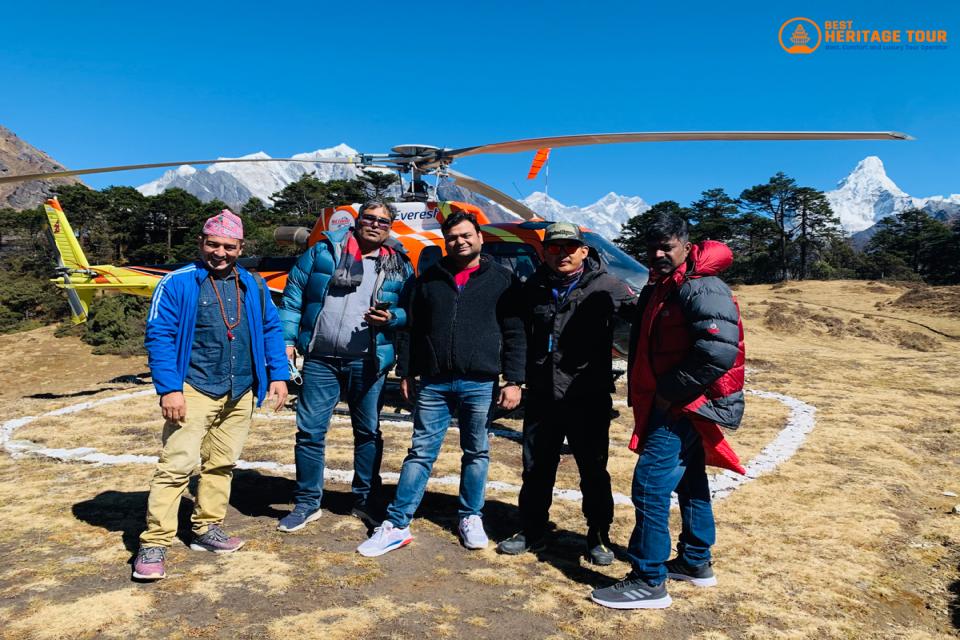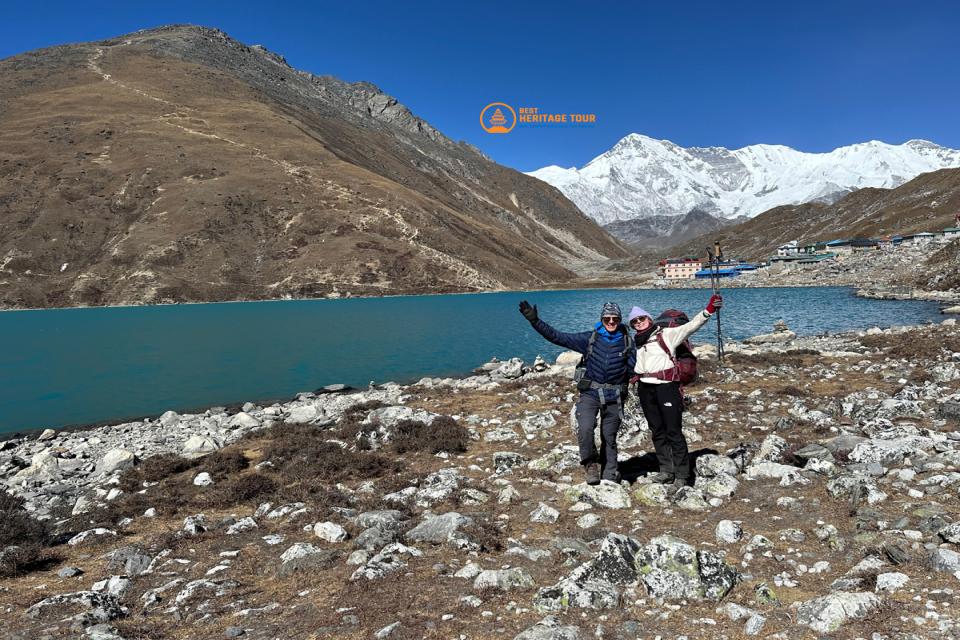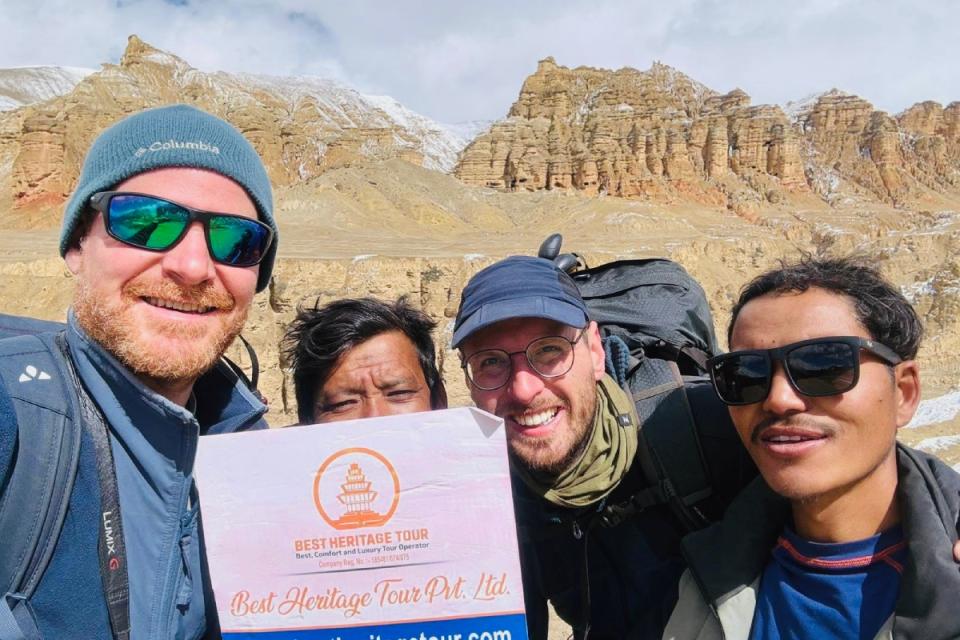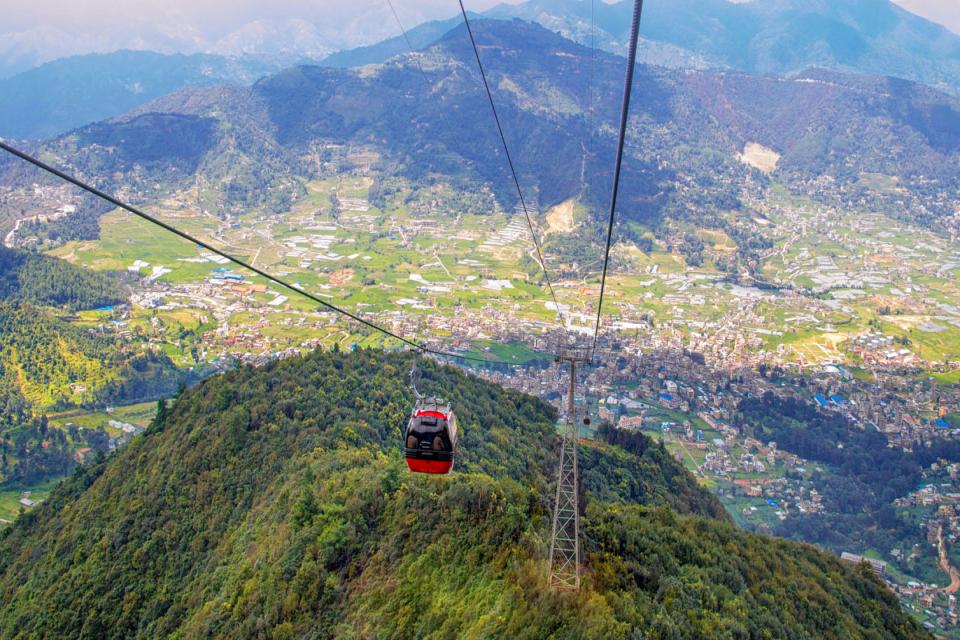
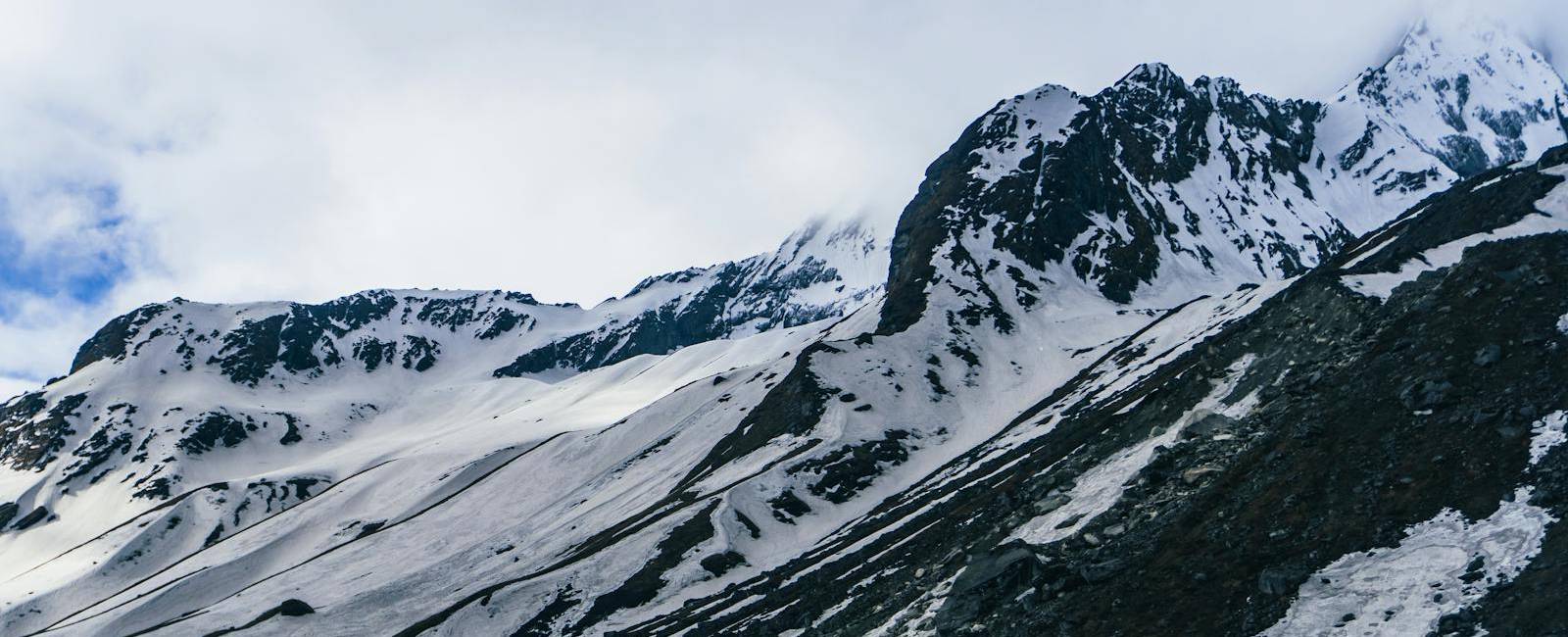
Spring is one of the most popular seasons for traveling in Nepal. From March to May, the weather is generally pleasant, mountain views are often clear, and the hills come alive with blooming rhododendrons. It is also a busy period for trekking routes such as Everest Base Camp, Annapurna Base Camp, Annapurna Circuit, Langtang Valley, Manaslu, and other popular Himalayan trails.
However, packing for a spring trekking or tour in Nepal requires a little more thought than simply packing for warm weather. Temperatures can vary considerably depending on altitude, time of day, and destination. A traveler enjoying a warm afternoon in Kathmandu may need a warm down jacket only a few hours later in the mountains.
So, what should you pack for spring season trekking and tours in Nepal? At Best Heritage Tour, we recommend choosing your packing list according to your destination, altitude, duration, and type of trip rather than relying on one standard list for every journey.
This comprehensive Nepal spring packing guide explains what to pack for March, April, and May, including clothing, trekking equipment, documents, electronics, personal items, and useful extras for families and tourists.
Why Is Spring a Good Time for Trekking and Touring in Nepal?
Spring is the pre-monsoon season in Nepal and generally runs from March through May. It is considered one of the favorable periods for trekking because many mountain regions experience relatively stable conditions, particularly compared with the summer monsoon months.
One of the highlights of spring is the blooming of rhododendrons, Nepal's national flower. Trekking through forests covered with red, pink, white, and other shades of rhododendron can be a memorable part of the journey.
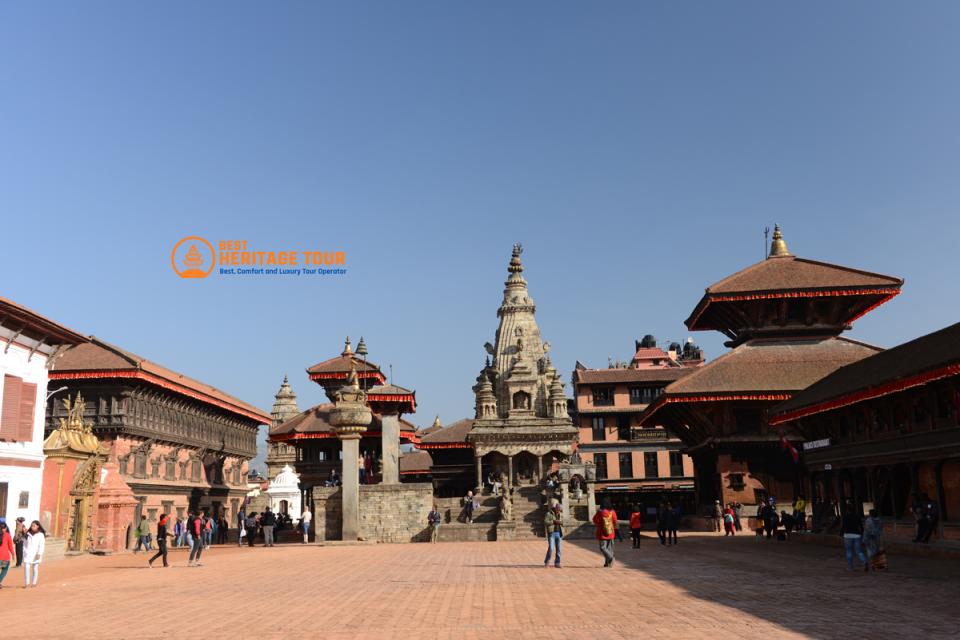
Spring is also suitable for cultural tours, city sightseeing, wildlife experiences, and family holidays. Because Nepal's geography ranges from lowland plains to high Himalayan peaks, packing for Nepal in spring should be destination-specific.
What to Pack for Spring Season Trekking in Nepal?
If you are planning a trek during March, April, or May, the most important rule is layering.
Rather than carrying several very thick clothes, pack clothing that can be combined or removed according to the temperature.
Here is a practical spring trekking packing checklist.
Moisture-Wicking Base Layers
Start with one or two lightweight base-layer tops and bottoms.
Base layers help manage sweat while trekking and provide an additional layer of warmth at higher elevations. Avoid relying entirely on cotton because it can remain damp after sweating.
Recommended:
-
1-2 moisture-wicking thermal tops
-
1 thermal bottom
-
Lightweight trekking underwear
-
Moisture-wicking socks
For lower-altitude spring trekking, you may not need heavy thermal clothing during the daytime. However, it can be useful at higher elevations and during cold mornings.
T-Shirts and Trekking Shirts
Pack lightweight, quick-drying shirts for daytime trekking. A combination of short-sleeved and long-sleeved shirts works well because spring temperatures can change throughout the day.
For a typical trek, consider:
-
2-3 quick-drying T-shirts
-
1-2 long-sleeved trekking shirts
-
One lightweight shirt for evenings
Long-sleeved shirts also provide some protection from sunlight, dust, and insects.
Fleece or Warm Mid-Layer
A fleece jacket is one of the most useful items in a spring trekking packing list for Nepal.
Temperatures can feel cool early in the morning and after sunset, even when afternoons are comfortable. A lightweight or medium-weight fleece provides warmth without taking up too much space in your backpack.
Down Jacket or Insulated Jacket
For high-altitude treks, a warm insulated jacket is strongly recommended.
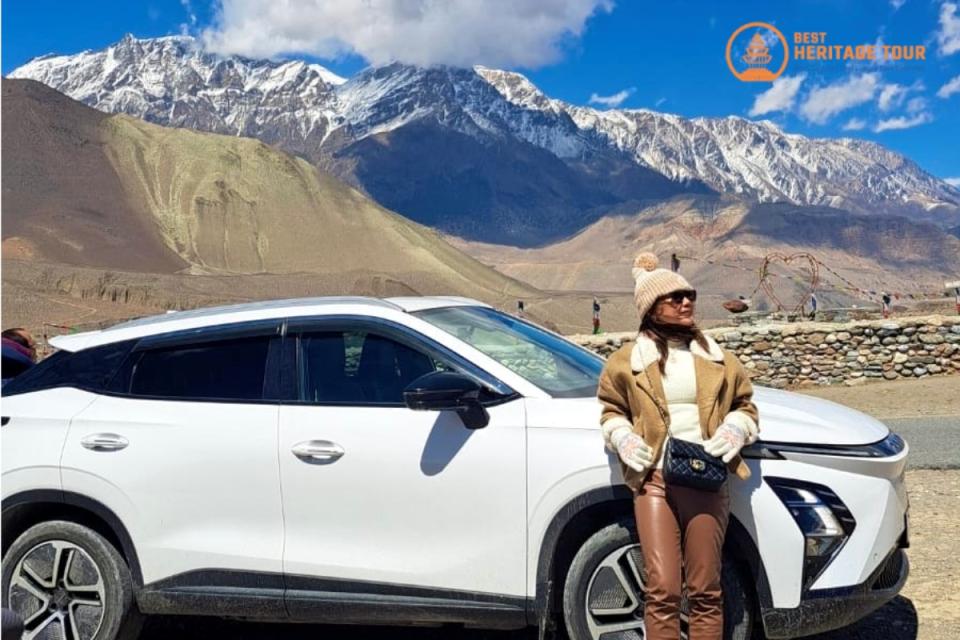
Even during spring, higher Himalayan areas can remain very cold, especially at night. If your itinerary takes you above 4,000 meters or toward high mountain passes, a warm down or synthetic insulated jacket becomes increasingly important.
For lower-altitude tours, a heavy down jacket may not be necessary.
A useful approach is:
T-shirt → fleece → insulated jacket → waterproof shell
This gives you flexibility as temperatures change.
Waterproof and Windproof Jacket
A waterproof outer shell is an important item for spring travel in Nepal.
Although spring is generally drier than the monsoon season, rainfall can still occur. Weather in mountainous areas can also change quickly. For trekking, choose a jacket that is breathable and easy to pack.
What Pants Should You Pack for Spring Trekking?
Comfortable trekking pants are essential.
Pack lightweight, flexible trousers that allow unrestricted movement. Convertible trekking pants can also be useful because they provide flexibility when temperatures rise.
A typical spring trekking list may include:
-
2 trekking pants
-
1 lightweight comfortable trouser
-
1 thermal bottom for colder elevations
-
1 pair of comfortable sleeping pants
For higher-altitude treks, consider bringing an insulated or windproof trouser as an additional layer.
What Footwear Should You Pack for a Spring Trek in Nepal?
Footwear can significantly affect your trekking experience.
For most multi-day treks, a pair of comfortable, broken-in trekking boots with good grip is a practical choice.
Your footwear should be:
-
Comfortable
-
Properly fitted
-
Broken in before the trek
-
Suitable for uneven terrain
-
Supportive around the ankle if preferred
-
Water-resistant or waterproof where appropriate
Avoid bringing brand-new boots and wearing them for the first time on the trail. Blisters and discomfort can make a trek unnecessarily difficult.
Also pack:
-
3-4 pairs of trekking socks
-
1-2 pairs of warm socks
-
Comfortable camp shoes or sandals
-
Lightweight slippers for accommodation
For city tours and family holidays, comfortable walking shoes or sneakers may be sufficient.
Headwear, Gloves, and Other Small Clothing Items
Small accessories can make a significant difference, particularly at higher elevations.
Your spring trekking packing list for Nepal should consider:
-
Hat or Cap
A lightweight sun hat or cap is useful at lower elevations and during sunny trekking days. -
Warm Beanie
A warm beanie is useful for early mornings, evenings, and higher elevations. -
Gloves
Pack lightweight gloves for general trekking and warmer insulated gloves for high-altitude routes. -
Buff or Neck Gaiter
A buff can protect your neck and face from sunlight, dust, and cold wind. It is lightweight and takes almost no space in your backpack.
Sun Protection: An Essential Part of Your Nepal Packing List
Do not underestimate the Himalayan sun.
UV exposure can be strong at higher elevations, even when the air feels cold.
Pack:
-
Sunglasses with good UV protection
-
Sunscreen, preferably SPF 30 or higher
-
Lip balm with sun protection
-
Sun hat or cap
-
Lightweight long-sleeved clothing
A pair of good sunglasses is particularly important on high-altitude treks where snow and bright sunlight can increase glare.
What Toiletries Should You Pack for Nepal?
Keep toiletries simple and lightweight, especially if you are trekking.
Consider carrying:
-
Toothbrush and toothpaste
-
Biodegradable soap & Small shampoo
-
Moisturizer, Lip balm & Sunscreen
-
Hand sanitizer & Wet wipes
-
Toilet paper or tissues
-
Quick-drying towel
-
Personal hygiene products
Travel-size containers can significantly reduce unnecessary weight.
For trekking, wet wipes can be particularly useful on days when a full shower is not convenient.
Personal Medication and a Small First-Aid Kit
Every traveler should carry personal medication they regularly use.
A small first-aid kit can include:
-
Basic pain relief medicine & Bandages
-
Blister treatment & Antiseptic wipes
-
Elastic bandage
-
Personal prescription medicines
For high-altitude trekking, discuss altitude-related medication with a qualified medical professional before your trip rather than self-prescribing.
What Documents Should You Pack for Nepal?
Documents are just as important as clothing.
Keep important documents in a secure, waterproof document pouch. Depending on your itinerary and nationality, you may need:
-
Valid passport
-
Nepal visa or visa-related documentation
-
Travel insurance documents
-
Permits
-
Important contact numbers
It is also wise to keep digital copies of important documents in secure cloud storage or on your phone.
What Electronics Should You Pack for a Nepal Trip?
You do not need to carry every electronic device you own.
A practical electronics list includes:
-
Smartphone
-
Phone charger & Power bank
-
Universal travel adapter
-
Camera & Spare camera batteries
-
Small flashlight or headlamp
A headlamp is especially useful for trekking because electricity and lighting can be limited or inconvenient in some mountain accommodations.
Bring a power bank for longer trekking routes, but remember that charging availability can vary from one destination to another.
What Backpack or Luggage Should You Use?
Your luggage should match your type of trip.
For a multi-day trek, a comfortable trekking backpack is important. Many travelers also use a duffel bag carried by porters while carrying a smaller daypack themselves.
A useful combination is:
-
Trekking backpack/daypack: approximately 20-30 liters for daily essentials.
-
Main duffel: used for clothing and other items during supported treks.
For city tours, family holidays, and vehicle-based sightseeing, regular luggage or suitcases are generally more practical.
Use waterproof covers or dry bags to protect important belongings from rain and moisture.
What to Pack for Spring Season Tour in Nepal?
Not every traveler visiting Nepal is going trekking.
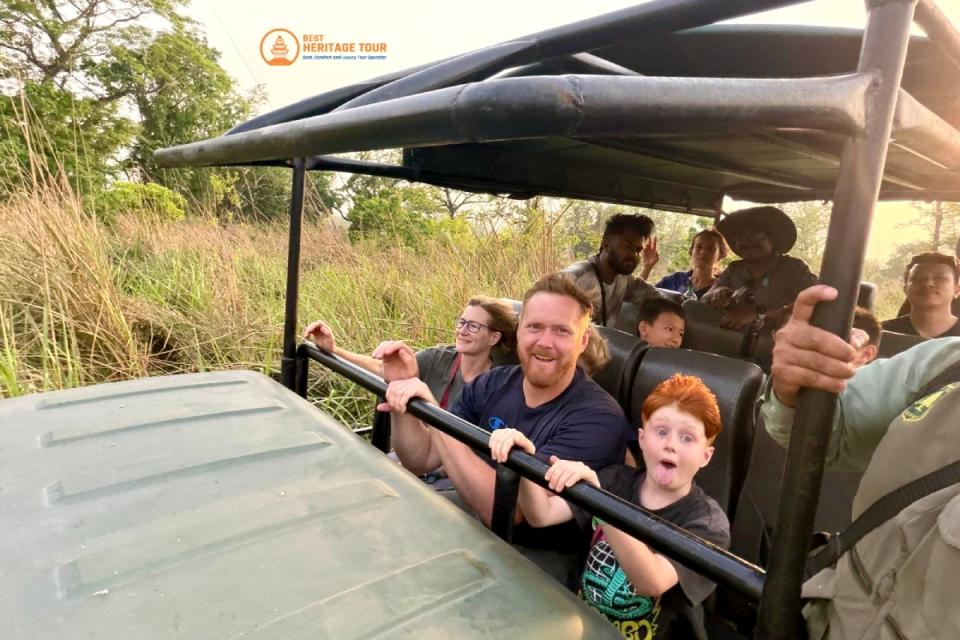
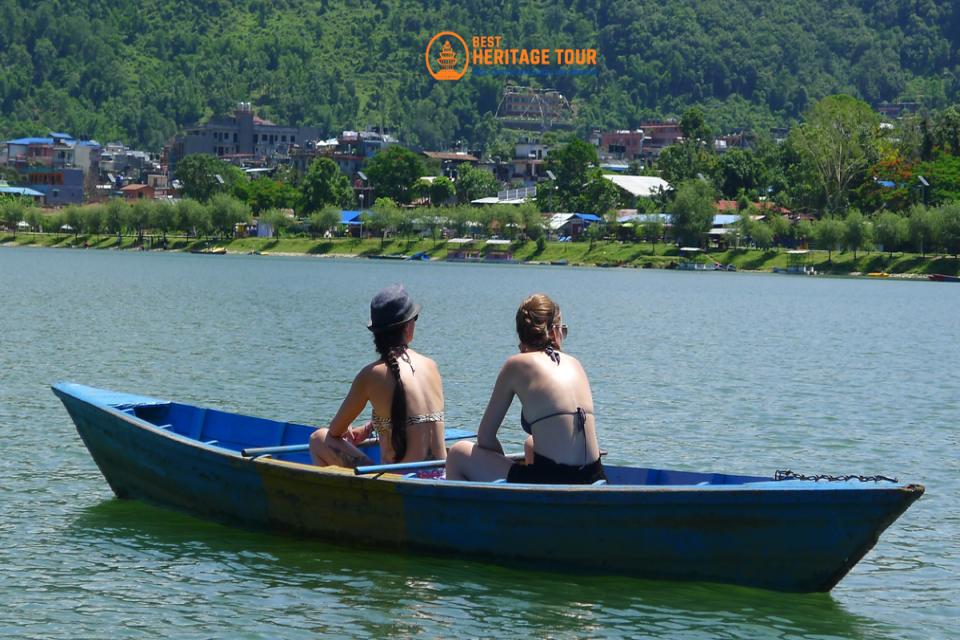
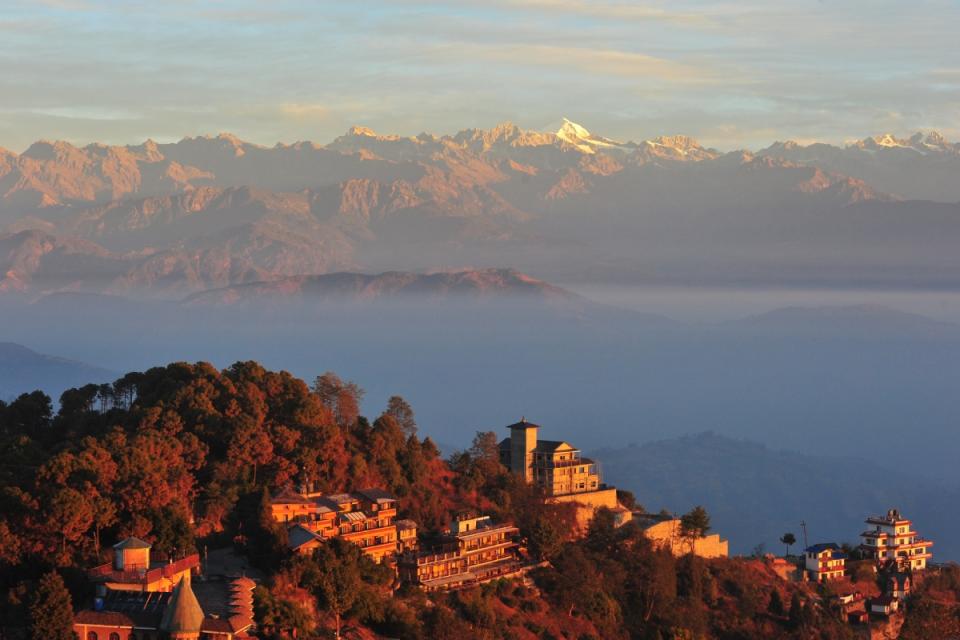
If your trip involves Kathmandu, Pokhara, Chitwan, Lumbini, Bandipur, Nagarkot, or other cultural and natural attractions, your packing requirements will generally be lighter.
For a spring tour, consider packing:
-
Comfortable walking shoes
-
Lightweight trousers & T-shirts
-
Long-sleeved shirts & Light jacket
-
Sweater or fleece
-
Rain jacket
-
Sun hat, Sunglasses & Sunscreen
-
Camera or smartphone
-
Travel documents
-
Reusable water bottle
If your tour includes early-morning activities such as a sunrise viewpoint, pack an additional warm layer.
What Should Families Pack for a Spring Tour in Nepal?
Families traveling to Nepal should avoid overpacking.
Instead, focus on comfortable and practical essentials.
For children, consider:
-
Comfortable walking shoes
-
Lightweight jacket & Warm layer
-
Sun hat, Sunscreen & Sunglasses
-
Reusable water bottle
-
Personal medications
-
Favorite snacks
-
Small entertainment items
-
Necessary hygiene products
Families traveling to higher elevations should pay particular attention to warm clothing and suitable footwear.
It is also helpful to keep a small day bag with essentials rather than repeatedly opening larger luggage.
What Not to Pack for a Spring Trip to Nepal?
A common packing mistake is carrying too much.
You generally do not need:
-
Excessive numbers of heavy clothes
-
Multiple pairs of bulky shoes
-
Unnecessary electronic devices
-
Too many formal outfits
-
Items that can easily be purchased locally
For trekking, every unnecessary kilogram eventually becomes noticeable.
A good principle is:
Pack for comfort, not for every possible situation.
Layering allows travelers to adjust to changing conditions without carrying a separate outfit for every temperature.
Should You Buy or Rent Trekking Gear in Nepal?
Travelers do not necessarily need to purchase every piece of trekking equipment before arriving in Nepal.
Depending on the route, some equipment can be rented or purchased in Kathmandu and other major tourist areas.
Items commonly available for rental or purchase can include:
-
Sleeping bags
-
Down jackets
-
Trekking poles
-
Backpacks
-
Trekking clothing
-
Other basic trekking accessories
However, personal items such as properly fitted trekking boots, personal medication, and preferred clothing should generally be prepared in advance.
Best Heritage Tour can also provide practical guidance about what equipment is appropriate for your particular trekking itinerary, helping travelers avoid carrying unnecessary gear.
Is Spring Packing Different for Trekking and Tours?
Yes.
The biggest difference is altitude and activity level.
A traveler spending several days sightseeing around Kathmandu and Pokhara may only need a light jacket, comfortable shoes, and basic rain and sun protection.
A traveler heading toward Everest Base Camp or another high-altitude trekking destination needs significantly more specialized equipment.
The following simple comparison can help:
|
Item |
Spring Tour |
Spring Trek |
|---|---|---|
|
Comfortable shoes |
Essential |
Essential |
|
Trekking boots |
No |
Recommended |
|
T-shirts |
Yes |
Yes |
|
Fleece |
Useful |
Essential |
|
Warm jacket |
Useful (Based on season) |
Essential for higher elevations |
|
Waterproof jacket |
Generally No |
Recommended |
|
Thermal layers |
Optional (Based on season) |
Recommended for high altitude |
|
Trekking poles |
No |
Useful |
|
Sleeping bag |
No |
Depending on trek |
|
Daypack |
Useful |
Essential |
|
Sun protection |
Essential |
Essential |
The exact list should always be adjusted according to your itinerary.
Final Tips for Packing for Spring in Nepal
Before leaving for Nepal, check your itinerary carefully.
Ask yourself:
-
What is the highest altitude I will reach?
-
How many days will I spend trekking?
-
Am I staying in hotels, teahouses, or both?
-
Will I travel through lower and higher elevations?
-
Will my trip involve long walking days?
-
What weather conditions are expected along my route?
-
What personal medications or equipment do I need?
For high-altitude trekking, the packing list should be based more on the highest elevation and route conditions than simply the fact that it is spring.
For tours, comfort and versatility are usually more important than specialized trekking equipment.
Conclusion
Knowing what to pack for spring season trekking and tour in Nepal can make your journey more comfortable, organized, and enjoyable. March, April, and May offer different conditions as spring progresses, so your packing list should be adjusted according to the month, destination, altitude, and type of trip.
The most important thing is not to pack everything you own. If you are planning a spring trekking or tour in Nepal, Best Heritage Tour can help you select an itinerary and prepare for the journey according to your destination, travel style, duration, and altitude. With years of experience arranging trips throughout Nepal, our team can provide practical guidance on transportation, accommodation, permits, trekking preparation, local guides, and other essential travel arrangements.
For further information, itinerary planning, or assistance with your Nepal spring trekking or tour, please contact Best Heritage Tour
Phone / WhatsApp / Viber: +977-9851149197 / +977-9810043046
Email: info@bestheritagetour.com / bestheritagetour@gmail.com
Website: www.bestheritagetour.com
Office: Thamel Marg, Kathmandu, Nepal
Author: Best Heritage Tour
Date: 18th September, 2026