
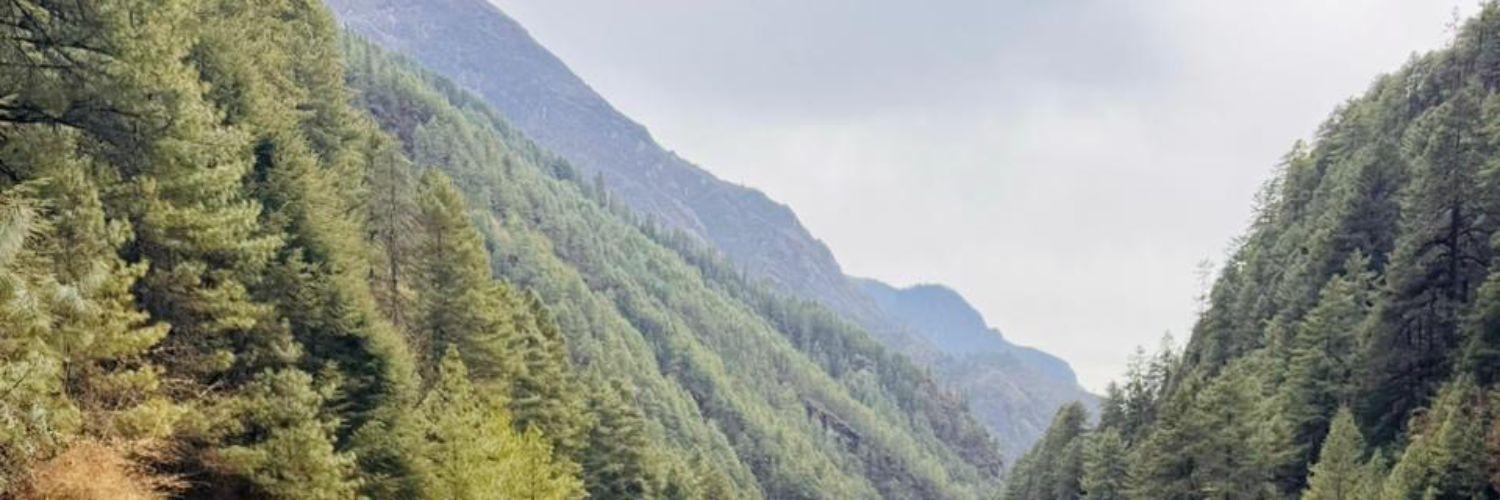
The majestic Himalayas have always beckoned the souls of wandering adventurers, restless globetrotters, and passionate mountain enthusiasts. For decades, classic journeys like the Everest Base Camp trail and the iconic Annapurna Circuit have dominated global travel bucket lists. However, as global tourism evolves, a shifting desire has taken root among modern international travelers. The contemporary trekker is no longer just looking to tick a famous landmark off a list; they are seeking solitude, raw untouched wilderness, and authentic cultural immersion. They are looking for the next frontier.
At Best Heritage Tour, we have listened closely to this changing heartbeat of the global trekking community. Travelers are constantly asking our local guides for a fresh experience - something far away from the commercial crowds, where the paths are pristine and the interactions with local communities remain deeply genuine.
As we look toward the upcoming climbing and trekking seasons, the geographical landscape of Himalayan tourism is expanding beautifully. Government bodies and local indigenous communities have collaborated to map, clear, and open magnificent hidden valleys to the world. If you are planning an escape to the mountains, exploring a New Trekking Route in Nepal in 2027 offers the ultimate opportunity to experience the country exactly as it was decades ago: wild, mysterious, and profoundly welcoming.
In this comprehensive guide, we delve into the Top 5 New Trekking Route in Nepal selections that are set to redefine adventure travel. From the sacred ridges of the east to the rugged expanses of the west, these trails promise an unforgettable encounter with the roof of the world.
Why Explore a New Trekking Route in Nepal?
Before we introduce the specific trails, it is essential to understand why choosing a newly established path elevates your entire travel experience. When you step onto a New Trekking Route in Nepal, you are not just a holiday tourist; you become a true explorer.
1. Genuine Cultural Interactions
On heavily trafficked commercial trails, local interactions can occasionally feel transactional. On these newer routes, however, you are often welcomed into villages that see only a handful of foreigners each month. You will sit by open fires, share traditional meals, and listen to folklore directly from community elders.
2. Unmatched Environmental Solitude
Imagine walking for hours through dense rhododendron forests, alpine meadows, and dramatic ridge-lines without hearing another group of trekkers. The silence of these fresh trails is a rare luxury in the modern world, offering unmatched mental clarity and a profound spiritual connection to nature.
3. Direct Economic Impact
By choosing a lesser-known path, your travel spend directly fosters sustainable development. Your tourism dollars support local family-run homestays, community porters, and independent farmers who otherwise lack access to the economic benefits of mainstream Himalayan tourism.
Top 5 New Trekking Route Options in Nepal for 2027
1. The Mundum Trek (The Kirat Cultural Trail)
Tucked away in the breathtaking expanses of Eastern Nepal, the Mundum Trek (often referred to as the Mundhum Trail) is rapidly emerging as the premier choice for travelers seeking a profound blend of indigenous culture and expansive panoramic vistas.
Kathmandu ➔ Diktel ➔ Chakhewa ➔ Maiyung Danda ➔ Rawadhap ➔ Silichung Peak ➔ Bhojpur ➔ Kathmandu
This trail is named after the Mundum - the ancient spiritual, historical, and religious scripture of the indigenous Kirat people (the Rai, Limbu, Sunuwar, and Yakkha communities). Walking this path means tracing the historical footsteps of a culture deeply rooted in nature worship.
-
Maximum Elevation: 4,153 meters at the summit of Silichung Peak.
-
Trek Duration: 11 to 13 days.
-
Physical Grading: Moderate.
-
Key Highlights:
-
Standing atop Silichung Peak provides a breathtaking view of five of the world’s highest peaks simultaneously: Mount Everest, Lhotse, Makalu, Cho Oyu, and Kanchenjunga.
-
Wandering along high-altitude alpine ridges (Dandas) lined with vibrant rhododendron and chestnut forests.
-
Experiencing authentic homestays and witnessing the timeless traditions of the Kirat communities.
-
The infrastructure here has beautifully matured over the last couple of seasons. It hits the sweet spot for 2027: wild enough to remain peaceful and uncrowded, yet developed enough to offer comfortable, locally-run teahouses and homestays.
2. Pikey Peak Trek (The Everest Panorama Alternative)
While the Pikey Peak Trek has steadily gained traction over the last few years, major trail upgrades and newly established community lodges make it a standout choice for travelers looking for a shorter, low-altitude option. This trail provides a magnificent view of the Everest range without the extreme physical toll or high-altitude risks of the classic Khumbu routes.
-
Maximum Elevation: 4,065 meters at the Pikey Peak viewpoint.
-
Trek Duration: 6 to 8 days.
-
Physical Grading: Easy to Moderate.
-
Key Highlights:
-
Famously praised by Sir Edmund Hillary as his absolute favorite viewpoint for observing Mount Everest.
-
Stunning sunrise vistas over the Central and Eastern Himalayan ranges, including Kanchenjunga, Makalu, and Dhaulagiri.
-
Visits to ancient, serene Buddhist monasteries, including the historic Thupten Choling Monastery.
-
For those who have limited time but still want to gaze upon the grandeur of Everest while wandering through tranquil Sherpa villages, Pikey Peak stands out as a highly rewarding and accessible journey.
3. Khopra Ridge Trek (The Hidden Gem of the Annapurna Region)
If your heart is set on visiting the famous Annapurna region but you dread the thought of crowded stone staircases and busy trails, the Khopra Ridge Trek (also known as the Khopra Danda Trek) is the perfect alternative. It diverges sharply from the mainstream paths, guiding you high above the classic Ghorepani circuit onto an elevated ridge that stands directly opposite the dramatic depths of the Kali Gandaki Gorge.
-
Maximum Elevation: 3,660 meters at Khopra Ridge (with an optional day hike to the sacred Khayer Lake at 4,500 meters).
-
Trek Duration: 6 to 9 days.
-
Physical Grading: Moderate to Strenuous.
-
Key Highlights:
-
An incredibly close, eye-level view of Mount Dhaulagiri (8,167 meters), Annapurna South, and Nilgiri.
-
A rewarding acclimatization day hike up to the high-altitude, sacred alpine waters of Khayer Lake.
-
Staying in unique community-owned eco-lodges, where the profits directly fund local village schools and infrastructure projects.
-
Khopra Ridge seamlessly combines breathtaking alpine terrain with meaningful, community-centric tourism, making it a highly fulfilling itinerary.
4. Machhapuchhre Model Trek (The Unexplored Annapurna Sanctuary)
The Machhapuchhre Model Trek is a newly developed trail crafted specifically to showcase the untouched wilderness tucked away near the base of the sacred, unclimbed Mount Machhapuchhre (Fishtail Mountain). Winding through seven distinct, traditional villages in the Pokhara region, this route serves as a brilliant cultural tapestry.
-
Maximum Elevation: Approximately 3,925 meters at the pristine viewpoint of Mardi Himal / Korchan.
-
Trek Duration: 7 to 9 days.
-
Physical Grading: Moderate.
-
Key Highlights:
-
Unrivaled, dramatic angles of the iconic, double-peaked Mount Machhapuchhre.
-
Immersive homestay stays within traditional Gurung, Magar, and Tamang settlements.
-
Lush paths that cut through untouched eco-zones brimming with diverse Himalayan bird species, wild orchids, and dense forests.
-
This model trail provides a refreshing alternative for nature lovers who wish to experience the raw grandeur of the Annapurna range from an entirely new perspective.
5. Bhairav Kunda Trek (The Sacred Alpine Adventure)
Located within the wild, dramatic landscapes of the Langtang and Sindhupalchowk regions, the Bhairav Kunda Trek is a recently opened spiritual and adventure trail. Bhairav represents the fierce manifestation of Lord Shiva, while Kunda translates to a sacred lake. This route is deeply revered by both Hindu and Buddhist devotees, yet it remains blissfully undiscovered by the mainstream international travel community.
-
Maximum Elevation: 4,250 meters at the shores of the sacred Bhairav Kunda lake.
-
Trek Duration: 8 to 10 days.
-
Physical Grading: Moderate to Strenuous.
-
Key Highlights:
-
Reaching a spectacular, high-altitude holy lake surrounded by a sea of colorful prayer flags.
-
Stunning, unobstructed views of the Langtang Himal, Jugal Himal, and several Tibetan mountain peaks across the nearby border.
-
A deep look into the rich, undisturbed shamanic and spiritual heritage of the resident Tamang and Sherpa communities.
-
For the traveler who wants to combine rugged wilderness exploration with an authentic taste of ancient Himalayan spirituality, Bhairav Kunda is an exceptional choice.
Comparison Table: Choosing Your Next Adventure
|
Trekking Route Name |
Maximum Elevation |
Ideal Duration |
Difficulty Level |
Best Features |
|---|---|---|---|---|
|
Mundum Trek |
4,153m |
11-13 Days |
Moderate |
5+ Eight-Thousander Peaks, Rich Kirat Culture |
|
Pikey Peak Trek |
4,065 m |
6-8 Days |
Easy-Moderate |
Sir Edmund Hillary’s Favorite View of Everest |
|
Khopra Ridge Trek |
3,660 m / 4,500 m |
6-9 Days |
Moderate-Strenuous |
Eye-level Dhaulagiri Views, Sacred Khayer Lake |
|
Machhapuchhre Model |
3,925\ m |
7-9 Days |
Moderate |
Untouched Annapurna Wilderness, Multi-Ethnic Villages |
|
Bhairav Kunda Trek |
4,250 m |
8-10 Days |
Moderate-Strenuous |
Sacred High-Altitude Lake, Panoramic Jugal Himal Views |
Essential Planning Tips for New Trails in 2027
Embarking on a lesser-known path requires a thoughtful approach to planning. Because these trails are pristine, keeping a few essential travel practices in mind ensures a smooth and safe journey:
1. Secure Expert Local Guiding
On newly opened routes, trail markings can sometimes be sparse, and English is rarely spoken in remote settlements. Traveling with an experienced, licensed local guide is vital. They serve as your navigator, cultural bridge, and safety net.
2. Embrace the Simplicity of Homestays
Many of these paths rely on community homestays rather than large commercial hotels. Prepare to enjoy simple, nourishing local meals like fresh Dal Bhat (lentil soup and rice) and sleep in cozy, rustic rooms. This simplicity is precisely what makes the journey so memorable.
3. Practice Strict Pack-In, Pack-Out Tourism
Because these eco-systems do not yet have advanced waste management infrastructure, it is our collective responsibility to keep them immaculate. Always carry reusable water bottles, avoid single-use plastics, and ensure you pack out all non-biodegradable waste.
Conclusion
The year 2027 marks a thrilling chapter for global travel, offering a unique window to experience the Himalayas in their truest, most unaltered state. Choosing a New Trekking Route in Nepal allows you to break away from standard itineraries and create a journey defined by genuine discovery, absolute serenity, and lasting memories. Whether you find yourself standing atop Silichung Peak on the culturally rich Mundum Trek or gazing at the Everest panorama from the quiet heights of Pikey Peak, these fresh horizons promise an unforgettable adventure.
At Best Heritage Tour, we specialize in designing sustainable, expertly guided, and deeply authentic journeys across these newly uncovered corners of Nepal. Our deep roots within local communities ensure your trek is safe, enriching, and seamlessly organized from start to finish.
Let us help you map out your next great adventure.
Phone / WhatsApp / Viber: +977-9851149197 / +977-9810043046
Email: info@bestheritagetour.com / bestheritagetour@gmail.com
Website: www.bestheritagetour.com
Office: Thamel Marg, Kathmandu, Nepal
Author: Best Heritage Tour
Date: 19th May, 2026