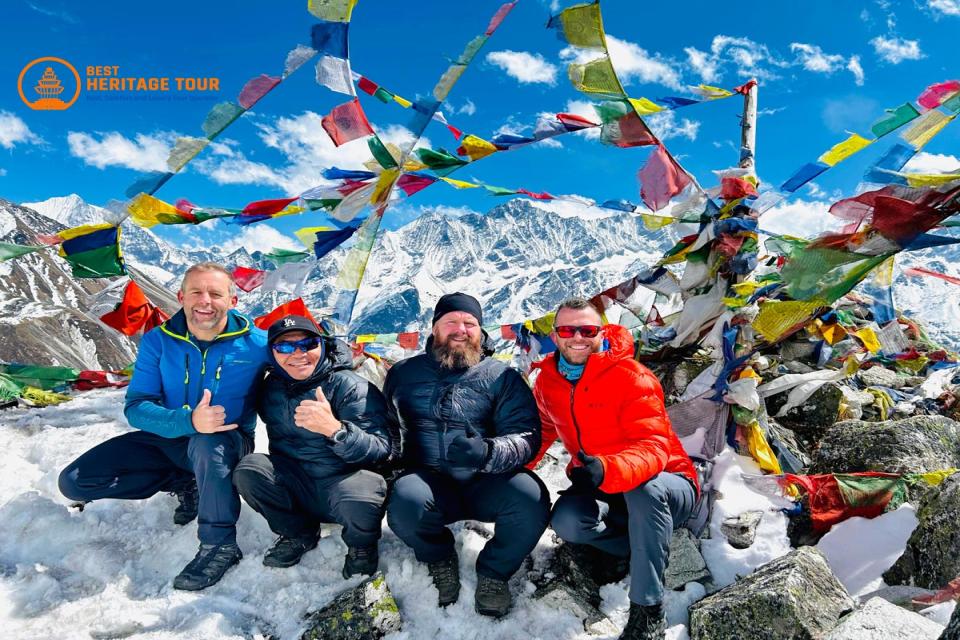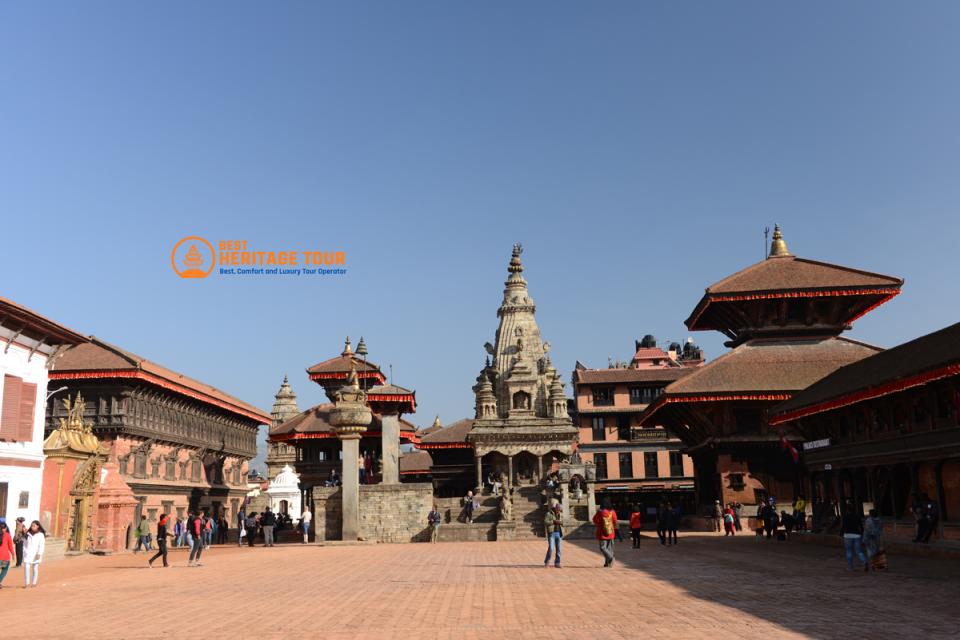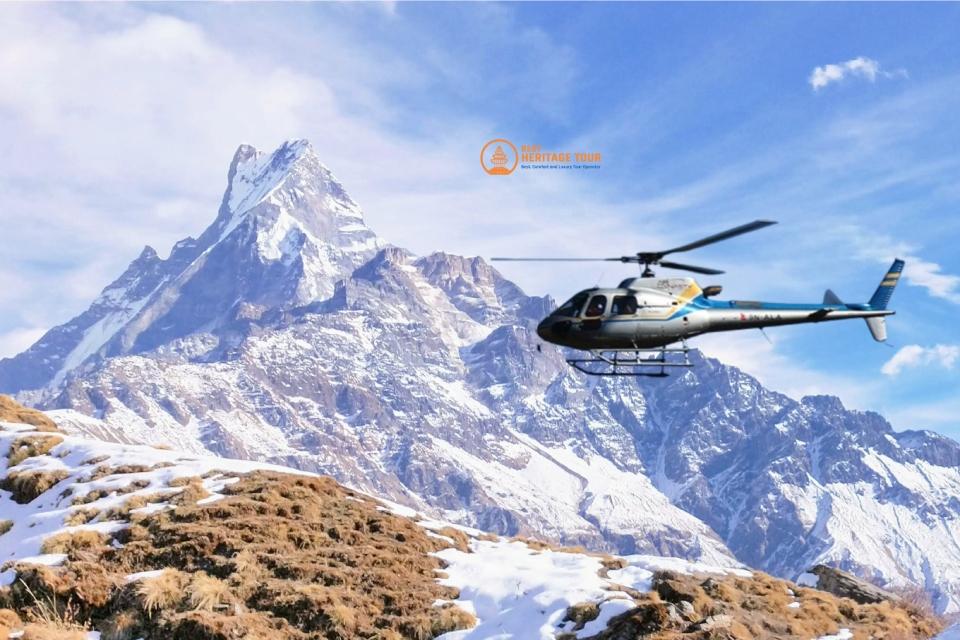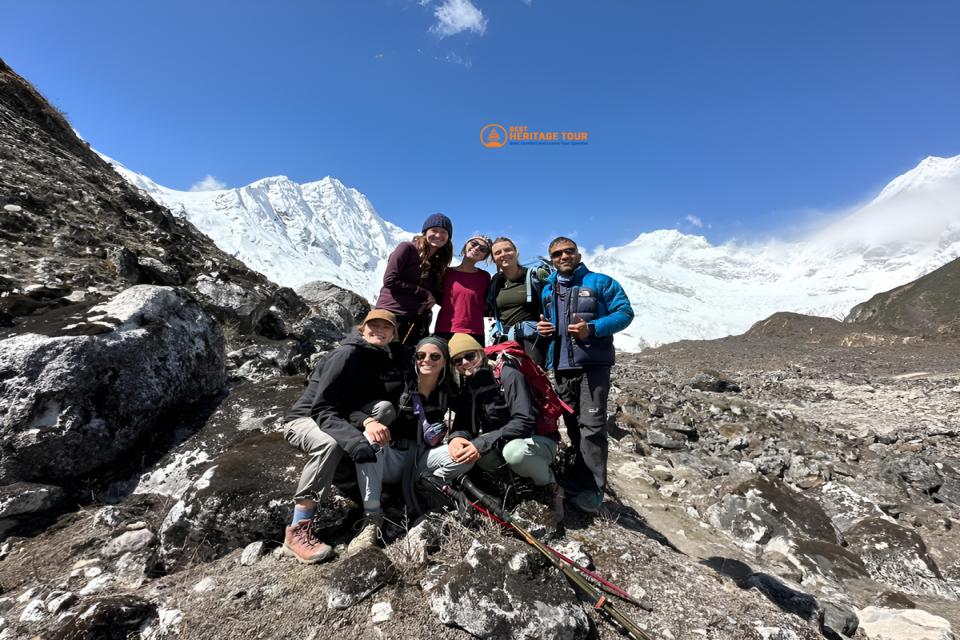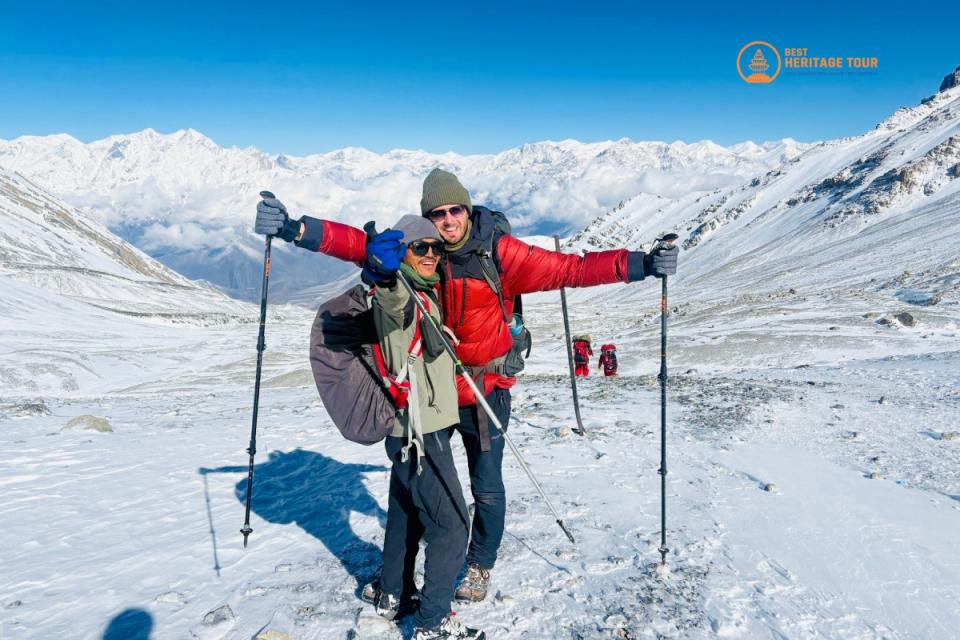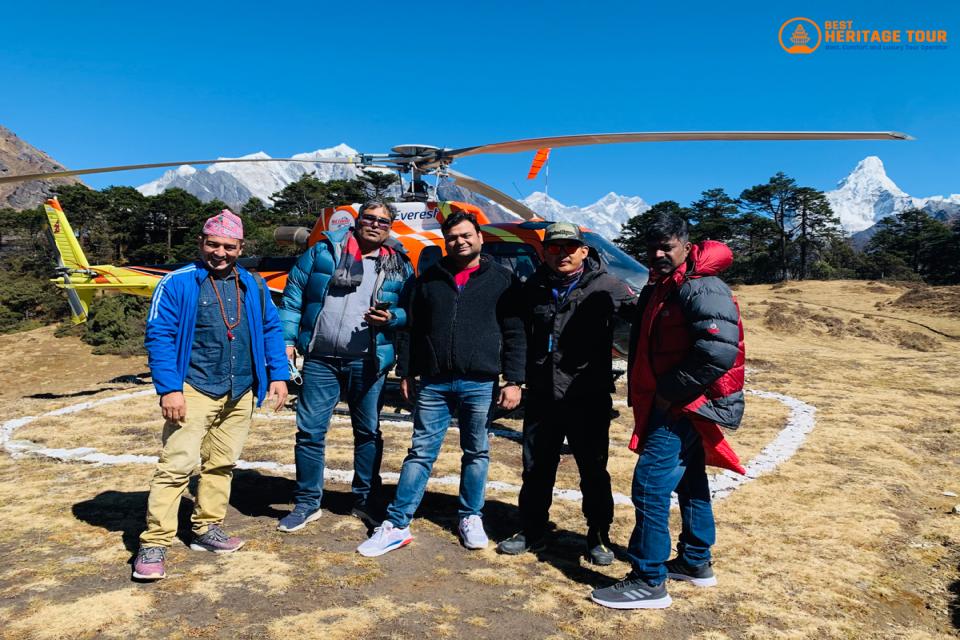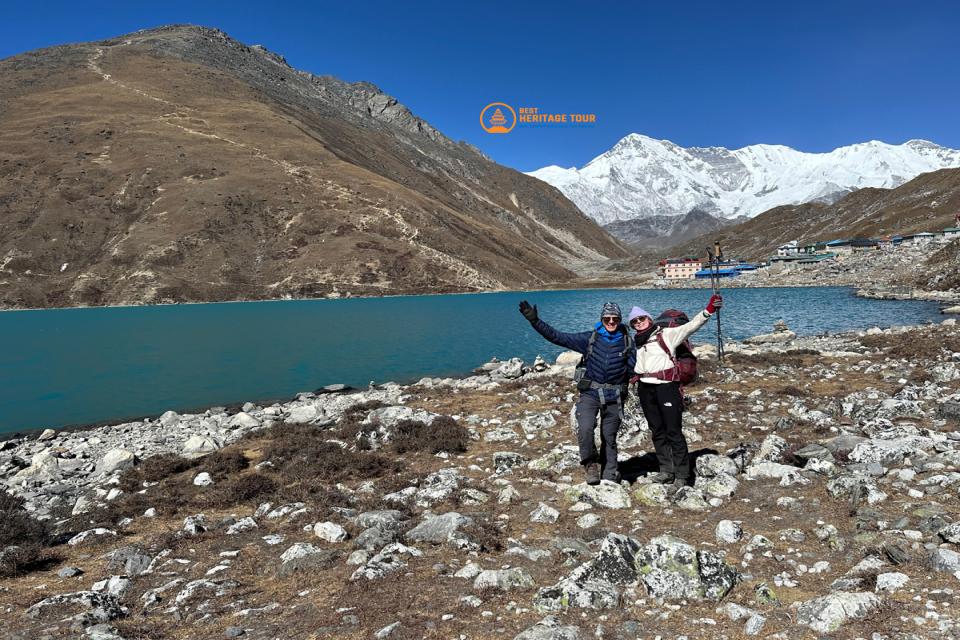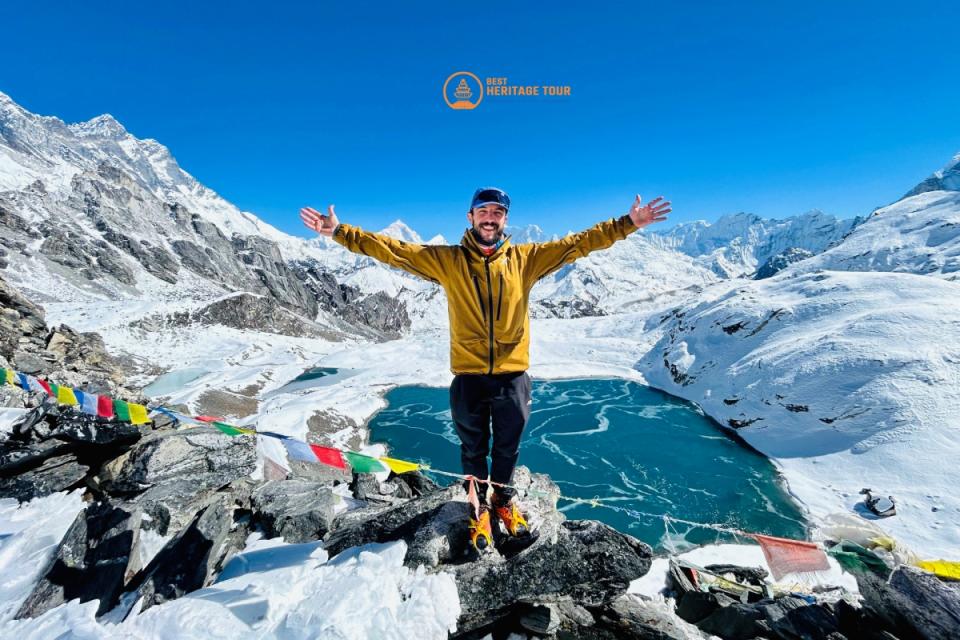
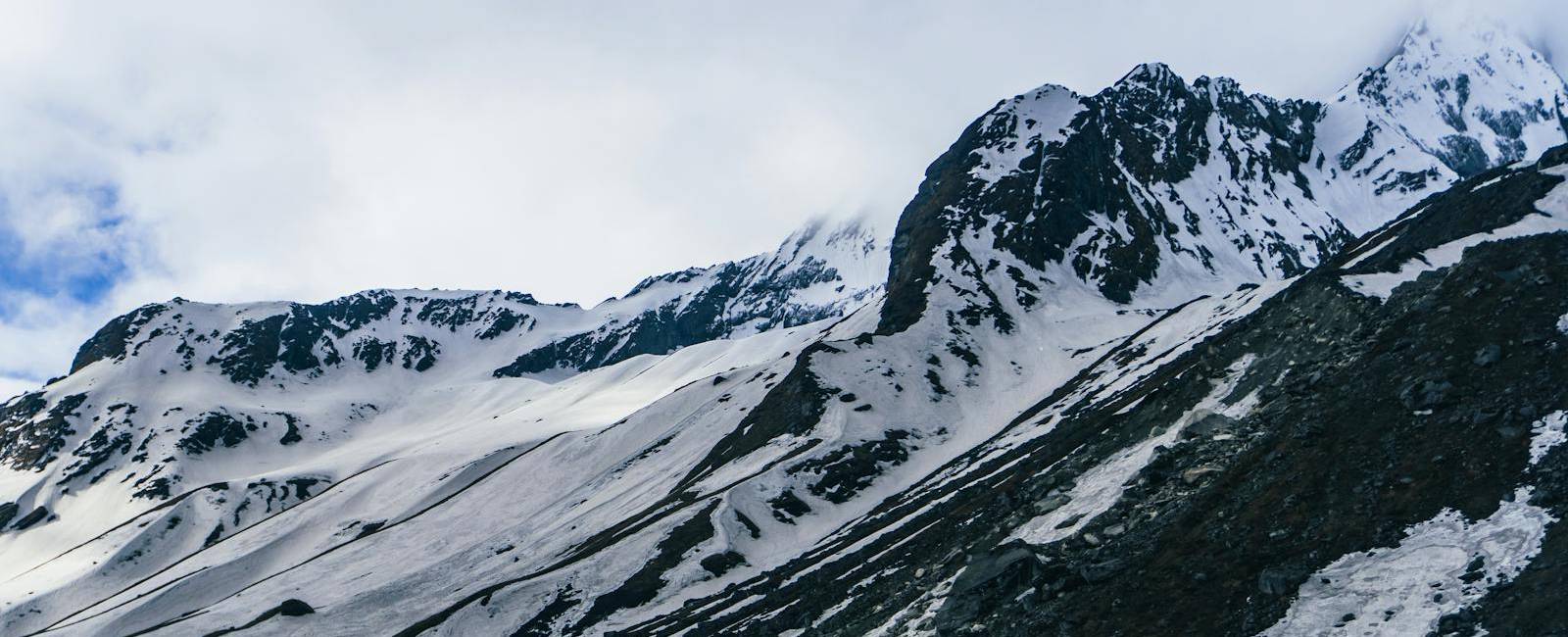
January is the heart of winter in Nepal, bringing crisp mountain air, cold mornings, clear Himalayan views, and a quieter atmosphere across many of the country's famous tourist destinations. While January is not traditionally considered the peak trekking season, Nepal remains open for travel, and the winter months can offer a very different experience from the busy spring and autumn seasons.
For trekkers, January presents both opportunities and challenges. Lower-altitude trekking routes can be comfortable during sunny daytime hours, while high-altitude trails may experience freezing temperatures, snowfall, icy sections, and limited services. At the same time, travelers who enjoy peaceful sightseeing, cultural experiences, wildlife tours, photography, and winter landscapes can find January an appealing time to explore Nepal.
At Best Heritage Tour, we help travelers plan Nepal trips according to the season, destination, altitude, and individual travel preferences. This Nepal in January travel guide covers everything you need to know for a comfortable Nepal trip.
Is January a Good Time to Visit Nepal?
Yes, Nepal can be visited in January, but the experience is different from traveling during the popular spring and autumn seasons.
Nepal can be visited throughout the year, and even during December and January, travelers can experience bright sunshine and excellent mountain views. However, winter temperatures become considerably colder as elevation increases, and high mountain areas can experience sub-zero conditions.
January is particularly suitable for travelers who prefer:
-
Fewer tourists at major attractions
-
Peaceful city sightseeing
-
Clear Himalayan scenery when conditions are favorable
-
Wildlife experiences in lower-altitude regions
-
Short and lower-altitude hikes
-
Winter photography
-
A quieter trekking experience
For high-altitude trekkers, however, January requires more preparation. Snow, ice, cold temperatures, shorter daylight hours, and possible changes in trail or accommodation conditions can make some routes significantly more challenging.
Therefore, whether Nepal in January is a good choice depends largely on what type of experience you are looking for.
Nepal Weather in January
January is one of the coldest months of the year in Nepal. The country's weather varies dramatically because of its enormous elevation range, from the lowland Terai to the high Himalayas.
Temperatures can fall by around 6°C for every 1,000 meters of elevation gain. This means that a winter morning in Kathmandu can feel very different from conditions at a high Himalayan trekking destination.
The official winter averages for Kathmandu, Pokhara, and Chitwan provide a useful general reference:
|
Destination |
Average Winter Maximum |
Average Winter Minimum |
|---|---|---|
|
Kathmandu |
Around 19.3°C |
Around 3°C |
|
Pokhara |
Around 20.3°C |
Around 7.7°C |
|
Chitwan |
Around 24.1°C |
Around 8.3°C |
These figures represent the broader December-February winter period rather than a specific daily January forecast.
In general, January days can be sunny and pleasant in lower elevations, while mornings and nights are considerably colder. In high-altitude trekking areas, temperatures can drop well below freezing.
What Is the Weather Like in Kathmandu in January?
Kathmandu is generally cold in the morning and evening during January, while sunny daytime conditions can be relatively comfortable.
The Kathmandu Valley has a winter climate with average temperatures around 2°C to 12°C, although daytime temperatures can rise higher depending on sunshine and weather conditions.
January is therefore a good month for exploring Kathmandu's cultural attractions if you are prepared for chilly mornings.
Nepal in January: Weather in Pokhara
Pokhara is another excellent winter destination. The city generally experiences milder winter conditions than high-altitude mountain areas, and January can provide comfortable daytime conditions for sightseeing and outdoor activities.
Pokhara is the gateway to many popular Annapurna trekking routes and is surrounded by spectacular Himalayan scenery. The city itself offers attractions such as Phewa Lake, World Peace Pagoda, Davis Falls, and nearby viewpoints.
Pokhara records an average winter maximum of around 20.3°C and a winter minimum of around 7.7°C.
Trekking in Nepal in January
One of the most common questions travelers ask is whether it is possible to trek in Nepal in January.
The answer is yes, but the trek must be selected carefully. Trekking conditions in January depend heavily on altitude, route, snowfall, accommodation availability, and current trail conditions.
At lower elevations, January trekking can be enjoyable, particularly on shorter routes. At higher elevations, winter conditions can become demanding.
Can You Do Everest Base Camp Trek in January?
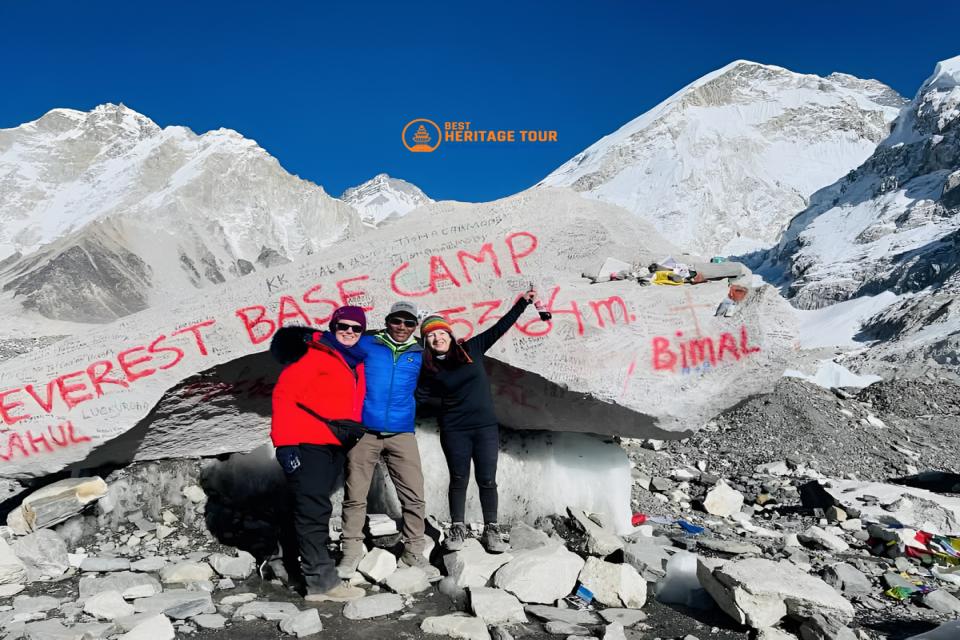
The Everest Base Camp Trek in January is possible, but it is a winter expedition-style trekking experience rather than the more straightforward journey many travelers associate with the spring and autumn seasons.
The Everest region reaches high elevations, and temperatures become extremely cold in winter. Snow and ice can affect trails, and some services may operate differently during the colder months.
For a January Everest Base Camp Trek, travelers should therefore work with an experienced trekking company that can monitor weather and trail conditions and make appropriate itinerary decisions.
Annapurna Trekking in January
The Annapurna region offers a wide variety of trekking experiences, from relatively lower-altitude short treks to demanding high-altitude routes.
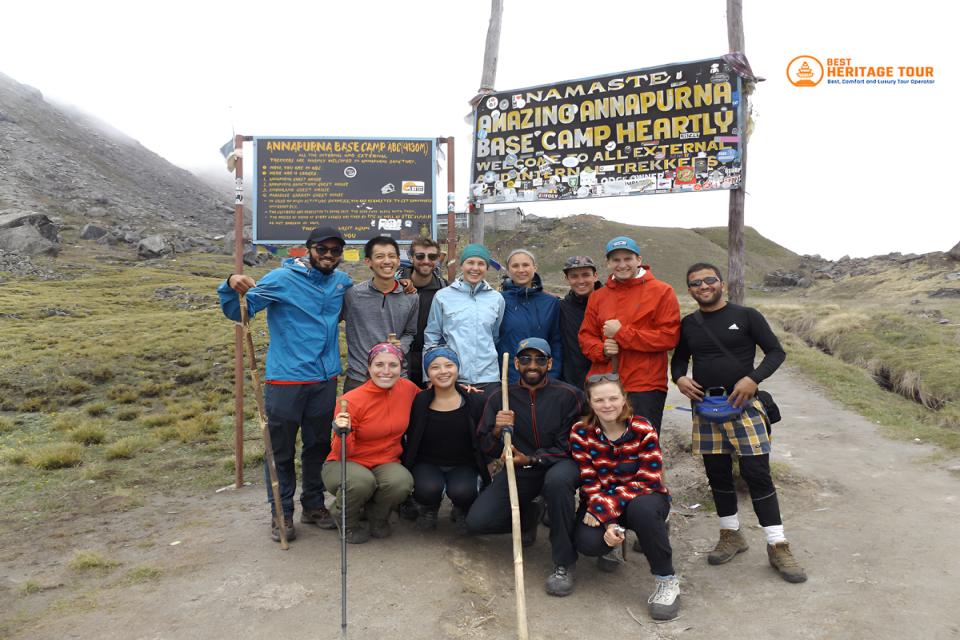
The Annapurna region includes popular destinations around Annapurna, Manang, Mustang, Jomsom, Ghandruk, and Annapurna Base Camp. This makes January trekking in the Annapurna region highly dependent on the specific route.
Lower-altitude options can be more practical for winter travel, while high-altitude routes require significantly more preparation.
Travelers looking for a winter trekking experience can consider routes such as:
-
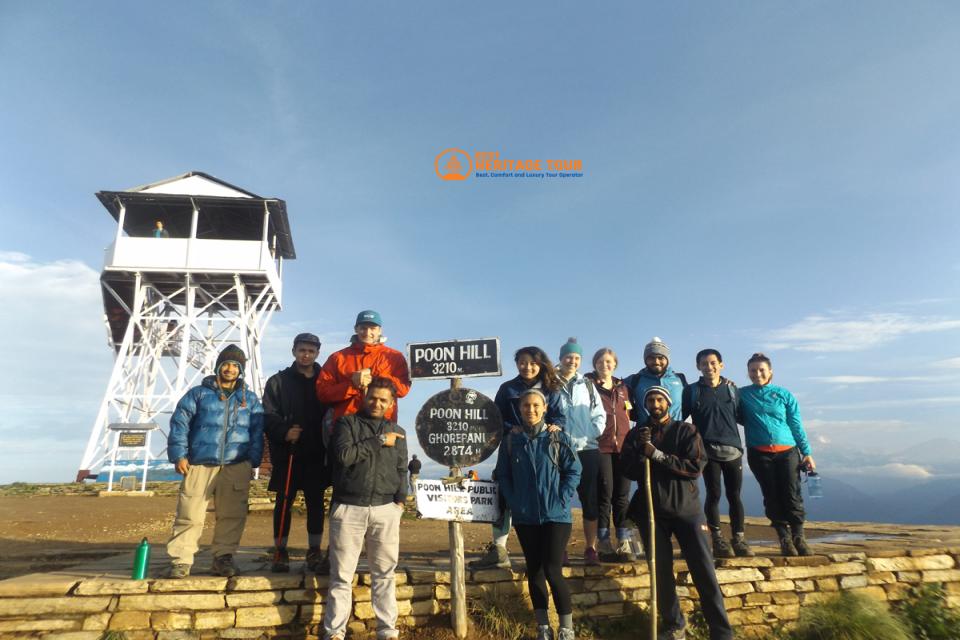
Ghorepani Poon Hill Trek
-
Ghandruk Trek
-
Dhampus Trek
-
Australian Camp Trek
-
Lower-altitude Annapurna short treks
Higher routes should be assessed according to current snow, weather, accommodation, and trail conditions before departure.
Langtang Trek in January
The Langtang region is another popular trekking destination in Nepal.
A Langtang Trek in January can offer peaceful trails and winter mountain scenery, but the increasing altitude brings colder conditions and potential snowfall.
The route reaches elevations where winter conditions need to be taken seriously. Trekkers should carry appropriate thermal layers, sleeping equipment, trekking footwear, and other cold-weather essentials.
As with other high-altitude treks, itinerary flexibility is important. A professional local trekking company can monitor conditions and recommend changes when necessary.
Advantages of Visiting Nepal in January
January has several advantages for travelers who are prepared for winter conditions.
Fewer Crowds
January generally falls outside Nepal's major trekking peak seasons. Travelers may experience a quieter atmosphere at many destinations compared with the busiest months.
Winter Mountain Views
Dry winter conditions can create beautiful Himalayan scenery. Even during the colder months, travelers can experience bright sunshine and brilliant mountain views.
Peaceful Cultural Experiences
The quieter environment can be particularly enjoyable for travelers exploring temples, monasteries, heritage squares, and traditional villages.
Lower-Altitude Travel Can Be Comfortable
While the high mountains are cold, destinations such as Kathmandu, Pokhara, and Chitwan have considerably more manageable winter conditions.
Unique Winter Atmosphere
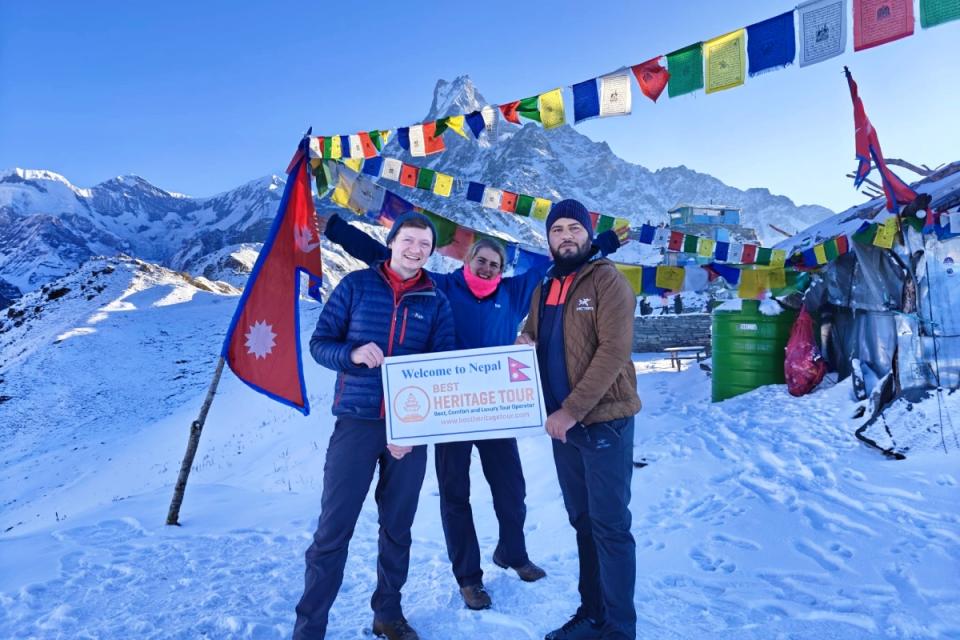
Snow-covered landscapes, cold mountain mornings, warm local meals, and quiet trails create an atmosphere that is very different from peak-season Nepal travel.
Challenges of Traveling to Nepal in January
Winter travel also comes with several considerations.
The biggest factor is temperature. As elevation increases, conditions become progressively colder, and high-altitude areas may fall below freezing.
Other potential challenges include:
-
Snowfall at higher elevations
-
Icy trails
-
Cold accommodation
-
Shorter daylight hours
-
Reduced services on some high-altitude routes
-
Flight delays caused by weather
-
Need for additional winter equipment
Travelers should avoid planning an overly tight schedule during January. A few buffer days can be useful when trekking or flying to mountain destinations.
Accommodation During Winter in Nepal
Accommodation varies significantly according to destination.
In Kathmandu, Pokhara, Chitwan, and other major tourist destinations, travelers can choose from hotels across different categories.
In trekking areas, accommodation is generally provided by teahouses and lodges. At higher elevations during winter, however, availability and operating conditions can differ from the peak trekking seasons.
It is therefore advisable to arrange accommodation in advance for January trekking, particularly for routes that reach higher elevations.
Travelers should also understand that heating facilities can vary between city hotels and mountain teahouses. A sleeping bag and suitable thermal clothing can make a major difference to comfort during cold trekking nights.
Is Nepal in January Suitable for Families and First-Time Travelers?
Yes, Nepal can be suitable for families and first-time travelers in January, particularly when the itinerary focuses on lower-altitude destinations.
A winter Nepal itinerary can combine Kathmandu sightseeing, Pokhara, Chitwan, cultural attractions, short hikes, and comfortable accommodation.
Families traveling with children or older travelers should be more cautious about choosing very high-altitude trekking routes in January because of cold temperatures and challenging winter conditions.
Instead, shorter hikes and cultural tours can provide an excellent introduction to Nepal without requiring prolonged exposure to extreme cold.
Final Thought
Nepal in January offers a unique combination of crisp winter weather, peaceful trails, cultural experiences, Himalayan scenery, and opportunities for adventure. While the high mountains can be extremely cold, lower-altitude destinations such as Kathmandu, Pokhara, Chitwan, and surrounding hill areas remain attractive for winter travelers.
At Best Heritage Tour, we are committed to helping travelers experience Nepal safely, comfortably, and meaningfully. From customized Nepal tours and winter trekking packages to transportation, accommodation, permits, local guides, and complete travel arrangements, our team can help turn your January travel plans into a memorable Himalayan journey.
Ready to explore Nepal this January?
Phone / WhatsApp / Viber: +977-9851149197 / +977-9810043046
Email: info@bestheritagetour.com / bestheritagetour@gmail.com
Website: www.bestheritagetour.com
Office: Thamel Marg, Kathmandu, Nepal
Frequently Asked Questions
Is January a good month for Nepal?
January can be a good month for Nepal travel, particularly for cultural sightseeing, wildlife tours, lower-altitude hikes, and travelers who enjoy peaceful winter conditions. High-altitude trekking requires additional preparation because of cold temperatures and possible snow.
Is Nepal cold in January?
Yes. January is one of Nepal's coldest months. Kathmandu and Pokhara are much milder than the high mountains, while high-altitude trekking destinations can experience freezing and sub-zero temperatures.
Can you trek in Nepal in January?
Yes, trekking is possible in January. However, route selection is important. Lower-altitude treks are generally easier to manage, while high-altitude routes require appropriate winter equipment, acclimatization, and careful monitoring of weather and trail conditions.
Can I do Everest Base Camp in January?
Everest Base Camp can be trekked in January, but winter conditions are demanding. Travelers should be prepared for freezing temperatures, snow and ice, and possible changes to the itinerary.
Is Annapurna Base Camp open in January?
Winter conditions can affect higher sections of the Annapurna Base Camp route. Travelers should check current trail, weather, and accommodation conditions before departure and plan with experienced local trekking support.
Does it snow in Nepal in January?
Snowfall is possible in higher Himalayan areas during January. Whether a particular trekking route receives snow depends on elevation, weather patterns, and local conditions.
Author: Best Heritage Tour
Date: 21st September, 2026