If you dream of experiencing the warm hospitality, ancient monasteries, and vibrant Himalayan traditions of the Sherpa people but don't have the two weeks or high-altitude endurance required for the Everest region, you might wonder: What is the nearest place from Kathmandu to see authentic Sherpa culture?
The answer lies just a short drive northeast of the capital rim: the Helambu Region.
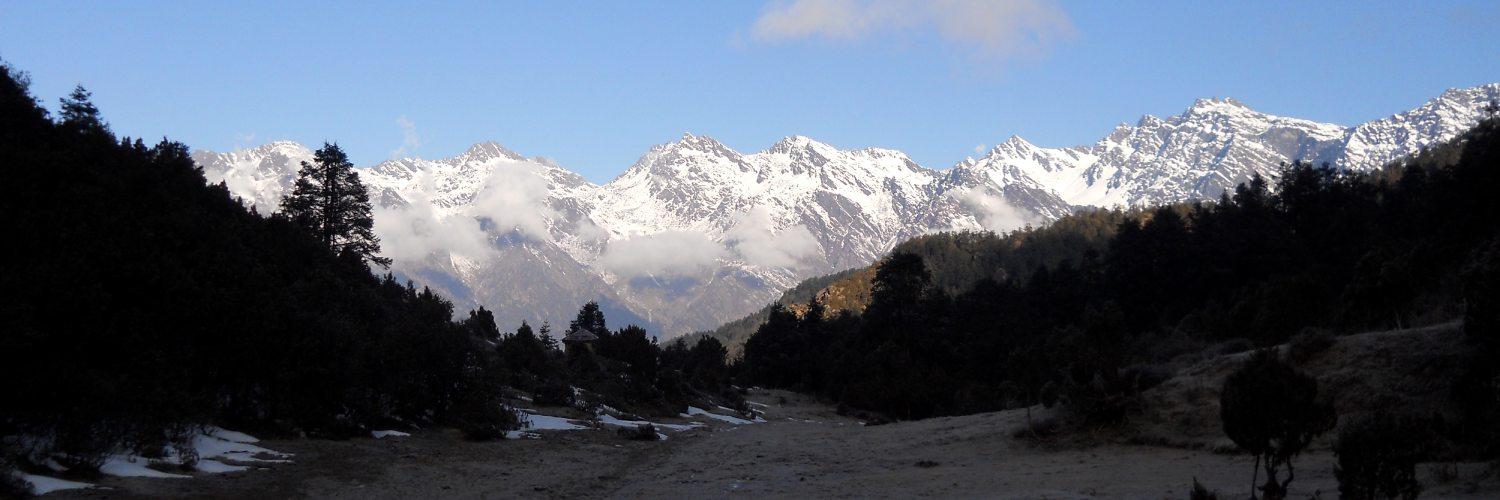
Nestled in the lush foothills of the Langtang Himalayas, Helambu is a pristine sanctuary where Tibetan Buddhism, dramatic mountain vistas, and a unique cultural synthesis flourish. Here, in the shadow of snow-capped peaks, you will find the Hyolmo people - an indigenous high-altitude mountain community closely tied to the Sherpas in heritage, language, and spiritual life.
At Best Heritage Tour, we have guided cultural explorers, families, and solo trekkers through these sacred valleys for years. Below, we break down everything you need to know about experiencing authentic mountain culture on Kathmandu’s doorstep.
Key Cultural Takeaways
-
Distance from Kathmandu: Just 72 km (approx. 1 to 2 hours drive to the trailhead at Sundarijal).
-
Primary Cultural Group: The Hyolmo people (often referred to as Hyolmo Sherpas), alongside Tamang communities.
-
Max Elevation: 3,690 meters at Tharepati Bhanjyang - making it safe and accessible without severe altitude sickness risks.
-
Key Cultural Hubs: Tarkeghyang, Melamchighyang, Sermathang, and the sacred peak of Ama Yangri.
-
Ideal Trip Duration: 5 to 7 days on the classic Helambu Circuit Trek.
Why Helambu is the Nearest Place Around Kathmandu to See Authentic Sherpa Culture
When most international travelers think of Sherpa culture, their minds immediately fly to Lukla, Namche Bazaar, and the Khumbu valley surrounding Mount Everest. However, getting to the Everest region requires long domestic flights, expensive logisitical preparation, and a commitment of at least 12 to 14 days.
By contrast, Helambu provides an authentic, high-mountain cultural experience without the long transit or extreme altitude challenges.
1. Instant Accessibility
The trailhead at Sundarijal begins under an hour's drive from central Kathmandu. You can leave your hotel after breakfast and be walking under prayer flags through oak and rhododendron forests by late morning.
2. Moderate, Gentle Altitudes
While the Khumbu region forces trekkers to spend days above 4,000 meters, the highest point on the Helambu Circuit Trek is Tharepati at 3,690 meters. This makes it the ideal destination for families, senior travelers, or first-time Himalayan hikers who want genuine cultural immersion without heavy physical strain.
3. Preserved Isolation and Authenticity
Because commercial trekking routes in Nepal shifted toward Everest and Annapurna over recent decades, Helambu has retained a peaceful, intimate atmosphere. Village life here moves at a traditional pace driven by agriculture, animal husbandry, and Buddhist ritual.
Deciphering the Cultural Tapestry: Hyolmo Culture Meets Sherpa Heritage
A frequent question our guests ask at Best Heritage Tour is: "Are the people of Helambu true Sherpas?"
The answer is rooted in a rich historical blend of mountain geography and ethnic ancestry.
Who Are the Hyolmo People?
The indigenous inhabitants of the Helambu valley are the Hyolmo (or Yolmo) people. Historically originating from Tibet centuries ago, they settled in this hidden valley (Beyul Yolmo) - a sacred sanctuary blessed by the 8th-century Buddhist master Guru Rinpoche (Padmasambhava).
Because the Hyolmo share identical Nyingma Buddhist religious practices, high-altitude livelihoods, traditional clothing, and linguistic roots with the Sherpas of Solukhumbu, they are widely recognized and self-identified as part of the broader Sherpa cultural umbrella - frequently called Hyolmo Sherpas.
Cultural Markers You Will Experience in Helambu
-
Architecture (Ghyangs & Stone Houses): Villages in Helambu are famed for their heavy stone masonry, hand-carved wooden windows, and centuries-old village monasteries known locally as Ghyangs.
-
Spiritual Symbols: Walking from village to village, you will pass along Mani walls (stones carved with the mantra Om Mani Padme Hum) and chortens. In local tradition, always pass these sacred monuments on your right side (clockwise).
-
Warm Hospitality: Hyolmo culture places deep pride in welcoming guests into their homes and teahouses with hot butter tea (Su Chya), local apple cider, and traditional flatbreads.
Key Villages and Sacred Sites in the Helambu Region
When exploring the nearest place around Kathmandu to see authentic Sherpa culture, several historic villages and sacred landmarks form the core of the experience:
1. Tarkeghyang (2,560m) - The Cultural Capital
Tarkeghyang is widely considered the cultural heart of Helambu. Famous for its historic monastery (built in the 18th century) and master woodcarvers, this village offers a glimpse into high-mountain artisanal heritage. The village elders preserve traditional crafts, intricate thangka painting, and folk songs passed down through generations.
2. Melamchighyang (2,590m) - Caves of the Great Guru
Nestled amidst dense forest across the Melamchi River valley, Melamchighyang is deeply revered by pilgrims. Legend holds that Guru Rinpoche meditated in the cliff caves above the village during his journey across the Himalayas. The village monastery features vibrant murals, butter lamps, and peaceful meditation courtyards.
3. Sermathang (2,620m) - Orchards and Panoramic Vistas
Perched high on a scenic ridge, Sermathang is famous for its sweet organic apple orchards, terraced farms, and clear views of the Jugal Himal range. On a clear day, you can gaze across rolling green ridges to distant snow-covered peaks stretching toward the Tibetan border.
4. Ama Yangri Peak (3,771m) - The Sacred Sentinel
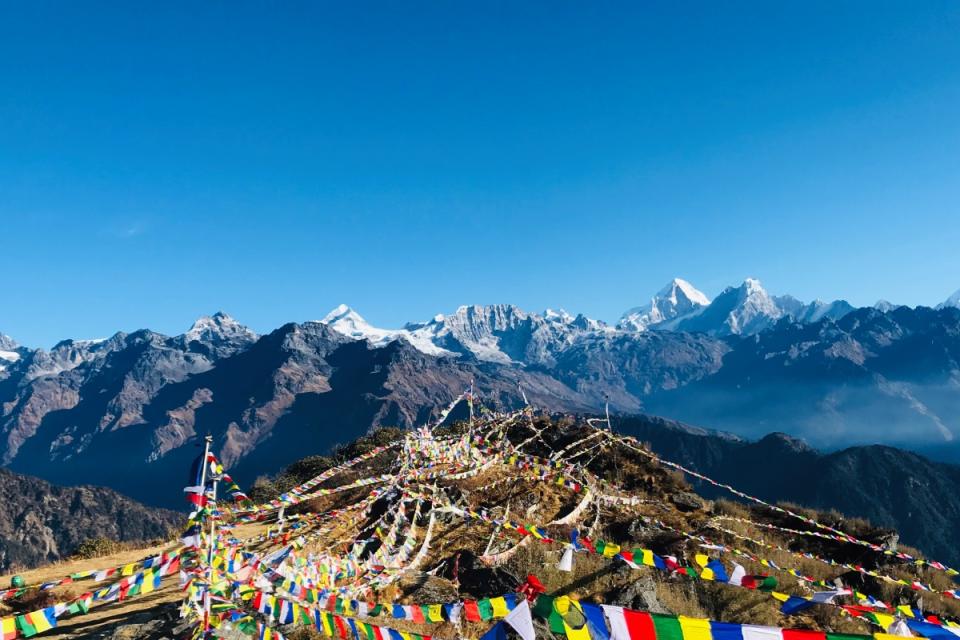
Rising directly above Tarkeghyang, Ama Yangri is the highest peak in the immediate Helambu area and the most sacred pilgrimage point for the Hyolmo community. Local belief holds that the peak is protected by a female deity who guards the entire valley. Climbing to the prayer-flag-draped summit at sunrise rewards hikers with a 360-degree panorama of Langtang Lirung, Dorje Lakpa, and Ganesh Himal.
The Signature 6-Day Helambu Circuit Trek Itinerary
At Best Heritage Tour, our team of local travel experts has refined the ultimate 6-day cultural route. This itinerary balances physical hiking with rich village interactions and spiritual exploration.
Day 1: Drive from Kathmandu to Sundarijal, Trek to Chisapani
-
Walking Time: 4-5 hours | Distance: ~12 km | Max Elevation: 2,195 meters
-
Highlights: Morning drive to Sundarijal. We enter Shivapuri Nagarjun National Park, passing tropical reservoirs, oak forests, and Tamang farming settlements. Arrive in Chisapani in time for a stunning sunset over the Ganesh Himal and Langtang ranges.
Day 2: Chisapani to Kutumsang
-
Walking Time: 5-6 hours | Distance: ~14 km | Max Elevation: 2,470 meters
-
Highlights: Descend gently through Pati Bhanjyang before ascending along forest ridges through Gul Bhanjyang. The trail showcases traditional terraced farms and rural hill community lifestyle.
Day 3: Kutumsang to Tharepati
-
Walking Time: 5-6 hours | Distance: ~13 km | Max Elevation: 3,690 meters
-
Highlights: Climb through ancient rhododendron, fir, and pine forests. As you cross Kyuola Bhanjyang, mountain vistas widen significantly. Tharepati is the highest overnight stop on the trek, providing sweeping views of the central Himalayas.
Day 4: Tharepati to Melamchighyang & Tarkeghyang
-
Walking Time: 6 hours | Distance: ~14 km | Max Elevation: 2,560 meters
-
Highlights: A scenic descent through dense forests leads to Melamchighyang, where we stop to visit ancient Buddhist caves. After crossing the Melamchi Khola river, ascend into Tarkeghyang - the prime hub of Hyolmo culture.
Day 5: Excursion to Ama Yangri Peak & Trek to Sermathang
-
Walking Time: 6-7 hours (including peak ascent) | Max Elevation: 3,771 meters
-
Highlights: Early morning pilgrimage hike to Ama Yangri Peak for sunrise. Marvel at panoramic views across Jugal Himal, Langtang, and Gauri Shankar. After descending, trek through calm forests to the ridge village of Sermathang.
Day 6: Sermathang to Melamchi Pul Bazaar, Drive to Kathmandu
-
Walking Time: 3-4 hours | Drive Time: 3-4 hours
-
Highlights: Walk down through terraced farmlands and small hamlets to Melamchi Pul Bazaar. Meet our private vehicle for a comfortable drive back to Kathmandu, concluding your cultural loop.
Conclusion
You don't need weeks of travel or extreme mountain flights to immerse yourself in authentic Buddhist culture and mountain traditions. The Helambu Region stands as the ultimate, nearest place from Kathmandu to see authentic Sherpa culture - a sacred sanctuary of Hyolmo heritage, historic monasteries, and majestic Himalayan scenery.
Ready to step off the beaten track and experience the warmth of the Hyolmo valley with trusted local experts?
Book Your Helambu Cultural Experience Today!
Phone / WhatsApp / Viber: +977-9851149197 / +977-9810043046
Email: info@bestheritagetour.com / bestheritagetour@gmail.com
Website: www.bestheritagetour.com
Office: Thamel Marg, Kathmandu, Nepal
Frequently Asked Questions (FAQ Section)
What is the nearest place from Kathmandu to see authentic Sherpa culture?
The Helambu region (located roughly 72 km northeast of Kathmandu) is the closest destination to the capital to experience authentic Sherpa and Hyolmo mountain culture. The trailhead at Sundarijal is just an hour's drive from central Kathmandu.
What is the difference between Sherpa culture and Hyolmo culture in Helambu?
The Hyolmo (Yolmo) people are the indigenous inhabitants of the Helambu valley. They share strong Tibetan ancestral roots, Nyingma Buddhist practices, traditional clothing, and cultural traditions with the Sherpas of Everest. Because of these deep cultural and historical ties, they are often known as Hyolmo Sherpas.
How hard is the Helambu Circuit Trek?
The Helambu Circuit Trek is rated as easy to moderate. Reaching a maximum elevation of 3,690 meters at Tharepati, it is far less physically demanding than high-altitude treks like Everest Base Camp or Annapurna Circuit, making it ideal for beginners and families.
Do I need domestic flights to visit Helambu?
No. Unlike the Everest region, Helambu requires no domestic flights. The entire route is accessible by private vehicle or local jeep directly from Kathmandu.
What is the best season to visit the Helambu region?
The best months are Autumn (September to November) for clear skies and mountain panoramas, and Spring (March to May) for blooming wild rhododendrons and pleasant temperatures.
Author: Best Heritage Tour
Date: 26th July, 2026