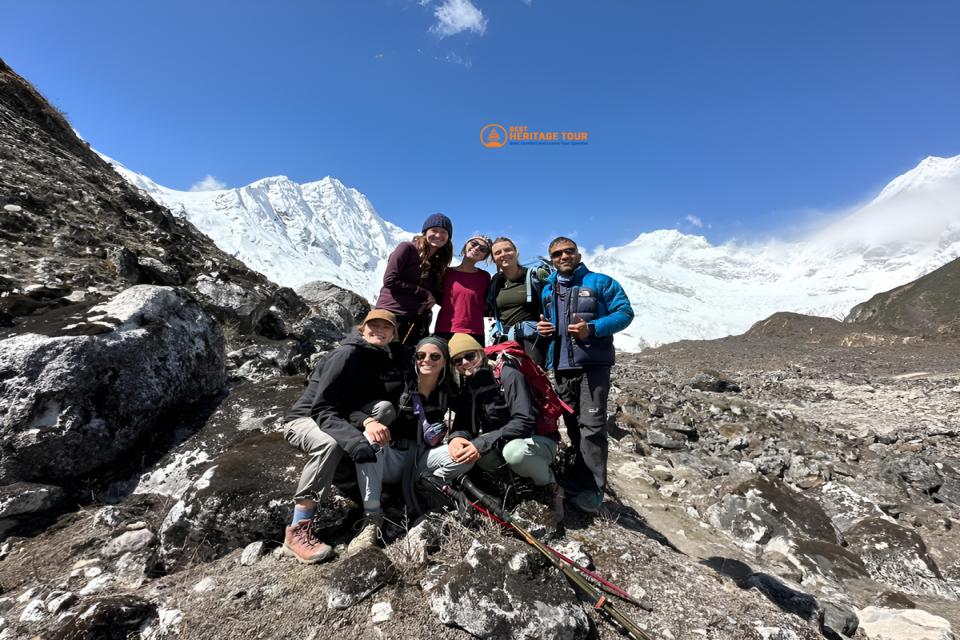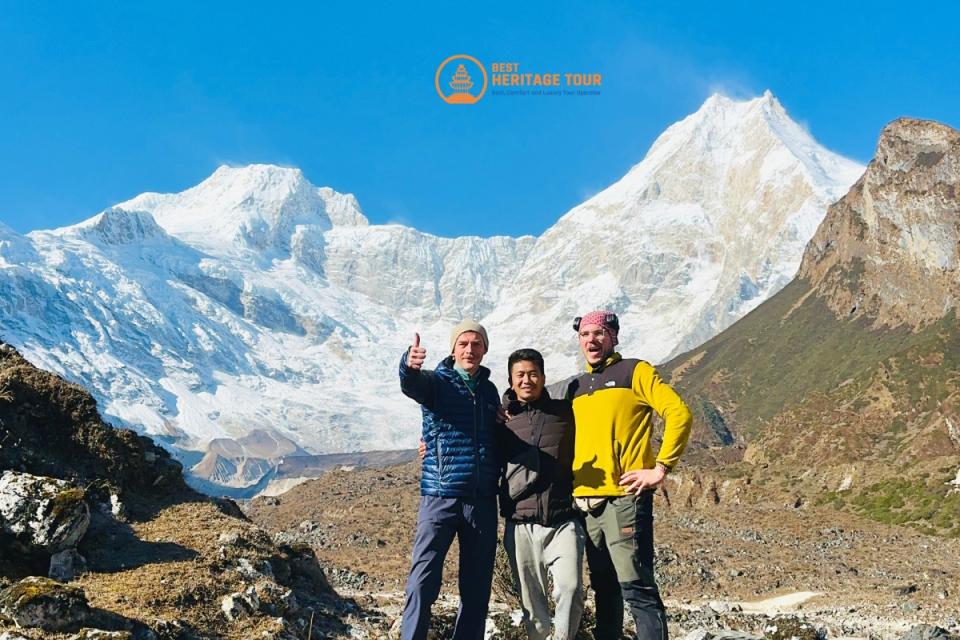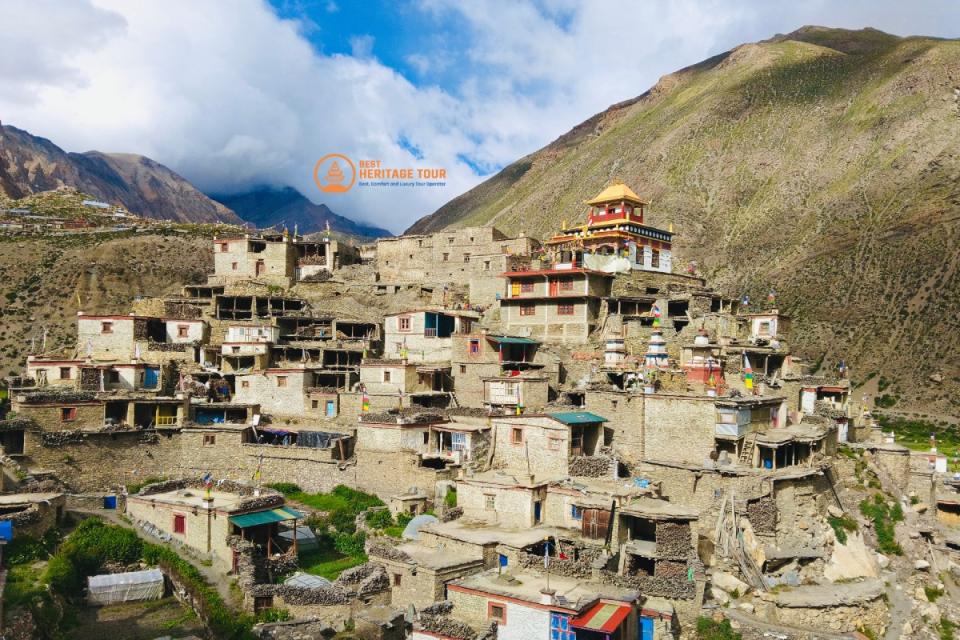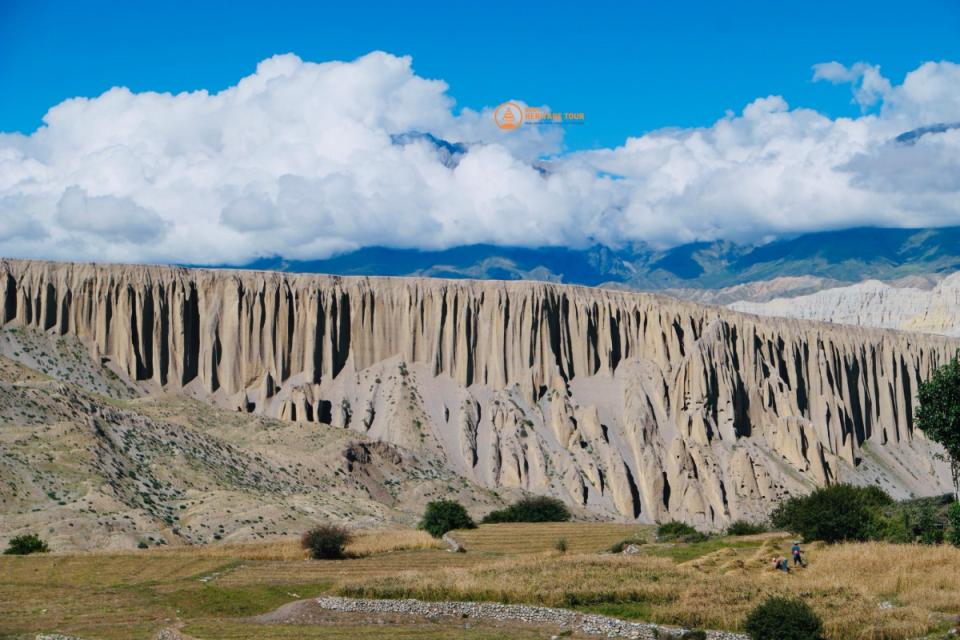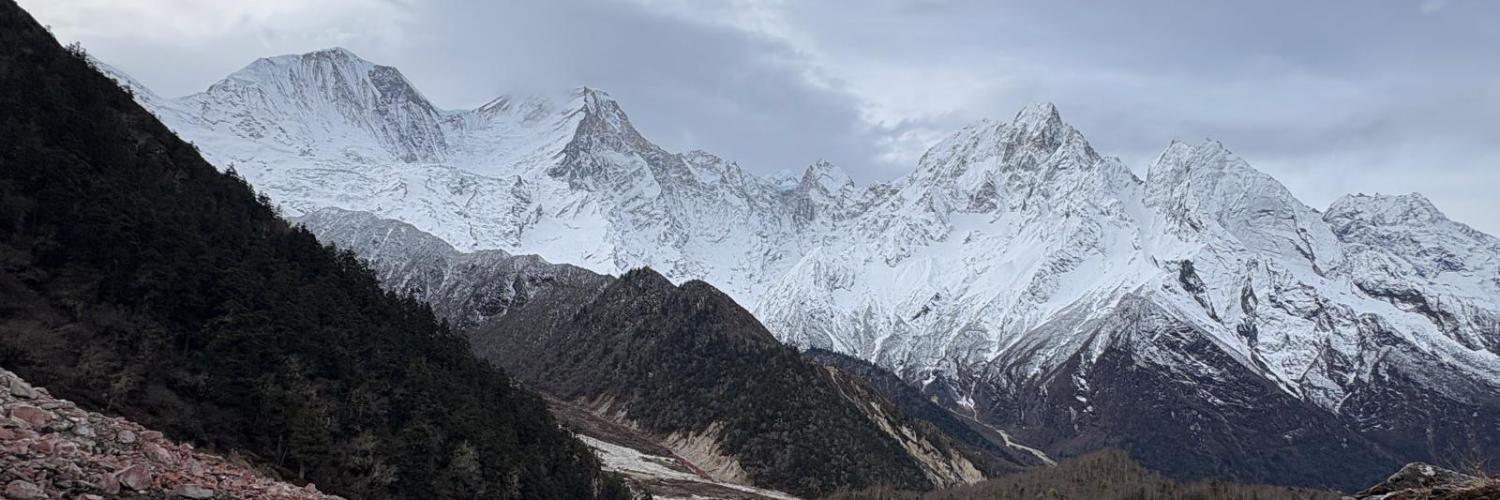
Circling Mount Manaslu (8,163 m / 26,781 ft) - the eighth-highest peak on Earth - the Manaslu Circuit Trek stands as one of Nepal’s most pristine wilderness routes. Offering an authentic alternative to the heavily trodden paths of Everest Base Camp or the Annapurna Circuit, this journey winds through the dramatic Budi Gandaki River gorge, crosses ancient Buddhist sanctuaries, and peaks at Larkya La Pass (5,106 m / 16,752 ft).
Because the region is a designated restricted zone, its remoteness brings physical, logistical, and cultural complexities. At Best Heritage Tour, our team of veteran mountain guides leads trekkers across Nepal’s high passes. We have seen firsthand how small planning errors can derail an entire expedition.
If you are preparing for this Himalayan journey, knowing what are the biggest mistakes to avoid on the Manaslu Circuit Trek is critical. Below is our expert breakdown of the eight most common errors trekkers make and how to prevent them.
1. Rushing the Acclimatization Schedule
The most dangerous mistake to avoid on the Manaslu Circuit Trek is rushing your climb to save days or budget. Starting at Machha Khola (870 m) and ascending above 5,000 m dramatically reduces atmospheric oxygen, spiking your risk of Acute Mountain Sickness (AMS), HAPE, or HACE.
Why Rest Days Are Non-Negotiable
Cutting out dedicated rest days in Samagaon (3,530 m) and Samdo (3,860 m) leaves your body unequipped for high altitude.
-
Samagaon: An extra day here lets you take day hikes to Manaslu Base Camp (4,800 m) or Birendra Lake (3,620 m). This classic "climb high, sleep low" rule stimulates red blood cell production safely.
-
Samdo: A second rest day helps your cardiovascular system adapt before your push toward Dharamsala and the pass.
2. Misunderstanding Restricted Permit Rules
Because Manaslu borders Tibet, the Government of Nepal enforces strict regulatory parameters to preserve the ecosystem and maintain security. Treating this region like an open-access route is a costly error.
|
Permit Type |
Coverage Area |
Issuing Body / Rules |
|---|---|---|
|
Restricted Area Permit (RAP) |
Jagat to Dharapani |
Dept. of Immigration (Min. 2 trekkers) |
|
Manaslu Conservation Area (MCAP) |
Philim to Larkya La Boundary |
National Trust for Nature Conservation |
|
Annapurna Conservation Area (ACAP) |
Exit side via Dharapani |
National Trust for Nature Conservation |
|
Tsum-Nubri Municipality Fee |
Local development tax |
Chumnubri Rural Municipality |
Strict Permit Requirements
-
Mandatory Licensed Guide: Solo independent trekking is illegal here. You must be accompanied by a government-licensed guide registered through an official agency.
-
Group Requirement & Processing: RAPs require physical passport checks at Immigration in Kathmandu. You cannot secure permits at trail entry gates.
Our Advice: Work with Best Heritage Tour. We handle all paperwork and logistics beforehand to prevent delays at checkpoints in Jagat, Philim, Samagaon, and Dharapani.
3. Underpacking for Extreme Alpine Weather
The Manaslu Circuit transitions rapidly across extreme climatic zones. You will trek through warm subtropics (15℃ to 25℃) in lower valleys, then face freezing alpine winds (-10℃ to -20℃) at Larkya La Pass (5,106 m).
Relying on low-grade urban cold gear is a major mistake to avoid on the Manaslu Circuit Trek. High passes experience swift weather shifts and whiteout conditions.
Essential Gear Items
-
Layering System: Thermal merino wool base layers, fleece mid-layers, and a down jacket rated to at least -15℃ / -20℃.
-
Footwear & Microspikes: Waterproof, broken-in trekking boots and lightweight microspikes for icy steps on the pass.
-
Glacier Protection: Category 3 or 4 UV-blocking sunglasses to prevent snow blindness, alongside windproof shell pants.
4. Underestimating Cash Needs in Remote Teahouses
Unlike the Everest region, which offers plentiful ATMs and digital payments, Manaslu remains offline and cash-dependent. Once you drive past Machha Khola, there are no banking facilities for the remainder of the trek.
Common On-Trail Cash Expenses
-
Hot showers (3-5 USD)
-
Device charging (2-4 USD per power bank)
-
Boiled water refills and hot teas
-
Wi-Fi or satellite internet access
-
Personal snacks and tipping for guides and porters
Assuming card payments work in Namrung, Lho, or Samagaon will leave you stranded without essential services.
Our Advice: Budget NPR 3,000 to 4,000 per person, per day for personal expenses. Withdraw cash in Kathmandu in smaller denominations (NPR 100, 500, 1,000) before reaching the trailhead.
5. Misjudging Physical Demands of Budi Gandaki Canyon
Trekkers often focus only on the high pass altitude, underestimating the stamina needed for lower canyon terrain. The route alongside the Budi Gandaki River involves steep stairways, narrow cliff paths, suspension bridges, and endless elevation changes ("Nepali Flat").
Daily Physical Impact Profile
-
Days 1-4: High impact on knees/joints due to stone staircases
-
Days 5-8: Lung & cardiovascular load increases over 3,000m
-
Days 9-1: High-altitude endurance & thermal exposure above 4,500m
Unprepared knees and ankles suffer quickly on long downhill sections and uneven stone trails.
Recommended Preparation
-
Leg Strength: Weighted step-ups, squats, and lunges 3 times weekly.
-
Cardio Building: Trail running, incline treadmill walking, or stair-master workouts wearing an 8-10 kg backpack.
-
Trekking Poles: Bring adjustable poles to absorb up to 25% of joint stress during steep descents.
Our Advice: Train with a loaded pack on uneven ground for 2 to 3 months before your trip to build essential stabilizer muscle strength.
6. Buying Insurance Without High-Altitude & Heli Rescue
Emergency medical evacuations in remote valleys require helicopter dispatch from Kathmandu. A single air rescue from Samagaon or Dharamsala costs 3,500 to 5,000 USD.
Buying basic travel insurance that caps coverage at 3,000 m (9,840 ft) or excludes high-altitude trekking is a severe risk.
Policy Requirements
-
Helicopter Rescue: Policy must explicitly state emergency air search and evacuation up to 6,000 m (19,685 ft).
-
Direct Medical Billing: Coverage for hospital admission in Kathmandu.
-
Trip Interruptions: Protection against road blockages or delays.
Our Advice: Share your policy details with Best Heritage Tour before traveling so we can verify that it complies with local rescue protocols.
7. Disregarding Buddhist Culture and Local Etiquette
Upper Manaslu (Nubri and Tsum Valleys) is a sacred Buddhist sanctuary populated by Gurung and Tibetan-descent communities. Monasteries, chortens, and mani walls hold deep spiritual value.
Cultural Etiquette Summary
-
Mani Walls / Chortens → Pass on your LEFT (Clockwise)
-
Monasteries / Gompas → Remove shoes & hats before entering
-
Photography → Ask permission before shooting people
-
Sacred Sites → Do not climb or sit on Mani stones
Key Practices
-
Clockwise Direction: Always walk to the left of mani walls, prayer wheels, and chortens (clockwise motion).
-
Temple Etiquette: Remove shoes and hats before stepping into monastery halls (lhakhangs).
-
Waste Reduction: Avoid single-use plastic water bottles. Carry reusable metal flasks and use water purification tablets or boiled water provided by teahouses.
Our Advice: Follow your guide’s instructions. Our team belongs to these valleys and helps you experience local rituals respectfully.
8. Booking with Unregistered Budget Operators
Choosing cheap, unregistered agencies or unlicensed online freelancers is a major danger. Budget operators frequently cut costs by hiring underpaid, uncertified guides who lack high-altitude emergency training or proper cold-weather gear.
Potential Risks
-
Permit Failure: Incorrect filings leave you turned back at check posts.
-
Safety Shortfalls: Uncertified guides may fail to recognize altitude sickness early or lack daily pulse oximeter monitoring.
-
Staff Exploitation: Porters subjected to unsafe loads without cold-weather equipment.
Our Advice: Book with an authorized operator. Best Heritage Tour has led ethical heritage, cultural, and trek expeditions across Nepal for years, guaranteeing fair wages and full insurance for our entire field crew.
Conclusion
The Manaslu Circuit Trek offers a remarkable Himalayan experience when approached with care, local insight, and proper preparation. By avoiding these eight mistakes, you guarantee a safer and more rewarding journey.
At Best Heritage Tour, we combine two decades of local expertise with modern expedition support, custom itineraries, and high safety standards. Whether you aim to cross Larkya La Pass or explore the hidden cultural heritage of Tsum Valley, our expert team manages every detail from your arrival in Kathmandu to your safe return.
Contact Best Heritage Tour
Ready to plan your trek or have questions regarding route conditions, permits, or private departure dates? Get in touch with our team today:
Phone / WhatsApp / Viber: +977-9851149197 / +977-9810043046
Email: info@bestheritagetour.com / bestheritagetour@gmail.com
Website: www.bestheritagetour.com
Office: Thamel Marg, Kathmandu, Nepal
Author: Best Heritage Tour
Date: 16th August, 2026