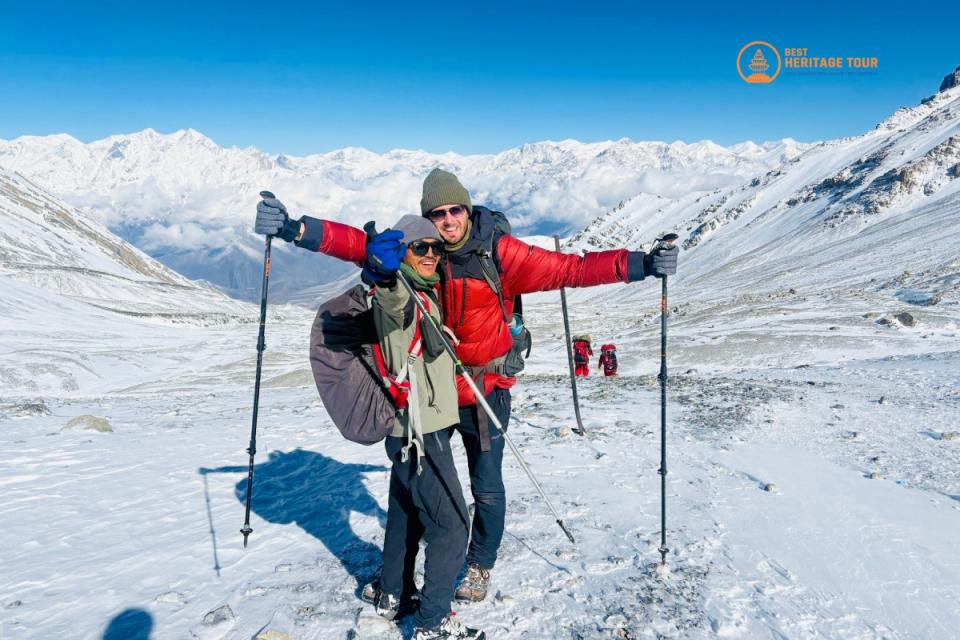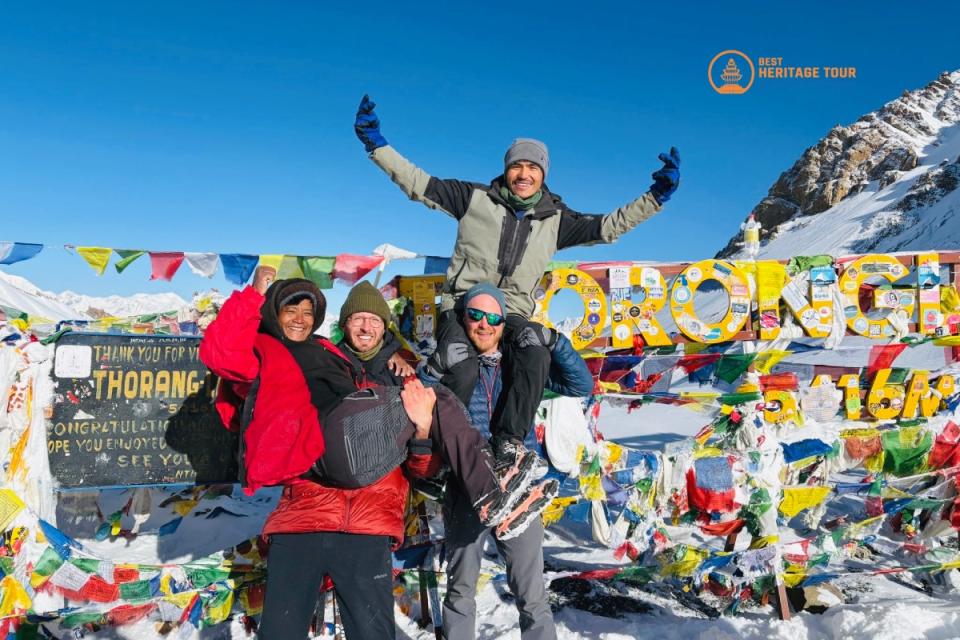
The Annapurna Circuit is often celebrated as one of the greatest high-altitude journeys in the world. Circum-navigating the massive Annapurna Massif, traversing the dusty trans-Himalayan valleys of Manang and Mustang, and conquering the formidable Thorong La Pass (5,416m / 17,769ft) is a life-altering adventure.
However, moving through these ancient landscapes is not without its perils. At Best Heritage Tour, with years of guiding international travelers through the sacred peaks and cultural heritage of Nepal, we have witnessed how minor miscalculations on the trail can turn a bucket-list dream into a logistical nightmare or a medical emergency.
Whether you are a seasoned mountain hiker or preparing for your first Himalayan expedition, avoiding critical errors is essential for a safe and memorable journey.
1. Rushing the Ascent and Ignoring Altitude Acclimatization
The single greatest mistake trekkers make on the Annapurna Circuit is treating the climb as a race. Acute Mountain Sickness (AMS) does not care about your age, gym schedule, or marathon times. The human body requires time to adapt to the lower atmospheric pressure and reduced oxygen levels above 3,000 meters.
The Best Heritage Tour Solution
-
Follow the "Climb High, Sleep Low" Rule: During your acclimatization day in Manang, take a day hike up to Chongkor Viewpoint or Ice Lake (4,600m) before descending back to Manang to sleep. This triggers red blood cell production.
-
Cap Daily Elevation Gain: Once above 3,000 meters, limit your net sleeping elevation gain to 300-500 meters per day.
-
Listen to Your Body: A mild, persistent headache, loss of appetite, or dizziness are early warnings. Never ascend with symptoms of AMS.
2. Underestimating the High-Altitude Cold and Packing the Wrong Gear
The Annapurna Circuit transitions through multiple climate zones: from sub-tropical banana groves and pine forests to Arctic alpine tundra. Many travelers pack for pleasant alpine walking and find themselves dangerously unprepared for sub-zero conditions higher up.
The Gear Trap
Relying solely on cheap, counterfeit down jackets bought on street corners, or failing to pack a high-grade sleeping bag (rated to at least -15°C to -20°C), guarantees miserable nights in unheated high-altitude teahouses.
Essential Gear Strategy
-
Layering System: Invest in high-wicking synthetic or Merino wool base layers, insulating fleece mid-layers, and a windproof/waterproof outer shell.
-
Footwear First: Break in your trekking boots at least 4-6 weeks prior to arriving in Nepal. Brand-new boots on rugged mountain passes lead to severe blisters. Pair them with moisture-wicking Merino wool socks.
-
Sleeping Setup: Teahouse rooms are unheated. While blankets are provided, they are insufficient at High Camp. Always use a cold-rated sleeping bag.
3. Poor Water Purification and Dehydration Practices
Dehydration accelerates the onset of altitude sickness and causes severe fatigue. At the same time, consuming untreated tap, river, or spring water along the trail introduces waterborne parasites like Giardia, which can cut a trek short.
|
Water Source Option |
Pros |
Cons |
Recommendation |
|---|---|---|---|
|
Single-use Plastic Bottles |
Readily available |
Devastating environmental impact; expensive at high altitudes |
Avoid entirely |
|
UV Sterilizers (SteriPEN) |
Quick, chemical-free |
Requires working batteries; ineffective in murky water |
Excellent backup |
|
Chlorine / Iodine Tablets |
Cheap, lightweight, highly effective |
Leaves a chemical taste; requires 30 min wait time |
Recommended primary |
|
Hollow-fiber Filters (Sawyer) |
Immediate clean water |
Can freeze and break at sub-zero high altitude |
Good with care |
Hydration Protocol
Aim for 3.5 to 4.5 liters of fluid intake daily once above 2,500 meters. Carry a reusable insulated flask or stainless-steel bottle. Avoid relying on single-use plastic bottles, as waste management infrastructure does not exist at high elevations.
4. Failing to Budget Extra Cash and Relying on Trail ATMs
While digital payment systems and ATMs are common in Kathmandu and Pokhara, the high mountain trails operate almost exclusively on physical cash in Nepalese Rupees (NPR).
Common Financial Mistakes
-
Assuming ATMs in Jomsom or Manang work: High-altitude card readers frequently lose satellite connectivity, run out of bills, or suffer long power outages.
-
Underestimating prices at high altitude: A bottle of boiled water, a hot shower, or Wi-Fi charging that costs 100 NPR in lower villages can cost 400-600 NPR near Thorong Phedi due to mule and porter transport costs.
Financial Checklist
Withdraw all necessary funds in Kathmandu or Pokhara before heading to the trailhead. Budget approximately 3,500 to 5,000 NPR per person, per day for personal expenses (meals, hot showers, device charging, hot drinks, snacks, and tips) if traveling independently, or 1,500 to 2,500 NPR per day for personal extras if on an all-inclusive guided package.
5. Mismanaging the Thorong La Pass Crossing
At 5,416 meters (17,769 feet), Thorong La is the geographical pinnacle of the trek. Crossing it requires proper timing, mental stamina, and respect for Himalayan weather windows.
Mistakes on Pass Day
-
Late Departures: High winds pick up sharply across the pass after 10:00 AM, dropping temperatures dramatically and creating hazardous wind-chill conditions. Leaving camp after 6:00 AM is a critical mistake.
-
Lingering at the Top: Due to extreme altitude, stay at the prayer-flagged summit for no more than 20-30 minutes before beginning your descent toward Muktinath.
-
Ignoring Descending Knee Strain: The drop from Thorong La (5,416m) down to Muktinath (3,710m) is a punishing 1,700-meter vertical decline. Using high-quality, shock-absorbing trekking poles is essential to protect your knee joints and prevent falls on loose scree.
6. Overpacking Your Backpack or Trekking Without a Porter
Overloading a backpack is a rapid way to cause muscle strains, spinal fatigue, and joint pain.
The Impact of Heavy Gear
Walking 6 to 8 hours daily over uneven terrain at low oxygen levels demands immense energy. Every extra kilogram feels exponentially heavier above 4,000 meters.
Our Recommendation
Consider trekking with a certified local porter or a guide-porter. Hiring local support ensures your safety, supports the local mountain economy, and allows you to enjoy the landscape without physical strain. If carrying your own pack, keep your total dry weight under 12 kilograms.
7. Skipping Comprehensive High-Altitude Travel Insurance
A common oversight among trekkers is purchasing standard travel insurance without verifying the small print regarding altitude limits and medical evacuation coverage.
Crucial Insurance Requirements
-
Explicit Altitude Limit: Standard policies often cap medical coverage at 2,500m or 3,000m. Your policy must explicitly cover trekking up to 6,000 meters.
-
Helicopter Evacuation Coverage: Search and Rescue (SAR) helicopter evacuations in remote Nepal require upfront financial guarantees ranging from $2,500 to $5,000 USD if insurance approval is delayed. Ensure your policy includes direct-pay emergency helicopter evacuation.
-
Policy Verification: Always leave a copy of your insurance policy, emergency contact details, and policy number with your agency or local guide prior to departure.
8. Ignoring Local Culture, Traditions, and Mountain Ethics
The Annapurna region is home to vibrant ethnic communities, including the Gurung, Manange, and Thakali peoples, whose traditions are woven into the sacred landscapes.
Cultural Trail Etiquette & Traditions
-
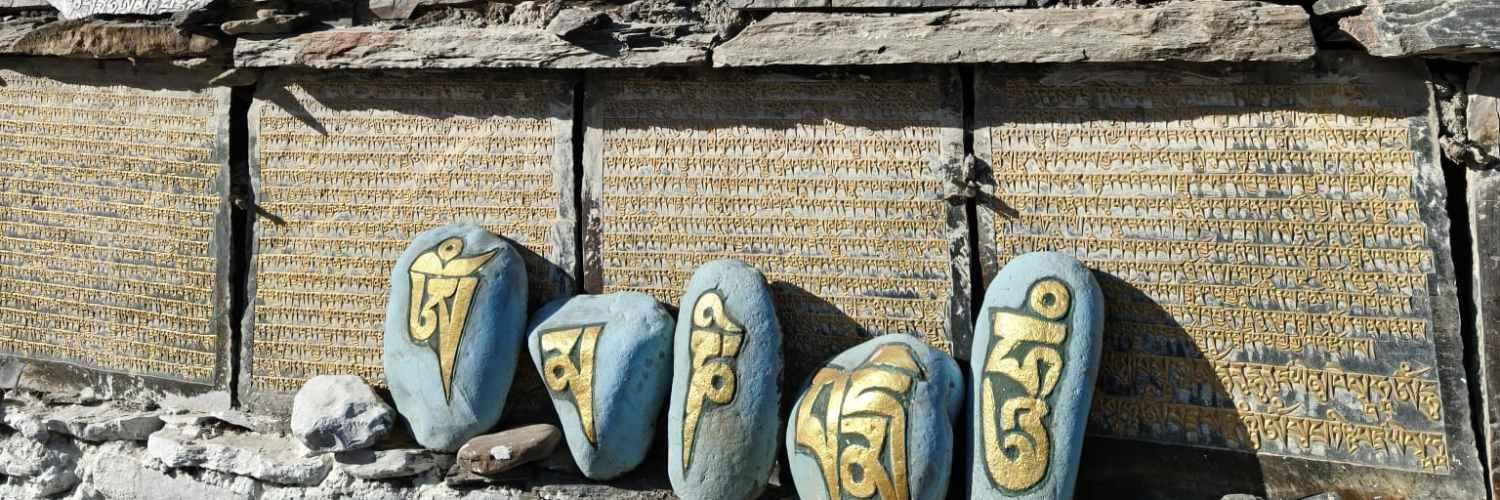
Chorten / Mani Walls → Always pass keeping the structure on your RIGHT (Clockwise)
-
Prayer Wheels → Spin gently in a CLOCKWISE direction
-
Monasteries / Temples → Remove shoes, ask before photos, dress modestly
-
Local Greetings → Greet locals with palms pressed together: "Namaste"
Conclusion
Successfully conquering the Annapurna Circuit isn't about pushing your physical limits to the edge; it’s about making smart, informed decisions before and during your journey. By respecting the altitude, preparing your gear for multi-zone weather, managing your trail cash, and trusting experienced mountain professionals, you transform what could be a risky ordeal into a safe, deeply enriching Himalayan odyssey.
At Best Heritage Tour, we take pride in taking care of every operational detail - from customized acclimatization schedules and expert local guides to seamless emergency protocols - so you can focus entirely on the awe-inspiring scenery and ancient mountain cultures.
Ready to Experience the Annapurna Circuit the Right Way?
Let our veteran team design a safe, unforgettable, and fully personalized high-altitude itinerary for you. Reach out to us today to start planning your Himalayan adventure with Nepal's leading heritage and trekking specialists!
Phone / WhatsApp / Viber: +977-9851149197 / +977-9810043046
Email: info@bestheritagetour.com / bestheritagetour@gmail.com
Website: www.bestheritagetour.com
Office: Thamel Marg, Kathmandu, Nepal
Frequently Asked Questions
What is the hardest part of the Annapurna Circuit Trek?
The most physically and mentally challenging section is the long ascent from Thorong Phedi or High Camp over the Thorong La Pass (5,416m) and the steep 1,700m descent to Muktinath. Proper pacing, early morning starts, and adequate acclimatization in Manang make this pass manageable for prepared trekkers.
How many days are ideally needed for the Annapurna Circuit?
A well-paced Annapurna Circuit trek takes between 12 to 18 days, depending on your chosen starting/ending points and whether you include side trips like Tilicho Lake. We recommend at least 14 days to allow for necessary acclimatization days.
Do I need a guide for the Annapurna Circuit Trek?
Yes, under mandatory safety regulations in Nepal, international trekkers are required to hike with a licensed guide in national parks and conservation areas. Beyond compliance, a professional guide handles route navigation, teahouse bookings during peak season, emergency protocols, and cultural interactions.
When is the best time to trek the Annapurna Circuit?
The two premier trekking seasons are Autumn (September to November) and Spring (March to May). Autumn offers crystal-clear mountain views and stable weather, while Spring brings warmer temperatures and blooming rhododendron forests across the lower elevations.
Author: Best Heritage Tour
Date: 14th August, 2026